




Abstract
The commodity trading and risk management (CTRM) system is crucial in the oil trading business, providing real-time data and analytics to manage risks, optimise trading strategies and streamline operations in the volatile oil markets. This research examines the impact of digital solution capabilities like data management, data analytics and trade risk management via the CTRM system on the operational performance of UAE oil trading firms through decision-making quality. Primary data was collected through a structured questionnaire from 72 oil and energy trading firms in the UAE. The data analysis was done with the structural equation modelling technique through Smart PLS software. The findings revealed that the data management capabilities have a direct positive impact on operational performance and quality of decision-making. However, data analytics does not significantly impact operational performance, suggesting that analytics alone is not sufficient to enhance decision-making quality. This study has managerial implications for commodity trading firms to enhance CTRM digital solutions’ capabilities, particularly in data and trade risk management with improved operational performance and decision-making quality, offering valuable insights for industry professionals and decision-makers seeking a competitive edge in the commodity trading sector.
Keywords
Introduction
The UAE holds the seventh-largest proven crude oil reserves in the world, amounting to around 97.8 billion barrels. More than 90% of the UAE’s oil output is coming from reserves located in Abu Dhabi. The UAE is a member of OPEC and plays a critical role in influencing global oil prices through its production and export policies. The UAE is a significant global player in the oil and energy trading industry, bolstered by its vast oil reserves and strategic position as a hub for energy exports. Asia is the primary market for UAE oil, with countries like Japan, South Korea, China and India being key importers. The UAE’s energy trading landscape has evolved, with national companies like the Abu Dhabi National Oil Company (ADNOC) launching their own trading arms to manage crude oil and refined product sales. The Dubai Mercantile Exchange (DME), which is a major crude oil futures trading platform, further strengthens the UAE’s position as a key energy trading hub. In today’s rapidly evolving digital landscape, an organisation’s success hinges on its ability to leverage technology effectively. Digital capabilities encompass the tools, processes, and skills that enable an organisation to operate seamlessly in the digital world. These capabilities directly impact operational performance (OP), which refers to the efficiency and effectiveness with which an organisation achieves its goals. Commodity trading and risk management (CTRM) digital systems help commodity traders, processors, and purchasers manage physical trades, accounting, derivative trades, position, MTM (mark to market), origination, logistics, risk management, procurement, planning and scheduling. A robust and secure IT infrastructure forms the backbone of digital operations. This includes reliable hardware, software, and cloud solutions that can handle increasing data volumes and complex workflows (Weill & Woerlein, 2019). Organisations must prioritise data collection, storage, analysis, and utilisation. Effective data governance ensures data quality and compliance with regulations (Luftman et al., 2018). Fostering a culture of digital literacy is essential. Employees must possess the skills to navigate digital tools and utilise data insights effectively (PwC, 2023a). Inspired by these concepts, this article has following objective.
To study the effect of CTRM digital solutions capabilities on the quality of decision-making (QDM) and OP of energy trading firms.
To achieve this objective, the study looked into several theoretical frameworks to establish relationships between digital capabilities and OP of firms. One key perspective is dynamic capabilities theory, which posits that a firm’s ability to integrate, build, and reconfigure internal and external competencies in response to rapidly changing environments drives performance (Teece et al., 1997). Digital capabilities—such as advanced data analytics, automation, and cloud computing—enhance a firm’s agility, enabling quicker responses to market shifts and operational efficiency improvements. Resource-based view (RBV) also emphasises the role of unique resources (Amit & Schoemaker, 1993) including digital technologies, in achieving competitive advantage (Barney, 1991). Firms with superior digital capabilities can better utilise their resources, streamlining processes and reducing costs. This leads to enhanced OP, including improved productivity, faster decision-making, and better quality control. From a Technological Innovation perspective, digital transformation enables firms to innovate in their operations (Bharadwaj, 2000). The adoption of Industry 4.0 technologies—such as the Internet of Things (IoT), artificial intelligence (AI), and robotics—can automate repetitive tasks, optimise supply chains, and improve real-time monitoring of production, boosting performance. In summary, digital capabilities empower firms to operate more efficiently, adapt to market demands, and maintain competitiveness, ultimately improving their OP.
Literature Review
There are many articles on how specific digital capabilities translate to improved OP across different aspects of an organisation. Streamlined processes with automation are the major benefit resulting in digital capability for any firm. Repetitive tasks can be automated using workflow management tools and robotic process automation (RPA), freeing up employee time for more strategic activities (McKinsey & Company, 2018). Real-time communication and project management platforms facilitate seamless collaboration across teams and locations, enhancing efficiency (Gartner, 2023a). Customer relationship management (CRM) platforms enable organisations to manage customer interactions effectively, fostering loyalty and boosting customer satisfaction (Salesforce, 2023). Providing a consistent customer experience across all touchpoints (website, social media, mobile app) through digital marketing strategies fosters brand awareness and engagement (HubSpot, 2023). This will result in overall enhanced customer experiences resulting in capabilities for organisations. Digital solutions are also resulting in optimised supply chain management through Inventory management systems. Digital technologies are very useful for real-time inventory tracking and forecasting guarantee ideal stock levels while cutting expenses and enhancing supply chain effectiveness (TechTarget, 2023). Utilising digital platforms to track goods throughout the supply chain offers greater transparency and facilitates proactive risk management (McKinsey & Company, 2020). Since most of the decisions are driven by relevant data, digital solutions play a significant part in the decision-making process, which in turn has a significant impact on the quality of decisions made. BI dashboards and analytics platforms provide real-time insights into operational data, enabling data-driven decision-making (Gartner, 2023b). Leveraging advanced predictive analytics, organisations can predict future trends and proactively address potential issues, improving decision-making accuracy (MIT Sloan Management Review, 2017). Digital solutions also help organisations for better Risk Management and security systems in place. Implementing robust cybersecurity measures across all digital platforms safeguards sensitive data and mitigates cyber threats (IBM, 2023). Establishing data security protocols and employee training programmes protects against data breaches and ensures compliance with regulations (PwC, 2023b). It is necessary to quantify and monitor the effect of digital capabilities on OP. Key metrics discussed in various literature for operational efficiency are Process efficiency Customer satisfaction Customer satisfaction and Operational costs. The terms ‘process efficiency’ and ‘number of errors,’ as well as ‘time taken to complete tasks’, are used interchangeably. Customer Net Promoter Score (NPS), customer retention rate, and query response times are a few examples of metrics that measure customer happiness. Sales growth, market share, and return on investment (ROI) on digital activities are used to quantify revenue growth. Operational costs primarily include savings achieved through automation and improved resource allocation. Regularly analysing these metrics helps organisations identify areas for improvement and refine their digital solutions for continued success (Kaplan & Norton, 1996). While the benefits of digital capabilities are undeniable, organisations face major challenges related to integration and change management. New digital technology integration with legacy systems can be difficult and expensive (MIT Sloan Management Review, 2016). Building a digital-ready workforce requires fostering a culture of continuous learning and change management initiatives (McKinsey & Company, 2018). CTRM digital solutions are building the capabilities of energy trading firms in the form of data management capabilities (DMC), data analytics capabilities (DAC) and trade risk management capabilities (TRMC). These capabilities lead to better decision-making in energy trading firms and hence their OP improves. CTRM digital technology-driven process for data analytics and generating powerful output with more refined and relevant set of information ultimately helping commodity traders to become more powerful in business intelligence (BI). Commodity trading firms can analyse data using BI systems, which supports and enhances management decision-making for a variety of trading and risk management operations (Elbashir et al., 2008). Different types of information must be processed for business decisions at different levels in trading and risk management, and BI tools help make judgements that are effective (Borissova et al., 2020). Brohman et al. (2000) state that effect of new understandings on data management on managerial decisions was constantly found positive and OP was improved with more specific decisions of business operations. The organisational information processing theory by in order to help commodity traders efficiently to carry out their operations of trading and risk management, Mathiassen and Sørensen (2008) integrate generic conceptions of information processing possibilities with greater DAC for organisations. They advise that information services are invoked. The sophistication of a company’s digital technology infrastructure is positively correlated with both operational success and the pace at which innovations are adopted, according to empirical studies. Chau and Tam (1997) discovered that a key determinant of innovation adoption in a business is the intricacy of its digital technology infrastructure. Thong (1999) created a thorough model of how small firms use digital technology infrastructure and made the case that the complexity of the business affects how likely it is that digital technology will be adopted. According to Mishra et al. (2007), a company’s breadth of procurement expertise and the size of its digital technology infrastructure with Internet. Digital capabilities along with technological integration and readiness were also noted by Zhu et al. (2006) as a critical component of the innovation adoption process in e-business. The scope of a company’s internal digital capabilities is too great for an accurate assessment, and a company may not be equally skilled in all areas of digital solutions. Commodity trading firms with CTRM digital solutions would likely have more data management and analytics capabilities compared to firms which have not adopted CTRM digital solutions. The CTRM digital solutions make these commodity trading firms more data-driven rather than gut feeling in their decision-making to improve OP. Organisations that prioritise data often foster a knowledge-based decision-making culture as opposed to depending solely on gut feelings and instincts (McAfee et al., 2012). According to Denison (1984), organisational culture is made up of the dominant rules, values, and behavioural patterns that characterise the fundamental traits of the company. Culture has an impact (Laforet, 2017) on strategy formulation, organisational behaviours, working environments, leadership styles, and management procedures. Data-driven decision-making at all organisational levels is impacted by data-driven cultures (Gupta & George, 2016). It is critical for commodity traders to actively engage in data management and data analytics and find out methodologies to trade risk management in their daily commodity trades. According to research on organisational culture from the standpoint of data capabilities theory, an organisation’s culture may have an impact on its dynamic capabilities (Dubey et al., 2019). These arguments highlight the importance of CTRM digital solutions in the growth of digital capabilities for better decision-making and improved OP. Businesses are striving to figure out how to use data for decision-making as effectively as possible in the current digitalisation era (Visinescu et al., 2017). When used with BI technologies, managerial experience can improve the calibre of decisions made (Seddon et al., 2017). While decision-making efficiency takes into account the resources used, such as time, money, etc., decision-making quality, or efficacy, can be assessed by the decision-makers satisfaction with the accomplishment of intended outcomes in their OP (Kaltoft et al., 2014). Decision-makers can leverage data, information, and expertise from CTRM Digital solutions to manage trade risk and make trading decisions at the strategic and operational levels.
Research Methodology
This research followed a systematic and to an extent, an iterative process started with some broad questions on the topic of CTRM digital disruptions and new solutions, which led to a very exhaustive review of literature and identification of more related areas within the domain using additional keywords. After a vast and critical literature review, gaps in the current research were identified and that led to specific research problems. That is translated into research hypothesis or model which was empirically tested with a cross-sectional descriptive research design with collected sample of 72 firms engaged in oil trading in UAE with the structured questionnaire. This research has focused on the impact of CTRM digital capabilities in oil trading firms in UAE and the survey respondents have been the top and middle-level executives who are dealing with CTRM digital solutions for business decision-making. Non-probability convenience sampling method was employed to select oil trading firms that allowed us to meet their top or middle-level executives who were willing to participate in the research by filling up the structured questionnaire. This sample size was deemed sufficient to provide meaningful insights into the CTRM digital capabilities in the context of the study. The questionnaire comprised two sections: sociodemographic questions and items measuring various constructs related to CTRM digital capabilities. The sociodemographic section included questions on gender, age, education, domain, Job cadre, and experience of respondents along with the firm’s data like turnover of firm, trading volume of the firm and employee strength of the firm. The constructs section, as presented in Table 1, included items on all three aspects of CTRM digital capabilities like DMC, DAC, and TRMC along with QDM and OP. ‘Five-point Likert scale’ was utilised for evaluating responses, ranging from ‘Strongly Disagree’ to ‘Strongly Agree’ on each item of the construct. This construct was developed using an extensive literature review. Bernstein and Hass (2008), Fan and Gui (2007), and Lin and Hua (2008), for instance, have all talked about data capabilities challenges and how they affect an organisation’s capacity to use business data. These consist of tasks like data delivery, quality assurance, integration, and analysis. For this study, the construct of an organisation’s data capability is operationalised based on the categories suggested by these studies. To check the reliability of the construct internally, the reliability test is performed where the values of composite reliability, Cronbach’s alpha (CA) and average variance extract are derived. Starting with the reliability of internal consistency, CA values are used to measure it. CA shows that the variables are on good scale when the values are more than the thumb rule value of 0.08.
List of Constructs and No. of Items in Inventory.
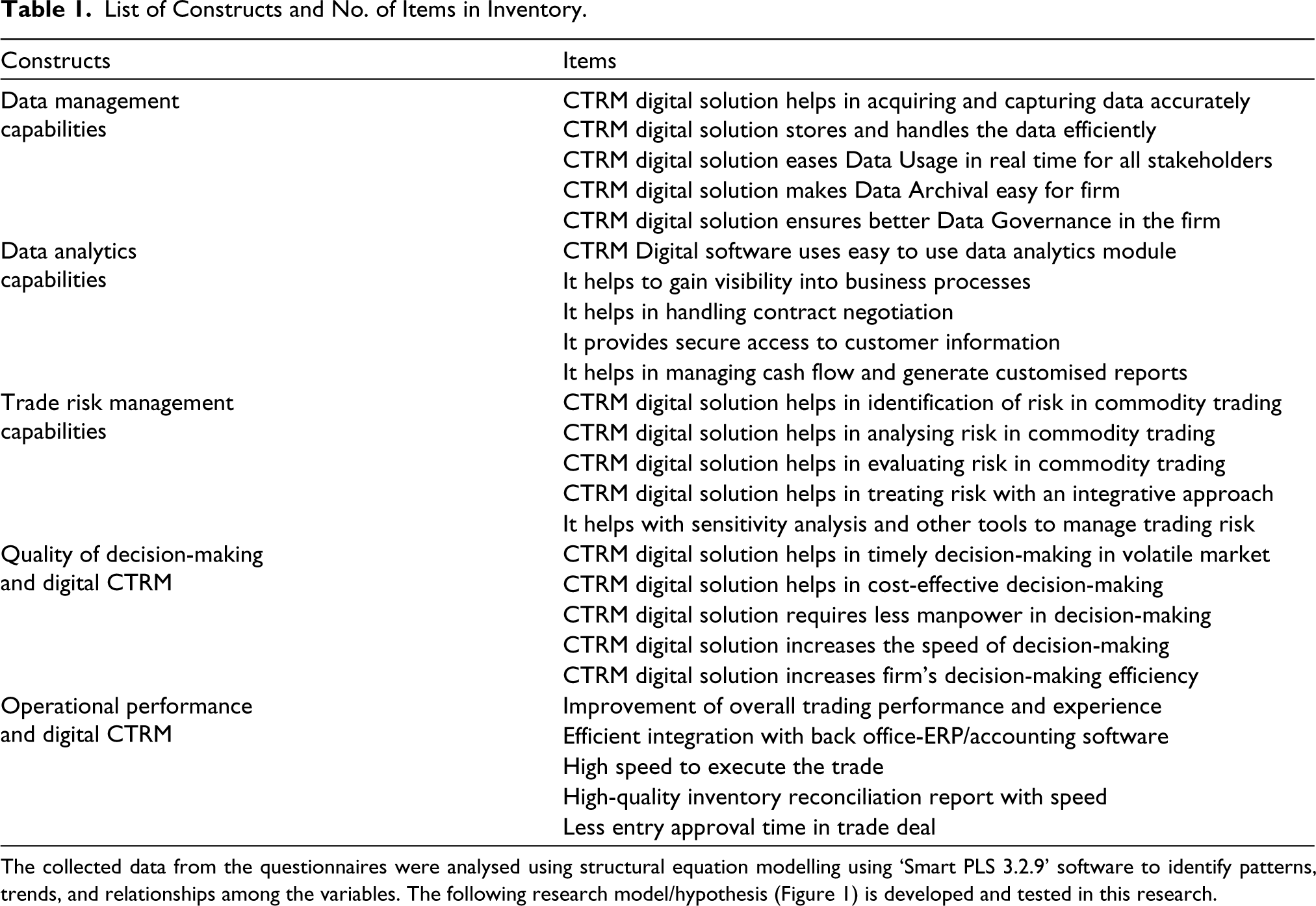
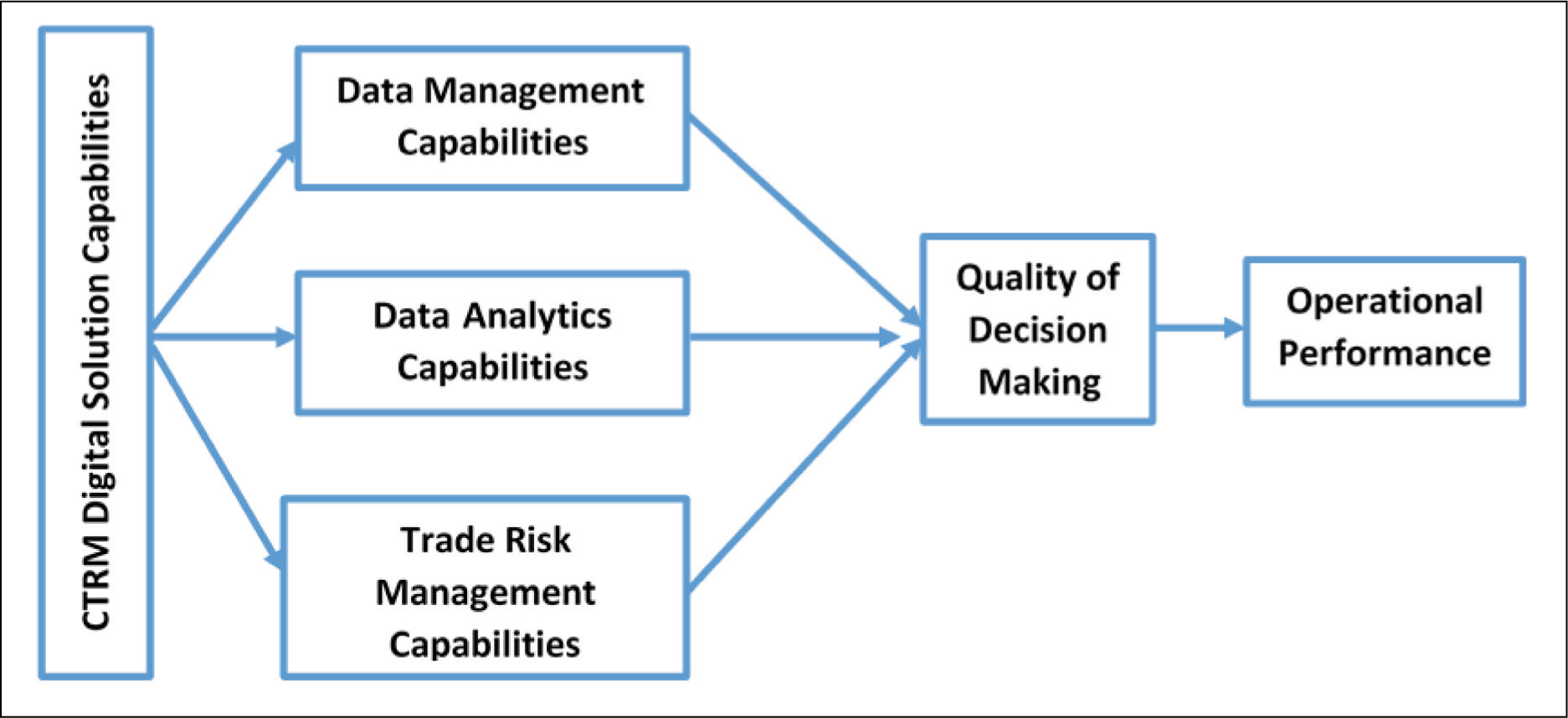
The collected data from the questionnaires were analysed using structural equation modelling using ‘Smart PLS 3.2.9’ software to identify patterns, trends, and relationships among the variables. The following research model/hypothesis (Figure 1) is developed and tested in this research.
Conceptual Research Model.
Data Analysis and Discussion
As presented in Table 2, The gender distribution of the respondents is significantly skewed, with 80.56% male respondents (58 individuals) and only 19.44% female respondents (14 individuals). The age distribution of the respondents is relatively broad but shows a concentration in the 41–50 age group, which accounts for 54.17% of the sample. The 30–40 and 51–60 age groups are less represented, comprising 20.83% and 25% of the respondents, respectively. This distribution indicates that the majority of the survey participants are in the mid-career stage, which may influence their perspectives on digital capabilities. The respondents’ educational qualifications are varied, with the majority holding either a graduate degree (38.89%) or a professional qualification (38.89%). A smaller percentage of respondents hold postgraduate degrees (19.44%), while a minimal 2.78% have a doctoral degree. The relatively high proportion of individuals with professional qualifications suggests a skilled and possibly specialised workforce among the respondents. Most respondents have a substantial amount of experience, with 75% reporting 11–20 years of experience. This is followed by 19.44% of respondents with less than 10 years of experience and only 5.56% with more than 20 years of experience. The high percentage of respondents in the mid-experience range could reflect a seasoned group of professionals, likely to have well-informed opinions on CTRM digital capabilities. The majority of respondents occupy top-level positions, accounting for 77.78% of the sample. The remaining 22.22% are in middle-level roles. This suggests that the insights gathered from the survey predominantly reflect the views of higher-ranking professionals, which could provide strategic perspectives on digital capabilities and its impact of OP.
Demographic Profile of Respondents.
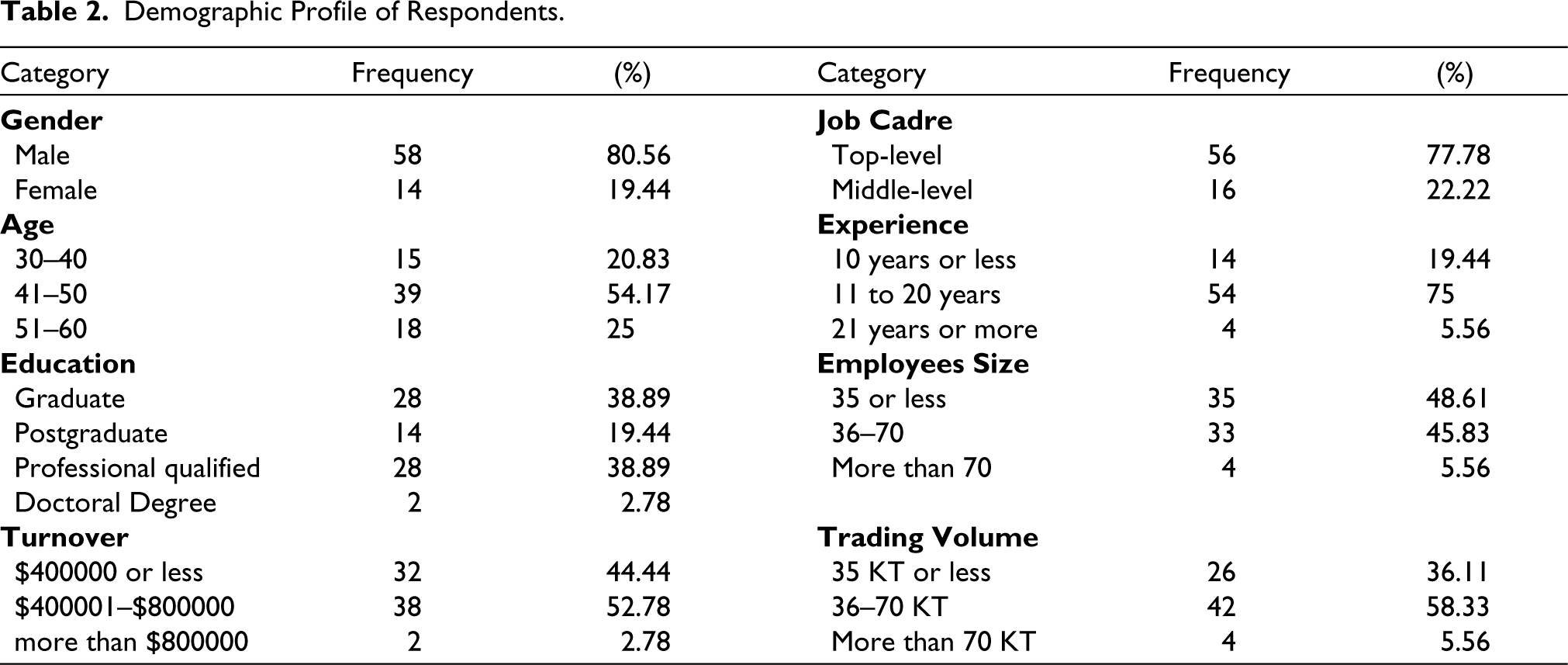
Nearly half of the respondents (48.61%) come from organisations with 35 or fewer employees, while 45.83% are from slightly larger organisations with 36–70 employees. A small fraction (5.56%) represents organisations with more than 70 employees. This distribution suggests that the survey is primarily representative of small to medium-sized enterprises. A significant portion of respondents (52.78%) work in organisations with a turnover between USD 400,001 and USD 800,000, while 44.44% are from organisations with a turnover of USD 400,000 or less. Only 2.78% of respondents are from organisations with a turnover exceeding USD 800,000. The trading volume data reveals that a majority of respondents (58.33%) are from organisations with a trading volume between 36 and 70 MT, while 36.11% have a trading volume of 35 or less MT. Only 5.56% report a trading volume of more than 70 MT. This discussion provides an overview of the demographic characteristics of survey respondents and highlights potential implications for the survey’s findings.
The proposed hypotheses of the study were tested using the partial least squares structural equation modelling technique (PLS-SEM). This technique helps in the simultaneous testing of multiple regression analyses. The PLS-SEM analysis in Smart PLS software was performed. The PLS-SEM technique was adopted based on its applicability to small samples of non-normal data. The procedure described by Hair et al. (2021) for PLS-SEM analysis using Smart PLS was utilised.
Measurement Model
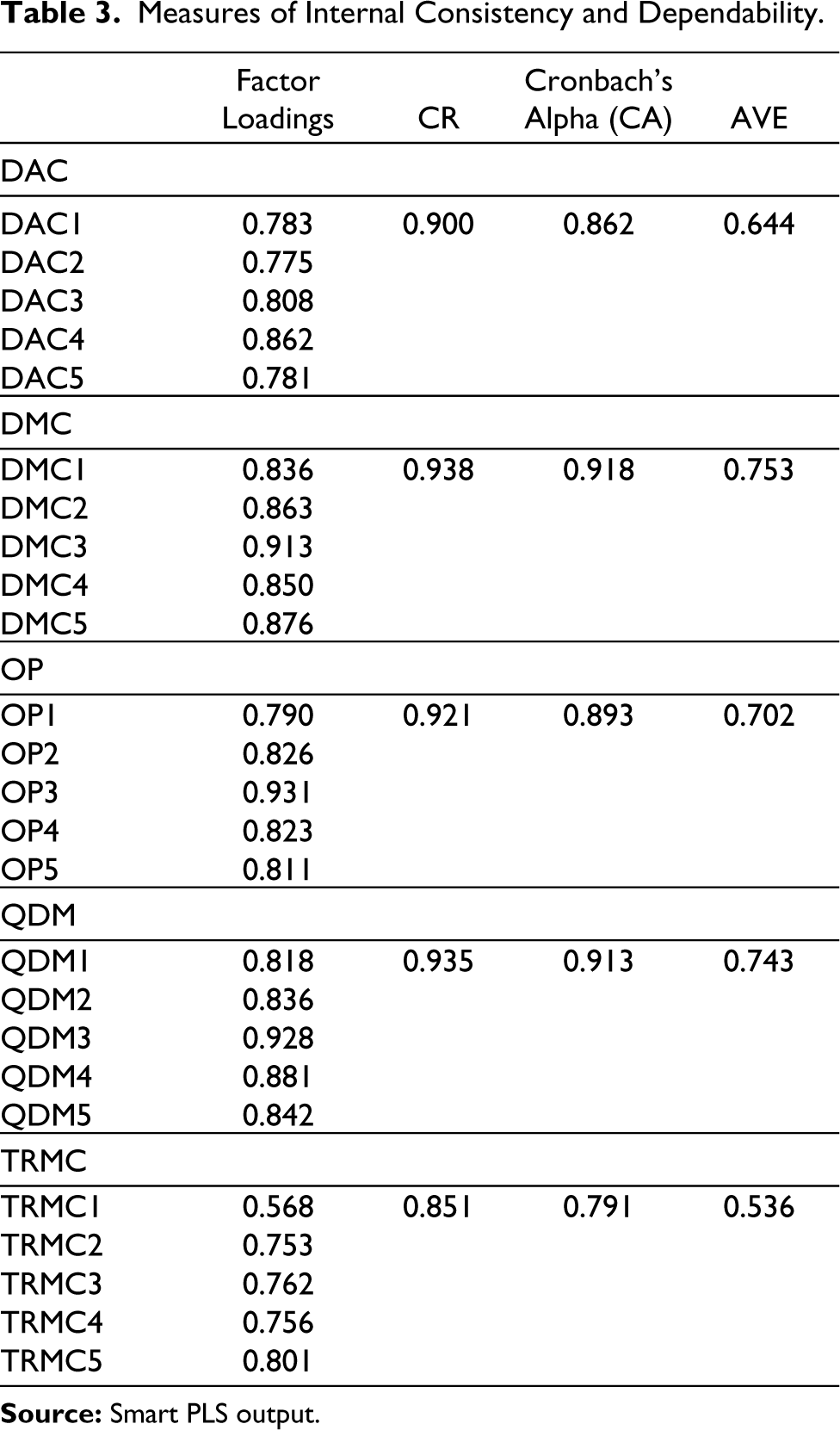
The established measure and outer factor loading were analysed to evaluate the measurement model (Table 3). The factor loading was higher than the prescribed minimum cut-off of 0.7, so it can be concluded that the selected indicators have high reliability in the presented study. Also, the values obtained by CA and composite reliability coefficients were higher than 0.7. The convergent validity of the developed model was cross-checked using the Average variance extracted (AVE) values and pointed out that all values are greater than the threshold value of 0.05 (Hair et al., 2021).
Measures of Internal Consistency and Dependability.
Discriminant Validity
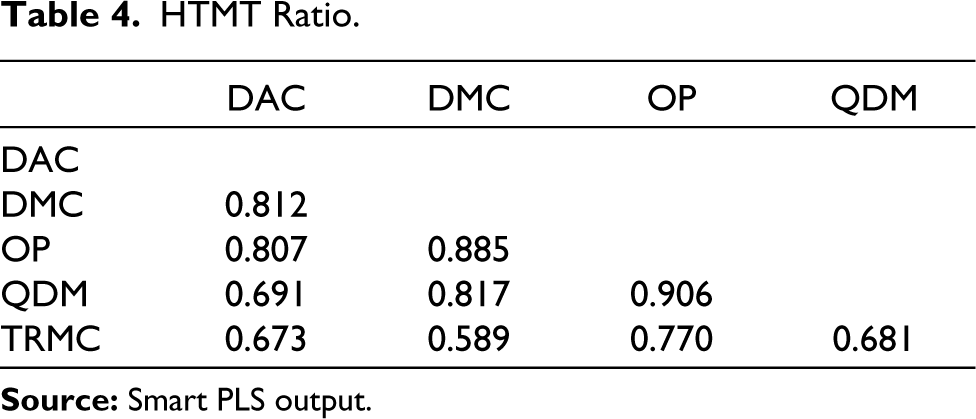
A valid measurement model should have two things, they have convergent and divergent validity. To test divergent validity, HTMT ratio, as presented in Table 4, of correlations was evaluated, which according to Henseler et al. (2015), should not be above 0.9, however, QDM-OP has a value of 0.906 which was considered as it is very close to the cut-off value.
HTMT Ratio.
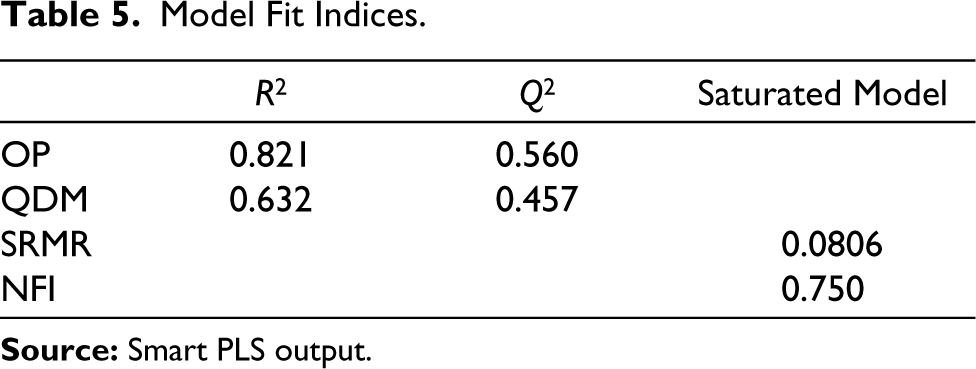
As for the PLS-SEM analysis, the coefficient of determination R2 estimates the number of square values for a model to predict how well the model is performing. The R2 value of all the endogenous variables was greater than 0.5 which can be considered acceptable as per Henseler et al. (2015). The results of the Stone-Geisser test with blindfold were positive, Q2 > 0, which confirmed the out-of-the-sample performance of the model (Shmueli et al., 2019). This affirms that the model has good predictive power.
In PLS modelling, the criteria used to check model fitness within the study were SRMR and NFI. The SRMR yielded below 0.08 and NFI nearly 0.9 (Hair Jr et al., 2017). Table 5 depicts that the SRMR and NFI values are very near to threshold values indicating a good fit.
Model Fit Indices.
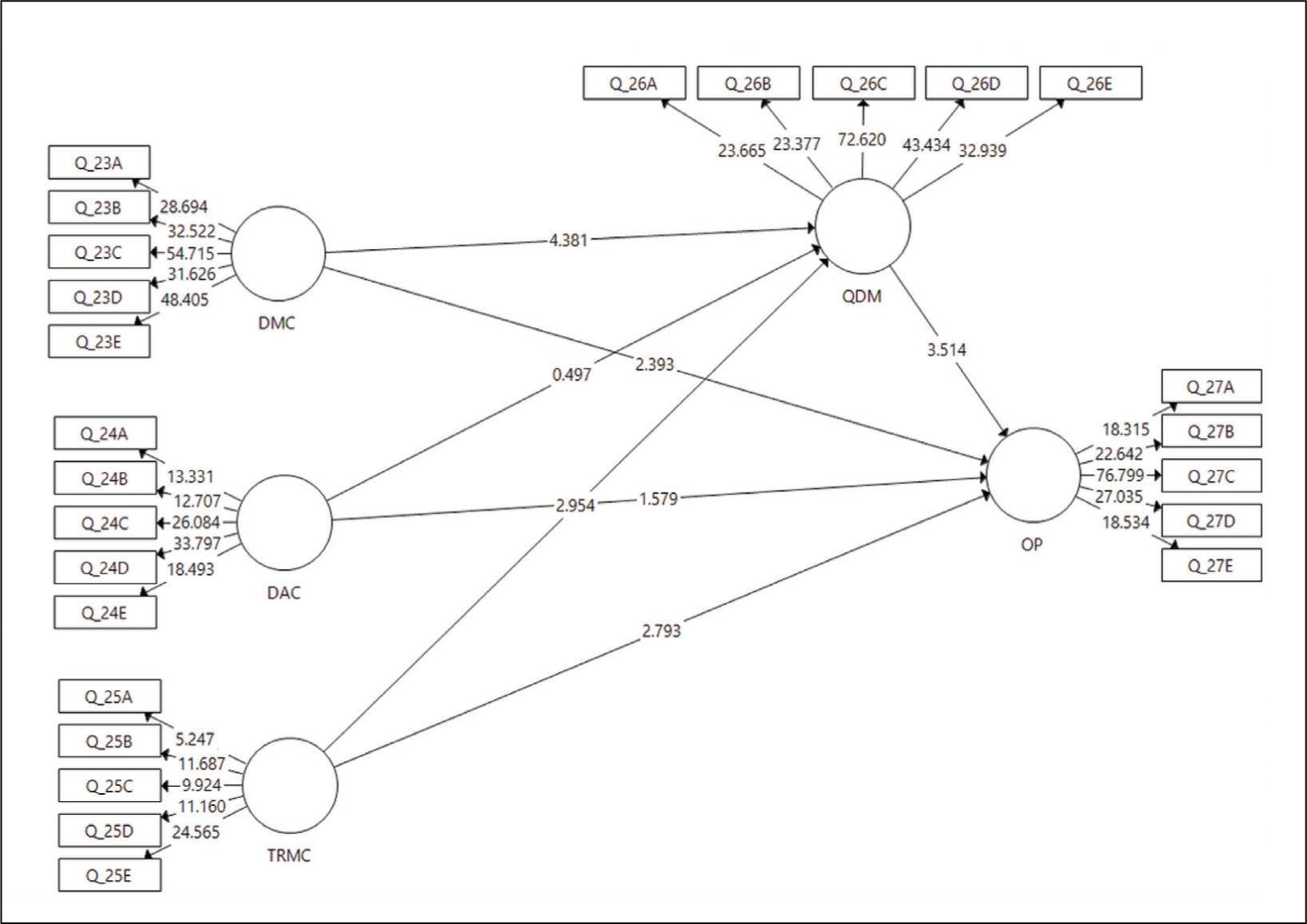
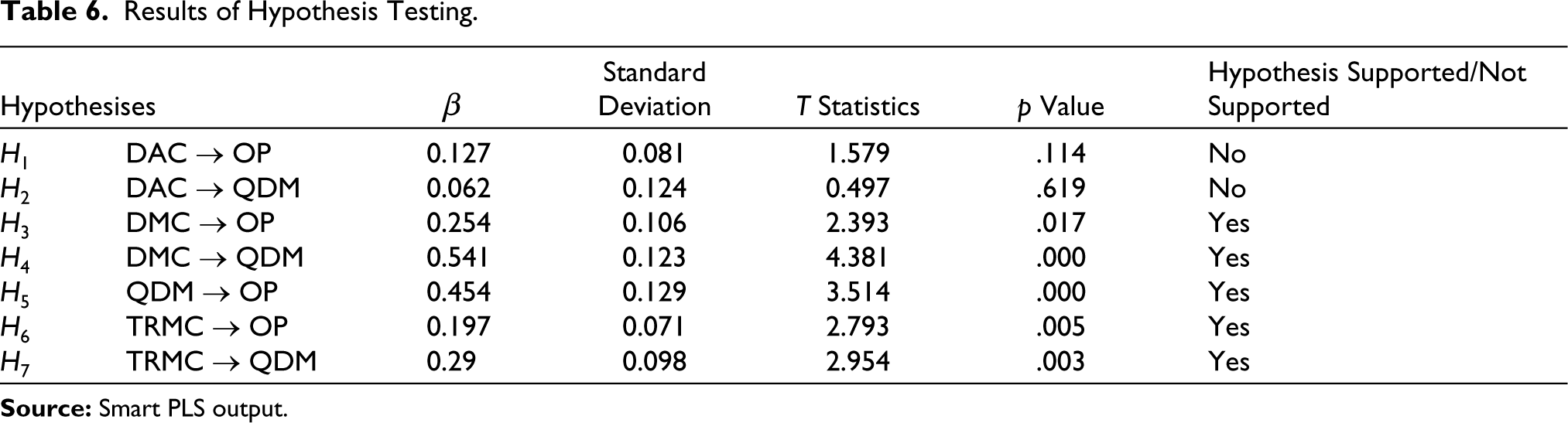
From Figure 2 and Table 6, it is evident that H1 is not accepted as the p value is greater than the threshold value of 0.05 (β = 0.127, SD = 1.579, p = .114), therefore DAC does not have an influence on OP. DAC does not influence QDM since the p value is greater than 0.05 (β = 0.062, SD = 0.124, p = .619). Therefore, H2 is rejected. The p value of DMC on OP is <.05 (β = 0.254, SD = 0.106, p = .017), which shows that there is a strong positive relationship between DMC and OP. Hence H3 is accepted. DMC has a positive influence on QDM as the p value is <.05 (β = 0.541, SD = 0.123, p = .000). This depicts that H4 is accepted. H5 is also accepted as the p values is <.05 (β = 0.454, SD = 0.129, p = .000), which states that QDM has a significant influence on OP. The significance of TRMC and OP is highly positive, since the p value is <.05 (β = 0.197, SD = 0.071, p = .005) Therefore, H6 is accepted. H7 is accepted since there is a strong positive relationship between TRMC and QDM, as the p value is <.05 (β = 0.290, SD = 0.098, p = .003). From the findings, it is clear that DAC does not have an influence on OP and QDM. Whereas DMC and TRMC positively influence OP and QDM. The relationship between QDM and OP also has a positive impact on them.
Results of Hypothesis Testing.
This study aimed to assess the relationship between DAC, DMC, TRMC, QDM and OP. Additionally, it also aimed to assess if QDM mediates the relationship between DAC, DMC, TRMC and OP. Despite the significant investments in DAC across many organisations, our research indicates that DAC does not have a significant influence on either OP or the QDM. This finding suggests that merely having advanced data analytics tools and technologies in place is insufficient for improving organisational performance or the quality of decisions. The effectiveness of DAC is largely contingent upon how well these tools and technologies are integrated into the organisation’s decision-making and operational processes. Without embedding data analytics into daily operations and strategic decision-making frameworks, organisations are unable to fully leverage their data analytics investments. In contrast, DMC has a significant positive impact on both OP and QDM. Effective data management practices ensure that the data utilised for analysis and decision-making is accurate, complete, and up-to-date. High-quality data is essential for generating reliable insights that can drive operational improvements and strategic decisions. Moreover, robust data governance frameworks establish clear roles, responsibilities, and processes for data handling, which minimises errors and ensures that data is used ethically and in compliance with relevant regulations. These findings need to be understood in the broader context of UAE’s overall culture. Cultural factors significantly influence the effectiveness of digital capabilities in different regions, including the UAE, a country known for its rapid technological adoption and diverse population. In the UAE, traditional values and cultural nuances shape how digital solutions are developed, implemented, and received. Language diversity is another cultural determinant. With a large expatriate population, digital solutions must support multiple languages, particularly Arabic and English. Religious and ethical considerations also play a critical role. Content and digital services must align with Islamic values, ensuring compliance with modesty, privacy, and halal standards. TRMC also have a significant positive impact on OP and QDM. Effective risk management allows organisations to identify, assess, and mitigate potential risks associated with trade and commerce.
Below are two illustrative case studies (names of companies are disguised due to permission) that demonstrate how UAE-based trading firms are leveraging digital disruptions through CTRM solutions to achieve competitive advantages and address market challenges.
Case Study 1: Blockchain-enabled Commodity Trading
Background:
A leading oil trading firm in the UAE sought to enhance the transparency, security, and efficiency of its trading operations. The traditional trading processes were marred by lengthy paperwork, slow transaction times, and heightened risk of fraud.
Solution:
The firm implemented a blockchain-based CTRM system, which enabled the execution of smart contracts for trade agreements. These smart contracts automatically execute transactions once predefined conditions are met, eliminating the need for intermediaries and reducing transaction times significantly.
Outcomes:
Increased efficiency: Transaction times were reduced from several days to a few hours, significantly enhancing operational efficiency. Enhanced security and transparency: The immutable nature of blockchain technology ensured secure, transparent transactions, building trust among trading partners. Reduced costs: The elimination of intermediaries and reduction in transaction times led to substantial cost savings for the firm.
Case Study 2: AI-driven Risk Management in Energy Trading
Background:
An energy trading company in the UAE faced challenges in managing the volatility of energy prices and the complexity of global trading risks. Traditional risk management methods were no longer sufficient to keep pace with the rapidly changing market dynamics.
Solution:
The company adopted a CTRM system integrated with AI and ML algorithms to enhance its risk management capabilities. The AI system provided predictive analytics for price movements, enabling proactive risk mitigation strategies.
Outcomes:
Improved risk management: The firm could identify potential price risks before they materialised, allowing for more effective hedging strategies. Strategic decision-making: Enhanced analytics capabilities supported better-informed trading decisions, optimising the company’s trading portfolio. Operational efficiency: Automated risk analysis processes freed up resources, allowing the firm to focus on strategic initiatives.
Managerial Implications
The study has immense implications in the era of digital disruptions where commodity trading presents both challenges and opportunities for the oil trading firms for their survival and growth. Digital capabilities enable real-time access to data, improving decision-making by providing more accurate market insights, pricing trends, and risk exposure. Managers can respond swiftly to market fluctuations, mitigating risks related to price volatility, geopolitical events, and supply chain disruptions—critical in the UAE, where oil prices are subject to global forces. By automating key trading and risk management processes, such as trade capture, settlement, and regulatory compliance, UAE oil firms can reduce manual errors, lower operational costs, and increase process transparency, UAE oil firms can also leverage advanced analytics, machine learning, and predictive modelling to anticipate market trends, allowing managers to adapt trading strategies and hedge positions proactively. The advanced CTRM systems are essential for trading firms to navigate these changes effectively by building up digital capabilities. Oil trading firms should build or upgrade CTRM systems to be cloud-based, scalable, and fully integrated with trading, risk management, and logistics workflows. This ensures seamless data sharing, better decision-making, and real-time tracking of market positions and risks. Fostering a digital-first culture and upskilling workforce for cross-functional teams which are skilled in leveraging digital tools and fostering collaboration between IT and trading teams are essential to maximise the value of new technologies. As commodity trading firms in the UAE and the broader Middle East region navigate the digital era, the role of CTRM digital systems, enriched with cutting-edge technologies, becomes increasingly central. These systems not only streamline operations but also equip firms with the tools needed to thrive in a rapidly evolving market landscape and the ability to respond to market volatility (Commodity Point, 2011).
The major implications are for the operational efficiency of trading firms. One firm achieved a significant reduction in trade processing times and operational costs by implementing an AI-enhanced CTRM solution (Bryan, 2010). Another implication is toward enhancement of firms’ risk management capabilities by utilising a CTRM system with integrated real-time market analytics and predictive modelling (Till & Gunzberg, 2006). Regulatory Compliance is another area where these digital capabilities help energy trading firms. A firm overcame compliance challenges by adopting a blockchain-enabled CTRM platform, ensuring transparency and security in its trading operations (Ritter, 2005). In addition, the evolution of CTRM solutions in the digital era offers a beacon for commodity trading firms in the UAE and beyond, guiding them through the challenges of digital disruptions. By embracing these advanced systems, firms can harness the power of digital technologies to optimise their operations, mitigate risks, and explore new market opportunities (Dash et al., 2024).
Conclusion
This proactive approach helps prevent operational disruptions and ensures smoother business continuity. Organisations may improve the QDM and help achieve strategic goals by integrating risk assessments into decision-making processes. This allows for the development of more resilient and informed judgements. Further, the positive relationship between the QDM and OP underscores the critical importance of high-quality, data-driven decisions. Enhanced decision-making quality leads to optimised processes, reduced waste, and improved resource allocation, which in turn boosts operational efficiency and performance. Organisations that excel in QDM can better navigate complex environments, respond swiftly to market changes, and capitalise on emerging opportunities, thereby gaining a strategic advantage that translates into superior operational outcomes. While DAC is essential, its effectiveness is highly dependent on its integration into broader organisational practices. Robust DMC and TRMC are crucial for enhancing both OP and the QDM. Moreover, the strong link between QDM and OP highlights the necessity of high-quality data and sound analytical practices for achieving organisational success.
Limitations
In addition to improving OP of oil trading firms using CTRM digital solutions, addressing its capabilities and looking into potential future applications could help to establish practical strategies and initiatives that will help sustainably oil trading businesses to grow in the future. This study relies on a specific sample size of oil trading firms in UAE only so it may limit the applicability of the findings to other countries with different demography and psychology of traders. The use of self-reported data through questionnaire surveys may introduce bias in responses, leading to potential inaccuracies in measuring CTRM digital capabilities. Because the study was cross-sectional in nature, it may be difficult to determine the causative linkages between the variables over a period of time. This calls for additional research to examine the causal mechanisms underpinning impact of digital capabilities over a period of time using longitudinal research. Additionally, the study’s reliance on specific measurement constructs related to only three capabilities of CTRM digital solutions, suggests the need for a more ‘comprehensive approach’ to measure these constructs. Exploring the cultural influences on digital capabilities by conducting comparative studies across different regions or countries could help in understanding how cultural factors shape digital capabilities and their impact on QDM and OP.
Future Research Direction
Investigating the role of constantly changing and evolving technology, such as AI, in facilitating and enhancing commodity trading businesses could open new avenues for leveraging technological innovations for higher OPs. Emerging technologies, particularly AI, are revolutionising digital CTRM systems. AI enhances these systems by enabling real-time data analysis, predictive analytics, and automated decision-making, improving trading accuracy and risk assessment. Machine learning algorithms can analyse vast datasets to identify trends, optimise pricing strategies, and forecast market movements. Natural language processing simplifies unstructured data processing, such as news or reports, providing actionable insights. Additionally, AI-driven automation streamlines compliance and reporting, reducing operational costs and human errors. Examining the policy landscape and regulatory frameworks that support or hinder commodity trading businesses could offer recommendations for policymakers to create an enabling environment for sustainable and more profitable oil and energy trading businesses across the countries. There is tremendous scope for future research in this domain especially the energy trading firms that are adopting digital transformation tools and data analytics and management solutions to enhance the operational efficiency for quality decision-making, thus retaining their positions in the respective market.
Footnotes
Declaration of Conflicting Interests
The authors declared no potential conflicts of interest with respect to the research, authorship and/or publication of this article.
Funding
The authors received no financial support for the research, authorship and/or publication of this article.