




Abstract
Purpose:
Smart home devices are a promising technology in the modern era, offering numerous advantages and ease to individuals’ daily lives. Due to its immense potential, the adoption of smart home devices is gaining more popularity. This study provides an in-depth review and evaluation of the present state of consumers’ adoption and acceptance of smart home devices to understand more deeply and identify which factors significantly influence consumers’ decisions.
Design/methodology/approach:
This study conducts an extensive descriptive analysis of 43 research articles retrieved from the Scopus database using a specified search string. It aims to describe the current level of understanding and synthesize previous research on the adoption of smart home devices employing the Preferred Reporting Items for Systematic Reviews and Meta-Analyses (PRISMA) protocol and the Theory, Context, Characteristics, and Methods (TCCM) framework.
Findings:
The results of the previous literature indicate that publications in this field have significantly increased since 2019, suggesting that academics are becoming more interested in this area of research. The technology acceptance model was the most used theory in previous research. Most of the studies in this domain have used quantitative methods. Survey-based research became the primary approach for collecting data, and partial least squares–structure equation modeling was the most used analytical tool.
Originality/value:
To the best of the authors’ knowledge, this is the first systematic literature review focusing on the adoption of smart home devices using the TCCM framework and the PRISMA protocol.
Introduction
The Internet of Things (IoT) has emerged as a valuable tool for the worldwide expansion of innovative technologies. In the fourth industrial revolution, the rapid advancement of technology combines physical, biological, and digital elements, transforming our lifestyles and occupations across various economic sectors (Park et al., 2017). Several prominent companies, such as Apple and Google, are adopting IoT technologies to enhance our daily lives. They are implementing IoT applications, like smart home technologies, to assist consumers in different aspects of their everyday activities, such as healthcare, traffic monitoring, water supply, and energy conservation (Al-Shargabi & Sabri, 2017). Smart home devices are a remarkable technical advancement that humans have developed to enhance convenience and comfort in daily living (Eggleton, 2022). The term “smart” has been used to refer to technologically advanced devices that incorporate artificial intelligence (AI) to some extent. A smart home is defined as a home that is connected to an advanced network, enabling the interconnection of sensors with home devices, appliances, and facilities, allowing for remote monitoring, access, and control, and offering services that cater to the requirements of the people living in the home (Gross et al., 2020). Smart home devices allow residents to monitor and control their homes remotely and automatically adapt living conditions based on the situation, such as regulating temperature and lighting for late-night visitors (Demiris & Hensel, 2008). Smart home devices are defined as a residence that employs a communication network to connect essential technological devices and services (Jiang et al., 2004). It includes remote-controlled lighting, heating, water systems, security features, home ventilation, voice-activated assistants like Google Home and Amazon Alexa, smart door locks, smart TVs, smart refrigerators, smart cameras, smart thermostats, smart switches, smart washing machines, smart kitchen timers, health monitors, and baby monitoring systems. These devices not only make it easier to turn on and off appliances, but they also allow users to automate routine tasks and monitor household activity more efficiently (Ricquebourg et al., 2006). Smart home devices provide multiple benefits compared to traditional home technologies, which often consist of basic components that lack smart features and require manual intervention. A few examples of traditional home technologies are manual thermostats that require users to manually adjust temperature settings, manual lighting systems that rely on manual switches, and simple security systems with limited remote monitoring capabilities. Similarly, many traditional appliances lack programming and run manually, including ovens, refrigerators, and washing machines (Alam et al., 2012). However, by offering real-time control, automation, and improved energy efficiency, smart home devices significantly outperform traditional home technologies (Nilsson et al., 2018). Additionally, smart home devices can be personalized to meet the specific requirements of individual users. For example, they can notify residents when the room temperature is very high or low or when the main gate remains open. Smart home devices can also enhance security for individuals with physical disabilities and remind elderly individuals to take their medicine (Marikyan et al., 2019). Aside from their many benefits, smart home devices also pose various drawbacks to their users such as collecting and storing data on residents’ daily activities and routines, which raises issues related to potential privacy violations and data breaches (Lin & Bergmann, 2016), user acceptance (Dragone et al., 2015), cost (Georgiev & Schlögl, 2018), privacy and security concerns (Mocrii et al., 2018), problems with device connectivity, and limited knowledge of the positive effects of these technologies can influence their adoption (Ghafurian et al., 2023a, 2023b).
Jambhale (2024) reports that consumer spending on smart home devices has been increasing since 2020, and by the end of 2025, it is expected to have increased by $173 billion globally. Historically, the most significant increase occurred in 2021, with a rise of $123 billion, followed by growth of $134 billion in 2022, and an additional increase to $147 billion in 2023. The aggregate global expenditure on smart home devices is predicted to reach $159 billion by the end of 2024. Researchers and marketers are interested in exploring these potential avenues to get insight into the phenomenon of technology adoption. In a nutshell, adoption-based research articles primarily focus on conducting empirical studies on the variables that influence the degree of technology acceptance. However, there have been few attempts to consolidate the past research on the adoption of smart homes into a systematic review, as this field is still relatively new. Furthermore, these studies generally focused on the adoption and acceptance of smart homes. Marikyan et al. (2019) conducted a comprehensive analysis of existing research on smart homes, focusing on the consumer’s perspective, in an initial attempt to examine the adoption of smart homes. They employed a systematic technique to synthesize and evaluate the literature. The study’s findings indicate substantial growth in the field of research focusing on technology-driven smart homes. Li et al. (2021) discovered the most widely recognized smart home technology and formed a consumer-focused comprehension of the determinants, challenges, and risks associated with its adoption. Valencia-Arias et al. (2023) examined research patterns and the evolution of the literature on the adoption of smart homes, focusing on key concepts and factors utilized by the members of the community. Mashal et al. (2023) analyze the previous research on the acceptability of smart homes, focusing on the perspective of users. They aim to identify the elements that have a substantial impact on user acceptance.
This study provides a comprehensive analysis of the present state of consumers’ adoption and acceptance of smart home devices to understand more deeply and identify which factors significantly influence consumers’ decisions. At present, no review article concisely summarizes the adoption of smart home devices. Moreover, the existing literature in this area of research does not incorporate all the essential components of a research article, as outlined in the Theory, Context, Characteristics, and Methods (TCCM) framework proposed by Paul and Rosado-Serrano (2019). The originality of the current study resides in its comprehensive examination and integration of past research on the adoption of smart home devices. It serves as a valuable resource for scholars and researchers, delivering a brief grasp of the various theories, contexts, characteristics, and methodologies employed in this field. Additionally, it provides future research avenues for investigations in this domain. Therefore, the primary objective of the study is to address the subsequent research questions:
RQ1: What are the publication trends on the adoption of smart home devices research? RQ2: Which theories, contexts, constructs, and methods have been employed in previous studies on the adoption of smart home devices? RQ3: What are the key antecedents, mediators, moderators, and outcomes identified in previous studies on the adoption of smart home devices? RQ4. What are the future research directions for each component of the TCCM framework in the realm of the adoption of smart home devices research?
The following sections comprise this study: the first section provides background on smart home devices. The second section includes the methodology and describes the type and technique of the review. The third section shows the descriptive analysis using the publication pattern. Next, the fourth section provides an extensive overview of the TCCM framework used in previous studies and builds a conceptual framework. The fifth section addresses the future research directions within the TCCM framework, followed by both theoretical and practical contributions in the sixth section. Finally, the seventh section presents the conclusion and limitations of the study.
Research Methodology
A systematic literature review is a well-established research method that tries to synthesize and organize existing information in a specific area, such as a domain, theory, or method. It follows a logical and methodical approach to inform future research directions (Palmatier et al., 2018). Moreover, it helps to clearly express current areas of knowledge that are lacking and, as a result, highlights potential areas for future investigation (Gopalakrishnan & Ganeshkumar, 2013). In addition, a systematic literature review employs an adopted or altered approach to organize data curation and analysis, which facilitates the creation of clear and consistent outcomes (Kraus et al., 2022). A systematic review of the literature can employ multiple methodologies (Paul & Criado, 2020). The methodologies included are “theme-based reviews,” “theory-based reviews,” “framework-based reviews,” “hybrid reviews,” “reviews aiming for theory development,” “bibliometric analysis,” “meta-analysis,” “morphological analysis,” “meta-synthesis,” and “integrative review.” This article attempts to examine the topics of “what do we know” and “how do we know” regarding the adoption of smart home devices. To do so, we have chosen to utilize a comprehensive framework-based review technique, as systematic literature reviews offer numerous advantages. Several methodologies exist for conducting framework-based reviews, including the “Antecedents, Decisions, and Outcomes Framework,” the “Theories, Contexts, and Methods Framework,” the “Theories, Contexts, Characteristics, and Methods Framework,” and the “What, Why, Where, When, and How Framework.” Consequently, to structure our systematic literature review, we used the TCCM framework developed by Justin Paul and Rosado-Serrano in 2019. Moreover, this approach is suitable for conducting a comprehensive analysis of existing information, identifying areas where research is lacking, and suggesting future studies in the context of smart home device adoption.
The TCCM framework was chosen over other review methods because it gives a full picture of the literature by combining different theoretical and practical aspects of the research field (Paul et al., 2023). This framework facilitates a systematic literature review (Paul & Shrivastava, 2016; Paul & Singh, 2017) while addressing the limitations of alternative review methodologies (Chen et al., 2021). For example, bibliometric reviews provide a general overview of the research domain using visual representations of citations and associated variables, lacking comprehensive evaluations of theories, contexts, constructs, and methodologies (Paul et al., 2021). Conversely, methodologies like morphological analysis, theme-based reviews, and theory-based reviews are limited to specific perspectives, often overlooking a complete knowledge of the literature. By exploring less explored areas, TCCM facilitates a comprehensive analysis and fosters the development of conceptual frameworks from various perspectives that other review methodologies cannot adequately explore (Sharma et al., 2020).
Review Procedure
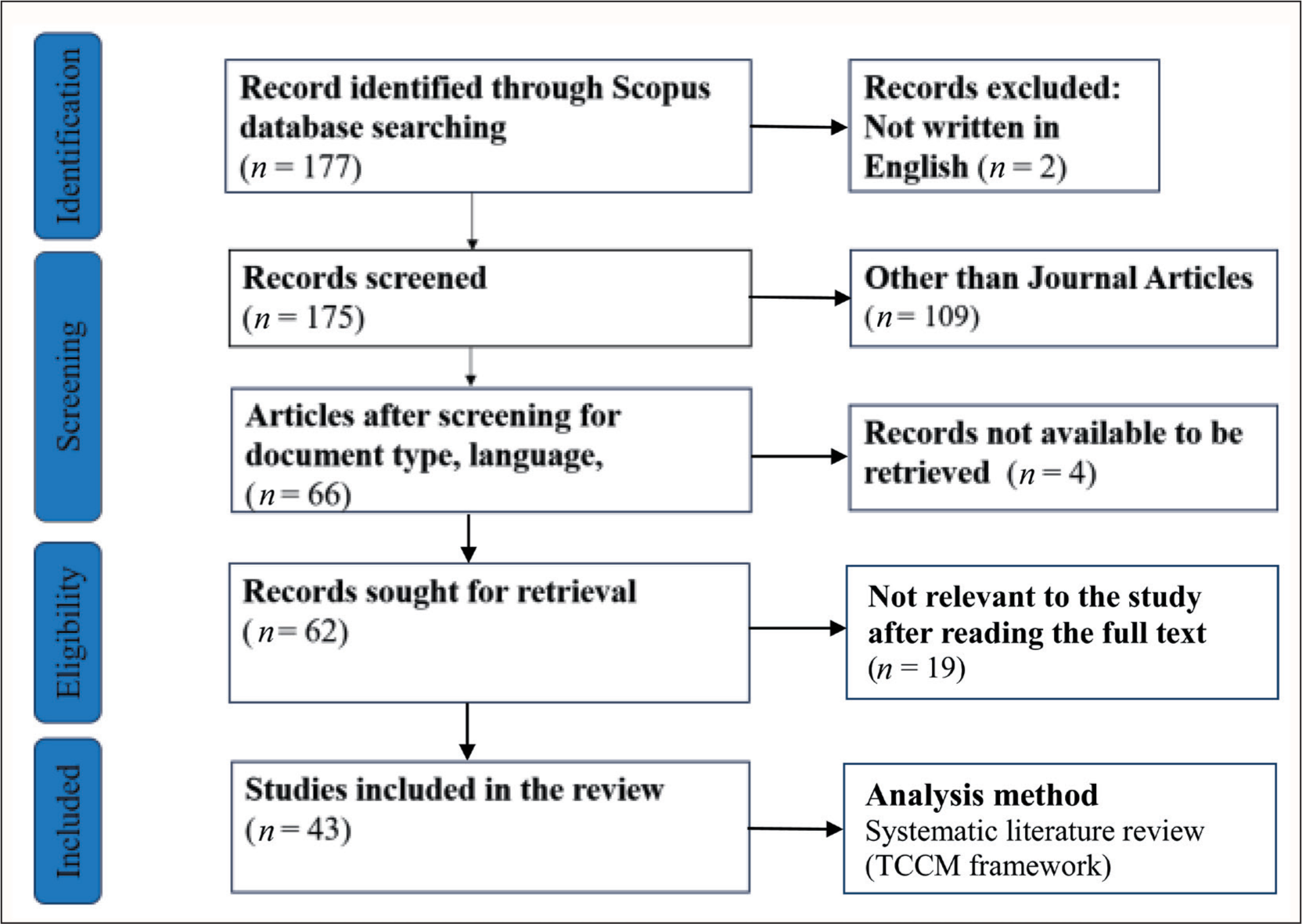
A systematic literature review was used in this study, which followed the guidelines and rules set out in the modified Preferred Reporting Items for Systematic Reviews and Meta-Analysis (PRISMA) statement of 2020 and its accompanying checklist (Page et al., 2021). The procedure suggests four steps for the development of a clear and reliable scientific review. The steps encompassed in the process are identification, screening, eligibility, and inclusion. The subsequent sections will provide a detailed explanation of the process undertaken in each of these steps (Figure 1) along with their underlying rationale. Figure 1 presents a concise overview of the four-step review procedure.
Identification
To ensure that the research articles selected for analysis fully encompass the topic and meet high standards of quality. The choice of a database for evaluating academic performance is a significant one. The selection process resulted in the choice of the Scopus database as the primary data source because of its vast coverage, comprehensive indexing strategy, and analysis tools that facilitate the extraction of certain indicators. Scopus, a well-recognized abstract and citation database, includes important scholarly publications from prestigious journals and authors (Baas et al., 2020). The process entailed doing a sophisticated search of articles that were published from 2010 to 2024, precisely up until the period of the search in March 2024. We performed the search using the terms (“Adoption” or “Acceptance”) and (“Smart Home Devices” or “Smart Home Appliances” or “Home Automation Devices”) and collected a total of 177 research articles, and then we proceeded to the screening phase.
Screening
The study included articles published in journals, written in the English language, and primarily focused on the adoption of smart home devices during the screening process. The authors believed that this was the most efficient approach after careful consideration. First, we eliminated two articles that were not in English, leaving 175 total articles. After screening the publication source, we removed 109 articles published in books, book chapters, conferences, editorials, and notes. This is consistent with the suggestion made by Paul et al. (2021), which stated that non-journal articles could be removed as they frequently do not follow a rigorous peer-review procedure. We exclusively considered journal articles to ensure higher research quality, as they generally undergo a more rigorous and uniform peer-review procedure. Although some conference proceedings undergo peer review, the quality of the reviews may vary, complicating the assurance of consistency. Journal articles provide a more thorough and detailed analysis, which aligns more effectively with the objectives of our study on the adoption of smart home devices. Consequently, concentrating on journal articles provided the most reliable insights for our systematic review. Subsequently, we evaluated the remaining 66 journal articles.
Eligibility
During the third phase, we faced challenges in obtaining four articles, with a primary focus on ensuring access to the full text of the research articles. This resulted in a total of 62 journal articles. After carefully reviewing these remaining articles, we excluded 19 that were not directly relevant to our research focus on the adoption of smart home devices. The exclusion criteria encompassed studies that, although addressing related subjects such as smart technologies or home automation systems, failed to examine the adoption or acceptance of smart home devices by consumers, which is crucial to our research. Furthermore, several studies referenced smart home devices but concentrated on technological features, security issues, or infrastructure, neglecting the determinants influencing consumer adoption, which is the central emphasis of our systematic literature review. By prioritizing conceptual and empirical articles that form the foundation of knowledge, we ensured that the remaining studies aligned with the objectives of our research. We ultimately included 43 research articles for synthesis and full-text review.
Inclusion
During the inclusion stage, we examined 43 research articles that were published in Scopus-indexed journals. Specifically, we gathered essential data about the theories, contexts, characteristics, and methods utilized to investigate the adoption of smart home devices, guided by these frameworks, and carried out the analysis. The following sections report the review’s results.
Descriptive Analysis
In this section, we address the first research question of the study by presenting year-wise publications in this domain.
Evolution of Research
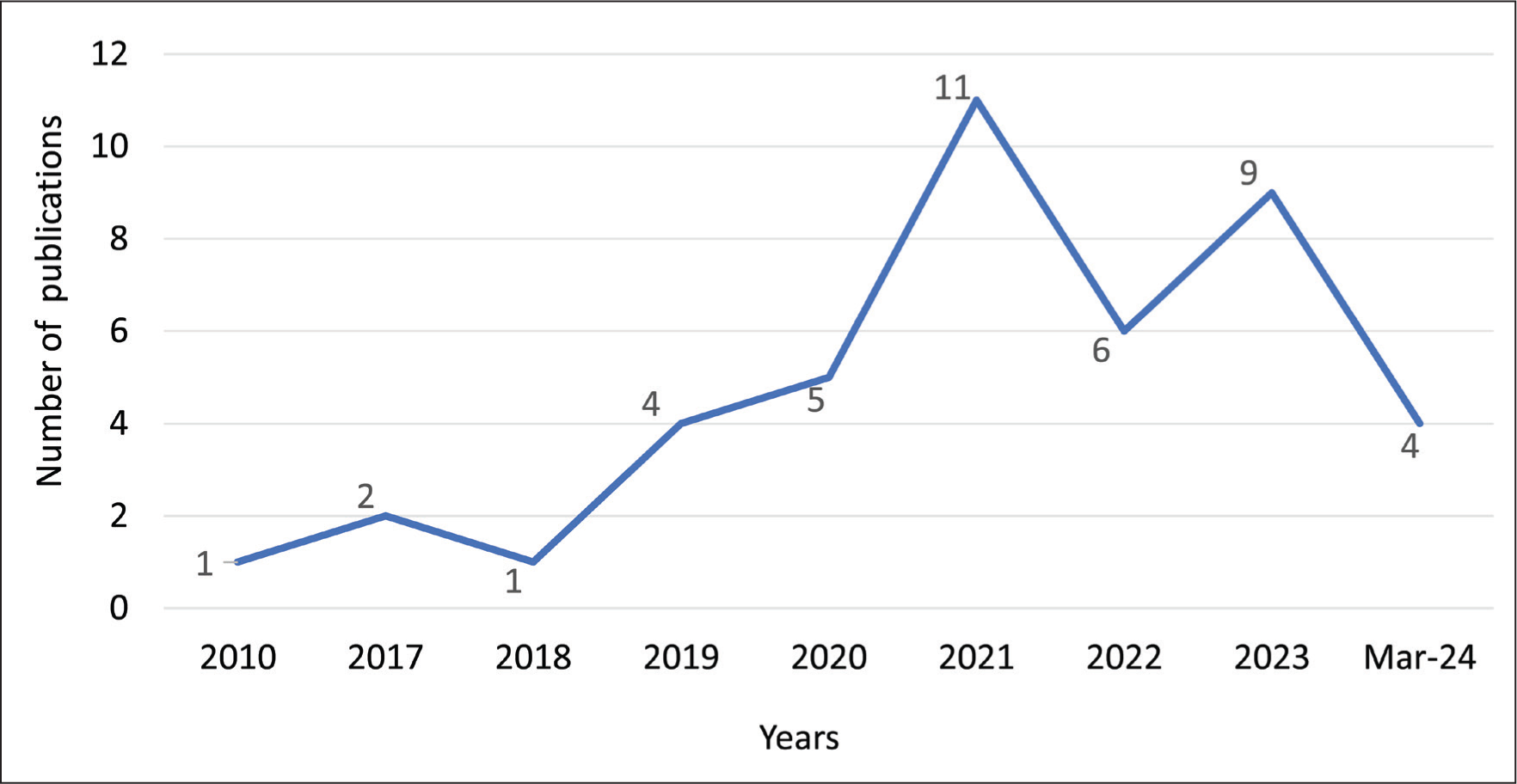
Figure 2 depicts the growth and development of research in the adoption of smart home devices from 2010 to 2024. Since 2019, publications in this domain have significantly increased, which indicates that researchers’ interest in this area of research has been growing. The first year that research on the adoption of smart home devices was published in the literature was in 2010, but since 2018, the number of publications has significantly increased. This study examined 43 publications, with 11 published in 2021, 6 in 2022, 9 in 2023, and 4 up until March 2024. These publications show that people are becoming more aware of and accepting of the relevant technology. There has been a notable increase in publications within the previous 5 years.
Year-wise Distribution of Reviewed Articles.
TCCM Framework
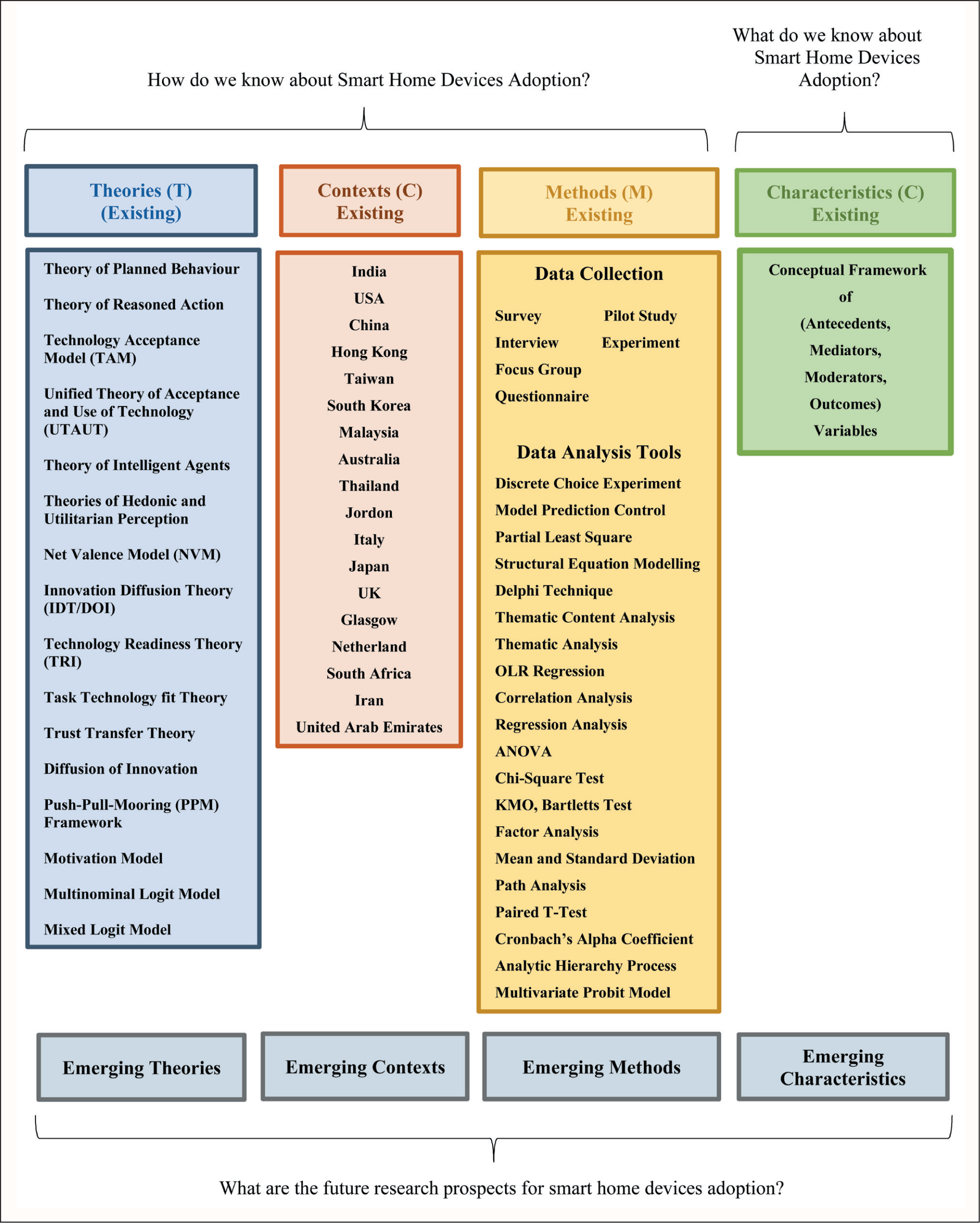
This study carried out the TCCM framework, comprising Theories (T), Contexts (C), Characteristics (C), and Methods (M) in a specific domain (Paul & Rosado-Serrano, 2019; Rosado-Serrano et al., 2018). By clarifying the conceptual and empirical components of the research issue, the TCCM framework overcomes the limitations of traditional systematic literature reviews (Roy Bhattacharjee et al., 2022). Consequently, it is a valuable tool that provides extensive knowledge of a specific area of study (Paul et al., 2023). The analysis of the TCCM framework helps to identify and address the gaps found in previous work and suggests potential areas for future study (Paul & Rosado-Serrano, 2019). In this section, the first analysis provides an outline of the prevailing “theories” in this domain. The second part assesses the “contexts” in various countries included in the earlier studies. The third subsection explores the “characteristics” linked to the adoption of smart home devices. The fourth component of the study covers the “methods” used in previous research to understand the adoption process of smart home devices. Further, this methodology is appropriate for providing a thorough examination of current knowledge, highlighting research gaps, and proposing a future research agenda in terms of (a) theories, (b) contexts, (c) characteristics, and (d) methods in the domain of adoption of smart home devices, as shown in Figure 3.
Theories Used
Theories play a vital role in the advancement of several domains of knowledge (Paul et al., 2021). Scholars have employed various theories to improve the knowledge of consumer behavior and the adoption phenomenon. A total of 15 various theories, frameworks, and models have been employed 26 times, as indicated in Table 1.
Theories Used in Previous Literature.
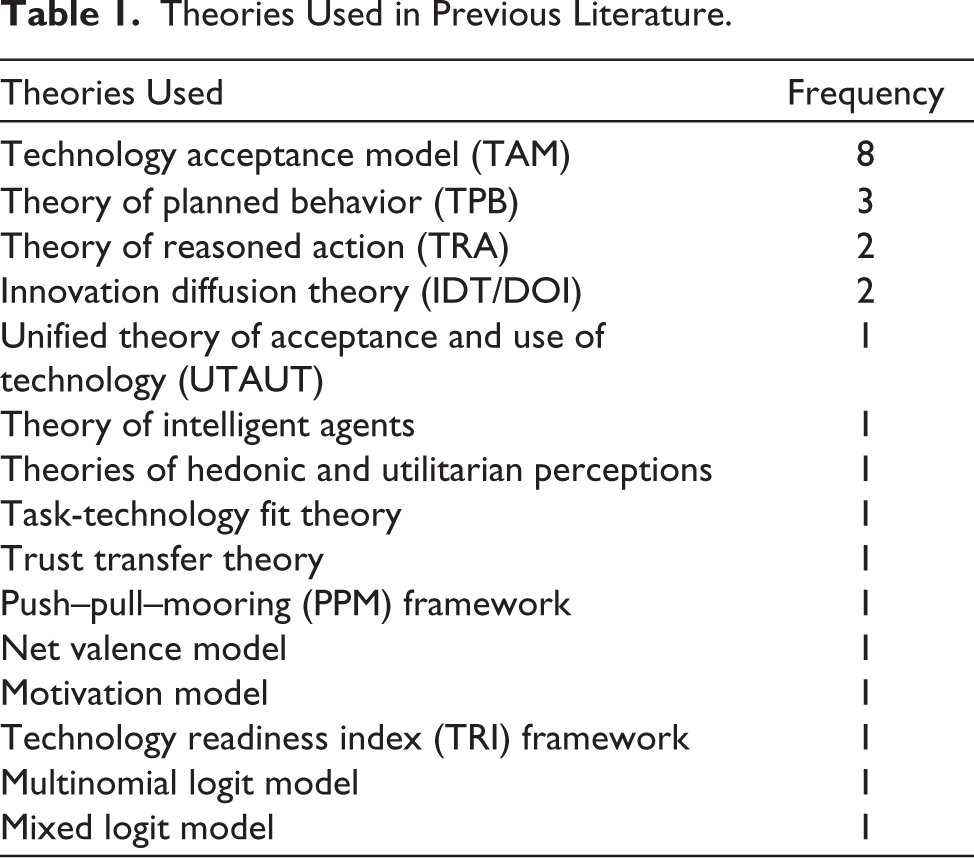
First, the analysis found that the existing literature has used the technology acceptance model (TAM; eight times). Several studies have utilized the TAM model, sometimes combining it with other theories and constructs to enhance its predictive power. Second, the analysis of previous research indicates that 15 studies have applied theories, frameworks, and models to provide direction for research on the adoption of smart home devices. Out of these studies, 10 employed a single theory, 2 employed two theories, and 3 employed three theories, which suggests that integrating multiple theories is a promising approach for future research, as demonstrated by previous studies in this domain. Future studies can utilize the theories revealed in this study and, if necessary, combine multiple concepts to enhance and strengthen their theoretical basis.
Contexts Used
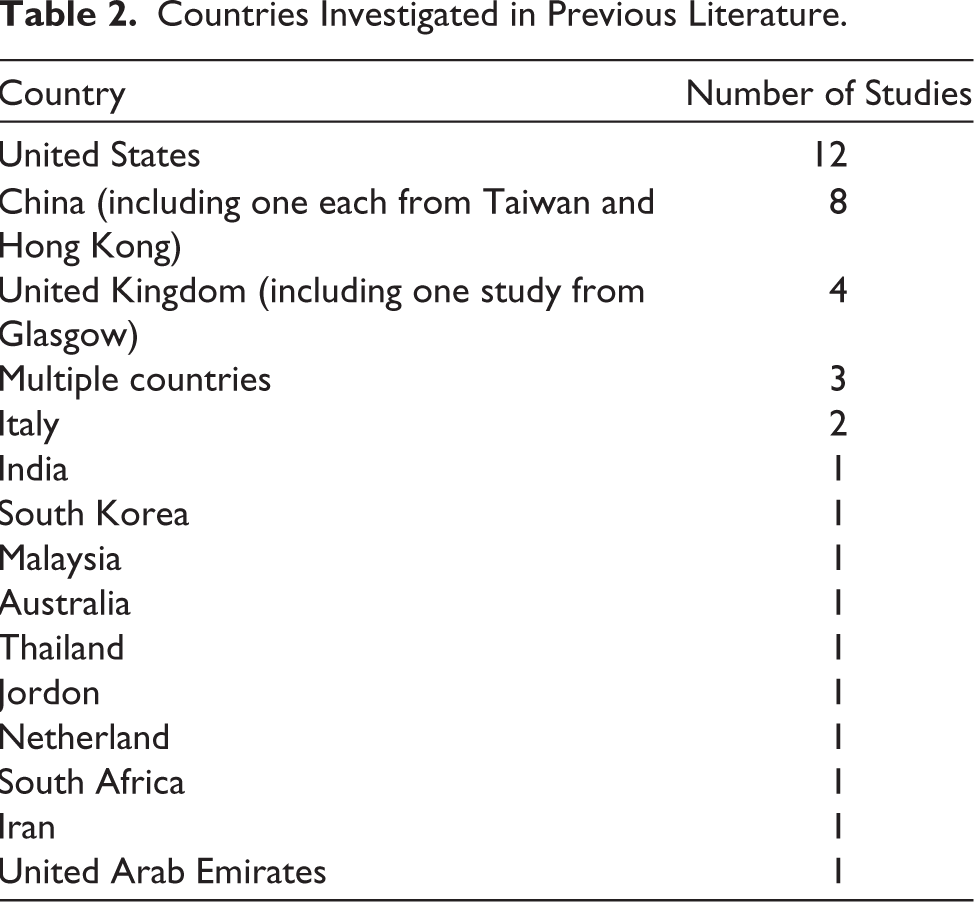
Considering the context, we examine and assess the countries that have contributed to the study on the adoption of smart home devices. This subsection presents the country of origin of the sample as examined in the prior literature. Research on smart home devices is more popular among researchers from Asia and Europe. Table 2 illustrates that the United States is the major contributor with 12 studies. Surprisingly, the next largest contributor to the research of smart home devices is China (eight studies). It is noteworthy that (three studies) have involved international participants and have been carried out across various countries. This multinational research has the potential to serve as a source of inspiration for future research, enabling comparisons across different countries and cultures.
Countries Investigated in Previous Literature.
Constructs Used
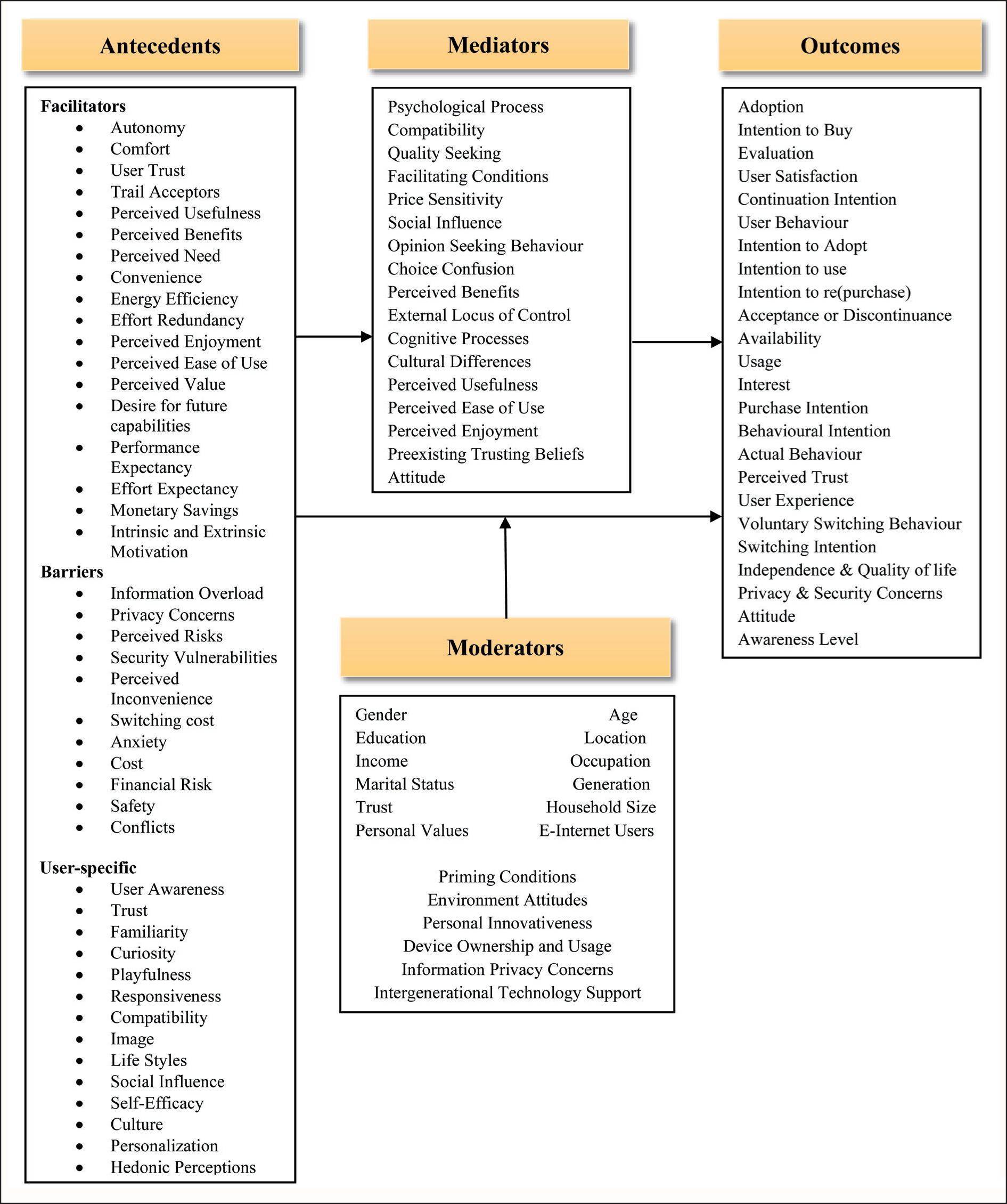
To adequately adopt new technologies, it is important to identify all the variables that can either facilitate or limit the adoption process. Our comprehensive systematic literature review has identified that previous studies used several variables to examine the intention of different categories of consumers in adopting smart home devices. This article presents a summary of the several categories and constructs represented in Figure 4. Based on these categories, Figure 4 illustrates a conceptual framework.
Antecedents
Antecedents refer to the immediate factors that influence decisions and indirectly affect the outcomes (Lim et al., 2021). We classify the antecedents into the following three distinct categories: facilitators, barriers, and user-specific factors, to enhance the understanding of the conceptual framework. Figure 4 depicts the antecedents falling within these various categories.
Facilitators: In our analysis, a total of 18 variables act as facilitators. The most used facilitator is perceived usefulness, which is used (five times) in existing literature. Perceived usefulness is how much an individual thinks using a specific strategy will help them do their job better (Davis, 1989).
Barriers: This study examines a total of 11 variables that represent the barriers under consideration. The list of barriers most frequently uses cost (five times), perceived risk (five times), and privacy concerns (five times). The results show that cost is the primary variable influencing the adoption of smart home devices. Cost is a crucial determinant that influences consumers’ decisions to utilize a product or service and often hinders the adoption of new technologies.
User-specific: Previous research examined a total of 14 variables as potential factors influencing consumers’ intention to adopt smart home devices. The most frequently used variable in the prior literature is social influence, which appeared (three times). The most vital component of the adoption of smart home devices is awareness, followed by social factors, trust, and device customization (Mashal & Shuhaiber, 2019).
Mediators
Canziani and MacSween (2021) investigated how opinion-seeking behavior and facilitating conditions act as mediators between the utility and hedonic perceptions of devices (antecedents) and the intention to use them (outcomes). Morgan et al. (2022) highlighted the pre-existing trusting beliefs and potential benefits of technology as mediator variables. Furthermore, Douha et al. (2023) studied the role of cultural differences as a mediator variable. They found that cultural factors have a substantial impact on the attitudes of adult smart home users toward cybersecurity.
Conceptual Framework.
Moderators
The moderator effects were examined in 16 studies, of which 63% of them focused on variables classified under demographic variables. Moderators are the variables that influence the relationship between other variables (Paul et al., 2021). Moreover, moderator variables influence the potential of the antecedents, mediators, and outcomes (Lim et al., 2022). The existing studies have examined multiple moderators concerning the adoption of smart home devices. The moderator variables that are used most frequently are gender, age, and education (eight times). Chin et al. (2024) found that trust has a moderating influence on the association between social identity, perceived ease of use, social presence, and intention to utilize AI-powered devices in smart homes.
Outcomes
Finally, this study highlights the outcomes or dependent variables. Outcomes are the consequences that are influenced by the antecedents, mediators, and moderators. Our systematic literature review indicates that various outcomes have been examined in previous studies. Several outcomes with similar meanings were categorized utilizing the conceptual framework. Most of the research used adoption (11 times), intention to use (5 times), user satisfaction (2 times), and intention to buy (2 times) as the outcomes within the area of adoption of smart home devices. Cheng (2024) revealed that different factors, including external and internal inconveniences, playfulness, social presence, and switching costs, have a considerable impact on the switching intention and subsequently influence actual behavior.
Methods Used
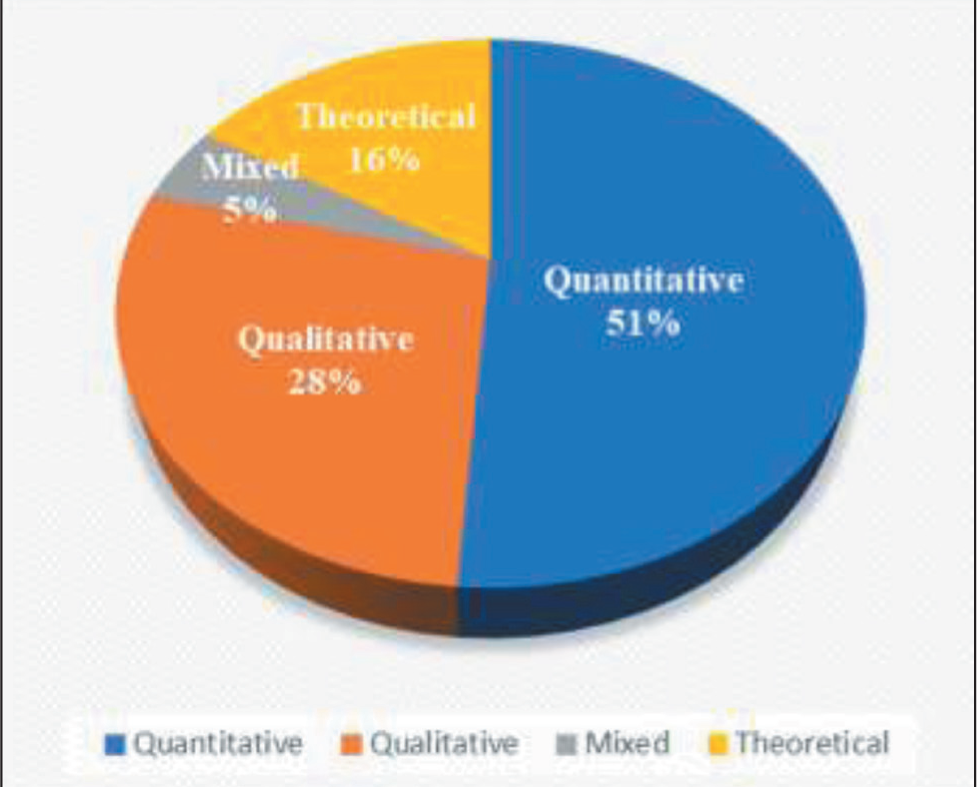
In this subsection, we examine the existing studies using research methodology and data analysis techniques to determine the significant linkages in this domain. Most of the studies in this domain have used quantitative methods. Figure 5 represents a classification of 43 publications based on the different research designs used. The study revealed that 84% of the articles were empirical. Among these, 51% used quantitative methods, 28% used qualitative methods, and 5% employed a mixed research design. The remaining 16% of articles were theoretical.
Articles Classification.
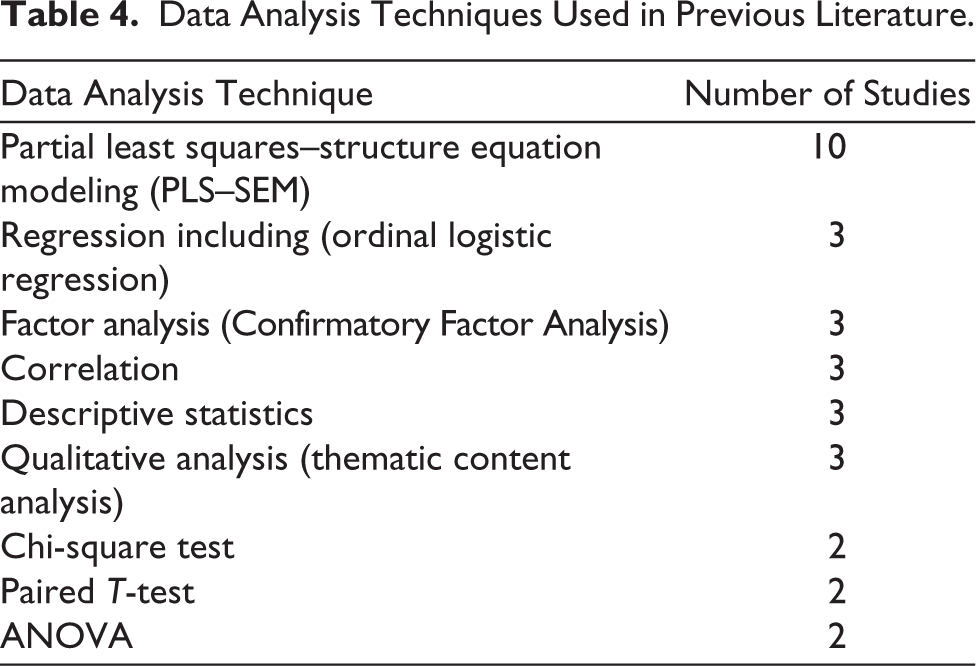
Tables 3 and 4 demonstrate the data collection methods and analysis techniques used in the existing literature. After a comprehensive review of the previous studies on the adoption of smart home devices, research articles are categorized based on the research methodology and data analysis techniques used.
Data Collection Methods Employed in Previous Literature.
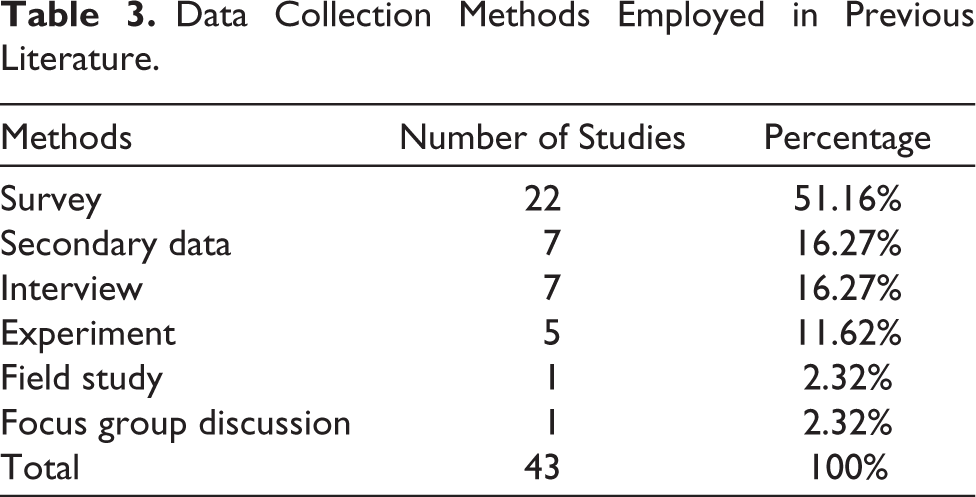
The survey method is the most commonly used (i.e., 51%) in the past research, as shown in Table 3. Moreover, the secondary data method (16.27%), which includes theoretical studies based on previous research, is another frequently employed methodology. Other research studies have utilized various qualitative research methods, such as focus group discussions and field studies (2.32%), to thoroughly examine the thought processes of consumers regarding the research topic. Qualitative methods offer researchers the advantage of gaining a detailed understanding of the adoption and acceptance process of consumers. This enables them to investigate new aspects and theoretical justifications for current and developing technology trends.
Table 4 indicates that previous studies have primarily utilized partial least squares–structure equation modeling (PLS–SEM) as an analysis technique (10). Researchers most commonly use PLS–SEM to examine the interactions between variables. In addition, the researchers employed various techniques to analyze the association between the variables, including regression analysis (3), factor analysis (3), and correlation analysis (3), among others. Furthermore, the study employed qualitative data analysis techniques, such as thematic content analysis, to explore the ideas, opinions, and thoughts of its consumers.
Data Analysis Techniques Used in Previous Literature.
Future Research Directions
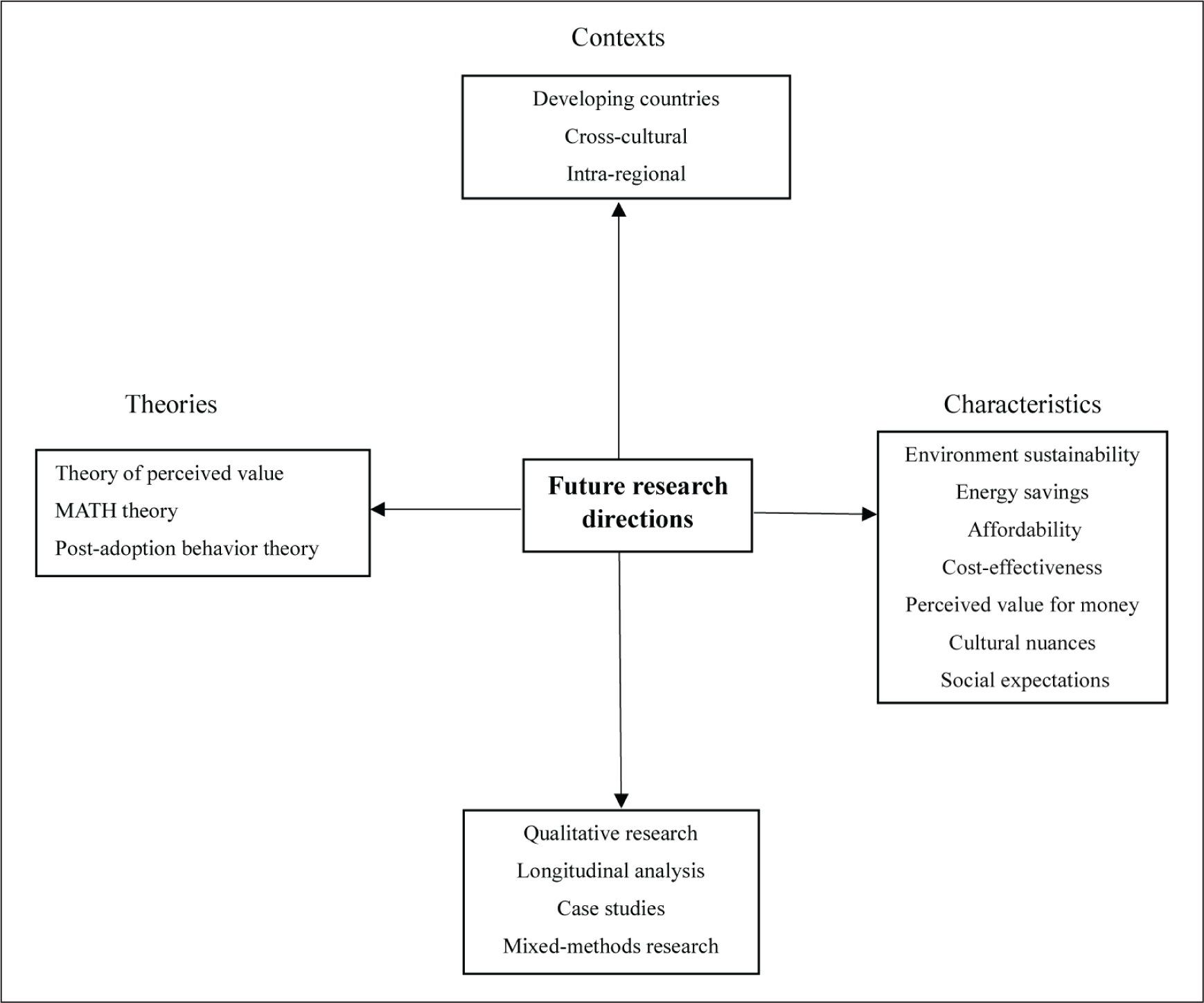
An extensive examination of previous studies on the adoption of smart home devices indicates that certain areas require in-depth scholarly investigation and careful examination. After carefully reviewing the 43 research articles, we created an outline for future research on the adoption of smart home devices. The current evaluation of the TCCM framework adheres to the recommendations suggested by Paul and Rosado-Serrano (2019). Figure 6 proposes potential avenues for future research in this field by outlining several directions within the framework of theories, context, characteristics, and methods.
Theory
A review of the existing literature in this domain revealed the prevalence of several theoretical models (TAM, theory of planned behavior, theory of reasoned action, innovation diffusion theory, and unified theory of acceptance and use of technology) and factors (awareness, perceived usefulness, cost, perceived ease of use, and security and privacy concerns) in determining consumers’ intention to adopt smart home devices. The dominance of these traditional theories and factors leads to a lack of creativity in past research on the adoption of technology and limits the exploration of innovative ideas that will enhance the understanding of the topic. However, to understand the adoption phenomenon, researchers have been experimenting with new concepts. As a result, alternative adoption theories have gradually replaced these traditional theories and models in recent years. Further studies have the potential to enhance the existing theory by addressing the technological and psychological determinants that may influence the adoption of smart home devices. It will be possible to know the thinking process of consumers toward technology adoption by examining how pre- and post-adoption opinions of the technology have changed. An extensive analysis and comprehension of the behavioral shift would facilitate the widespread adoption of the technology in general. Researchers may consider it interesting to apply these concepts to provide a starting point for creating research frameworks that may be useful in many circumstances.
Contexts
The current study provides valuable insights for future scholars interested in leveraging context to deepen their understanding of the adoption of smart home devices. The analysis revealed that most studies in this field have focused on a single nation, rather than spanning multiple countries. Furthermore, the current geographical coverage has been limited, with only 14 countries being the focus of extensive research, which restricts the applicability of study findings to a wider area. The United States dominates, which is not surprising given that studies in this field originated from there. In addition, based on the study’s analysis of contributions from different regions, Asia has surpassed Europe and emerged as a significant contributor in this field of research. This suggests that we should conduct additional research beyond the geographical boundaries of North America and Europe. This article indicates that both developing and developed countries should receive more encouragement for their research contributions. Future research must focus on this area of research due to its immense technological and commercial potential. Additionally, cross-country studies should be taken into consideration, as this would allow for a cross-cultural comparison of the adoption of smart home devices among users from different countries.
Characteristics
The review of the construct revealed that most studies lacked a detailed description of a specific smart home device under evaluation for adoption and acceptance. Furthermore, these devices’ unique features, potential, and challenges received no attention. The likelihood of user adoption for technology is higher when its layout and functions fit their specific requirements, prior experiences, preferences, and social surroundings. Researching specific smart home devices should prioritize the examination of service-related concerns. Most research has focused on investigating adoption and the intention to use it. Nevertheless, only a limited number of researchers have specifically concentrated on post-adoption effects on users, like continuation intention, user satisfaction, intention to re(purchase), and user experience. To gain a better knowledge of post-adoption behavior, it would be advisable to examine these variables. Future research should investigate the symbolic, psychological, functional, emotional, and financial factors that influence consumers’ acceptance or rejection of smart home devices. Furthermore, it is crucial to examine the underlying variables that shape consumers’ perception value, as these constructs affect their intention to use technology. It has emerged as a promising area of research and has made major contributions to this discipline.
Methods
The findings of the past research indicate that most of the articles (51%) are quantitative. Only a total of 12 publications have employed qualitative methodologies to understand the phenomenon of adopting smart home devices. Future research studies could fill this knowledge gap by utilizing a variety of qualitative methodologies, including focus groups, case studies, and ethnographic research, to explore consumers’ perspectives on the adoption of smart home devices. Personal observation is useful in identifying different variables and building new theories that may be empirically verified for adoption behavior. This area of research commonly employs quantitative techniques such as PLS–SEM, factor analysis, and regression analysis. The researchers primarily targeted young consumers in their primary survey. Future studies also consider the opinions of older adults. We recommend that researchers employ the longitudinal survey technique to examine the process of adopting smart home devices. By tracking changes and patterns over time, longitudinal studies can help understand how customers would adopt smart home devices.
Contribution
The present study on the adoption of smart home devices makes a conceptual contribution to the field, thereby enhancing the collective understanding of this topic. The subsection “Theoretical Contribution” presents a comprehensive summary of several theoretical contributions. The implications for marketing practitioners are discussed in the subsection “Practical Contribution.”
Theoretical Contribution
Contributions may be gradual, clarifying, consolidated, or replicated (Nicholson et al., 2018). First, this study enriches the area of adoption of smart home devices by enhancing knowledge and offering a thorough understanding using the TCCM framework. The present study makes an additional contribution by highlighting future research gaps that need to be addressed in the existing literature and providing opportunities for more research on various theories, contexts, characteristics, and methodologies. Moreover, this study also provides a distinctive addition by pointing out overlooked or neglected potential areas for further studies. To establish a research agenda, several theoretical viewpoints have been proposed to uncover new components within this field. The purpose of this study is to consolidate the existing literature on the adoption of smart home devices and offer a comprehensive overview of the subject area. Theoretical contributions of this present study encompass identifying patterns in the evolving field of research over the past decade. Moreover, the TCCM framework offers valuable insights used in the adoption of smart home devices research. Second, it has been observed that various theories are applied to clarify different aspects of smart home devices. The research contribution from different regions of the world reveals that a substantial portion of studies in the academic literature are from America, Europe, and Asia. Scholars possess a wider choice of opportunities to investigate the less-studied geographical areas mentioned in the section on future research directions. Third, the present study developed a conceptual framework on the basis of antecedents, mediators, moderators, and outcome variables. Fourth, the limited number of qualitative studies suggests that there is potential for using qualitative approaches and mixed-methods research designs in the future.
Practical Contribution
In addition, the present study offers valuable insights for key stakeholders in the smart home industry, particularly marketing practitioners and companies by emphasizing the importance of identifiable factors. Marketers should prioritize how smart home devices can enhance the convenience of individuals’ daily lives. Therefore, the major players in the sector should prioritize smart home devices that are easily accessible and user-friendly, as this will lead to an increase in both intentions to use and actual usage. Second, companies should thoroughly analyze the environmental, technological, and organizational factors that influence the adoption of smart home devices. Third, the study reveals some additional barriers that restrict the adoption of smart home devices. It is necessary to address these barriers and implement appropriate measures to mitigate them. Furthermore, managers should carefully design their implementation strategy, considering the barriers outlined in the comprehensive conceptual framework. Additionally, providers should concentrate on improving their devices so that consumers can learn to use them quickly, thereby decreasing the time-related risk perceptions.
Conclusion
The significance of this study stems from the scarcity of comprehensive studies on the adoption of smart home devices. We have conducted a systematic literature review of 43 research articles on the adoption of smart home devices, gathered from a widely used database, that is, the Scopus database. This study adopted the PRISMA framework, as outlined by Moher et al. (2010). We have incorporated multiple analyses like year-wise publications, comprehensive examination of theories, contexts (countries), constructs (antecedents, mediating, moderating, and outcome variables), and methodologies (research design and analysis techniques). Over time, we have observed a consistent growth in the total number of articles in this domain of research. This suggests that key players are increasingly embracing this technological innovation. Furthermore, our research has disclosed that the adoption of smart home devices is an advanced topic, as evidenced by the great number of publications published in multidisciplinary journals. As far as the authors are aware, there has not been a single review article in this area of research that has used the TCCM framework and created an integrated conceptual framework to conduct a thorough analysis of the literature, identify research gaps, and suggest future directions for research. The variables that previous research has empirically observed will have a significant effect on consumers who use smart home devices, which will help manufacturers gain more understanding of the requirements of potential buyers and improve their devices.
Limitations
This study has several limitations. Initially, to retain the quality of research articles for the entire review process, the search procedure for this study was restricted to the Scopus database, resulting in fewer research articles for the systematic literature review. Future researchers may consider utilizing additional databases like Web of Science, Elton B. Stephens Company (EBSCO), Google Scholar, and Science Direct to capture a broader range of studies. Second, this study used specific criteria to choose articles, focusing solely on journal articles while excluding non-journal articles such as book chapters, conference articles, and other types of gray literature. This was done to ensure that the research was both high-quality and comprehensive. However, after careful evaluation, future studies may include gray literature and other non-journal sources, thus broadening the research topic and providing a more comprehensive analysis. Third, the present study used a small number of keywords, notably “adoption” and “acceptance,” which may have limited the scope of the literature analyzed. Increasing the number of keywords or including an additional set of synonyms could result in a richer dataset and a more thorough search, perhaps identifying relevant studies that this review may have overlooked. Fourth, this study identified user-specific characteristics, facilitators, and barriers that affect the adoption of smart home devices based on previous research findings. Future studies should examine the impact and significance of these antecedent variables in more detail to provide deeper insights into their role in the adoption of smart home devices. Despite these drawbacks, this study, which is the first in-depth analysis to use the TCCM framework, makes a substantial contribution to the literature on the adoption of smart home devices.
Supplemental Material
Supplemental material for this article is available online.
Footnotes
Data Availability Statement
Data sharing does not apply to this article as no datasets were generated or analyzed during the current study.
Declaration of Conflicting Interests
The authors declared no potential conflicts of interest with respect to the research, authorship, and/or publication of this article.
Funding
The authors received no financial support for the research, authorship, and/or publication of this article.
References
Supplementary Material
Please find the following supplemental material available below.
For Open Access articles published under a Creative Commons License, all supplemental material carries the same license as the article it is associated with.
For non-Open Access articles published, all supplemental material carries a non-exclusive license, and permission requests for re-use of supplemental material or any part of supplemental material shall be sent directly to the copyright owner as specified in the copyright notice associated with the article.
