




Abstract
The current study was undertaken to evaluate the effect of combined therapy of gabapentin and pantoprazole against forestomach and pylorus ligation–induced gastric esophageal reflux disease (GERD) in albino Wistar rats. Rats were randomly divided into five groups, each group consisting of six rats, fasted for 24 h, underwent forestomach and pylorus ligation, received normal saline (3 ml/kg, p.o.), normal control, toxic control, pantoprazole (30 mg/kg, p.o.), gabapentin (50 mg/kg, p.o.), or their combination. After 10 h, animals were killed by cervical dislocation and evaluated for pH of gastric content, volume of gastric juice, total acidity, and esophagitis index. Esophageal tissues were further analyzed for biochemical parameters such as superoxide dismutase, glutathione, catalase, thiobarbituric acid reactive substances, and protein carbonyl, and scanning electron microscopy (SEM) and histopathology were used for morphological evaluation. The results show the combination therapy of gabapentin and pantoprazole significantly inhibited the volume of gastric juice and total acidity esophagitis index and significantly increased the pH of gastric juice. Treatment with gabapentin and pantoprazole exhibited maximum antioxidant effect in comparison with monotherapy. Marked protection and restoration of normal morphology was observed through SEM and histopathology in the combination therapy as compared to monotherapy. Finally, it was concluded that combination therapy of pantoprazole and gabapentin has beneficial effect against GERD.
Introduction
Gastroesophageal reflux disease (GERD) is a foregut disease characterized by mucosal and epithelial damage of esophageal tissue. The disease occurs when the lower esophageal sphincter (LES) does not close properly and consequently gastric or stomach content rises up and causes erosion in the esophageal tissue. 1,2 The classical symptoms of GERD include heart burn and regurgitation, angina like pain in chest, uneasiness, discomfort, and sleep disturbances. 2,3 GERD occurs most commonly in people who are overweight, obese, pregnant, and chain-smokers. 4 Complications of GERD are further increased if it remains undiagnosed. Various complications of GERD are(1) esophagitis, that is, inflammation of the esophagus, (2) esophageal stricture, that is, narrowing of esophagus and making difficulty in swallowing, (3) Barrett’s esophagus, that is, the cells lining the esophagus can change into cells similar to the lining of the intestine and eventually this can lead to cancer, (4) respiratory problems, that is, breathing of stomach acid into lungs which can cause chest congestion, hoarseness, asthma, laryngitis, and pneumonia. 5 –8 For better management of disease, it is necessary that GERD-affected patients should be diagnosed as early as soon.
According to the recently conducted studies, prevalence of GERD in India ranges from 8% to 20%. 9 Change in lifestyle and excessive consumptions of junk foods are largely responsible for the increasing number of GERD patients in India.
Since acid reflux is the cause of GERD, hence it can better managed by the suppressing the acid secretion, acid neutralization, and lifestyle modification. Therefore, acid suppression is the main goal of therapy against GERD. 2,10
Currently, proton pump inhibitors (PPIs) such as pantoprazole, omeprazole, and lansoprazole and H2 blockers such as cimetidine and ranitidine are used for the clinical management of GERD. But there is a problem with the use of these drugs, that is, these drugs are much less effective during the initial hours of dosing. Although PPIs effectively heal the esophagitis as well as control the heartburn symptoms in majority of GERD patients, still 40% of GERD patients do not respond well to the standard dose and therapy of PPIs. 11 Presently, there is not a single drug available for the treatment of GERD upon which physicians can rely upon. Researchers are working constantly to discover better alternatives for GERD.
Gabapentin, a structural analogue of gamma-aminobutyric acid (GABA), is used in anxiety, epilepsy, neuropathic pain, depression, and seizures. It reduces the release of monoamine neurotransmitter (dopamine, nor adrenaline and serotonin).
12
GABA acting through GABAB receptors can modulate the gastric afferent pathway. Gabapentin also modulate N-methyl-
Monoamine neurotransmitters appear to be a central physiologic mediator of many gastrointestinal functions by acting directly and via modulation of the enteric nervous system. They may cause acute chemotherapy–induced nausea and vomiting, reflux, carcinoid syndrome, and irritable bowel syndrome. The release of neurotransmitter from enterochromaffin cells through activation of efferent and afferent nerve conveys information to medullary vomiting center and transient lower esophageal sphincter relaxation (TLESR). 14
Monoamine neurotransmitter normally acts to delay gastric emptying when food is present in the stomach, and it also causes gastric dilation, LES relaxation, nausea, and vomiting. Gabapentin has inhibitory action on monoamine neurotransmitter by hasting gastric emptying, enhancing LES tone, and reducing reflux. 13 In clinical studies, gabapentin has demonstrated the inhibition of emesis induced by chemotherapeutic agents of breast cancer. 15 Based on the aforementioned literature, the present study was undertaken to elucidate the effect of combination therapy of gabapentin and pantoprazole against GERD in albino Wistar rats.
Materials and methods
Drugs and chemicals
Gabapentin (Intas Pvt. Ltd, Ahmedabad, Gujarat, India) was purchased through online mode. Pantoprazole (Cipla, Mumbai, India) was procured from the local market. Other chemicals were obtained from HiMedia laboratories, Mumbai, India. All used chemicals were of analytical grade.
Animals
Rats (Wistar strain, 120–150 g) were retrieved from the central animal house and kept in a polypropylene cage under standard condition of temperature (37 ± 1°C) with 12-h light:dark cycle with free access to commercial pellet diet and water ad libitum. The experiment was started after the approval of protocol by Institutional Animal Ethics Committee (IAEC) (Approval no: IAEC/SHIATS/PA16III/SBPG15).
Induction of reflux esophagitis
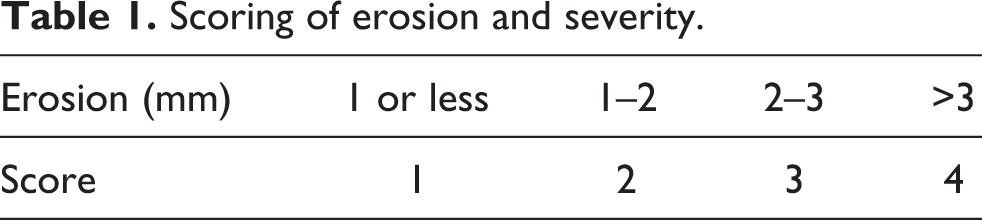
Experimental animals were grouped into five groups (six animals in each group), as shown in Table 2, and left on fasting for 24 h. Group 1 (normal control)—rats were received normal saline (3 ml/kg, p.o.) without forestomach and pylorus ligation; group 2 (toxic control)—forestomach and pylorus ligation; and groups 3, 4, and 5 served as treatment control. The animals of groups 3 and 4 were treated with monotherapy of pantoprazole (30 mg/kg, p.o.), gabapentin (50 mg/kg, p.o.), and group 5 treated with mixture of both gabapentin and pantoprazole. One hour after treatment, animals were anesthetized and celiotomy was executed to induce esophagitis by ligating the forestomach and pylorus ligation (Figure 1). 13 The animals left for 10 h after ligating the pylorus and stomach region. After 10 h, abdomen cavity reopened through the median incision to remove the esophagus and stomach tissue. The gastric content was collected and subjected to volume measurement, pH, and total and free acidity measurement. To calculate the severity of esophagitis, esophagus was opened along the major axis and the results of esophagitis index are represented in Table 1.

Demonstration of forestomach and pylorus ligation.
Scoring of erosion and severity.
Effect of pantoprazole and gabapentin alone and combined on pH, volume of gastric juice, total acidity, and esophagitis index in rats subjected to forestomach and pylorus ligation.a

N.S.: normal saline; ANOVA: analysis of variance; SD: standard deviation.
a Each group contains six animals. Values are represented as mean ± SD. Values in parenthesis represent percentage inhibition.
b Statistical significance compared to toxic control using one-way ANOVA followed by Bonferroni test, p < 0.001.
c Statistical significance compared to toxic control using one-way ANOVA followed by Bonferroni test, p < 0.01.
d Statistical significance compared to toxic control using one-way ANOVA followed by Bonferroni test, p < 0.05.
Evaluation of antioxidant markers
Since antioxidant markers play an important role in the inflammatory process, it is necessary to estimate antioxidant markers like superoxide dismutase (SOD), catalase (CAT), glutathione (GSH), protein carbonyl, and thiobarbituric acid reactive substance (TBARS). To estimate the said antioxidant markers, esophageal tissue was homogenized in 0.01 M ice-cold Tris-HCl buffer adjusted to pH 7.4. This solution was used for the estimation of abovementioned antioxidant markers. 16 –18
Histopathological analysis
Histopathology with hematoxylin and eosin (H&E) is very crucial for recognizing various tissue types and morphological changes in tissues that form the basis for cancer diagnosis. With this purpose, esophageal tissues from control, toxic, and treatment groups were collected and morphologically evaluated using H&E staining. Sample of tissues were prepared by preserving overnight in paraformaldehyde and 70% isopropanol. Tissues were dehydrated with 100% xylene after exposing to the increasing concentrations of isopropanol (70%, 90%, and 100%). After this, tissues were embedded in paraffin wax and separated into 5 µm sections using a microtome. These sections were stained with H&E and visualized. 19
Morphological evaluation
Morphological evaluation of esophageal tissues was carried out through scanning electron microscopy (SEM). Tissue samples for SEM analysis were prepared by fixing them in 2.5% solution of glutaraldehyde, followed by washing in phosphate buffer and then washed in 0.1 M phosphate buffer solution. Tissue samples were further fixed in 1% osmium tetroxide solution and again washed with phosphate solution. Dehydration of tissue samples was achieved through the washing of the tissues with increasing concentrations of acetone (30%, 50%, 70%, 90%, 95%, and 100%). The completely air-dried samples were mounted to the aluminum stub with help of tap and then analyzed under the SEM (JEOL-JSM-6490LV). 19
Statistical analysis
The results were analyzed using one-way analysis of variance followed by Bonferroni test using GraphPad Prism (version 8.3.0). p-Values of <0.05, <0.01, and <0.001 were considered statistically significant.
Results
Results of the study illustrated the inhibitory effect of combined therapy of pantoprazole with gabapentin on the experimentally induced GERD in albino Wistar rats. Experimental animals were divided into control, toxic, and treatment groups and subjected to treatment with pantoprazole and gabapentin, as shown in Table 2. A marked increase in acidity of gastric juice (pH 3.66 ± 1.32), volume of gastric juice (volume 3.916 ± 0.66), total acidity (1198 ± 989.75), and esophagitis index (3.4 ± 0.74) was observed in the toxic control group when compared to the normal control group (pH 6.00 ± 0.41, volume of gastric juice 0.7 ± 0.10, total acidity 135.96 ± 105.98, esophagitis index 0.28 ± 0.59). Marked erosion in the oesophageal tissue was also observed through SEM and histopathology in the toxic control group, while no such erosion was observed in the normal control group. Overall, the results confirmed the experimental induction of GERD in the experimental animals. Oral administration of gabapentin demonstrated marked protection against the oesophageal damage in rats. Gabapentin significantly reduced the acidity (pH 6.60 ± 0.49), volume of gastric juice (1.86 ± 0.49), total acidity (116.54 ± 90.35) esophagitis index (2.43 ± 0.46), volume of gastric juice (52%), and total acidity (90%) in comparison with toxic control. Pantoprazole significantly inhibited esophagitis index (1.51 ± 0.46) in comparison with toxic control. The combination therapy of pantoprazole and gabapentin more significantly reduced the gastric acidity (7.13 ± 0.26), volume of gastric juice (1.75 ± 0.52), total acidity (109.30 ± 73.56 and esophagitis 1.46 ± 0.38) when compared to the toxic and normal control groups (Table 2).
When biochemical parameters were evaluated, it was found that combination therapy has markedly restored the antioxidant defense system. The TBARS level (757.05 ± 18.80 nmol of malondialdehyde (MDA)/mg of protein) was found to be increased in toxic control as compared to sham control (452.62 ± 46.47 nmol of MDA/mg of protein) indicating reactive oxygen species (ROS) generation and oxidative stress. Concomitant administration of the pantoprazole and gabapentin as a monotherapy or in combination significantly repressed the lipid peroxidation manifested by decreased TBARS levels, that is, 689.95 ± 14.3, 318.16 ± 19.97, and 243.58 ± 8.49, respectively. Results show greater reduction in the TBARS level (243.58 ± 8.49) with amalgamation therapy pointing the synergistic efficacy of both the drugs. Protein carbonyl level was found to be increased in toxic control (251.51 ± 91.69) in comparison to sham control and combination (183.18 ± 15.55 and 143.63 ± 2.57), respectively.
Tissue GSH level in the normal control, toxic control, pantoprazole, gabapentin, and their combination was found to be 0.49 ± 0.05, 0.31 ± 0.01, 0.36 ± 0.09, 0.30 ± 0.02, and 0.39 ± 0.05). A significant increase in the tissue GSH level in combination group was observed in treated groups when compared to toxic control.
Tissue SOD level in the control was found to be 0.98 ± 0.19 and in toxic control was 0.39 ± 0.25. The SOD level was significantly restored with the institution of the therapy. Also better results were obtained when the both the drugs given in combination (Table 3).
Effect of pantoprazole and gabapentin therapy alone and combined on TBARS, protein carbonyl, GSH, CAT, and SOD in rats subjected to forestomach and pylorus ligation.a

TBAR: thiobarbituric acid reactive substance; GSH: glutathione; SOD: superoxide dismutase; CAT: catalase; N.S.: normal saline; ANOVA: analysis of variance; SD: standard deviation.
a Each group contains six animals. Values are represented as mean ± SD.
b Statistical significance compared to toxic control using one-way ANOVA followed by Bonferroni test, p < 0.001.
c Statistical significance compared to toxic control using one-way ANOVA followed by Bonferroni test, p < 0.01.
d Statistical significance compared to toxic control using one-way ANOVA followed by Bonferroni test, p < 0.05.
Further evidence of protective action was observed through SEM and histopathology analysis. Our morphological studies revealed that the damage of esophageal mucosal layers was observed in toxic control group. The combination therapy of pantoprazole and gabapentin demonstrates marked protection and observed to restore normal architecture. Similar trends were observed during histopathological analysis (Figure 2)

Morphological (SEM) and histopathological (H&E staining) alterations in the esophageal tissue of the animals treated with pantoprazole and gabapentin alone and combination. (a) and (f): Normal control; (b) and (g): Toxic control; (c) and (h): Pantoprazole (30 mg/kg); (d) and (i): Gabapentin (50 mg/kg); (e) and (j): Pantoprazole (30 mg/kg) + Gabapentin (50 mg/kg). SEM: scanning electron microscopy; H&E: hematoxylin and eosin.
Discussion
The present research work has been undertaken to evaluate the effect of combined therapy of gabapentin and pantoprazole against GERD in albino Wistar rats. Purposely, GERD was induced experimentally in grouped animals by ligating the pylorus and forestomach region. 19,20 It has been demonstrated in experimental rat models that ligating the forestomach and pylorus region can cause GERD and the same was observed in the toxic control animals characterized by significant ulceration and necrosis in esophageal tissue. 20
To make a clear distinction between combined and monotherapy, groups 3 and 4 animals were treated separately with monotherapy of pantoprazole and gabapentin. Pantoprazole, a well-known PPI, reduces the acid secretion from the gastric parietal cell. A significant reduction in gastric volume, total acidity, and esophagitis index was observed in pantoprazole-treated group 3 as it was expected (Table 2). 21
Similarly, significant changes in volume gastric juice, total acidity, and esophagitis index were observed in group 4 animals treated with monotherapy of gabapentin when compared to the toxic control group. It would be pertinent to mention here that monotherapy with gabapentin provided a more significant reduction in the volume of gastric juice and total acidity in comparison to monotherapy with pantoprazole. The favorable effects of gabapentin might be resulted from the GABA mimetic action of gabapentin which reduced TLESR rate and thus imparted marked protection in GERD. Gabapentin also known to reduce the release of monoamine neurotransmitter reduces the reflux, providing a symptomatic relief in GERD. 22
The animals of group 4 were treated with amalgamated therapy of pantoprazole and gabapentin. When given in combination, more reduction in volume of gastric juice, esophagitis index, and total acidity was evidenced by the results. The combined effect of amalgamated therapy might be resulted from inhibitory synergistic effect of both drugs on the gastric parietal cells. Pantoprazole directly reduced acid secretion by inhibiting proton pump and gabapentin additively suppressed the acid secretion and reduced the reflux of acid in the esophagus by modulating the tone of LES. Thus, results of this study suggested that the combination therapy was much more effective against GERD compared to the monotherapy.
Oxidative stress due to free radicals plays an important role in the pathogenesis of esophagitis. Recurrent acid reflux in GERD initiates the production of free radicals, which further enhances the complications of GERD. Elevated levels of TBARS and protein carbonyl and decreased levels of SOD, CAT, and GSH in the toxic control group indicated the production of free radicals as a result of forestomach and pylorus ligation. Increase in TBARS level is proportional to the increase in level of MDA. MDA is a sensitive marker of lipid peroxidation that indicates excessive damage to cell membrane and the same was noted in the toxic control group. 20 Treatment with monotherapy as well as with combined therapy significantly lowered the MDA and thus TBARS level, as shown in Table 3.
The free radicals have the potential to damage all types of biomolecules like DNA, lipids, and proteins. Free radical oxidation of protein is carried out through α-amidation pathway or by oxidation of glutamide and marked by the introduction of carbonyl group on the protein side chain. 23,24 A significant increase in the protein carbonyl was observed in the toxic control group after forestomach and pylorus ligation. Increased level of protein carbonyl may be resulted from experimental esophagitis and the same was reduced in animals treated with pantoprazole and gabapentin alone and in combination.
SOD present in tissue is another important antioxidant stress marker that neutralizes superoxide free radicals generated during the energy metabolism in mitochondria and peroxisomes. SOD converts highly toxic superoxide radicals into H2O2 which is further changed to water and molecular oxygen by tissue CAT and GSH. SOD, CAT, and GSH together constitute family of enzymes which collectively takes part in cellular defense mechanism against free radicals. 24 –26 It has been reported previously that activity and concentration of SOD, CAT, and GSH diminish in various pathological conditions, and similar trend in activity and concentration was observed in the toxic control group after forestomach and pylorus ligation. Treatment with monotherapy of gabapentin and pantoprazole significantly raised the level of SOD and CAT, but none of the drugs significantly changed the GSH level individually. Treatment with combination therapy significantly raised the SOD, CAT, and GSH when compared to the control group, again suggesting the synergistic effect of both the drugs.
Morphological evaluation of esophageal tissue through SEM and histopathology further supported the above findings (Figure 2.).
These findings altogether strongly suggest that combination therapy of pantoprazole with gabapentin is much more effective against GERD than monotherapy of pantoprazole. More importantly, no unwanted effect was observed with amalgamated therapy.
Conclusion
GERD is a common foregut disorder affecting large population caused by acid reflux and regurgitation. Presently available therapy only gives symptomatic relief in GERD but not able to cure it. The present work was undertaken to find better alternatives for GERD. Experimental GERD was induced by forestomach and pylorus ligation in albino rats and therapy was instituted with pantoprazole and gabapentin alone and in combination. Individual therapy with pantoprazole and gabapentin imparted significant protection in pylorus and forestomach-ligated animals marked by decreased level of MDA and increased level of SOD, CAT, and GSH. Animals were also treated with amalgamated therapy of pantoprazole and gabapentin, and more significant results were obtained when compared to the animals treated with individual therapy with respect to antioxidant markers SOD, CAT, GSH, and MDA. Better restorations of antioxidant markers were achieved through combination therapy. It would be pertinent to mention that combination therapy of pantoprazole and gabapentin is much better than the conventional monotherapy.
Footnotes
Declaration of conflicting interests
The author(s) declared no potential conflicts of interest with respect to the research, authorship, and/or publication of this article.
Funding
The author(s) received no financial support for the research, authorship, and/or publication of this article.
