



Abstract
The increased oxidative stress in patients with smoking-associated disease, such as chronic obstructive pulmonary disease, is the result of an increased burden of inhaled oxidants as well as increased amounts of reactive oxygen species generated by various inflammatory, immune and epithelial cells of the airways. Nicotine sustains tobacco addiction, a major cause of disability and premature death. In addition to the neurochemical effects of nicotine, behavioural factors also affect the severity of nicotine withdrawal symptoms. For some people, the feel, smell and sight of a cigarette and the ritual of obtaining, handling, lighting and smoking a cigarette are all associated with the pleasurable effects of smoking. For individuals who are motivated to quit smoking, a combination of pharmacotherapy and behavioural therapy has been shown to be most effective in controlling the symptoms of nicotine withdrawal. In the previous studies, we proposed the viability and versatility of the imidazole-containing dipeptide-based compounds in the nutritional compositions as the telomere protection targeted therapeutic system for smokers in combination with in vitro cellular culture techniques being an investigative tool to study telomere attrition in cells induced by cigarette smoke (CS) and smoke constituents. Our working therapeutic concept is that imidazole-containing dipeptide-based compounds (non-hydrolyzed carnosine and carcinine) can modulate the telomerase activity in the normal cells and can provide the redox regulation of the cellular function under the terms of environmental and oxidative stress and in this way protect the length and the structure of telomeres from attrition. The detoxifying system of non-hydrolyzed carnosine or carcinine can be applied in the therapeutic nutrition formulations or installed in the cigarette filter. Patented specific oral formulations of non-hydrolyzed carnosine and carcinine provide a powerful manipulation tool for targeted therapeutic inhibition of cumulative oxidative stress and inflammation and protection from telomere attrition associated with smoking. It is demonstrated in this work that both non-hydrolyzed carnosine and carcinine are characterized by greater bioavailability than pure
Keywords
The best ‘safer’ cigarette is your last one.
Introduction
The increased oxidative stress in patients with smoking-associated disease, such as chronic obstructive pulmonary disease (COPD), is the result of an increased burden of inhaled oxidants as well as increased amounts of reactive oxygen species (ROS) generated by various inflammatory, immune and epithelial cells of the airways. Oxidative stress has important implications on several events of lung physiology associated with smoking and the pathogenesis of COPD. These include oxidative inactivation of antiproteases and surfactants, mucus hypersecretion, membrane lipid peroxidation (LPO), mitochondrial respiration, alveolar epithelial injury, remodelling of extracellular matrix and apoptosis. An increased level of ROS produced in the airways is reflected by increased markers of oxidative stress in the airspaces, sputum, breath, lungs and blood in patients with smoking-associated disease, such as COPD. The biomarkers of oxidative stress such as hydrogen peroxide, F2-isoprostanes, malondialdehyde and 4-hydroxy-2-nonenal (HNE) have been successfully measured in breath condensate.
1
ROS and aldehydes play a key role in enhancing the inflammation through the activation of mitogen-activated protein kinases (MAPKs) and redox-sensitive transcription factors, such as nuclear factor κB (NF-
Imidazole-containing dipeptide-based antioxidant compounds (non-hydrolyzed carnosine and carcinine) may be of therapeutic value in monitoring oxidative biomarkers of disease (including telomeres attrition) indicating disease progression. In this article, the toxic biological activities of various constituents of tobacco smoke, including ROS, aldehyde or carbonyl compounds are considered, approaches to enhance the protection of smokers, the lung antioxidant screen and the clinical effectiveness of non-hydrolyzed carnosine, carcinine and related imidazole-containing and reduced glutathione (GSH) synthesis boosting antioxidant compounds, acting synergistically in the developed and patented oral formulations in the treatment of smoking-associated physiological and pathological states, including pulmonary diseases, are discussed.
Epidemiology of tobacco use
According to the World Health Organization (WHO), 1.3 billion men, women and children worldwide are smokers. 2 Worldwide, tobacco use causes more than 5 million deaths per year, and if the current trends in the use of tobacco continue, it will cause 8 million deaths per year by 2030. 2,3 Cigarette smoking has been identified as the most important source of preventable morbidity and premature mortality in the United States as well as in many other countries. A total of 418,690 death cases in the United States were attributed to smoking in 1990. 4 That figure included approximately twice as many male as female smokers. Of the 2,148,000 US residents who died in 1990, approximately half died of particular preventable causes. 5 Modifiable behavioural risk factors are leading causes of mortality in the United States. Quantifying these will provide insight into the effects of recent trends and the implications of missed prevention opportunities. The leading causes of death in 2000 were tobacco (435,000 deaths; 18.1% of total US deaths), poor diet and physical inactivity (365,000 deaths; 15.2% (corrected)) and alcohol consumption (85,000 deaths; 3.5%). Other actual causes of death were microbial agents (75,000), toxic agents (55,000), motor vehicle crashes (43,000), incidents involving firearms (29,000), sexual behaviours (20,000) and illicit use of drugs (17,000). 6 These analyses show that smoking remains the leading cause of mortality. However, poor diet and physical inactivity may soon overtake tobacco as the leading cause of death. These findings, along with escalating health-care costs and ageing population, argue persuasively that the need to establish a more preventive orientation in the US health care and public health systems has become more urgent. 6 The published statistics alerts that in the United States, 46.3 million adults (25.7% of the population) are smokers. 7,8 This indicates 24 million men (28.1% of the total) and more than 22 million women (23.5%). The prevalence is highest among persons aged between 25 and 44 years. Cigarette smoking is the leading preventable cause of death in the United States, responsible for about one in five or half-million deaths every year. 9 Reports indicate that environmental tobacco smoke (ETS) is composed of mainstream smoke exhaled by the smoker and sidestream smoke emitted from the pyrolysis of tobacco between puffs. 10,11 Sidestream smoke is the main component of ETS. The great majority of smoke emitted from a lit cigarette is sidestream smoke rather than smoke that is actively inhaled. Sidestream and mainstream smoke contain many of the same air contaminants. Sidestream smoke has more particles with smaller diameters, and these particles are therefore more likely to be deposited in the most distant regions of the lungs. 11 ETS is a major source of indoor air contaminants, and thus some unintentional inhalation by non-smokers is virtually unavoidable. Non-smokers exposed to ETS appear to be at increased risk of the same problems and complications recognized in smokers. Exposure to ETS results in an estimated 49,000 deaths every year. 12 Mainstream smoke – the smoke inhaled by the smoker directly through the mouthpiece of the cigarette – constitutes approximately 45% of the total smoke; whereas sidestream smoke –the smoke emitted by smouldering tobacco between puffs and the smoke diffusing through the lit cigarette paper and escaping from the burning cone during smoking – constitutes 55% of the total smoke. 13
Smoking and use of other forms of tobacco by youth is of particular significance, with 60% of new smokers being younger than 18 years when they first smoked a cigarette. In 2007, in the month prior to the survey, more than 3 million American adolescents (aged 12–17 years) reported using a tobacco product. 12 Tobacco use by adolescents is influenced by multiple psychosocial and biological factors that increase adolescents’ vulnerability for nicotine use. 12 –16 Studies show that adolescents are more sensitive to the reinforcing effects of nicotine and other chemicals found in cigarettes, further increasing their susceptibility to tobacco addiction. Intermittent smoking, such as over the weekends or at parties, has also been shown to result in tobacco addiction in adolescents. Moreover, 90% of adult smokers began using tobacco before their 18th birthday, and each day, 3000 children and adolescents begin smoking. 17
An important component of a comprehensive programme is the provision of treatment for tobacco addiction. 14 Treatment involves targeting several aspects of addiction including the underlying neurobiology and behavioural processes. Furthermore, building an infrastructure in health systems that encourages and helps with cessation, as well as expansion of the accessibility of treatments, is necessary. 14 Tobacco use, especially the smokeless forms, is of special concern in athletes. 18 –24 In the United States, the use of tobacco has become an entrenched part of teenage culture. Both female and male athletes were more likely to have used smokeless tobacco, the effect being stronger for more highly involved athletes of both genders. The findings are discussed in terms of access to health information, performance considerations, social status factors, the salience of an athletic identity and the influence of the athletic subculture on its members. 19 As a whole, practising sports as an elite student-athlete can be considered as correlated negatively with cigarette, alcohol and cannabis use. Nevertheless, this relationship depends on the kind of sport practised as well as the level of competition, and further research is needed to understand specific elite athletes’ motives for use. 22 In the United States and much of the world, cigarettes and other tobacco products remain largely free from meaningful regulation. No national agency currently regulates the manufacture, marketing or sale of tobacco products. The tobacco industry has long taken advantage of the absence of regulation to hide the truth about the health effects of their products; manipulate the levels of toxic constituents and nicotine in its products; deceive consumers about so-called reduced risk products and engage in marketing that is deceptive and appealing to women, youths and vulnerable populations. For at least the past 15 years, there has been a consensus about the need to fill this gap by giving the US Food and Drug Administration (FDA) authority over tobacco. Recently, both the Institute of Medicine of the National Academy of Sciences and the President’s Cancer Panel of the US National Cancer Institute concluded that FDA authority is a critical component of the overall tobacco control effort. 25
Electronic cigarettes are a new trend and a major concern for young smokers. 3,26,27 Electronic cigarettes are marketed to young smokers and are easily available over the Internet and in shopping malls. The labelling on these cigarettes does not include the US FDA warning of its harmful effects. 26 Also called e-cigarettes, these are battery-operated devices that generally contain cartridges filled with nicotine, flavour and other chemicals. The electronic cigarette turns nicotine and other chemicals into vapour that is inhaled by the user. The US FDA has found that this form of cigarette is equally harmful, toxic and addictive as other forms of tobacco use. 3,26,27 In addition to various carcinogens, e-cigarettes also contain other chemicals such as diethylene glycol, which is an ingredient found in antifreeze liquid. 3,26
Nicotine occurs in tobacco smoke (Figure 1). It is a habit-forming substance and is prescribed by health professionals to assist smokers to quit smoking. It is rapidly absorbed by the lungs of smokers. It crosses the placenta and accumulates in the developing foetus. Nicotine induces the formation of oxygen radicals and at the same time also reduces the antioxidant capacity of the lungs. Nicotine and the oxidants cause point mutations in the DNA molecule thereby changing the program that controls lung growth and maintenance of lung structure. 15,28 Nicotine sustains tobacco addiction, a major cause of disability and premature death. Nicotine binds to nicotinic cholinergic receptors (nAChRs), facilitating neurotransmitter release and thereby mediating the complex actions of nicotine in tobacco users. Dopamine (DA), glutamate and γ-aminobutyric acid release is particularly important in the development of nicotine dependence, and corticotropin-releasing factor appears to contribute to nicotine withdrawal. Nicotine dependence is highly heritable. Genetic studies indicate roles of nicotinic receptor subtypes, as well as genes involved in neuroplasticity and learning, in the development of dependence. Nicotine is primarily metabolized by CYP 2A6 (Cytochrome P450 2A6, a member of the cytochrome P450 mixed-function oxidase system, which is involved in the metabolism of xenobiotics in the body; CYP2A6 is the primary enzyme responsible for the oxidation of nicotine and cotinine), and variability in the rate of metabolism contributes to vulnerability to tobacco dependence, response to smoking cessation treatment and lung cancer risk. Tobacco addiction is much more common in persons with mental illness and substance abuse disorders, representing a high proportion of current smokers. 16 For individuals who are motivated to quit smoking, a combination of pharmacotherapy and behavioural therapy has been shown to be most effective in controlling the symptoms of nicotine withdrawal. Drugs marketed as smoking cessation aids include nicotine replacement therapy (NRT) and sustained-release bupropion hydrochloride. New drugs in development are directed to targets including nicotinic acetylcholine receptors, cannabinoid receptors, DA receptors and opioid receptors. Several therapeutic vaccines are also in the pipeline. 3,15,28 Although pharmacological and behavioural treatments are effective in improving cessation success, the rate of relapse to smoking remains high, emphasizing the strong addictive nature of nicotine. The future of treatment resides in improvement in patient matching to treatment, combination or novel drugs and viewing nicotine addiction as a chronic disorder that might need long-term treatment. 14

Forms of smoking products used.
3
(a)
Smoking-associated disorders
Cigarette smokers have a higher risk of developing several chronic disorders (Table 1). 29 –38 These include fatty deposit build-up in arteries, several types of cancer and COPD (lung problems) (Figure 2). According to WHO figures, 30% of all cancer deaths, 20% of all coronary heart diseases and strokes and 80% of all COPD are caused by cigarette smoking. 29,30 Compared with non-smokers, smokers are 15 times more likely to develop lung cancer, 11 times more likely to develop chronic lung disease and twice as likely to have acute myocardial infarctions. 31 Atherosclerosis (build-up of fatty substances in the arteries) is a chief contributor to the high number of deaths from smoking. 31,32 Many studies detail the evidence that cigarette smoking is a major cause of coronary heart disease, which leads to heart attack. 29 –38 Cigarette smoking increases the risk of coronary heart disease by itself. When it acts with other factors, it greatly increases risk. Smoking increases blood pressure, decreases exercise tolerance and increases the tendency for blood to clot. Smoking also increases the risk of recurrent coronary heart disease after bypass surgery. 39
Smoking-related diseases.a

aSources used for analysis: reproduced with permission from: Dove press, 2010 3 ; U.S. Department of Health Education, and Welfare 1964, 1967, 1979; U.S. Department of Health and Human Services 1980, 1982, 1983, 1984, 1989, 1990,1994, 2001; U.S. Department of Health and Human Services, 1988 13 ; Data from: (1) US Department of Health and Human Services: The Health Consequences of Smoking. Nicotine Addiction: A Report of the Surgeon General. Washington, DC, 1988 US Department of Health and Human Services; (2) The Health Consequences of Smoking: A Report of the Surgeon General. Atlanta, GA: U.S. Department of Health and Human Services; CDC, National Center for Chronic Disease Prevention and Health Promotion, Office of Smoking and Health, 2004. Available at: http://www.cdc, gov/tobacco/data_statistics/sgr_2004/index.htm.

Smoking-associated disorders (respiratory diseases).
Nicotine levels in the brain and the associated feelings of pleasure and reward peak within 10 s of inhalation. 3,9,12,16 However, the acute effects of nicotine dissipate rapidly. This causes the smoker to continue to smoke to maintain the effects of nicotine and prevent withdrawal symptoms. These effects of nicotine are mediated by DA. Nicotine increases the levels of DA mainly by its action on the mesolimbic DA system. 3,16,40 Within the brain, acute nicotine stimulates the release of DA in the shell of the nucleus accumbens, whereas repeated nicotine results in selective sensitization of its effects on DA overflow in the accumbal core. 14,16,41,42 Nicotine has the pharmacological properties of a psychostimulant drug of dependence. Behaviourally, it serves as a reinforcer in self-administration experiments. Consequently, more nicotine is required to achieve the desired effect, eventually resulting in tolerance and dependence. Regular tobacco use results in nicotine accumulation in the body, exposing the user to the effects of nicotine throughout the 24 h. The significant neurochemical changes in the brain that result from chronic nicotine use make it very difficult for the smoker to quit. Animal studies have shown that acetaldehyde, a chemical found in tobacco smoke, dramatically increases the reinforcing properties of nicotine and may also contribute to tobacco addiction. 3,9,12,16 Chronic use of nicotine results in an increase in the number of nicotine receptors in the brain. 14,16,41,42 Cigarette smoke (CS) provides a vehicle for nicotine that maximizes its addictive potential since it delivers nicotine directly into the lungs and, within 10–15 s, to the brain. For habitual cigarette smokers, this process is repeated frequently and regularly and in the context of many other sensory cues within the smoke that potentially provide additional conditioned reinforcers. This explains the strong addiction that many smokers develop to tobacco smoke. Smoking cessation is also associated with the expression of an abstinence syndrome that can, largely, be attributed to nicotine withdrawal and is also likely to contribute to the maintenance of the habit. 42 A review of the neurobiology of tobacco smoking provides examples of the mechanisms for reinforcing tobacco use, including the enhancement of memory and treatment of depression with nicotine and monoamine oxidase (MAO)-inhibiting chemicals in tobacco smoke, respectively. 41 Abrupt cessation of smoking results in withdrawal symptoms primarily due to decreased nicotine levels. Symptoms of nicotine withdrawal include irritability, craving, depression, anxiety, cognitive and attention deficits, sleep disturbances and increased appetite. 13,14 The withdrawal symptoms, in most cases, begin within a few hours after the last cigarette, peak within the first few days of smoking cessation and usually subside within a few weeks. In some cases, however, the symptoms may persist for months. 9,14
In addition to the neurochemical effects of nicotine, behavioural factors also affect the severity of nicotine withdrawal symptoms. For some people, the feel, smell and sight of a cigarette and the ritual of obtaining, handling, lighting and smoking a cigarette are all associated with the pleasurable effects of smoking. 3 Consequently, this can worsen withdrawal symptoms or cravings. Behavioural therapies can help smokers identify environmental triggers of craving, so they can employ strategies to prevent or circumvent these symptoms and urges. It is important to recognize that smoking cessation is a team effort. The social setting in which smoking occurs, the social culture of the smoker and the support networks available to the smoker, all play critical role in the success of smoking cessation by the smoker. 3
Reactive constituents of tobacco smoke involved in the pathological consequences of smoking
CS is a complex dynamic mixture of more than 4800 chemicals distributed between the particulate and vapour phases. 43,44 Nicotine is primarily responsible for tobacco addiction. 12,14,16 Other main constituents of smoke that result in adverse health consequences include ammonia, benzene, carbon monoxide, cyanide, formaldehyde, acetaldehyde, phenols and tar. Approximately 90% of the constituents of the smoke are in the form of vaporized chemicals, while rest are in the particulate form. 9,12,13
Cigarettes are categorized (Figure 1) based on their tar content (total particulate matter (TPM) in smoke, excluding water and alkaloid compounds), which is measured using a standardized protocol on a smoking machine. 3,9,12,13,40 In filtered cigarettes (99% of cigarettes currently on the market), the filter vents dilute the smoke with air, reducing standard yields of tar, nicotine and carbon monoxide. Many smokers block the vents or compensate with increased inhalations when smoking low-yield cigarettes. By doing so, they typically get as much tar and nicotine from cigarettes with low-yield ratings as those with higher yields. On average, a cigarette contains between 13 and 19 mg of nicotine; smoking one cigarette typically delivers 1–2 mg of nicotine. 12,14,16 The nicotine content of tobacco smoke is 1–2% and each inhalation delivers approximately 0.05–0.15 mg. 12,16 Nicotine, whose chemical structure resembles that of the neurotransmitter acetylcholine (Figure 3), acts on stereospecific nAChRs in the brain and other organs. 3,16,40 The chemical structure and metabolic pathway of nicotine are depicted in Figure 3. It also has both direct and indirect effects on the neuroendocrine system. The initial phase of stimulation of the central nervous system (CNS) by nicotine is typically followed by a phase of CNS depression. 16,40,45 . By attenuating nicotine reinforcement, treatments may enhance a smoker’s chances of successfully remaining abstinent. Several treatment approaches have been described, including the use of denicotinized cigarettes, nicotine vaccines, nicotinic receptor agonists and antagonists and modulators of brain reinforcement processes. These techniques highlight the numerous sites along the path between the cigarette and the brain that can be targeted for intervention. 45 The action of nicotine on nAChRs stimulates the release of various neurotransmitters and hormones including acetylcholine, norepinephrine, DA, vasopressin, serotonin and β-endorphins. 12,14,16,41 Research shows that smoking is associated with a marked decrease in MAO levels in the brain. 3,16 It is postulated that this decrease in MAO is caused by chemicals in the smoke other than nicotine. Decreased levels of MAO-A and MAO-B in the brain result in a higher level of DA. The action of nicotine on the CNS increases alertness, improves memory, improves concentration and decreases anxiety.

(a) Nicotine is an organic compound, an alkaloid found naturally throughout the tobacco plant, with a high concentration in the leaves. It constitutes 0.3–5% of the plant by dry weight, with biosynthesis taking place in the roots, and accumulates in the leaves. (b) Metabolic pathways of nicotine (Source: reproduced with permission from US Department of Health and Human Services, 1988 13 ): Nicotine absorption: 10–50% of available nicotine is absorbed during puffing; 80% during deep inhalation and readily and completely absorbed via mucous membranes and skin. Distribution: readily distributed in all body tissues; reaches brain within 10 s; acute spike in arterial nicotine level occurs; steady-state volume of distribution is approximately 2.6 times the body weight in kilogram. Nicotine metabolism: 80% is metabolized in the liver to cotinine by enzyme CYP2A6 (and to a lesser extent by CYP2B6 and CYP2E1); Rest is metabolized in the lungs and kidneys. Elimination: average elimination half-life is 2 h; average elimination half-life of nicotine metabolite cotinine is 16 h; cotinine is not detectable in urine after complete abstinence of 1 week; unaltered nicotine and its metabolites excreted by kidneys. 3
CS contains a large variety of compounds, including many oxidants and free radicals that are capable of initiating or promoting oxidative damage (Figure 4). Also, oxidative damage may result from ROS generated by the increased and activated phagocytes following cigarette smoking. 43 It is widely accepted that CS is capable of causing oxidative damage in DNA, either directly or through generation of ROS (reviewed in ref. 37).
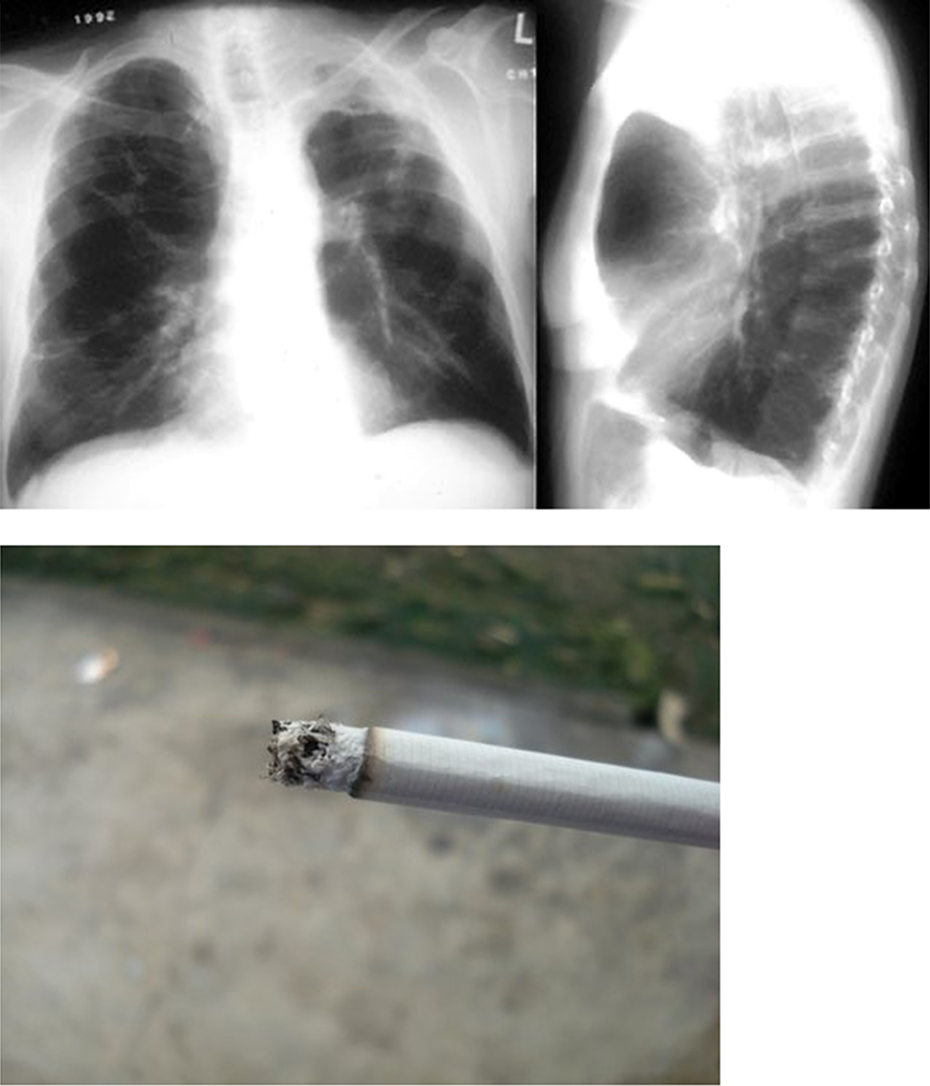
COPD is a highly prevalent disease affecting 341,047,000 individuals worldwide and representing the fifth leading mortality cause. COPD is characterized by fixed or partly reversible airflow limitation and clinical symptoms such as cough, increase sputum production, wheezing and dyspnea. The origin of COPD is mainly attributed to cigarette smoking, although it has been linked to air pollution, occupational exposure, nutrition and chronic or latent viral infection. Pathogenesis of COPD can be summarized by cigarette smoke inducing an oxidative stress on epithelial cells and macrophages. The oxygen reactor then triggers an inflammatory pattern through chemokine production by epithelial cells leading to neutrophils, CD8+ T cells, eosinophils and macrophages recruitment. The inflammation pattern is believed to induce structural cells apoptosis and tissue degradation leading to chronic bronchitis and emphysema. In large and small airways, bronchial mucosa of COPD is characterized by squamous cell metaplasia, loss of epithelial cilia, goblet cell hyperplasia, mucus gland enlargement, smooth muscle hypertrophy and inflammatory cell infiltration. COPD: chronic obstructive pulmonary disease.
However, information obtained from in vivo studies is inconclusive. Contrary to expectations, the levels of LPO products were found to be decreased or unchanged in the lungs of chronically smoked rats. Metabolic adaptation, such as accumulation of vitamin E in the lung, and increased activities of superoxide dismutase (SOD) in alveolar macrophages (AM) and pulmonary tissues of chronically smoked animals may enable smoked subjects to counteract oxidative stress and to resist further damage to smoke exposure. However, it is also possible that the metabolic adaptation may be secondary to inflammatory response and injury repair process following smoking exposure. 43 Oxygen-centred free radicals generated from CS have been known to trigger lung inflammation and, thereby, progression of airway disease. 46,47 The airway epithelium is the primary target for inhaled oxidants. Epithelial lining fluid is the first point of contact between the lung and inhaled environmental oxidants, such as CS and ozone. Oxidant challenge to the airway and alveolar epithelium is normally neutralized by the antioxidants in the epithelial lining fluid.
ROS, either directly or via the formation of (LPO) products, may play a role in respiratory diseases in enhancing inflammation through the activation of stress kinases (c-Jun activated kinase, extracellular signal-regulated kinase and p38) and redox-sensitive transcription factors, such as NF-κB and activator protein-1. 47 This results in increased expression of a battery of distinct pro-inflammatory mediators. Oxidative stress activates NF-κB-mediated transcription of pro-inflammatory mediators either through activation of its activating inhibitor of κB-alpha kinase or the enhanced recruitment and activation of transcriptional co-activators. Enhanced NF-κB–co-activator complex formation results in targeted increases in histone modifications, such as acetylation leading to inflammatory gene expression.
Emerging evidence suggests the GSH redox couple may entail dynamic regulation of protein function by reversible disulphide bond formation on kinases, phosphatases and transcription factors. Oxidative stress also inhibits histone deacetylase activity, and in doing so, further enhances inflammatory gene expression and may attenuate glucocorticoid sensitivity. The antioxidant/anti-inflammatory effects of thiol molecules (GSH, N-acetyl-
Oxidative stress occurs if antioxidant levels in the epithelial lining fluid are inadequate to neutralize inhaled oxidants/free radicals. Reduced GSH, the most abundant cellular thiol antioxidant, plays a critical role in the maintenance of intracellular redox balance in epithelial lining fluid and is involved in the detoxification reaction through direct conjugation or by enzyme-catalyzed reactions. 48 This essential antioxidant has been reported to be depleted in the airways in several pulmonary disorders, such as COPD, acute respiratory distress syndrome and cystic fibrosis, suggesting a role of oxidative stress in the pathogenesis of these chronic inflammatory lung diseases. 48,49 Both GSH and γ-glutamylcysteine synthetase (γ-GCS) expression are modulated by oxidants, phenolic antioxidants and inflammatory and anti-inflammatory agents in lung cells. γ-GCS is regulated at both the transcriptional and post-transcriptional levels. 48,49 Knowledge of the mechanisms of GSH regulation in the lungs could lead to the development of novel therapies of CS-induced damages based on the pharmacological or genetic manipulation of the production of this important antioxidant in lung inflammation and injury. 49
Telomere length (TL), cigarette smoking and chronic oxidative stress
Telomeres are DNA capping structures that protect the ends of eukaryotic chromosomes. In vitro studies in mammalian cells suggest that telomere shortening triggers cellular senescence or apoptosis, depending on the cell type. 50 –53 Studies on humans have shown that telomeres shorten with ageing in various mitotic tissues and cell types. 54 –56 The rate of telomere attrition is slower in long-lived mammals compared with short-lived ones. 57 Senescent cells accumulate with increasing age in vivo 58 and are thought to play an important role in organismal ageing, 59 which is characterized by physiologic and metabolic decline 53 and increasing susceptibility to several diseases associated with death. 60 Thus, it is likely that telomere shortening may be mechanistically linked to organismal lifespan, especially in population of smokers. The published results support the hypotheses that telomere attrition may be related to diseases of ageing through mechanisms involving oxidative stress associated with CS, inflammation and progression to cardiovascular disease (CVD). 60 Telomeres consist of TTAGGG tandem repeats at the ends of chromosomes and are known to protect these regions from degradation and DNA repair activities. 61 A complex formed by six telomere-specific proteins associates with this sequence and protects chromosome ends (Figure 5). 61 During normal ageing, the gradual loss of telomeric DNA in dividing somatic cells can contribute to replicative senescence, apoptosis or neoplastic transformation. 62

Telomeres and telomerase in human/clinical studies. (a) Telomeres on human chromosomes. Telomeres – the DNA caps on linear chromosomes that prevent aberration or loss of genetic information during cell division – have aroused considerable interest in recent years as targets for ‘anti-ageing’ and chronic disease prevention strategies. The long-term safety or efficacy of nutraceutical interventions for telomere support remains unknown. That said, a number of the factors influencing telomere length could be positively affected by relatively safe and low-cost interventions. These safe and simple strategies aimed at telomere preservation and lengthening will likely have general health benefits beyond any proposed effects on telomeres or telomerase. (b) The enzyme telomerase (a reverse transcriptase) acts to extend telomeres and reduce their attrition. If telomere shortening correlates with ageing and disease, and telomerase can sustain or lengthen telomeres, then interventions to modulate the telomere/telomerase in a safe from cancer genesis way represent a promising strategy for preventing, delaying or minimizing degenerative diseases associated with ageing. We know relatively little about selective telomerase enhancement, though it has become an important target for pharmaceutical or nutraceutical companies seeking to capitalize on the potential to promote longevity and reduce age-related diseases (www.tasciences.com, www.geron.com). Much of the research on telomerase and telomeres is closely guarded by companies with proprietary interests. This suggests that efficient regulation of telomerase expression in response to stresses that are known to reduce telomeres such as oxidative damage or inflammation would lead to better telomere maintenance. (c) Recently, we have discussed the potential use of telomere-restorative imidazole-containing dipeptide (non-hydrolyzed carnosine, carcinine) therapy for survival in smokers. 37,38
It is known that oxidative stress, alkylation or UV radiation increases shortening of telomeres. Therefore, the group of authors also analyzed whether environmental and genetic factors associated with DNA damage, that is, smoking and polymorphisms in the genes involved in the metabolism of genotoxic carcinogens (EPHX1, GSTA1, GSTM1, GSTP1, GSTT1, NAT1, NAT2 and NQO1), respectively, or DNA repair (APE1, NBS1, XPC, XPD, XRCC1, XRCC3 and XRCC4) could modify the association between TL and cancer risk. A clear effect of smoking and telomere length could be observed. Current smokers with short telomeres had more than six times as higher risk as non-smokers/former smokers with long telomeres (odds ratio = 6.3, 95% confidence interval: 1.7–23). 63 The authors observed a statistically significant difference in TL among men and women (p < 0.001); however, the interaction between gender, TL and bladder cancer risk was not significant. 64 The authors also observed a significant difference in TL across categories of pack-years of smoking (p = 0.01). 64
The most important observation in studying human telomere biology is that TL is highly variable among humans. 65 Biological age may be distinct from chronological age and contribute to the pathogenesis of age-related diseases. Mean telomere lengths provide an assessment of biological age with shorter telomeres, indicating increased biological age. White blood cells (WBCs) have been used as the primary model in attempts to decipher links between ageing, ageing-related disorders and telomere dynamics in humans. The WBC model may be appropriate in clinical settings, provided that we fully appreciate its drawbacks and limitations. The consistent findings of a negative correlation between TL and replicative potential of cultured cells, as well as a decreasing TL in a number of different tissues in humans with age, have led to the suggestion that telomeres play a role in cellular ageing in vivo and ultimately even in organismal ageing. 66 On the basis of WBC telomere data, it is evident that age-adjusted TL is highly variable, highly heritable, longer in women than men and shorter in people who harbour a host of age-related disorders, whose common denominators may prove to be increased oxidative stress and inflammation. 67 It appears that shorter age-adjusted WBC TL augurs a greater risk of morbidity and premature mortality in the elderly individuals. 62 However, whether mortality in the elderly individuals is also associated with shortened TL is still an open question. 62,66,68 Recent studies confirmed that individuals with shorter telomeres present a higher prevalence of arterial lesions and higher risk of CVD mortality. 69 The innovative telomere research has moved rapidly from the laboratory to clinical and cross section epidemiology population-based studies, which have observed that shorter mean TL in leukocytes is associated with CVD, 60,62,69 –72 indices of obesity and insulin resistance, 60,71,73 –75 dementia, 76,77 cigarette smoking, 73,78 and a host of other maladies. These observations are highly relevant, yet in an increasing number of studies, little attention has been paid to potential biases and problems leading to discrepant results. The authors of the study 64 evaluated the effect of smoking on TL and found significantly shorter telomeres in healthy individuals who smoked than in those who did not smoke. Age-adjusted TL was approximately 5 bp shorter for every pack-year smoked in the study of Valdes et al. 73 , with 40 pack-years of smoking corresponding to 7.4 years of age-related shortening in TL. Similarly, Morlá et al. 79 observed a dose–response relationship between cumulative lifetime exposure to tobacco smoking and TL. The gender effects of smoking on TL are important in several studies. In the study, 64 women had longer relative telomeres as compared to those in men, which is consistent with prior studies demonstrating a similar relation. 52,65,66,80,81 In the matched published works, TL was evaluated in WBCs by measuring the mean length of the terminal restriction fragments. Age-adjusted TL was longer in women than in men (8.67 ± 0.09 vs. 8.37 ± 0.07 kb; p = 0.016). 69 The longer TL in women suggests that for a given chronological age, biological ageing of men is more advanced than that of women. TL has been observed to be similar in male and female newborns, 82 yet telomere lengths in adults may have potential differences due to gender differences and exposures to oxidative stress. 80,83
Obesity and smoking are important risk factors for many age-related diseases. Both are states of heightened oxidative stress, which increases the rate of telomere erosion per replication, and inflammation, which enhances WBC turnover. Together, these processes accelerate telomere erosion with age. 73 In the study, 73 the authors tested the hypothesis that increased body mass and smoking are associated with shortened TL in WBC. The authors investigated 1122 white women aged 18–76 years and found that TL decreased steadily with age at a mean rate of 27 bp per year. Telomeres of obese women were 240 bp shorter than those of lean women (p = 0.026). A dose-dependent relation with smoking was recorded (p = 0.017). The results emphasize the pro-ageing effects of obesity and cigarette smoking. 73
It is likely, therefore, that the accelerated loss of TL observed is part of an oxidant-induced senescence phenomenon. If this is the case, this may have important pathogenic implications because cell senescence jeopardizes the capacity to repair tissue injury. 84
An enhanced or abnormal inflammatory response to the lungs to inhaled particles and gases, usually from CS, is considered to be a general pathogenic mechanism in COPD. Activation of leucocytes and the development of oxidant–antioxidant and protease–anti-protease imbalances are thought to be important aspects of this enhanced inflammatory response to CS. 85 The mechanisms involved in the perpetuation of the inflammatory response in the lungs in patients who develop COPD, even after smoking cessation, are not fully established and are key to our understanding of the pathogenic mechanisms in COPD and may be important for the development of new therapies. There is a relationship between chronic inflammatory diseases and ageing, and the processes involved in ageing may provide a novel mechanism in the pathogenesis of COPD. There is good evidence linking ageing and COPD. During normal ageing, pulmonary function deteriorates progressively and pulmonary inflammation increases, accompanied in the lungs by the features of emphysema. These features are accelerated in COPD. Emphysema is associated with the markers of accelerated ageing in the lungs, and COPD is also associated with the features of accelerated ageing in other organs, such as the cardiovascular and musculoskeletal systems. CS and other oxidative stresses result in cellular senescence and accelerate lung ageing. There is also evidence that anti-ageing molecules such as histone deacetylases and sirtuins are decreased in the lungs of COPD patients, compared with smokers without COPD, resulting in enhanced inflammation and further progression of COPD. The processes involved in accelerated ageing may provide novel targets for therapy in COPD. 85 Telomere length is considered a marker for biological ageing and COPD may be associated with premature ageing. Savale et al. 86 measured telomere length, using a quantitative polymerase chain reaction-based method, and plasma levels of various cytokines in 136 patients with COPD, 113 age- and sex-matched smokers and 42 non-smokers with normal lung function. Median (range) telomere length ratio was significantly lower in patients with COPD (0.57 (0.23–1.18)) than in control smokers (0.79 (0.34–1.58)) or non-smokers (0.85 (0.38–1.55); p < 0.001). The difference remained highly significant when using logistic regression analysis adjusted for age, sex and tobacco exposure. Both females and males with COPD had shorter telomere length than same-sex control subjects. Telomere length was related to age in patients and control subjects but was shorter in patients than in control subjects in all age groups. In patients with COPD, telomere length was related to partial pressure of oxygen (PaO2; p < 0.001) and partial pressure of carbon dioxide (PaCO2; p < 0.001) but not to lung function parameters or the BODE index (The BODE Index is a composite marker of disease taking into consideration the systemic nature of COPD). Patients with COPD also had elevated plasma levels of various cytokines and interleukin (IL)-6 correlating negatively with telomere length (p < 0.001). 86 Given that in vivo telomere length reflects cellular turnover and exposure to oxidative and inflammatory damage, the data propose accelerated ageing in COPD. 86,87
In another study, 79 in contrast to never-smokers, TL significantly decreased with age in smokers. There was also a dose–effect relationship between the cumulative long-life exposure to tobacco smoking (pack-years) and TL. The presence and/or severity of chronic airflow obstruction did not modify this relationship. The results of this study confirm that smoking exposure enhances telomere shortening in circulating lymphocytes. It also demonstrates a dose–effect relationship between exposure to tobacco smoking and TL. However, the preliminary study failed to show that this phenomenon is enhanced in smokers who develop COPD. 79 Increased oxidative stress and inflammation have been observed to be negatively associated with telomere length (TL). In the study of Houben et al., 88 the aim was to investigate the TL in COPD patients in relation to pulmonary and extrapulmonary disease severity. Furthermore, based on experimental evidence suggesting the effects of oxidative stress on telomere shortening, the authors studied the association of TL with the antioxidant enzyme SOD. A total of 102 COPD patients with moderate to severe COPD were studied and compared with 19 healthy age-matched controls. Patients were characterized by elevated levels of inflammatory markers (C-reactive protein and soluble tumor necrosis factor receptors (sTNF-Rs)) and lower SOD-activity than the controls (p < 0.001), irrespective of the SOD genotype. TL was negatively associated with age (p < 0.01) and was significantly shorter in COPD patients than controls (p < 0.05). Within the patient group age-adjusted TL variability could not be explained by lung function and smoking history but a modest association was found with the percentage of fat mass (p < 0.05). These data provide evidence for a relationship between a disturbed oxidant/antioxidant balance and telomere shortening and indicate that preservation of fat mass may be protective in delaying telomere shortening in COPD patients. 88
In this section of the article, we conclude that telomere attrition (expressed in WBCs) can serve as a significant biological marker of the cumulative oxidative stress and inflammation during cigarette smoking and, consequently, indicates the pace of biological ageing. TL is an independent predictor of survival and treatment requirement target in chronic disease associated with oxidative stress and smoking behaviour. 37,38
Oral forms of non-hydrolyzed carnosine and carcinine as the telomere protection therapeutic system for smokers preventing telomere shortening in COPD patients
In the previous studies, we proposed the viability and versatility of the imidazole-containing compounds in the nutritional compositions (Figure 6) as the telomere protection targeted therapeutic system for smokers in combination with in vitro cellular culture techniques being an investigative tool to study telomere attrition in cells induced by CS and smoke constituents. 37,38 Our working therapeutic concept is that imidazole-containing dipeptide-based compounds (non-hydrolyzed carnosine and carcinine) can modulate the telomerase activity in the normal cells and can provide the redox regulation of the cellular function under the terms of environmental and oxidative stress and in this way protect the length and the structure of telomeres from attrition (Figure 6). 37,38,91 –95 . Patented specific oral formulations of non-hydrolyzed carnosine and carcinine provide a powerful manipulation tool for targeted therapeutic inhibition of cumulative oxidative stress and inflammation and protection from telomere attrition associated with smoking. 37,38,91 –95. The proposal of universal antioxidant therapeutic strategies based on administration of non-hydrolyzed carnosine, carcinine has been reported in the recently published solid research studies. 37,38,91 –94

Nutritional formulation of non-hydrolyzed in digestive tracts and blood natural carnosine peptide (carnosine) as a panacea of tomorrow for therapeutic protection of smokers preventing telomeres from attrition, effective in the treatment of smoking-associated disorders and controlling the cumulative oxidative stress. Non-hydrolyzed carnosine (carnisine) exerts the signalling activity attenuating nitric oxide production and inhibits inflammatory response and tissue damage in the respiratory tract due to the intrinsic fundamental properties of
In the previous work, a group of authors independently studied the effect of carnosine on a human fetal lung fibroblast strain (HPF) that was either kept in a continuously proliferating or proliferation-inhibited state. 95 The results indicate that carnosine can reduce telomere shortening rate possibly by protecting telomere from damage. 95 The authors suggest based on their findings that the reduction in telomere shortening rate and damages in telomeric DNA made an important contribution to the life-extension effect of carnosine. 95 In this review article, we consider the role of prevention of the cellular senescence, telomere attrition and further regulation of telomerase activity in smoking using non-hydrolyzed with serum carnosinase (dipeptidase) oral forms of carnosine and carcinine, possibilities of healthy ageing in smokers by therapeutic regulation with imidazole-containing dipeptide-based compounds of the length of telomeres, telomerase activity and provision of redox regulation of the cellular physiological function and increase in life expectancy. We discuss heritable, acquired during smoking and stochastic variation in telomere length and the age-related decline in telomere length that has been documented in various human tissues during the disease. The consequences of telomerase deficiencies and the resulting telomere dysfunction are presented and we discuss the prospects of interventions and novel therapies that target telomeres or telomerase using imidazole-containing dipeptide-based compounds.
The prospects of further research are proposed on the basis of consideration of the benefits of the oral non-hydrolyzed forms of carnosine versus other conventional nutritional hydrolyzable forms of carnosine.
Aspects of pharmacokinetics of various nutritional forms and sources of carnosine
Natural carnosine (β-alanyl-L-histidine) is a dipeptide found in the muscle foods that has been postulated to be a bioactive food component. Because of its physiological effects, carnosine (β-alanyl-
The objective of research to Decker et al. 102 was to determine the concentration of carnosine in human plasma after ingestion of beef. Nine males and nine females were recruited for the study. Food devoid of meat products was given to the subjects so that they did not consume carnosine for 48 h prior to the test. Subjects fasted for 12 h and then had blood withdrawn prior to a meal containing 200 g of ground beef. Additional blood samples were collected over the following 24 h and carnosine concentrations were determined by high-performance liquid chromatography (HPLC). The cooked ground beef used in the study contained 52% water, 24% protein, 22% fat and 124 mg of carnosine/100 g of beef. No plasma carnosine was detected in subjects before the consumption of the beef. Carnosine was detected in plasma 15 min after beef consumption. Plasma carnosine concentrations continued to increase with a maximum (32.7 mg of carnosine/L of plasma) being recorded 2.5 h after consumption. Carnosine concentrations then decreased until no carnosine could be detected at 5.5 h post-consumption. These results indicate that dietary carnosine is absorbed into human plasma after the consumption of beef. The objective of another study of Bauchart et al. 104 was to assess the quantitative significance of intact carnosine absorption after ingestion of different beef meats, using the mini pig as the animal model. In a preliminary experiment, the authors evaluated the level of dietary carnosine in intestinal digesta of pigs (n = 4) after a meat meal (0.94 g protein/kg body weight (bw)) of grilled top loin (GTL) or stewed shoulder (S). 104 In accordance with meat carnosine concentration (20.7 and 7.2 mmol/g for GTL and S, respectively), intestinal carnosine concentration was greater for GTL than S. For both meats, carnosine flow to mid-jejunum was almost completed in the first 3 h following intake, and about one-half of the ingested carnosine disappeared from the intestinal lumen before the mid-jejunum. In catheterized mini pigs (n = 4), the portal net release of dietary carnosine was assessed after a meat meal (1.4 g protein/kg bw) of GTL, S and a blend of grilled neck and brisket (NB; 12.2 μmol carnosine/g). Postprandial carnosine plasma concentration and portal net release were not affected after an S meal, but they increased, proportionally to meat carnosine content, with NB and GTL. For these meats, carnosine net release throughout the whole postprandial period accounted for 22% of the ingested carnosine. These results indicated that meat carnosine can be absorbed across the intestinal wall and that carnosine bioavailability depends on carnosine content of cooked meat. 104 In this published study, the authors observed in young pigs that, after a meat meal, about one-half of the ingested carnosine flowed to the mid-jejunum. 104 Whether the remaining carnosine was absorbed in the first part of the intestine or degraded is not known. In vitro studies suggested that carnosine in cooked meat was not very sensitive to pepsin and pancreatin digestion. 105 Nonetheless, the data showed that even if carnosine was hydrolyzed in the gut lumen, this degradation was not rapid enough to prevent its absorption. Carnosine concentration in the intestinal lumen appeared to be related to the amount of ingested carnosine, intestinal concentrations being greater after GTL ingestion than after S ingestion. 104
Gardner et al. 106 studied the possibility of the intestinal absorption of intact carnosine in humans. They observed a substantial increase (80 μmol/L) in plasma carnosine concentration within the hour following oral administration of carnosine and a rapid decline in the next hour. In humans, plasma carnosine concentration increased (144 μmol/L) after consumption of a ground beef meal containing 267 mg carnosine. 102 Furthermore, maximal values of plasma carnosine were closely related to carnosine intake. Plasma concentrations remain difficult to interpret, because they result from entry rate in plasma (endogenous production and intestinal absorption) and disappearance rate (degradation, uptake by tissues). After oral administration of carnosine in humans, its excretion in the urine was shown to account for up to 14% of ingested carnosine. 106 From these data, it was, however, not possible to quantify true intestinal absorption. If one estimates no significant uptake of arterial carnosine and no significant synthesis of carnosine by the portal drained viscera, portal net release of carnosine reflects intestinal absorption. The absence of carnosine net release into the portal vein could also be due to a threshold effect: below 700 μmol of carnosine ingested, all dietary carnosines would be sequestrated in the small intestine. Above this value, carnosine net release in blood would be proportional to carnosine intake. This threshold for carnosine net release in bloodstream would be mainly related to an over-flow of the intestinal carnosinase activity. 104
Among its different potential activities, carnosine pH buffering capacity is the most widely accepted. Blood pH increased after the meal regardless of which meat was ingested. In humans, oral supplementation with chicken breast extract, which is a rich source of histidine dipeptide, enhanced non-bicarbonate blood pH buffering during intense intermittent exercise. 107 In humans, serum total antioxidant capacity increased after a meat meal without any contribution of serum urate level increase and a similar increase was observed after oral administration of carnosine alone. 104,108
The results of our own studies provide further evidence that small peptides in oral formulations containing non-hydrolyzed carnosine or carcinine can cross small intestinal epithelium and reach the bloodstream. Given its numerous health benefits, oral forms of non-hydrolyzed carnosine and carcinine should be considered when defining the nutritional value in smokers and, essentially patients with pulmonary diseases. 89,90
Analysis and toxic biological activities of reactive aldehydes and carbonyl compounds in tobacco smoke: scavenging effects of non-hydrolyzed carnosine and related constituents of patented nutritional formulation to ROS and aldehydes during smoking behaviour
Analysis of trace levels of reactive carbonyl compounds (RCCs), including formaldehyde, acetaldehyde, acrolein (ACR), malondialdehyde, glyoxal, and methyl glyoxal, is extremely difficult because they are highly reactive, water soluble and volatile. Determination of these RCCs in trace levels is important because they are major products of LPO, which is strongly associated with various diseases such as cancer, pulmonary disorders, Alzheimer’s disease, ageing and atherosclerosis. The application of advanced instruments, including gas chromatograph with nitrogen–phosphorus detector (GC/NPD), mass spectrometer (MS), high-performance liquid chromatograph, GC/MS and LC/MS, to the determination of trace RCCs in various oxidized lipid samples, including fatty acids, skin lipids, beef fats, blood plasma, whole blood and liver homogenates, might be considered. 109 . CS contains a mixture of carbonyl compounds including acetaldehyde. 110 Toxic carbonyl compounds, including formaldehyde, malondialdehyde and glyoxal, formed in mainstream cigarette smoke were quantified by derivatization-solid phase extraction-gas chromatography methods. CS from 14 commercial brands and one reference (2R1F) was drawn into a separatory funnel containing aqueous phosphate-buffered saline. Reactive carbonyl compounds trapped in the buffer solution were derivatized into stable nitrogen-containing compounds (pyrazoles for β-dicarbonyl and α,β-unsaturated aldehyde; quinoxalines for α-dicarbonyls and thiazolidines for alkanals). 110 After derivatives were recovered using C(18) solid-phase extraction cartridges, they were analyzed quantitatively by a GC with a NPD. The total carbonyl compounds recovered from regular size cigarettes ranged from 1.92 to 3.14 mg/cigarette. The total carbonyl compounds recovered from a reference cigarette and a king size cigarette were 3.23 and 3.39 mg/cigarette, respectively. The general decreasing order of the carbonyl compounds yielded was acetaldehyde (1110–2101 μg/cigarette) > diacetyl (301–433 μg/cigarette), ACR (238–468 μg/cigarette) > formaldehyde (87.0–243 μg/cigarette), propanal (87.0–176 μg/cigarette) > malondialdehyde (18.9–36.0 μg/cigarette) and methylglyoxal (13.4–59.6 μg/cigarette) > glyoxal (1.93–6.98 μg/cigarette). 110 Inhaled fresh sidestream CS is approximately four times more toxic per gram total particulate matter (TPM) than mainstream CS. Sidestream condensate is approximately three times more toxic per gram and two to six times more tumourigenic per gram than mainstream condensate by dermal application. 111 The gas/vapour phase of sidestream smoke is responsible for most of the sensory irritation and respiratory tract epithelium damage. Fresh sidestream smoke inhibits normal weight gain in developing animals. In a 21-day exposure, fresh sidestream smoke can cause damage to the respiratory epithelium at concentrations of 2 μg/L, equal concentration (based on TPM per litre) TPM. Damage to the respiratory epithelium increases with longer exposures. The toxicity of whole sidestream smoke is higher than the sum of the toxicities of its major constituents. 111 An improved gas chromatography–mass spectrometry (GC-MS) method was described for the analysis of carbonyl compounds in cigarette mainstream smoke after 2,4-dinitrophenylhydrazine (DNPH) derivatization. 112 Besides formaldehyde, acetaldehyde, acetone, ACR, propionaldehyde, methyl ethyl ketone, butyraldehyde and crotonaldehyde that are routinely analyzed in CS, this technique separates and allows the analysis of several C4, C5 and C6 isomeric carbonyl compounds. Differentiation could be made between the linear and branched carbon chain components. In CS, the branched chain carbonyls are found at higher level than the linear chain carbonyls. Also, several trace carbonyl compounds such as methoxyacetaldehyde were found for the first time in CS. For the analysis, CS was collected using DNPH-treated pads, which is a simpler procedure compared to conventional impinger collection. Thermal decomposition of DNPH-carbonyl compounds was minimized by the optimization of the GC conditions. The minimum detectable quantity for the carbonyls ranged from 1.4 to 5.6μg/cigarette. 112 ACR and 1,3-butadiene in cigarette smoke generally are measured using two separate analytical methods, a carbonyl derivative HPLC method for ACR and a volatile organic compound GC/MS method for 1,3-butadiene. However, a single analytical method having improved sensitivity and real-time per puff measurement will offer more specific information for evaluating experimental carbon filtered cigarettes designed to reduce the smoke deliveries of these constituents. The work of Thweatt et al. 113 describes an infrared technique using two lead-salt tunable diode lasers operating with liquid nitrogen cooling with emissions at 958.8 cm−1 and 891.0 cm−1, respectively, for the simultaneous measurement of ACR and 1,3-butadiene, respectively, in each puff of mainstream CS in real time. The limit of detection for 1,3-butadiene and ACR was 4 and 24 ng/puff, respectively, which is more than adequate to determine at which puff they break through the carbon filter. 113 Some of the cited aldehydes are highly reactive and cytotoxic, such as ACR, an α, β-unsaturated aldehyde characterized by an electrophilic C3, and the dialdehydes glyoxal and methylglyoxal. 114 The effects of aldehydes on biological function, their contribution to human diseases and the role of nucleic acid and protein carbonylation/oxidation in mutagenicity and cytotoxicity mechanisms, respectively, as well as carbonyl signal transduction and gene expression are reviewed. 114 Aldehyde metabolic activation and detoxication by metabolizing enzymes are considered as well as the toxicological and anticancer therapeutic effects of metabolizing enzyme inhibitors. The human health risks from clinical and animal research studies are reviewed, including aldehydes as haptens in allergenic hypersensitivity diseases, respiratory allergies and idiosyncratic drug toxicity; the potential carcinogenic risks of the carbonyl body burden and the toxic effects of aldehydes in liver disease, embryo toxicity/teratogenicity, diabetes/hypertension, sclerosing peritonitis, cerebral ischemia/neurodegenerative diseases and other ageing-associated diseases. 114 . Toxic aldehydes exhibit facile reactivity with proteins, generating stable products at the end of a series of reactions. The protein-bound aldehydes can be detected as constituents not only in in vitro oxidized low-density lipoproteins but also in animal models of atherosclerosis and in human patients with increased risk factors or clinical manifestations of atherosclerosis, indicating that they could indeed be involved in the cardiovascular pathology. On the other hand, a number of reactive aldehydes have been implicated as inducers in generating intracellular oxidative stress and activation of stress signalling pathways that integrate with other signalling pathways to control cellular responses to the extracellular stimuli. 115 –121 There is increasing evidence that aldehydes generated endogenously during LPO contribute to the pathophysiological effects associated with oxidative stress in cells and tissues. A number of reactive lipid aldehydes, such as 4-hydroxy-2-alkenals and malondialdehyde, have been implicated as causative agents in cytotoxic processes initiated by the exposure of biologic systems to oxidizing agents. Recently, ACR (CH2=CH–CHO), a ubiquitous pollutant in the environment, was identified as a product of LPO reactions. 121
In particular, ACR, present in CS, reacts with the bases of DNA to form hexocyclic adducts that can play a leading role in the mutagenesis and carcinogenesis induced by CS.
116,117
ACR reacts with DNA to form two exocyclic 1, N
2-propanodeoxyguanosine (PdG) adducts. To establish their relative contribution to the ACR mutagenicity, the genotoxic properties of α-OH-PdG and γ-OH-PdG together with their model DNA adduct, PdG, were studied in human cells.
117
The results indicate that the minor α-OH-PdG adduct is more genotoxic than the major γ-OH-PdG.
117
ACR also has many other harmful biological effects, including (1) a rapid increase in vascular nitric oxide (NO), which involves a process of apoptosis affecting the endothelial cells; said process may partly explain the angiopathy induced by CS
118
; (2) inhibition of T-cell response with a consequent immunosuppression effect
119,120
and (3) a functional alteration of proteins and peptides by formation of covalent adducts and cross-bridges.
121
The basis for this finding is an experimental approach that provides a measure of ACR bound to lysine residues of protein.
121
For details, ACR is considered as a highly electrophilic α,β-unsaturated aldehyde, the levels of which are increased in the blood of smokers. To determine whether ACR is involved in the pathology of smoke angiopathy, the effect of ACR on human umbilical vein endothelial cells (HUVEC) was examined. Intracellular NO levels, determined using diaminofluorescein-2 diacetate, an NO sensitive fluorescent dye, were found to be increased after treatment in HUVEC with 10 μM ACR. The measurement of nitrite with 2,3-diaminonaphthalene and Western blot analysis revealed that nitrite and S-nitroso-cysteine levels were increased in a dose-dependent manner, confirming that NO production is increased by ACR.
118
The increase was not reduced by treatment with 10 mM N-acetyl-l-cysteine (NAC), an antioxidant, but was reduced by 10 μM of the intracellular calcium chelator, 1,2-bis(o-aminophenoxy) ethane-N,N,N′, N′-tetraacetic acid tetra (acetoxymethyl) ester. ACR-stimulated NO production was significantly reduced by pre-treatment with 1 mM N(G)-nitro-
It was documented that the vapour phase from CS extracts potently suppresses cytokine production. The compound responsible for this inhibition appears to be ACR. 119 Cigarette smoking inhibits T-cell responses in the lungs. Cigarette smoke extracts inhibit IL-2, interferon-γ (IFN-γ) and TNF-α production in stimulated lymphocytes obtained from peripheral blood, even when the extracts were diluted from 100-fold to 1000-fold. The vapour phase of the CS extract inhibited cytokine production, indicating that the immunosuppressive compounds were volatile. Among the volatile compounds identified in CS extracts, only the α,β-unsaturated aldehydes, ACR (inhibitory concentration of 50% (IC50) = 3 μmol/L) and crotonaldehyde (IC50 = 6 μmol/L) exhibited significant inhibition of cytokine production. Although the levels of aldehydes varied 10-fold between high-tar (Camel) and ultralow-tar (Carlton) extracts, even ultralow-tar cigarettes produced sufficient levels of ACR (34 μmol/L) to suppress cytokine production by >95%. Lambert et al. have determined that the CS extract inhibited transcription of cytokine genes. 119 The noticed above by Lambert et al. inhibitory effects of ACR could be blocked with the thiol compound N-acetylcysteine (NAC) present as an ingredient in the patented by Babizhayev oral formulation . 89,119 The study of Lambert et al. (2007) confirms that CS is a potent inhibitor of pulmonary T cell responses, resulting in decreased immune surveillance and an increased incidence of respiratory tract infections (Figure 7). 120 Lambert et al. (2007) reported that the α,β-unsaturated aldehydes in CS (ACR and crotonaldehyde) inhibited production of IL-2, IL-10, granulocyte–macrophage colony-stimulating factor, IFN-γ and TNF-α by human T cells but did not inhibit production of IL-8. The saturated aldehydes (acetaldehyde, propionaldehyde and butyraldehyde) in CS were inactive. ACR inhibited induction of NF-κB DNA binding activity after mitogenic stimulation of T cells but had no effect on induction of NFAT or AP-1. ACR inhibited NF-κB1 (p50) binding to the IL-2 promoter in a chromatin immunoprecipitation assay by >99%. 120 These experiments cumulatively demonstrate that aldehydes in CS can regulate cytokine gene expression by direct modification of a transcription factor. 120,121

Cigarette smoking inhibits T-cell responses in the lungs (b). Cigarette smoke is a potent inhibitor of pulmonary T cell responses, resulting in decreased immune surveillance and an increased incidence of respiratory tract infections. The α, β-unsaturated aldehydes in cigarette smoke (acrolein (a) and crotonaldehyde) inhibit production of IL-2, IL-10, granulocyte-macrophage colony-stimulating factor, interferon-γ, and tumour necrosis factor-alpha by human T cells. The published experiments demonstrate that aldehydes in cigarette smoke can regulate cytokine gene expression by direct modification of a transcription factor (inhibited transcription of cytokine genes). 120 The identification of acrolein as an endogenous lipid-derived product suggests an examination of the possible role of this aldehyde as a mediator of oxidative damage in a variety of human diseases. 121 The inhibitory effects of acrolein for cytokine production can be blocked with the thiol compound N-acetylcysteine present in the patented nutritional formulation, used during smoking behaviour and leading to normalization of pulmonary responses, prevention of the smoking-associated disorders and increase in the smokers’ survival (Figure 6). 37,38,89 IL: interleukin.
Another characteristic of oxidative stress is the formation of the LPO product HNE. The lung tissue of smokers is subjected to an oxidative process induced by reactive oxidizing species contained in the smoke, such as nitrogen dioxide (NO2); these species are responsible for the lipoperoxidative process affecting polyunsaturated fatty acids, which entails the formation of a second group of aldehydes, also highly cytotoxic and reactive, such as HNE. 122 A study of Robison et al. 123 demonstrated that aldehydes are released into the extracellular medium when alveolar macrophages (AMs) are exposed to NO2 at the concentrations that impair cell function but do not cause cell death. Some of the aldehydes have potential toxicity and may be responsible, in part, for altered AM function observed following NO2 exposure. 123 HNE is an α,β-unsaturated aldehyde that is formed from the reaction of oxygen species with arachidonate in cellular membranes during many forms of environmental stress, including exposure to CS. 123 –126 HNE is both an agent of oxidative stress in vivo and a potent cell signalling molecule. Heme oxygenase-1 (HO-1) is a key cytoprotective enzyme and an established marker of oxidative stress. Inducible HO-1 and constitutive HO-2 are detectable in human lung tissue and their expression is increased in smokers, suggesting that oxidative stress due to cigarette smoke may increase lung cells expressing HO-1 and HO-2. 124 Iles et al. hypothesize 122 that HNE acts as an endogenously produced pulmonary signalling molecule that elicits an adaptive response culminating in the induction of HO-1. Indeed, HNE has been shown to increase HO-1 in the cell, 126,127 but the mechanism/mechanisms has not been clearly defined. HNE is known to impact the cell in many ways, which include inactivation of enzymes, depletion of intracellular GSH and inhibition of DNA and protein synthesis. 128 –131 At all 4-HNE concentrations evaluated, hepatocellular GSH was not completely depleted by the aldehyde and the depletion of cellular reduced GSH corresponding to the production of the GSH-4-HNE conjugate. 129 The cellular metabolism of 4-HNE, a cytotoxic and genotoxic product of oxidative stress-induced LPO, was investigated in rat H35 hepatoma cells. Approximately 75% of the administered concentration of 4-HNE was converted to measurable metabolites, with the 4-HNE-GSH conjugate accounting for 61% of total administered 4-HNE and 4-hydroxynonanoic acid (HNA) accounting for 14%. Collectively, these results demonstrate that oxidative and conjugative pathways are primarily responsible for elimination of 4-HNE at low concentrations in the hepatoma cell line evaluated and that the 4-HNE metabolites resulting from these pathways are rapidly and efficiently exported out of the cell. 128 Among the prominent pathobiochemical effects of HNE is its remarkable stimulation of fibrogenesis and inflammation, which indicates a potential contribution of the aldehyde to the pathogenesis of several chronic diseases, whose progression is indeed supported by inflammatory reactions and characterized by fibrosis. Furthermore, of interest appears to be the ability of HNE to modulate cell proliferation through interference with the activity of cyclins and protein kinases and with the apoptotic machinery. Finally, on the basis of the already achieved evidence, pursuing investigation of the role of HNE in signal transduction and gene expression seems to be very promising. 130 Recent data suggest that HNE may indeed modulate biological responses by triggering intracellular signal transduction pathways. 132 –134 Several studies point to the existence of an inverse correlation between cellular LPO and both cell proliferation and neoplastic transformation. 132,133 Furthermore, numerous results demonstrate that LPO products affect central biochemical pathways and intracellular signalling at physiological concentrations. HNE is a highly reactive aldehyde, able to inhibit proliferation and to induce differentiation in murine erythroleukemia (MEL) cells at concentrations similar to those detected in several normal tissues. Inducer-mediated differentiation of MEL cells is a multiple-step process characterized by modulation of several genes as well as by a transient increase in the amount of membrane-associated protein kinase C activity. 132 In a human osteosarcoma cell line, HNE exhibited an early cytotoxic effect characterized by apoptosis, cytostatic and differentiating effects characterized by slow growth, increase in alkaline phosphatase and α5 integrin subunit content with decrease in tumourigenicity. 133 The studies strongly suggest a role of 4-HNE in UVA-mediated apoptosis (reviewed in ref. 134).
Like ACR, HNE is able to form covalent adducts with DNA, inducing mutagenesis and carcinogenesis 135 and involved in various molecular processes, which lead to cell dysfunction and damage to the lung tissue. A significant correlation between the HNE content of the pulmonary epithelium and the lung function has also been observed. Cigarette smoking results in oxidative stress and inflammation in the lungs, which are involved in the pathogenesis of COPD. COPD is a slowly progressive condition characterized by airflow limitation, which is largely irreversible. ROS, either directly or via the formation of LPO products, such as HNE and F2-isoprostanes, may play a role in enhancing the inflammation through the activation and phosphorylation of mitogen-activated protein kinases (MAPKs) and redox-sensitive transcription factors such as NF-κB and activator protein-1 in COPD. In addition, activation of the MAPK family leads to the transactivation of transcription factors and co-activators (chromatin remodelling). This eventually results in the expression of genes regulating a battery of distinct pro-inflammatory, antioxidant and stress response genes. The presence of an oxidative stress has important consequences on several events of lung physiology and for the pathogenesis of COPD. These include increased sequestration of neutrophils in the pulmonary microvasculature, oxidative inactivation of antiproteases and surfactants, hypersecretion of mucus, membrane LPO, mitochondrial respiration, alveolar epithelial injury/permeability, breakdown/remodelling of extracellular matrix and apoptosis. 136 4-HNE is a highly reactive diffusible product of LPO and represents a key mediator of oxidant-induced cell signalling and apoptosis. 4-HNE has a high affinity towards cysteine, His and lysine groups and forms direct protein adducts. 4-HNE-modified protein levels were elevated in airway and alveolar epithelial cells, endothelial cells and neutrophils in subjects with COPD, compared with the levels in subjects without COPD (p < 0.01). Rahman et al. 137 observed a significant inverse correlation between the levels of 4-HNE adducts in alveolar epithelium, airway endothelium and neutrophils and decreased Forced Expiratory Volume in One Second (FEV1) (p < 0.05) and a positive correlation between 4-HNE adducts and TGF-β(1) protein and messenger RNA (mRNA) as well as γ-GCS mRNA levels in airway and alveolar epithelium (p < 0.01). The elevated levels of 4-HNE may play a role in the signalling events in lung inflammation leading to the imbalance of the expression of both pro-inflammatory mediators and protective antioxidant genes in COPD. 137
Trans-HNE was shown to react with guanosine and under peroxidizing conditions also with adenosine. Kowalczyk et al. 135 documented that all four DNA bases are targets of HNE, although displaying different reactivity: deoxyguanosine (dG) > deoxycytosine (dC) > deoxyadenosine (dA) approximately equal to deoxythymidine (dT). HPLC and mass spectrometry (MS) analyses of HNE reactions with deoxynucleosides (dN) showed in each case the formation of several products, with mass peaks corresponding to HNE-dN adducts at a 1:1 and also 2:1 and 3:1 ratios. In the dA, dC and dG reactions, mass peaks corresponding to heptyl-substituted etheno adducts were also detected, indicating HNE oxidation to its epoxide by air oxygen. In DNA pre-treated with HNE, DNA synthesis by T7 DNA polymerase was stopped in a sequence-dependent manner at G ≥ C > A and T sites. HNE increased the mutation rates in the lac Z gene of M13 phage transfected into wild type Escherichia coli. The most frequent event was the recombination between lacZ gene sequences in M13 and the E. coli F′ factor DNA. Base substitutions and frameshifts were also observed in approximately similar numbers. Over 50% of base substitutions were the C→T transitions, followed by the G→C and A→C transversions. The authors conclude that long-chain HNE adducts to DNA bases arrest DNA synthesis and cause recombination, base substitutions and frameshift mutations in single stranded DNA. 135 Trans-HNE is able to interact with DNA to form 6-(1-hydroxyhexanyl)-8-hydroxy-1, N(2)-propano-2′-deoxyguanosine (4-HNE-dG) adducts. Feng et al. 138 have found that 4-HNE-dG adducts are mutagenic and genotoxic in human cells, and that G·C to T·A transversions are the most prevalent mutations induced by 4-HNE-dG adducts. Furthermore, 4-HNE-dG adducts induce a significantly higher level of genotoxicity and mutagenicity in nucleotide excision repair (NER)-deficient human and E. coli cells than in NER-proficient cells, indicating that NER is a major pathway for repairing 4-HNE-dG adducts in both human and E. coli cells. Together, these results suggest that 4-HNE-dG adducts may contribute greatly to the G·C to T·A mutation at codon 249 of the p53 gene, and may play an important role in carcinogenesis. 138
As the lung tissue of smokers is continually exposed to α,β-unsaturated aldehyde compounds (present in smoke or induced by it) and these compounds are partly responsible for mutagenic, carcinogenic and tissue dysfunction processes, an increase in detoxification processes aimed at the α,β-unsaturated aldehydes in the lung tissue would potentially represent a preventive pharmacological approach. Earlier studies have demonstrated that carnosine (β-alanyl-
Carnosine, which, together with GSH, can be involved in detoxification of the α,β-unsaturated aldehydes induced by/present in CS, is not present in lung tissue but is present in high concentrations in other tissues, such as the skeletal muscle, myocardium and some parts of the brain. Carnosine and related imidazole-containing dipeptide-based compounds were detected in skeletal muscle, cardiac muscle and brain, but not in kidney, liver, lung or several other organs. 143 The lack of carnosine in the lung tissue can be explained by the presence of carnosinases, which are responsible for the hydrolytic process of the dipeptide, with the formation of the two constituting aminoacids. 144 Human tissue carnosinase (EC 3.4.13.3) had optimum activity at pH 9.5 and was a cysteine peptidase, being activated by dithiothreitol and inhibited by p-hydroxymercuribenzoate. By optimizing assay conditions, the activity per gram of tissue was increased 10-fold compared with values in the literature. The enzyme was present in every human tissue assayed and was entirely different from serum carnosinase. 145 Carcinine, resistant to enzymatic hydrolysis with carnosinase, was identified in several tissues of the rat, guinea pig, mouse and human and was then shown to be metabolically related in vivo to histamine, His, carnosine and 3-methylhistamine through radioisotopic labelling. The results demonstrate that carcinine may be concurrently quantitated using the same HPLC method as that used to measure histamine, His, carnosine and 3-methylhistamine. These findings suggest a role for carcinine in the carnosine-His-histamine metabolic pathway and in the mammalian physiologic response to stress. 146,147 Comparative study of hydrolysis of carnosine and a number of its natural derivatives by human serum and rat kidney carnosinase was carried out. The rate of carnosine hydrolysis was three- to fourfold higher than that for anserine and ophidine. The rate of homocarnosine, N-acetylcarnosine and carcinine hydrolysis was negligible by either of the enzymes used. The available data show that methylation, decarboxylation or acetylation of carnosine increases the resistance of the molecule towards enzymatic hydrolysis. 147 Thus, metabolic modification of carnosine may increase its half-life in the tissues. 147
For the therapeutic protection of smokers, we have been using non-hydrolyzed carnosine or carcinine resistant to the enzymatic hydrolysis in the specific oral formulation combined with reduced GSH synthesis booster NAC (Figures 6 and 7). This therapeutic system of synergistic universal antioxidants is protecting the telomere length as the biomarkers of cumulative oxidative stress in the vital cells and has a number of positive effects towards scavenging of ROS, aldehydes and heavy metals accumulated in tobacco smoke. 89,90 The detoxifying system of non-hydrolyzed carnosine can also be installed in the cigarette filter, scavenging ROS, carbonyl and aldehyde compounds as the toxic ingredients of tobacco smoke (Figure 8), 89 but preserving nicotine, which has been found to perform some augmentation effects in telomere and telomerase biology of the endothelial progenitor cells (EPCs). Previous studies have shown that nicotine increases EPC numbers and functional activity. However, the mechanisms by which nicotine increases EPC numbers and activity remain to be determined. Recent studies have demonstrated that EPC numbers and activity are associated with EPC senescence, which involves telomerase activity. Junhui et al. 148 investigated whether nicotine might be able to prevent senescence of EPC through telomerase activation, leading to the potentiation of cellular function. Nicotine dose dependently prevented the onset of EPC senescence in culture. Moreover, nicotine increased the proliferation of EPC and colony-forming capacity. Nicotine significantly increased telomerase activity and phosphorylation of Akt, a downstream effector of phosphoinositide 3-kinase (PI3K). Moreover, pre-treatment with PI3K blockers, either wortmannin or LY294002, significantly attenuated the nicotine-induced telomerase activity. In addition, mecamylamine, a non-selective antagonist of nicotinic acetylcholine receptors (nAchR), abrogated the effects of nicotine on EPC. The results of the provided study indicate that nicotine delays the onset of EPC senescence, which might be related to activation of telomerase through the PI3K/Akt pathway. 148 In addition, the effects of nicotine might be specifically mediated by nAchR activation. 148 Cotinine, the main stable metabolite of nicotine, has been shown to have a biological half-life approximately 10 times longer than nicotine. It has also been demonstrated to have a powerful effect on vascular smooth muscle cell proliferation. Telomerase activation is known to play an important role in cell viability and proliferation (reviewed in ref. 149 ).

For meeting the needs of British American Tobacco and other Tobacco Companies, the main interest in activated carbons lies in investigating their role as cigarette filters. Carbon is currently the most exciting material that tobacco companies are using to reduce the levels of some of the toxicants in smoke that might be related to the development of diseases such as chronic obstructive pulmonary disease. Cigarettes containing activated carbon are popular in countries such as Japan, South Korea, Venezuela, Hungary, Romania and Russia, although they are not favoured everywhere because of the associated impacts on taste. Innovative Vision Products Inc. has patented the approach of adding the non-hydrolyzed carnosine, acting as free radical and aldehyde scavenger to the system of cigarette filter utilizing the cellulose basis. 89
We recently demonstrated that non-hydrolyzed carnosine, which is resistant to carnosinase, is distributed in the lung after oral administration.
150
It has also been demonstrated that either non-hydrolyzed carnosine or carcinine performs the detoxification of the α, β-unsaturated carbonyl compounds. The therapeutic application of other imidazole-containing compounds is somewhat limited by its gastrointestinal absorption, as recently demonstrated by pharmacokinetic studies conducted on laboratory animals by monitoring the plasma carnosine content with a LC test interfaced via an ESI source with a triple quadruple mass spectrometer. The oral product of the non-hydrolyzed carnosine provides the suitable gastrointestinal absorption.
89,90
The present invention relates to non- hydrolyzed oral forms of carnosine and carcinine, which are characterized by greater bioavailability than
Therapeutic nutrition and pulmocare formulas of non-hydrolyzed carnosine and carcinine offer great opportunities for innovative strategies to attenuate naturally accelerated ageing and the risk of disease associated with smoking: can we have safer cigarettes?
The best strategy in the fight against tobacco-induced diseases is prevention. However, more than one billion people around the world are smokers. Most of these people will develop or already suffer from tobacco-induced diseases. In this project, we are reporting about the benefits of oral formulas of non-hydrolyzed carnosine or carcinine screened in previous works 37,38,89 for their potential to protect human cells and tissues from CS-induced cell damage. Oral formulas of non-hydrolyzed carnosine or carcinine proved to be effective and were therefore subjected to further bioanalysis of the constituents. Our analyses suggest that oral forms of non-hydrolyzed carnosine or carcinine contain several synergistically acting active principles, such as imidazole-containing compounds, pharmacological chaperones and booster of reduced GSH synthesis in combination with pure imidazole-containing dipeptide-based compound; these patented formulations were most effective in the treatment of smoking-associated disease and prevention. 37,38,89,90 In experiments addressing the nature of the mechanism of protection, we were able to show that system of non-hydrolyzed carnosine or carcinine, either oral or installed in the structure of cigarette filter, can directly interact with ROS, aldehyde and carbonyl toxic compounds, scavenging them together with heavy metals, detoxifying in this way most reactive CS chemicals. Finally, detailed analyses of intracellular oxidative stress and protein oxidation suggest that non-hydrolyzed forms of carnosine or carcinine promote cell survival by activating cellular repair functions. 37,38,89,90,93
There are concerns that have animated debate over ‘safer’ cigarettes. For example, compensatory smoking behaviour has been widely observed in the form of smokers who inhale more deeply and frequently, smoke closer to the butt and plug the filter holes of low-tar, low-nicotine cigarettes to ingest a greater amount of nicotine. Many public health professionals have similarly claimed that the availability of allegedly safer filtered or low-tar cigarettes could provide a disincentive for otherwise motivated smokers to quit their habit; it could encourage others who might otherwise have been deterred from smoking because of health concerns to begin, and it could make relapse more likely. 151 –153 In the cases of both illicit substance use and smoking, the place of abstinence within a harm reduction framework has been the subject of some debate. Thus, it is the role of the so-called ‘safer’ cigarette within the history of smoking and harm reduction for which we must account. While we discuss nicotine replacement therapies (NRTs) such as nicotine gum and the patch, which have come to fit comfortably within both the harm reduction and chronic disease models, we focus in this historical analysis primarily on ‘safer’ cigarettes such as those with filters, lower yields of tar and the newer smokeless alternatives. Many public experts argue that while an array of factors has shaped the history of the ‘safer’ cigarette, it is the current understanding of the industry’s past deceptions and continuing avoidance of the moral implications of the sale of products that cause the enormous suffering and death of millions that makes reconsideration of ‘safer’ cigarettes challenging. 151 –156
ROS produced from CS cause oxidative lung damage including protein denaturation, LPO and DNA damage. The data presented in this article show that oral forms of non-hydrolyzed carnosine and carcinine protect against cigarette smoke-induced lung disease and inflammation, and synergistic agents that mimic the actions of imidazole-containing dipeptide-based compounds in developed and recommended formulations may have therapeutic utility in inflammatory lung diseases, where CS plays a role.
Conclusion
Despite decades of public health and medical intervention, smoking remains one of the most prevent-able causes of death in the United States. Smoking continues to exact a staggering toll on human health, claiming more than 430,000 lives annually in the United States.. One of the five deaths in the United States is attributable to smoking-related illness. While the vast majority of smokers indicate an interest in quitting, approximately 80% of smokers who try to quit on their own relapse in 1 month, and only 3% will remain abstinent at 6 months. 2 –6 Current NRTs (nasal, buccal and transdermal), nicotinic agonists and other prescription therapies approximately double the rates of abstinence as compared to placebo, but even so the vast majority of smokers using these treatments relapse within 6 months. The scientific community has called for the development of a pulmonary nicotine delivery system that more closely mimics the blood levels of nicotine produced through smoking, as such a system could be differentially effective in helping smokers to quit. 2 –4
Most tobacco control efforts in Western countries focus on the factory-made (FM), mass-produced cigarette, whereas other tobacco products receive relatively little attention. Non-combusted tobacco products (i.e. referred to as smokeless tobacco), particularly Swedish style snus, carry lower disease risks, compared with combusted tobacco products such as cigarettes. In this context, it is important to know what tobacco users believe about the relative harmfulness of various types of tobacco products. Data for this study came from random digit dialled telephone surveys of current smokers aged 18 years or older in Australia, Canada, the United Kingdom and the United States. Three waves of data, total 13,322 individuals, were assessed. Items assessed use of and beliefs about the relative harms of cigars, pipes, smokeless tobacco and FM and roll-your-own cigarettes as well as sociodemographics and smoking behaviours. Cigars (2.8–12.7%) were the other tobacco products most commonly used by current cigarette smokers followed by pipes (0.3–2.1%) and smokeless tobacco (0.0–2.3%). A significant minority of smokers (12–21%) used roll-your-own cigarettes at least some of the time. About one-quarter of smokers believed that pipes, cigars or roll-your-own cigarettes were safer than FM cigarettes, whereas only about 13% responded correctly that smokeless tobacco was less hazardous than cigarettes. Multivariate analyses showed that use of other tobacco products was most strongly related to beliefs about the reduced harm of these other products. The use of other tobacco products was low but may be growing among smokers in the four countries studied. Smokers are confused about the relative harms of tobacco products. 152
Public Health and Medical professionals are currently divided over the idea of ‘safer’ tobacco products. In 2001, the Institute of Medicine released a report opening the door for endorsement of such products as a feasible component of a harm reduction strategy. On its heels came a National Cancer Institute (NCI) report that fuelled enthusiasm for an approach embracing cessation. The NCI’s stance was decidedly hostile to ‘safer’ cigarettes, raising provocative questions about the place of harm reduction within tobacco control. Harm reduction represents an approach to risky behaviour that places priority on minimizing damage rather than eliminating the behaviour itself. Two related criticisms are most commonly made by its opponents. The first is that harm reduction ‘sends the wrong message’ to society that drug use is acceptable and thereby undermines other messages that would reduce harm to a greater extent. As a corollary, critics charge that harm reduction activities encourage the initiation or continuation of potentially risky behaviours, and thereby perpetuate rather than attenuate harm. Thus, while individual harms may be reduced by efforts to make use safer, this reduction may be accompanied and even outweighed by an aggregate rise in harm (reviewed in ref. 153).
Classically, the development of emphysema in COPD is believed to involve inflammation induced by CS and leukocyte activation, including oxidant–antioxidant and protease–anti-protease imbalances. While there is substantial evidence for this, additional aspects have been suggested by a number of clinical and experimental observations. Smokers exhibit signs of premature ageing, particularly obvious in the skin. The link between ageing and chronic disease is well-known, for example, for the brain and musculoskeletal or cardiovascular system, as well as the clinical link between malnutrition and emphysema, and the experimental link to caloric restriction. Interestingly, this intervention also increases lifespan, in parallel with alterations in metabolism, oxidant burden and endocrine signalling. Of special interest is the observation that, even in the absence of an inflammatory environment, lung fibroblasts from patients with emphysema show persistent alterations, possibly based on epigenetic mechanisms. The importance of these mechanisms for cellular reprogramming and response patterns, individual risk profile and therapeutic options is becoming increasingly recognized. 154
This article aims to outline the emerging therapies of smoking-associated disorders with non-hydrolyzed imidazole-containing dipeptide-based compounds (non-hydrolyzed carnosine and carcinine system) and stimulates the identification of challenging questions. Such insights also bear implications for the long-term course of the disease associated with smoking behaviour 155 in relation to the existing or future therapies and the exploration of potential lung regeneration using patented and disclosed herewith therapies. 156
Footnotes
Authors’ Note
Innovative Vision Products Inc. is a pharmaceutical and Nanotechnology Development Company with a focus on innovative chemical entities, drug delivery systems and unique medical devices to target specific biomedical applications. Over the last decade, IVP has developed a patented track record in developing these technologies to effectively address the unmet needs of specific diseased populations.
Conflict of Interest
The author reports the interest in the Intellectual Property of the described modalities protected with the patents.
Funding
This work was planned, organized and supported by Innovative Vision Products, Inc. (County of New Castle, DE, USA).