




Abstract
The digital transformation of global economic and social activities brought about by advanced information and communication technology (ICT) may have a profound impact on sustainable economic development. This research measures the digitalization of the economy and society in cities of China based on Internet-related indicators and digital financial development and investigates the economic and environmental effects of their digitalization. The empirical results show that digitalization has significantly improved green economic efficiency (GEE), and this finding remains valid after a series of robust analyses. However, there is regional heterogeneity in the improvement effect of GEE. The green effect of digitalization is significant only in the cities with a high degree of economic servitization, capital-abundant cities, and eastern cities. Although digitalization has promoted the green development of the urban economy, it also has a negative spatial spillover effect on the GEE of neighboring cities. One explanation is that cities are shifting polluting industries to other areas during the process of digital transformation.
Introduction
Digitalization of the economy and society has emerged rapidly in countries around the world over the past two decades, and advanced information and communication technology (ICT) such as cloud computing, big data, Internet of Things, blockchain, and artificial intelligence has been widely used in industrial production and commercial activities1–3. ICT effectively facilitates the flow of information, reduces transaction costs, and achieves supply and demand matching between consumers and producers.4,5 Digital transformation has also brought innovative products and services to markets and consumers (e.g. online car-hailing, e-commerce, online environmental regulation, etc.). The application of digital technologies also has profoundly changed the operation mode of the economy and society, promoting the development of the former towards an intelligent and highly innovative direction.6,7 Hence, countries around the world have introduced policies to promote digital transformation and to enhance their international competitiveness. With the advantage of a large market size, China's ICT industry and Internet economy are expanding rapidly, leading the world in the digital transformation of economic and social development. 8 According to the Report on the Development of China's Digital Economy released by the China Academy of Information and Communications Technology, that nation's digital economy grew from 2.6 trillion yuan in 2005 to 39.2 trillion yuan in 2020 and accounted for 38.6% of gross domestic product (GDP) in 2020.
Although digitalization can drive economic growth by improving productivity and innovating business models, there is no consensus of its impact on the environment. Some studies argue that digitalization of the economy and society effectively contribute to the improvement of resource efficiency, thus contributing to environmental protection.9–11 Khan 12 provides evidence that ICT reduces carbon emissions in countries along the Belt and Road. Lin and Zhou 13 find a significantly positive effect of Internet development on energy and carbon performance and the Internet economy to reduce pollution emissions. 5 show that industrial digitalization improves enterprise environmental performance during China's rapid industrialization.
Other studies argue that digitalization contributes to the expansion of energy consumption through growth effects, thus exacerbating environmental pollution.14,15 Lange et al. 16 find that ICT facilitates economic expansion, leading to increased energy consumption, and that these facilitative impacts (both direct and growth effects) outweigh the negative effects of ICT on energy consumption (e.g. energy efficiency improvements). Magazzino et al. 17 study the relationship between ICT and electricity consumption based on panel data for EU countries find that ICT is an important cause of the increase in electricity consumption, which leads to the expansion of the size of CO2 emissions. Thus, it can be seen that the economic or environmental effects of digitalization have gained more attention, but the combined economic and environmental effects of digitalization have not been discussed enough, and the spatial effects of digitalization have been neglected.
The digital economy breaks the spatial and temporal distances between different subjects and connects economic activities in different regions, which may lead to the existence of spatial effects of digitalization on green economic efficiency (GEE). Several scholars have identified the spatial effects of ICT in economic and social activities.18,19 The spatial relevance of digital economy activities may spur spatial spillover of green technologies and cross-regional transfer of industries, which could have spatial spillover effects on GEE.
As the marginal effect of environmental regulation tools by administrative control and pollution control on environmental quality gradually decreases, it is increasingly difficult to improve environmental quality. Therefore, abatement effects or environmental performance involving all factors of various economic activities become relatively important.20,21 There is no doubt that advanced information and communication technologies or digital technologies are the most important factors affecting the paradigm revolution of economic and social development in recent years. Therefore, many newly industrialized countries, including China, are looking forward to achieving the dual goals of economic growth and green development through digital transformation. Can digitalization revolutionize the technological paradigm of economic production activities and further unleash the potential of sustainable development? Can digitalization affect regional division of labor, thus causing spatial spillover effects on green development efficiency? It is hence a prerequisite for newly industrialized countries to formulate policies to realize green development in the digital economy era to clarify the relationship between economic and social digital transformation and green development.
Based on the rapid development of the digital economy and the realistic demands of sustainable development in China, this research investigates the impact of digital transformation of economic and social activities on GEE using panel data of its cities from 2011 to 2017. The results herein show a significantly positive impact of digitalization on GEE. In line with the findings of most studies in this area, digitalization significantly improves GEE. Different from previous studies, the environmental effects of digitalization are insignificant in cities with a low degree of economic servitization, labor-abundant cities, and central and western cities. For a further discussion, this paper also considers the spatial effects of digitalization on green economy efficiency. Although digitalization of the economy and society has positive environmental effects on the whole, it has negative environmental effects on surrounding cities.
The contributions of this paper include the following. First, it explores the combined economic and environmental effects of digitalization. Although more results have been obtained on the economic or environmental effects of digitalization, there is scant literature analyzing the green economy effects of digitalization, and this paper is an addition to this field.
Second, the paper contributes to the statistical measurement of digitalization and efficiency of the green economy. This study uses both the entropy weight-TOPSIS method and principal component analysis to calculate digitalization indicators. In addition, it takes the SBM model considering undesired outputs to calculate green economic efficiency (GEE) under energy and environmental constraints.
Finally, it explores the urban heterogeneity and spatial spillover effects of digitalization on GEE. This study considers the role of three factors - namely, industrial structure, factor endowment, and geographical location - in the relationship between digitalization and GEE, thus analyzing the heterogeneous impact of digitalization on GEE. By considering the possible spatial spillover effects of digital transformation, this study also analyzes the spatial spillover effects of digitalization on GEE and its possible causes of spatial spillover effects.
The rest this paper is organized as follows. Section 2 shows the relevant literature review. Section 3 analyzes the theoretical mechanisms and research hypothesis. Section 4 presents the model design, including data sources, methods, and variable selection. Section 5 gives the empirical results and analysis. Section 6 offers a further discussion. Section 7 is conclusions and policy recommendations.
Literature review
Digitalization and economic performance
Digitalization refers to the use of digital technologies (e.g. big data, cloud computing, artificial intelligence, etc.) to improve the efficiency of economic activities and the convenience of residents’ livelihood based on data analysis and application16, 22 and closely relates to economic performance. Early literature has debated whether ICT or digitalization can improve economic performance, followed by more literature explaining the productivity paradox and the pathway of digital transformation to improve economic performance.
The productivity paradox of information technology has been widely debated in the early literature. In the 1980s when massive ICT investment failed to produce productivity gains in the U.S, Nobel Laureate Solow pointed to the phenomenon that computers are everywhere except in productivity statistics - the so-called ICT Productivity Paradox. 23 After a long period of discussion in the literature, most studies support that ICT or digitalization improves economic performance.24–26 Chu 27 find that a 10% increase in Internet penetration leads to an increase in GDP per capita of about 0.6%. Habibi and Zabardast 28 study the impact of ICT on economic growth and its country heterogeneity based on international panel data and conclude that there is a significant contribution effect of ICT on economic growth and that this contribution effect is more significant in OECD countries. Myovella et al. 29 study the impact of digitalization on African countries versus OECD countries and note a positive impact of digitalization on economic growth in countries in both regions, with mobile communication technologies having a higher impact on African countries and broadband Internet having a more pronounced impact on OECD countries. In addition to improving productivity performance, digitalization also has a positive effect on other metrics. Neuhofer et al. 30 and Martínez-Caro et al. 31 present that ICT penetration effectively optimizes the operation efficiency of enterprises, including improving resource efficiency, employee communication efficiency, and after-sales service quality. DeStefano et al. 32 use data of UK manufacturing firms to illustrate that firms adopt ICT to achieve sales growth.
Digitalization and environmental performance
Some studies have investigated the nexus of digitalization and environment, but the net effect remains controversial, both in terms of theoretical and empirical analyses.16,33 In fact, the impact of digitalization on the environment can be divided into direct effect and indirect effects, resulting in a complex impact on environmental quality. 34 Some scholars believe that ICT can help achieve other goals in the operation of society (e.g. reducing pollution and labor fatigue), rather than enhancing productivity.
Several scholars have verified through empirical studies that digitalization is effective at improving environmental performance. Wen and Lee 35 find that industrial digitalization significantly improves the environmental performance of manufacturing firms in the process of industrialization for China. Studies by Danish 11 and Lu 10 note that ICT can be effective in mitigating CO2 emissions. Li et al. 36 assess the impact of energy Internet demonstration projects on environmental performance using big data on China's air quality index and conclude that such projects significantly improve air quality. Some scholars have studied the relationship between digitalization policies and the environment. Cao et al. 37 use China's National E-Commerce Demonstration Cities (NEDC) as a policy shock and find that the NEDC policy contributed to a 1.24% increase in green total factor productivity in China. Jiang et al. 38 conduct a quasi-natural experiment taking a panel of city-level data in China from 2005 to 2016 based on the first smart city pilots in the country and present that the smart city policy contributes to the growth of green total factor productivity.
There are also some studies holding that digitalization of the economy and society also increases energy consumption and environmental pollution.39,40 Salahuddin and Alam 41 show that both long-term and short-term ICT will always contribute to an increase in electricity consumption, with each 1% rise in the number of Internet users leading to a 0.026% increase in per capita electricity consumption. Park et al. 40 offer that ICT maintains a long-term negative relationship with environmental quality. The finding has subsequently been verified by Avom et al., 39 who use an extended stochastic impact by regression on a population, affluence, and technology model, presenting an indirect effect of ICT on environmental quality. Wang et al. 42 also show industrial robots significantly increase energy intensity, which means digitalization brings challenges to energy performance.
The aforementioned literature on digitalization, economic growth, and environment has yielded fruitful research results that provide a logical starting point and theoretical foundation for this study. However, there are some aspects of the above studies that could be further improved. First, existing studies ignore the combined economic and environmental performance of digitalization. The positive effects of digitalization on economic performance have largely been agreed upon, and so some scholars are gradually shifting the focus of their research to the environmental effects of digitalization.43,44 In the context of green transition development, it is important to analyze the combined economic and environmental performance generated by digitalization, which has been neglected.
Second, existing studies mainly reveal the correlation between the two variables from provincial panel data. Doing this ignores urban heterogeneity in the digital economy. This paper analyzes the potential differences in the impact of digitalization on GEE in three dimensions: industrial structure, factor endowment, and geographical location.
Third, most existing studies have ignored the spatial spillover effects generated during the process of digital transformation. Some have analyzed the direct effects of digitalization on the economy or the environment,45,46 but the spatial spillovers from digitalization are equally important for policy makers. Thus, the paper further analyzes the possible mechanisms that generate spatial spillover effects and tests such mechanisms.
Theoretical mechanisms and hypotheses’ development
Theoretical influence of digitalization on GEE
With the rapid advancement of digital technology, digital platform, and digital thinking, digitalization of the economy and society has effectively improved all aspects of innovation activities, manufacturing, warehousing and logistics, and market transactions. For example, the Internet has greatly improved the ability of enterprises to obtain and transmit information, providing an effective guarantee for decision-making efficiency. Kuhn and Skuterud 47 verify this view from the perspective of the labor market and find that ICT significantly reduces information asymmetry and effectively increases the employment opportunities of unemployed workers. ICT also reduces market frictions and significantly alleviates the mismatch between product supply and demand.48,49 In addition, ICT has spillover effects on the upstream and downstream of the industrial chain, and the rapid flow of knowledge and information promotes the technological progress of enterprises and improves their productivity.50,51 Because economic output increases for a given resource input, improvements in economic performance are generally reflected in the environmental performance.
Digital development has further improved the environmental monitoring system, including internal control of pollutants in production processes and external public services for pollution discharge monitoring. For example, intelligent green production systems not only improve productivity, but also reduce energy consumption in the production process and effectively protect the ecological environment.52,53 Digital technologies such as big data and block chain can dynamically and real-time monitor the entire process of production activities, so as to realize energy savings and pollution emission reduction.48,50 In addition to the internal control of pollution in the production process, the improved quality of monitoring public services brought about by digital technologies also contributes to environmental protection. Digital technologies accelerate the diffusion of environmental information, and people can instantly access environmental data such as PM2.5 and air quality index. Public’ concern for the environment inevitably feeds back to the environmental performance of economic activities through various channels.54,55
Although digitalization has a series of advantages, such as reducing transaction costs, reducing information asymmetry, and increasing regulatory innovation, the adoption of digital equipment and technology increases the consumption of energy resources, resulting in increased pollution emissions and reduced environmental quality. Kenny 56 finds in the early stage of Internet development that investment in its infrastructure leads to an increase in electricity and energy consumption. In addition, digitalization drives the expansion of the scale of economic activities, thus increasing the consumption of resources - that is, it affects pollution emissions through the scale effect.7,57 Digital technology may also increase the use of energy and environmental resources through the rebound effect, thus reducing the efficiency improvement effect of the green economy brought by technological progress. Based on the above analysis, this paper proposes the following Hypothesis 1.
Digitalization of the economy and society has a significantly positive impact on the GEE.
Theoretical analysis of urban heterogeneity
The regional characteristics of different cities in China vary greatly, which not only lead to differences in economic development, but also to the heterogeneity pathway of the economic development model.58,59 Specifically, according to data released by McKinsey Global Institute, services such as communications, media, finance, and insurance have the highest level of digitalization in China, while traditional industries such as agriculture and hunting as well as construction and real estate have the lowest level of digitalization. The China Life Service Digital Development Report (2020) also shows that that nation's service industry has the highest level of digitalization among the tertiary industry. Generally speaking, the tertiary industry has more information and data than the agricultural economy and industrial economy, thus accelerating the enabling effect of digital transformation. 60 It follows that differences in industrial structure between cities lead to differences in the level of digitalization and thus may affect the relationship between digitalization and GEE. 61
The difference in factor endowment also leads cities to choose heterogeneous development paths of the digital economy. According to the new structural economic theory, technological progress that violates the advantage of factor endowment may reduce economic and environmental performances.62,63 This means that if a city has scarce human resources and while it is strongly developing a labor-biased digital economy (such as the sharing economy) to achieve digital transformation, then the cost of developing the sharing economy cannot be effectively shared due to the lack of human resources, which inevitably reduces the positive economic and environmental performances generated by digitalization. The reverse is also true; if a city is a labor-abundant region, then it is not wise to drive a capital-biased digital transformation. Thus, differences in factor endowments are likely to lead to heterogeneous effects of digitalization on GEE. Based on the above analysis, this paper proposes Hypothesis 2 and Hypothesis 3.
The impact of digitalization on GEE varies under different industrial structure conditions.
The impact of digitalization on GEE varies under different factor endowment conditions.
Theoretical analysis of the spatial spillover effect
The most typical feature of digitalization is to break the distance of time and space through efficient information transmission, which enhances the depth and breadth of inter-regional economic activities, for which the interactive effect between different regions gradually emerges. In other words, a region may be affected not only by local digitalization, but also by the digitalization of other regions. Yilmaz et al. 18 provide an empirical analysis of spatial spillover effects generated by ICT. Lin et al. 64 show significant spillover effects of urban economic activities, and ICT contributes significantly to local and other regional economic growth. Wu et al. 61 analyze the spatial spillover effects of ICT based on the Chinese context and find that ICT development not only enhances local green energy efficiency, but also the green energy efficiency of surrounding areas. Shahnazi and Shabani 16 verify the direct and spatial spillover effects of ICT on CO2 emissions using the dynamic spatial Durbin model (DSDM) based on inter-provincial panel data of Iran from 2001 to 2015 and conclude that ICT contributes to CO2 emissions in the short term. Therefore, a questions arises: Is there also a spatial spillover effect of ICT-based digitalization on green economy efficiency?
According to the regional economic development theory proposed by Myrdal and Sitohang, 65 when a region strives to promote the digital transformation of its economy and society, it will not only promote the GEE growth of its own region, but also drive the GEE growth of neighboring regions through the diffusion effect, thus creating a positive spatial spillover effect. However, digital transformation does not always produce positive spatial spillover effects. Due to the high technical barriers and large capital scale of digital transformation, when a specific city promotes digital transformation, it will often attract a large amount of capital, talents, and technology from the surrounding areas, thus creating a backwash effects, which is not conducive to the growth of GEE in the surrounding areas. In other words, digital infrastructure is different from traditional infrastructure such as roads, airports, or parks, and most digital infrastructure forms are market products rather than public products, with the exception of specific products. As a result, digital investment in economically developed regions is more attractive compared to economically backward regions, which would be detrimental to digital transformation and GEE growth in the latter. In addition, when specific cities are in the process of digital transformation, they are likely to shift local high pollution and high emission industries to neighboring cities. Therefore, we propose Hypothesis 4.
The promotion effect of digitalization on GEE has a spatial spillover effect.
Research design and data specification
Measurement method of GEE
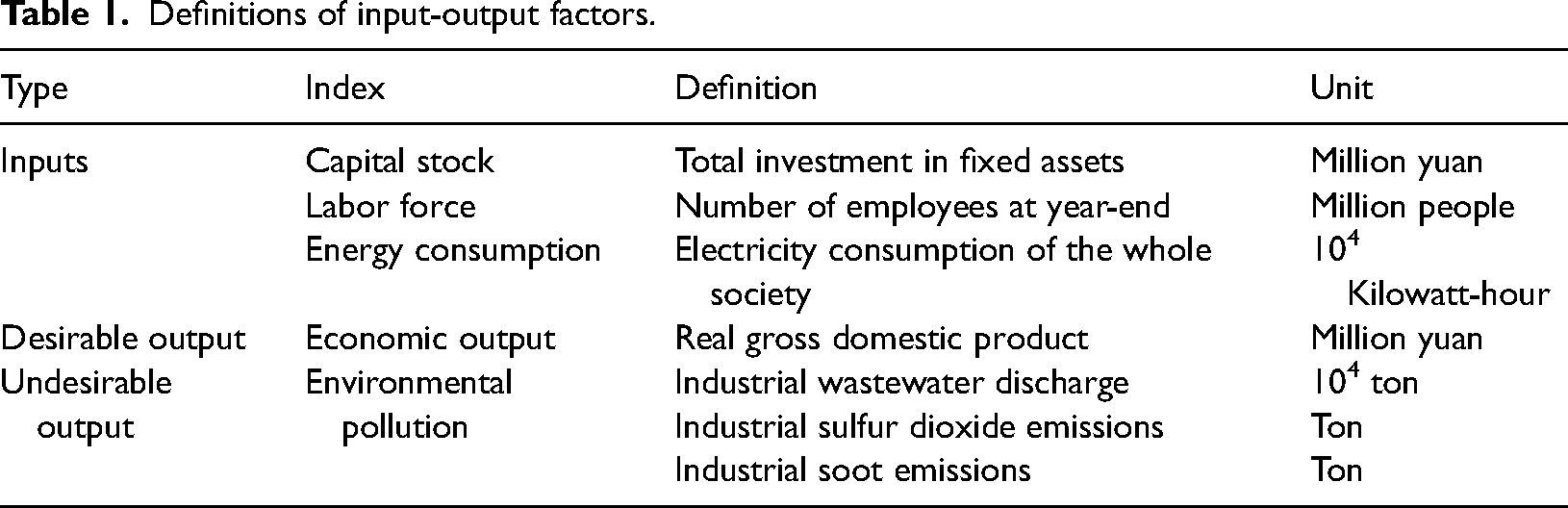
There are two main methods for measuring efficiency in academia: Stochastic Frontier Method (SFA) and Data Envelopment Analysis (DEA). DEA does not require a predetermined functional form and estimated parameters and can avoid the influence of subjective factors, which is a great advantage to measure efficiency. The measurement models of DEA are divided into four categories: radial and angular, radial and non-angular, non-radial and angular, and non-radial and non-angular. Here, radial refers to the efficiency of the input-output ratio in the same proportional change, and angular refers to the consideration of inputs or outputs to find the best efficiency. Traditional DEA is usually radial and angular, but it does not measure the efficiency of non-desired outputs. Therefore, this paper adopts a relaxation-based non-radial non-angle measurement model (SBM) proposed by Tone, 66 which effectively solves the problem of efficiency evaluation of non-desired outputs.
We use super SBM to measure the GEE of 238 cities in China. Assume that each city i serves as the decision making unit (DMU) for constructing the production frontier surface, with p inputs for city i in period t as
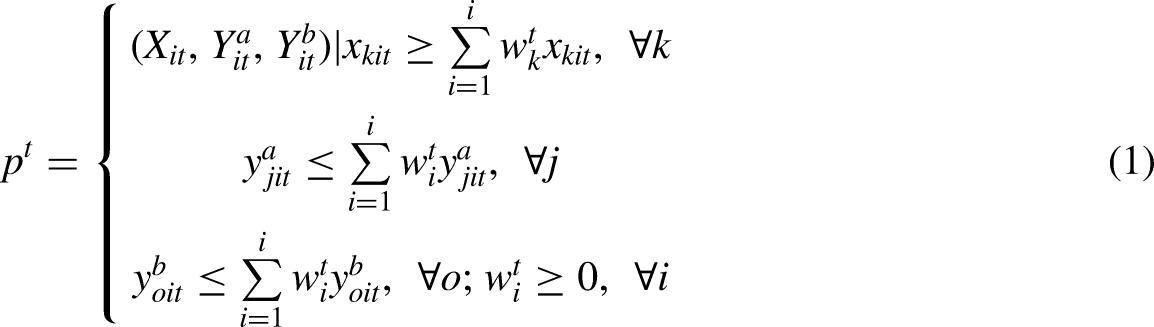

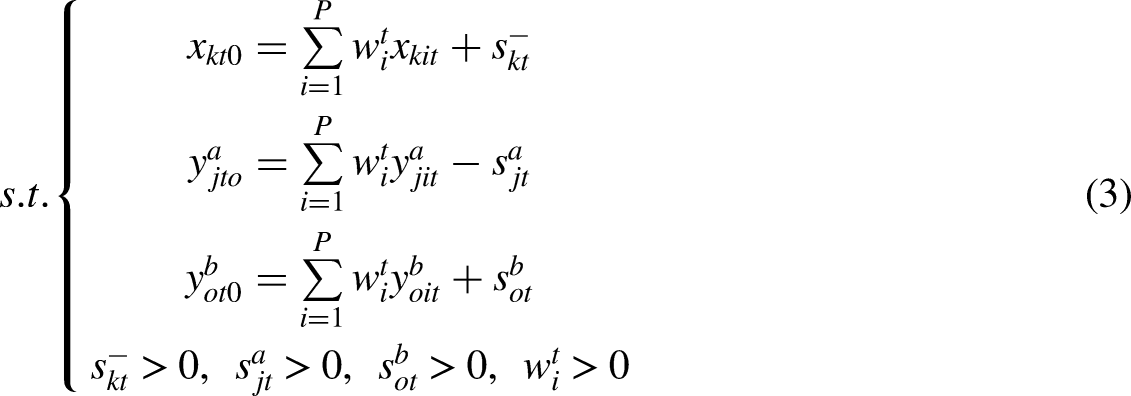
Definitions of input-output factors.
Econometric model of empirical analysis
There are many factors influencing GEE, and we include a series of control variables. The time fixed effects and city fixed effects are also used to control temporal trend characteristics and time-invariant heterogeneity of the cities. We also adopt the Hausman test, which also suggests the fixed effect model. The econometric model for this study is set up as follows.
Variable specification
There is no consensus on the measurement of digitalization, and there are few statistical indicators at the city level. Hence, based on the existing studies this paper measures the degree of digitalization in two dimensions: Internet development and digital finance (Table 2). As the technological foundation of digital transformation, Internet development closely relates to digital transformation. Digital finance is based on Internet technology advancement, thus becoming an important part of the digital economy.
The measurement index system of digitalization of the economy and society.
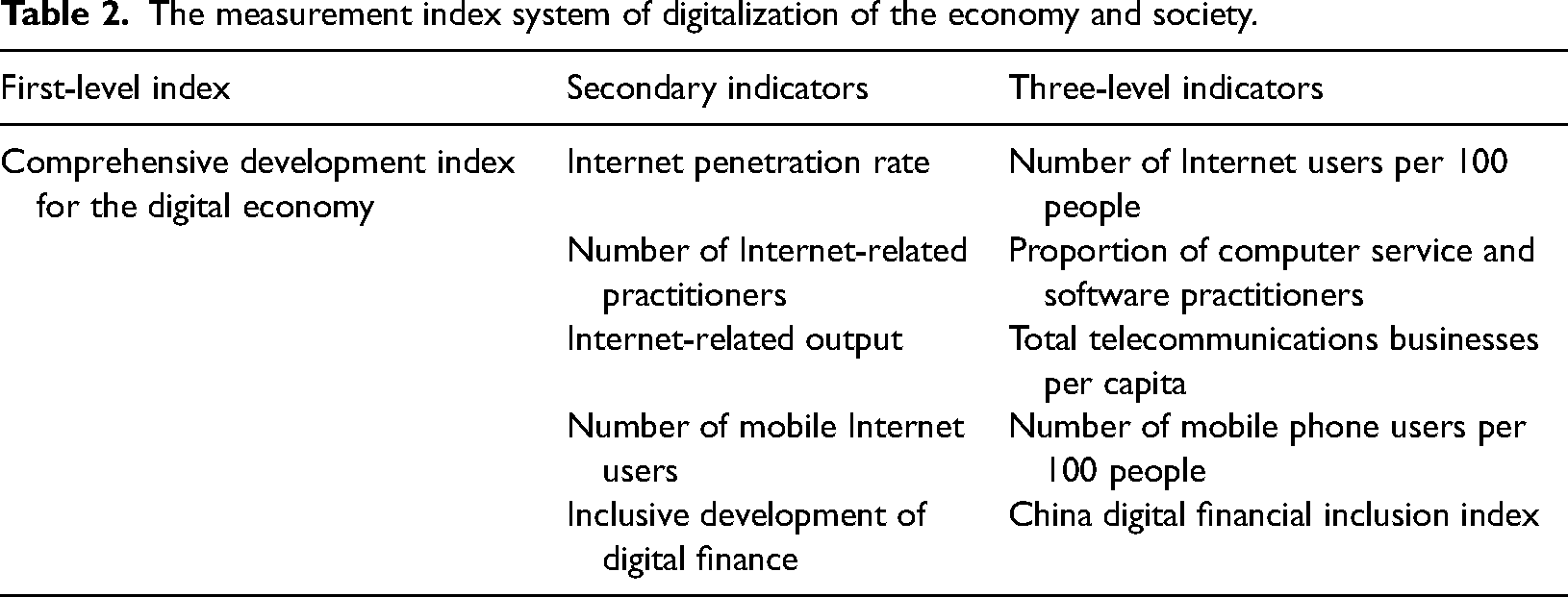
For Internet development, the study selects four indicators to measure the Internet penetration rate, cell phone penetration rate, Internet industry-related employees, and Internet industry-related output. The actual statistics corresponding to the above four indicators are: number of Internet broadband access subscribers per 100 people, number of cell phone subscribers per 100 people, the proportion of employees in the computer service and software industry to the proportion of employees in urban units, and total amount of telecommunications businesses per capita. The data of the above indicators are obtained from the China City Statistical Yearbook.
In terms of digital transactions, the joint research results of Peking University Digital Finance Research Center and Ant Financial Group are adopted - namely, the China Digital Financial Inclusive Index. The above five indicators are standardized and subsequently measured using entropy weighting and principal component analysis to obtain the digitalization index (Digital), respectively. The entropy-TOPSIS method is a comprehensive evaluation method that combines entropy and TOPSIS. The core idea of this method is to evaluate the distance between the evaluation index and the “ideal solution” according to the weight determined by the entropy method. The core idea of principal component analysis is to compress the dimensions of variables while preserving as much original information as possible and to achieve comprehensive evaluation by constructing a set of linearly uncorrelated combinations of variables.
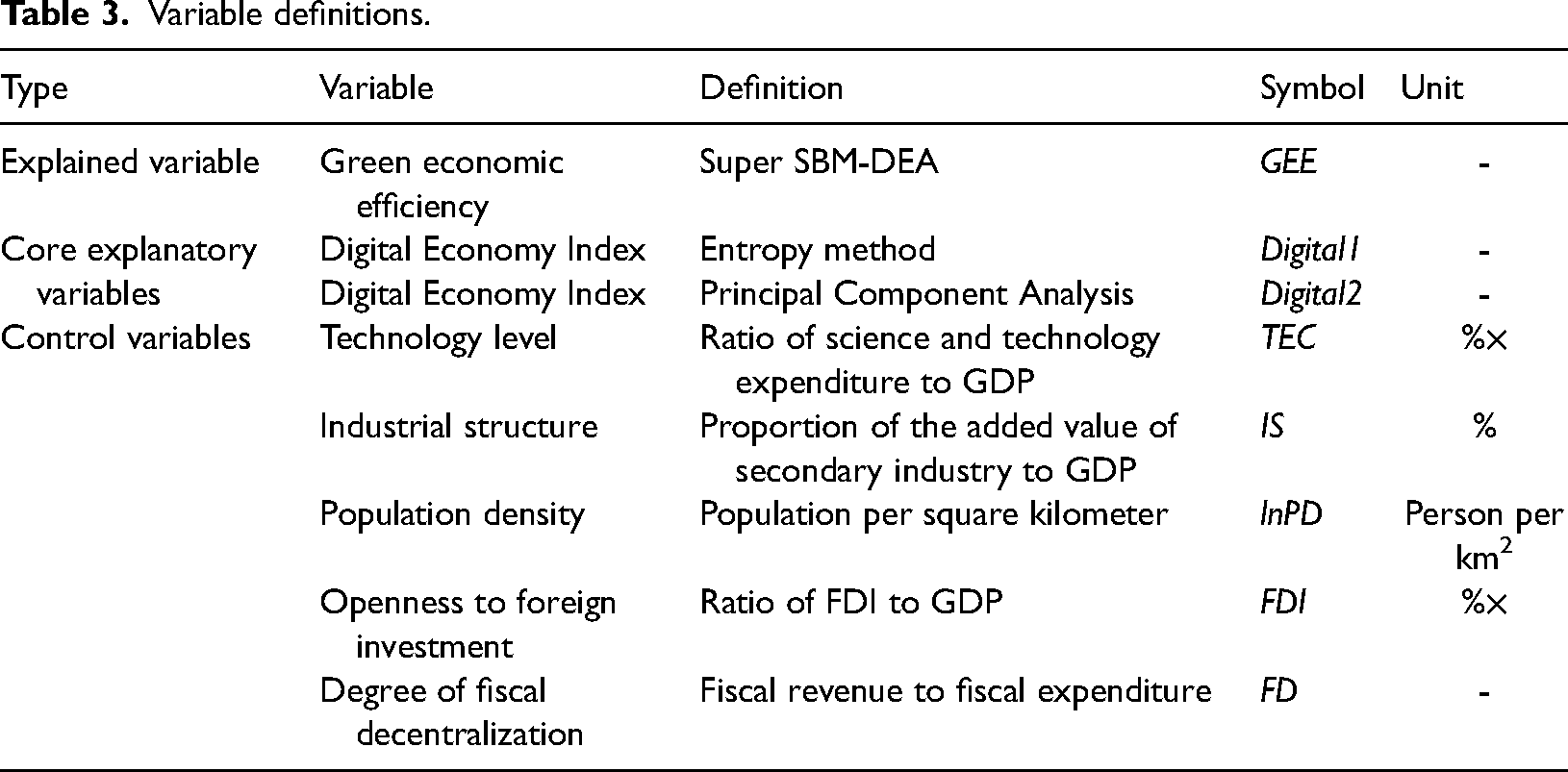
This paper also controls for a number of other variables. Science and technology development (TEC) is measured by the ratio of science and technology expenditure to GDP. Technology not only contributes significantly to economic growth, but also significantly reduces energy consumption and protects the ecological environment2,67–69. Industrial structure (IS) refers to the proportion of added value of the secondary industry to GDP. Industrial structure is an important factor influencing economic growth, while the industrial sector is also a major contributor to pollution emissions. In particular, the rapid growth of the industrial sector has led to a rapid increase in energy consumption and promoted pollutant emissions 70 . Population density (lnPD) is population per square kilometer. An increase in population leads to an increase in the demand for resources and the supply of labor supply. Liberalization of foreign direct investment (FDI) is defined as the ratio of foreign direct investment to GDP. Both the Pollution Refuge Hypothesis 71 and the Pollution Halo Hypothesis 72 suggest a relationship between FDI and GEE. Degree of fiscal decentralization (FD) is denoted the ratio of fiscal revenue to fiscal expenditure. As a strong government country, the degree of local governments’ fiscal discretion can greatly influence regional economic development in China. All variables are explicitly described in detail in Table 3 below, including abbreviated names, full names, units, etc.
Variable definitions.
Data specification
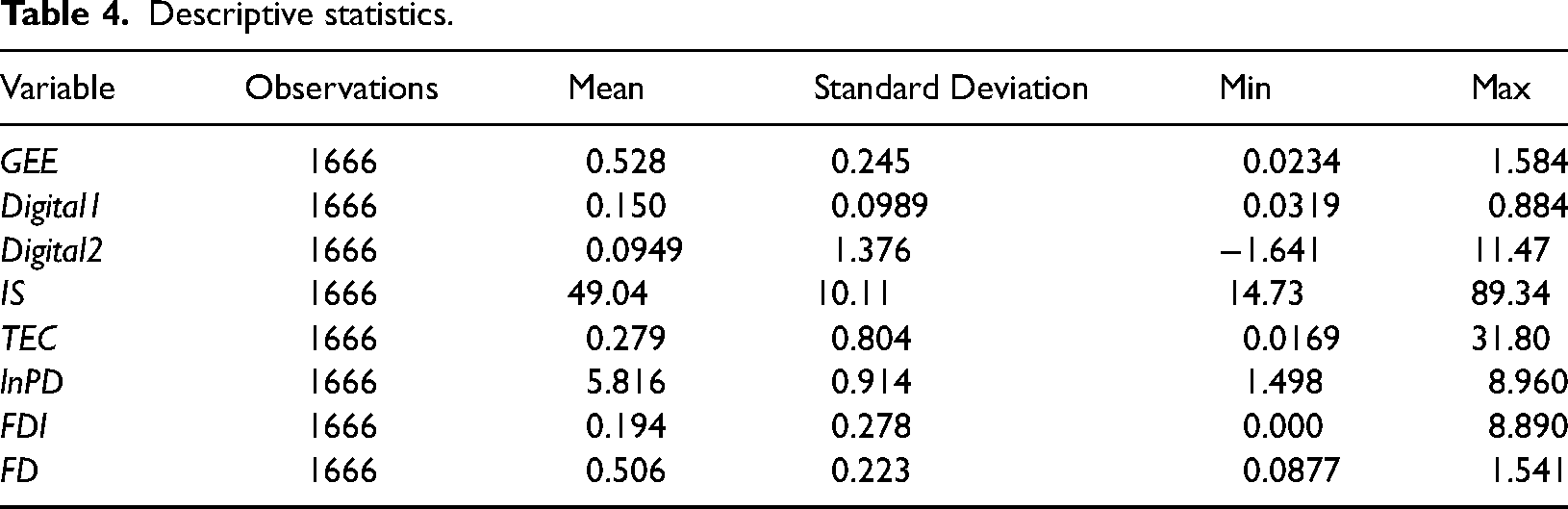
The balanced panel data of 238 cities in China from 2011 to 2017 are selected as the study sample. Data for the digital financial development dimension in the explanatory variables (Digital) are obtained from the Digital Finance Research Center of Peking University (https://idf.pku.edu.cn/), and data for the Internet development dimension and control variables are obtained from the China City Statistical Yearbook. The latitude and longitude data used in this paper in the spatial econometric model are obtained from the National Geographic Information Center of China (http://www.ngcc.cn/ngcc/). To eliminate the effect of inflation, this paper deflates nominal GDP based on 2011 constant prices. Since most cities do not publish GDP deflators, this paper uses the GDP deflator of the province where the city is located to calculate. Since some cities have more serious missing statistics, this paper excludes them and fill in the other few missing data by interpolation, thus obtaining balanced panel data for 238 cities in China from 2011–2017. Descriptive statistics, correlation analysis and multiple covariance tests are in Tables 4 and 5.
Descriptive statistics.
Variance inflation factor and correlation coefficients between variables.
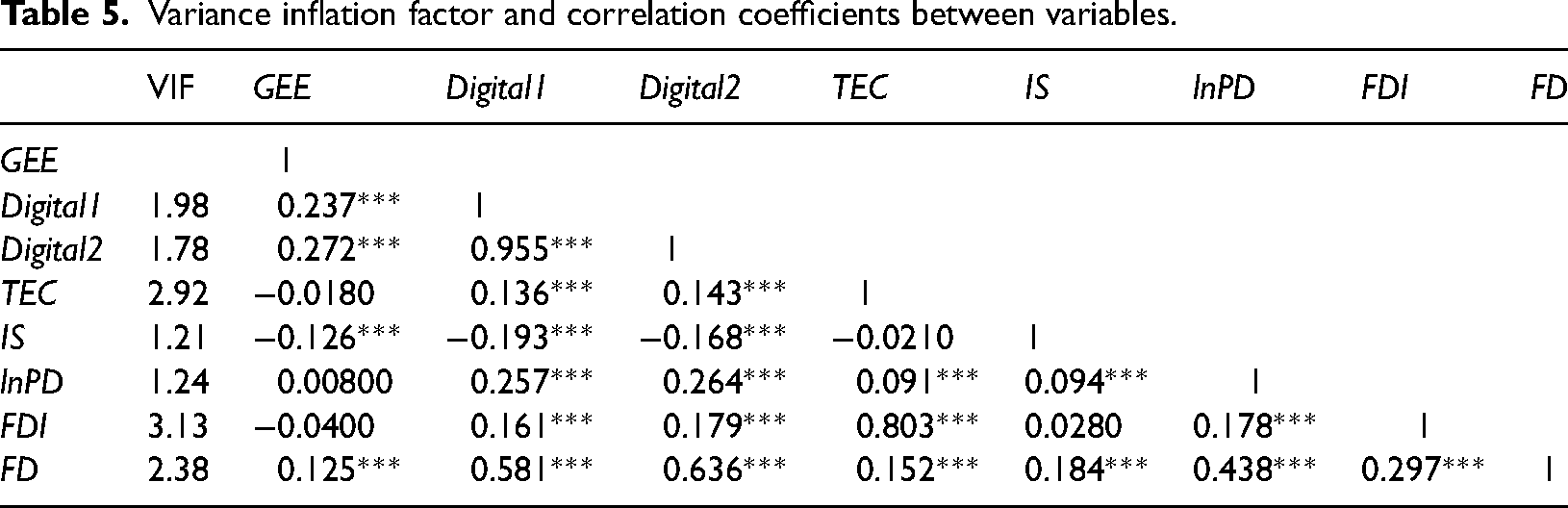
The descriptive statistics in Table 4 show no extreme values, but the explanatory variable GEE and the core explanatory variable Digital are both characterized by small means and large standard errors. The maximum value of the variance inflation factor (VIF) in Table 5 is 3.13, indicating that there is no significant covariance between the explanatory variables. From the correlation coefficients in Table 5, most of the explanatory and explained variables are significant at the 1% level. The fitted line in Figure 1 shows a positive fit between digitalization and GEE. All this information tentatively verifies the correlation between digitalization and GEE.
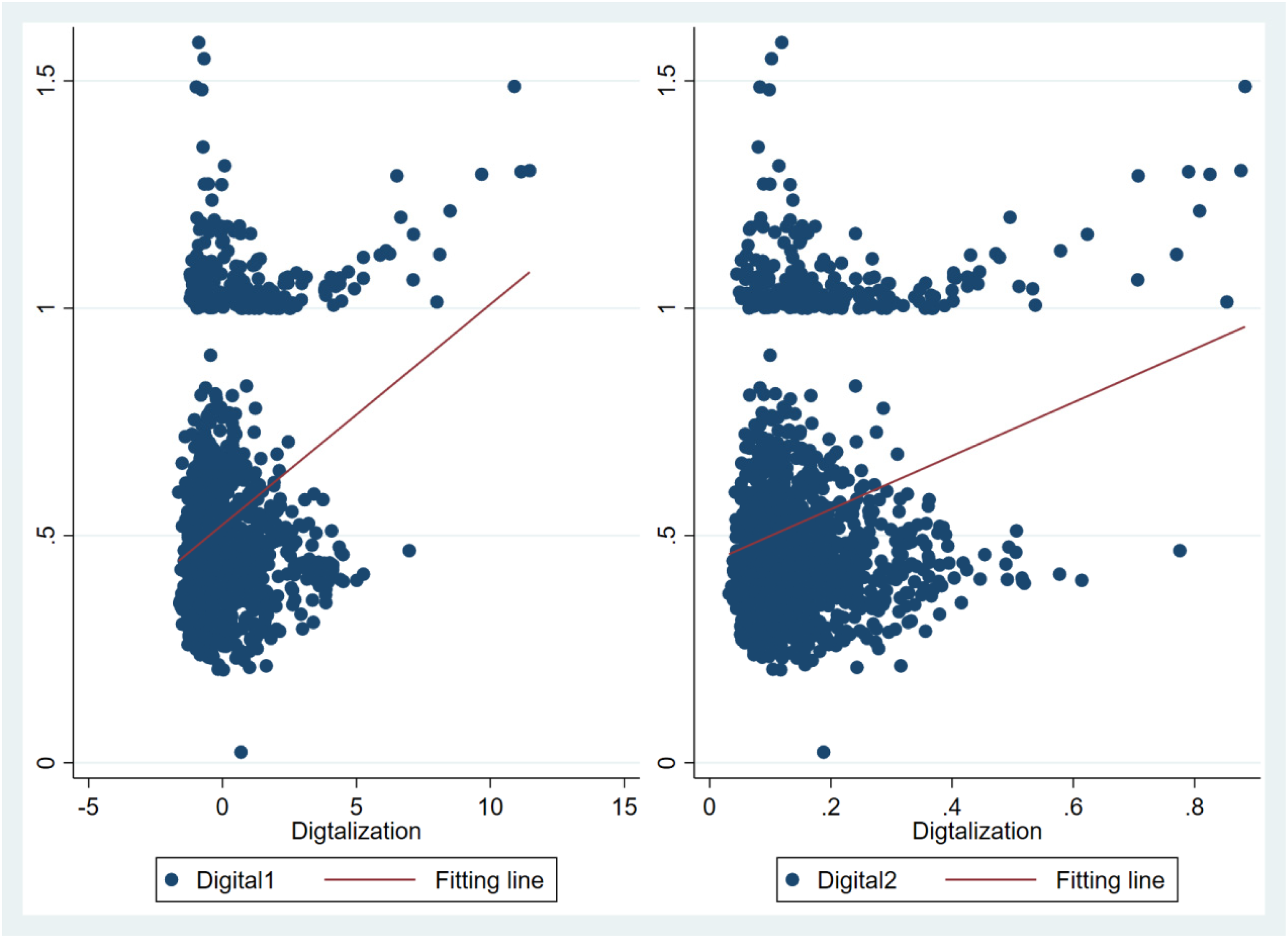
Scatterplot of digitalization and GEE.
Empirical results and analysis
Analysis of baseline regression results
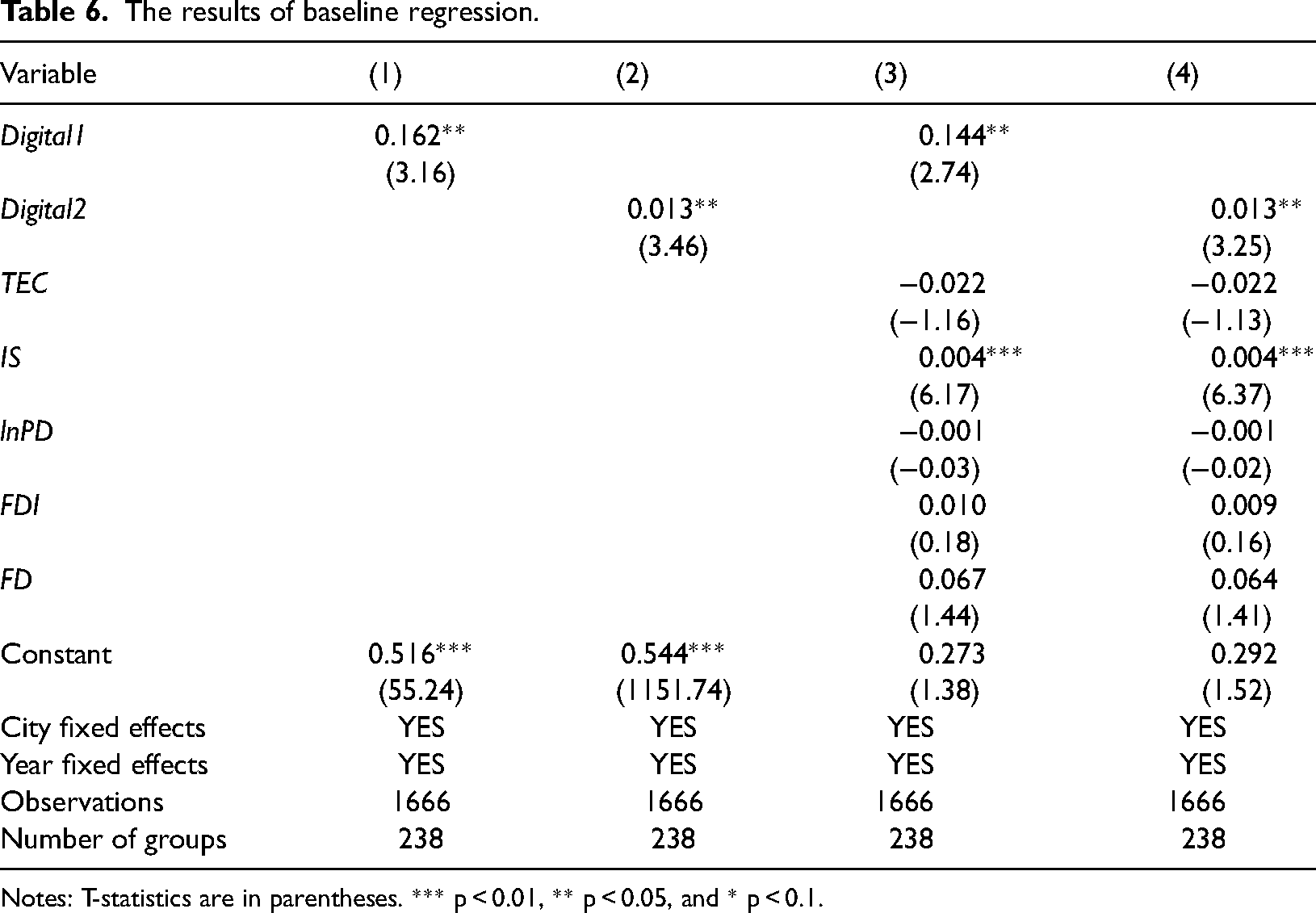
In the benchmark model, the focus is on testing the direct effect of digitalization on GEE. Columns (1) and (2) in Table 6 report the results of OLS regressions without control variables, which show that the estimated parameters for Digital1 and Digital2 are 0.162 and 0.013, respectively, and the coefficients are significant at the 5% level. The promotion effect of digitalization on GEE remains significant at the 5% level after adding control variables, individual city effects, and annual fixed effects in columns (3) and (4), supporting Hypothesis 1 proposed earlier in this paper.
The results of baseline regression.
Notes: T-statistics are in parentheses. *** p < 0.01, ** p < 0.05, and * p < 0.1.
The results are consistent with existing studies such as Luo et al., 73 suggesting that digitalization breaks through the spatial and temporal constraints. It not only improves the productivity of a region, but also effectively reduces the emission of pollutants and promotes the sustainable development of the economy. In general, digital transformation of the economy and society plays a positive role in sustainable economic development, thus supporting Hypothesis 1. Grasping the environmental dividend of the digital economy is of great significance for realizing the green development of China's economy and society.
Empirical analysis of urban heterogeneity
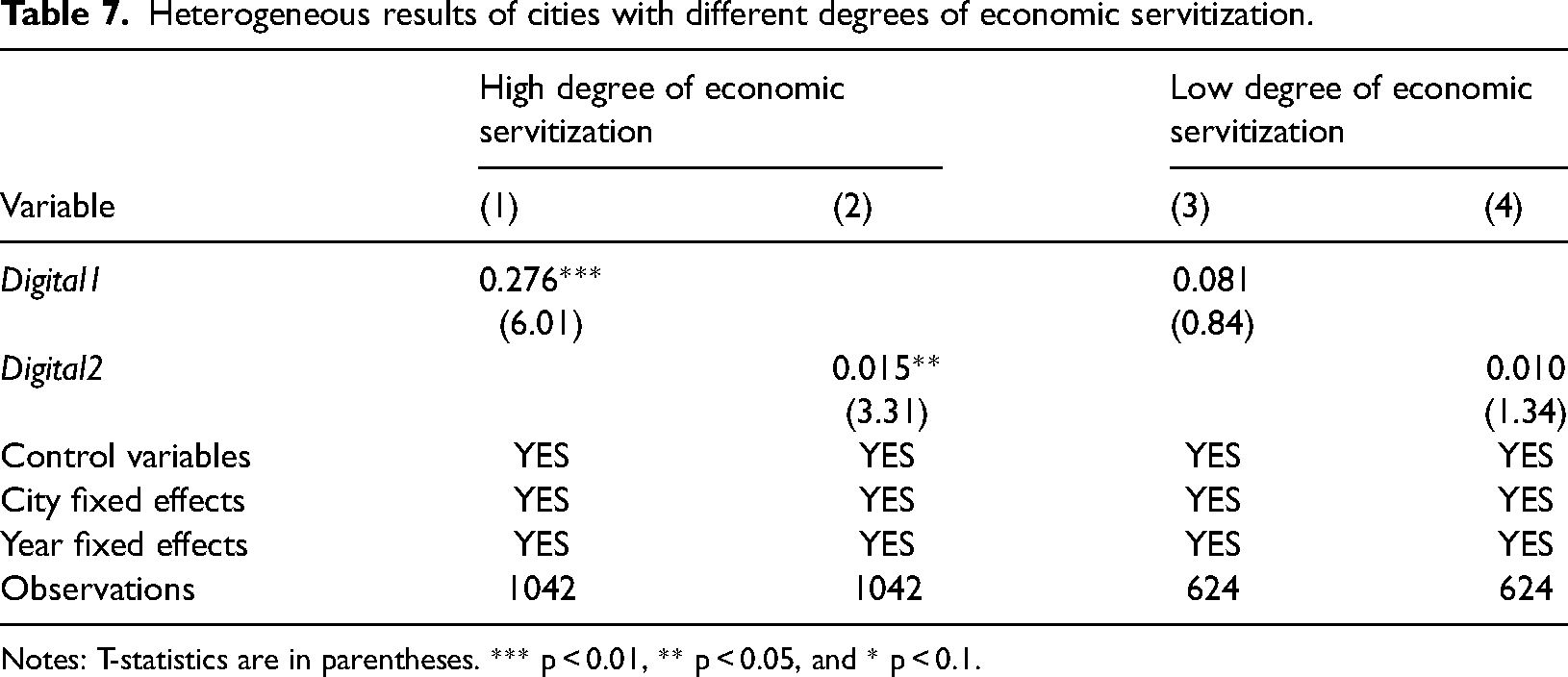
According to the previous theoretical analysis, green development of cities under different economic conditions is affected differently by digitalization - that is, there is a heterogeneity effect. Referring to existing studies,74,75 this paper first divides cities into samples according to the characteristics of industrial structure. Specifically, it uses the mean value of the ratio of the tertiary industry to the secondary industry as the boundary to divide cities into samples with a high degree of economic servitization and samples with a low degree of economic servitization. Similarly, this paper divides the sample into two subsamples, capital-rich cities and labor-rich cities, using the mean of the ratio of real capital stock to labor as the boundary. In addition, to more comprehensively analyze the urban heterogeneity between digitalization and GEE, this paper also considers the role of geographic location in the link between digitalization and GEE, which means that regressions are conducted separately for samples from eastern China and central and western China.
Table 7 reports the impact of digitalization on the GEE of cities with different industrial structures. Columns (1) and (3) report the regression results for digitalization indicators based on the entropy weighted-TOPSIS method, and columns (2) and (4) report the regression results for digital indicators based on the principal component analysis method. The results show that the coefficients of digitalization are significant at the 1% and 5% levels in columns (1) and (2), respectively, for cities with a high degree of economic servitization. On the contrary, for cities with low economic servitization, the coefficient of digitalization does not pass the significance test either in column (2) or in column (4). These results mean that the contribution effect of digitalization on GEE is significant for cities with high economic servitization, but this contribution effect does not exist in cities with low economic servitization, supporting the previous Hypothesis 2. The reason is that the service industry usually has more information elements than other industries, making the digitalization of it greater than in other industries, thus fully releasing the green economy effect of digitalization.
Heterogeneous results of cities with different degrees of economic servitization.
Notes: T-statistics are in parentheses. *** p < 0.01, ** p < 0.05, and * p < 0.1.
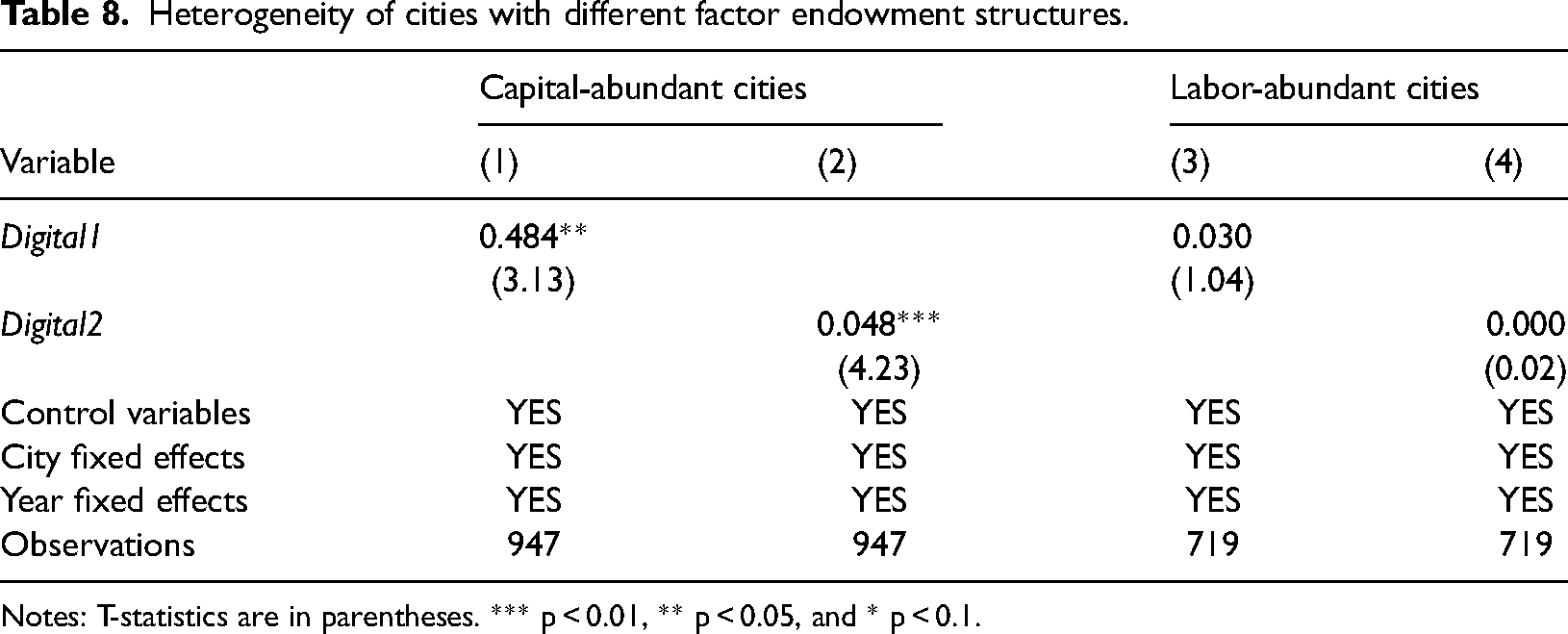
Table 8 reports the impact of digitalization on the GEE of capital-rich and labor-rich cities. Columns (1) and (2) show that the digitalization coefficients pass the significance test at the 1% level, while in columns (3) and (4) the digitalization coefficients do not pass the 10% significance test These results suggest that the positive effect of digitalization on GEE is significant only in capital-rich cities and that the estimated coefficients are also significantly higher in capital-rich cities than in labor-rich cities, supporting the previous Hypothesis 3. One possible explanation is that, according to the theory of new structural economics, if technological progress in the digitalization process is based on capital, then the digitalization of capital-rich cities reaps greater benefits, but this would be detrimental to the green economic performance of labor-rich cities.
Heterogeneity of cities with different factor endowment structures.
Notes: T-statistics are in parentheses. *** p < 0.01, ** p < 0.05, and * p < 0.1.
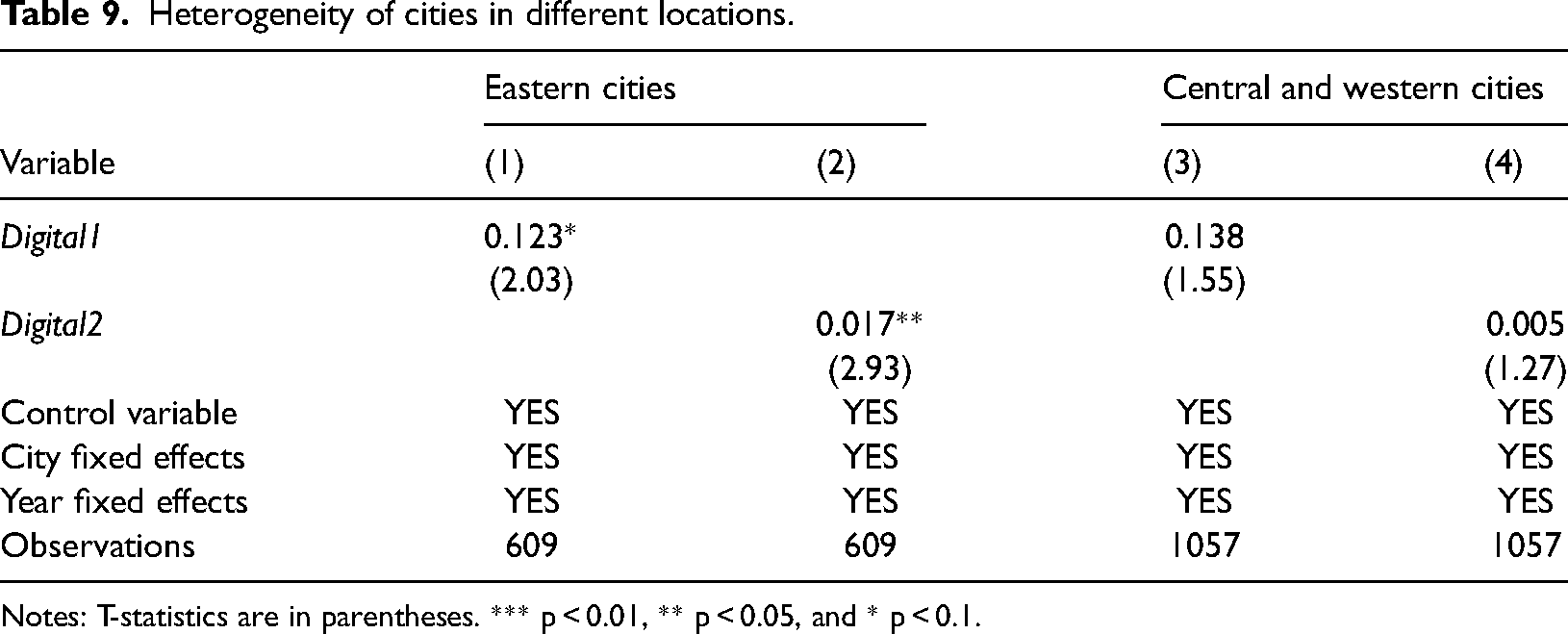
Table 9 reports whether there are differences in the impact of digitalization on GEE by geographic location - that is, cities in eastern, central, and western China. The results show that the estimated parameters of digitalization in the eastern region are significantly positive, while the estimated parameters of digitalization in the central and western regions, although positive, are not significant. This shows that the contribution effect of digitalization to GEE is effective only in the eastern cities, which is similar to findings from Li et al. 46 The reason for this phenomenon may be that cities in eastern China have a higher level of knowledge, technology, and digitalization versus cities in central and western China, which allows the green economic effect of digitalization to be more fully released.
Heterogeneity of cities in different locations.
Notes: T-statistics are in parentheses. *** p < 0.01, ** p < 0.05, and * p < 0.1.
Results and analysis of robustness tests
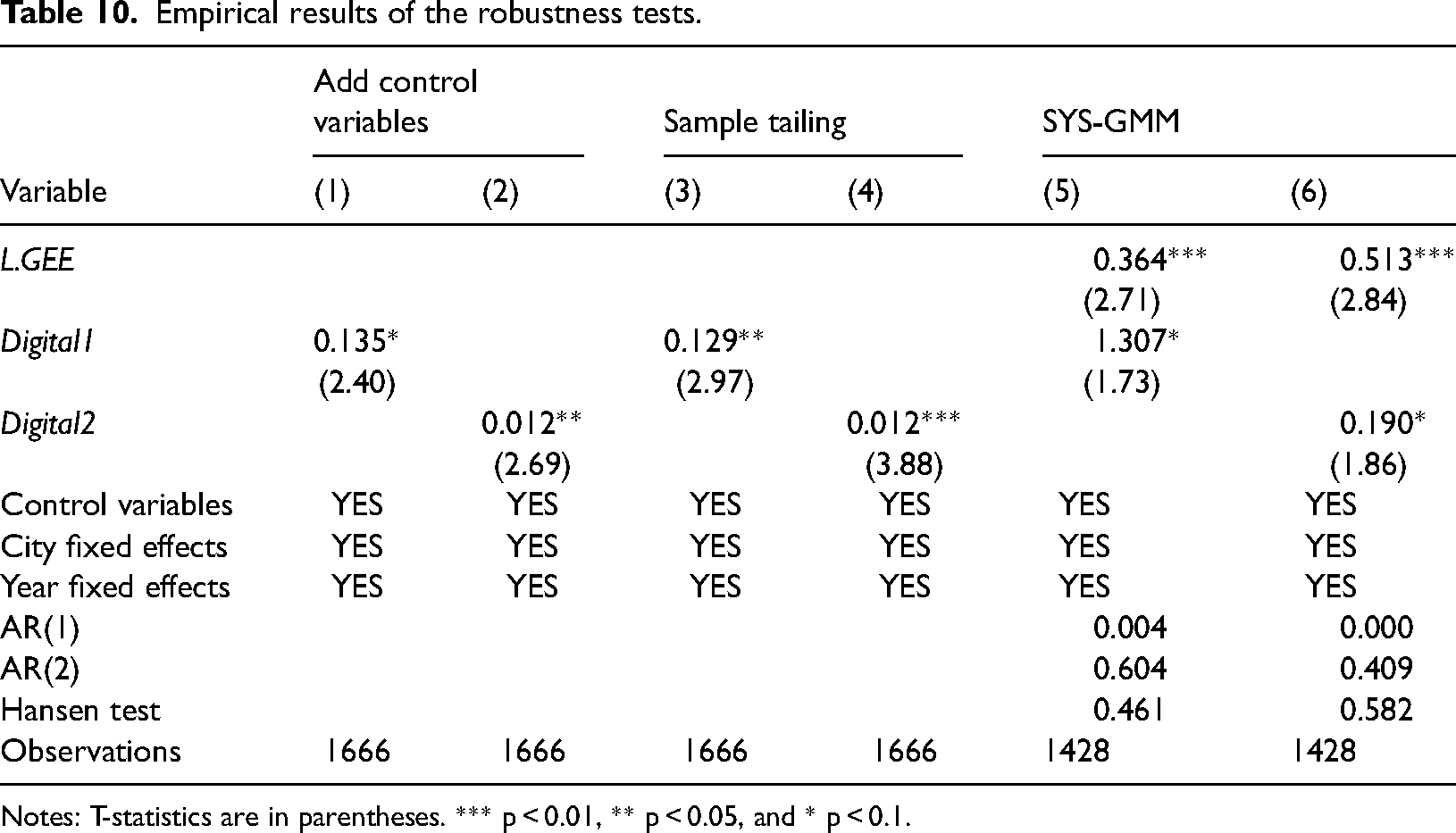
To ensure the robustness of the findings and to obtain accurate research conclusions, this paper conducts robustness tests in three aspects: adding control variables, handling extreme values, and adding dynamic lag terms. The empirical results appear in Table 10.
Empirical results of the robustness tests.
Notes: T-statistics are in parentheses. *** p < 0.01, ** p < 0.05, and * p < 0.1.
First, the energy consumption structure is added as a control variable. Coal power generation is one of the major sources of electricity in China, with coal consumption accounting for more than half of the country's total energy consumption, and the over-reliance on non-renewable energy sources has a significant impact on China's economic growth and environmental governance. 76 Therefore, this study chooses the ratio of total annual electricity consumption to GDP to represent the energy structure and adds this variable to the model for regression. The regression results are in columns (1) and (2) in Table 11, which still show a significant contribution effect of digitalization on GEE.
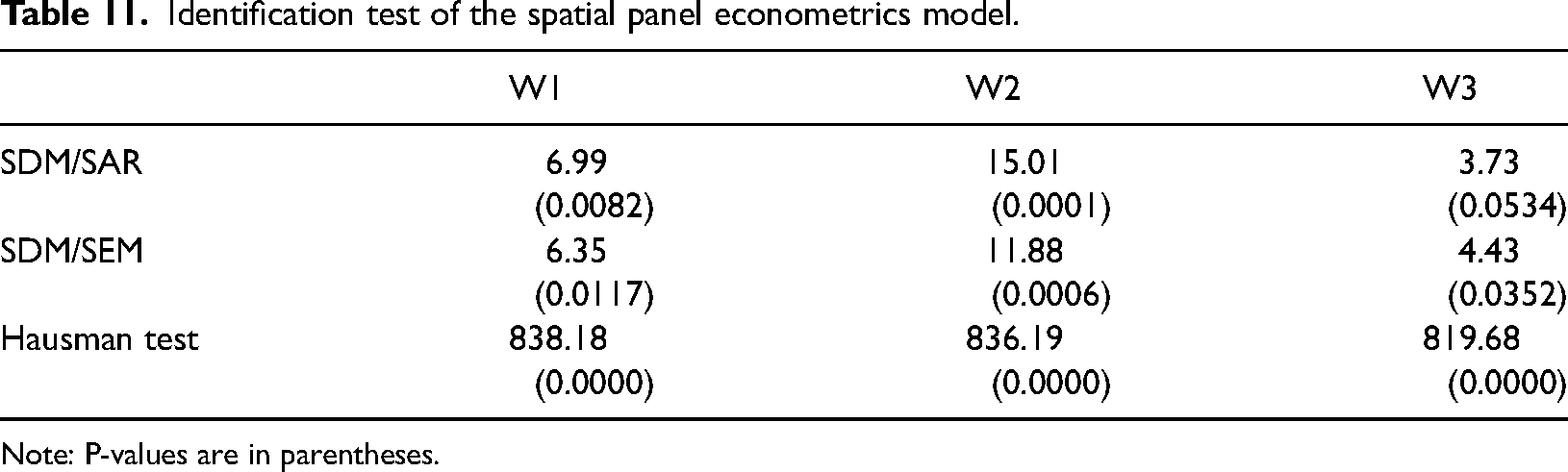
Identification test of the spatial panel econometrics model.
Note: P-values are in parentheses.
Second, the effect of extreme values is excluded. In order to reduce the estimation bias arising from the extreme values in the sample on the regression, this paper performs a bilateral 1% tailing process on the study sample and re-estimates the tailed sample. The regression results are in columns (3) and 4 in Table 11, which present that Digital1 and Digital2 pass the 5% and 1% significance tests, respectively. Digitalization contributes to the improvement of regional green economy efficiency, and the potential threat of extreme values do not affect the conclusion of Hypothesis 1 in this study.
Third, the study also looks to deal with the potential threat of endogeneity. There may be endogenous problems caused by measurement error and reverse causality in the model. Therefore, this paper extends the static panel model into a dynamic panel model by adding the lagged term of GEE to the baseline regression model and applies the two-step system GMM method for parameter estimation. The regression results are in columns (5) and (6) in Table 11. The sequential correlation test rejects the hypothesis of no first-order autocorrelation (p-values 0.004, 0.000, respectively), but does not reject the absence of second-order autocorrelation (p-values 0.604, 0.409, respectively). The p-values of Hansen's test are 0.461 and 0.582, respectively, again indicating that the instrumental variables of the system GMM construction are reasonable. The regression results show that digitalization significantly contributes to the growth of GEE, and the empirical results of this paper are thus robust
Further analysis of the spatial spillover effect
Spatial econometric model
As a standard starting point for spatial econometric models, the spatial Durbin model (SDM) is a standard framework for testing various types of spatial spillover effects and is capable of varying into spatial lag models and spatial error models under different setting conditions. To solve the endogeneity problem of the SDM model, this paper similarly extends the static spatial panel model into a dynamic spatial panel model. Compared to traditional static spatial panel models, dynamic spatial econometric models not only take into account the time lag effect of GEE, but also avoid the endogeneity problem of “egg-laying”.
77
Therefore, the following dynamic spatial Durbin model is constructed based on Equation (4).
Based on existing studies, this paper constructs an asymmetric spatial weight matrix that simultaneously examines geographic distance and economic development to more comprehensively evaluate the spatial spillover effects of digitalization on GEE.
78
The spatial geo-economic nested weight matrix of this study is constructed as follows.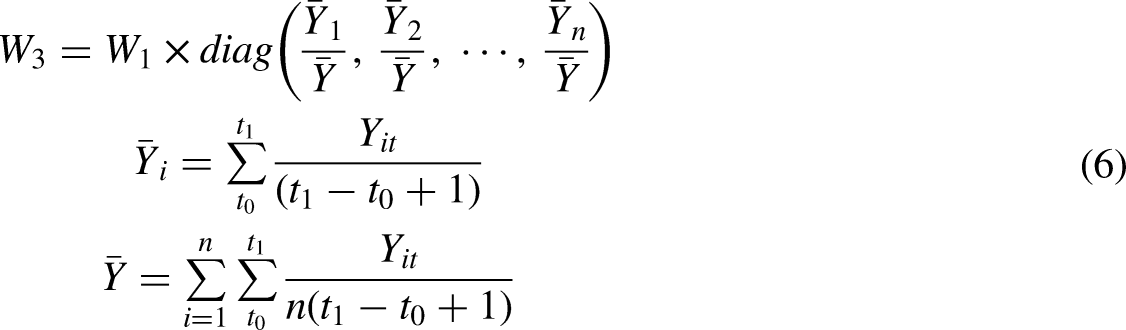
Empirical results and analysis of the spatial model
Before parameter estimation, the reasonableness of the model set-up needs to be tested, and the results of the LR test and the Hausman test are in Table 11. The LR test shows that all three types of spatial weight matrix tests reject degradation from a spatial Durbin model to a spatial error model or a spatial lag model. The Hausman test shows significant rejection of the hypothesis of the random effects model, and so the fixed effects spatial Durbin model constructed in this paper is reasonable.
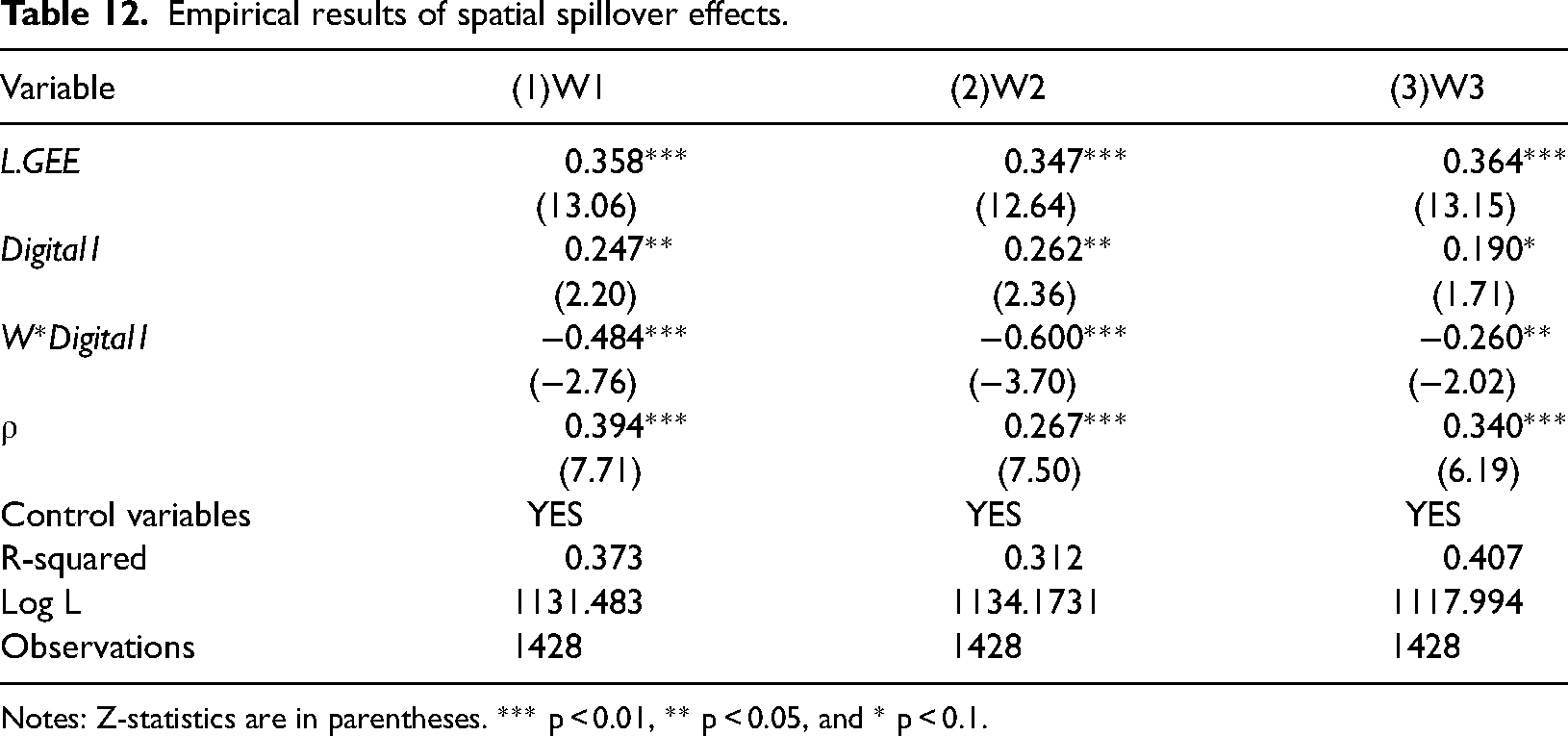
Columns (1), (2), and (3) in Table 12 report the regression results of digitalization on GEE, and W1, W2, and W3 are the regression results of geographic distance spatial weight matrix, economic distance spatial weight matrix, and geographic economic distance spatial weight matrix, respectively. In terms of the spatial lag term (ρ), there is a significant spatial autocorrelation, indicating that GEE has a spatial spillover effect. In terms of the explanatory variable Digital1, the direct contribution effect of digitalization on GEE remains significant, but the spatially lagged term of Digital1 significantly negatively correlates with GEE, indicating that local digitalization adversely affects the GEE of neighboring cities. This finding is similar to that of Shahnazi and Rouhollah (2019), 16 who show that ICT has a positive spillover effect on CO2 emissions in the short term, thus negatively impacting the environment in the surrounding area. One possible explanation is that cities with rapid development of their digital economy may squeeze out high pollution and high emission industries and move them to neighboring cities, thus adversely affecting the GEE of neighboring cities. Although digitalization is beneficial to the green development of the local economy, it may produce adverse spillover effects. In other words, digital transformation of the economy and society does not produce positive spillover effects.
Empirical results of spatial spillover effects.
Notes: Z-statistics are in parentheses. *** p < 0.01, ** p < 0.05, and * p < 0.1.
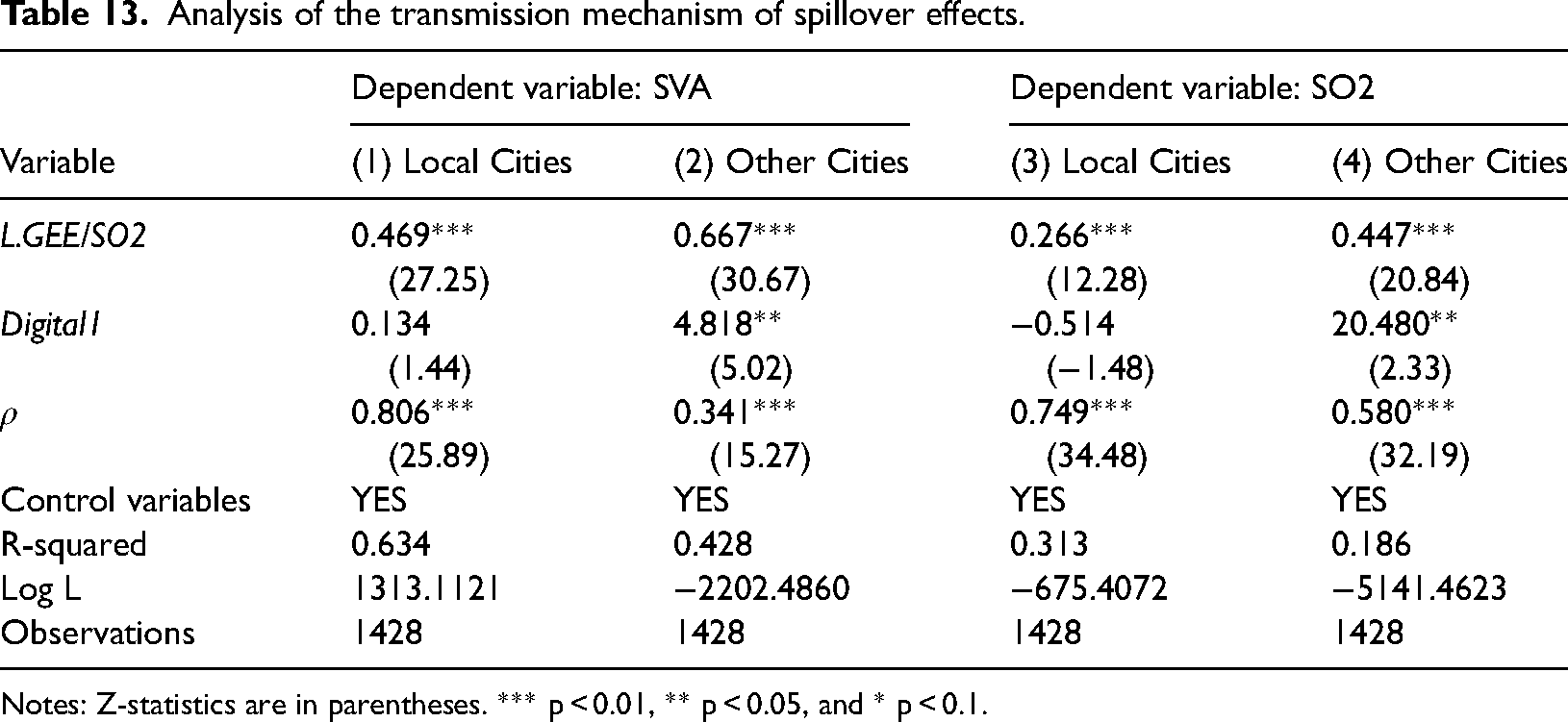
In order to investigate the mechanism of negative spatial spillover effects from digitalization, this paper analyzes whether digitalization leads to cross-regional transfer of polluting industries using the variables of ratio of secondary value added to GDP (SVA) and sulfur dioxide emissions (SO2) as explanatory variables. Digitalization is beneficial to the transformation and upgrading of the industrial economy. Therefore, it has two effects on the scale of the local industrial economy: one is to promote the increase of industrial scale by improving industrial economic performance; the other is to transfer polluting industries to surrounding cities to achieve the goal of green urban development. If digitalization significantly promotes the increase of the industrial proportion and pollution emission in neighboring cities, but decreases or does not affect the local industrial proportion and pollution emission, then it indicates that there is a mechanism for the transfer of polluting industries. The results are in columns (1) to (4) in Table 13.
Analysis of the transmission mechanism of spillover effects.
Notes: Z-statistics are in parentheses. *** p < 0.01, ** p < 0.05, and * p < 0.1.
Columns (1) and (2) show the regression results for local cities and other cities with SVA as the dependent variable, and columns (3) and (4) show the regression results for local cities and other cities with SO2 as the dependent variable. Columns (1) and (3) show that Digital1 has no significant relationship with both SVA and SO2 in local cities, but columns (2) and (4) show that Digital1 significantly contributes to SVA and SO2 in other cities. The results indicate that digitalization promotes the industrial scale expansion of neighboring cities and pollution emission, while it has an insignificant impact on the proportion of the local industrial economy and pollution emission. Our findings support Hypothesis 3 that digitalization has a significantly negative spatial spillover effect, which also indicates that digitalization helps achieve green development of the local economy through the channel of transferring polluting industries.
Taking Shenzhen, China as an example, from about 1990 to 2010, as its industrial structure was dominated by processing trade, light manufacturing, and industries with heavy pollution, Shenzhen achieved high economic growth accompanied by serious environmental pollution. 79 Since then, the Shenzhen government has made efforts to move toward high-end industries represented by the electronic information industry and gradually shifted highly polluting industries to other regions, thus achieving high growth in the digital economy and gradual improvement of the ecological environment. 80 By 2021, according to official data from the Shenzhen government, it ranks first in the cities in terms of the total number and proportion of core industries in the digital economy and is also first among cities in terms of green competitiveness according to the China City Green Competitiveness Index Report.
Conclusion and policy implications
As the new round of scientific and technological revolution and industrial transformation deepens, digital transformation has brought new opportunities for economic and social development. In addition, the digital economy is also playing an increasingly important role in supporting green development. This paper constructs a digitalization index of 238 cities in China using the entropy weight-TOPSIS method and principal component analysis, investigates the impact of digitalization on GEE during the period from 2011 to 2017, and performs a series of robustness tests. Considering the possible potential mechanisms by which digitalization affects the GEE, this paper considers the role of industrial structure, factor endowments, and geographical location in this effect. In addition, this paper examines the spatial spillover effect of digitalization on GEE and analyzes the potential mechanisms leading to the spatial spillover effect. The conclusions are as follows.
First, the empirical results support that digitalization of economic and social activities significantly improves GEE, and the conclusions are still valid after a series of robustness tests, including solving endogeneity, replacing explanatory variables, adding control variables, and conducting sample truncation. Second, industrial structure, resource endowment, and geographic location play important roles in the relationship between digitalization and GEE. Specifically, there is a significant contribution effect of digitalization on GEE for cities with a high degree of economic servitization, and the improvement effect of GEE is only significant in capital-abundant cities, while insignificant in labor-abundant cities. Third, only digitalization in eastern Chinese cities has a contribution effect on GEE, whereas the contribution effect in central and western cities is not significant. Finally, digitalization has a direct contributing effect on GEE and also a negative spatial spillover effect on the GEE of surrounding cities. The results of the mechanism analysis suggest that digitalization in one city promotes the industrial scale expansion and pollution emission of neighboring cities, while it does not affect the industrial scale and pollution level of its own city. The results mean that digital transformation accelerates the industrial transfer to neighboring cities - that is, the digitalization of cities in China improves GEE through the transfer of polluting industries. The following policy recommendations are drawn from the above findings.
First, the government should strengthen its digitalization policy guidance and support for the development of the green economy. At present, China's digital transformation still faces the dilemma of large-scale but weak technology, especially with obvious shortcomings in some key technologies required for digitalization, which also limit the GEE growth. Therefore, on the one hand, the government should make efforts to train digitalization talents and, on the other hand, accelerate the construction of new infrastructure such as 5G base stations, industrial Internet, and Internet of things, and promote the deep integration of digital technology and economic activities by enhancing the “soft” and “hard” environment required for digitalization. The use of digitalization means to optimize the structure of inputs and outputs, thus giving full play to the positive effects of digitalization on GEE.
Second, local governments should implement differentiated digital transformation development strategies according to the characteristics of cities. Considering the role of industrial structure, factor endowment, and geographical location in the economic and environmental effects of digitalization, the central government should guide cities in their digital transformation strategies, taking into account their individual characteristics.
Since the contribution effect of digitalization to GEE is only significant in cities with higher economic servitization, it is first necessary to accelerate the accumulation of data in the primary and secondary industries to lay the information foundation for the positive effects of digitalization on GEE in the primary and secondary industries. Next, given that the positive effects of digitalization are not significant in labor-rich cities, these cities should develop a labor-biased digital economy (e.g. sharing economy) to drive digital transformation and thus promote GEE. Finally, due to the existence of the “digital divide” between regions, digitalization has only contributed to the GEE of eastern cities. Therefore, it is necessary to accelerate the digital infrastructure construction in central and western cities, guide them to develop digital economy industries that give them comparative advantages, gradually eliminate the “digital divide” between regions, and drive the GEE growth of cities with digital transformation.
Third, the central government should accelerate the construction of cities as the main mechanism for coordination and cooperation in industrial development. One possible mechanism for digitalization to promote GEE is the transfer of polluting industries across regions. Therefore, in the process of promoting the digital transformation of cities, it is necessary to follow the law of cross-regional flow of industrial factors and also to establish a regional linkage of industrial development coordination mechanism to avoid the transfer of polluting industries to other cities. Around the key industrial fields that need to promote digital transformation, the provincial or central government should coordinate their overall spatial layout and the functional positioning of cities in order to reduce the cost of homogeneous competition and replacement cost, form a digital transformation development model with its own characteristics, and give full play to the positive spatial spillover effect of urban digitalization.
Footnotes
Data availability statement
Data are available from the authors upon request
Declaration of conflicting interests
The author(s) declared no potential conflicts of interest with respect to the research, authorship, and/or publication of this article.
Funding
Chien-Chiang Lee is grateful to the Social Science Foundation of Jiangxi Province of China for financial support through Grant No: 21JL02. Project supported by the Youth Program of National Social Science Foundation of China (Grant No. 20CJY031).
