




Abstract
One of the greatest challenges of contemporary planning lies in expanding the strategies and mechanisms of citizen participation in the different scales involved in urban-territorial transformation. In this context, this fieldnote explores the programme “26 Local Strategies: A Metropolitan Plan”, developed in the Rosario Metropolitan Area (AMR), Argentina, by the Rosario Metropolitan Coordination Entity (ECOMR), between 2016 and 2020. This case study is a significant contribution on the topic of participatory strategies in multilevel planning. During the formulation of 24 local urban plans and an interjurisdictional plan, which together constitute the metropolitan plan, it was possible to implement a multiscalar approach, with the wide participation of various social groups, entities, organisations and citizens involved, through which the urban and territorial policies of the AMR were co-designed for the following 10 years.
Keywords
I. Introduction
Citizen participation, regarded as a key factor in strengthening democracy and governance, has become a complex concept with multiple dimensions, modalities and potentials.(1) A basic democratic principle is the free election of political representatives, and what citizen participation makes possible in this context is precisely an extension of democracy beyond the electoral process. That is, democracy always requires some form of participation and, as Merino puts it, “once the governing bodies are constituted, participation becomes the privileged means of the so-called civil society to be present in political decision-making”.(2)
The importance of citizen participation has been recognised for decades and in its widespread implementation worldwide it has adopted many different characteristics, depending on the context. Although some methodologies and tools are applied in a large number of cities globally, such as participatory budgeting, there is also a large array of strategies that are specific to particular countries, regions and cities.(3) Likewise, there are considerable differences regarding the topics of discussion and the scales at which discussion occurs. There are urban governance areas, such as urban-territorial planning, for instance, in which the value of multilevel participation strategies tends to be underestimated.(4) Most participatory initiatives take place at the level of small-scale urban development, such as projects involving neighbourhood regeneration, housing or urban amenities. Participation strategies tend to be less effective as the territorial scope is enlarged. It also tends to become more difficult to develop participation strategies when they involve, directly or indirectly, integrating and coordinating various jurisdictional scales.
In the second half of the twentieth century, a large number of Latin American countries experienced coups d’état and dictatorships. But with the definitive return of democracy to the region, a process of outreach and participation has been evolving to bring the development and implementation of public policies closer to all citizens. In this regard, various actions have been taking place in order to generate new forms of dialogue between the state and its citizens. Nonetheless, although public participation is encouraged in many sectors, in practice, visible and active participation is seldom facilitated at the different stages of urban planning, whether it involves taking citizen power into account in decision-making processes or giving citizens control of the actions defined through those processes. Yet, from a broad perspective, it is precisely participation that creates the opportunities to enhance urban governance and transform decision-making processes.(5)
This fieldnote provides a representative example of citizen participation in urban-territorial planning that moves from the local to the metropolitan framework, expanding local perceptions of that wider perspective as well as contributing to a metro-level plan. It takes as a case study the programme “26 Local Strategies: A Metropolitan Plan” (26 Estrategias Locales: Un Plan Metropolitano), developed in the Rosario Metropolitan Area (AMR is its acronym in Spanish), Argentina, between 2016 and 2020 by the Rosario Metropolitan Coordination Entity (ECOMR, for Ente de Coordinación Metropolitana de Rosario). This programme is an exemplary case. It has become a reference point, both in Argentina and in Latin America, for regional planning involving the voluntary participation of citizens from the different communes and municipalities that make up the area, with strategies and guidelines that have been agreed and coordinated across jurisdictions.(6) This case study contributes to the knowledge of the role of citizen participation in metropolitan planning in Latin America.
Through this case study, this fieldnote explores the possibilities that this participatory methodology offers, as well as its limitations; it considers the impact that participation has had in the development of local urban plans; and it discusses whether or not the programme has strengthened citizen participation at the local and metropolitan levels, within the framework of the development of urban-territorial planning policies.
In the following section, I develop the methodology used for the realisation of this fieldnote. In Section III, I introduce the context and discuss the relevance of citizen participation in multiscale planning, focusing on Latin America in general. In Section IV, I describe the context of both Argentina and the Rosario Metropolitan Area, as well as citizen participation in “26 Local Strategies: A Metropolitan Plan”. Section V discusses the results obtained and Section VI concludes, considering ways forward.
II. Methodology
In the first place, I carried out a review of specialised literature on citizen participation in Latin America, focusing on Argentina and the historical process of regional planning in the Metropolitan Area of Rosario, then addressing material on “26 Local Strategies: A Metropolitan Plan”.(7) The methodology applied for the research and analysis of the process related to this programme was predominantly qualitative, using different tools. I conducted several semi-structured interviews at the beginning of each stage of the programme, with both technicians linked to urban planning and the mayors of the 25 localities,(8) in order to identify the characteristics of each district and its main problems and potentialities.
Subsequently, I participated in the drafting and preparation of the basic discussion documents for each local urban plan and attended the 25 participatory workshops held in the different communes and municipalities of the area. It is important to point out that in these workshops I observed and documented the entire process; but I also assisted as a specialist in urban-territorial planning, responding to technical queries from the participants. Likewise, I conducted several semi-structured interviews with participating citizens, in relation to their expectations of the workshops and their opinions on the contents of the problems, potentials and strategies of action proposed for the development of each local urban plan.
After each workshop, meetings were held again with specialised technicians and mayors, in order to analyse the results obtained and their opinions on the main observations arising from the participatory experiences and on how to incorporate their contents in each local urban plan. I also took part as an advisor in the final elaboration of each plan, and have been in charge of the production of the integrated plans corresponding to the second phase of the programme. For the final presentation, held in December 2019, I once again conducted interviews with technicians from different municipalities and communes in order to identify the changes that had taken place in the urban-regional planning process and the citizen participation addressed in each jurisdiction in the context of the programme carried out between 2016 and 2019.
III. Context: Multiscale Planning and Participatory Planning
The concept of participation is complex and can refer to numerous interests, structures, places of power and ideologies. It is often used to legitimise already established decisions, instead of focusing on the process, its great potential and its multiple possibilities.(9) In recent decades, there has been a profound restructuring(10) of governance linked to participatory democracy, in order to build new strategies that incorporate all citizens into public decision-making in new and transformative ways.(11) Participating, although it implies a personal decision, is always a social, collective act, linked to the personal desire to make a difference in society. Thus, real citizen participation implies the encounter between different individuals who become part of a collective action (of their own free will) in an environment that facilitates this.(12)
However, this concept is broad and encompasses a variety of scales of power and of participation. Arnstein identifies eight levels of participation. The first two steps, “manipulation” and “therapy”, are defined as “non-participatory”, since their objective is more focused on educating the participants. These are followed by intermediate steps, including “consultation” and “conciliation”, where, although citizens listen and are heard, they do not necessarily have the power to decide or to change the course of action. This only happens in the last steps, in particular the last one, which is defined as “citizen control”. There are only a few cases, however, in which real citizen power is realised.(13)
Changes in the relations between society and the state have led to new strategies and innovative developments in citizen participation, especially in the period between the last decades of the twentieth century and the present. In the 1970s, Latin America (LA) underwent a significant governability crisis with military dictatorships in several countries (Argentina, Bolivia, Chile, Ecuador, Paraguay, Peru and Uruguay). The definitive return of democracy (especially between the 1970s and 1980s in LA) implied the recovery and consolidation of the rule of law and of mechanisms of representative democracy. Simultaneously, many actions were initiated to bring citizens closer to the decision-making processes related to public policies, through new active and procedural participation strategies.(14)
One of the methodologies more systematically applied was participatory budgeting, although with differences in each context.(15) One aspect that comes to the fore, in this sense, is that these participation mechanisms are usually developed at the local level.(16) Additionally, supply and demand, as well as the possibilities of developing instruments, depend on each political context and the confluence of existing forces.(17)
Especially since the 1970s, various authors have discussed the role, relevance and challenges of citizen participation in urban and regional planning.(18) Over this same period, the literature has likewise considered the relevance of the attention paid to the expected results of the participation process.(19) Despite the fact that in the twenty-first century we can still observe many “symbolic” participation strategies in planning processes,(20) we can also see how, increasingly, many territorial planning processes include from the very beginning the importance of citizen participation as part of their terms. Planning, through its guidelines, policies, projects and interventions, impacts the whole of society. All inhabitants are affected in one way or another and have the right, consequently, to take part in decision-making processes.(21) In this sense, citizen participation in contemporary planning is crucial, both at the local level and in relation to other territorial areas.
IV. Participatory Planning in the Rosario Metropolitan Area
a. Territorial demarcation: Rosario Metropolitan Area
Argentina is a federal country divided into 23 provinces and one autonomous city (Buenos Aires). According to the Federal Constitution, provinces and municipalities are autonomous entities – as defined, for the latter, in the respective provincial charters. Under this structure, municipalities and communes have the power over land use in their jurisdictions.(22) Therefore, it is at this local level that urban plans are approved and executed, and, accordingly, that citizen participation in the planning process occurs. As in any democratic state, participation is indirectly defined by the free election of representatives to the executive and legislative powers; but the Federal Constitution also stipulates the right of citizens to participate. State authorities at the different levels (especially at the municipal and commune levels) are responsible for promoting actions to strengthen the participatory management of society in multiple decision-making processes.(23)
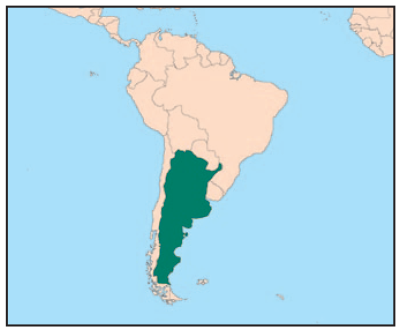
The Rosario Metropolitan Area (AMR) is located in the province of Santa Fe, on the western bank of the Paraná River. Following the geographical demarcation established by ECOMR in 2018, the AMR consists of 13 municipalities (including the capital city of the same name) and 16 communes. The AMR has a total area of 2,240 square kilometres (of which only 17.78 per cent is defined as urban land) and a population of 1,360,694. It is important to note that 70 per cent of this population is concentrated in Rosario, the capital city (Map 1). While Rosario has 948,312 inhabitants (the third largest population in the country),(24) the next largest municipality does not have even 10 per cent of that number.(25) This disparity in population is reflected in the scale of municipal and communal administration. In most cases, very diverse issues are managed within a single division that may lack the relevant specialists to handle some issues or the technical resources to address the urban-territorial planning for the jurisdiction in question (or its effective updating). The Rosario programme that is the focus of this article, called “26 Local Strategies: A Metropolitan Plan”, aims to overcome these wide differences through adequate training and the incorporation of technical resources, as well as by means of collaborative work.
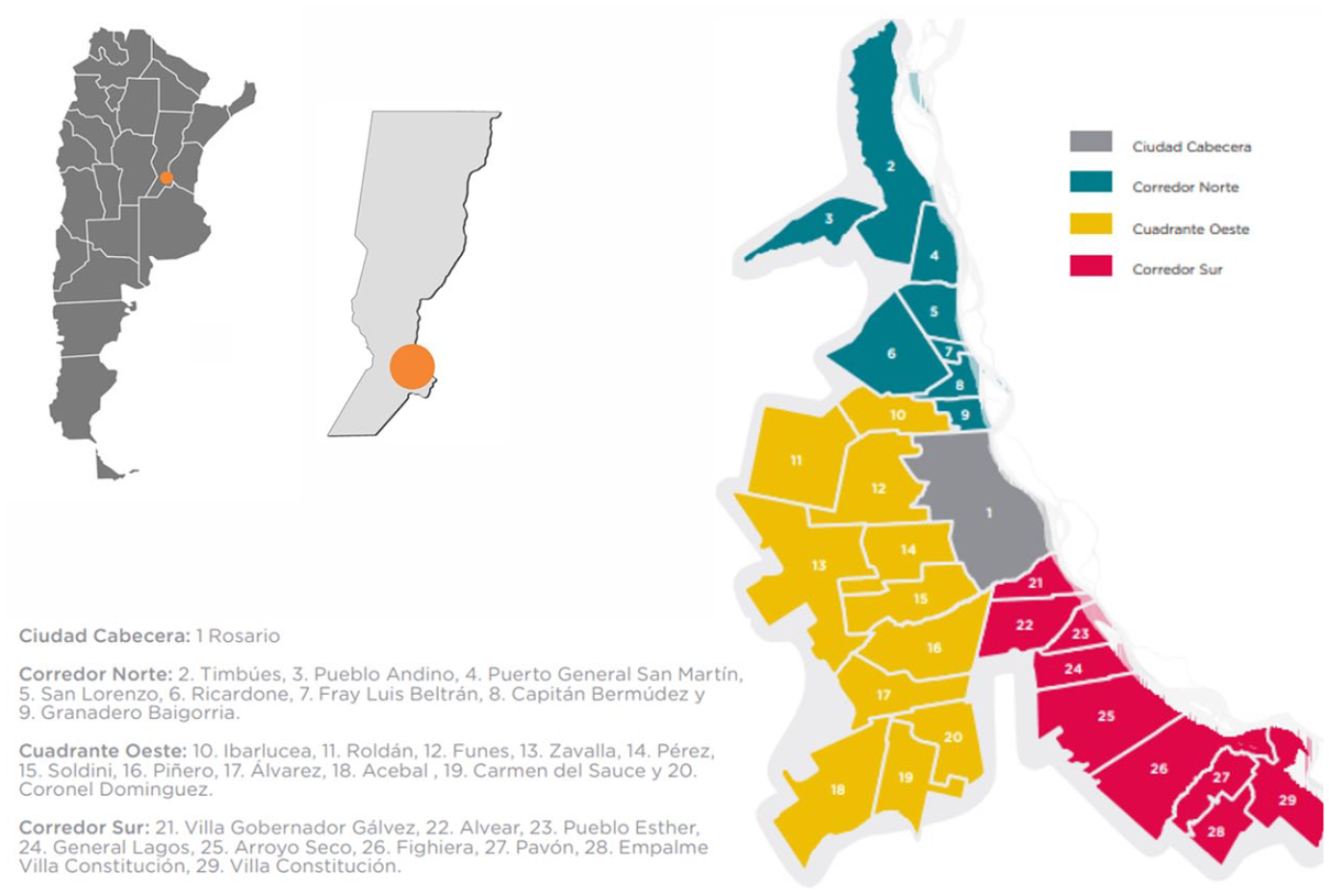
Rosario Metropolitan Area position and localities
Rosario has both extensive experience in urban-territorial planning and a history of citizen participation in its local plans. In particular, with the definitive return of democracy to Argentina in 1983, this city began a planning process that aimed to bring urban policies closer to its citizens. Thus, in 1987, for the first update of the city’s urban plan after the return of democracy, a series of outreach events were held, open to all, to inform people of the main issues, proposals and guidelines for action for the city. At the opening of this series of events, according to Usandizaga, the then-mayor of the city explained that their “purpose was to provide some basic information that would generate debate and trigger a participation process on the future of our city”.(26) Although this first instance was mostly informative, it marked a first step in bringing the state and the population closer together within the framework of developing urban planning guidelines.
In the following decades, the premise of deepening the democratisation of the state was realised through municipal decentralisation, consisting of a transfer of originally centralised territorial competences, which are now distributed equitably at the municipal level. This decentralisation also allowed for new processes of territorial management through the application of various participatory tools and strategies. These included, among others, debates in each district;(27) participatory budgeting;(28) economic and social councils; and public hearings. All these initiatives were implemented locally, mostly for mid-level projects and targeted proposals.
However, there were also other initiatives, especially updates of the urban plan for Rosario, carried out in 1999 and in 2008, that strongly incorporated the metropolitan perspective of the city. Based on this approach, guidelines were developed on a regional scale, addressing local planning from a territorial perspective. In 2010, the Rosario Metropolitan Coordination Entity (ECOMR) was created as a voluntary association of municipalities and communes to consolidate an institutional space for the AMR that could allow for common agreements and coordination in the desired territorial development. ECOMR would facilitate the development, coordination and management of plans and programmes at the metropolitan level (bringing together multiple small-scale approaches); assist in the definition of common agendas; and provide support to municipalities and communes, especially in planning issues, acting as a link between the different state levels and scales of action.(29) It was in this context that, in 2016, the programme “26 Local Strategies: A Metropolitan Plan” began, promoted and organised by ECOMR.
b. “26 Local Strategies: A Metropolitan Plan”
The programme was executed in two phases, the first in 2016–2018 and the second in 2018–2020.(30) It is called “26 Local Strategies” because there were 25 plans to be developed in the two phases along with a document setting out interjurisdictional metropolitan plans for Rosario. However, in the locality of Funes, which was included in the second stage of the programme, the mayor decided to discontinue the scheduled activities, mostly due to political factors. Accordingly, only 25 workshops were carried out (in all the localities that had been planned for, except Funes) and 24 local urban plans were published, as well as the document on interjurisdictional metropolitan plans, of which Rosario is part. That is, 25 documents were issued, instead of the 26 originally planned (Table 1).
The 26 localities participating in “26 Local Strategies: A Metropolitan Plan”.
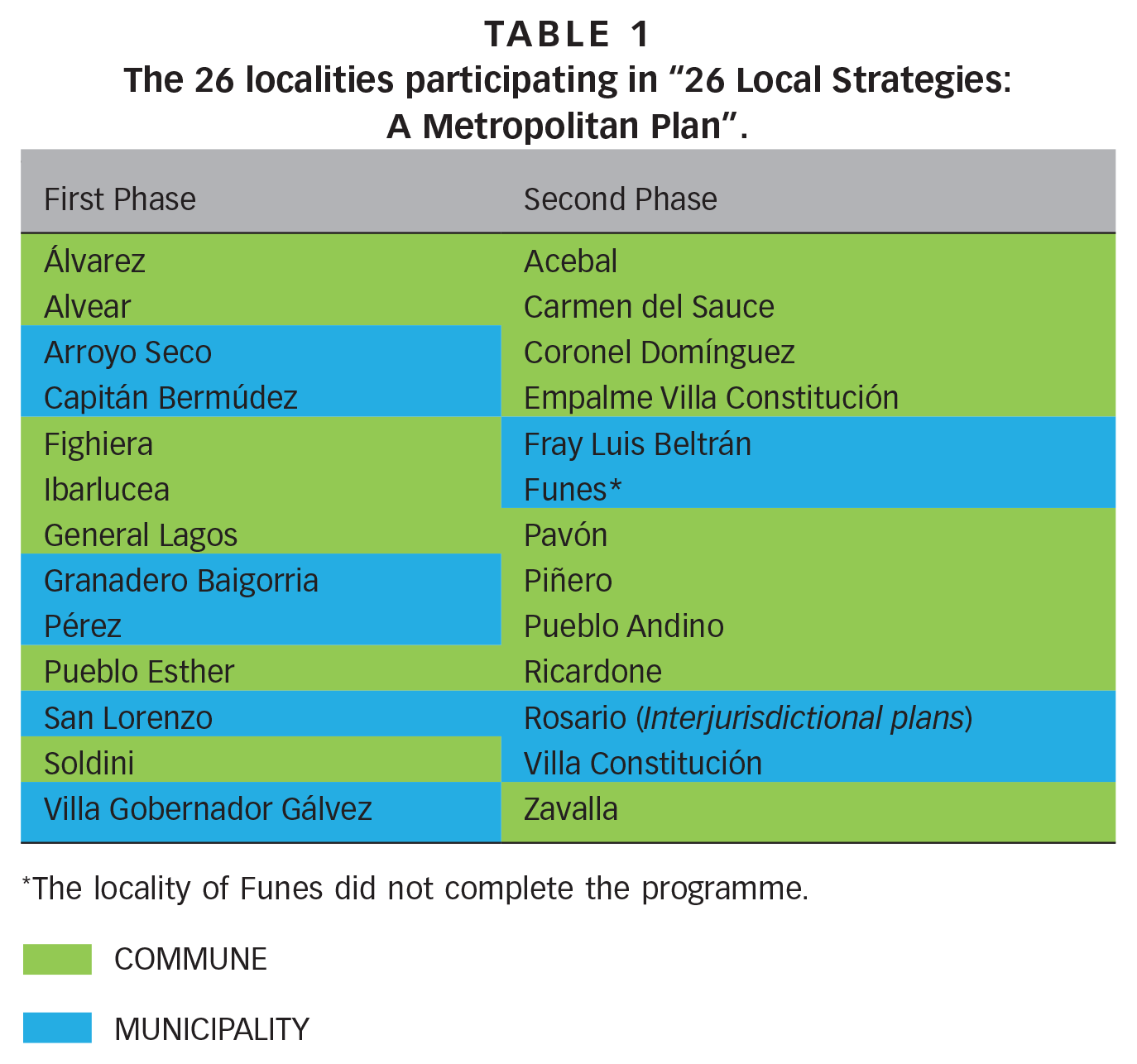
The locality of Funes did not complete the programme.
 Commune
 Municipality
From the beginning of the process, a central issue was to reach a consensus among all the localities on the guidelines for strategic transformation for the larger area, in keeping with a democratic and equitable sense of territorial development, incorporating collective participation across different instances and mechanisms.
To address the capacity and resource imbalance between the different localities, especially as compared with the capital city, one of the main objectives of the programme was to hire a specialised technician on territorial planning for each municipality and commune and to supply computer equipment to carry out the activities. These technicians received intensive training in various topics and all were invited to participate in these training sessions.(31) These training activities have been the starting point of each phase of the programme, in keeping with the initial objective of reducing the existing disparities with regard to technical and decision-making capacities.
Each local urban plan is based on a set of territorial planning guidelines (DOT) agreed by all the mayors and commune presidents of the ECOMR localities in 2014.(32) For the development of these guidelines, workshops were held during 2013 and 2014 with mayors, commune presidents, technicians and various social actors from each locality in the area. Working tables were organised by corridor or quadrant,(33) with opportunities to share with other groups, and a general session was held in which participants from all over the AMR came together. Specific thematic workshops were also held on topics relating to some of the territorial planning guidelines.(34) In this regard, the desired territorial model at the metropolitan level is democratically defined (since the votes of all members are equivalent). At the same time, transformation strategies for smaller portions of the territory were addressed by dividing the metropolitan area into three sectors: Northern Corridor, Southern Corridor (along the river) and Western Quadrant (comprising the remainder). That is, the definitions developed in the urban plan for each local area are fully articulated with the strategies defined at other scales and levels (quadrant/corridor and metropolitan area). Thus, participation in local planning also involved engaging with larger scales.
The participation of all the actors involved was the structural axis of the programme. Since its inception, it incorporated specialised technical assistance in different areas, drawing on important national institutions. These included the National Council for Scientific and Technical Research (CONICET), which brought in specialised researchers in urban planning and urban-territorial planning; the National University of Rosario, through specific agreements with its Faculty of Political Science and International Relations, for consultation on and coordination of the 25 participatory workshops; the Faculty of Architecture, Planning and Design; and other institutions of relevance such as the National Agricultural Technology Institute of Argentina (INTA) and the College of Architects of Santa Fe Province.
In addition to the representatives of the executive powers of each locality (mostly mayors and commune presidents), the existing technical teams in the 26 participating localities were brought in at the beginning of the programme. The participation process began with a basic diagnosis for each locality. This was established by means of surveys asking the local inhabitants about their perception of their particular place, focusing among other things on such aspects as its main problems, the relevant heritage, and the identity of the locality in relation to the metropolitan area. Everyone was very receptive to and enthusiastic about the development of the programme. The comments on the limited capacity of each individual jurisdiction to carry out such a planning process autonomously were reiterated. This information was put together and verified through field inspections carried out by technicians specialised in different areas, as well as through the analysis of such documents as maps, aerial photographs, satellite images, and infrastructure and public service reports.
These joint tasks focused on the preparation of preliminary discussion documents (one for each locality). These were then distributed in advance of the scheduled participatory workshops to some representative citizens in each municipality and commune. (Their selection is explained below.)
These documents were as follows:
1) A letter to citizens from the mayor or commune president;
2) Strategies, problems and potentials of the relevant quadrant or corridor;
3) Local development strategies and main objectives;
4) Diagnosis of the current situation (organised according to problems and potentials) and transformation strategies along three axes: urbanisation and housing; public space; and infrastructure and public services; and
5) Integrated local development model.
The executive government in each locality was in charge of preparing the list of citizens to be invited, following the principle that there should be representatives of different sectors, neighbourhoods and institutions within the municipality or commune. Although this wide convocation is extremely positive within the framework of broad citizen participation, mechanisms should ideally be implemented to ensure this selection is not dependent on each current government.
The number of selected participants was proportional to the population of each locality. The government was also responsible for delivering the invitation to attend the participatory workshop, along with the discussion documents, to the selected participants in a timely manner. The purpose of sending the documents a month in advance was to enable all participants to read them carefully beforehand in order to make the most of the collective debates, exchange and discussion during the workshop. Some communes and municipalities made an even broader call, broadcasting the workshop on the radio and on local television, and inviting all neighbours who wished to participate.
c. Carrying out participatory workshops
Between November 2016 and August 2019, participatory workshops were held to discuss the local urban plan in each of the municipalities and communes participating in the programme. These 25 workshops were organised with specialists in citizen participation from the Faculty of Political Science and International Relations at the National University of Rosario acting as advisors and coordinators within the framework of an agreement between this institution and ECOMR.
Workshops were held between 09:00 and 16:00 approximately, and they varied in size from 20 participants to approximately 500. The Rosario workshop, because it debated the metropolitan interjurisdictional plans, attracted the largest number of attendees, with the participation not only of different social actors from the city itself, but also of citizens and representatives of numerous institutions from surrounding locations.
As with the discussion material, the topics of debate were organised along three axes, as noted: (1) urbanisation and housing; (2) public space; and (3) infrastructure and public services. Discussion tables for these topics were organised accordingly, with an equal number of attendees (up to 10) per table. Upon arrival at the site where the workshops were held, attendees provided their personal details and were randomly assigned to a thematic table. The idea was that each table would include representatives of the different participating entities. To ensure this, those who arrived together or from the same group were separated and sent to different tables. The main purpose was to promote an active dialogue, generating debate between citizens from different sectors (even, on many occasions, with opposing interests).
Each workshop followed the same organisational structure. The sessions began with opening remarks and a welcome from the mayor of the city or the president of the commune, as well as from a representative of the Santa Fe provincial government and one from the metropolitan coordination entity. Then, in all the workshops, a short video was shown about the AMR and the relevance of each locality to the larger area. This video presented the AMR as a puzzle in which each locality is a piece and stressed the importance of joint work to bring them all together to constitute the whole. It highlighted the significance of strengthening a metropolitan identity, and it encouraged participants to broaden their perspective on the local debate, seeing it within the larger context of the entire region. The citizens interviewed stated that this video and the initial presentation of the workshop opened up a new perspective on what their locality means for the region and the importance of addressing local issues territorially.
In the first part of the workshop, participants were invited to discuss the problems and potentials described in the materials that had been delivered in advance, as well as to identify issues not included in these documents. For this exercise, maps of the locality were placed on each table, along with cards that summed up the problems and potentials, for the participants to paste on the corresponding sectors of the plan (Figure 1). A matrix was also handed out, making it possible to classify the main problems identified according to their social, environmental and economic-productivity impacts and whether these impacts had a high, medium or low geographical scope (Table 2). Thus, the main problems of each locality could be evaluated quantitatively, from highest to lowest. Once this exercise was completed, each thematic table presented to the rest of the workshop participants a summary of their debate and the results obtained.
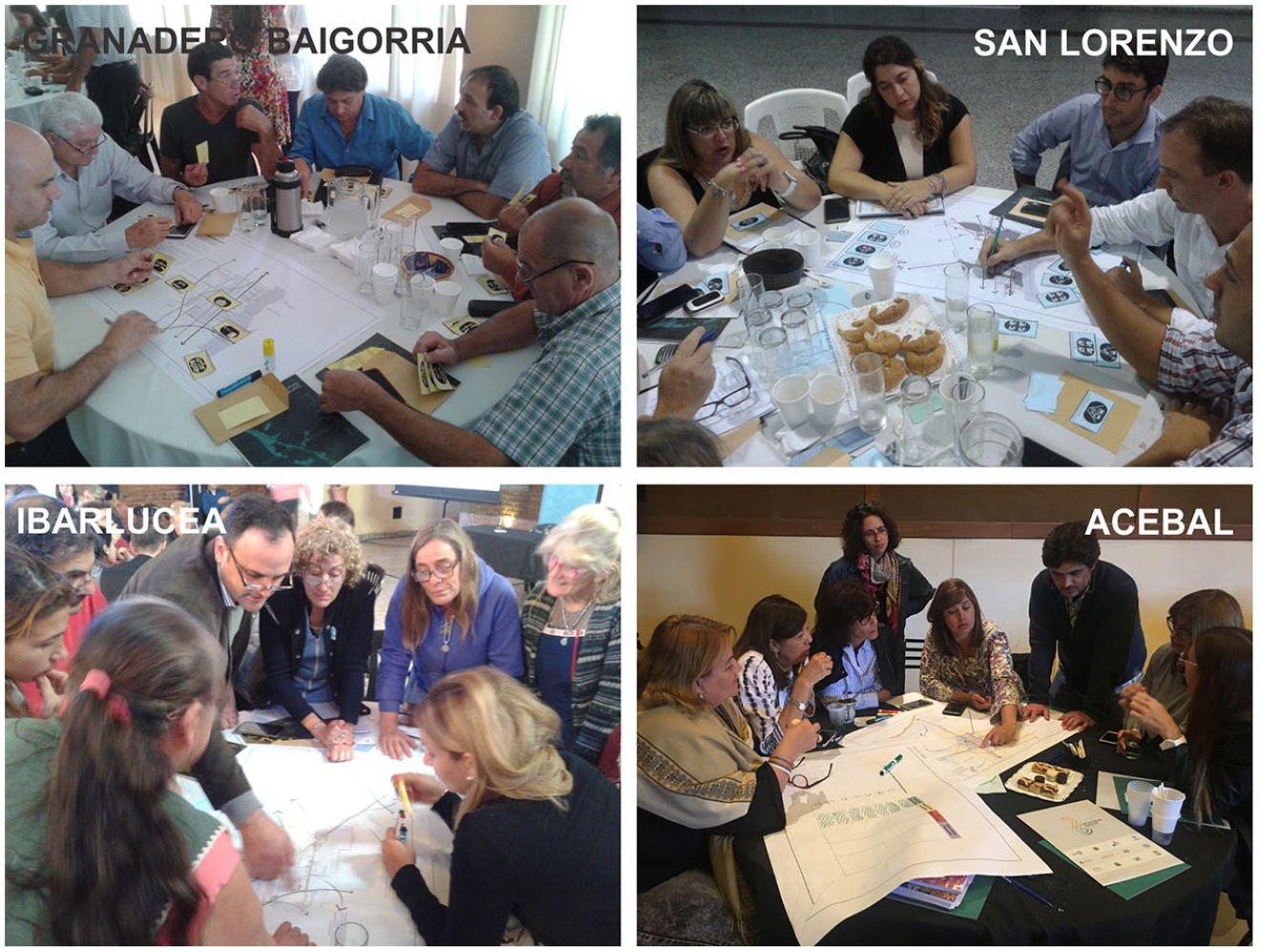
Participatory workshops
Urbanisation and housing axis, Álvarez participatory workshop.
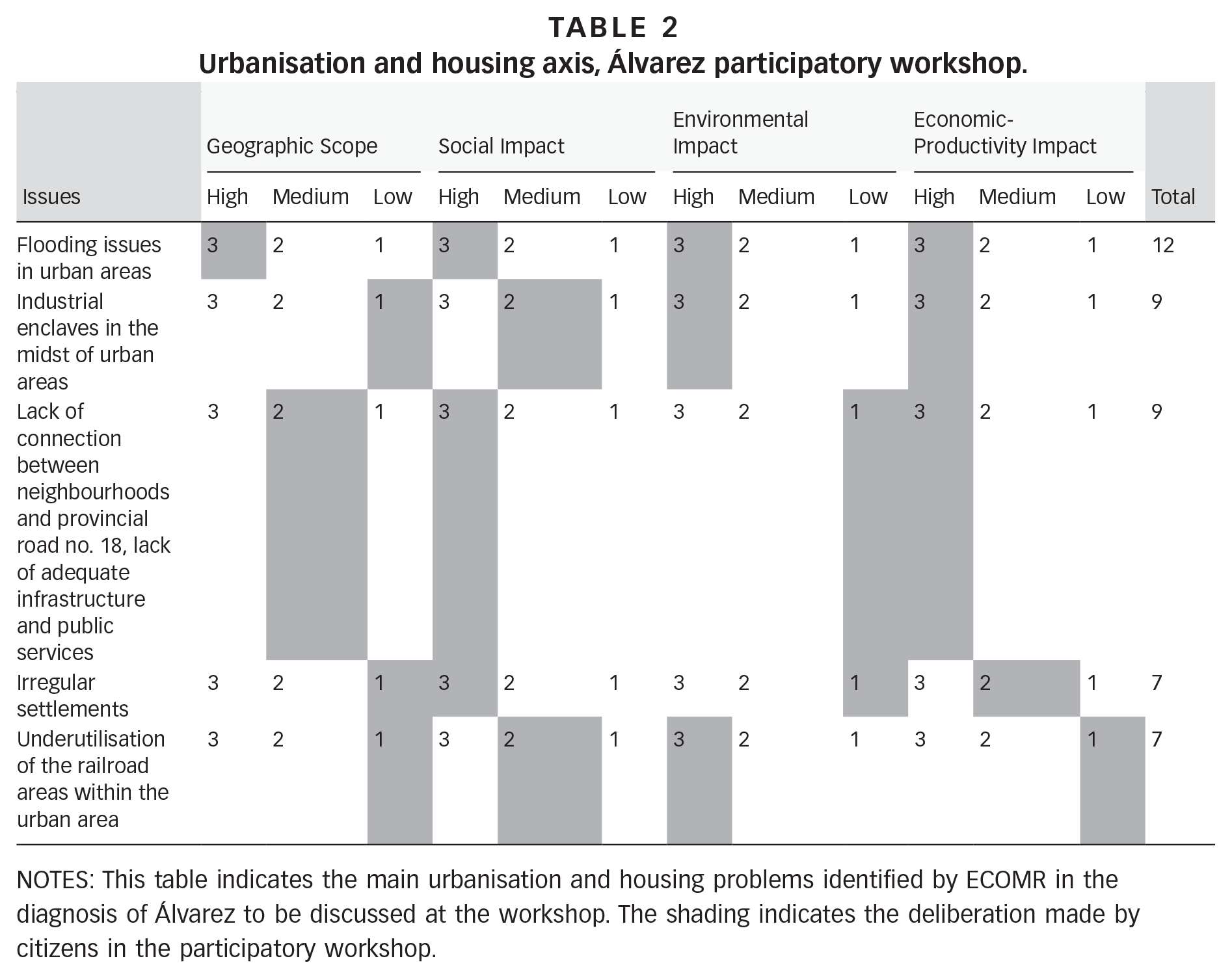
NOTES: This table indicates the main urbanisation and housing problems identified by ECOMR in the diagnosis of Álvarez to be discussed at the workshop. The shading indicates the deliberation made by citizens in the participatory workshop.
The next part of the workshop began with a brief presentation by the general director of ECOMR regarding the general strategies proposed for the locality in relation both to the quadrant or corridor in which it is located and to the metropolitan area in general. The main purpose of this presentation was to explain the articulation between the different scales involved in the proposed planning. Subsequently, the different urban development strategies that had been suggested were discussed. Each table of participants discussed their position around each proposed strategy, defining whether they strongly agreed, moderately agreed or disagreed with the strategy. For the last two options, they were asked to suggest alternative strategies. Lastly, the discussion held at each table was summarised for the rest of the workshop participants.
The main issues discussed in each local urban plan, which contributed to a coordinated view of the metropolitan plan, were the development of new urban land, protection of rural land, mobility, the generation of a hierarchy of public spaces, preservation of heritage and identity, provision of facilities, and the development of infrastructure and services, among others. The definitions at each local scale, coordinated at the metropolitan level, have made it possible to overcome incompatibilities and problems in neighbouring localities, considering a regional strategy.
Throughout the workshop, specialists in various areas and topics of debate were present and available to the participants either to answer questions or to explain aspects of the work material. It is important to note that in the two exercises carried out at the working tables, participants of other theme tables were welcome to comment, compare opinions, hold consultations, and introduce complementary points of view. Despite discussing controversial issues or proposals, with often conflicting positions, all 25 workshops were held in an environment of rewarding debate and exchange and of attentive listening on the part of all participants. It must also be pointed out that all participants remained present throughout the whole day, actively participating in the different activities.
At the end of each workshop, many participants expressed their gratitude for the invitation and their interest in the issues discussed. They also confirmed that they had acquired a greater knowledge of their own locality, and from a much broader perspective. Lastly, each mayor or commune president delivered the closing remarks, expressing their commitment to include the results of the discussions in the local urban plan. All attendees who had a question or wanted to make additional contributions were invited to contact the ECOMR technical office to coordinate a face-to-face meeting at their offices in the city of Rosario.(35) Communication channels were kept open throughout the development of the programme to respond to queries from individuals, as well as from institutions and neighbourhoods.
d. Development and presentation of local urban plans: a metropolitan plan
All the presentations, debates, comments, proposals and counterproposals developed within the framework of each participatory workshop were collected by the specialists and technicians of the “26 Local Strategies” programme, and put forward for discussion to the mayors and local commune presidents and their respective technical teams. In this way, the results of each workshop were brought into the final development of each local urban plan. It is important to note that all the plans incorporated normative and management instruments.(36) Of the latter, the most salient is the participatory budget, through which the population participates directly in the different phases of the municipal public budget’s preparation and execution. Thus, ECOMR proposed the continuity of public participation after the presentation of each urban plan.
In April 2018, participants of the different workshops were invited to a public presentation of 13 of the local urban plans, corresponding to the first stage of the programme.(37) In December 2019, 11 more local urban plans were presented,(38) as well as a document that summarised the five metropolitan interjurisdictional plans for Rosario and its surrounding – the second stage of the programme. On this occasion, the documents from the first stage were also presented, so that all 25 documents that make up the metropolitan plan were presented together, thus bringing the “26 Local Strategies” programme to an end (Figure 2).
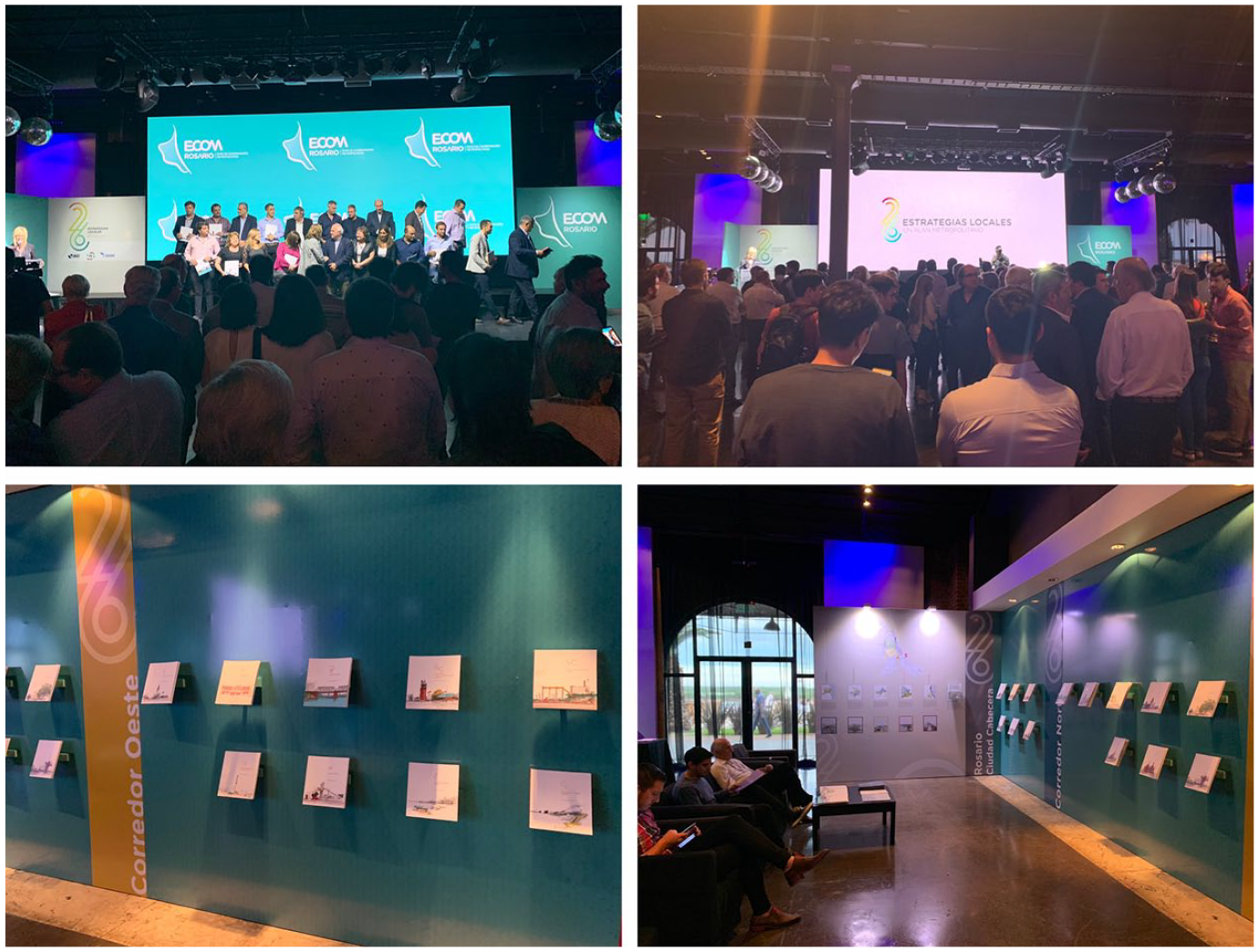
Presentation of the 25 documents comprising the metropolitan plan
V. Analysis of Results and Findings
In much of the world, the many innovative experiences of citizen participation on record occur primarily at the local level. This is because access to active citizenship is most feasible through the closeness and the daily experience of grassroots democratic structures in local life.(39) The “26 Local Strategies” programme takes this daily proximity of the local population as a starting point in involving social actors in a close and genuine participation process. From there, the debates that take place at other scales, and the necessary articulation between them, become incorporated. One of the main objectives of the participatory component has been an understanding of the great complexity of the larger area; another is the chance for the various actors involved in the process to assume their co-responsibility for the design of urban-territorial transformation strategies.(40)
One of the main achievements of the programme has been, precisely, the resulting citizen participation in a regional debate, and its contribution to strengthening metropolitan identity within the framework of defining municipal or communal public policy. Rigid jurisdictional divisions have historically been obstacles to the development of such integrated participation strategies in the definition of public policies, especially in territorial planning. However, in recent years it has been acknowledged that there is, in Merino’s words, a “growing tendency to improve relations between governments – between local, regional and national levels of public administration within each country”.(41) The “26 Local Strategies” experience is part of this challenge, seeking solutions, as it does, for integration and intergovernmental multiscale and multi-actor articulation.
Because the participants were citizens of the municipality or commune in which each workshop was held, they were motivated by a genuine interest and commitment to the discussion and to the collective definition of guidelines for their local urban plan. The discussion material that was distributed beforehand to the participants proved to be a helpful resource, enabling them to familiarise themselves in depth with the topics that were to be discussed later in the workshops. Another important outcome was that the participants felt equipped to be part of the discussion and of decision-making. This is an indispensable condition of citizen participation, since, to quote Alguacil Gómez, “to participate is to share, that is, to communicate and relate with each other … it is not possible to take part in decision-making without feeling a part [of the community]”.(42)
The “26 Local Strategies” programme lasted just over three years. During this period, participation took place in different modalities, from the preparation of the baseline diagnosis to the presentation of all the developed plans. Although 25 participatory workshops were held altogether, there was only one workshop per locality, taking into account that there is a limit to the time and energy people can spare for participatory activities, and this has to be treated with respect and consideration. If we demand too much, we run the risk of depleting that energy and having, as a result, a lack of representation in the exercise.(43) For this reason, it is important that the different modalities and forms of participation in the different stages be clearly linked. As already mentioned, between 2013 and 2014, prior to the start of the programme, workshops had already been held to discuss the territorial planning guidelines, both with social actors from all over the AMR and by corridor and quadrant, adopting different modalities depending on the planning stage.
In this sense, within the framework of the programme that was developed in the city, it has been possible to enhance participatory democracy (as discussed in Section III) by generating real participation. A great diversity of actors attended the workshops of their own volition in a social-collective act, expressing their opinions, and contributing to decisions related to urban-territorial planning within the framework of the discussion process. These opinions greatly influenced the subsequent definition of the local urban plans. That is, this process did not simply legitimise decisions that had already been taken; rather, it made it possible for the guidelines for local and metropolitan planning to be co-created.
However, incorporating citizen participation in the planning process of the AMR should go well beyond these planning guidelines. Achieving greater depth is critical in order to reach “real citizen control”, the last stage of the ladder proposed by Arnstein.(44) This applies to planning participation in all its various stages, from the initial diagnosis and the design and preparation of proposals, to the execution, monitoring and evaluation.(45) To this end, it is necessary to intensify participation strategies and expand channels, both when planning participation and when incorporating it into legislation.(46) More concretely, the participatory process must be reinforced at the stage of management and the effective application of what was previously agreed.
Thus, the starting point is the proper design of the participatory process. At present, its lack of depth is the main obstacle to achieving any participatory planning in localities.(47) Each municipality and commune must engage beforehand in the definition and articulation of participation mechanisms that encourage the greatest possible representativeness of all inhabitants, and coordinate this with regional strategies. In this case study, the existence of the metropolitan coordination entity provided a key structural support to the co-construction of this design among all the localities that make up the area.
VI. Discussion and Ways Forward
The participation process for urban-territorial planning carried out within the framework of ECOMR’s “26 Local Strategies: A Metropolitan Plan” sets an important precedent for citizen participation in contemporary urban-territorial planning. It should be noted that most of the localities in the area had no previous experience of participation in the definition of urban-territorial planning and planning policies. Against this backdrop, the programme – especially through the design and implementation of participatory workshops – provided in all of the participating municipalities and communes a space where residents could meet, learn and exchange views on problems, aspirations and conflicts, many of which neighbours were unaware of. This was made possible, to a large extent, thanks to the call to convene a great diversity of actors and to gain their favourable response, thus achieving a broad representation of the different realities in each municipality or commune. These calls sought to significantly expand the participation of unorganised citizens, as well as of those associations already constituted, so that it has been possible to strengthen a more participatory culture, at both the local and the regional levels.
It is important to highlight how seriously the various participants took each of the workshops, as reflected in their presence throughout the whole day of the activity, the respect and attention with which they listened to their neighbours (even when they expressed opposing views), their participation in all activities, and the comments made in each workshop. The organisers have received many expressions of thanks from the participants. Attendees indicated how grateful they were for the initiative and for the broad spectrum of the population that was represented from many different sectors. However, it is also true that the decision on the choice of participants was up to each local government. It is highly advisable, as noted, that regulations be introduced establishing and ensuring broad participation in a way that is not subject to the specific government in office.
It is also worth pointing out that the participation process carried out for this programme has genuinely given citizens access to decision-making power, since most of the results of their discussions were in fact incorporated into the final development of each local urban plan. In particular, whenever there was a large consensus on requested modifications, the process in effect validated democratic debate. Participation (especially through the workshops held within the framework of the programme) had an impact that is visible in the modifications introduced to several policies and proposals that were included in the preliminary documents. These changes contributed to the development of new alternatives in the design of the plans, with greater consensus obtained through participation. Citizen participation has clearly strengthened and legitimised the various stages in the urban-territorial planning process, especially in the final documents of the local urban plans.
The implementation of participation activities, in particular the workshops, with the wide-reaching call, dissemination and attendance in each of the localities, has generated greater confidence and interest among local residents to be actively involved in public policy decision-making. Likewise, municipalities and communes have been able to appreciate the value of being part of ECOMR. This has made progress possible and has strengthened the interaction and coordination between the municipal and communal levels, optimising horizontal coordination.
Additionally, remarkable progress was achieved around strengthening citizens’ multiscale awareness of the issues that affect them. Although most workshop attendees initially contributed observations at a microscale level, related to their homes and neighbourhoods, towards the end of the workshop it was clear that their perspective had expanded. They could link their priorities and concerns to the larger scale of the entire jurisdiction of their locality, as well as linking what pertained to their own town with the rest of the metropolitan area. A broad debate has been opened around the various territorial scales, in articulation with the territorial planning guidelines for the entire metropolitan area.
Through the various implemented actions, great progress has been made in reducing the differences in technical and decision-making capacities between jurisdictions of different scales, especially in relation to the capital city. The municipal and communal administrations in the area have been greatly strengthened by several important factors: the hiring of new technical specialists, the introduction of computer equipment for each locality, the training of personnel in key issues and resources of territorial planning (open to all the technical teams in the municipalities and communes), and the development of each local urban plan jointly with other localities and with the support of ECOMR.
However, despite the progress made within the framework of the programme discussed here, a critical analysis reveals several remaining challenges. On the one hand, it is very important to plan the citizen participation process, defining well in advance the objectives for each stage of the process. Equally significant is the call to convene all sectors of citizenship to participate. In particular, after the publication of the plan and its approval, the most crucial aspect is its proper execution. These issues have been the main limitations in the participatory methodology applied, which needs to be strengthened in the various instances and in future developments, as well as in the implementation of what has already been agreed.
Likewise, it is essential that participatory planning, although defined by each local government, is linked to the rest of the localities that are part of the area. In this sense, the existence of a metropolitan coordination entity (as in the case of the AMR) is a great opportunity for genuinely broad participation in planning. The great diversity of actors, issues and existing processes – not only in each locality, but throughout the metropolitan area – implies the incorporation of new strategies and instruments of action, including new information and communication technologies (ICTs), which make it possible to expand participation and complement face-to-face attendance. All this points to the need to provide a concrete institutional and regulatory framework for citizen participation, so that a real, active and continuous participation of society is ensured in all cases.
Footnotes

3.
7.
I am a career scientific researcher (CIC) at the National Council for Scientific and Technical Research (CONICET), and between 2016 and 2019 was the researcher in charge of one of the High-Level Technical Services (STAN) between CONICET and the ECOM Rosario, through which I have acted as an expert consultant in urban-territorial planning. Thus, I have participated in all stages of “26 Local Strategies: A Metropolitan Plan”, both as a consultant and as a CIC-CONICET researcher.
8.
Although the programme’s name referred to 26 local strategies, in fact the process took place in 25 locations, as will be explained below.
10.
There was a profound restructuring linked to participation, since in the context of dictatorial governments there was no participation (including the non-existence of electoral elections). Then with the return to democracy, the election of representatives was re-established and there was a first stage of disclosure to society of technical and administrative decisions. And in the democratic consolidation, various participatory instances were established where citizens could debate, propose and have a say in the actions and policies implemented.
12.
See reference 2.
18.
19.
22.
Argentina has three administrative levels: national, provincial and municipal. In the province of Santa Fe (where the study area is located), a locality is defined as a municipality or commune depending on the size of the population. With a population over 10,000 a locality becomes a municipality (municipio); with a population between 500 and 10,000, the locality is defined as a commune (comuna).
25.
Such is the case of Villa Gobernador Galvez, which has 80,769 inhabitants. See reference 22.
30.
The programme has received funding from the Province of Santa Fe through the Ministry of the Economy’s Municipal Investment Programme (PROMUDI, for its acronym in Spanish) and from the Interior Ministry’s Development Programme for Metropolitan Areas in the Provinces (DAMI), with a loan from the Interamerican Development Bank (IDB).
31.
The main objectives of these training sessions for technicians of the ECOMR municipalities and communes have been, on the one hand, to enhance skills at the level of local public administration in the implementation of instruments for urban and territorial planning and, on the other, to train personnel who can be part of a network of local technicians working with the ECOMR initiative to carry out planning and project management processes. The training courses include: “urban territorial planning today and elements to develop a local urban plan”; “urban planning practices and urbanisation processes from a metropolitan perspective”; “metropolitan planning processes and territorial management”; “defining urban and metropolitan mobility strategies”; “peri-urban and rural areas”; and “training in Geographic Information Systems” (GIS).
33.
“Corridor” is defined as the territorial area (and the localities that constitute it) mostly located on the banks of the Paraná River. Those localities situated to the north of Rosario (Head City) form part of the “Northern Corridor” and those located to the south of that city form part of the “Southern Corridor”. The rest of the localities situated in the territorial arc to the west of the head city are considered part of the “Western Quadrant”.
34.
It is worth highlighting the workshops on local and metropolitan heritage, tourism and identity held by corridor and quadrant on 4 July 2013 in Soldini (Western Quadrant), on 5 July 2013 in San Lorenzo (for the localities of the Northern Corridor), and on 11 July 2013 in Pueblo Esther (for the Southern Corridor).
35.
Despite this invitation, not many enquiries were received after the workshop, just a few cases of specific enquiries from citizens and requests for meetings by some neighbourhood organisations.
36.
The regulatory and management instruments incorporated into each local urban plan are: general urban development regulations (urban fabric, urban layout and use); specific urban development regulations (special plan, master plan, reserve areas, historical protection areas, environmental protection areas, social interest areas); building regulations; management instruments for consultation (urban development agreements, social urbanisation consortiums, participatory budget); and instruments for redistribution of the benefits of urban development.
37.
These were the plans for the locations of Villa Gobernador Gálvez, Arroyo Seco, General Lagos, Pueblo Esther, Alvear, Fighiera, Granadero Baigorria, San Lorenzo, Capitán Bermúdez, Soldini, Ibarlucea, Álvarez and Pérez.
38.
These were the plans for the locations of Fray Luis Beltrán, Ricardone, Pueblo Andino, Pavón, Empalme Villa Constitución, Villa Constitución, Zavalla, Piñero, Coronel Domínguez, Acebal and Carmen del Sauce.
39.
See reference 9.
41.
See reference 2, page 82.
42.
See reference 11, page 5.
44.
See reference 13.