



Abstract
Increasingly, urban violence is a problem in the world, and traditional development models are sometimes inappropriate to rapidly changing urban contexts where the sense of ownership and appropriation of common space is key to effective programming. Faced with the relevance of the traditional North–South model, the growing importance of South–South Cooperation (SSC) as a form of development cooperation generates positive ways forward in overcoming the limitations of the existing model. This paper outlines the experience of Viva Rio, a Brazilian NGO that works through a community participatory framework that is unique in style and Brazilian in origin. Viva Rio has addressed urban conflict in Port-au-Prince, Haiti, by drawing on principles and techniques developed in Rio de Janeiro and strategically applying them to the Haitian context. The paper describes this experience and develops it into a framework of knowledge transfer. It describes Viva Rio’s modalities and how it has been productive because of its ability to adapt to on-the-ground realities.
I. Introduction
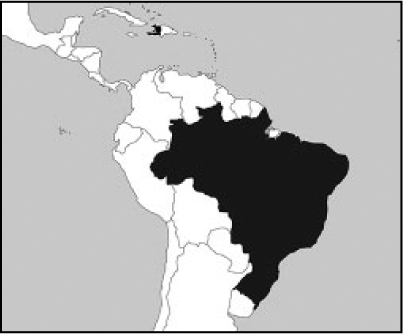
Over the past 10 years, Viva Rio, a Brazilian NGO, has been working in Haiti to bring together key stakeholders, in order to help combat the violence that has plagued the country since the end of the Duvalier dictatorship, particularly in the areas of Bel Air and Cité Soleil. Viva Rio, which works through community participation, started working in Haiti in 2004 following an invitation from the United Nations. The UN had just begun a new peacekeeping mission in the country and, faced with the enormous challenge of getting Haitians involved in the pacification project, the agency sought the expertise of Viva Rio.
Established in 1993 in Rio de Janeiro, Viva Rio aims to foster a culture of peace and social inclusion through a commitment to research and work on the ground. The institution was formed by representatives from several sectors of civil society as a direct response to the growing violence that plagued Rio de Janeiro. Viva Rio’s key values of “creativity and pragmatism”, “boldness and closeness”(1) also became the underlying theme for all its projects in Haiti.
This article explores the similarities between the Haitian and Brazilian contexts and examines how Viva Rio’s methods were assimilated; also how the choice of programmes was designed through extensive collaboration and cooperation with both the Haitian government (local and national) and, most importantly, with the communities that Viva Rio serves. The paper demonstrates Viva Rio’s approach to the complexities of urban violence within a developing country context like that of Haiti as well as its commitment to comprehensive violence reduction approaches, through not only including the principal actors in the conflict but also by addressing the underlying sources, including political and economic influences and social exclusion.
Viva Rio arrived within this context – drawing on knowledge developed in Brazil – to create closer relationships with local partners in Haiti. Since 2004, the Brazilian leadership of the UN mission, with the presence of the Brazilian battalion (as part of the UN peacekeeping force) in the area of Bel Air, not only allowed but actually facilitated the engagement of Viva Rio in the neighbourhood, especially because of the projects related to security. In addition, Viva Rio had institutional support from the UN Mission in Haiti (MINUSTAH) in the form of funding from its Community Violence Reduction Unit. It also had the support of the Brazilian embassy in Haiti, which was committed to building relationships with the Haitian government.
This paper discusses the post-earthquake context in Haiti, how conflict sensitivity can transform as a result of such a major natural disaster, and the difficulties facing an organization that has to adapt to a humanitarian crisis layered upon a climate of development and conflict. It goes on to outline Viva Rio’s violence reduction interventions, its creation of green space and the way it has built on the local culture.
II. Viva Rio Arrives in Haiti
The dynamics of violence in Haiti are not simple but they are directly linked to inadequate urban planning. It is structural violence resulting from ad hoc urbanization, common to the experience of other Latin American contexts. The departure of Jean-Claude Duvalier in February 1986 left Haiti with a major political crisis and a downward spiralling economy. With the end of the 29-year Duvalier Regime (1957–1986),(2) the country underwent decades of political transition and social unrest,(3) with grave economic downturns and environmental catastrophes that would impose an increasing burden on a growing poor migrant urban population.
The 1990 presidential election of Jean-Bertrand Aristide changed the political scene in Haiti, promoting the participation of poor urban youth. Aristide and his political party, Lavalas, became the voice of the masses, directly threatening the established military and economic elite. In 2003 and 2004, there were increasing protests from various civil society coalitions demanding the departure of Aristide.(4) One of the foremost accusations was that Aristide had developed an elaborate system of patronage wherein he positioned followers in the National Haitian Police (PNH) and the National Port Authority to facilitate illicit activities such as drugs trafficking and arms smuggling.(5) On 28 February 2004, following Aristide’s departure, the country faced a surge of chaotic violence, and in June 2004, the United Nations Mission in Haiti (MINUSTAH)(6) took on the task of restoring the rule of law, promoting elections and helping with the Disarmament, Demobilization and Reintegration (DDR) programmes.(7)
In 2006, René Préval was elected president. One of Préval’s primary concerns was how MINUSTAH and the PNH intervened in “slum”(8) areas such as Cité Soleil, and he advocated for alternative and non-violent measures. Conflict in these areas between rival territorial groups (or bases) was multi-faceted, with mixed political and economic motives, and included the use of child soldiers and control over key markets; it was thus critical that a comprehensive approach be taken that would allow for the implementation of rule of law and the eventual societal reintegration of armed groups.
The strategy suggested for MINUSTAH was to use Latin American expertise and to apply the experiences of the various UN peacekeeping battalions to the Haitian context. At the time it was initiated, seven of 12 troop contributors to the mission were South American states.(9) In the case of the Brazilian battalion, the Haitian situation was understood in terms of their experience of working in favelas and with gang violence in Brazil.
After the earthquake of January 2010, the contribution of ABC countries (Argentina, Brazil and Chile) was extended and strengthened by Argentina’s pledge to contribute more than US$ 18 million to the reconstruction of the devastated Caribbean country, the largest donation in its history. Brazil promised to contribute US$ 172 million, becoming the fourth largest donor in Haiti after the United States, the European Union and Canada. Cuba provided an important contribution in the area of health, with the technical assistance of more than 500 medical professionals, and in the area of culture, by implementing literacy programmes.(10) Venezuela stands out within the aid framework with its concessional financing, direct government grants from the signing of the Caracas Energy Accord 2000.
Also following the earthquake in January 2010, Brazil, the largest South American troop contributor to MINUSTAH, committed an additional contingent of 1,300 to the 1,266 military personnel already stationed in Haiti.(11) Furthermore, non-government initiatives, such as projects developed by Viva Rio, were also included in this coordinated effort. This situation generated a previously unseen level of synergy between Brazilian civil and military organizations, and between government and non-government actors. The combination of all these specificities was not only key to the success achieved to date but also typifies the “Brazilian way of peacekeeping”. Although one could argue that some of these elements are common to other operations and countries, it is their specific contextual combination that characterizes the “Brazilian way”.(12)
a. Bel Air
Each battalion in MINUSTAH is assigned an area, and the Brazilians were assigned to Bel Air and the nearby slum, Cité Soleil. Viva Rio became involved in the Bel Air area for two reasons: first, it was at the heart of the uprising movement; and second, it is an area that has always had important political significance. As the historical and cultural centre of Port-au-Prince, Bel Air experienced a period of great prosperity until the 1940s. However, as Port-au-Prince continued to be the economic epicentre of the country, a demographic explosion, caused primarily by migration for employment, led to the proliferation of informal settlements and popular markets, paving the way for the formation of slums.
Local problems have taken on a political dimension since the 1990s. By the end of the Duvalier dictatorship, Bel Air and Cité Soleil had taken on a more politicized identity, illustrating the dire inequalities in the country. Bel Air had become a lawless area, where politically motivated violence and confrontations did not spare either the churches or the schools: it was an enclave where the armed groups devoted themselves to a war with no regard for the local inhabitants, who were held hostage by the violence.
According to the census undertaken by Viva Rio in 2007,(13) 40 per cent of the population fled Bel Air during this period of disturbing conflicts.(14) The demographic profile of the neighbourhood in early 2007 indicates that families withdrew their children from the area during periods of violence. However, by December 2007, a second study showed that two-thirds of the children removed by their parents had returned. According to those who were surveyed, the reasons for their return were as follows: 23.2 per cent recognized that MINUSTAH had restored a secure environment; and 14.3 per cent attributed the safer environment to the work of the National Haitian Police (PNH).(15) Another important reason cited was the return to normality and the ability to continue to work, study and be reunited with family members. Stability, made possible through integrated peace-building programmes, remains fragile, however, because of structural political, economic and social challenges as well as the more visible environmental challenges.
However, violence has continued to take other forms in recent years, such as gender-based violence and lynching. Viva Rio has commissioned an ethnographic study on gender in order to respond to these shifting priorities. Small violent groups continue to be organized and commit crimes, mainly in the market area where different groups fight over the control of businesses. The participation of different groups in the community in the struggle against violence (directors of schools, the church, families and groups of RARA bands), the integration of the forces of law and order in the community and the reinforcement of the political role of community leaders constitute evidence of the significant impact of the violence reduction projects.
b. Similarities between the Rio de Janeiro and Port-au-Prince contexts
The cultural similarity between Haiti and Brazil is far-reaching, ranging from a passion for soccer and carnival to a shared religious syncretism. From a Haitian perspective, this identification is very deep. To give a curious example, several Haitians were cited in a 2010 study as claiming that when reading books by Brazilian author Jorge Amado, they understood the stories to be set in Haiti.(16) There are many similarities between Port-au-Prince and Rio de Janeiro: a high incidence of armed violence in a context of poverty and socioeconomic disparities can be found both in the favelas in Rio de Janeiro and the bidonvilles (slums) in Port-au-Prince; youth living in slums are the most at-risk group for violence victimization and perpetration in both cities; and the availability and use of weapons that exacerbates conflicts, fear and insecurity is a common risk factor. The participation of young men and women in organized armed violence is not a new phenomenon in either Latin America or the Caribbean. Easy and widespread access to firearms, insufficient job opportunities, the lack of access to basic health and education, inadequate urban infrastructure and disorder are characteristic of many urban communities throughout the region – including the favelas in Brazil and the disadvantaged neighbourhoods and bidonvilles in Haiti – where organized armed violence groups flourish.
Slums in both cities are vulnerable to external factors and generators of violence and to the growth of parallel-armed groups. Although loosely organized, youth who are engaged in organized armed violence have a significant impact on marginalized areas. Furthermore, being subject to the local powers that impose and reproduce themselves by the direct use of violence, poor neighbourhoods become the scene of equally violent actions by the state and, in the case of Haiti, by MINUSTAH. Violence is a serious problem for all the youth in these neighbourhoods, particularly for those who do not attend school.
c. The Viva Rio model
Viva Rio offers a community development approach to tackling issues plaguing poor urban areas. The organization’s methodology was originally developed in Brazil over a period of 20 years working in favelas. While Viva Rio has been able to adjust its methods to the Haitian context through an interactive learning process in close consultation with Haitian partners (to fit into the context of a UN peacekeeping operation), the basic principles and organizational structure of projects have been adopted from its Brazilian experience. In fact, Viva Rio has mobilized experts from the Brazilian government and the private sector to work in Haiti. The Viva Rio team in Haiti includes Brazilian experts in urban violence reduction and active police officers with years of experience working in favelas. As in Brazil, Viva Rio works from within and in collaboration with the community, which allows the organization to actively confront its “outsider status” and grants it the opportunity to be more spatially and socially connected to reality on the ground than most other external development actors in the country.
These marked similarities, and the accumulated experience in addressing urban violence through social development in Rio de Janeiro since the 1990s, led to the Honor and Respect for Bel Air project and Viva Rio’s engagement in Haiti. The mission in Bel Air is to reduce violence and upgrade and renew urban areas, with a focus on safety, development and the human rights of its inhabitants. This integrated approach includes working on conflict drivers and connecters. Connectors across groups include common dependencies, school institutions, attitudes, values and shared experiences. Some of the most important connectors used by Viva Rio are symbols and celebratory occasions. Therefore, Viva Rio began its intervention in Bel Air with a voodoo ceremony. The interventions also include carnivals, increasing access to water, solid waste management and the creation of alternative energy sources, as well as activities in education, sport and school health. The limited access to potable water in Bel Air was identified from the beginning as both a “basic need” and a “cause” of local conflict. On the basis of Viva Rio’s 2006 census and expert studies,(17) a project was launched in 2007 with three principle strategies to increase potable water supplies.
Viva Rio’s efforts are centred particularly on women, young people and children, community leaders and groups whose role is critical in the organization, stability and prosperity of the local community. They are not only the victims of much of the violence but also the potential change agents, with the power to transform their communities and keep the peace. To achieve peace, all parties in opposition are also included.
Viva Rio contributes to a greater pride in the local culture through support for Creole music and sports activities. With an increase in self-esteem, the general attitude towards violence can be changed. Although homicide statistics are a fundamental indicator of the control of violence, they do not capture other aspects of safety.
As a social catalyst and mediator, Viva Rio emphasizes the role of mediation, dialogue and communication to neutralize prejudice and misjudgements, which are often the source of conflict. Furthermore, it challenges essentialist views of deviant groups such as “gangs” or “criminals”, and underlying risk factors that shape the onset and persistence of violence.(18)
Viva Rio recognizes that in order to promote healthy communities and reduce conflict, it is essential to understand the multiple facets of modern society. In this way, the diverse nature of Viva Rio projects, spread out over the different sites, allows the organization to have an impact on different levels of Haitian society, thereby ensuring a broader stakeholder base, including both state institutions and community groups, thus reinforcing support for activities by building multiple levels of capacity in the process of developing change. This vertical and horizontal integration into Haitian society enables Viva Rio to gain a comparative advantage for advocacy, also to unblock situations, see different positions and treat problems holistically. Viva Rio frequently undertakes collective mediation to defuse situations between groups in conflict, for example mediating peace between bases (rival territorial groups) in Bel Air to organize a carnival for the entire community in March 2013.
Viva Rio supports a theory of change that emphasizes stabilization through “social integration”. This premise infers that political, social and economic dynamics in environments such as Bel Air – indeed in any society – are highly persuasive in defining how these communities flourish or deteriorate. Societies rife with identity-laden or predatory violence can be fractious and lead to social disarticulation, even disintegration. However, an underlying assumption of Viva Rio is that communities are socially resilient and can be supported in their integration efforts. In this way, carefully targeted “catalysts” – spanning the security–development continuum – can hasten this process of “integration”. Viva Rio emphasizes the dividends of advancing both “security- style” activities and socioeconomic “development” in a mutually reinforcing fashion.(19) The participation of the community, private investment and the state – be it the government, the national police or the military – in a coordinated manner is crucial for development. These precepts, which admittedly are not unique to Viva Rio, take on greater meaning when they are grounded in the practical examples discussed in the following sections.
The configuration of the projects and community engagements shifted considerably after the earthquake on 12 January 2010. There was a huge demand for emergency relief; the head office of Viva Rio itself was home to 3,000 people. The Port-au-Prince prison collapsed, and of the hundreds of convicts who fled the prison after the quake, many went into hiding in Cité Soleil and some went to Bel Air. The presence of these criminals became a source of renewed conflict in the different areas. Community leaders who were identified with the peace-building effort led by Viva Rio were severely threatened. Mediation was therefore combined with the advocacy of police and military actions to recover control over the area.
III. The Knowledge Transfer Process
In contrast to other civilian groups, including the UN, which were not allowed to circulate in conflict areas such as Bel Air without security support, Viva Rio has elected to work from “within” the neighbourhood rather than from without. In doing so, it confronted its “outsider status” head-on and is now more spatially and socially connected to ground truths than most other external actors in the country. Over a short period of time, the NGO elaborated an organic and integrated approach based on ground realities. Its brand and process – jeito de fazer or “way of doing” – is critical, although it is difficult to determine whether it is replicable by others. At the very least, it offers pause to presumptions that a “western approach” to stabilization is either right or most effective.(20) This “way of doing” is characterized by an organizational flexibility.
Another positive aspect of the work of Viva Rio is the willingness to understand the local context before planning its activities. The attention paid to local conditions allows the adaptation of the projects to the country context and facilitates the adaptation for local development priorities.
The first activity was the implementation of the 2007 household census (mentioned above, and carried out in more than 10,000 homes),(21) and a study of the Bel Air water market(22) before the water supply project was structured. Viva Rio concentrates its activities in Bel Air to avoid diluting efforts in other areas. The Haitian government and civil society organizations have been involved in the approval of its work plan and implementation. The style is operationally pragmatic and intuitive, with an evidence-based programme based on the census and other studies, both quantitative and ethnographic.
Based in a “red” zone, in other words, one classified as violent by MINUSTAH, Viva Rio has developed adequate facilities for the implementation of community programmes, and has articulated a broad network of community organizations and leaders. The headquarters of Viva Rio in Bel Air are located in a community centre, with a ground space of 25,000 square metres and 15,000 square metres of buildings. The headquarters were damaged by the quake of 2010 but most buildings have been reconstructed and are operational. The work of Viva Rio in Cité Soleil, which focuses on solid waste recycling, takes place on a site measuring more than 30,000 square metres. And the work on sports, which also includes basic and fast-track education, takes place on a 50,000 square metre property in Bon Repos.
Appropriating these sites in difficult areas such as Bel Air and Cité Soleil is a very important social tool in creating safe public spaces for people to use. The community centre in Bel Air is called Kay Nou, meaning “our house”. The space has developed its identity as a community centre with a broad pedagogical perspective and extracurricular activities that are available to every student attending Kay Nou, including visual arts, music, capoeira and futsal.(23) Basic health care and a daily hot meal are provided, and mediation, documentation and legal aid are available. In addition, courses in informatics, languages (Creole, French and English), report-drafting and conflict management are conducted. These activities are integrated into the Tambou Lapè and Rapprochement security programme strategies.
a. Tambou Lapè and Rapprochement
The Tambou Lapè project represents an example of knowledge transfer at the local level. The fact that Viva Rio works from the inside and is based in the same Bel Air neighbourhood facilitates the inter-cultural dialogue with community input, thus avoiding the exclusion of community actors. Taking into account the fluidity of the identities and the complexity of the partnerships in the Haitian context, Viva Rio elected to deal with this multiplicity of identities, which can cause tensions depending on the interpretation.
An important concept to understand with regard to this work is that of the base, which has a territorial definition but also includes other elements. Bases represent complex groups that combine the following four characteristics: local leadership, political affiliation, cultural expression and criminal activity. Members are usually associated with one dimension more than another, although the base contains all the types. Together, these characteristics form the profile and the internal dynamic of the base and its impact on the territory with which it is associated. After the period of heavy conflict between 2004 and 2006, the Tambou Lapè project identified 14 localities that were involved in five rival area bases: Bel Air, Delmas 2, Solino, La Saline and Fortouron.
It is not uncommon for these bases to be perceived as purely criminal, an understanding that neglects the more complex dynamics at play. Based on its relevant learning in Brazil, Viva Rio transfers the knowledge it gains at local and institutional levels to promote a more sophisticated understanding and approach to managing violence. Integration of the local base leadership into networks is essential, and the incentives Viva Rio offers can provide the only realistic driving force to maintain the commitment to a peace agreement, especially in a poor environment like that of Bel Air.
The goal of Viva Rio’s Tambou Lapè project in Bel Air is to reduce community violence and to manage and transform conflict in the intervention area. As a stabilization strategy, the project works with local power structures through a process of peace negotiations between local community leaders. It also facilitates the implementation of other community projects, thus solidifying the process of stabilization and development as well as the presence of Viva Rio in the neighbourhood.
In May 2007, the first peace agreement was signed, having been articulated by Viva Rio with the rival bases of Delmas 2, Bel Air, Solino, La Saline and Fortouron. This took place at the CNDDR headquarters in the presence of the CNDDR president, Alix Fils Aimé, the director of Viva Rio, Rubem César Fernandes, the rival leaders of four areas of Greater Bel Air and a large number of journalists.
After one month without any homicides or confrontations (with firearms or other weapons) resulting from conflict between the bases or with the Haitian authorities, Viva Rio offers scholarships to children and adolescents of every locality. A draw is used to select candidates for the scholarships, and if a violent death occurs as a result of conflict, the lottery draw is suspended for the month in question.
After two months without a violent death, the programme offers grants for vocational training to the young members of the rival bases in each locality. The courses offered include French, English, music (percussion, guitar and electric piano), handicrafts, poetry and the production of cultural events. Every two months, Viva Rio also promotes cultural events in one of the four areas of the neighbourhood, and the young people trained by the programme are responsible for producing these events. Every month where there is no violent death – of a collective or personal nature – an award is granted, through a lottery draw, to the leaders of the bases, in recognition of the advances made for the safety in Bel Air. The awards can vary and sometimes include motorcycles, which are a symbol of prestige.
Meetings are organized once a month between the National Haitian Police, Viva Rio and the UN Brazilian battalion – until 2010, these meetings also included the CNDDR(24) – to discuss the safety of the community and to establish a contextual consensus on homicides and their circumstances,. These encounters encourage a fertile debate among the local leadership and the forces of law and order, during which the basic needs of each locality are discussed, food distribution by MINUSTAH is organized, and gaps in police presence and other subjects relevant to the community are identified.
As a continuation of Tambou Lapè in a changing conflict environment, with MINUSTAH being increasingly replaced by the National Haitian Police (PNH), Viva Rio has intensified its work with the PNH. Since 2012, Viva Rio has started working on a strategy of proximity policing, with expertise from the Brazilian experience on UPP (Unité de la Policia Pacificadora). In coordination with MINUSTAH and PNH, Viva Rio has defined zones de rapprochement, which this project will aim to consolidate as community platforms. In addition to training, community meetings and the collection of homicide data, the project focuses on activities that bring the community and the police together, such as music events, football games and street tournaments. It also involves monitoring violent episodes and ensuring reactive programming. The project entails sharing the knowledge of the Brazilian experience on community policing with Haiti, which is very distinct from the other models presented at the Police Academy, which come from the United States and Canada.
With the positive impact of the security projects and the decline in the indices of crime in the area, Via Rio launched the campaign called Green Bel Air or Bele Vet,(25) which has a double objective and a double meaning.
b. Bele Vet campaign
The objectives of the Bele Vet campaign are first, ecological, with the creation of a plant cooperative for the reforestation of Bel Air; and second, safety-oriented, with a petition signed by more than 36,000 people in support of Green Bel Air, requesting that MINUSTAH change the area’s categorization from “red” to “green”.(26) This “greening” of the “red” zone – the Bele Vet campaign – is a powerful project that deals with issues of stigma and perception. It is a social innovation that draws heavily on Haitian iconography and imagery. The concept is to directly confront conventional portrayals of Bel Air as a “no-go area”, or “red” zone, affected by chronic instability and criminal violence, generating new evidence of a changed security environment and the “greening” of the neighbourhood.(27)
Viva Rio has been petitioning the UN to change the neighbourhood categorization from “red” to “green”, believing that the security categorization by the UN can inadvertently exacerbate social unrest. Indeed, MINUSTAH routinely conducts risk assessments where it operates. The categories can unintentionally stigmatize areas and reduce foreign or domestic investment, and local residents are aware of this. The importance of reducing stigma constitutes a Viva Rio knowledge transfer to Haiti, as working around stigmas and perceptions is a common theme in projects in Brazil that, for example, involve giving blood or using drugs.
Through the Bele Vet campaign, Viva Rio is challenging a cycle of violence and stigmatization. To ensure that the symbolic protest is given practical expression, a nursery is being cultivated at Kay Nou to produce and, ultimately, plant trees. Thirty thousand saplings are being managed by a cooperative formed by local residents with the involvement of neighbouring schools, under the technical orientation of Viva Rio. Besides supporting the reforestation of Bel Air, the Bele Vet campaign aims to serve as a source of income for people engaged in the cooperative.(28)
In July 2009, the campaign culminated in the submission of a petition signed by almost 40,000 people to Prime Minister Michèle Pierre-Louise. She pledged to support the campaign and agreed to promote the change of designation from “red” to “green”. Luiz Carlos da Costa, MINUSTAH’s second in command, supported this campaign.
c. At-risk youth
In Haiti and Brazil, children and youth are at the greatest risk of the most serious forms of urban violence, as both victims and perpetrators. Youth are more aggressive when victimized in violent contexts; this heightened risk is largely due to external factors such as growing up impoverished, having inadequate health care, being abused or neglected, or residing in an unsafe neighbourhood. Moreover, youth have the energy that eventually may lead them to rebel against society in difficult situations. To use an anthropological concept, this “liminality” period represents the transition into adulthood, when young people are more free from family control – no longer children, not yet parents Therefore, the interaction between security and youth networks is crucial to Viva Rio’s project, in both Rio de Janeiro and Port-au-Prince.
Viva Rio in Haiti has an integrated educational approach for youth. The community centre in Bel Air offers a holistic education with regular classes in capoeira, dance, professional training and music. In addition, a fast-track curriculum is being developed and taught at the Bon Repos football academy, using Viva Rio’s know-how from Brazil on implementing a similar programme with the Ministry of Education that targeted 36,000 youth in the favelas.
d. The Fast-Track Education (FTE) programme
The Fast-Track Education (FTE) programme is currently in its pilot phase but will soon be extended to Bel Air and other schools. In the meantime, the know-how is shared with teachers at the Viva Rio football academy school (located in Bon Repos, 30 minutes north of Bel Air), the Ministry of Education and key stakeholders. The programme provides basic education to children and teenagers who are out of school or who are about to abandon school. It aims to both bring children into school and keep them in school.
The programme’s methodology was developed in Brazil to cope with the problem of school absenteeism, which is still common there. FTE speeds up the educational process, bringing students up to a school level that is closer to their age group. Viva Rio has considerable experience working with FTE in the favelas of the State of Rio de Janeiro (more than 100,000 students have graduated) and has adjusted this method to the Haitian educational context by removing the modular structure of schooling and adjusting the curriculum.
The programme relies on a holistic approach, with a broad pedagogical perspective. Sports and the Arts are highly valued, with extracurricular activities being available to every student. Basic health care is provided, a daily hot meal is offered and civil rights are taught.
e. The Rapprochement project
Following the earthquake in January 2010, a new generation of young criminals appeared on the local scene, challenging the older community leaders who had participated in the process of peace-building. This new generation raises serious challenges because they do not respect the consensus reached through the Peace Accords negotiated by Viva Rio prior to the quake. At the same time, political instability in 2011–2012 brought additional security risks, which were aggravated by international emergency resources to Bel Air being stopped.
The focus in the Rapprochement project is on the growing relevance of local society, which includes the Haitian state, the domestic private sector, community organizations and citizens at large. The programme has taken many dimensions over the past five years, pre-earthquake, post-earthquake and now more geared towards state apparatus developments and consolidating the established networks. In response to the estrangement between the state security forces and the poorer neighbourhoods, whose relationships are often affected by stigma, mutual suspicion and lethal violence, the project proposes a strategy of rapprochement that works in both directions, from PNH towards the communities and vice versa.
Two major factors have facilitated the implementation of the project. The first is Viva Rio’s flexible style in the face of changing situations; and second, is its capacity to face the problems simultaneously, creating policies for safety, social inclusion and development. The programme in Bel Air generates safety and development and strengthens MINUSTAH’s capacity for stabilization, offering a variety of services to the community that cannot be offered completely by the Haitian government because of the country’s economic and political fragility. However, Viva Rio maintains a close relationship with local levels of government through regular meetings and training to ensure that their know-how on working in this manner is transferred to local authorities, and that when possible, the projects can be transferred to the appropriate authorities.
IV. Reflections and Conclusions
After 10 years, it is evident that the situation in Bel Air has changed: although everyday violence still exists to some extent, armed territorial conflict has diminished.
Violence is a complex and multidimensional phenomenon. Yet some factors help to reduce collective violence in Viva Rio’s area of intervention, including the following:
a strong but interactive presence with the Brazilian UN battalion;
the presence of the National Haitian Police;
the educational and cultural incentives offered to the members of bases and to local families;
conflict mediation between territorial leaders; and
investments in the management and distribution of public goods in the area (water, solid waste) and in recreational activities (sports and street parties), which together improve living conditions.
Viva Rio’s experience demonstrates the tremendous transformation and, at times, the major shifts in orientation required in order to adapt its activities and strategies to the evolving Haitian context. Viva Rio’s approach is characterized by its adaptation of innovative social technologies from Brazil to Haiti; also its permanent physical presence in Bel Air and being closely positioned as mediator. Based on its experience in Brazil, and by undertaking both qualitative and quantitative research to inform and shape interventions, Viva Rio brings a new way of reading the Haitian landscape.
In its integrated approach, Viva Rio deliberately generates and feeds off tensions between its distinct interventions – such as providing support to both public authorities and civil society, collaborating with both perpetrators and victims of violence – thus provoking debate, challenging binary views and underlying causes of violence. Viva Rio’s systemic approach leads to a symbiotic relationship with the host community. By being a full part of the local social context, Viva Rio both catalyzes social transformation through discrete projects and seeks increased collaboration with public institutions to ensure local ownership.
Footnotes
2.
Francois Duvalier (1957–1971); Jean-Claude Duvalier (1971–1986).
3.
From 1986 to 2014 there have been 13 different heads of state and more than four coups d’états.
4.
Groups such as 184, Federation of Haitian University Students (FEUH), Grand Front National des Etudiants Haïtiens, Commité de Crise (UEH) and Action de Jeunes protested in the streets of Port-au-Prince and were led by several different interest groups, artists, business and students.
5.
Following his departure, several high-up members of his government were accused of involvement in narco-trafficking in the United States.
6.
Following the departure of Aristide on 29 February 2004 and Prime Minister Yvon Neptune’s resignation, the Security Council adopted Resolution 1542 of 30 April 2004 establishing the MINUSTAH for an initial period of six months, and requested that the handover of the Multinational Interim Force take place on 1 June 2004; see  .
.
7.
Security Council Resolution 1542, I, UN Doc S/RES/1542 (16 April 2004). This is the United Nation’s fifth mission in Haiti since 1993.
8.
The term “slum” usually has derogatory connotations and can suggest that a settlement needs replacement or can legitimate the eviction of its residents. However, it is a difficult term to avoid for at least three reasons. First, some networks of neighbourhood organizations choose to identify themselves with a positive use of the term, partly to neutralize these negative connotations; one of the most successful is the National Slum Dwellers Federation in India. Second, the only global estimates for housing deficiencies, collected by the United Nations, are for what they term “slums”. And third, in some nations, there are advantages for residents of informal settlements if their settlement is recognized officially as a “slum”; indeed, the residents may lobby to get their settlement classified as a “notified slum”. Where the term is used in this journal, it refers to settlements characterized by at least some of the following features: a lack of formal recognition on the part of local government of the settlement and its residents; the absence of secure tenure for residents; inadequacies in provision for infrastructure and services; overcrowded and sub-standard dwellings; and location on land less than suitable for occupation. For a discussion of more precise ways to classify the range of housing sub-markets through which those with limited incomes buy, rent or build accommodation, see Environment and Urbanization Vol 1, No 2 (1989), available at .
9.
Kernic, Franz and Lisa Karlborg (2010), “Dynamics of globalization and regional integration: South America and peace operations”, International Peacekeeping Vol 17, No 5, pages 723–736.
10.
Xalma, Cristina and Jose Maria Vera (2007), Informe de la Cooperacion en Iberoamerica, SEGIB, 106 pages.
11.
See reference 9.
12.
See reference 9.
13.
14.
74.3 per cent of the people interviewed on the census asserted that they had remained.
15.
Viva Rio undertook a survey on Bel Air in 2007.
16.
Chagas Vianna Braga, Carlos (2010), “MINUSTAH and the security environment in Haiti: Brazil and South American cooperation in the field”, International Peacekeeping Vol 17, No 5, pages 711–722.
17.
Experts were commissioned by Viva Rio to undertake a seismic study to identify potential water sources in the area and to assess water quality. This included the drilling of four wells (two in higher and two in lower Bel Air) and a study of water markets; see Neiburg, Federico and Natacha Nicaise (2009), “The social life of water: Bel Air, Port-au-Prince, Haiti”, Viva Rio, 92 pages.
18.
Moestue, H and R Muggah (2009), Social Integration, Ergo, Stabilization: Viva Rio in Port au Prince, Viva Rio/Small Arms Survey, Rio de Janeiro/Geneva, 125 pages.
19.
See reference 18.
20.
See reference 18.
21.
See reference 13.
22.
See reference 17.
23.
Futsal (Portuguese pronunciation) is a variant of association football, played on a smaller field, mainly indoors, and is considered a version of five-a-side football. It was developed in Brazil and Uruguay in the 1930s and 1940s.
24.
The CNDDR – Haitian National Commission for Disarmament, Demobilization and Reinsertion – dissolved in 2010.
25.
Greening the red zone.
26.
Bel Air area is still considered “red”, or violent, by MINUSTAH. United Nations staff cannot visit the area without armoured vehicles and a military escort. Cité Soleil is considered a “green” zone during the day and a “red” zone at night.