




Abstract
This paper describes the development of the participatory budgeting (PB) process in the rural villages and communities of the city of Chengdu in China between 2009 and 2012. During this period, more than 40,000 PB-funded projects were implemented in more than 2,300 communities. These projects addressed the growing divide between urban and rural development and increased security of land use rights, resulting in large improvements in the day-to-day lives of millions of villagers. But PB in Chengdu also introduced democratic changes at the local level through processes of deliberation and greater democratic autonomy for village residents. This paper describes the mechanisms through which PB operated locally, and discusses how the process has differed from other instances of PB in China, as well as its innovations in international terms. Despite its successes, PB in Chengdu faces some challenges, namely its expansion from village to township level, the permanent need for support from the Communist Party at a high level, and insufficient research and evaluation.
Keywords
I. Introduction
Participatory budgeting (PB) emerged in the late 1980s in a couple of Brazilian municipalities that had been won by the Workers Party, and Porto Alegre became and remains a central reference. This annual or bi-annual process − through which part or all of the municipal budget is debated and prioritized by citizens − has expanded since then under multiple forms in all regions of the world. In 2013, according to our estimates, more than 1,400 local, along with some regional, authorities were practising PB. Chinese PB is part of the most recent wave of expansion and diversification, and the innovative elements they are introducing are sure to enrich the practice further. These will be described in this paper.
PB in the city of Chengdu, with more than 40,000 projects in more than 2,300 villages between 2009 and 2012, is much the largest PB scheme in China and perhaps one of the largest in the world. But this distinction aside, Chengdu has developed one of the more pioneering expressions of PB, introducing practices that are innovative not just within China but even internationally.
Chengdu’s PB has focused on spatial justice and the reduction of rural−urban differences in development and has also succeeded in bringing about large improvements in the day-to-day lives and living conditions of millions of people. But beyond these successes, PB in Chengdu is also producing democratic changes at the local level through its emphasis, unusual in China, on local deliberation on priorities in full collaboration with local authorities. Residents in each community have the power not only to decide on the use of public money but also to control it through community-led mechanisms of monitoring. Chengdu’s PB is also unusual for China in its absence of international support – this is a locally designed process, embedded in local political and administrative structures. Internationally, the Chengdu process is unusual for its inclusion of productive projects geared towards economic development and for its use of loans as a mechanism for bridging short-term and longer-term development.
II. Participatory Budgeting in China
PB in China dates back to 2004 in Xinhe town in the city of Wenling in Zhejiang Province. Through deliberative discussion, the town incorporated public participation into the People’s Congress framework, establishing PB that influenced the inner mechanisms of the budgetary decision-making process. This created a precedent for engaging the grassroots in a public debate on the use of the public budget.(1)
Following this, PB experiments were carried out in various places in China and were a powerful demonstration of public budget reform and democratization processes in local governments. A range of PB initiatives were set up across China, including in Jiaozuo, Harbin and Wuxi (2005), Minhang and Shanghai (2007), Chengdu (2009) and Baimiao township in Sichuan Province (2010).
Some of the characteristics of PB in China have included the development and improvement of rules for participation (sometimes through manuals to clarify deliberative processes); the disclosure of detailed budget information; and an increase in people’s voice, whether or not as elected representatives. PB practices in China do vary from place to place, however, from simple consultation to deliberation with direct decision-making. There are two main models. The first is mainly inspired by PB in Brazil. Here, residents participate in the decision-making, implementation, execution and monitoring of a part of the public budget. There are examples in Harbin, Heilongjiang and Wuxi (Jiangsu Province). The second model’s main feature is the empowerment of the local People’s Congress to have a more specific involvement in decision-making and allocation of the government budget – and this is seen in Wenling in Zhejiang Province.(2) Chengdu’s PB can in a sense be seen as the emergence of a third model, as described below.
III. Participatory Budgeting in Chengdu
a. Background on Chengdu
Chengdu is the capital city of Sichuan Province, which is still largely rural and has some of the least-developed areas in central mainland China. It is around 2,000 kilometres from Beijing and 2,300 from Shanghai and is often considered the gateway to Tibet. It has become one of the fastest-growing cities in China, both in demographic and economic terms. According to the sixth national population census, Chengdu is the fourth largest city in China with a population of slightly more than 14 million people in 2010. The term “population” here refers to people who are registered with hukou (household registration) and those who have been registered to stay for more than six months. If one includes those who are not formally registered as residential households (and therefore not entitled to some public services), the population can be estimated at between 15 and 18 million.
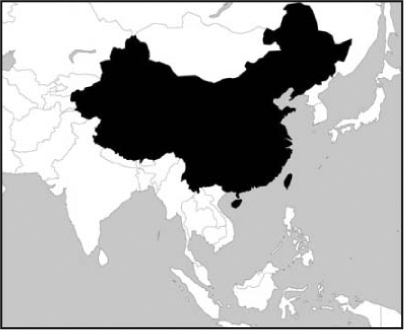
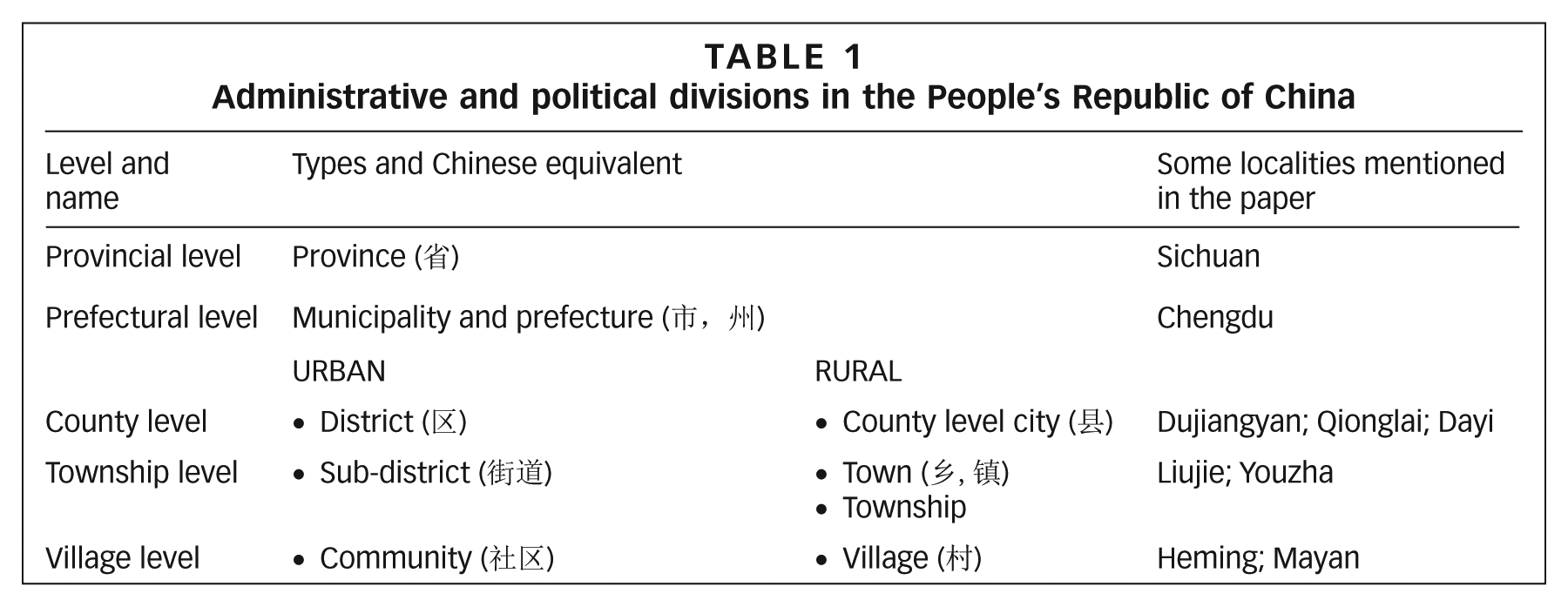
As with other major cities in China, the boundaries of Chengdu extend far beyond what would more generally be considered the city (Map 1). It covers 1,290 square kilometres and includes remote villages more than 100 kilometres away from the city centre; in other countries, it would be considered a metropolitan area or a city-region. Its population includes not only the nine million urban inhabitants but also around five million people registered and living in villages or rural communities. As the city expands, part of the villages’ land that was classified as rural is acquired by government and real estate developers for urban expansion. However, villagers remain “rural” and are entitled to rural public service funding. Table 1 summarizes the different administrative divisions at the national level and where the localities mentioned in this paper are located within these. Figure 1 illustrates the administrative divisions as they apply to Chengdu.
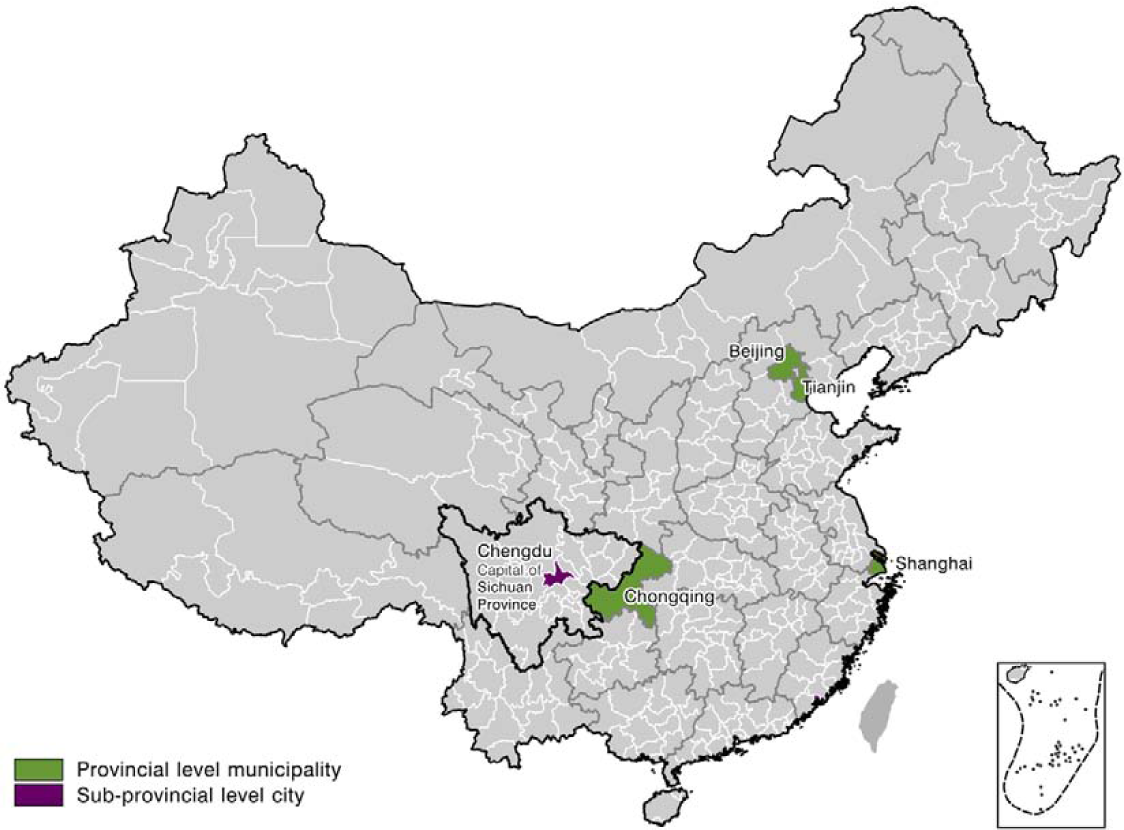
The location of Chengdu
Administrative and political divisions in the People’s Republic of China
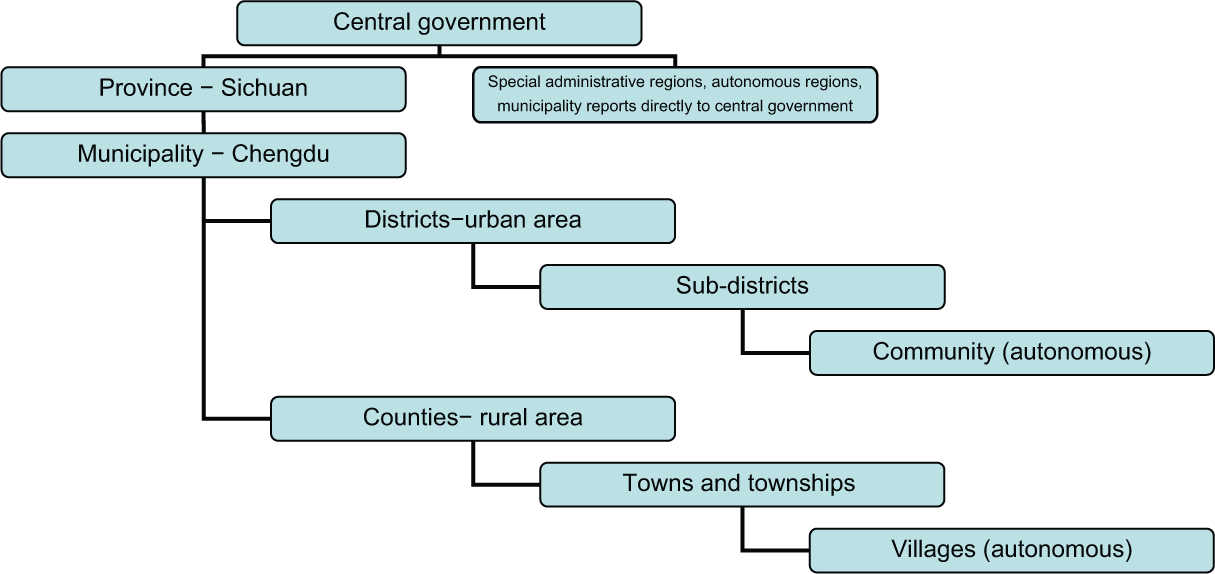
Administrative divisions as they apply to Chengdu
Chengdu includes 20 districts − six urban and 14 mostly rural. The most populated districts have more than one million inhabitants, while villages and rural communities vary between 1,000 and 40,000 people.
Thus far, PB has been “limited” to five million inhabitants living in 2,308 rural communities and villages, although a cautious expansion towards urban areas was underway in 2013. This represents a clear inversion of priorities from an urban-centred development to more balanced development, with resources directed towards rural areas of the municipality.
b. The origins of PB in Chengdu
PB in Chengdu cannot be seen outside the contxt of the national movement in China, which is still in the early stages of development, but it is also unique in the ways it has developed. PB here is very much embedded in a set of reforms initiated by Chengdu municipal government from 2007 onwards to respond to some particular concerns. In fact, PB has to be viewed against the backdrop of three major challenges in Chengdu that are common to most cities in China facing booming economic growth:
the first challenge refers to the rural−urban divide. Despite economic growth, even when villages are close to rich urban areas they still have incomes and levels of services that are inferior to those in urban areas; the per capita income of an urban family was 2.63 times higher than that of a rural family in Chengdu in 2007. Moreover, as indicated by Zhou, this did not change in Chengdu between 2003 and 2007, despite extraordinary economic growth;(3)
the second challenge refers to the old concept of commune autonomy and villagers’ rights and their aspirations to local democracy; and
the third relates to the land use rights of villagers, both for housing and for agriculture, which are seriously under threat as urban areas expand.
Three key goals were developed in Chengdu to respond to these challenges, what Nasbitt(4) later described as a “social innovation triangle”. They included:
greater equality in basic services between urban and rural areas;
more democratic autonomy for villagers as part of addressing better quality public services; and
property rights clarification, protecting rural residents’ property rights and improving the efficiency of land use.
What is referred to as PB in this paper was integral to the implementation of these strategies, and was actually developed over time as a “top-down” device by Chengdu Municipality in order to address these specific issues.
These three integrated strategies evolved within the context of an experiment of sorts on the part of the Chinese government. Thirty years of rapid economic development in China has brought both prosperity and greater inequality – which can be seen in the dramatic differences between rural and urban areas. To experiment with a set of development mechanisms for a more equal rural and urban development, the Chinese government announced in 2007 that Chengdu would be a pilot reform area of integrated and balanced rural and urban development. Other pilot regions included Binhai District (Tianjing) and Pudong District (Shanghai).(5)
i. Funding for improved services at village level
Part of the pilot initiative included the establishment of the Commission for Balanced Rural and Urban Development in Chengdu. One of the major strategies applied by this commission was the improvement of rural public services through the Village Public Services and Public Social Administration Reform. Each year, Chengdu Municipality and its township governments set aside additional budgets for rural public services. Since 2008, each village community has received at least 200,000 Yuan (approximately US$ 30,000) for public services at the village level. These funds have opened up the possibility to develop PB on a very large scale, and the value of this grant has increased every year since it was initiated.
ii. New village level governance reform
Decisions need to be made on the allocation of these public services funds. Another key underpinning for Chengdu’s PB was grassroots democracy reform on this front. As part of the pilot reform on integrated and balanced development between rural and urban, Chengdu Municipality developed policies and regulations to empower local villagers to take part in decision-making, monitoring and evaluating village level public services projects. Fundamental to this has been the establishment of a new village level governance mechanism, the village council, to regulate the allocation of village public services funds. Each village council generally has a dozen or more members elected by and from among local villagers, who then go on to form a democratic finance management group and a budget oversight group.
Since 1988, most villages in China have had a village committee, defined by law as a grassroots autonomous body composed of local villagers. The new village councils did not replace this body, but were set up alongside the existing village committees. Some village committee responsibilities were transferred to the village councils, so they gained more power in decision-making and oversight. At the same time, the duties of village committees were regulated and limited to the following tasks:
organizing villagers’ representatives and village council meetings;
reporting on their work;
implementing decisions taken during the meetings;
undertaking the social management and public services commissioned and funded by the government; and
carrying out village public welfare, mediating disputes, helping maintain social security, and other village level autonomous affairs.
Members of the village committees cannot be elected as representatives of the village councils;(6) nor do the village councils decide on members of the village committees. These are two separate elections. However, in practice, there might be variations and this calls for more research.
The role of the village council also had to be clarified in relation to the village Communist Party organization. The Party Secretary in each village convenes and chairs the village council. The Party is also responsible for reviewing the agenda of the village council and its sub-councils. However, the village’s Party Branch and its Secretary must restrict itself to issues that come within the scope of the villagers’ autonomous powers. In relation to issues of general interest to the villagers, such as long-term development, the village Party Secretary can only play their role as a regular member of the council and cannot impose their views as a Party official.
iii. Land rights reform
The development of PB as a democratic process in Chengdu has also been bolstered by the pilot reform of land rights there. Since the founding of the People’s Republic of China in 1949, villagers have no longer had private property rights to the land but, instead, work land that is owned by the rural collective and the state. In March 2008, Dujiangyan Liujie town conducted a pilot in Heming village to award land rights to the villagers, giving them not outright ownership but, rather, the use of the land and the ability to transfer it (Photo 1 shows the first beneficiary receiving his title). Prior to this, the ambiguity and uncertainty of land property rights meant many conflicts between villagers and between villagers and the government. Heming village established a village convocation to advance the reform of land property rights; this was made up of elderly men from the village, who determined the property rights and regulated existing disputes.
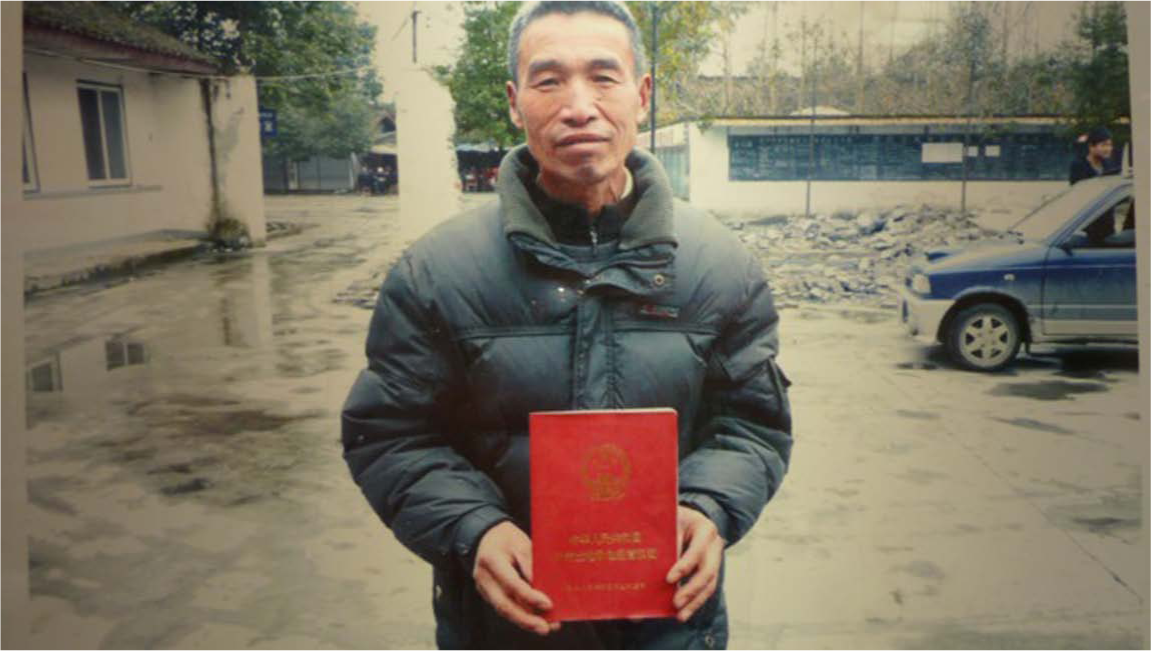
The first handing-over of new land rights titles in Heming, China (2008)
The pilot reform of rural property rights in Chengdu granted farmers their own clear property rights, so that they could voluntarily transfer part of their homestead to acquire land property gains. This major structural reform followed the household contract responsibility system(7) in rural areas. Chengdu’s innovative reform of land property included land areas for housing, agriculture and forestry for the rural households. These reforms have not only supported individual rights but have also protected much-threatened communal rights in the face of rampant privatization.
Heming village’s property rights reform was the stepping-stone to an early version of the PB that was later carried out in Chengdu. The full participation of villagers in the reform process relieved the conflict and tension often surrounding land rights, and this innovative governance of collective assets was soon replicated across Chengdu.
IV. The Organization of Participatory Budgeting in Chengdu
The developments outlined above formed the groundwork for actual PB in Chengdu, which started in 2009 and has continued ever since. At present, Chengdu’s PB is the largest in China in terms of the number of projects funded and the amount of resources allocated, as discussed below.
a. Eligible projects
Projects eligible for PB are primarily “… public services that can be delivered and monitored by local villagers and residents.”(8) These fall into four major categories:
culture, literacy and fitness: which includes village radio and cable TV, village library, entertainment and fitness;
basic services and infrastructure for local economic development: including village roads, drainage, gardening, irrigation and water supply; the projects selected or voted on in this category represent more than 90 per cent of the funding;
agricultural training, such as farming and business training for villagers; and
village management, which includes village security and village administration; sanitation and solid waste collection fall into this category and not under “basic services” as in most countries.
In addition, villages can apply for a loan along with the PB funds they receive, to allow them to finance larger projects. The maximum loan they can get from Chengdu Small Town Investment Company (public) is seven times the amount of the PB resources that have been allocated to a project. This is very helpful when some costly PB projects are prioritized, such as a village road. This innovative aspect of Chengdu PB will be discussed in more detail below.
Four photos illustrate the types and scale of projects funded in Chengdu: a village road (roads usually need a PB-based loan to be fully constructed) (Photo 2); riverbank and irrigation system maintenance (Photo 3); training programmes for villagers (Photo 4); and a village library (Photo 5).
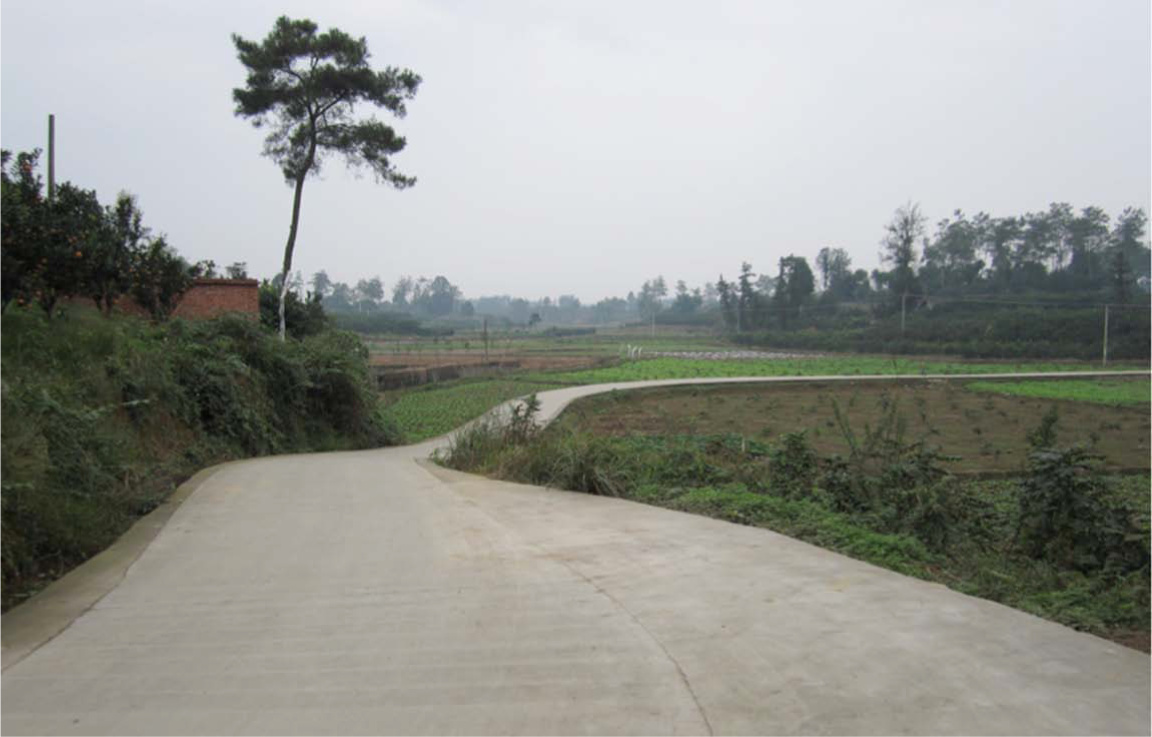
Village road built with participatory budgeting funds (usually requires a participatory budgeting-based loan to be fully constructed)
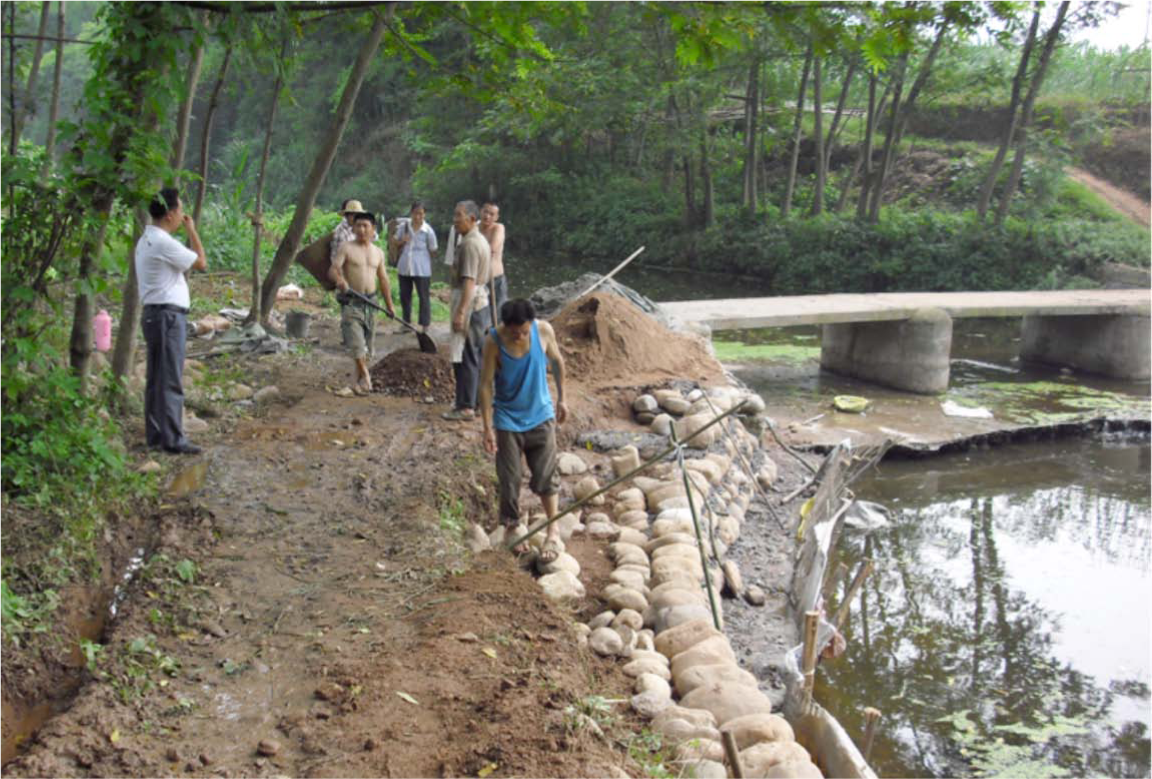
Riverbank and irrigation system maintenance project funded by participatory budgeting
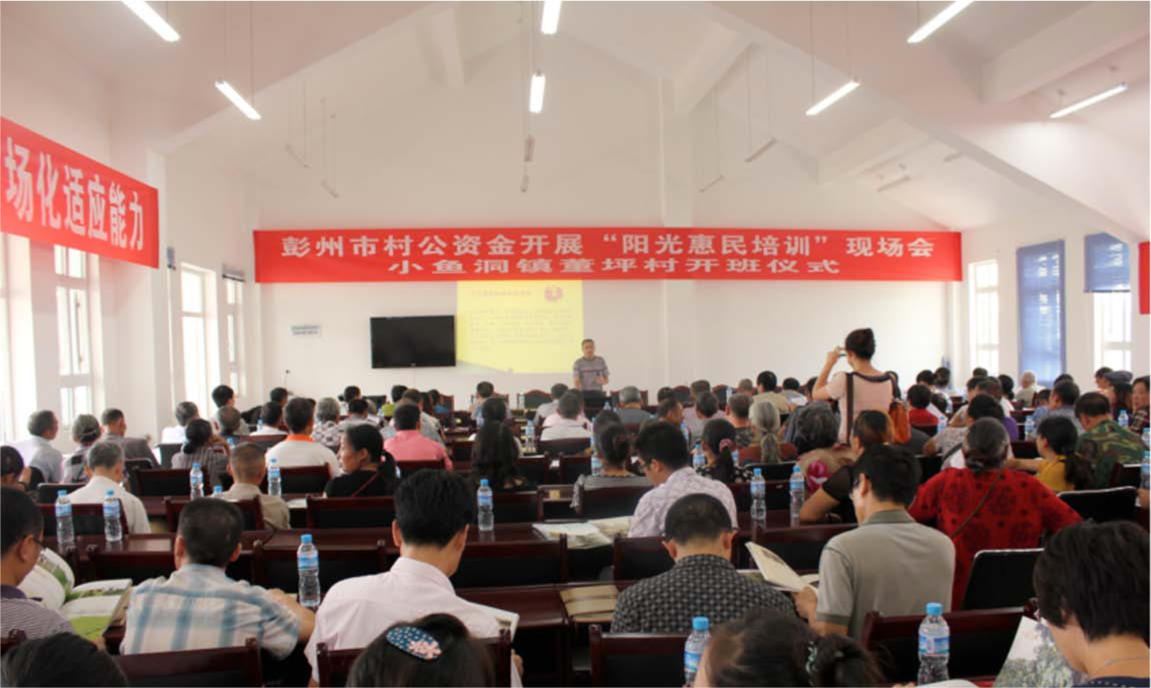
Training programmes for villagers project funded by participatory budgeting
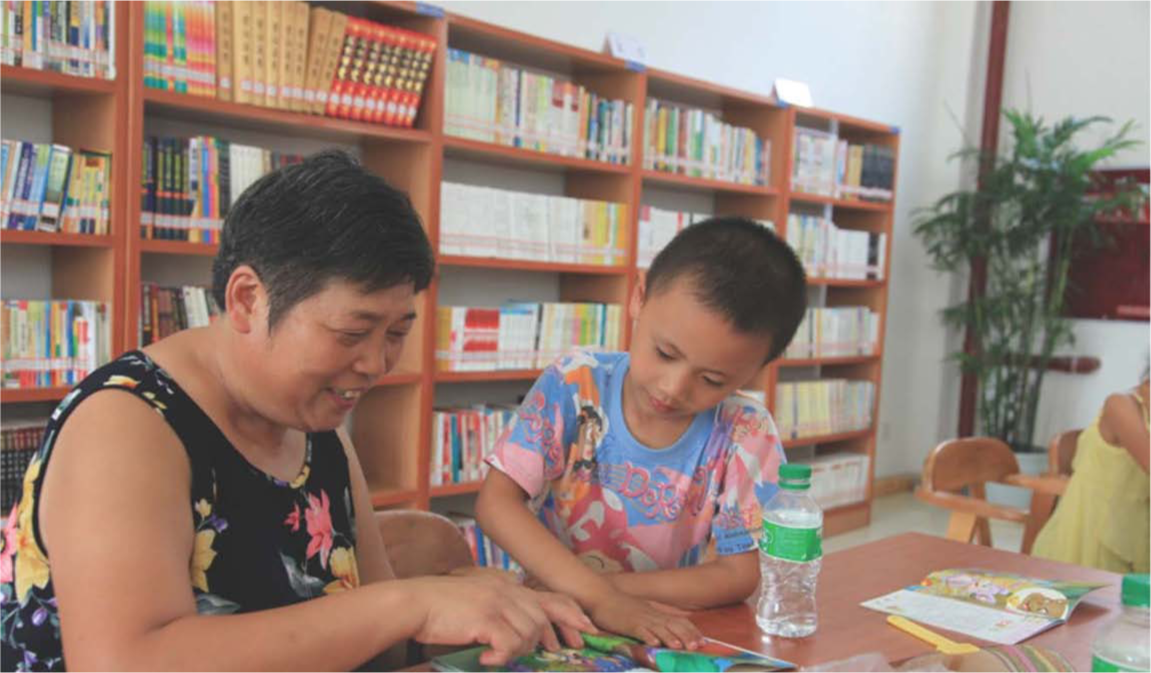
Village library project funded by participatory budgeting
b. Finance and budget
Over the three PB cycles during the 2009−2011 period, the total value of projects funded in Chengdu through the PB process was equivalent to around US$ 325 million,(9) and the annual amount is increasing gradually year-on-year. If one considers that the rural population is five million people, the amount per villager per year to implement PB is around US$ 22, quite a high figure when compared to other renowned PB experiments.(10)
The amount allocated to each village rose in 2012 and varied between US$ 40,000 and US$ 80,000 (250,000−500,000 RMB). The variation depended on a limited set of criteria such as remoteness and level of public services.
c. Participation
Official policy related to PB in Chengdu states that resources are “… democratically allocated and monitored by local village people”,(11) clearly indicating that PB covers both budgetary programming and control of budget implementation.
Despite its top-down implementation structure, Chengdu PB corresponds more to the first type of process within China Urban Participatory Governance Network’s typology, in which local citizens participate directly in local budget allocation. In each village or community, there is a village committee/council or a residents committee/council. In addition to their direct involvement, residents/villagers discussion groups, residents/villagers financial groups and residents/villagers monitoring/supervising groups are established, to which local villagers are elected. In other words, these groups are the real governance innovation, as they are the interface between the established administrative and political hierarchy and the citizens, whether they are villagers or urban citizens.
Since its inception, PB has been the responsibility of the village councils. In addition, the budget oversight group within the village councils, which consists of five to seven elected local villagers, monitors and oversees the implementation of the budget. This is a clear innovation within the Chinese budgetary system, which increases the capacity of villagers to control the spending of public money. In the villages of Chengdu, direct democracy is practised regarding PB − an open villagers assembly makes the final decision, while the village council can be viewed as the standing committee for the assembly. Participants are all villagers over the age of 18.
d. PB cycles in Chengdu
PB cycles are not identical in all localities. Most commonly, villagers go through a three-step cycle in order to identify, select and implement their public services projects.
The first step is to gather proposals from all village households as to what projects are needed. These are then categorized by the village council and another round of proposal-gathering is conducted if necessary. Information on the budget and on the budget process is made public through posters, flyers, village public information boards and meetings. An illustrated training manual in the form of a comic book explains what PB is about. Two million copies of this manual were printed and disseminated, probably the highest circulation of any PB publication so far. Villagers might call in “local experts” to help them assess and evaluate PB proposals. For example, a construction worker might become the “local expert” to review a village road proposal.
The second step is decision-making by those elected to the village council, who vote for the projects that will be implemented in the coming year. According to the information gathered so far, PB in Chengdu is mostly deliberative in that discussions and decisions take place in an assembly rather than leaving the decisions to elected (or non-elected) officials. Once the proposals have been selected, the village council reports these to their respective township government (the administrative and political tier above them), where the proposals are scrutinized technically and eventually ratified.
Funding is then transferred to contractors, who implement the projects. PB results are usually disseminated through village public information boards, and it would be interesting in future research to explore how widespread this practice is throughout the different communities that participate.
The third step is monitoring and evaluation. The democratic finance management group and the budget oversight group, appointed by the village council and composed of elected villagers, together with the village council monitor the projects and the contractors’ work. Once these are completed, the same groups will conduct an evaluation.(12)
In some places, this three-step cycle can be more complex. In Dayi County, for example, an eight-step cycle was implemented, which included:
a programme promoting maximum involvement of community members;
collecting opinions, with an interesting role for the deliberation committee, which visits every household to collect their opinions;
summary and organization of proposed projects by the deliberation committee;
deliberation and vote by all village council members;
preliminary approval by the township – the administrative level above villages − and once approved, a final vote at village council level;
township final approval;
drafting of guidelines by the deliberation committee for contracts and handing over to the supervising committee; and
quality evaluation by all committees and villager representatives.
Further research is needed to assess the comparative advantages of these different processes.
e. Legal and institutional framework
A wide array of authorities and bureaus are involved in the administration of PB, indicating the complexity of introducing this innovation within the Chinese context:
the Chengdu Communist Party Committee and the municipal government drafted the policies and announced these, as well as the regulations related to PB; they also defined the roles and tasks assigned to lower tiers of Communist Party committees and local government;
Chengdu Municipality’s Commission for Balanced Rural and Urban Development plays a central role as it is in charge of the whole pilot programme of rural−urban development and therefore of PB;
the Civil Affairs Bureau is the political level closest to the citizens and is in charge of local elections; closely related to this bureau is the Organizational Department of the local Communist Party committees (which are active in all of the 2,300 constituencies (villages and communities) where PB is taking place), which directs the initiative;
the Chengdu Municipality Financial Department allocates the PB budget; and
the Commission for Discipline Inspection and its Bureau of Inspection are involved, officially to guarantee the transparency and accountability of the local processes.
In line with the Chinese constitution, the government structure described in Table 1 exists at district and township levels. These two infra-municipal tiers have the same bureaucratic structure as the municipal tier described above, and representatives of each of the committees and bureaus are involved in PB at village level.
f. The example of Mayan village
Mayan village (Youzha township, city of Qionglai) is located in the western mountainous area of Qionglai. Its infrastructure and economic base are relatively weak and per capita net income is low. In early 2009, Mayan village was included in the pilot villages of the Village Public Services and Social Reform scheme. The two-tier financial management of Chengdu and Qionglai allocated the equivalent of US$ 35,000 in Yuan in special funds for village level public services to be managed through PB.
In order to gauge opinions and get suggestions from the entire population regarding village level public services, and also to fully grasp their aspirations, the “Mayan village, village level public services and social management questionnaire” was prepared. A working group was established consisting of the cadres of the village Communist Party organization, the village committee and members of the village council. Three hundred and eighty-five copies of the questionnaire were distributed and resulted in 1,168 suggestions. These focused mainly on infrastructure construction, public services facilities and employment security, and when analyzed they fell into 64 categories or suggestions. Twenty-four of these involved issues to be addressed by the upper levels of government or by the private sector market. The rest were issues that could be addressed by the village self-governing organizations and they were put up for consideration by the village council.
After reviewing the scope of the proposals, the working group decided which projects should be implemented and which should not or could not be. The village council met to review the 40 projects and voted on them, one by one. Those that were chosen were supported by more than 50 per cent of the participants, and of the 40 projects, five were revised and improved and 15 were voted to be the proposed projects.
The implementation of these 15 projects was to be led by the village’s self-governing organizations. They could not all be implemented simultaneously so a village council meeting distributed printed “points sheets” to participants, who ranked the projects according to their priorities. Each participant ranked the projects from one (top priority) to 15 but with the top-ranking project getting 15 points and the bottom-ranking project one point. If no number was given, the project got no points. The scores from all the points sheets were then added up. Of the 15 projects, “300 metres of concrete road construction for the greenhouses’ base” got the highest score with 13,625 points. “Carrying out rural cultural activities and enriching the masses’ business life” got the lowest score with 358 points. The priority of Yang Banghua, the village Party Branch Secretary was “Setting five loudspeakers to achieve full coverage of the broadcast”, but this was not ranked highly by others and Yang Banghua said that he would “… only respect the popular will and implement the project according to the order.”
V. The Significance of Participatory Budgeting in Chengdu
a. Key differences with the rest of China
First, PB in Chengdu is an endogenous process. It was largely designed locally with limited reference to international experience. This is despite the fact that Chengdu was the city where the book on “72 frequently asked questions”(13) was coordinated and translated into Chinese. This book, originally prepared for the UN, was rewritten by the authors of this paper for a Chinese audience and they provided it to local Chengdu officials and those in charge of PB. But Chengdu’s PB started before the book was launched and was clearly a uniquely local expression. All other experiences in China are internationally supported or led, and it may be more difficult to sustain them as their process has not been located from the outset within the local political and administrative structures.
Second, PB in Chengdu is more an innovative policy than a set of projects or programmes. This means more institutionalization and a set of pre-established rules, but at the same time it also ensures more stability. Interviews and meeting with politicians responsible for PB(14) revealed how much it was embedded as a tool for reducing the rural−urban divide. It also has considerable potential for expansion both in Chengdu and in other Chinese cities.
The third distinguishing feature is the very large scale of PB in Chengdu. It is not taking place in one village or in a limited set of villages or rural communities but in all 2,308, and it is reaching five million people. Most PB experiences in China, including the most innovative ones, are essentially urban based and quite limited in scale. They are mostly consultative and are usually not fully open to the general public, or are limited to public hearings.
b. Changes in democratic perspective: lessons from the manual
To understand better the process at the local level, it is worth looking at the training manual produced by the Commission for Balanced Rural and Urban Development and disseminated to the villages (Photo 6). The title announces the intention: “Happy story in Minzhu” (民主村的幸福事) (Minzhu means “democracy” in Chinese). The manual’s comic strip tells the story of Fang Xiang, a migrant worker who, after many years, comes back to Chengdu, his home town, to explore job opportunities. He reaches his village (Minzhu), part of Xingfu (幸福) township (Xingfu means “happiness/blessed” in Chinese) − it is interesting to see the association of both “democracy” and “happiness” as terms for village development. The last image in the booklet is accompanied by the words “… happiness and democracy is [sic.] realized along with the village level public service[s] and social management reform” (which is the long name for PB in Chengdu).
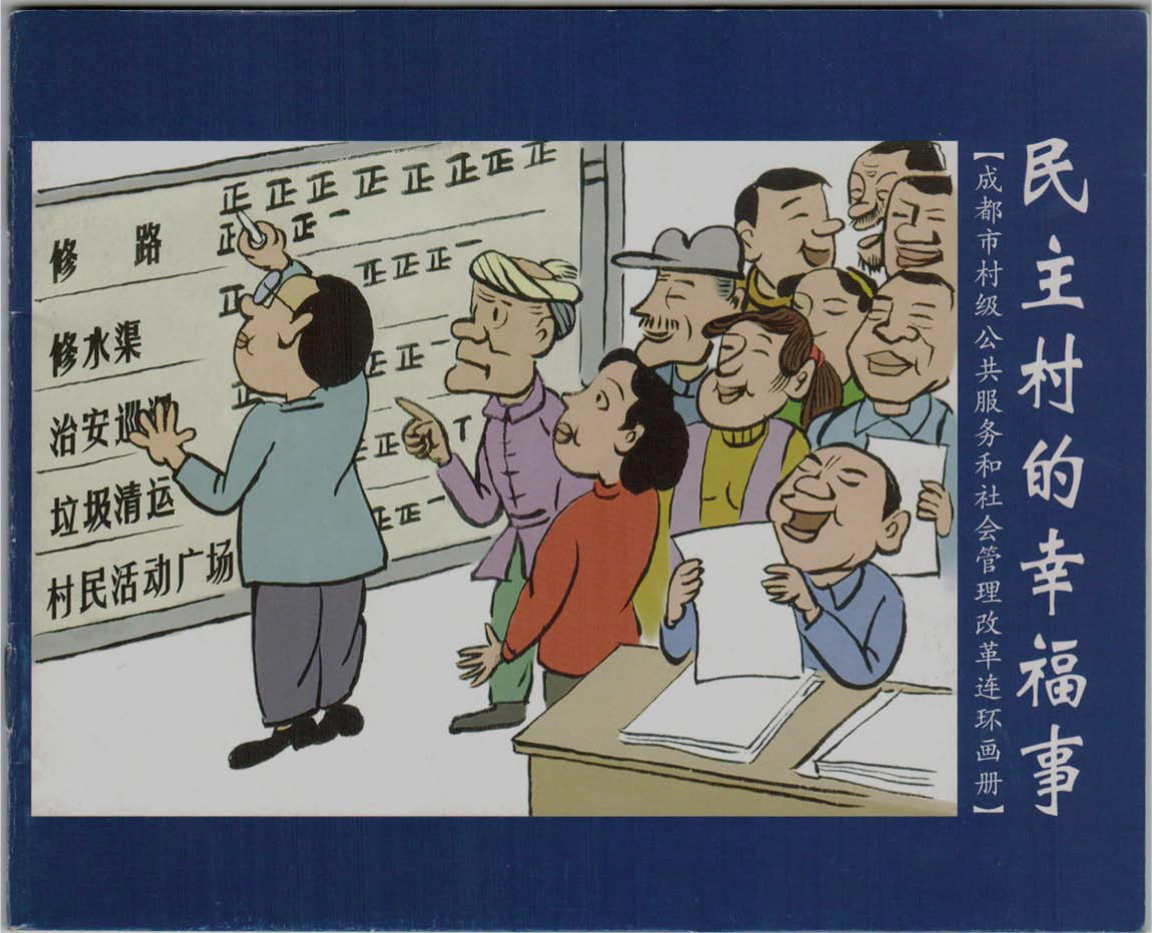
Training manual for Chengdu participatory budgeting. Happy stories in Minzhu (“democracy” in Chinese)
Some pages are quite illustrative of the practical ways in which PB can bridge “democracy and happiness”, and some of the drawings represent a dramatic change from most of the propaganda material disseminated in China. For instance, Photo 7 shows a woman stopping a red flag and defying Mr Yang, the Village Secretary, as she opposes his decision. The story goes like this: “After calculating votes, Mr Yang declared that the four projects that have over 50 per cent of the votes are paving roads, rebuilding trenches, organizing the security patrol team and waste management.” And he further declares: “We will publicize the result later. During that time, people can go to [the] village committee if they disagree with this.” (Training manual, page 23)
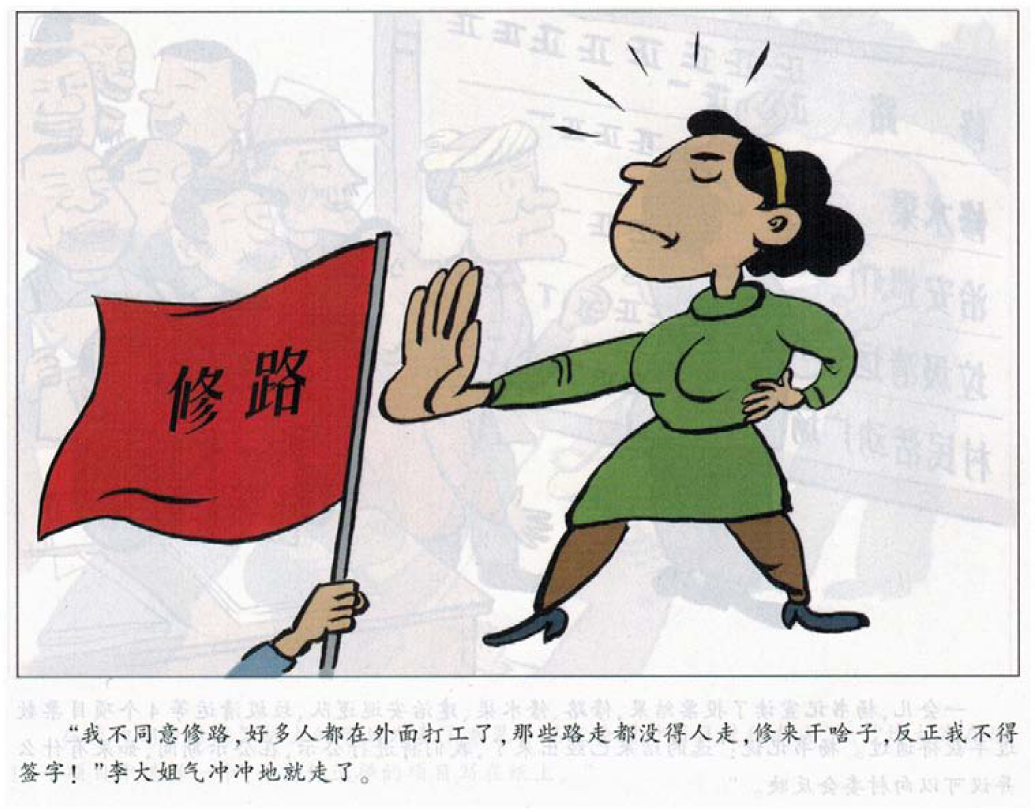
Training manual for Chengdu participatory budgeting. Woman stopping the red flag as she objects to some of the proposed projects (page 24)
The captions then reads: “Mrs Li didn’t agree to sign her name. She said: ‘Many people have moved away from here now. It is useless to pave roads. No one will use them!’” The point is not whether she is right or wrong, and the story unfolds nicely on this, but rather, that a woman, in quite a male-dominated society, is “stopping and challenging the red flag” and is voicing her opposition.
Another remarkable dimension introduced through the book is the importance given to deliberation rather than just voting. Again, this is quite a revolution in many circles, even well beyond China, and probably one of the unique values of some PB experiences in the world. Page 18 of the manual gives pointers on how to increase deliberation and invite villagers to give their opinion. The legend reads: “In the panel discussion, Mr Yang, the Secretary, became a facilitator. He asked participants to give comments for the listed 10 projects. Everyone has five minutes and should speak in turn. The other people should not interrupt a speaker’s talk. Speakers should give comments focusing on the topic. All participants should not attack each other.” These are very clear rules for improving deliberation that were introduced and promoted through PB, and they highlight the transformative capacity of Chengdu PB (Photo 8).
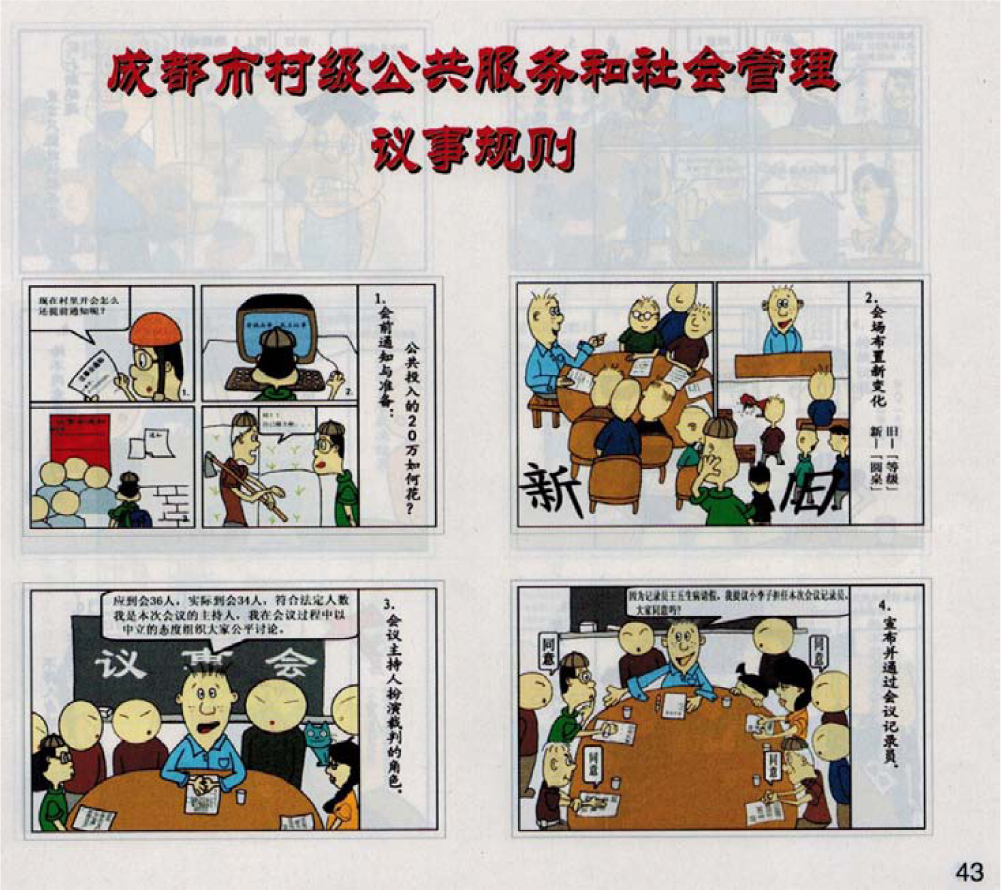
Training manual for Chengdu participatory budgeting. Rules for participation and for increasing deliberation (page 43)
c. Key innovations of the process in relation to PB internationally
i. Infrastructure for productive projects
One of the debates that has continued over the nearly 25 years of PB is whether it should finance productive projects such as income generation activities, job creation in local economic infrastructure and local economic development. Very few cities have included these types of projects in their list.
In Chengdu, infrastructure for economic development is one of the villagers’ central priorities and at the same time is fully accepted by municipal and township authorities. This includes paving roads (Photo 2), which will facilitate the marketing of fresh food and livestock, and the maintenance of water channels and riverbanks that are part of the irrigation networks that have underpinned farming in this region for centuries.
The inclusion of productive projects has to be understood within the context of the land use rights reforms. On the one hand, individual rights for housing were recognized and protected by the central government, which owns the land, through individual long-term use rights. At the same time, two types of communal land use rights were recognized and protected: within the village built-up area and for agricultural land cultivated as a common resource. PB appears as a powerful modernization instrument of Chinese rural communes inherited from the revolution. At the same time, it seems to be a way of building a new balance between individual rights and collective cohesion and tradition in the face of sweeping and exclusionary privatization. PB channels significant resources towards the village “commons” and increases their value as commons and indivisible social and economic spaces. We argue that PB funds have helped to strengthen local people’s common social and economic interests. It is an investment in local solidarity, not just in village public services and infrastructure.
What makes Chengdu PB so specific in this regard is that it builds on the recognition and protection of collective lease on land use rights. This security of long-term collective tenure, up to 70 years for agricultural land, is an incentive to develop agriculture that will increase the value of the land. PB is a tool that increases the productive infrastructure for agriculture (rivers, banks, water channels, food driers, barns, etc.) and at the same time increases the quality of life through social projects. It is a facilitating and bonding element between village democratization, security of tenure through land leases and provision of basic services. Taken together, these contribute to reducing the unacceptable gap between urban and rural areas.
ii. Loans as a mechanism to bridge short-term and longer-term development planning
A second major innovation internationally is that villagers can use part of their PB resources to secure a medium-term loan, in a sense borrowing against their own future allocation. Villagers can select projects up to the value of their allocation or decide to get a loan from Chengdu Small Town Investment Company, a public investment fund, allocating either a portion or all of their PB funding to a down payment for a loan. They can obtain loans that are seven times their PB allocation to invest in an agreed project decided through PB, and the loans are repayable over seven years. So if a village receives US$ 50,000, it can put part of this aside to borrow money or can allocate the whole sum towards a loan of US$ 350,000. If they put the full amount towards a loan, there will be no other PB processes during the next seven years. As far as we know, although not many villages have opted for this choice, some remote and poor villages have committed all their resources to applying for large loans for infrastructure projects such as roads. However, the majority seem to both undertake annual projects with part of the resources and take out loans for such initiatives as roads or a major irrigation system.
PB certainly brings significant changes to the villages. What is achieved would be significant in most rural settlements. If well defined, debated and managed, it brings a new governance model as well as the benefits of the public works and the income and work generated locally. However, the central innovation with this mechanism is that Chengdu has found a way to link short-term and longer-term planning without losing people’s participation. In so doing, they have provided a rebuttal to the international criticism that PB is a short-term, immediate mechanism with a weak capacity to bridge with long-term or strategic planning. This is one more reason to analyze carefully what is happening in Chengdu villages and determine the impact on local development.
VI. Key Concerns and Challenges for Participatory Budgeting in Chengdu
Policy makers and Party bureaucrats were very strategic in making these PB practices in Chengdu difficult to reverse. Revoking them would involve covering the repayment of the loans that villagers had contracted. This is a complicated decision for any politician, as his or her mandate is for a maximum of five years, and he or she could not commit that easily to resources beyond this term, much less deal with the social and political turmoil that such a decision would entail.
What has been the role of women? Have they really been able (as shown in the training manual) to have their voice heard and respected? It was difficult to get a sense of the kind of attention and benefits that they are receiving.
What is the extent of deliberation taking place in villages, and what has been its impact in political and social terms for improving the quality of life?
How is the implementation of PB projects in Chengdu different from that in other Chinese cities (such as Wenlin, Jiaozuo and Wuxi, mentioned above) and villages? Has the introduction of the “people’s oversight” significantly altered business as usual?
The productive infrastructure projects such as irrigation works and village roads that widen markets for agricultural produce have been a strong and innovative component, but their impact should be assessed in order to take the measure one step further.
Further research is needed to measure the impacts on local democracy and socioeconomic development.
This paper coincides with the twenty-fifth anniversary of the start of PB. We hope that it will inspire researchers and professionals, and convince the international community to support research efforts that are taking place today with virtually no resources. PB is a key part of the future of local democracy − it might also be the beginning of reinvigorating social development in China after 30 years of booming economic development.
Footnotes
Acknowledgements
The authors would like to thank Mr Liu Li (Director of Social Development at Chengdu Rural and Urban Balanced Development Committee, Chengdu Municipality, in charge of the participatory budgeting programme) for his support; also the staff from HuiZhi; the villagers and citizens who contributed to the documentation; and Shuwen Zhou, currently Assistant Researcher, Institute for Urban Studies, Hangzhou Normal University, for her comments on the draft and her contribution as development planning student for her Master’s thesis on Chengdu participatory budgeting in 2011. The authors are also grateful to Professor Bingqin Li (ANU − Australian National University, Melbourne) for her insights and comments on the draft.