




Abstract
Disasters have tragic consequences, and people with the least resources at hand to rebuild their lives are often the worst affected. The traditional response to disasters is to provide immediate relief, without considering how the process of rebuilding lives and communities can be a positive opportunity for change. This opportunity can be facilitated in two ways: first, by having a clear understanding of how disaster survivors are not victims but agents for change; and second, by providing the tools and techniques to facilitate the change process. Case studies from Asia demonstrate how disaster-affected communities have rebuilt not only their homes but also their livelihoods, and have been empowered as a result.
I. Introduction
The poor are always the worst hit by disasters. Their rights, which are already weak, will be further weakened as a result, pushing them even further to the margins of society. Sometimes, disasters can push previously not-so-poor people into the poor category. If these disaster victims were not organized as a collective before the disaster, they may lack the necessary social linkages to help them recover from the catastrophe. Therefore, the response to the disaster should be to provide not only short-term relief but also the necessary assistance and tools so that longer-term change and improvement can be achieved by the people themselves. To provide the appropriate assistance, it is necessary to understand how the disaster can be viewed as an opportunity to make positive structural change.
Disasters always bring tragedy, but they also open up an opportunity for change in the affected communities. Disasters offer a chance to turn a negative and desperate situation into a possible longer-term positive outcome. Having a clear understanding of the opportunities that arise as a result of a disaster and how to make the most of them through the rebuilding process leads to a greater ability to provide future support and prevention.
This paper therefore has two key messages. First, the survivors of disasters should be looked at in a new way, and should not be viewed simply as helpless and dependent victims; rather, they should be regarded as agents for change in rebuilding their lives and their communities. Second, with the right knowledge and techniques, outsiders can help the survivors to harness their energy positively and to empower themselves through the stages of emergency relief and rehabilitation. This “how to” aspect is where development agencies often stumble – they struggle with the design and use of the support tools that will create a platform to allow this energy to be developed and used. There is much room for improvement in international knowledge about how to intervene in and support the change process in affected communities. This paper will use case studies to illustrate how, with the right support, survivor communities can rebuild their lives for the better in a post-disaster situation.
II. A process of change, not just relief
The appropriate response in a post-disaster situation is not simply the provision of financial and physical resources. It is also a question of unlocking and organizing the energy of the survivors so that they can rebuild their lives together. A collectivity in a similar situation will have a lot of potential to achieve change by making use of their power, and in a post-disaster situation this potential will be heightened by need. Even with only very limited funds, the collective energy can make the financial resources that are provided as relief go much further. The resources can reach beyond rebuilding housing, to chicken farming, boat building, organizing a community development fund or addressing other needs that people have thought about in rebuilding their lives. Giving survivors the capacity to manage their communal needs, development and rehabilitation through the provision of flexible financial resources will gradually release their energy, which is amplified by their need to survive following the disaster.
The most important role that relief and development agencies can play in a post-disaster situation is to understand the importance of creating a space where the affected people can come together to instigate change. They need a platform where they can link up with other similarly affected groups, in order to rebuild their lives and their communities as soon as possible, with secure livelihoods, and where they can re-establish their rights and form new relationships within the local system. A post-disaster situation encompasses many issues, not just the question of rebuilding houses – it also brings up the question of human rights, and changes in social and political relationships. Thus, there are many different dimensions to rebuilding in a post-disaster scenario, which go beyond individual households receiving starter kits. Livelihoods need to be revived, and local communities need to be re-established.
This opportunity can be seized right from the earliest stages of relief efforts, in the relief camps. If the affected persons have a chance to talk and discuss with each other, as is possible in a relief camp where all the victims are re-grouped, then they can think together and express their ideas about what they want to do to recover from the disaster. The discussion process itself is vital, as through it they can form a belief in what they want to do and become increasingly confident that they can achieve it themselves – that they are the agents of change. As relationships begin to form, things will start to change. If the people who escaped death are linked together, as a group they have incredible energy to work for their survival and this energy can be harnessed to improve their situation. In fact, giving the survivors the reins to rebuild their lives is crucial and can serve as a form of therapy as people are kept busy rather than having everything done for them by the relief agencies, which might view affected people merely as pitiful and passive recipients. A top-down attitude can be disempowering for people who have already lost everything. After the initial shock of the disaster, the will of the people to survive will come through, creating an incredible development force with huge energy, which should be harnessed as a new force for change. Of course, the less emphasis there is on the concept of collective action within the affected communities, the more fragile the concept is – and programmes such as cash-for-work schemes can break up communities by creating competition between households.
One of the simplest ways to get survivors involved in their reconstruction is to set up different working groups, for example on housing, livelihoods, welfare, children, collecting donations and so on, and linking all these groups to form part of the wider process. Power can grow through the process of participating in changing their lives and communities. Starting with a small space for communal action can lead to a bigger space with greater power, as survivors take control of the rebuilding of their lives. As noted, this process can start right from the beginning of relief efforts, in relief camps. For example, in Thailand, the Bang Muang camp housed 850 families in the aftermath of the tsunami in December 2004. The camp was managed by the tsunami victims themselves, who organized into committees dealing with issues such as cooking, camp hygiene, water supply, medical care and children’s activities, and tents were set up in an arrangement of 10-family groups and 3-group zones, each zone with its own leader. Every evening, camp-wide meetings were held to discuss camp management, in a fully transparent process. From the very beginning, this collective management system helped to prepare the survivors for the longer-term tasks of negotiating for secure land and rebuilding their communities and livelihoods. (1)
III. From One-to-One Assistance to More Collective Support
Relief assistance in a post-disaster situation is usually provided on a supply-side basis: survivors are provided with emergency supplies and relief kits on a one-size-fits-all basis. This assistance is provided on a one-to-one level, and this individual approach brings out competitiveness among survivors, as each person feels that they are the most deserving of assistance. The survivors have no control over this supply-side approach and will take whatever they are given. In such a situation, collective energy cannot be harnessed, whereas a collective approach can harness the energy of the survivors, ensuring that power remains on the demand side, that is, with the survivors.
The problem with a response by official bilateral aid agencies, which is what government and NGO aid often is, is that it requires the aid provider to try and define who is the most deserving, who is the poorest. Setting such criteria is difficult at the best of times, not to mention in the very complex situations that arise out of a disaster. It is simpler to let the affected persons group together and decide among themselves, setting their own criteria and ways of working with the money, from their own particular context and situation, determining who is the neediest and how they, as a collective, can help each other. When funds are under collective control, with clear and simple accounts transparent to all, trust in the collective group and process will gradually develop. It is often the case that people realize that there are others who are more in need than they, and as a group they will ensure that the neediest are supported and that everybody can be reached fairly through this communal support. This also provides an opportunity to address any pre-existing power imbalances: the more trust grows in the collective process the more people will realize that they need not remain trapped into being dependent on certain powerful individuals.
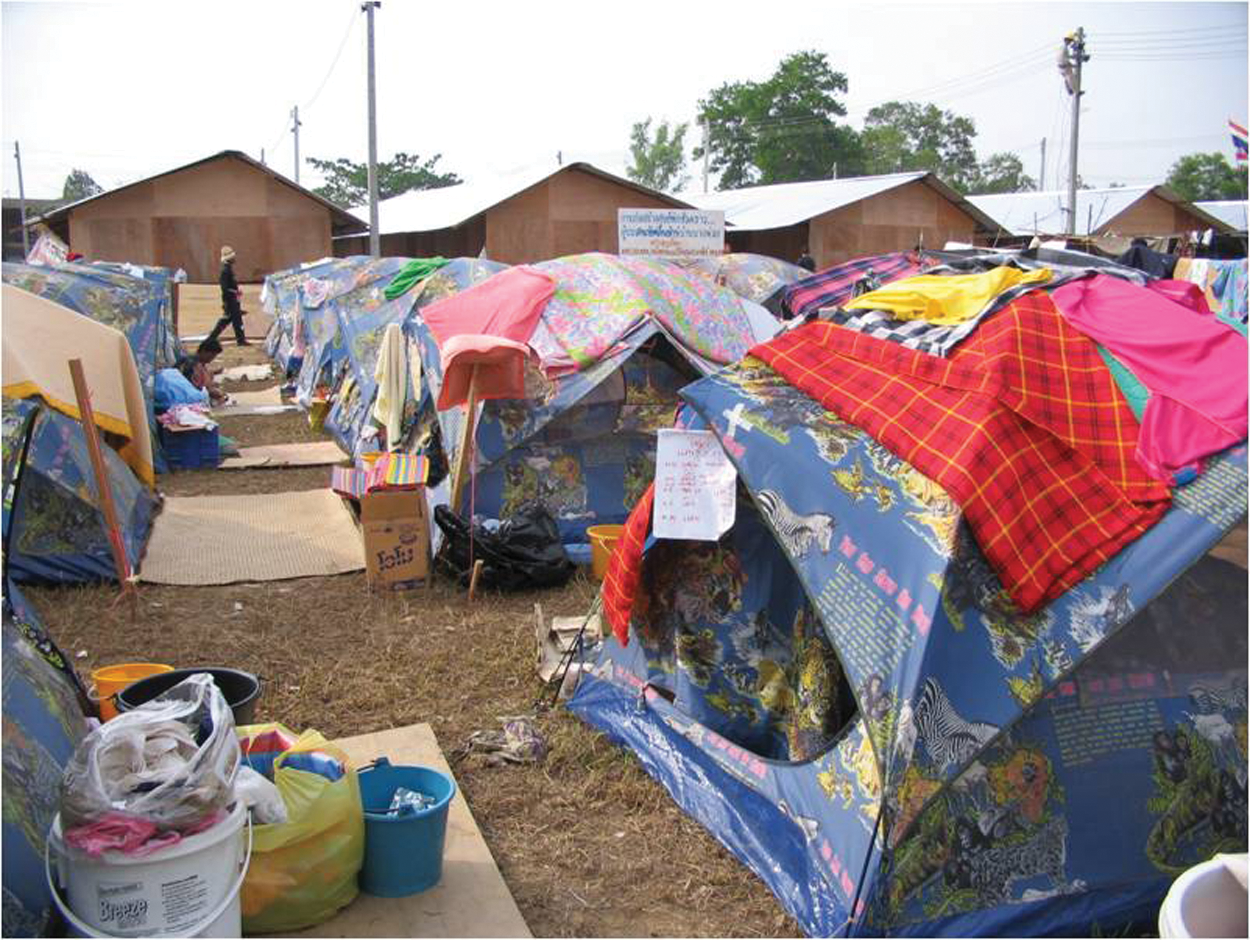
Thailand’s post-tsunami reconstruction: the case of Bang Muang community
The right balance has to be found between achieving a rapid response and ensuring that an outcome can be reached that will be sustainable in the long term. For example, in India following the earthquake in Gujarat in 2001, the response of the authorities was to give each affected family a sum of money to build a new home – and this money was put directly into each household’s bank account. Abhiyan, a local NGO, encourages “owner-driven reconstruction” and is pushing for this to become a national policy. Providing money directly to affected households cuts out the risk of corruption eating into cash flows and solves the problem of contractors not being able to construct enough homes rapidly or of a high enough quality. Following the earthquake, 200,000 homes were needed, which was beyond the government’s capacity to provide.
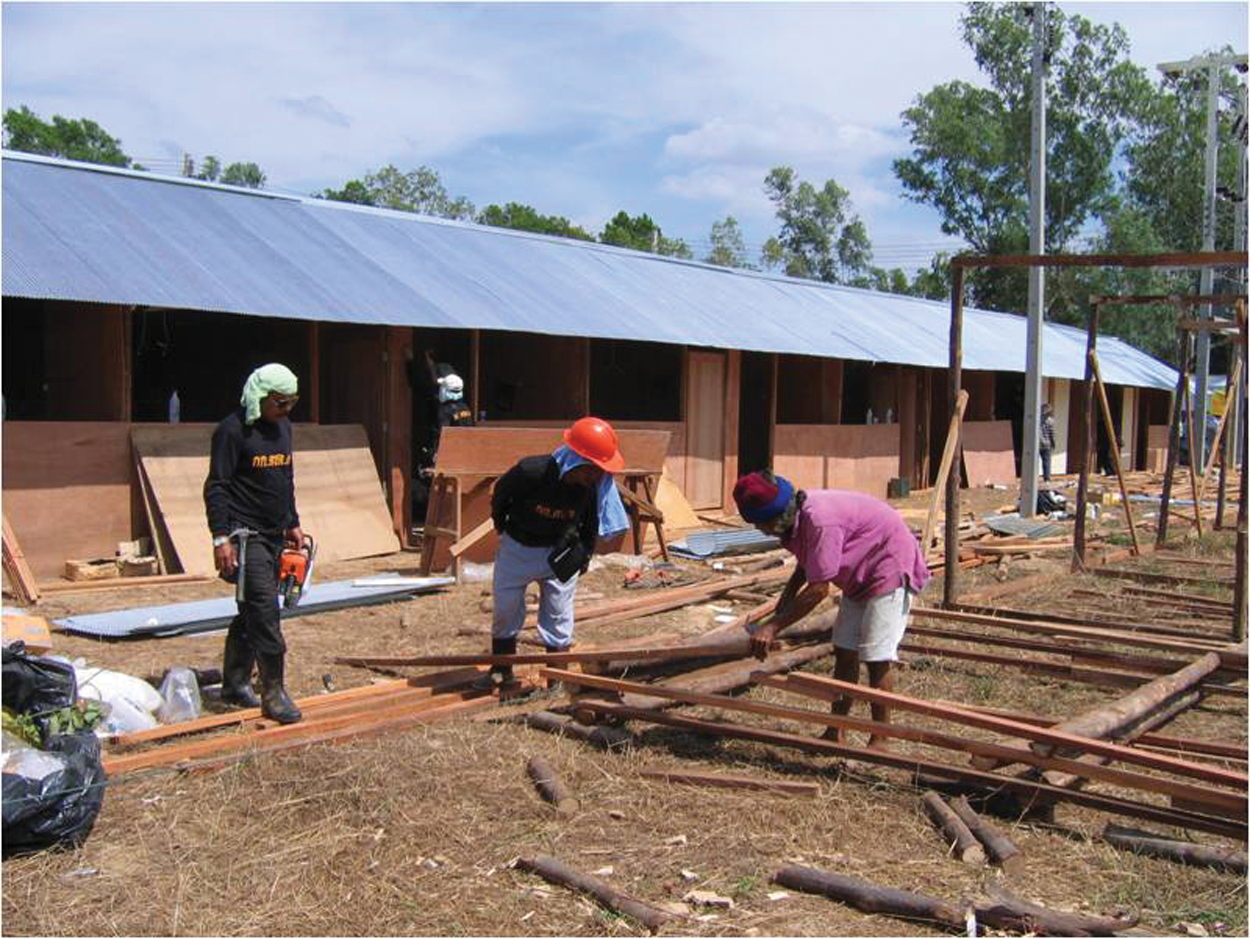
Thailand’s post-tsunami reconstruction: the case of Bang Muang community
While this direct financial assistance allowed a rapid response, as it let affected families rebuild their homes by themselves, simultaneously some questions may still remain; for example, compensation to tenants compared to homeowners, or the way in which compensation is related to family size. More complex family conditions may exist, which can be adequately addressed by simple financial support to each family. While the case of Bhuj city in Gujarat demonstrates an efficient way of providing relief via finance direct to affected families (putting money directly into bank accounts cuts out the middlemen), it also emphasizes individuality: each household built their new house as they wished. However, there is still potential here; had the community cultivated strong linkages as a collectivity, they could have benefited, for example, from buying materials in bulk and from sharing each other’s skills in construction, from carpentry to masonry. This happened in some of the more organized villages. As Abhiyan maintains:
“…external aid always brings with it the danger of weakening in people the spirit of self-reliance, especially after a major disaster. Abhiyan is committed to leveraging available resources to catalyze a reconstruction development process, which further strengthens the innate force of the community, so that its members emerge from a disaster stronger and richer in experience of cooperation.”(2)
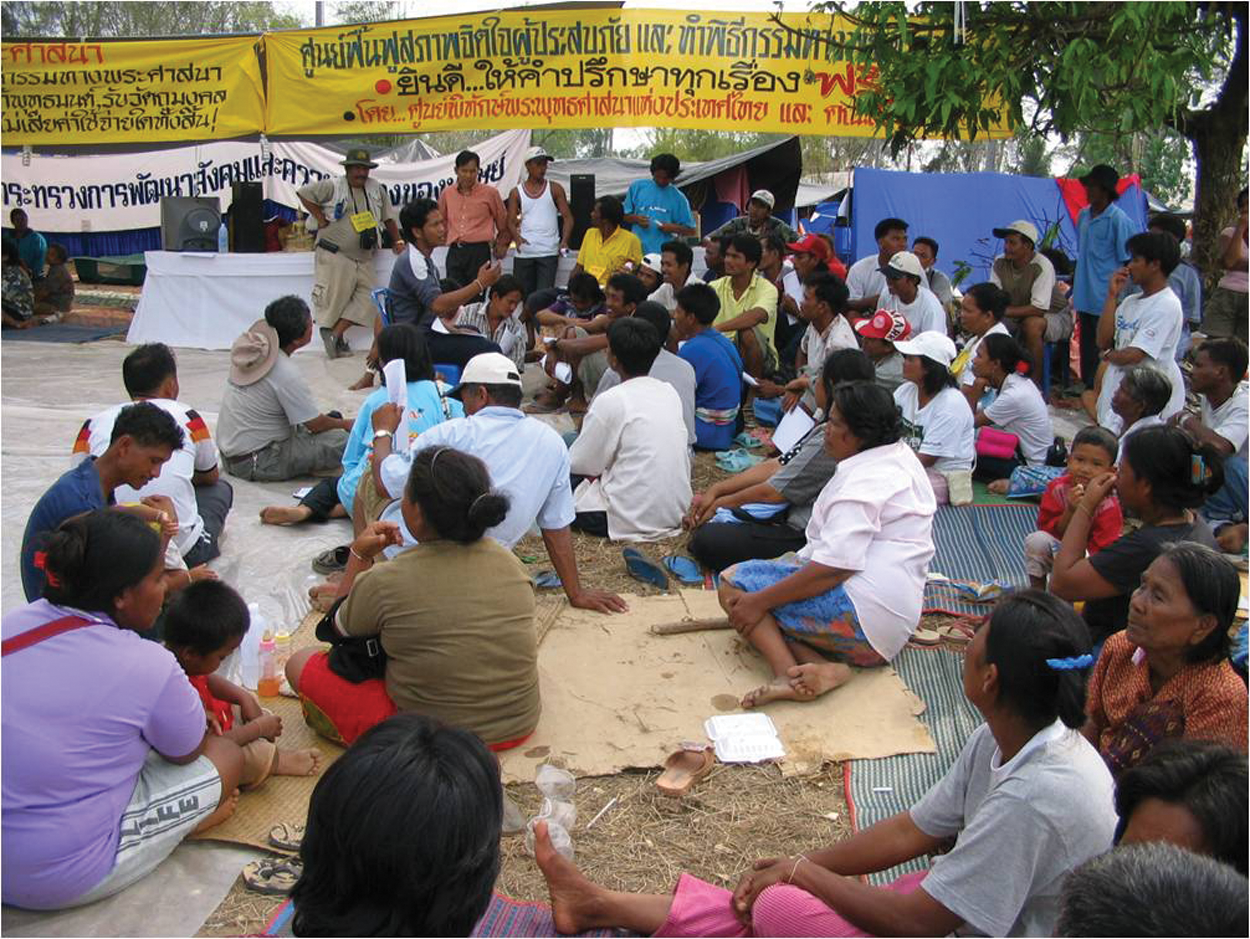
Thailand’s post-tsunami reconstruction: the case of Bang Muang community
In the case of Myanmar, following cyclone Nargis in 2008, the victims received assistance from outside NGOs in the reconstruction of their homes. Community leaders, when questioned, said that they were very pleased that the NGOs had given houses to the people. However, when they were asked whether they would rather decide for themselves how to use the money to build their houses, they all said that they would prefer to retain control over the construction:
“We’d much prefer to have the money and build ourselves. We can work out all the details and build the houses ourselves, together. It would be much easier to manage the rebuilding that way and we can clear up all budgets and spending properly.”
With a pool of money, the collective can assess whether each house just needs repairs or needs to be rebuilt completely; there are different levels of reconstruction and it is best for the affected community to define these together.
Therefore, the collectivity is important. Individually, the force of the people is not strong enough, especially in the aftermath of a disaster, when every family is weak and in need of support. If the families come together, they will have a greater capacity to participate and make demands. Additionally, as a group, they will get comfort from each other, being in the same situation. Therefore, rather than the usual bilateral donor approach to supplying aid, that is, one-on-one between the aid donor and the survivor, which allows room for manipulation and corruption and with power lying on the giver’s side, an alternative approach is to pool the individual survivors together, giving relief support to the group and allowing the group to decide among its members how this relief should be shared out. Of course, the success of the collectivity depends on the understanding of its facilitators as well as on its quality and strength, which also depends on the quality of the leadership and the existence of a culture of working together.
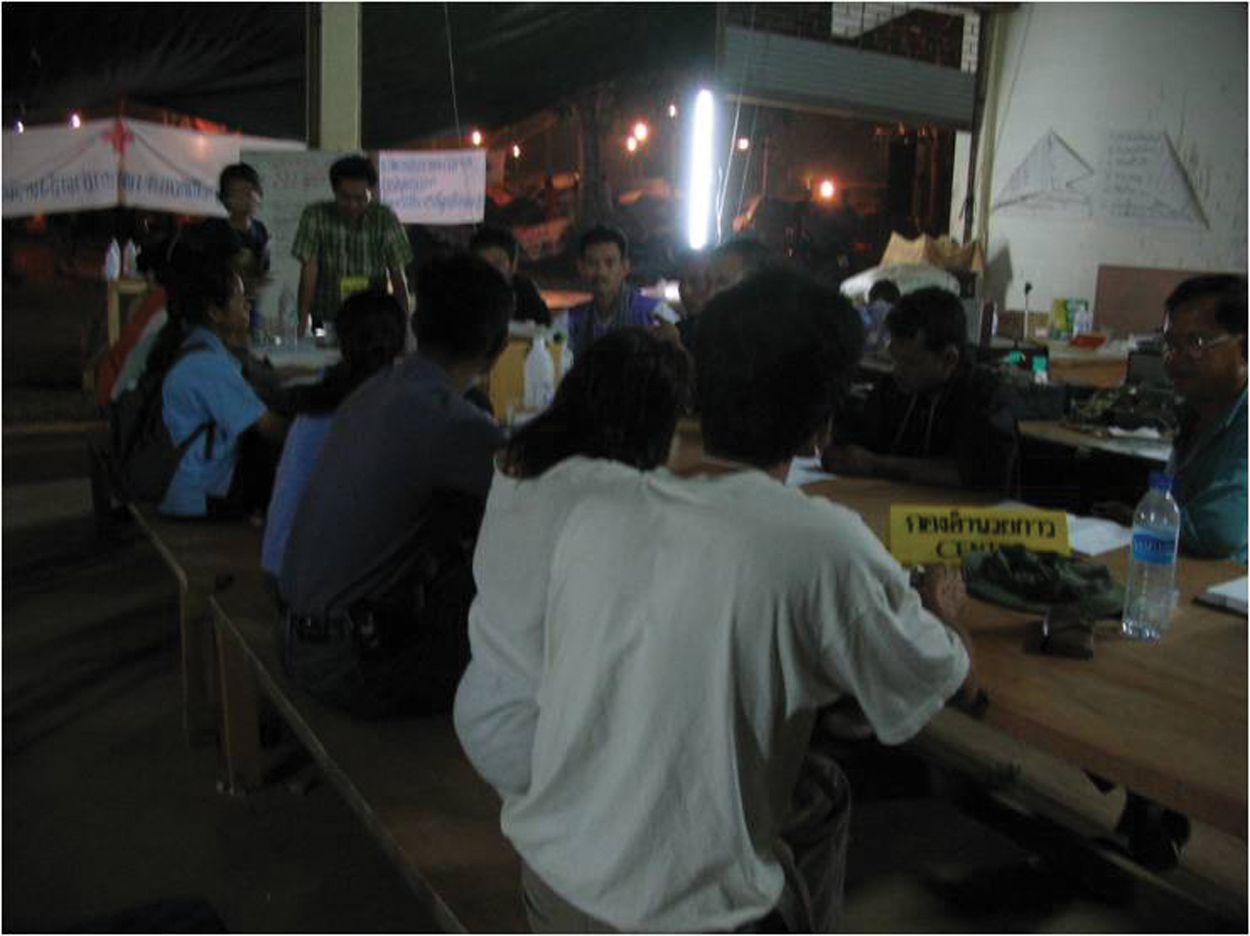
Thailand’s post-tsunami reconstruction: the case of Bang Muang community
IV. Flexible Finance
Once a clear understanding is achieved of the need to let communities of survivors be at the core of their recovery and rehabilitation in a post-disaster situation, then outsiders can support this process by using the correct techniques. One of these is the provision of flexible finance; while funds are necessary to facilitate the process, they also need to be flexible enough to give the survivors the power to collectively work out their particular development needs. If the allocation and use of funds is too strictly controlled, if the poor do not have the power to access the funds, then the kinds of changes in affected families that can be realized through reconstruction may not be achieved. On the other hand, it is usual for some community leaders to be stronger than others – communities are not free of power politics – and so the post-disaster situation could be made worse if the management of money is inappropriate, as certain persons with more power put themselves first. It is not desirable that this instinct dominate the collectivity, therefore it is important to build a collective spirit from the start of the reconstruction period with good coordination of the various sub-groups involved in relief and rehabilitation needs. This building of a collective spirit can begin with discussions to increase an understanding of one another and to start thinking of the process through which funds can be used to solve problems.
Ideally, a revolving fund would provide a longer-term and more sustainable financial solution, although it is more difficult to achieve and manage in the short term or in the very early stages of disaster. However, the essential component is to have something communal for people to work on and protect collectively. Giving away money as grants can sometimes bring out competition between individuals, whereas a collective fund can solve communal problems through communal decision-making. The fund can function as a tool to make people have a dialogue among themselves. Discussions regarding a revolving fund and its implementation can lead to a strengthening of the community process, which can be turned into a system, a new culture and way of doing things. Thus, it can function as a platform for harmonizing the different survivors into a stronger collective community.
There should be different funds for different needs. Keeping separate fund accounts for various functions allows them to be managed by different sets of needy people, thus balancing out power within the community especially where former leaders hold too much power. This also helps to link different groups into working actively together through a larger communal process and improves the transparency of donations and contributions to the fund. Ideally, everyone should have a say in how the funds are used.
The joint management of funds for disaster rehabilitation can also build collective approaches or coalitions for various development organizations to work together, link and collaborate. In Sri Lanka, NGOs and community organizations have been collaborating through the creation of the CLAFNET fund, a coalition of local organizations that assisted communities following the tsunami. CLAFNET encourages cooperation between organizations and evolved after the different groups helping tsunami victims met to discuss experiences and problems and wanted a common platform to link their work. A joint fund was set up managed by all the groups, including community representatives from the Women’s Bank and other community networks, with a seed fund of US$ 100,000 from ACHR (supported by Misereor/Homeless International). It has now evolved into a central fund for disaster situations and for meeting other needs of poor communities. The coalition allows for collaboration between the organizations and the sharing of expertise; for instance, all the affected communities to be supported by the Community Livelihood Action Facility Network (CLAFNET) fund had received assistance from the Women’s Bank to help organize savings activities and link to the Women’s Bank support structure. The fund has been used to support pilot projects that can encourage change through new ways of doing things, ranging from income generation grants to loans for land purchase or housing improvements, all the while linking with larger community networks and local government.
Sometimes, the survivors can add their own finances to donor contributions. For example, in the Philippines, the Homeless People’s Federation (HPFP) is regularly the first to reach disaster-struck communities and encourages long-term community rebuilding processes that communities can manage themselves. This involves starting savings programmes, if they don’t already exist, so that the survivors can organize themselves and start managing finances and activities together collectively. These savings groups succeed even where people have lost everything – in three municipalities affected by two successive typhoons as well as the Mount Mayon volcanic eruption in November 2006, the newly established savings groups had collectively saved more than US$ 20,500 within a year of the disaster. (3) Having their own funds gives survivors a measure of independence, and they can use their savings as down payments for receiving loans to buy land on which to build new homes, as was the case in the Philippines. This meant that they had the flexibility to look beyond the government’s offers of “free land”, which did not seem to be secure in the longer term. The HPFP also organized exposure visits for leaders from affected communities and local government officials, to go and learn from other disaster-affected communities and their community savings activities and the housing initiatives that resulted from this.
Communities can also come up with imaginative methods when money is limited, with solutions tailored to individual needs. In Myanmar, the Khawmu network of 18 villages with houses damaged by cyclone Nargis received financial support from the ACCA (Asian Coalition for Community Action) programme and Selavip, totalling US$ 60,000, for the reconstruction and repair of homes. However, with 700 homes affected, there were too many for the limited financial support and too many to pick just a few beneficiaries. So the village committees sat down together and examined the scale of housing need, prioritizing the most urgent cases and agreeing as a village who would get what kind of support. All construction work was done by the villagers, who bought materials and built collectively, keeping costs so low that they were able to repair or rebuild all of the homes. Each family received financial support as a loan, but instead of this loan being repaid in cash, a system of repayment using rice into the newly established community rice bank was developed, further increasing the villages’ self-sufficiency.(4) A typical response from a relief agency would have been to build the same house for every family, in a rigid top-down manner and at a much higher cost. The community-led response allowed for everyone’s needs to be met through a much more flexible method, by taking into account the different scale of damage to each house. The quality and design of the houses built by the community residents through this process also varied in accordance with each family’s needs, leaving room for lively local designs.
V. Addressing Structural Issues
There are two sides to any disaster relief situation: the supply side (the government and relief agencies such as development agencies, international or national) and the demand side (the survivors). In order for the supply side to respond adequately to the needs of the survivors, they need to be aware of and willing to listen to, the affected communities’ demands. The demand side must make sure it is sufficiently visible – therefore building a well-balanced two-way process means creating space for people to speak about what they need and having the ability to move forwards themselves, as demonstrated above. The supply side needs to learn how to listen to people’s needs rather than taking all the decisions from above and showering the survivors with the usual relief kits without opening up the opportunity for the people to change their lives. Too many procedures and steps for approval and the involvement of too many organizations means that the response may be too slow at the crucial post-disaster stage, leading survivors to take up looting and other desperate measures. Disasters lead to huge flows of finance into a country – if there are no checks and balances this creates problems, as everyone wants the money, and this leads to even more delays and politicking. All too often, the current system of assistance means that resources always flow to the “system”, either international or national, and this system is not always efficient or speedy in its response, as multiple bureaucratic procedures are needed or ministries compete for control.
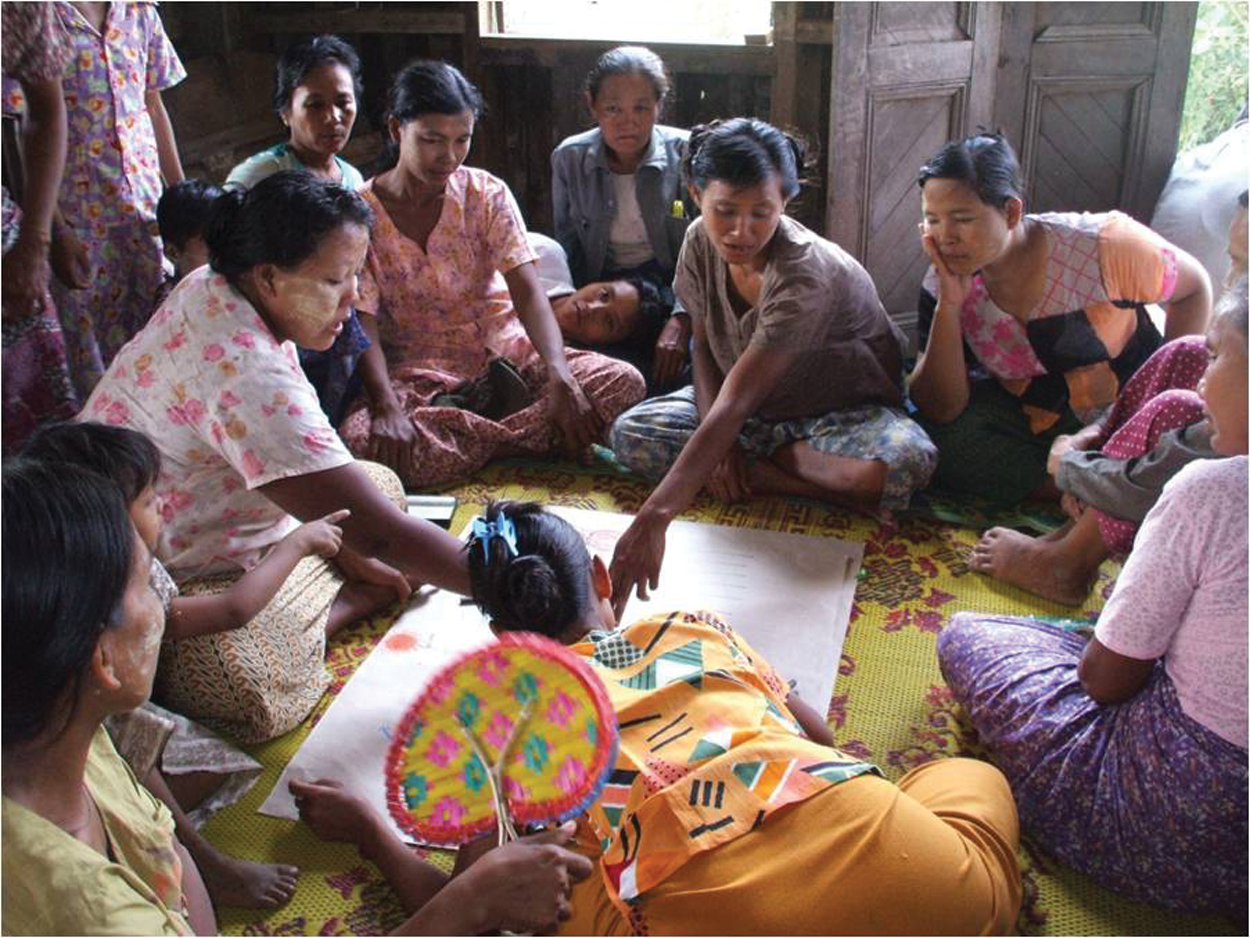
Myanmar following cyclone Nargis: the case of Kunchankone township
Governments may see disasters as an opportunity to start over from an urban planning perspective, laying down new development regulations. Whether or not this is well-intentioned or an opportunistic land grab for more profitable developments, it creates problems similar to those around eviction for communities previously on the site. After the tsunami, coastal regulation zones were declared in India, Indonesia, Sri Lanka and Thailand, with heavy implications for many of fishing villages affected, the residents of which could not return to their livelihoods. In New Orleans, following Hurricane Katrina, swathes of land were reserved for new mixed developments, making it impossible, in effect, for former, mostly poor, residents to return to their homes and neighbourhoods. These are examples of governments imposing top-down initiatives without consulting those affected by them, who consequently suffer hardship. In these cases, a well-organized community has a better chance of succeeding in land disputes than individual households on their own. In the case of New Orleans, the hurricane survivors were shipped out and scattered around the States and thus were not able to re-group to face down government plans, and as a consequence many are still displaced. By comparison, in Aceh following the tsunami, the displaced villagers returned to their land and started rebuilding their homes, which put them in a stronger position for the ensuing negotiations with the government. As a collectivity, survivors have more power to make reasonable demands of the state, to negotiate for alternatives to top-down impositions. By pooling their funds, they can collectively purchase land, or they can negotiate with the state to provide them with free or cheap land for lease. In these cases, existing networks of communities can give the affected communities the moral and strategic backing they need, supporting communities that decide to go back and rebuild and negotiate for recognition.
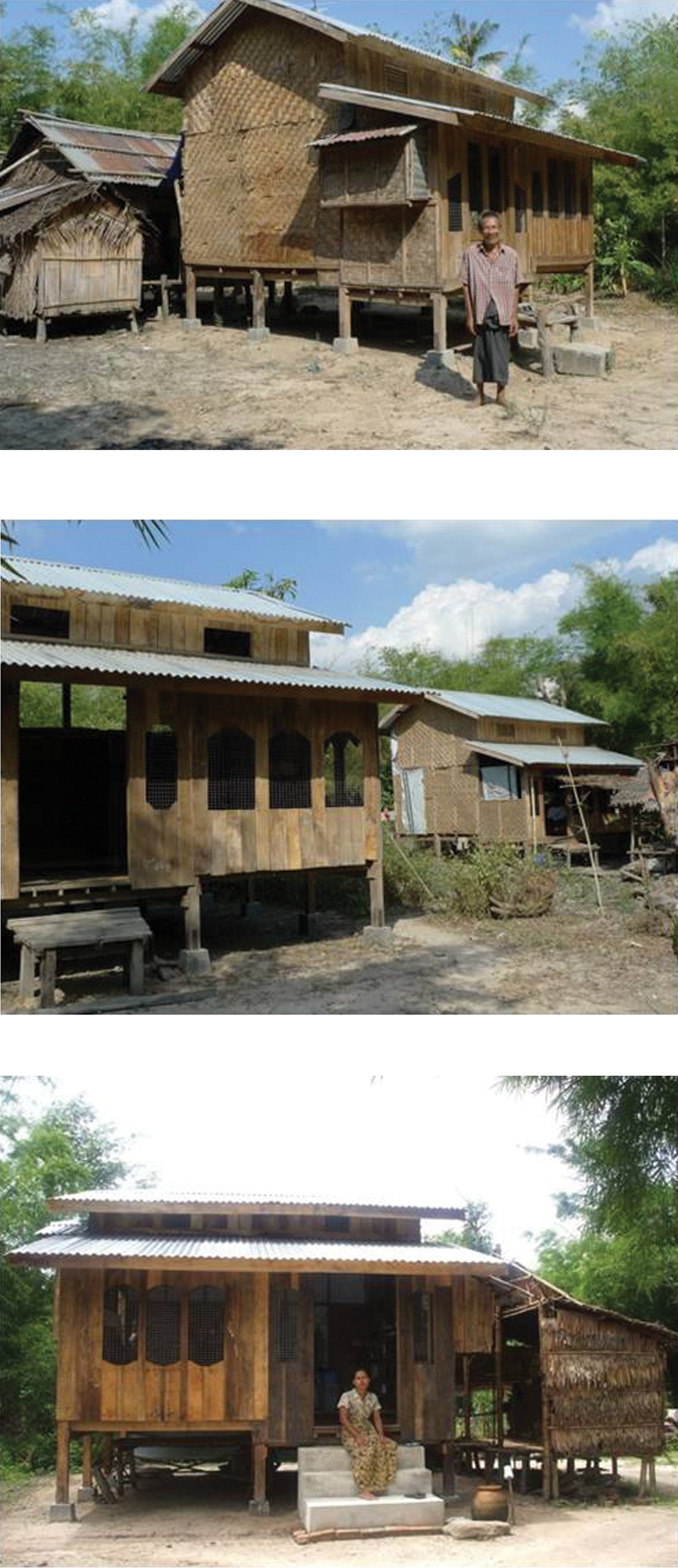
Myanmar following cyclone Nargis: the case of Kunchankone township
Existing networks of communities can facilitate the disaster recovery process through a people-centred approach, as the HPFP has done. In Thailand, this network support approach was first used following the tsunami, when a network of communities in southern Thailand sent teams of volunteers from their communities to help build temporary housing and set up the relief camp. In addition to the physical aspects, the network helped survivor communities to organize in their fight against eviction, arranging exchange visits and other processes of horizontal learning. After floods hit northern Thailand in 2005 and 2006, community networks sent volunteers to help with the clean up and rebuilding process, as well as reintroducing indigenous ways of preventing floods. Thus, peer-to-peer support for disaster rehabilitation through community networks can be very effective in rebuilding affected communities, and probably in disaster prevention.
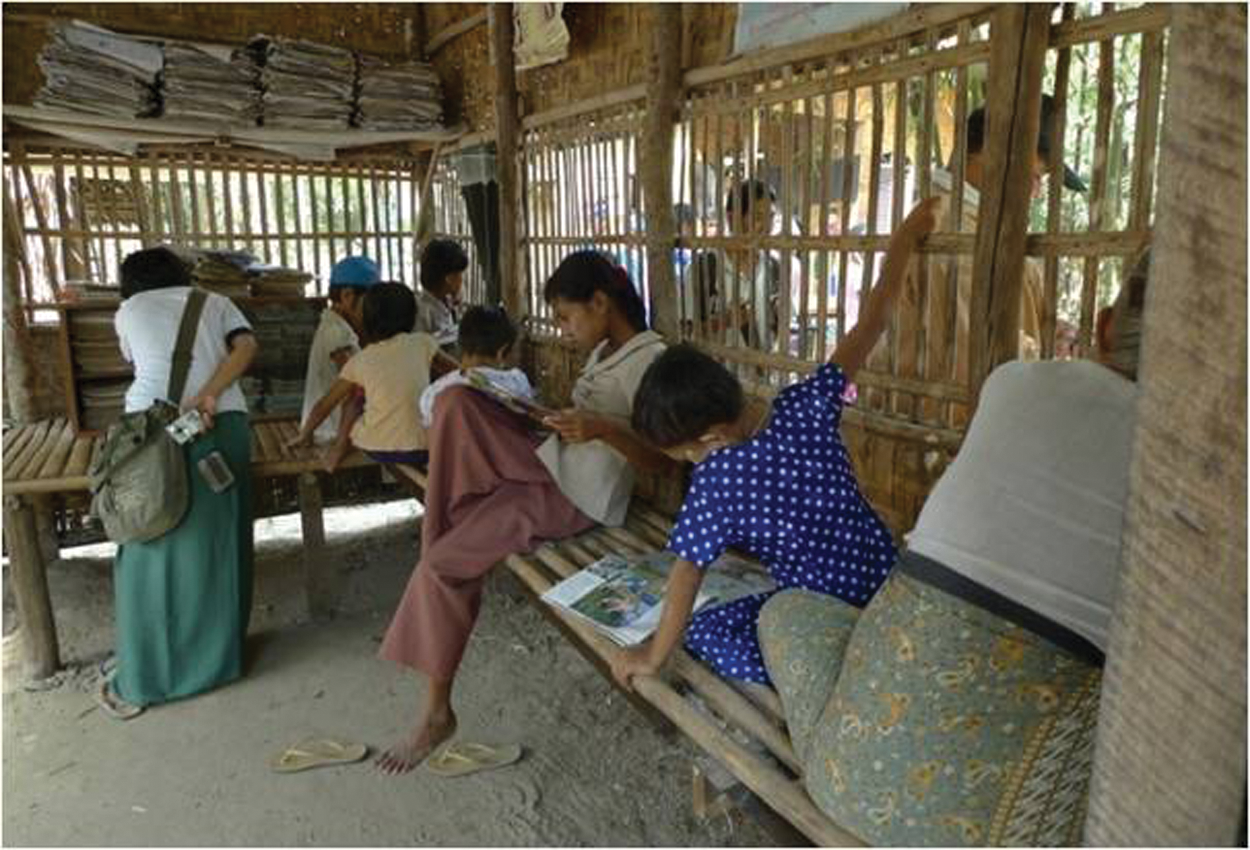
Myanmar following cyclone Nargis: the case of Kunchankone township
VI. Conclusions
While disasters hit everyone without discrimination, they affect the poor far more strongly than those with the resources to recover, or with security such as insurance. However, it is possible for the poor to rely on their fellow community members, to act collectively to rebuild their homes and continue with their lives. And if the process is properly managed to make the most of the opportunity, victims of disaster may end up in a better position following a disaster, particularly if they are able to negotiate tenure and build better homes. Thus disasters provide a prime starting point for further community action, arising out of desperation as people find themselves in a situation of urgent need and will do whatever they can to address that need. Community-led responses to disaster ultimately prove the most sustainable, as those who are affected are the ones who know best what they need.
The facilitation of community-led rebuilding can strengthen communities and set them on the right path for further collective action for the benefit of all community members. Even if the affected community did not have an established community group or savings group before the disaster, the affected groups often manage to establish possible ties based on their common need. The act of starting savings activities can also give the traumatized community residents a clear goal and regular activities to focus on. Community members can play an important role in all stages of a post-disaster situation, from immediate relief, surveying of affected areas, regaining livelihoods, rebuilding homes and implementing effective disaster prevention processes for the future.
The usual scenario in a post-disaster situation is that one has to start from zero or even a “minus” situation as people have lost so much, and take the necessary steps to provide the victims with temporary or very simple permanent housing as the outcome. Yet all too often, the response may be quick but the outcome unsustainable – the housing may not adequately meet people’s needs, it may not be liveable, communities may be divided or end up being evicted. However, with an understanding of the opportunities that are presented as a result of a disaster, new possibilities for innovation are opened up and so the process is different. The starting point is no longer zero because there is an understanding of the opportunity to be seized: to hand power to the affected communities so that they can achieve better change for themselves.
