




Abstract
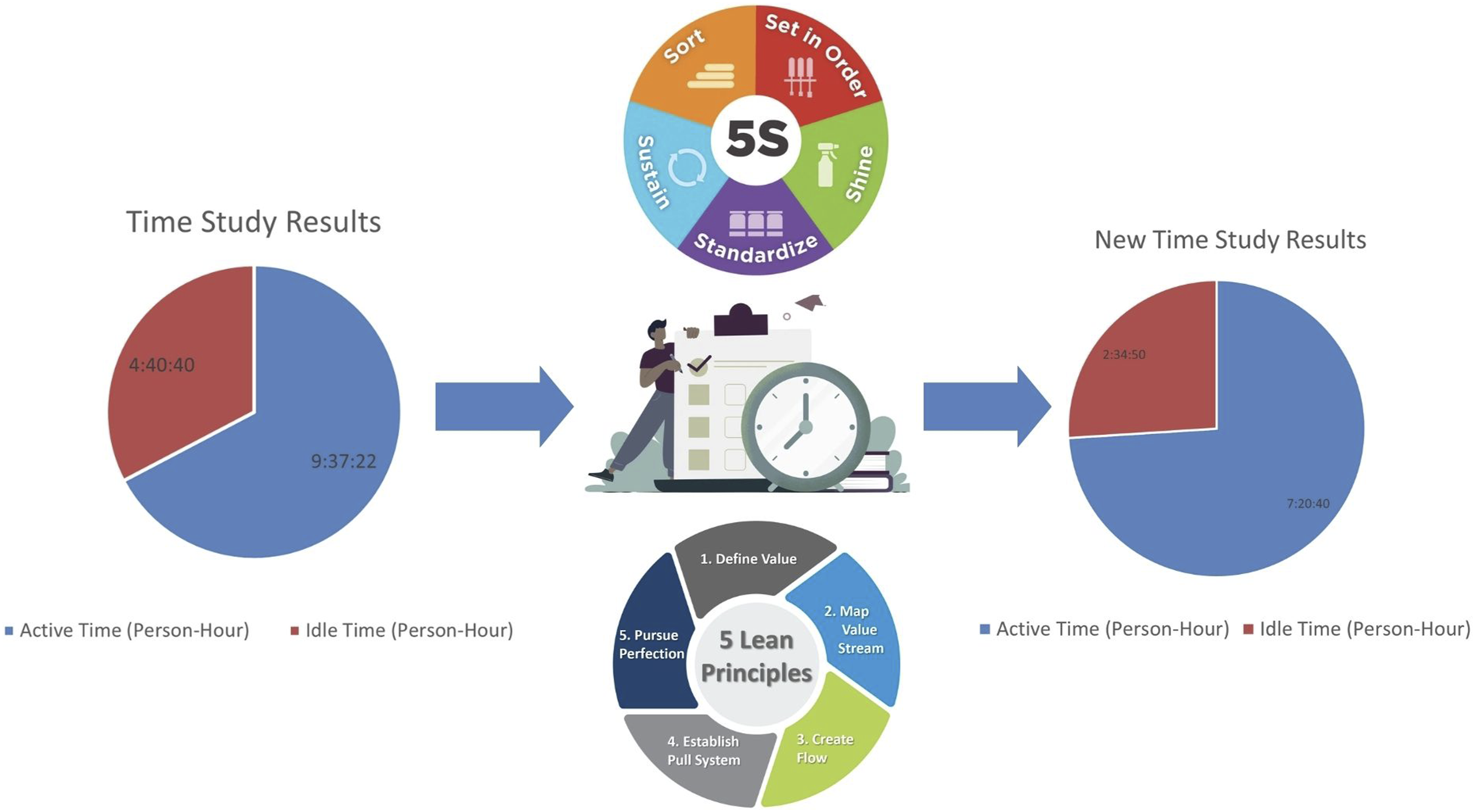
With the rapid urbanization, transportation demands are rising steadily, and urban rail transit has become one of the most effective means to meet this demand. The operational availability and cost-effectiveness of urban rail systems largely depend on the efficiency of their maintenance strategies. This paper presents a comprehensive case study focused on enhancing the 3- monthly (3M) periodic preventive maintenance process of a light rail vehicle fleet. The methodology begins with an initial work study to analyze current maintenance procedures and establish a performance baseline, which revealed critical inefficiencies and time losses. These inefficiencies were then systematically addressed through targeted engineering modifications combined with lean manufacturing principles. A follow-up work study was conducted to quantitatively assess the impact of the applied improvements. Results indicate that the Mean Time To Repair (MTTR) was reduced by 30.6% (from 14.30 h to 9.92 h), and the non-value-added ‘Waiting Time’ was decreased by 43%. Furthermore, the economic analysis projects an annual labor cost saving of approx. $20,000, with a return on investment (ROI) period of just 3 months. The novelty of this study lies in its integrated, data-driven framework that connects detailed process analysis with real engineering interventions, offering a replicable model for optimizing preventive maintenance in urban rail systems.
Get full access to this article
View all access options for this article.