




Abstract
Polyphenylene sulfide (PPS) with unique performance advantages and development potential is widely used in electronics, aerospace, environmental protection, automobile, machinery, textile, chemical, pharmacy, environmental protection and other industries. The researches on PPS material are constantly advancing and improving in both quantity and quality. To clarify the progress and status, and to explore current focus and development trend of PPS at a global level, the bibliometric analysis was used based on Web of Science Core Collection database. 1118 papers were retrieved, and countries or regions, institutions, journals, authors, research areas, author keywords, and highly cited articles were discussed in detail. The results of bibliometric analysis show that China was the dominant country in terms of contributions of paper output, followed by the USA, South Korea, Japan, India, and Germany. Germany and China both were the most active partner which worked with other high productive countries. “Polymer science” was the most attractive research area with 451 papers involved in. “Journal of Applied Polymer Science” was the most comprehensive source of PPS material publications and with the highest h-index. The author keywords “mechanical property”, “behavior”, “composite”, “morphology”, “kinetics”, “friction”, “tribological property” and “crystallization” reflected a high level attention and hot topics for PPS. Based on the results of bibliometric analysis, the research progress and achievements of preparation, performance improvement and application field expansion in recent years were summarized and explained. To achieve more comprehensive performance and to be suitable for more special applications in various fields, the enhancement and toughening of PPS, the modification by blending or alloying with other polymers or other reinforcing materials, the production of PPS ultrafine fiber and PPS membrane were shown
Introduction
With the continuous improvement of the global industrialization process, as well as the requirements of sustainable development and circular economy, the development and utilization of various materials which with high added value, key technologies and high performance, have influenced the course of the industrial revolution and attracted the attention of all countries. The United States issued “Strategy for American Leadership in Advanced Manufacturing” in 2018 and “National Strategy for Advanced Manufacturing” in 2022, which focused on high-performance materials, additive manufacturing, and critical materials, and set goals for the development and implementation of advanced manufacturing technologies. The United Kingdom published the report “The Future of Manufacturing: A New Era of Opportunity and Challenge for the UK”, which focused on high value-added materials and raw material substitutability in manufacturing industry, and envisaged the sustainable development of manufacturing industry in the future to 2050. Furthermore, the European Commission published “The Green Deal Industrial Plan” to deal with climate change and promote sustainable development in 2019. It launched alliances in the fields of batteries, raw materials, solar energy, hydrogen energy, recycling plastics and so on, promoted industrial cooperation and developed green economy. Japan proposed that it should pay attention to the practicability of new materials and considered the coordinated development of environment and resources. At the same time, in order to build a world-leading “Society 5.0”, resources should be focused on the development of materials technology as the foundation of all fields. The strategic plan “Made in China 2025” also emphasized the development of advanced basic materials, key strategic materials and cutting-edge new materials. “The Catalogue of Guidance for Industrial Structure Adjustment” issued by China National Development and Reform Commission also emphasized and supported the development of high-performance raw materials and key raw materials, the production of various engineering plastics and the their blending, modification and alloying technology.
Polyphenylene sulfide (PPS) is a special engineering material with excellent performance because of its peculiar molecular structure. PPS possess excellent chemical resistance, good thermal stability, excellent mechanical properties and high-cost performance,1–3 thus it has been widely used in electronics, aerospace, environmental protection, national defense and military, automobile, machinery, textile, chemical, pharmacy, environmental protection and other industries. The rise and progress of PPS materials research conforms to the global industrial development strategy and the need of industrialization reform.
The filter materials prepared by PPS fibers has become the preferred choice for coal power plants, cement plants, waste incineration plants and chemical plants. 4 Auto parts prepared by PPS can also replace metal parts to achieve the purpose of light weight due to its light weight, high strength, high-temperature resistance and insulating property. Hence PPS is being used to manufacture the automotive electronic parts, automotive interiors and exteriors components, wearing parts and corrosion resistance parts. 5 Moreover, PPS fibers also can be used to manufacture protective clothing which can be widely used in fire protection, steel-making, iron-making, electric welding and other fields due to its excellent fire and chemical resistance.
With the development of new energy vehicles, the application of PPS materials in the automotive field has been further expanded, especially in the power battery modules of new energy vehicles, which are mainly used in battery brackets, insulating cover plates, lithium battery separators and other fields. Moreover, PPS materials can be also applied in 5G communication equipment due to the good dielectric properties. However, pure PPS can not fully meet the performance requirements in these new or special fields, hence there is still much room for exploration in research and development of modification for PPS materials.
Although PPS materials has a history of only half a century after industrialization, it has become an indispensable material in multiple industrial fields. The researches on PPS mainly involve the preparation, functionalization, characterization, nanomaterials, membrane and other application. However, there is no systematic research on bibliometric analysis of PPS. Therefore, the purpose and original intention of this study is to collect and summarize the history, interests, problems, progress and future of research on PPS materials by bibliometric analysis from a combination of qualitative and quantitative perspectives following the timeline.
Methods
Data source
As an internationally recognized database that reflects the standard of scientific research, Web of Science (WoS) database is widely deemed as an effective source of high quality papers and used for citation tracking, subject analysis and academic reference. Based on the core collection of Web of Science, this study conducts a bibliometric analysis on the material of PPS. The data was retrieved on February 15, 2023 from WoS core collection (Science Citation Index Expand and Social Science Citation Index), and the document types (article and review) were considered in our study. The year of publication spans from 1985 to 2022.
Search strategy
In this study, the subject, title and author keyword in the WoS database were retrieved. The search expressions as following: TS = (polyphenylene sulfide) OR TI = (polyphenylene sulfide) OR AK = (polyphenylene sulfide). Based on the above retrieval strategies, 1118 valid literatures were obtained after screening and pre-processing. For analysis and understanding the research history, internal relationship, interests, focus, improvement, progress and prospect of PPS, some visual analysis software and drawing tools were used and assisted. The following bibliometric indicators such as citations, h-index and impact factors were analyzed, and countries or regions, institutions, journals, authors, research areas, author keywords and most cited papers were discussed in detail.
Results of bibliometric analysis
Analysis on the global research status
According to the retrieval strategy, 1118 papers were retrieved, including 1097 articles and 21 reviews. The chronological distribution of the number and citation of papers related to PPS is shown in Figure 1. The number of papers had a trend of stable growth, especially since 2018, the growth rate was relatively large, the yearly average number of papers was 85.8 from 2018 to 2022. The total citation of 1118 papers was 20,345, and the yearly average citation was 535.4. The first paper on PPS was titled “Crystallization Kinetics of Polyphenylene Sulfide” and was published in 1985,
6
and the authors were Jog JP and Nadkarni VM from India. The crystallization kinetics of unfilled and glass-reinforced grades of PPS were investigated by using differential scanning calorimetry. Their findings suggested that the glass fibers have an accelerating influence on crystallization and discussed the possible crystallization mechanisms. Since then, the academia began to study the performance, preparation, application and composite of PPS. Annual distribution of global published papers and citations related to PPS.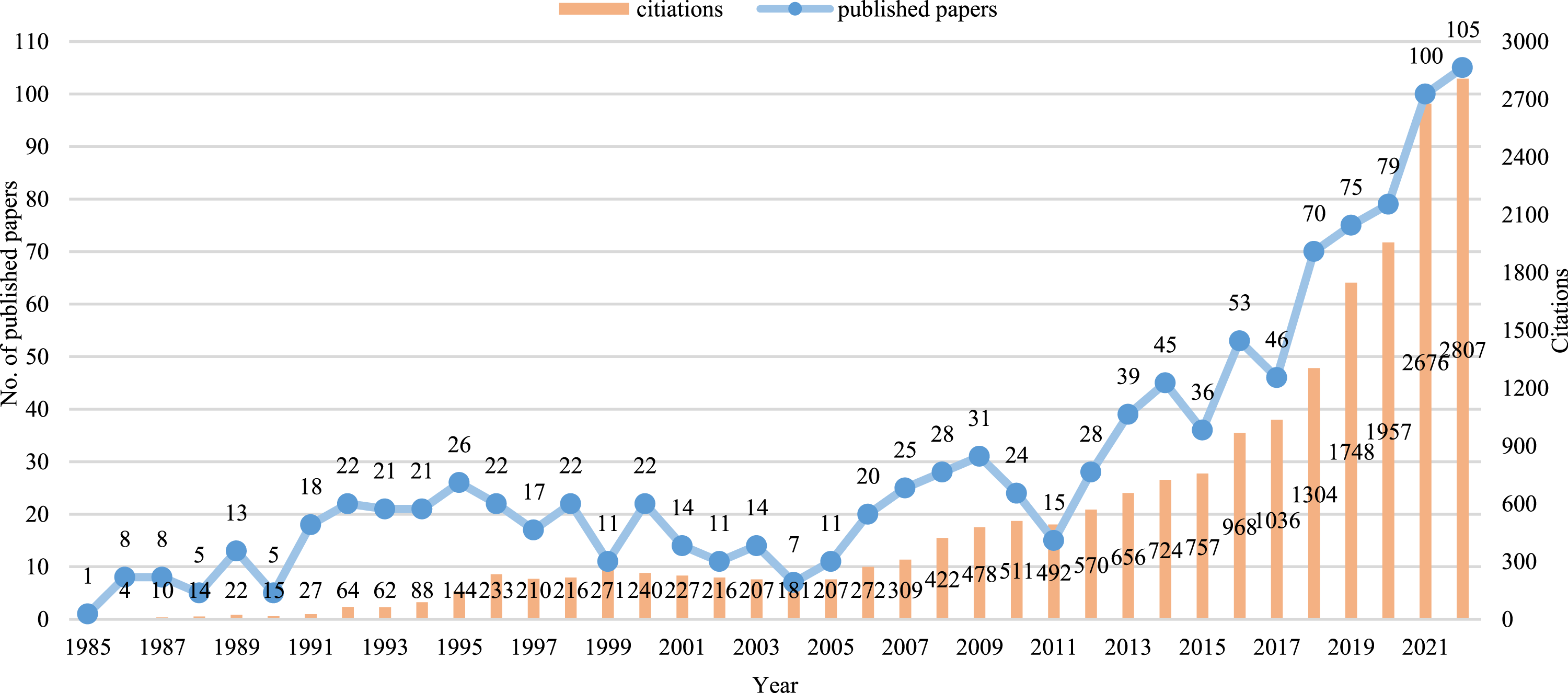
Analysis on the contribution of main countries/regions
Top 15 most productive countries/regions on PPS.
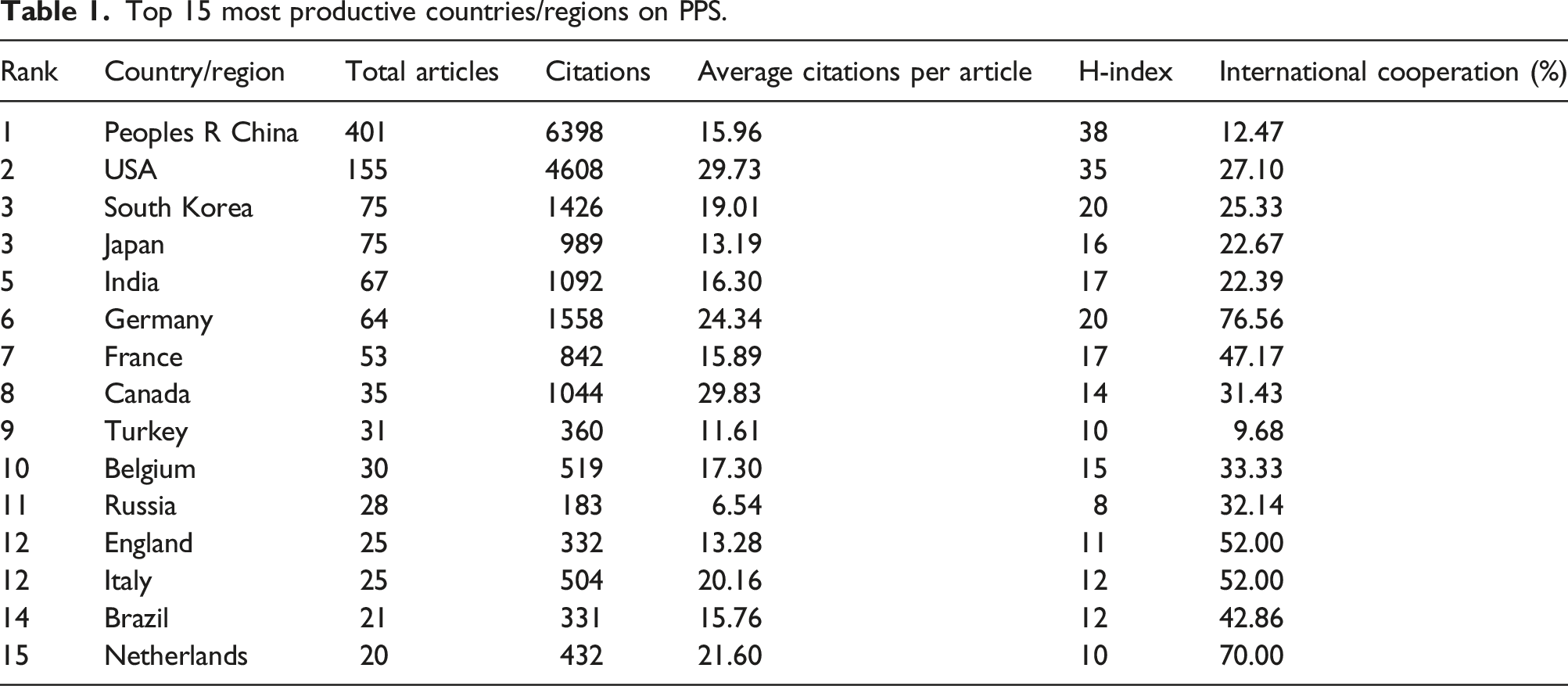
Figure 2 shows and analyzes the cooperative relationships among the top15 most productive countries. The lines indicate the cooperative relationship between countries which shows how active a country is in cooperation. The numbers on the line represents the number of collaborative papers between the two between two countries, which show the frequency of international cooperation. The most active partner with other countries were Germany and China, both of them had worked with other 11 countries. Secondly, it was Japan which worked with other eight countries. Followed by USA and France, and they worked with other seven countries. Transnational cooperation facilitates the exchange of research methods, ideas and technologies, and facilitates the innovation and breakthrough of materials. Germany had the highest rate of cooperation with other countries. Among the 64 published papers related to PPS materials from Germany, the number of papers participating in international collaborative research was 49, accounting for 76.56%. The proportion of international cooperation in Netherlands (70.00%), England (52.00%) and Italy (52.00%) were relatively close, as more than half of the papers were international cooperative papers, although the total number was relatively small. Although China was very active in cooperating with other countries, it is not dominant in terms of cooperation proportion. The cross-relationship map of the top 15 countries/regions.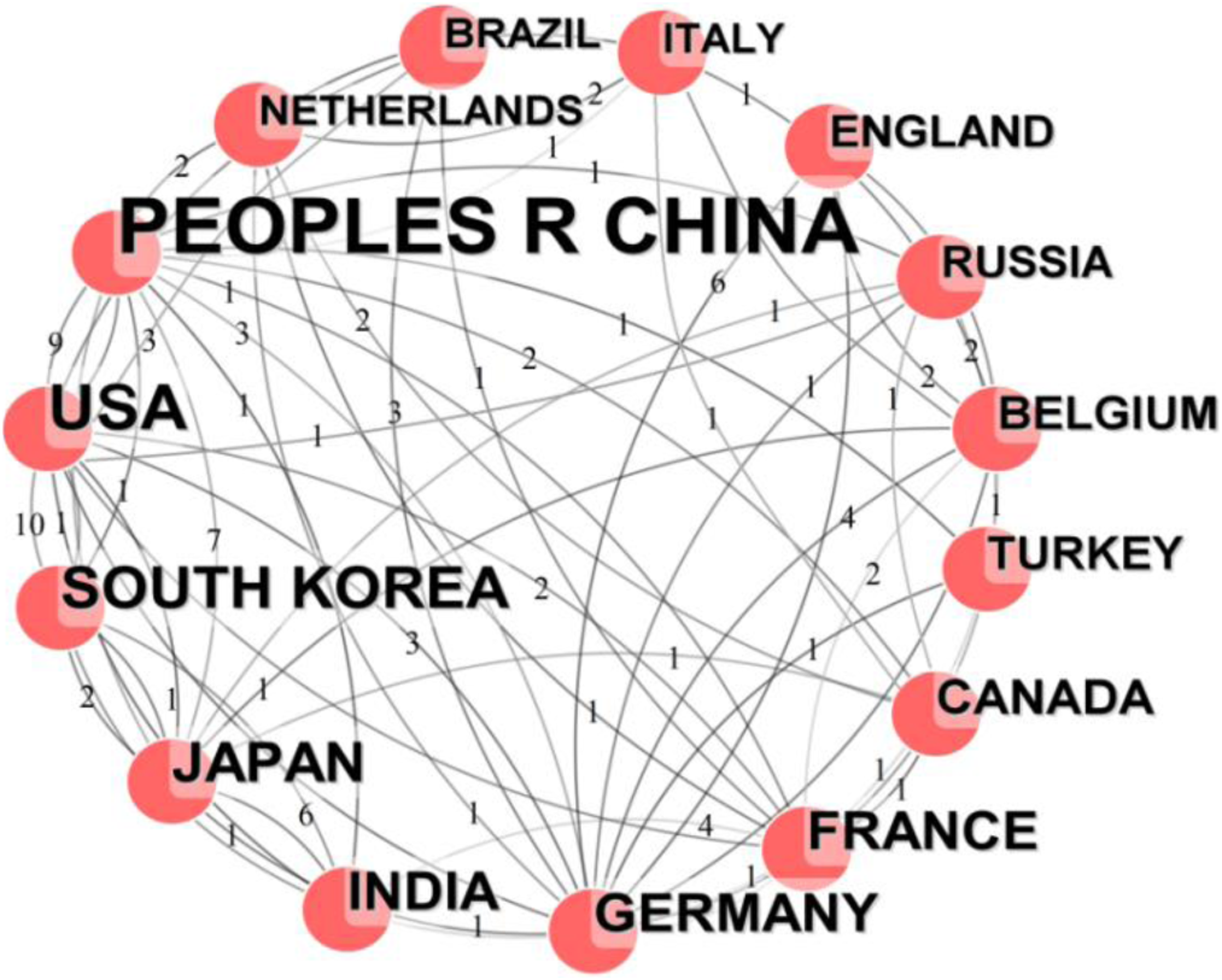
Top 15 most productive countries/regions on PPS by year.
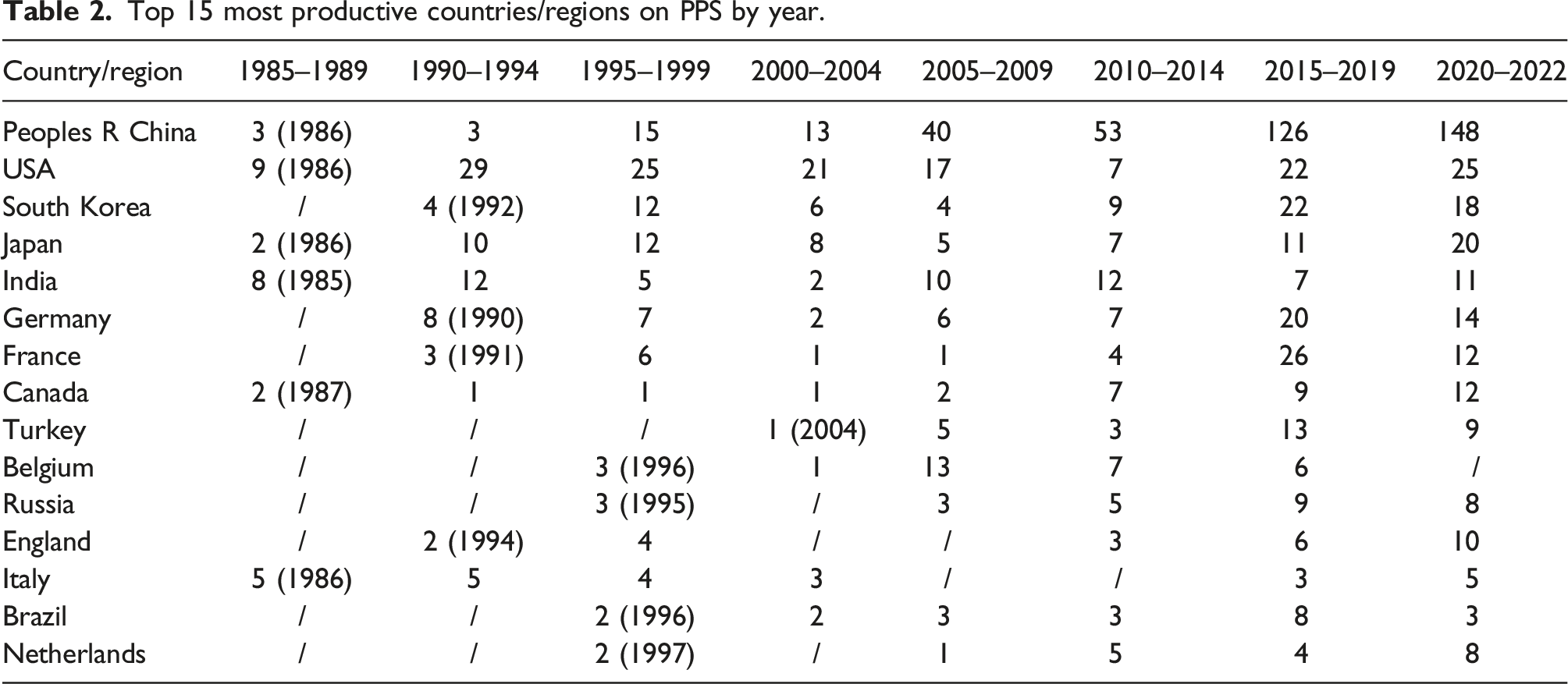
In recent several years (2015–2022), the number of papers related to PPS in China had increased significantly, which was due to the introduction and emphasis of national policies on filtration and environmental protection. In the initial stage, USA had an obvious advantage in the number of papers, but there was a relative decline from 2005 to 2014, and it gradually recovered from 2015. France began to publish papers related to PPS materials in 1991. During the period from 2000 to 2019, the development was in a relatively low state with a small number of papers. However, in the past several years (2015–2022), there was a sudden great development with a significant increase in the number of papers. In April 2015, the French government officially announced the launch of the “ Industry of Future” plan, which focuses on the transformation and upgrading of commercial manufacture driven by innovation and digital technology. Thus some new high performance materials are getting more attention and are being developed in emerging fields, which also promoted the rapid development of PPS research in Europe.
Analysis on the main research areas
Contributions of top 15 WoS research areas on PPS.
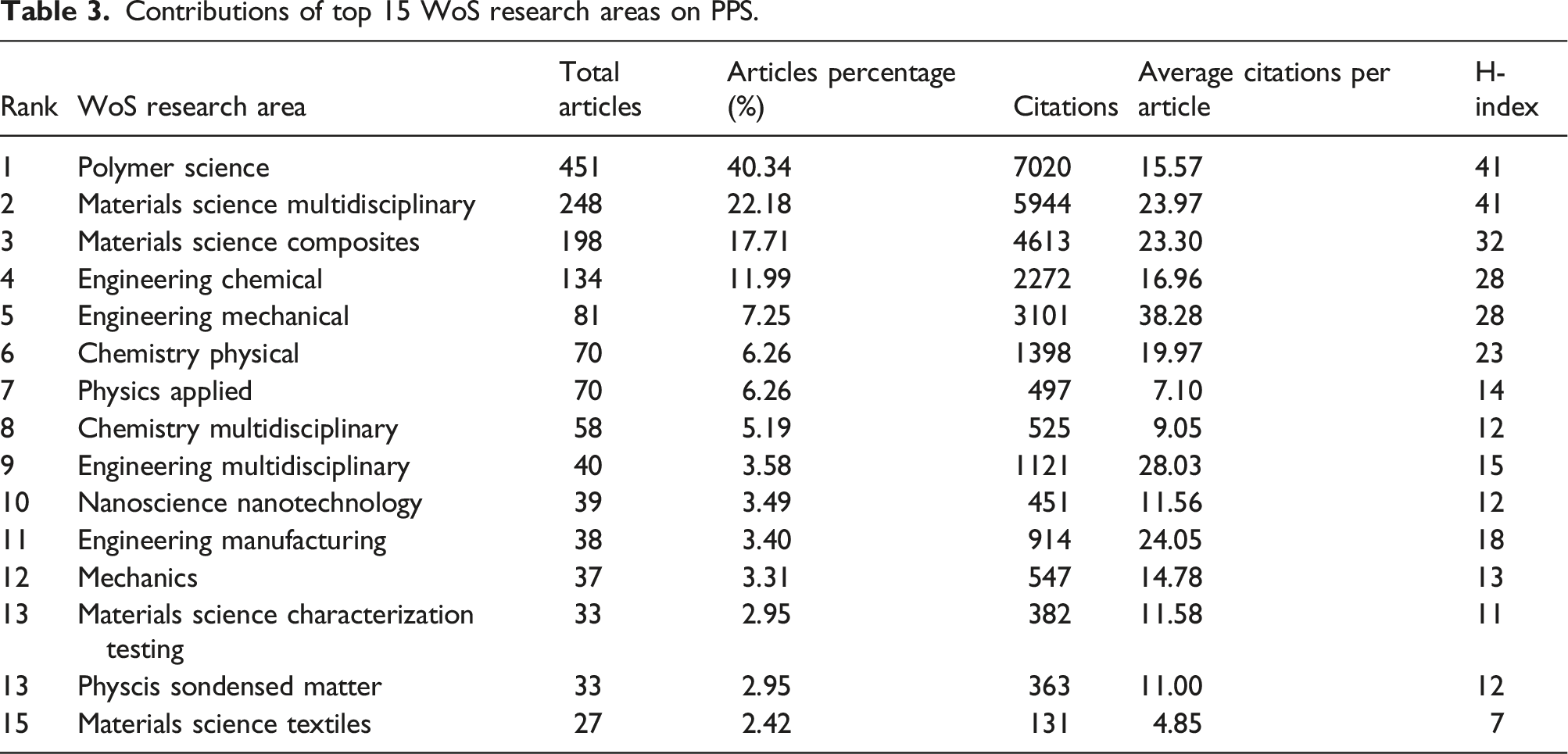
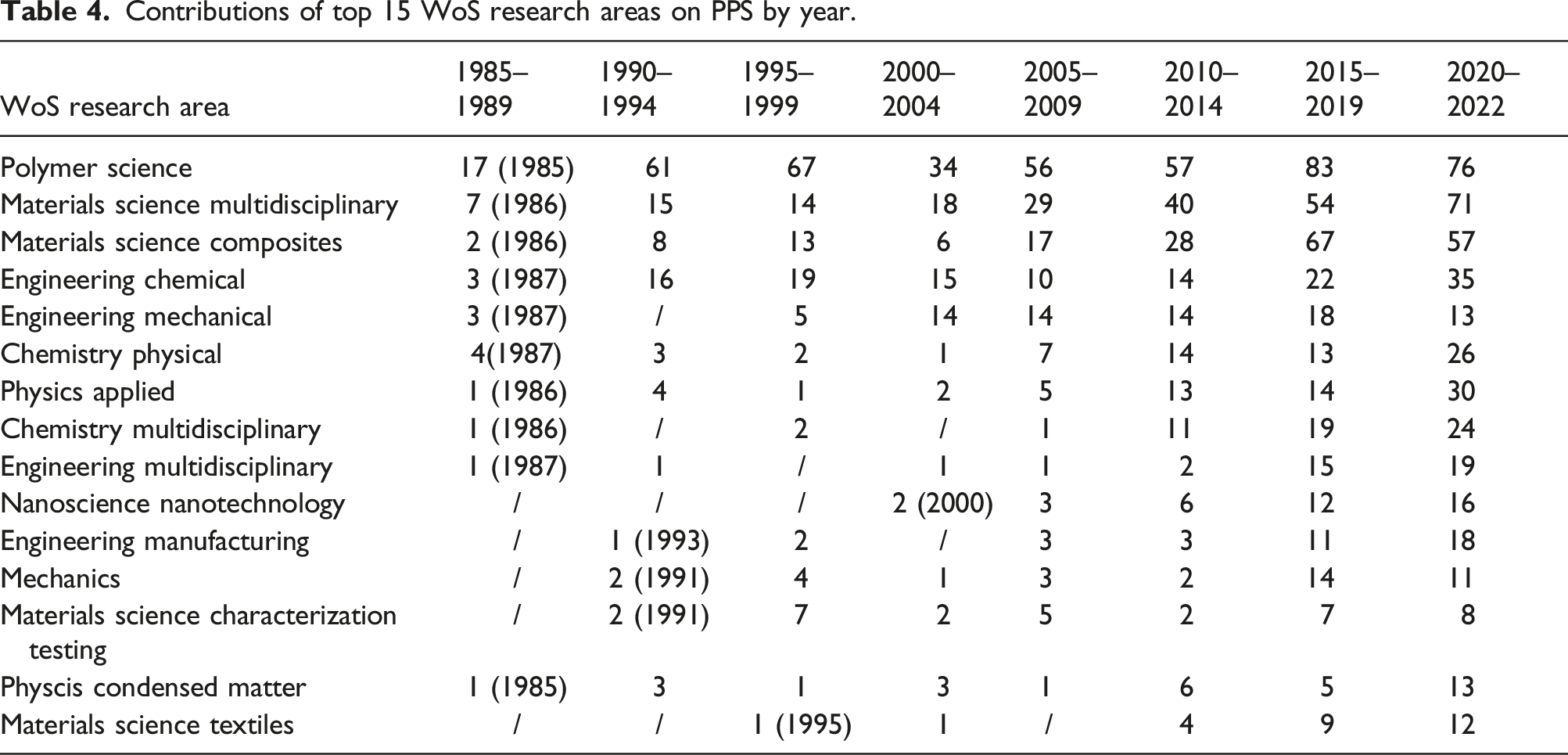
It is worth mentioning that the research area of “Engineering Mechanical” had only 81 papers, accounting for 7.25%, but the average citations per article (38.28) was ranked first which surpassed other fields. The Papers about PPS often involves cross-disciplines, in addition to materials and polymer science, it also involves “engineering”, “chemistry”, “physics” “mechanics”, “energy fuels”, “thermodynamics”, “electrochemistry”, “environmental sciences”. The research fields of papers interweaved with each other, which was closely related to the research of PPS performance exploration, application field, application environment and development prospect.
Contributions of top 15 WoS research areas on PPS by year.
Analysis on the contribution of leading institutions
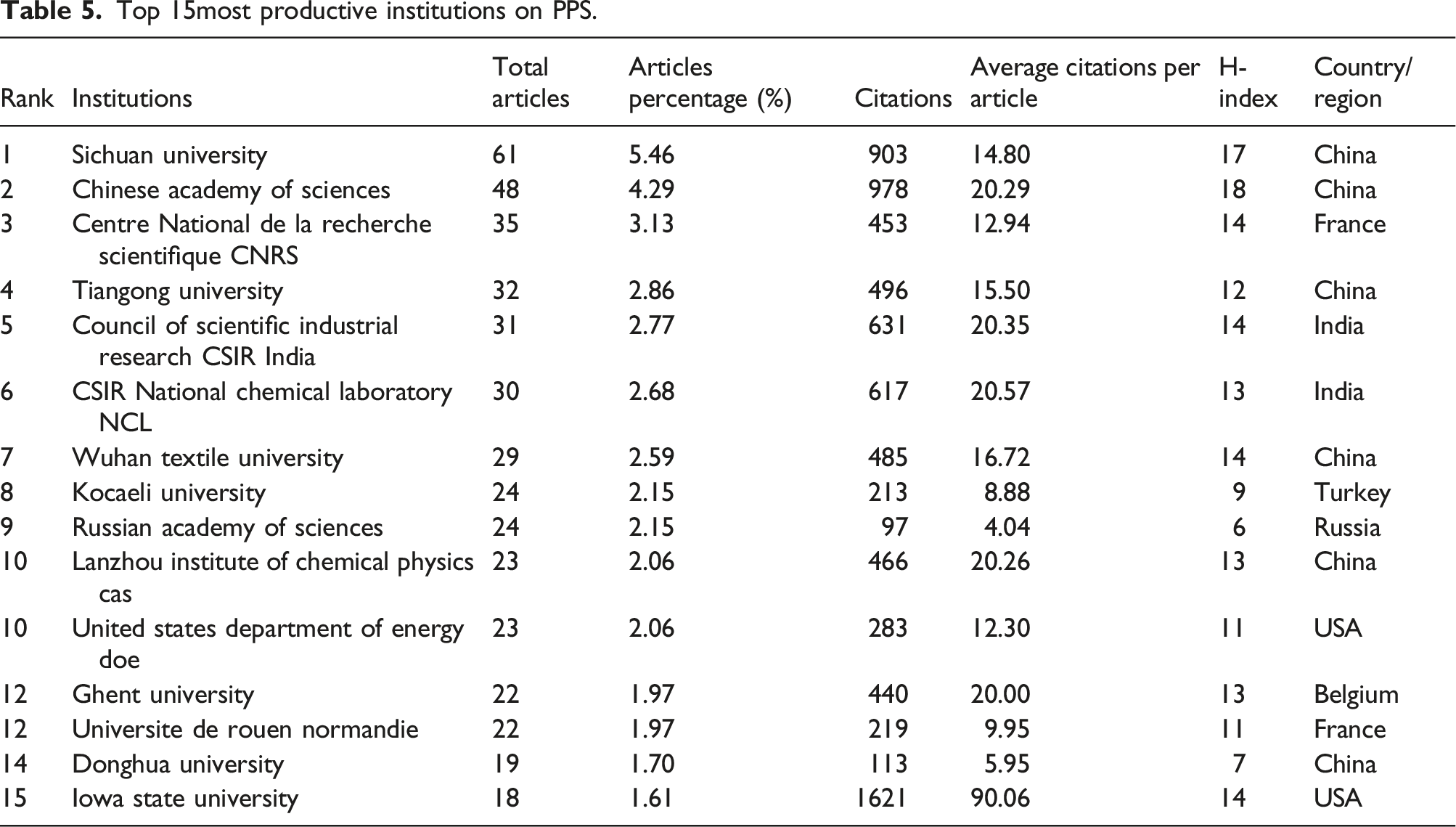
Top 15most productive institutions on PPS.
Analysis on the contribution of leading authors
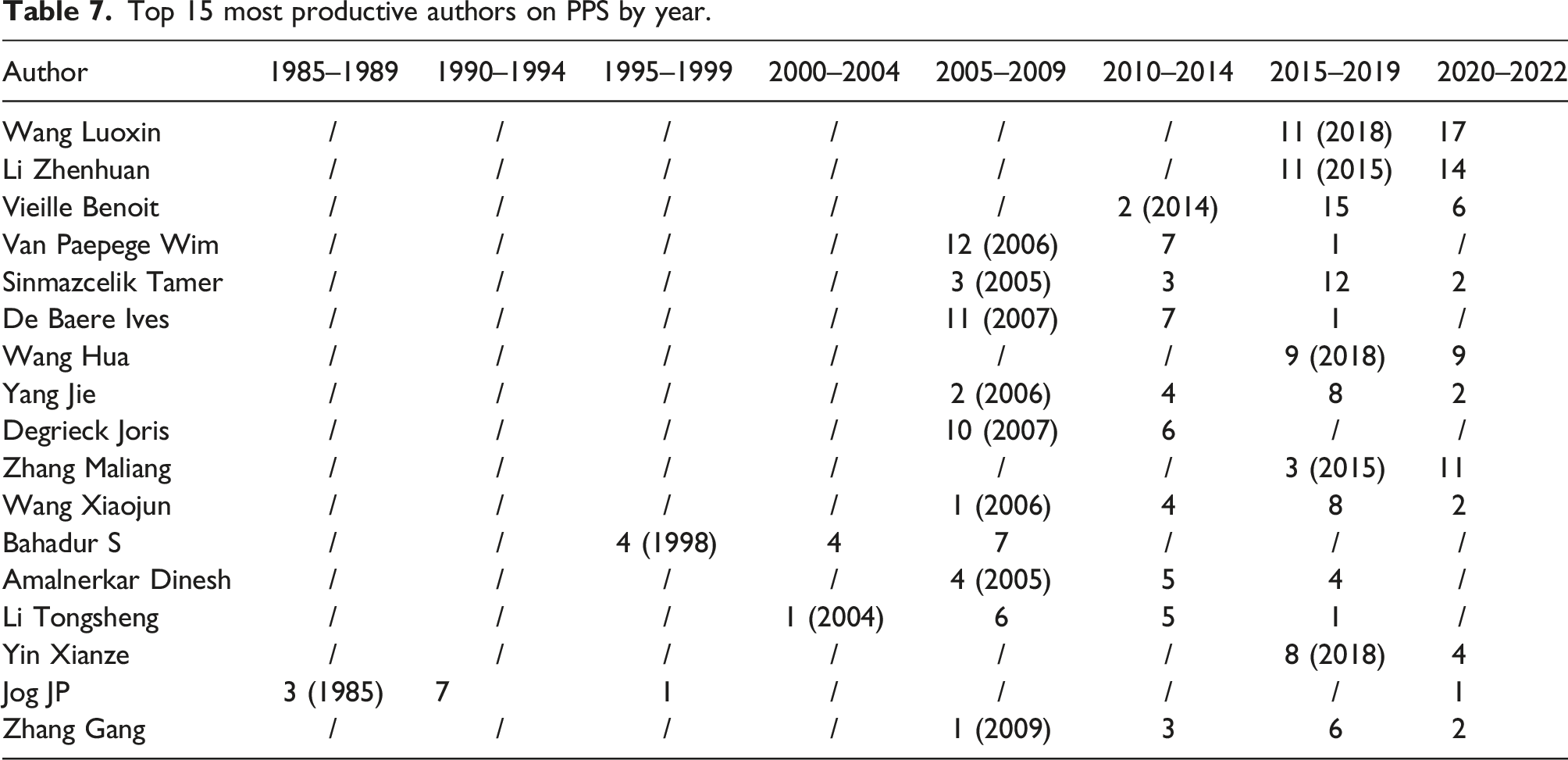
Top 15 most productive authors on PPS.
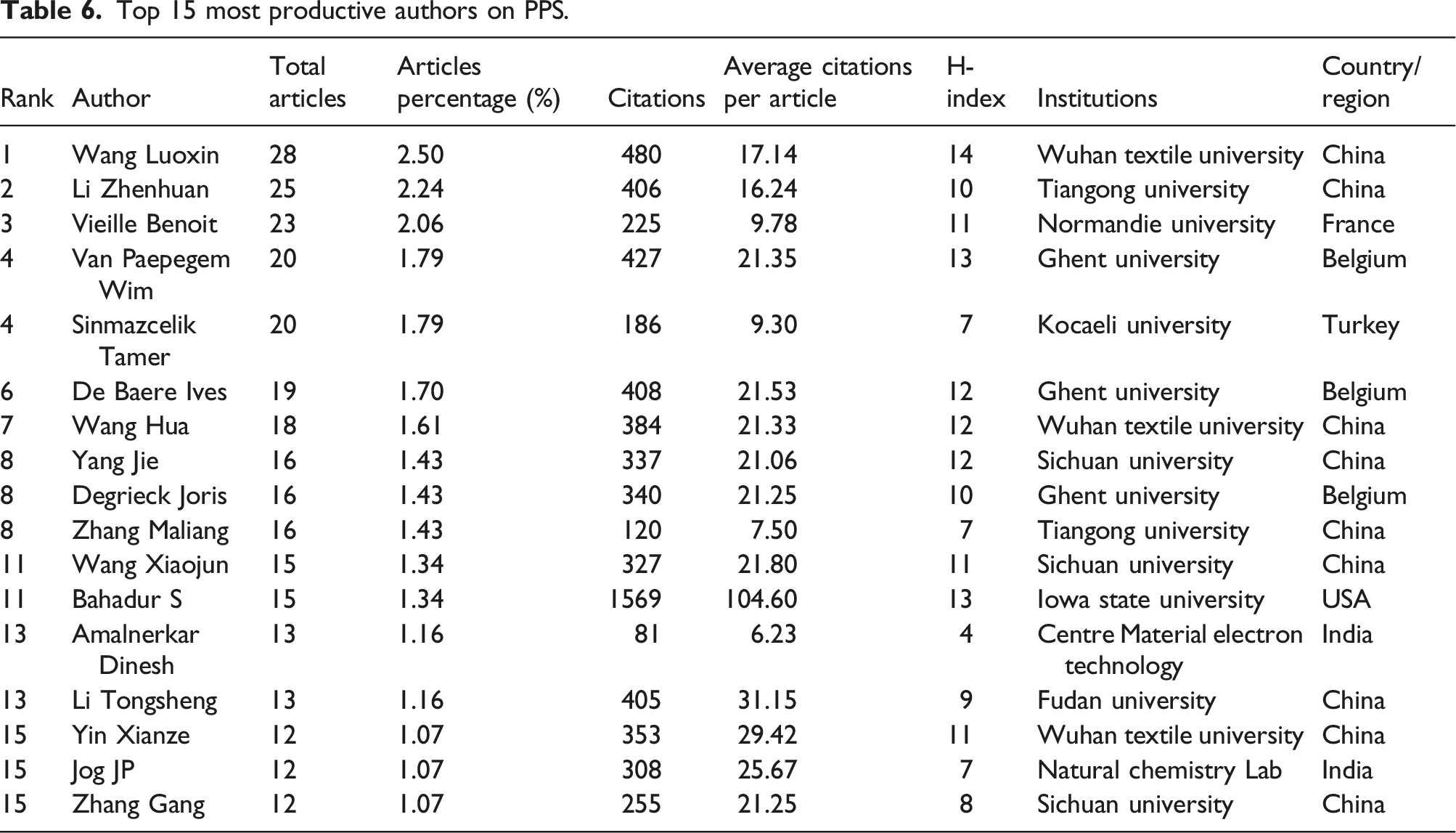
In terms of citation, Bahadur S from Iowa State University in USA published total 15 papers with citation 1569, and average citations per article was 104.60 ranking first among the top 15 authors. The three most cited papers of his were all published in Wear in 2000 and 2005, which studied the tribological behavior of PPS composites and PPS filled with inorganic nano particles. In terms of the h-index, Wang Luoxin was ranked first with 14, Bahadur S and Van Paepegem W ranked joint second with 13. Among the top 15 most productive authors, nine are from China, three authors are from Belgium Ghent University.
The authors from Wuhan Textile University focused on the preparation and application of PPS composite materials, such as as-synthesized Ag3PO4/SPPS composites, 11 the high strength and rigidity composites composed of ultra-high content of glass fiber fabrics and PPS nonwovens. 12 In addition, they fabricated a novel composite separator such as ANFs/PPS, 13 ACFs/PPS composite paper 14 via a papermaking process which were applied in lithium ion battery.
Top 15 most productive authors on PPS by year.
Analysis on the leading journals and influence
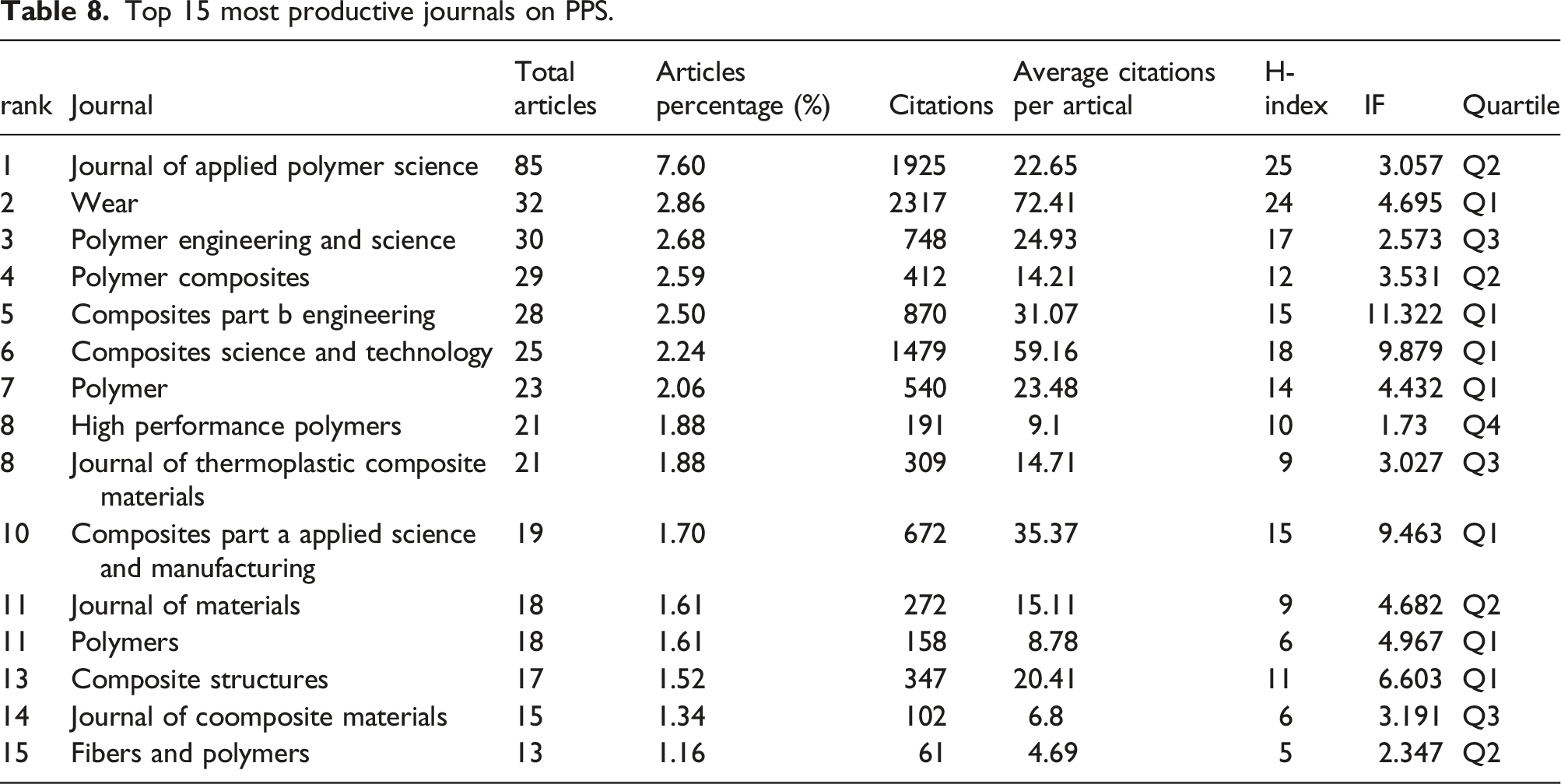
Top 15 most productive journals on PPS.
Analysis on author keywords and topic
From the retrieved papers, 784 author keywords were summarized to identify the main focus, wide interests and research trends in PPS research filed. Figure 3 shows the co-occurrence relationship of the top 30 author keywords on PPS. Each dot represents a keyword, the size of a dot is proportional to the keyword frequency. The line between dots represents the co-occurrence relationship between two keywords. Top 30 high-frequency author keywords on PPS by year are shown in Table 9. The numbers in brackets represent the year in which the keyword was first proposed. Hot keywords reflect the core and important trend of PPS research to some extent. Polyphenylene sulfide as the core keyword, had close relationship and co-occurrence with other keywords, and it was first appeared in 1991. The co-occurrence relationship map of the top 30 author keywords on PPS. Top 30 high-frequency author keywords on PPS by year.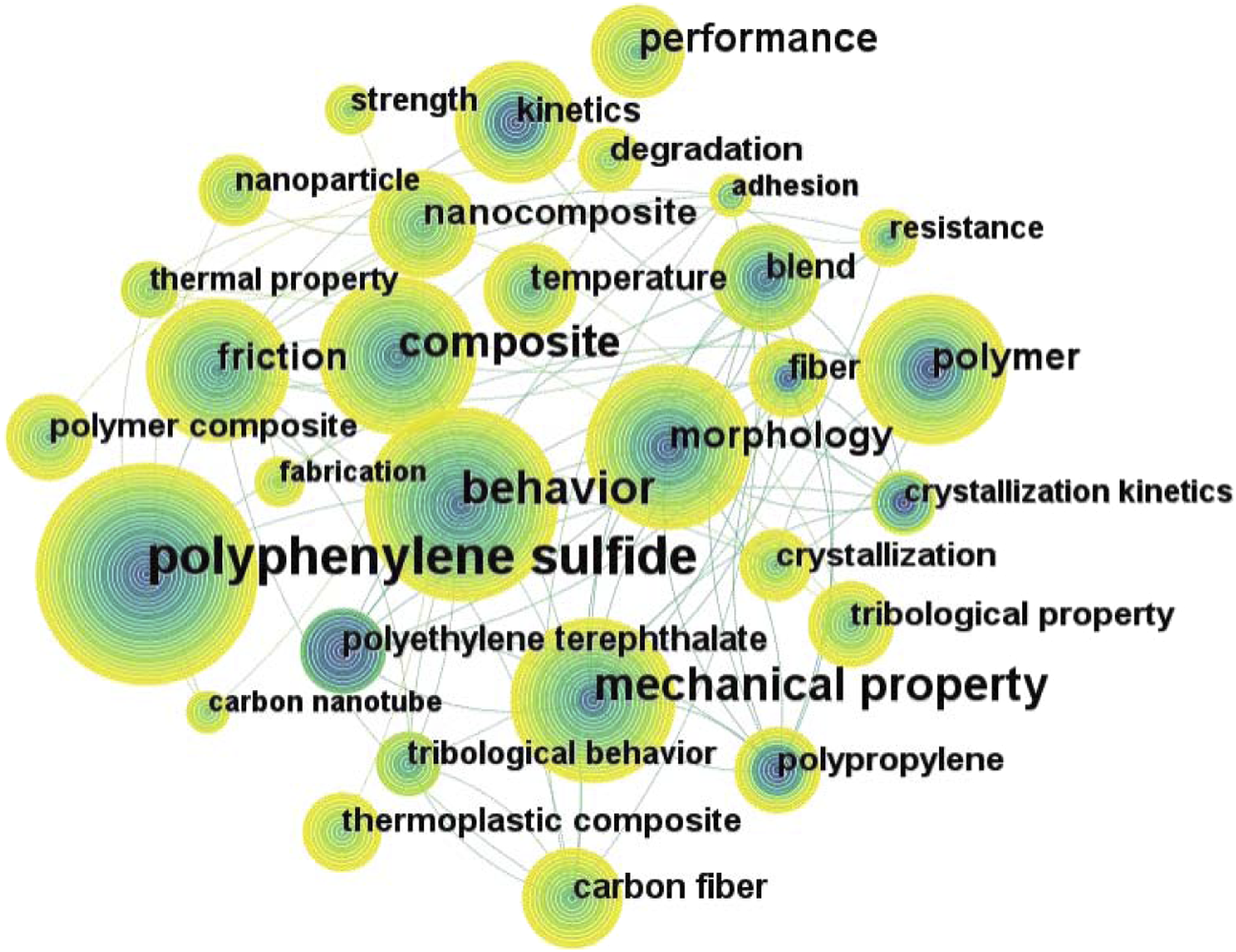
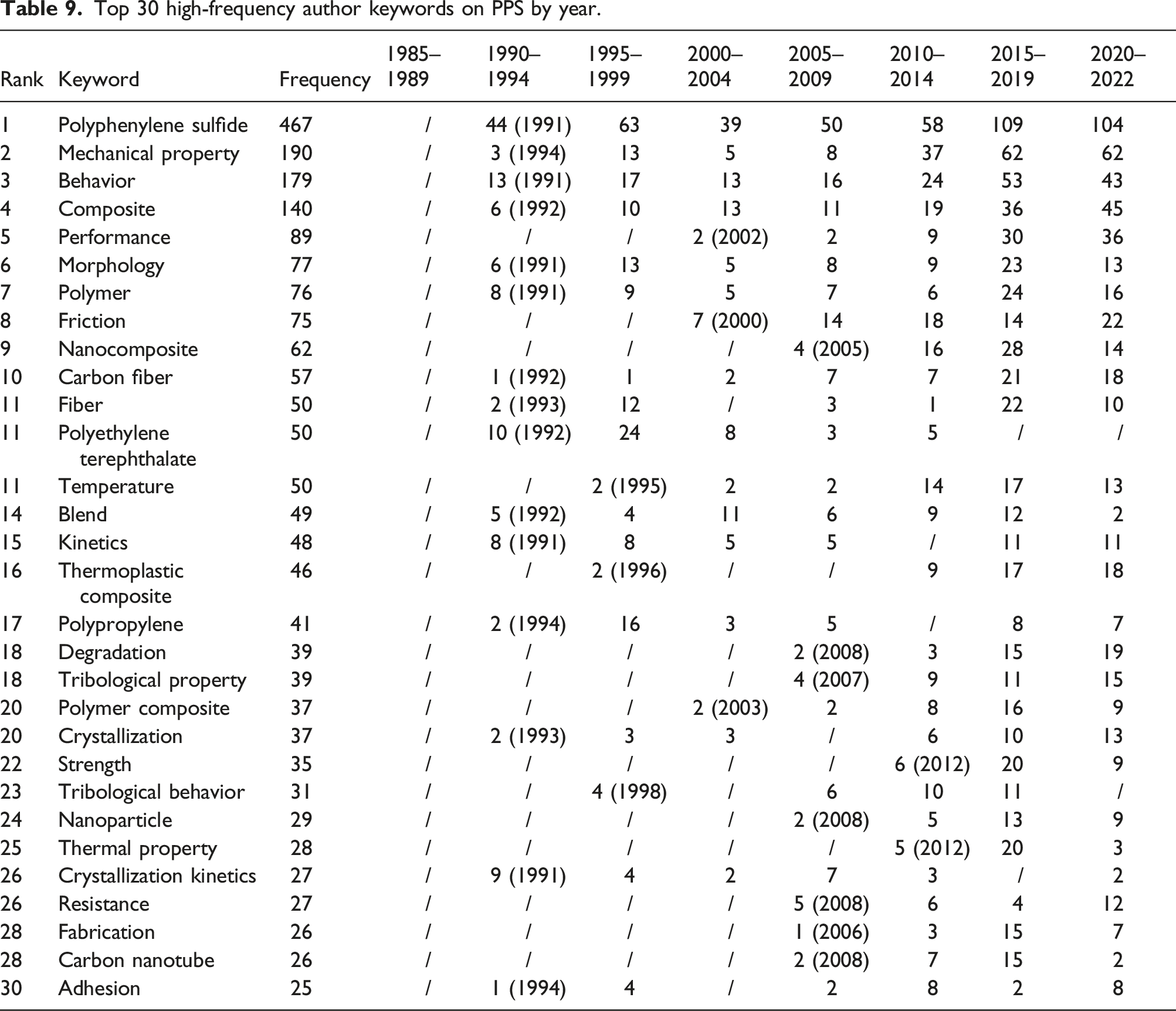
The occurrence frequency of keywords “mechanical property” “behavior” “composite” were relatively high, which showed the attention of polymerization, performance and composition of PPS. “Mechanical property” was first used as an author keyword to PPS in 1994, and some phenomena of PPS with various thermoplastics of different composition had been studied and described.15,16 “Behavior” was first applied to PPS in 1991 by Kenny JM and Maffezzoli A. The authors analyzed the effect of carbon fibers on the crystallization kinetics of PPS, and compared the crystallization behavior of PPS and other semicrystalline thermoplastic matrices. 17
Secondly, the keywords “morphology”, “kinetics”, “friction”, “tribological property” and “crystallization” were reflected a high level attention for the performance of PPS. Thermal properties and crystallization behavior and morphology on PPS composites filled with type of fillers were studied, such as volcanic ash filled PPS composites, 18 silicon carbide and vapour growth carbon fiber particles filled PPS. 19 The tribological properties of thermoplastics to their mechanical behaviour and morphological features were related to studied, and nine different polymers including PPS, PAI, PET, PVDF, et al were compared. 20 The effect of carbon fiber dimensions on mechanical and tribological properties of the composites based on two thermoplastic matrices of different physical-chemical nature (PPS and ultrahigh molecular weight polyethylene) were compared. 21
Next, as PPS and modified PPS were normally used in the field of filtering especially under high-temperature, 22 its degradation, kinetics, wear behavior, morphology and thermal properties as the keywords had been studied in combination. PPS-carbon fiber composites were exposed to environmental degradation through water immersion and UV climatic chamber. 23 A short glass fiber-reinforced PPS composites were tested after oxidation at different temperatures to discuss the lifetime.24,25 The degradation mechanisms including morphology, crystallinity, and chemical elemental composition of the PPS filter material used in electrostatic-bag precipitators were studied. 26
In addition, as nanoscience and nanotechnology was a great revolution in the field of high science and technology from the end of 20th century to the 21st century, “nanocomposite” and “nanoparticle” had become the hot words in PPS research field since then. Especially in 2015–2019, the frequency of the two keywords have peaked. PPS/nanoparticles composites had attracted much attention in the field of composite materials. PPS/organic clay nanocomposites were prepared by simple melt blending. 27 A thin and ultralight PAN-graphene-MWCNTs-PPS plastic film with superior capacitive behavior was fabricated. 28 Many different nanoscaled fillers, such as graphite, 29 calcium carbonate, 30 titanium dioxide, 31 carbon nanotubes, 32 metal particle, 33 have been widely studied to improve features.
Analysis on the most cited published documents
Top 15 most-cited published documents on PPS.
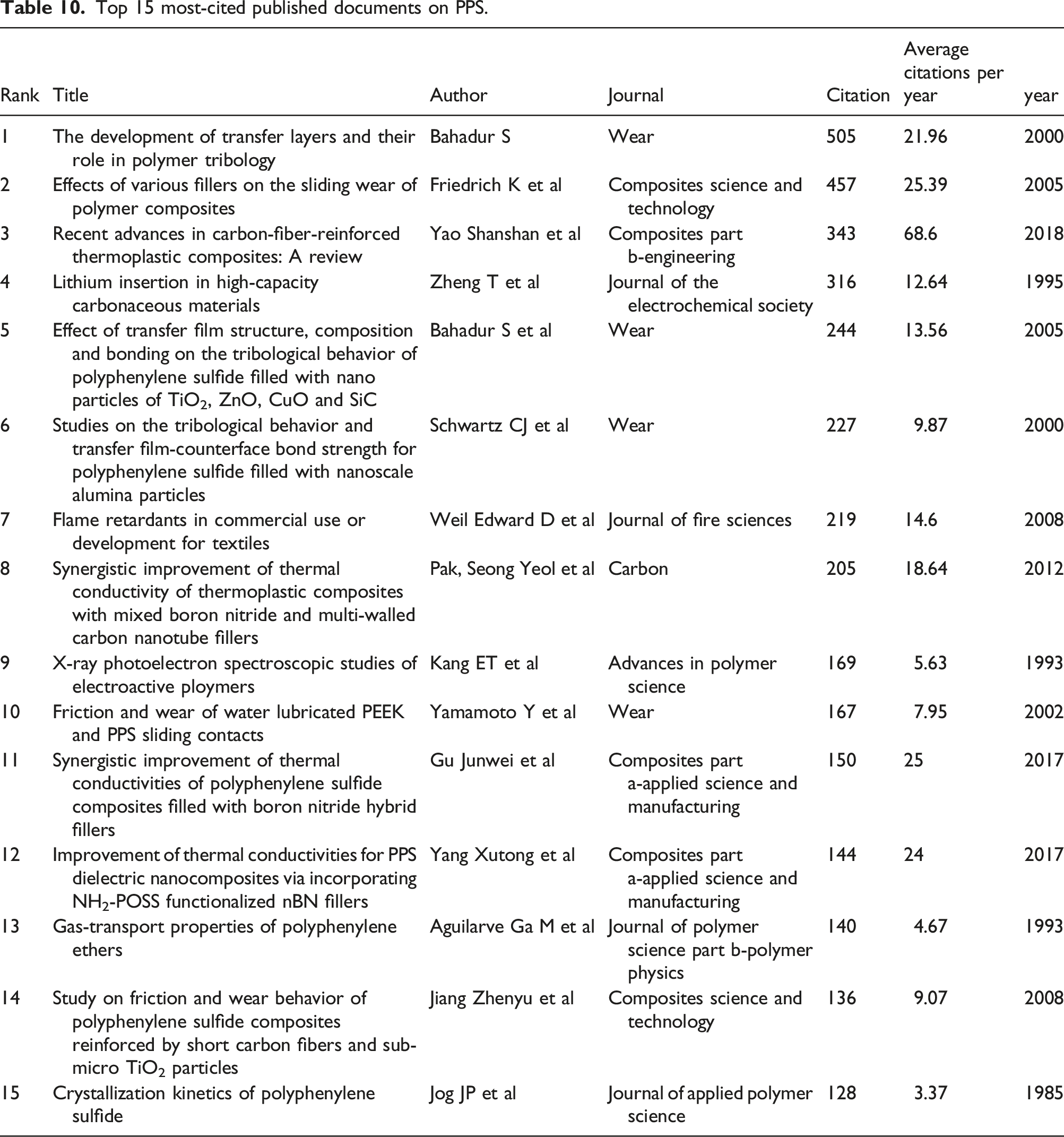
The most highly cited paper titled “The development of transfer layers and their role in polymer tribology” by Bahadur S was published in the Wear in 2000. 34 The paper was an article with 505 citations that discussed the transfer film affects the tribological behavior when polymers were modified, and summarized previous research on the transfer film and wear rate correlation of thermo setting polyester and PPS by many fillers. The second most cited paper titled “Effects of various fillers on the sliding wear of polymer composites” by Friedrich Ket et al was published in the Composites Science and Technology in 2005. 35 The paper was an article of 457 citations that elucidated the effect of inorganic particle reinforced polymer composites. In order to improve the wear performance, it incorporated various inorganic nanoparticles into PEEK, PPS, PMMA, and PTFE matrices. The above two papers focused on the low friction and low wear of polymers and polymer-based composites for industrial applications.
The third most cited paper titled “Recent advances in carbon-fiber-reinforced thermoplastic composites: A review” by Yao Shanshan et al. was published in Composities Part B-engineering in 2018. 36 The paper was a review of 343 citations, and the average citations per year was 68.6, which was ranked first among the 15 papers. In this review, the researchers explored the recent advances in the surface treatment of CFs and preparation of CF/thermoplastic composites, such as polyethylene(PE), polypropylene(PP), polyamide(PA), polycarbonate(PC), polyetheretherketone (PEEK) and PPS.
The paper titled “Lithium insertion in high-capacity carbonaceous materials” by Zheng T et al occupies the fourth position which was published in the Journal of The Electrochemical Society in 1995. 37 The authors reported the studies of lithium insertion in a variety of organic precursors pyrolyzed below 1000°C, which included two types of petroleum pitch, polyvinyl chloride, polyvinylidene fluoride, epoxy novolac resin and PPS.
The article titled “Effect of transfer film structure, composition and bonding on the tribological behavior of polyphenylene sulfide filled with nano particles of TiO2, ZnO, CuO and SiC” by Bahadur S and Sunkara C occupied the fifth position. 38 In this paper, the tribological behavior of PPS filled with inorganic nano particles was studied.
The article titled “Studies on the tribological behavior and transfer film-counterface bond strength for polyphenylene sulfide filled with nanoscale alumina particles” by Schwartz CJ and Bahadur S occupied the sixth position. 39 In this paper, the tribological behavior of PPS composites made with nanoscale particles of Al2O3 was investigated using the pin-on-disk configuration.
The articles titled “Improvement of thermal conductivities for PPS dielectric nanocomposites via incorporating NH2-POSS functionalized nBN fillers” and “Synergistic improvement of thermal conductivities of polyphenylene sulfide composites filled with boron nitride hybrid fillers” occupied the 11th and 12th positions. Both articles were published in 2017 and had relatively high annual average citations. The improvement of thermal conductivities of PPS composites were studied in both papers.40,41
As a special engineering and crystalline plastic, PPS has received significant attention of its presents excellent performance such as mechanical strength, friction resistance and electrical insulation,42,43 high flame retardance, 44 superior chemical resistance, 45 outstanding thermal and dimensional stability. 46 Furthermore, the improved recycling convenience, mass production capability and performance modification and enhancement have become a research hotspot in recent years to meet the widely applications and needs in the fields of electron, automobile, sensor, aerospace, machinery and chemical engineering. 47
Interests, progress and prospect
Research topic distribution
Topic distribution of PPS related reviews.
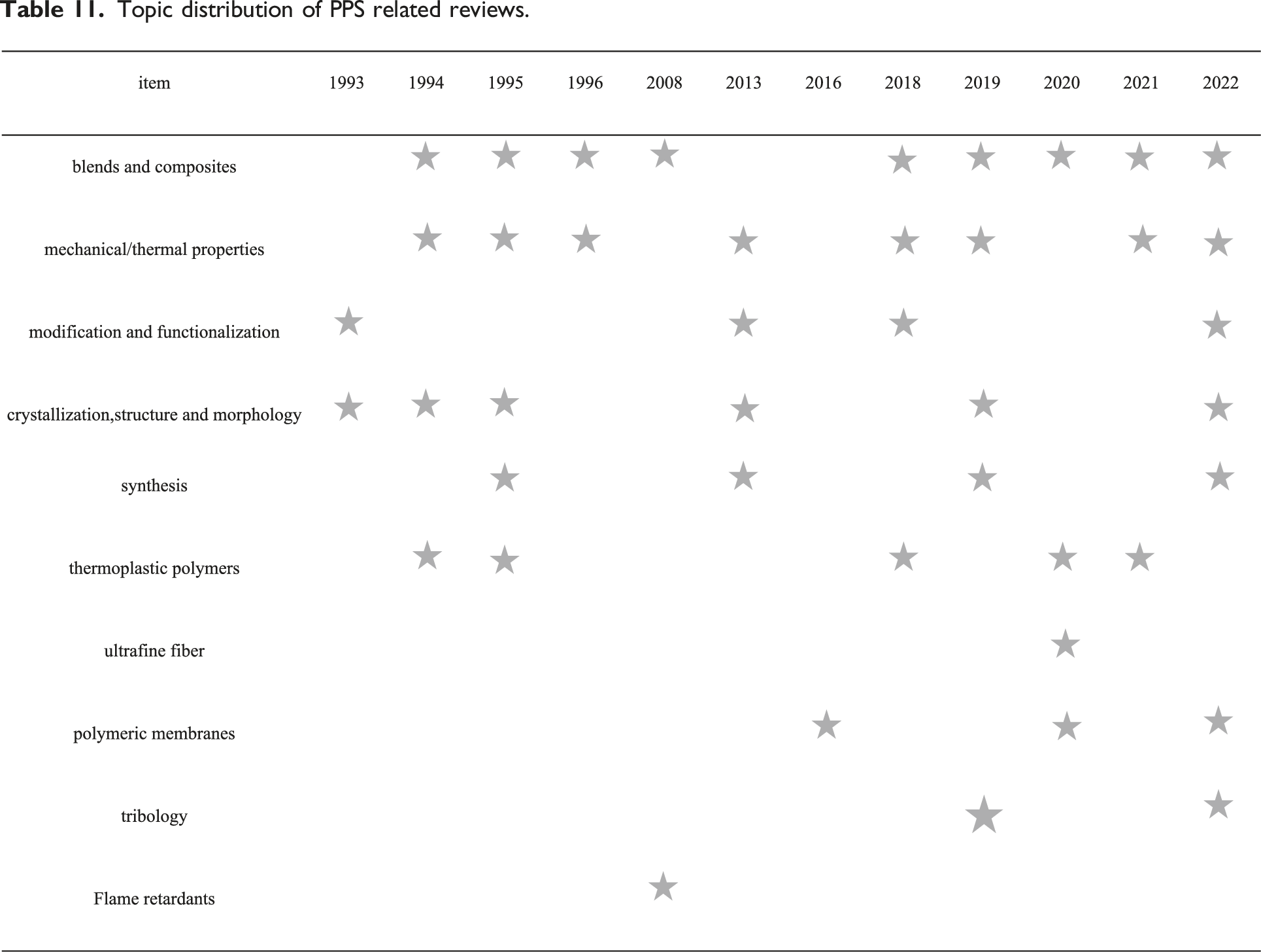
The first review on PPS material was published in 1993. 48 The total number of PPS reviews is not large, but it was concentrated in the two periods from 1993 to 1996 and 2016 to 2022. One stage was the preliminary research of PPS, and the other is the hot discussion stage in recent years, which are both relatively representative. Especially after 2018, PPS materials has attracted wide interests as its extensive application prospect. The versatile and multidisciplinary properties of PPS, as well as the variety of researchers’ academic background and fields of expertise resulted in different contents, analysis methods and research orientations. The analysis of these reviews shows that, the blends and composites of PPS and the various properties have always been an important research topic. In recent years, the research of microfiber and membrane of PPS has also begun to be summarized.
Research improvement and progress
Based on the above results of bibliometric analysis, the research progress and achievements of PPS in preparation, performance improvement and application field expansion were summarized.
Preparation of polyphenylene sulfide blends and composites
Pure PPS has some disadvantages such as poor toughness and easy fracture, thus researchers are trying to blend or compound PPS with different polymers or nanomaterials to improve its properties. 49 Around 2010, PPS blended with PA66, 50 PEEK, 51 PS 52 were prepared and the crystallization properties were studied with emphasis. Around 2015, PPS/PASS/glass fiber cloth composite, 53 PPS with different weight ratios of polyether sulfone(PES), 54 polyamide-6-based composites blended with PPS, 55 PPS/PET blends with styrene-ethylene/butylene-styrene(SEBS) copolymers, 56 Conductive PPS/PA6/multiwalled carbon nanotube (MWCNT) composites 57 were studied and characterized. Around 2020, the blending of nanomaterials and PPS has attracted more and more attention, including nanofibers, nanoparticles, etc. Yang et al. prepared the PPS/multiwalled carbon nanotube (MWCNT) composite, and found the reinforcing effect of MWCNTs on the mechanical properties of PPS, which was considered to be relevant with the uniformly dispersed MWCNTs and the interfacial crystallization. 58 Zhang et al. fabricated a boron nitride nanosheet(BN)/graphene nanosheet(GNP)/PPS composite with a dual-segregated structure, GNP improved the thermal conductivity while BN effectively performed the electromagnetic shielding. 59
Improvement of polyphenylene sulfide properties
To achieve more comprehensive performance and to be suitable for more special applications in various fields, the blending modification and functionalization of PPS are becoming a hot topic. The mechanical property, 60 thermal property, 61 crystallization, 62 structure, morphology 63 and other characteristics of PPS are the research focus and breakthrough point for more scholars. Jiang et al. prepared the PPS/MWCNT composites, and indicated that the mechanical properties of PPS were markedly enhanced by the incorporation of MWCNT. 64 Guo et al. prepared the aluminum nitride(AlN)/PPS composites, and the results showed that the thermal conductivity and thermal stability of AlN/PPS composites increased with the addition of AlN. 65 Deng et al. produced the PPS/GNP nanoplatelets composites, and investigated the crystallization behavior and kinetics, morphology, and thermal properties. The results show that GNP accelerate the crystallization and decrease isothermal crystallization activation energy, and also increased the thermal conductivity. 66 Li et al. studied on the Ti/SiO2 nanocomposite modified PPS fiber which have good compatibility and better toughness and high temperature oxidation. 67 Researchers are making continuous efforts to overcome the brittleness of PPS materials, adding the excellent electrical, magnetic, optical and wave absorption characteristics on PPS to achieve the functionalization of PPS materials.
Expansion of application fields
In addition to being commonly used in the field of industrial filtration, precision mechanical parts, PPS materials have been used in medical, aerospace, defense and other fields in recent years. Nie et al. obtained the Nano-scale HA/PLGA/PPS composite materials by the physical blending method and direct composite method which was implanted into the skull of patients with large bone flap decompression. 68 After implantation of the material, the bone tissue healed well after the skull defect, and the mRNA expression of osteogenic related genes was significantly increased. Folgueras et al. produced and characterized the electromagnetic properties of a material consisting of a microwave absorbing coating applied to a laminated composite of PPS and glass fiber, and indicated that the material is an efficient absorber of microwave radiation, and could be a structural materials of interest to the aeronautical industry. 69 Yao et al. designed a kind of advanced sandwich-structured ACFs/PPS composite which had favorable tensile strength and a breakdown strength for aerospace, defense military, and electrical insulation. 70 It is worth mentioning that, PPS materials also show the great potential of a wide range of separation membrane fields in harsh environments.71–73 Especially for a high concentration of sewage, high temperature tail gas and corrosive solid waste, PPS membranes with high temperature resistance, organic solvent resistance, acid/alkali resistance and oxidation resistance have attracted many researchers and become an valuable research direction. Zhang et al. prepared a PPS/oxidized PPS composite membrane which showed good hydrophilicity, chemical and solvent resistance, superior water flux, and anti-fouling performance, which could be applied to high-temperature filter, high-efficiency oil absorption and high-performance lithium–ion battery. 74
Prospect and expectation
In summary, scholars from all over the world focus on the enhancement and toughening of PPS, modification by blending or alloying with other polymers or other reinforcing materials, production of PPS ultrafine fiber, PPS membrane and other products, utilization of thermal conductivity, low dielectric and flame retardant properties, et al. Their researches have formed a certain system and progress and they are still continuously improving the preparation process, improve the performance characteristics, and expand the application field. In recent years, although the industries of PPS materials have developed rapidly, and many products with commercial value have been developed, there are still many defects that restrict the further industrialization or wide range application of various types of PPS materials, such as high cost of industrialization, low selectivity and poor operation stability of PPS membranes, low compatibility between PPS and other polymers, dimensional accuracy deviation of PPS products, which have become the key problems to solve and improve.
Conclusions
This paper aims to obtain the global research status and development trend of PPS through bibliometric analysis and summary. It analysis and discuss the rapidly growing topic through countries or regions, related journals, productive authors, research areas, keywords, and most cited papers in 1118 articles and reviews published from 1985 to 2022. PPS has been studied and applied for more than 30 years, and it has the steadily increasing attention from 1985 to 2015, and has received increasing attention from scientists since 2016. This bibliometric analysis confirmed that China was the dominant country in terms of contributions of paper output, followed by the USA, South Korea, Japan, India, and Germany. Germany had the highest rate of cooperation with other countries. Sichuan University in China was the most productive institution, followed by the Chinese Academy of Sciences, Centre National De La Recherche Scientfique and Tiangong University. “Polymer science”, “materials Science multidisciplinary” and “materials science composites” were the top three research areas of PPS material. In particular, the areas of “materials science composites”, “chemistry physical”, “nanoscience nanotechnology”, “engineering manufacturing” and “mechanics” all achieved a breakthrough multiple growth in recent years. “Journal of applied polymer science” was the most comprehensive source of PPS publications and with the highest h-index, followed by the “Wear” and “Polymer engineering and science”.
The keywords “mechanical property”, “behavior”, “composite”, “morphology”, “kinetics”, “friction”, “tribological property” and “crystallization” reflected a high level of attention for PPS, that showed the attention of polymerization, performance and composition of PPS and a hot discussion of performance improvement, application, degradation recovery and so on. The modification and functionalization of PPS are also a relatively popular field, to be suitable for more special applications in various fields. Finally, based on the results of bibliometric analysis, the research progress and achievements of PPS blends and composites, performance improvement and application field expansion were summarized. Reducing the cost of PPS industrialization, improving the stability of PPS film, improving the stability and compatibility of PPS with other polymers, and improving the accuracy of PPS products may be the key points for future research.
Footnotes
Declaration of conflicting interests
The author(s) declared no potential conflicts of interest with respect to the research, authorship, and/or publication of this article.
Funding
The author(s) disclosed receipt of the following financial support for the research, authorship, and/or publication of this article: This work was supported by the research on the influencing factors of the construction effect of university smart library --- based on user behavioral intention; Y202248663.
