



Abstract
Two candidates competing for election may raise some issues for debate during the electoral campaign, while avoiding others. We present a model in which the decision to introduce an issue, or to reply to the opponent’s position on one that she raised, may change the further list of topics that end up being discussed. Candidates’ strategic decisions are driven by their appraisal of their expected vote share at the end of the campaign. Real phenomena observed during campaigns, like the convergence of the parties to address the same issues, or else their diverging choice on which ones to treat, or the relevance of issue ownership can be explained within our stark basic model. Most importantly, our analysis is based on a novel concept of equilibrium that avoids the (often arbitrary) use of predetermined protocols. This allows us to endogenously predict not only the list of topics that will be touched upon by each candidate, but also the order in which they will be addressed.
Keywords
Introduction
Contenders in an electoral campaign may decide to be first in raising some issues for controversy, never to address others, or do it only in response to their opponents’ initiative. These possibilities are not only theoretical: the campaigning strategies of candidates result in a large variety of campaign configurations, some of which have been typified by the empirical literature on the subject. Sometimes an issue is not addressed by any contender. Sometimes each one of them addresses issues that the other skips: this case is called issue divergence. In the opposite side, when both candidates enter open discussion of the same topics, we talk of issue convergence. Of course, a host of combinations may arise between these two polar cases.
The strategic reasons why candidates make such choices include many factors. In some cases, taking the lead in raising a subject can be advantageous, while in others a wait-and-see attitude may be better. The candidates from a certain party may be perceived by voters as having an advantage on some subject over those in a different party, maybe for historical or ideological reasons: we then can speak about issue ownership. Its actual role can be tested for, and it can vary substantially over time.
A vast literature on electoral campaigns has distinguished among the sort of decisions we just described and has analyzed the underlying reasons for agents to adopt different strategies when deciding what issues to address, when to do it and with what intensity. The empirical literature documents evidence for both issue convergence and divergence (see e.g. Petrocik, 1996; Spiliotes and Vavreck, 2003; Sigelman and Buell, 2004; Green-Pedersen, 2007).
Our article has two quite different purposes than those of preceding works, both rather methodological. Our first purpose is to generate a large variety of different potential campaigns with a minimum amount of apparatus. For this purpose, we propose a stark model of campaign formation, where two candidates can independently determine on what issues to remain silent, which ones to address and in which order, based on their expected vote share in the election. Addressing an issue can be given two interpretations. One is that by addressing an issue a candidate announces her policy on that issue while staying silent on an issue means that the status quo policy on that issue will prevail in case the candidate is elected. Voters are then assumed to base their vote on the belief that candidates will keep their promises once elected. The other interpretation is that addressing an issue makes the candidate’s position on that issue salient in the eyes of the voters. Here voters are assumed to base their vote on the salient positions of the candidates while they believe that the candidates will stick to the status quo policy for the issues they have not addressed during the campaign. Admittedly, our model omits variables whose role has been analyzed by the literature on electoral campaigns, and even those that we explicitly consider are treated in a simplified matter. Our objective is not to deny the relevance of additional considerations or complications, but to point at the fact that these are not strictly needed to generate the basic phenomena we want to highlight.
In fact much of the theoretical analysis on agenda formation highlights the role of campaign funding and its strategic use, proposing models where candidates or parties can affect the preferences of voters by modifying the salience of issues through the allocation of funds (see, e.g. Amorós and Puy, 2013; Aragonès et al., 2015; Dragu and Fan, 2016; Ash et al., 2017; Osório, 2018; Denter, 2020; Balart et al., 2022; Yamaguchi, 2022). Issue convergence or divergence can indeed result from such considerations but, as we will show, they also obtain if candidates do not face any budget constraints. Demange and Van der Straeten (2020) study candidates’ information revelation in an electoral campaign where voters are imperfectly informed about candidates’ platforms in a multidimensional policy space. Yet, different from our model they restrict to the case where voters’ utility is separable across issues. Moreover, it turns out that in their model there is no real strategic interaction between the candidates because the optimal strategy for each candidate is independent of the strategies of other candidates.
Our second purpose in this article is to show that it is possible to endogenously determine the timing in which candidates will adopt their equilibrium decisions, sometimes taking the lead and addressing a new issue, sometimes waiting for their opponent to raise a new one and then responding or not. There are only few papers that study a dynamic model of an electoral campaign as we do. Among the notable exceptions is Kamada and Sugaya (2020) who study a game where candidates choose the time when to announce their policies. In their model, there is an exogenous Poisson process that determines the opportunities for policy announcement while in our model the timing of policy announcements is fully endogenous. Chen and Eraslan (2017) also consider a dynamic model of policy announcements by two parties who take turn in government. Again the timing of policy announcements is not fully endogenous because only the incumbent party has agenda-setting power.
In our article, we use a variant of a solution concept proposed by Dutta et al. (2004) that allows to endogenize the order in which candidates will eventually address the different issues. This enables us to incorporate, as part of our results, the dynamics according to which the candidates ponder the tradeoffs between benefiting from a short term advantage to be proactive or to wait on a given issue, versus the risks of inducing the opponent to raise others on which the advantage is in the other side. The use of this flexible solution concept contrasts with the rigidity of extensive form games, that impose a predetermined order of play which need not coincide with our rationality-based equilibrium prediction.
The article stresses the applicability of our model to highlight different aspects of full campaigns, but it can also be re-interpreted as a model of political debates. In that context, it is interesting to note that a commonly used strategy that is often recommended to contenders is to ignore the questions posed by their adversaries or by the moderator and to insist on the same topics again and again. Yet, under proper interpretation of this attitude, we believe that our model is also useful to analyze this case, among others.
Notice that the solution concept has already been applied by Barberà and Gerber (2022) to study a related but quite different problem involving issues for debate. In that article, members of a parliament could propose issues for debate and then vote on a position for these issues to become part of a legal text. Here the issues are proposed for different purposes, and those who select which ones to use in a campaign (the candidates) are not the same as those who decide the payoff relevant outcomes (the voters in the election).
The article proceeds as follows. In Section 2, we present our model and the equilibrium notion. Section 3 discusses the special cases and a variant of our basic model where limited resources affect the form of equilibrium campaigns by putting constraints on the number of issues that contenders can afford to productively address. We also present a simple example to analyze the effect of issue ownership on issue convergence and issue divergence. Section 4 considers the general case of an arbitrary number of issues. Section 5 concludes the article.
A protocol-free electoral campaign
We consider two candidates,
If candidate
Formally, a campaign of length
For a given campaign
For each candidate
Each campaign
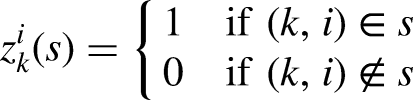
We assume that the candidates’ vote shares in the election only depend on the issues that have been addressed by the different candidates during the campaign, but not on the order. Let

We assume that vote shares are different in each state, that is,

We shall use a concept of equilibrium that adapts a proposal by Dutta et al. (2004). We have adopted this concept because it is very general and it allows candidates to choose the order in which they express themselves and also that in which they address the different issues.
The notion of equilibrium is defined on collections of sets of continuation campaigns, rather than on specific campaigns. It demands from equilibrium collections to satisfy three conditions, which together provide it a sense of consistency and rationality. The first condition (E1) just demands that any equilibrium continuation at a given campaign
(Equilibrium continuation campaigns )
A collection of sets of continuation campaigns If If If




Definition 2.1 reveals that our equilibrium notion is ordinal, that is, changes in the numerical vote shares do not change the equilibrium collection as long as the order of vote shares is preserved. In order to determine what is an equilibrium collection of continuation campaigns, one must proceed to a backward induction analysis which differs from the one involved in the analysis of subgame perfect equilibria because of the lack of a specific protocol, that is, a given order of moves. One must first decide whether the full campaign satisfies the conditions as a continuation of each of the campaigns where only one candidate has kept silent on only one issue. Then, in view of that, the next step is to analyze whether each of the latter may be equilibrium continuations of campaigns in which either a candidate does not address two of the issues, or both candidates fail to address one issue each. After completing the backward induction, we will have one or several possible collections of equilibrium continuations. Multiplicity is possible, but we will show in Section 4.2 that all equilibrium collections are outcome equivalent.
Notice that our equilibrium notion imposes no restriction on the order in which candidates take actions. Hence, it is perfectly possible for the same candidate to decide addressing several issues in a row, while the other candidate stays still. Yet, we cannot treat such a sequence of actions as if it was a single composed action, because in our model each single action by an agent leaves open the possibility for the opponent to intervene, and our solution concept takes in consideration the consequences of such an intervention on the future development of the game. In other terms, we rule out not only the possibility of simultaneous actions by different candidates, but also the simultaneous adoption of several actions by the same one.
In what follows, after identifying those collections of continuation campaigns that satisfy our equilibrium conditions, we will focus attention on campaigns that are part of these equilibrium continuations and are continuations of themselves and of the empty set. This formalizes the notion that the disclosure of positions starts from scratch at the beginning of the campaign and follows a path leading to a campaign
As we stated in the introduction, one of our purposes is to discuss relevant features of the process of campaign formation, and to do it within a model that is stark, and yet powerful enough to generate the phenomena that have been considered most salient by previous analysts. In this section, we discuss three special cases and use them with a double purpose.
One is to present the reader with examples of the workings of our general model and equilibrium notion. The other is to show that, indeed, their analysis reveals the basic phenomena that we shall later extend to the general case.
In our first subsection, we study the case in which only one issue is at stake and we provide a full characterization of its equilibria. One first conclusion from this analysis is that equilibrium campaigns are unique and that all campaigns are equilibrium campaigns for some ordering of the vote shares at the different states. Extensions of these results will be discussed in Section 4.
In the second subsection, we present the two-issue case, and different examples confirming that, again, all possible forms of campaign may arise, including now, among others, different combinations of issue divergence and convergence. Again, the results obtained here will be extended in more general terms.
In the third subsection, we study an intermediate case: the situation where two issues are available for discussion, but each candidate can only address one of them. The reason to propose this case is that it nicely incorporates the idea that, because of budgetary reasons or others, the candidates may be constrained in their choices. In that case, we can again offer a full characterization of equilibrium configurations.
In the fourth and last subsections, we provide a simple model that allows us to discuss the meaning and consequences of issue ownership on the shape of campaigns.
One issue
As an introductory example, we first discuss the case where the choices of candidates are only to discuss an issue, or to stay silent. Since there is only one issue we shortly write
Recall that every campaign
In the following, we characterize equilibrium campaigns in terms of the vote shares



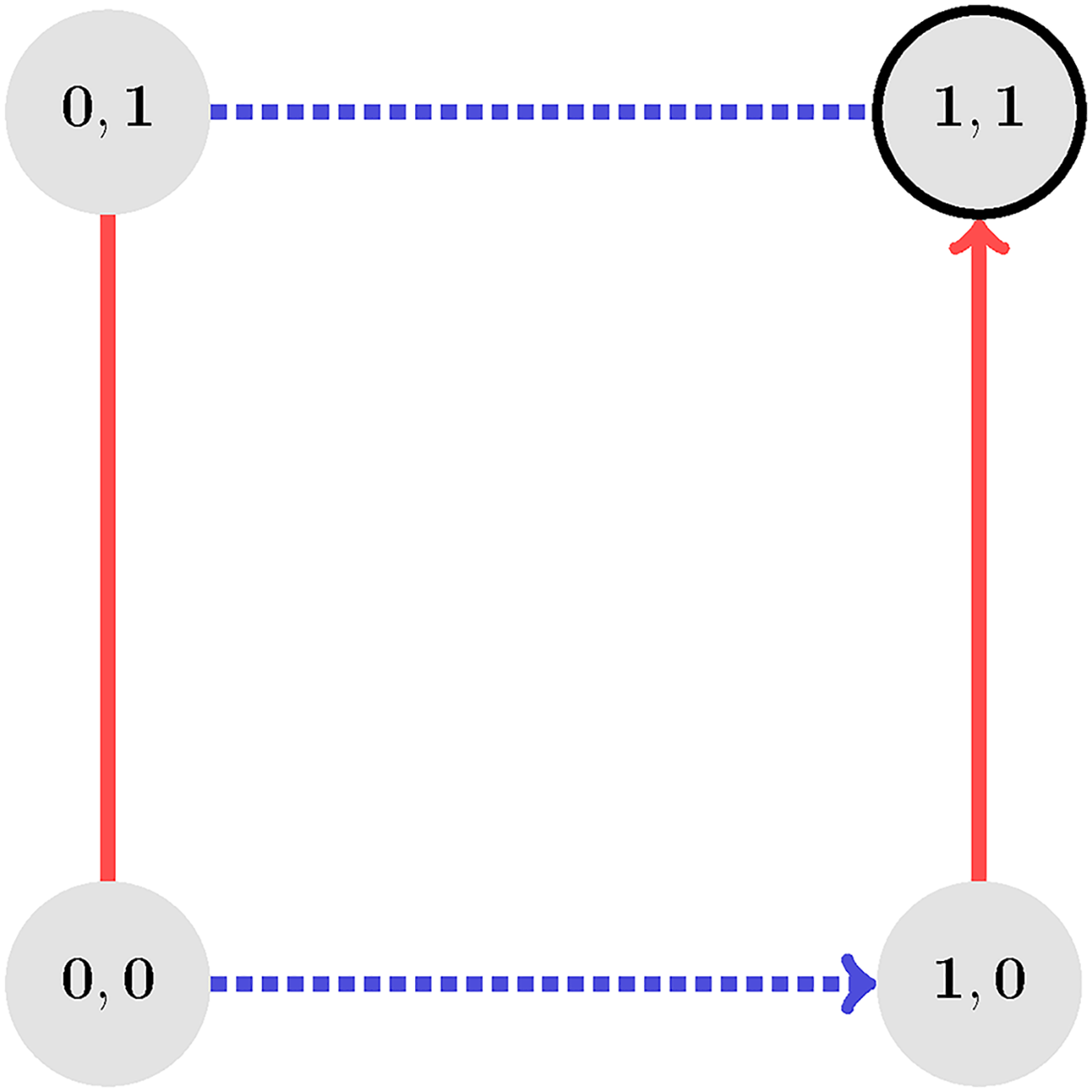
Equilibrium continuations for
The example demonstrates how a specific order of moves is determined as part of the equilibrium. This equilibrium order of moves only obtains by coincidence if the order is imposed exogenously. As a consequence the predicted outcome of the campaign may be substantially different depending on whether the order of moves is endogenous or exogenous. For example, consider the extensive game where first candidate
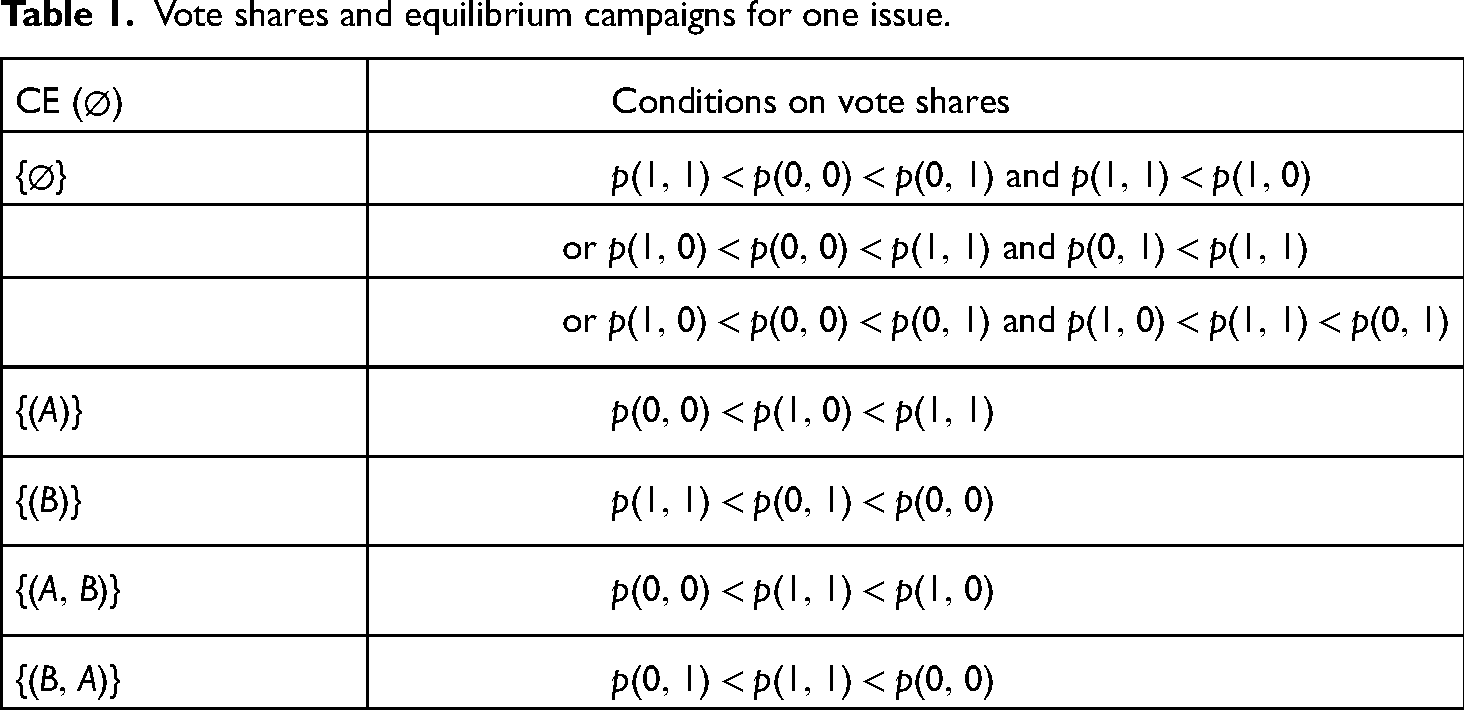
Table 1 summarizes the necessary and sufficient conditions on the vote shares for all possible equilibrium campaigns. 2 Note that for all orderings of the vote shares the equilibrium campaign is unique. This is true, in particular, for the case where in equilibrium both candidates address the issue. Even though the vote shares of the candidates are independent of the order in which the issue is addressed by them, in equilibrium there is a unique order.
Vote shares and equilibrium campaigns for one issue.
Let there be two issues, that is
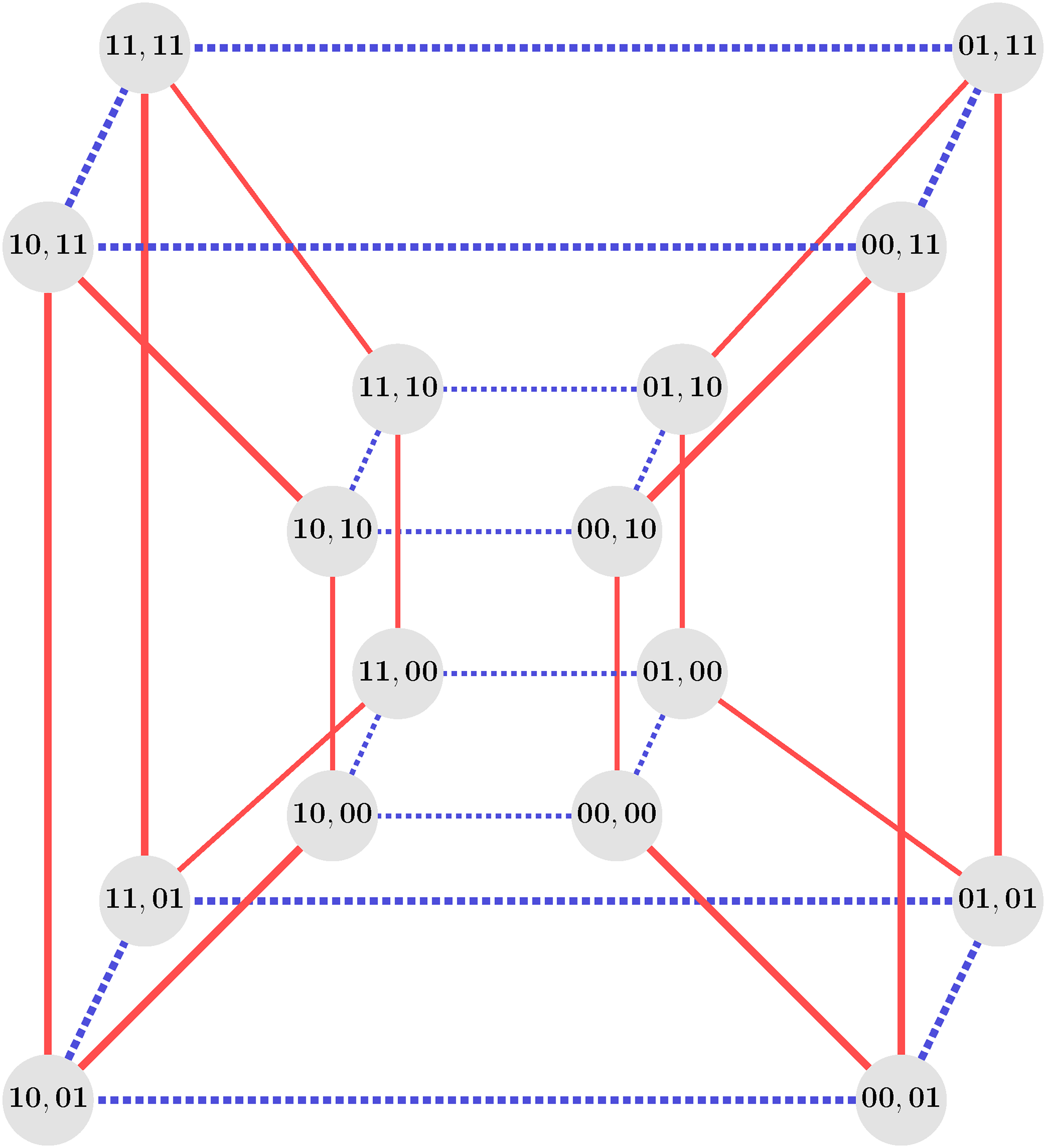
Representation of campaigns in a tesseract. Edges denote feasible moves between two states. Candidate
In the following, we will present some examples to illustrate that any outcome can obtain in equilibrium, that is, for any possible state we can find vote shares such that the given state is the unique outcome in equilibrium. In particular, we present examples for issue convergence (both candidates address the same issue) and issue divergence (both candidates address different issues). The general characterization of equilibrium campaigns in terms of properties of the vote shares can be found in Section 4.2 where we consider the general case with an arbitrary number of issues.
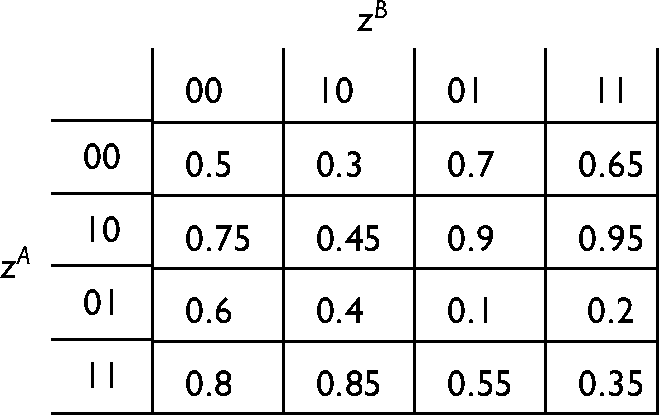
Figure 3 illustrates the equilibrium continuation campaigns. As we see there is a unique equilibrium campaign, where first candidate 
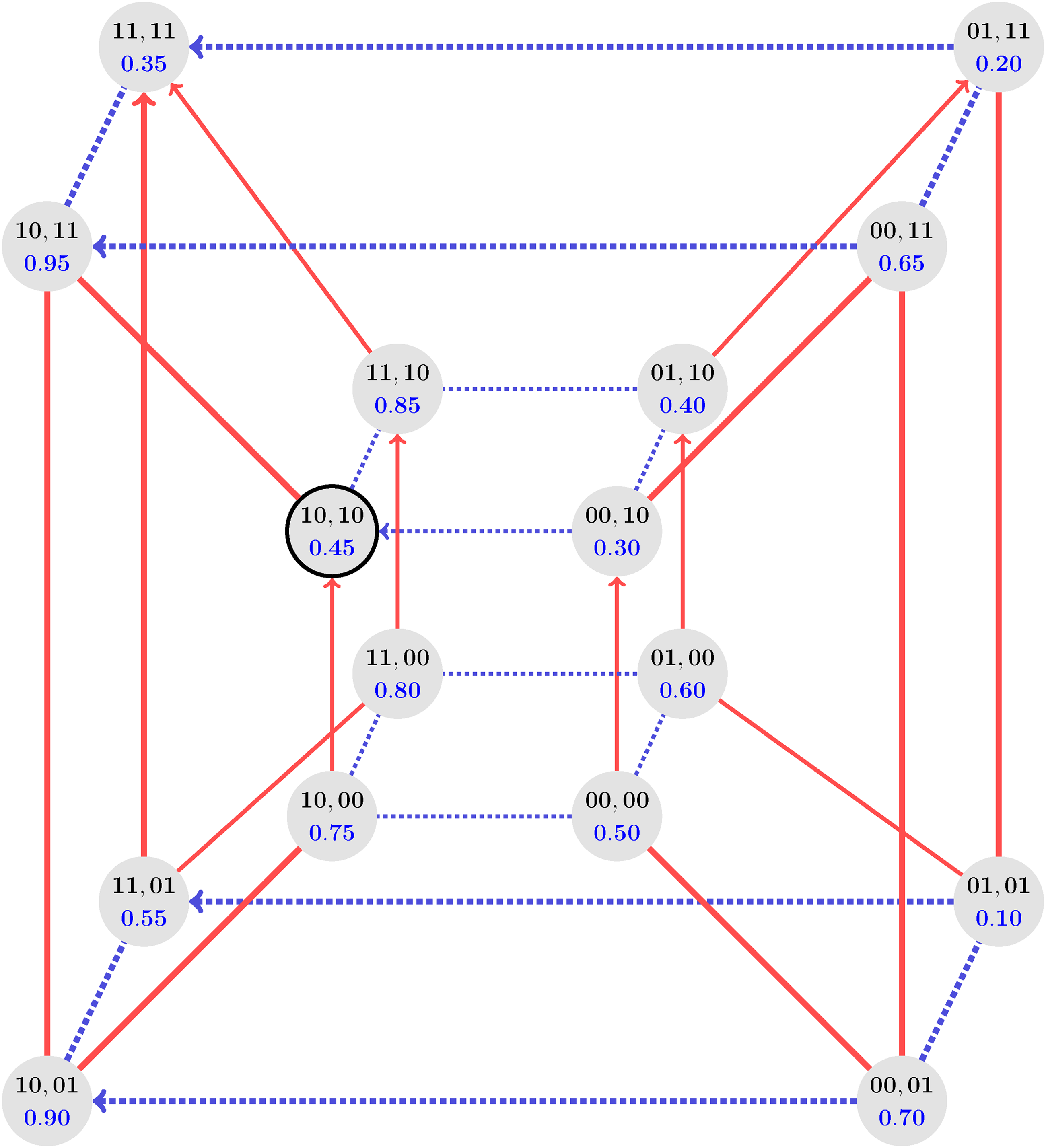
Equilibrium continuations in Example 3.1. The lower number in a node is candidate
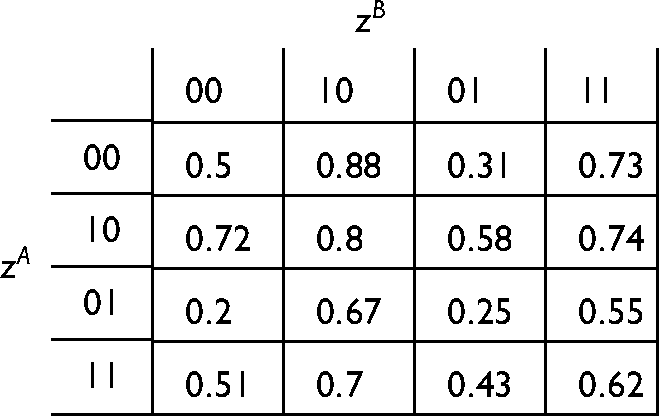
Figure 4 illustrates the equilibrium continuation campaigns. As we see there is a unique equilibrium campaign, where first candidate 
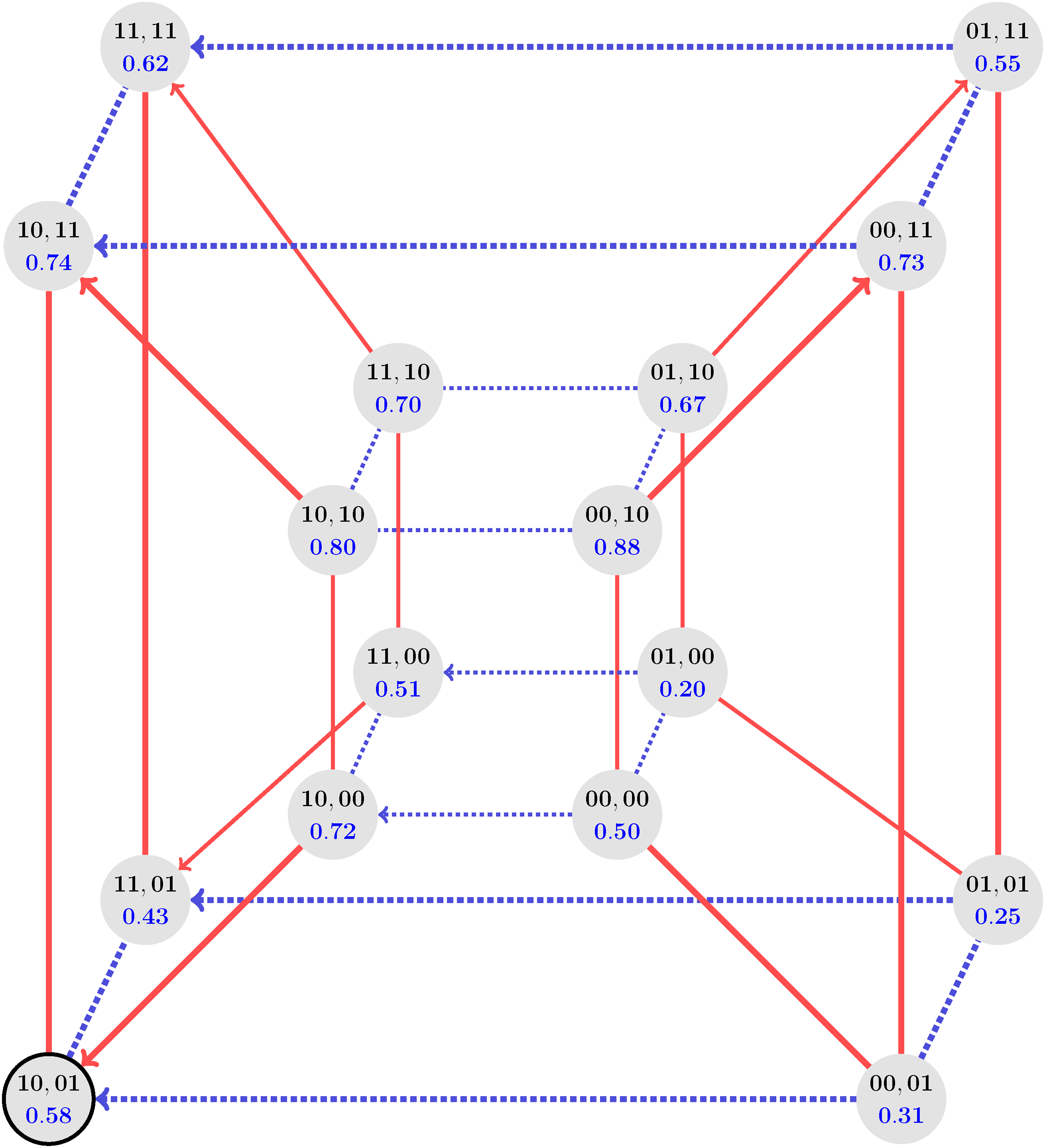
Equilibrium continuations in Example 3.2. The lower number in a node is candidate
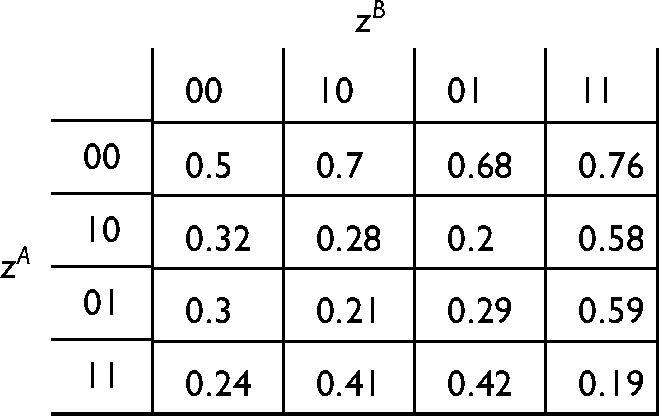
Figure 5 illustrates the equilibrium continuation campaigns. Note that there are multiple equilibrium continuations at state 
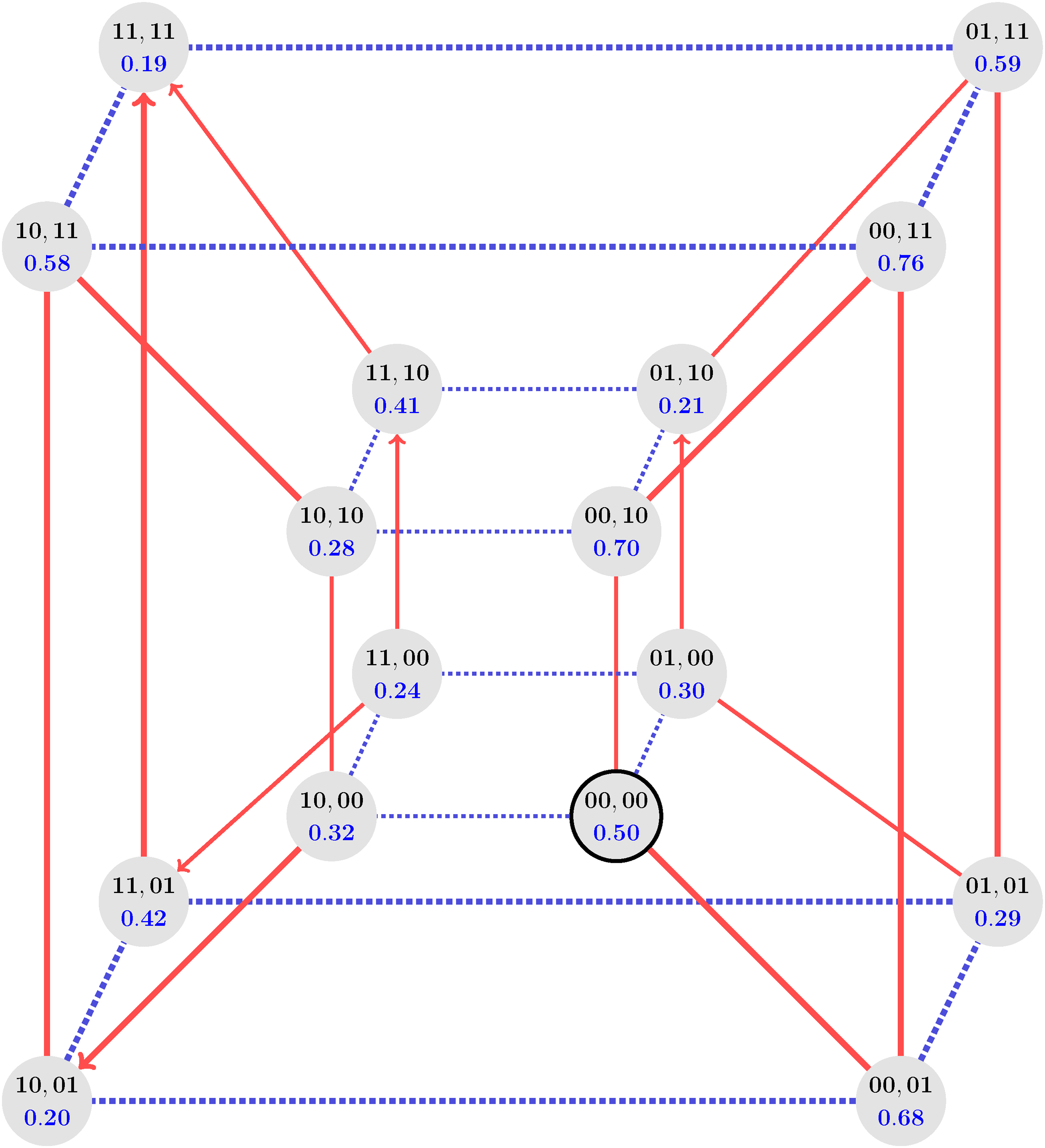
Equilibrium continuations in Example 3.3. The lower number in a node is candidate
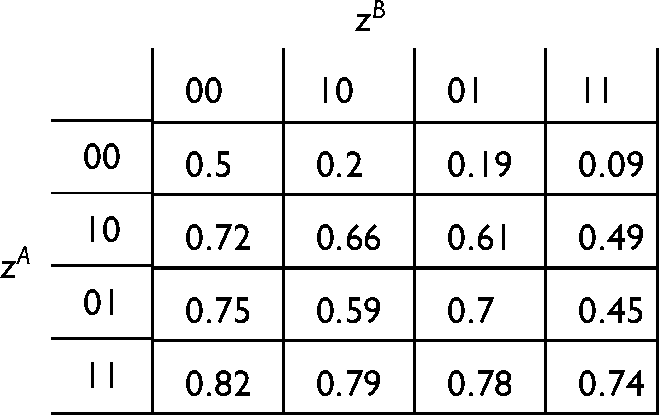
Figure 6 illustrates the equilibrium continuation campaigns. Note that there are several states with multiple equilibrium continuations, where all equilibrium continuations are initiated by the same candidate and lead to the same outcome. This is also true for the initial state 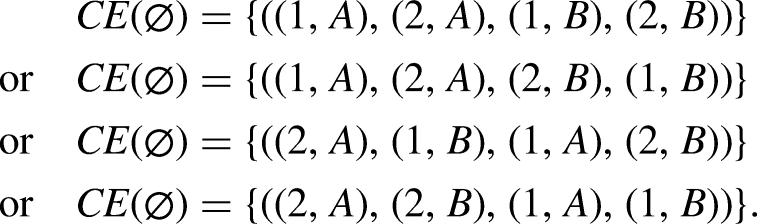
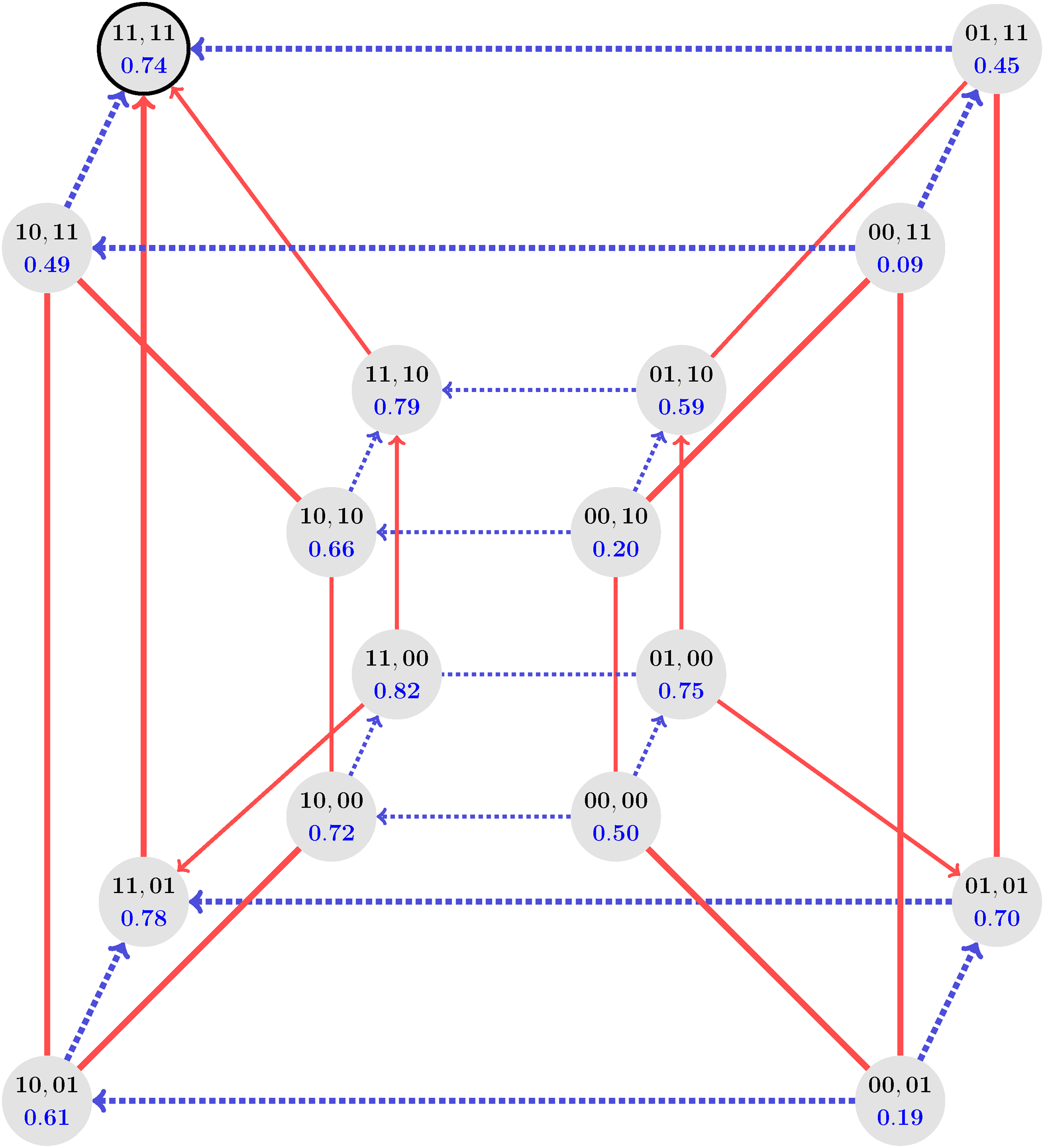
Equilibrium continuations in Example 3.4. The lower number in a node is candidate
In the following variant of our model, there are still two issues, that is,
Let 
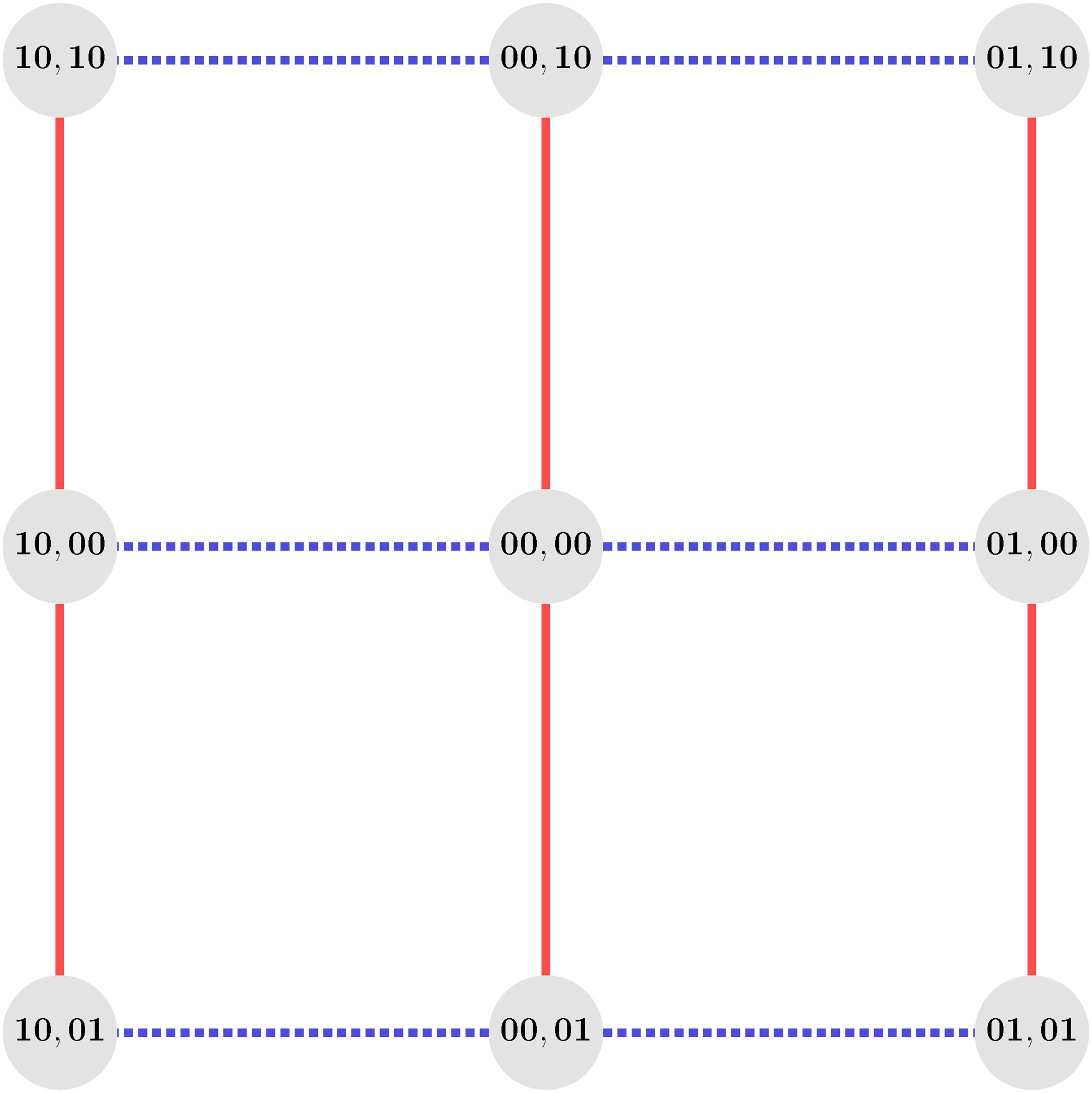
Representation of states in a grid. Edges denote the feasible moves between two states. Candidate
The following proposition shows that equilibrium continuations are unique.
There exists a unique equilibrium collection of sets of continuation campaigns
Since the equilibrium outcome at any campaign 

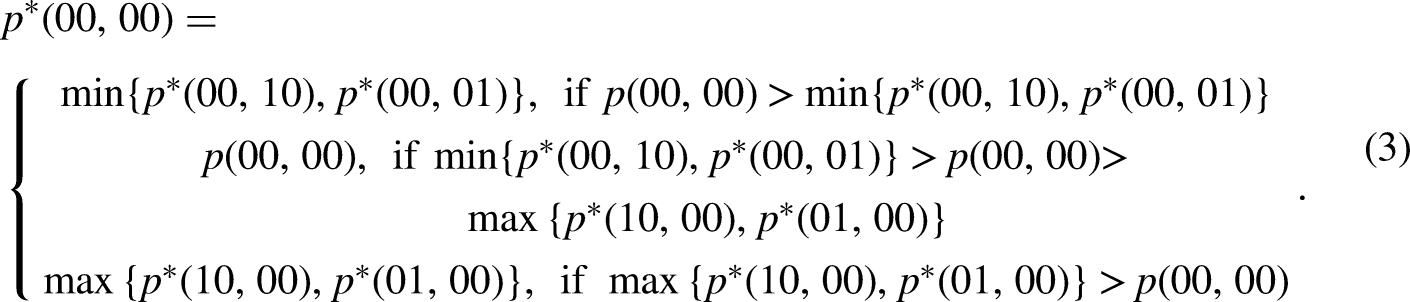





Also, both candidates addressing issue 1 (‘issue convergence’) is the unique equilibrium outcome if and only if 



We will now explore the effect of issue ownership on equilibrium outcomes in the limited case we discussed in the last subsection where candidates can address at most one out of two issues. Issue ownership captures the fact that a candidate has an a priori advantage in dealing with some issue and that this is reflected in her vote share (see Petrocik, 1996). Therefore, defining ownership first requires to introduce some notion of competence or reliability. We then illustrate how issue ownership may lead to issue convergence or divergence in more specific terms.
Assume that all voters care about one and only one issue and let
If the candidates address different issues (issue divergence) voters vote for the candidate who has addressed the issue they care about. If the candidates address the same issue (issue convergence), the voters who care about this issue vote for the candidate they consider more competent on the issue and the voters who do not care about the issue split their vote evenly between the candidates.
3
Moreover, if one candidate does not address any issue and the other candidate addresses issue
Under these assumptions we get the following vote shares of candidate
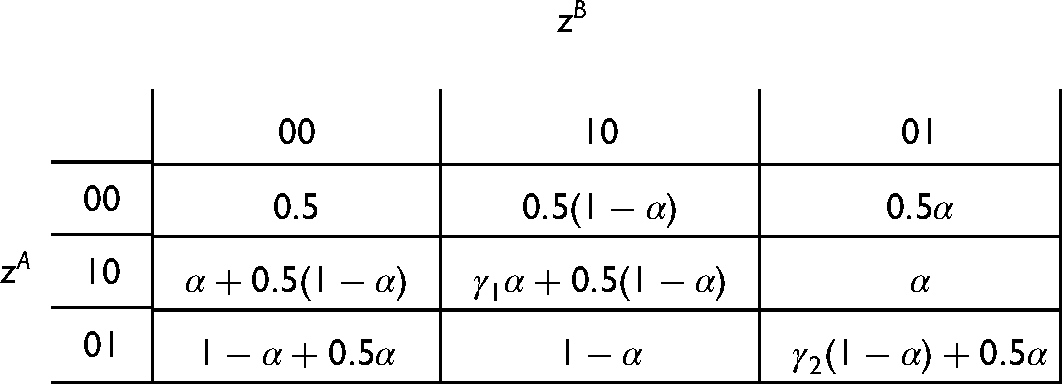
Note that the vote shares differ across states if and only if
Consider first the case of issue divergence. W.l.o.g. let candidate 





Consider next the case of issue convergence. W.l.o.g. let both candidates address issue 1 in equilibrium. Then 





The analysis of special cases in the preceding section has already hinted at two basic facts. Firstly, in our model and under our assumptions, all equilibria are outcome equivalent, and secondly, any campaign may arise as an equilibrium for some adequate combination of vote shares. We shall now prove, in Sections 4.2 and 4.3, that these features of the special cases are, indeed, valid for our general model. Before we do that, in Section 4.1, we address the natural question whether one can provide satisfactory foundations for the vote shares that we use all along.
Microfoundations for the vote shares
As we have already pointed out, what matters for equilibrium is just the ordering of the vote shares for all states. We will now argue that any ordering of vote shares can be explained as being associated with some profile of voters’ preferences over candidate specific announcements on issues during the campaign. This follows from a result by Debord (1987) who proves that for a finite set of alternatives 
Although this general justification seems quite convincing, we can also provide a more concrete microfoundation for the vote shares. Assume that each voter only cares about one single issue and let
As before let 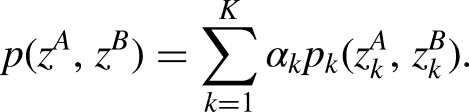
For 

Let 



if if if if
and in all cases
Let us also remark, finally, that our example in Section 3.4 regarding the role of issue ownership included a particular explanation about the considerations regarding the formation of their preferences, this time partly justified by consideration of the candidates’ competence. Although we just presented an example, we think that our modeling decisions are consistent and provide a hint for further development of a more general model.
We first prove that all continuation equilibria are outcome equivalent and that the equilibrium outcome at any campaign
There exists an equilibrium collection of sets of continuation campaigns and for all equilibrium collections of sets of continuation campaigns All equilibrium collections of sets of continuation campaigns are outcome equivalent, that is, if For all
Since all equilibrium collections are outcome equivalent and there is a unique equilibrium outcome at any campaign 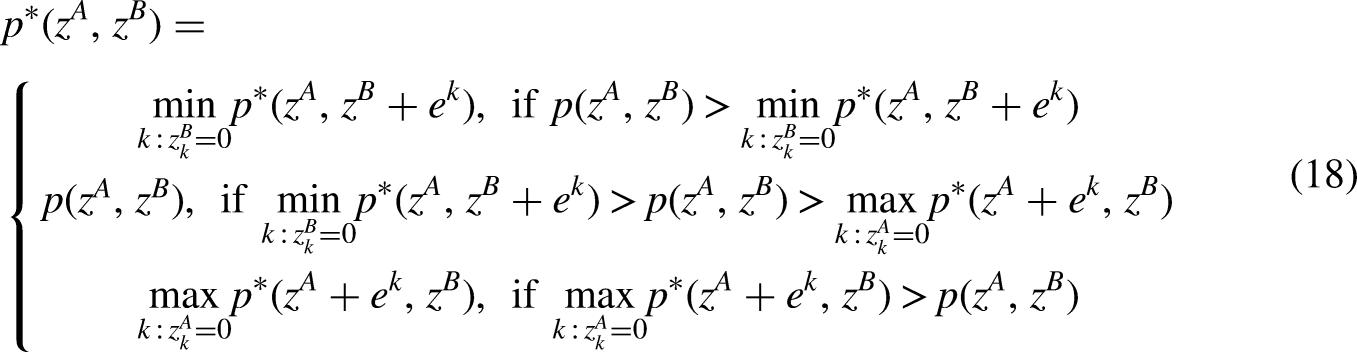

Let
If If If
We will now provide sufficient conditions on the vote shares to obtain arbitrary equilibrium outcomes. To this end we consider separable vote shares (see Definition 4.1). The use of this restriction just strengthens the message of our result, since it proves that any state can be an equilibrium outcome even under stringent conditions.
Let the vote shares be separable and let

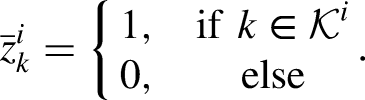

According to the theorem, the unique vote share in all continuation equilibria at a given campaign with state
The voting model introduced in Section 4.1, where each voter cares about one issue only, shows that for arbitrary sets of issues
For any
We offer a stark but attractive model to study the phenomena associated with campaign formation and analyze it by using a protocol-free solution concept that adds realism to the study of campaign formation decisions by dispensing with any aprioristic assumptions about a fixed order of play. Solving for equilibria may be demanding if there are many issues, but the backwards induction procedure is no more complex than solving for subgame perfect Nash equilibria in an extensive form game where candidates move according to some exogenously given order. Our analysis highlights the effect of allowing players to decide whether or not to move at any point of the game, and it identifies the order in which rational players will take action on their way to equilibrium outcomes. Even in the case considered here, where campaign payoffs are independent of the order in which issues were included in the agenda, not any path leading to an equilibrium outcome is admissible as part of an equilibrium in our sense. This suggests that strategic campaign designers need to determine not only the set of issues that a candidate should address in the campaign but they also have to determine the order in which the issues are to be addressed, both as a reaction to what the competitor has said before and in anticipation of how the competitor will react to the own announcements.
Our model and results highlight the interaction between issues, thus challenging the possibility of identifying the role of each one of them separately. We show that depending on the vote shares at all states there will be different combinations of silences and voice in equilibrium campaigns. We also provide sufficient conditions for any campaign configuration to arise in equilibrium.
Moreover, we present a general result on the uniqueness of equilibrium outcomes and on properties of the candidates’ vote shares in equilibrium. For some relevant special cases we have also provided explicit characterizations of equilibria.
Finally, we show that issue ownership is a useful concept to better understand the shape of equilibrium campaigns, but not the unique determinant of their shape, even in simple contexts. We do not deny the importance in reality of many variables that our model omits. Our concern has been to prove that, in fact, relevant insights can be obtained even before appealing to further qualifications.
Footnotes
Acknowledgements
The authors thank Matthew Jackson and two anonymous referees for valuable comments.
Declaration of conflicting interests
The author(s) declared no potential conflicts of interest with respect to the research, authorship, and/or publication of this article.
Funding
Salvador Barberà acknowledges financial support from the Spanish Agencia Estatal de Investigación (AEI), through the Severo Ochoa Programme for Centres of Excellence in R&D (Barcelona School of Economics CEX2019-000915-S), from the Spanish Ministry of Economy and Competitiveness and FEDER through grant PID2020-116771GB-I00, and from the Generalitat de Catalunya, through grant 2017SGR-0711.
Appendix
Let
If Next consider If In the same way one proves that Summarizing, if Finally, consider If If In any case we conclude that if
This proves the theorem.
If
Let  ), respectively. Then
Suppose by way of contradiction that
Let ) then implies the following: If
Similarly, if
Equations (33) and () imply that
Hence, if ) imply that
Consider next the case where ) then implies that
Next consider the case where ) then implies that