



Abstract
This article examines the mechanics, environmental aspects, and effects of biopolymer degradation as sustainable substitutes for conventional plastics. To maximize their environmental performance, it is important to understand degradation processes and the biological, abiotic, and environmental factors such as temperature, moisture, microbial activity, oxygen, pH, and UV exposure. The review emphasizes both the possible hazards, such as microplastic production, toxicity, and ecological disruptions, and the positive environmental advantages, such as pollution reduction and microplastic mitigation. It also addresses contemporary issues such as legislative gaps, lack of standardized testing, delayed degradation in natural environments, and financial constraints. In order to promote sustainable, biodegradable materials that support global environmental and societal goals, future approaches will concentrate on cutting-edge monitoring technologies, circular economy principles, policy development, and public awareness. In conclusion, biopolymers have a lot to offer the environment, but in order to fully realize their potential in sustainable development, further study, technological progress, and international collaboration are needed.
Introduction
Background and significance of biopolymers
Traditional plastics made from fossil fuels have been critically reevaluated in recent decades due to the growing worldwide environmental catastrophe. 1 Conventional plastics, including polyethylene and polypropylene, are known for their toughness and resistance to deterioration. Although these qualities are useful in some situations, they present serious environmental problems when they build up in the environment. An estimated 300 million tons of plastic are generated each year globally, much of which ends up as pollutants in the environment. 2 These persistent plastics break down into microplastics, which enter terrestrial and marine environments and negatively impact ecosystem services, animals, and human health. Because biopolymers are biodegradable, they can aid in the resolution or mitigation of some environmental problems, including greenhouse gas emissions and ocean pollution.
The current uses for biopolymers are scaffolding, load-bearing implants, intraocular lenses, artificial heart valves, cardiovascular prosthesis, cardiopulmonary bypass, hemodialysis, and dentistry and orthopedic applications. 3 As a result, biopolymers, naturally occurring or bio-based polymers, have gained popularity among scientists as sustainable substitutes. Biopolymers are polymeric biomolecules made primarily of covalently bound monomeric components. The prefix ‘bio’ indicates that polymers are carbon-based materials derived from fossil fuels, whereas biopolymers are carbon-based materials produced entirely or predominantly from natural biomass sources such as algae, plants, animals, and microbes.4–6 Due to biopolymer-based materials being more biocompatible, biodegradable, energy-efficient, affordable, and non-toxic than synthetic ones, they have been extensively studied for delivery applications.7,8 Biopolymers can be used in ocular, transdermal, oral, or intranasal delivery systems in living creatures because they are actively employed or improved in drug carrier systems. 9 In general, biopolymers are polymers made from sustainable biomass sources or by living organisms. 10 They include a wide range of substances, such as proteins like collagen and keratin, polysaccharides like cellulose, starch, and chitosan, and polyesters like polylactic acid (PLA) and polyhydroxyalkanoates (PHAs). These substances can reduce environmental contamination brought on by traditional plastics and are typically biodegradable. 11
One of the primary characteristics that distinguishes biopolymers from conventional plastics is their inherent biodegradability. The ability of biopolymers to be fully biodegraded (disintegrated) by biological agents (microorganisms and enzymes in the biosphere) is referred to as biodegradability. Biodegradation is a complicated chemical and biological process in which various microorganisms, particularly bacteria and fungi, release extracellular enzymes that fully mineralize biopolymers into natural chemicals and biomass.12–14 Biopolymers can be completely mineralized by breaking down into natural components, including water, carbon dioxide, methane, and biomass, when exposed to certain microbial enzymes or environmental conditions. 15 Biopolymers are attractive options for packaging, agriculture, medicinal devices, and other industries because of this feature, which is consistent with international initiatives to create sustainable materials and lessen the accumulation of plastic waste.
The growing need for biopolymer degradation studies
Although biopolymers show promise in terms of biodegradability, their breakdown behavior is complicated and dependent on several variables, such as enzyme activity, microbial communities, ambient conditions, and polymer structure. 16 While certain biopolymers break down quickly in certain situations, others might last for a long time, particularly in settings without favorable microorganisms or ideal circumstances. PLA, for example, is known to require industrial composting facilities with high humidity and temperatures for effective breakdown, while certain bioplastics may break down slowly or not at all in marine environments. 17 Understanding these degradation mechanisms and rates is critical for various reasons. Firstly, it guides the design and selection of biopolymers adapted for specific applications and disposal conditions. Second, it makes it possible to evaluate environmental hazards such as microplastic development and possible toxicity that are connected to biopolymer buildup. Thirdly, it directs criteria for biodegradable products, waste management procedures, and policy-making.
The significance of thorough degradation investigations is highlighted by recent instances of microplastic pollution, even from purportedly biodegradable polymers. Oceans, freshwater systems, soils, and even the human food chain have been shown to include microplastics, which are defined as plastic particles less than 5 mm in diameter. 18 If biopolymers are not completely mineralized, their fragmentation into micro- or nano plastics during deterioration may present comparable environmental and health hazards to those of conventional plastic.
Objectives and scope of the review
This study attempts to summarize recent developments in our knowledge of the mechanisms, methods, and environmental effects of biopolymer degradation in light of its complexity and environmental ramifications. In particular, the review will: (1) Describe the many kinds of biopolymers and how they naturally break down. (2) Describe new technological developments that are intended to improve biopolymer breakdown. (3) Talk about the advantages, dangers, and difficulties related to the environment. (4) Examine potential future developments, such as creating more environmentally friendly polymers and enhancing degradation monitoring.
This review aims to provide researchers, policymakers, and industry stakeholders on the advancements, difficulties, and prospects in utilizing biopolymer degradation for sustainable development by offering a thorough perspective.
Methodology of the study
This review study’s approach was methodically created to thoroughly compile, assess, and synthesize the body of knowledge regarding biopolymer degradation, environmental impacts, and prospects. Several electronic databases, such as PubMed, Web of Science, Scopus, and Google Scholar, were used to conduct a thorough literature search that included publications from the databases’ founding to the current year. To guarantee a thorough and inclusive search, keywords like “biopolymer degradation,” “environmental impact of bioplastics,” “microbial degradation,” and “biopolymer environmental effects” were used in different combinations. Peer-reviewed articles, reviews, and conference papers that specifically addressed biopolymer degradation mechanisms, environmental factors, and evaluations of ecological impacts were the main emphasis of the inclusion criteria.
On the other hand, in order to preserve relevance and quality, studies that were not published in English, had little experimental data, or were just concerned with synthetic polymers without any biopolymer context were eliminated. Duplicate entries were eliminated following the initial search, and titles and abstracts were evaluated for applicability. In order to extract relevant information on degradation processes, environmental factors influencing degradation rates, and ecological ramifications, selected papers were further subjected to full-text review. To reduce bias, data extraction was carried out separately by many reviewers, and disagreements were settled through discussion. To ensure a thorough compilation of current information, reference lists of pertinent publications were also reviewed to find more relevant studies. The synthesis was based on a qualitative analysis of the gathered data to find emerging trends, research gaps, and common themes.
Types of biopolymers
Biopolymers, a broad class of polymers derived from renewable biological sources such as plants, algae, or microbes, are distinguished by their intrinsic biodegradability meaning they can be naturally broken down by microorganisms and their overall environmental friendliness, owing to their renewable origin and eco-compatible degradation products. Natural biopolymers, which are derived directly from biological systems, and synthetic biopolymers, which are created by chemical modifications of natural monomers or biotechnological processes, are included in their classification. Furthermore, one of the most attractive elements of using natural biopolymer in packaging materials and industries is its good biodegradability due to its susceptibility to microorganisms. 19 To advance sustainable materials science, it is essential to comprehend the various kinds of biopolymers, their characteristics, sources, and uses. These days, the development of technology has resulted in the creation of synthetic biopolymers, such as polylactic acid (PLA), polycaprolactone (PCL), polyglycolic acid (PGA), polyvinyl alcohol (PVA), and polybutylene succinate (PBS).
Depending on where they come from, biopolymers can be divided into four groups: natural biopolymers extracted from biomass (such as agricultural resources), synthetic biopolymers produced by microbes or fermentation, such as polyhydroxy-alkanoates (PHA), biopolymers derived from biomass, such as PLA, are synthesized from biomass-based monomers, while synthetic biopolymers like PCL are produced from petroleum-derived monomers through chemical synthesis. The final category comes from petroleum, whereas the first three categories come from renewable resources. The biopolymer categories are shown in Figure 1.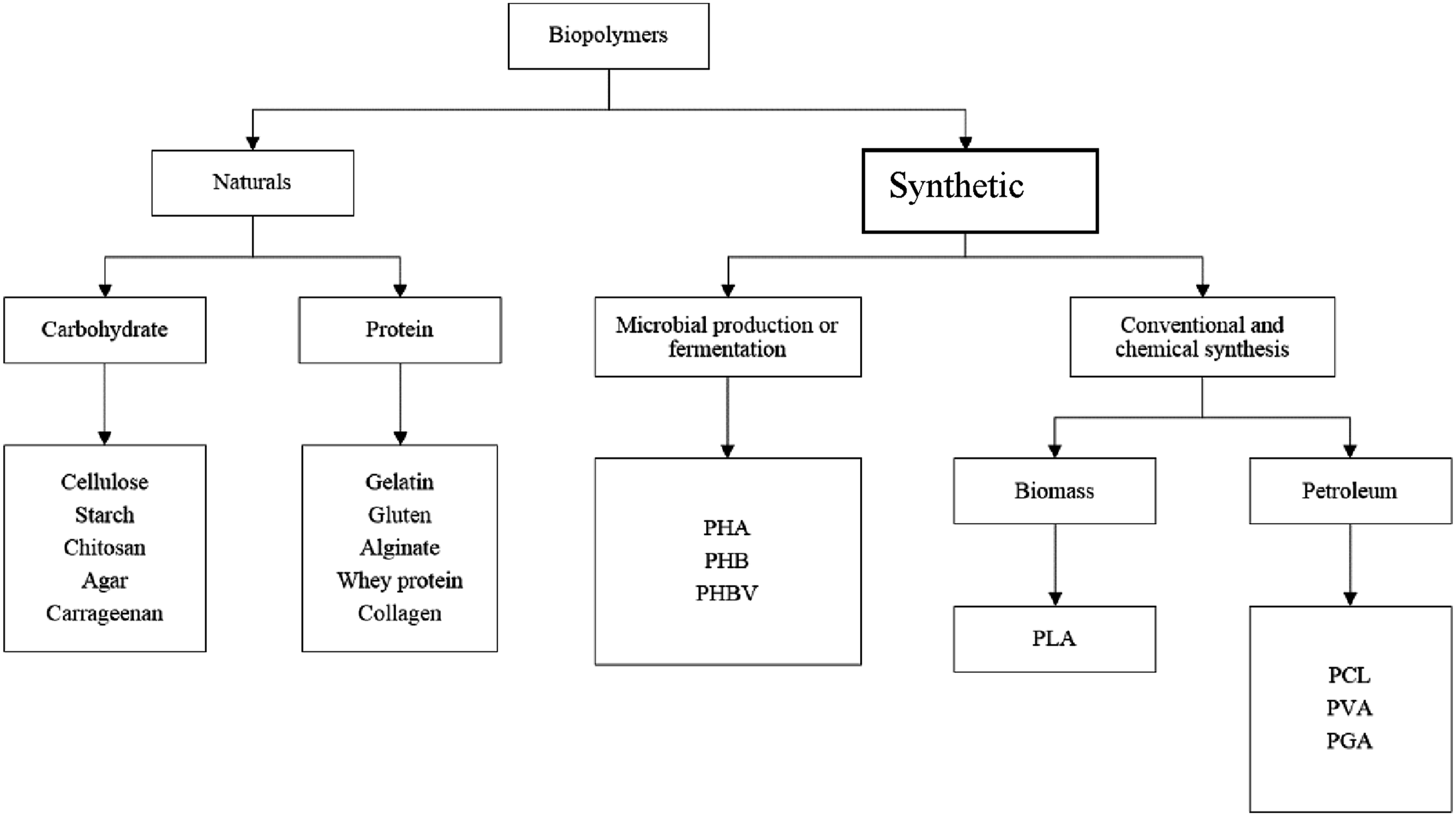
Polymers produces by living things or found in ecosystems are known as natural biopolymers. Because of their biological origin and the existence of enzymatic pathways that can break them down into safe end products like carbon dioxide, water, and biomass, they are usually biodegradable. Whereas, synthetic biopolymers have the potential to develop a sustainable industry and improvements in various properties, including tensile strength, durability, flexibility, high gloss, and transparence. 22 However, compared to traditional non-biodegradable materials, particularly those derived from petroleum, employing biopolymers as food packaging materials has certain disadvantages, such as poor mechanical (e.g. low tensile strength) and poor barrier qualities (e.g. high-water permeability). In general, biopolymers exhibit limited resilience to extended process operations, low thermal distortion temperature, and brittleness. 23 For example, PLA, although considered one of the most advantageous synthetic biopolymers, performs poorly, when used as a food packaging material because of its low flexibility, limited resilience to severe heat and humidity, and low heat distortion temperature. 24
Mechanisms of biopolymer degradation
Biopolymer degradation processes involve different mechanisms. Both extrinsic environmental conditions and intrinsic material qualities determine the rate and degree of deterioration. Designing biodegradable materials with predictable lifespans and environmental effects requires an understanding of these mechanisms. According to Silva et al.
25
biological activity is associated with the term “biodegradation.” However, both biotic and abiotic elements need to be taken into account during the decomposition of organic matter. When describing the degradation pathways, it is imperative to take into account the abiotic degradation, which comes before the microbial assimilation. There are multiple steps to the polymer biodegradation mechanism, and each stage can be halted. Figure 2 reports the degradation steps. Biopolymers degradation steps.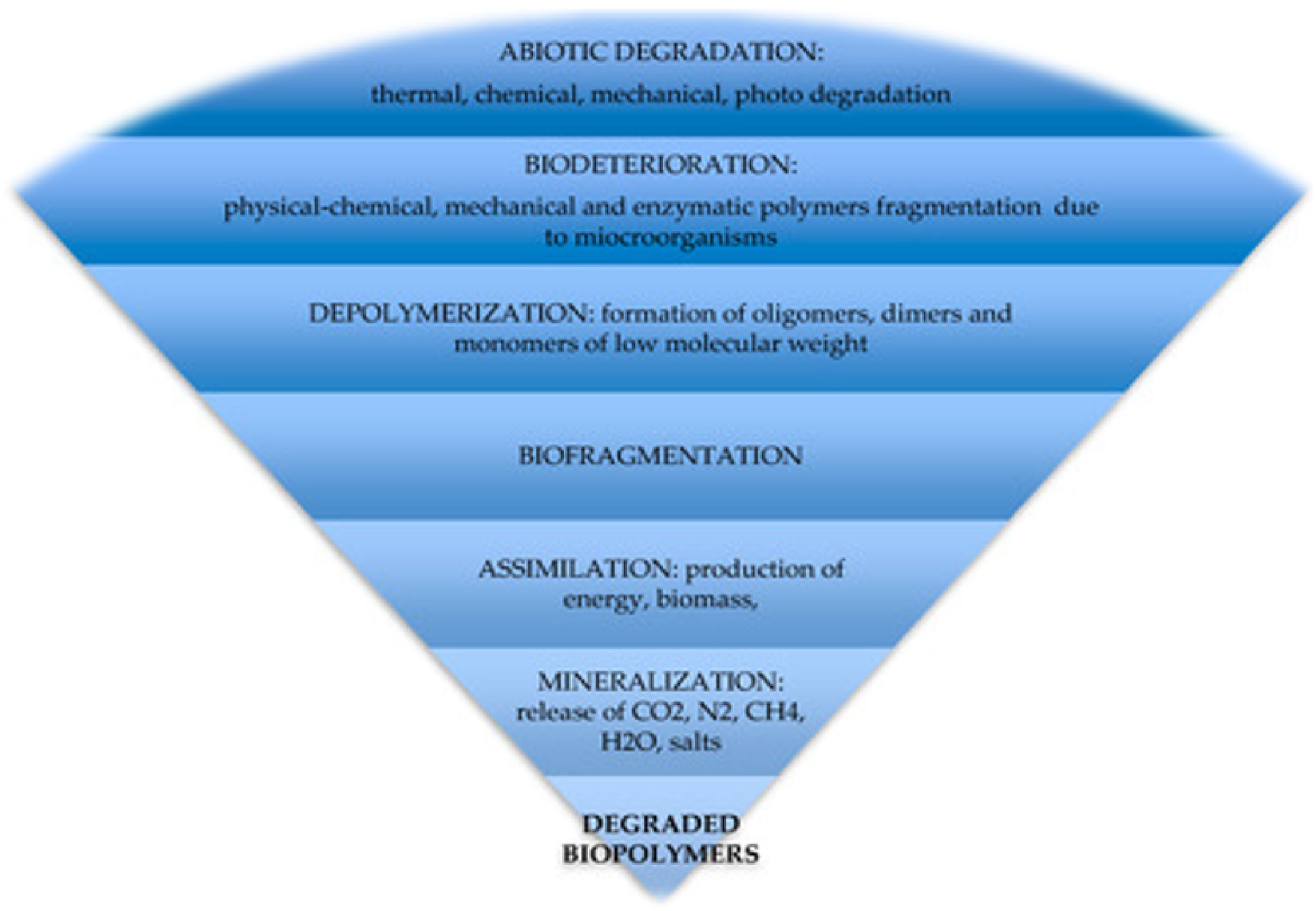
Biological degradation
Microbial activity, which includes a variety of microorganisms such as bacteria, fungi, and algae that produce enzymes capable of cleaving polymer chains, is the main force behind biological degradation. The most effective and eco-friendly method of breaking down biopolymers is thought to be enzymatic activity. Proteases, lipases, esterases, and depolymerases are among the enzymes secreted by microorganisms that specifically target chemical bonds inside the polymer structure. For instance, depolymerases can hydrolyze ester linkages in polyhydroxyalkanoates (PHAs) and polylactic acid (PLA), producing oligomers and monomers that microorganisms can absorb. 26 Many steps are often involved in the microbial degradation process, such as bond breaking, enzyme secretion, colonization of the polymer surface, and assimilation of breakdown products.
Microbial diversity and activity, which are impacted by environmental factors including temperature, moisture content, and pH, determine the effectiveness of biological degradation. High microbial variety and ideal conditions allow biopolymers like PLA to break down quickly in composting environments, frequently in a matter of months. 27 On the other hand, deterioration occurs much more slowly, sometimes taking years in marine settings with low microbial activity and unfavourable circumstances. The makeup of the microbial community is also important; for example, fungi may be more important in breaking down lignocellulosic biopolymers like chitosan, although some bacteria, such as Pseudomonas spp., are known to break down PHAs effectively.
Abiotic degradation
Non-biological processes, including hydrolysis, photo-oxidation, and heat degradation, are examples of abiotic mechanisms. One important process is hydrolysis, which is the chemical cleavage of polymer chains by interaction with water molecules and is frequently aided by temperature and pH. Particularly vulnerable are polymers with hydrolysable linkages, including amides and esters. For instance, in moist settings, PLA hydrolyses its ester linkages to produce lactic acid monomers, which microorganisms then further metabolize. 28 Temperature and humidity have an impact on the rate of hydrolysis; higher temperatures cause bond cleavage, which accelerates deterioration.
Environmental factors affecting biopolymer degradation
The materials that could be used to replace fossil-based plastics, which have numerous negative effects on the environment, including global warming, land degradation, water pollution, etc., bio-sourced plastics are the most commonly used. 29 Biopolymer breakdown is a complex process driven by a wide range of environmental conditions. Understanding these characteristics is critical for forecasting the lifespan of biopolymer in diverse environments and constructing materials that are suited for specific disposal processes. Temperature, moisture/humidity, microbial activity, oxygen availability, pH, and light exposure (UV radiation) are the key environmental elements that influence biopolymer degradation. Each element is addressed in detail in the following sections, drawing on relevant research and available data.
Effect of temperature
Effect of temperature on biopolymer degradation.
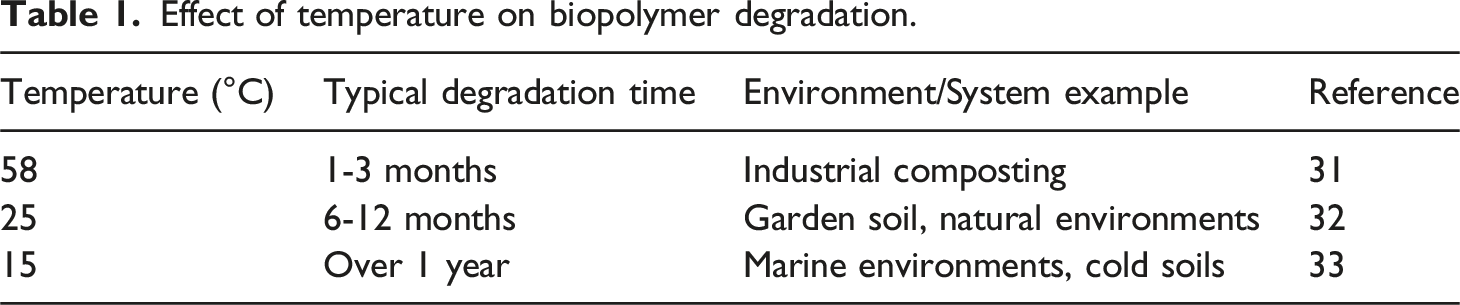
The Arrhenius equation is commonly used to characterize the relationship between temperature and degradation rate, indicating that even small temperature increases can exponentially increase reaction rates. Such temperature effects are crucial for designing bioplastics for specific disposal environments, whether industrial composting, soil burial, or marine settings, because each environment has a unique temperature profile. For example, although industrial composting creates a regulated high-temperature environment conducive to quick disintegration, natural settings such as oceans or soils are frequently too chilly, allowing bioplastics to linger longer than predicted. 35
On the other way, the relationship between temperature, time, and PET (polyethylene terephthalate) weight loss during thermal degradation is depicted in Figure 3. The weight loss quickens as the temperature rises from 330°C to 430°C, suggesting faster decomposition at higher temperatures. It takes longer to attain significant deterioration levels at lower temperatures, such 330°C, when weight loss is rather sluggish and steady. On the other hand, weight loss happens more rapidly at higher temperatures, such as 410°C and 430°C, with significant mass reduction seen in shorter amounts of time. Weight loss of PET at different temperatures adapted from.
36
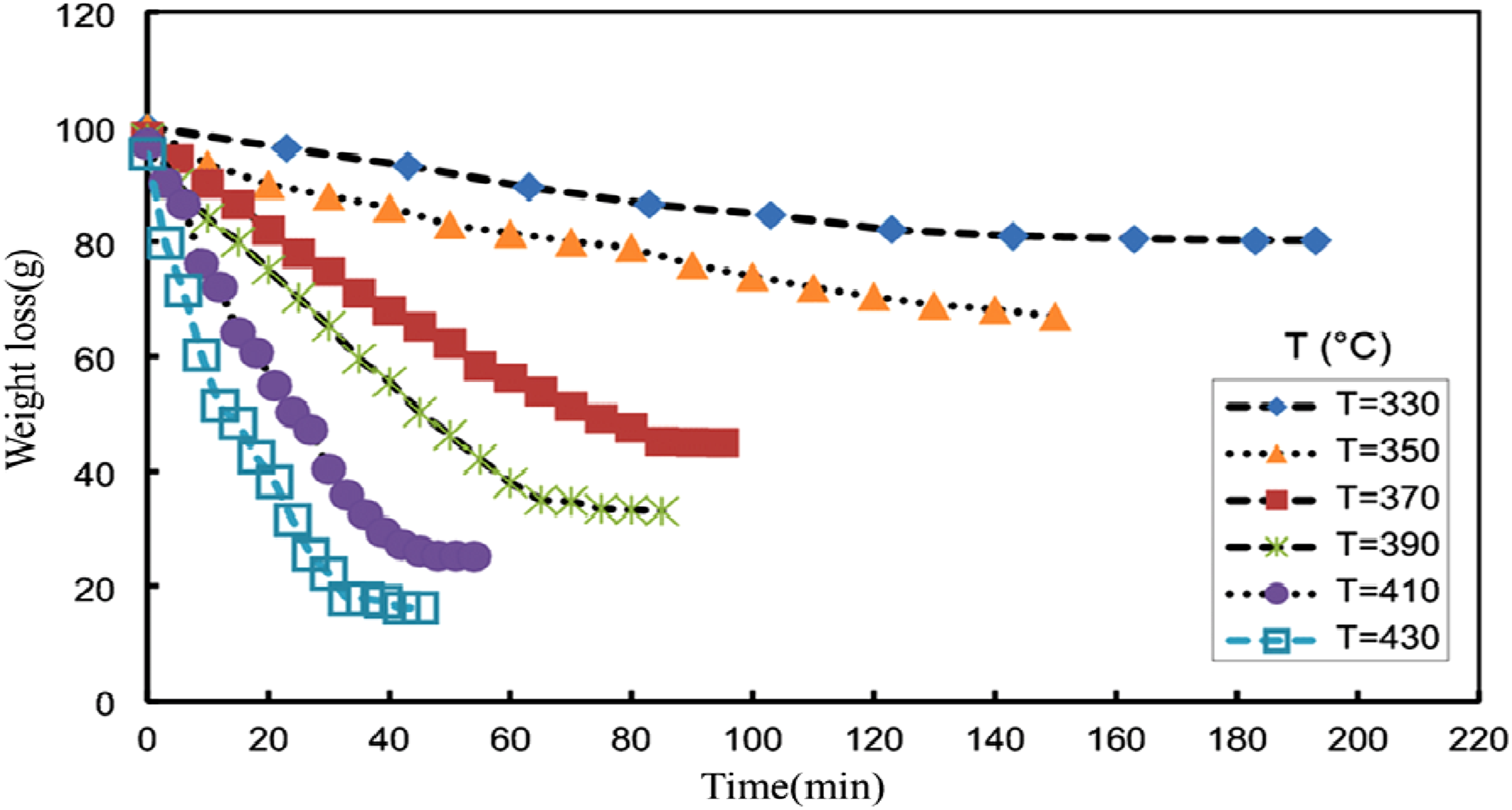
This pattern shows that temperature has a significant impact on the pace of PET degradation: higher temperatures encourage quicker polymer chain breaking, which increases volatile release and mass loss. According to the data, temperature management is crucial for regulating PET’s thermal stability and rate of decomposition, which is necessary for procedures like material modification, recycling, and incineration. The time needed for significant weight loss is generally shortened by higher temperatures, highlighting PET’s thermal sensitivity and the significance of temperature control in thermal processing applications.
Moisture and humidity
Moisture content and ambient humidity are two of the most important environmental factors that impact biopolymer degradation, especially those susceptible to hydrolytic cleavage, such as polyesters (e.g., PLA) and polysaccharides (e.g., chitosan). In hydrolysis reactions, water acts as a reactant, facilitating the breaking of chemical bonds within polymer chains. Water molecules can permeate the polymer matrix more efficiently in high moisture settings, increasing the hydrolytic cleavage of ester, amide, or glycosidic linkages, resulting in polymer fragmentation and mineralization. 37
The results of the hydrothermal aging of the polycarbonate (PC) matrix reinforced with carbon fibers (CF) have been studied by Fang et al. The findings show that during the first 5 days, the rate of moisture absorption grows linearly with time. After that, there is a sharp drop in the rate of moisture sorption from the fifth to the seventh day, which is followed by a condition of saturation from the seventh to the thirty-second day. The moisture absorption rate for PC/CF composites over time for an immersion aging test is shown in Figure 4. The graph shows that the moisture absorption rate for the bio-composite first rises until the diffusion rate approaches the saturation threshold, at which point it stabilizes. After the fifth day of immersion, the PC/CF composites’ moisture absorption rate reaches its saturation point; after that, the absorption rate curve flattens and nearly becomes a horizontal straight line. Moisture absorption rate for PC/CF composite with time (reprinted from previous study
38
); where CF is carbon fibers, and PC is polycarbonate.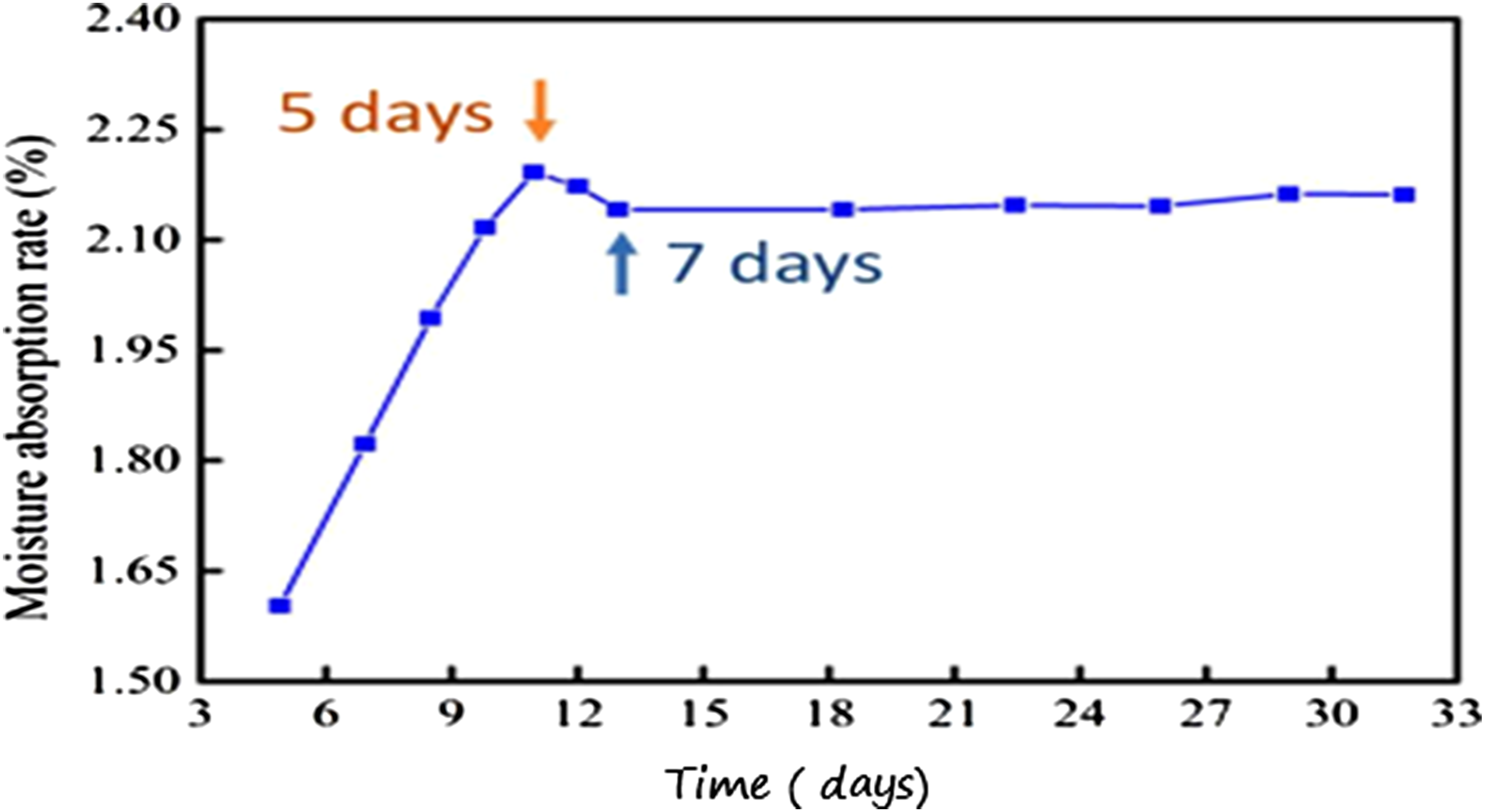
Bioplastics such as PLA can decompose completely within a few months in composting systems with moisture content that frequently exceeds 50%. In dry terrestrial soils or arid conditions with moisture levels below 10%, hydrolysis is severely hampered, and degradation rates slow dramatically. Under such conditions, biopolymers can exist for several years, and breakdown is mostly dependent on microbial colonization and enzyme activity, both of which are limited in the absence of sufficient water. On another way In freshwater habitats, such as rivers, lakes, or seas, PHA can completely decompose in 28 days under the right sample morphology and environmental circumstances (temperature, moisture, microbes, nutrients, salinity, and others). 39 It indicates the type of bioplastic has affected the roll of moisture decomposition.
Furthermore, moisture promotes microbial multiplication on the polymer surface, hence increasing microbial colonization and enzymatic breakdown. It also affects the biopolymer’s physical properties, such as swelling and porosity, allowing microbial enzymes to better access internal links. However, excessive moisture can occasionally create adverse conditions for specific microbial populations or cause breakdown products to leak, complicating the degradation route.
This association highlights the role of ambient moisture in the breakdown of biopolymers. Biodegradation is enhanced in industrial composting settings with controlled high humidity and temperature, resulting in a quick turnover of bioplastic. In contrast, in natural terrestrial or marine habitats with low or variable moisture levels, breakdown is slowed, and polymers can remain for long periods of time, contributing to environmental pollution.
Microbial activity and community composition
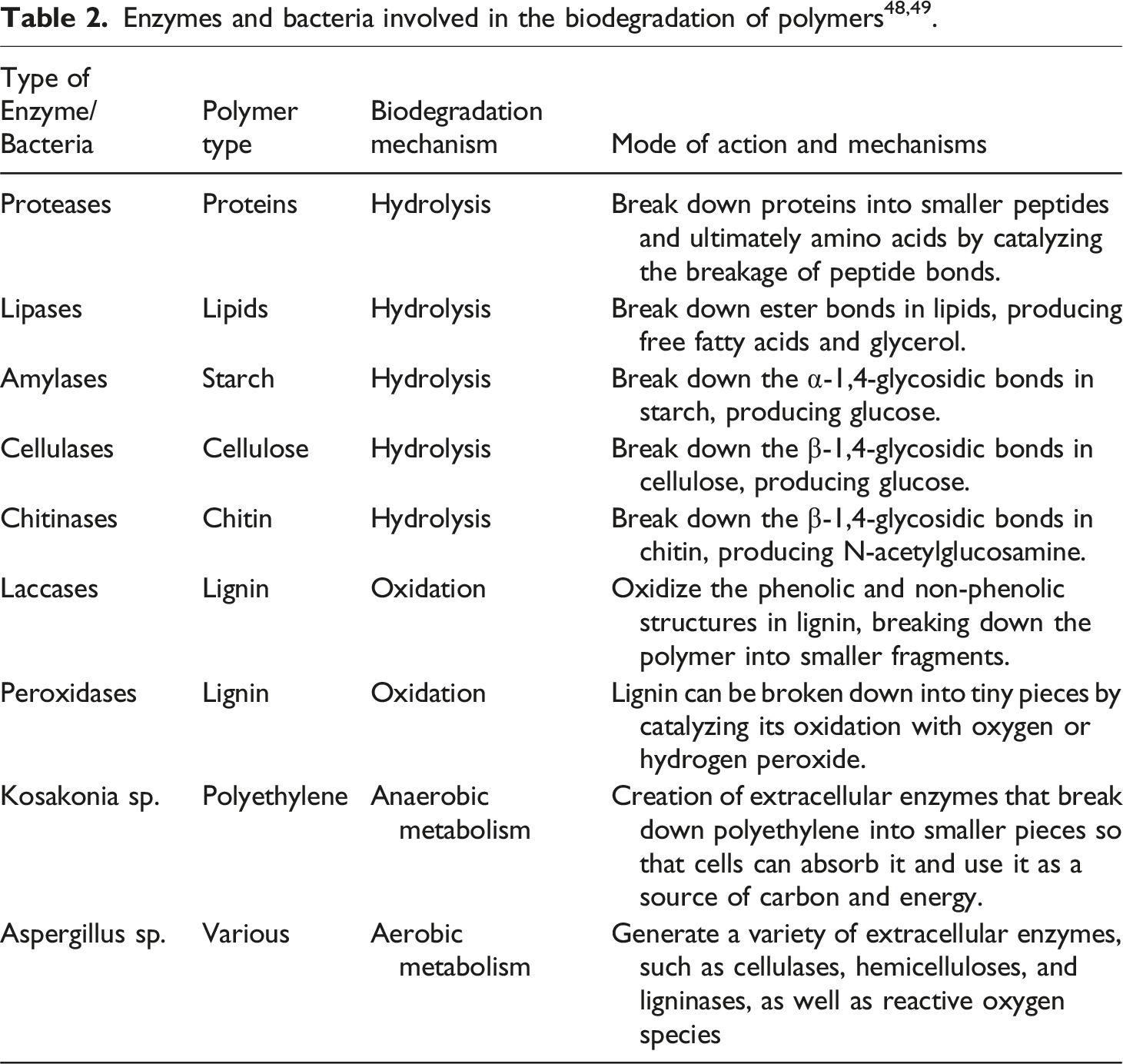
Microbial activity is the foundation of biological biopolymer degradation, as it determines the rate and degree of polymer breakdown in different settings. There is a lot of interest in biodegradable substitutes for conventional plastics due to the increasing need for antimicrobial materials, especially for packaging and biomedical applications. 41 A broad and plentiful microbial community is required for successful degradation because different microorganisms produce enzymes capable of breaking down distinct chemical bonds within biopolymers. 42 Bacteria such as Pseudomonas spp. and Bacillus spp. are well-known for their ability to produce depolymerases that hydrolyze polyhydroxyalkanoates (PHAs), whereas fungi such as Aspergillus and Penicillium spp. secrete enzymes such as chitinases and cellulases that target polysaccharide-based biopolymers such as chitosan and cellulose. 43
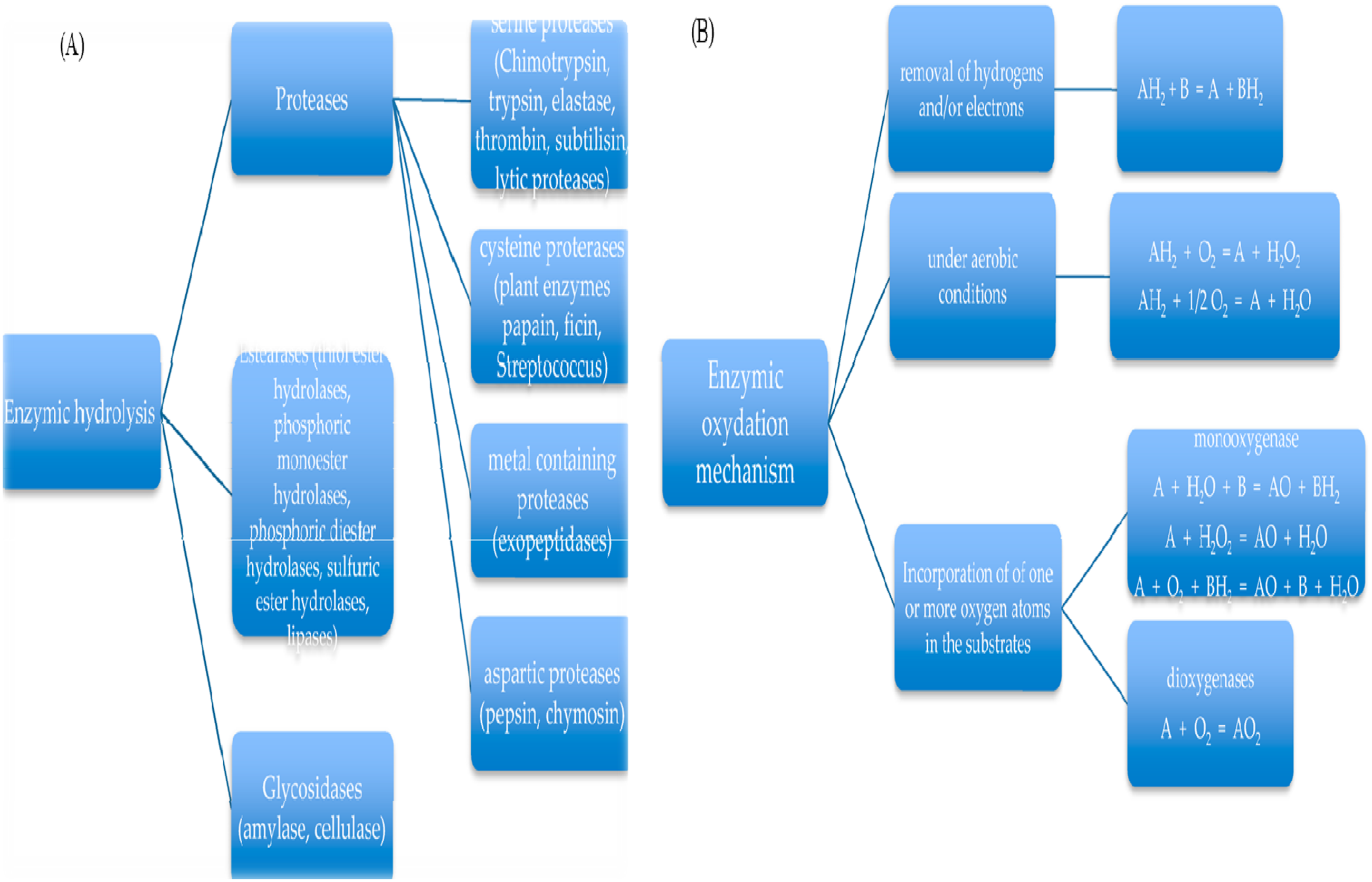
Enzymes, acids, and peroxides secreted by bacteria, fungi, yeast, and other microorganisms cause the microbiological breakdown of synthetic biopolymers. This wide range of enzymes allows for the consideration of various catalytic processes.
44
Enzymatic hydrolysis and enzymatic oxidation are the two most significant instances of polymer degradation by enzymes. As shown in Figure 5(a), the number of enzymes involved in the ester bond cleavage for biopolymer breakdown through hydrolysis. The active sites of the various kinds of enzymes vary. The ester bonds are separated by the esterase, which is the most widespread in nature. The mechanism of action of lipase, which acts on the water-lipid interface, is highly elusive. Figure 5(b) summarizes the process of enzymatic oxidation. Enzymic hydrolysis (a), Enzymic oxidation mechanism. B, O2 and H2O2 are the electrons acceptors (b).
40
The composition of microbial communities has a considerable influence on degradation kinetics. Composting facilities, for example, allow the rapid and complete breakdown of bioplastics within months due to synergistic microbial interactions and high enzymatic activity. 45 In contrast, in marine or landfill environments with lower microbial diversity and density, degradation happens much more slowly, sometimes taking many years or even decades. 46 This mismatch emphasizes the relevance of microbial ecology in biopolymer breakdown, as different microbial taxa have distinct enzymatic capabilities that can either accelerate or impede the process.
Furthermore, environmental parameters like temperature, pH, and nutrient availability have an impact on the structure and activity of microbial communities. Optimal conditions encourage the multiplication of degraders, but adverse conditions can reduce microbial activity, leading to slower decomposition. For example, thermophilic bacteria that thrive in composting environments at 50–60°C are particularly successful at degrading bioplastics like PLA, whereas mesophilic populations in soil or marine settings may be less efficient. 47
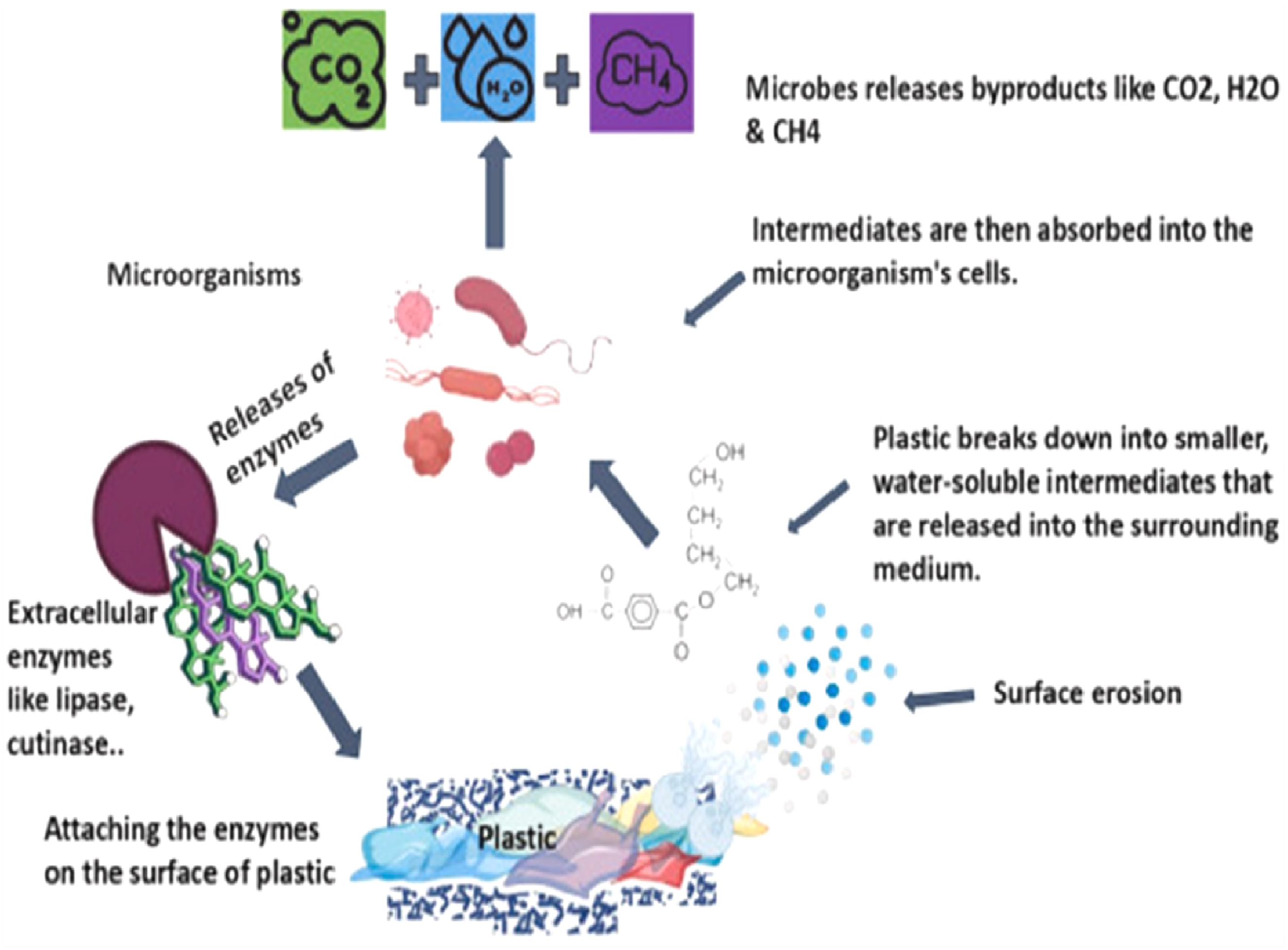
The biodegradation method is the mechanical process by which microbial enzymes act on the surface of polymers. Fungi, bacteria, and other microorganisms attach to the polymer sheet, release the enzymes, and grow on it, using it as a medium for their nourishment and growth. The important enzymes used in the biodegradation of plastic compounds found in the environment are called hydrolases. The hydrolases breaks down larger molecules into smaller ones by cleaving chemical bonds in the presence of water.
50
The diffusion of water molecules, which begins in the amorphous regions and can cause the breaking of ester bonds, is part of the hydrolytic breakdown process. The ester bond hydrolysis linkage depolymerizes polyester-based polymers. This hydrolytic attack is facilitated by ester bond hydrolyzing enzymes such as lipases, proteases, ureases, cutinases, and esterases with varying substrate preferences and interfacial activation. Different plastics are depolymerized by very substrate-specific enzymes.
51
Figure 6 shows the mechanical process of enzymatic biodegradation of polymers. Mechanism of action of enzymes in biodegradation of polymers, adapted from.
52
Oxygen availability
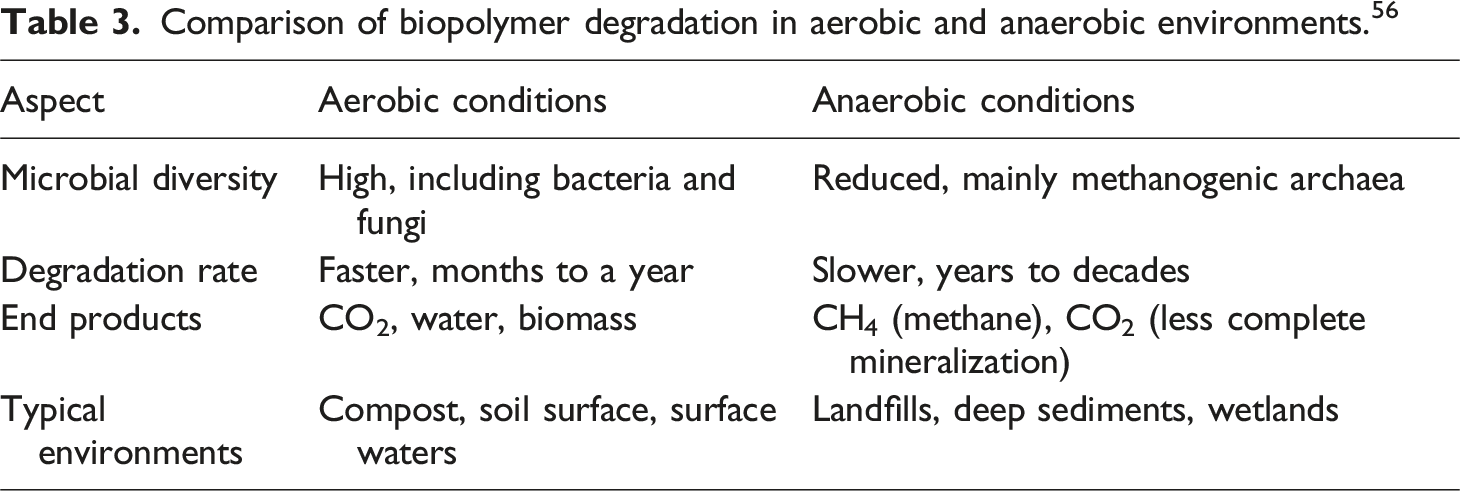
Oxygen availability is an important environmental factor in the degradation of biopolymers, particularly those undergoing biological decomposition. The availability of oxygen has a substantial impact on the microbial processes responsible for bioplastic degradation, which are predominantly mediated by aerobic activity. 53 Microbes in oxygen-rich settings, such as composting facilities, soils, and surface waters, use oxygen to make energy more efficiently while secreting enzymes that break down polymer chains. This aerobic biodegradation process is usually faster and more complete than anaerobic degradation, resulting in rapid mineralization of biopolymers into benign end-products such as carbon dioxide, water, and biomass (Ta).
Comparison of biopolymer degradation in aerobic and anaerobic environments. 56
pH levels and their influence on biopolymer degradation
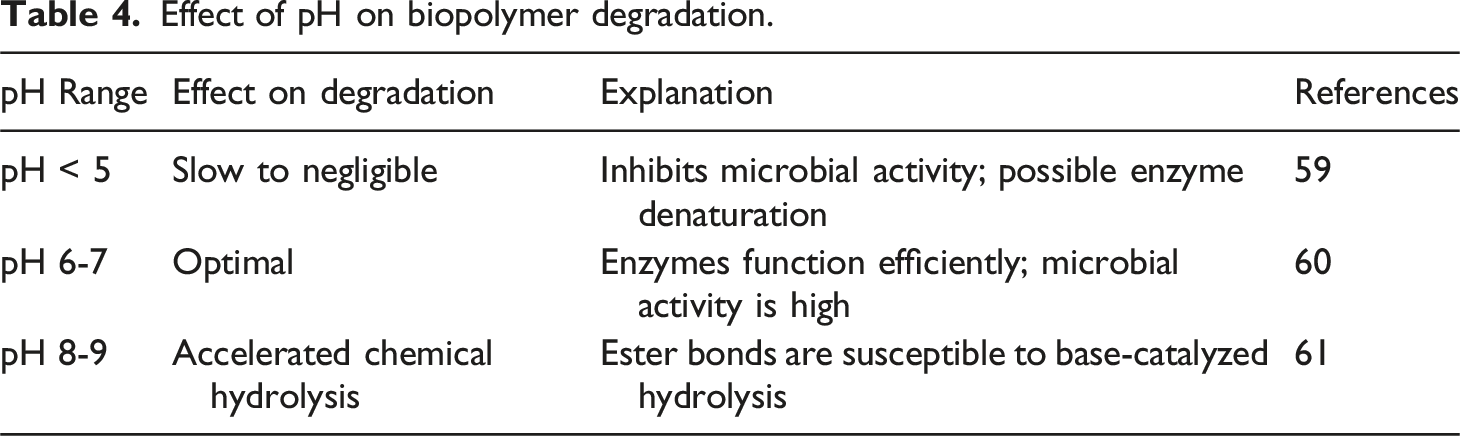
The pH of the environment has a significant impact on biopolymer breakdown because it influences both microbial activity and chemical hydrolysis. 57 Enzymatic processes that break down bioplastics perform best in specific pH ranges, usually near neutral (pH 6-7). Deviations from this range can impair enzyme performance and so slow down breakdown rates. Around neutral pH, microbial activity is at its peak and the degradation-related enzymes work most effectively. Biopolymers are effectively broken down as a result. Many microbial enzymes used to degrade polyesters, such as polylactic acid (PLA) and polyhydroxyalkanoates (PHAs), are most active in neutral conditions.
Under acidic conditions (pH < 5), degradation is limited or sluggish. This is because microbial activity is generally suppressed in acidic environments. Which slows down biological breakdown processes or can deactivate enzymes and limit microbial growth, limiting breakdown efficiency. Extreme acidity can also denature the enzymes required to break down biopolymers, which lowers the rate of disintegration even further. In contrast, alkaline circumstances (pH > 8) can expedite chemical hydrolysis of ester bonds via base-catalyzed processes, resulting in rapid disintegration of some biopolymers, and which causes chemical processes rather than microbiological activities to break down more quickly.
According to research, ambient pH has a major influence on the pace of degradation of bioplastics such as PLA. PLA hydrolysis is enhanced in neutral to slightly alkaline environments, where ester linkages are more vulnerable to nucleophilic attack by hydroxide ions, resulting in chain scission. 58 Composting systems frequently maintain pH levels around neutral due to microbial activity and biological buffering, which promotes effective decomposition. However, in acidic or extremely alkaline waste streams, the degradation process can be halted or chemically accelerated, but it may also produce unwanted degradation byproducts or hurt microbial ecosystems.
Effect of pH on biopolymer degradation.
Light exposure and UV radiation
Light exposure, particularly ultraviolet (UV) radiation, has a substantial impact on the breakdown of biopolymers, particularly those in natural environments such as soil, water, or waste sites where sunlight reaches the surface. UV radiation causes photodegradation, a process in which high-energy UV photons break chemical bonds within polymer chains, leading to chain scission and a decrease in molecular weight. 62 This initial photochemical reaction generates free radicals, which then react with oxygen to produce oxidative degradation products such as carbonyl groups, weakening the polymer matrix and making it more susceptible to microbial attack. In natural environments, exposure to sunshine for days or weeks can result in significant molecular weight loss in these materials, hastening their decomposition. Several studies have shown that UV radiation not only directly destroys polymer chains but also promotes subsequent microbial degradation by forming surface fissures and increasing surface area, allowing for microbial colonization and enzymatic activity.
Effects of UV exposure duration on biopolymer degradation.
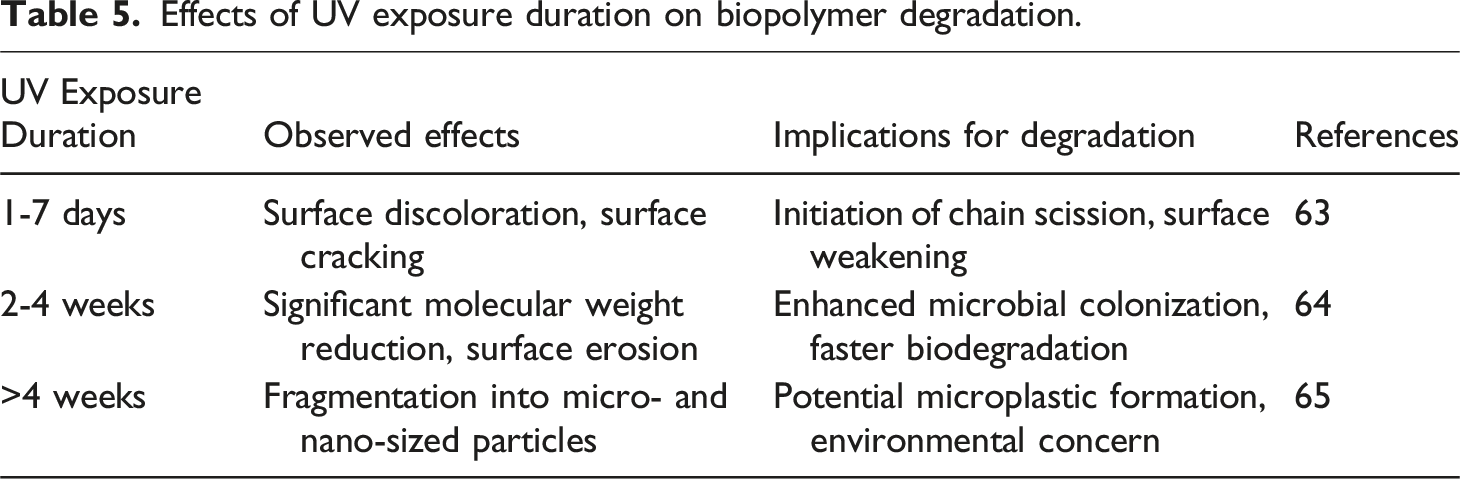
Understanding the effect of UV radiation in biopolymer breakdown is critical for estimating their life cycle in outdoor settings. While photodegradation can help to speed up the breakdown process, it also raises concerns about the creation of microplastics and nano plastics, which can persist in ecosystems and pose environmental and health problems. As a result, the design of biopolymer goods frequently includes UV stabilizers to manage degradation rates based on their intended application, balancing durability with environmental biodegradability.
The SEM images show that the surface condition of biopolymers following UV radiation exposure greatly affects their breakdown behavior. A stable and undamaged polymer surface before to UV exposure is indicated by the initial condition (Figure 7(a)), where the surface seems reasonably smooth with little roughness and particulate debris. The homogenous texture of the surface indicates minimal physical or chemical changes at this point. SEM images of (a) plastic film before and (b) after degradation, adapted from.
66
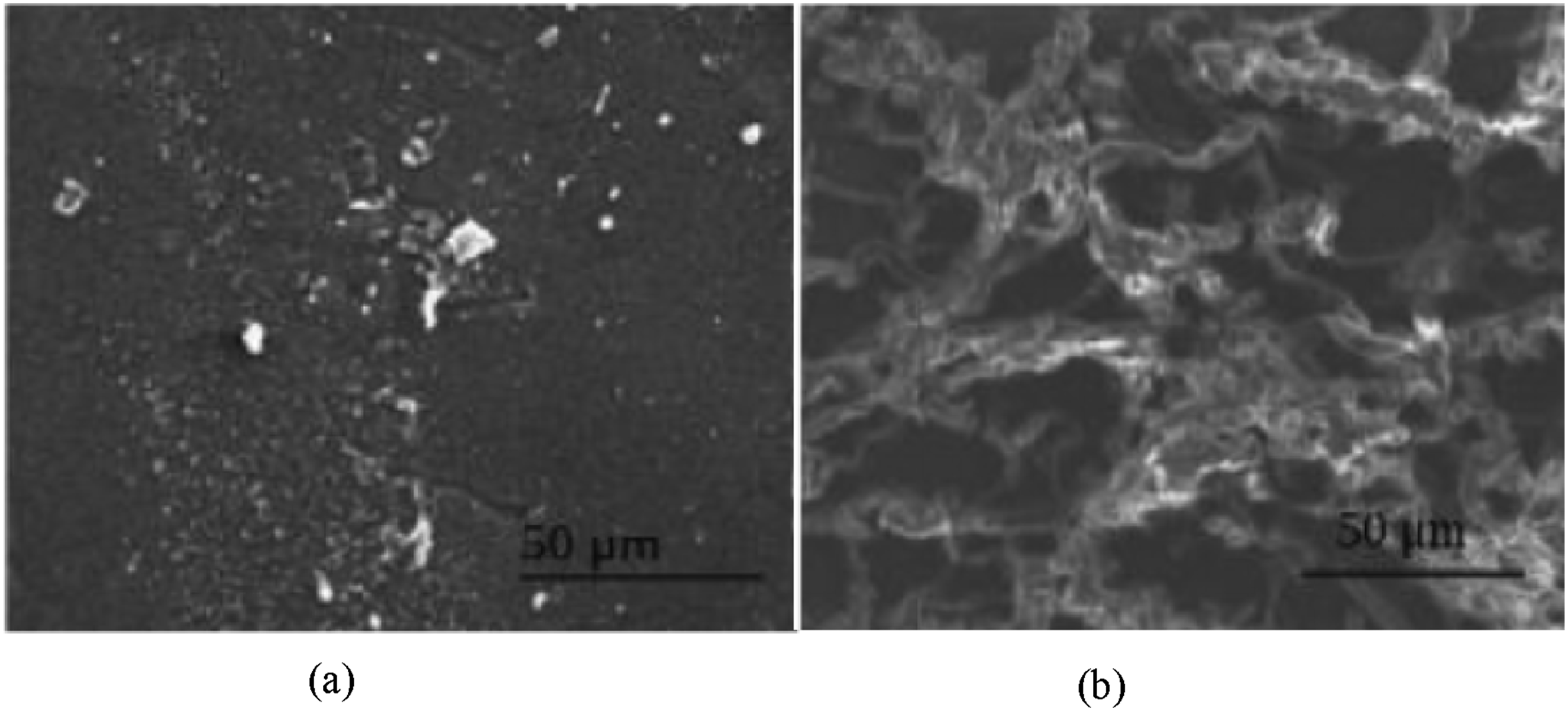
The surface exhibits noticeable morphological changes during UV degradation (Figure 7(b)), such as increased roughness, the development of fissures and cracks, and surface erosion characteristics. The main cause of these changes is the photo-oxidative effects of UV light, which cause oxidation, chain scission, and the production of free radicals inside the polymer matrix. As a result, the polymer surface becomes less homogeneous and more porous, which promotes enzymatic attack and microbial colonization during biodegradation.
Environmental impacts of biopolymer degradation
Significant environmental effects result from the growing use of biopolymers as sustainable substitutes for traditional plastics. Although these materials are intended to be biodegradable and lessen pollution, their breakdown processes and byproducts may have complicated and perhaps unexpected effects on ecosystems. Evaluating the overall sustainability of biopolymers requires a sophisticated grasp of the environmental effects, both positive and negative. This section examines the benefits of biopolymer degradation for the environment, such as the reduction of pollution, as well as possible hazards, such as the creation of microplastics, the toxicity of degradation products, and ecological disruptions. It seeks to present a fair analysis of the effects of biopolymer degradation on ecosystems and human health.
Positive environmental impacts of biopolymer degradation
Reduction in persistent plastic pollution
The ability of biopolymers to reduce the ongoing plastic pollution that afflicts both terrestrial and marine habitats is one of their most alluring benefits. Conventional plastics, such as PE and PP, can accumulate in landfills, the ocean, and wildlife habitats for hundreds of years. Under the right environmental circumstances, biopolymers like PLA, polyhydroxyalkanoates (PHAs), and starch-based plastics are intended to biodegrade. 67 Biopolymers can considerably lessen the buildup of durable plastics when used appropriately. For example, bioplastics like PLA can break down in industrial composting facilities in a matter of months, turning into biomass, carbon dioxide, and water. This closes the material loop and minimizes the amount of waste that ends up in landfills. This quick deterioration eases the strain on waste management systems and reduces the long-term environmental impact.
Mitigation of microplastic pollution
Due to their widespread occurrence in soils, oceans, and even the human food chain, microplastics, plastic particles smaller than 5 mm, are an increasing global problem. Through physical, chemical, and biological weathering, conventional plastics break down into microplastics. 67 Although biopolymers are meant to biodegrade, the processes by which they do so may potentially have an impact on the development of microplastics. The production of microplastics is decreased when biodegradable bioplastics completely decompose into natural molecules. For instance, microorganisms may mineralize PHAs and starch-based polymers into CO2 and biomass without producing microplastic residues. 68 This ability lowers the possibility of microplastic buildup, which is linked to dangers to marine life, animal consumption, and possible entry into human food sources.
Soil fertility and agricultural benefits
In agriculture, biopolymers are being utilized more frequently as soil conditioners, seed coatings, and mulch films. By enhancing soil structure, increasing microbial activity, and providing organic matter and nutrients, their breakdown can improve soil health. For instance, biodegradable films made of starch break down into organic compounds that provide soil bacteria with nutrients, increasing crop productivity and soil fertility. 69 Additionally, using biodegradable polymers in agriculture lessens the need for persistent plastics, which can contaminate soil, hinder plant growth, and contaminate produce and groundwater with microplastics.
Potential risks and challenges associated with biopolymer degradation
Despite these positive impacts, several potential risks and challenges are associated with the environmental degradation of biopolymers. Understanding these risks is essential for developing safe and sustainable applications.
Microplastic formation and fragmentation
Even though many bioplastics are created to completely mineralize, partial breakdown can result in the creation of microplastics, particularly in settings with little microbial activity or ideal circumstances. For instance, if PLA is subjected to mechanical stress or poor composting conditions, it may break up into tiny particles. 70 Like traditional plastics, these microplastics can linger in the environment and endanger ecosystems and species.
Furthermore, nano plastics particles smaller than 100 nm that are even more accessible and able to pass through biological barriers can be created by physically breaking apart biopolymers. Although the effects of nano plastics made from biopolymers on the environment and human health are still being studied, there are worries about their potential for toxicity and bioaccumulation.
Toxicity of degradation by-products
Different byproducts are produced during the chemical and enzymatic processes that break down biopolymers. Some of these degradation products can be hazardous or cause environmental stress, but the majority are harmless. For instance, lactic acid produced by the hydrolysis of PLA can acidify soils and water bodies in high concentrations, which may have an impact on aquatic life and microbial communities. 71 Similar to this, the buildup of organic acids, aldehydes, or other substances that may reduce microbial diversity, stunt plant development, or contaminate groundwater might result from the accumulation of degradation intermediates or incomplete breakdown products. 72
Ecotoxicological effects
When biopolymers degrade, they may release plasticizers, additives, or leftover monomers into the environment. These compounds may have ecotoxicological consequences that impact water quality, soil health, and non-target creatures. 73 For example, endocrine disruption has been linked to several plasticizers used in bioplastic formulations. Furthermore, microbial communities may be impacted by the degrading process itself, which may favor some species over others and upset ecological balances. 74 These changes may have an effect on soil fertility, nutrient cycling, and the resilience of the ecosystem as a whole.
Land use and resource allocation concerns
Significant agricultural and land resources are needed for the large-scale synthesis and disposal of biopolymers. According to Antar et al, the cultivation of biomass feedstocks for the manufacturing of biopolymers may result in land-use change, deforestation, and competition with food crops, which could lead to problems with food security and environmental degradation. 75 Additionally, certain environmental benefits may be countered by the energy and water inputs needed for the production of biopolymers and the composting process, particularly if they are not managed sustainably.
Broader ecological and societal implications
Ecological interactions and biodiversity
Biodiversity may be impacted by the introduction of biodegradable polymers into ecosystems. For instance, the presence of biopolymers and the byproducts of their breakdown can change the structures of microbial communities, favoring some species and possibly decreasing biodiversity. 76 These changes could have a domino effect on ecosystem stability, plant-microbe interactions, and nutrient cycling. The breakdown of bioplastics can have an impact on the food chain in marine environments. Native biodiversity may be impacted by pathogenic or invasive species that are harbored by microorganisms that colonize plastic surfaces (the “plastisphere”). Assessing ecological risks requires an understanding of these linkages.
Socioeconomic and policy aspects
Biopolymers’ effects on the environment also have an impact on socioeconomic and policy issues. Although bioplastics are marketed as sustainable alternatives, sufficient disposal infrastructure, public knowledge, and regulation are necessary for their true environmental benefits. 77 Inadequate waste management systems can have unforeseen negative effects on the environment, like the buildup of partially degraded polymers or incorrect disposal. Furthermore, the adoption of biopolymer manufacturing and degradation methods is influenced by their economic viability. To optimize environmental benefits, sustainable practices like using waste biomass and renewable energy are crucial. 78
Current Challenges and Limitations
Although biopolymers have great potential as sustainable substitutes for conventional plastics, a number of important obstacles and restrictions prevent their widespread use and successful environmental integration. The degrading behavior, environmental impact, and practical application of biopolymers are all influenced by these challenges, which include technical, environmental, economic, and policy-related elements. To effectively develop solutions for addressing these obstacles, researchers, policymakers, and industry stakeholders must have a solid grasp of these issues.
Slow and Incomplete Biodegradation in Natural Environments
Biopolymers’ inconsistent and occasionally sluggish breakdown rates in natural settings, including freshwater systems, soils, and oceans, are among their main problems. For many bioplastics to break down effectively, certain factors, including high temperatures, humidity, and microbial activity, are necessary. One of the most widely used bioplastics, polylactic acid (PLA), for instance, is known to break down quickly in industrial composting facilities under ideal circumstances. However, PLA can endure for years in marine environments, where microbial organisms are less active or adaptable, providing comparable environmental dangers to those of traditional plastics.
Microplastics, tiny plastic particles smaller than 5 mm, accumulate as a result of incomplete or sluggish breakdown and have been found in sediments, oceans, and even marine life. 79 Numerous species can consume microplastics, which can then enter the food chain and perhaps have an effect on human health when consumed through seafood. Bioplastics’ ability to survive in settings where they are not intended to break down points to a crucial knowledge gap on environmental degradation processes.
Microplastic Formation and Environmental Toxicity
Although biopolymers are intended to be biodegradable, micro- and nano-sized particles may occasionally arise as a result of their fragmentation during deterioration. These particles can have negative biological impacts and are difficult to remove from the environment, which makes them problematic. 80 According to Wright et al. (2013), microplastics can absorb and concentrate environmental contaminants such as pesticides, heavy metals, and persistent organic pollutants (POPs), which can subsequently be ingested by creatures. Furthermore, some biopolymers might produce hazardous breakdown byproducts. 81 For instance, leftover lactic acid from incomplete PLA hydrolysis may have a detrimental effect on soil chemistry and microbial activity at high concentrations. Aquatic ecosystems may be impacted by the buildup of degradation products in aquatic habitats, which can change pH levels and oxygen availability.
Uncertainties about the degree of deterioration in different conditions exacerbate the microplastic problem. The real-world situation is significantly more complicated, and incomplete degradation can result in the accumulation of micro- and nano-sized particles in the environment, even though laboratory tests frequently demonstrate rapid disintegration under controlled settings. This raises questions regarding bioplastics’ environmental friendliness and safety, particularly if 82 their fragmentation produces persistent microplastics.
Microplastics are tiny bits of plastic that range in diameter from 1μ to less than 5 mm. They are soluble in water and can be either primary because they are first formed in small sizes or secondary because they emerge as a result of plastic degradation. Only 7% of the 360 million tons of plastic that are generated worldwide each year are recycled, allowing the bulk of garbage to build up in the environment and present a huge risk in the form of microplastics. Microplastic accumulation occurs in all environments, although freshwater habitats are especially vulnerable to degrading processes. The overwhelming discharge of plastic waste from the home to the industrial sector each year causes degraded microplastics to build up in many aquatic systems, pollute them, and enter the food chain. These microscopic plastic particles are ubiquitous in freshwater habitats, which are vital to human existence. 83 In this way, microplastic contamination is viewed as a global issue that negatively affects every element of the freshwater ecosystem. Additives and other dangerous materials from industrial and urban areas are carried by microplastics.
Lack of standardized testing and certification protocols
The lack of widely recognized standards and procedures is a major obstacle to evaluating and comparing the biodegradability of biopolymers. Biodegradability and composability are defined and tested differently in different nations and organizations, which frequently causes confusion and incorrect product labeling. Certain “biodegradable” items, for instance, might only be tested in industrial composting settings that are not typical of natural settings. 84 As a result, a plastic that passes lab testing might not break down efficiently in freshwater, soil, or marine environments. The legitimacy of eco-labeling programs is weakened by the absence of standardized testing methodologies, which also makes it more difficult for industries, consumers, and regulators to make educated decisions.
The creation of globally accepted standards, like ISO 17088, 85 and ASTM D6400 86 (for composability), is essential to guaranteeing the accuracy and comparability of biodegradability claims. Greenwashing, or deceiving customers into thinking that things are ecologically beneficial when they are not, is a problem in the absence of such guidelines.
Economic and Market Limitations
Despite their benefits for the environment, biopolymers are typically more expensive to produce than traditional plastics. Concerns regarding food security and land use are raised by the fact that bioplastics’ raw materials, such as corn, sugarcane, or other biomass, frequently compete with food production. 87 Furthermore, biopolymer production techniques are frequently less developed and more complicated, which raises capital and operating expenses. This financial obstacle restricts bioplastics’ ability to compete in the market, particularly in cost-sensitive applications like packaging, where pricing is a crucial consideration. The scarcity of composting infrastructure, particularly in rural and developing nations, further impedes market development. Even biodegradable bioplastics may wind up in landfills or the environment without adequate waste management systems, where they break down very slowly or not at all. 88
Environmental trade-offs and lifecycle impacts
Although biopolymers are marketed as eco-friendly, the effects of their entire lifecycle might occasionally be less clear. The manufacture of biopolymers from the cultivation of biomass feedstocks (such as corn and sugarcane) can result in land-use changes, deforestation, water use, and pesticide use, all of which increase greenhouse gas emissions and biodiversity loss. 89 Furthermore, the energy-intensive procedures involved in turning biomass into bioplastics may counteract some of the environmental advantages if fossil fuels are employed extensively. Therefore, the source of raw materials, manufacturing techniques, and end-of-life management have a significant impact on the overall environmental benefit of biopolymers. Additionally, certain circumstances could be necessary for biodegradable bioplastics to break down effectively. Like traditional plastics, they could linger in the environment and cause pollution if these requirements are not fulfilled.
Policy and regulatory gaps
Policies and laws that promote biopolymers are essential for their successful incorporation into waste management systems. The regulatory environment is currently disjointed, with some nations encouraging bioplastics through standards and incentives while others lack explicit laws. 90 Inappropriate disposal methods, like littering or putting bioplastics in recycling streams not intended for them, might result from inconsistent legislation. This may lower the quality of recycled materials, contaminate recycling procedures, and raise waste management expenses. 91 Furthermore, consumer knowledge and business accountability are hampered by the lack of defined policies regarding labeling, certification, and biodegradability criteria.
Technological limitations and material properties
The mechanical and barrier qualities of many biopolymers are inferior to those of traditional plastics, which restricts the range of applications for them. For instance, PLA’s weak impact resistance and brittleness limit its application in several packaging and durable items. 92 Blending or chemical changes are frequently used in attempts to enhance these properties, which may make biodegradability more difficult or raise new environmental issues. It is still very difficult to strike a compromise between material performance and environmental degradability.
Public awareness and acceptance
Public acceptability and understanding of bioplastics are still low, despite mounting environmental concerns. The distinctions between recyclable, compostable, and biodegradable plastics are frequently not understood by consumers.93 Misconceptions can result in inappropriate disposal, such as scattering biodegradable plastics in places where they do not break down efficiently or tossing bioplastics into standard recycling streams. To enhance consumer behavior and guarantee that bioplastics live up to their environmental promises, educational initiatives and unambiguous labeling are required.
Future perspectives and research directions
Innovation in biopolymer design and development
The creation of sophisticated, eco-friendly polymers that are not only biodegradable but also have special properties to satisfy particular industrial and environmental requirements is crucial to the future of biopolymer degradation. 94 The development of next-generation biopolymers with improved degradation profiles and functional capabilities is being made possible by advances in polymer chemistry and nanotechnology. To increase mechanical strength, thermal stability, and controlled degradation rates, for instance, scientists are investigating bio-based copolymers and hybrid materials that blend biopolymers like PLA or PHA with natural additives or nanomaterials. 95 The objective is to produce materials that, while retaining their usefulness while in use, decompose predictably under particular environmental circumstances, such as composting, soil, or sea.
Adding stimuli-sensitive moieties or enzyme-responsive links to the polymer backbone is one possible approach. These chemical changes enable controlled breakdown that corresponds with disposal techniques or environmental conditions by only activating degradation pathways in response to specific triggers, such as the presence of enzymes or a change in pH. Enzyme-degradable segments, for example, can be included in polymers to speed up breakdown in composting facilities while maintaining stability during product usage.96,97 Additionally, developments in synthetic biology and bioengineering are making it possible to create microbial consortia or strains that are especially suited to effectively break down new biopolymers. 98 By using these microbial solutions in waste treatment facilities, bioplastics can be mineralized quickly and completely, microplastic creation can be reduced, and environmental buildup can be decreased. 99
Reducing the carbon footprint of biopolymer manufacturing is another goal of research into sustainable synthesis methods and renewable feedstocks. For instance, using waste biomass or algae as raw materials guarantees that the full lifecycle of biopolymers is environmentally benign while simultaneously promoting the concepts of the circular economy. 100 To create environmentally friendly industrial processes that support global sustainability goals, it will be essential to incorporate green chemistry principles such as solvent-free synthesis, catalysis, and waste minimization. 101 In the end, interdisciplinary approaches that combine chemistry, microbiology, materials science, and environmental engineering will be the foundation of biopolymer design in the future. These approaches will promote the development of intelligent, biodegradable materials that can satisfy a variety of industrial needs while reducing their negative environmental effects.
Advancements in degradation monitoring and assessment technologies
The creation of advanced monitoring instruments that offer precise, real-time evaluations of degradation processes and environmental effects is another crucial area of biopolymer research. Although they provide useful information, conventional techniques like weight loss measures, Fourier-transform infrared spectroscopy (FTIR), and scanning electron microscopy (SEM) are either time-consuming, damaging, or have low sensitivity.102,103 The application of state-of-the-art technologies, such as biosensors, portable spectroscopic sensors, and nanotechnology-based detection systems that may be utilized in situ to monitor polymer breakdown at micro or nano sizes, is what lies ahead.
For example, the integration of Raman or fluorescence spectroscopy with microfluidic devices can enable the quick and non-destructive identification of degradation products in environmental samples. These sensors, which provide continuous data on degradation rates, byproducts, and possible toxicity, can be installed in environmental monitoring stations or integrated into biopolymer formulations. 104 Additionally, researchers may examine the microbial populations engaged in biopolymer degradation in many habitats thanks to developments in molecular biology and omics technologies (metagenomics, transcriptomics, proteomics). Scientists can modify microbial consortia or engineer enzymes specifically designed to degrade innovative polymers more effectively by identifying the functional genes and enzyme pathways involved in degradation. 105
Environmental risk assessment can also be transformed by combining sensor data with machine learning techniques and artificial intelligence (AI). To estimate degradation behavior under various environmental conditions and inform waste management strategies and policy decisions, predictive models can be built. These tools will be important in establishing uniform testing protocols and certification schemes for biodegradable polymers, ensuring transparency and consumer confidence. 106 A new era of precise biodegradation monitoring will be made possible by the confluence of sensor technology, data analytics, and biotechnology. 107 This will eventually make it easier to deploy biodegradable materials that are both ecologically safe and commercially profitable.
Creating eco-friendly and circular economy-based polymers
The circular economy concept, in which materials are recycled, reused, and biodegraded in closed-loop processes, is required by the worldwide trend towards sustainability. 108 Designing materials with end-of-life concerns as a fundamental premise is necessary to develop biopolymers that support this ambition. Developing really biodegradable polymers that can easily re-enter natural biogeochemical cycles without leaving hazardous residues or microplastics should be the main goal of future research. 109 This means creating polymers with predictable and comprehensive mineralization pathways in addition to comprehending breakdown mechanisms.
Creating biodegradable composites and mixes with natural fillers or waste-derived additives is one possible strategy. For instance, combining biopolymers with recycled bioplastics or lignocellulosic fibers might enhance degradation profiles and lessen dependency on virgin feedstocks. To guarantee that products labeled as biodegradable fulfill uniform environmental performance standards across various regions and ecosystems, it will also be essential to establish standardized biodegradability criteria and certification systems, such as those suggested by ASTM or ISO (European Bioplastic, 110 ).
Closing the circle will need creative waste management techniques such as decentralized biodegradation units, composting infrastructure, and biopolymer-specific sorting. Biodegradable plastics should be used in packaging, agriculture, and biomedical applications in conjunction with suitable disposal methods that enable quick and thorough breakdown. 111 Policies and incentives that support sustainable biopolymer research, innovation, and commercialization are also crucial.112,113 To expedite the shift to sustainable, biodegradable materials, governments and industry stakeholders must work together to provide financing sources, regulatory frameworks, and public awareness initiatives.
To tackle the intricate problems of biopolymer lifecycle management, it will be essential to promote multidisciplinary research that integrates material science, ecology, economics, and social sciences. 114 Co-creating solutions with communities, businesses, and legislators will guarantee that biopolymer breakthroughs are not only economically viable but also socially and scientifically sound. In the future, biopolymers will play a crucial role in sustainable development, lowering environmental impacts and fostering economic expansion within the framework of a circular economy.
Enabling policy, regulation, and industry adoption
Effective legislative frameworks and regulatory requirements are critical to the broad adoption of biodegradable polymers and sustainable degradation techniques. In order to guarantee uniformity in biodegradability testing, environmental safety evaluations, and labeling procedures, future research must concentrate on harmonizing worldwide standards. One of the most important biodegradable polymers that has the potential replace petroleum-based polymers is polylactic acid (PLA) in the near future. 115 In order to discourage the spread of non-biodegradable plastics and encourage the development and usage of ecologically friendly bioplastics, policymakers must enact unambiguous, science-based laws.
Tax breaks, subsidies, and certification programs are examples of incentive packages that might encourage industry investment in environmentally friendly biopolymer manufacturing, degradation, and recycling technologies. Additionally, by encouraging the use of biodegradable materials and supporting recycling infrastructure, extended producer responsibility (EPR) rules can encourage manufacturers to design products with end-of-life considerations. 116 By incorporating biodegradability into eco-labeling programs and product design standards, customers will be empowered to make environmentally conscious decisions, which will increase market demand. 117 Furthermore, integrating life cycle assessment (LCA) tools into policy frameworks will enable stakeholders to evaluate the environmental impacts of biopolymers comprehensively. LCA can help compare bioplastics’ benefits relative to traditional plastics, guiding policy measures to maximize sustainability outcomes. 118
Scaling up biopolymer manufacturing techniques and cutting costs are important industrial problems. Process advances such as biotechnology fermentation optimization, waste biomass valorization, and energy-efficient synthesis pathways should be the focus of future study. Creating production platforms that are affordable, and adaptable can hasten commercialization and acceptance in industries such as packaging, agriculture, textiles, and healthcare.
Additionally, promoting partnerships between government organizations, business, academia, and civil society will make it easier to share resources, transfer information, and implement policies. In order to ensure that biodegradable polymers are readily available, reasonably priced, and successfully incorporated into supply chains, public-private collaborations can expedite the conversion of laboratory inventions into products that are ready for the market. In order to eventually facilitate the shift to a sustainable, biodegradable materials economy, this cooperative ecosystem will be crucial in removing obstacles, including consumer acceptability, logistical difficulties, and regulatory impediments.
Education and public awareness
Lastly, to help consumers, industry stakeholders, and policymakers understand the advantages and limitations of biopolymers, education and awareness efforts are crucial. Social science studies that evaluate attitudes, actions, and obstacles to the use of biodegradable plastics should be part of future studies. Sustainable waste management will be supported, and compliance will be improved with clear communication regarding biodegradability criteria, appropriate disposal techniques, and environmental effects. 119
Interdisciplinary and collaborative approaches
A multidisciplinary study encompassing chemistry, microbiology, environmental science, engineering, and social sciences is necessary due to the intricate nature of biopolymer breakdown. Future success is in developing cooperative networks that integrate knowledge from different domains, promoting data exchange, and fusing technical advancements with environmental regulations. For instance, cooperation between materials scientists and microbiologists might result in the creation of microbial consortia that are suited to certain biopolymers and environmental circumstances, increasing the effectiveness of degradation. In a similar vein, collaborations with legislators can guarantee that scientific discoveries are integrated into rules and waste disposal procedures.
Addressing global issues like climate change and marine pollution also requires international cooperation. The necessity of sustainable materials is emphasized by programs like the United Nations Sustainable Development Goals (SDGs), and concerted efforts can hasten the global adoption of eco-friendly bioplastics (United Nations). Research on environmentally friendly biopolymers and degradation techniques can be accelerated by funding sources, including grants from the Global Environment Facility (GEF).
Conclusion
With benefits including less pollution, mitigation of microplastics, and improved soil health, biopolymers show great potential as environmentally benign alternatives to traditional plastics. However, there are obstacles to their broad use, including limited public knowledge, microplastic production, toxicity of byproducts, incomplete breakdown in natural habitats, and policy and economic impediments. Multidisciplinary research, creative biopolymer development, standardized testing procedures, encouraging laws, and educational programs are all necessary to address these problems. Future work should concentrate on creating sophisticated, stimuli-responsive biopolymers, creating tools for real-time degradation monitoring, promoting a circular economy, and enhancing global cooperation. In order to fully utilize biopolymers’ environmental potential and eventually support ecological preservation and sustainable development, such integrated approaches are crucial.
Highlights
• With the potential to lessen pollution, microplastics, and ecological disturbance, biopolymers are viable sustainable substitutes for conventional plastics. • Predicting the lifespan and environmental impact of biopolymers requires an understanding of both biological (microbial enzymatic activity) and abiotic (hydrolysis, UV exposure, heat) processes. • The rates and mechanisms of biopolymer breakdown are greatly influenced by temperature, moisture, microbial community, oxygen, pH, and UV light. • Although biopolymers improve soil health and reduce plastic pollution, problems such as microplastic production, insufficient breakdown, toxicity of byproducts, and limited standardization present difficulties. • Ecological effects on biodiversity, the release of hazardous breakdown products, and fragmentation into micro and nanoplastics all require careful consideration. • To ensure sustainable lifetime management, there is a focus on creating biodegradable, stimuli-responsive polymers, creating cutting-edge degradation monitoring technology, and encouraging a circular economy. • For bioplastics to be widely used and disposed of properly, harmonized standards, supportive legislation, industrial incentives, and public awareness are essential. • Combining environmental science, chemistry, microbiology, and policy to speed up the development and application of environmentally friendly bioplastics. Biopolymers have a lot to offer the environment, but in order to fully realize their potential in sustainable development, further study, technological progress, and international collaboration are needed.
Footnotes
Acknowledgements
The author expresses gratitude to the Almighty God for allowing him to conduct a review with a good spirit and health, and to artificial intelligence (AI) that helps authors in the writing process.
Declaration of conflicting interests
The authors declared no potential conflicts of interest with respect to the research, authorship, and/or publication of this article.
Funding
The authors received no financial support for the research, authorship, and/or publication of this article.

Data Availability Statement
The dataset supporting this review are embedded within this article.