



Abstract
A simple and effective strategy for preparing thermo-responsive shape memory polymers (TSMPs) can be designed where the novel TSMPs based on ethylene-methyl acrylate copolymer (EMA) and chlorinated polyethylene rubber (CR) thermoplastic vulcanizates (TPVs) were prepared using dynamic vulcanization. The morphology of the EMA/CR TPVs exhibited a sea-island structure obviously; moreover, the EMA served as the continuous phase and mainly provided the shape fixation (SF) capability of the blend, while the highly elastic CR was acted as the dispersed phase and provided the primary driving force during the shape recovery (SR) process. The SF and SR behaviors of the EMA/CR TPVs can be effectively controlled by varying the weight ratio of EMA/CR blends. Increasing the weight ratio of EMA/CR, the SF% of the EMA/CR TPVs was enhanced while the SR% was decreased remarkably. The shape memory behaviors of EMA/CR TPVs were significantly influenced by temperature. Notably, when the fixation and recovery temperatures were all set at 95°C, both the SF% and SR% of the EMA/CR TPVs with a weight ratio of 80/20 exceeded 95%, and the SR time was 15∼20s, demonstrating the excellent shape memory property.
Keywords
Introduction
Thermoplastic vulcanizates (TPVs) are a novel type of thermoplastic elastomers which were composed of thermoplastic resins and vulcanized rubbers, combining the thermoplastic of the resin phase and the high elasticity of the rubber phase.1,2 The blending of different components also provides opportunities for the regulation of the properties of TPVs .3,4 Oderkerk et al. 5 have proposed the deformation mechanism of TPVs with a sea-island structure, where rubber particles serve as cores enveloped by the resin phase, which serves as the shell, after removing the external force that causes plastic deformation to TPVs, the highly elastic rubber phase undergoes elastic recovery, while the plastic deformation of the resin phase is partially pulled back to a certain extent.
Shape memory polymers (SMPs) are a type of stimuli-sensitive intelligent materials that can fix temporary shapes and actively recover to their initial shape under external stimuli such as heat, magnetism, electricity, light, pH, etc.6–12 Compared to other shape memory materials like shape memory ceramics and shape memory alloys, SMPs have numerous advantages, including good processability, extensive deformation capability, high toughness and low cost .13–17 Due to their excellent properties, SMPs have been targeted for use in wild fields such as healthcare, aerospace, automotive industries, etc.18–24
As one of the most extensively researched types of SMPs, thermo-responsive shape memory polymers (TSMPs) generally comprise reversible and switching phases. The driving force for the recovery process is often provided by the reversible phase, which is usually characterized by a physically cross-linked structure, while the switching phase is responsible for controlling the transition of the temporary fixed shape.25–28 The typical shape memory process involves four stages: (a) high-temperature loading: raising the temperature to the switching temperature (Tsw), which is typically the melting temperature (Tm) or glass transition temperature (Tg) of the switching phase in TSMPs, followed by applying external load to the fully heated TSMPs to attain the deformed shape; (b) cooling without unloading: the temperature is quickly reduced to a level below the Tsw and the external load should be kept constant during the cooling process; (c) unloading at low temperature: the load can be unloaded until the TSMPs have maintained the load for a specific time at low temperature. (d) Heating recovery: as the temperature rises to the Tsw, the deformed TSMPs recover to the initial shape.29–32
Generally, there is no literature related to the SMPs based on the EMA/CR TPVs. Yan et al. 33 prepared self-healing and thermo-responsive shape memory blends by melt blending EMA and polyethylene-methyl acrylate-sodium acrylate copolymer, and the shape recovery behavior could be effectively controlled by regulating EMA content in TPVs. Lu et al. 34 investigated the SMPs based on the ethylene-vinyl acetate copolymer/CR TPVs, and the shape memory behavior could be effectively controlled by the weight ratio of thermoplastic resin/rubber, temperature, and strain amplitude.
EMA is a thermoplastic semi-crystalline resin, with ethylene segments in its molecular chain tending to align orderly. Moreover, a crystalline structure can be formed under appropriate conditions, which can be utilized as a switching phase to control the shape fixation (SF) process of SMPs. 35 Like EMA, CR is also a polar polymer with excellent mechanical properties, which can serve as a reversible phase to provide a driving force for the shape recovery (SR) process of SMPs.36,37
This paper reported a new type of TSMPs based on the EMA/CR TPVs. The EMA/CR TPVs with the typical sea-island structure were prepared by dynamic vulcanization, and the influence of microscopic morphology, weight ratio, switching temperature and strain amplitude on the shape memory properties of the EMA/CR TPVs were researched systematically.
Experimental
Materials
EMA, grade AC1609 (9 wt% ethyl acrylate content), was commercially manufactured by DuPont Co. Ltd, US. CR rubber, type SN244X (ML1+4 (100°C) = 75), was commercially produced by Shanna Synthetic Rubber Co. Ltd, China.
Magnesium oxide (MgO), Zinc oxide (ZnO), ethylene thiourea (NA-22), stearic acid (SA) and N,N'-diphenyl-p-phenylenediamine (antioxidant DTPD) were all commonly industrial grade products.
Preparation of EMA/CR TPVs
The composition of the CR with a metallic oxides-containing accelerating system consisted of the following components: 100 phr (per hundred rubber) CR, 4.0 phr MgO, 5.0 phr ZnO, 0.5 phr NA-22, 0.5 phr SA, 1.0 phr antioxidant DTPD.
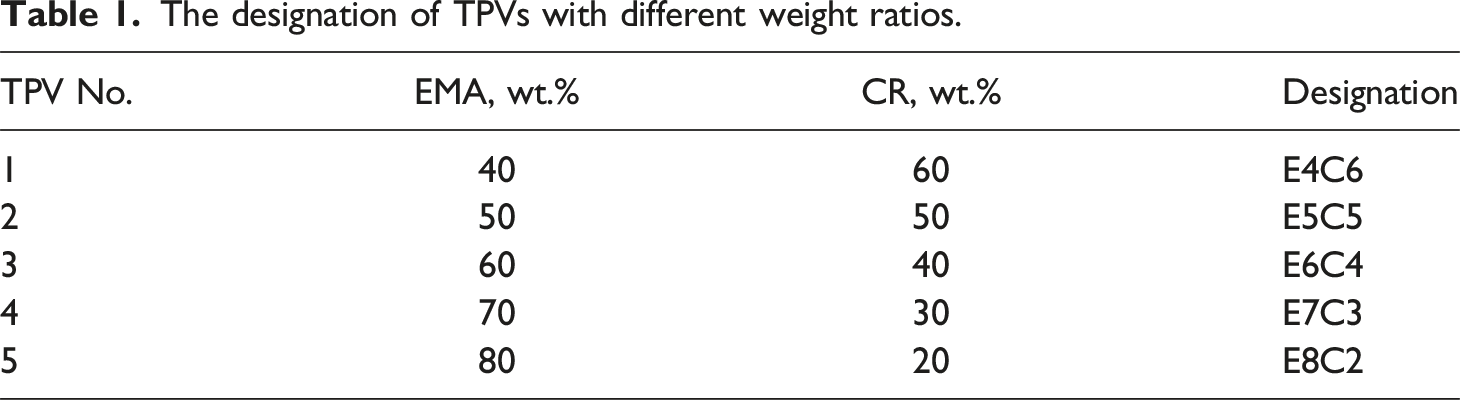
The designation of TPVs with different weight ratios.
Characterizations
Mechanical Properties Test
The EMA/CR TPVs samples were cut into dumbbell shapes and subjected to tensile tests according to ASTM D412 at room temperature. The testing instrument used was a universal material testing machine (TCS-2000, Go Tech Testing Machines Inc., Taiwan) with a tensile rate of 500 mm/min.
Microscopy analysis
A field emission scanning electron microscopy (FE-SEM, JSM-6700F, Japan Electron Optics Laboratory Co., Ltd, Japan) was used to observe the microstructure of EMA/CR TPVs. The EMA/CR TPVs samples were cut into square size and soaked in xylene solution at 110°C for 3 h. It required 48 h for the etched samples to be thoroughly dried at room temperature. Before observing the etched morphology, longitudinal tensile surface, tensile fracture surface and low-temperature fracture surface of the samples, a layer of platinum was sprayed under vacuum conditions.
Differential scanning calorimetry
The thermal property of the EMA/CR TPVs was investigated using a differential scanning calorimeter (DSC204F1, NETZSCH, Germany). The samples were cut into small pieces weighing 5∼8 mg. The test was conducted under a nitrogen atmosphere, and the samples were heated to 120°C with a heating rate of 10°C/min to obtain the melting curves.
Dynamic mechanical analysis
To establish the relationship between dynamic mechanical properties and temperature systematically, the specimens were cut into strips measuring 4 mm (width) * 10 mm (length) * 2 mm (thickness), and the mechanical properties were tested using a dynamic mechanical thermal analysis (TA Instruments, DMA Q800). The temperature ranged from −40°C to 120°C, with a heating rate of 3°C/min. The scanning frequency and the strain were set at 10 Hz and 0.5 %, respectively.
Shape memory effect measurement
The shape memory effect (SME) measurement test was employed to characterize the shape memory behaviors of the EMA/CR TPVs. Firstly, fold-deploy tests were conducted under different shapes to evaluate the shape memory property. The steps were as follows. Initially, to induce deformation, the samples were placed in a hot oven for 10 min at 95°C, followed by applying external force by hand. Secondly, the deformed samples were cooled in cold water with a temperature range of 2°C for 5 min to fix the temporary shapes. Finally, the samples with temporary shapes were immersed in hot silicone oil to recover the initial shapes at 95°C. The recovery process and time were recorded using a digital camera.
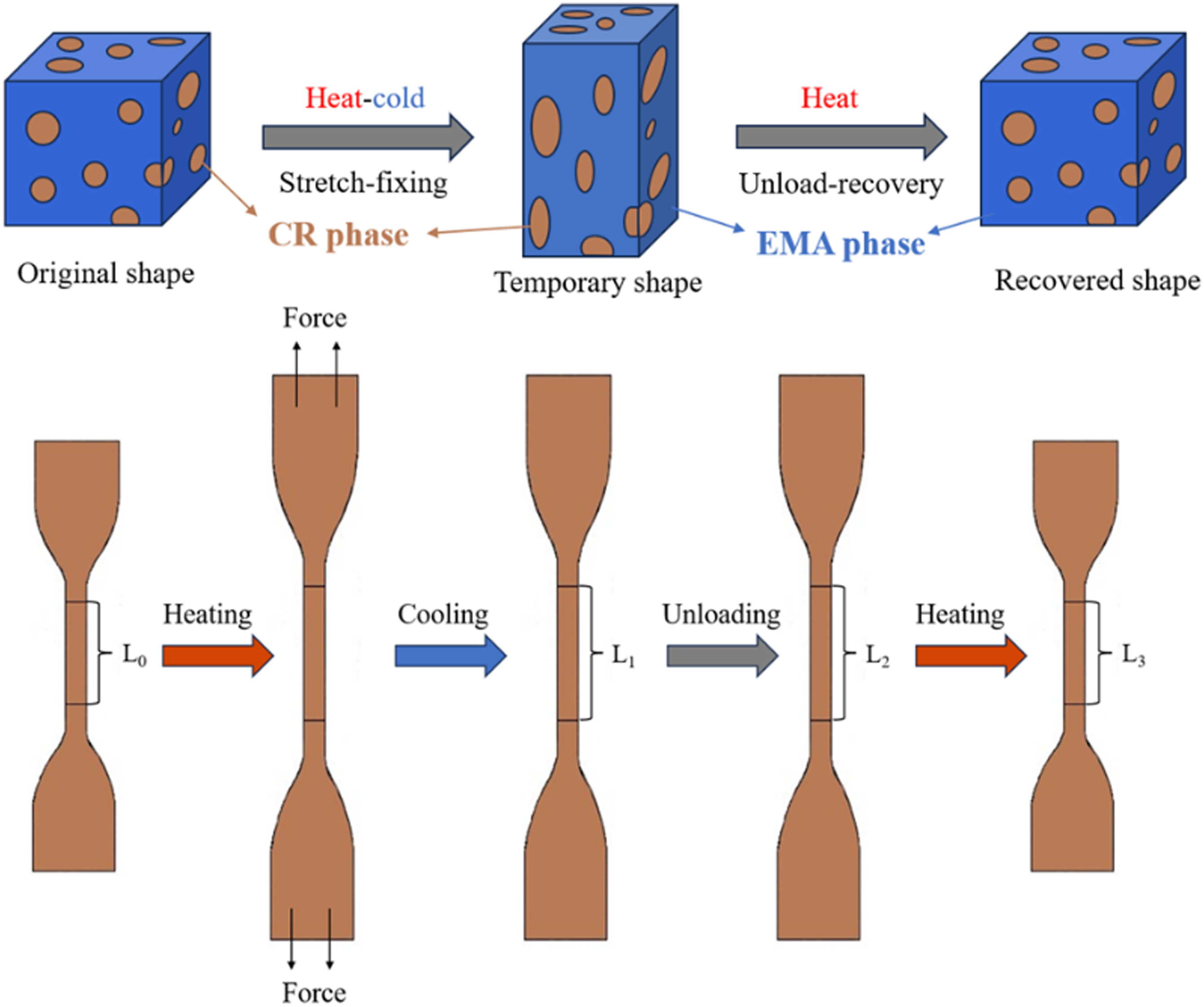
Furthermore, the procedure for the SME tests of EMA/CR TPVs and pure EMA was conducted in the following steps: the samples of the EMA/CR TPVs and pure EMA were cut into dumbbell-shaped specimens. Two parallel straight lines were drawn on both sides of the center point of the specimens, with a distance of about 20 mm between the lines, and the actual distance was recorded as L0. The specimens were placed in a hot air oven at the deformation temperature (Td) for 10 min. Subsequently, the specimens were elongated until the distance between the two lines reached 40 mm. The deformed specimens were clamped and rapidly immersed in an ice water mixture for 5 min. After removing the specimens from the ice water mixture, the distance between the two lines (L1) was measured. After removing them from the clamp, the specimens were left for 24 h at room temperature, and the distance between the two lines (L2) was measured again. The specimens were then kept in a hot air oven at the recovery temperature (Tr) for 10 min, and the distance between the two lines (L3) was measured. Each sample was tested six times to obtain relatively average data. Schematic portraying and illustration of SME measurement are shown in Figure 1. The SF ratio was represented by equation (1); the SR ratio was represented by equation (2). Schematic portraying and illustration of SME measurement.

Results and discussion
Mechanical properties of EMA/CR TPVs
Figure 2 shows the stress-strain curves of the EMA/CR TPVs, pure CR vulcanizate and pure EMA. From Figure 2, it can be observed that the stress-strain curves of the EMA/CR TPVs exhibited similar trends. Increasing the EMA content in EMA/CR TPVs, the tensile strength of the TPV gradually decreased, and E4C6 demonstrated the most considerable tensile strength. At the same time, the elongation at break showed a slight increase. Stress-strain behaviors of (1) CR and EMA/CR TPVs: (2) E4C6, (3) E5C5, (4) E6C4, (5) E7C3, (6) E8C2 and (7) EMA.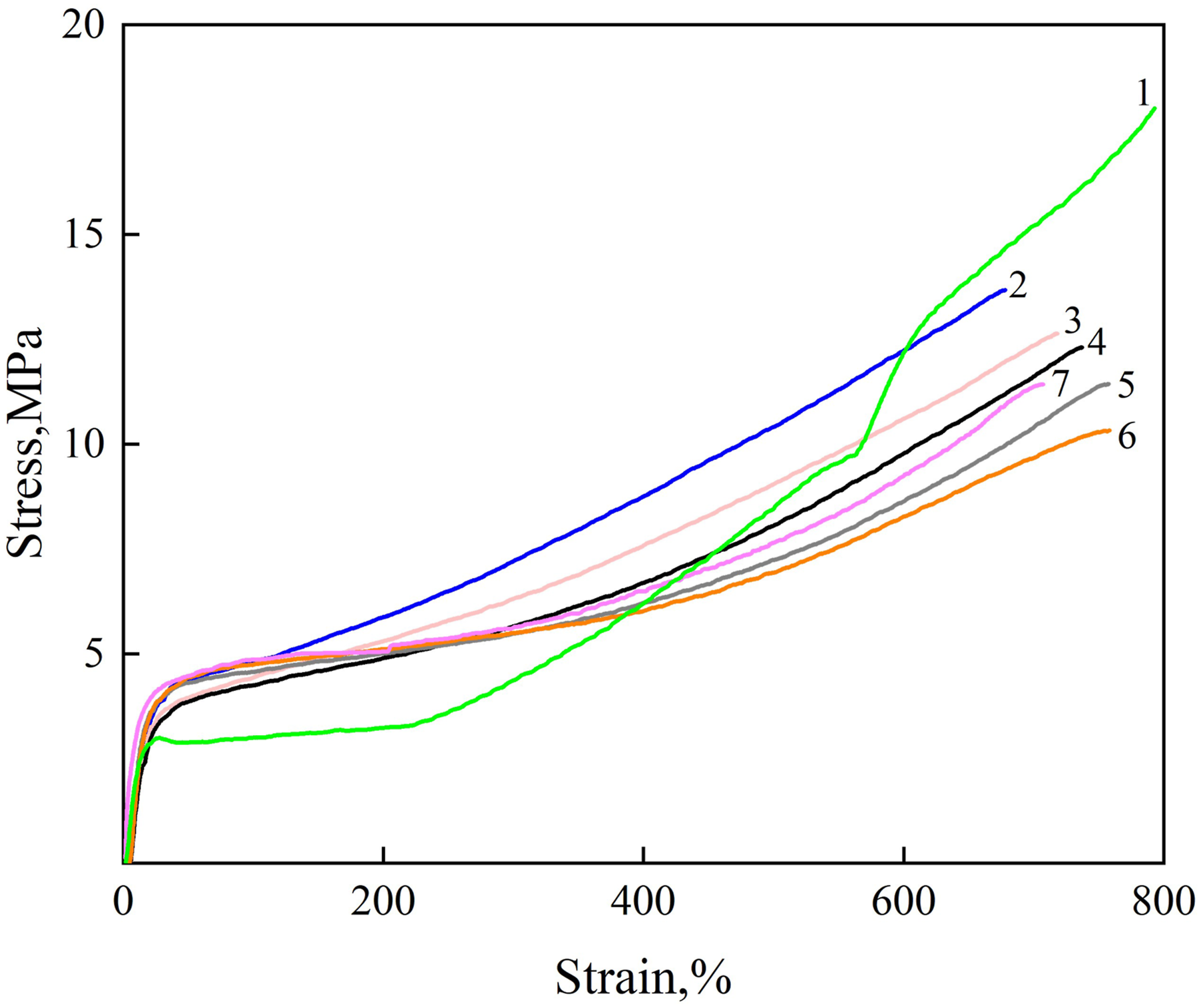
Morphology and microstructure of EMA/CR TPVs
Figure 3(a) shows the etched surface of the E4C6 specimen after removing part of the EMA phase in the EMA/CR TPV surface. It can be observed that the surface of TPV exhibited a typical sea-island structure, with exposed CR rubber particles ranging in size from 3 to 7 μm. The CR phase was broken into small rubber particles and dispersed in the EMA matrix under a strong shear force during the dynamic vulcanization. As is well known, both the EMA and CR possess polarity, the smaller size of the CR particles and strong polarity led to the strong interface interaction between the CR rubber particles and the EMA matrix. Figure 3(b) shows the cryogenically fractured surface of the E4C6 specimen. The cryogenically fractured surface of the E4C6 specimen was relatively flat, indicating the good interface interaction between the EMA and CR phases. Figure 3(c) shows the tensile fractured surface of the E4C6 specimen. It can be observed that the tensile fracture surface of E4C6 was relatively uniform, where no CR rubber particles were found obviously, indicating the good interfacial adhesive strength between the vulcanized CR particles and EMA phase. Figure 3(d) shows the longitudinal stretching surface of the E4C6 specimen. An evidently oriented structure can be observed in Figure 3(d), indicating the orientation of the EMA phase during the stretching process, which was beneficial for fixing the deformable CR rubber particles and storing numerous elastic potential energy. FE-SEM images of E4C6 specimen: (a) etched surface, (b) cryogenically fractured surface, (c) tensile fractured surface, (d) longitudinal stretching surface.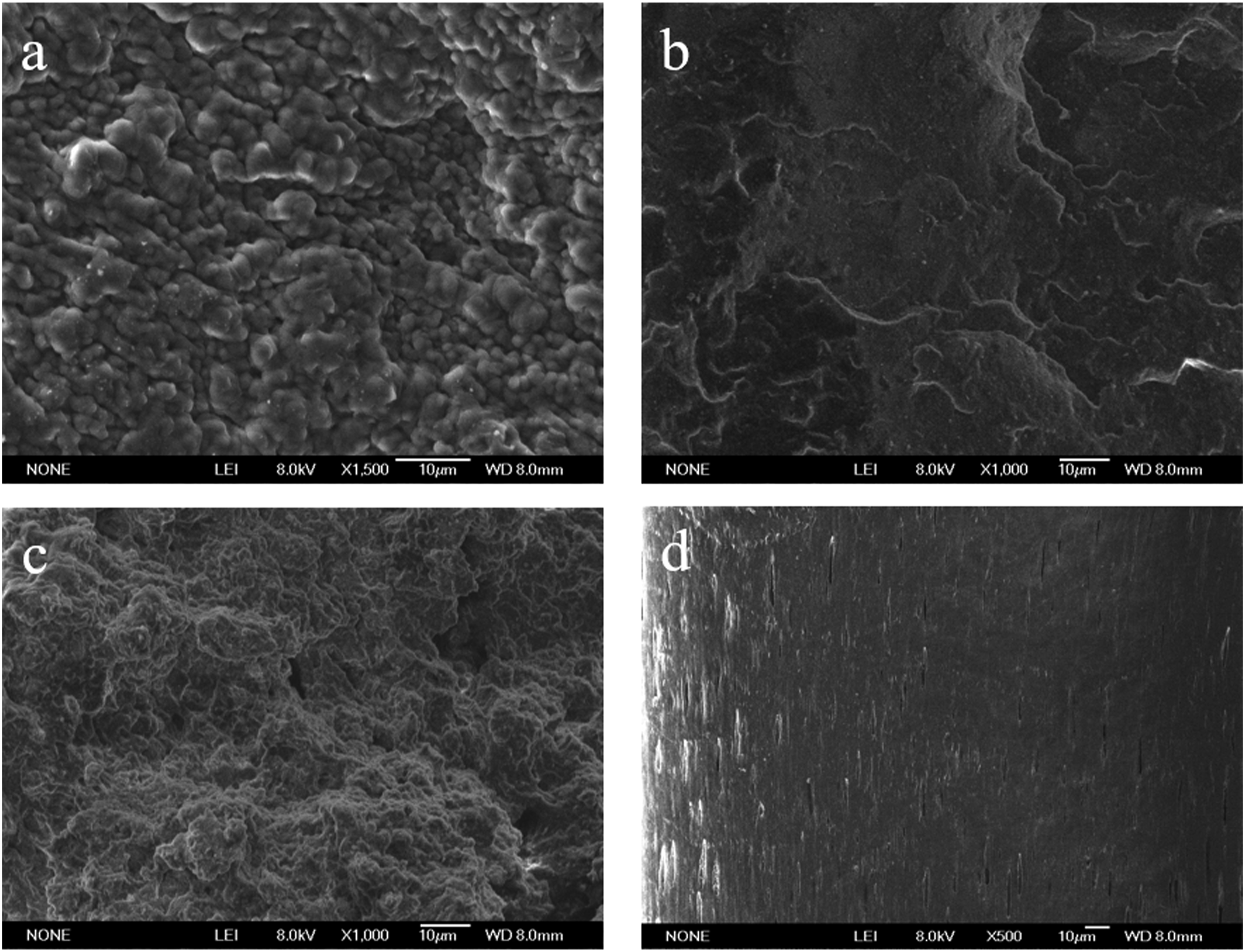
DSC of EMA/CR TPVs
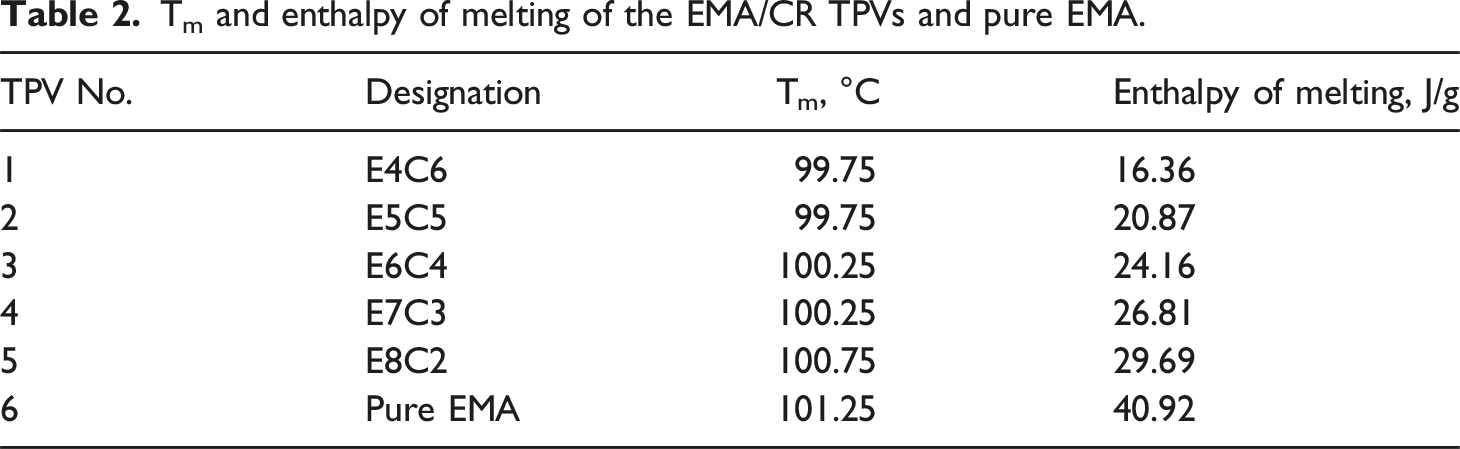
It was essential to investigate the melting characteristics of the EMA/CR TPVs using DSC, EMA was a semi-crystalline thermoplastic resin, and the EMA crystallites’ Tm was crucial for setting the Tsw of the EMA/CR TPVs. The melting curves of the EMA/CR TPVs are shown in Figure 4. The significant energy changes exhibited by the EMA/CR TPVs were primarily attributed to the melting of the EMA crystallites. The Tm and enthalpy of melting of the EMA/CR TPVs and pure EMA are listed in Table 2, which can be obtained from Figure 4. Increasing the content of EMA in the EMA/CR TPVs, both the Tm and enthalpy of melting exhibited an increasing trend, with Tm ranging from 99.75 to 100.75, indicating that the content of EMA had little effect on the Tm of the EMA/CR TPVs. In contrast, the increasing trend of enthalpy corresponded to the EMA content of the EMA/CR TPVs, and the enthalpy value of the pure EMA was the largest. The melting curves of the EMA/CR TPVs from the DSC measurements. Tm and enthalpy of melting of the EMA/CR TPVs and pure EMA.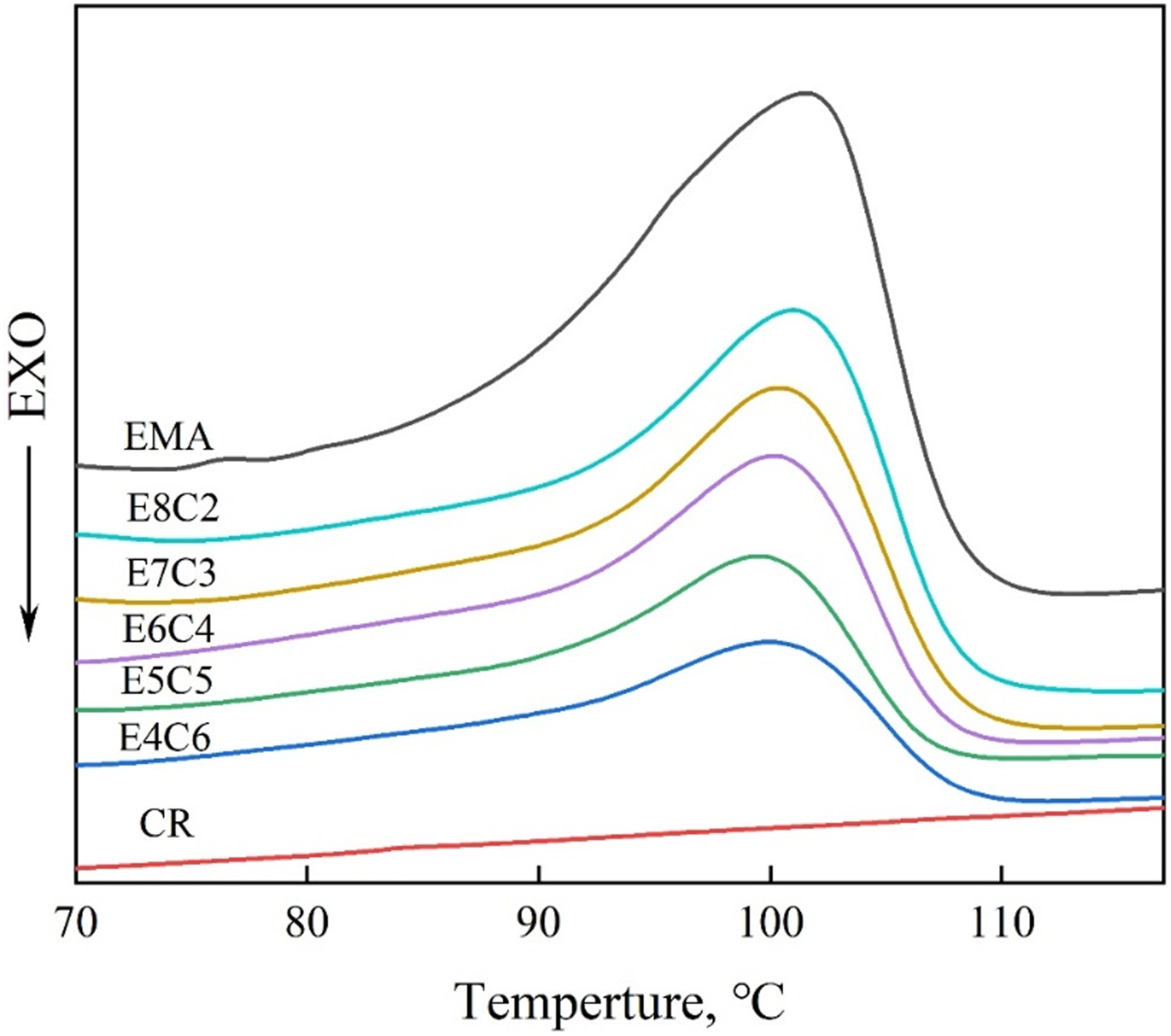
DMA of EMA/CR TPVs
Figure 5(a) depicts the relationship between the temperature and log storage modulus (E′) of the pure EMA, pure CR and EMA/CR TPVs. Figure 5(a) shows that the log E′ of pure EMA was the highest and the log E′ of pure CR was the lowest. Meanwhile, the log E′ of EMA/CR TPVs showed an increasing trend with the increasing content of the EMA in EMA/CR TPVs within the range of −30°C to 100°C, indicating the higher modulus of the pure EMA. When the temperature exceeded 96°C, the log E′ of EMA/CR TPVs showed a decreasing trend; moreover, increasing the EMA content in EMA/CR TPVs would lead to a fast decreasing of log E′. Figures 5(b) and 5(c) show the curves of the values of log loss modulus (E″) and loss tangent (tan δ) values versus temperature of the pure EMA, pure CR and EMA/CR TPVs, respectively. From Figure 5(b), it can be observed that the pure CR exhibited a maximum peak value at approximately −32°C, while the maximum peak values of the EMA/CR TPVs were around −29°C. Figure 5(c) shows that the maximum peak values of both the pure CR and EMA/CR TPVs were about −26°C. The curves from the DMA measurements: (a) log E′, (b) log E″, (c) tan δ.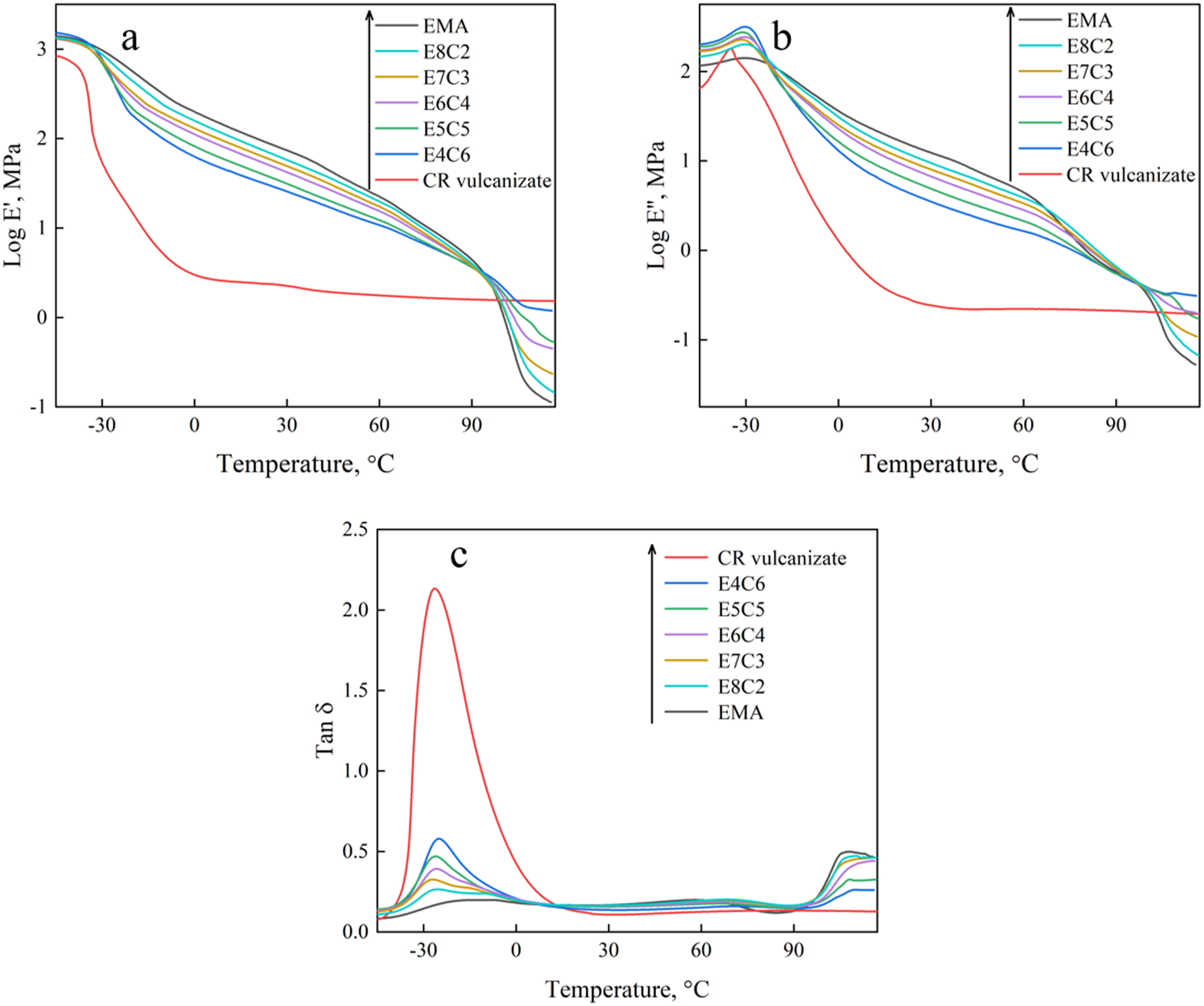
Shape memory property of EMA/CR TPVs
Temperature played a crucial role in the practical application of TSMPs. To gain deeper insights into SME, the shape memory property of pure EMA and a series of EMA/CR TPVs were tested by varying Td and Tr. The trends of SF% and SR% with respect to Td and Tr were obtained. Figure 6 illustrates the SF% and SR% values of EMA/CR TPVs at Tr of 95°C with varying Td. It is evident from Figure 6 that the setting of Td had a significant impact on SF% and SR%. With the increase of Td, both the SF% of EMA and EMA/CR TPVs notably increased, and the SF% of E8C2 can reach 95% at 95°C. Similarly, the SR% of EMA and EMA/CR TPVs also exhibited an increasing trend, reaching a maximum at 95°C while decreasing at 100°C. Notably, the SR% of E8C2 at 95°C was higher than 95%, indicating the excellent shape recovery capability alongside the remarkable shape fixation property of E8C2. As the Td increased, the flexibility of EMA macromolecular chains enhanced due to increased thermal motion energy, facilitating the deformation and orientation of the EMA phase; meanwhile, the effective stress was more beneficial to be exerted on CR rubber particles, which was advantageous for subsequent shape recovery. However, when Td approached the Tm of EMA, because most EMA crystals were in a molten state, the strength of the EMA phase was decreased and unable to exert adequate stress on CR rubber particles. Consequently, the slightly deformed CR rubber particles failed to provide sufficient recovery driving force for the fixed sample, resulting in weak shape recovery capability. Moreover, it can be observed from Figure 6 that under the same Td, the SF% of the EMA/CR TPVs increased with increasing EMA content and remained lower than that of pure EMA. The SR% of the EMA/CR TPVs increased with increasing CR content and was much higher than that of pure EMA. It can be illustrated that the existence of the EMA phase played a specific role in the SF process, while the CR phase played a significant role in the SR process. On the one hand, during the SF process, the EMA macromolecular chains were oriented under the external force with the increasing chain flexibility at high temperature; however, the chains were quickly fixed when the specimen was placed in the cold water, and the deformed CR rubber particles were also fixed. On the other hand, during the SR process, the oriented EMA chains occurred disorientation and deformation recovery with the increasing temperature; moreover, the deformed CR rubber particles also underwent the strong deformation recovery, leading to the rapid deformation recovery of the TPV specimen. The influence of Td on the SF% and SR% values of the EMA/CR TPVs (Tr = 95°C).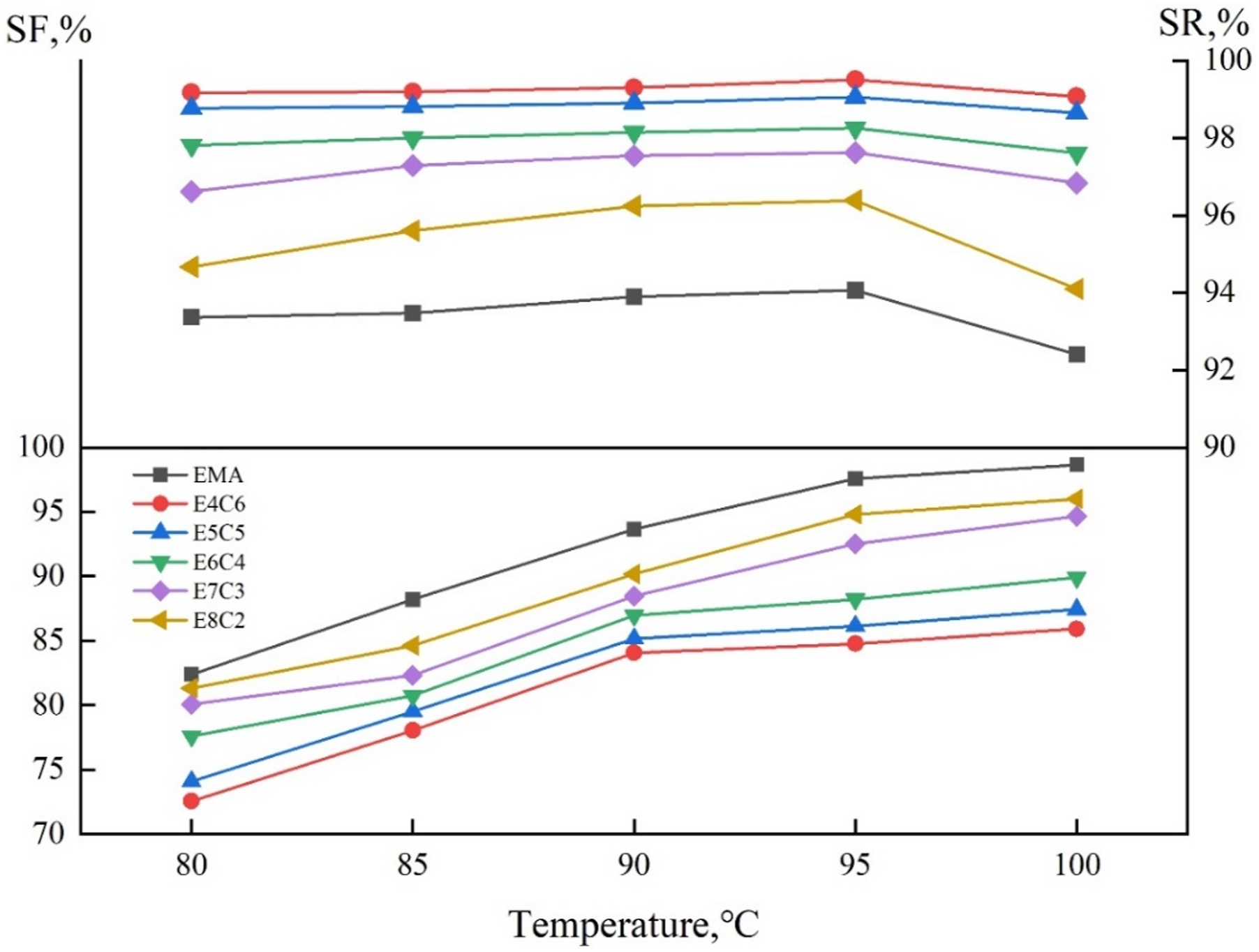
Figure 7 depicts the influence of Tr on the SR% values of the pure EMA and EMA/CR TPVs at a Td of 95°C. It can be observed from Figure 7 that with increasing Tr, both the pure EMA and series EMA/CR TPVs showed an increasing trend in SR%. Increasing Tr, the strength of the EMA phase was decreased, and the constraint on CR particles was decreased, facilitating the release of elastic potential energy stored in the deformed CR rubber particles, resulting in the enhancement of the shape recovery capability of the EMA/CR TPVs. At 95°C, the SR% of E4C6 reached 99%, significantly higher than that of the pure EMA. The influence of Tr on the SR% values of the EMA/CR TPVs (Td = 95°C).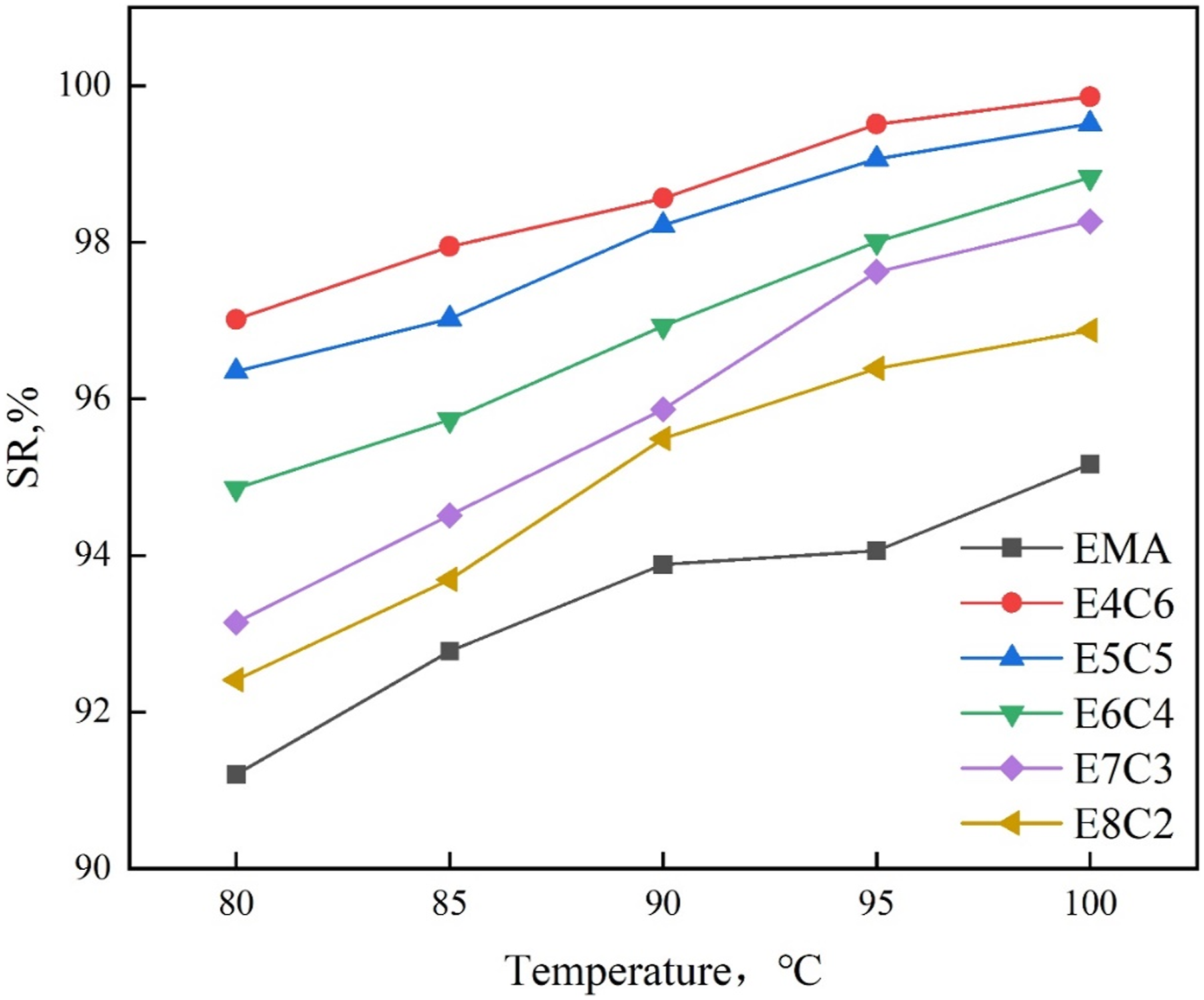
To provide a more intuitive illustration of the SME process of the EMA/CR TPVs, Figure 8 demonstrates the shape recovery process of E8C2 in curled, folded and spiral states. The tests were conducted with Td and Tr maintained at 95°C, and the recovery process took place in silicone oil at 95°C. It can be observed from Figure 8 that the fixed E8C2 specimens recovered to the original shapes within 20 s, with slightly various recovery time for different shapes. It suggested that the shape recovery property of E8C2 was related to the complexity of the temporary shape. The various temporary shapes exhibited excellent programmability and rapid response characteristics, indicating potential applications in fields such as temperature sensors .
38
The shape recovery process of E8C2 (Td = 95°C, Tr = 95°C): (1) curled state; (2) folded state; (3) spiral state.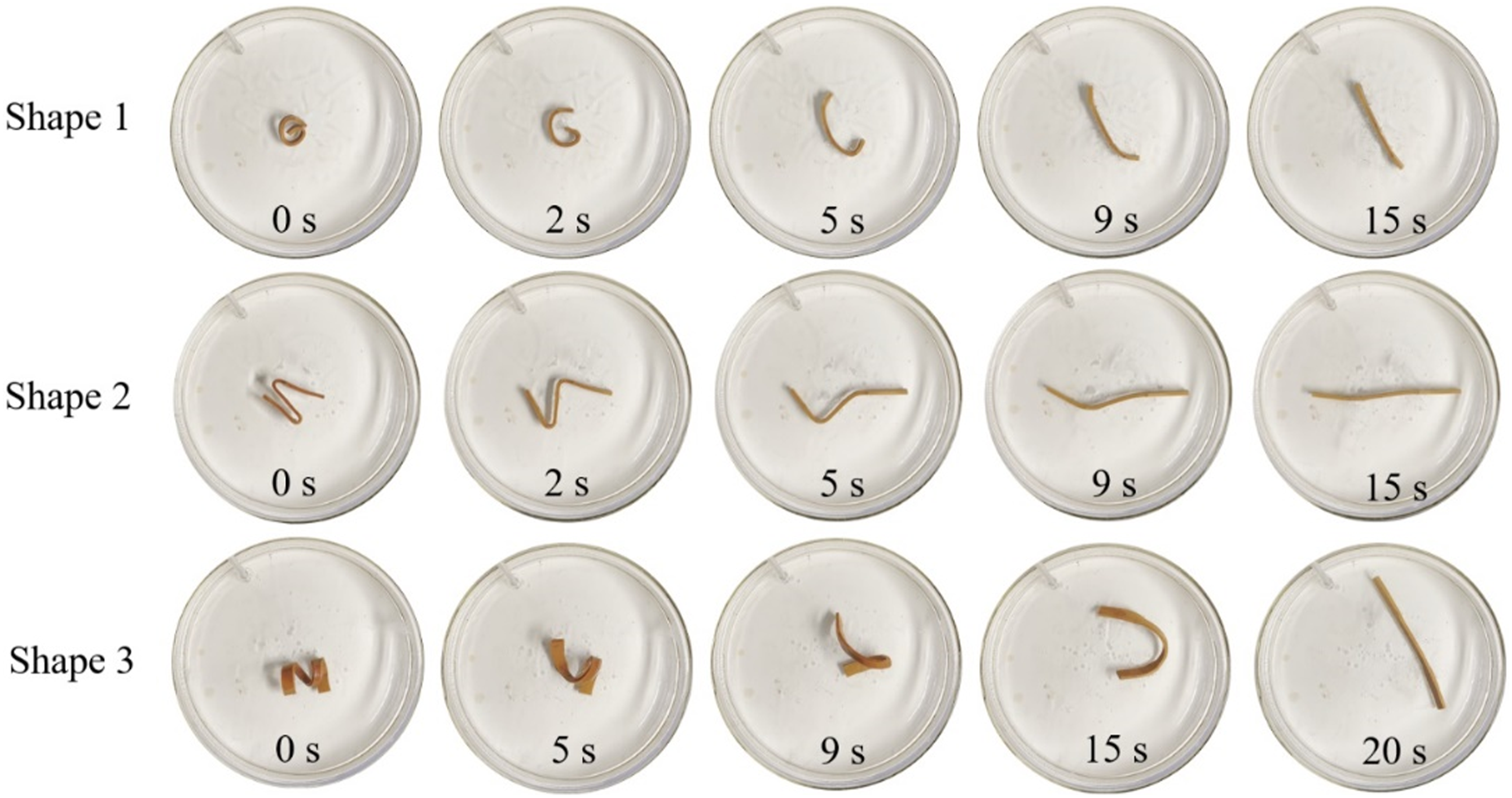
The SME of E8C2 obtained at different strain amplitudes when Td and Tr were all set at 95°C is shown in Figure 9. It can be observed from Figure 9 that SF% and SR% all decreased with the increasing strain amplitude, indicating that EMA/CR TPVs’ shape memory capability was related to the deformation shape’s complexity. SME of E8C2 obtained at different strain amplitudes (Td = 95°C, Tr = 95°C).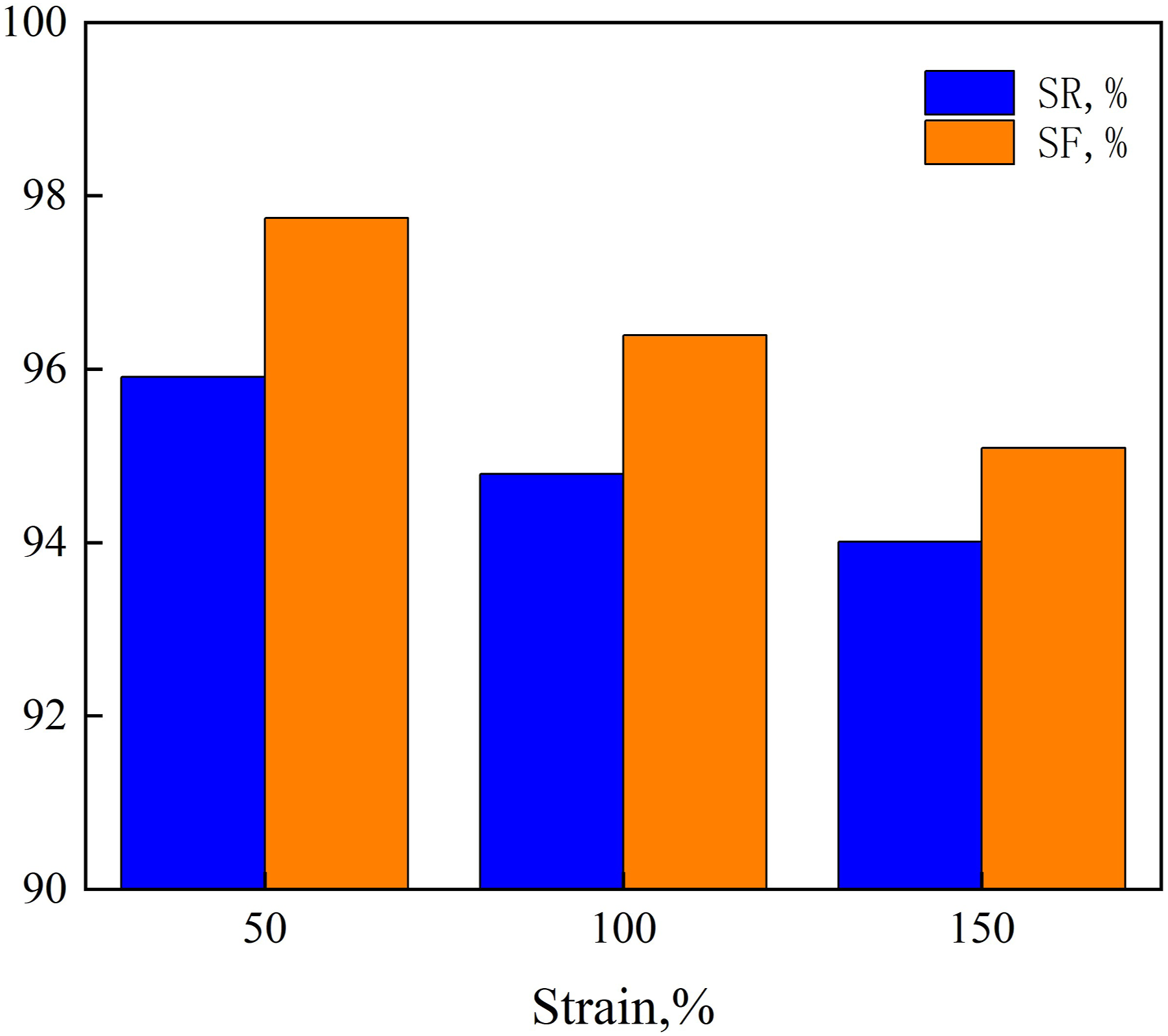
Conclusions
In summary, a series of EMA/CR TPVs with controllable shape memory capability were prepared using dynamic vulcanization, and the shape memory property and mechanism were investigated systematically. FE-SEM results revealed a sea-island structure in the EMA/CR TPVs, indicating the good compatibility between the dispersed phase CR and the continuous phase EMA. DSC testing showed that the Tm of the pure EMA and the EMA phase in EMA/CR TPVs were both around 100°C. DMA results indicated that the EMA/CR TPVs with higher EMA content showed better shape fixation ability. The EMA/CR TPVs demonstrated excellent shape memory effect, and the shape memory behavior could be effectively regulated by varying the weight ratio of EMA/CR, Td, and Tr. Shape memory property testing showed that TPVs with higher EMA content exhibited higher shape fixation rates, while EMA/CR TPVs with higher CR content exhibited higher shape recovery rates. When Td and Tr were all set at 95°C, the achieved SF% and SR% of E8C2 can be above 95%, demonstrating the excellent shape memory property. The E8C2 fixed in different temporary shapes could all recover to the initial states within 20 s. Moreover, the more enormous strains resulted in the decreased SF% and SR% of the EMA/CR TPVs. With the excellent shape memory property and simple manufacturing process, we hope that the EMA/CR TPVs have significant potential for use in temperature sensors and self-deploying structures.
Footnotes
Declaration of conflicting interests
The author(s) declared no potential conflicts of interest with respect to the research, authorship, and/or publication of this article.
Funding
The author(s) disclosed receipt of the following financial support for the research, authorship, and/or publication of this article: The work was supported by the Shandong Provincial Natural Science Foundation, China (ZR2021ME028).
