



Abstract
Shape memory polymers (SMPs) and their composites (SMPCs) have emerged as popular materials in a variety of industries due to their unique properties of shape-changing behavior in response to external stimuli. The inclusion of reinforcement may modify the SMPs to enhance their thermal and shape memory properties. Different types of bio ceramics have already been used to alter the thermal and shape memory behavior of SMPs. However, using bioactive glass (BG) as filler to modify these properties has not yet been explored. Despite the significant advantages that shape-memory polymers (SMPs) offer when combined with 3D/4D printing technology, their potential in 3D printing has been explored only to a limited extent. This work created a solvent-based 4D-printed temperature-sensitive shape memory polymer composites (SMPCs) system using polylactic acid (PLA) and bioactive glass (BG). The influence of BG on the thermal as well as shape-memory capabilities of composites was further examined. An increase in the degree of crystallinity and viscoelastic characteristics of PLA/BG composites led to improved shape memory properties, like shape fixity and shape recovery. These findings suggest the potential for using the developed SMPC printed through 4D printing technology, to develop complex shapes for self-foldable structures and smart biomedical devices in the future.
Keywords
Introduction
Stimuli-responsive polymers, also known as shape memory polymers (SMPs), are polymers that change shape in response to an external stimulus (i.e., temperature variation, moisture, electric/magnetic) field and then return back to their original, unaltered shape once the stimulus is removed.1,2 SMPs are a rapidly expanding class of smart materials with many potential uses in fields as diverse as smart medical equipment, high-performance textiles, aerospace, packaging, actuators, and civil engineering due to their many advantageous properties, such as greater than 100% recoverable strain, cost-effectiveness, relatively low density, simple processability, and even potential biodegradable properties.1,3,4 Even so, in the past, neat SMPs with no reinforcement demonstrated poor mechanical strength and recovery forces, limiting the range of their potential uses.
5
Composite technology, the idea of adding two or more materials together to create a new material with improved qualities, has gained traction in a variety of fields.2,6,7 Inorganic materials like hydroxyapatite particles,
Depending upon the nature of SMPs, there are three popular 3D printing technologies to process SMPs, like stereolithography (SLA), fused deposition modelling (FDM), and solvent-based 3D printing (SB3DP) which is a type of direct ink writing (DIW) technique.18,19 SLA is limited to use with only one photosensitive monomer unit at a time with slower printing speed, higher printing time and cost.20–22 The FDM process is commonly employed in the processing of thermoplastic SMPs. 17 Nevertheless, the primary disadvantage of the FDM process is its high working temperature, which has led to the thermal stresses in the materials used in this technology. 23 Moreover it is widely recognized that the SMPs used in FDM are subjected to frequent heating and cooling, which causes some undesired warpage of the printed item to occur after fabrication. 24 Several studies have also highlighted filament buckling as a significant challenge with FDM. 22 Solvent-based 3D printing (SB3DP) is a direct ink writing method that uses a viscous ink made by dissolving a polymer in a suitable solvent. This printing method is unique because of the filament is extruded at room temperature and the rheological properties of the ink affect the solidification of the printed filament. 23 Bioinks with suspended cells and other biological fugitive substances, colloidal suspensions, high concentration polyelectrolytes solutions and thermosets (UV-curable), composites and nanocomposites sensitive to higher temperature, have all been utilized in this method to build specialized structures. Zhu et al. 25 used a pneumatic fluid dispenser to deposit a viscous ink to create 3D printed graphene aerogel lattice structures. Guo et al. 18 utilized a solvent-cast direct-write method to create freeform 3D geometries using dissolvable thermoplastic polymers at room temperature. Kandi et al. 26 created a novel hybrid tracheal scaffold using a combination of synthetic and natural polymers (alginate and gelatin) using direct ink writing.
A fascinating recent development of 3D printing is 4D printing in which the printed objects or parts can be deformed in response to an external stimulus.17,27,28 Even though 3D printing technologies have been successfully emerged for a wide variety of materials like metals, polymers as well as ceramics but the majority of materials are not suitable to be used with 4D printing because they fail to demonstrate abundant shape change in the presence of an external stimuli such as moisture, temperature variations, or an external electric/magnetic field.27,29 Printability and “smartness,” or the ability to respond accurately to a stimulus, are prerequisites for any potential material to be used in 4D printing. Researchers are still attempting to identify smart materials to back the advancement of 4D printing technology.17,29,30
Polylactic acid (PLA), a member of the polymer family, has gained popularity for its use in textiles, food packaging, and the biomedical field.
31
PLA is an ideal material for use in other practical applications even in contact with the human body because of its non-petrochemical basis, high tensile strength and elastic modulus, biocompatibility, and ability to degrade into non-toxic products under physiological environment with an additional advantage of easy processability.
31
Due to its glass transition temperature
Although the PLA has several advantages, certain features require customization and careful engineering to optimize its performance. 34 Hence diverse materials with different shapes and sizes are reported as reinforcement in PLA polymer matrix to improve its shape memory properties that can be further utilized in 4D printing to develop smart complex shapes and geometries.35–37
Zhao et al.
38
suggested PLA/
Bio active glasses (BGs) are another important class of inorganic biomaterial within the tissue-engineering industry, due to their high bio activity and biocompatibility. The benefit of using bioactive glasses is that their composition can be specifically tailored, their capacity to reabsorb under physiological conditions can be managed, as well as physiologically relevant ionic species may be doped into these materials to trigger cellular processes in a variety of different tissues. BGs reinforcement can also result in better mechanical and biological properties of SMPCs. 41 Additionally, it is anticipated that the interaction between BGs and SMPs promotes particle dispersion in SMPCs, enhancing nucleation sites, % crystallinity, and shape memory characteristics. 42
According to a review of the literature, it was discovered that the majority of studies focused solely on creating 4D structure with FDM process only. The current work attempts to fill this gap with the effective use of SB3DP technique for 4D printed structures with SMPC consisting of PLA matrix reinforced with BG particles. This work also examines the influence of BG reinforcement on the thermal and shape memory characteristics by analyzing the crystallization behavior, shape fixity, and shape recovery ratios of 4D printed SMPCs.
Materials and Methods
Materials
The polymer material utilized was semi-crystalline PLA manufactured by Nature Works under the commercial designation PLA 2003D and defined by the levels of
Preparation of Polymer/Bioactive Glass Composite Ink for 4D Printing
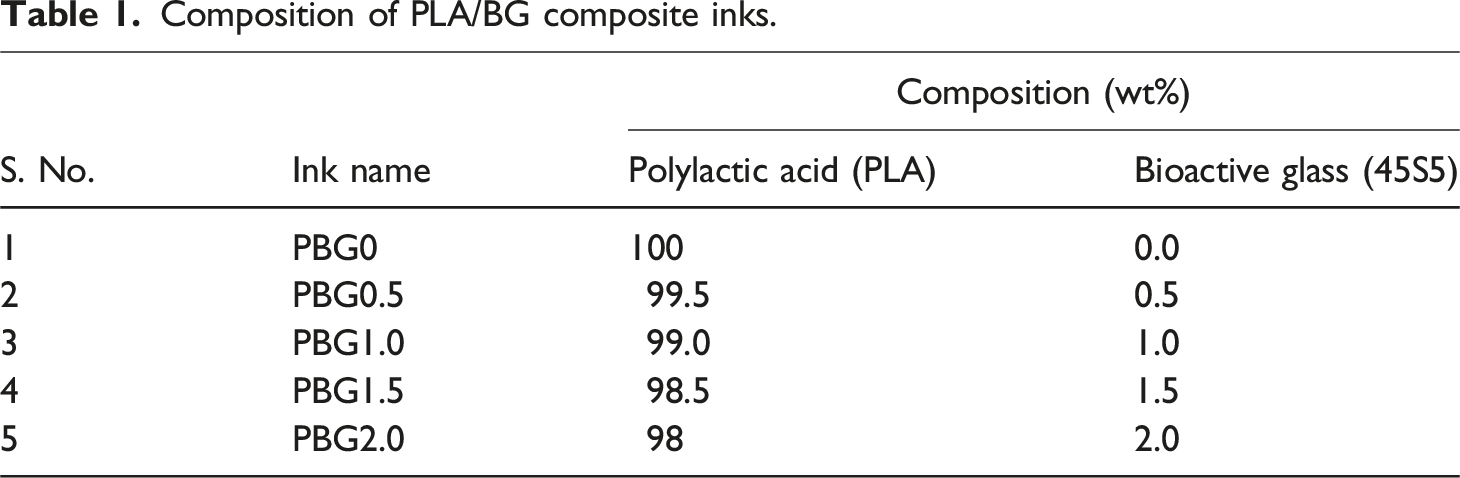
Composition of PLA/BG composite inks.
To produce a 2% ( (a) Flowchart for fabrication of PLA and BG composites and (b) set up for solvent-based 3D printer.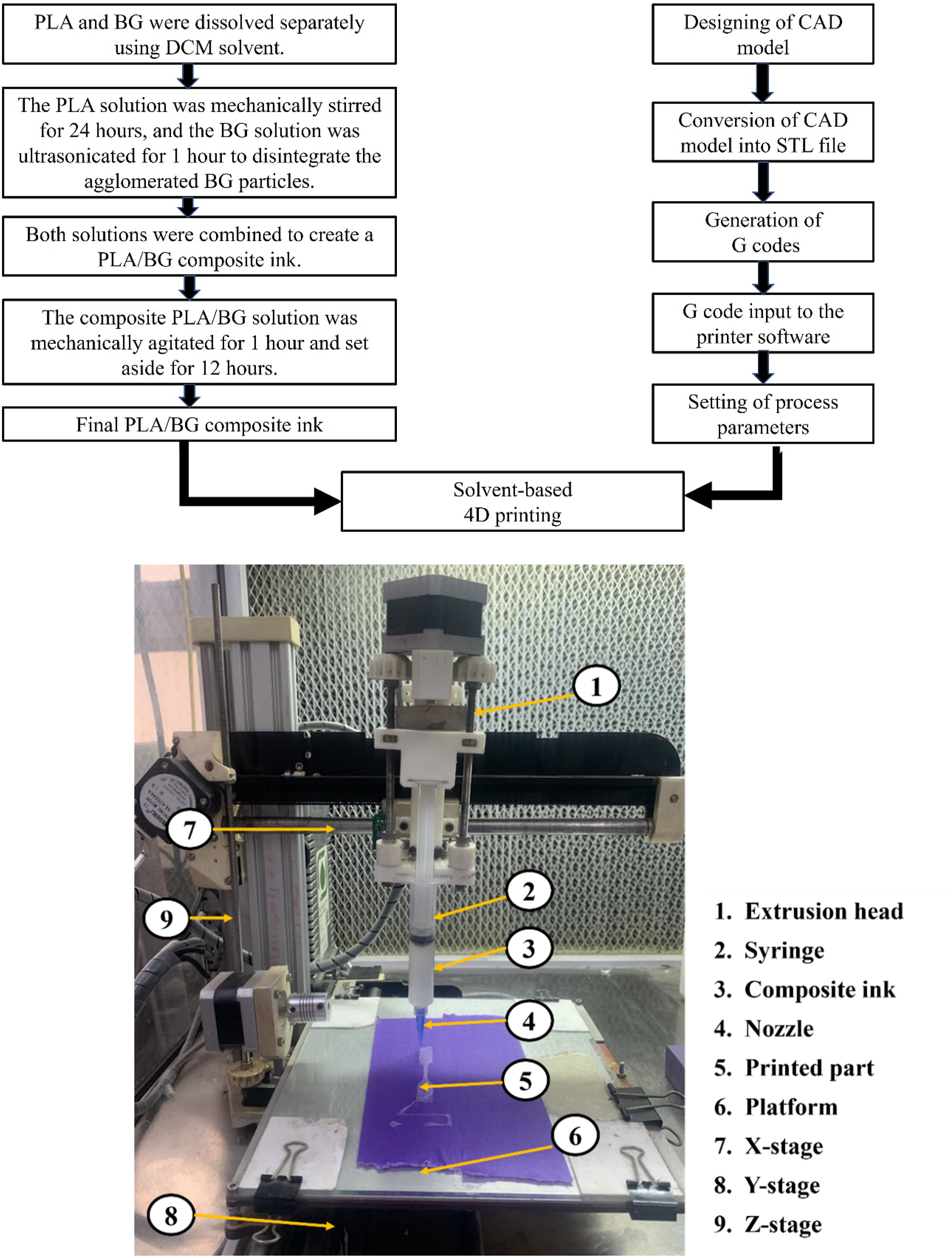
Characterization
Morphology
The morphology of surfaces was analyzed by means of scanning electron microscopy (SEM, model: Zeiss EVO 50). 10
Atomic Force Microscopy
Asylum Research MFP3D-SA was utilized to photograph all samples using silicon cantilever with a resonance frequency ranging from 60 to 70
X-Ray Diffraction
A Smart lab. Rigaku RU-200 diffractometer (Rigaku Co., Japan) was used to examine composites with copper
Thermal Characterization
Differential Scanning Calorimetry
The glass transition (
Thermo-Gravimetric Analysis
A TA instrument SDT650 was used to conduct thermogravimetric analysis (TGA) at a heating rate of 10
Dynamic Mechanical Properties
A dynamic mechanical analyzer, model DMA Q850 TA Instruments (New Jersey, USA), was used to test the dynamic mechanical characteristics in tensile mode. The tests were done with a fixed frequency of 1
Shape Memory Characterization
Thermomechanical cycles were used to characterize thermally triggered shape memory at Step 1: After 10 minutes of isothermal heating above Step 2: After reaching maximum strain Step 3: Subsequently, the load was released to 0.001 N at the rate of 0.5 Step 4: After that, the shape memory recovery was performed when heated to Schematic representation of shape memory cycle.
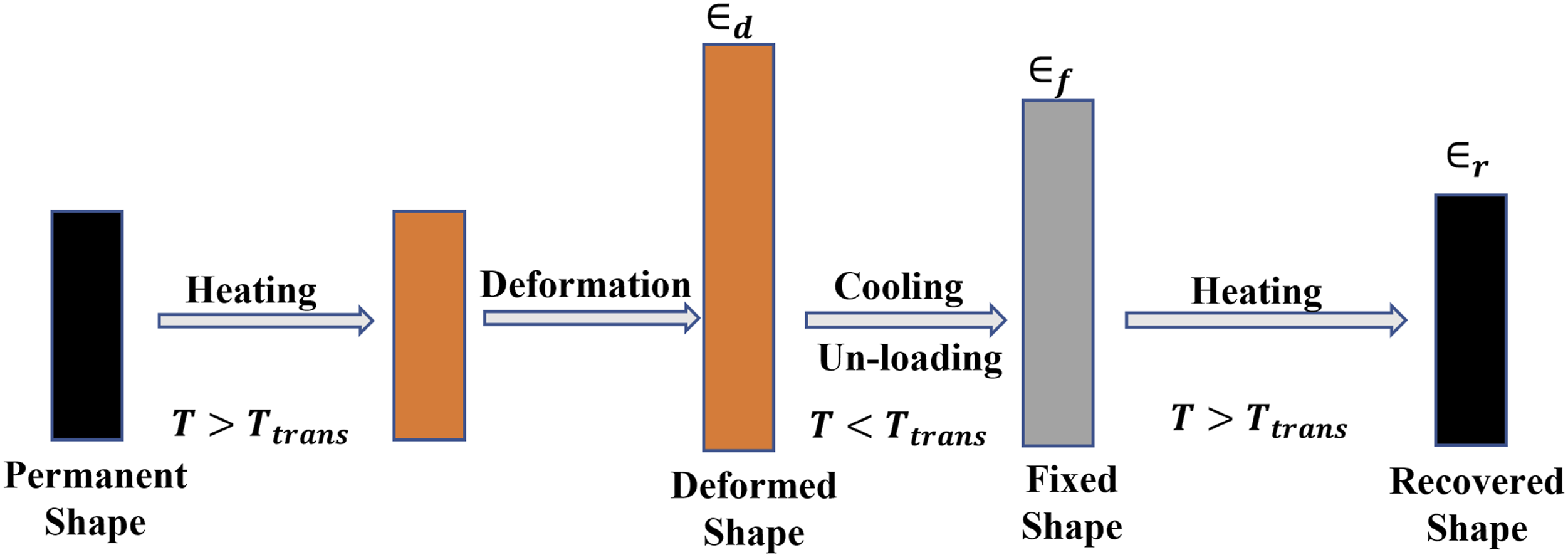
The shape fixed ratio (

Results and Discussion
Microstructural Characterization
All of the printed samples underwent Scanning electron microscopy (SEM) analysis to determine surface topology along with the dispersion of BG particles on top and cross-sectional surfaces. SEM images revealed good fusion between layers in top and cross-sectional surfaces as seen in Figure 3(a) and (b). SEM micrographs also revealed the presence of some cracks and pores due to the evaporation of solvent. The presence of BG particles could be observed at higher magnification. However, SEM micrographs did not provide any evidence of the dispersion of BG particles and the presence of agglomerates of BG in PLA matrix after printing. Therefore, an elemental mapping test (EDX) was run to ensure proper comprehension of BG dispersion inside the PLA matrix for all PLA/BG composites and elements like SEM images showing the morphologies of (a) top surface, (b) cross-sectional surface along with the elemental mapping of (c) top and (d) cross sectional surface of PBG2.0.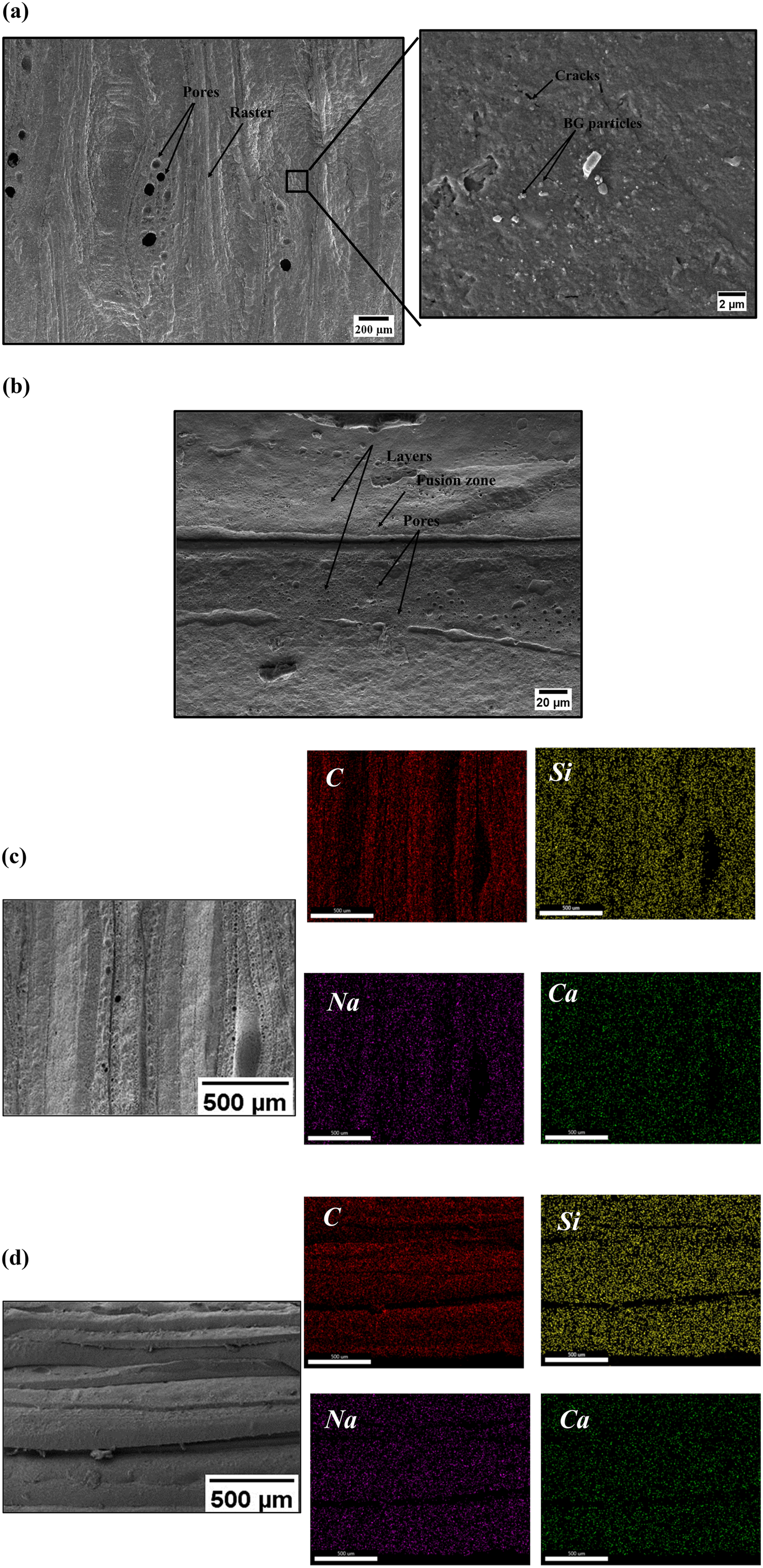
Surface Morphology
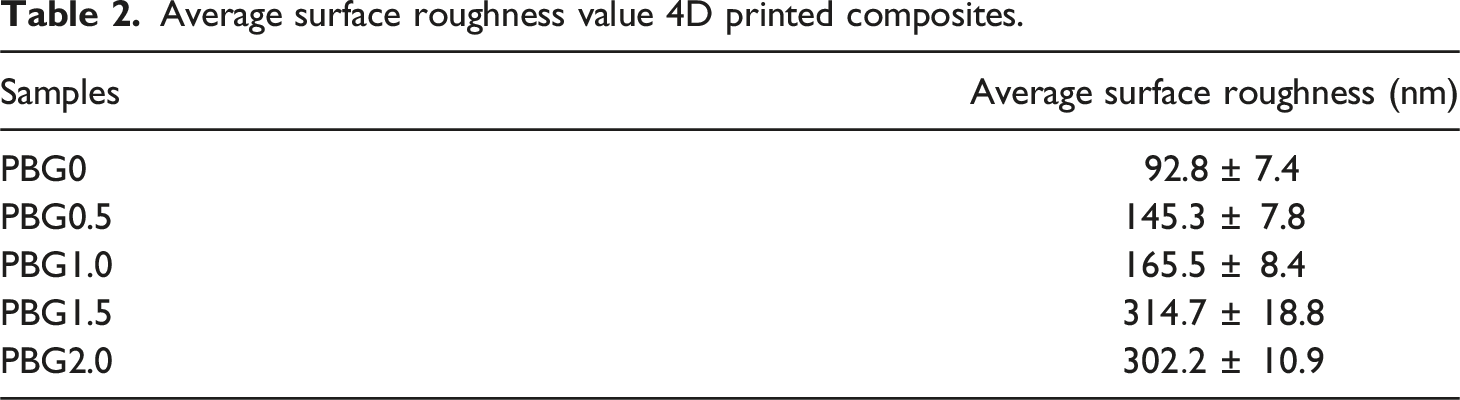
The impact of BG reinforcement on the surface roughness of the composite’s top surfaces was clarified using AFM analysis, as shown in Figure 4. Numerous surface irregularities were noticed, which could be attributed to the fabrication process, material preparation, and solvent evaporation.
45
AFM micrographs of 4D printed PLA/BG composites (A) PBG0 (B) PBG0.5, (C) PBG1.0, (D) PBG1.5, and (E) PBG2.0, respectively.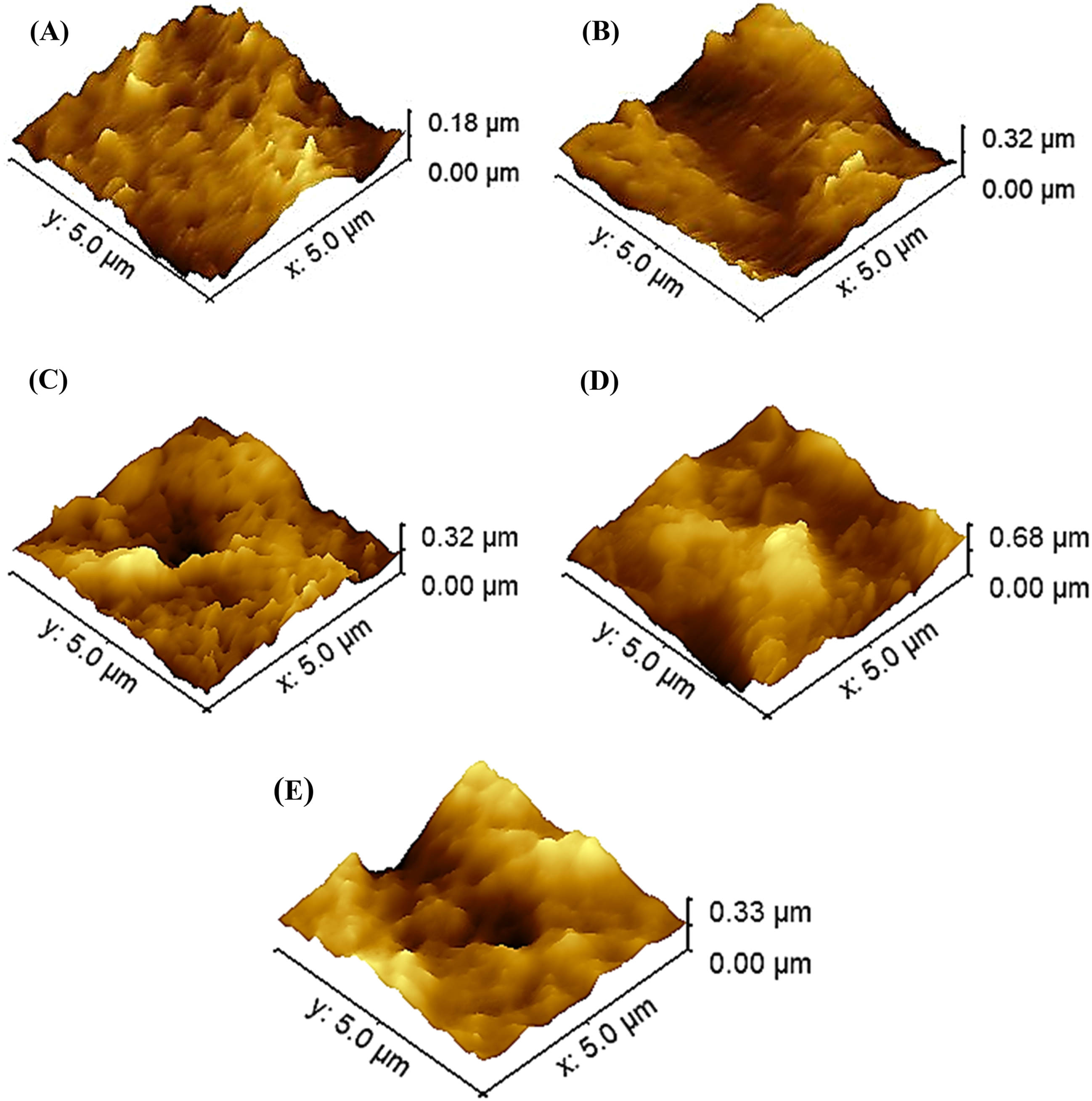
Average surface roughness value 4D printed composites.
XRD Analysis
XRD was used to confirm the incorporation of BG in PLA/BG composites with varying BG contents (0-2 XRD plot for BG, PLA, and PLA/BG composites.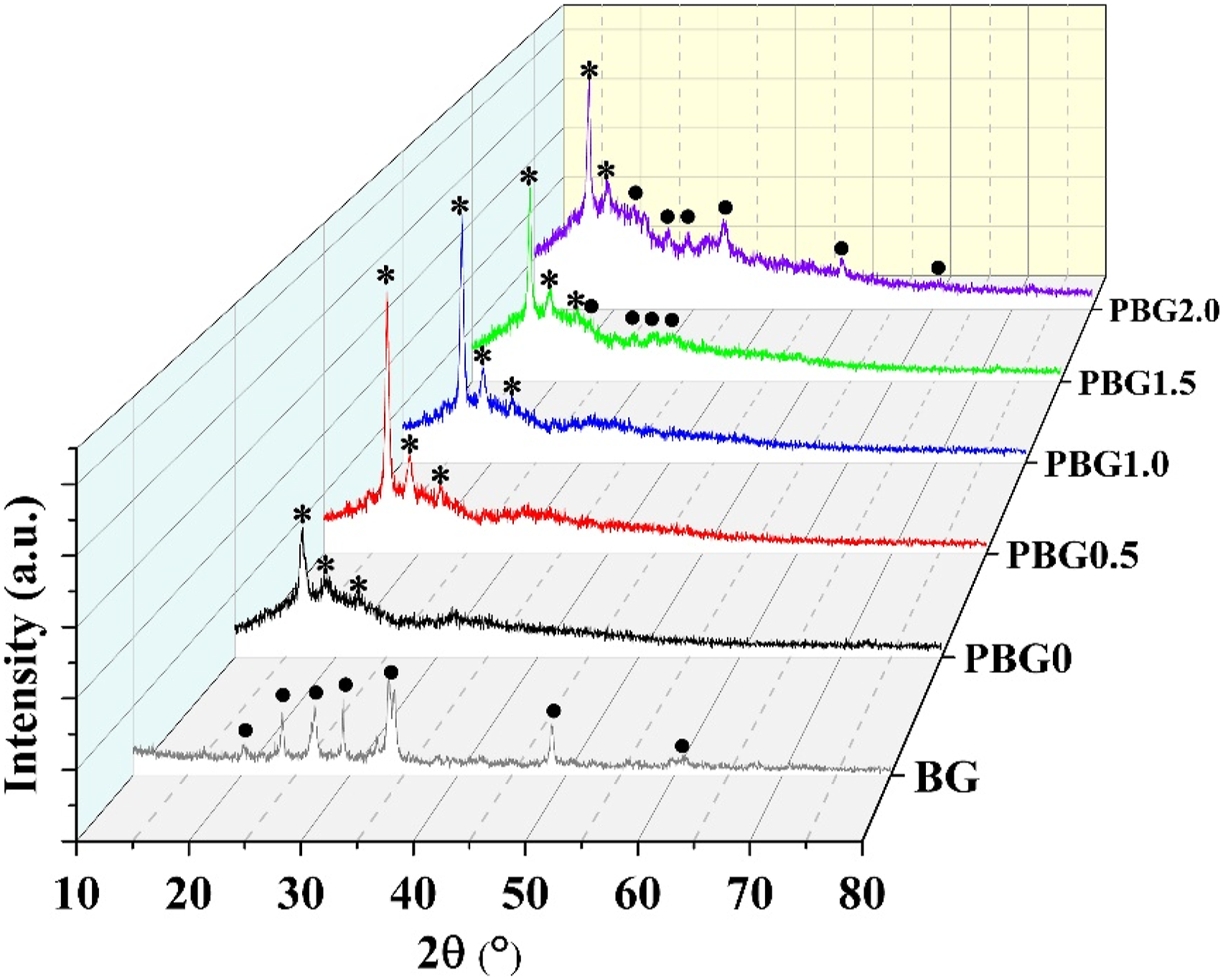
Thermal Characterization
Differential Scanning Calorimetry (DSC)
The thermal characteristics of PLA after BG inclusion were further investigated using DSC analysis. Figure 6 displays the DSC thermograms for the heating and cooling whereas Table 3 provides a summary of the data obtained for the glass transition temperate ( DSC thermograms for PLA and PLA/BG composites (a) first heating cycle and (b) first cooling cycle. Thermal properties of PLA and PLA/BG composites.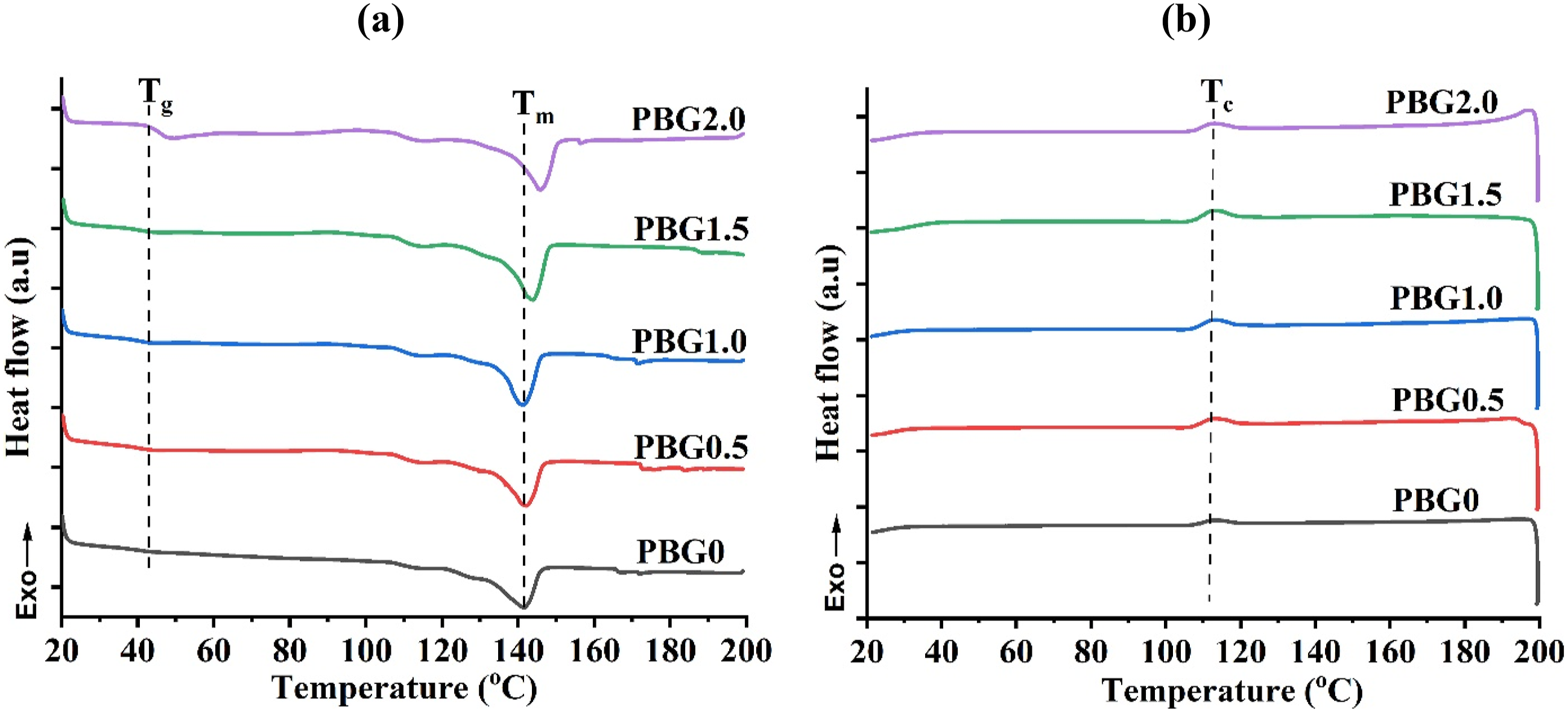
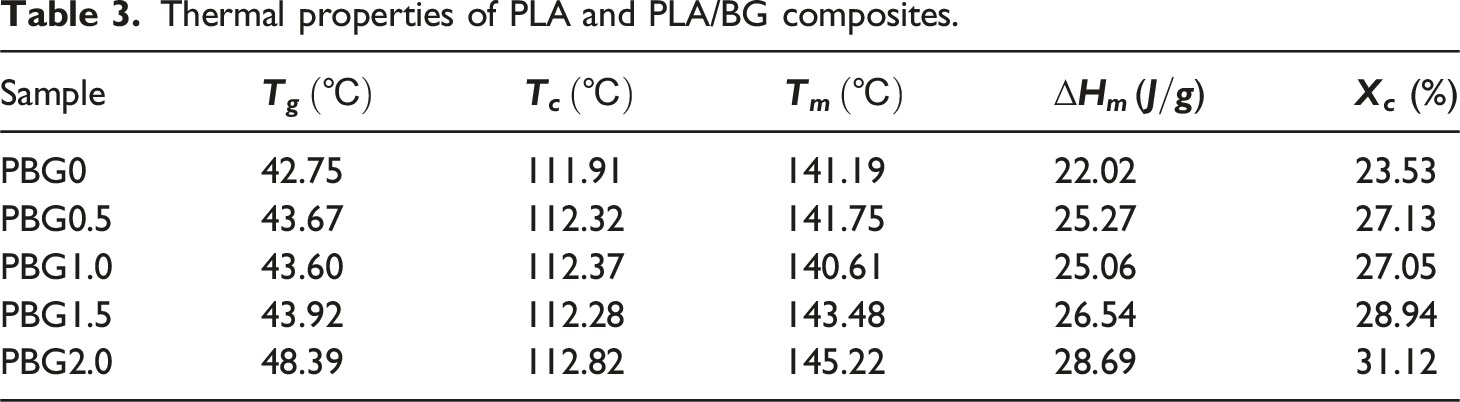
No significant changes in glass transition temperature were observed in PLA/BG composites up to 1.5
Furthermore, the % crystallinity (
Thermo-Gravimetric Analysis
The thermal characterization of raw material as well as its composites is a very important step. This is because the way a polymer behaves when heated can suggest a processing window that stops it from breaking down when heated. Figure 7 shows weight loss curve, and Table 4 lists thermal degradation properties for PLA and PLA/BG composites. TGA and DTGA curve for PLA and PLA/BG composites. Thermal degradation properties of PLA and PLA/BG composites.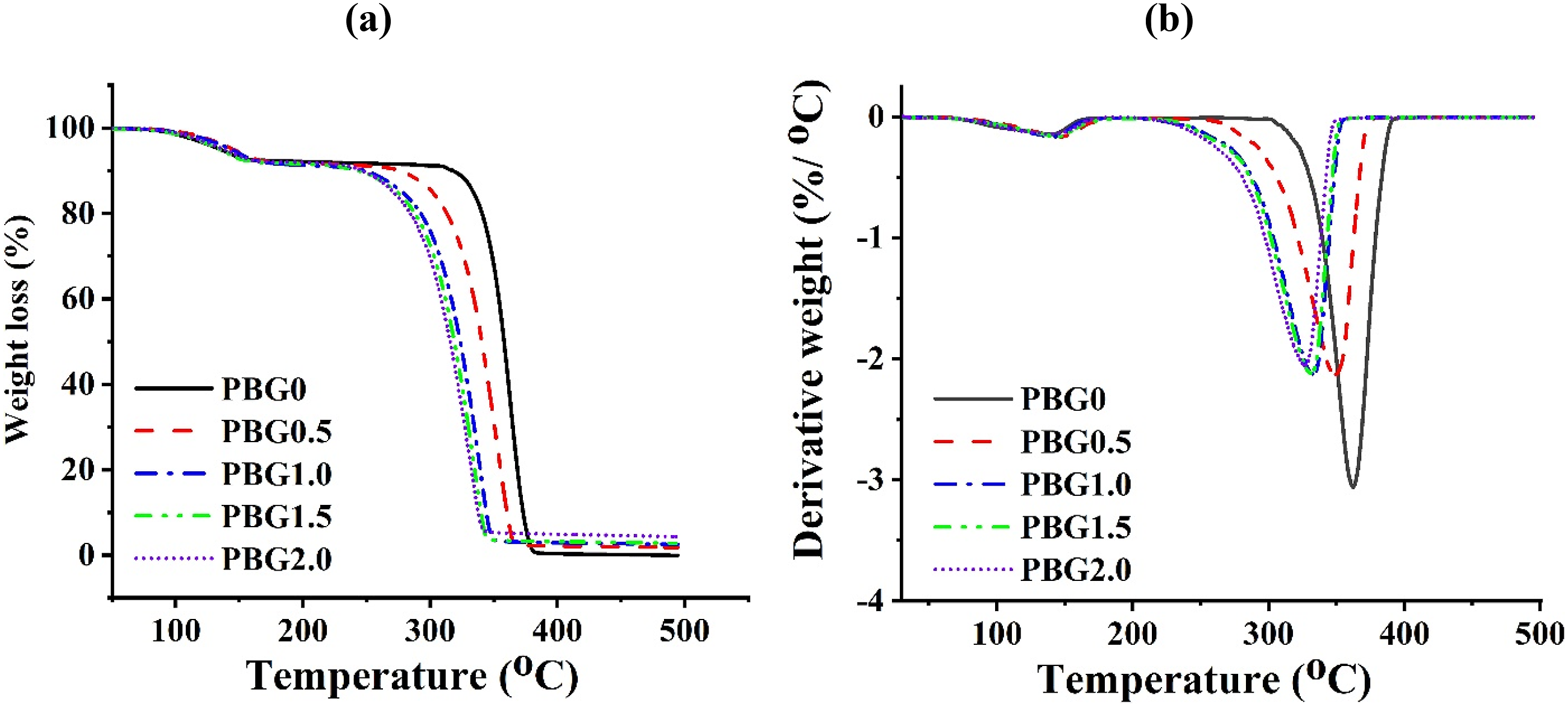
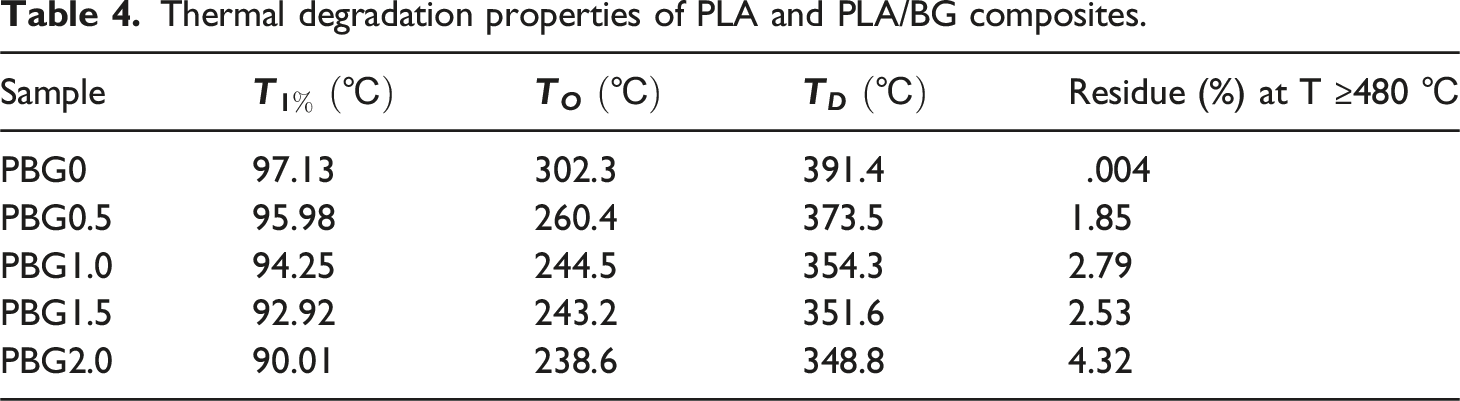
As shown by a single peak, the neat PLA and PLA/BG composites showed a similar one-step degradation pattern. As seen in Figure 7, all samples experienced an initial loss in weight at a temperature of around 100
When comparing the degradation properties of the composites to those of neat PLA, it was obsereved that the composite had a lower degradation onset temperature (
Dynamic Mechanical Properties
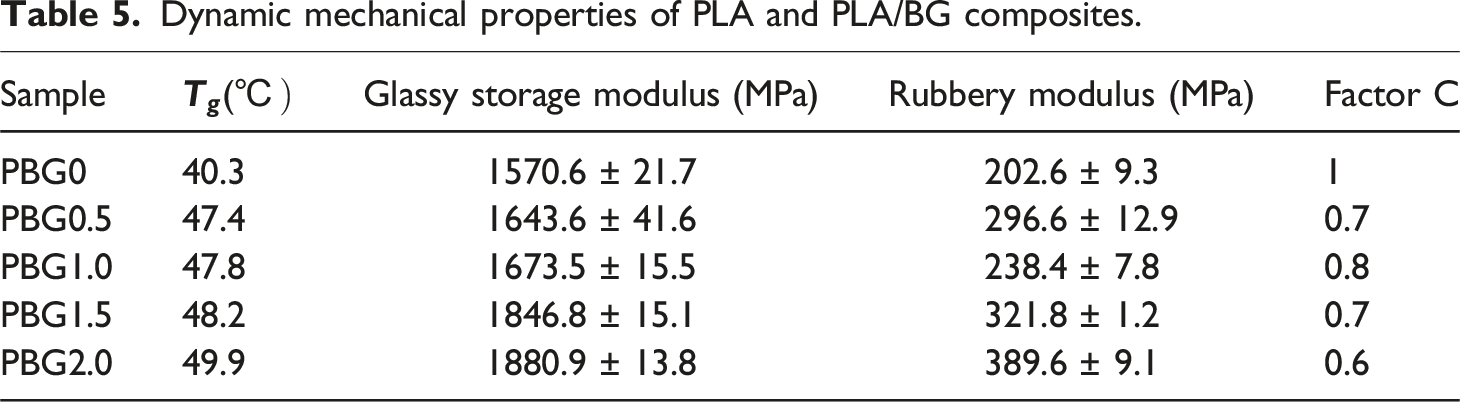
Dynamic mechanical properties of PLA and PLA/BG composites.
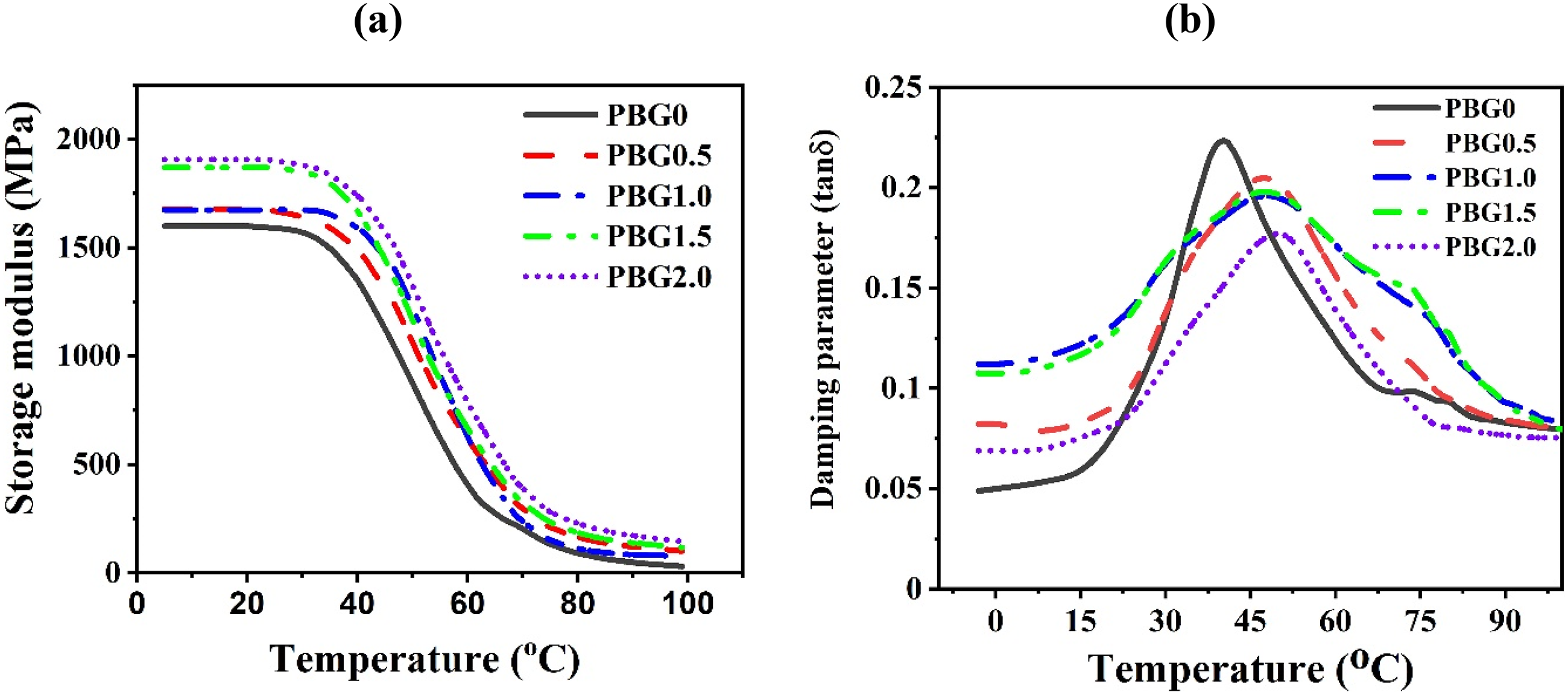
Temperature dependence of (a) storage modulus
When all the samples reached
Table 5 also displays the filler efficiency (factor ) that reveals the composite reinforcing capacity. A factor
The values of glass transition temperature (
Shape Memory Characterization
Shape memory properties like shape fixity and shape recovery ratio were calculated using the technique described in the experimental section, and their respective values are presented in the Figure 9. The result showed all samples recovered to the permanent shape at temperature above Shape-fixity ratio (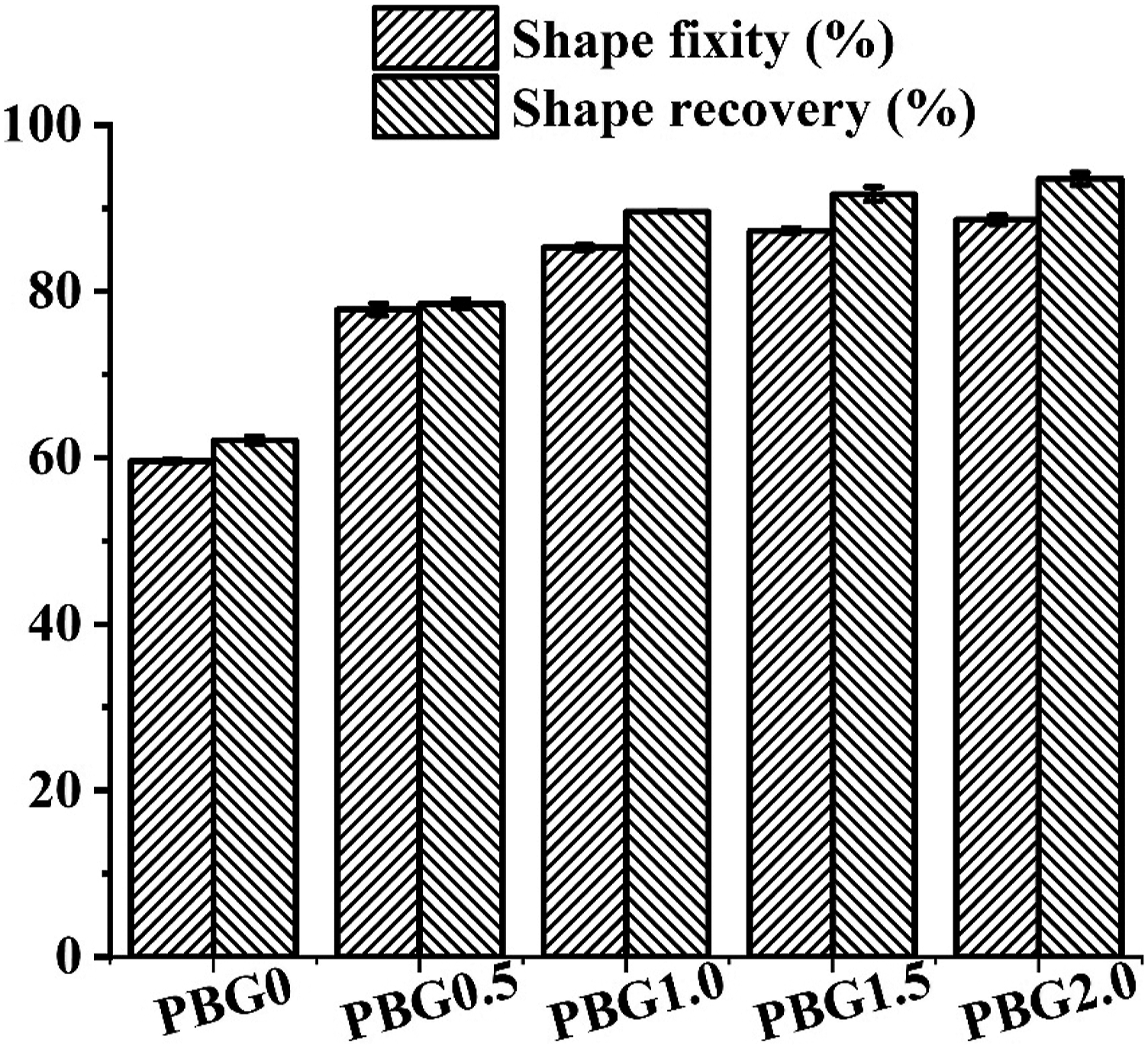
In case of PLA/BG composites, reinforced micro-BG particles resulted in the increased crystallinity which served as extra net point regions, allowing the materials to fix the temporary shape and recover to their original shape with more precision. However, the incorporation of BG also resulted in increased rubbery modulus in PLA/BG composites (Table 5). This increased modulus fascinated for more entropy storage in the temporary shape leading to improved shape recovery. The results showed that the composites based on BG had a good shape memory properties with higher shape fixity and recovery ratio.11,63
Figure 10(a) illustrates the shape memory behavior of 4D printed self-foldable box printed with PBG2.0 composite. The flat specimen was first immersed in hot water at 70 (a) Shape memory behavior of 4D printed self-foldable box of PBG2.0 composite in water bath and (b) quantitative evaluation of the shape memory cycle for PBG2.0 composite obtained from shape memory thermomechanical cycle.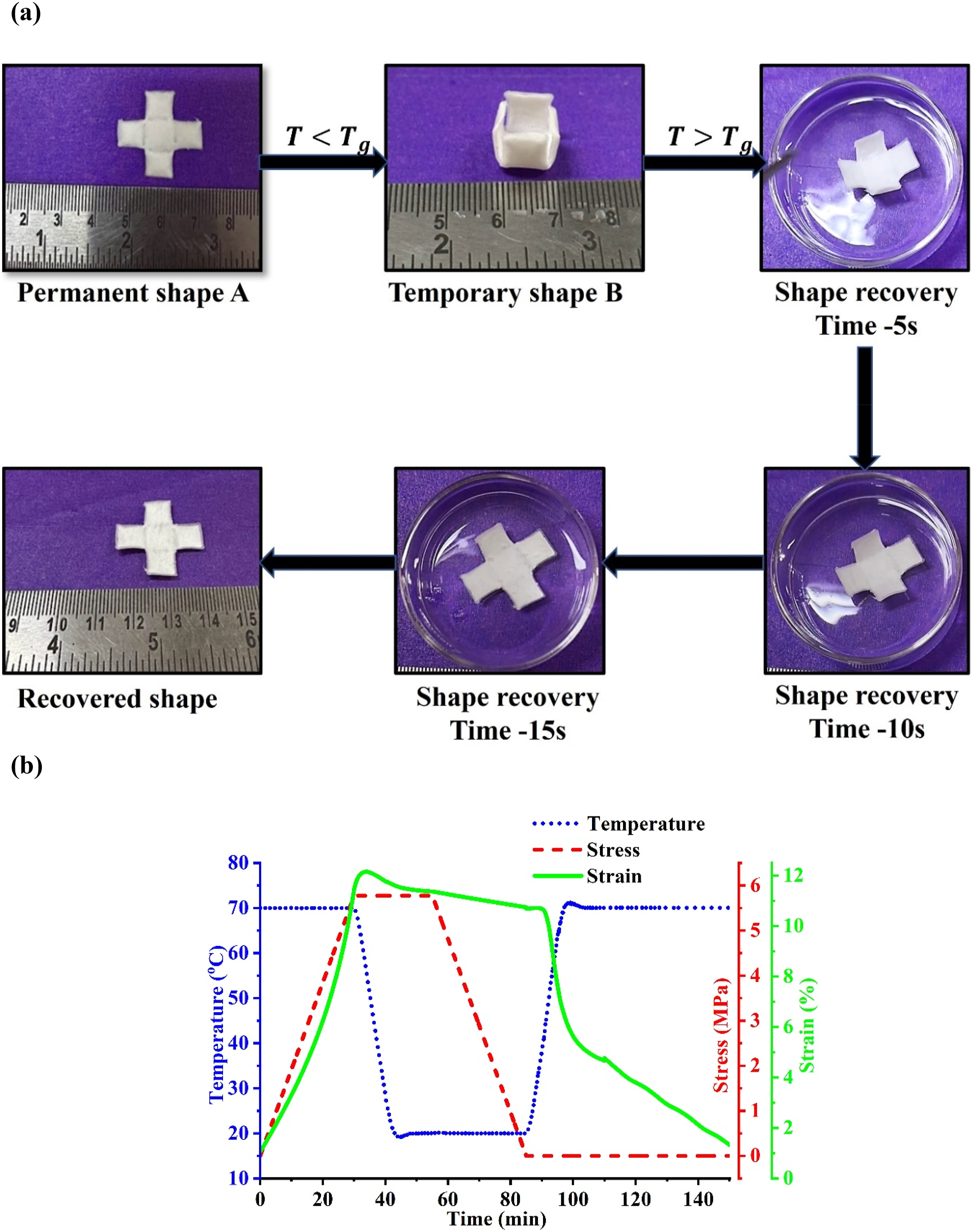
Comparison with Prior Studies
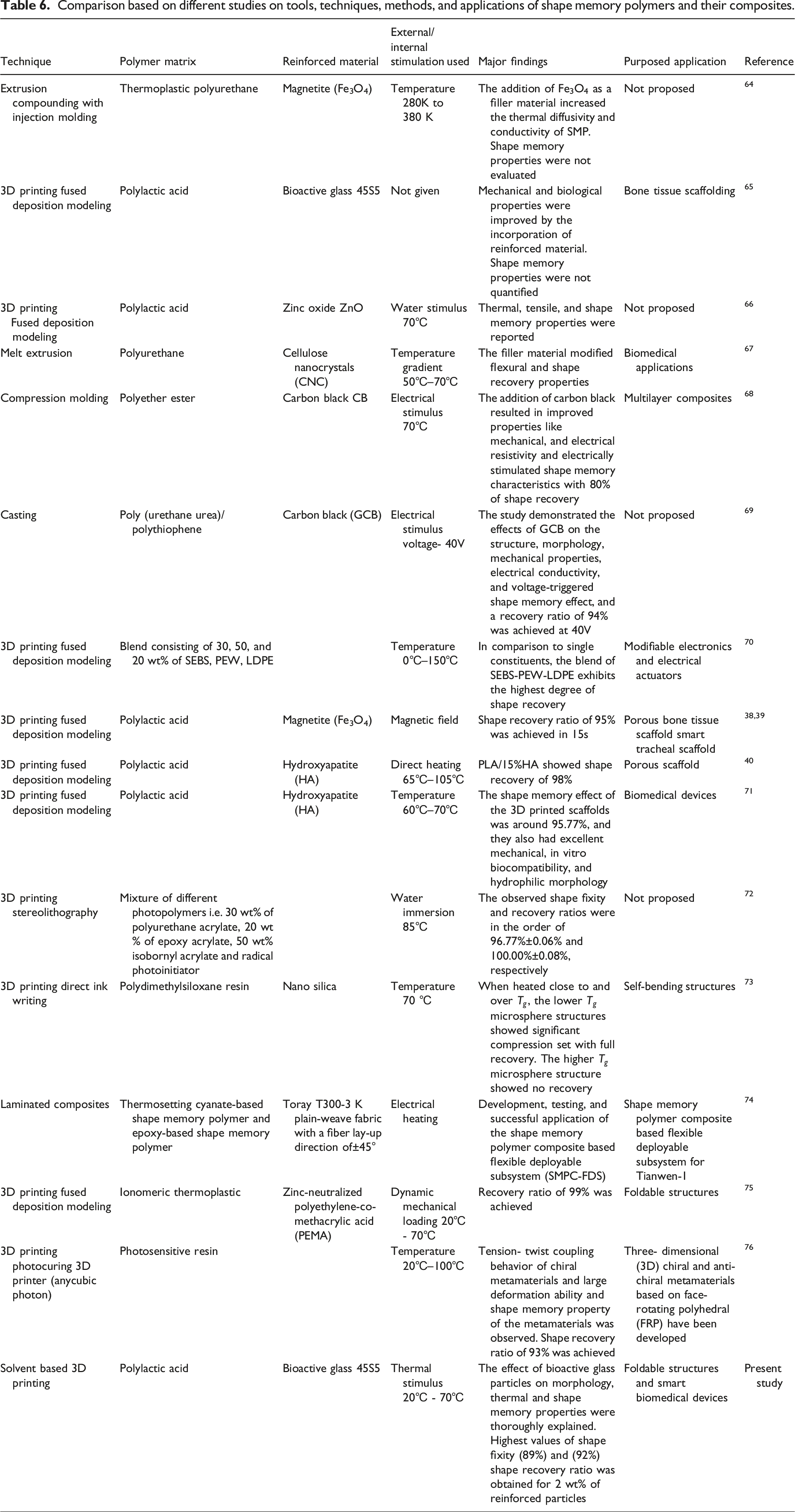
Comparison based on different studies on tools, techniques, methods, and applications of shape memory polymers and their composites.
Conclusion
Polymer matrix (PLA) and reinforcing particles (BG) were used to successfully generate solvent-based 4D printed composites with outstanding shape memory characteristics in the present study. The initial steps of the composite’s characterization looked at the viability of BG particle inclusion in 4D printed PLA. Elemental mapping of the composites revealed uniform dispersion of BG particles in the PLA matrix. XRD data also confirmed the reinforcement of BG in the PLA due to the presence of characteristics peaks of BG in the XRD plots of PLA/BG composites. However, the incorporation of BG resulted in the increased surface roughness in PLA/BG composites. Additionally, the impact of BG reinforcement on thermal and shape memory characteristics was also studied. The addition of BG enhanced crystallinity by a small percentage but lowered thermal stability. Increases in BG content had a direct effect on the
Footnotes
Acknowledgements
The authors are thankful to the central research facility (CRF) of Indian Institute of Technology Delhi, for providing research facilities for this study.
Declaration of conflicting interests
The author(s) declared no potential conflicts of interest with respect to the research, authorship, and/or publication of this article.
Funding
The author(s) received no financial support for the research, authorship, and/or publication of this article.
