




Abstract
In order to alleviate plastic pollution and to substitute specific conventional polymer packaging, this research deployed biodegradable soy protein isolate (SPI) as a basis to create natural polymer composite films, integrating walnut peel extract (WPE) and carvacrol (CV) for their inherent antibacterial properties. The inhibition rates of the SPI/WPE5%/CV5% composite film on E.coli and S.aureus were 99.66% and 99.52%, the DPPH radical was 73.3% and ABTS radical was 95.5%. The SPI/WPE5%/CV5% composite film also exhibited excellent UV-visible barrier properties. Compared with the pure SPI film, the tensile strength of the SPI/WPE5%/CV5% composite film increased by 89.00%, the water solubility increased by 2.67%, and the water vapor permeability was reduced by 7.69%, While the water contact angle increased by 155.93%. Fourier Transform Infrared Spectroscopy studies possibly indicate that the polyphenol-proteins in the SPI/WPE/CV composite film are bound together by hydrogen bonding. X-ray Diffraction study demonstrated that the crystallinity of the SWC films increased. Scanning Electron Microscope results revealed the surface level and internal molecular structure of the SWC films. Thermal weight analysis showed that after adding WPE and CV, the thermal properties of the SWC films improved. This study explored release of the film and found that the composite film can continuously release polyphenols, which play an antibacterial and antioxidant role.
Introduction
As plastic packaging is widely used in all aspects of life, plastic packaging has brought great convenience to people’s lives and has become an indispensable part of people’s daily lives,1,2 but it has also caused pollution to the environment to a large extent. 1 To mitigate and tackle the problem of plastic contamination,3,4 our future packaging materials use natural green biomass materials to improve recycling5,6 and treatment of waste packaging and comprehensive utilization technology. 7
Soy protein isolate (SPI) has received additional attention in many natural polymer materials 8 because of its vast source of raw materials, 9 degradability, 10 green environmental friendliness,3,11 low cost, and other excellent characteristics, 12 as well as its ability to be used as a substrate to make preservatives and antioxidants for food quality improvement and protection. 13 It has attracted wide attention from the academic community 14 and has become one of the hottest spots in the future direction of packaging materials. 15
Plant polyphenols are widely present in the biological world. 16 They have antioxidant and antibacterial properties, 17 which can slow down the aging of plants and protect plants from the invasion of natural pathogens and natural enemies. 18 Studies have shown that plant extracts have a practical inhibitory effect on Gram-negative bacteria and Gram-positive strains. 19 Walnut green husk is rich not only in polyphenols 20 but also in bio-oil and a large number of unsaturated fatty acids. 21 Based on structure of the aromatic rings and the different positions of the hydroxyl linkages, 22 it can be divided into phenolic acids, flavonoids, and tannins. 23 Tang 24 extracted walnut green husk and found that it had antibacterial solid 25 properties and could effectively inhibit the activity of bacteria and fungi. 26 Han 27 showed that different ethanol concentrations could affect the extraction rate of walnut green husk, but the extracts showed antibacterial effects on bacteria and molds. 28 In this study, walnut green peel extract (WPE) was obtained from walnut green husk.
Carvacrol (CV) is a monoterpene phenolic compound. 29 CV shows an antibacterial effect on bacteria and mold and has excellent antibacterial properties. 30 CV can effectively scavenge free radicals and has a significant antioxidant effect. 31 It is generally used with other antibacterial ingredients to reduce the concentration of CV and other antibacterial agents 32 while maintaining antibacterial efficiency. 33 Cheng 34 found that adding CV to sodium alginate could significantly modify the composite films’ water solubility, optical properties, water vapor transmission rate, mechanical properties, and antibacterial properties. 35
WPE and CV were used as antibacterial agents of soybean protein to form polyphenol-protein composite films. Compared with the pure soybean protein film, the properties of polyphenol-protein composite films have been effectively improved in all aspects. The most prominent is that soybean protein films’ mechanical properties and water resistance are well solved. It also has antibacterial activity because of the introduction of polyphenol substances. This study aimed to measure the in vitro antioxidant and antibacterial activities of CV and WPE composite SPI films and their mechanical performance, water vapor barrier properties, water solubility, water contact angle, and optical properties. Add to that, Fourier transform infrared spectroscopy (FTIR), thermogravimetric analysis (TGA), scanning electron microscopy (SEM), and X-ray diffraction (XRD) were used to analyze the composite films.
Materials and methods
Material
Soy protein isolate and walnut green husk were provided by a supplier in Haozhou, Anhui Province. Carvacrol, methanol, gallic acid, phosphate buffer, anhydrous ethanol, glycerol, sodium hydroxide, and Folin-phenol were purchased by Chengdu Cologne Chemical Co., Ltd. S.aureus, E.coli, MH agar, nutrient broth were procured by Guangdong Huankai Microbial Technology Co., Ltd. Iron chloride, anhydrous calcium chloride, 2,2-diphenyl-2-picrylhydrazyl (DPPH), 2,2-hydrazine-bis (3-ethylbenzothiazoline-6-sulfonic acid) diamine (ABTS), potassium ferricyanide, trichloroacetic acid was bought by Shanghai McLean Biochemical Technology Co., Ltd. All chemicals were analytical grade and used without further purification. Deionized water was used in all experiments.
Preparation of walnut green peel extract
The walnut green husk was placed in a drying oven at a temperature of 70°C for 12 h, then taken out and ground. After grinding, it was passed through a 120-mesh sieve to obtain walnut green husk powder. 5g walnut green husk powder was soaked in 80% ethanol solution for 6 h (the ratio of material to liquid was 0.05g/mL (1: 20)). Ultrasonic cleaning instrument (ultrasonic temperature 60°C, ultrasonic power 180 W) was used to assist extraction for 40 min, centrifuged at 6000 r/min for 10 min in a high-speed centrifuge, and 0.22 μm water filter film was used to remove impurities. A rotary evaporator removed the ethanol solution in the extract to facilitate subsequent operation. After freeze-drying, the WPE was obtained, and the extract was stored in a refrigerator at a temperature of 4°C.
Preparation of the SPI/WPE/CV Composite film
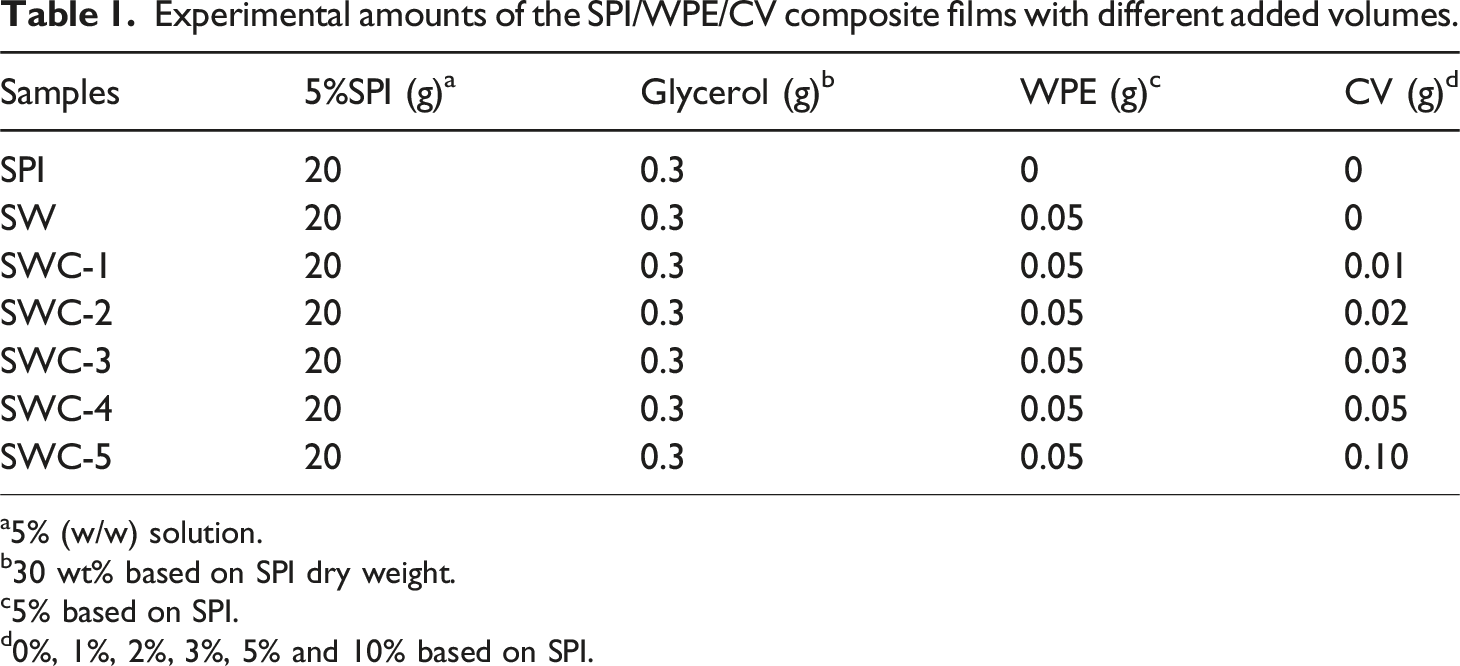
The procedure used to prepare the SWC composite films is illustrated in Figure 1. A 5 wt% SPI solution was prepared with deionized water. The pH of the solution was adjusted to 7.5 with 5 wt% NaOH, and the SPI solution was stirred in a water bath at 80°C for 30 min to denature the protein partially. 30% glycerol was added as a plasticizer for SPI to reduce the brittleness of the film. After 5 hours of shaking at room temperature, a soy protein isolate solution with excellent film-forming characteristics was created; according to Table 1, different amounts of WPE and CV were added to the solution, which was then mixed for 2 hours to create a homogenous mixture before being centrifuged at a high speed for 10 min at 6000 r/min. The mixture was placed in an ultrasonic cleaner for 10 min (ultrasonic temperature 37°C, ultrasonic power 40 W) to increase the solubility of the mixture and eliminate bubbles. In order to create a homogenous film, the 20g film-forming solution was added to a 9 cm diameter Petri dish and dried for 24 hours at 45°C, standard air pressure, and 57% relative humidity. The composite films were named SPI, SW, SWC-1, SWC-2, SWC-3, SWC-4 and SWC-5. Preparation process of the SPI/WPE/CV composite films. Experimental amounts of the SPI/WPE/CV composite films with different added volumes. a5% (w/w) solution. b30 wt% based on SPI dry weight. c5% based on SPI. d0%, 1%, 2%, 3%, 5% and 10% based on SPI.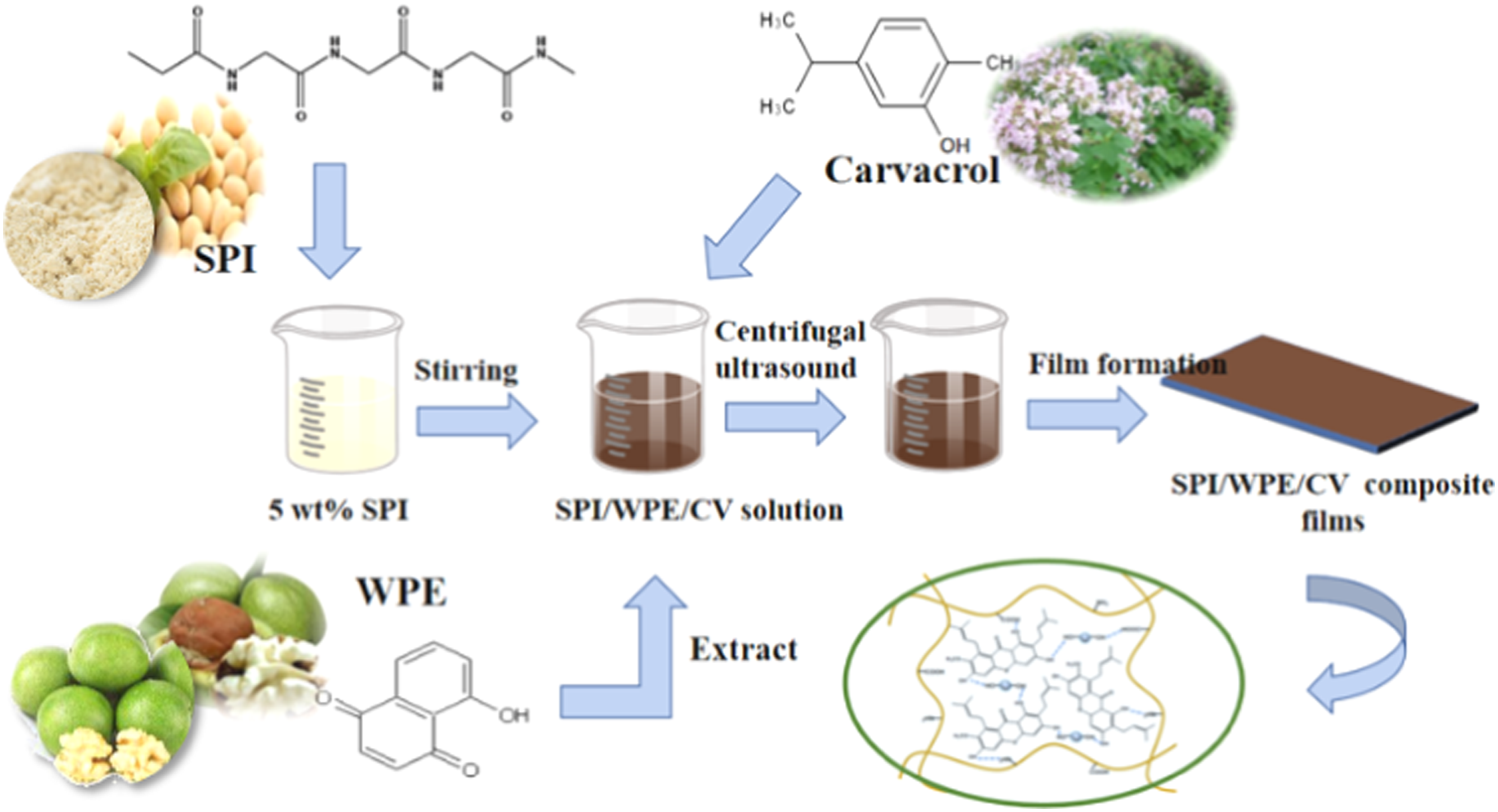
Characterization of the SPI/WPE/CV composite film
Mechanical properties
An electronic digital micrometer (EVERTE, awt-chy01, Zhejiang) with a 1 μm accuracy was used to measure the thickness of each sample at random intervals, and the average value was recorded. Five repetitions were made for each treat. 36 Using a small tensile testing apparatus (Zhiqu, ZQ-990, Dongguan), the mechanical characteristics of the SWC composite films were assessed in accordance with ASTM D882. Film samples were placed in the desiccator for 2-3 days at 25°C and 57 ± 2% RH before the measurement. To reduce moisture variations, all property measurements were made as soon as the SWC composite film specimens were removed from the chamber. Five repetitions were performed for each sample. Films were cut into strips (60 × 10 mm) and put between the tensile grips to measure tensile strength (TS, MPa) and elongation at break (EAB, %). Cross-head speed in the beginning was 0.8 mm/s, and grips separation was 50 mm.
Water-resistance properties
The WS of the composite films was determined according to previous investigations.
37
Briefly, the composite film samples were dried in the oven at 103°C for 24 h, cut into 40 × 10 mm pieces, and weighed to determine the initial solid content (
The WVP of the composite films was measured according to the modified method of Zhang et al.
38
The Weighing bottle and anhydrous calcium chloride (CaCl2) were dried for 24 h at 105°C. The weighing bottle was filled with 10 g of CaCl2 and sealed with the film. Then, weighing bottles were set at 25°C with a relative humidity of 90%. The bottle weight was weighed once every 1 h and measured 12 times. The calculated formula is as follows (2):
The surface hydrophobicity of the SWC composite films has been assessed by measuring the contact angle of water on the film’s surface with a WCA analyzer (Fangrui, JCY-1, Shanghai). The composite films were divided into rectangular pieces (4.5 × 1 cm) and set on a horizontally moveable stage (black Teflon-coated steel, 7 × 11 cm) equipped with a WCA analyzer. Then, a micro-syringe drops a volume of 1 µL of water onto the surface of the film. The CA was averaged after being measured on both sides of the water drop. The liquid used was distilled water, and the experiments were carried out at a temperature of 25°C, standard atmospheric pressure, and 57 ± 2% RH.
Transmittance and opacity
The transmittance spectra and opacity of the SWC films were acquired with a Shimadzu UV-2450 UV–Vis spectrophotometer. Spectra were recorded at room temperature in steps of 1 nm, in the range of 200–800 nm. A rectangular piece of film (4.5 × 1 cm) previously conditioned in a desiccator at room temperature for 48 h was cut from each film sample, and three measurements were performed. The following equation (3) was used to calculate the optical properties of composite films.
Colour measurement
A colorimeter was used to assess the color of the SWC film, and a whiteboard served as a reference. The L*, a*, b*, and ΔE values were recorded for each treatment and measured at least three times. The L*, a*, b*, and ΔE values of all samples were measured by an automatic colorimeter. The L* value represents brightness, ranging from 0 to 100, indicating dark to bright; the a* value indicates the degree of red and green. +a* represents red, -a* represents green; the b* value represents the degree of yellow and blue. +b * indicates yellow, -b* indicates blue. 39
Antioxidant activity and antimicrobial activity
In order to better simulate the application environment of the SWC composite film in food, the effects of different CV and WPE additions on the release of antibacterial substances from the SWC composite films were investigated. Deionized water and 30% ethanol solution were used as food simulants for the release test. According to the method of Dai, 40 30 mg film and 10 mL simulated solution were placed in a conical flask and placed in a water bath with a constant temperature oscillator for continuous oscillation (25°C, 120 r/min) for a specific time. The sample solution of the film extract (1 mL) was taken from the conical flask for testing, and then 1 mL of the simulated solution was added to the conical flask.
By using the Microdilution method,
41
which earlier investigations have suggested, the antimicrobial property of the SWC composite films was assessed. All samples were sterilized for 12 h by UV irradiation while stored inside a biosafety cabinet. Each film sample was introduced in 0.5 g to test tubes containing E.coli and S.aureus cultures. The bacterial suspension was incubated at 37°C for 1 h. Then, 100 μL of the sample was taken, spread on an MH agar plate, and incubated for 24 h at 37°C. A colony counter was used to tally up the number of colonies. The following equation (4) was used to calculate the inhibition of bacterial growth:
Thermal stability, structure, morphology, and composition
Thermogravimetric analysis (TGA) was used to determine the thermal properties of the SWC films using a TGA analyzer (NETZSCH, STA 449 F3, Germany). A typical aluminum pan containing 5 mg of the material was heated at a rate of 10 (◦C min−1) from 30 to 600°C. Nitrogen was used as the purge gas with a flow rate of 20 (mL min−1).
Using an Attenuated Total Reflectance Fourier Transform Infrared Spectroscopy (FTIR) spectroscopy (Shimadzu, IRTracer-100, Japan), the ATR-FTIR spectra of the SWC films were examined. With a spectra resolution of 4 cm−1, the sample was mounted on the ray exposing stage and scanned at frequencies between 4000 and 650 cm−1. Measurements were made at room temperature. Peakfit software, version 4.12 (SYSTAT Software, Richmond, CA, USA), was used for all data processing.
A field emission scanning electron microscope (SEM, ZEISS, Phenom, Netherlands) was used to examine the surface and cross-section morphology of films. Double-sided adhesive tapes were used to attach the samples to the specimen holder, which was then sputter-coated with gold under vacuum. The samples were scanned at 3 kV acceleration voltage.
The crystal structures of the films were studied at 40 kV and 40 mA using an X-ray diffractometer (Rigaku, D/MAX 2500V, Japan). At a scanning speed of 2(° min−1), the scattered radiation was measured in the angular range 2θ = 5-40°.
Results and Discussion
Mechanical Properties Analysis
The mechanical properties of the SPI/WPE/CV composite films are shown in Figure 2. With the addition of WPE to SPI film, the thickness of the composite film tended to increase with the amount of extract, and the tensile strength (TS) was significantly improved, while the elongation at break (EAB) was reduced. After adding CV to the composite film, the TS has been further improved, the EAB has been reduced, and the toughness of the composite film has been risen. Compared with pure SPI film, the TS of SWC-4 film increased by 89.00%, and the EAB decreased by 12.50%. Compared with SW film, the TS of SWC-4 film increased by 27.72%, and the EAB decreased by 4.41%. This indicated that WPE and CV could crosslink well with the SPI film. Hydrophobic reaction and hydrogen bonding occurred between polyphenol and protein molecules. CV reacted with hydroxyl, amino, and other functional groups in soybean protein to form hydroxybenzoate and other compounds, strengthening soybean protein’s mechanical properties. The EAB and TS of the SPI/WPE/CV composite films.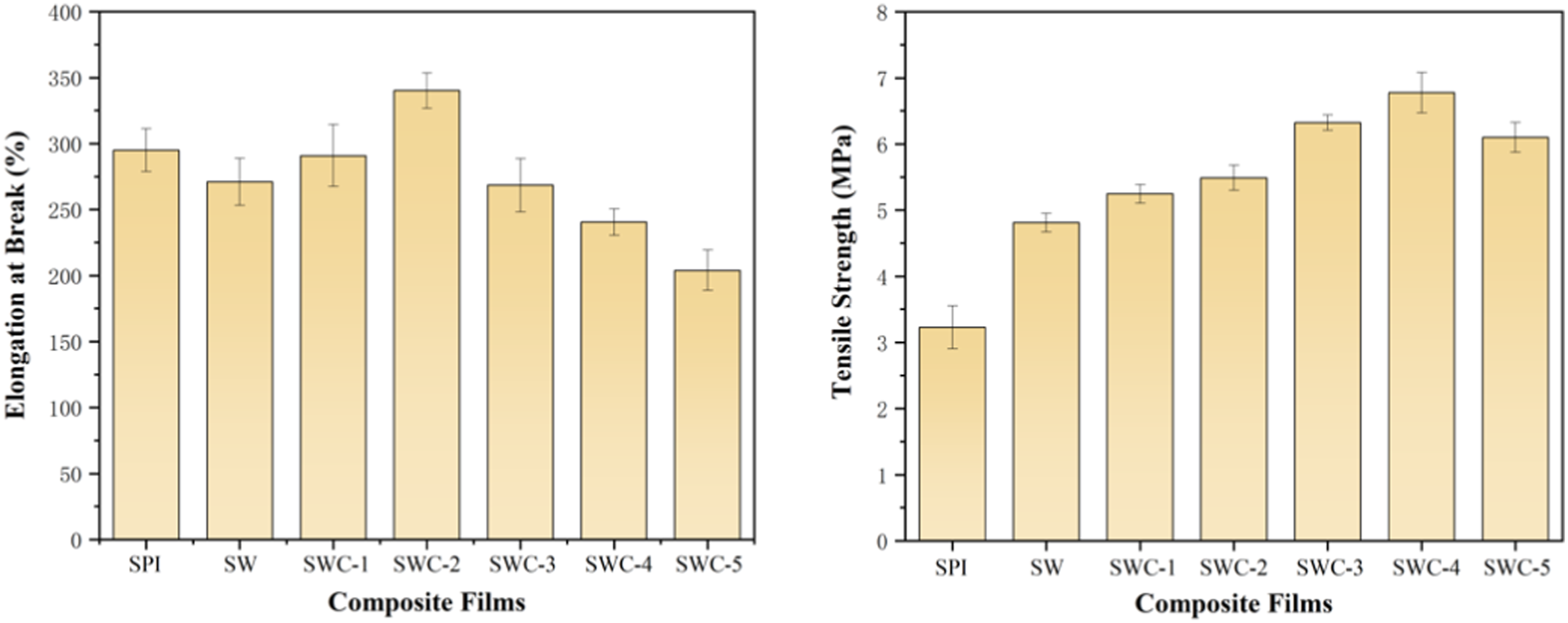
Water-resistance Properties Analysis
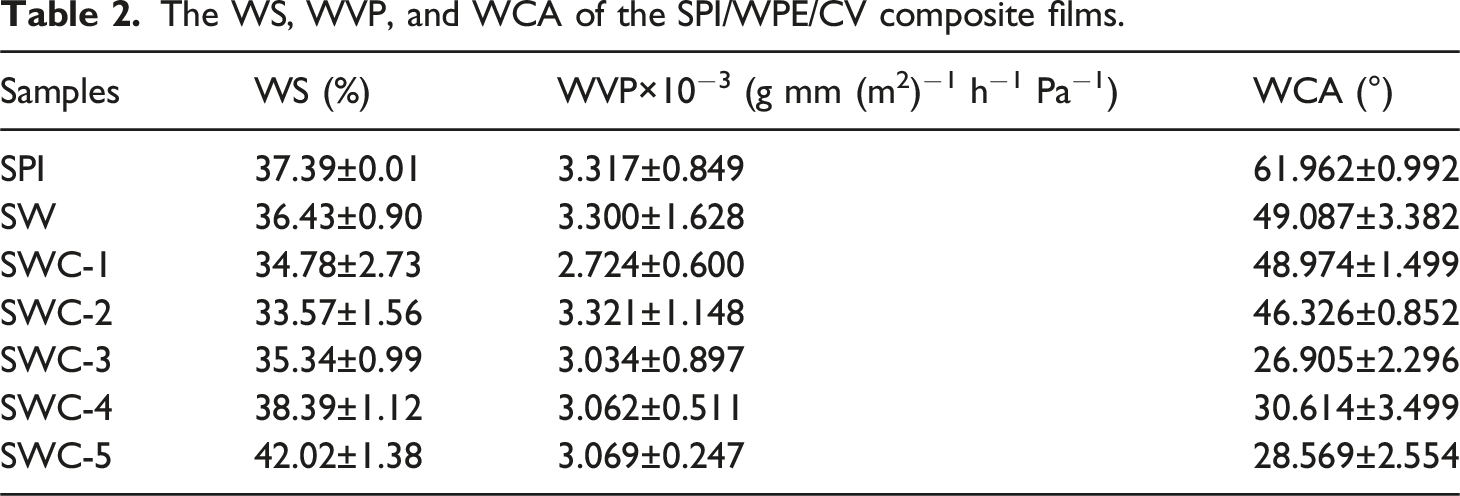
The WS, WVP, and WCA of the SPI/WPE/CV composite films.
Colour Measurement
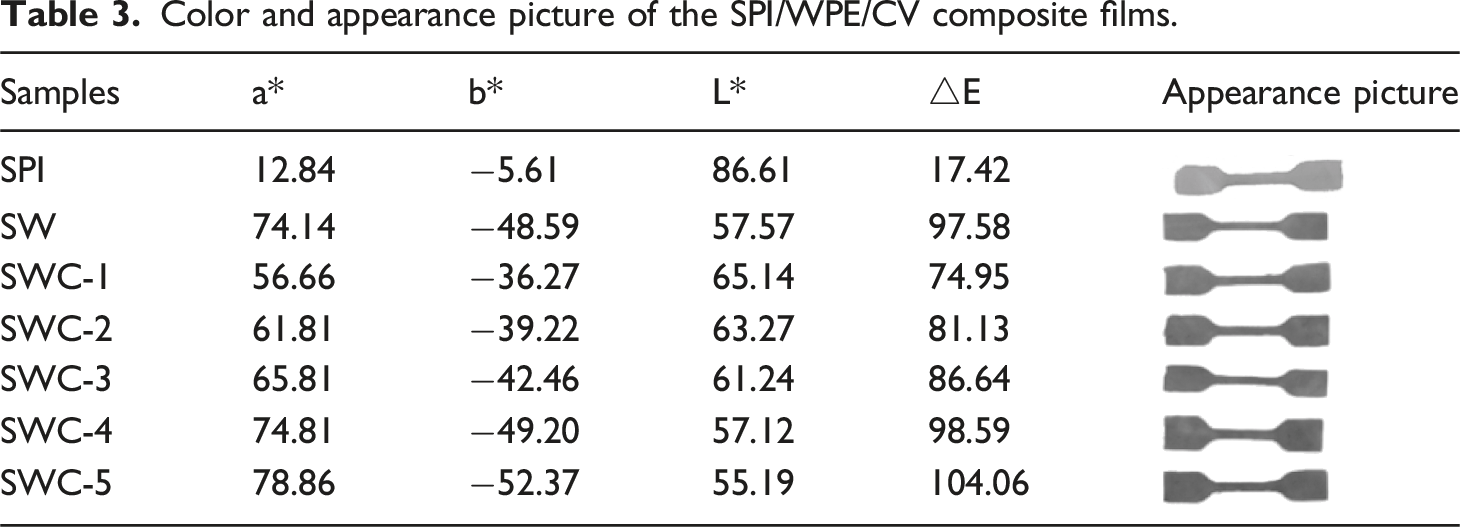
Color and appearance picture of the SPI/WPE/CV composite films.
Release performance and antioxidant activity analysis
Figure 3(a) and (b) show the total phenol content (TPC) release curves of the SWC films under different system settings. The release amount and release rate of all samples in 30% ethanol were significantly higher than those in deionized water. The amount of polyphenols released in 30% ethanol increased rapidly and tended to stabilize within 10 h, and the latter tended to be stable gradually at 25 h. The results showed that after 72 h, the TPC release amount of the SW film was the lowest, and the polyphenol release amount in 30% ethanol and deionized water was 1.854 and 1.583 mg/g, respectively. The latter released 17.12% more than the former. The TPC release of the SWC-5 film was the highest, and the release of polyphenols in 30% ethanol and deionized water were 2.498 and 2.478 mg/g, respectively. This shows that in the 30% ethanol system, the composite film can release polyphenols quickly to provide protection and can release polyphenols for a long time, indicating that the SWC composite films can be used in the packaging and transportation industry to achieve a long-lasting and stable antibacterial and antioxidant effect. (a) Polyphenol release rate of composite films in water; (b) Polyphenol release rate of composite films in 30% ethanol solution; (c) UV-Vis spectrum of composite films; (d) ABTS free radical scavenging rate of composite film; (e) DPPH free radical scavenging rate of composite films; (f) Ferric reducing ability of composite films.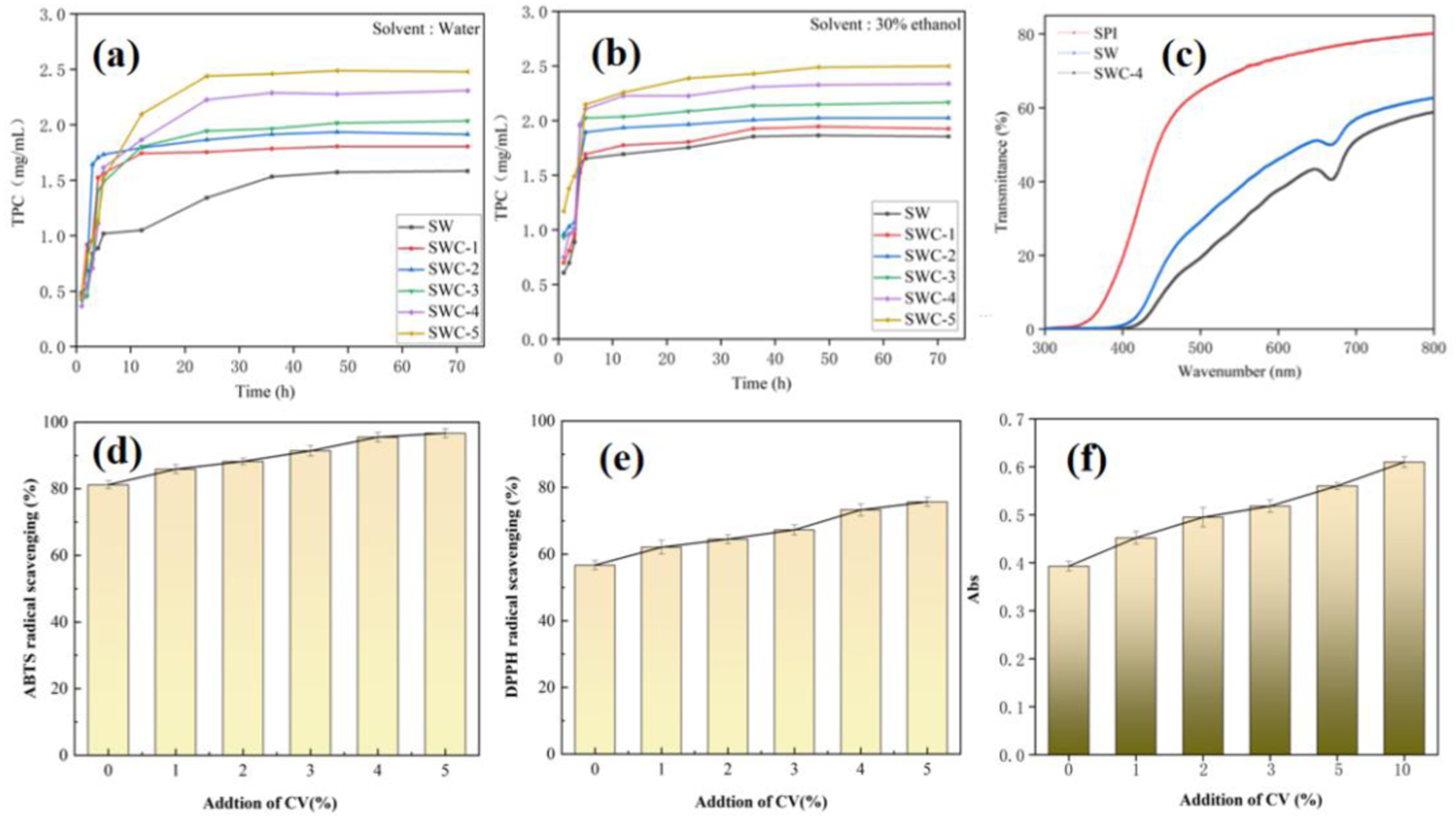
The ABTS free radical scavenging rate and the DPPH free radical scavenging rates of the SPI/WPE/CV composite films are shown in Figure 3(d) and (e). Compared with the pure SPI film, the DPPH free radical scavenging rate of the film is 51.1% when the addition amount of WPE is 5%, and the DPPH free radical scavenging ability is significantly improved. With the increase of CV added, the DPPH scavenging ability of the composite film continuously improved and reached the highest point of 75.7% at 10% CV addition. Among them, the DPPH radical scavenging rate of the film was 73.3% when the CV addition was 5%, which increased by 234.70% relative to the pure SPI film and 29.28% relative to the SW film. The ABTS free radical scavenging ability of the composite film increases with the increase of CV addition and reaches a peak of 96.7% when the CV addition is 10%. In particular, the ABTS radical scavenging rate of the film was 95.5% at 5% CV addition, which was 216.96% higher relative to the pure SPI film and 17.61% higher relative to the SW film. It is suggested that CV and WPE can work together to enhance the antioxidant properties of the composite film, resulting in a higher scavenging rate.
The iron ion reduction ability of the SPI/WPE/CV composite film is shown in Figure 3(f). The absorbance values indicate the strength of the reduction ability. The absorbance increases with the amount of CV added. The highest point is reached when the amount of CV added is 10%, with a value of 0.610. The absorbance of SWC-4 was 0.560, which is 254.43% higher than that of the SPI film and 55.22% higher than that of the SW film.
The addition of WPE and CV to the SPI film significantly enhanced their antioxidant activity, which was attributed to the presence of a large number of polyphenolic substances in WPE, which have a variety of chemical structures, including phenols, aldehydes, carboxylic acids, monosaccharides, and polysaccharides, etc., which have different antioxidant properties and can absorb free radicals. After hydrogen-bonding reactions with soy protein, the antioxidant structures in the polyphenols remain, thus giving them an antioxidant effect within the film. CV has a benzene ring structure that absorbs free radicals and a hydrophilic hydroxyl group that can form hydrogen bonds with organic and inorganic substances. Adding CV to the SW film can significantly enhance their antioxidant activity.
Antibacterial activity analysis
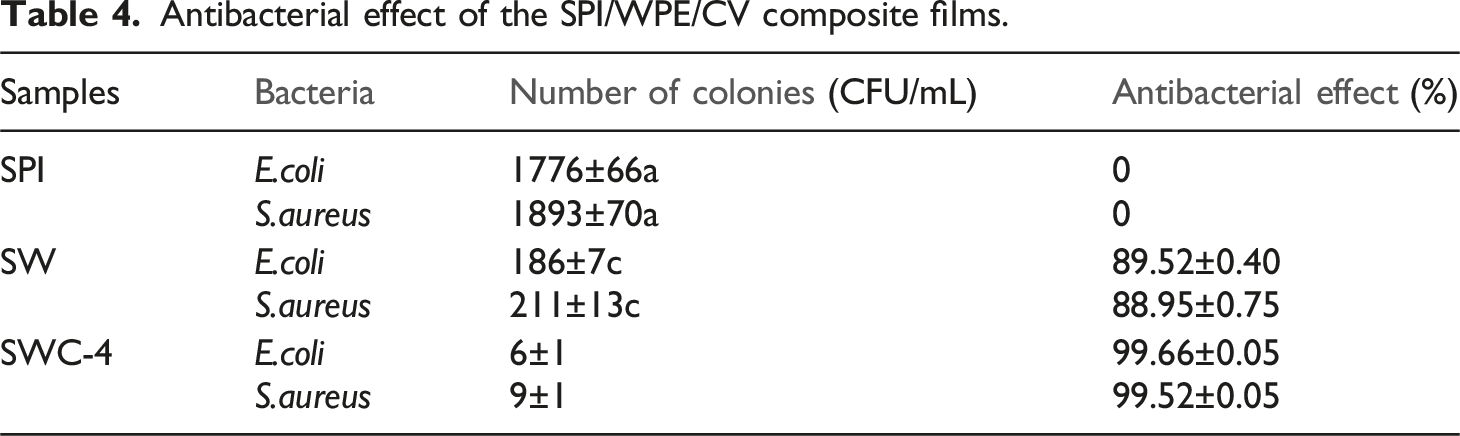
Figure 4 depicts the antibacterial action of the SPI/WPE/CV composite film on E.coli and S.aureu. The phenolic chemicals in WPE and CV are linked to the antibacterial activities of composite films. With the increase of the additional CV and WPE, the antibacterial effect on the two bacteria increased, and CV and WPE achieved a synergistic antibacterial effect. This is due to the phenolic compounds in WPE and the benzene ring and hydroxyl groups in CV being involved in the antibacterial capabilities of the SWC-4 film. Both of them can achieve antibacterial effects by increasing cell film permeability and cell deformation and inhibiting DNA/RNA synthesis; among them, the susceptibility of the composite film to food pathogens was greater for Gram-positive than harmful bacteria. Antibacterial effect of the SPI/WPE/CV composite films on E.coli and S.aureus.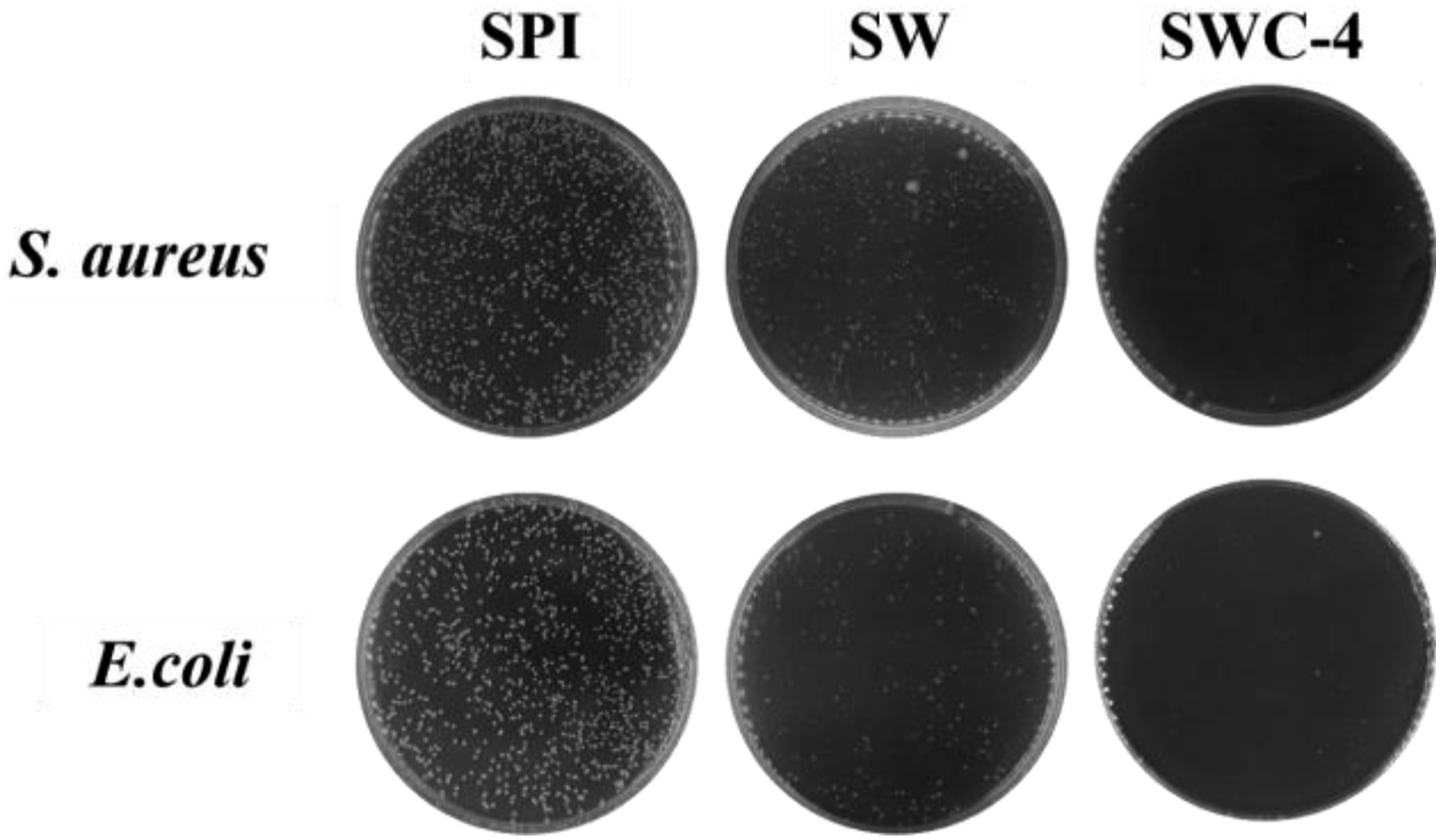
Antibacterial effect of the SPI/WPE/CV composite films.
UV-visible barrier performance analysis
The light transmittance (%) of the SWC films in the range of 200 to 800 nm is shown in Figure 3(c). The transmittance of the composite films increased rapidly between 250 and 400 nm and gradually in the range of 400-800 nm. The maximum transmittance of the SWC-4 film reached 80.14%, indicating that the film had good light transmittance and transparency. The transmittance of the SW film was close to 0 before the wavelength was 400 nm. The transmittance increased rapidly in the wavelength range of 400–600 nm, and the transmittance gradually tended to be gentle in the wavelength range of 600–800 nm. The transmittance of the SW film was poor, and the barrier effect on ultraviolet light was better. The highest transmittance of the SWC-4 film reached 58.86%, which was 21.28% lower than that of the SPI film. Compared with the SPI film, the SWC-4 film shows excellent UV-visible light barrier performance.
This may be due to the hydrophilic groups in WPE reacting with the amino groups on the soybean protein molecules to form hydrogen bonds, which cause light reflection or scattering at the interface of the two phases, resulting in phase separation and low transmittance of the composite film. The molecular structure of cv contains multiple benzene rings and hydroxyl groups, which can form a sizeable conjugated system through conjugation, thus enabling it to absorb ultraviolet and visible light.
Particle size analysis
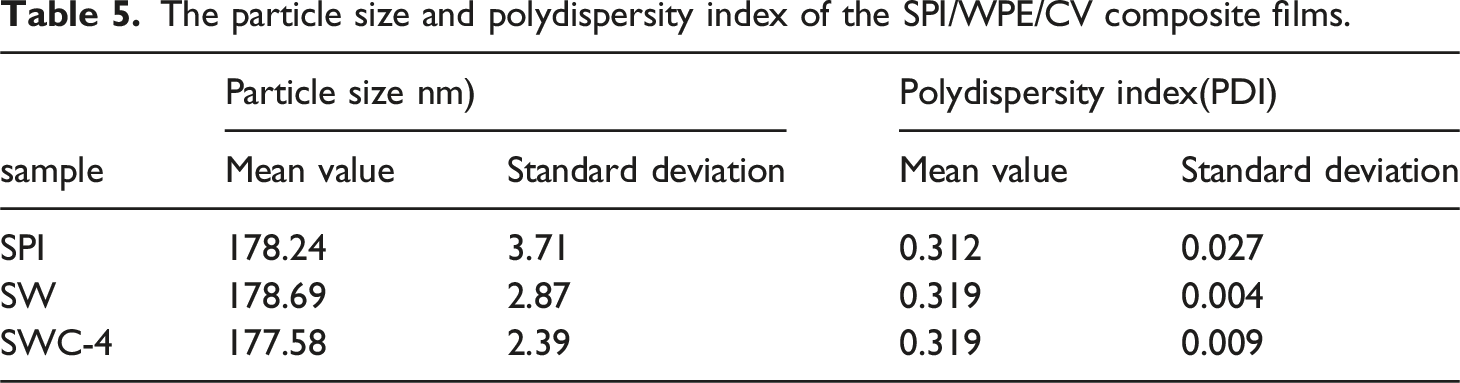
The particle size and polydispersity index of the SPI/WPE/CV composite films.
Thermal stability, structure, morphology, and composition analysis
The FTIR spectra of the composite films containing different concentrations and types of antibacterial substances are shown in Figure 5(a). In the wave number range of 3600–3200 cm−1, a broad hydroxyl absorption peak appears, a characteristic peak generated by the-OH stretching vibration. In the wave number range of 2915–2960 cm−1, a characteristic peak generated by the methyl and methylene C-H stretching vibration appears. The amide I group of the protein appeared in the 1600-1700 cm−1 range, which mainly represented the α-helix and β-sheet structure in the protein and the C = O stretching vibration caused by the peptide bond.
47
Among them, the polyphenol-protein interaction may destroy the hydrogen bond between protein molecules, resulting in random curling, providing a binding site for the interaction between polypeptides and polyphenols, so the peak values of the SW film and the SWC-4 film are reduced. Both the SW and SWC-4 films showed characteristic peaks of aromatic rings at waves of 1450-1500 cm−1 and 1580-1600 cm−1,
46
caused by the tensile and bending vibrations of C = C on aromatic rings. These results further revealed the formation of intermolecular interactions among SPI, WPE and CV.
47
(a) The ATR-FTIR spectrum of the composite film; (b) The XRD spectra of the composite film; (c) TGA curves of the composite film; (d) DTG curves of the composite film.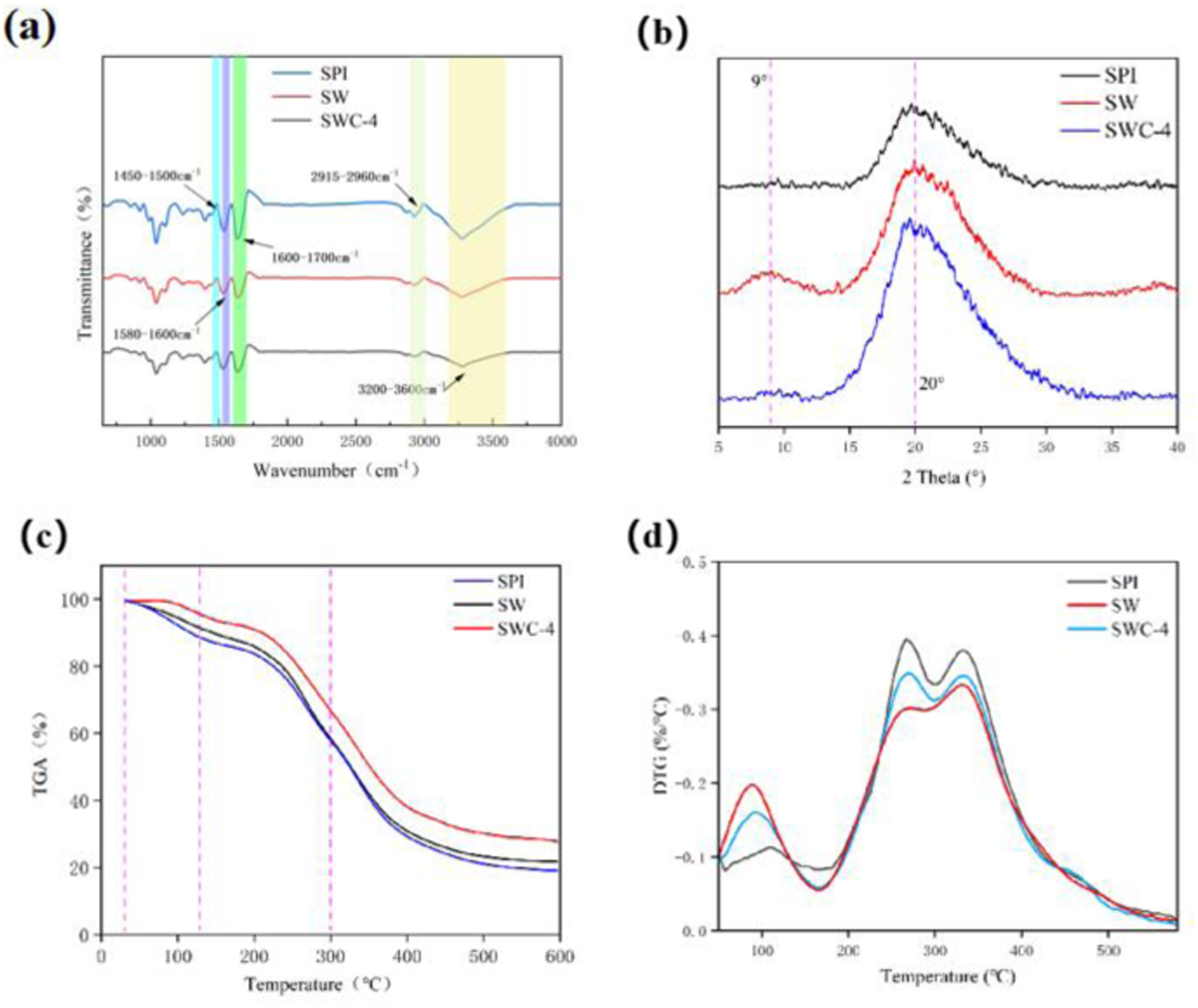
XRD investigated the crystal structure of the SWC composite films. As shown in Figure 5(b). The pure SPI film has prominent diffraction peaks at about 2θ = 9° and 20°, which corresponds to the typical secondary conformation α-helix and β-sheet structure on SPI film. 48 By calculation, the crystallinity of the SPI film was 19.87%. Compared with pure SPI film, the peak strength of the SW and the SWC-4 films rose, and the area of the films increased. The crystallinity of the composite films was 21.80% and 21.56%, respectively, which proved that the presence of WPE and CV increased the crystallinity of the composite films. Because the presence of CV promoted the transformation of α-helix into β-sheet in composite film, the peak value at 2θ = 9° was lower, and the crystallinity of the SWC-4 film was lower than that of the SW film. In the SW and SWC-4 films, the crystallization peak remained at the position represented by the corresponding structure, indicating that the SW and SWC composite films had good chemical compatibility. 48
The thermal stability of composite films is shown in Figure 5(c) and (d). The composite films mainly adopt three weight loss processes in the thermal degradation process. In the first stage (30°C–130°C), weight loss is about 10%, caused by water’s evaporation and the volatilization of small molecules in the film drying process. 49 In the second stage (130°C–300°C), the weight change is observed, 50 mainly caused by glycerol volatilization. Finally, a significant weight change occurs in the third stage (300 °C–650°C), mainly due to the fracture of the SPI chain segment structure. The WPE and CV content will affect the thermal properties of composite films. After adding, the maximum decomposition weight loss of the film is reduced. Pure film’s maximum decomposition weight loss was the highest, at 80.69 %. With the addition of WPE and CV, the composite film’s maximum decomposition weight loss has decreased. The maximum decomposition weight loss of the SW film was 78.12 %, and the maximum decomposition weight loss of the SWC-4 film was 70.30 %. The results showed that the addition of WPE and CV could improve the thermal stability of the SWC composite film, which was caused by the cross-linking of phenol and inhibited the pyrolysis reaction of protein by absorbing part of the heat. Also, the addition of WPE and CV can enhance the antioxidant capacity of the composite film, delay the antioxidant process, and improve the stability of the film.
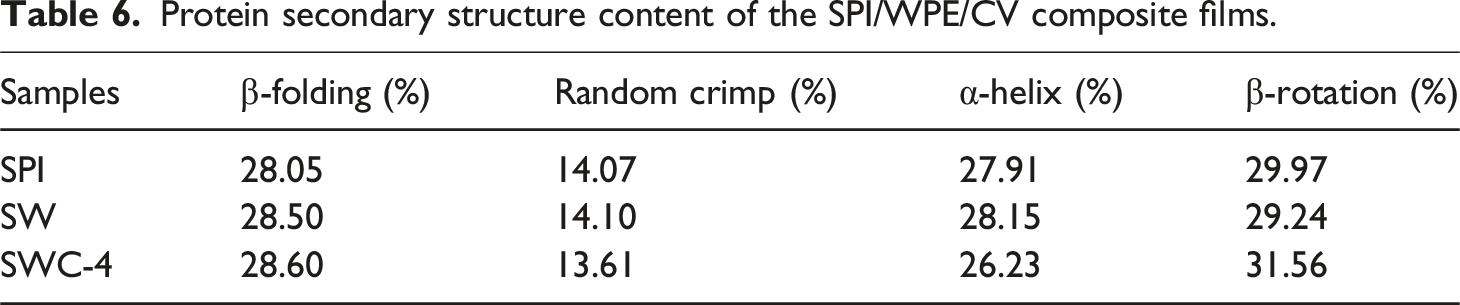
Protein secondary structure content of the SPI/WPE/CV composite films.
The surface scanning electron micrograph of the SPI composite film is shown in Figure 6. The surface of the SPI film was smooth, and there were no soy protein particles. Compared with the pure film, WPE was evenly distributed in the composite film, and the structure remained smooth, but there were some small particle products, which may be due to the conversion of polyphenols into quinones, resulting in partial aggregation of substances.
48
However, the particle diameter of WPE was similar to that of soybean protein, and it was cross-linked with protein, which improved the mechanical properties of the composite film. The surface particles in the SWC-4 film decreased, which indicated that the addition of CV could reduce the conversion and aggregation of polyphenols and optimize the surface morphology of the composite film. CV reacted with SPI and WPE in the composite film system, which effectively improved the compatibility of the composite film. SEM images of surface and cross-section of the SPI/WPE/CV composite films (a) the SPI film; (b) the SW film; (c)the SWC-4 film; (d)the SWC-4 film.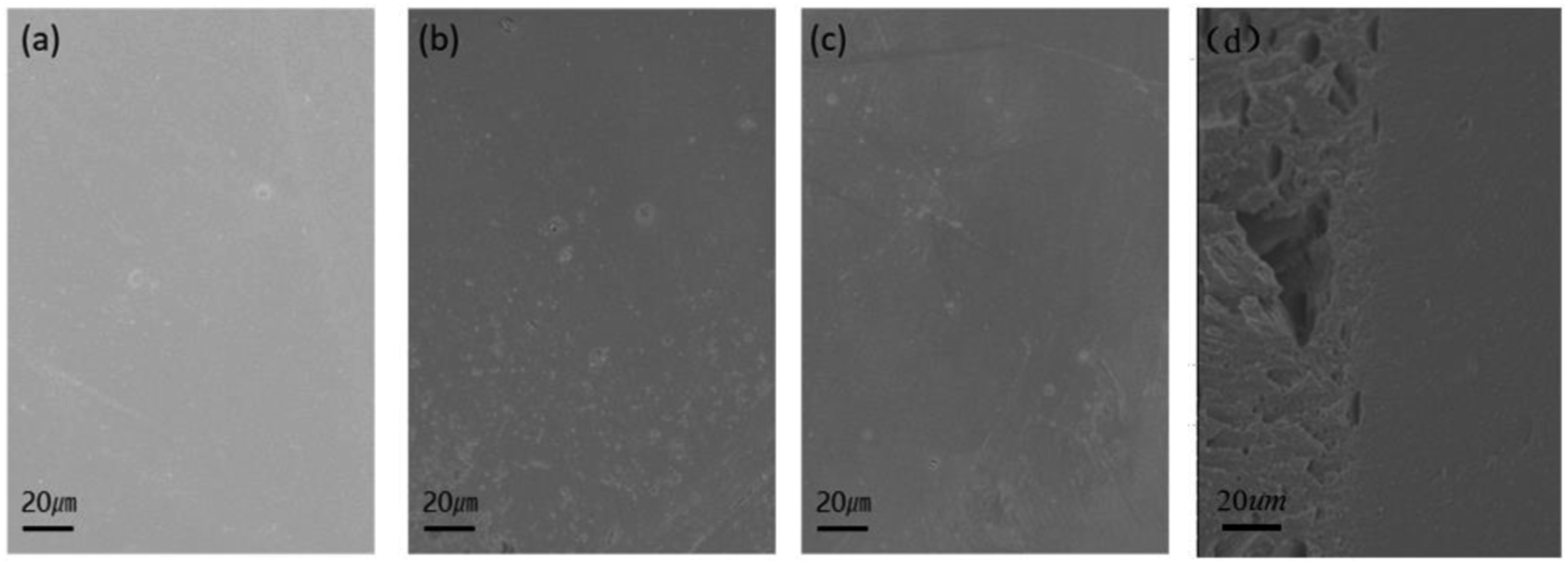
Conclusions
This study prepared the SPI/WPE/CV composite films by casting SPI as the film solution and CV and WPE as bacteriostatic agents. The results showed that the SWC composite films had good antibacterial and antioxidant properties. The antibacterial rates of E.coli and S.aureus were 99.66% and 99.52%, respectively. The DPPH free radical scavenging rate was increased by 234.70%, and the ABTS free radical scavenging rate was increased by 216.96%. The composite film also had excellent mechanical properties. Compared with pure SPI film, the TS of the SWC-4 film increased by 89.00%, and the EAB decreased by 12.50%. The composite film has strong UV-visible barrier properties, good optical properties, excellent water resistance, and hydrophobicity. In the 30 % ethanol system, the composite film can quickly release polyphenols to form protection and can release polyphenols for a long time. FTIR studies have possible indicate that hydrogen bonds bind polyphenols and proteins together. XRD studies have shown that the crystallinity of the composite film is improved, and the composite film has good chemical compatibility. SEM has shown that the surface area of the composite film was smooth and uniform, similar to that of pure SPI film. Therefore, SPI/WPE/CV composite films can prepare high-strength packaging materials with antibacterial and antioxidant functions. It can replace traditional plastic materials and avoid the waste of non-degradable plastics, which causes severe environmental pollution and endangers human and ecological safety.
Footnotes
Acknowledgements
The authors would like to thank Guangxi University. This research was supported by the Innovation-Driven Project Funds of Guangxi (AA17204087-15) and the Fundamental Research Fund for the National Natural Science Foundation of China (Project 31790188).
Declaration of conflicting interests
The author(s) declared no potential conflicts of interest with respect to the research, authorship, and/or publication of this article.
Funding
The author(s) disclosed receipt of the following financial support for the research, authorship, and/or publication of this article: This research was supported by the Innovation-Driven Project Funds of Guangxi (AA17204087-15) and the Fundamental Research Fund for the National Natural Science Foundation of China (Project 31790188).
