



Abstract
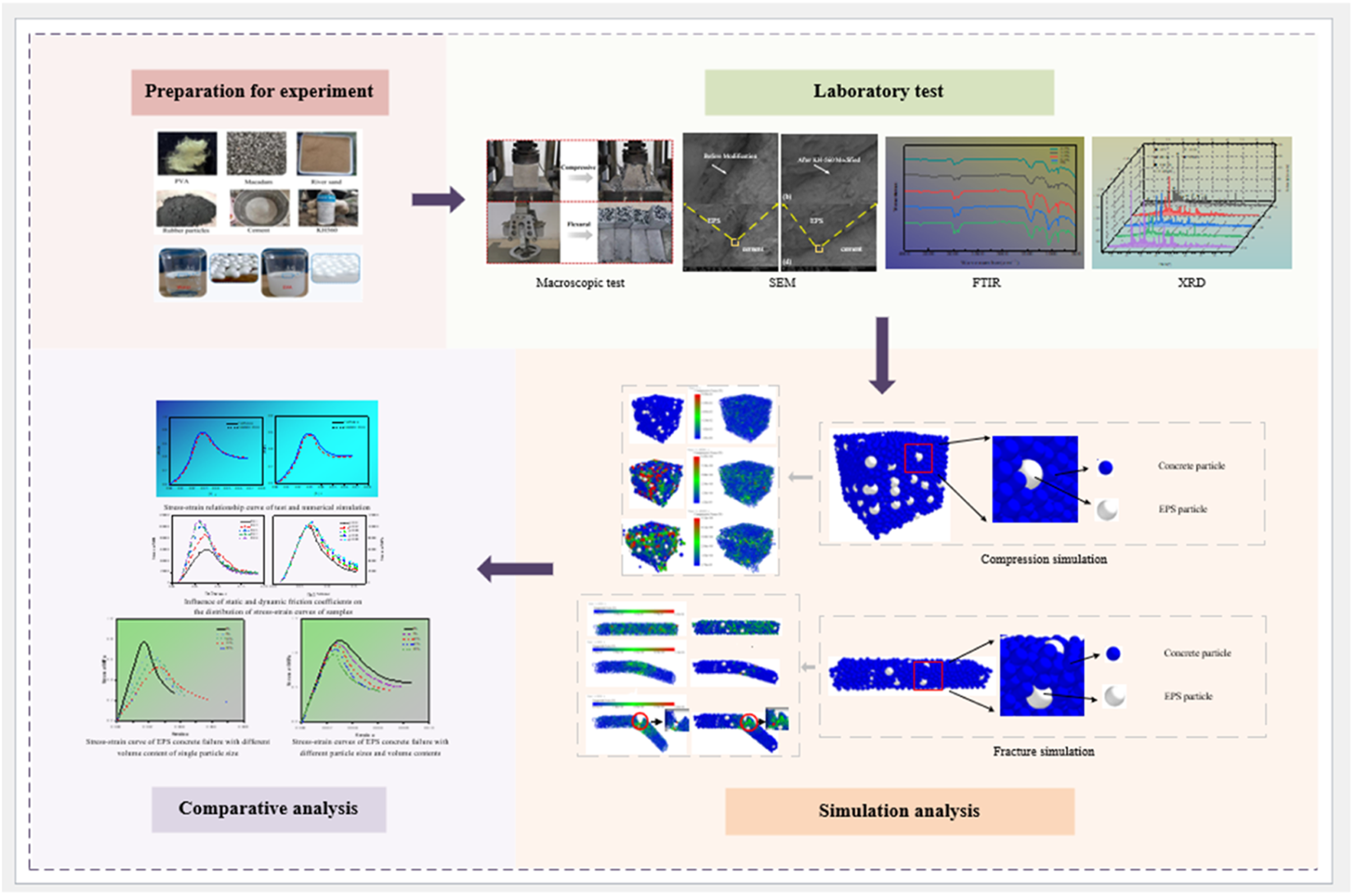
Polystyrene foam (EPS) concrete is a composite concrete material commonly used in construction, which has excellent thermal insulation and thermal insulation properties, but also has defects of weak bonding interface.KH-560 can significantly improve the characteristics of EPS particles and concrete matrix, which have different physical and chemical properties and are difficult to combine. In this study, the effects of different levels of KH-560 on the enhanced mechanical properties of EPS concrete were studied from the aspects of macroscopic mechanical properties, microstructure characteristics, chemical composition and discrete element simulation, and the mechanism of action was discussed. The results of mechanical experiments show that the compressive strength and flexural strength of EPS concrete mixed with KH-560 are higher than those of ordinary EPS concrete, and its mechanical properties gradually increase with the increase of KH-560 content. XRD, FT-IR and SEM observations showed that more C-S-H gels would be produced under the action of KH-560, which made the structure of the weak interface transition zone of EPS concrete more compact. The results of discrete element simulation show that the peak strength of EPS concrete increases with the increase of friction coefficient, but has little effect on its elastic modulus.
Keywords
Introduction
EPS concrete is to use EPS particles as lightweight aggregate to replace concrete medium coarse aggregate, it has the characteristics of good thermal insulation performance, excellent thermal insulation performance, light weight and good impact resistance, is an ideal new lightweight wall material,1–4 and under the transportation and lifting requirements in modular, off-site construction, lightweight concrete is an excellent precast component material. 5 In addition, EPS concrete can recycle EPS foam waste in life, alleviate environmental pollution problems to a certain extent, and is a green, energy-saving and emission-reducing building material.6,7
However, EPS is an organic hydrophobic, internally porous ultra-light aggregate, which has low strength and poor adhesion with cement, resulting in many problems such as interface transition zone defects, large water absorption, large shrinkage, low strength and poor toughness of EPS concrete. 8 Because it is a composite material composed of rigid bodies and elastomers, and there are also interfaces with large differences in physical and chemical properties inside the material, resulting in a weak interface transition zone that is easy to break, resulting in its application in structural engineering being greatly limited. 9 In recent years, existing studies have shown that the use of modifiers to improve the mechanical properties of EPS concrete is a cost-effective, environmentally friendly technical way. Dong et al. 10 studied the effects of polymer modifiers on the mechanical properties, water absorption and drying shrinkage of cement-polystyrene foam vitrified microbead mortar (CEV mortar), and the results showed that the entrainment agent can reduce the dry density and thermal conductivity of CEV mortar, and emulsified asphalt can make the water absorption, pressure release ratio and drying shrinkage of CEV mortar lower, and make it have a more stable softening coefficient. Li et al. 11 studied the effects of viscosity modifier (VMA) on the working performance, segregation resistance, compressive strength and failure morphology of structural lightweight EPS concrete, and the results showed that VMA could significantly reduce the fluidity of structural EPS concrete and improve its anti-segregation performance. Fathi et al. 12 studied the mechanical properties of micro-silicon and nano-silicon-modified EPS concrete, and the results showed that the replacement of micron-level silica and nano-silica cement increased the compressive strength of EPS concrete, reduced water absorption, and produced appropriate adhesion between EPS particles and other chemical components, thereby enhancing the mechanical properties of EPS concrete. Zhao et al. 13 found that EVA emulsion can increase the amount of hydrated calcium silicate hydrated by the hydration product, tightly wrap it to the surface of ES particles, and make it more tightly bound to the cement base, enhancing the strength of EPS concrete.
Although previous studies have confirmed that modifiers can significantly improve the bonding state of EPS particles to cement matrix, and improve the mechanical properties of EPS concrete. However, most of these studies are based on macroscopic experiments, and cannot reflect the changes in mechanical properties of materials after crushing from the mesoscale scale. Many scholars use the finite element method to study the mechanical properties and influencing factors of lightweight concrete,14–16 but when the finite element simulates the compressive deformation of lightweight concrete, large shear deformation may lead to mesh distortion, so there is a disadvantage of insufficient calculation accuracy. The discrete element method (DEM) is to separate discontinuous objects into a set of rigid elements, 17 solve the equation of motion of each rigid element by time-step iterative method, and then find the overall motion of the discontinuum, which is widely used in material crushing simulation. 18 Compared to finite elements, discrete elements can simulate the finite displacement and crack growth of particles without the need to generate or divide meshes, so they are suitable for simulating the crushing process of lightweight concrete. 19 Valle et al. 20 established a numerical model to simulate the bending behavior of multilayer specimens by discrete element method, which provided relevant results for improving the performance of such components. Ansari et al. 21 based on the discrete element method of particle flow program (PFC) numerical simulation of permeable concrete specimens with different aggregate particle size and pore ratio, and established a discrete particle model. Sheng et al. 22 modeled the microstructure of laminates through DEM models, and simulated different mechanical constitutive laws and material parameters for different components (fibers, substrates, and fiber/matrix interfaces).
Test method
Test material and mix ratio design
Chemical composition of cement.

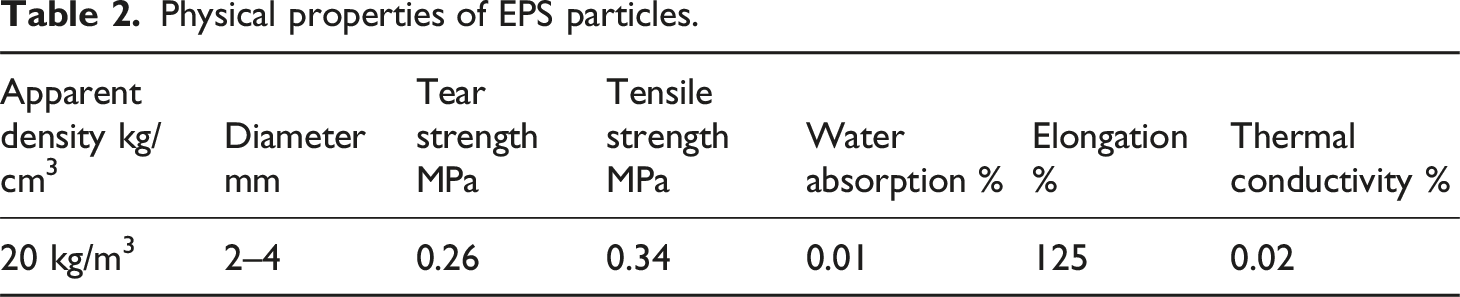
Physical properties of EPS particles.
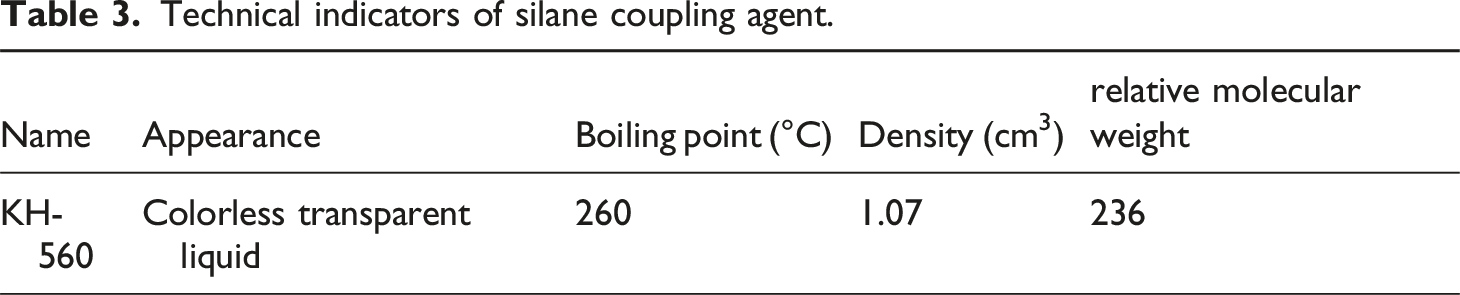
Technical indicators of silane coupling agent.
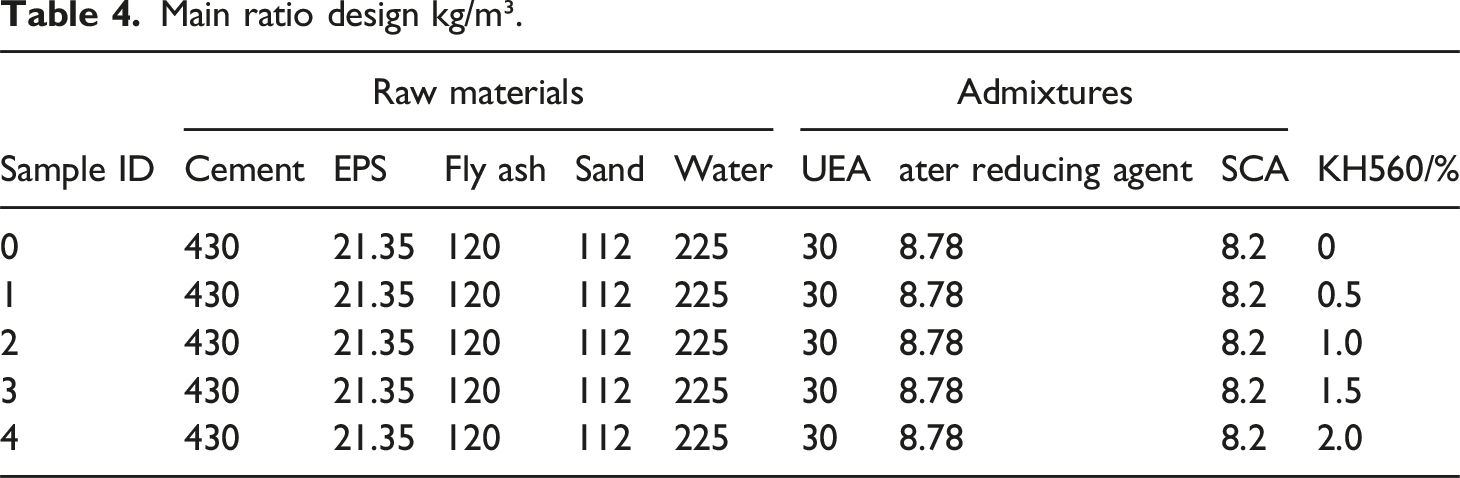
Main ratio design kg/m³.
Specimen preparation
To better distribute EPS in cement mortar during the sample preparation process, EPS particles need to be shelled. First, add EPS granules to the mechanical mixer, and then add a mixture of 30% KH-560 and water, and stir for the 60 s; Then add 30% cement, 30% fly ash, and 30% water reducing agent and stir for 60 s, at this time, the surface of EPS is evenly coated with a layer of the mixture to complete the shelling process of EPS; Finally, add the remaining coarse and fine aggregate and KH-560 aqueous solution while stirring, make it stir evenly, after completion, pour the concrete into the mold, vibrate and form, smooth the surface after shaking for 1 min in the shaker table, demold after 48 h, and put it into a standard curing room for 7 days or 28 days to wait for use.
Test protocol
Compression and flexural tests
According to ASTM C349 standard, the above-mentioned EPS concrete specimen was tested by Y250 digital display electric stress type direct shear instrument at a loading speed of 0.5 mm/min, and the flexural strength of the specimen was tested on the DKZ-5000 electric flexural testing machine (Figure 1). Compressive and flexural test process.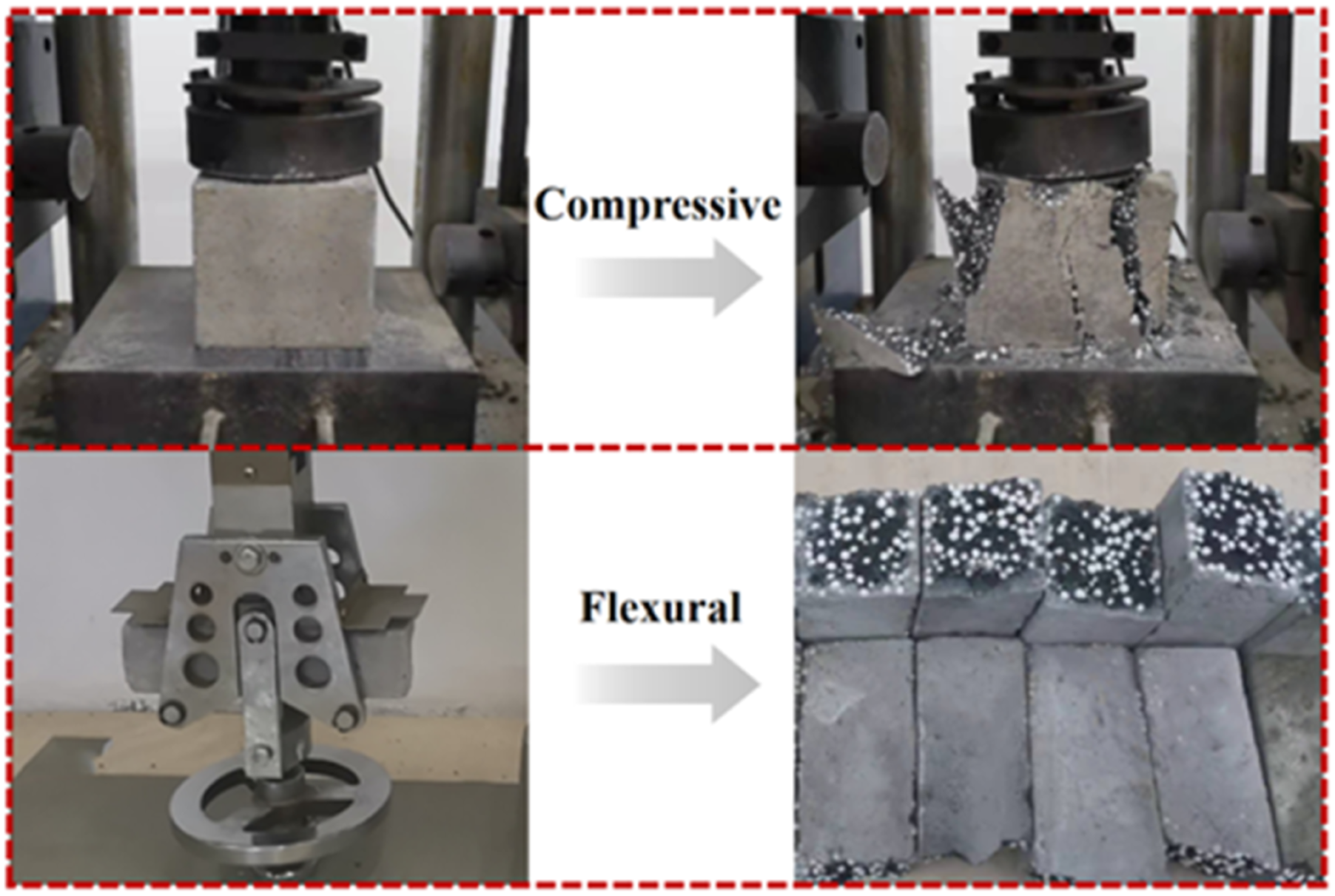
X-ray diffraction
To determine the types and contents of each component of EPS cementitious composites, concrete samples were selected for 28 days of curing, and the area without direct force was selected to obtain an appropriate amount of slag, and the hydration was terminated by cleaning and being placed in absolute ethanol for 48 h, and then the powder was scraped with a tool, and then ground to more than 200 mesh with a grinding dish, and after drying at 50°C in a vacuum drying oven for 24 h, the diffraction experiment was carried out using Rigaku Miniflex 600 benchtop X-ray powder diffractometer.
Fourier transform infrared spectroscopy
Considering that the modified interface may affect functional group changes, further analysis of the chemical action of KH-560 in the cement hydration process is required. In this study, the PE Spectrum Two infrared spectrometer was used to analyze the target specimen and the KH-560 modifier was tested by a liquid cell. The resolution of the test is 4 cm−1, the wavenumber range is 4000 cm−1∼500 cm−1, and the number of scans is 32 times. By determining the formation and disappearance of characteristic functional groups in the modified sample, the modification status of the EPS particle interface was qualitatively analyzed.
Scanning electron microscope
The sample was made into a 10 mm × 10 mm × 10 mm cube, polished with 2000 mesh sandpaper, washed and soaked in absolute ethanol to terminate the hydration reaction, and then dried in a vacuum drying oven at 40°C for 24 h, and finally, the sample was vacuum plated on the specimen operation table, and the micromorphology of the interface between EPS particles and cement-based before and after KH-560 modification was observed by Quanta FEG series scanning electron microscopy equipment.
Macromeso-discrete element simulation
EPS concrete discrete element simulation method
After the literature review, the research results of previous scholars are based on experimental research, but the process is time-consuming, laborious, and reproducible, and the impact on the microscopic level cannot be intuitively analyzed. Therefore, the discrete element simulation software EDEM is used to simulate and analyze the force failure process of EPS concrete.
In the Discrete Element Method (DEM) model, a material is described as a collection of particles that can collide, interact, and apply forces to each other. The dynamics of these particles are governed by Newton’s second law. In this modeling framework, concrete and rock materials are characterized by the accumulation of particles held together by cohesive friction. In the medium, the inductive force is transmitted through a network of contacts between the particles. Contact networks are first established and updated by identifying particle and their neighbor interactions.23–25 Therefore, particles are considered to interact if the following conditions are met.
The Concrete Damage Plasticity (CDP) model is used to define concrete behavior. Tensile fracture and compression fracture are the two main failure mechanisms considered in the CDP method. The proposed stress-strain relationship has been used to define concrete behavior in CDP. The proposed stress-strain relationship has been used to define concrete behavior in CDP.27,28
EPS concrete particle contact model
In this study, to further understand the force failure process of EPS concrete from the microscopic scale, a discrete element model of EPS concrete was established. When using EDEM discrete element simulation software, the physical contact model is selected according to the simulation assumption requirements, and the “Hertz-Mindlin” model is selected for the particle-boundary contact model to calculate the conventional collision and contact between particles and boundaries. Solid binding is required between particles, using the “Hertz-Mindlin with bonding” contact model, such as concrete to concrete and concrete and concrete to EPS particles.
EPS concrete discrete element model establishment
In EPS concrete, both EPS particles and concrete particles are modeled using a spherical particle model, which greatly increases the calculation time step because the particle size is too small, which will lead to too many particles.
29
Since the particle radius has little effect on the simulation accuracy, after several simulation tests, considering the calculation time and accuracy, the concrete particle radius is 3 mm and the EPS particle radius is 5 mm, and the random distribution is adopted, and the specimen model is finally formed. A total of 4673 particles were generated in the compressive model, including 4593 concrete particles and 80 EPS particles. A total of 1396 particles were generated in the flexural model, including 1377 concrete particles and 19 EPS particles. The discrete element model is shown in Figure 2. (a)Compressive model diagram of EPS concrete specimen (b) flexural model diagram of EPS concrete specimen.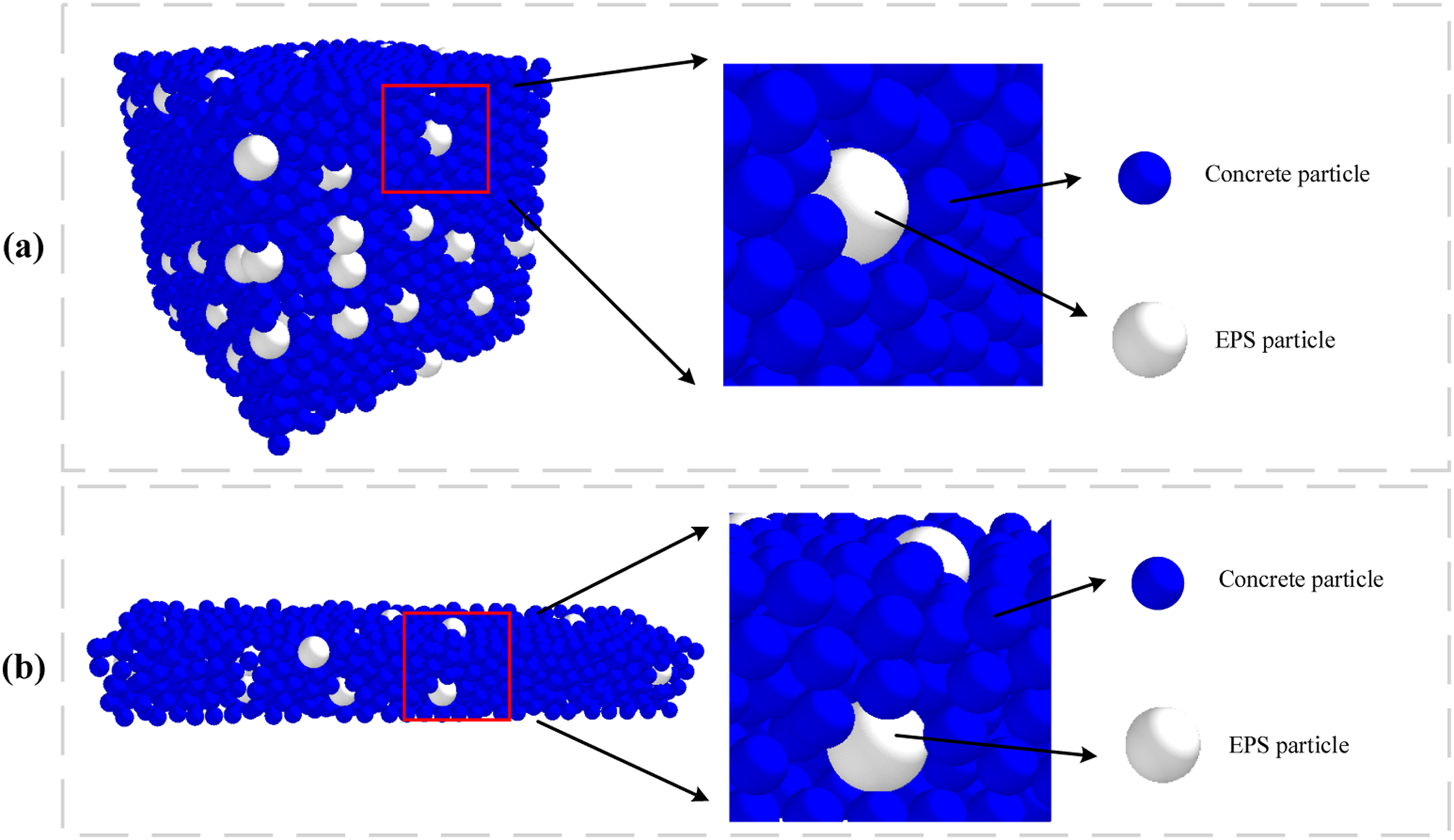
Calibration of mechanical simulation parameters
In this study, the “virtual test method” was used to simulate the contact model of the discrete element model and the parameter calibration method of the elastic modulus of the discrete element model in this study.
30
“Virtual test method”, also known as “parameter matching method”, is a method commonly used in discrete element research to determine material parameters, the principle is to use discrete element software to simulate mechanical failure experiments, by adjusting the corresponding parameters, the simulation results and test results are as consistent as possible, then the parameter value is considered to be consistent with the actual situation. In this section, the macroscopic mechanical tests are compressive and flexural tests, and the established discrete element model is simulated for mechanical failure, and the failure process is analyzed. For the uniaxial compression simulation process, the planes with motion speed are set on the top and bottom surfaces of the model, which are square planes of 100 mm × 100 mm, and move at a speed of 0.13 m/s. For the flexural test simulation process, the geometry is adjusted to be consistent with the generated flexural model, and a plane of motion with a velocity of 0.13 m/s is applied to break the flexural model.
31
The elastic modulus of EPS concrete is 0.12 GPa, and the parameters of the Hertz-Mindlin with bonding contact model, including Poisson’s ratio, shear modulus, Young’s modulus, unit normal stiffness, unit tangential stiffness, and bond radius, etc., make the stress-time simulation curve approximately consistent with the actual curve, as shown in Figure 3, then it is considered that the parameters at this time are reasonable. (a) compressive stress-time test and simulation curve (b) flexural stress-time test and simulation curve.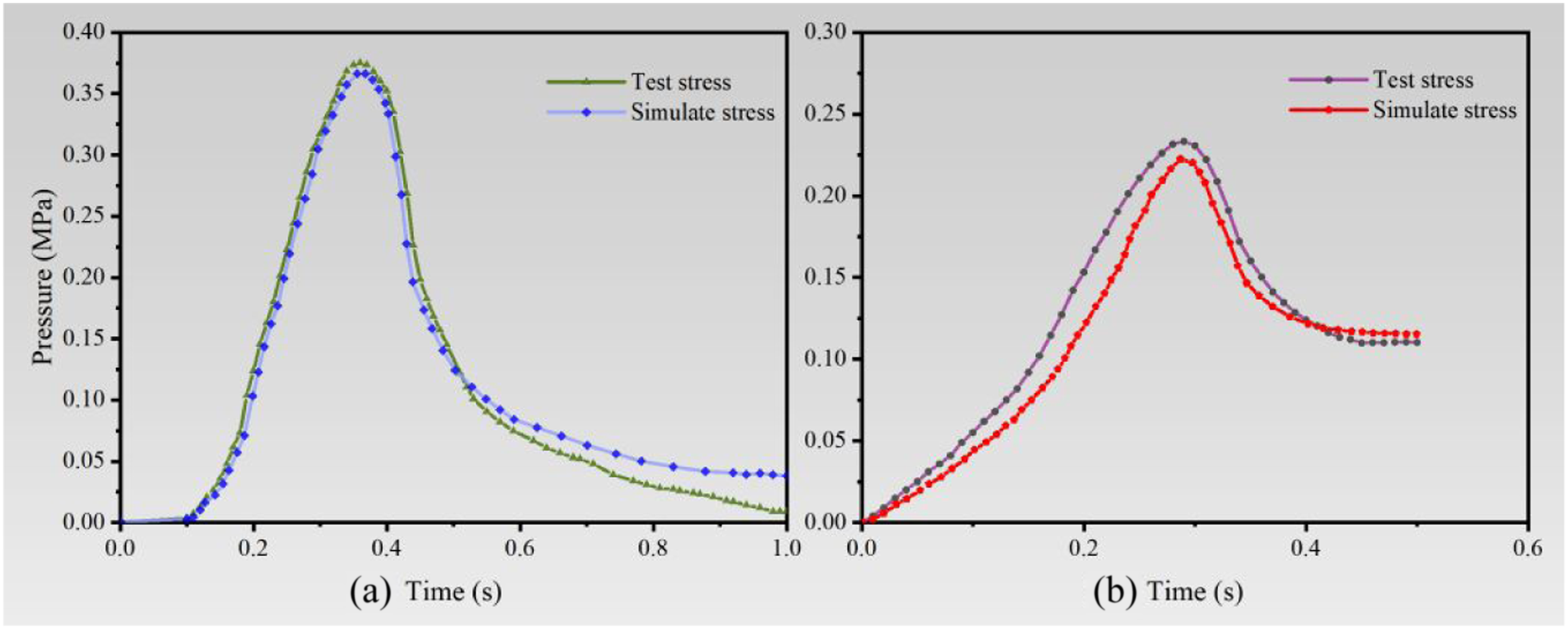
Test results and analysis
Analysis of mechanical property results
It can be seen from Figure 4(a) and (b) that the compressive strength and flexural strength of EPS concrete are enhanced with the increase of KH-560 modifier content after being mixed with KH-560 modifier. The 7-days compressive strength of EPS concrete was increased by 3.2%, 9.4% and 2.9%, respectively, and the 28-days compressive strength was increased by 6.9%, 11.7% and 7.0%, respectively, as shown in Figure 4(a). In addition, the 7-days flexural strength of EPS concrete increased by 5.7%, 2.7% and 5.2%, respectively, and the 28-days flexural strength increased by 4.4%, 6.3% and 2.0%, respectively. The results show that KH-560 can effectively enhance the compressive strength and flexural strength of concrete when incorporated into EPS concrete, and the longer the curing time, the more obvious the enhancement effect is, which is consistent with the conclusions of previous studies.32,33 The analysis shows that KH-560 is a coupling agent containing reactive epoxy groups, which can undergo addition reactions with various epoxy groups or form hydrogen bonds with various epoxy groups. When KH-560 is added to EPS concrete, the calcium hydroxide in the concrete contains hydroxyl groups, and the two undergo a condensation reaction to form a siloxane bond, and the newly formed silane condensate can further react with other components in the concrete (such as sulfate, carbonate, etc.) to strengthen the structure of the concrete. In addition, KH-560 can also react with C-S-H gel in cement hydration products to form stronger silicon-oxygen bonds, which has a positive effect on the improvement of mechanical strength of concrete. Because EPS particles are non-polar materials, and the aggregate in concrete is usually inert, it is not easy to have a strong chemical reaction with the cement slurry, but after the EPS particles are modified by KH-560, they are wrapped into a “shell” on the surface of the EPS particles, and the silane molecules can play a role in bridging different components through the organic part, and physical adsorption or chemical bonding occurs with the surface of the aggregate, so as to improve the interface bonding between the aggregate and the cement slurry, so that the mechanical properties of EPS concrete can be improved. Compressive strength (a) and flexural strength (b) of 7D and 28D specimens.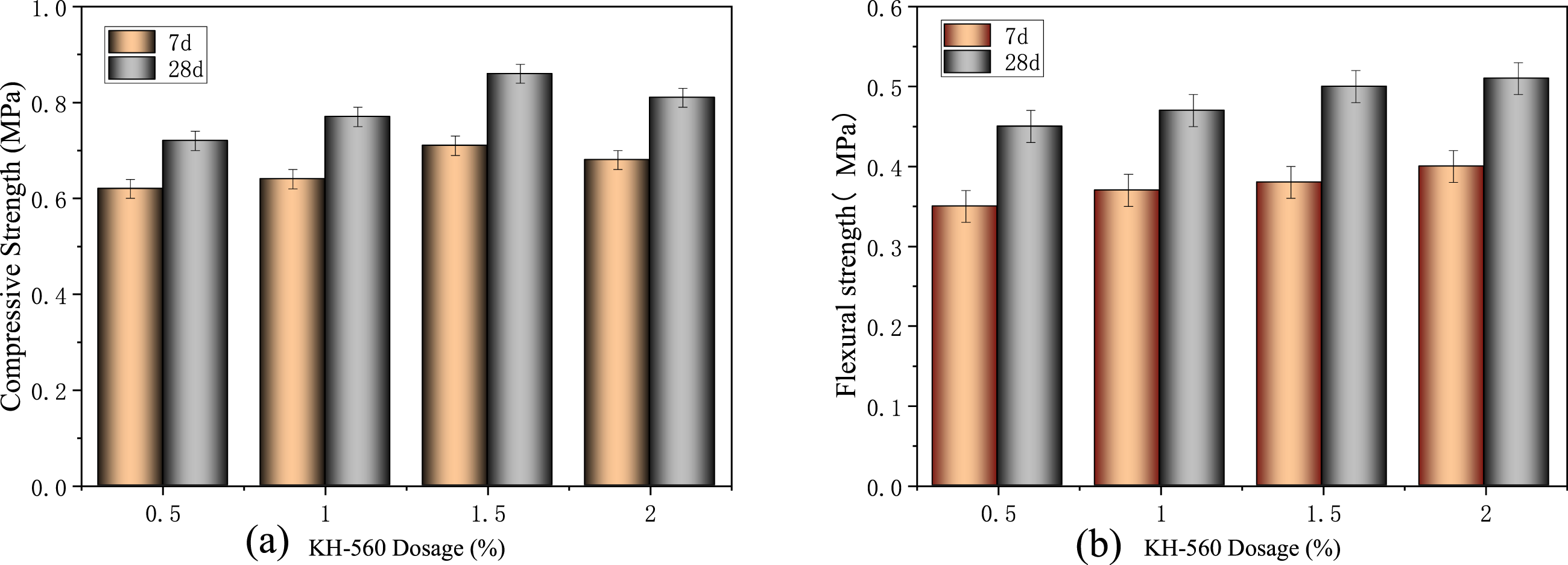
Analysis of SEM results
Figure 5 is the SEM image of the interface between EPS particles and cement slurry before and after KH-560 modified EPS concrete. It can be seen from Figure 5(a) that when the EPS concrete is not modified by KH-560, there is a small gap between the EPS particles and the cement matrix, the bond between the two is not tight enough, and there are many damages on the surface of the EPS particles, which indicates that when the EPS particles are modified by KH-560, the “shelling” is uneven. Therefore, there is a weak bond interface between the two phases, and the transition zone between the weak bond interface and the cement matrix is easy to fail in advance during the stress process, resulting in poor stress performance of EPS concrete. As can be seen from Figure 5(b), the EPS concrete modified by KH-560 has a tight connection between the EPS particles and the cement, and the interface transition zone becomes continuous and uniform, and the surface of the EPS particles is also intact. This is due to the fact that after the EPS particles are modified by KH-560, their hydrophobic properties become hydrophilic, and the “shell-making” process can better form the modified polymer shell. In addition, the silane part of KH-560 reacts with the benzene ring on the surface of the EPS particles to form a covalent bond, and the silane part also reacts with the hydration products in the cement base to form compounds such as calcium silicate, and the formation of these chemical bonds enhances the bond between the EPS particles and the cement matrix. On the other hand, the introduction of KH-560 may lead to an increase in the roughness at the interface between the EPS particles and the cement matrix, which helps to improve the mechanical occlusion between the two components, and the silane molecules can also fill the void between the two phases, reducing the porosity of the interface, thereby improving the compactness and strength of the interface transition zone. SEM diagram of the interface between KH-560 modified EPS and cement matrix.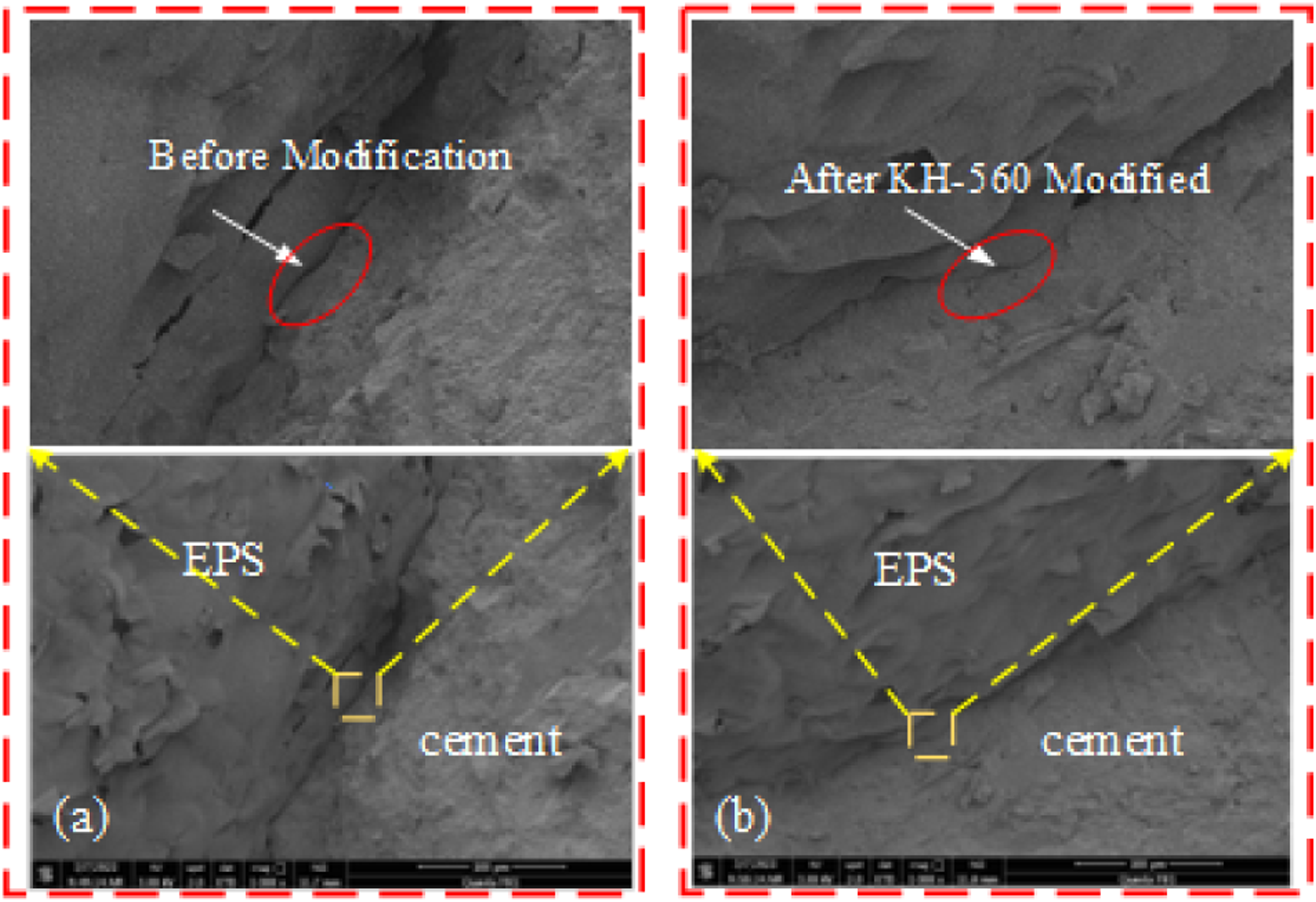
FTIR results analysis
Figure 6 is the infrared spectrum of EPS concrete samples under different dosages of KH-560, and it can be seen that the peak of the infrared spectral vibration band with and without KH-560 is weakened and other peaks appear. Since some cement particles have not completed the hydration reaction, there are CO32−functional groups (1410–1520 cm−1), sulfate SO42−(1030–1084 cm−1), and CO32− (707–741 cm−1) vibration peaks. In addition, the CO32− contained in fly ash may also be responsible for the wide characteristic peak. In the sample added to KH-560, methyl (CH3) or methylene (CH2) appeared at positions 2864 cm−1 and 1094 cm−1 due to the chemical reaction of the organic compound KH-560 on the cement-based surface of EPS. An ester group (—COO —) appeared at 1387 cm−1 and 1226 cm−1 (1750–1725 cm−1 is = O vibration, and 1300–1050 cm−1 is -O two vibration bands). In addition, at 3671 cm−1, the absorption peak with decreasing peak intensity was the hydroxyl shock band of the hydration product Ca(OH)2, and at 963 cm−1, that is, in the fingerprint region of cement hydration (1200–400 cm−1), the hydration product C-S-H (975–965 cm−1) vibration band appeared, and this vibration band became more and more obvious with the increase of KH-560. This indicates that with the intervention of KH-560, the hydration of cement is delayed, resulting in a decrease in Ca(OH)2 hydration products and an increase in C-S-H gels in the slurry. The reason for this result may be that the silanol group (Si-OH) generated by the hydrolysis of KH-560 reacts with Ca2+ in the cement base to form hydrated calcium silicate bond (Ca-O-Si), which reduces the number of Ca(OH)2 crystals that are unfavorable for compressive strength, thereby improving the mechanical properties of concrete. Infrared spectrum of KH-560 specimens under different dosages.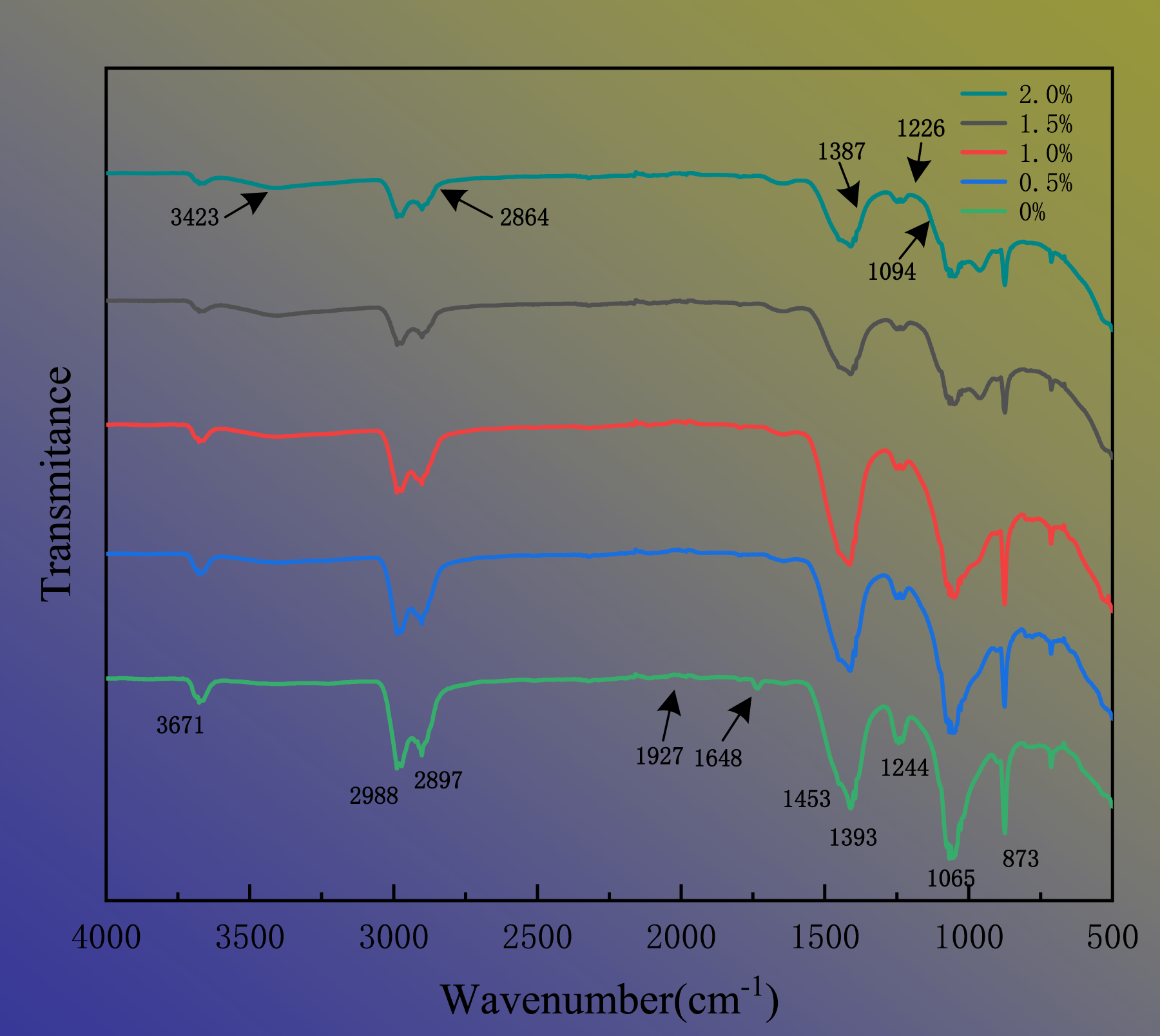
XRD result analysis
Figure 7 shows the X-ray diffraction pattern of EPS concrete specimens under different dosages of KH-560. As can be seen from the figure, the peak morphology of EPS concrete samples mixed with different content modifiers is basically the same, which indicates that the addition of KH-560 does not produce new hydration products, but only has an effect on the content and crystallization degree of hydration products. In the EPS concrete samples containing KH-560, the characteristic peak of unhydrated clinker minerals (Alite, Belite) in the cement matrix gradually increased with the increase of KH-560 content, and the diffraction peak of Ca(OH)2 was less than that of the control group, and the peak value was also lower than that of the control group, indicating that the chemical reaction of KH-560 added to the concrete decreased the crystallinity of the hydration products and slowed down the hydration reaction process of the cement. The reason may be that KH-560 decomposes during the cement hydration reaction, forming substances such as silans (Si-OH), which chemically react with Ca(OH)2 and consume the Ca ions in it, which will reduce the content of calcium hydroxide crystals. At the same time, this reaction also forms new calcium silicate crystals, and the increase in the crystal content improves the microstructure and properties of the concrete. In addition, there was a low peak at 30.5° in the diffraction peak pattern containing KH-560, which may be a C-S-H gel, that is, the addition of KH-560 increased the number of C-S-H gels. This is due to the silanol group produced after the hydrolysis of KH-560, which can also react with the silicon-oxygen tetrahedron (SiO4) in the C-S-H gel to form silicon-oxy-silicon (Si-O-Si) bonds, which increases the number and stability of the C-S-H gel, thereby improving the interfacial density and the mechanical properties of the concrete. X-ray diffraction pattern of KH-560 with different test pieces.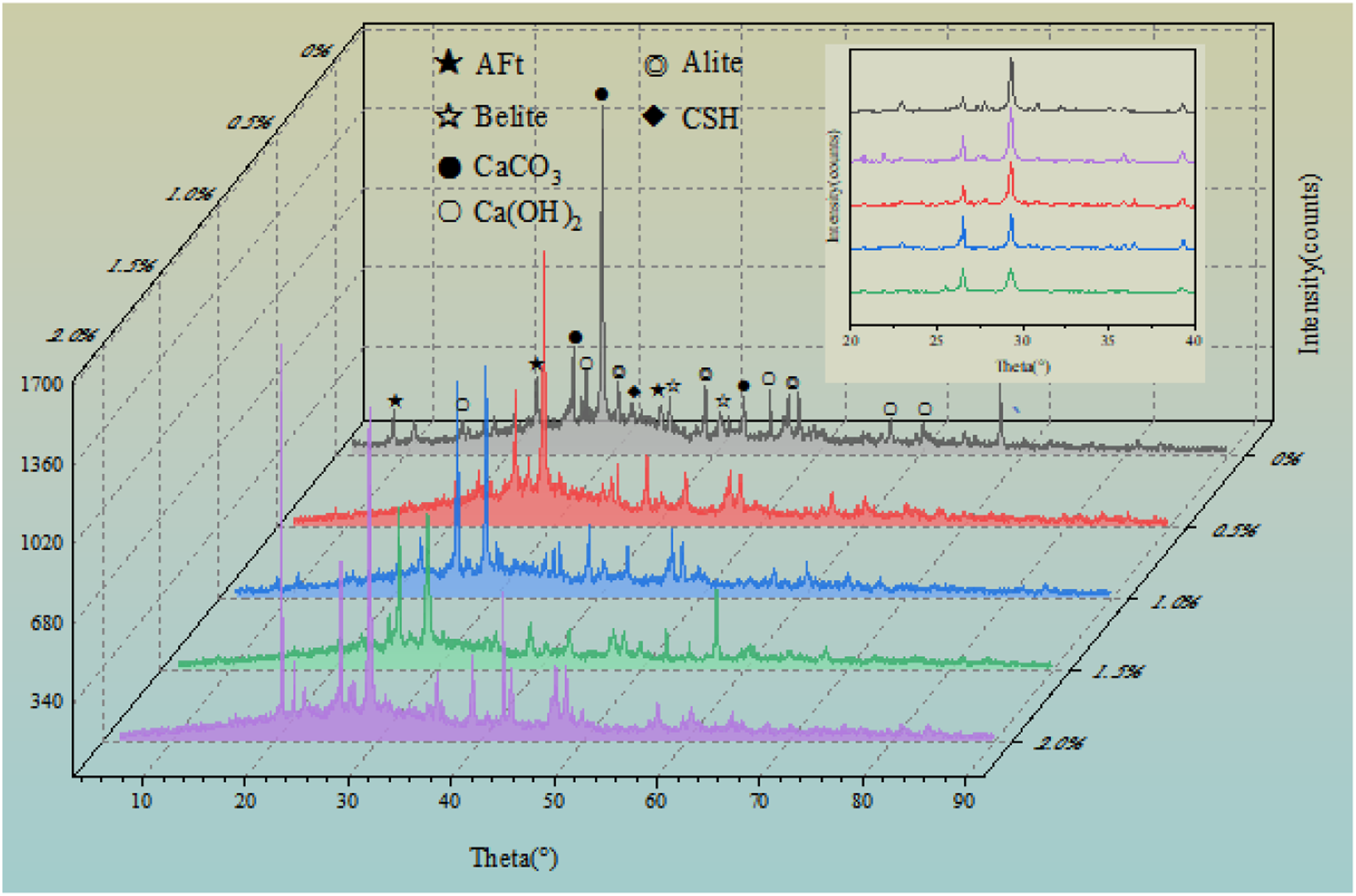
Analysis of discrete element simulation results
Figure 8 shows the force failure states of the discrete element numerical simulation compressive model (0 s, 0.100001 s, 0.120009 s), and the relative motion state of concrete and the bonding bond state between particles are numerically simulated from left to right. The top and bottom surfaces of the model are simulated using physical planes. The top surface is a loading plane, and there is no confining plane around it, which is to prevent the plane from hindering the relative movement of particles under pressure, so as not to affect the simulation results. The simulation mechanism is to control the speed of the plane, so that the model is crushed to be consistent with the actual test state, so that the stress value of the loading plane gradually approaches the target value. When the time step is 0.100001, due to the short moving distance of the loading surface, the pressure of the test block is small, at this time, only a small number of bonding bonds between local particles of the concrete test block are broken, and microcracks appear in the concrete test piece; With the continuous increase of the load, the microcracks gradually expand and become more concentrated, indicating that the area around the microcrack is more susceptible to damage than other areas, and the bonding bonds between the surrounding particles are more prone to fracture. When the time step is 0.120009, the microcracks gradually penetrate, thus forming macro cracks, the number of cracks increases higher than in the previous period, and the development speed accelerates sharply, and finally leads to the complete destruction of the concrete test block. Simulation of EPS concrete compressive strength test.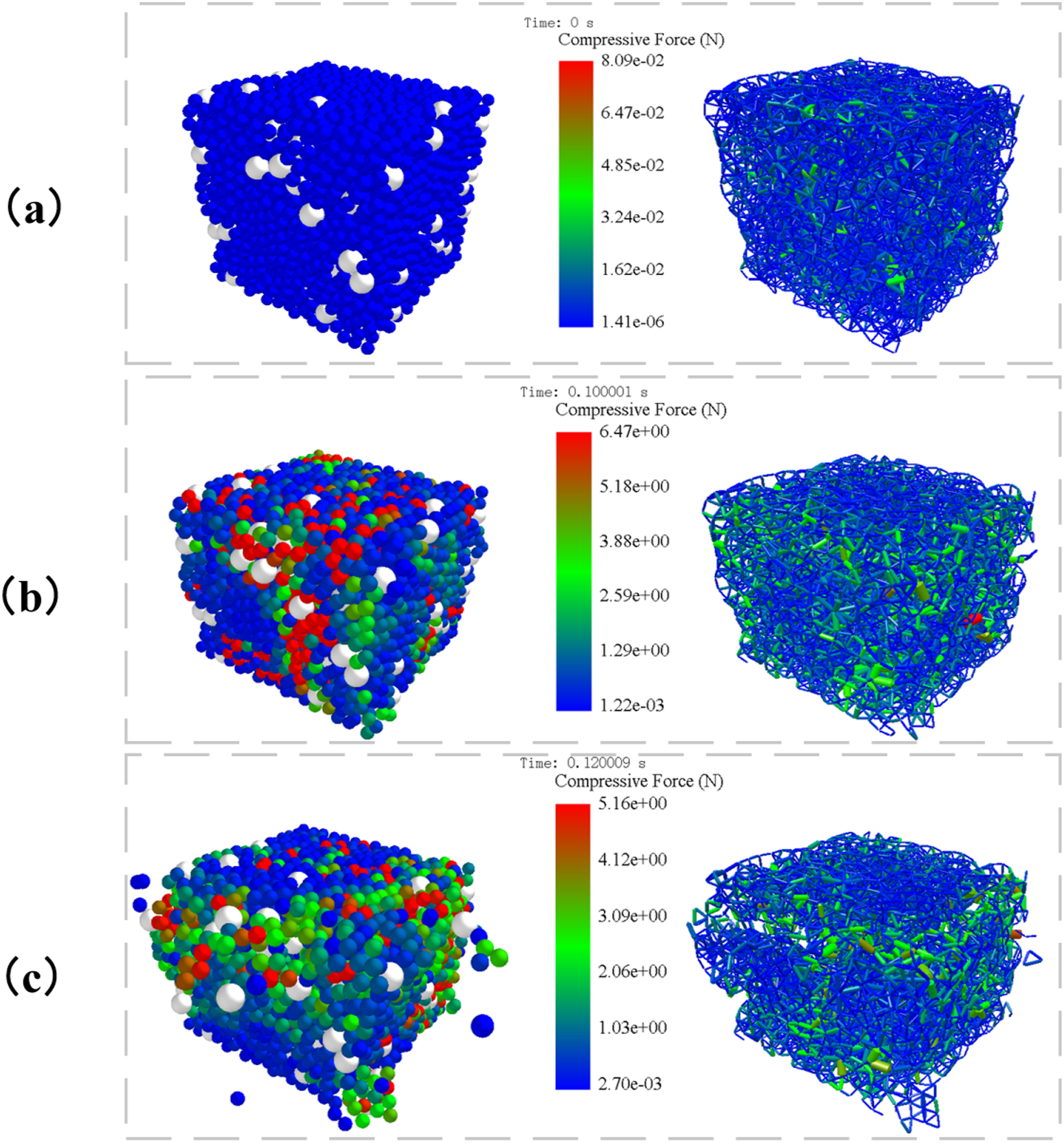
Figure 9 shows the typical state of forced failure of the discrete element flexural model (1.1001 s, 1.22001 s, 1.36001 s), representing the initial state, bending state, and fracture state, respectively. The left side of the figure is the bonding bond between particles, and the force state from blue to red indicates that the internal force between particles gradually increases; The right side of the figure shows the true state of the relative motion of the particles. When the model is in the initial state, the bonding bonds between the particles are crisscrossed to maintain the integrity of the model, and the internal force between the particles is small, as shown in Figure 9(a). When the pressure rod begins to move, the particle stress around the indenter is large, and the model begins to bend to a certain extent, at this time, the internal force between the bonding bonds gradually increases, but the limit stress between the broken bonds has not yet been reached, as shown in Figure 9(b); As the pressure rod continues to move, the bonding bond reaches the limit stress, and the normal failure occurs at the fracture, and it can be seen that the position of the fracture surface is the section where the EPS particles are located, because the elastic modulus of the two is quite different, and the degree of bonding is weaker than that between the same material, so the failure surface is easy to occur here, as shown in Figure 9(c). Simulation of EPS concrete flexural strength test.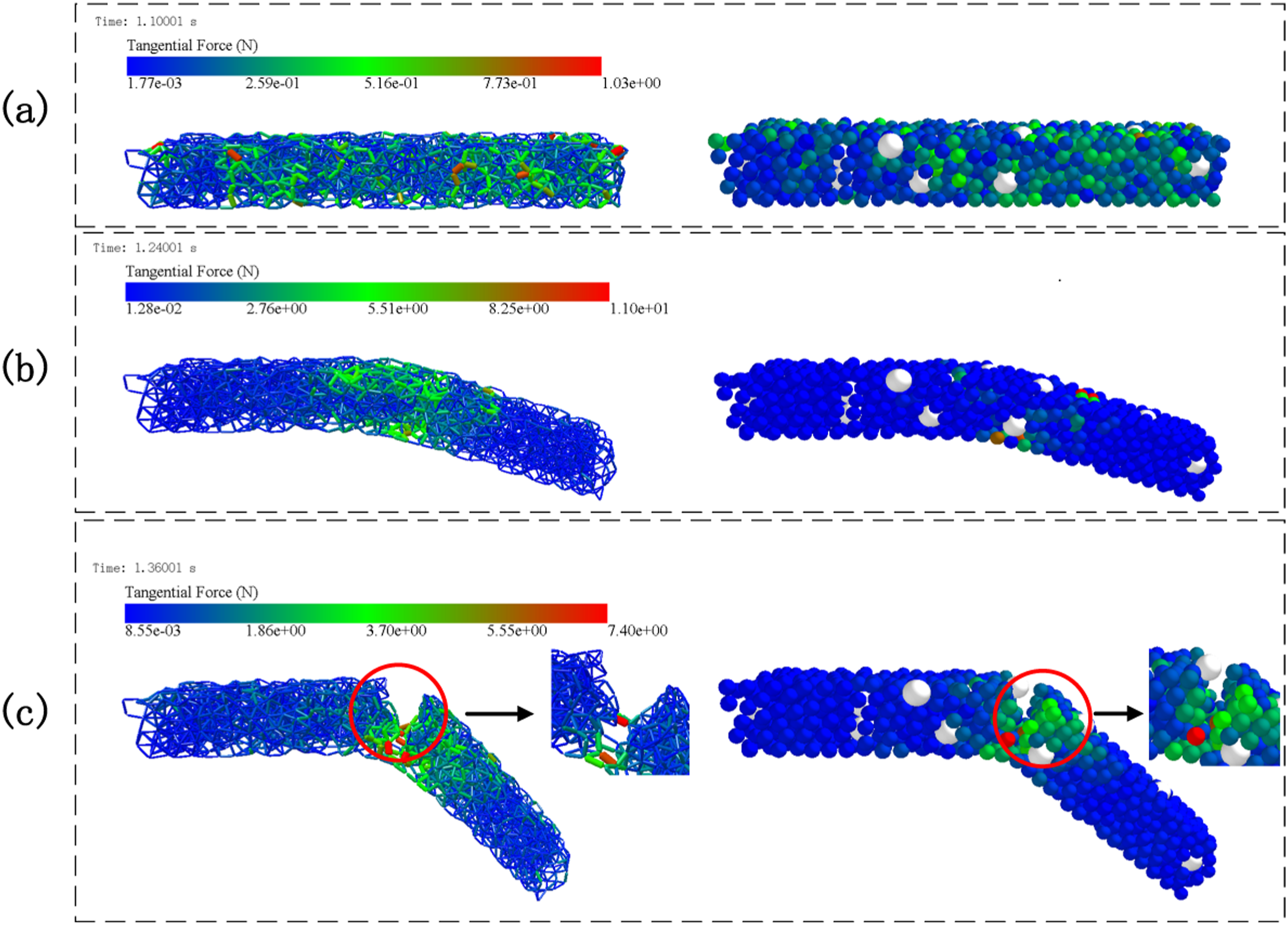
When using EDEM software to simulate the failure of fiber concrete specimens in a uniaxial compression test, the simulation process is roughly divided into specimen generation, specimen consolidation, and specimen loading. The top and bottom surfaces of the numerical model are simulated using rigid walls with free border boundaries. After simulating the mechanical failure performance process of EPS concrete, the stress-strain diagram shown in Figure 10 is obtained. It can be seen from Figure 10 that the test and numerical simulation of stress-strain curves have a high degree of agreement, and the peak stress and strain of concrete failure are basically the same, but there are also certain errors. This is because the mixing process of EPS particles and cement mortar may be unevenly mixed during the test, and the phenomenon of “agglomeration” occurs, while the simulation process adopts the random distribution of EPS particles so that there is an error between the test results and the simulation results. Stress-strain relationship curve of test and numerical simulation.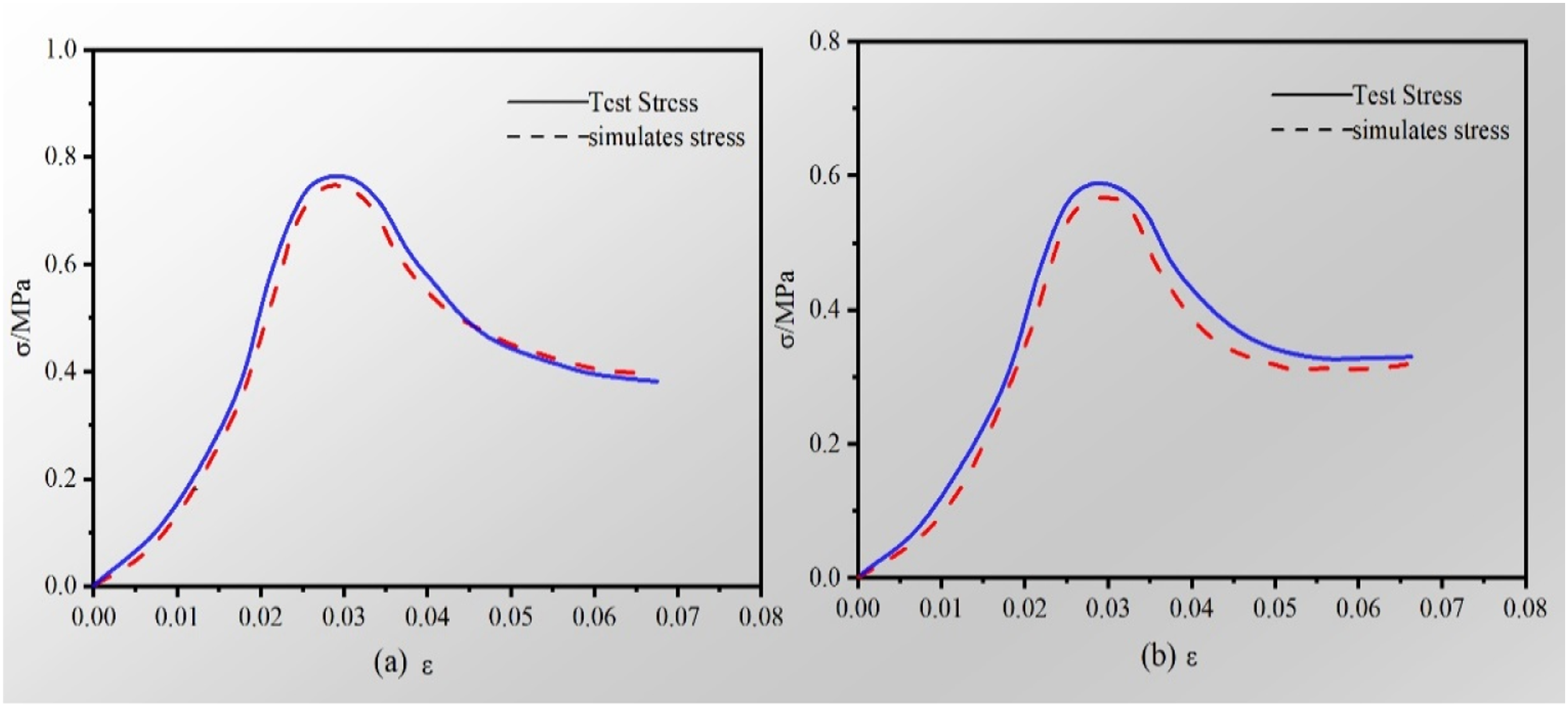
Parameter information of KH-560 modified EPS concrete model.
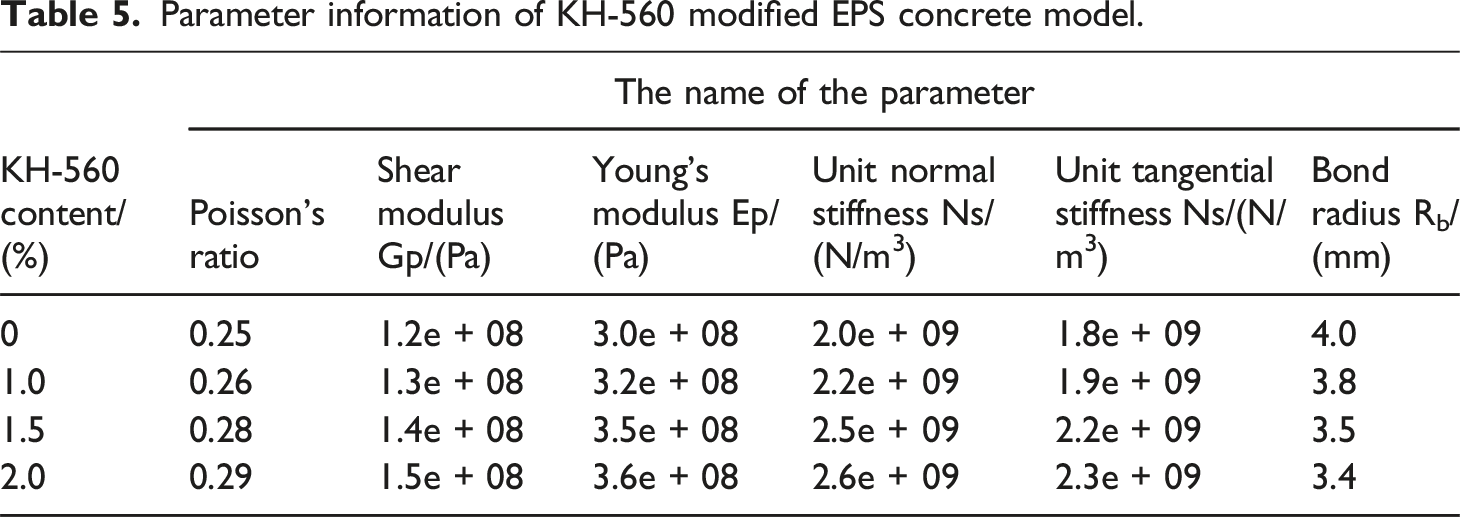
In the simulation process, the interaction between the EPS particles and the concrete matrix of the EPS concrete model is used to reflect the mechanical properties at the macroscopic level, and the parameters that are consistent with the actual material are defined for the particles under mesoscopic conditions, and the EPS concrete model can be obtained, such as deformation, strength and other characteristics. Among them, with the increase of the content of KH-560 modifier, the Poisson’s ratio, shear modulus, Young’s modulus, unit normal stiffness and tangential stiffness in the EPS concrete model all increased. This is due to the introduction of KH-560 modifier to improve the interface connection between EPS particles and the concrete matrix, so that the particles are more tightly connected to the particles, and it is more difficult to slide in the tangential and normal directions, and the increase in the concentration of KH-560 means that more “bridges” are built, and the shear strength and overall stiffness of EPS concrete are also enhanced. In other words, the strength and stiffness of the interface and the material are enhanced by the KH-560 modified EPS concrete, so the simulation parameters increase with the increase of KH-560 content. After continuous calibration and adjustment of the model parameters, the accuracy and reliability of the simulation results are improved, so as to better predict and optimize the performance and behavior of EPS concrete, and also provide a reference for the follow-up discrete element simulation research of scholars.
Due to the different roughness of the coarse and fine aggregate particles inside the EPS concrete sample, the meso-parameter of the friction coefficient between particles can be introduced, and dynamic simulation tests can be carried out through simulation software.
34
The friction coefficients of 0.1, 0.3, 0.5, 0.7, and 0.9 were taken to form five groups of control simulation test samples, and the stress-strain curves of each group of samples were obtained by performing macroscopic mechanical failure simulation tests on concrete samples, as shown in Figure 11. (a) Effect of static friction coefficient on specimen stress-strain curve distribution (b) Influence of dynamic friction coefficient on specimen stress-strain curve distribution.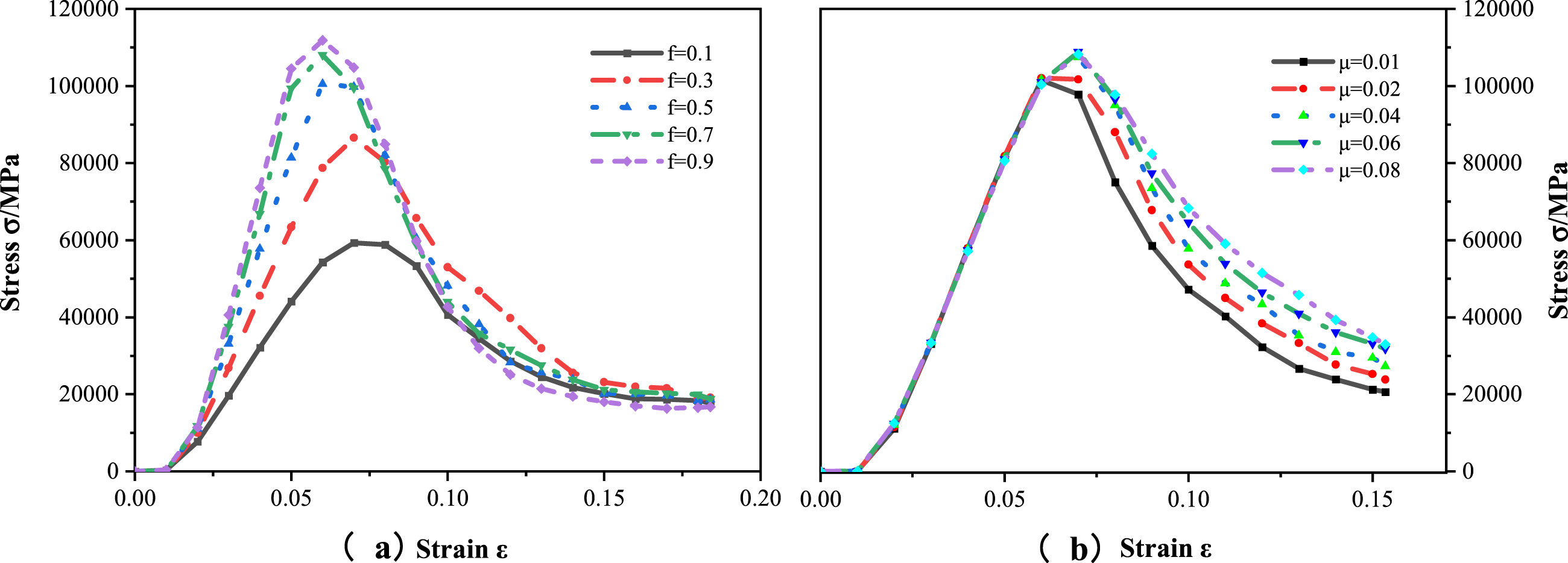
It can be seen from Figure 11 that with the increase of friction coefficient, the ultimate failure stress gradually increases, that is, the peak strength of the EPS concrete specimen continues to increase, while the change of friction coefficient has little effect on the change of elastic modulus. Among them, the static and dynamic friction coefficients between particles gradually increased with the increase of modifier content.
The addition of KH-560 modifier to the EPS concrete model changes the roughness of the surface of the EPS particles, and after the cement hydration reaction, the newly formed chemical bonds (electrostatic force, van der Waals force and contact adhesion force, etc.) will increase the friction between the particles inside the EPS concrete, and the friction coefficient will also increase, which means that it is more difficult for the particles to slide relative when the model is subjected to external force, which helps the test block to resist external loads. At the same time, the increased coefficient of friction means that the particles in the model need more energy when they slide or rotate, which helps to improve the ductility and toughness of EPS concrete. On the other hand, the friction between the particles helps to transmit and disperse the stresses, and the larger the friction coefficient, the greater the friction between the particles, the more uniform the stress distribution, and the overall load-bearing capacity of the EPS concrete model is enhanced, so the peak strength will also be improved. In the process of parameter setting, the higher friction coefficient may make the model particles more closely arranged when stressed, thereby reducing the voids between the particles, improving the compactness and integrity of the specimen, and thus enhancing the peak strength, which is consistent with the analysis of the previous SEM results.
In discrete element simulations, the direct effect of the change in the coefficient of friction on the modulus of elasticity is relatively small. The modulus of elasticity describes the proportional relationship between stress and strain in a material within the elastic range, and is usually related to the composition and structure of the material. In the simulation, if the normal stiffness between the particles is large, the displacement of the particles will be limited, thus reducing the energy consumption caused by friction, and the influence of the friction coefficient on the elastic modulus will become less significant.
Effect of EPS aggregate particle size on damage and failure of EPS concrete
Simulation Analysis of damage and failure process of single particle size EPS concrete
The simulated EPS concrete size is selected as 10 mm*10 mm*10 mm, because the EPS particle strength is much smaller than that of the concrete matrix, so the EPS substitution rate is inversely proportional to the strength of the concrete. The particle size range of EPS particles was controlled, and the damage and failure process of different volumes of concrete with different particle sizes was analyzed. This simulation considers the effects of EPS concrete mechanical properties when the particle size of EPS is constant 4 mm into concrete, and the volume content is 0%, 5%, 10%, 15% and 20%, respectively. The stress-strain curve of its compression failure can be obtained by simulation.
In the early stage of EPS concrete force failure, there is a period of elastic failure, because the concrete matrix has a certain elasticity within a certain range. As the load increases, the entire concrete begins to bear the load force, and as the load-displacement and time increase, the concrete matrix begins to break and cracks occur. When the crack spreads around the EPS particles, the crack begins to diverge, that is, EPS can prevent the crack penetration to a certain extent. Because EPS has high elasticity, it can absorb part of the elastic potential energy and effectively reduce the stress transmitted by the concrete matrix, thereby delaying the failure of concrete, effectively preventing the formation of large cracks, and reducing the failure speed of concrete (Figure 12). Stress-strain curve of EPS concrete failure with different volume content of single particle size.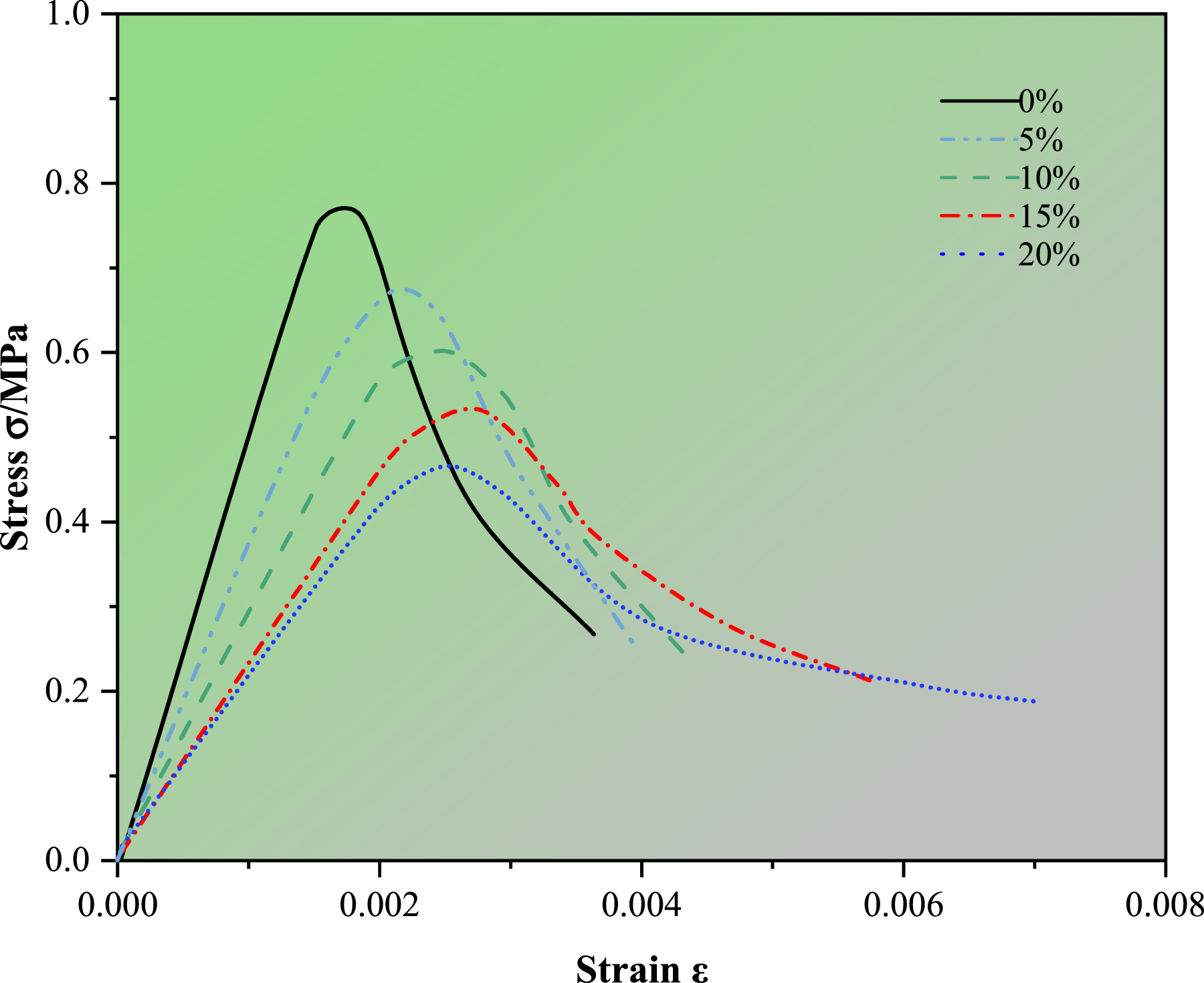
Simulation analysis of damage and failure process of EPS concrete with different particle sizes
Based on the former simulation, the material parameters of concrete and EPS particles are kept unchanged, and the concrete model and loading system are consistent with the former. By randomly feeding EPS particles in the 2 mm–4 mm particle size range for the simulation test, the stress-strain curve of compression failure can be obtained.
Figure 13 shows the stress-strain diagram of EPS concrete failure with different particle sizes and volumes. It can be seen from the figure that the ultimate compressive strength of EPS concrete of different particle sizes is generally higher than that of EPS concrete of single particle size, and when the volume content of EPS concrete with different particle sizes is 0%, 5%, 10%, 15% and 20%, the peak strength of concrete with different particle sizes decreases by 4%, 7%, 6% and 6%, respectively, and when the volume content reaches 20%, the ultimate compressive strength of concrete decreases by 28% compared with plain concrete. It was observed that the change law of ultimate compressive strength of EPS concrete randomly placed in the range of 2 mm–4 mm was consistent with the variation law of EPS concrete with single particle size EPS granule, both of which gradually decreased with the increase of volume content, but the ultimate compressive strength of EPS concrete with different particle sizes decreased more slowly than that of EPS concrete with single particle size. Stress-strain curves of EPS concrete failure with different particle sizes and volume contents.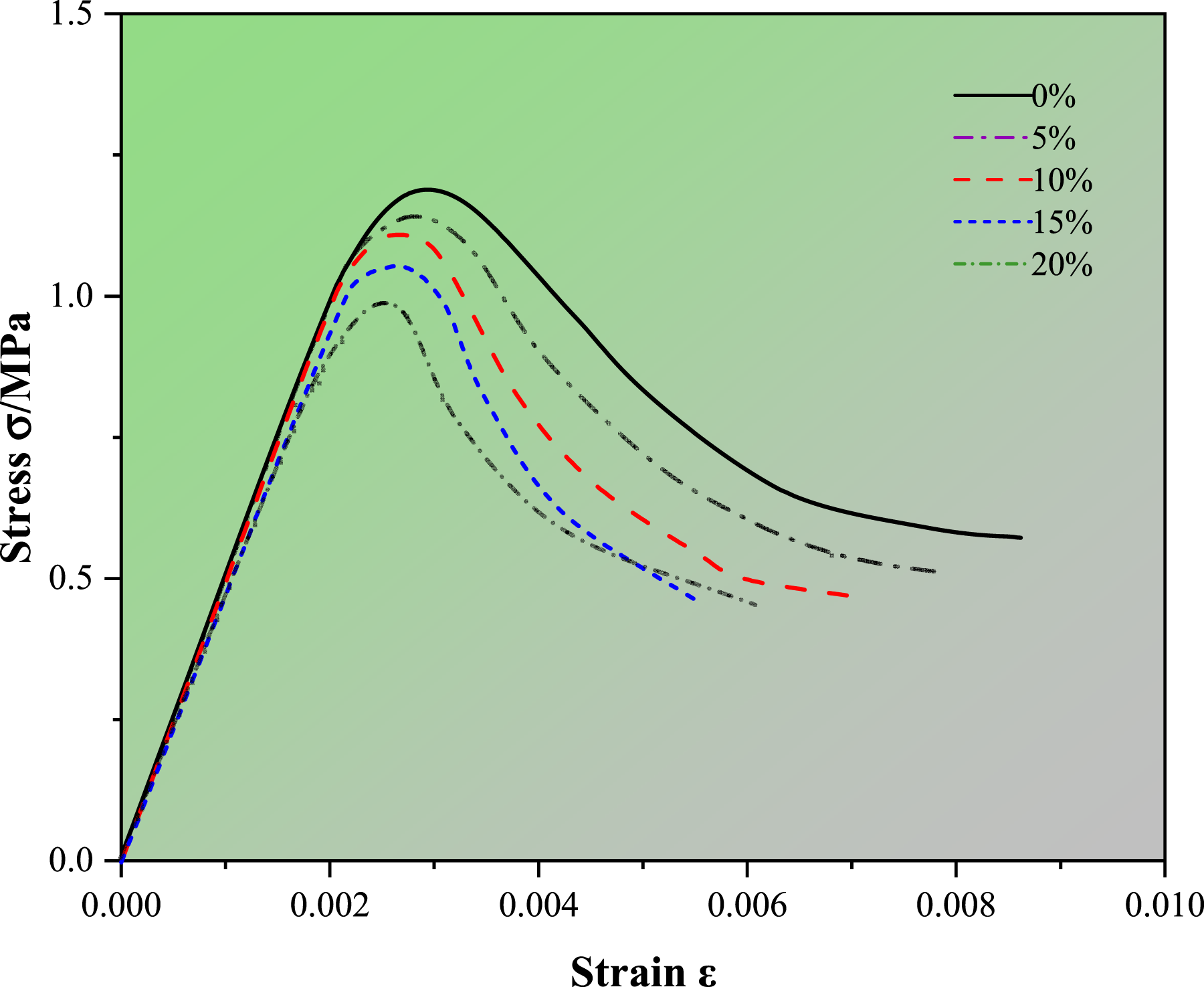
This is because in the case of low EPS volume content, there are fewer EPS particles, and the “most dense state” of feeding cannot be reached, so the filling theory is difficult to verify. Conversely, as the volume content of EPS increases, the number of EPS particles also increases, and the distribution of random EPS particles is closer to the “densest state”. Combined with the “Weimus interference theory”, it can be inferred that with the increase of EPS injection volume, the ultimate compressive strength of EPS concrete with different particle sizes will be higher than that of EPS concrete with a single particle size. With the increase of the delivery volume, this phenomenon will become more significant within a certain range of the delivery volume.
Conclusion
In this study, the influence of KH-560 modified EPS particle surface on the mechanical properties of EPS concrete was studied by macroscopic mechanical experiment. KH-560 and EPS cement-based hydrates and functional groups were observed and analyzed by XRD and FRIT. The effects of KH-560 and EPS cementitious on microstructure were observed and analyzed by SEM. The mechanism of action of KH-560 and EPS particles with different particle sizes on EPS concrete was analyzed by discrete element simulation. In the end, the following conclusions were obtained: 1. Macroscopic mechanical tests show that compared with EPS concrete without a modifier, KH-560 can significantly improve the compressive and flexural strength of EPS concrete, and has a more significant effect on samples with long curing time. Under the condition of maintaining the same EPS content, the compressive strength of EPS concrete in 7 days and 28 days increased by up to 9.4% and 11.7%, and the flexural strength increased by up to 5.7% and 6.3%, respectively. 2. Through SEM observation and analysis, it can be seen that EPS particles and cement bases are incompatible with each other, resulting in a large gap between the two, with the introduction of KH-560, the polymer film is formed and a continuous network space structure is formed, the interface adhesion between the two is effectively improved, and EPS particles and mortar are more closely bonded. 3. XRD and FTIR analysis showed that KH-560 was added to concrete and chemically reacted to produce acid ions to react with Ca(OH)2, and its crystal content decreased. The content of the hydrated product C-S-H gel increased, making the product structure more complete. 4. By simulating the mechanical failure process by discrete elements, KH-560 is combined with mechanical parameters, and the influence of different parameters (static friction coefficient, dynamic friction coefficient) on the mechanical properties of EPS concrete is considered. The analysis shows that the greater the coefficient of friction, the greater the peak strength of the concrete specimen, but the effect on its elastic modulus is not great.
Footnotes
Declaration of conflicting interests
The author(s) declared no potential conflicts of interest with respect to the research, authorship, and/or publication of this article.
Funding
The author(s) disclosed receipt of the following financial support for the research, authorship, and/or publication of this article: This work was financially supported by Henan Provincial Science and Technology Research Project (No. 232102320173), and Innovative Funds Plan of Henan University of Technology (No. 2020ZKCJ21), and Zhengzhou Collaborative Innovation Project (No. 21ZZXTCX09).
