




Abstract
Automotive bumper beams play a very crucial role in absorbing impact energy during crash collisions and reducing damage from the front or rear ends of the vehicle during low or high-velocity impact. This paper discusses the impact of different energy-absorbing materials introduced between the fascia and the metallic beam. A novel recipe, with combinations ranging from 0% to 50% and 20% to 80% of Polypropylene (PP) with Ethylene vinyl acetate (EVA) and Polypropylene (PP) with Ethylene propylene diene monomer (EPDM), was prepared by weight and comparative study based on their impact strengths was done both experimentally and numerically. The mechanical properties of the polymer blends have been determined under tensile, compressive, and impact testing. Results obtained from numerical simulation analysis lie in reasonable agreement with the experimental findings. The tensile and compression test results show that polymer blend PP/EPDM-50/50 is the best selection as an energy absorber due to its ductility and toughness properties which is evident from experimental testing. The introduction of this blend in front of the metallic strip (bumper beam) has significantly supported the improvement in the energy-absorbing capacity and impact strength.
Introduction
Automotive bumper beam assembly plays a key role in crashworthiness and energy absorption during impact collision.
1
The frontal Bumper beam system used as a shock-absorbing assembly consists of three main parts fascia, energy absorber, and bumper beam.1,2 The safety of pedestrians from various injuries and fatalities can be reduced by using an improved orthogonal array of robust design of bumper beams at minimum cost, optimizing weight including stiffness requirement.3–5 Figure 1 shows the common bumper beam system.
6
The bumper beam is specifically engineered to absorb around 15% of the energy NCAP crash tests,1–4 the study examined a hydraulic shock absorber system that utilizes hydraulic fluids and shock absorber spring to reduce crash losses and deformation during impact loading.
7
Bumper beam assembly is generally made of steel, aluminum, and thermoplastic composite material.2,8,9 The automotive steel also replaced by Carbon fiber-reinforced plastic (CFRP) improved the crashworthiness and impact behavior by reducing the bumper weight by 50% due to thickness optimization.10,11 Automotive plastic is also required to be recycled for the better part of design and research purposes.
12
The system employed 3D-printed carbon fiber-reinforced thermoplastic material to reduce impact losses and withstand high-impact pressure. The use of additively manufactured lightweight hybrid lattice structures, composed of metal and composite materials, as well as sandwich composites, was implemented for shock-absorbing components.13–15 The 3D printed carbon polyamide bumper shows superior impact energy absorption (11.15% and 16.3%), crashworthiness, 38% improvement in fuel economy, and 47.5% weight reduction as compared to steel and aluminum respectively.
16
The bumper beam systems, positioned at the front or rear of the vehicle, enhance safety by absorbing the initial kinetic energy during minor collisions and minimizing damage to the vehicle’s structure.
17
Components of bumper beam system.
6
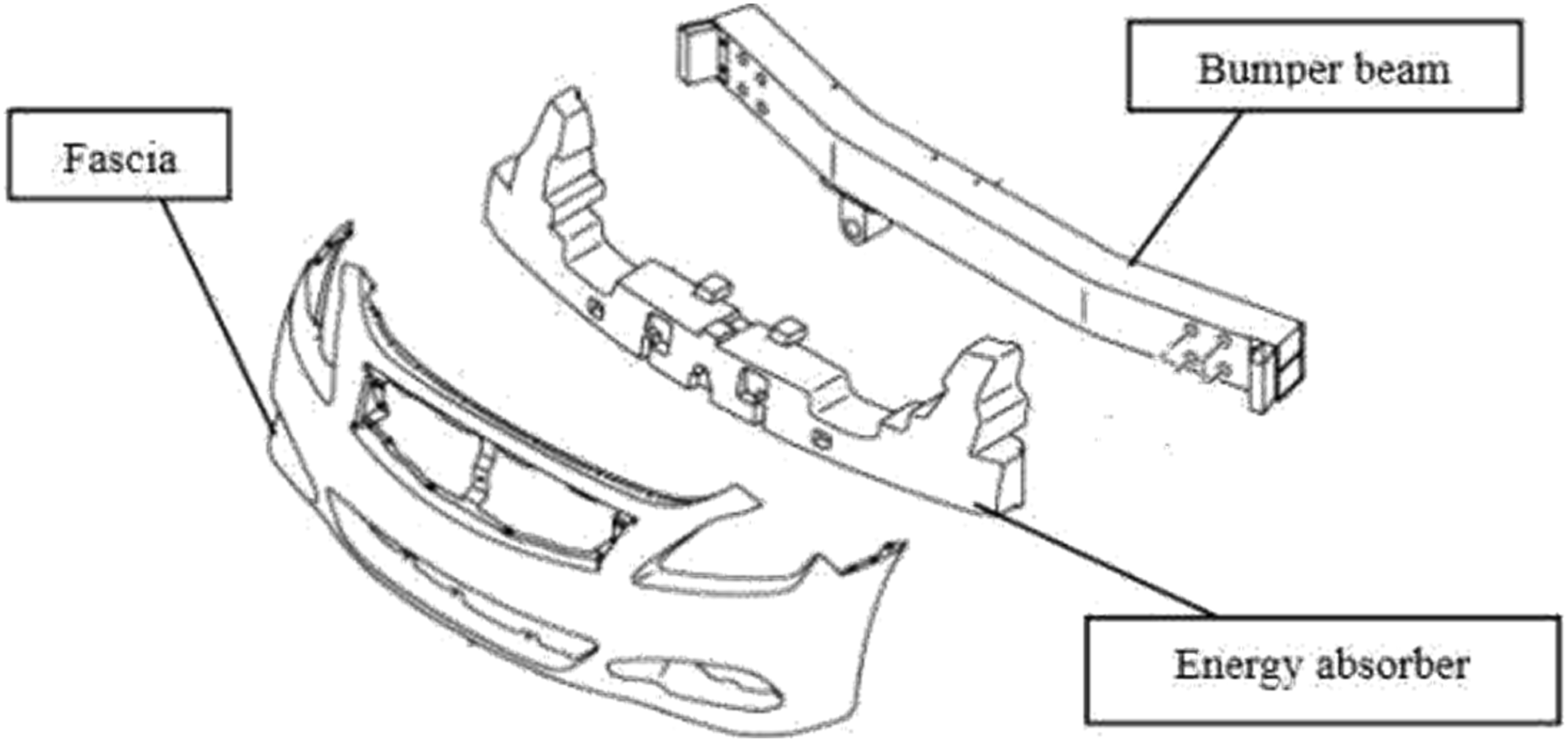
Various materials are employed to examine the energy-absorbing capability of bumper beam assemblies. Several researchers have utilized diverse materials to achieve exceptional performance and facilitate specific applications. The bumper beam is anticipated to effectively absorb impact energy, thereby minimizing crash losses, and safeguarding the occupants. Composites and metals are primarily utilized for their exceptional impact resistance in both stationary and moving situations,5–9 in order to evaluate the structural capacity and ability to absorb energy of various materials. Fiber-reinforced thermoplastic composites exhibit notable mechanical characteristics as a result of the adhesion between the fibers and the matrix, the coupling properties, and the amount of fiber present. 18 The automobile bumper weight can be reduced using a composite and high-strength metallic sheet of a thinner thickness material.8,19,20 Car bumpers utilize polymeric materials mostly focused on Polypropylene (PP) based composites in automotive industry to effectively dissipate impact energy and limited fuel consumptions due to their elastomeric behavior and ability to meet stringent weight and performance criteria.21–24 The response of pultruded glass-graphite/epoxy hybrid composites under high and low induced energy test examined changes in crack propagation and specific mechanical properties such as flexural toughness and lower crack initiation energy by increasing the tendency to delaminate. 4
The primary function of the bumper beam assembly is to bear the loads exerted in the axial directions. To enhance crashworthiness, one can modify the cross-sectional profile of vehicles in order to minimize the risk of damage to both the vehicles themselves and the passengers inside them. 25 Multiple researchers have employed diverse experimental and simulation methods to evaluate the effectiveness of the bumper beam assembly. They have explored different manufacturing processes and conducted strain rate analysis under impact loads,26,27 Additionally, certain experts have conducted experimental and numerical analyses of the lattice structure, which serves as an energy absorber and is produced using the fused deposition modeling method (FDM. 14 Researchers, 8 and 26,28–30 also examined the bumper beam using numerical and experimental methods to studied the various parameters such as shape, thickness, suitable cross section, impact conditions, materials, impact force and deformation during low velocity impact. The study conducted by 31 examined the mechanical properties improvement of natural fiber composite due to hybridization with reinforcement agent or matrices. The performance of various materials, including Aluminum, GMTSMC, GMTex, and GMT, was compared under low-velocity impact loads. 27
While numerous research articles have focused on enhancing the performance of bumper beam systems by optimizing their shape, size, material, thickness, and geometry, a notable gap exists in the absence of energy-absorbing materials within bumper beam assembly. This research study aimed to analyze and introduce various energy-absorbing materials within bumper beam assembly to enhance their capacity to absorb the highest amount of impact energy during crash collisions. This study focuses on examining various combinations of polymer blends for their potential use as energy absorbers in bumper beam systems. Property evaluations were conducted using both numerical and experimental approaches to determine the optimal polymer blend combination. The Charpy impact method was utilized to examine the optimal impact-absorbing capability of the blends. A comparative analysis has been conducted to determine the most optimal blend combination among the four options, based on their respective properties and impact strength.
Materials and method
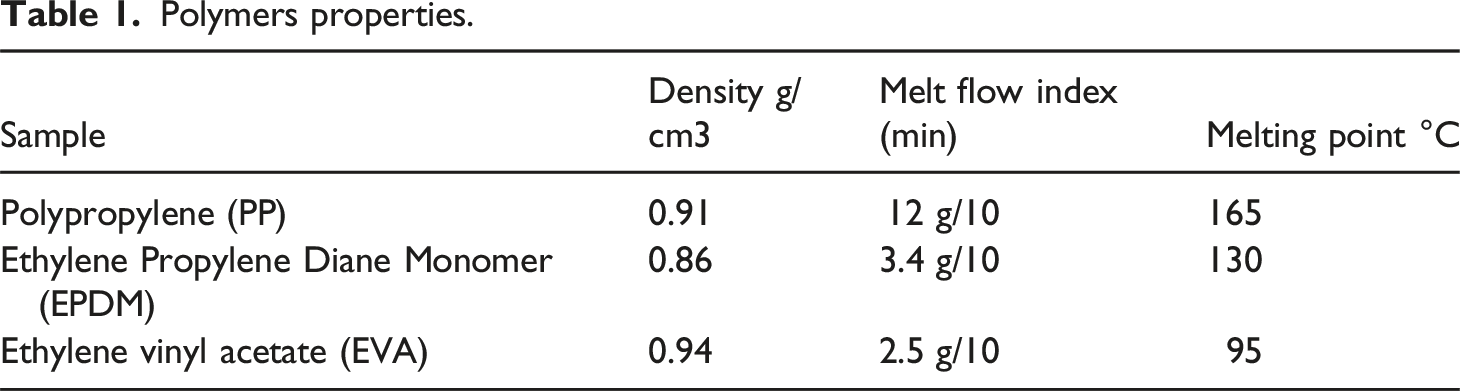
Polymers properties.
Mechanical testing
The tensile testing was conducted in accordance with the ASTM D638 standard using a universal testing machine at a crosshead speed of 5 mm/min as shown in Figure 2. Measurements of stress were taken at different rates of strain to prevent the dispersion of tensile strength. Crosshead displacement was calibrated to calculate the extension in the tensile specimen for determining the elastic modulus and strain in the testing sample. The mean results from five tests were considered. Tensile test specimen.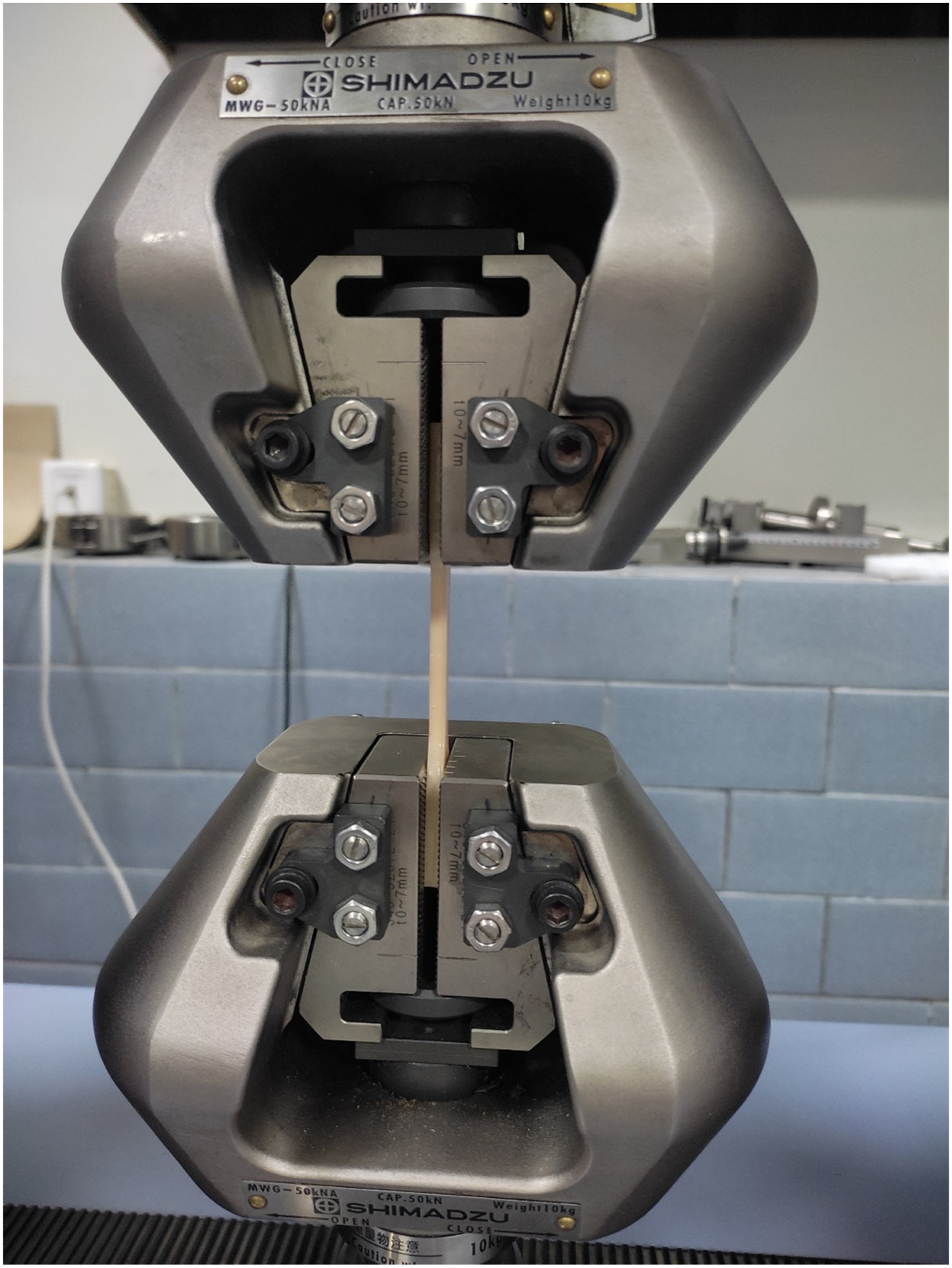
Compressive tests were conducted for each blend composition following the ASTM D695 standard, using a crosshead speed of 5 mm/min. The average results of five samples were recorded.
The Charpy Impact test was conducted to determine the impact strength of the notched specimen, which was measured by an XJJD-50 impact tester according to ISO 179 with a specimen size of 80 × 10 mm by thickness. The study employed a Hammer with an impact energy of 25 J and an impact speed of 3.8 m/s. The distance between the pendulum center and the specimen center was 380 mm, and the specimen span measured 60 cm. Impact tests were conducted on notched rectangular samples at a temperature of 25°C. Five samples were subjected to testing for each blend composition, and the resulting average values were reported.
Numerical Simulation
The specimen was simulated using Abaqus® explicit software to assess its impact strength based on the Von Mises failure criteria. The simulation in this article is conducted using the finite element method, which is employed for geometric modeling, numerical simulation, and plotting. The study employs four blend compositions of PP/EVA and PP/EPDM ranging from 0% to 50 % and 20% to 80%, which are impact-modified blends of the specified polymers with varying blending ratios. The mechanical properties of polymers are ascertained through experimental tests such as tensile, compressive, and impact testing. The objective of this study was to evaluate the impact strength of various polymer blends used as damping materials in the bumper beam assembly. The aim was to identify the most effective blend in terms of energy absorption and compare it to the performance of a bumper beam made solely from Mild Steel strip. The simulation was conducted on a 3D specimen of a polymer blend model that was extruded with a thickness of 4 mm. The specimen was represented as a deformed body, while the supports and Impactor were represented as rigid bodies to conduct the simulation. The entire model is partitioned into smaller components, each with a uniform size of 0.5 and a curvature control of 0.1. The elements are shaped as hexagons using a free mesh control method. The explicit method has been chosen for the 3D stress analysis. The mesh is generated with a higher density in the notch region, using a global element size of 0.3. For the rest of the model, a global element size of 0.5 is used. The fine meshing of the notch area is necessary because it is a stress concentration point, while the impactor has a coarse mesh because it plays a rigid role in the analysis. Figure 3(a) depicts the numerical Charpy model used to simulate the model under various velocity conditions, while Figure 3(b) displays the mesh pattern of all elements within the model. (a) Charpy Model (b) Mesh model.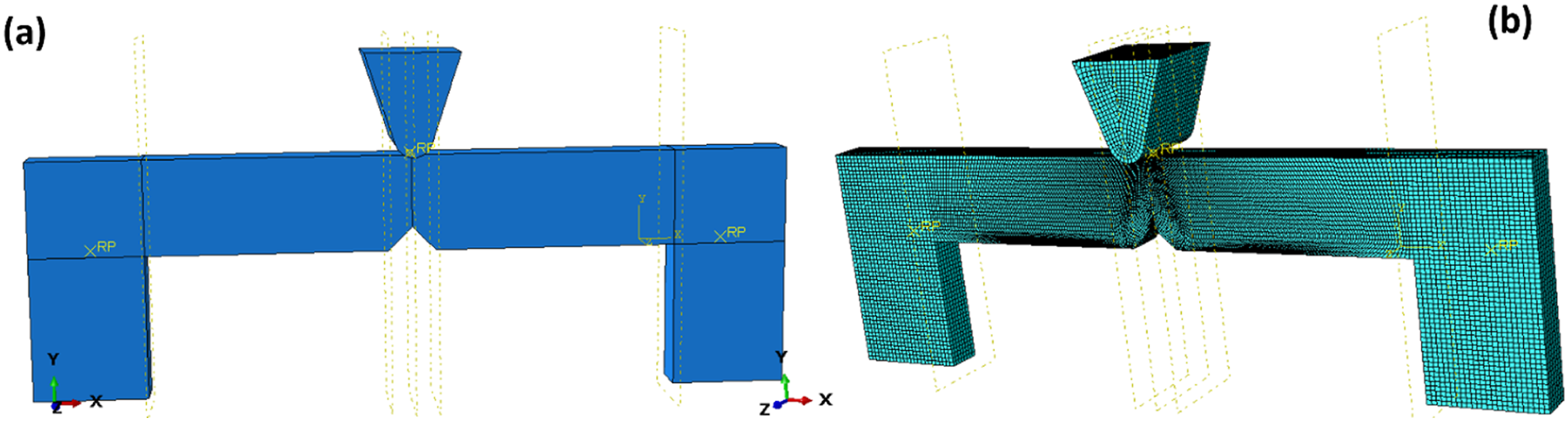
Results and Discussion
Tensile testing of polymer blends
Figures 4(a) and (b) and 5(a) and (b) depict the tensile test properties of the polymer blends, which were prepared with varying compositions, at room temperature. The tensile stress-strain behaviors of PP/EVA blends (a) PP/EVA 80/20 (b) PP/EVA 50/50. The tensile stress-strain behavior of PP-EPDM blends (a) PP/EPDM 50/50 (b) PP/EPDM 80/20.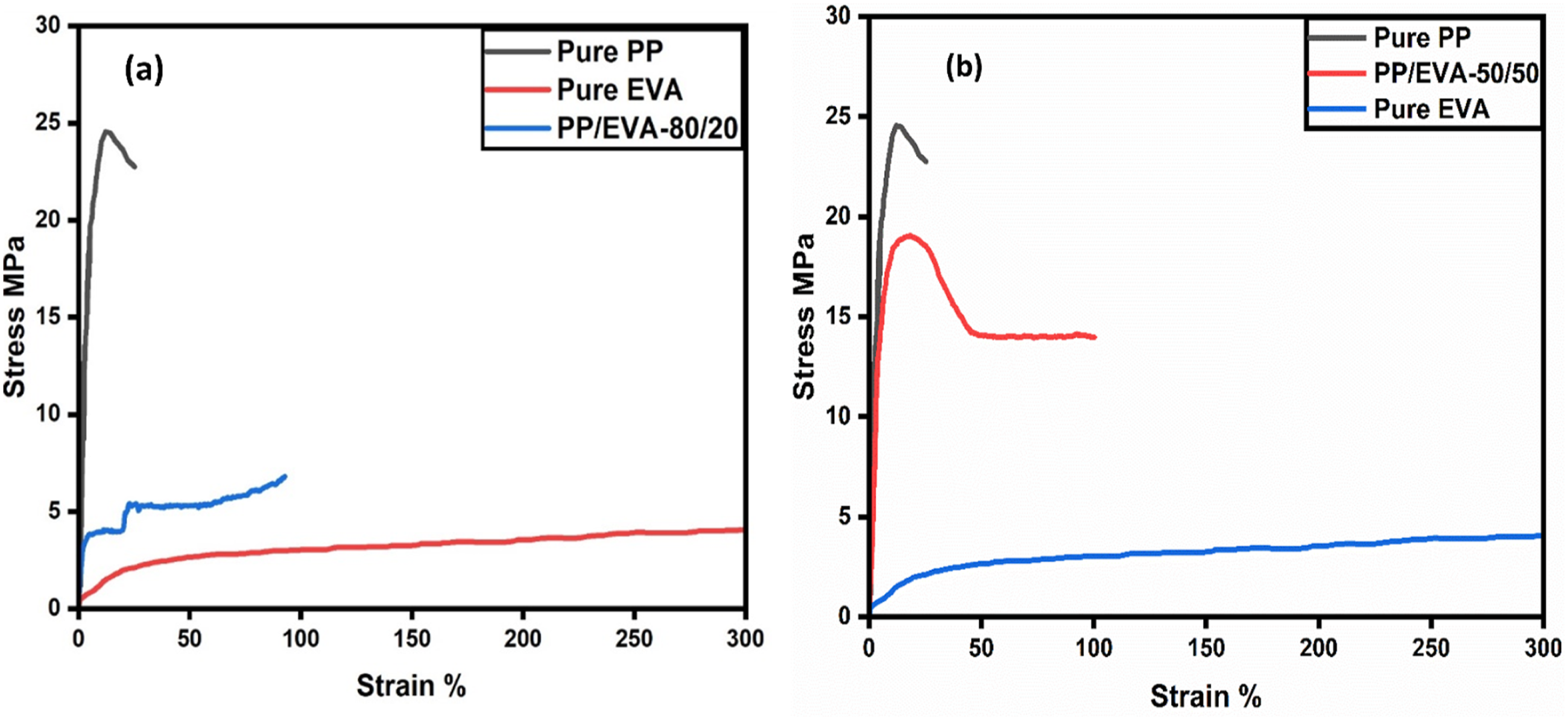
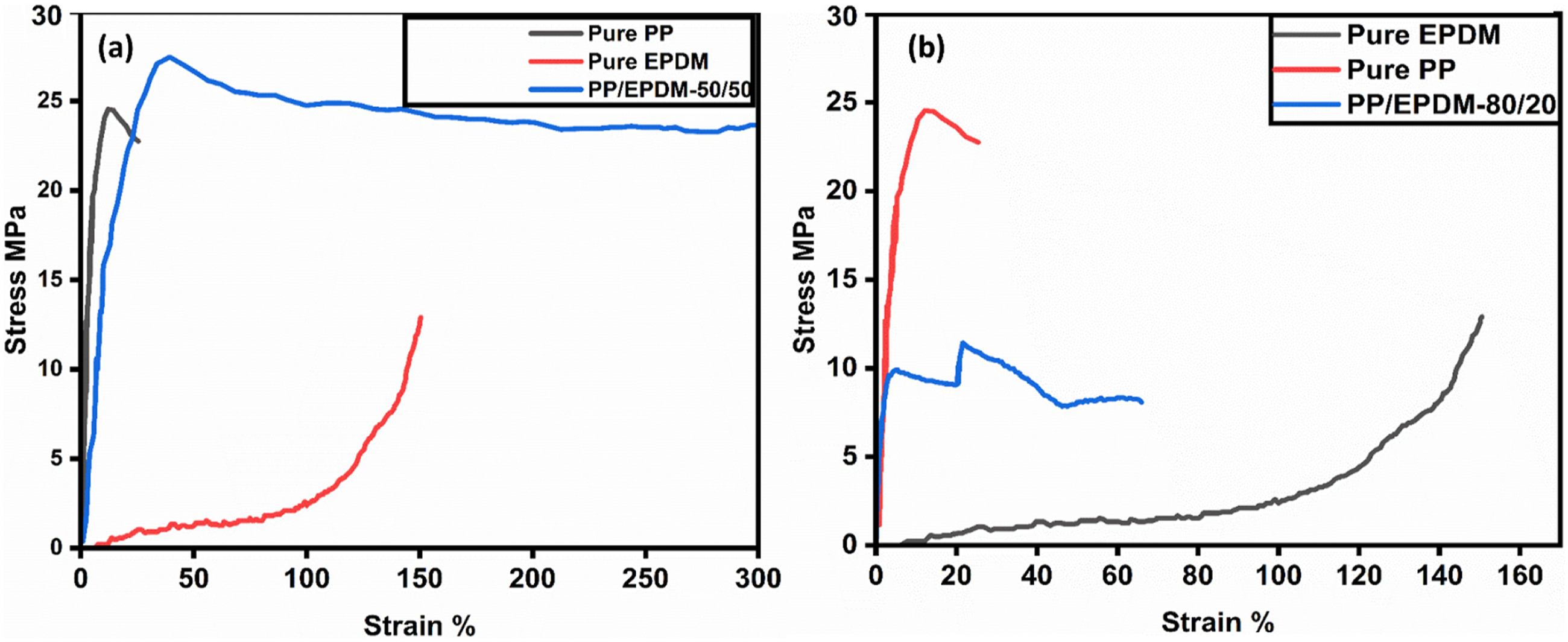
Figure 4(a) and (b) illustrates the tensile properties of PP/EVA blends with different compositions. Figure 4(a) and (b) displays the tensile stress-strain curves for PP/EVA blends, specifically for PP, EVA, and PP/EVA individually. The stress-strain plots for each composition exhibit a gradual transition, allowing for the prediction of the properties associated with each composition. The pure PP exhibits an elastic peak as a result of its higher concentration at low deformation. Figure 4(a) and (b) demonstrates that both EVA and its blend exhibit minimal initial stress, which progressively intensifies with increasing deformation. The Blend containing 50% EVA exhibits greater ductility compared to the Blend with 20% EVA, as it reaches a yield point where permanent deformation occurs. The elastic modulus is directly proportional to the EVA Proportion in the blend. The addition of Maleic anhydride as a Compatibilizer in PP/EVA blends leads to a notable enhancement in both elongation at break and tensile strength. This is attributed to the increased surface adhesion between the PP and EVA phases. The toughness of the polymer blend increases by increasing the weight proportion of EVA. Figure 5(a) and (b) depicts the mechanical response of PP-EPDM blends under tensile stress. Based on the provided curves, various properties such as the young modulus E, yield stress, stress at break, plastic strain, as well as the points of yield and break were determined. The dependence of PP-EPDM blends on the rubber content in each combination is evident in Figure 5(a) and (b). The inclusion of higher amounts of EPDM leads to an increase in properties such as elastic modulus and strength. Moreover, augmenting the EPDM content leads to a higher elongation at the point of fracture of the sample material. The blend containing 50% EPDM exhibits greater elongation at break compared to the blend with 20% content, indicating a more ductile behavior with a yield point where plastic deformation occurs irreversibly. Necking phenomena commonly occur following the point of yielding. The PP-EPDM blend exhibited enhanced performance when combined with maleic anhydride and demonstrated particularly notable improvement at a blend composition of 50%. Increasing the rubber content y enhances the elasticity of the materials. The stress strain toughness of the PP/EPDM-50/50 blend demonstrates a substantial enhancement compared to the other three weight blend. Typical necking phenomena take place after the yielding. PP-EPDM blend showed greater improvement in the presence of maleic anhydride and found significant improvement in the case of 50% blend composition. It can be concluded that increasing the rubber content up to 50% of EPDM can make the materials more elastic. The area measured under stress strain toughness shows significant improvement in PP/EPDM-50/50 blend among all the four blends by weight.
Compression test
Figure 6 displays the stress-strain curve of the compressive test conducted on Polymer blends PP/EVA and PP/EPDM. The plot shows the variations in blend composition by weight. Figure 6 clearly demonstrates the disparities in the characteristics and distortion of the polymer blends. The PP with 20% and 50% weight content of EVA exhibited a marginal enhancement in elastic modulus, yield strength, and toughness when compared to EPDM. The results indicate that the toughness of the blends is enhanced by increasing the EPDM content up to 50%, which is attributed to its inherent stiffness, reinforcing effect, and rubbery elastomeric properties. Compression tests of PP/EPDM and PP/EVA.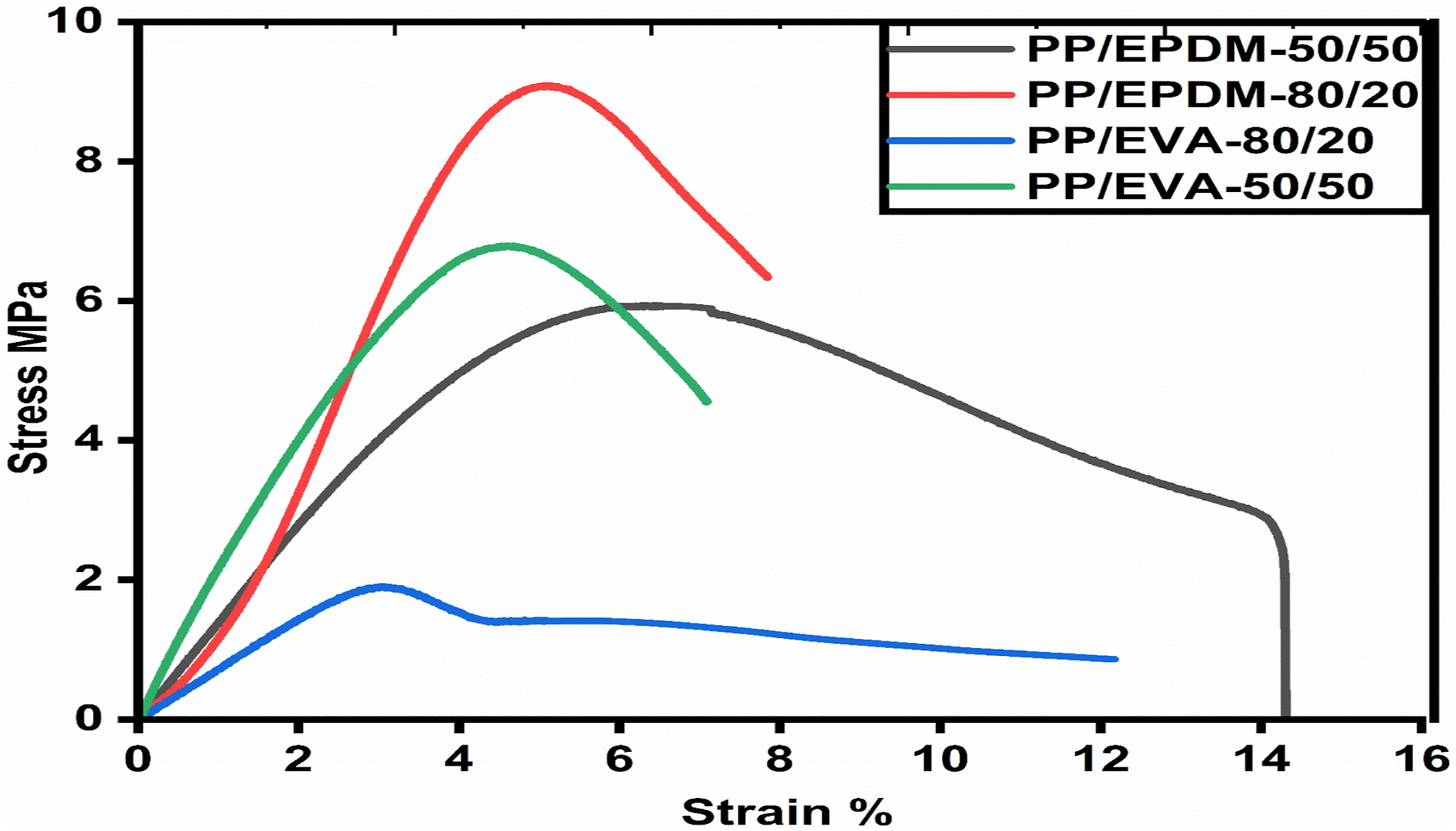
Charpy impact test
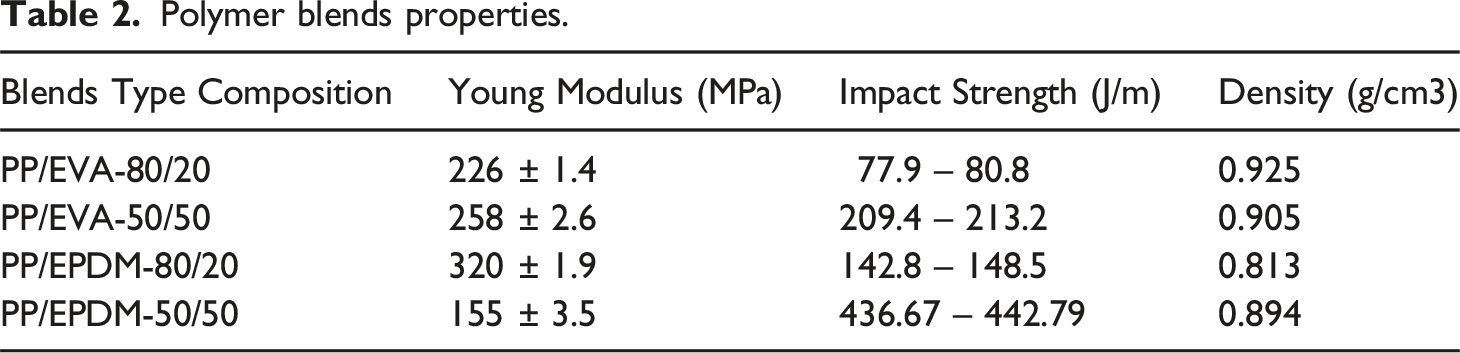
Polymer blends properties.
Numerical simulation of polymer blends
Impact Energy
Prior to conducting the numerical simulation analysis, a mesh convergence study was conducted to determine the optimal mesh size, as depicted in Figure 7. It was concluded that variations in the mesh size of the element have no effect on the impact energy within the range of 0.1 to 0.5. Mesh Sensitivity analysis.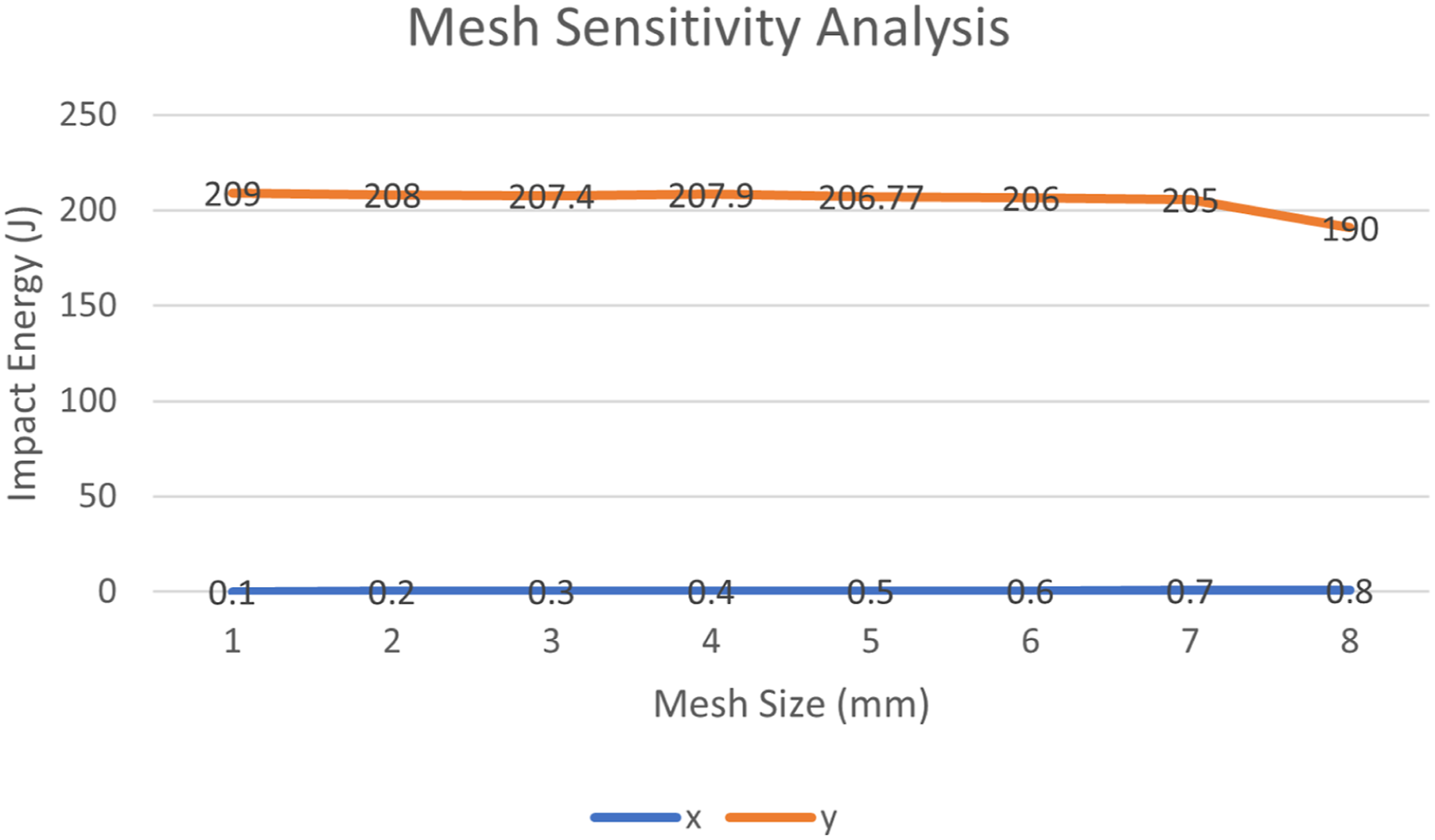
Figures 8(a) and (b) and 9(a) and (b) depict the impact energy results obtained from numerical simulation as a function of time. The lines represent the amount of internal energy absorbed during deformation at various velocities and time intervals for each sample composition. Figures 8(a) and (b) and 9(a) and (b) depict the compositions of PP/EVA (80/20 and 50/50) and PP/EPDM (80/20 and 50/50) respectively. The calculation of impact energy is derived from the graph depicting internal energy as a function of time. This value represents the highest amount of energy that the specimen absorbs during deformation prior to fracturing. In Figure 8(b), the process of crack initiation begins at time t = 0.0594 s and is fully fractured at time t = 0.115 s. The sample undergoes deformation at a specific time (t = 0.0649) at the location where it was struck, specifically at the notch. The impact strength or energy, which is determined by the internal energy absorbed by the sample during deformation, closely aligns with the experimental values. The impact strength is determined by dividing the maximum internal energy by the duration of deformation. The PP/EVA-50/50 sample exhibits ductile behavior because of the significant concentration of EVA within the PP. The PP/EVA-50/50 Blend reached a maximum internal energy absorption of 209 J/s before fracturing within a very brief time interval of 0.115 s. Impact Energy vs Time (a) PP/EVA-80/20 (b) PP/EVA-50/50. Impact Energy vs Time (a) PP/EPDM-80/20 (b) PP/EPDM-50/50.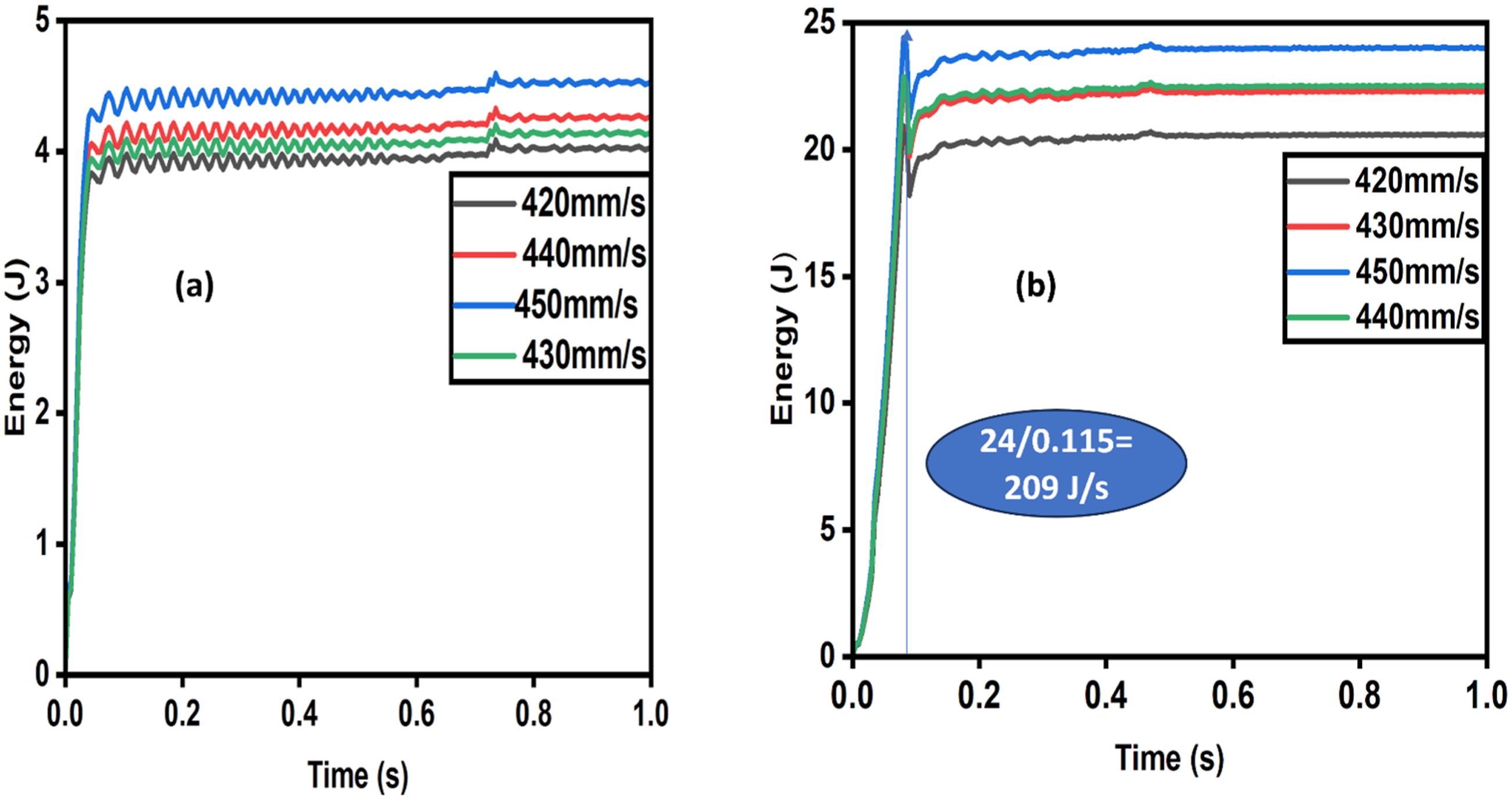
Comparison of numerical and experimental results
Comparison of Experimental and Numerical values of Impact energy (J/m) at different velocity.
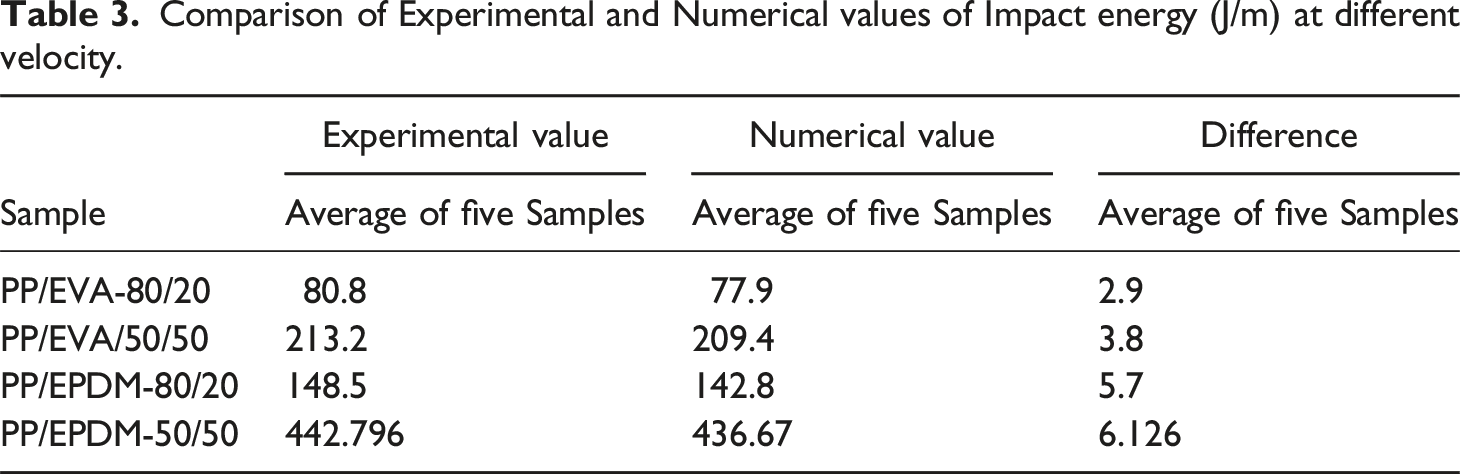
Based on the findings presented in Table 3, it can be inferred that PP/EPDM blends exhibit superior impact strength compared to PP/EVA blends when evaluated at identical blending ratios. EPDM blends exhibit enhanced flexibility and energy absorption characteristics owing to their inherent rubber-like and elastomeric properties. Furthermore, it has been noted that augmenting the EPDM up to 50% content can enhance the blend’s ability to absorb a greater amount of energy. The incorporation of 50% EPDM content results in increased impact strength. The inclusion of Maleic anhydride in the polymer phases leads to an increase in both tensile strength and Young modulus, as it improves the surface adhesion between them.
PP/EPDM-50/50 blend exhibits superior impact strength compared to other blends. It is suitable for application in bumper beam assemblies to effectively absorb impact energy in the event of a collision. The suggested approach for minimizing losses during crash deformation involves incorporating energy-absorbing materials, specifically the PP/EPDM-5050 blend, between bumper beam assemblies. This particular blend is chosen for its superior impact strength in comparison to the other three prepared blends. The impact test results validate that incorporating EPDM as an impact-modified polymer in PP enhances the toughness of the blend, particularly as the EPDM content increases at room temperature. Additionally, verify that the impact resistance of the PP/EPDM blends can be augmented by increasing the proportion of EPDM to enhance the toughness of the polymer blend. This research article specifically examines the effect of altering the EVA and EPDM content in PP on the impact strength of the blends. The purpose is to determine the suitability of these blends as energy-absorbing materials in bumper beam assembly.
Comparison of stress at different impact times
In Figure 10(a), At t = 5.0 × 10⁻⁵ s the impactor is just in a position to touch the model observed two stress concentrations at the tip of the notch and just below the impactor presenting stress distribution as shown in the figure. The higher value of the Von Mises stress obtained was 4.39 MPa at a velocity of 420 mm/s. The crack was initiated but not propagated at the same time. Stress distribution of PP/EVA-80/20 blend (a) t = 5.0 × 10⁻⁵ s (b) t = 6.7 × 10⁻³ s (c) t = 1.5 × 10⁻¹ s.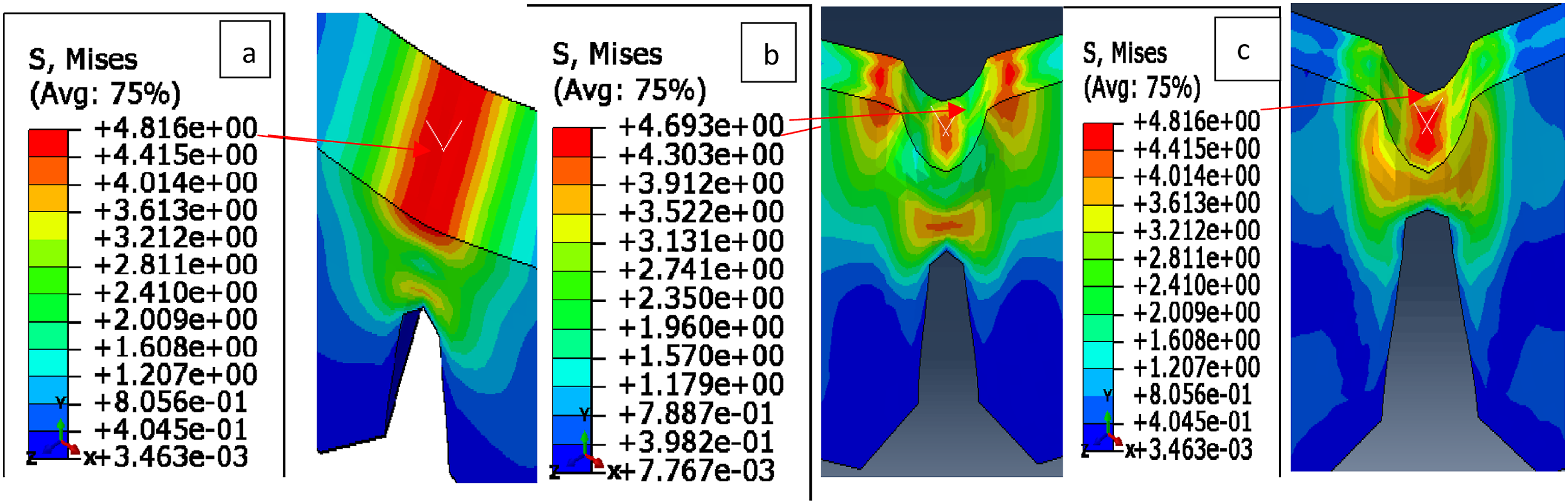
It is observed in Figure 10(b), that at t = 6.7 × 10⁻³ s, the crack is initiated, and observed its propagation along the entire length span of the specimen and most concentrated near the notch region and impactor striking point gave the magnitude of maximum stress of 4.6 MPa.
It can be seen from the results shown in Figure 10(c) at t = 1.5 × 10⁻¹ s, that both the initiation and propagation of the complete crack are observed from the striking point to the Centre of the specimen along the notch region. The highest equivalent stress shown at this time under the impactor at the striking point is 4.81 MPa.
In Figure 11(a) at t = 5.0 × 10⁻⁵ s, the sample shows cracks both at the tip of the notched and just at the surfaces impacted by the impactor. The highest stress observed is 4.334 MPa, almost equal to the PP/EVA-80/20 blend at the same impact time. It is also observed in Figures 10(b) and 11(b) that with the passage of time, the respective stress produced at the same time is greater in the case of PP/EVA-50/50 as compared to PP/EVA-80/20. The same pattern is followed by Figures 10(c) and 11(c) as the same time of impact is concerned. The increase in stress is due to the EVA content present in the PP matrix in a greater amount which makes the blend more toughened as compared to PP/EVA-80/20. Stress distribution of PP/EVA-50/50 blend (a) t = 5.0 × 10⁻⁵ s (b) t = 6.7 × 10⁻³ s (c) t = 1.5 × 10⁻¹ s.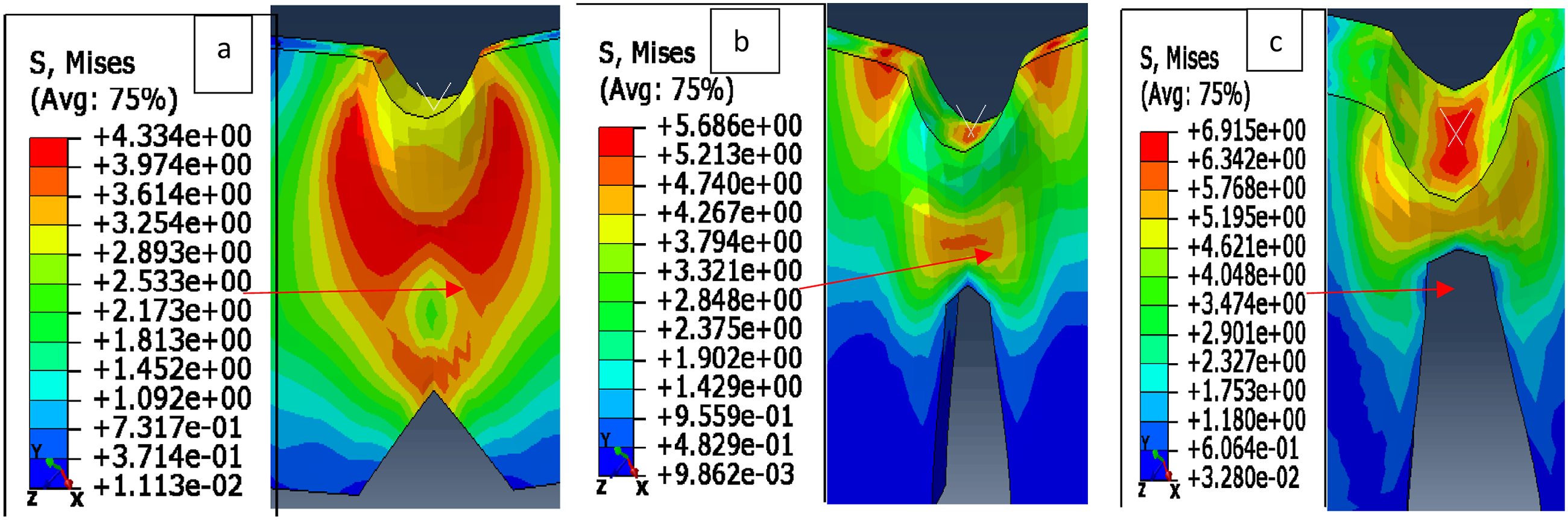
Bumper beam assembly: real case analysis
Case 1: Without damping materials
The bumper beam strip in this assembly is composed of mild steel, renowned for its exceptional strength and rigidity. The beam is engineered with meticulously calculated dimensions and intricate geometric patterns to endure and distribute the forces generated during an impact. The vehicle’s body relies on its inherent stiffness to effectively absorb and transfer energy away. The energy absorbed during a collision impact is lower when using a beam strip made of Mild Steel, which lacks the damping properties found in energy absorbing materials used in the assembly.
Figure 12 displays numerical model of mild steel strip used as a bumper beam. The impact strength of the bumper beam strip composed of mild steel, calculated by dividing the maximum internal energy absorbed by time. Numerical model of Mild Steel Strip used a bumper beam.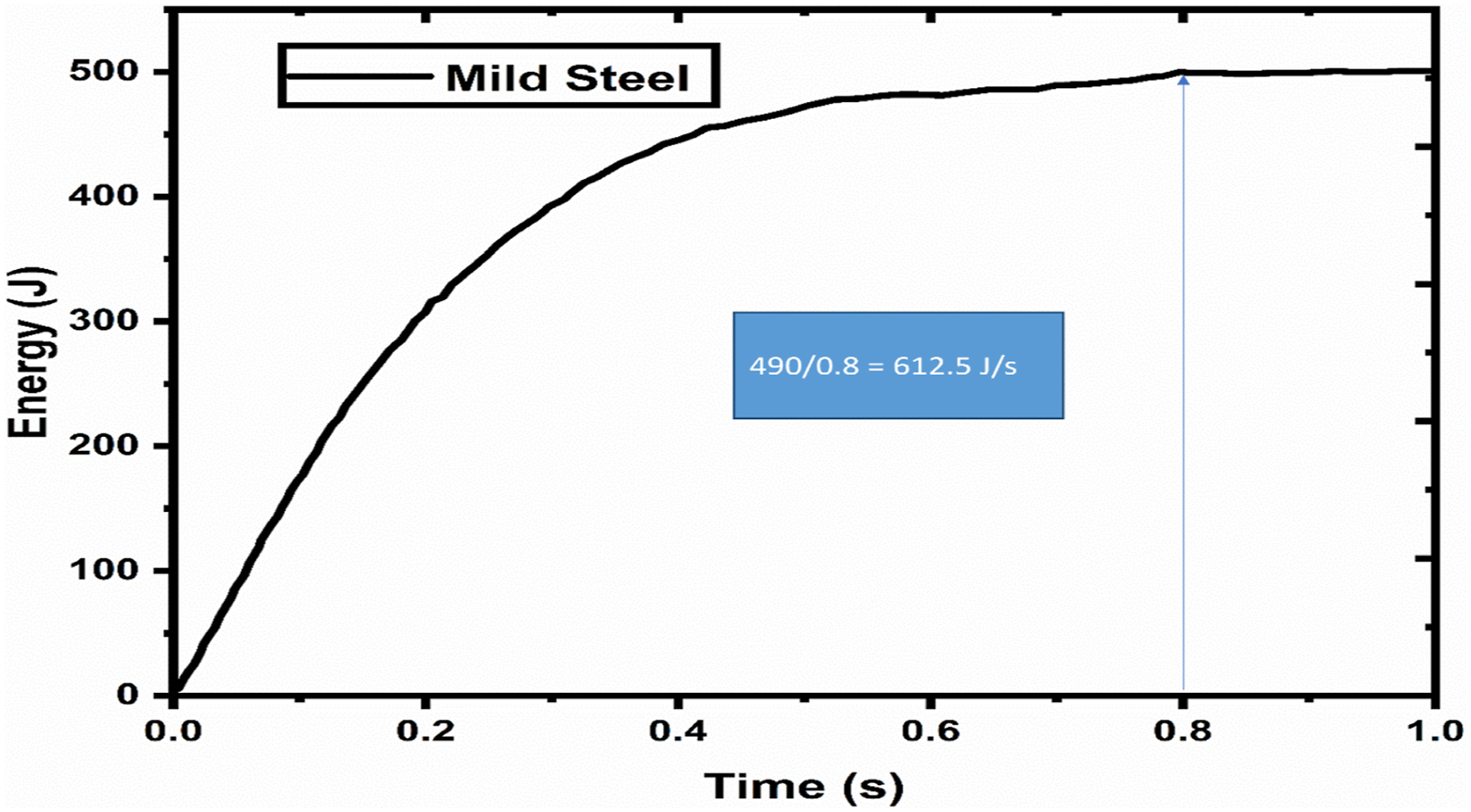
The bumper beam relies solely on a mechanical method to absorb and disperse impact energy, without the use of any damping material. During a collision, the beam undergoes deliberate deformation, effectively dissipating a portion of the kinetic or internal energy of the colliding object. Nevertheless, in the absence of damping material to absorb and mitigate the vibrations resulting from the collision, the impact forces may be transmitted more abruptly to the vehicle’s body, potentially leading to increased damage and discomfort for the passengers.
Case 2: With damping materials
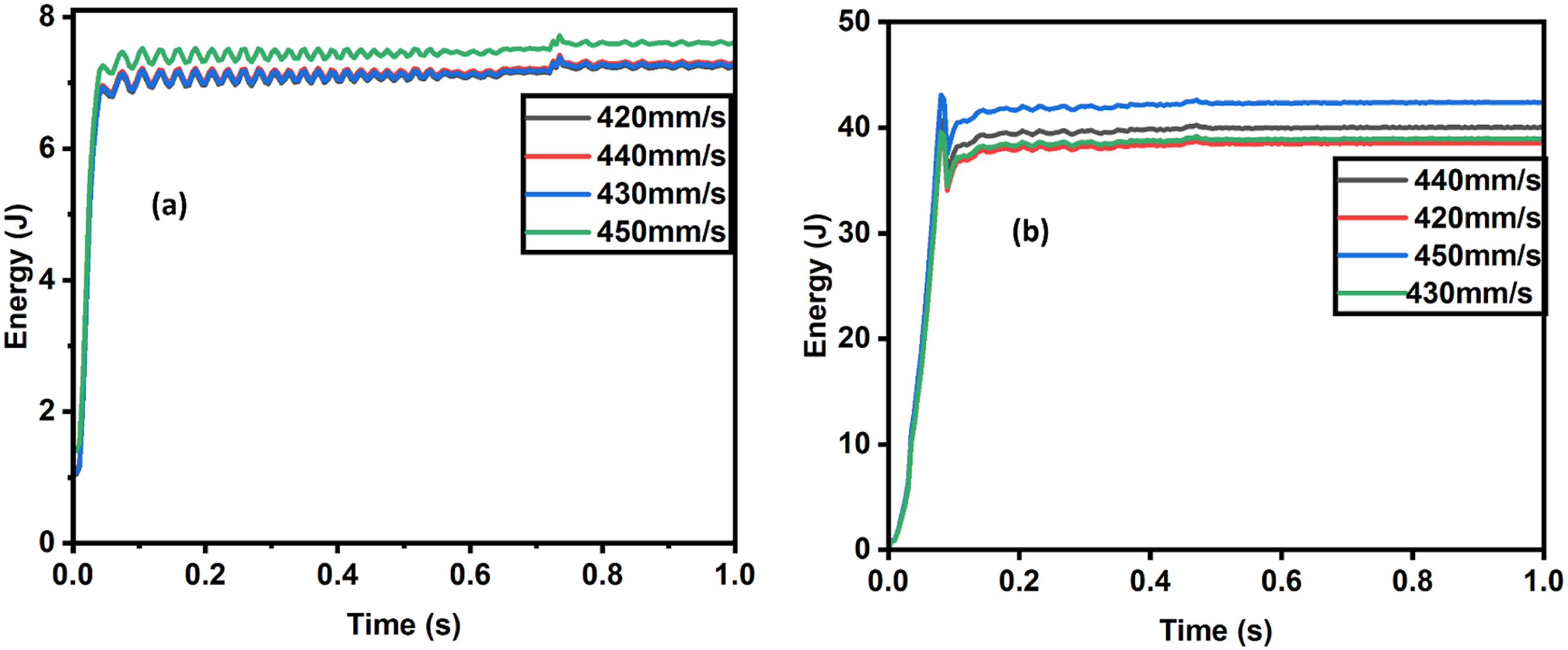
Figures 13(a) and (b) and 14(a)and (b) below display the numerical results of the Bumper Beam Assembly, which were calculated considering the presence of damping materials (PP/EPDM and PP/EVA by weight composition ranging from 0% to 50% and 20% to 80%). The plots show the relationship between internal energy and time. Figures 13(a) and (b) and 14(a) and (b) demonstrate that the bumper beam assembly’s impact energy performance is influenced by the weight compositions of the damping materials PP/EVA and PP/EPDM polymers ranging from 0% to 50% and 20% to 80%. Among all the blends, the PP/EPDM-50/50 blend exhibits the highest energy absorption when subjected to an impact velocity of 450 mm/sec. These materials possess exceptional energy absorption and vibration-damping characteristics. PP/EPDM and PP/EVA are composite materials composed of Polypropylene (PP), Ethylene-Vinyl Acetate (EVA), and Ethylene Propylene Diene Monomer (EPDM) rubber. Impact Energy Vs Time (a) Bumper beam assembly with damping materials (PP/EVA 50/50) (b) Bumper beam assembly with damping materials (PP/EVA 80/20). Impact Energy Vs Time (a) Bumper beam assembly with damping materials (PP/EPDM 50/50) (b) Bumper beam assembly with damping materials (PP/EPDM 80/20).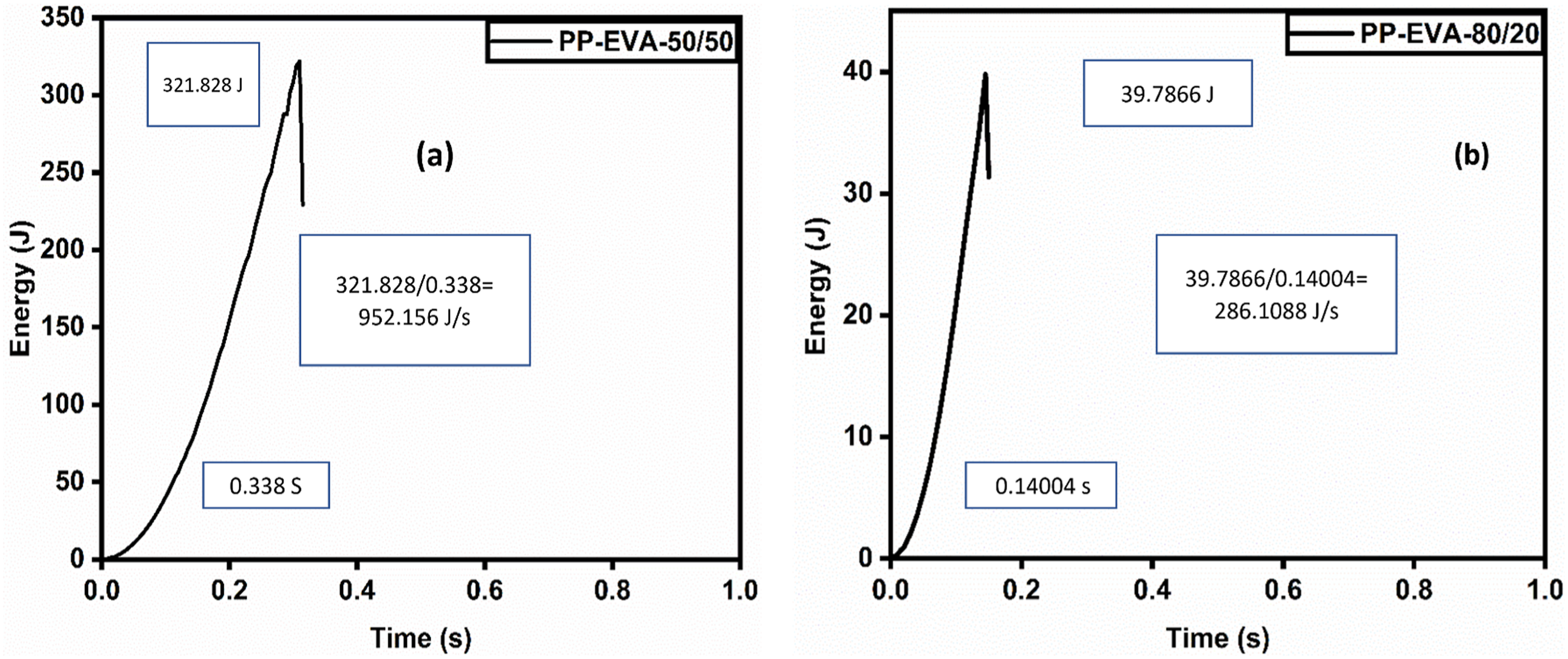
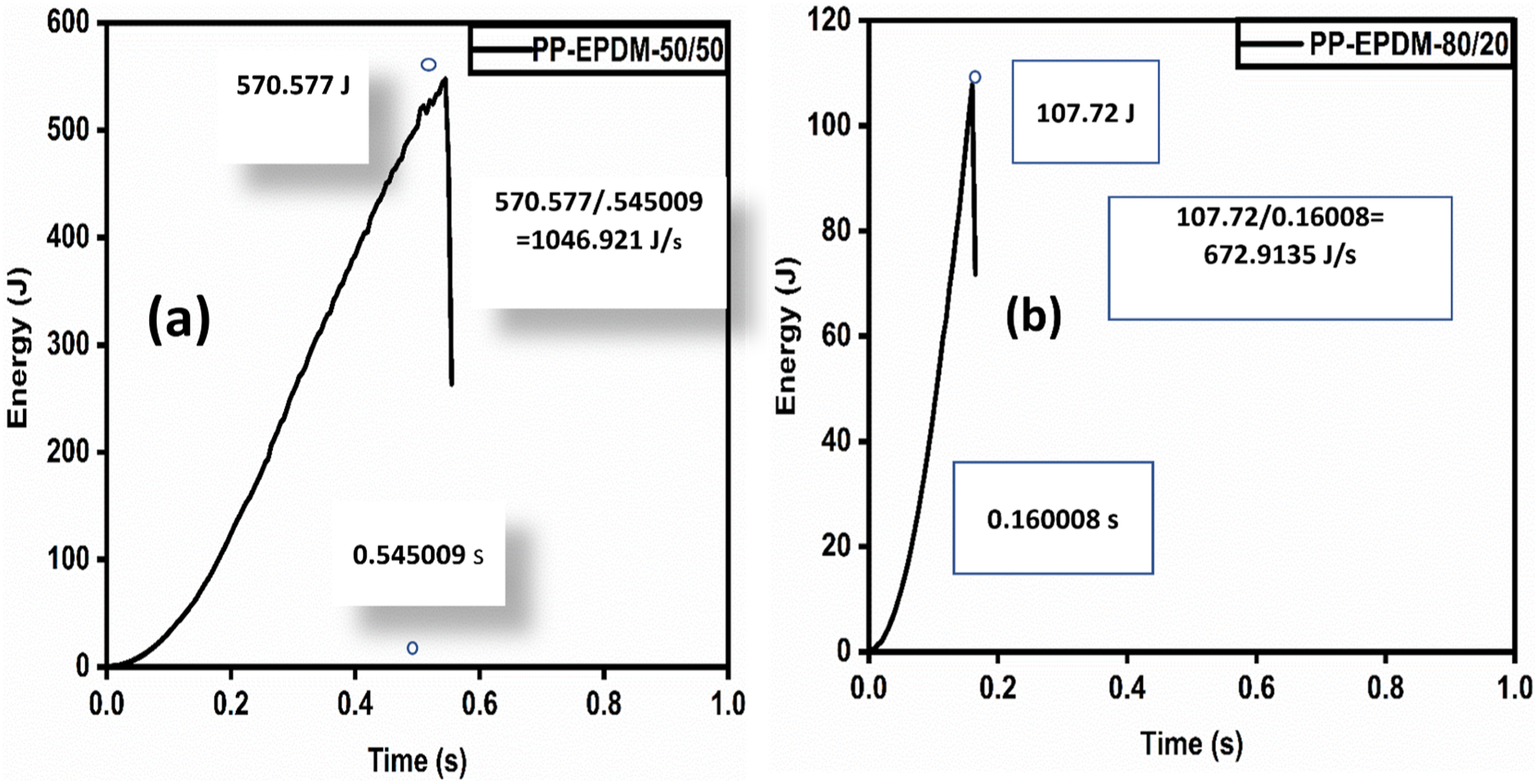
The polypropylene (PP) component provides inherent structural integrity and stiffness, whereas the ethylene propylene Diene monomer (EPDM) rubber component offers exceptional elasticity and effective damping properties. During a collision, the EPDM rubber effectively absorbs and disperses impact energy by converting it into heat through internal friction.
Comparatives Analysis
Figure 15 depicts the bumper beam assembly equipped with damping materials, serving to verify the accuracy of the numerical model. In order to simplify the validation of the numerical model, the Bumper beam is constructed exclusively from a mild steel strip. While this provides a basic level of structural integrity, it lacks efficient mechanisms for absorbing energy. Upon collision, this beam primarily transfers energy through deformation and transmits a substantial portion of the impact force to the occupants of the vehicle. Although the production of this beam is relatively inexpensive, it can result in greater collision forces and an elevated likelihood of occupant harm. Bumper beam strip with damping material (Numerical Model).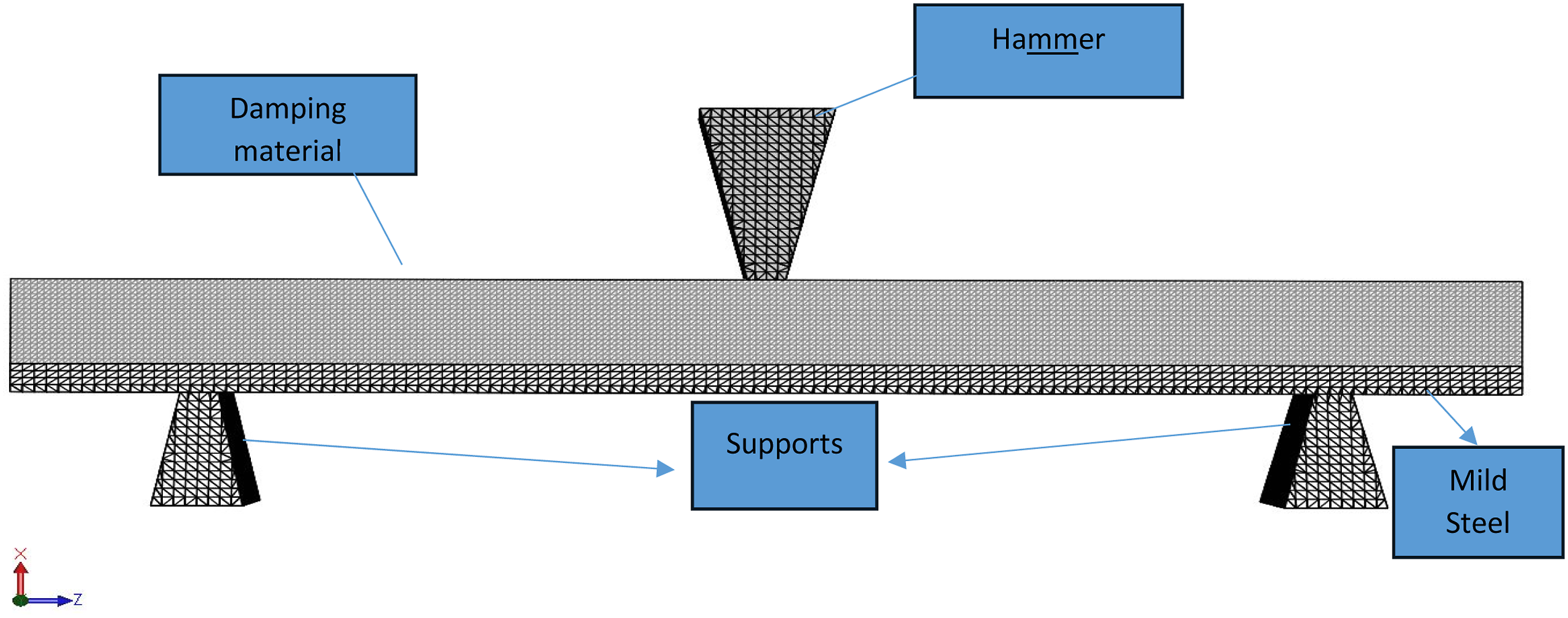
Comparison of impact energy absorbed by Bumper beam assembly with/without damping materials.
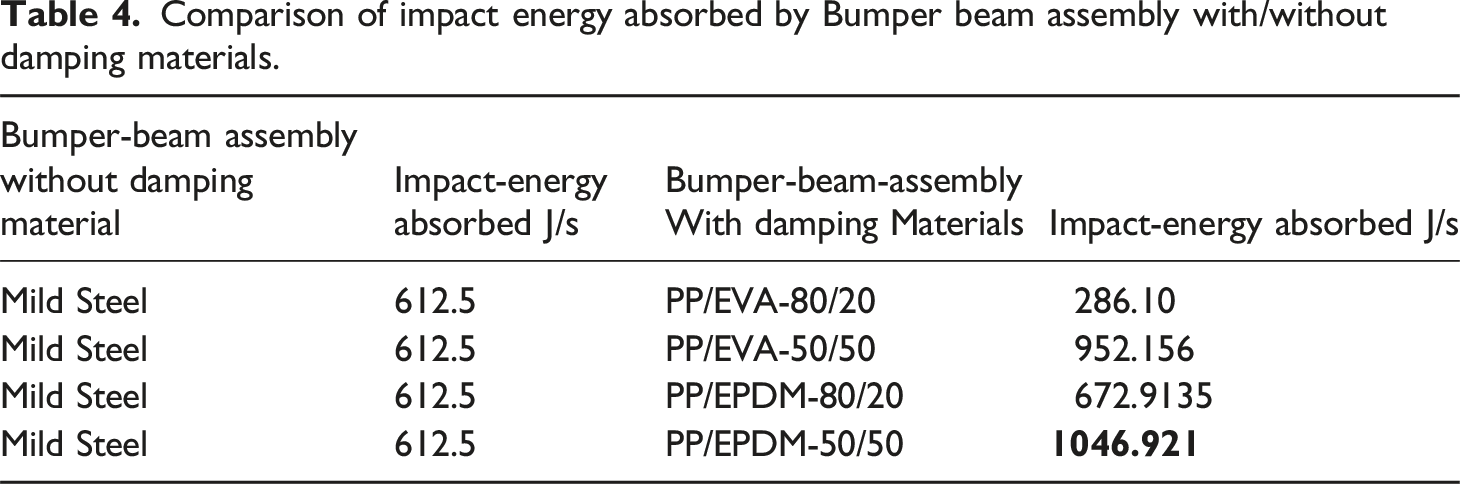
Table 4 below illustrates the comparison of numerical and experimental impact energy absorbed by the specimen and Mild Steel strip. The Mild Steel strip used as a bumper beam in the assembly absorbed a total of 612.5 J per second, as determined through impact numerical simulation conducted in the Abaqus explicit environment. The inclusion of damping materials enhanced the capacity to absorb impact energy, as demonstrated in Table 4. The PP/EVA-80/20 exhibits a contrasting pattern in energy absorption because of the reduced EVA content. The collision of the pendulum in the PP/EPDM-50/50 arrangement, used as a damper, demonstrates the highest level of impact absorption. This is primarily attributed due to the higher proportion (50%) of EPDM, which possesses inherent stiffness and a rubbery nature.
Conclusion
In this comparative research study, Compatibilized PP/EVA and PP/EPDM blends were prepared and their tensile, impact, and compressive properties were investigated in a composition range of 80/20 and 50/50 by weight. The results obtained are summarized below. I. In comparison, the tensile test results indicate that higher levels of EVA and EPDM content up to 50% lead to an increase in the Young modulus, Yield strength, and ductility of the blends. II. The compressive test results demonstrate that the toughness and ductility of the blend exhibit significant variations depending on the content of EVA and EPDM ranging from 0% to 50% and 20% to 80% in the blend. The compression test reveals that the PP blend containing 50% EPDM exhibits superior toughness and ductility compared to the other three blends, as indicated by the larger area under the stress curve. III. Specifically, the combination of 50% EVA and EPDM Content exhibits greater impact strength when utilized as a damping material in a bumper beam, in comparison to the blend containing 20% EVA. The impact strength is enhanced by increasing the content of EVA and EPDM. IV. Out of the four blends, the PP/EVA blend with 50% EVA exhibits a 62.79% higher impact strength compared to the blend with 20% EVA. PP/EPDM with 50% EPDM exhibits a 66.46% higher impact strength compared to the 20% EPDM content. The impact strength of PP/EPDM-50/50 is 52.046% higher than that of PP/EVA-50/50. Both experimental and numerical findings demonstrate a significant correlation between the impact strength and the concentration of EVA and EPDM in the blend. V. The bumper beam assembly, both with and without damping materials, exhibits a substantial disparity in impact energy absorption during crash collisions. The incorporation of damping materials within the bumper beam assembly demonstrates a substantial enhancement in energy absorption. The PP/EPDM-50/50 exhibits a 41.49% higher energy absorption capacity than the mild steel used solely as a beam strip. The data presented in Table 4 demonstrates that the incorporation of damping materials derived from a combination of EVA and EPDM polymers enhances the capacity to absorb impact energy in the event of a crash collision.
The research study concludes that among the four blends, PP/EPDM-50/50 demonstrates superior performance in terms of impact strength, elongation at break, young modulus, yield limit, and toughness. This blend can be effectively utilized as an energy absorbing component between the bumper and beam assembly, resulting in reduced vehicle crash losses and enhanced crashworthiness for occupants during impact collisions.
ORCID iD
Footnotes
Declaration of conflicting interests
The author(s) declared no potential conflicts of interest with respect to the research, authorship, and/or publication of this article.
Funding
The author(s) received no financial support for the research, authorship, and/or publication of this article.