




Abstract
In the current study, contrary to conventional fiber-reinforced composites, polyamide fiber was used as reinforcement material, and the effects of thermoplastic fiber reinforcement on repeated low velocity impact (LVI) responses of composites were examined. In this regard, polyamide fiber-reinforced composites were fabricated using the vacuum-assisted hand lay-up method (VAHLM) and then exposed to repeated LVI loadings. Experimental tests were performed on the specimens for 100 impacts with a constant velocity of 3 m/s, which is equivalent to 25.2 J, and the impacts of repeated LVI loadings on the dynamic responses such as peak force, energy absorbing/rebounding, total impulse, bending stiffness and contact stiffness were examined. Moreover, the damage mechanisms resulting from the relative damage accumulation depending on the impact numbers were examined. According to the findings, the thermoplastic polyamide fibers absorbed more than 60% of the applied energy, and the absorbed energy increased with ascending impact number. Furthermore, the thermoplastic fiber-reinforced epoxy composites gained stiffness with increasing impact, which was linked to the thermoplastic chain structure. Despite quite a number of impact loadings, no serious damage mechanisms such as fiber breakage, perforation, or penetration were observed, and the specimens maintained their structural integrity. Due to the higher energy absorption of thermoplastics, the utilization of polyamide fibers in composites has been found to be well suited for applications subjected to repeated impacts.
Keywords
Introduction
Material selection in composite materials is critical considering the requirements of the application areas. Among the composites, those with thermoplastic components have attracted quite a bit of interest in many industrial areas, from aviation to the automotive sector, due to their high strength, lightness, recyclability, energy absorption capacity, and high impact resistance. Therefore, many scientific studies have been conducted on thermoplastic composite materials to examine their mechanical properties and damage mechanisms.1–11 For instance, Beylergil et al. 4 conducted a study to investigate the impacts of PA 66 thermoplastic veil interleaves on the Mode I delamination resistance of carbon fiber-reinforced composites. In this regard, veils with two different areal weight densities, 17 and 50 gsm, were used as interlayers, and their fracture toughness was compared. According to the results, it was determined that the utilization of thermoplastic veils with 14 and 50 areal weight densities resulted in 171% and 718% improvement in Mode I fracture toughness, respectively. It was also revealed that fracture toughness was improved with ascending areal weight density, and this was linked to the fiber bridging toughening mechanism. Moreover, it was discovered that the utilization of PA veils results in a decline in in-plane mechanical characteristics, which is due to the reduced carbon fiber volume fracture and increased thickness. Mohsin et al. 7 examined the impact behavior of T700/Polyamide 6.6 (PA 6.6) and T700/Polyphenylene Sulfide (PPS) laminated composites at three different energy levels. It was concluded that the two specimens react similarly at low impact energy levels, but as impact energy rises, the specimens exhibit distinct responses. At low energy, T700/PA6.6 deformed less than T700/PPS, while T700/PA6.6 showed more deformation at higher energy levels. As a consequence, the T700/PPS's weaker interlaminar characteristics compared to the T700/PA6.6 resulted in substantial delamination. In another study, Zhang et al. 10 manufactured composite samples by placing discrete polyamide-6.6 (PA66) films between chosen adjected layers to examine the damage mechanisms after compression after impact (CAI). Then, three toughening zones were determined for specimens, and impact tests under 5, 10, and 15 J were conducted. After impact loadings, specimens were subjected to compressive loadings, and thus impact and CAI responses were investigated. According to experimental findings, delamination damage was minimized in the toughened area, and the route of delamination fracture propagation was altered and redirected. As an outcome, when compared to the non-toughened plate (base plate), the delamination for all specimens was reduced by 21.09%–62.85%, and the CAI strength of all toughened plates improved. The discrete interleaved toughening technique was also discovered to improve CAI strength by minimizing delamination and altering the propagation route.
The influence of design parameters such as fiber orientation, uniformity, fiber material and architecture, stacking sequence, and hybridization on composite material responses was examined in many studies.12–17 For example, Selmy et al. 13 examined the mechanical properties of composites consisting of glass and polyamide fibers with various stacking sequences and determined the impacts of stacking sequence and hybridization on material behavior. Within this scope, hybrid composites with five different stacking sequences were produced, and then their performance was compared to that of entirely glass fiber-reinforced composites as well as entirely polyamide fiber-reinforced composites. The study found that using glass fibers in the outer layers and polyamide fibers as a core improved the tensile and flexural responses. Furthermore, it has been pointed out that employing polyamide fiber in hybrid composites can provide high ductility and lightness, while using glass fiber can provide high stiffness and low cost. In a study conducted by Khurshid et al., 15 unidirectional tapes were produced from waste carbon and polyamide fibers, and the novel manufacturing technique presented was detailed. Moreover, the impacts of design parameters such as fiber orientation, uniformity, and fiber length on the composite characteristics were evaluated. According to the findings, it was determined that the composite produced using tape with optimum parameters had a tensile strength and elasticity modulus of 1370 MPa and 85 GPa, respectively. Moreover, it has been stated that the produced composites can be used as load bearings in the automotive and aviation industries. Coskun et al. 18 studied the low velocity impact (LVI) and compression after impact (CAI) responses of polyamide fiber-reinforced composites. According to the findings, deterioration in CAI responses and a reduction in critical buckling load after impact loading were observed, as expected. Moreover, it was observed that the LVI responses improved unexpectedly after low-velocity impact, and this was interpreted as an increment in the stiffness of polyamide fiber-reinforced composites with an ascending impact number. Furthermore, tensile tests of polyamide fiber-reinforced composites were carried out, and it was reported that quite high fracture strains were obtained due to the excellent plastic deformation capacity of polyamide fibers.
Structures can be frequently exposed to repeated impact loadings as well as single impact. In particular, ships can be subjected to repeated impacts due to waves and hard particles in the waves colliding with the structure. 19 Furthermore, cars can be exposed to multiple impacts from the same points due to hail, and this generally results in permanent damage. When the studies published in the literature were analyzed, it was discovered that the studies focused on the single or repeated impact behavior of only composites containing conventional fiber reinforcements, like glass and carbon, or the utilization of thermoplastic in composites was only examined as matrix material.20–22 Therefore, this study aimed to reveal the first experimental investigation of the repeated LVI responses of thermoplastic fiber-reinforced epoxy composites as a novelty and to determine the dynamic properties of polyamide fiber-reinforced composites exposed to repeated LVI loadings. Furthermore, damage analysis for the composites was examined, and thus damage development due to repeated impacts was examined.
Materials and methods
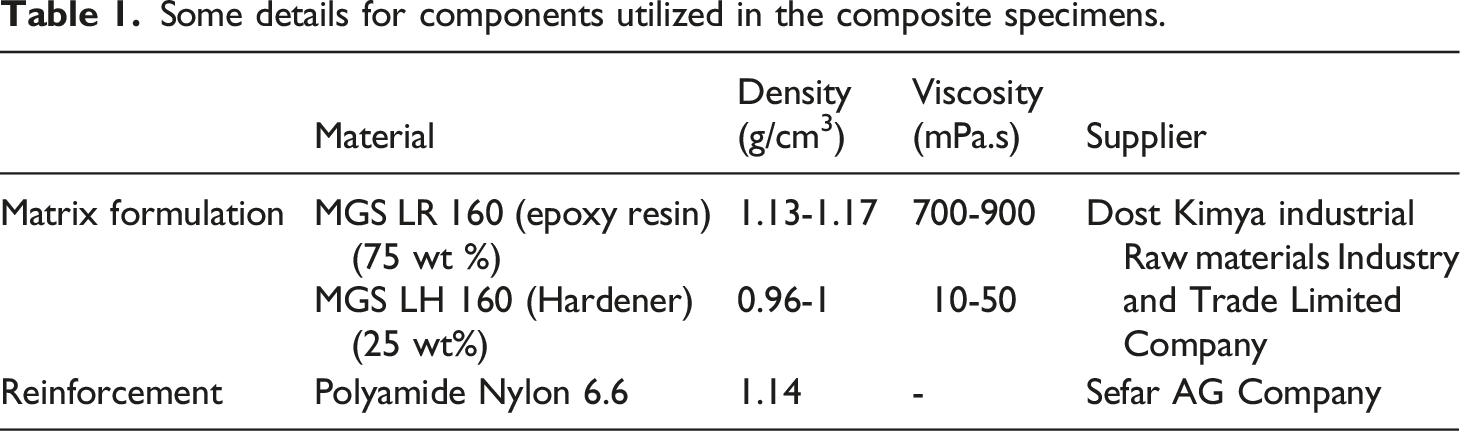
Some details for components utilized in the composite specimens.
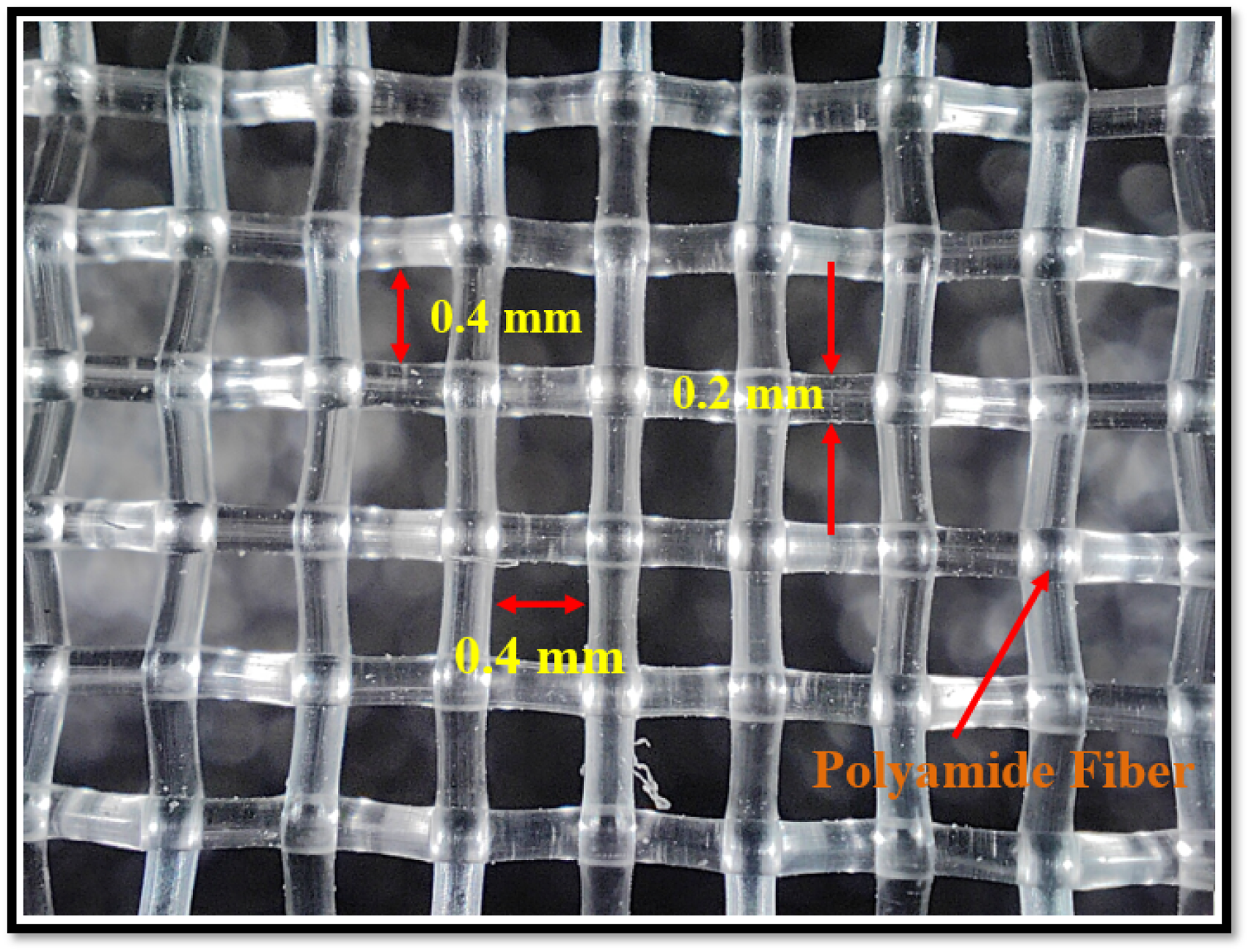
The weave architecture and some dimensional details for the polyamide fabrics.
The specimens were manufactured using the VAHLM, which provides benefits such as low-cost tooling, simple machining, and an extensive selection of part sizes. In this technique, polyamide fabric was overlayed with epoxy for impregnating, and this process was applied to 15 layers of plain weave fabrics. After that, impregnated polyamide fabrics were placed in a vacuum bag, and thus excessive resin and air bubbles were removed from the system. The curing process was performed at 80°C for about 1 h, and then the cured polyamide fiber-reinforced epoxy composite plate was machined in 150 × 100 mm dimensions according to LVI test standards. Figure 2 shows the manufacturing process for the polyamide fiber-reinforced epoxy composites. Manufacturing process for the polyamide fiber-reinforced composite specimens.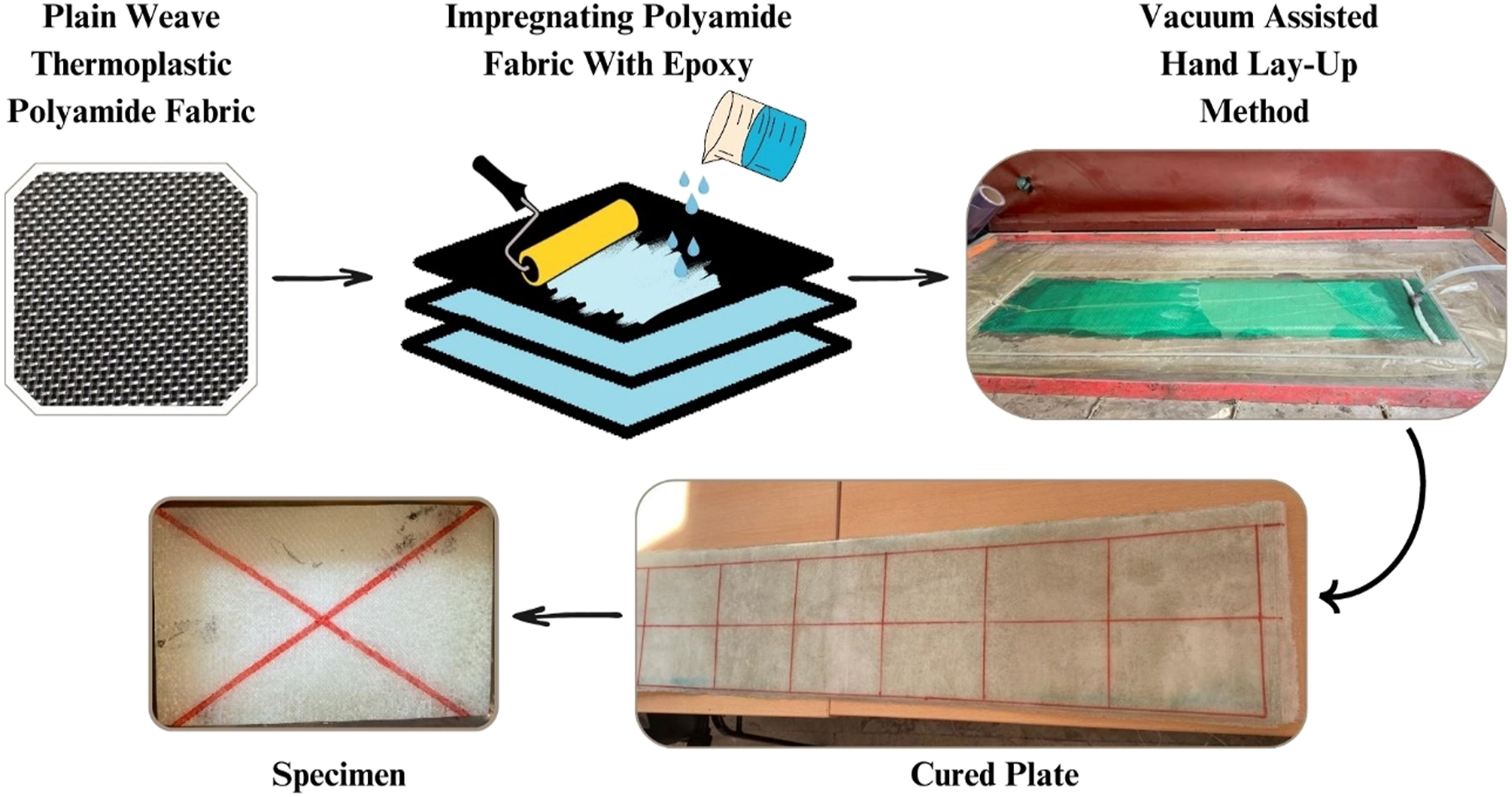
In the experimental studies, the repeated LVI loadings were applied to the specimens 100 times, and thus the effects of the impact number on the dynamic responses were investigated. To ensure consistency and reproducibility, experiments were performed on three different samples, and then standard deviations were calculated to determine whether the results were reliable and repeatable or not. LVI tests were conducted at room temperature to avoid external influences and were performed in accordance with the ASTM D-7136 standard. The experimental set-up was used for the LVI tests is shown in Figure 3. In this system, the hemispherical impactor with a 5.6 kg mass was released from 45.87 cm height to apply LVI loading with a 3 m/s velocity, which caused 25.2 J of energy. When the impactor initially makes contact with the specimen, the kinetic energy of the impactor is partially transferred to the specimen, and residual kinetic energy is used to rebound the impactor. This procedure continues until the impactor’s kinetic energy is completely consumed. On the other hand, the sensor tracks the impactor movement, and the pneumatic pistons are opened immediately after the first impact to avoid uncontrolled multiple impacts. This is called an anti-rebound system and allows for the control of impact numbers during LVI tests. Apart from that, force versus time data obtained from the accelerometer was processed using an Excel subroutine, and thus dynamic behaviors of specimens such as peak force, energy absorbing/rebounding, total impulse, bending stiffness, and contact stiffness were acquired. Experimental set-up for the repeated LVI test.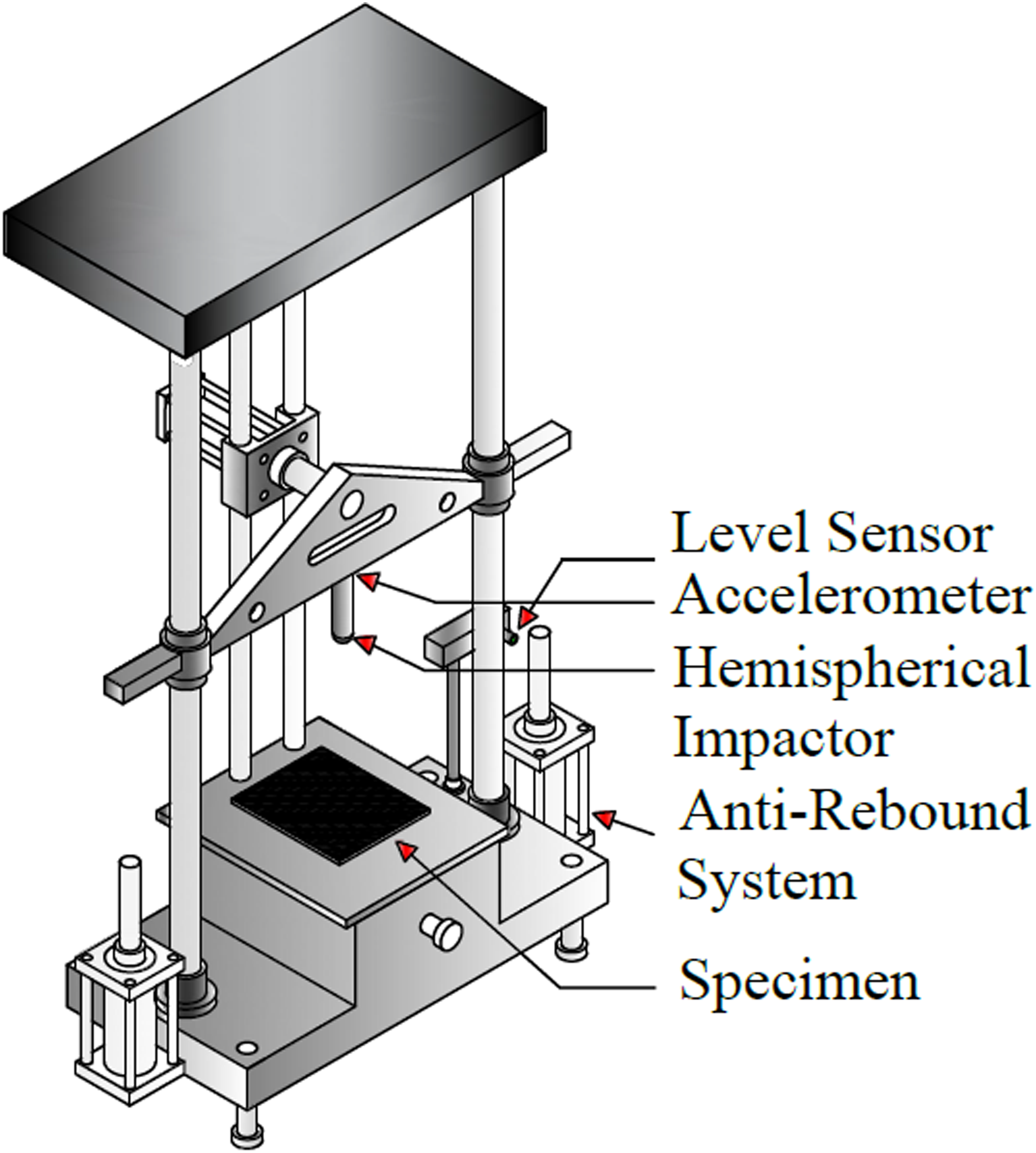
Results and discussions
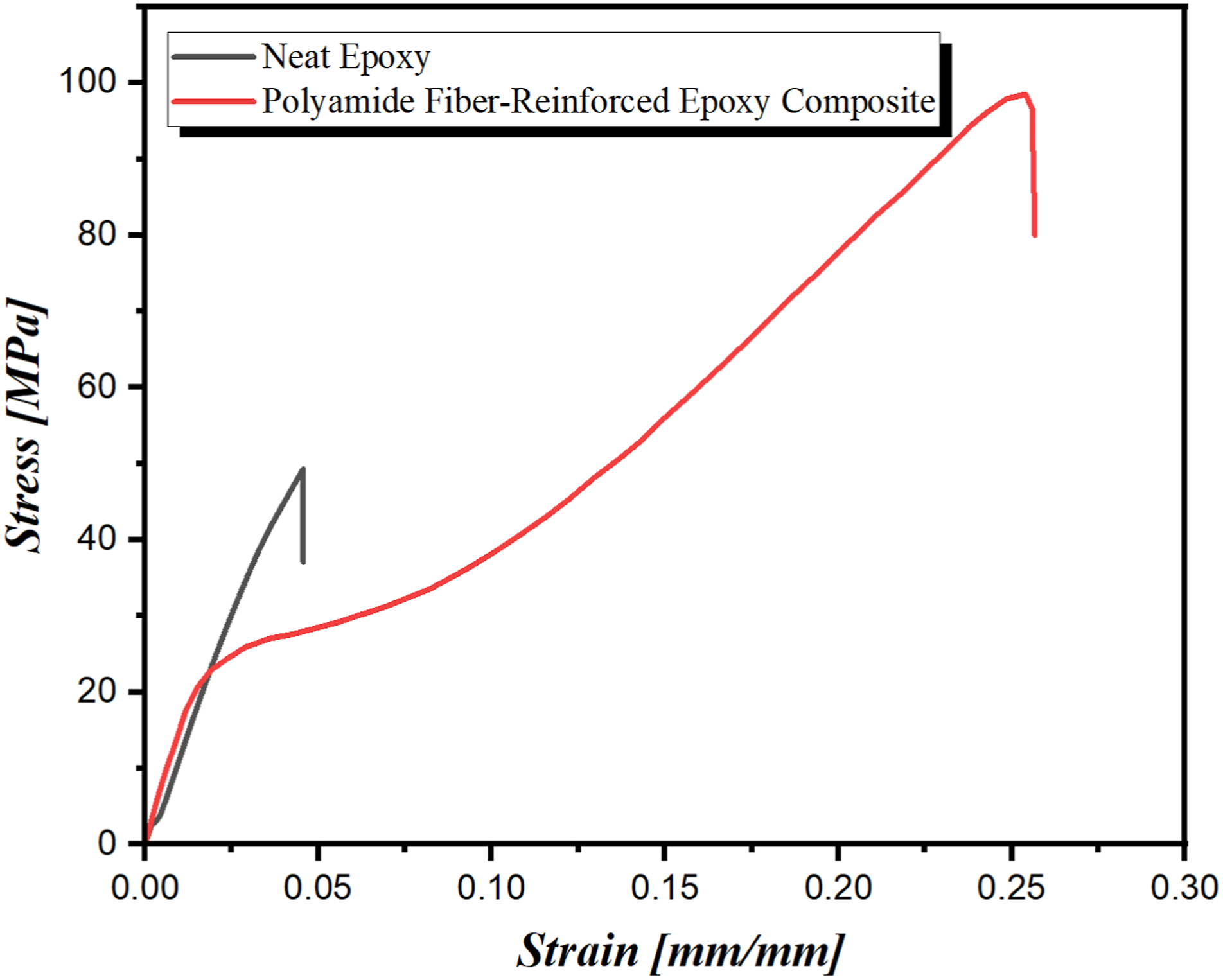
In the current study, tensile tests were performed to determine the quasi-static responses of neat epoxy and 15 layers of polyamide fiber-reinforced composites and compare their mechanical properties. Figure 4 depicts the stress-strain curves for neat epoxy and 15 layers of polyamide fiber-reinforced epoxy composites. When the graphs are examined, it is evident that fiber reinforcement significantly enhances the composite structure's ultimate strain response. The ultimate strains were found to be 0.046 and 0.257 mm/mm for neat epoxy and fiber-reinforced composite, respectively, resulting in a 459% increment in the final strain thanks to polyamide fiber-reinforcement. On the other hand, the elasticity moduli were obtained to be 1.361 and 1.386 GPa for neat epoxy and fiber-reinforced epoxy composites, respectively, and it became apparent that they exhibited quite similar elastic characteristics. When compared to neat epoxy, the composite material exhibited notable deformation hardening, and thus the ultimate stress ascended by nearly 100%. This is attributed to the molecular structure of polyamide fibers and the fact that the stresses are carried by randomly dispersed thermoplastic chains. Furthermore, it seems that fiber reinforcement significantly improved toughness. It was also concluded that the composite structure exhibited highly ductile behavior compared to brittle epoxy and that thermoplastic fiber reinforcement increased the energy absorption of the composites. Stress-strain responses for the neat epoxy and polyamide fiber-reinforced composite.
18
Besides the single impact, structures can often be subjected to repeated impacts depending on their usage area, and this situation may cause deterioration in their mechanical and dynamic properties. In particular, ships and offshore structures are frequently exposed to repeated impact loadings due to waves and the impact of hard particles in the waves.
19
Therefore, repeated LVI tests for the thermoplastic fiber-reinforced epoxy composites were performed, and thus the changes in dynamic properties during 100 impacts were obtained. Figure 5 shows the contact force-time responses for the first 50 repeated impacts, whereas Figure 6 shows the force-time responses for 50–100 repeated impacts. When the results are examined, it is seen that the oscillations in the force-time graphs increase with ascending impact numbers. These oscillations represent sudden force changes and indicate that the structure is damaged. In addition, the increase in oscillations can be interpreted as a result of increasing damage severity, such as tangential matrix cracks and local delamination. According to the findings obtained from damage examinations, no fiber damage was observed in the material, and the reduction in stiffness was attributed to the presence of local delamination and matrix cracks. Furthermore, the force-time graphs demonstrate that the force responses reach their maximum value during the loading period and then decline to zero during the restoration phase. Despite 100 impacts on the composite specimens, contact force responses reached zero during restoration, which indicates that no penetration occurred. On the other hand, it is clear that the peak force for the first impact is considerably lower than the second one. This is attributed to the fact that the first impact is carried by the softer matrix compared to the fibers. Since the second and subsequent impacts are predominantly carried by the fibers, higher peak forces occur, and this situation continues until fiber damage occurs. With fiber damage, the stiffness of the material decreases, and thus a significant reduction in peak forces takes place.
21
When the responses after 100 impacts are evaluated, it is seen that there is no significant drop in the force-time graphs, and it is indicated that there is no substantial loss in the fiber integrity of polyamide fiber-reinforced composites despite repeated impacts. Force versus time responses for the polyamide reinforced composites exposed to 1 to 50 repeated LVI loadings. Force versus time responses for the polyamide reinforced composites exposed to 50 to 100 repeated LVI loadings.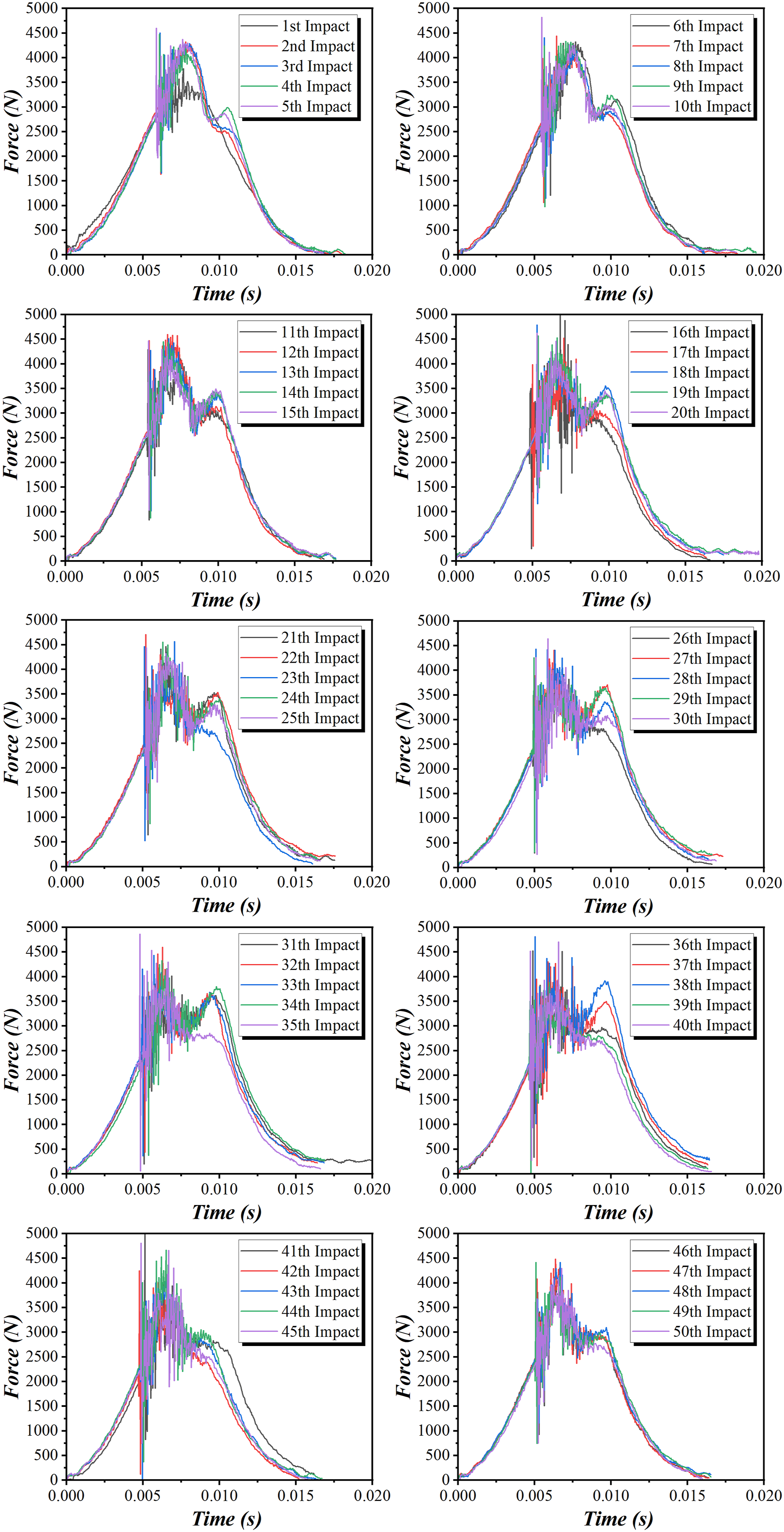
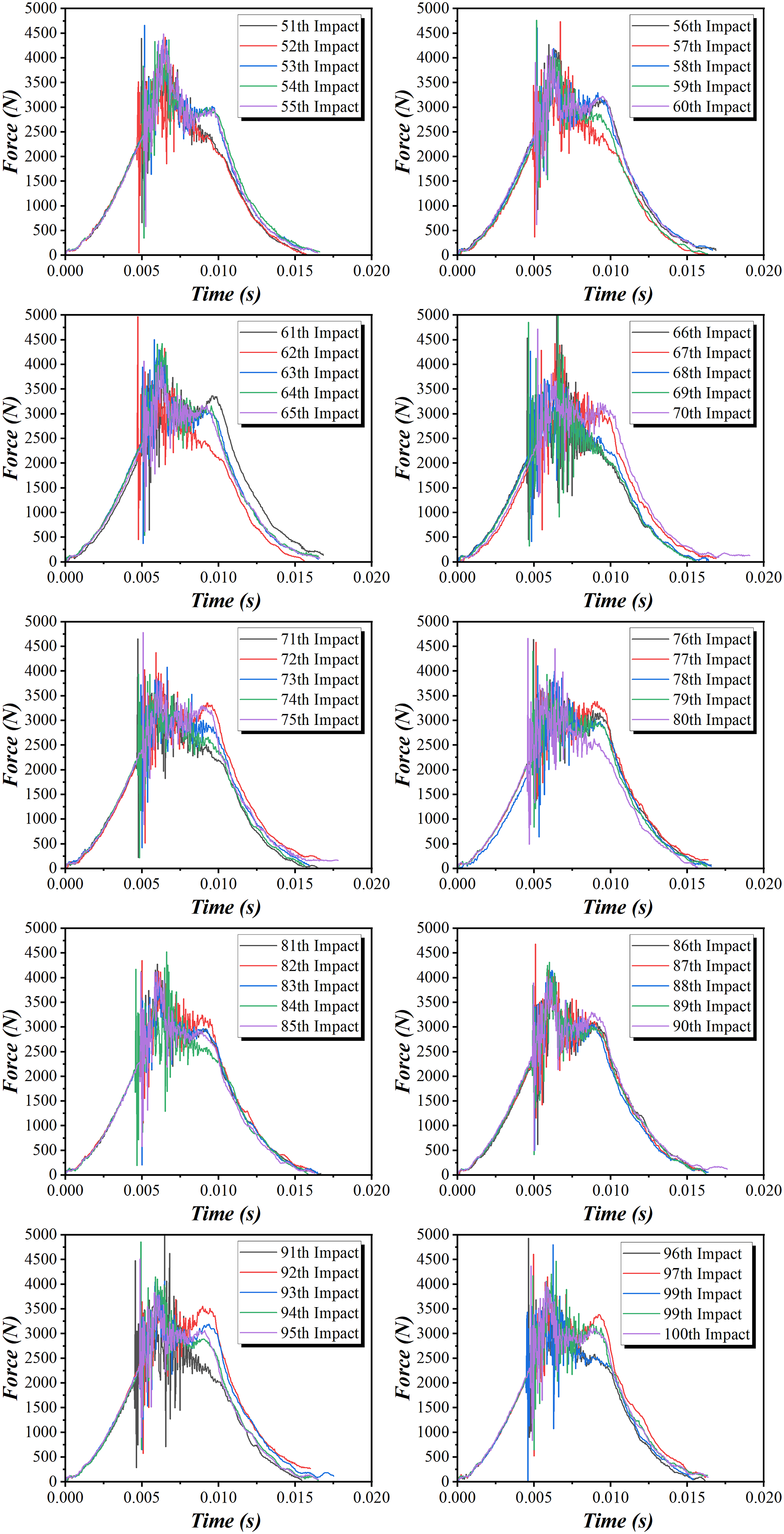
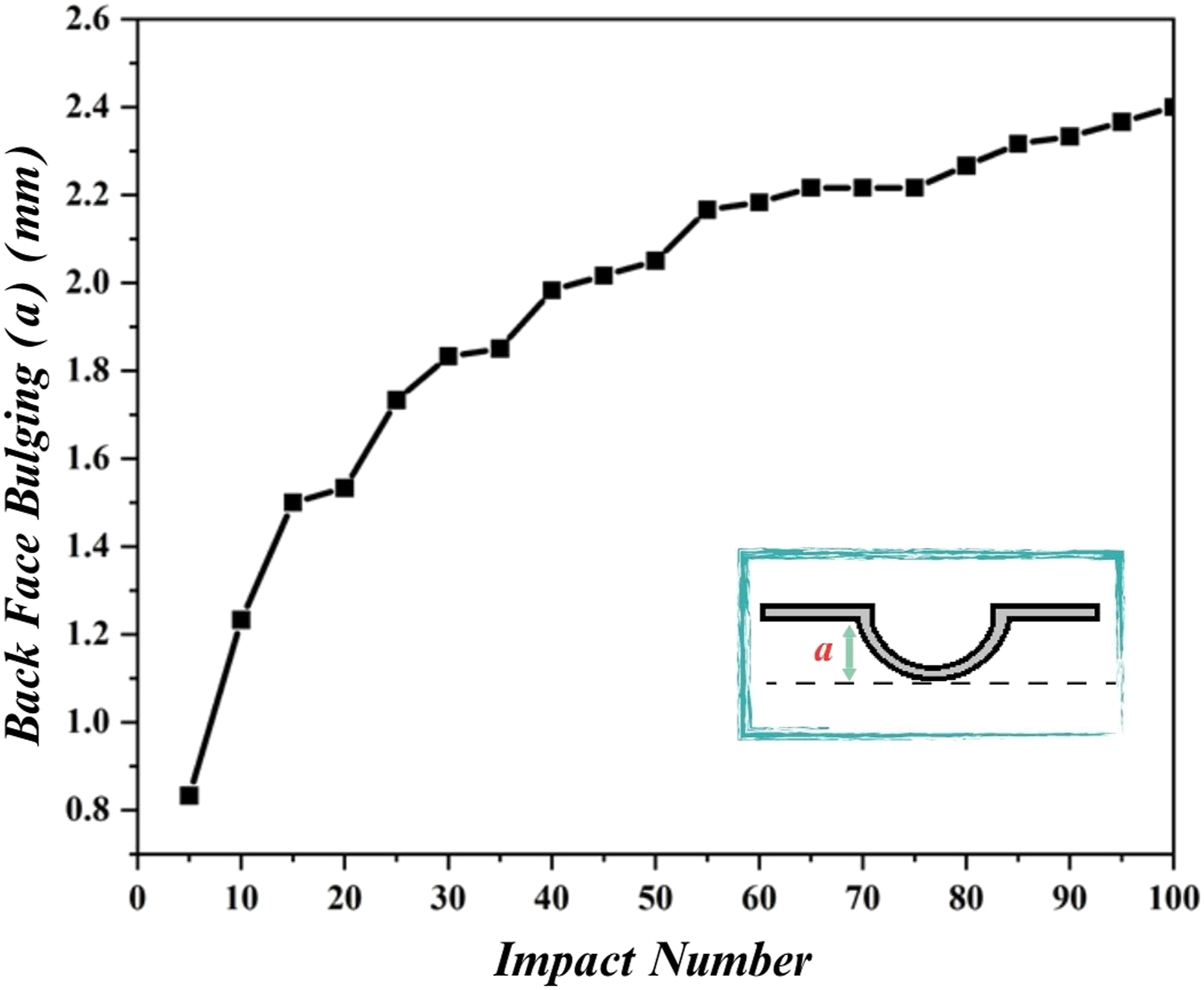
The force-time graphs reveal that polyamide composites, unlike synthetic fiber-reinforced ones, exhibit two distinct force regimes, indicating that thermoplastic fiber-reinforced composites outperform conventional composites in terms of impact resistance. It is normally expected that the force drops continuously after the peak point and eventually reaches zero if no penetration occurs. However, the findings show that the contact force drops slightly after the peak points and then climbs again. This behavior appears with the second impact and is especially noticeable between the 10th and 40th impacts. The force decline observed before the second regime was attributed to the existence of damages such as matrix cracking and local delamination, while the subsequent increment in contact forces was attributed to the unique material characteristics of thermoplastic fiber. This increment in contact forces can be explained by exhibiting significant deformation hardening of thermoplastic polyamide fibers as a consequence of an ascending impact number. As can be seen from the slope of the back-face bulging-impact number curve given in Figure 11, the plastic deformation hardening shows a significant rise from the 10th to the 40th impact. After the 40th impact, it is possible to conclude that the deformation hardening of composites reaches saturation, and accordingly, the force increments in the 2nd regime reduce relatively compared to the first 40 impacts. The reduction in the peak forces of the second regime can be explained by the saturation in the plastic deformation capacity of the polyamide fibers, and consequently, some damages took place in impacted areas.
In the current work, the effects of repeated impacts on the mechanical characteristics of thermoplastic fiber-reinforced composites were experimentally investigated, and LVI responses, including interaction time, peak displacement, stiffness, and energy change after 100 impacts, were determined. Interaction time, total impulse, peak force, and peak displacement responses depending on the number of impacts are shown in Figures 7 and 8. While interaction time is defined as the time required for elastic and plastic deformation to occur at the moment of impact,
23
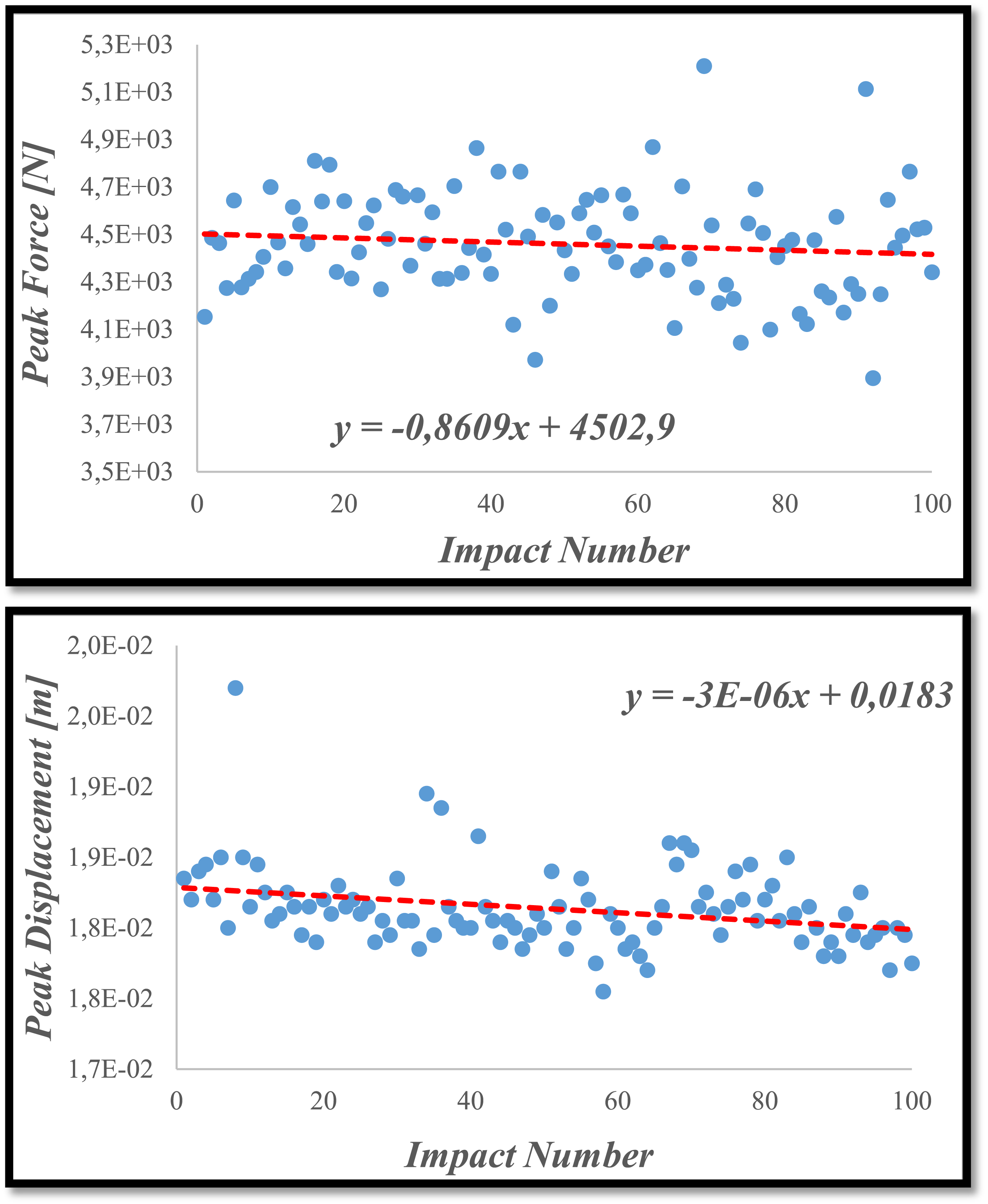
an increase in interaction time typically suggests major damage mechanisms such as fiber fracture or more. When the results are examined, it is seen that the interaction time does not change significantly after repeated impacts, but in general, the responses tend to decrease. This shows that thermoplastic-reinforced composites do not exhibit serious damage mechanisms such as fiber fracture, despite the application of 100 impacts from the same point. Furthermore, a similar tendency was seen for peak displacement and total impulse responses, with no significant change after high impact repeats. Increments in peak displacement responses commonly indicate material stiffness loss, and the results reveal that thermoplastic-reinforced composites maintain structural integrity despite repeated impact. Interaction time and total impulse responses for the polyamide reinforced composites exposed to repeated LVI loadings. Peak force and peak displacement responses for the polyamide reinforced composites exposed to repeated LVI loadings.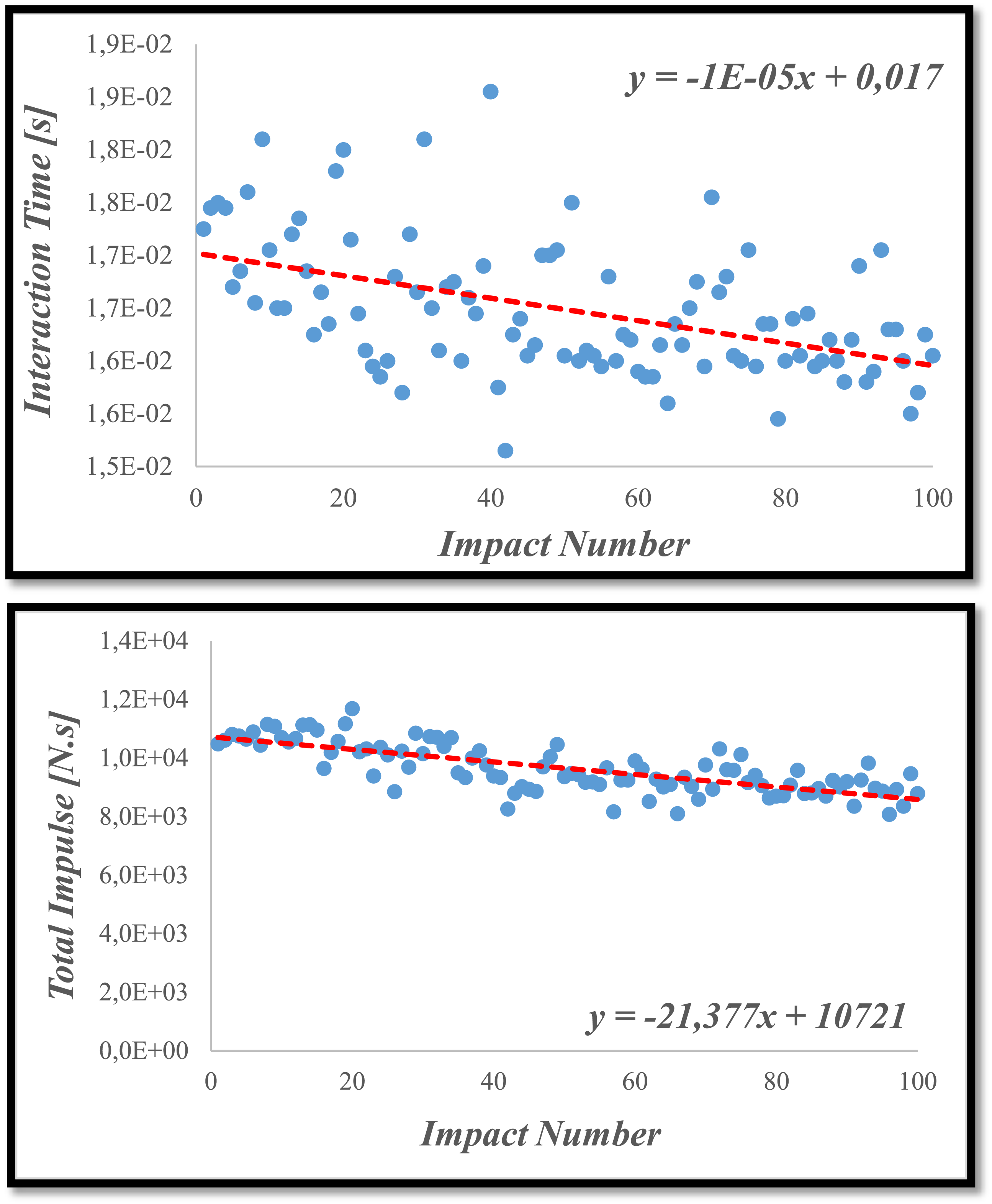
On the other hand, the change in contact stiffness and bending stiffness responses of polyamide fiber-reinforced composites depending on the number of impacts is shown in Figure 9. When the results are examined, it is seen that although 100 impacts are applied, the responses do not significantly alter, but the contact and bending stiffness responses have a tendency to slightly rise. The slope of the force-time curves represents contact stiffness, whereas the slope of the force-displacement curves represents bending stiffness.
24
It is clear from the stiffness responses that the composite specimens become more rigid due to repeated impacts and that the impact loads are gradually absorbed by the fibers. The impact responses of the conventional carbon fiber-reinforced composites produced in our previous study
1
clearly demonstrated that bending stiffness significantly decreased as damage raised. However, in the current study, the inclusion of highly ductile polyamide fibers instead of conventional brittle fibers led this condition to alter, and a slight rise in bending stiffness emerged. Examining the damage mechanisms (Figures 12–16), the fact that serious damage mechanisms such as fiber breakage and global delamination do not take place proves this and supports that the impacted zone exhibits deformation hardening and thus leads to a slight rise in bending stiffness. Normally, the softer matrix frequently absorbs the first impact, which results in low stiffness and peak force. In following impacts, the impact load is carried by more rigid fibers, and stiffness response rises. This increase in peak force and stiffness responses continues until the fibers are damaged, and sudden decreases in the related responses are observed as a result of damage to the fibers.
21
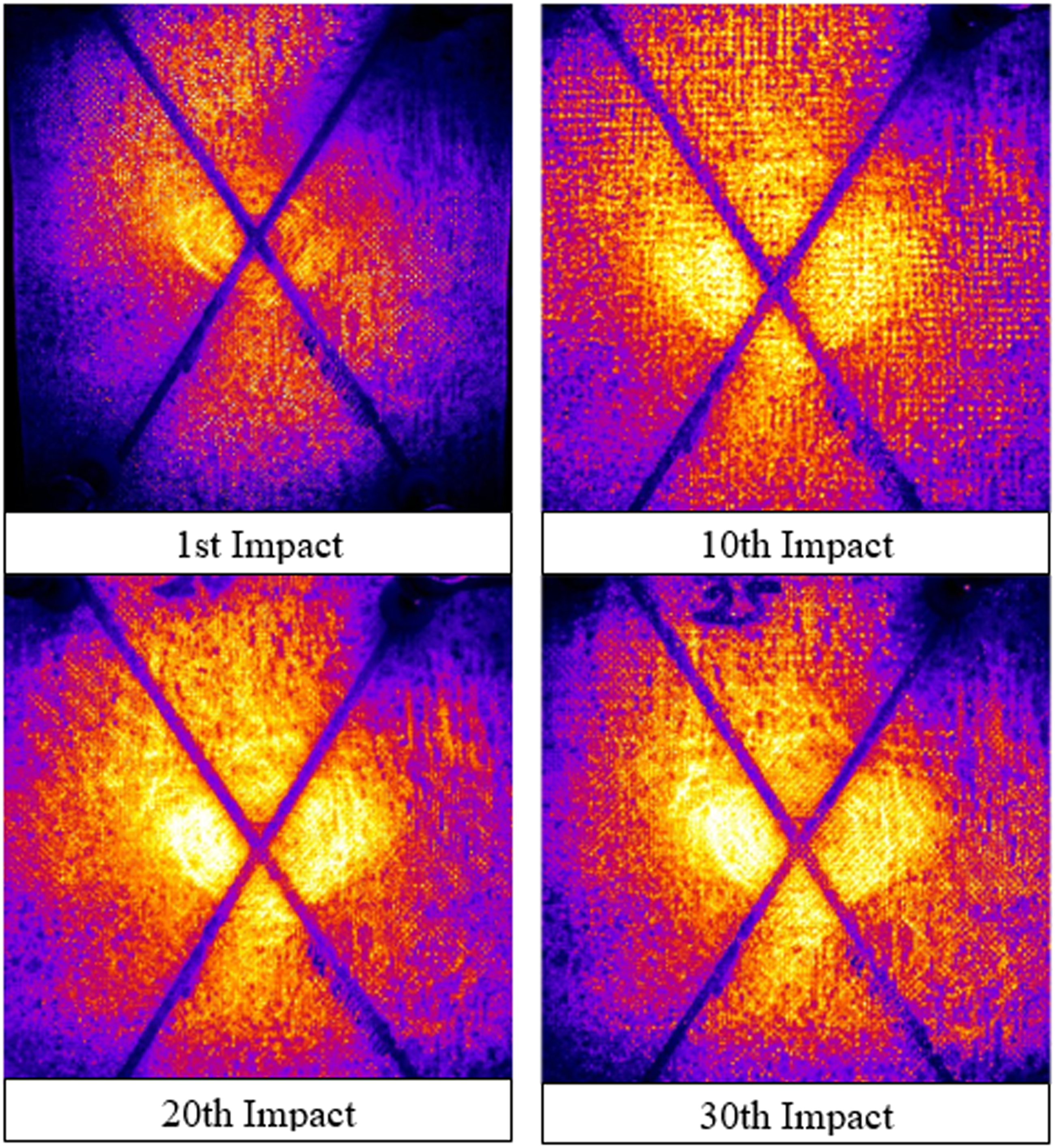
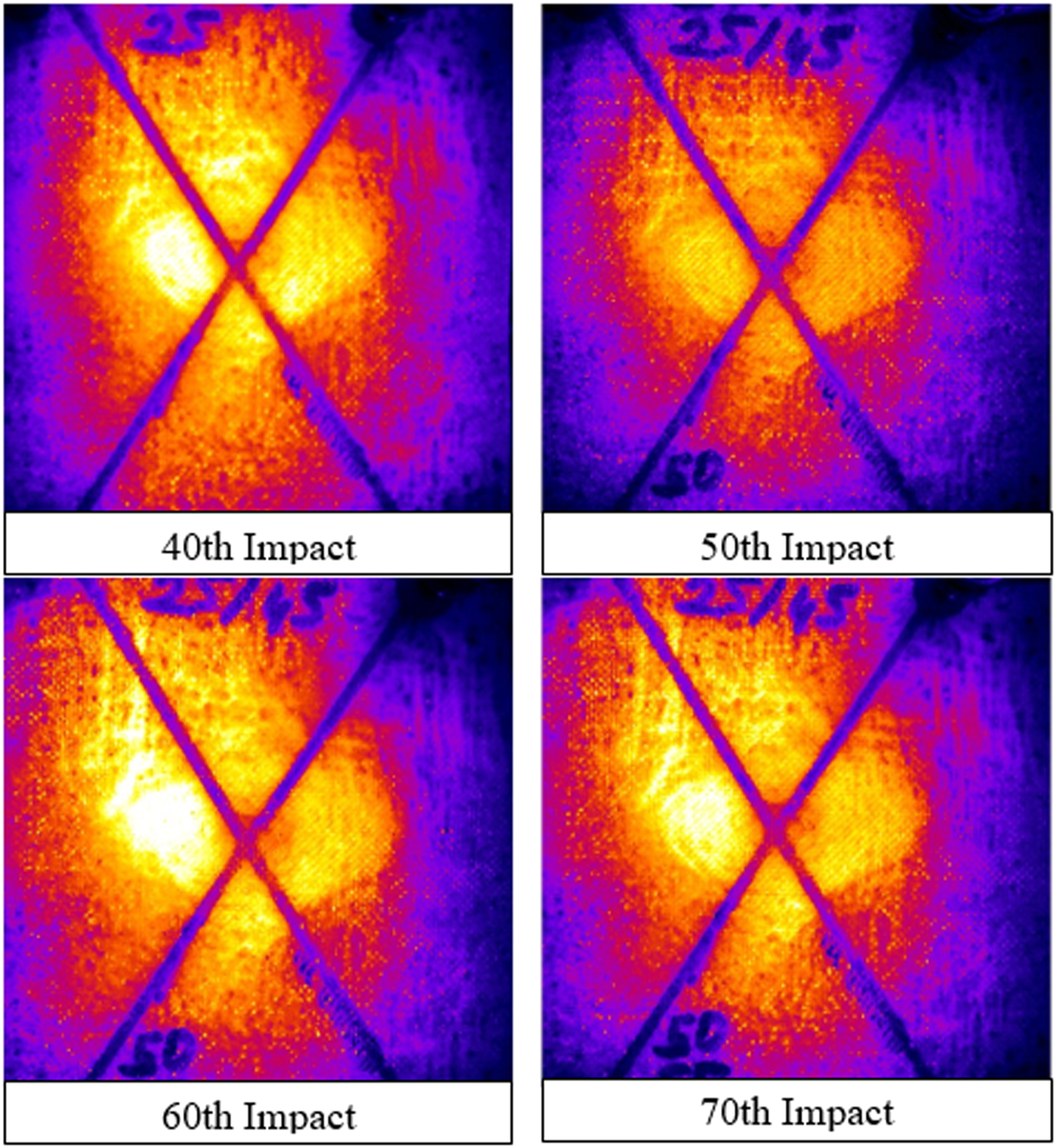
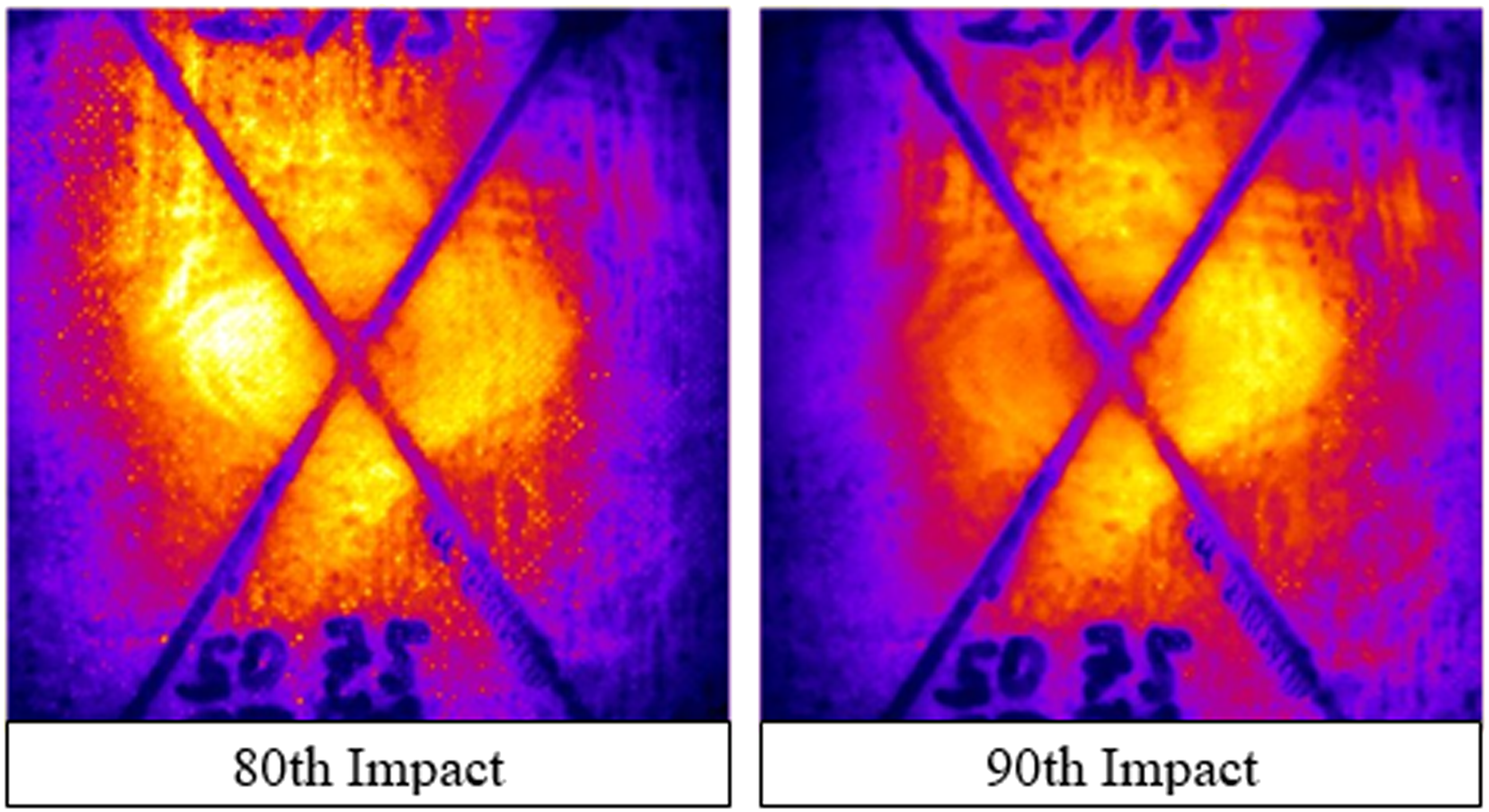
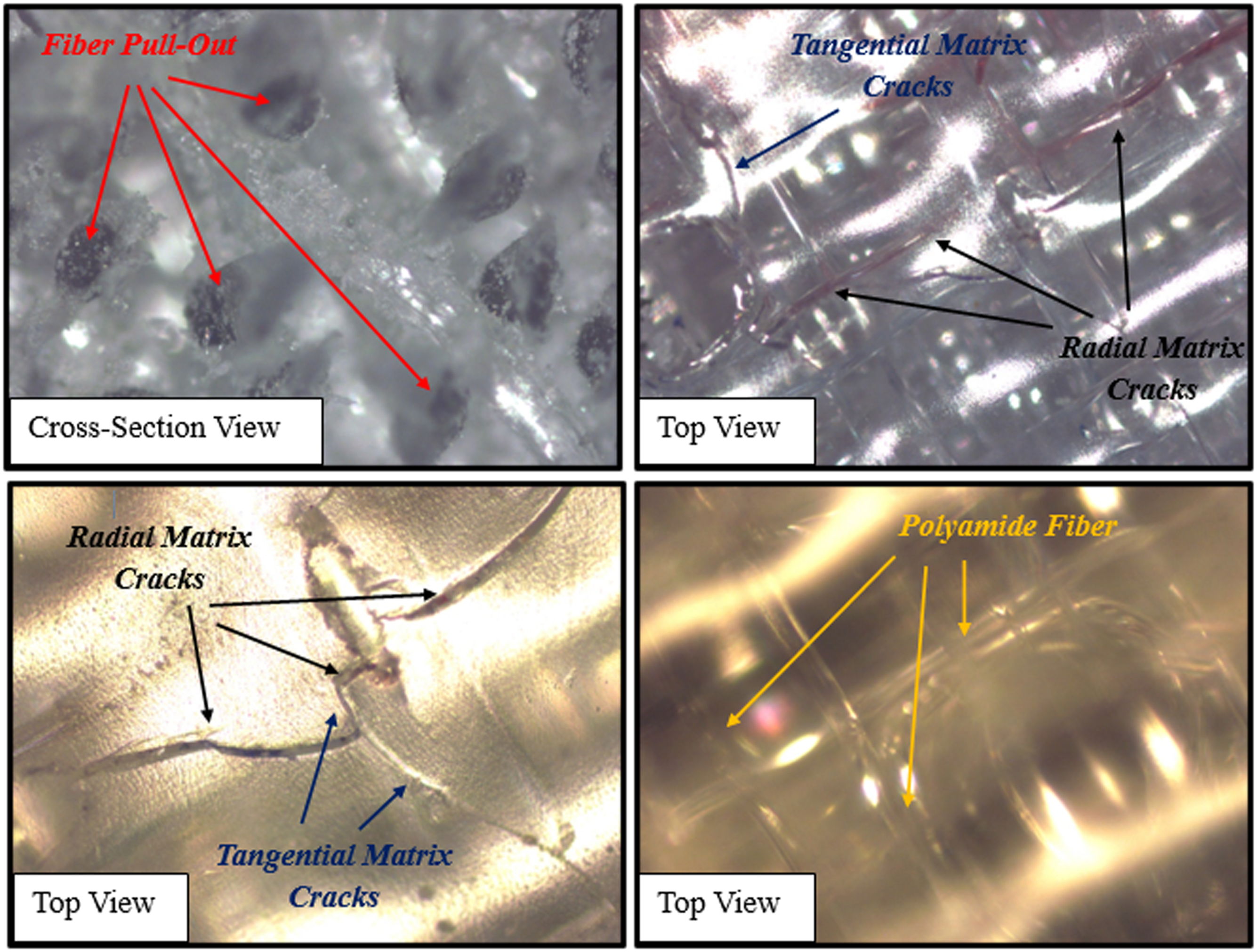
When the LVI responses of thermoplastic fiber-reinforced composites are analyzed, no reduction in stiffness responses is observed because the impact load is absorbed by the fibers and the fibers are not damaged even after 100 impacts. These findings indicate that polyamide fiber-reinforced composites are highly suitable for application areas such as the automobile and ship industries, where repeated impact is a possibility. Contact stiffness and bending stiffness responses for the polyamide reinforced composites exposed to repeated LVI loadings. Energy responses for the polyamide reinforced composites exposed to repeated LVI loadings. The back face bulging responses for the specimen exposed to repeated LVI loadings. Macro-scale damage mechanisms of the composite specimens exposed to 1-10- 20-30 repeated LVI loadings. Macro-scale damage mechanisms of the composite specimens exposed to 40-50- 60-70 repeated LVI loadings. Macro-scale damage mechanisms of the composite specimens exposed to 80-90 repeated LVI loadings. Micro-scale damage mechanisms of the specimens exposed to 100 repeated LVI loadings. Macro-scale damage mechanisms of the composite specimens exposed to 100 repeated LVI loadings.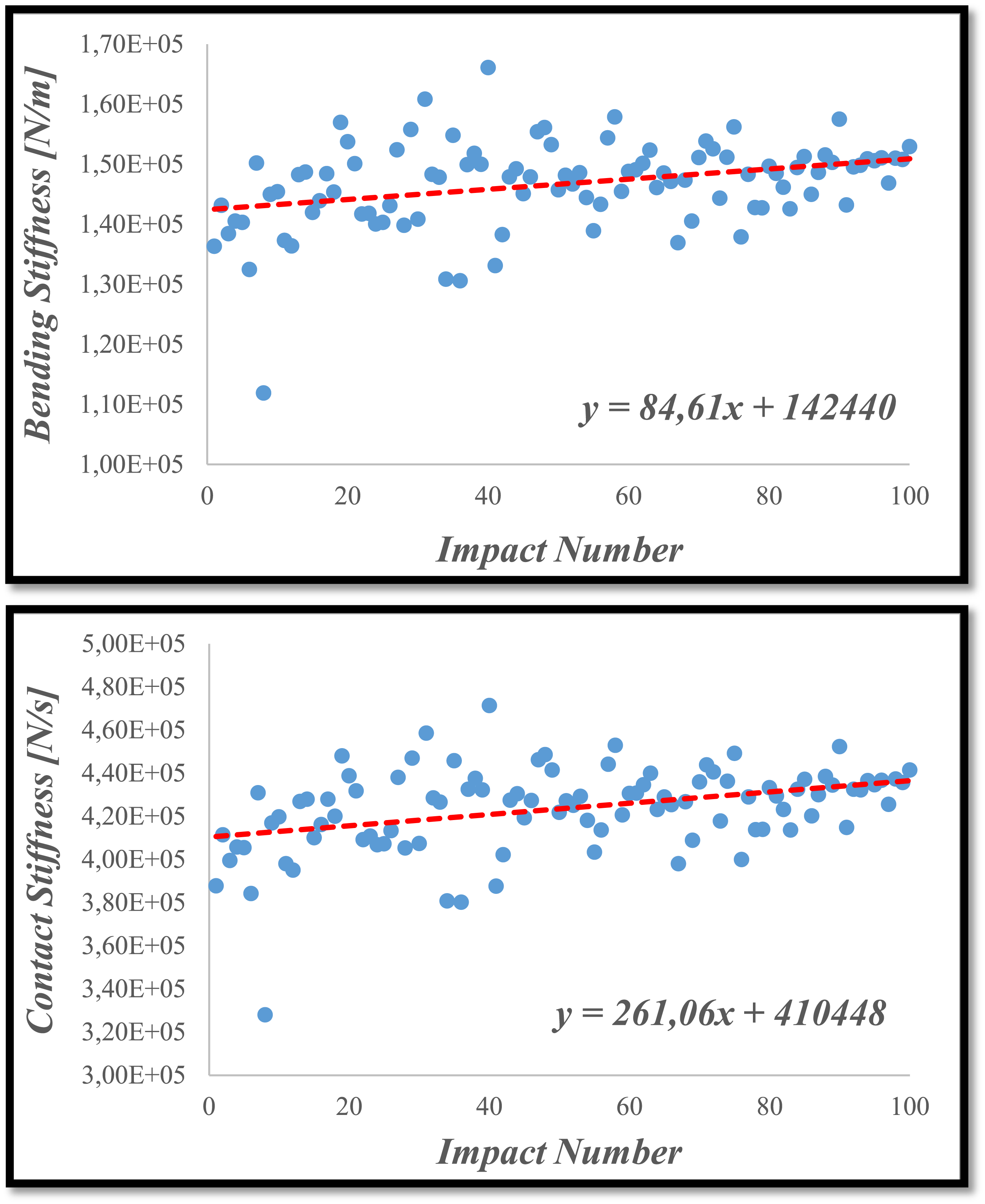
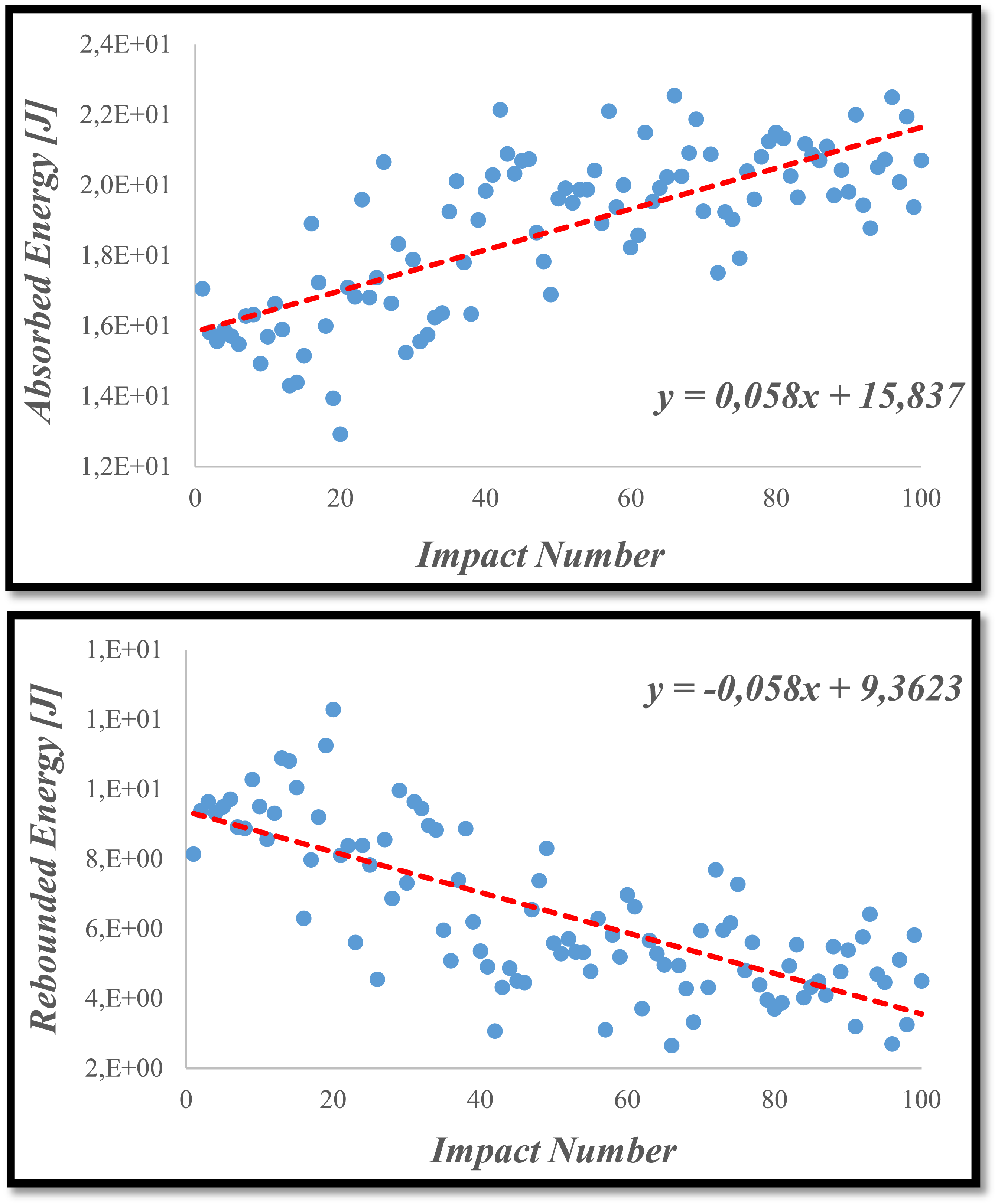
The variation of absorbed and rebounded energy responses of composites subjected to repeated impact is shown in Figure 10. When the results are analyzed, it is first seen that more than 60% of the applied impact energy is absorbed. The high absorbed energy responses are attributed to the chain structure of the thermoplastic fibers and interpreted as the propagation of the applied energy within the material in the form of segmental movements. 25 On the other hand, higher energy absorption responses were attributed to improved fiber matrix interface and bonding performance due to fiber architecture. When Figure 1 is examined, it is clear that there is approximately 0.4 mm of distance between polyamide yarns, and these gaps significantly improve the matrix-fiber interface and bonding performance and thus the energy absorption of the composites. Considering that serious damage mechanisms such as fiber damage were not observed, it is concluded that thermoplastic fiber-reinforced composites are highly suitable for applications requiring high energy absorption. Apart from that, when the energy responses are analyzed depending on the number of repetitions, it is seen that the amount of energy absorbed increases with an increasing impact number. These results are attributed to the increasing damage severity with an ascending impact number and interpreted as an increase in the absorbed energy with a higher severity of damage mechanisms such as matrix cracking, debonding, permanent indentation, and local delamination.
Back-face bulging responses were measured after every five impacts, and it was aimed to determine permanent back-face bulging of specimens as a function of impact numbers. The back-face bulging versus impact number curve is shown in Figure 11. After 100 impacts, the back-face bulging was measured using a comparator, and a permanent bulge was detected at about 2.4 mm. Considering the specimens had a thickness of approximately 3.8 mm before the LVI loadings, the 2.4 mm back face bulging without penetration demonstrates that polyamide fiber-reinforced composites have excellent impact resistance and that the applied energy is absorbed via plastic deformation. On the other hand, a considerable portion of the bulging (approximately 1.8 mm) takes place after the first 40 impacts, and the upward trend reduces gradually in the subsequent impacts. This demonstrates that as the number of impacts increases, the plastic deformation capacity of the composite specimens is saturated, and the change in back-face bulging responses almost stabilizes after about 80 impacts.
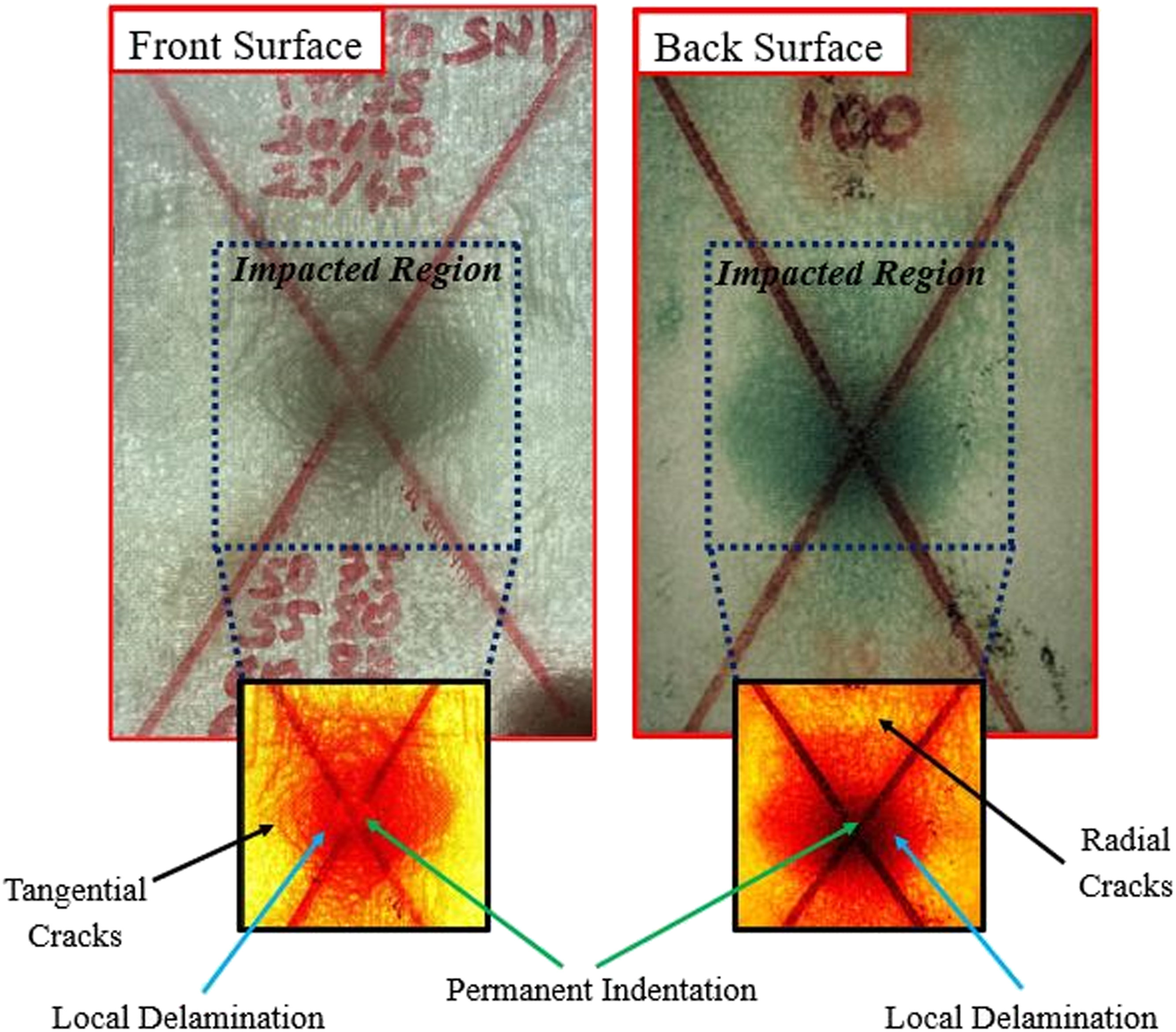
For the macro-scale damage analysis, representative optical photographs of polyamide fiber-reinforced composites were taken after certain impact numbers, and damage mechanisms for the impacted surfaces were examined. In the damage analysis, damaged sections were false-colored, and thus damaged areas are highlighted with yellow and red colors to enhance visibility. Macro-scale damage analyses for the composite specimens are shown in Figures 12–14. Also, a microscope image of the composite specimens is shown in Figure 15. When the damage mechanisms of composites subjected to repeated impacts are examined, it is noteworthy that tangential cracks are more dominant after the first impact. Moreover, the radial cracks observed along the long side of the specimen after the first impact can be attributed to geometric factors and boundary condition effects. From the micro-scale damage analyses, fiber pull-out, radial, and tangential matrix cracks were observed as dominant damage mechanisms in specimens due to repeated impacts. On the other hand, it was observed that the damaged area expanded with the merger of tangential cracks after 10 repetitions and that a significant increment in the length of radial cracks took place. Furthermore, a noticeable change in the color intensity of the damage zone was observed with the formation of radial and tangential cracks in the subsequent layers. The propagation and overlap/merger of radial and tangential cracks with ascending impact numbers brought about a noticeable increase in damaged area. This situation appeared as local delamination in the impacted area and caused the matrix to be damaged and lose its functionality.
The macro-scale damage mechanisms for the polyamide fiber-reinforced composites subjected to 100 repeated LVI loadings are shown in Figure 16. As can be seen from the optical photographs, despite the 100 repetitions, serious damage mechanisms such as perforation, penetration, side delamination, and fiber breakage were not detected in the composite specimens. These findings indicate that polyamide fiber reinforcement significantly enhanced the energy absorption of the composites and preserved their structural integrity. It has also been established that polyamide fiber reinforcement has significant impacts on structural integrity and sustainability, especially when compared to the LVI responses of brittle epoxy and synthetic fiber-reinforced composites. On the other hand, local delamination and permanent indentation, particularly tangential and radial matrix cracks, were found to be the dominant damage mechanisms in composites subjected to repeated impacts. In our previous study, it was concluded that the delaminated area was relatively small and that radial and tangential matrix cracks were dominant in the specimens exposed to a single impact. 18 However, the current study found that the radial and tangential crack densities ascended with multiple impacts, and thus merging cracks expanded the delaminated area as expected. Furthermore, as can be seen from Figure 11, it turned out that the permanent indentation area increased with an increasing impact number. Apart from that, when the damage mechanisms of the front and back surfaces were examined, it was seen that tangential cracks were more common on the impacted surface, and the crack density was lower than the back surface. Furthermore, delamination was observed in a broader area on the back surface, and these findings were attributed to tensile stresses released as a consequence of bending of the non-impacted surface.
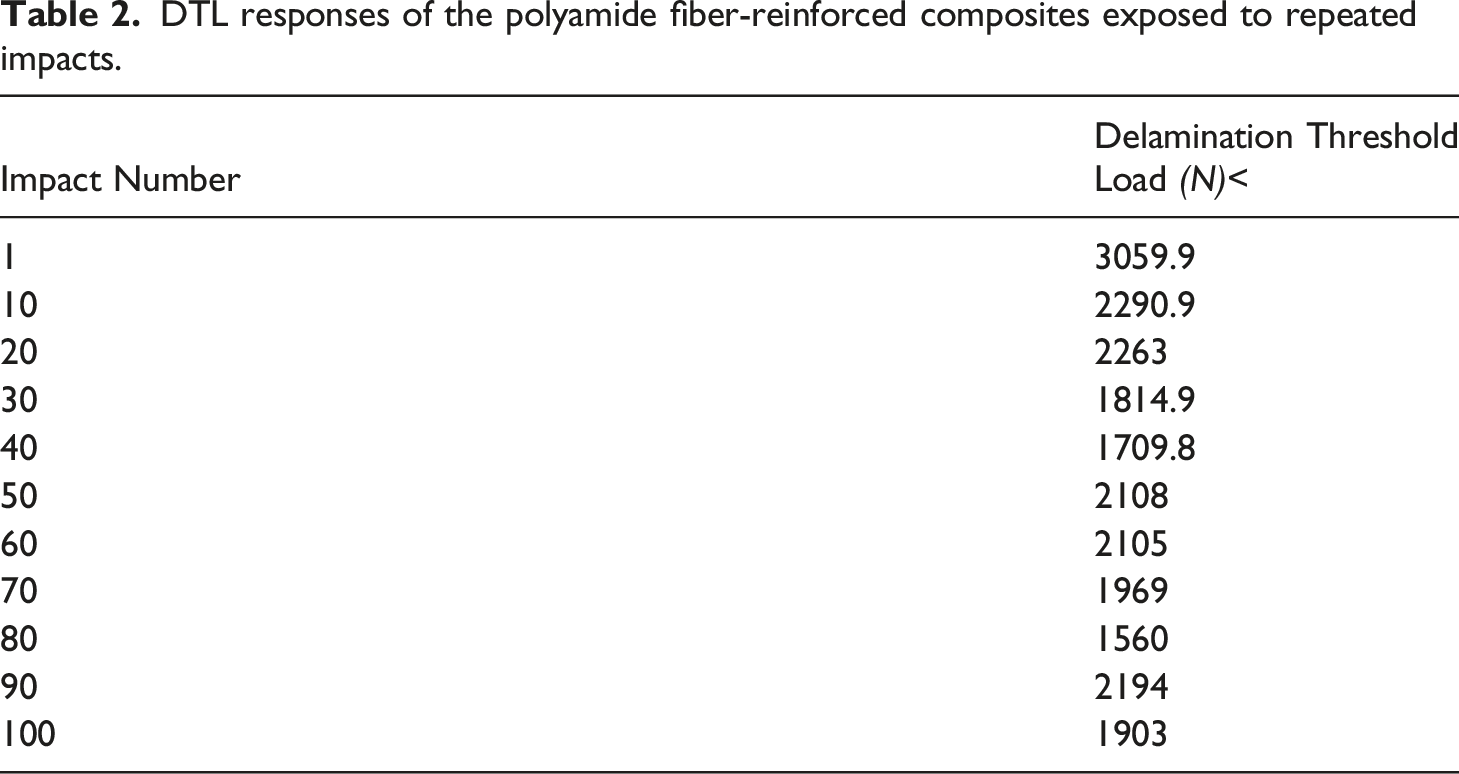
DTL responses of the polyamide fiber-reinforced composites exposed to repeated impacts.
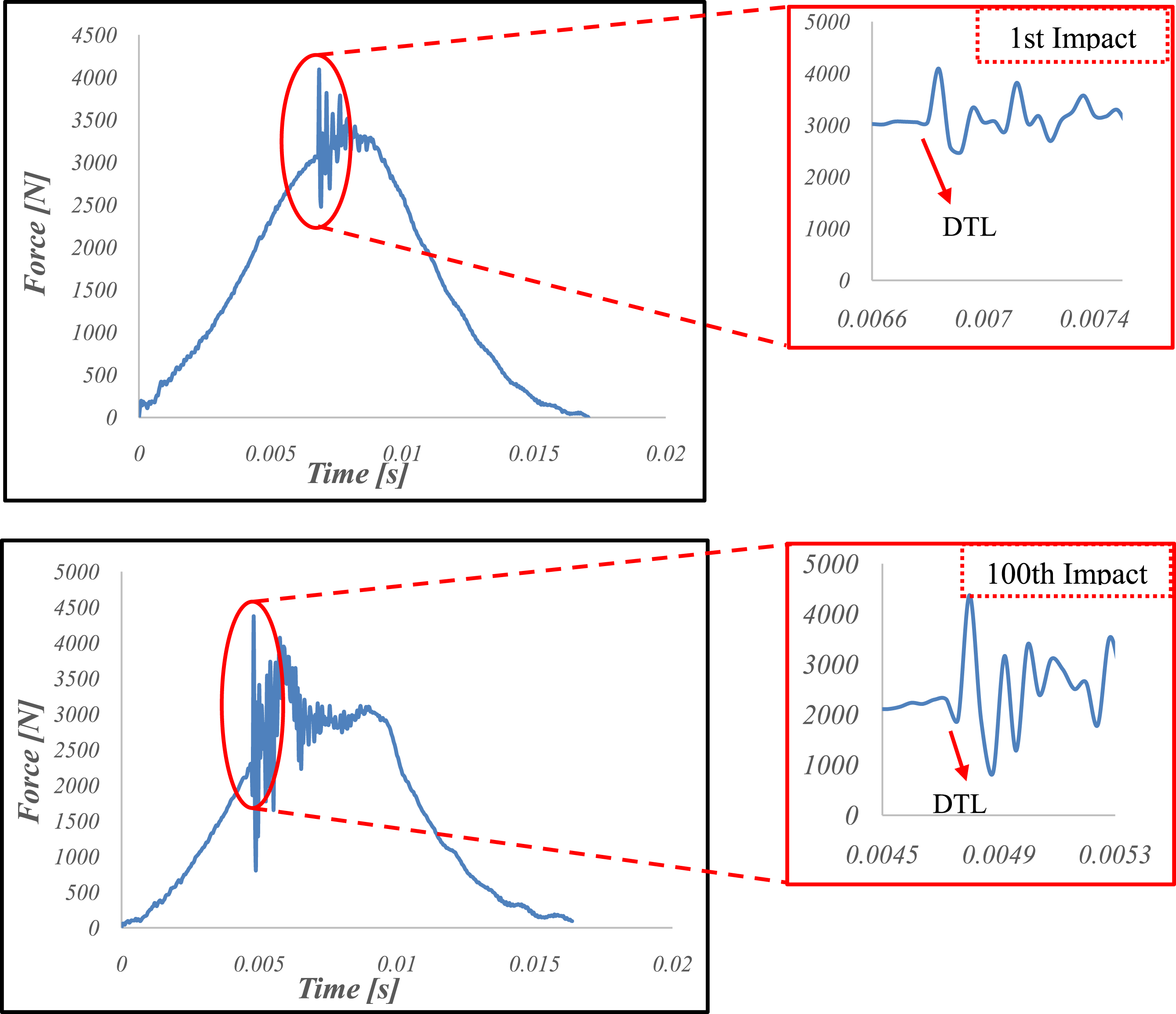
The change in DTL depending on the repeated LVI loadings.
Conclusions
In our previous studies,18,27 the mechanical and dynamic properties of polyamide fiber-reinforced composites after LVI were investigated, and it was determined that thermoplastic fiber reinforcement improved some material properties, such as absorbed energy and damping ratio. However, although composite specimens are frequently subjected to repeated impact loadings in their application areas, no study investigating the repeated LVI responses of polyamide fiber-reinforced composites has been found in the literature. Therefore, the current study aimed to determine the dynamic responses of polyamide fiber-reinforced composites after repeated impacts as well as LVI responses, including energy change, stiffness, peak force, and interaction time. Moreover, damage mechanisms were investigated, and thus the impacts of thermoplastic fiber reinforcement on damage severity were determined. According to the findings, it was observed that more than 60% of the applied energy was absorbed by the specimens thanks to the polyamide fiber additive, and the energy absorption capacity also increased with higher impact numbers. It was also concluded that, despite the high energy absorption, serious damage mechanisms such as fiber breakage and delamination did not occur in the composites and that thermoplastic fiber-reinforced composites are highly suitable for the application areas that require high impact resistance. In addition, it was revealed that despite the huge impact number, the material did not lose its contact and bending stiffness significantly, and the composites retained their mechanical properties.
Footnotes
Acknowledgements
We would like to thank to the Imas Machinery Co. (Konya/TURKIYE) for supporting the current work.
Declaration of conflicting interests
The author(s) declared no potential conflicts of interest with respect to the research, authorship, and/or publication of this article.
Funding
The author(s) received no financial support for the research, authorship, and/or publication of this article.
