




Abstract
This paper deals with the effects of curing process and hygrothermal environment on the distortion behaviors of continuous carbon fiber reinforced polyamide 6 (CF/PA6) unsymmetric laminates. To accurately characterize the shape of CF/PA6 unsymmetric laminates in the water absorption process, the 3D model reconstruction with different water content is carried by combining 3D scanner and secondary development in Abaqus. A full-field displacement comparison method is proposed to calculate the equivalent thermal/moisture expansion coefficient, and the effectiveness of numerical simulation is verified. The dataset with 2816 instances is further constructed through finite element method. Through grid search and five-fold cross validation, the ANN model is trained and validated according to R 2 and MSE criterion. The well-trained ANN model builds the mapping relationship between lay-up design parameters, hygrothermal environment and the distortion parameters of unsymmetric laminates.
Keywords
Introduction
Continuous carbon fiber reinforced polyamide 6 (CF/PA6) have a wide application prospect over thermoset composites in aviation, aerospace and automobile fields,1,2 due to their high performances of high toughness, rapid prototyping, recycling and easy repair. 3 For unsymmetrical laminates after hot-pressing process, their cured shape types can be divided into cylindrical shape, twisted shape, and saddle shape, 4 in which the cylindrical shape can be applied to fuselage segment, 5 and the twisted shape are widely used for variable wing structures, 6 thanks to the good bi-stability. Despite these benefits, CF/PA6 unsymmetrical laminates in service environment face serious hygrothermal aging problems due to the coupling effect of temperature and humidity, resulting in distortion of composite structures, which greatly reduces their service life. Hence, the distortion behaviors of CF/PA6 unsymmetrical laminates under hygrothermal environment should be researched to realize their full potential.
Extensive investigations have been conducted on the cure-induced deformation of unsymmetrical laminates. Ochinero and Hyer 7 experimentally investigated several factors which can influence the dimensional stability of CFRP laminates, including ply thickness, fiber waviness, uneven resin distribution and ply shifting. Various techniques were developed to measure the shape of laminates, such as deflection/chord measurement, 8 co-ordinates measurement using a dial gauge, 9 and an optical method (fringe projection method). 10 Hyer11–13 extended classical laminate theory by incorporating non-linear strain-displacement, followed by minimizing the total potential energy of laminates by means of the Rayleigh-Ritz method, which can predict the cured shape of square cross-ply laminates. Based on the theory developed by Hyer, Telford 14 validated the accuracy of the analytical predicted results, with benchmark the curvatures of square cross-ply laminates calculated by numerical models.
Numerical models offer flexibility in the analysis of the cure process and corresponding cured shapes, and these models can be divided into physical-based models, 15 phenomenological-numerical models 16 and semi-empirical models.17,18 Physical-based models aim to describe the entry curing process in detail, and they focus on the influence of process parameters (temperature, degree of cure and viscoelastic properties of resin) and lay-up sequence.15,19 Based on a phenomenological-numerical model, Kappel 20 proposed a novel construct in form of a ”spring-in reference curve” to provide input for the determination of zone-specific simulation parameters, which can fast and accurately predict the process-induced distortions. Obviously distinct from the above-mentioned methods, the analysis of curing process was simplified based on the empirical method, and it was denoted as the semi-empirical model. Various theoretical models are proposed to investigate the process-induced distortion (PID), including elastic model, 21 cure-hardening instantaneously linear elastic model, 22 and viscoelastic model. 23 Parambil24–26 systematically investigated the processing induced thermal residual stress through finite element model, in which cooling-rate effects on crystallinity, temperature-dependent elastic modulus, and temperature-dependent coefficient of thermal expansion were taken into account. Compared with computationally and time-consuming simulation, machine learning methods can provide accurate and fast solutions to the regression 27 or classification tasks, 4 and these methods have widely employed to map the relationship between numerous factors and the mechanical properties of composites. 28 Luo4,29 developed an ANN model to predict the maximum PID of thermosetting-matrix composites, as well as the cured shape types under different ply-stacking sequences.
PA6 resin is highly sensitive to the hygrothermal environment, due to the presence of amide groups -CO-NH- in the amorphous phase, and absorbed water content can reach about 10 wt%,
30
which has significant effects on the dimensional stability and mechanical properties (Figure 1). Extensive literatures31,32 have been reported to investigate the mechanical degradation and reveal the hygrothermal aging mechanism of CF/PA6 composites. There are relatively few studies on dimensional stability. Obeid
33
found that the swelling coefficient of PA6 obey a nonlinear behavior, and built the relationship function with water content. In our previous work,
34
the dimensional change of CF/PA6 composites in the longitudinal and transverse directions was monitored, and the moisture swelling strain is about two orders of magnitude higher than the thermal swelling strain, which indicated that deformation of CF/PA6 laminates induced by water absorption cannot be ignored. Schematic diagram of hygroscopic effect.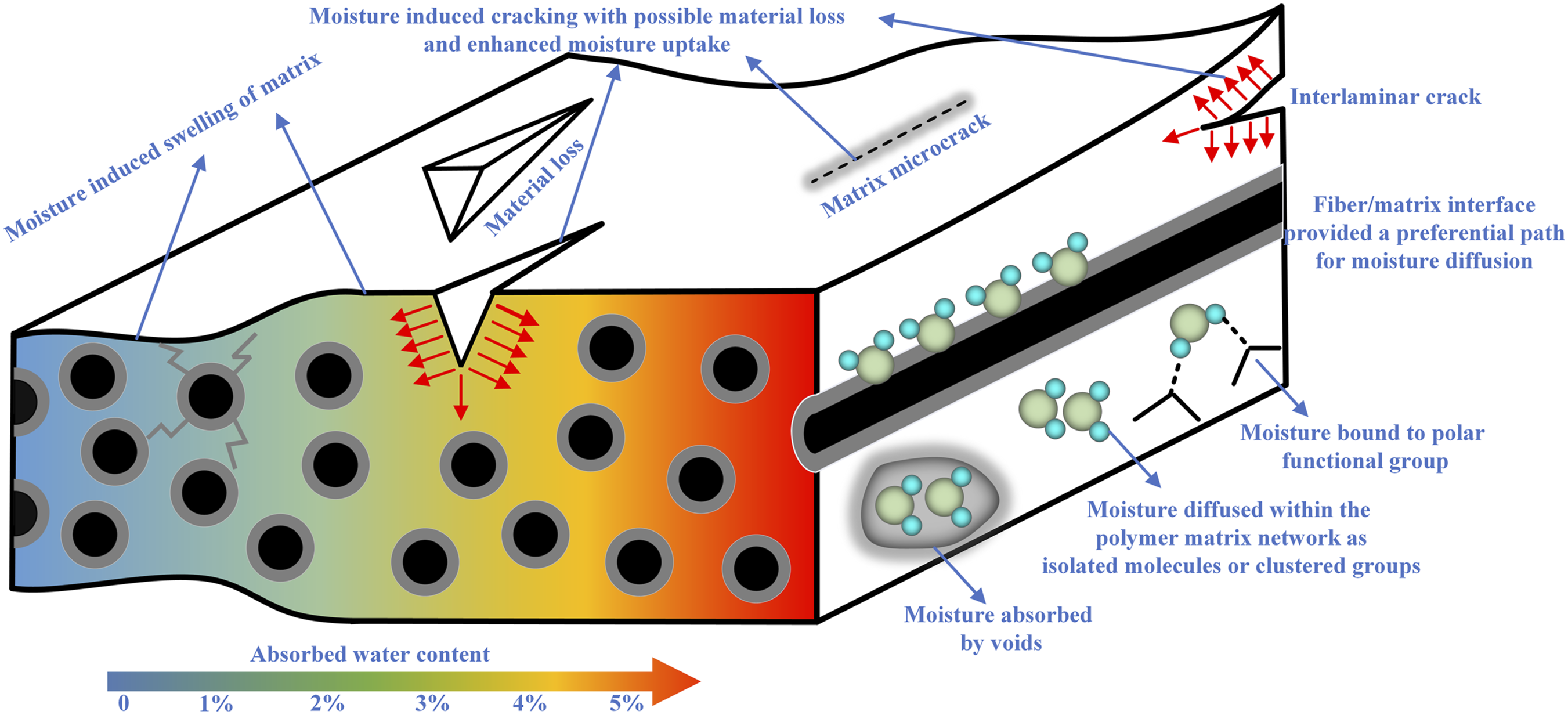
The existing literature have extensively studied the curing deformation of composite laminates. In contrast, few works have been reported on the effect of hygrothermal environment on the distortion behaviors of laminates, especially for CF/PA6 unsymmetric laminates, which is vital to extent their application range. Additionally, complex processing and environmental factors influencing residual stress and distortion behaviors. Therefore, based on the machine learning techniques, it is necessary to build the mapping relationship between numerous factors and the distortion parameters of unsymmetric laminates.
This study develops a data-driven computational methodology based on FEM-ANN approach to investigate the distortion behaviors of CF/PA6 unsymmetric laminates before and after hygrothermal aging. To obtain the data for the machine learning, the curing deformation and hygroscopic deformation of unsymmetric laminates are studied by combining hygroscopic deformation experiment and numerical simulation. The thermal/moisture expansion coefficient is modified based on the full-field displacement comparison method, and the effectiveness of numerical simulation is verified. Then, the dataset with 2816 instances is constructed through finite element method. The optimal neural network structure and its optimal hyperparameters are automatically found by combining grid search and five-fold cross validation, according to R 2 and MSE criterion. Lastly, the well-trained ANN model builds the mapping relationship between lay-up design parameters, hygrothermal environment and the distortion parameters of unsymmetric laminates.
Methods
Experiment
CF/PA6 prepregs with a unit weight of Schematic diagram of experimental process. Types of cured shape of CF/PA6 laminates during the curing process: (a) unformed type, (b) saddle type, (c) cylindrical type, (d) twist type.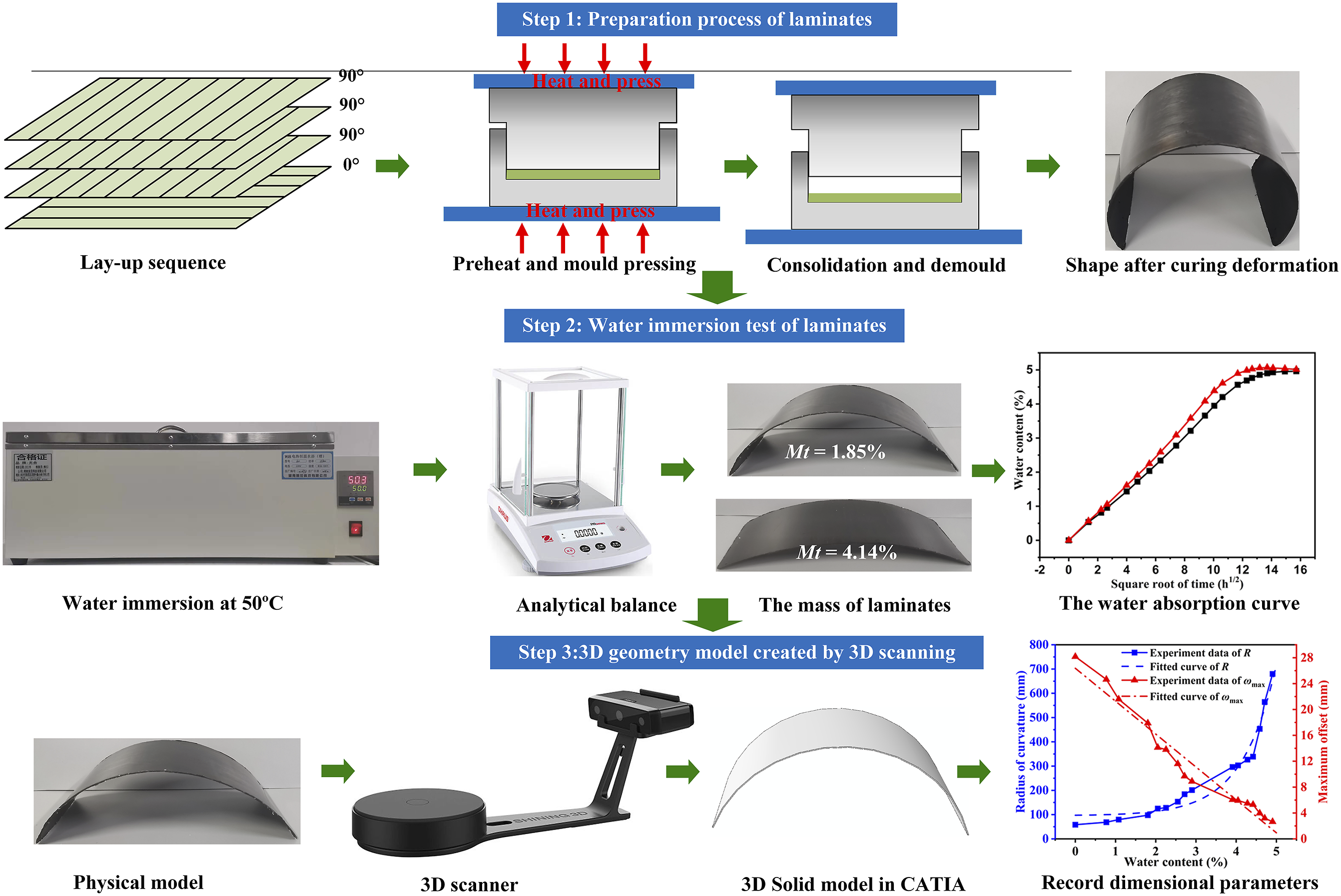

The CF/PA6 laminates are highly sensitive to the moist environment because the absorbed water can obviously change the stress and moisture fields in the laminates, which bring obvious effect on the cured shape of the laminates. To this end, a moisture absorption experiment is conducted for the prepared CF/PA6 laminates. In the experiment, the laminates are immersed into the distilled water in a water bath with specific temperature (i.e. 50°C) until saturation and their masses are measured at a given time interval using an analytical balance with an accuracy of 1 mg, according to the standard ASTM D5229. Then, the moisture absorption curve can be plotted by recording the mass change of the laminate over time. Simultaneously, to analyze the deformation evolution during the moisture absorption, the instant warping configurations of the laminates are recorded by a 3D scanner Reeyee from the wiiboox company with an accuracy of 50 μm and then converted into the corresponding 3D original geometry models in STL format. Subsequently, the 3D scanning models are exported into CATIA software to build the real models and the geometric parameters such as the deflection
Finite element simulation
To analyze the change in shape during the cured process and subsequent moisture absorption process, a finite element model is developed using the commercial software Abaqus and the simulation is completed based on the coupled stress-temperature/moisture analysis, as shown in Figure 4. Schematic diagram of finite element simulation for cured deformation and moisture-absorption deformation.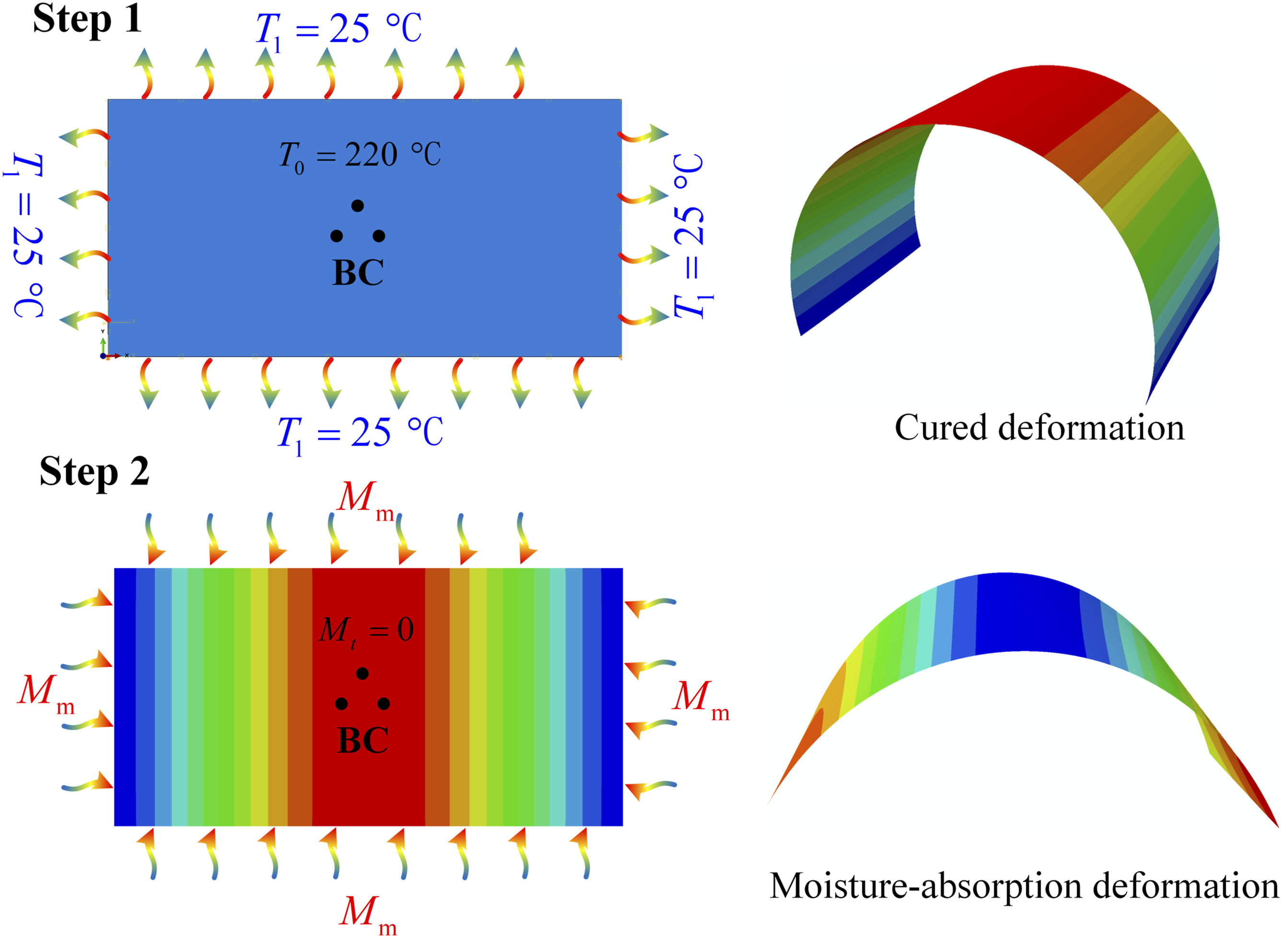
cured deformation. The main reason of warping deformation in the cured process is the non-uniform cooling contraction during the cooling down stage, and the details in numerical simulation of cured deformation are as follows: (1) the geometric model of laminates is a 3D deformable shell in size of There are so many factors influencing the accuracy of curing deformation, including cooling rate, shrinkage deformation of materials, and component/mold interaction. The cooling rate affects the crystallization behavior of resin and thus the resulting microstructure, which in turn has a significant effect on the mechanical properties of composites (e.g., elastic modulus, coefficient of thermal expansion, etc.).
24
It is worth noting that the effect of crystallinity and temperature on the layer properties are ignored in this paper, and all factors are included in the coefficient of thermal expansion (
moisture-absorption deformation. Similarly, the non-uniform hygroscopic expansion of different layers can further induce the warping deformation of cured laminates, and this is the reverse process of cured deformation analysis. After the cured deformation analysis, the cured shapes of unsymmetric laminates can be obtained. Subsequently, a constant concentration is applied on their edges, and the moisture content increase gradually until to the saturated state. The moisture diffusion parameters are correspondingly input in the stress-temperature coupled module to simulate the hygroscopic expansion process, due to the similarity between the moisture diffusion equation and the heat conduction equation. It is worth noting that the differences are the moisture filed boundary mentioned above and the mechanical properties depended on the absorbed moisture content. Moisture environment also decreases the matrix-dominated properties of CF/PA6 composites, and the quantitative relationship between the mechanical properties and the absorbed moisture content has been determined in the previous work.
35
Thus, a degradation factor dependent on moisture content is introduced into the constitutive model. After hygrothermal aging, the effect on the longitudinal modulus of unidirectional laminates can be ignored, while the transverse modulus decrease significantly and the retention rate of modulus can be described by equation (1).
35
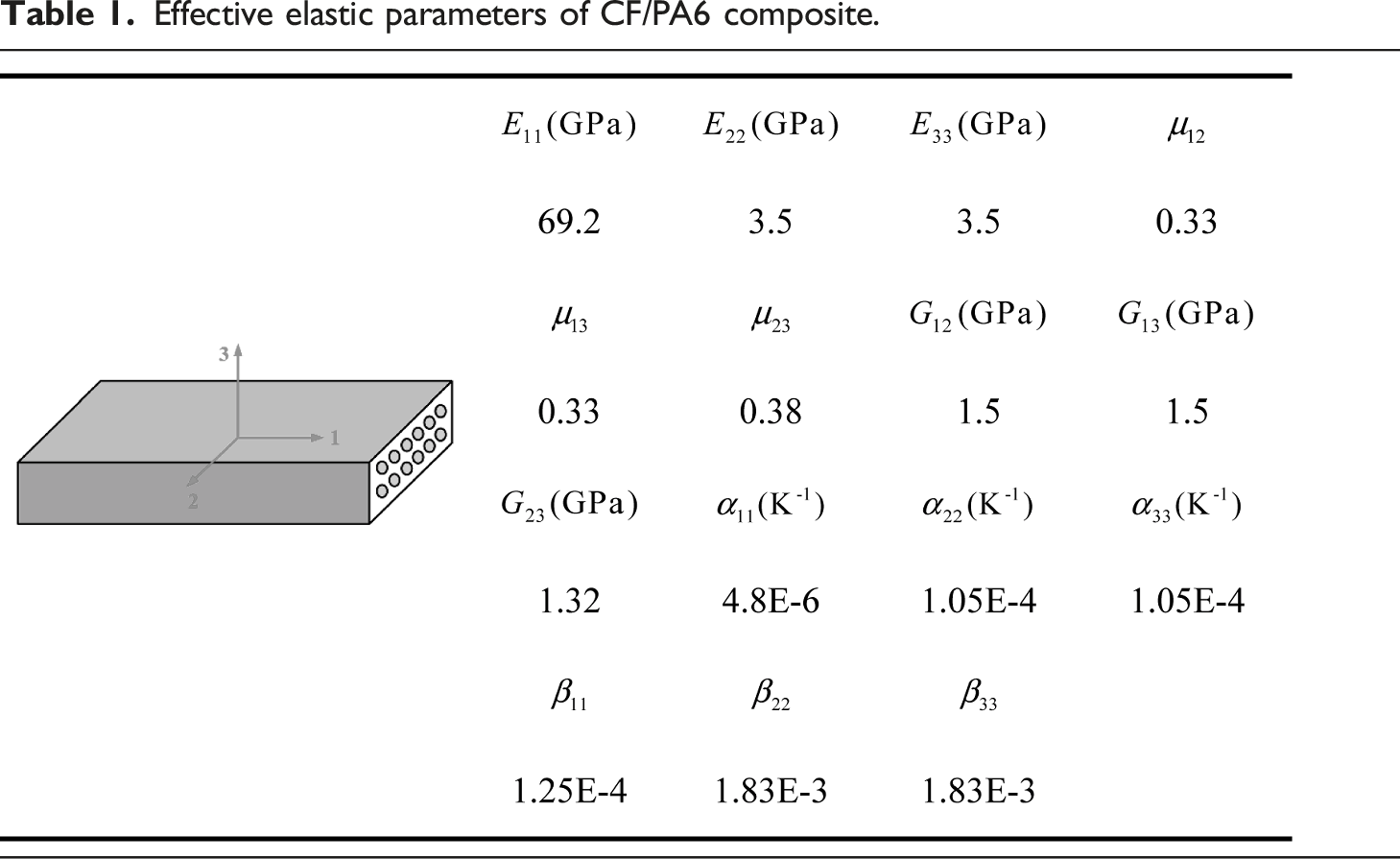
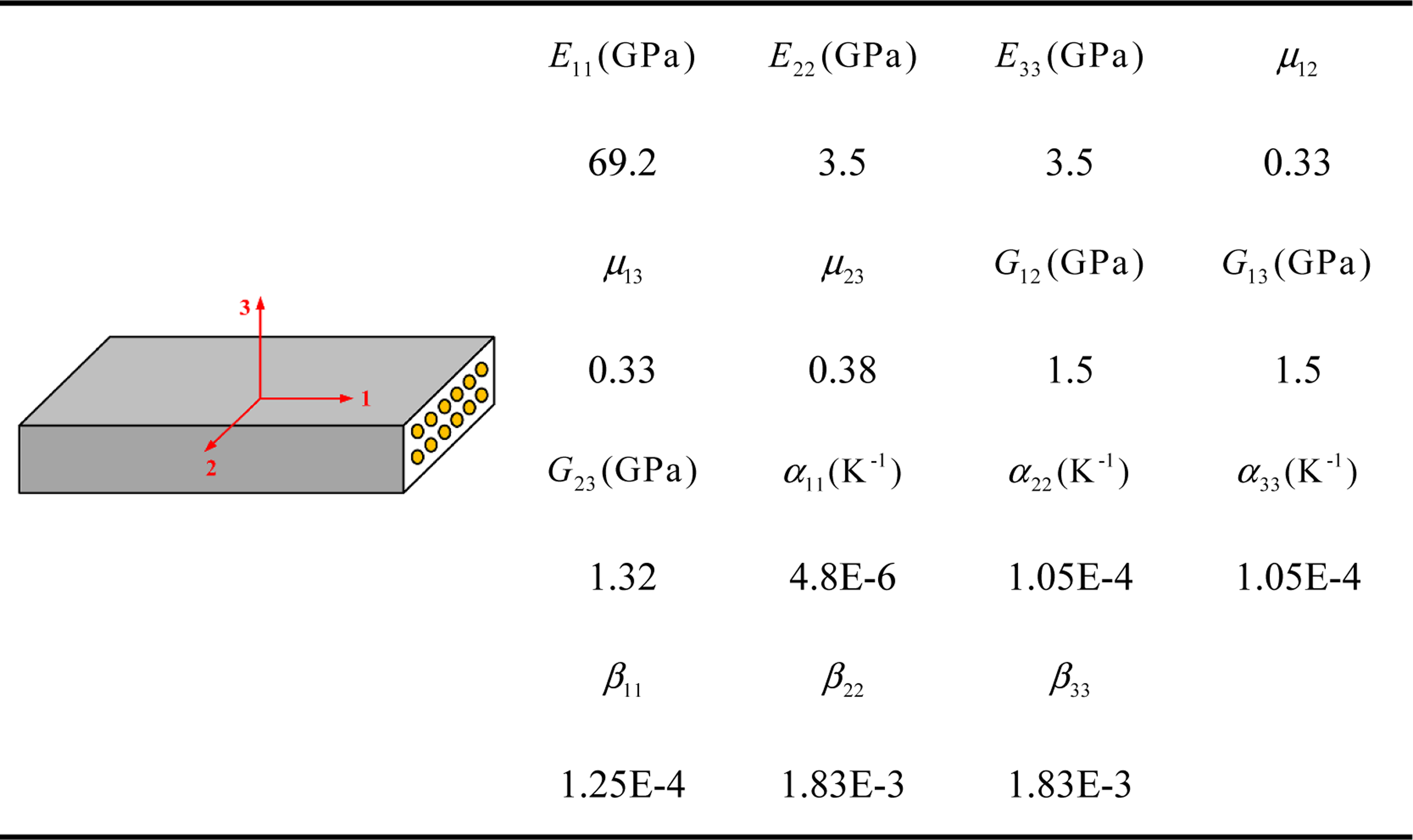
In the moisture absorption process, the modulus of laminates with different laying angles can be determined by the transformation equation ( All the material parameters of CF/PA6 laminates are summarized in Table 1. The crystallinity of PA6 is 33.1%. The unidirectional tensile and in-plane shear properties are measured following ASTM D3039 and ASTM D3518 standards, respectively. In addition, the coefficients of thermal expansion in longitudinal and transverse directions are measured by a DIL-L75 thermal expansion instrument according to ASTM D696 standard. In order to measure the moisture expansion coefficient in the water absorption test, dimensional changes of the samples with the size of

Effective elastic parameters of CF/PA6 composite.
Machine learning framework
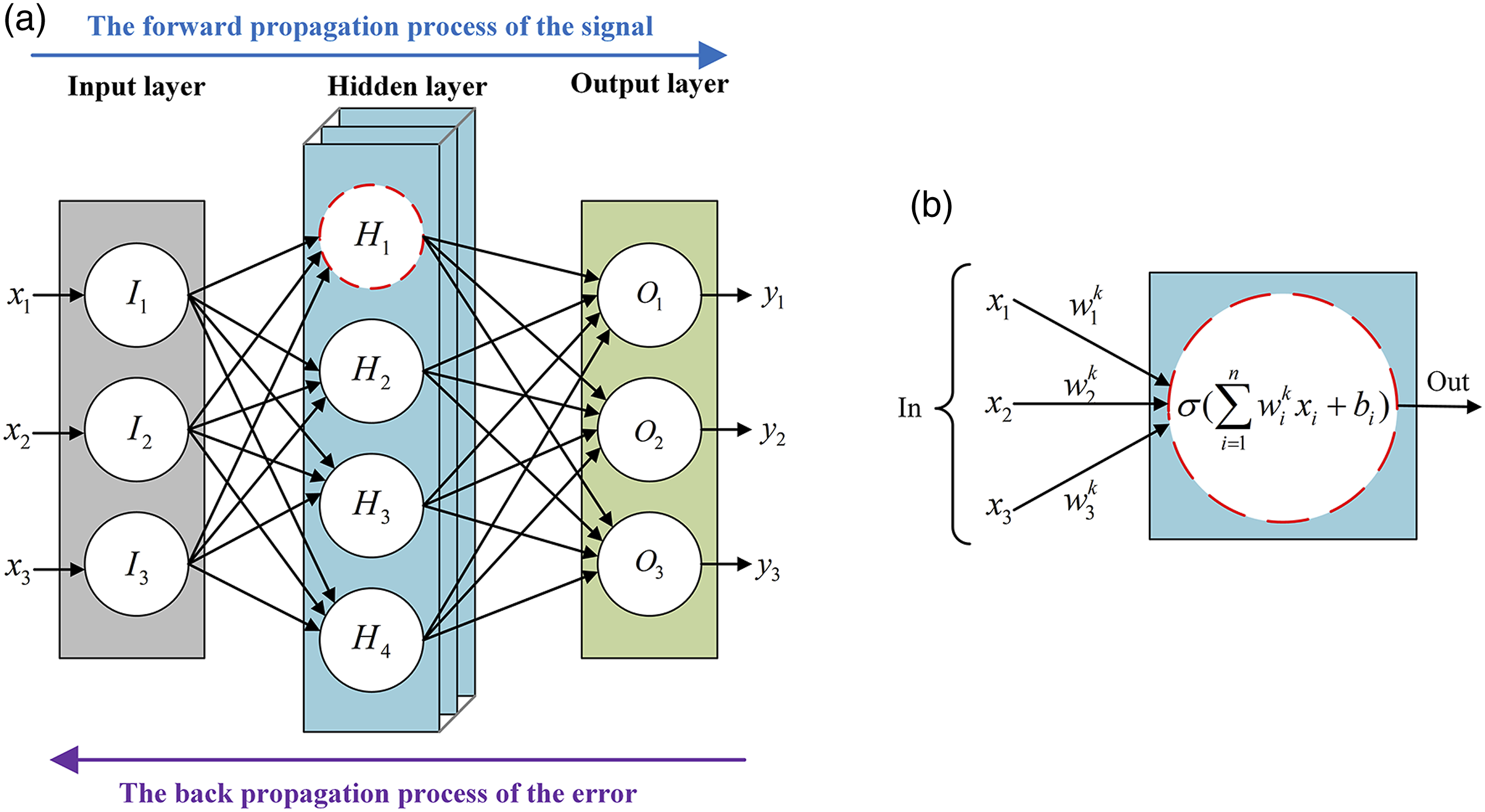
As one of popular machine learning algorithms, the back propagation neural network (BPNN) algorithm is a multi-layer network with error back propagation, 36 which is used to regulate the weight value and bias value to minimize the total error of the output computed by the network.
As shown in Figure 5, a particular BPNN model usually consists of three or more layers containing multiple neurons, including one input layer, one output layer, and one or more hidden layers. A neuron is regarded as an individual calculation unit, and it contains a fully connected adder and an activation function. In each neuron, a weighted sum of the input signals Schematic diagram of the ANN architecture. (a) BPNN model, (b) individual neurons in the hidden layer.
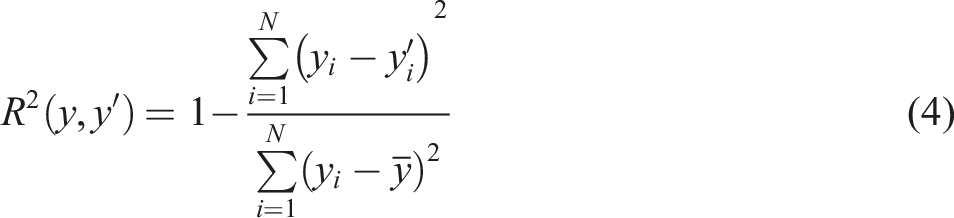
To train the BPNN algorithm, the discrepancy of the output and the real target is minimized by error back propagation and the values of weight and bias in equation (2) are regulated correspondingly. The BPNN performance is evaluated in terms of the following two parameters: mean squared error (MSE) and coefficient of determination (
Results and discussion
Experimental results
The maximum water content of CF/PA6 composites under hygrothermal environment is about 5%, and it is mainly depended on the matrix volume fraction due to hydrophilic nature of the PA6 matrix. As the water content increases, the absorbed water can lead to plasticization of the PA6 matrix, which further results in matrix swelling and dimensional stabilities of CF/PA6 composites. Especially for unsymmetric laminates, the differences in moisture absorption expansion between the longitudinal and transverse direction of a unidirectional ply can significantly affect their shapes, which are quantitively described by Effect of water content on radius of curvature and maximum offset for [0/90/90/90] laminates with different lay-up, (a) [0/90/90/90], (b) [90/0/0/0], (c) [-45/45/-45/-45].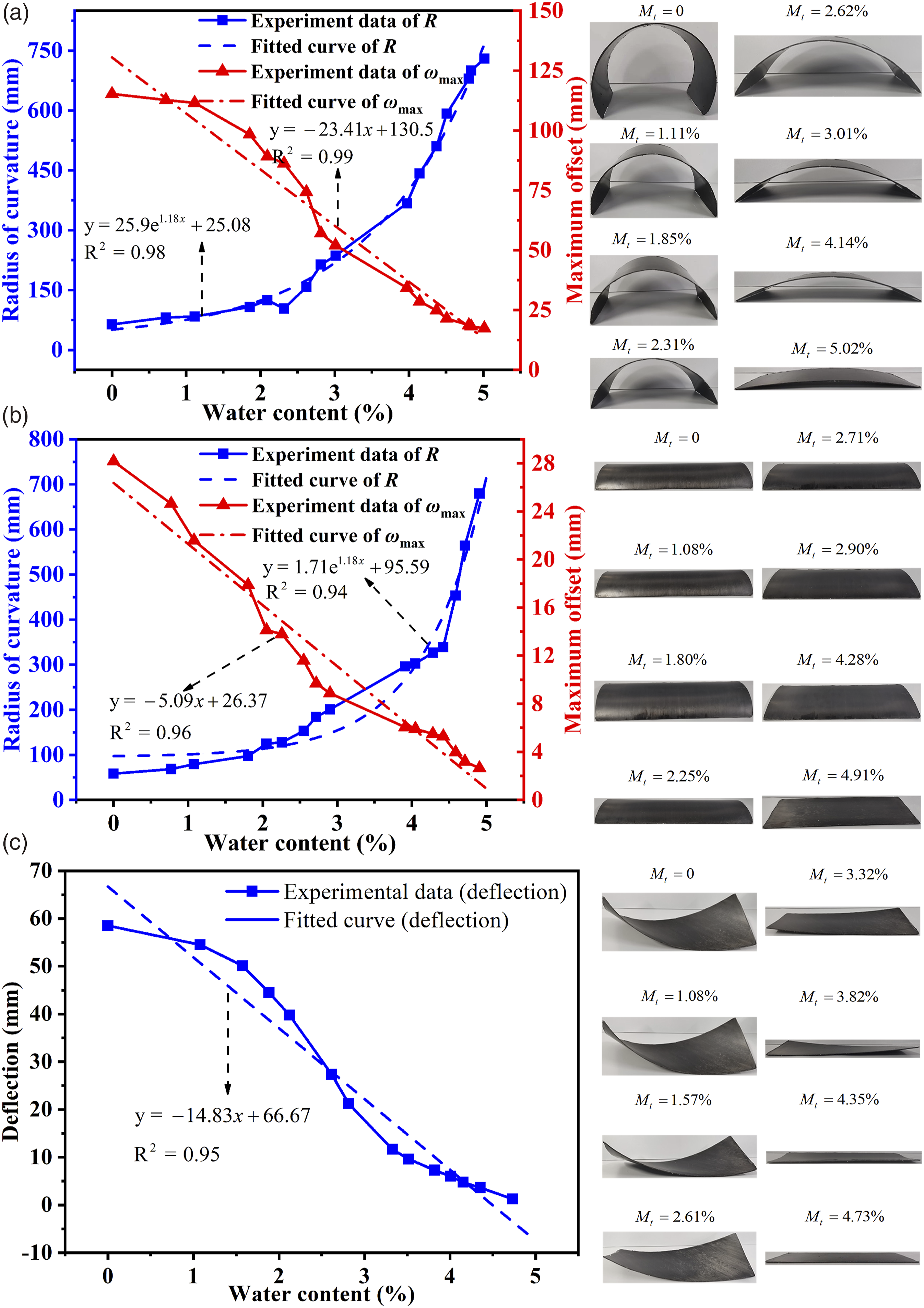
In addition, through the comparison of the curve fitting coefficients between the [0/90/90/90] and [90/0/0/0] laminate, the coefficient of
Numerical results and validation
The traditional index to evaluate the accuracy of curing deformation is to calculate the relative error between simulation results and experimental data by comparing The differences between the FEM predicted shape and the experimental shape.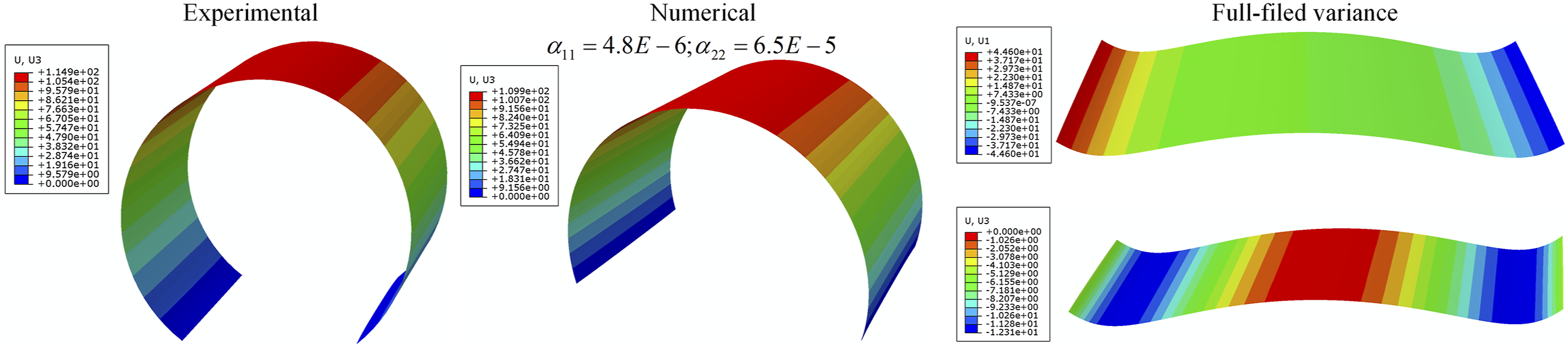
It can be seen that the FEM model produces excessive deformation, which indicates its thermal expansion coefficients are higher than the actual. The reason can be explained as follows: the curing deformation of laminates is influenced by many factors, including cooling rate, shrinkage deformation of materials, and component/mold interaction, which are not considered in the linear elastic model.
In this work, a full-field displacement comparison method is proposed to find the difference between the experimental model and the FEM model in the displacement component (
The specific calculation process is shown in Figure 8, and the values of Calculation flow of optimal solution for the thermal expansion coefficient.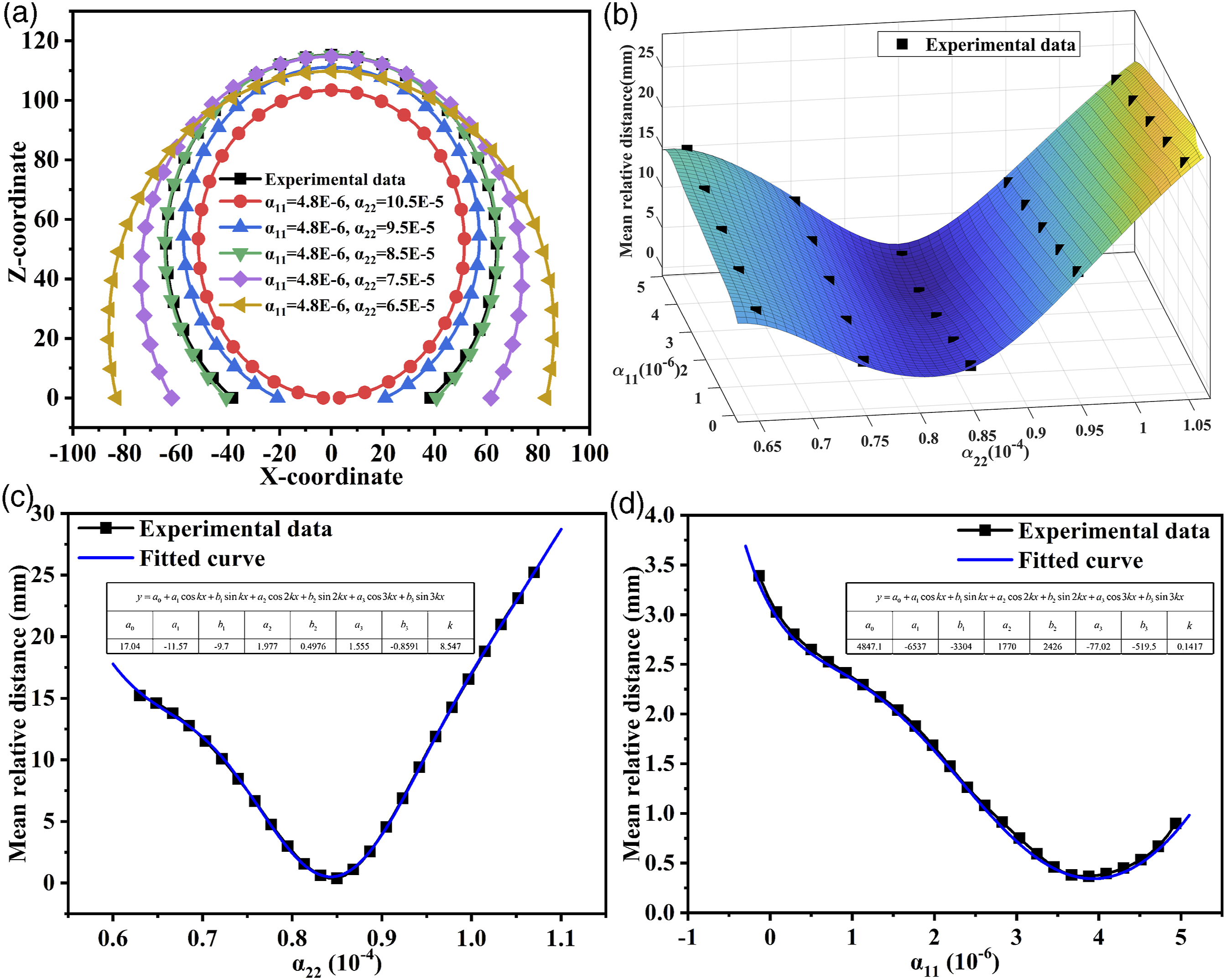
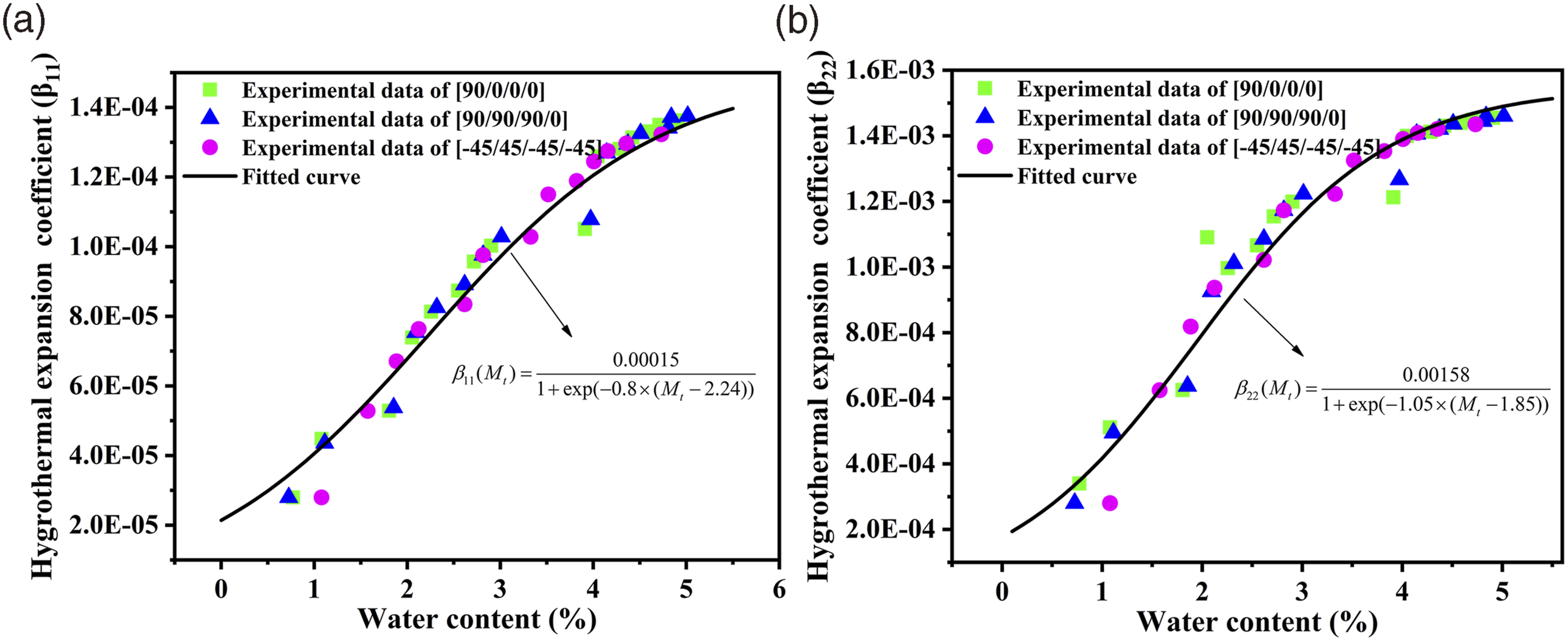
The coefficient of moisture expansion in the longitudinal (
The former section has obtained the deformation cloud images of [0/90/90/90], [90/0/0/0] and [-45/-45/45/-45] laminates with different water content. The parameter calibrated process is repeated for the hygroscopic laminate shapes, to obtain equivalent moisture expansion coefficients ( Hygrothermal expansion coefficient in the function of the water content.
Machine learning analysis
Preparation of dataset
In this study, the BPNN analysis is performed using Matlab. The machine learning process is shown in Figure 10, and its steps are mainly divided into three parts: preparing the dataset, building & training the network, and forward prediction. Schematic representation of BPNN training process.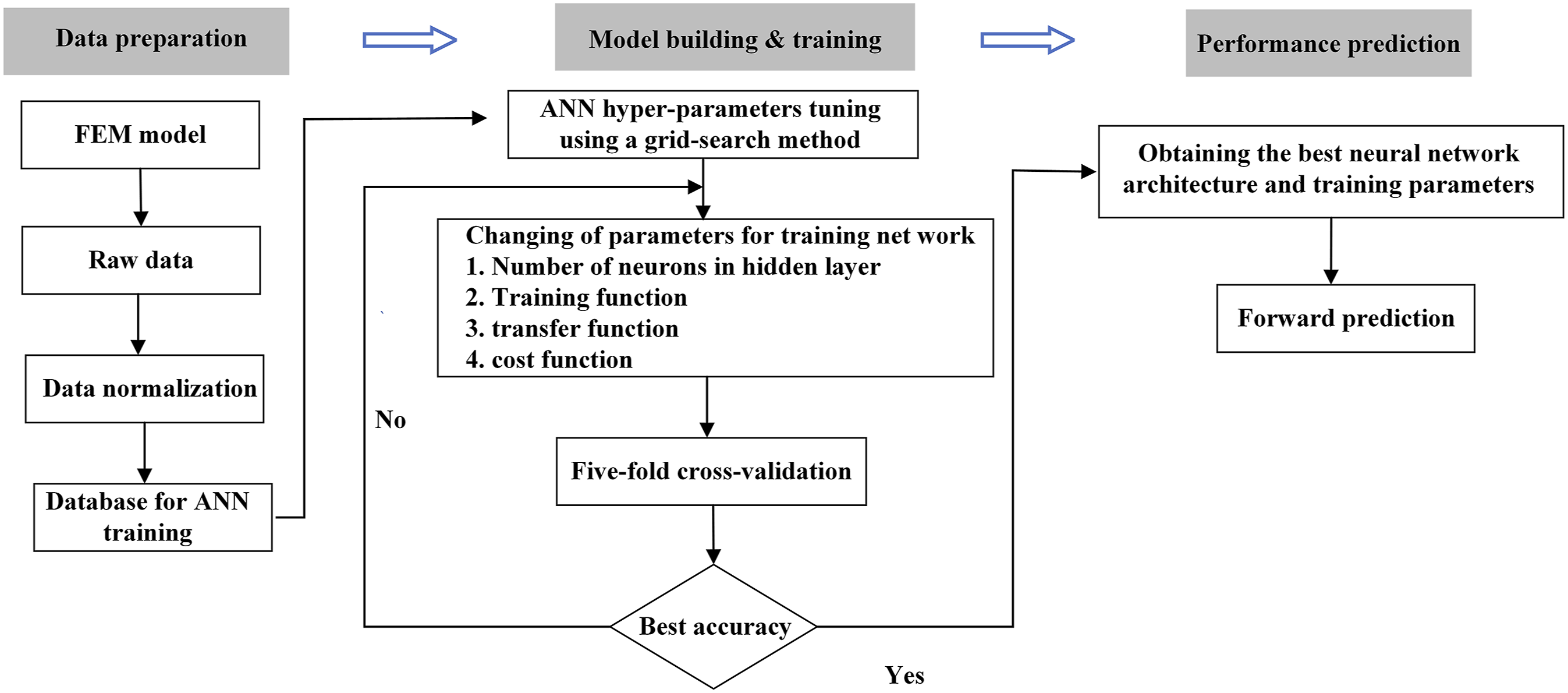
Several typical input and output examples.
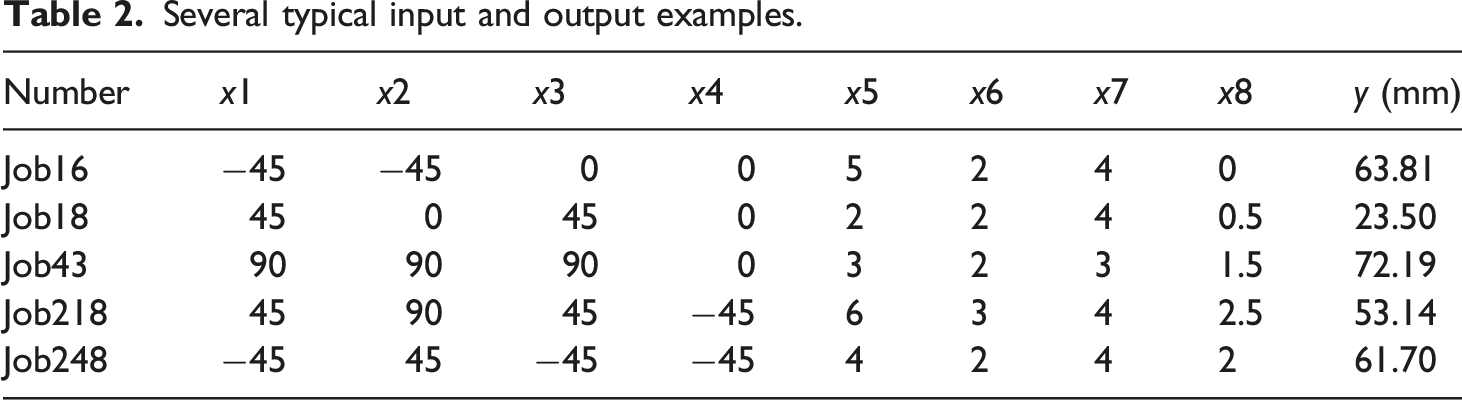
Secondly, based on the feature selection method, the high-dimensional datasets are preprocessed for dimensionality reduction. The data were randomly divided into training set and testing set with a ratio of 8:2, which is achieved by the bulit-in randperm function of matlab. The training set is used to search for the optimal ANN model and its performance is evaluated by MSE and
Training and testing of ANN model
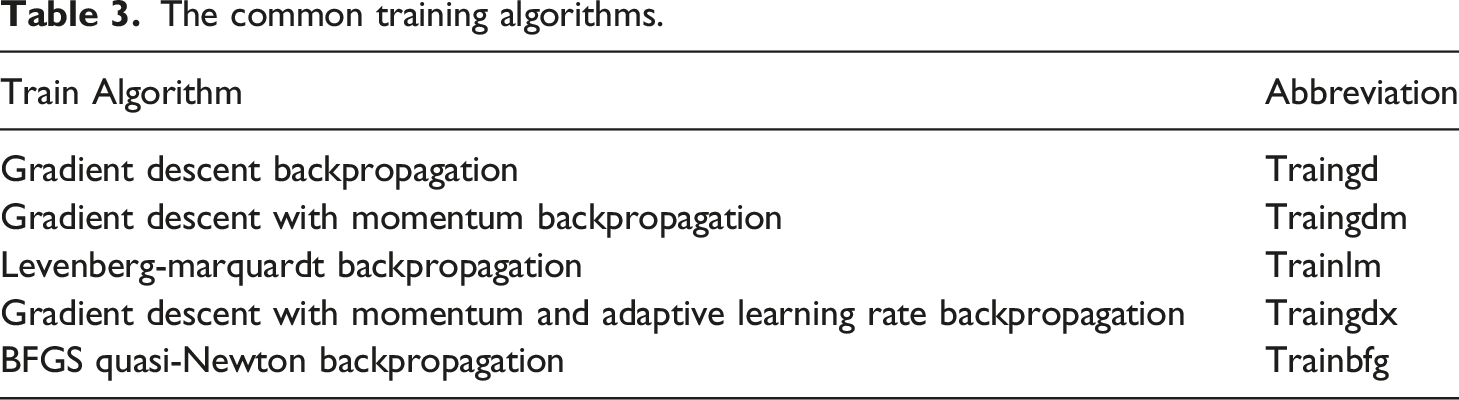
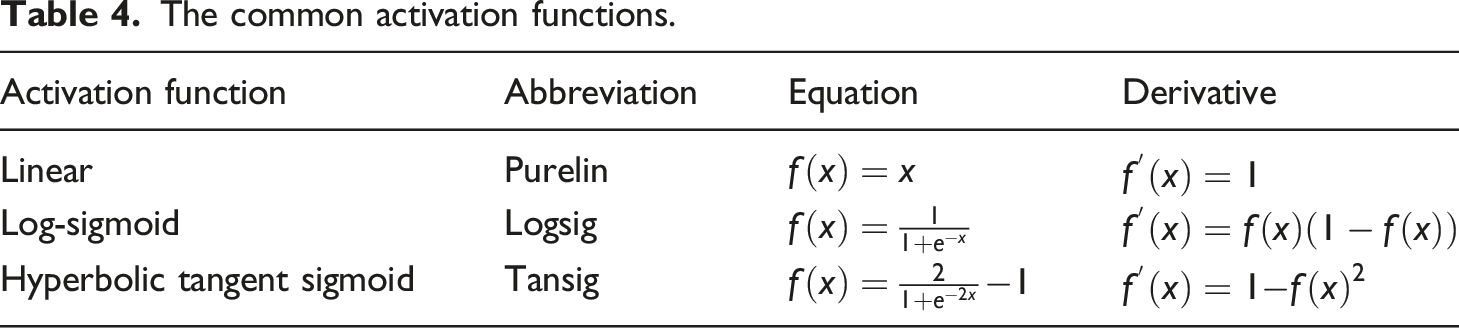
In this section, different structural parameters and hyperparameters of the ANN model are systematically analyzed to search for the best ANN model considering 11 architectures, 3 input/output activation functions, and 5 training algorithms.
The number of hidden layers and the number of neurons in hidden layers are important structural parameters for ANN models. In this paper, the hidden layer is defined as one layer to find the best number of neurons to avoid underfitting and overfitting in data prediction. The number of neurons in the hidden layer (
The common training algorithms.
The common activation functions.
MSE and Comparison of hyperparameter calculation results for neural network model: (a) training algorithm, (b) input/output activation functions, (c) number of hidden layer neurons.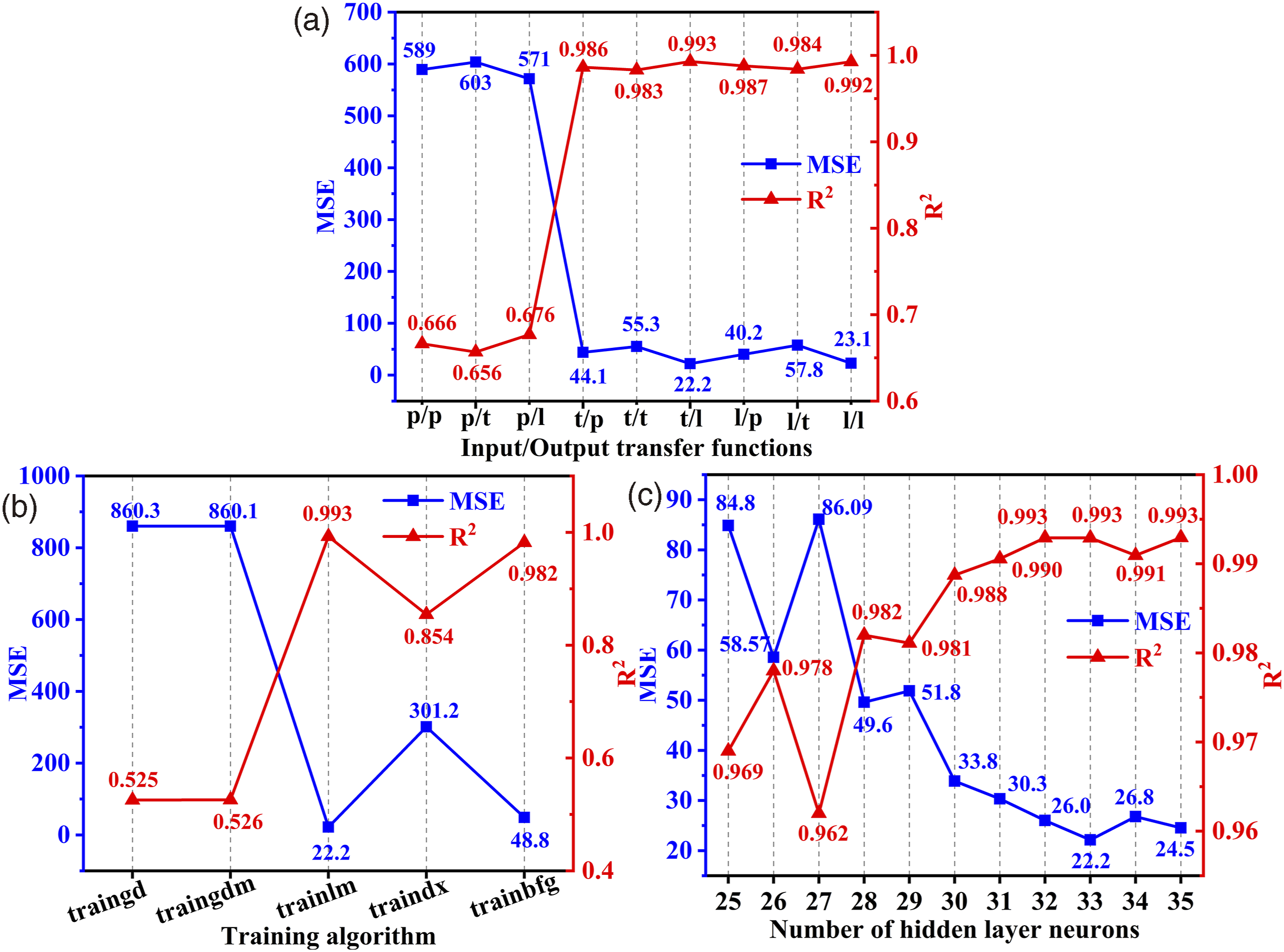
The maximum hygroscopic deformation ( Prediction results of maximum deformation after water absorption: (a) comparison of training set, (b) comparison of testing set, (c) regression prediction, (d) learning curve.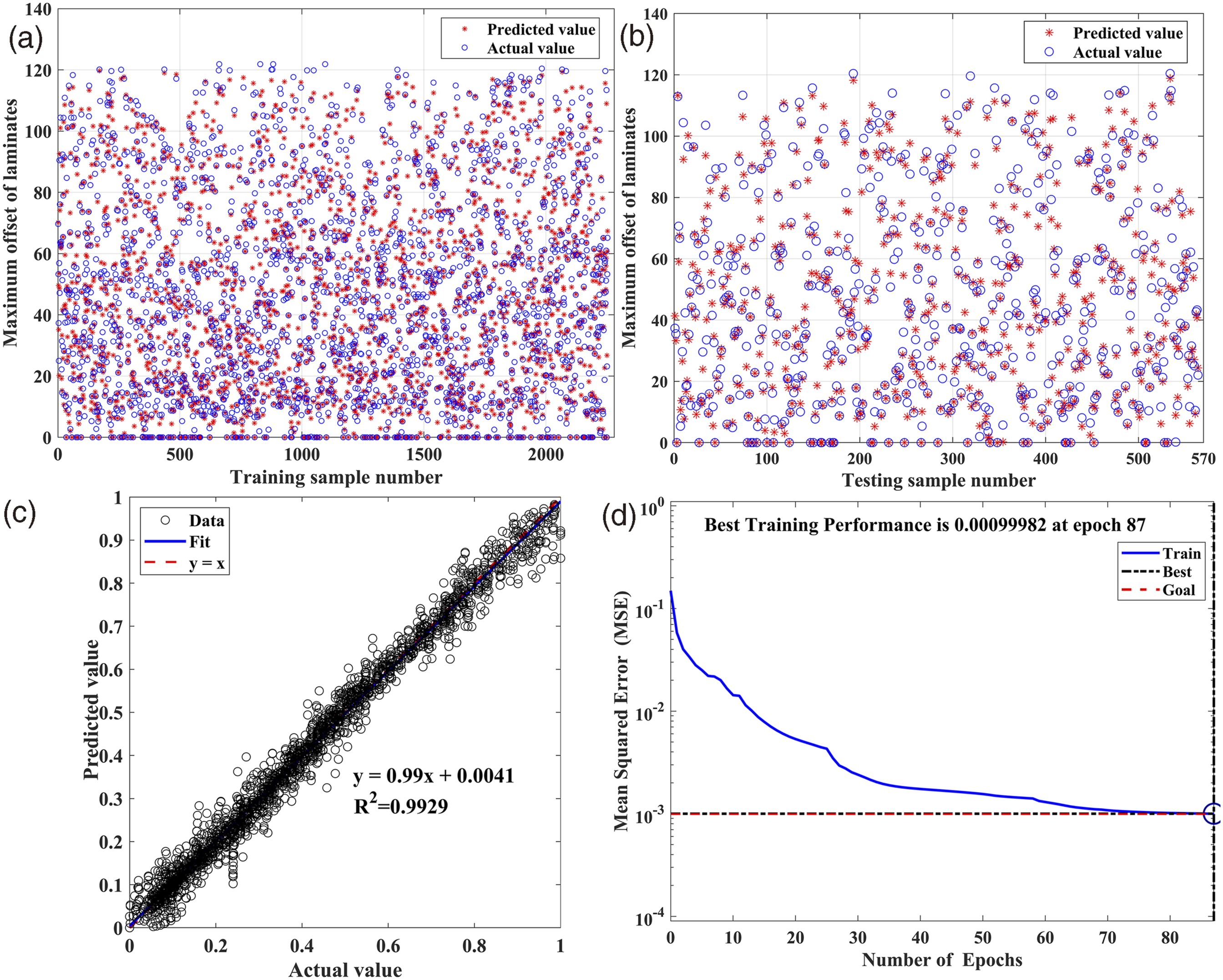
In order to quantify the contribution rate of input features to output feature, the weight contribution rate analysis is further conducted after training process. The weight matrix can be obtained after ANN model training, and the contribution rate of each input feature variable to the output prediction result is calculated, which can be represented as equations (7) and (8).

Figure 13 shows the weight contribution rate of different input features to the output feature ( Weight contribution rate of input features.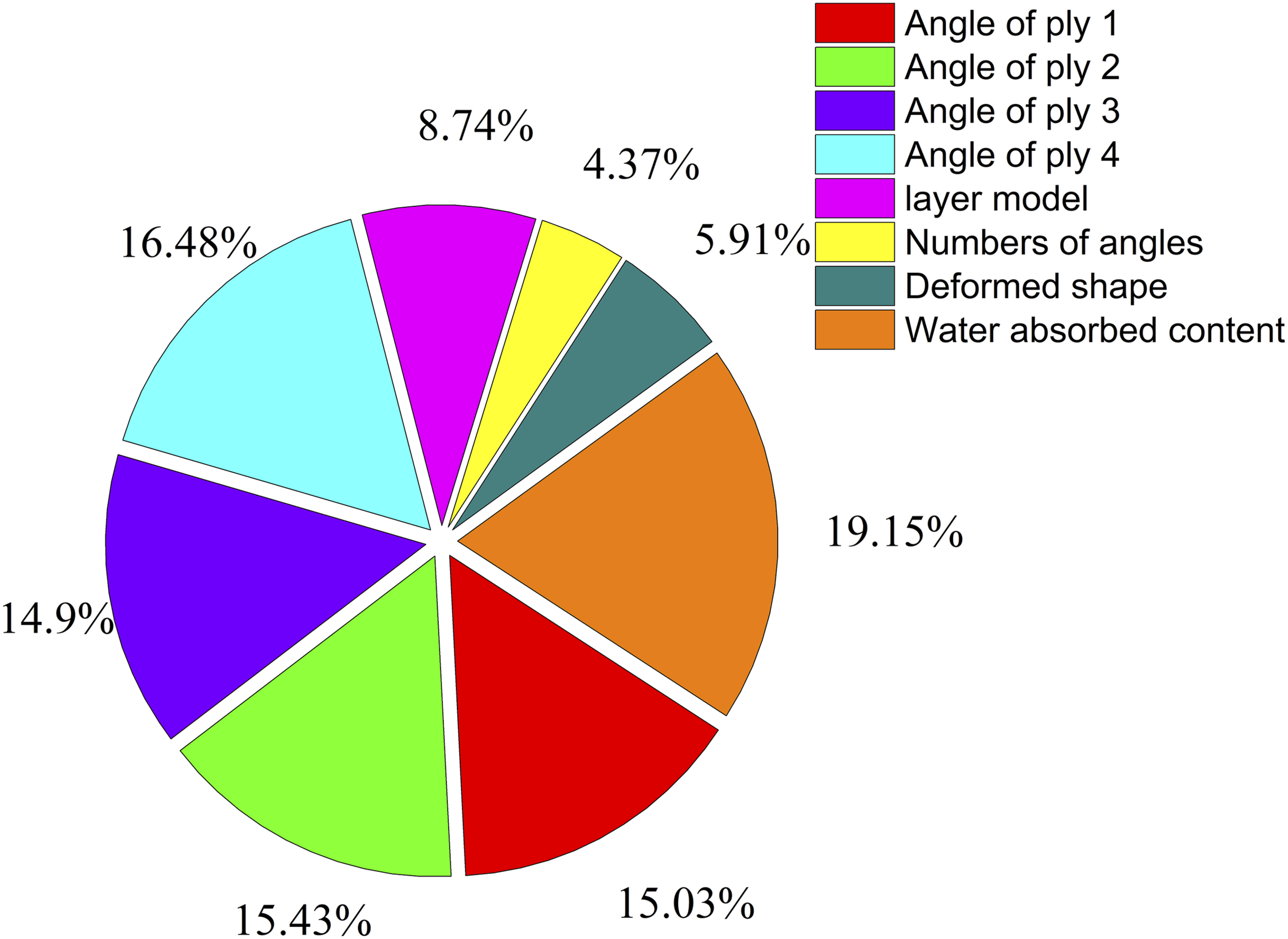
Forward prediction
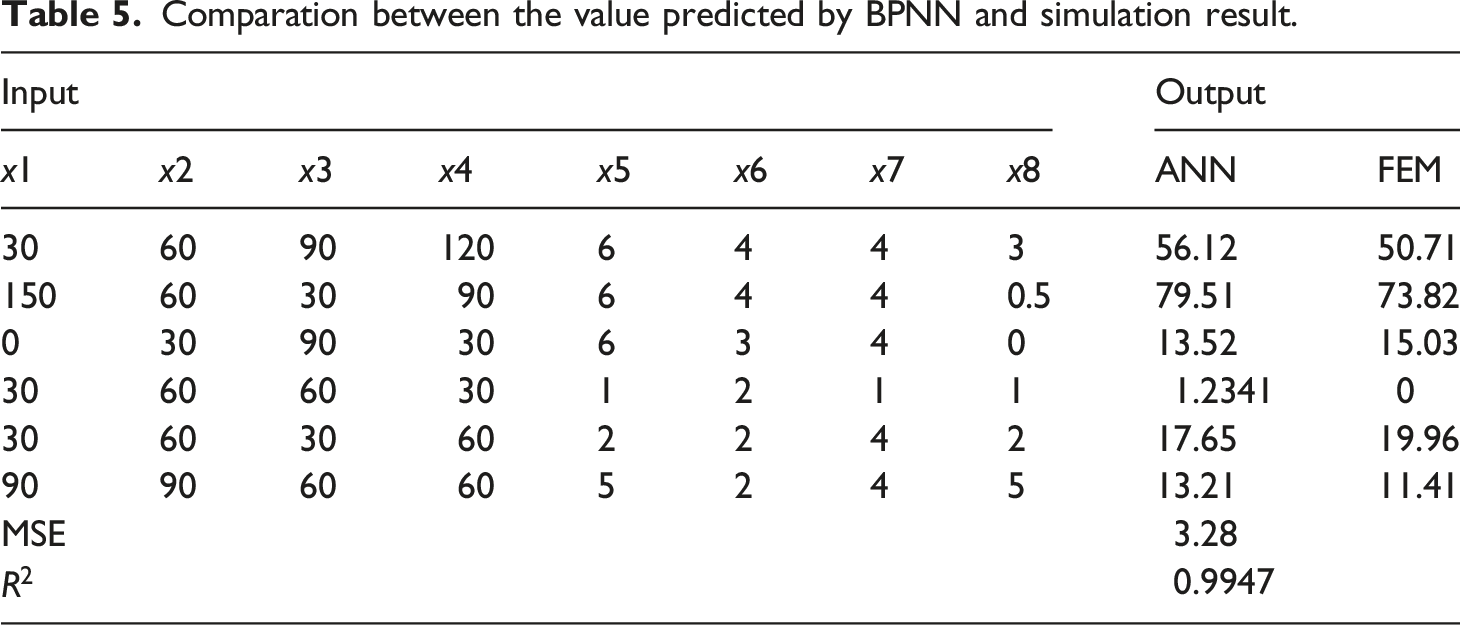
Comparation between the value predicted by BPNN and simulation result.
Conclusion
This study develops a data-driven computational methodology based on FEM-ANN approach to investigate the distortion behaviors of CF/PA6 unsymmetric laminates before and after hygrothermal aging. Through this study, the following conclusions can be drawn. (1) To accurately characterize the shape of CF/PA6 unsymmetric laminates in the water absorption process, the 3D model reconstruction with different water content is carried by combining 3D scanner and secondary development in Abaqus. The absorbed water content has significantly effects on the geometric parameters including deflection ( (2) A full-field displacement comparison method is proposed to calculate the equivalent thermal/moisture expansion coefficient, considering inevitable experimental errors. Compared with unmodified result ( (3) 495 combinations are conducted to search for the optimal neural network structure and optimal hyperparameters by combining grid search and five-fold cross validation on the training set, and the optimal training algorithm, input/output transfer function and the number of neurons in the hidden layer are trainlm, tansig/logsig and 33 respectively. The well-trained ANN model exhibits good performance (
Overall, this study provides a new way to the forward performance prediction of unsymmetric laminates under hygrothermal environment. In the future work, the present data-driven design method is highly expected to be extended for further multi-objective performance prediction and inverse design between the lay-up design parameters, hygrothermal environment and mechanical properties.
Footnotes
Acknowledgements
The authors gratefully acknowledge the financial supports by State Key Laboratory of High Performance Civil Engineering Materials (No. 2022CEM006).
Author contributions
Huang Rui: Methodology, Software, Writing-original draft, Investigation; Tianhui Hao: Software, Methodology, Investigation; Qinxi Dong: Methodology, Supervision; Yongpeng Lei: Writing-review & editing; Hui Wang: Methodology, Supervision, Methodology, Supervision, Funding acquisition, Writing-review & editing.
Declaration of conflicting interests
The author(s) declared no potential conflicts of interest with respect to the research, authorship, and/or publication of this article.
Funding
The author(s) disclosed receipt of the following financial support for the research, authorship, and/or publication of this article: This study is supported by State Key Laboratory of High Performance Civil Engineering Materials (No. 2022CEM006).
