




Abstract
This article proposes a framework for the damage assessment of and effect of temperature variations in laminated composites using Lamb waves and unsupervised autonomous features. A network of piezoelectric transducers is employed to generate data for 18 health states of a laminated composite plate. The data is processed with sparse autoencoder (SAE) for unsupervised autonomous features. The discriminative capabilities of the extracted features are confirmed by processing the feature space in the supervised and unsupervised frameworks of machine learning. The confusion matrices of supervised learning provided physical insights into the problem. The feature space was also visualized in two dimensions in an unsupervised manner through principal component analysis (PCA), which revealed physically consistent results for the effect of temperature variations, damage of different severity levels, and the undamaged paths between the actuator and sensors. The healthy state data and information on the paths between the actuator and sensors was processed via SAE for damage localization. The proposed approach can be employed for the autonomous assessment of composite structures for the presence of damage and variations of operating temperatures while using both supervised and unsupervised machine learning algorithms.
Introduction
Recently, because of their qualities (design flexibilities, damping capacity, high specific strength, and specific stiffness), composite laminates have been widely applied in different industries, such as automobile, aerospace, naval, and aeronautics.1,2 However, because of its orthotropic nature, the laminated composite is sensitive to various failures such as cracks in the matrix, breakage of fiber, and delamination. Among the failure modes observed in composites, delamination stands out as the most prominent and commonly encountered. Its presence substantially impacts the stability, stiffness, useful operational life, and strength of laminated composites and is often the leading cause failure of the composite structures.3–5 Hence, the timely prognostic of the laminated composite is crucial to ensure its safety in real-world applications, and to avoid catastrophic failure. To assess the health of the engineering structures, non-destructive testing methods (NDT) are usually applied for their structure health monitoring (SHM).6–9 With the rapid evolution of Lamb wave-based techniques in SHM, data-driven condition monitoring is more feasible for the fault detection of composite materials. The current work proposes an unsupervised autonomous framework for the diagnosis and prognosis of delamination and the effect of temperature variations in laminated composites.
Over time, multiple techniques have been suggested for SHM of composite laminates. Gao et al. 10 proposed an enhanced wave-field imaging approach for the impact damage detection of the composite laminate. Ding et al. 11 presented fiber Bragg grating (FBG) for the damage detection of the laminated fcomposites by utilizing the strain information. Pérez et al. 12 studied the SHM of the CFRP laminated plate using the complex frequency domain assurance criterion (CFDAC). In addition, the correlation function amplitude vector (CorV) based SHM is suggested where the delamination can be estimated from computing the relative changes of the CorVs for the healthy and delaminated plates. 13 Yang et al. 6 proposed a framework for the SHM of the composite laminates by mode shape analysis. Recently, Khan et al. 14 proposed autonomous health condition monitoring of composites while synergizing deep learning through synthetic data augmentation. Bhowmik et al. 15 reviewed first order perturbation (FOP) algorithms for in situ SHM of vibrating systems. Allagui et al. 16 employed the integration of piezoelectric sensors into composite materials and their use for monitoring the degradation of bio-composites from acoustic emission via k-means clustering algorithm. Nauman et al. 17 compared the performance screen-printed sensors with metal foil strain gauges for in situ structural health monitoring of GFRP specimens. Okafor et al. 18 proposed the synergy of acoustic emission and neural network for the initiation and propagation crack due to fatigue loading in aluminum panels repaired with adhesively bonded octagonal and elliptical boron/epoxy composite patches. The details of other methods for real-time SHM can be found in the references 19–26.
The Lamb waves-based SHM is considered one of the promising techniques because of its tremendous sensitivity to various defects, and its high detection efficiency.27–29 Lamb waves are generated using the thermal–elastic effect, with an elevated signal-to-noise ratio (SNR). However, high-dimensional wave-field data requires more advanced interpretation to reveal wave propagation frameworks and fault features. The traditional SHM method based on Lamb waves usually analyzes the guided waves for the specific wave packet. In this technique, the ‘pitch–catch’ transducer configuration is employed for the extraction of features related to the deterioration from the available signals, and utilizes those features for fault localization, identification, and quantification. Researchers have highlighted time-of-flight, change of amplitude, and difference coefficient of signal as metaphorical fault features for the localization of various faults in different structures, such as holes, thickness, cracks, and corrosion.30–32 Furthermore, the signal differential coefficient is fed into a Bayesian reconstruction algorithm for metal and composite material SHM, where two or three attributes are used simultaneously to improve fault diagnosis results.33,34
As with feature extraction (manual or autonomous) based on customized signal analysis, artificial intelligence strategies, such as artificial neural networks (ANN), Naïve Bayes, tree classifier, and deep learning models, can extract meaningful knowledge from measured Lamb waves and vibration data by developing a correlation based on training data.35,36 Over the years, many researchers have utilized Lamb waves and deep learning for the condition monitoring of engineering structures. Lee et al. 37 proposed a the processing of Lamb waves with deep autoencoder (DAE) to classify matrix failure and delamination in composites during fatigue loading. The proposed method accurately classified the fault effectively by reducing the computational cost. Chetwynd et al. 38 proposed a Multilayer Perceptron (MLP) for fault identification based on classification and regression in a composite panel. In their work, a force applicator simulated several localized faults, and Lamb waves were employes for health condition assessment. Wu et al. 39 investigated a deep convolutional neural network (CNN) to find the internal fault of the carbon-reinforced composite structure. Su et al. 40 presented a CNN model based on Lamb waves, and potentially localized and quantified the fault in composite structure simultaneously. In addition, different research teams have attempted to use machine learning models for the fault detection of composite structures. For example, Mahajan et al. 41 utilized high-frequency wave signals in small size of the composite material. The features were extracted in various domains, such as time domain, frequency domain, and combined time–frequency domains for the fault identification of simulated and experimental faults in the composite materials. In our previous work, a CNN-based model was proposed where the discriminative features are extracted from the vibration spectrograms in a supervised learning framework. The proposed approach showed reasonable results for the in-plan and through the thickness delaminations of different severity levels. 42 Jung et al. 43 proposed an SHM framework for the composite laminates based on the deep learning algorithms and the optimization techniques. The results of the framework show that the proposed technique is sufficient to be applied to complicated 3D structures. Ijjeh et al. 44 proposed a delamination identification approach using different deep CNN models for image segmentation. The model is verified using full wave-field findings collected by scanning a laser Doppler vibrometer. Khan et al. 45 presented a CNN-based approach for the isolation and prediction for various kinds of in-plan and through the thickness de-lamination in smart laminated composite. Yu et al. 46 proposed a deep learning model for the delamination detection of the carbon fiber reinforced polymer composite by generating data through Kirchhoff’s law. Liu et al. 47 proposed a machine learning-based prognostic method, and trained several models, such as the random forest, linear model, and support vector machine. By comparing the test results of these models, an optimized solution was found based on the outcomes of the models. In most of the published work on Lamb waves for the damage diagnosis of laminated composites, the signals are processed for statistical features for the conventional machine learning models, or via deep learning models in a supervised learning framework. The human engineered statistical feature extraction from Lamb waves is labor-intensive and requires domain expertise. In addition, the hand-crafted features are specific to the given problem, and have poor generalizability to similar problems, but at different scales. Furthermore, in most practical scenarios, it is impossible to have the fully labeled data for all the potential damage in laminated composites, which hinders the supervised learning with conventional machine learning models and the autonomous damage assessment via supervised deep learning models.48,49 The logic and advantage of unsupervised damage assessment over supervised methods lie in its ability to address the complexities and uncertainties often encountered in real-world scenarios. Unsupervised damage assessment, such as anomaly detection and clustering techniques, doesn't rely on pre-labeled data for training, making it adaptable to situations where labeled examples of damage are scarce or where the types and extent of damage are not well-defined. This flexibility allows unsupervised approaches to discover subtle and previously unknown damage patterns, providing a holistic view of potential faults in a system. 50 Also, unsupervised methods can continuously adapt to changing conditions, making them suitable for monitoring systems over time. In contrast, supervised damage assessment relies on labeled training data, which may not accurately represent all possible damage scenarios, potentially leading to misclassifications when confronted with novel or evolving damage types. Unsupervised approaches thus offer a more robust and exploratory approach to damage assessment, particularly when dealing with complex and dynamic systems. In addition, obtaining labelled data for supervised learning can be expensive and time consuming, especially in fault diagnosis where labeled fault examples might be rare or challenging to obtain. 51 Hence, in this work, the unsupervised damage assessment of laminated composites is opted.
This paper proposes the processing of guided waves with sparse autoencoder (SAE) for unsupervised autonomous damage sensitive features. The features are subsequently analyzed in the framework of supervised and unsupervised machine learning to classify different health states. The supervised learning framework revealed the discriminative capability of the unsupervised features for different health states. In comparison, the processing of features in an unsupervised framework showed interesting patterns for the prognosis of damage in composite laminates, the effect of temperature on the Lamb waves, and the localization of damage in laminated composites from the paths between the actuators and sensors. The current work also suggested using healthy state data only for the localization of damage using sparse autoencoder. The key contributions of the current work are as follows • Unsupervised autonomous discriminative feature extraction which is most suitable for real world application where data is usually unlabeled • Segregation of the effect of temperature variation from the effect of damage on the propagation of lamb waves in laminated composites • The use of abundantly available healthy state data for the localization of damage from the analysis of signal transmission between the transducers • Specific trends for the evolution of damage and variation of temperature in an unsupervised machine learning framework which would help in damage prognosis and the estimation of remaining useful life. • The proposed approach is applicable for in situ diagnosis of damage in composite structures.
The proposed approach and the obtained results are discussed in details in the following sections.
The proposed methodology
This work aims to autonomously extract unsupervised discriminative features for the condition monitoring of laminated composites using sparse autoencoder. Figure 1 depicts a schematic workflow of the proposed approach. Schematic workflow of methodology for the condition monitoring of laminated composites using sparse autoencoder.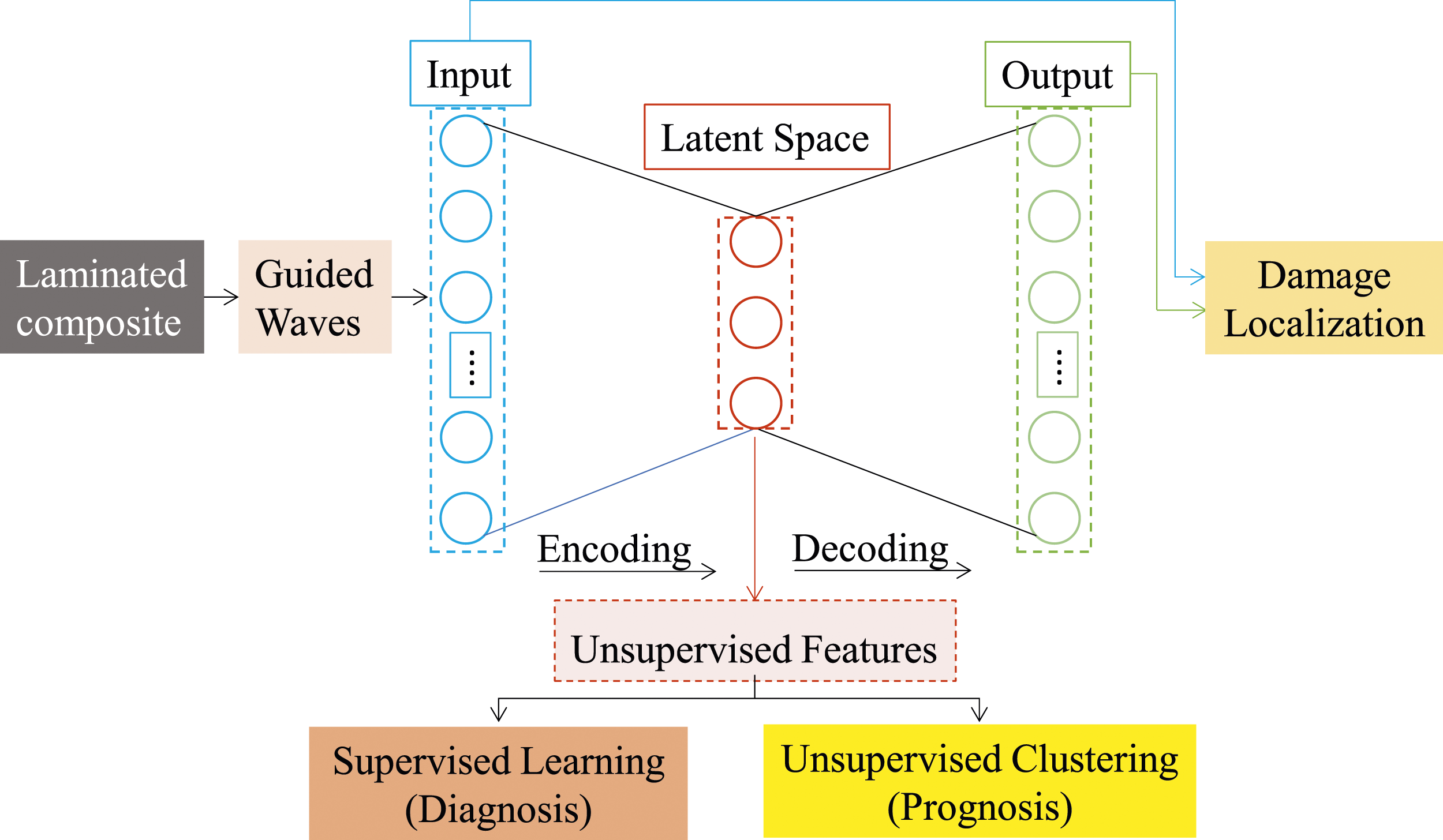
Herein, guided Lamb waves were obtained from a laminated composite structure in the non-defective and faulty health states. The obtained signals were fed into a sparse autoencoder, which during the encoding process, compressed/downsized the Lamb waves in the form of latent space (also known as a bottleneck), and during the decoding process, reconstructed the original signals from the latent space. The guided waves were considerably downsized at the bottleneck in an unsupervised manner.
Generally, supervised machine learning is considered easier to implement compared to unsupervised machine learning. In supervised learning, one has a labeled dataset where the input data is paired with the corresponding desired output or target. The algorithm learns to make predictions or classify new data based on this labeled training set. Since the correct answers are provided during training, it's relatively straightforward to assess the model's performance and make adjustments as needed. Unsupervised learning, on the other hand, involves tasks like clustering or anomaly detection, where the algorithm must discover patterns or structures within the data without any explicit guidance. This can be more challenging as there are no predefined correct answers to compare against. In addition, supervised learning has clearer evaluation metrices (overall classification accuracy, F1 Score, Confusion Matrix, Precision, ROC Area) compared to the unsupervised learning. For the current work, labels were available for all the health states and temperature variations of the composites plate, initially, supervised machine learning was employed to evaluate the discriminative capabilities of the feature space in terms of well clearer evaluation metrices. Once, the quality of extracted features was confirmed from the well-defined evaluation metrices of supervised learning, the features were employed for the unsupervised damage assessment of laminated composites. It is to be remembered that the overall proposed approach of composite health monitoring is unsupervised.
For the initial discriminative feasibility of the features, the reduced dimensional latent space was processed via supervised learning algorithms to diagnose (detect, isolate, and quantify) faults in the laminated composites. The latent space was also processed with the dimensionality reduction technique of principal component analysis (PCA) in an unsupervised manner, to investigate and visualize the clusters of different health states. The process may also help look for the specific trends associated with the increasing fault size (prognosis). The information on the difference between the input and the reconstructed output layers is employed to locate the damage in laminated composites.
Description of experimental data
The data employed in the current study is adopted from the SHM Lab. at UNESP/Ilha Solteira.
52
Figure 2 depicts a schematic of the coupon of the carbon–epoxy laminated composite plate with surface-bonded piezoelectric transducers. Schematic of the carbon–epoxy laminated composite plate: (a) configuration of piezoelectric sensors and actuator; (b) layers configuration and fiber orientation (all measurements are in mm).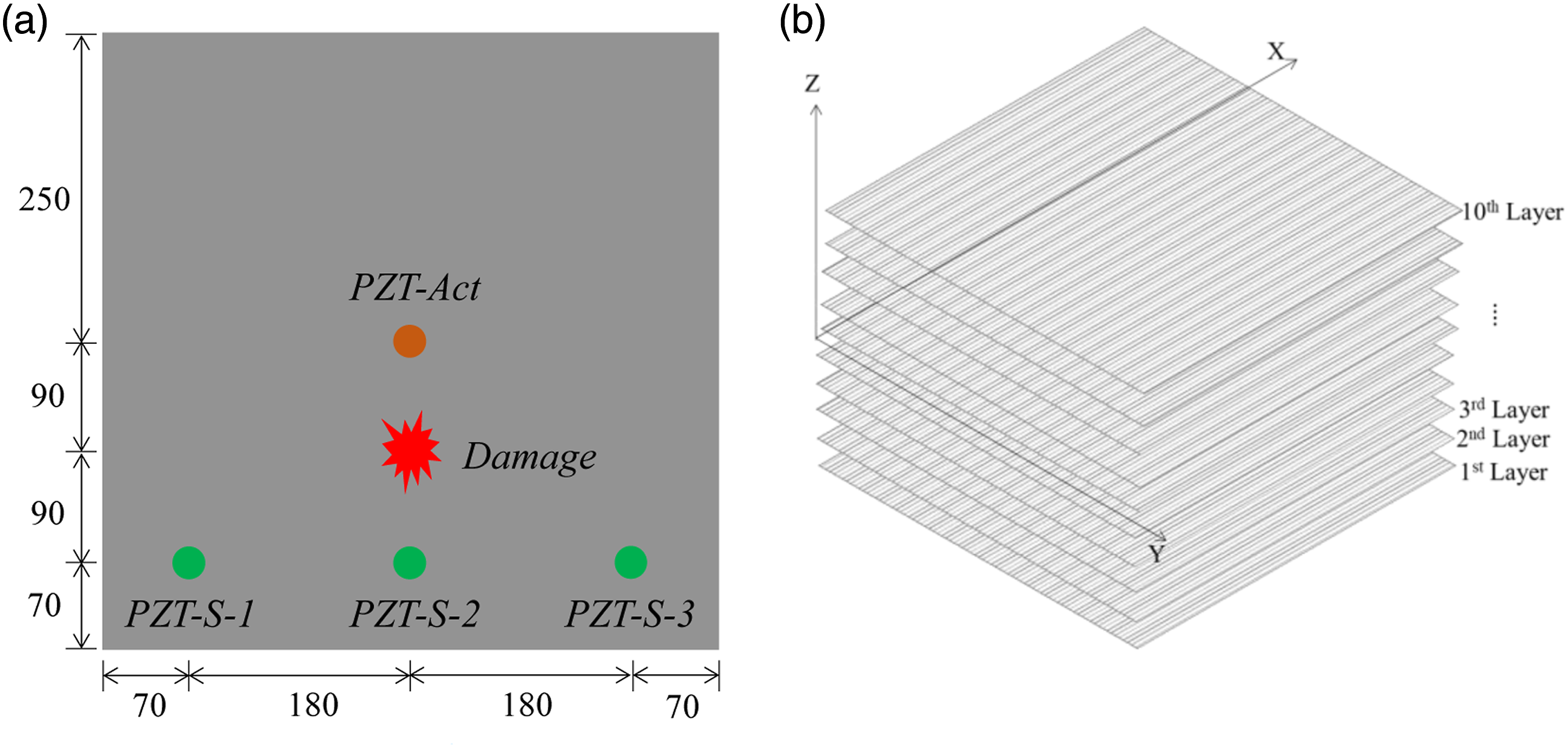
The plate is comprised of 10 plies that are stacked together in a unidirectional configuration along the 0° angle. The piezoelectric transducers are PZTs Smart Layers from Acellent Technologies Inc, of 0.25 mm thickness and 6.35 mm diameter. In the schematic of Figure 2, the PZT-Act denotes a piezoelectric actuator that is employed to induce lamb waves in the laminated composite plate. The response to the lamb waves is obtained at three different locations using the three piezoelectric sensors (PZT-S-1, PZT-S-2, PZT-S-3). Note that the damage is between the PZT-Act and PZT-S-2. The presence of a defect in laminated composites, such as delamination, affects the local stiffness/damping, and can be simulated by inserting Teflon film between the plies of the structure to avoid localized regions between plies sticking during the curing process.
53
Another option is to alter the local properties (stiffness/damping) through the addition of local masses.
54
In the current study, the latter was employed, where the local defect was simulated via industrial adhesive putty glued to the surface of the plate at the location shown in Figure 2. The severity level of damage was simulated by increasing the area covered by the adhesive putty, and was considered for the effect of damage progression. The 11 damaged states were simulated and labelled as D1−D11 with the area covered by the adhesive putty measured as D1 (0.196%), D2 (0.282%), D3 (0.384%), D4 (0.502%), D5 (0.785%), D6 (1.13%), D7 (1.53%), D8 (1.95%), D9 (2.01%), D10 (2.27%), and D11 (2.54%). As seen from the percentage area, damage severity level increases from Di to Di+1 (i = 1, 2, …, 10). The healthy state of the plate was also studied at seven different temperatures from (0 to 60) °C by putting the plate in a thermal chamber. The healthy states at different temperatures were labeled H0, H10, H20, H30, H40, H50, and H60, where the term H signifies the healthy state, and the number shows the temperature at which the experiment was conducted. The aim of simulation at different temperatures was to isolate the effects of temperature variations on the Lamb waves from the effects of defects in the plate, as in practical applications, the laminated composite structure may be subjected to different working temperatures.55,56 All the health states of the smart plate were simulated at free–free boundary conditions. Figure 3 shows the data acquisition system, where a five-cycle tone burst excitation of 35 V amplitude and 250 kHz central frequency was applied to the piezoelectric actuator (PZT-Act in Figure 2). The guided wave responses to the excitations are obtained via the three piezoelectric sensors (PZT-S-1, PZT-S-2, PZT-S-3) for 200 μs with a sampling frequency of 5 MHz. Additional details on the data acquisition system can be found in Refs. 57–61. In the current study, Lamb waves are proficient at detecting defects on a millimeter scale, including delamination, disbands, and impact damage. However, to effectively interact with and discern defects on a micron or sub-micron scale, such as matrix cracks, fiber breakage, and voids, higher excitation frequencies in the MHz range are required. These elevated frequencies carry crucial information about the presence, location, and severity of such fine-scale damages. To account for experimental uncertainty, 100 signals were sequentially collected through the sensors for each health state of the laminated composite plates. The dataset consisted of a baseline healthy state (pristine plate at 30°C), six healthy states at different tempera-tures (H0, H10, H20, H40, H50, H60), and 11 faulty states (D1, D2, …, D11) summing up to a total of 18 health states. Some examples of the acquired signals for the healthy state at different temperature and different damage levels are shown in Figure 4. Schematic of data acquisition from composite plate. Examples of the acquired lamb waves for (a) healthy state at different temperatures as acquired with PZT-S-2; (b) damage states D1, D5, and D10 as acquired with PZT-S-2.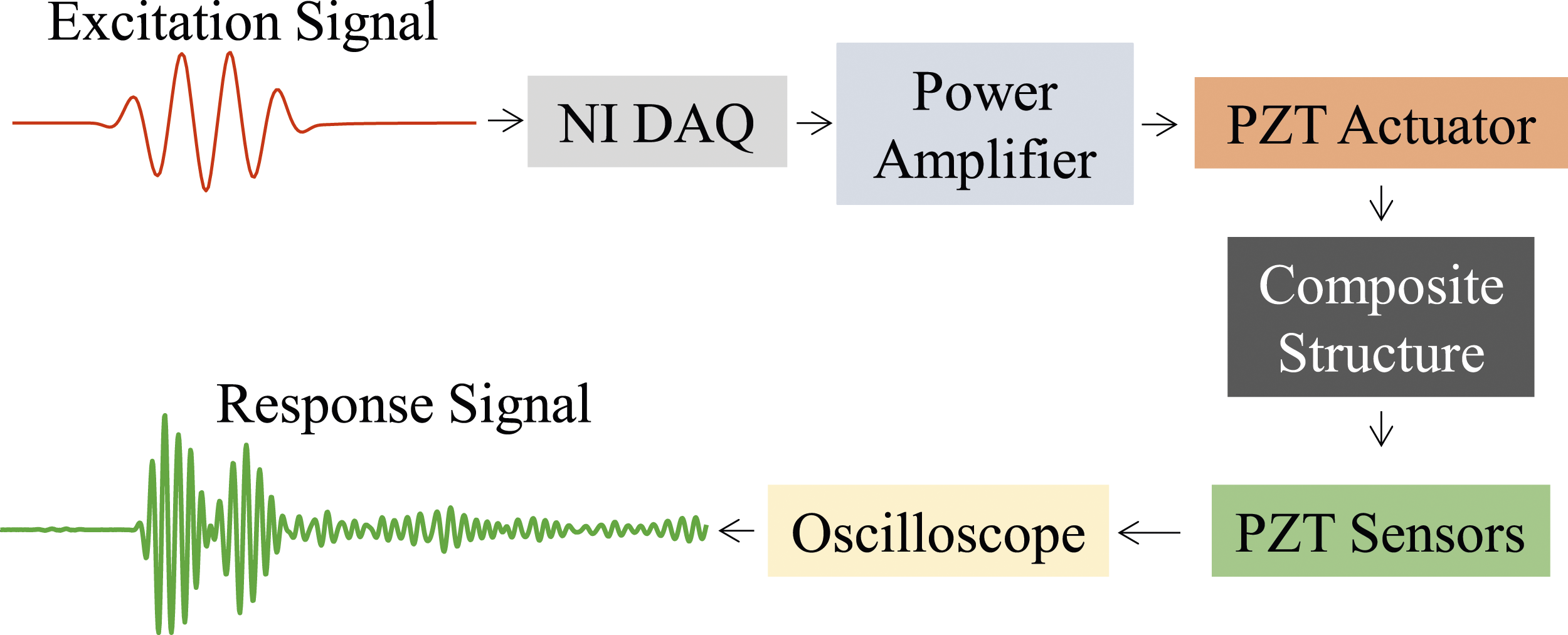
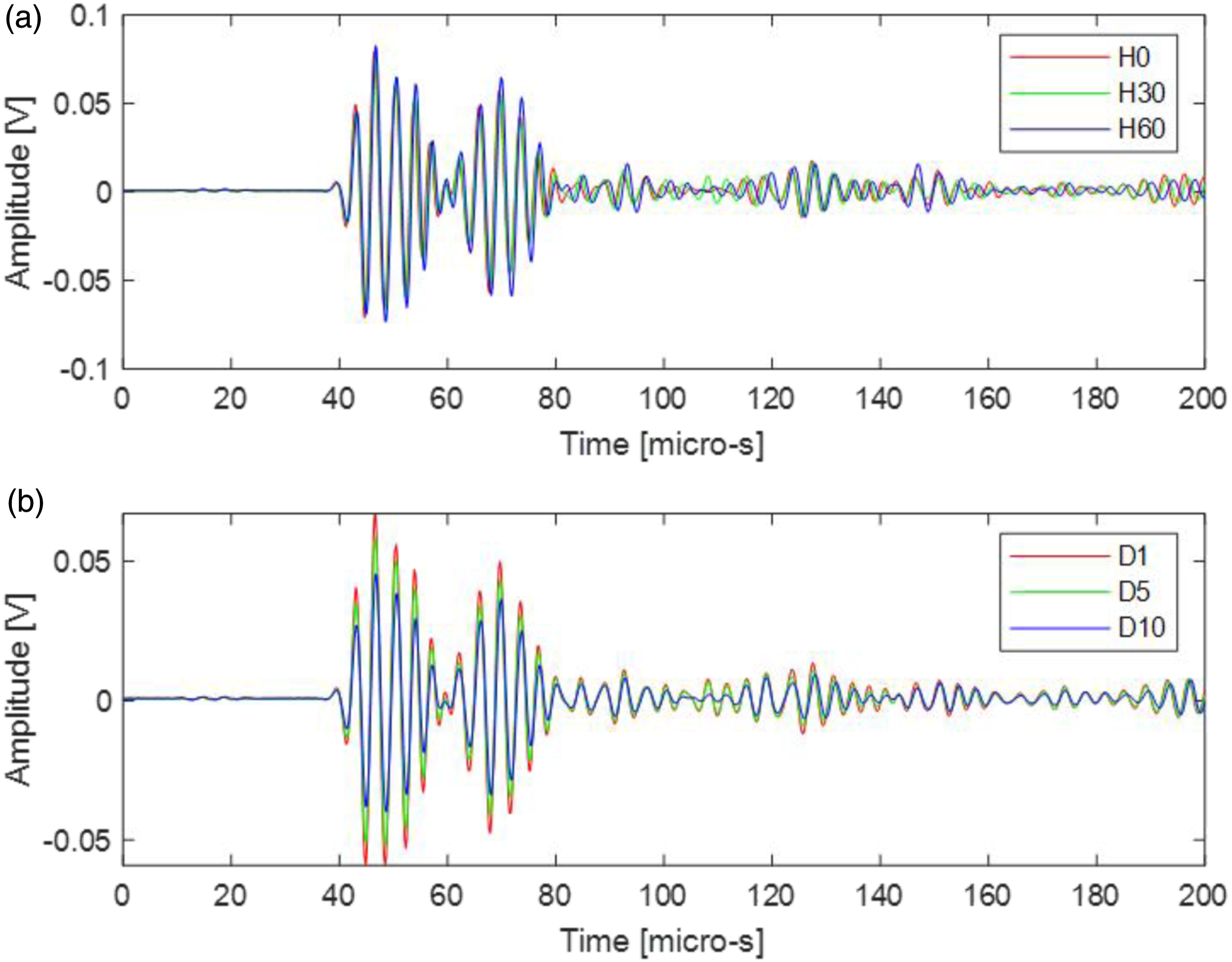
Wherein, it is observed that the variations of temperature (Figure 4(a)) and damage severity level (Figure 4(b)) are causing change in the response signal. However, correlating the variation of response signals with the corresponding change of temperature and severity level of damage is not an easy task and dictates the use of advanced techniques as discussed in the next section.
Background of the sparse autoencoder
The auto-encoder (AE), previously known as auto-association, is a complex unsupervised three-layered neural network (NN). Generally, the AE is comprised of three primary phases: encoding, activation, and decoding, as shown in Figure 5: The framework of a typical auto-encoder.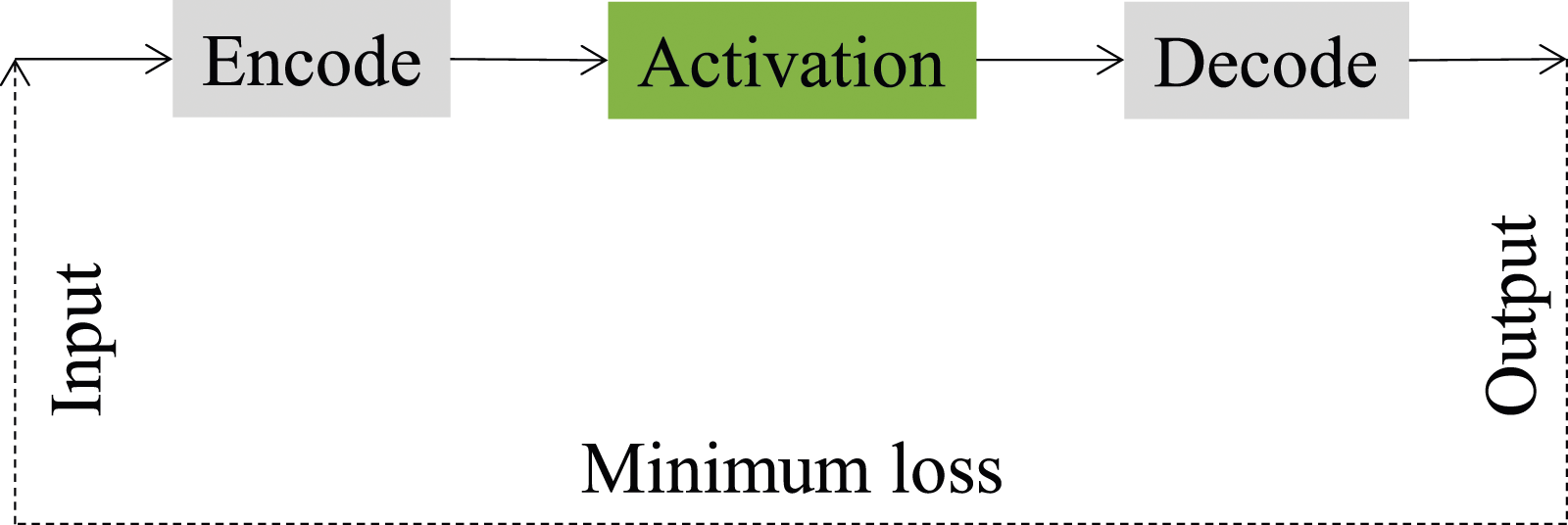
In encoding, a set of linear feed-forward filters are parameterized based on weight matrix and bias. The nonlinear transformation converts the encoded coefficient into binary numbers (range (0, 1)) during the activation phase. The decoding is a backpropagation step where the input is reconstructed using a set of backward linear filters. A backpropagation algorithm can estimate the parameters of a neuron whose output is the input of another. A forward pass is often used to determine the activations throughout the network, along with the hypothesis output. At every middle node, the error can be calculated, indicating how many of the output errors were caused by that node. The error term for an output node can be renewed by calculating the gap network’s activation with the actual target.
The sparse auto-encoder (SAE) is a modified form of the AE that can recognize comparatively sparse attributes by presenting a sparse penalized part into the AE that is boosted by sparse coding. It can outperform traditional auto-encoders, and has a broader range of applications. Mathematically, the signal with N × M data set (X = {x (1), x (2), …, x(N)}, x(i) ∊ RM), with N as the number of the data points, and M as the length of data set, is supplied as an input to the network, and a three-layer network is generated (as shown in Figure 4). In the case of the unlabeled data X, at the hidden layer (HL), the feature and output equation can be expressed in equations (1) and (2), respectively:




The mean activation of every hidden neuron



On the other hand, if the sparsity constraint is imposed by

Then the combination of sparse penalty function and cost function can be:



Results and discussion
Details of acquired data, number of health states, data split.
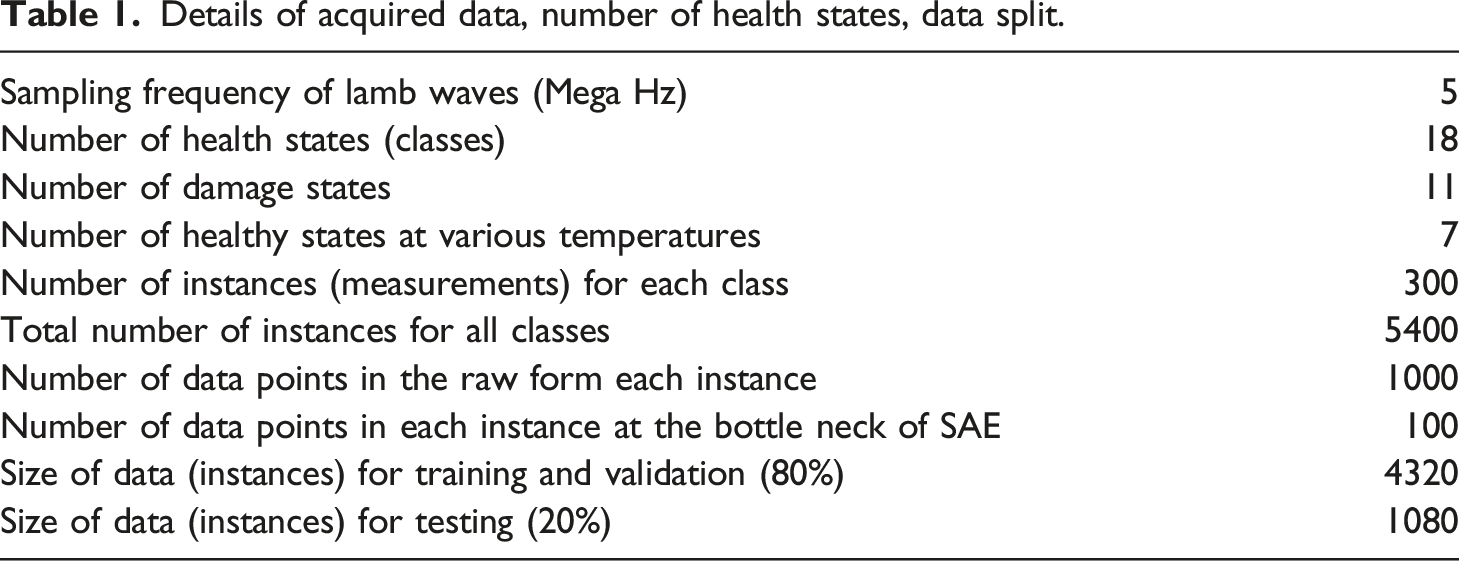
For the current problem, the training dataset was reasonable, and the availability of more data may increase the efficacy of the current approach. In training, the SAE optimized the parameters of the encoding and decoding layers while using the forward and backward propagation of data and minimizing the cost function (Eq. (8)). The training data was processed with a sparse autoencoder (SAE) to extract features for different health conditions. The architecture of the SAE employed for the unsupervised autonomous feature extraction for the damage diagnosis and prognosis consisted of an input layer (1000 neurons), a bottleneck layer/latent space (100 neurons), and an output layer (1000 neurons). The architecture was selected after checking the root mean squared error for different numbers of neurons in the bottleneck layer/latent space of the SAE. During the training process, the Lamb waves from different health states were reduced in dimension from 1000 data points to 100 points in the bottleneck in an unsupervised manner.
The reduced dimension latent space of the SAE was processed with supervised machine learning models for the damage diagnosis, and to segregate the effect of temperature variations. As it is challenging to decide beforehand an optimum supervised learning model for a problem, this work processed the unsupervised feature at the latent space of the SAE with different machine learning models, and compared their performance in terms of accuracies (training, testing), and area under the receiver operating characteristic curve (ROC area). During the training process, the performance index of training accuracy helps in understating the learning of the classifiers from the data. The test accuracy evaluates the performance of a pretrained model on an independent/unseen dataset. The test accuracy helps in checking that the results of the machine learning model are not specific to the training dataset, due to the issue of overfitting. The ROC area determines the predictive performance of the classifier.64,65 To avoid overfitting, the models were trained with a 10-fold cross-validation scheme.
66
Figure 6 shows the compare the results of different machine learning algorithms: Performance of machine learning classifiers on the unsupervised autonomous features of sparse autoencoder.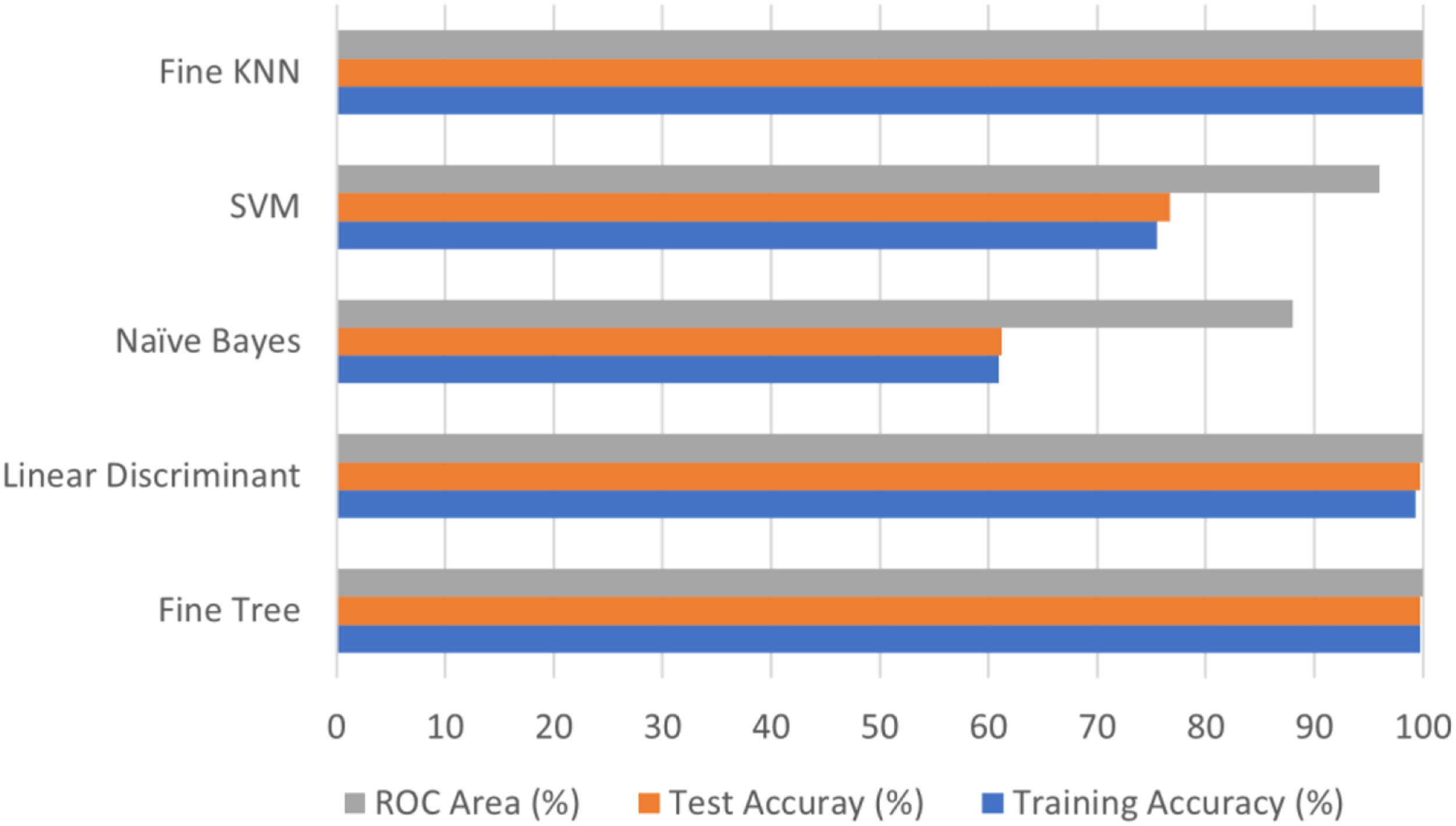
It is observed that in terms of the evaluation metrices, Fine KNN and Fine Tree classifiers outperform the other machine learning models. The results from the supervised learning classifiers reflect that the autonomous feature extracted by SAE can help distinguish different health conditions of the composite plate. To check the detailed performance of the Fine Tree classifier in distinguishing different classes of the laminated composite plate, Figures 7 and 8 show its training and test confusion matrices, respectively. Detailed classification performance of Fine Tree classifier in terms of training confusion matrix. Detailed classification performance of Fine Tree classifier in terms of test confusion matrix.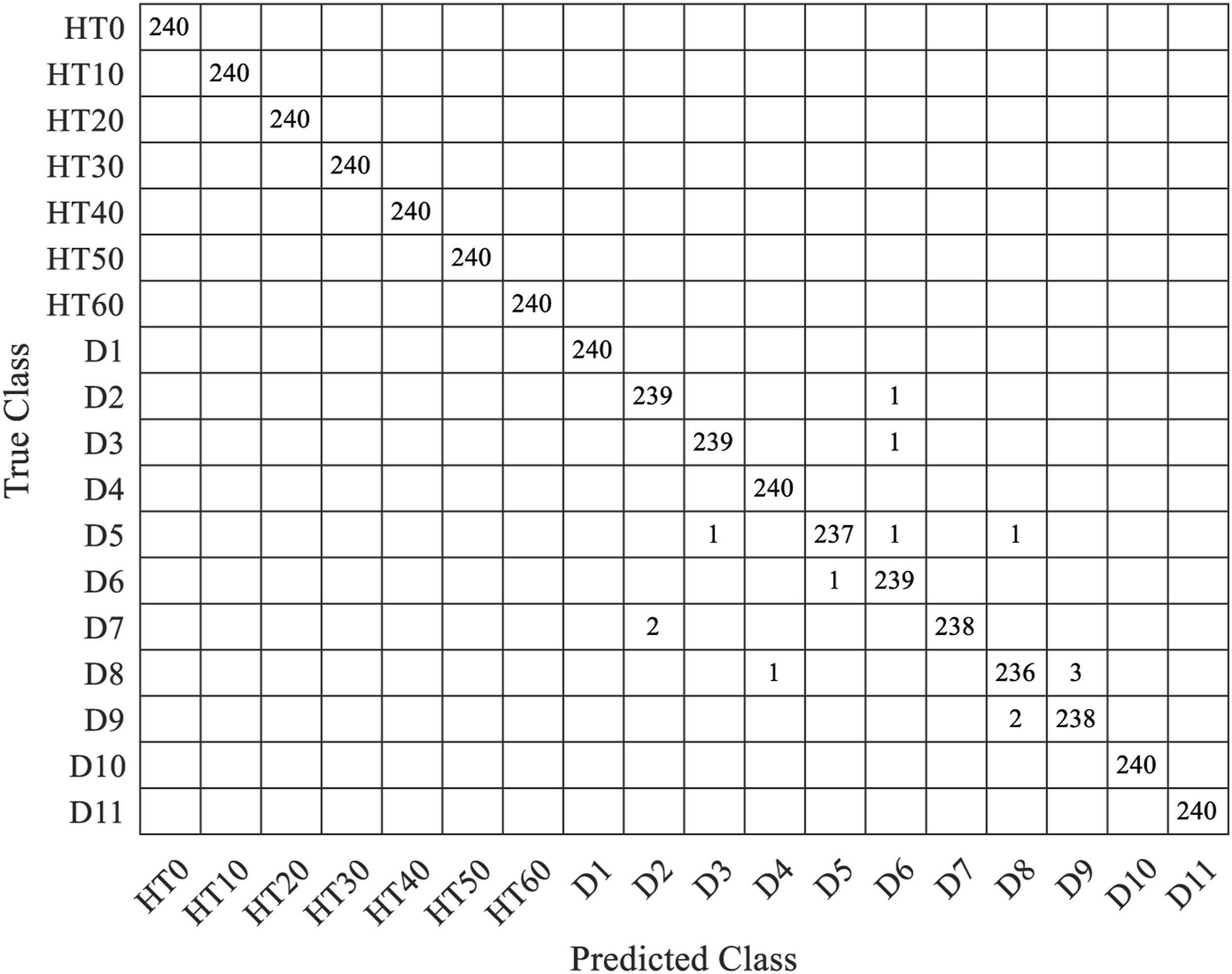
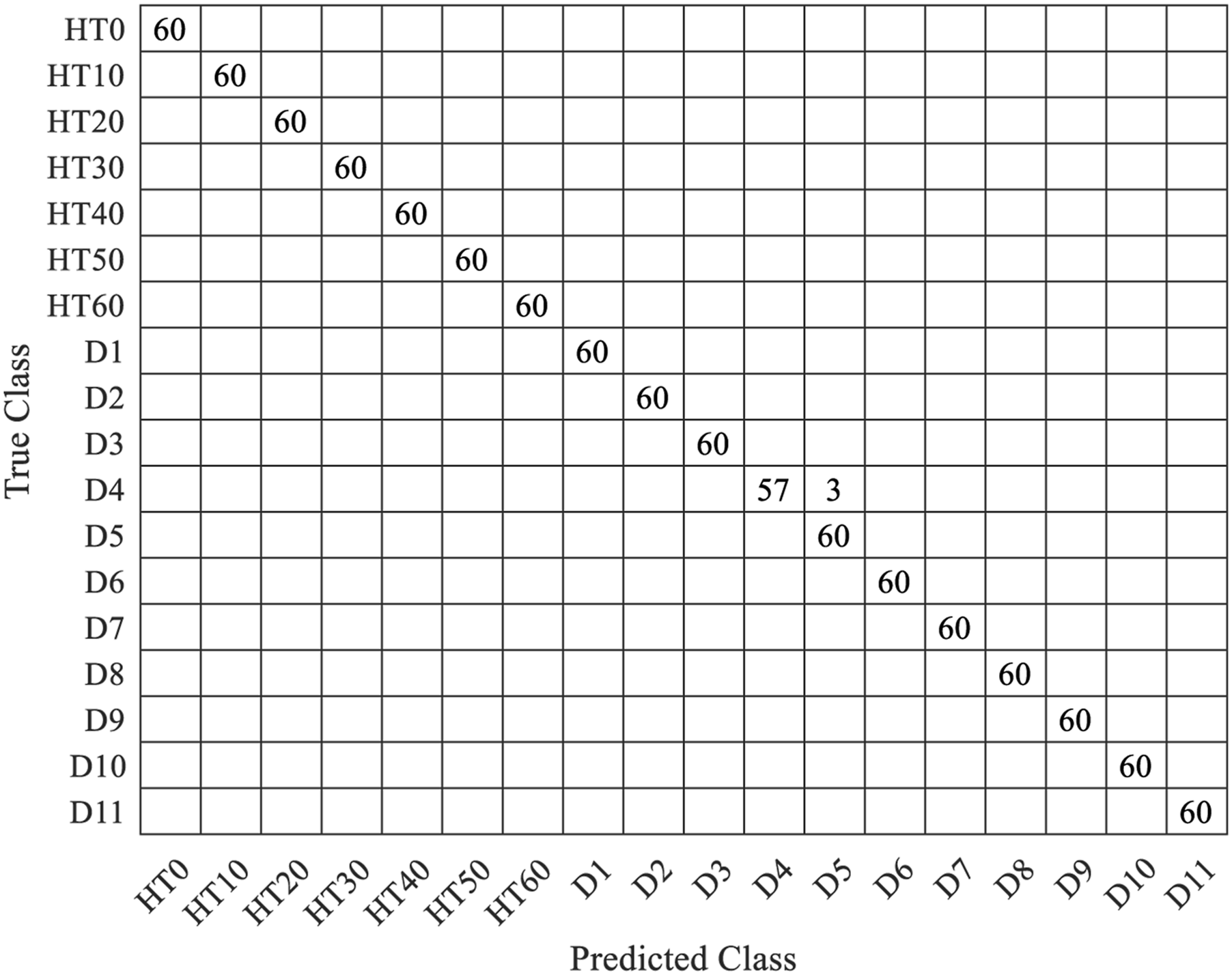
The rows and columns of the confusion matrix respectively refer to the actual and predicted classes. The values on the diagonal denote the correctly classified instances, while the off-diagonal values correspond to the incorrectly classified instances.
From the confusion matrices in Figure 7, it is noticed that the supervised learning classification distinguishes the damaged states from the healthy states with 100% accuracy. The minor loss of training classification accuracy is associated with confusion between the damaged states, which have closely related physical characteristics. For example, three instances (1.2%) of D8 damaged state are confused with D9, which is closely related to D8, and only differs by 3.03% of damage severity.
Also, the detailed classification performance in the training confusion matrix shows that the unsupervised autonomous features extracted via SAE can distinguish the healthy states at different temperatures from the damaged states of different severity levels with 100% accuracy. Furthermore, the features can discriminate between the closely related damage severity levels. The test confusion matrix of Figure 8 shows that the pretrained model performs well on the independent test data, and confirms that the classifier has not overfitted the training data.
The reduced dimensional latent space of the SAE was further processed via the dimensionality reduction tools to identify a visual pattern in the unsupervised feature space. Principal Component Analysis (PCA) was incorporated to reduce the dimensions of the unsupervised feature space from 100 to 2 dimensions. PCA reduces the dimensions through an orthogonal projection of the data on low-dimensional principal subspace while maximizing the variance.
67
Further details on PCA can be found in Refs.68,69 The first two principal components of the discriminative feature space of SAE accounted for 99% variance in the data, and are shown in Figure 9: Visualization of the unsupervised feature space via principal component analysis (PCA).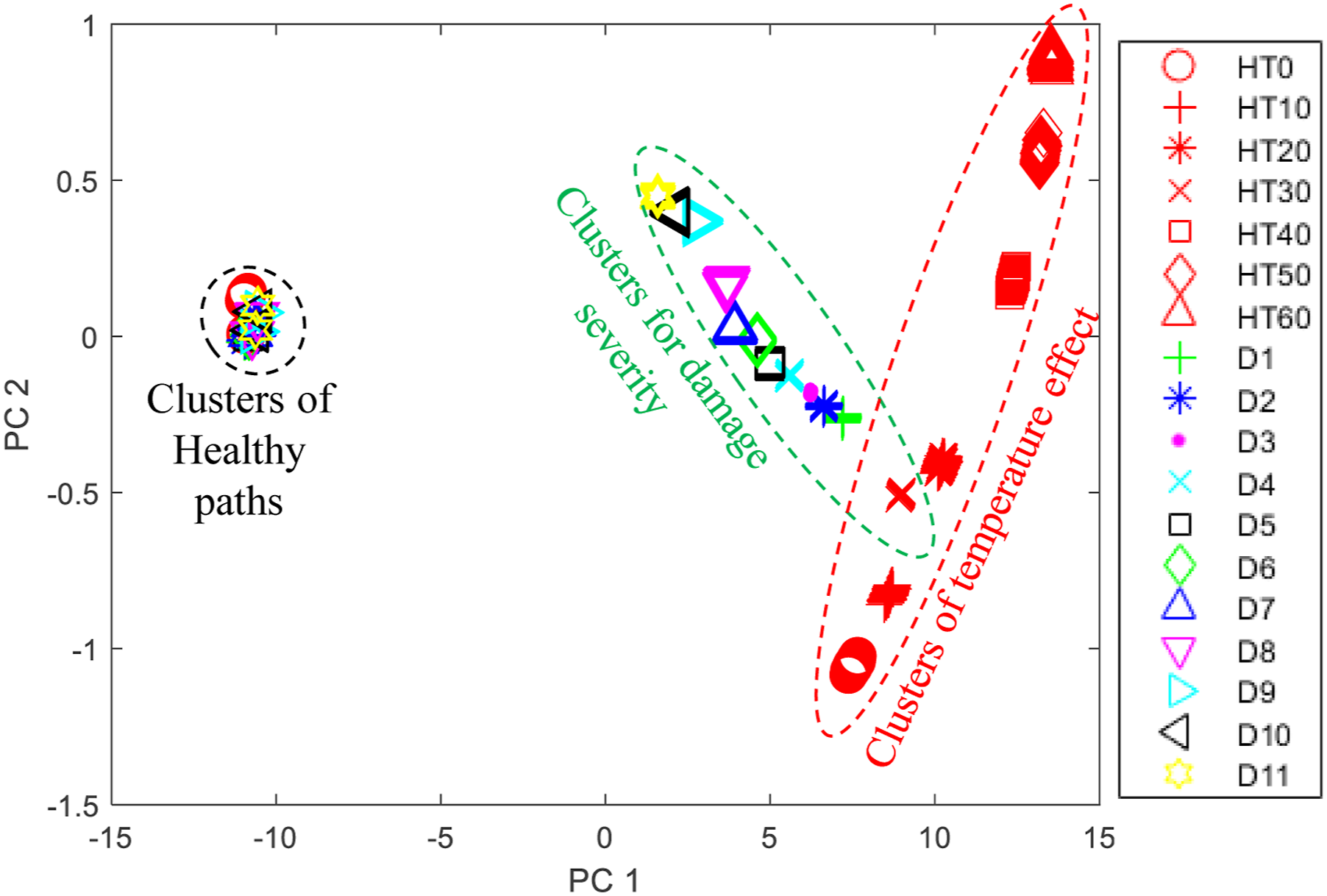
The visual inspection of the discriminative feature space reveals three distinct regions associated with the effect of temperature variations, the damage states of different severity levels, and the data clusters for the undamaged paths between the actuator and sensors. The results support the involved physics of the problem, and provide further insights into the problem in an unsupervised manner (labels are not required to obtain the results). From Figure 2, the piezoelectric actuator (PZT-Act) provides an excitation signal that is received by the three piezoelectric sensors (PZT-S-1, PZT-S-2, PZT-S-3). The paths between the actuator and sensor 1 (PZT-S-1) and actuator and sensor 3 (PZT-S-3) do not contain any damage (Healthy paths), and the excitation signal reaches the sensors without distortion. The signals received by these sensors did not carry any information about the damage, and resembled the characteristics of the healthy state. The physical nature of the paths between the PZT-Act, PZT-S-1, and PZT-S-3 is confirmed by data clusters appearing in the middle left of Figure 9 in the black circle. The path between the actuator and sensor 2 (PZT-S-2) contains damage. The excitation signal as received by sensor 2 is affected by the presence of damage, and should be different from the healthy paths between the actuator and sensor. The green elliptical boundary of Figure 9 denotes the data clusters associated with different severity levels of the damaged states as sensed by PZT-S-2. These clusters also reveal interesting information on the severity levels of the damage, and can be employed for the prognosis of damage in composites. A zoomed view of the effect of damage severity on the data clusters is shown in Figure 10. Effect of damage severity level on the data clusters obtained from unsupervised feature space via Principal Component Analysis (PCA).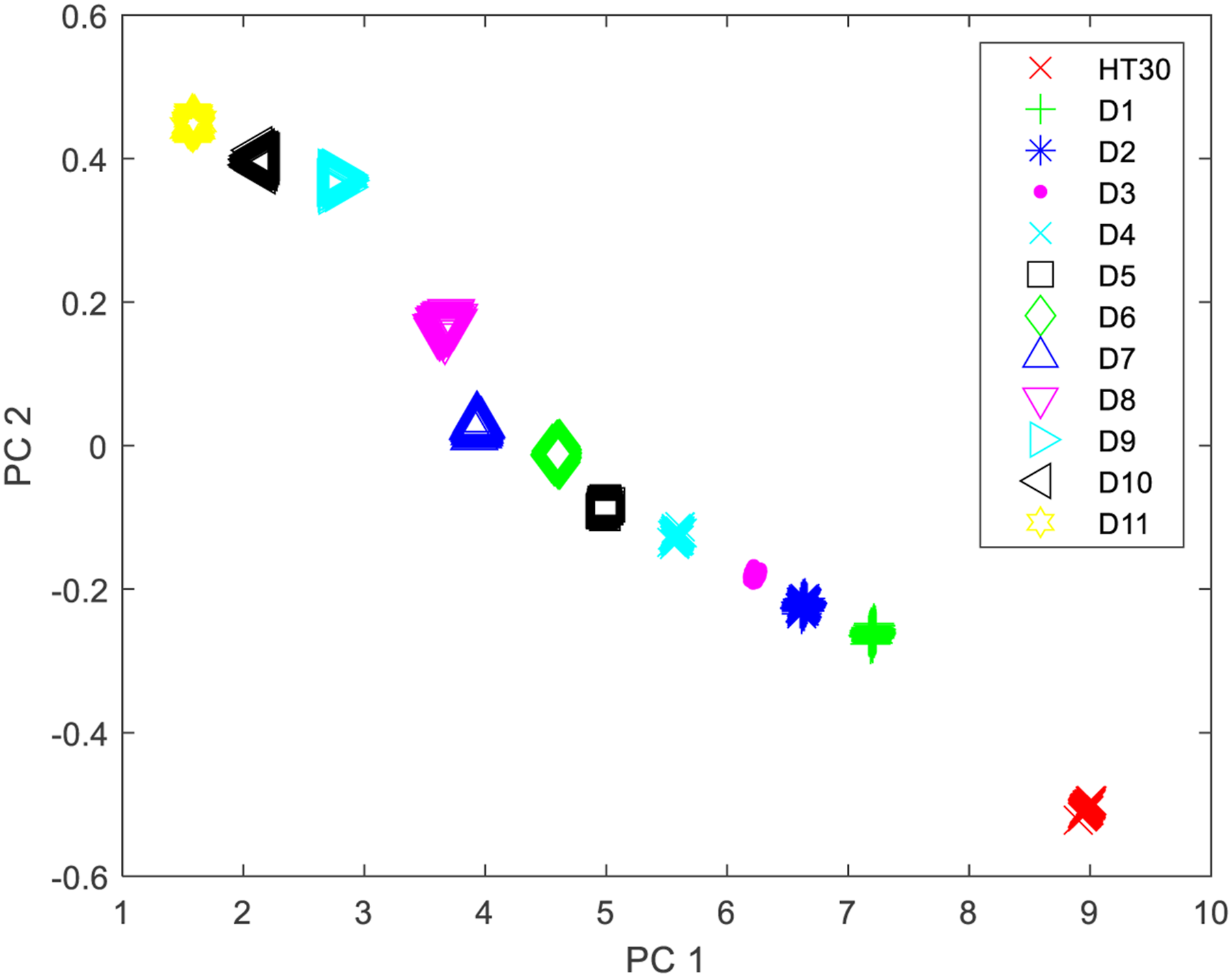
Wherein, the least severe damage (D1), the data cluster is close to the healthy data clusters at 30°C. For increasing level of damage severity, the distance of the corresponding data clusters of the faulty state increases from the healthy data group at 30°C. The results can be employed for setting an acceptable threshold on the damage severity while using the unsupervised features of the lamb waves.
The variations of temperature affect the propagation of guided waves in laminated composites, as confirmed by the previous studies,70–74 and the same phenomenon is observed in the current work. The data clusters showing the effect of temperature variation on the healthy state of the composite plate are shown in the red elliptical boundary of Figure 9. These clusters occupy a space that is different from the space associated with the data clusters of the damaged states. In addition, the data groups associated with the variation of temperature follow a specific trend with respect to the data cluster associated with the healthy state at room temperature. The data clusters associated with temperatures higher than 30°C occupy space at the top right. At the same time, the data groups of the healthy state at a temperature less than 30°C appear on the lower left of the temperature variation trend.
The processing of the unsupervised feature space of SAE with PCA provided meaningful insights into assessing the damage of different severity levels, and the variation temperatures. It successfully separated the effect of temperature variations, and the presence of damage in laminated composites. The essence of this approach is that it does not require information on the baseline of the laminated composite. In addition, the approach is unsupervised, and does not require labeled data to track the damage severity level and the effect of temperature variations on the guided waves. However, it may be difficult to trace the damaged location from the unsupervised data clusters. Also, in practical situations, only healthy state data is abundantly available; faulty states data is either scarce, or not available at the time of algorithm development. To assist in localizing the damage using healthy state data only, the guided waves of the healthy state of the laminated composite were employed to train a sparse autoencoder. The pretrained model has seen only the healthy state signals of the structure, and can estimate those signals at the output (decoder) with high confidence (relatively small reconstruction error). The presence of damage is identified from the relatively higher reconstruction error by the model on the signals from the damaged state of the laminated composite plate. Figure 11 shows a schematic of damage localization, wherein, the guided waves of the healthy were employed for the training of the sparse autoencoder. The input signals to the model were divided into 25 frames of equal length (40 data points), to give the network a better idea of the different sections of the guided wave during the training process. Schematic of the damage localization using only the baseline data for training.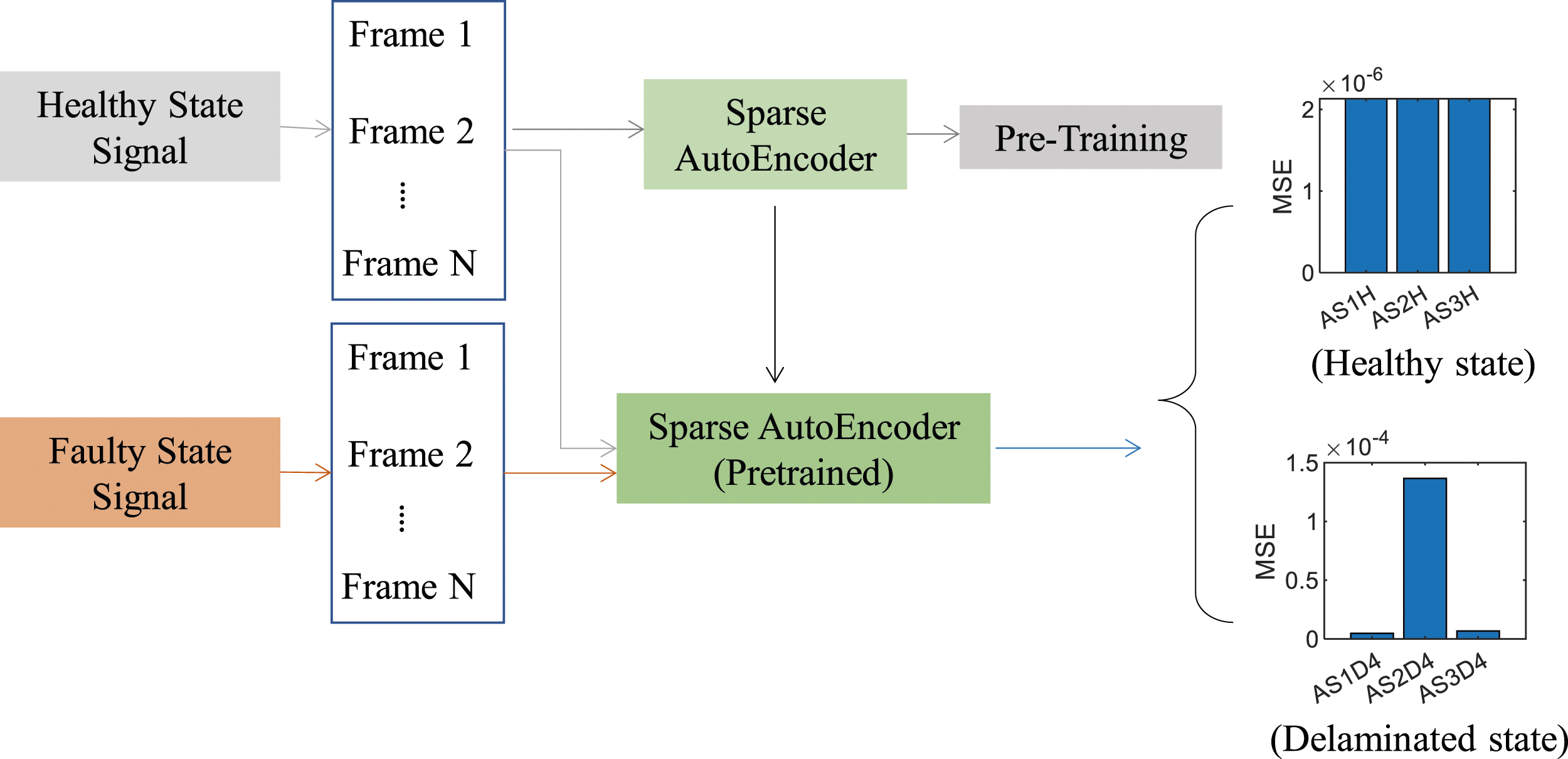
The SAE model pretrained on the healthy state data was employed to predict the guided waves from the damaged state of the laminated composite. The mean squared value of the reconstruction error (MSE) was employed to localize the damage from the paths between the actuator and sensors. Figure 12 shows the results of damage localization from MSE of the pretrained SAE. Wherein, the labels on the x-axis of the subplots should be interpreted as AS1→ path from actuator (PZT-Act) to sensor 1 (PZT-S-1); AS2 → path from actuator (PZT-Act) to sensor 2 (PZT-S-2); AS3 → path from actuator (PZT-Act) to sensor 3 (PZT-S-3); H → Healthy state; and Di → damaged state of different severity levels (i = 1, 2, …, 11). For example, AS1H denotes the signal analysis between the actuator and sensor 1 for the healthy state. As discussed earlier, the damage of different severity levels occurs along with AS2, and should reflect the presence of damage, while the paths AS1 and AS3 do not contain any damage, and have similar characteristics to the healthy state of the laminated composite plate. Damage localization from actuator-sensor path analysis via SAE pretrained on the healthy state data.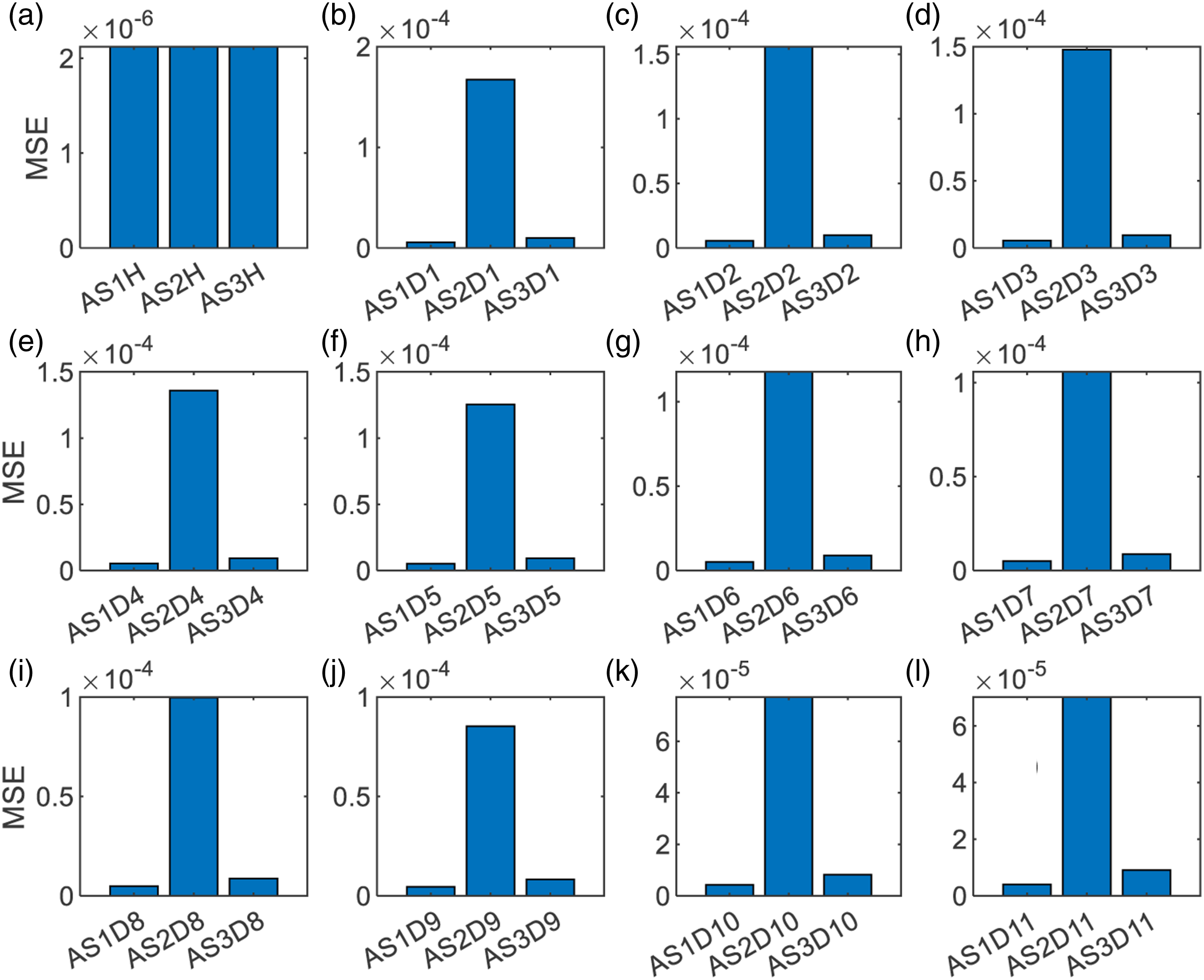
From Figure 12, the effect of the presence of damage is reflected by the mean squared reconstruction error (MSE) for different paths between the piezoelectric actuator and three sensors. More specifically, from Figure 10(a), the MSE is the same for all the three paths for the healthy state. From Figure 11(b), the MSE of the path AS2D1 reflects the presence of damage, while the MSE of the paths AS1D1 and AS3D1 shows that these paths do not contain damage, and have characteristics like the healthy state. The same trend is observed in Figure 12 (c)–(l), corresponding to different severity levels of the damage.
Comparison of the proposed approach with similar methods from published literature.
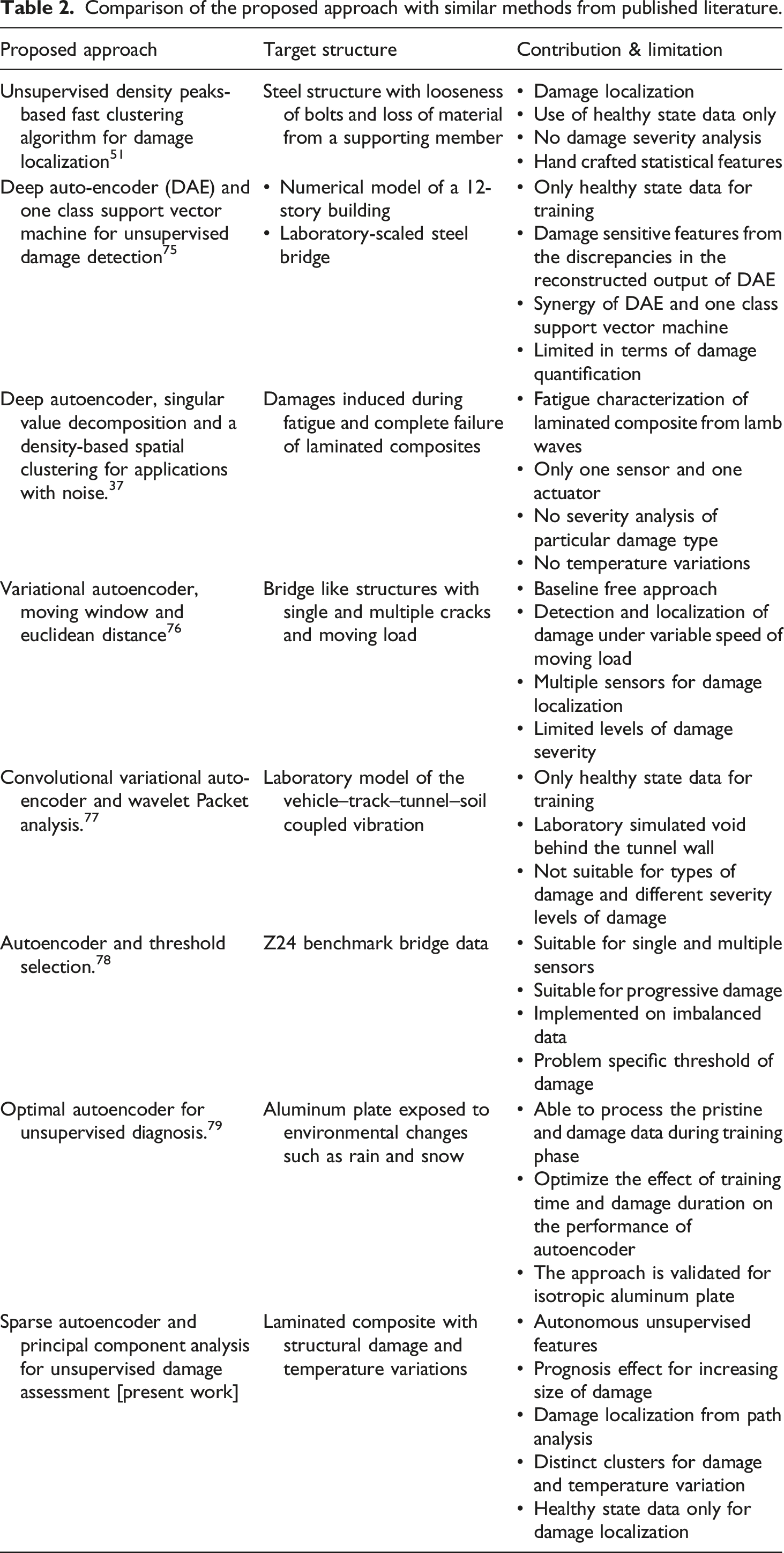
From the comparison in Table 2, it is observed that most of the proposed unsupervised approaches have been proposed for civil structures or isotropic materials focusing only on the damage assessment. On the contrary, the current approach has been proposed for orthotropic laminated composites having damage of different severity levels and the effect temperature variations on the lamb waves.
Although, the proposed approach has been validated on damage simulated through surface bonded adhesive putty, the technique will perform equally well on any other defect in laminated composite as long as the presence of defect is reflected by the variation in the propagation of lamb wave in the structure. The responsiveness of lamb wave to different defects in the target structure depends on the type of excitation signal provided to the actuator. In general, lower-frequency Lamb waves (typically in the kHz range) are more effective at detecting larger defects, while higher-frequency Lamb waves (typically in the MHz range) are needed to interact with smaller defects in the micron to nanometer scale. Some general guidelines can be found in the published literature.80–83 It's important to note that Lamb wave-based NDT and SHM techniques often involve a trade-off between frequency and penetration depth. Higher-frequency Lamb waves have limited penetration and are more sensitive to surface defects, while lower-frequency Lamb waves can penetrate deeper into the material but may be less sensitive to smaller defects. The specific frequency selection should be tailored to the inspection requirements of the application.84,85
For the current work, the physical effect of damage on the propagation of guided waves between the actuator and sensors was considered for the results of supervised learning (Figure 6), unsupervised learning (Figure 9) and damage localization (Figure 12). In the future work, the optimum numbers and positions of piezoelectric actuators and sensors will be decided for more complex cases of damages using optimization algorithms.
Conclusions
This article proposed unsupervised autonomous feature extraction from guided waves, and its subsequent processing for the detection, localization, isolation, and quantification of damage in composite structures. The Lamb waves were obtained from the pristine and defective conditions and processed in the raw form via sparse autoencoder (SAE). Data were also obtained from the intact state at various temperatures, to isolate the influence of temperature variations on the propagation of Lamb waves from the effect of defects in the structure. The unsupervised features processed in a supervised learning framework revealed that the autonomous features of SAE could discriminate the pristine and faulty conditions of the composites and the effect of temperature variations with 99% classification accuracy. The confusion matrices showed that the minor loss of classification accuracy was associated with confusion between the closely resembling damage conditions of the composite plate. The features were found to isolate the effect of temperature variations from the effect of damage on the Lamb waves with 100% accuracy. The unsupervised features of SAE were also processed via the dimensionality reduction tool of Principal Component Analysis (PCA) for visual insights and patterns in the feature space. The approach revealed physically consistent data clusters and specific trends for the variation of temperatures and the increasing severity levels of damage. The current work also proposed localization of damage from a network of sensors and actuators while using only the baseline (healthy state) data.
The current approach does not require information on the labels of different health states. It can identify the effect of temperature variations and damage of different severity levels in the structure with reasonable accuracy. The approach is autonomous and decimates the demand for human-engineered statistical features and complex signal processing for fault diagnosis. Future extension of this work will involve a more complex network of piezoelectric transducers and more complex damage in the laminated composite plate. Future study will also consider structures other than plates, such as shell structures, and laminated composite panels stiffened with stringers.
Footnotes
Declaration of conflicting interests
The author(s) declared no potential conflicts of interest with respect to the research, authorship, and/or publication of this article.
Funding
The author(s) disclosed receipt of the following financial support for the research, authorship, and/or publication of this article: This research was supported by the Basic Science Research Program through the National Research Foundation of Korea (NRF-2020R1A2C1006613), funded by the Ministry of Education.
