




Abstract
This experimental study investigates the three-body abrasive wear behavior of jute/natural rubber flexible green composite under both dry and lubricated conditions. The composite material is prepared using a layering and compression method. A three-body abrasion tester is used to conduct the wear testing under various loads. The use of a lubricant further enhances the wear resistance of the composite, reducing the wear rate and friction coefficient. Mass loss of Jute/Rubber/Jute, Jute/Rubber/Rubber/Jute and Jute/Rubber/Jute/Rubber/Jute in lubricated wear condition is 44.44%, 15.87% and 29.96% less compared to dry wear condition. Wear mechanisms of the composite material are analyzed using scanning electron microscopy (SEM), revealing the presence of fiber breakage, and adhesive wear. Overall, this study provides valuable insights into the abrasive wear behavior of jute/natural rubber flexible green composite and its potential applications in various industrial sectors.
Introduction
Composites can be a great replacement to metals and alloys in many applications due to their unique combination of properties.1–4 Composites are materials made up of multiple components that work together to create a material with superior properties. Some examples of composites that are being used as replacements for metals and alloys include carbon fiber reinforced polymer (CFRP) composites, glass fiber reinforced polymer (GFRP) composites, and ceramic-matrix composites (CMCs). These materials are being used in a wide range of applications, from aircraft and automobile components to sporting goods and medical implants. Polymer matrix composites (PMCs) are indeed one of the most commonly used types of composites. This is because they offer a number of advantages over other types of composites, including cost effectiveness, design flexibility, low density, corrosion resistance and fatigue resistance.5–8 PMCs are commonly used in a variety of applications, including aerospace, automotive, marine, and sporting goods. They are used to make parts such as aircraft fuselages, wind turbine blades, and tennis rackets, among others.9–13
Natural compliant thermoplastic composite is a type of material that combines a thermoplastic matrix with natural fibers or fillers. The natural fibers used in these composites can come from a variety of sources, including plant fibers like jute, bamboo, and flax, as well as animal fibers like wool or silk. These fibers are typically combined with a thermoplastic matrix, which can be made from materials like polypropylene, polyethylene, rubber or nylon.14,15
One of the key benefits of natural compliant thermoplastic composites is their sustainability. The natural fibers used in these composites are renewable and biodegradable, making them an eco-friendly alternative to traditional composites that are made from non-renewable materials like carbon fiber or fiberglass. Additionally, these composites offer a unique combination of strength, stiffness, and flexibility, making them suitable for a wide range of applications in various industries. They are highly customizable, with the ability to adjust the stiffness, strength, and flexibility of the material by altering the type and amount of natural fibers used in the matrix. Natural compliant thermoplastic composites are known for their excellent fatigue resistance and durability, making them ideal for use in products that are subjected to repeated loading cycles over time. They are also lightweight, making them a popular choice for applications where weight reduction is important, such as in the automotive and aerospace industries. 16
Natural compliant composites are increasingly being used in wear-resistant applications due to their unique combination of properties. The natural fibers used in these composites, such as jute, bamboo, and flax, provide excellent wear resistance, while the thermoplastic matrix provides strength and durability. These composites are highly customizable, with the ability to adjust the stiffness, strength, and flexibility of the material by altering the type and amount of natural fibers used in the matrix. This makes them suitable for a wide range of wear applications, including automotive and industrial parts, consumer goods like shoes and bags, and sports equipment. One advantage of natural compliant composites for wear applications is their excellent fatigue resistance. The natural fibers used in the composite can withstand repeated loading cycles without breaking down, making them ideal for use in products that are subjected to constant wear and tear. 17
Abrasion due to third body occur on PMC components while they are in use which can cause damage to the surface of the composite material. 18 In order to mitigate the effects of three-body abrasion on polymer matrix composites, several measures such as selection of matrix material, use of fillers, surface treatments and design modifications can be adopted. 19 It’s important to note that the resistance of a polymer matrix composite to three-body abrasion depends on the specific conditions and materials involved in the application. Therefore, it’s important to carefully consider the requirements of the application and select the appropriate materials and design modifications to minimize the effects of three-body abrasion. 20
Abrasive wear is a type of wear that occurs when hard particles or abrasive materials are forced against a solid surface, causing material removal from the surface. 21 This can result in surface damage, changes to surface roughness, and a decrease in the material’s functional performance. Abrasive wear can occur in various industrial applications, such as mining, manufacturing, and construction, where the equipment or components are exposed to abrasive materials or particles. two-body wear and three-body wear are two different types of wear mechanisms that occur when two surfaces are in contact with each other. 22 The main difference between them is the presence or absence of a third body in the contact. Two-body wear occurs when two surfaces slide against each other with no particles or debris present between them. This type of wear is characterized by the formation of grooves or scratches on the surface due to the direct contact between the two surfaces. Examples of two-body wear include adhesive wear, abrasive wear, and fretting wear. On the other hand, three-body wear occurs when a third body, such as particles or debris, is present between the two surfaces in contact. The third body particles act as an abrasive, causing surface damage and wear. This type of wear is characterized by the formation of pits, cracks, or fractures on the surface due to the abrasive action of the particles. 23 Examples of three-body wear include erosion, cavitation, and particle abrasion. When compared to two body wear, this form of wear is more obvious and occupies a more prominent place in engineering applications. two-body wear has received more attention in research and engineering applications compared to three-body wear. 24 This is because two-body wear mechanisms such as abrasive and adhesive wear are often easier to study and model, and the effects of third-body particles in three-body wear can be more complex and difficult to predict.
However, three-body wear can also have significant effects in industrial applications, particularly in situations where abrasive particles or debris are present in the environment. 25 Three-body wear mechanisms such as particle abrasion and erosion can cause significant damage to materials and components, leading to reduced efficiency and reliability. Recent research has been focused on improving the understanding of three-body wear mechanisms and developing methods to mitigate their effects. For example, research has investigated the use of coatings and surface treatments to reduce the adhesion of third-body particles to surfaces and improve resistance to erosion and particle abrasion. Overall, while two-body wear mechanisms have received more attention, three-body wear can also be a significant issue in industrial applications and should be carefully considered in the design and maintenance of materials and components. 26
Dry and lubricated wear conditions refer to the presence or absence of a lubricant between two surfaces in contact during wear. In dry wear conditions, there is no lubricant present, while in lubricated wear conditions, a lubricant is used to reduce friction and wear between the surfaces. In dry wear conditions, the surfaces in contact can experience high levels of friction and wear due to the direct contact between them. 27 This can lead to surface damage, material loss, and reduced efficiency and performance of the components. Dry wear can be influenced by various factors, including the properties of the materials in contact, the contact pressure and velocity, and the environmental conditions. In lubricated wear conditions, a lubricant is used to reduce friction and wear between the surfaces in contact. This can result in improved efficiency, reduced wear, and increased component lifespan. Lubricants can be in the form of oils, greases, or other substances that can reduce friction and wear by forming a protective film or boundary layer between the surfaces. 28
The wear mechanisms of compliant and stiff composites can differ due to the differences in their mechanical properties. In stiff composites, the matrix material and reinforcement fibers are typically rigid and do not deform significantly under load. As a result, the wear mechanism in stiff composites is often characterized by the formation of cracks, fractures, and material removal due to abrasive wear, fatigue, or adhesive wear. These types of wear mechanisms typically result in significant damage to the material, reducing its overall strength and durability over time. 24 In contrast, compliant composites are designed to be more flexible and deformable under load, allowing them to absorb and distribute stresses more effectively. The natural fibers used in compliant composites also provide a certain degree of ductility and toughness, which can help to prevent the formation of cracks and fractures under load. As a result, the wear mechanisms in compliant composites are often characterized by deformation, such as bending, twisting, or stretching of the material, which helps to dissipate stress and prevent localized damage. Compliant composites can also exhibit some abrasive wear, but this is typically less severe than in stiff composites due to the material’s ability to deform and absorb stress. 29
In recent years number of studies on composites subjected to abrasive wear have been reported.8,20,26,29–34 Kumaresan et al. 20 studied the dynamic mechanical analysis and three body wear of carbon-epoxy composite. According to their findings, specific wear rate reduced with increasing abrading distance/load and depended on filler loading, whereas wear volume loss increased. Yet, the inclusion of filler in carbon-epoxy revealed a positive development. Scanning electron microscopy analysis of the worn surface characteristics revealed distinct patterns for unfilled and filled carbon-epoxy composites. Radhika et al. 31 investigated the three-body wear behaviour of metal matrix composite and proposed using the material in wear-resistant applications. Polyurethane offers superior abrasion resistance than the other materials taken into consideration, according to research by Budinski et al. 24 that looked at the three body wear behaviour of 21 different materials. Suresha et al. 26 Studied the three body abrasive wear behaviour of filled epoxy composite system and concluded that inclusion of filler in epoxy matrix enhanced the abrasion resistance of the composite. Lan et al. 35 investigated the three-body abrasive wear of advanced polymeric coatings for tilting pad bearings caused by (silica) sand. Al selmy et al. 36 studied the wear behaviour of glass/polyamide reinforced composites where it was found that as the applied load and the sliding time increase, the wear resistance of the composites decreases but the temperature at the specimen pin–disc interface increases. SEM observations show debonding, cracks, fiber fracture, and debris formation. The wear behaviour of natural and synthetic hybrid composites taking into account the effect of water uptake was studied by Abd El-baky and Kamel. 37 It was found that addition of jute and/or carbon fabric layers into chopped glass mat-reinforced composite distinctly enhances its wear resistance. The water uptake of the fabricated composites was found to increase with increasing jute content. The hybrid composites developed with the combination of natural and synthetic fibers shows enhanced wear resistance and can be used in tribological applications such as sliding elements, sliding bearings, seals, conveyors, clutches, tyres brakes, etc. Jute-basalt reinforced epoxy hybrid composites for lightweight structural automotive applications was developed and assessed by Hassan Alshahrani et al. 38 where it was found that hybridizing Jute fiber with Basalt fiber improved the tensile, bending, in-plane shear, and bearing characteristics of the prepared composite. Evaluation of mechanical properties of jute/glass/carbon fibers reinforced hybrid composites was carried out by Abd El-baky 39 where the results showed that the hybridization process can potentially improve the tensile and flexural properties of jute reinforced composite.
The thorough literature survey cited above conducted on the topic of wear mechanisms of flexible composites suggests that there is still much to be understood about this area. While there is existing research on wear mechanisms of composite materials, particularly in relation to rigid composites, flexible composites may present unique challenges and opportunities for study. Flexible composites typically have a higher degree of deformation and flexibility compared to rigid composites, which can affect their wear behavior. In addition, flexible composites may be subject to different types of wear mechanisms, such as fatigue wear or delamination wear that may not be as prevalent in rigid composites.
This suggests that more research is needed to fully understand the wear mechanisms of flexible composites and to establish effective strategies for improving their wear resistance. This may involve conducting wear testing on a variety of flexible composite materials under different environmental conditions, and using analytical techniques such as microscopy and spectroscopy to examine the wear mechanisms in detail. The authors of the current work described the three body abrasive wear behaviour of three various flexible composite configurations in dry and lubricated environments. For each of the three arrangements, the mass and volume losses are measured and contrasted.
Experimentation approach
Materials and methods
Proposed compliant composites with different stacking sequence are fabricated using jute fiber (woven fabric), natural rubber sheets (Ribbed smoke sheet grade) and B stage cured natural rubber based prepeg. The constituents are arranged in desired stacking sequence and prepeg is placed in between each layer. This arrangement is subjected to heating and pressure in compression moulding machine at 139°C and for 7 min. It is further left for 1 hour and then taken out from the mould which led to fabrication of compliant composite. The specimen needed for three body abrasion test with size 7.5 cm × 2.5 cm are cut from the laminate prepared. The specimen used for three body abrasion are shown in Figure 1. Abrasion test specimen used in present study.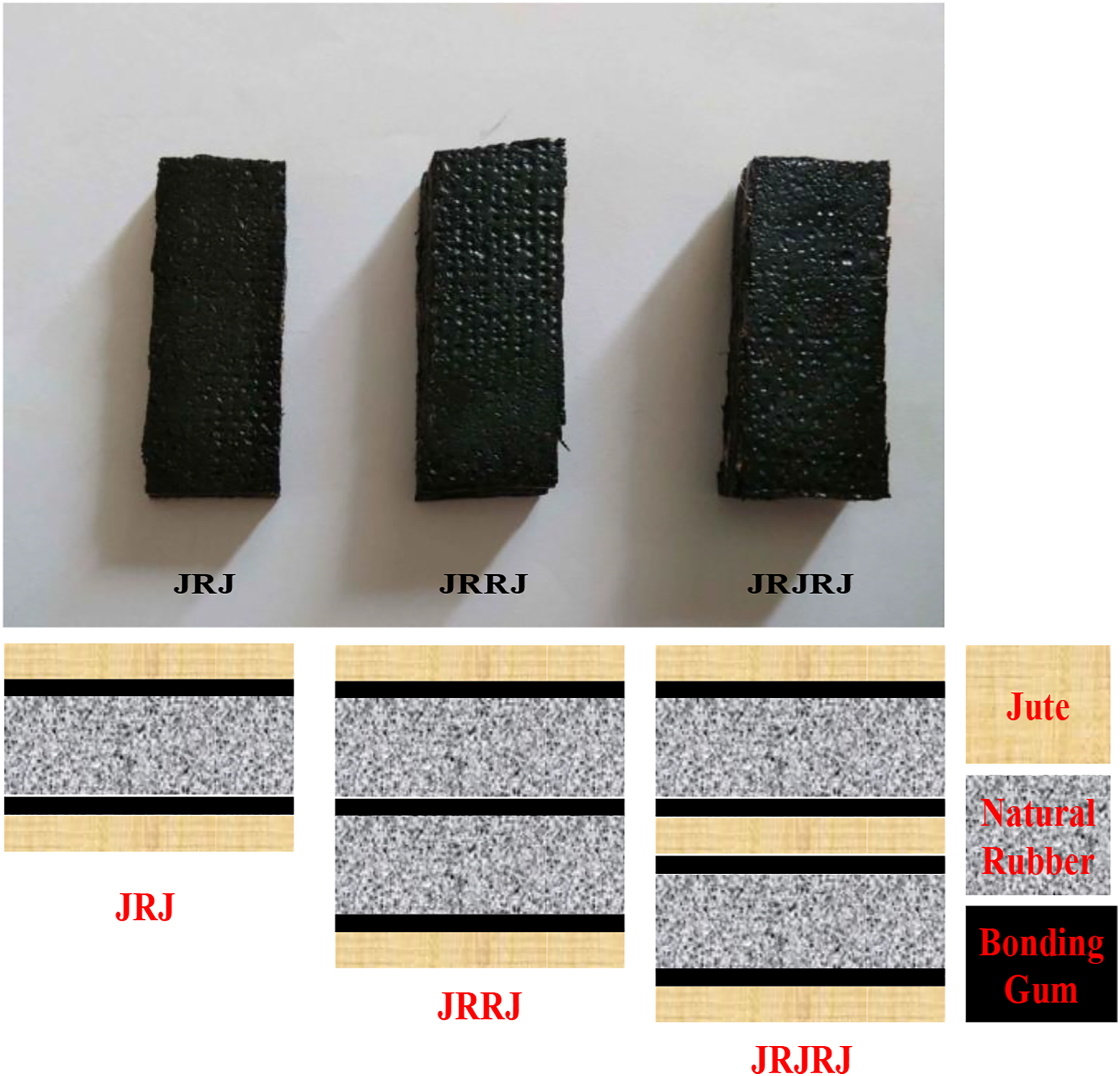
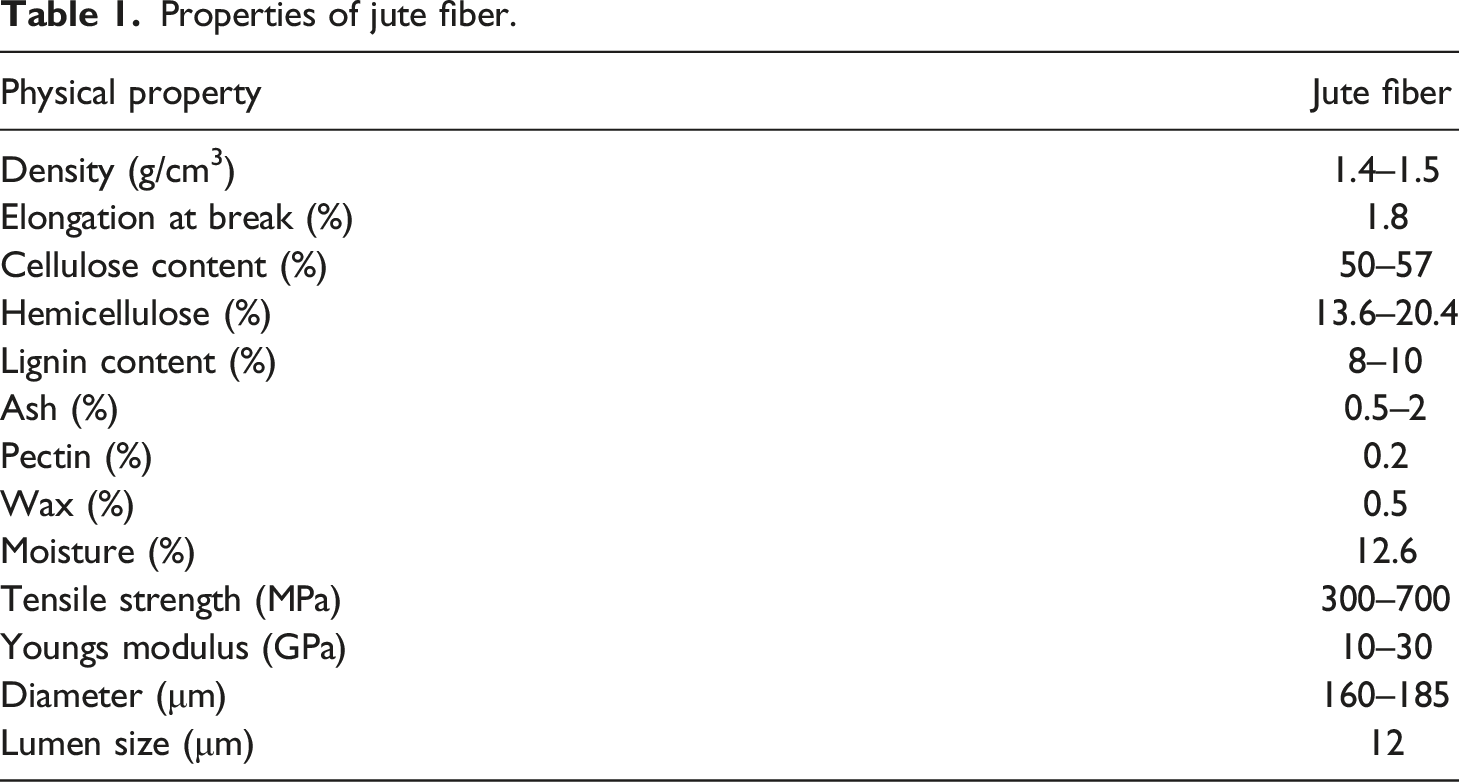
Jute being a naturally available fiber from plant source can still be a useful material for certain types of wear-resistant products, especially when combined with other fibers or materials. For example, jute can be blended with cotton, rubber or polyester to create a stronger and more durable fabric, or used as a backing material for carpets and rugs to provide added strength and stability. Rubber is a highly wear-resistant material that is commonly used in a wide range of applications, from industrial machinery to consumer products like shoes and tires. The unique properties of rubber make it an excellent choice for wear-resistant applications, as it can withstand a lot of wear and tear without breaking down or losing its shape. One of the key features that make rubber a great wear-resistant material is its ability to absorb shock and vibration. This helps to prevent damage to the underlying surface, as well as to the rubber itself. Additionally, rubber is resistant to many types of chemicals, oils, and other substances that can cause other materials to break down over time. Rubber is also known for its high friction coefficient, which makes it ideal for use in applications where slip resistance is important. This makes it a popular choice for footwear and other products where traction is a key factor.
Properties of jute fiber.
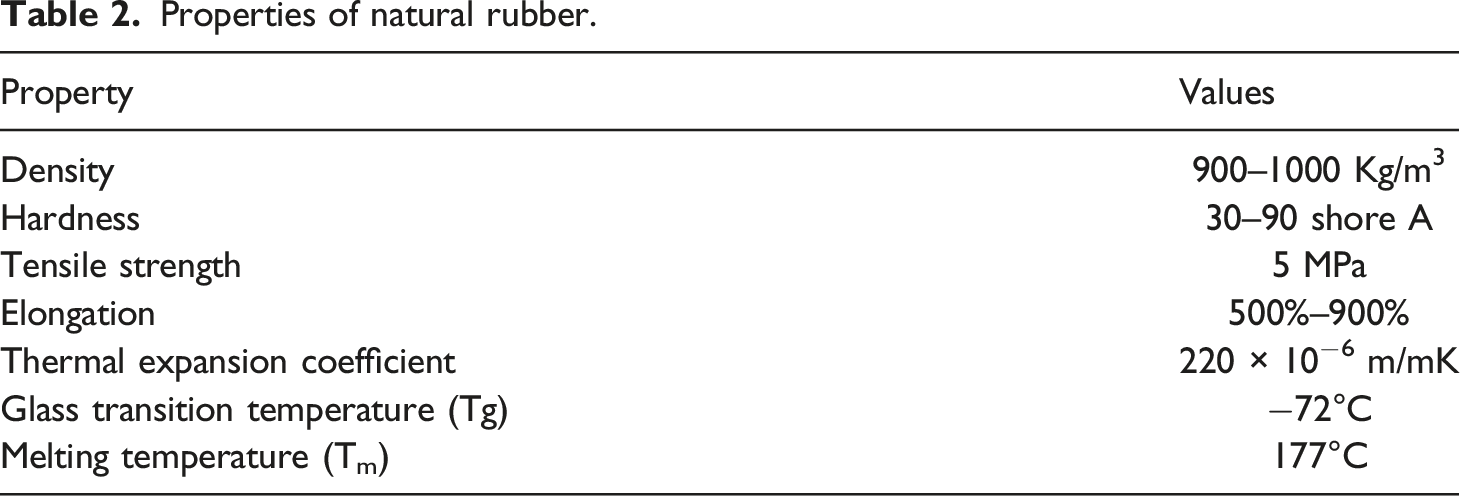
Properties of natural rubber.
Abrasion test (3 body)
Figure 2 shows the schematic representation of three body abrasive wear test rig according to ASTM G 65 standard. Arrangement of three body abrasive wear machine.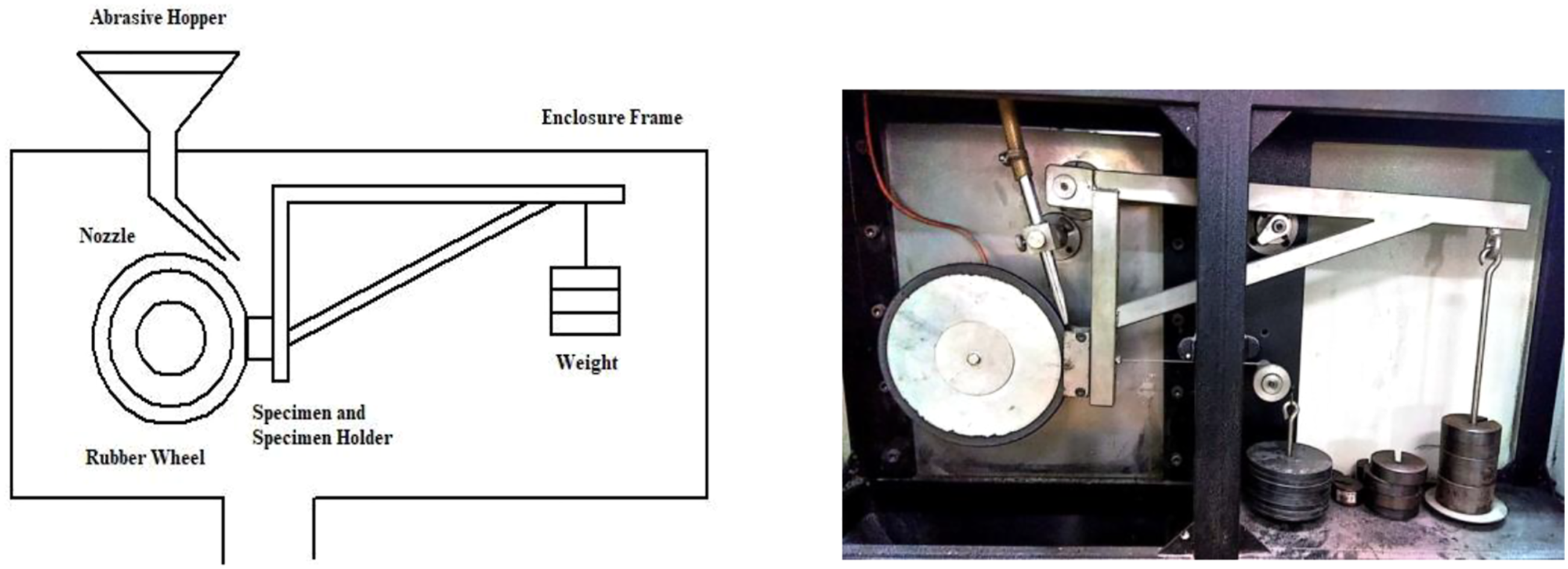
Before installation on the specimen holder, the prepared abrasive samples are dry cleaned, and their initial weight is determined using a high accuracy digital balance. As an abrasive media, silica sand of grade AFS 60 is employed because of its angular form and sharp edges as shown in Figure 3. Abrasive medium used in the present three body abrasion study.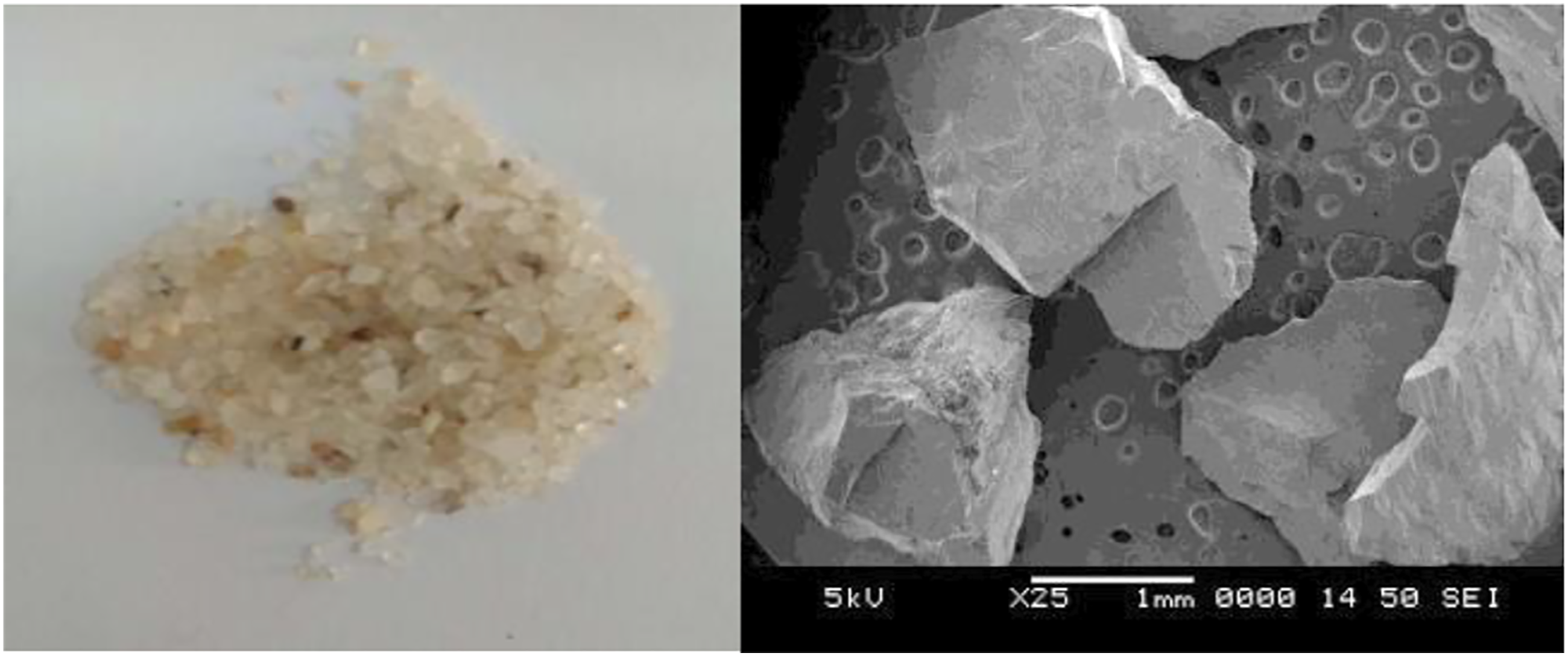
The dry sand rubber wheel’s (friction pair material) rotational speed is kept constant at 200 r/min, and the abrasive is supplied between the chlorobutyl rubber wheel and its durometer-shore is 58–60 hardness at 300 g/min. With the aid of a lever arm, the test specimen is forced to push against a revolving wheel while a regulated flow of abrasives abrades the test surface. The specimen is ultimately taken from the specimen holder at the conclusion of the test, cleaned carefully, and then its final weight is determined. Equation (1) is used to calculate the specimen’s weight loss as a result of abrasion.
Each configuration is evaluated on three samples, and the average values are utilised in the current study. The experiment was carried out at a load of 10 N, 20 N, 30 N and 40 N with a constant sliding velocity of 200 r/min. The densities of the composites are determined by standard water displacement method. The specific wear rate in m3/Nm is calculated using equation (2).

Equation (4) converts the rubber wheel’s angular velocity, measured in rotations per minute, to its linear velocity, measured in metres per second, and equation (5) determines the sliding distance.

The lubricated wear test is also carried out with the same conditions as that of dry wear test using SAE 20W50 lubricant.
Damage study
Following the wear test, a tiny piece of the worn surface is removed from the specimen, and the specimen’s level of wear is analysed using a SEM.
Results and discussions
Wear rate and loss of mass
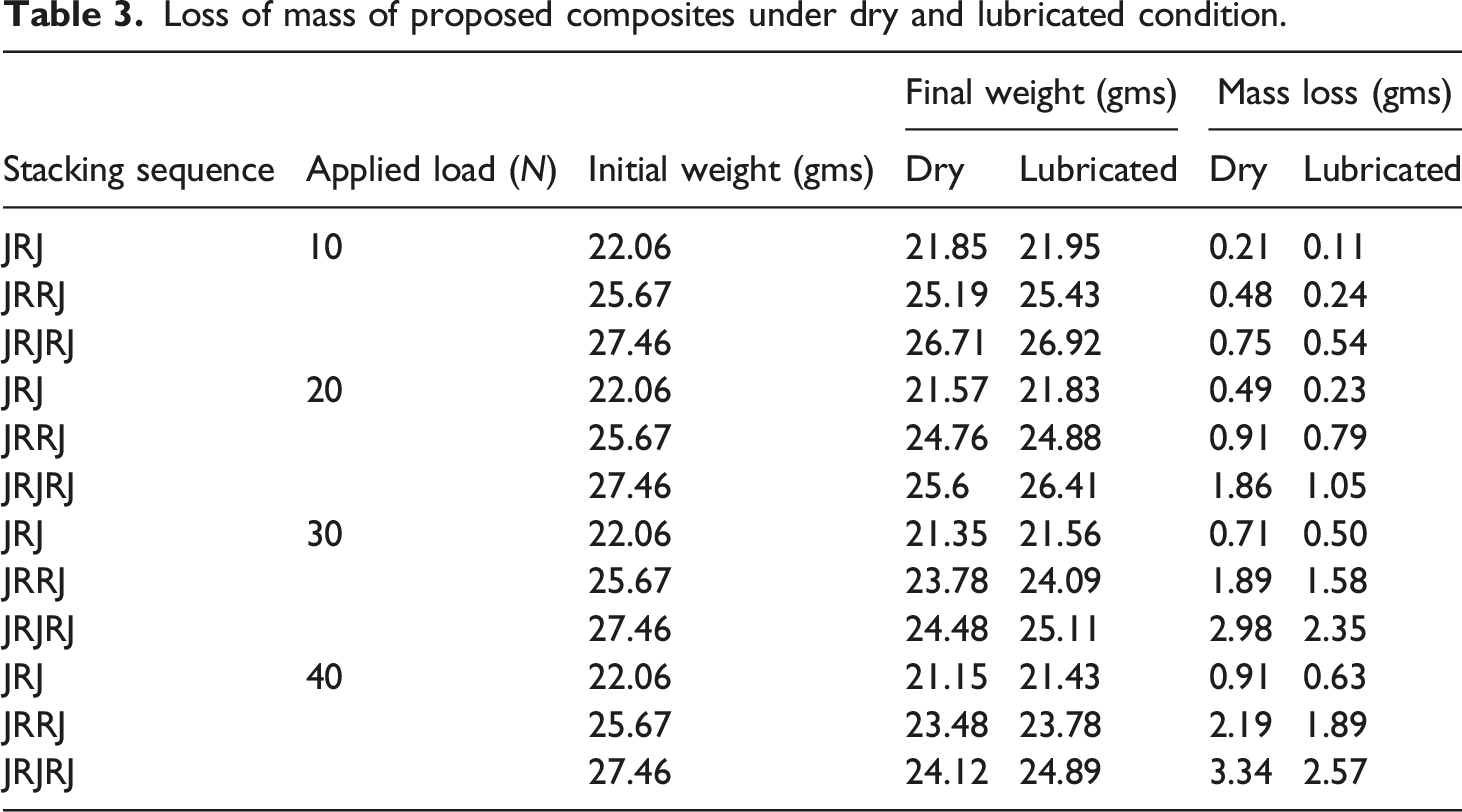
Loss of mass of proposed composites under dry and lubricated condition.
Wear rate of proposed composites under dry and lubricated condition.
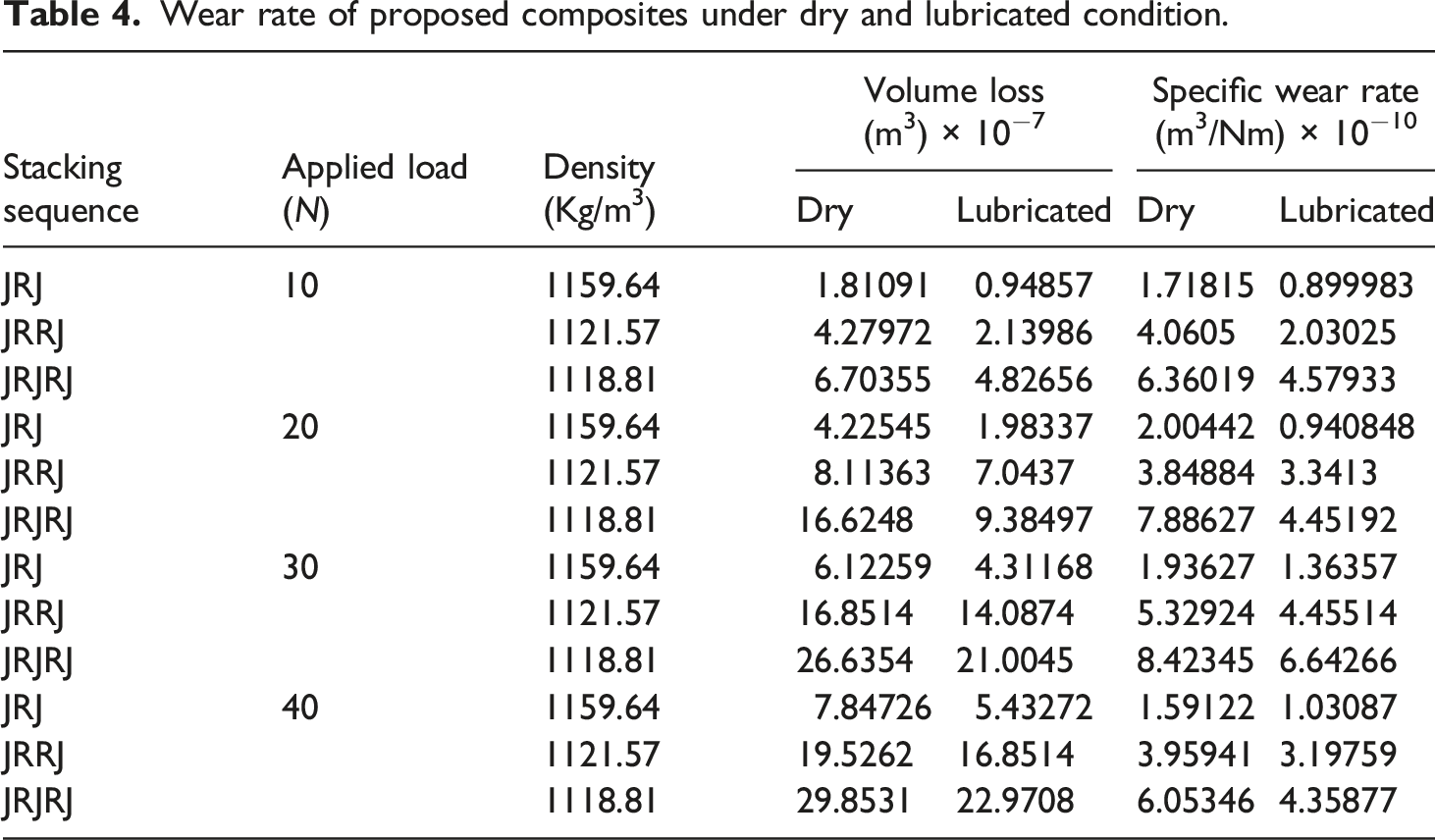
Figure 4 shows the effect of the applied load on the mass loss of the proposed composites. It is evident from the Figure 4 that applied load directly affects the wear rate of the proposed composites. As the applied load is increased, the mass loss increases both in case of dry and lubricated wear conditions. When the proposed composites are considered stacking sequence wise, it is found that with increase in the number of layers in the proposed composites, the mass loss is more. Since the proposed composites are made of rubber which is flexible in nature, when a rubber material is subjected to increased load during wear, several effects such as increased deformation, increased friction, enhanced heat generation will occur. The rubber material may experience more deformation under the increased load, leading to a larger contact area between the rubber and the surface it is rubbing against. The larger contact area and increased deformation can lead to an increase in friction between the rubber and the rubbing surface, causing more wear. As the rubber material is deformed and rubbed against the surface, friction generates heat. An increase in load can lead to a greater amount of heat generated, which can accelerate wear and even cause thermal damage to the rubber. The mass loss is less in case of lubricated wear condition when compared to dry wear due to thermal softening of elastomer matrix. Oil dipping reduces wear by providing lubrication and reducing friction between the rubber and the rubbing surface. The mass loss of JRJ, JRRJ and JRJRJ in lubricated wear condition is 44.44%, 15.87% and 29.96% less compared to dry wear condition. Effect of applied load on mass loss.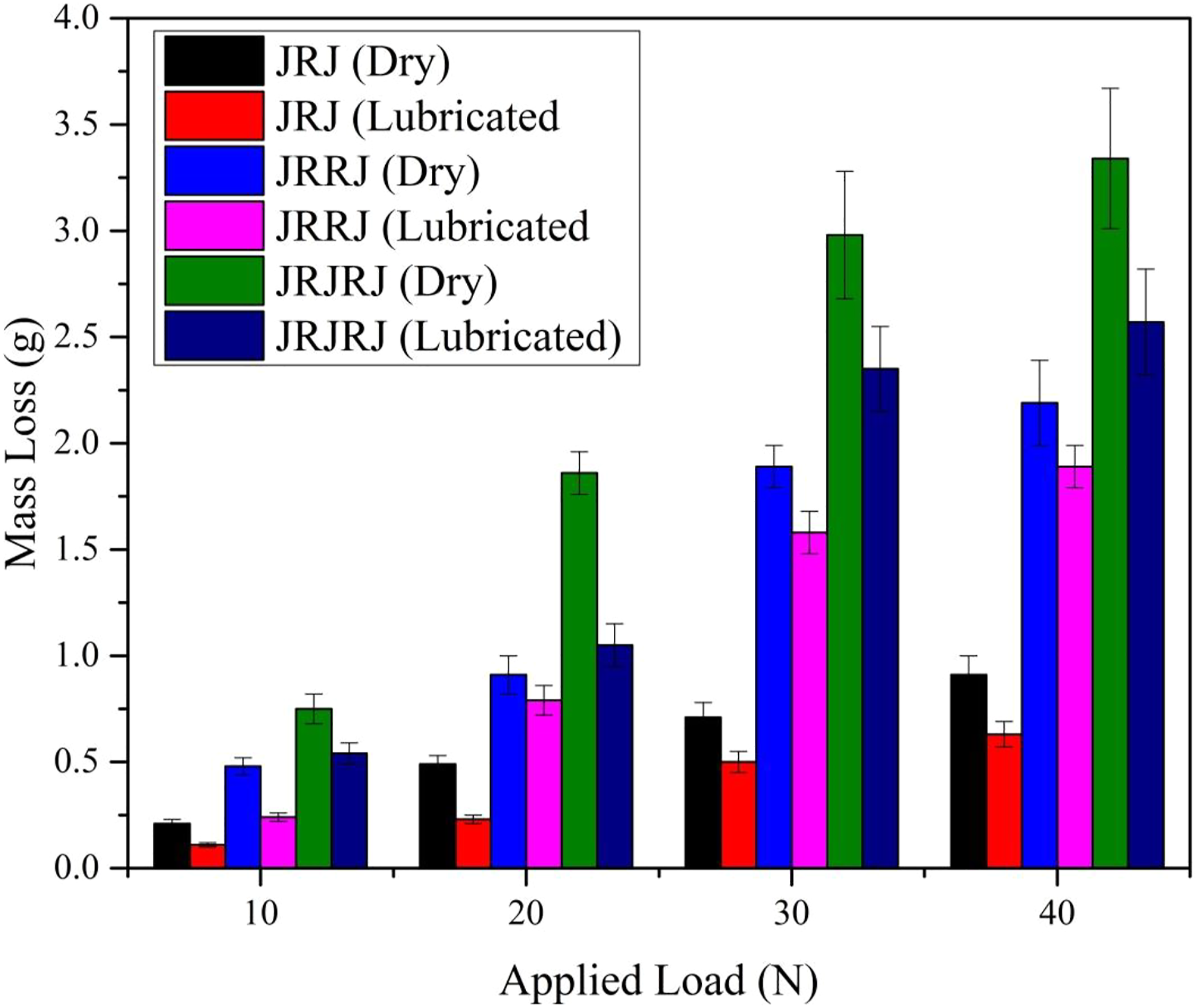
Figure 5 shows the effect of the applied load on the specific wear rate of the proposed composites. It can be seen that the specific wear rate at any given load for lubricated condition is less compared to dry wear condition. The transfer film formation over the counterface is what causes the particular wear rate to drop with oil-lubricated sliding. It is a well-known fact that the capacity of a polymer to form a transfer thin layer on the counter face has a significant impact on the wear behaviour for a polymer sliding over a surface. The loss caused by wear of composite materials is decreased by oil used as a lubricant. This loss is greatly influenced by the transfer film’s quality and adsorption on, at the very least, the surface. Effect of applied load on Sp. Wear rate.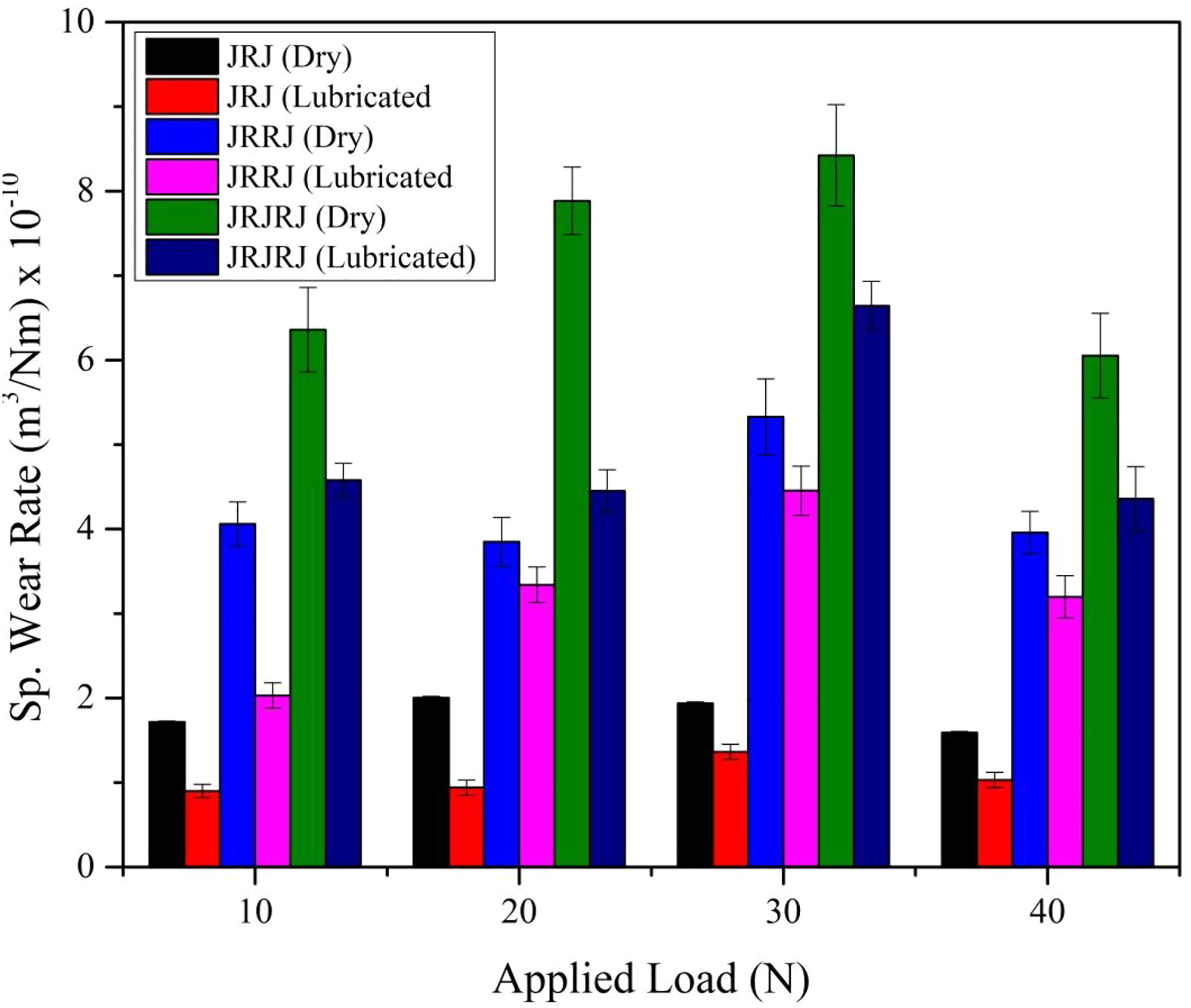
Lubrication can reduce the friction between two surfaces, which can decrease the amount of wear and tear on the rubber material. When two surfaces slide against each other, frictional forces generate heat and wear away material. Lubrication can reduce these forces by providing a thin layer of fluid that separates the two surfaces, minimizing contact and friction. Lubricants can reduce adhesion by forming a slippery film that prevents surfaces from sticking together.
To reduce the effects of three-body abrasion on rubber, it is important to minimize the amount of abrasive particles that come into contact with the rubber surface. This is achieved by lubricant in the form of protective coatings or barriers which prevent particles from entering the sliding interface.
When a load is applied to a material, the material experiences deformation and stresses that can affect its wear behavior. In the case of rubber, an increase in applied load can lead to a greater contact area between the rubber and the sliding surface, which can reduce the pressure and shear forces acting on the rubber. This reduction in pressure and shear forces can result in less deformation and less wear of the rubber material. Additionally, an increase in load can also cause an increase in the elastic deformation of the rubber material, which can act as a buffer and reduce the contact between the rubber and the sliding surface. This can further decrease the wear rate of the rubber.
Surface morphology
The worn-out surfaces of proposed composite under dry and lubricated sliding conditions are analysed using SEM images. JRJRJ stacking sequence among the proposed composites are considered for the purpose of comparison. Figure 6(a) and (b) shows the worn out morphologies of JRJRJ at 10 N and 40 N under dry sliding condition. Figure 6(c) shows the extent of rubber lump formation during dry wear condition. Similarly, Figure 6(d) and (e) shows the worn out morphologies of JRJRJ at 10 N and 40 N under lubricated sliding condition and Figure 6(f) shows the extent of rubber lump formation during lubricated wear condition. Worn surface morphologies of proposed composites under (a)–(c) dry wear and (d)–(f) lubricated wear condition.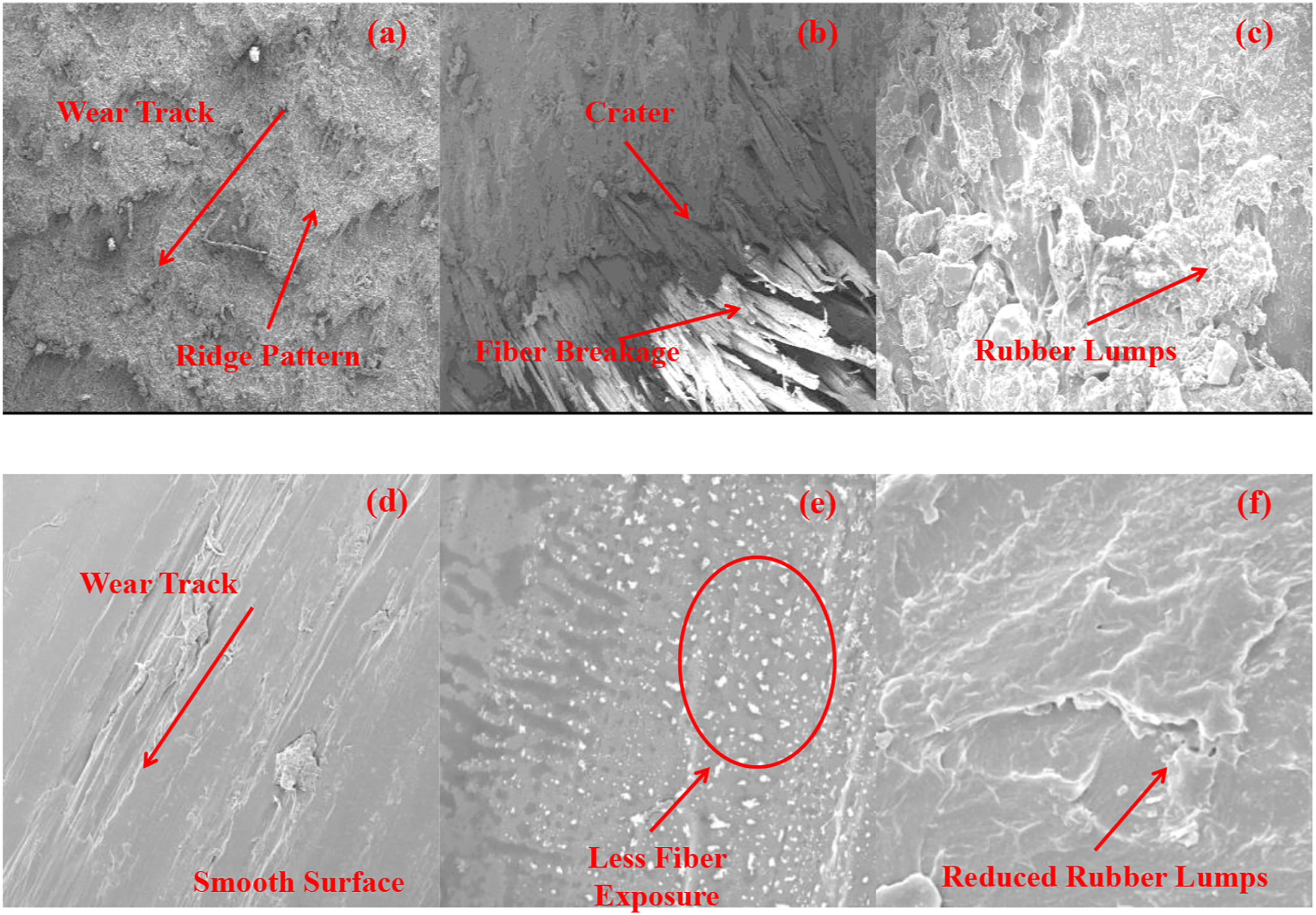
In general, a higher frictional force, attained either by increasing force or coefficient of friction, aids in causing fracture on the rubber surface and ultimately produces the ridge patterns seen in Figure 6(a). On the other hand, because the test is more difficult due to the greater frictional force, more energy will be released. This heightens the smearing effect, which transforms the patterns into sticky rubber by “melting” them. Together, they decide when and what sort of wear pattern is possible.
When NR based prepeg gum is first exposed to an abrasive media, it begins to wear by developing microscopic ridges, and as sand slides across the rubber, it tears away a section of the rubber, leaving a crater. The wear process is dominated by fibre breaking once the fibres have been fully exposed to the abrasive media, as seen in Figure 6(b). Also, when the NR sheet is exposed to a rough surface, it becomes linked to a rubber asperity and expands. Beginning at the asperity’s base, a crack forms in the substance. This action causes the ridges to form, combine, and expand into enormous rubber lumps that eventually tear away from the sample surface (Figure 6(c)). This process can be connected to the material loss caused by the fracture wear mechanism.
In the dry state, ridges developed on the contact surfaces more quickly than in the lubricated condition. The true contact area between the asperities of abrasives and the rubber surface decreases when lubrication is present. As a result, the shearing force is localised where the elastomer and abrasive points make contact, pulling the rubber’s surface towards the local direction of sliding. Under dry conditions, the apparent contact region experiences more consistent shear stress distribution, which in turn causes more uniform tensile stress towards the back of the apparent contact area, leading to the creation of continuous ridges. Yet, when the surface is lubricated, the ridges are diminished, making the worn-out surface smooth (Figure 6(d)). Also, it can be noticed that (Figure 6(e)) there are less exposed fibres than there would be in a dry situation. Lastly, in lubricated conditions, the amount of lump development is reduced (Figure 6(f)).
Conclusions
The present study aims at assessing effect of lubrication on the abrasive wear of natural compliant composite and following conclusions are drawn upon: 1. It is found that as the applied load is increased, the mass loss increases both in case of dry and lubricated wear conditions. 2. The mass loss is found to be less in case of lubricated wear condition when compared to dry wear due to thermal softening of elastomer matrix. Oil dipping reduces wear by providing lubrication and reducing friction between the rubber and the rubbing surface. 3. It is found that lubrication can reduce the friction between two surfaces, which can decrease the amount of wear and tear on the rubber material. 4. To reduce the effects of three-body abrasion on rubber, it is important to minimize the amount of abrasive particles that come into contact with the rubber surface which is achieved by lubricant in the form of protective coatings or barriers which prevent particles from entering the sliding interface. 5. In the case of rubber, an increase in applied load can lead to a greater contact area between the rubber and the sliding surface, which can reduce the pressure and shear forces acting on the rubber. This reduction in pressure and shear forces can result in less deformation and less wear of the rubber material. 6. In the dry state, ridges developed on the contact surfaces more quickly than in the lubricated condition. The true contact area between the asperities of abrasives and the rubber surface decreases when lubrication is present. 7. Under dry conditions, the apparent contact region experiences more consistent shear stress distribution, which in turn causes more uniform tensile stress towards the back of the apparent contact area, leading to the creation of continuous ridges. But, when the worn-out surface is oiled, it is smooth.
Footnotes
Declaration of conflicting interests
The author(s) declared no potential conflicts of interest with respect to the research, authorship, and/or publication of this article.
Funding
The author(s) received no financial support for the research, authorship, and/or publication of this article.
