



Abstract
The effect of hygrothermal aging on the tribological and mechanical behaviors of UHMWPE biocomposites reinforced with different weight fractions of mollusc shell (MS) particles was investigated. The developed MS-UHMWPE biocomposites samples were subjected to accelerated hygrothermal aging in Ringer’s solution at 80°C. The results showed that hygrothermal aging increases the tribological behavior of these biocomposites. The effect of hygrothermal aging on the wear resistance depends on the reinforcement rate of the MS particles. The mechanical properties of the MS-UHMWPE biocomposite were affected by hygrothermal aging as well as by the weight content of the added MS particles. The modulus of elasticity increased with increasing MS particle content for all tested materials. A scenario of the wear mechanism of aged biocomposites will be proposed.
Introduction
Ultra-high molecular weight polyethylene, UHMWPE, is a polymer with exceptional mechanical and tribological properties, including good wear and impact resistance, lubricating properties, chemical inertness, and biocompatibility with the human body. 1 Therefore, UHMWPE is widely used in industrial and clinical applications . 2 The idea is to replace the degraded natural acetabulum with a polymer as a support material, articulating against a metal femoral head, for hip replacement. 3 Today, more than two million UHMWPE artificial joints are implanted each year. 4 The requirements for UHMWPE polyethylene used for arthroplasty are specified in ASTM F648 and ISO 5834-1. The raw material for this specific polyethylene is produced by Ticona-Celanese.5,6 Compression molding and piston extrusion are the two most common manufacturing processes for forming orthopedic parts from UHMWPE. Compression molding was the first manufacturing process used on UHMWPE powder in the world. 7
Despite a relatively successful history, the UHMWPE component suffers from wear-related degradation in total joint replacements. 8 This is because the continuous movement of the joint creates UHMWPE wear particles through abrasive, surface fatigue-related, and/or adhesive wear mechanisms.3,9 These UHMWPE wear particles are mainly phagocytized by macrophages, resulting in the release of inflammatory cytokines, which subsequently lead to periprosthetic osteolysis and arthroplasty failure. 10 Consequently, to further enhance the wear behaviour of UHMWPE, numerous researches are concentrating on the fillers incorporated in the UHMWPE matrix. For example, many authors have chosen to reinforce polymers with filler particles and fibers such as natural coral, 11 zeolite, 12 carbon fiber, 13 multi-wall carbon nanotube, 14 corn starch, 15 graphene oxide,10,16 hydroxyapatite, 17 mollusc shell, 18 etc. Efe et al. 17 studied the effect of adding hydroxyapatite (HAP) under the different percentages of filler (0.5, 1, and 2 wt. % of HAP) on the mechanical properties of the UHMWPE. The results obtained show that an increase in Young’s modulus, of about 90% with the addition of 1 wt. % of HAP compared to pure UHMWPE, was observed. In fact, this increase is explained by the increase in cross-linking and thus the mechanical properties of the UHMWPE. 17 Golchin et al. 19 analyzed the influence of the incorporation of carbon nanotubes (MWNT) and graphene oxide (GO), on the tribological behavior of the UHMWPE matrix against CoCr. It was found that regardless of the treatment performed, the GO or MWNT reinforced composites exhibit superior tribological properties in terms of wear and friction behaviors compared to unfilled UHMWPE. 19 Hussain et al. 20 evaluated the tribological behaviour of UHMWPE polymer against 316 L stainless steel pins under dry and lubricated conditions. In their study, synovial fluid and human serum were used as lubricant. It was determined that lubricant type and loading are the most significant parameters affecting COF and wear rate of the UHMWPE polymer. 20
However, the aging of the UHMWPE prosthetic component in the human body is one of the main reasons for its degradation. Therefore, the study of the tribological behavior of biocomposites under accelerated aging can emulate natural aging and approximate “in vivo” conditions. Belotti et al. 21 performed hygrothermal aging tests on graphene oxide-UHMWPE composites in distilled water at room temperature and under 80°C for 20 days. The results show that the composites aged at room temperature showed less than 0.1% water absorption. This low uptake was attributed to the fact that UHMWPE has low solubility and affinity for water. However, composites aged at 80°C showed a continuous increase in water uptake rate with time. 21 To the best of the author’s knowledge, there are no previous studies that address the effect of hygrothermal aging on both tribological and mechanical behavior of mollusc shell-UHMWPE biocomposites.
In this work, the effect of hygrothermal aging on the tribological and mechanical properties of mollusc shell (MS) reinforced UHMWPE biocomposites was evaluated. For this purpose, MS-UHMWPE biocomposites samples were developed by hot compression molding process with different weight percentages of MS particles, namely, 0, 5, 10, 15, 20, and 25% MS-UHMWPE. The MS-UHMWPE biocomposites samples were aged in Ringer’s solution at 80°C. The rate of water absorption by the aged MS-UHMWPE biocomposites was examined. Afterward, wear tests were performed using a pin-on-disc tribometer. After the wear tests, the friction coefficient and wear behavior of aged and unaged MS-UHMWPE biocomposites rubbing against stainless steel pins were discussed. Morphological analyses of aged MS-UHMWPE biocomposites discs were analyzed. The effect of MS particles and hygrothermal aging on the mechanical properties of the UHMWPE matrix was examined. A scenario of the wear mechanism of aged biocomposites will be proposed.
Experimental details
Materials
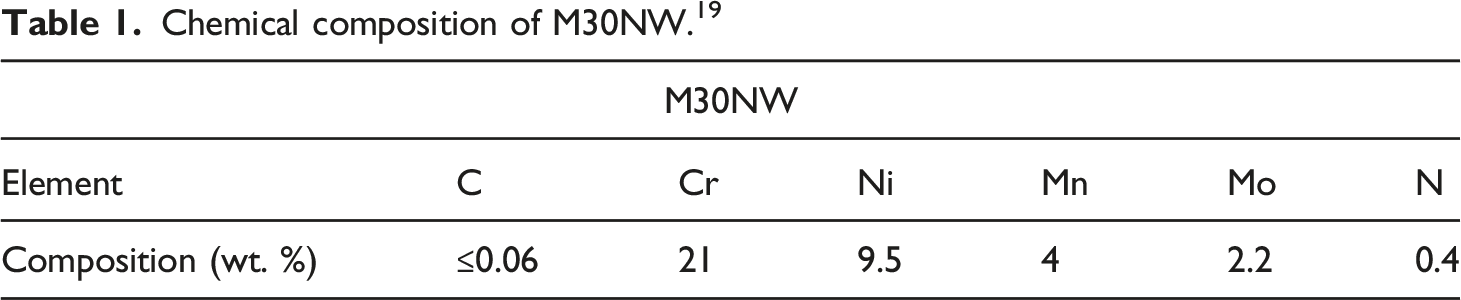
Chemical composition of M30NW. 19
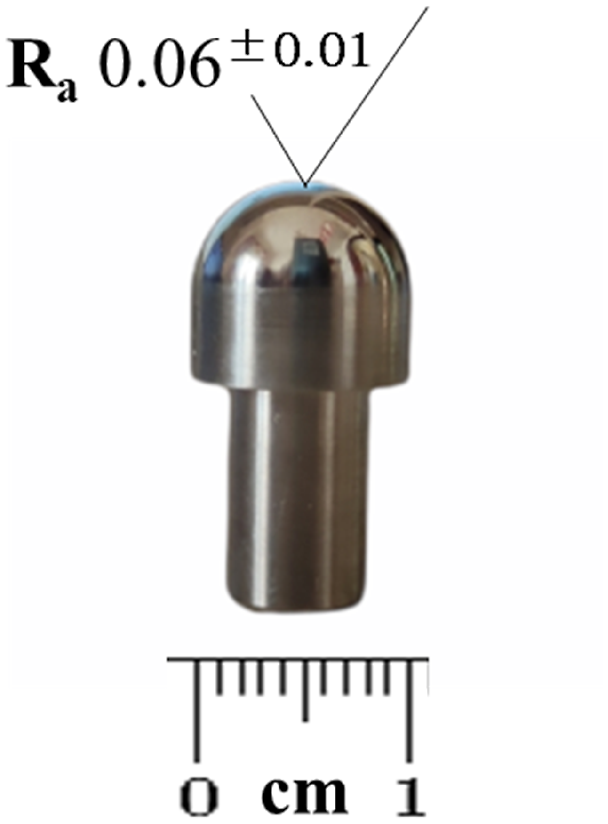
M30NW pin.
MS were collected directly from the Mediterranean beach in Tunisia. Afterward, the MS were rinsed with deionized water and then immersed in alcohol for 1 h, to remove soluble organics and adhering proteins. Thus, there were dried in an oven at 50°C for 4 h. Finally, the MS were ground into a fine powder with a blade mill. The MS particles have an average grain size of 51 μm.
In this study, the retained MS particles were used to reinforce the UHMWPE matrix. The UHMWPE used is GUR 4113 produced by Ticona, also known as Celanese (Germany). The UHMWPE has an average molecular weight of 3.9 Mio g/mol (Celanese’s UHMWPE GUR® 4113 data sheet).
MS-UHMWPE preparation process
MS-UHMWPE biocomposites were prepared with a different weight percentage of filler, namely; 0, 5, 10, 15, 20 and 25 wt.% of MS particles. In order to ensure the homogenization of the composite, the MS-UHMWPE mixture is stirred with a ball-mill machine for 20 min at a rotation speed of 120 m/min. Once the MS-UHMWPE blends are made, the biocomposites are elaborated by hot compressing molding, using the JOOS type thermocompression press.
Two three-plate molds were used. Each mold contains a bottom plate on which a printing plate and a punch plate are placed. The punch plate ensures the compression of the MS-UHMWPE blends. The first mold is used to produce tensile specimens and the second to produce cylindrical discs for tribological testing. MS-UHMWPE tensile specimens with dimensions according to ASTM D638
22
(Figure 2(b)) and MS-UHMWPE discs with a radius of 30 mm and a height of 8 mm (Figure 2(a)) were developed. In this study, MS-UHMWPE composites developed to simulate the femoral head of the prosthesis. (a) Biocomposite disc, (b) biocomposite tensile specimen.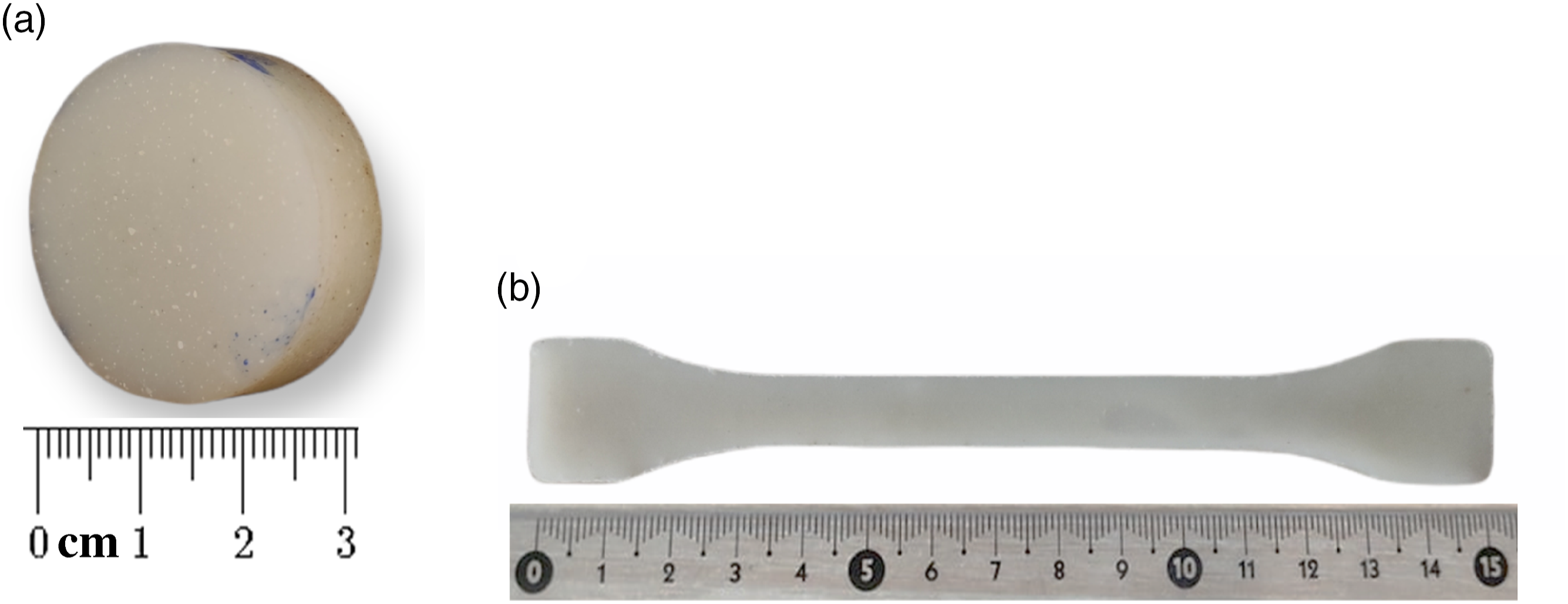
Before the wear tests, the different biocomposite discs were polished, using abrasive papers ranging from P180 to P4000. The final average roughness (Ra) of the biocomposite surfaces was equal to 0.18 ± 0.04 μm.
Hygrothermal aging process

Chemical composition of the ringer’s solution. 21

Wear tests
Wear tests, of aged and unaged biocomposites, were performed on a reciprocating pin-on-disc tribometer (Figure 3). The MS-UHMWPE biocomposite disc was made to slide linearly against M30NW pins. This test method, linear reciprocating wear motion, is a standardized laboratory method. It is commonly used to evaluate the friction and wear properties of material combinations employed in total joint replacements.24–26 In this study, the sliding stroke was set to 30 mm per cycle. The sliding speed was equal to 30 mm/s, which corresponds to a frequency of 1 Hz. It should be noted that the sliding velocity of a total hip prosthesis is between 0 and 50 mm/s and the average frequency of human walking is 1 Hz .27,28 In addition, all wear tests were performed for 15,000 sliding cycles, which corresponds to a total sliding distance of 450 m. Schematic diagram of friction and wear test.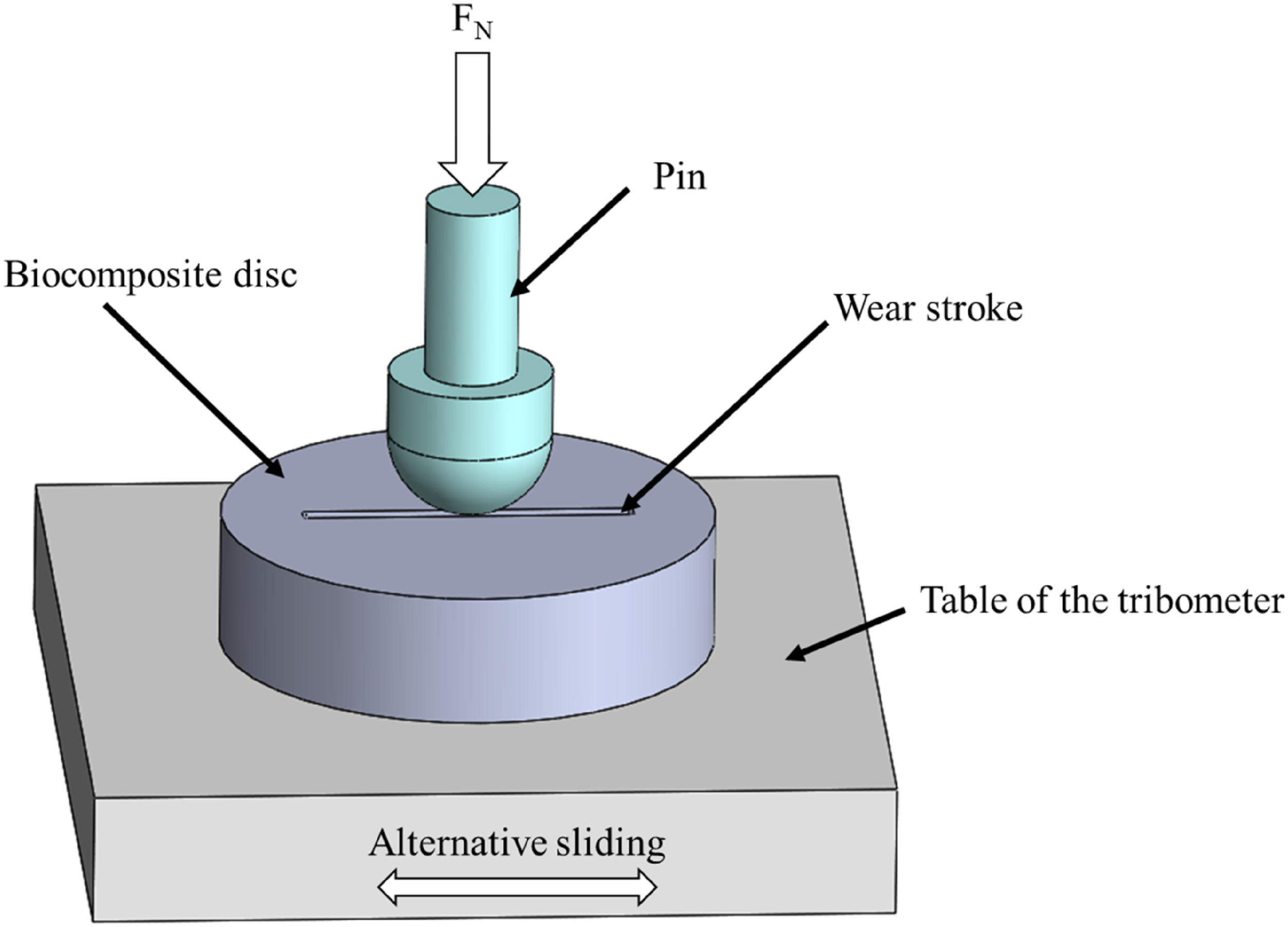
After tribological tests, the wear traces generated on the surface of the aged and unaged discs were measured using a 2D profilometer. The Taylor Hobson Surtronic 116 profilometer was used. The data obtained were treated using the Gold Talyprofile software. The specific wear rate is then calculated according to the following equation
29

SEM
The wear traces of the aged biocomposites are examined using scanning electron microscopy (SEM). The Quanta FEI SEM coupled with an EDS microprobe was used.
For this purpose, the surfaces of the discs were metallized using a Quorum Q150 R ES metallizer. This step consists of covering the wear traces of the samples with a thin layer of gold 11 nm thick.
Tensile tests
Tensile tests were performed on aged and unaged biocomposite samples using a universal tensile testing machine “LLOYD EZ 20 instruments”. The test conditions are defined by ISO 527 standard . 22 The test was performed at a constant strain rate of 50 mm/min, at room temperature until the specimen failed. For each biocomposite, five specimens were tested. The results in terms of Young’s modulus, maximum stress, and strain at break are determined for each biocomposite.
Results and discussion
Water absorption of MS-UHMWPE during hygrothermal aging
Figure 4 shows the evolution of the water absorption of the aged biocomposites (0, 5, 10, 15, and 25 wt. % MS-UHMWPE) in Ringer’s solution at 80°C, as a function of the square root of the immersion time. Evolution of the percentage of water absorption by biocomposites as a function of the square root of time during hygrothermal aging.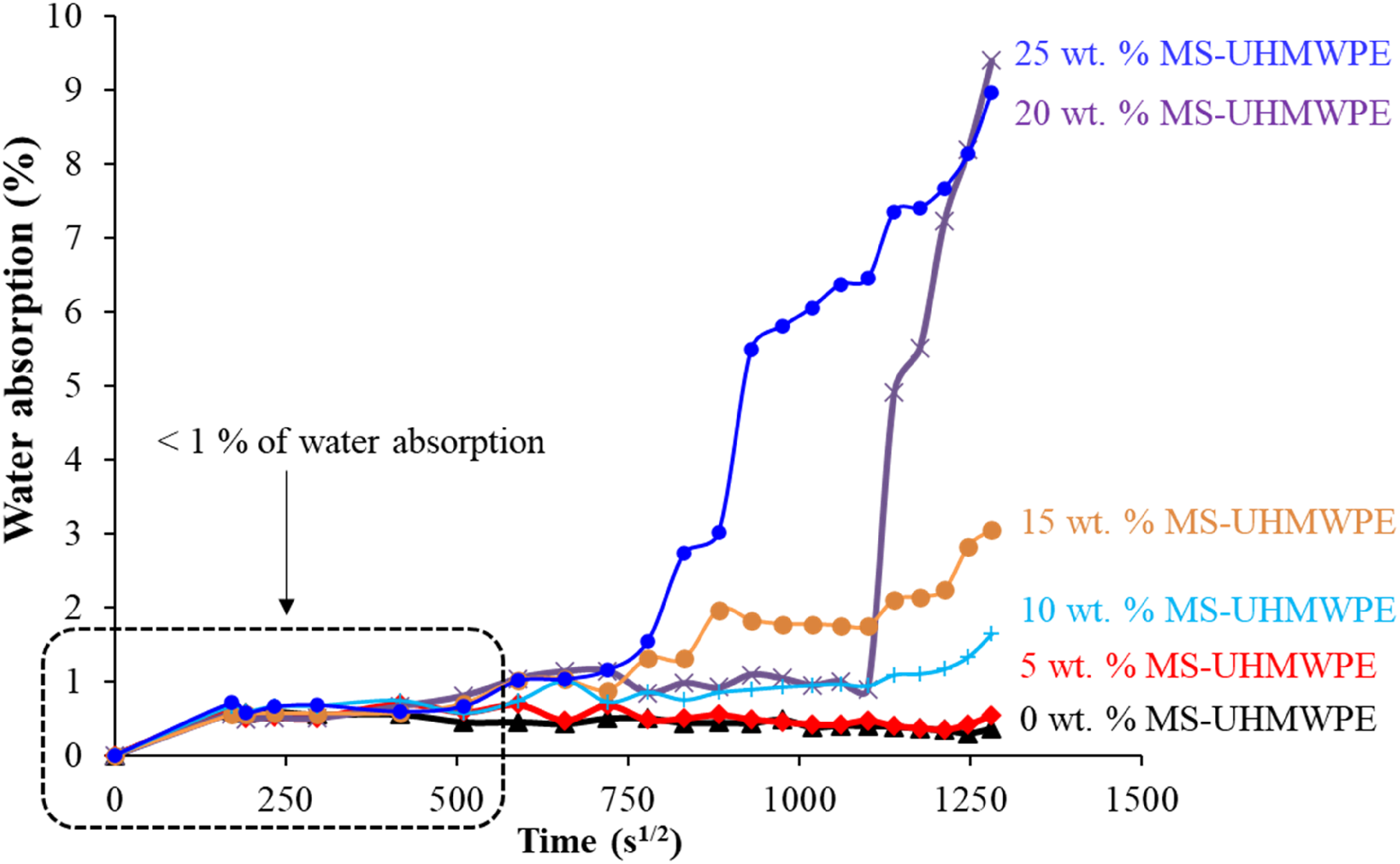
For as long as 5 days (400 s1/2) of aging in Ringer’s solution at 80°C, the different biocomposites (0, 5, 10, 15 and 25 wt. % MS-UHMWPE) behave identically with regard to water absorption. In fact, less than 1% of water absorption was achieved with the biocomposites as shown in Figure 4. Moreover, the 0 wt. % MS-UHMWPE biocomposite exhibits constant and negligible water absorption (<1%) (Figure 4). This result can be attributed to the hydrophobic character of UHMWPE. 30 Similar results have been observed in the literature.31,32 The same observation was made with the 5 wt. % MS-UHMWPE. This finding is likely due to the low weight percentage of the filler and the good distribution of the MS particles in the UHMWPE matrix.
However, after 2–21 days of aging, the 10, 15, 20, and 25 wt. % MS-UHMWPE biocomposites show different behaviour in terms of water absorption kinetics. Indeed, a higher absorption capacity was observed by these biocomposites (Figure 4). The water absorption reached 1.6% and 3% with the 10 and 15 wt.% MS-UHMWPE, respectively (Figure 4). With the 20 and 25 wt. % MS-UHMWPE, the water absorption increases significantly after 7 days of aging in Ringer’s solution. Up to 21 days of hygrothermal aging, the water absorption reached ≈9% for the 20 and 25 wt. % MS-UHMWPE, this result suggests that water saturation was not reached in the composite. Indeed, with high reinforcement contents, it is difficult to obtain a homogeneous dispersion of MS in the composite, which subsequently creates agglomerates of MS in the composite. These agglomerates of MS increase the water absorption capacity of the biocomposites. Moreover, MS contain two types of proteins, namely; soluble proteins (aspartic) and insoluble proteins (glycine and alanine).33–35 Therefore, soluble proteins can create micropores that allow the absorption of water. Similar results have been observed when eggshell-HDPE biocomposites were immersed in water. 36
Effect of hygrothermal aging on the tribological properties of MS-UHMWPE
Friction coefficient
Figure 5 shows the evolution of the average friction coefficient of the aged and unaged biocomposites rubbing against stainless steel pins as a function of the MS-UHMWPE biocomposites. Variation of the average friction coefficient of the unaged and aged MS-UHMWPE biocomposite in ringer’s solution.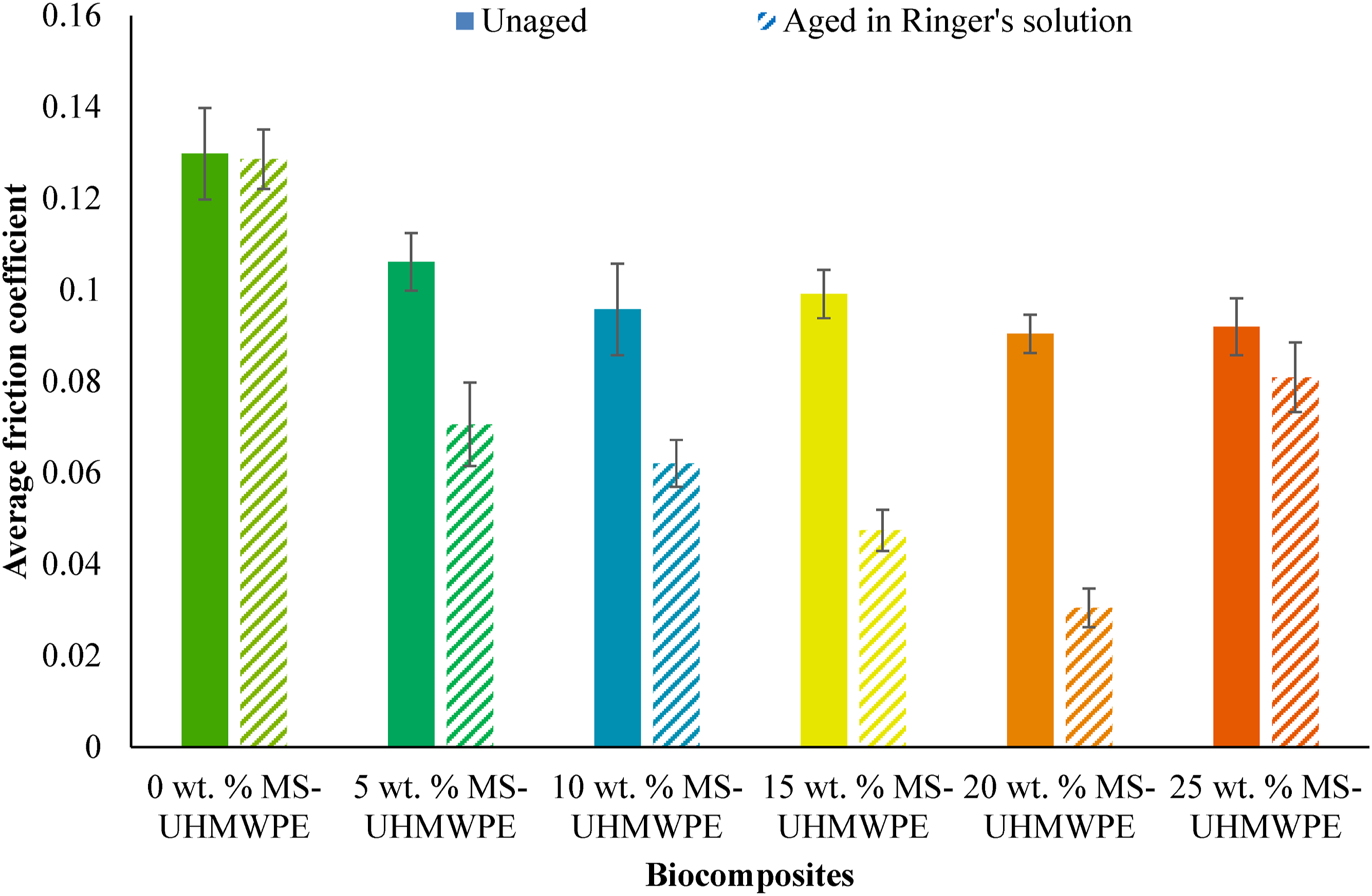
It is highlighted in Figure 5 that under both aged and unaged conditions, the MS particles have a positive effect on the friction coefficient of the pure UHMWPE.
Indeed, in the unaged state, a reduction of 15, 27, 23, 30, and 30% in the friction coefficient was achieved with 5, 10, 15, 20, and 25 wt. % MS-UHMWPE, compared to unaged and unfilled UHMWPE, respectively. This reduction can be attributed to two reasons, on the one hand to the reinforcement of the UHMWPE by the MS particles and on the other hand to the decrease in heat at the tribological contact interface with the presence of MS particles on the reinforced biocomposite surface. 31
During the initial friction cycles, the MS particles present on the top surface of the composite were partially crushed under the normal load. During friction, these MS debris particles react as a third body between the pin and the MS-UHMWPE disc and act as roller particles facilitating the sliding of the pin against the bio-composite. As a result, a reduction in the coefficient of friction was retained with 20 wt. % MS-UHMWPE compared to unfilled UHMWPE (Figure 5).
For the unfilled UHMWPE, hygrothermal aging in Ringer’s solution does not affect its coefficient of friction against the stainless steel. Indeed, the coefficient of friction of the unfilled UHMWPE, aged and unaged, tends to the value of 0.13 after 15 000 cycles of sliding. These results are in agreement with those observed in the literature and are attributed to the hydrophobic character of the UHMWPE.21,31,37 However, hygrothermal aging in Ringer’s solution has a significant effect on the frictional behaviour of the MS-reinforced UHMWPE biocomposites. Indeed, Figure 5 shows that the friction coefficients of aged MS-UHMWPE biocomposites have decreased compared to those of unaged MS-UHMWPE biocomposites. In the hygrothermal aged state, a 46, 53, 63, 76, and 38% reduction in the friction coefficient was obtained with 5, 10, 15, 20, and 25 wt. % aged MS-UHMWPE, compared to the aged and unfilled UHMWPE, respectively (Figure 5). In fact, it appears that during friction, the water molecules absorbed into the MS-reinforced UHMWPE biocomposites (Figure 4) are released at the sliding interface under the pressure of the stainless-steel pin and act as a lubricant. This result is similar to that found in the literature when reinforcing UHMWPE with short carbon fiber. 21
Specific wear rate
Figure 6 shows the variation of the specific wear rate of the different aged and unaged biocomposites as a function of the percentage of MS particles addition. Evolution of the specific wear rate as a function of the aged and unaged MS-UHMWPE composite.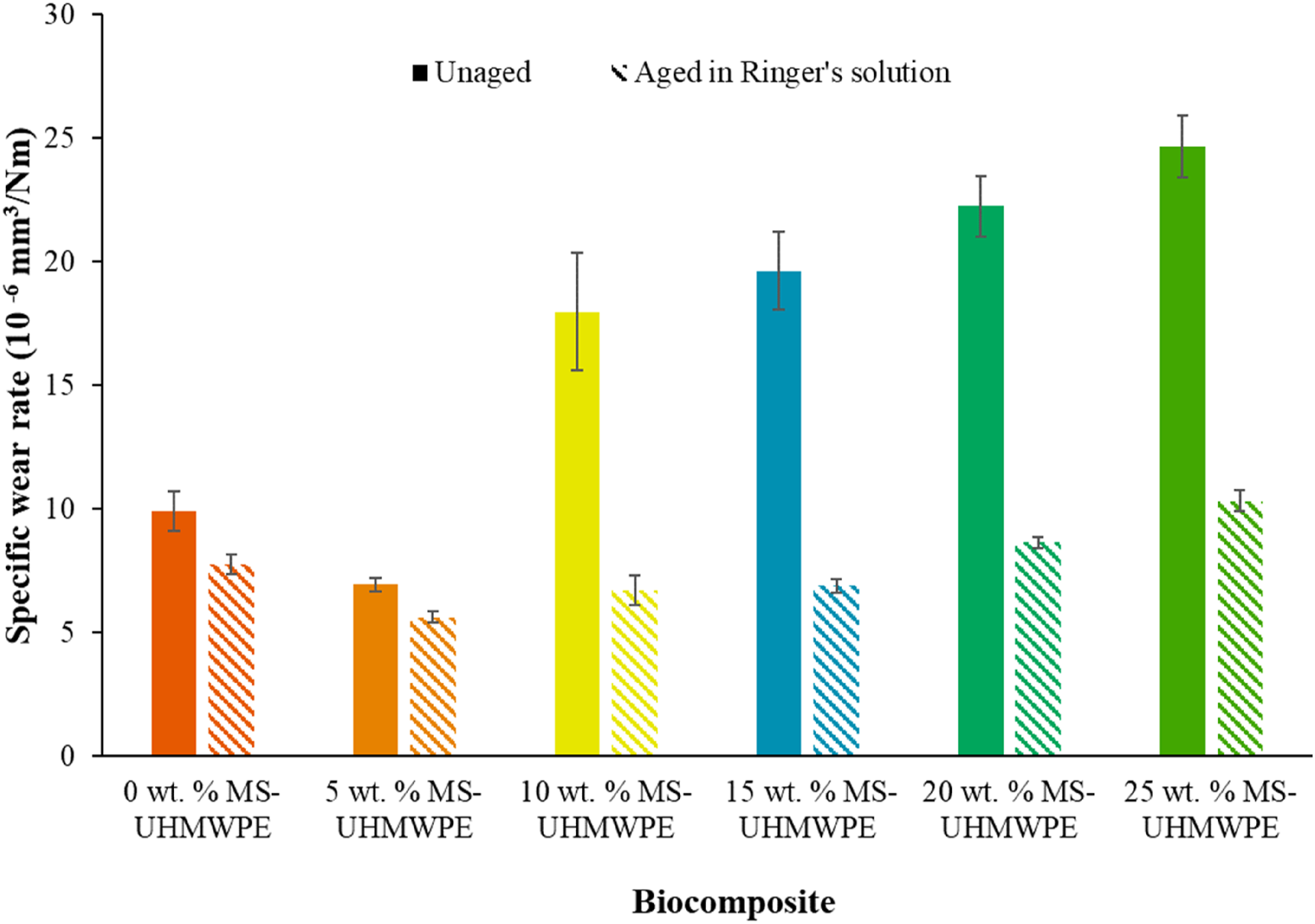
In view of this figure, for the unaged MS-reinforced UHMWPE biocomposite, only 5 wt. % of MS has a positive effect on the wear behaviour. Indeed, a 30% reduction was obtained with 5 wt. % MS-UHMWPE compared to unaged and unfilled UHMWPE sample.
However, Figure 6 shows that the hygrothermal aging in Ringer’s solution has a substantial impact on the wear behaviour of the MS-reinforced UHMWPE biocomposite. In fact, hygrothermal aging in Ringer’s solution of unfilled UHMWPE led to a 20% decrease in its specific wear rate compared to unaged and unfilled UHMWPE. Similar results have been reported in the literature.31,37
Furthermore, hygrothermal aging in Ringer’s solution decreased the specific wear rate of the different MS-reinforced UHMWPE biocomposites. Indeed, in the hygrothermal aged state, a 20, 60, 64, 61, and 58% reduction in the specific wear rate was obtained with 5, 10, 15, 20, and 25 wt. % aged MS-UHMWPE, compared to the specific wear rate of unaged 5, 10, 15, 20, and 25 wt. % aged MS-UHMWPE, respectively (Figure 6). The observed results may be related to the lubricating effect of the water molecules released during the friction of the biocomposites against stainless-steel pins (Figure 5). In addition, the waterlogged MS particles become softer and will be easily compacted by the pin during the wear stroke, resulting in the ejection of less wear debris. In conclusion, the MS-UHMWPE biocomposites studied showed interesting tribological performances under hygrothermal aging. These biocomposites may be good candidates for in vivo applications.
Wear morphology of the aged MS-UHMWPE biocomposites
Figure 7 shows SEM micrographs of the wear traces obtained after 15,000 sliding cycles of the different biocomposites, hygrothermally aged in Ringer’s solution against stainless steel pins. SEM images of wear tracks generated after tribological tests on aged (a,b) 0 wt. % MS-UHMWPE, (c,d) 5 wt. % MS-UHMWPE, (e,f) 10 wt. % MS-UHMWPE.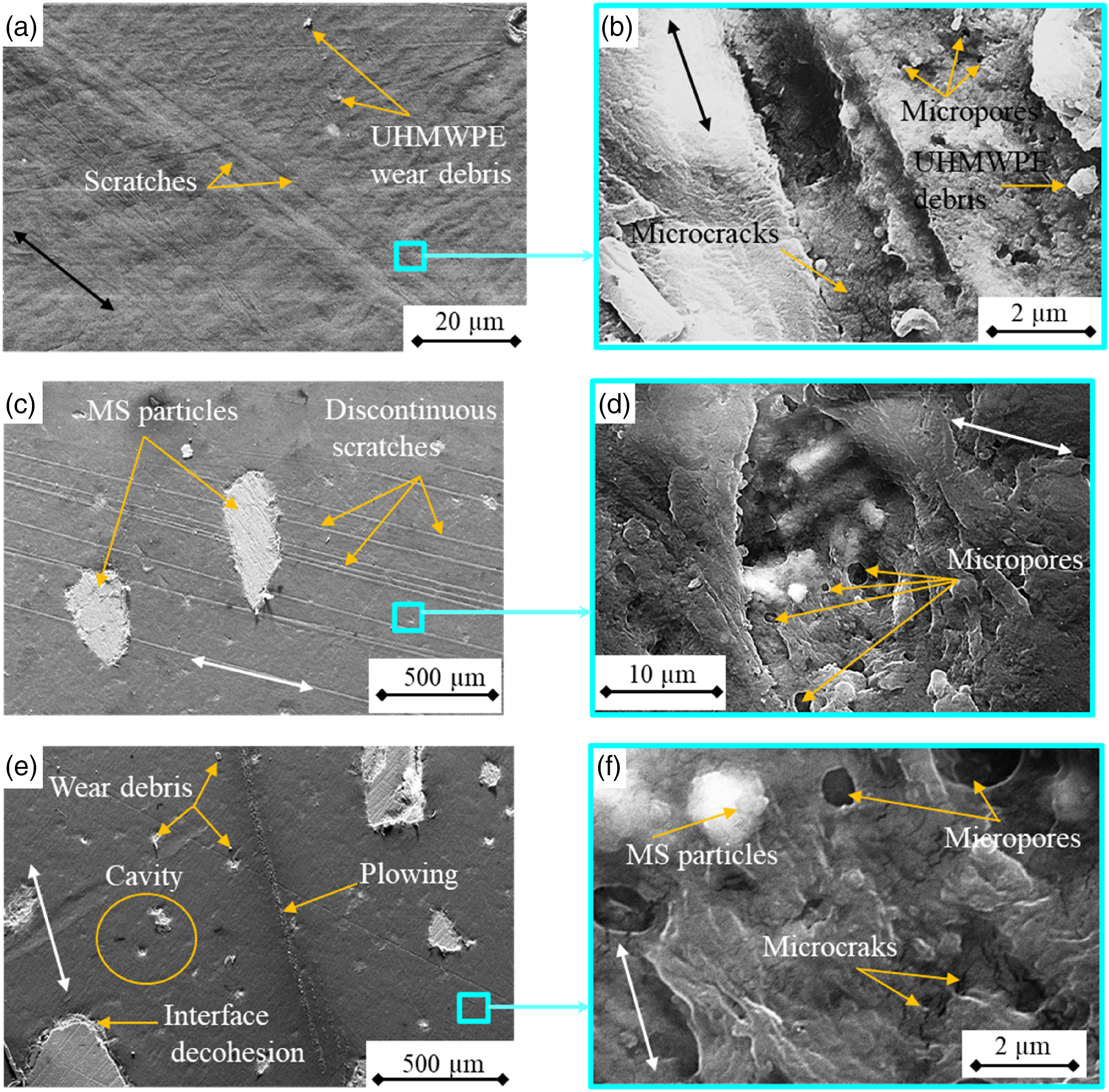
For the aged and unfilled UHMWPE, deep scratches are shown in Figure 7(a)–(b). These scratches are parallel to the sliding direction and continuous along the wear track. In addition, at higher magnification, some micro-cracks and wear debris of UHMWPE polymer can be seen between the scratches in Figure 7(b). This result reflects the appearance of signs of polymer fatigue, due to the effect of the hygrothermal aging, during the cyclic friction . 38 In addition, porosities adjacent to the microcracks are present in the wear pattern and are probably related to UHMWPE pull-out during friction against the stainless-steel pin.
The addition of MS particles to the UHMWPE has a significant effect on its wear morphology. Indeed, for 5 wt. % MS-UHMWPE, shallower discontinuous scratches parallel to the sliding direction are observed (Figure 7(c)). Moreover, Figure 7(d) illustrates the presence of porosity and micropores in the wear trace of the aged 5 wt. % MS-UHMWPE. These micropores were probably due to the decohesion of the charge-matrix interface. The same assumption was reported by Althmon et al. 39 in their study of aged hydroxyapatite-high density polyethylene composite.
In the same way, examination of the wear trace of the 10 wt. % MS-UHMWPE shows a relatively smoother morphology with few scratches (Figure 7(e)). At higher magnification, microcracks perpendicular to the direction of sliding are visible in the wear trace (Figure 7(f)). In addition, micropores, are relatively larger than those observed in the wear trace of the 5 wt. % MS-UHMWPE, are formed. Indeed, it seems that the volume of MS agglomerate increases with the percentage of filler in the biocomposite. These agglomerates, waterlogged by hygrothermal aging, are easily detached creating porosities. A similar observation was reported by Visco et al. 40 when studying the carbon nanofiber-UHMWPE composite aged in synovial fluid.
Effect of hygrothermal aging on the mechanical properties of MS-UHMWPE
Figure 8 shows the stress-strain curves of the different unaged and aged biocomposites in Ringer’s solution at 80°C. Stress-strainn curve of (a) unaged MS-UHMWPE biocomposites, (b) aged MS-UHMPWE in Ringer’s solution at 80°C.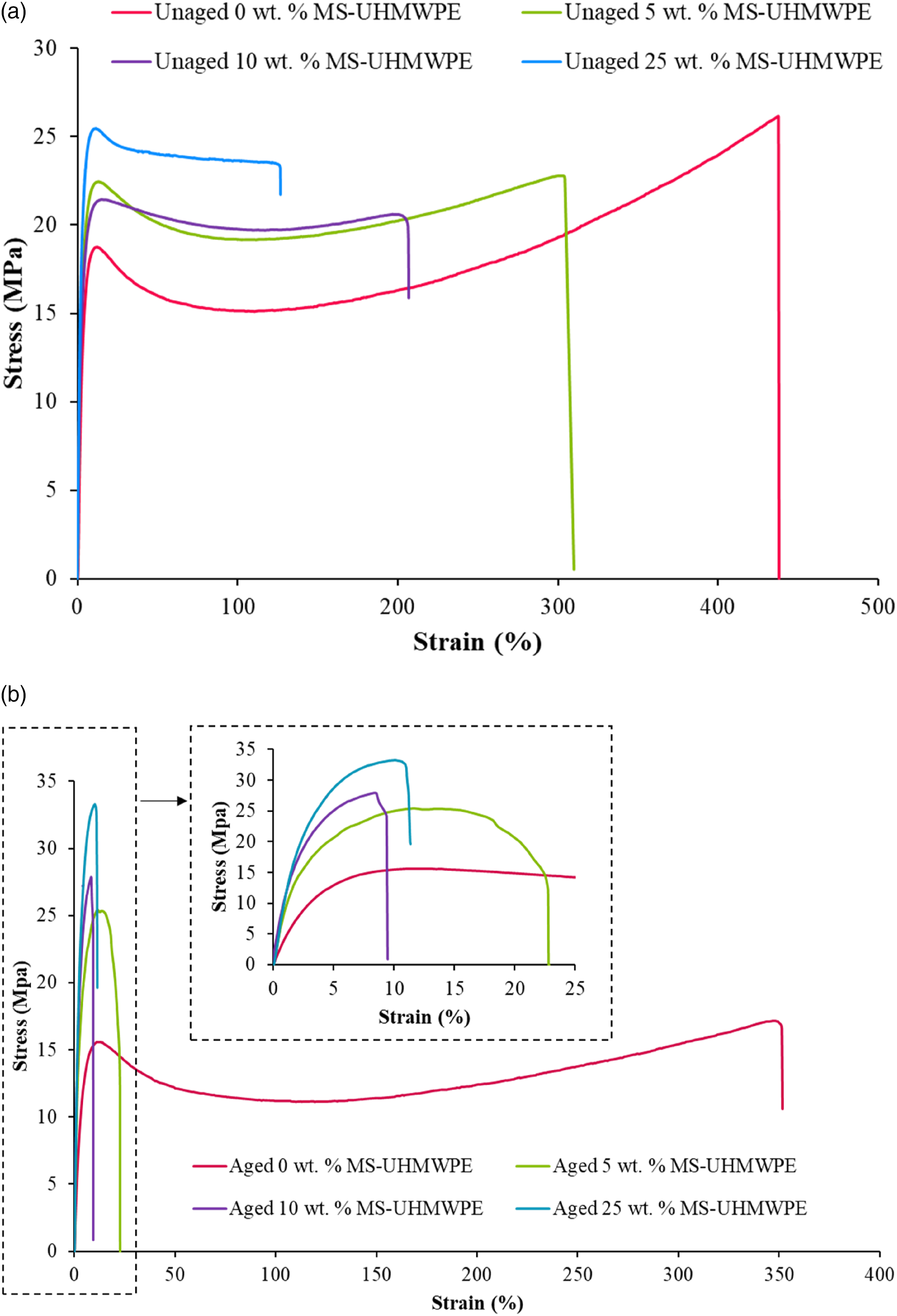
In view of Figure 8(a), an unaged MS-UHMWPE biocomposite presents a semi-crystalline behaviour. Indeed, the stress-strain curve of all the MS-UHMWPE biocomposites can be divided into four major parts, namely; linear elastic deformation, plastic deformation, striction of the polymer, and its hardening. 25
Figure 8(b) shows that the tensile behavior of aged 0 wt. % MS-UHMWPE was not strongly influenced by hygrothermal aging in Ringer’s Solution. Similar results were observed in the literature for pure unaged UHMWPE.25,30,41
However, it is worth mentioning that the tensile behaviours of 5, 10, and 25 wt. % MS-UHMWPE biocomposites, are significantly influenced by hygrothermal aging in Ringer’s solution. This result is probably related to the water absorption by the biocomposites during the hygrothermal aging in Ringer’s solution as discussed previously in Figure 4. Moreover, water infiltration into the interface of the biocomposites may modify the molecular structure of the composite. 42
Mechanical properties from tensile tests of unaged and aged MS-UHMWPE biocomposites in ringer’s solution.
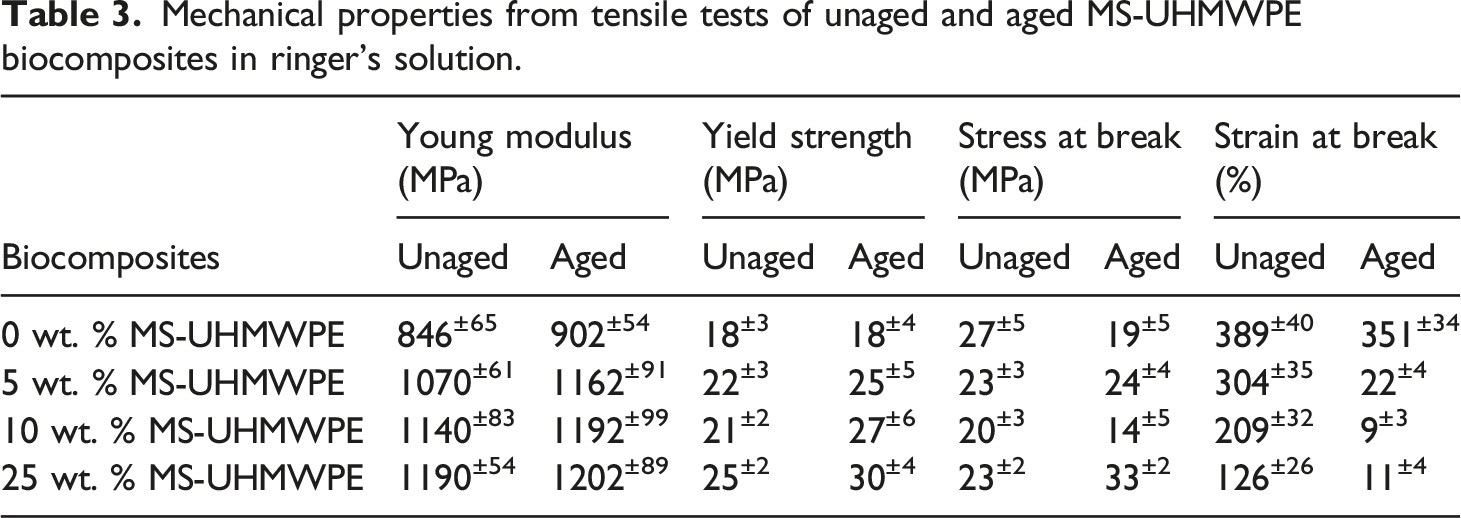
Table 3 shows that the MS particles have a significant effect on the mechanical properties of unaged UHMWPE. Indeed, Young’s modulus and yield strength of the biocomposite increase with the addition of the MS particles (Table 3).
Despite exposure to hygrothermal aging, Young’s modulus and yield strength maintained the same rate of increase with the percentage of MS particles.
On the other hand, the addition of MS particles to UHMWPE decreased both the stress at break and strain at break of both aged and unaged biocomposites. It remains to be noted that the decrease of the strain at break is more significant with aged biocomposites (Table 3).
The results obtained may be related to the MS microstructure.34,43 Indeed, the MS microstructure makes the matrix-filler blend stiffer and relatively harder than pure UHMWPE. Subsequently, the increase in the hardness of the composite leads to a decrease in its ductility and thus its deformation at failure.35,44,45 In addition, Fu et al. 44 pointed out that the mechanical properties of a filled polymer are strongly influenced by several factors such as particle size, interfacial adhesion, and the amount of addition. It has been well demonstrated that the quality of the matrix-filler interface governs most of the mechanical properties of the biocomposite . 44
Proposed wear scenario for aged biocomposite
The wear mechanism of biocomposites loaded with MS particles that have undergone hygrothermal aging in Ringer’s solution at 80°C is more complex than in the pure polymer. For this purpose, a proposed wear mechanism scenario for the aged biocomposite is presented in Figure 9. (a) Morphology of aged biocomposite wear track generated after dry rubbing against stainless steel pin, (b) entanglement of MS particles in the molecular chain of UHMWPE after hygrothermal aging and (c) chemical reaction at the biocomposite interface during hygrothermal aging in Ringer’s solution at 80°C.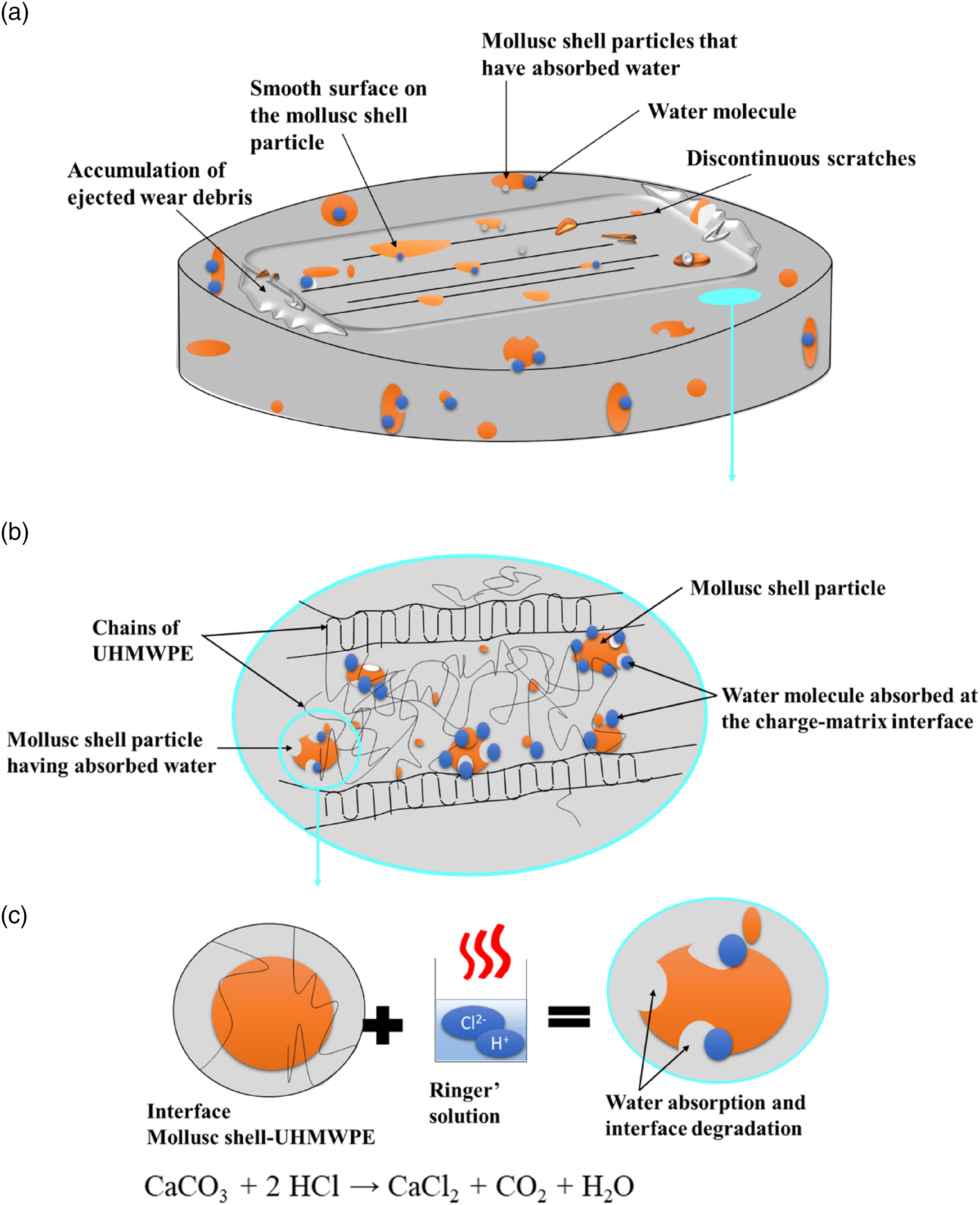
UHMWPE is a semi-crystalline polymer, composed of very long polyethylene chains. As the molecules are very long, large overlaps can exist. 16 Therefore, the MS particles, located across the amorphous chains of UHMWPE, strengthen the polymer.
During hygrothermal aging, moisture increases the mobility of the UHMWPE molecular chain. 46 In addition, fixing the temperature at 80°C facilitates the diffusion of water molecules into the amorphous polymer chains.47,48 Moreover, the MS particles are installed in the amorphous chains of the UHMWPE (Figures 9(b) and (c)). Subsequently, water uptake occurs mainly at the charge-matrix interface in the biocomposites. MS consists of a mineral phase, mainly calcium carbonate; CaCO3, in the structural form of aragonite. 18 In the presence of chloride and hydrogen ions, from Ringer’s solution, a chemical reaction between these ions and the calcium carbonate ions can take place (Figure 9(c)). As a result, hydrothermally induced damage at the interface is created. Micro-voids at the interface of the biocomposites will thus be created (Figure 9(c)). These micro-voids are, thereafter, occupied by water molecules.
During the friction tests, MS-UHMWPE wears debris were crushed under the effect of the normal load. Indeed, the presence of water molecules at the interface leads to a weak interfacial bond between the UHMWPE and the MS particles. These debris are then rolled up by the pin to the end of the wear track. The winding of these debris creates grooves parallel to the direction of sliding.
Then, the presence of the MS particles on the surface of the biocomposite can act as an obstacle by modifying the speed of crack propagation. In addition, water molecules trapped at the interface in the biocomposite are released under normal loading, resulting in discontinuous grooves in the wear trace (Figure 9(a)). Subsequently, the wear trace surface of aged biocomposites becomes smoother than that of pure UHMWPE.
It can be concluded that the synergy between the hygrothermal aging mechanism of MS particles affected the material removal mechanism of biocomposites.
Conclusion
In this study, the effect of hygrothermal aging in Ringer’s solution at 80°C on the tribological and mechanical behaviors of biocomposites was examined. MS-UHMWPE biocomposites were elaborated by a hot compression molding process with different weight percent of MS particles. Hygrothermal aging results showed that MS-UHMWPE biocomposites led to higher water absorption rates compared to pure UHMWPE. With 20 and 25 wt. % of MS, the percentage of water absorption did not reach a stable value. After hygrothermal aging, MS-UHMWPE biocomposites present better tribological behavior, in terms of friction and wear behaviors, compared to the unfilled UHMWPE. The best biocomposite was the 20 wt. % MS-UHMWPE with a reduction of 76% and 61% in the friction coefficient and specific wear rate, respectively. Hygrothermal aging affects the wear morphology of the MS-UHMWPE biocomposites. In fact, porosity and micropores are observed in the morphology of the wear stroke of the biocomposites. These micropores are probably related to the water absorption by the agglomerated MS particles in the biocomposites. From the tensile tests, it is concluded that Young’s modulus increased with the addition of MS particles, while the elongation at break decreased with the use of the reinforcement. Based on the results obtained, we can conclude that biocomposites filled with shell particles are good candidates for in vivo orthopedic applications.
Footnotes
Acknowledgements
The authors are grateful to the University of Monastir and the Ministry of Higher Education and Scientific Research - Tunisia for their support (LGM: LAB-MA-05). We would like to thank Mr Didier VOILLEMIN, manager of the company C2T Implants for his great cooperation.
Funding
The author(s) received no financial support for the research, authorship, and/or publication of this article.
