




Abstract
In this paper, the effect of temperature on the creep-recovery behavior of a polypropylene matrix syntactic foam material under low stresses is analyzed. Previous dynamic mechanical analyses have shown that the mechanical response of the composite material is strongly time dependent with the polymeric nature of its matrix despite a high volume fraction of hollow glass microspheres. The permanent deformations are more pronounced at the higher temperatures. With the low level of the applied stress, the results lead to the assumption that the microcracks can be generated in the matrix of the composite material. Under the effect of temperature gradients in the offshore environment, the response of the material could evolve from a linear viscoelastic behavior to a behavior of which one part could be associated with the viscoelasticity of the matrix and a second with its viscoplasticity. We propose to use hooke, spectral triangular, and Zapas-Crissmann models to predict the overall creep response of a polypropylene matrix syntactic foam at the different temperatures. The results showed that the creep deformation at the higher temperatures conforms well to the global model including a power law that takes into account the permanent deformations of the polypropylene matrix composite of syntactic foam material type.
Introduction
The composites materials are increasingly used in many technological fields because of their particular properties (thermal and mechanical). The use of an organic matrix composite is linked to a number of advantages, including the reduction of the weight of structures. 1 In the field of offshore operations, the composite thermal insulation material generally used in subsea pipelines is syntactic foam. The latter is a composite material composed of the hollow glass microspheres embedded in a polymer matrix. 2 Many factors related to service conditions in the marine environment affect the behavior of materials. Regarding the behavior of the composite materials in the existing literature, many studies have established procedures for their characterization.
There are some models to predict the behavior of organic matrix composites materials.3,4 Numerous studies have been carried out to predict the thermo-mechanical behavior of syntactic foams. 5 Multiscale approaches have been applied by refs. 6, 7. The analysis of the behavior of syntactic foams under compression test was carried out in refs. 8–11. These studies showed the dependence of the properties (thermal and mechanical) of the syntactic foam on the volume fraction of the hollow glass microspheres. The characterizations of the behavior of syntactic foam for different types of polymer matrix were carried out by refs. 12–15 for thermal insulation structures of offshore pipelines and by refs. 16–18 for the sandwich structure. These studies revealed the influence of the nature of the polymer matrix on the compression behavior of the syntactic foam. The experimental methods were compared with each other to identify the elastic properties of syntactic foams.19,20 The tests were carried out on epoxy and polyurethane matrix syntactic foams. In addition, a study by microscopic observation was allowed to highlight the effects of porosity defects generally present in syntactic foams with polymer matrix. 21 On the other hand, the polymeric nature of the matrix led to the establishment of a viscoelastic model without deterioration of syntactic foams with a thermoplastic matrix 22 and a thermoset matrix. 23 An experimental study was carried out by ref. 24 to correlate the rheological properties and behavior with the crystallization or melting of a syntactic foam material with a matrix copolymer. This study showed that the crystallization temperature was responsible for the increase in rheological properties of this material. However, studies on the long-term mechanical behavior of this material are still very rare in the literature. The objective of our work is to provide new insights into the time-dependent mechanical response of the material under combined axial tension and compression loading. We have chosen to represent this situation by means of creep-recovery tests in order to obtain the different details of the response of the syntactic foam material. This response of the material is not only limited to a reversible behavior, which is already possible to simulate, but also irreversible behavior, which it will be possible to simulate with the Zapas-Crissmann model. We then use the experimental tests carried out by refs. 13 and 25 in order to study the effect of the viscoplasticity of the polypropylene matrix on the creep behavior of syntactic foam for different temperatures.
Methods
Overview
In this section, the long-term behavior of the polypropylene matrix syntactic foam material (GSPP) is considered. We consider the combined effects of temperature gradient and stresses that can modify the mechanical behavior of the material under service conditions.1,26,27
Mechanical behavior of syntactic foam
The mechanical behavior of a syntactic foam material is studied in this subsection to determine its linear elastic response region and Young’s modulus. An experimental study of the behavior under quasi-static loading in axial tension had shown an elastoplastic behavior of the syntactic foam material for the choice of polypropylene copolymer as matrix.
24
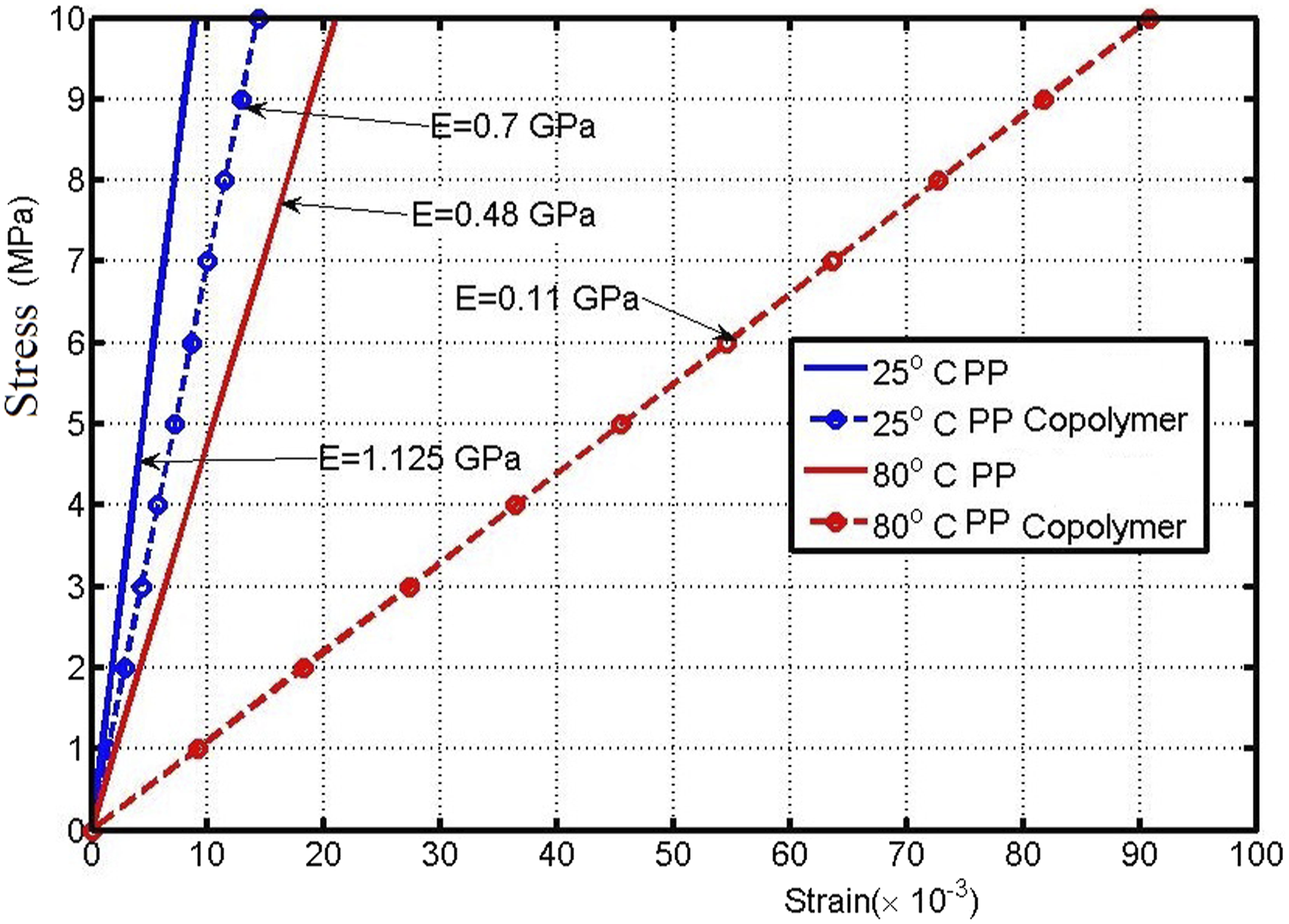
An influence of temperature on the storage modulus had also been found. Figure 1 shows the stress–strain relationship of the material. The estimation of the Young’s modulus was performed and two values were obtained. The calculation of their difference shows that the use of a value of Young’s modulus can provide the real elastic behavior of the material. The assumption of the isotropic character of the syntactic foam with polypropylene matrix can also be verified by this analysis. We carry out a comparative study of the elastic properties (Young’s modulus) of two syntactic foams mainly made of the same polypropylene matrix but selected by ref. 24 (propylene-ethylene copolymer) and by ref. 13. This study will allow us to understand the influence of temperature on the creep behavior of syntactic foams with polypropylene matrix. The glass transition temperature of the polypropylene-based matrix syntactic foams is T
g
= −36
o
C.
13
The linear stress–strain relationship for both materials is plotted in Figure 2 for temperatures of 25 and 80
o
C. The properties of both GSPP materials are influenced by temperature in the same way. This allows us to suggest that the conclusions to be drawn from the study of the influence of temperature on the creep behavior of the material will also be the same for both types of syntactic foam of polypropylene-based matrices. Elastic region and Young’s modulus identification at a temperature of 25
o
C (we refer to the creep deformation of polypropylene in ref. 3).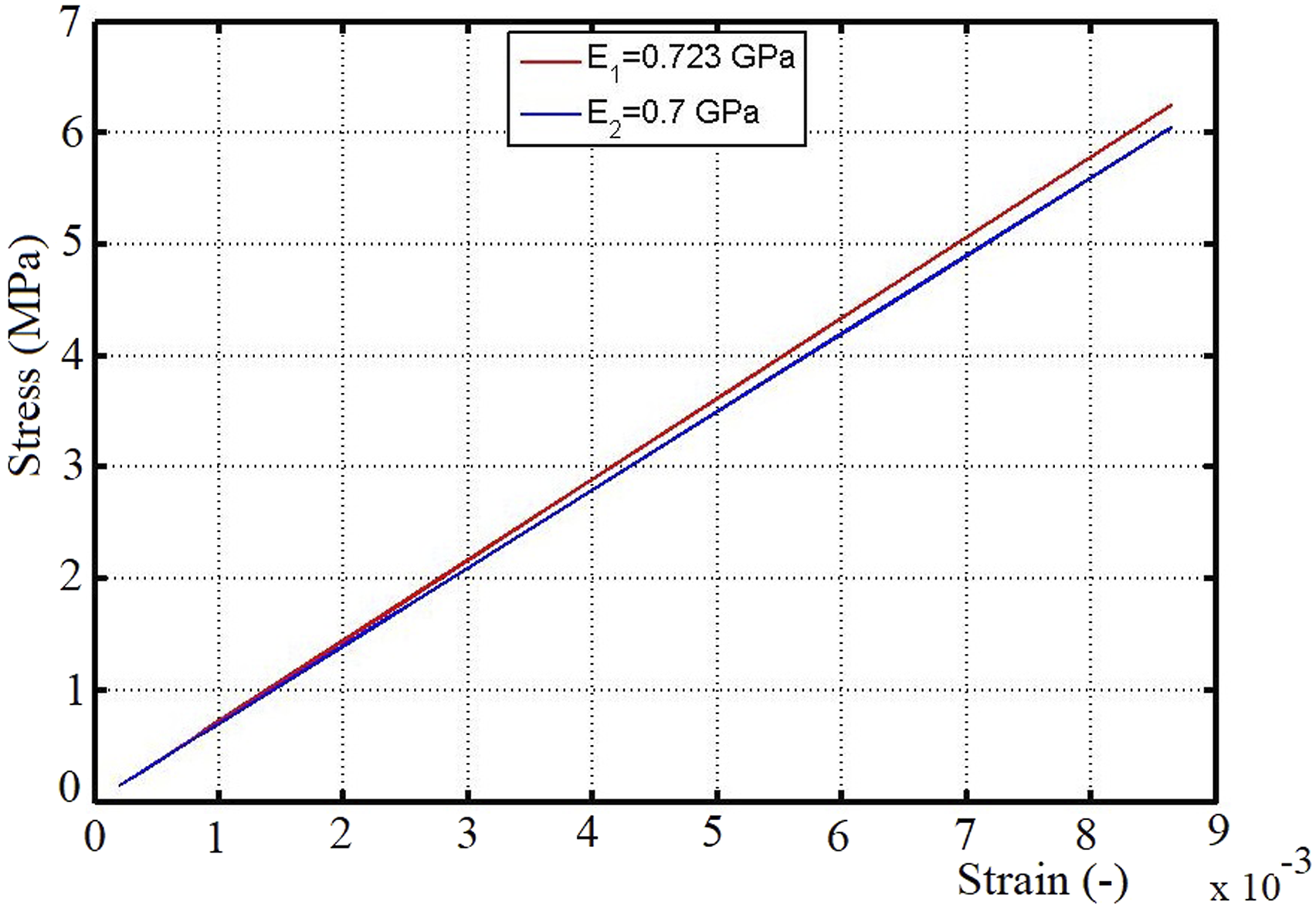
Effect of temperature on the creep behavior
Generally, deformation as a function of time at a given temperature is measured by a dynamic mechanical analyzer in creep-recovery tests. A low stress is selected to ensure the linearity of the viscoelasticity of the material.
4
When the permanent or residual deformation is present, their measurement is performed during the recovery phase as shown in the following Figure 3. These creep-recovery tests were carried out on polypropylene matrix syntactic foam by ref. 13. These tests consisted of applying load and unload cycles at the stress of 0.5 MPa. The results of these tests were presented in the form of the evolution of axial strain versus time at different temperatures.
13
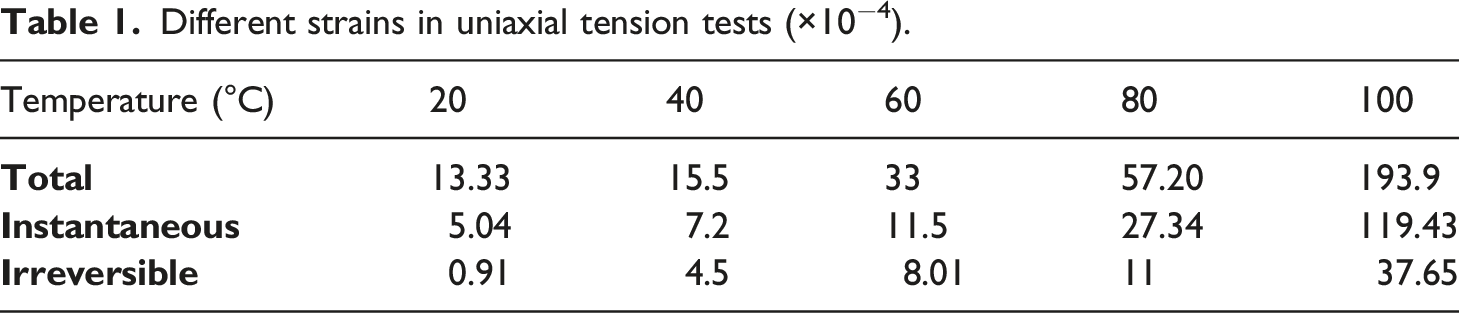
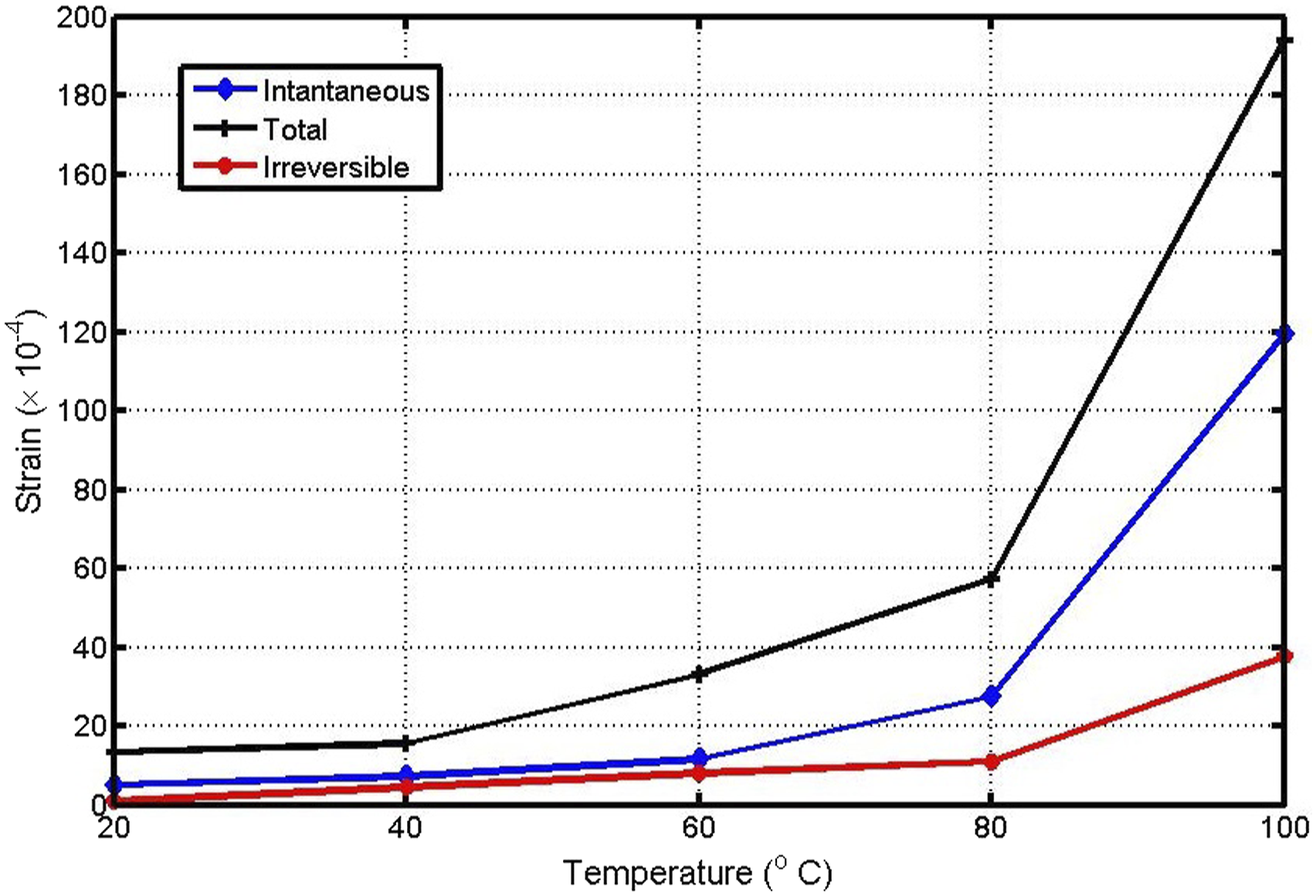
The following Table 1 gives the contribution of the instantaneous and residual strains for each of the test temperatures. The two parts represent the elastic and viscoplastic parts of the deformation of the GSPP material. Figure 4 shows that the evolution of the instantaneous deformation coincides with the decrease of the elastic modulus of the syntactic foam. This observation shows the influence of temperature on the stiffness of the material. Similar results of the influence of temperature on the compressibility modulus were therefore obtained during the hydrostatic compression tests performed by refs. 13, 25. Furthermore, we note that the residual part is increasingly higher between the temperatures of 80
o
and 100
o
C. This shows that the microcracks in the polypropylene matrix become more pronounced at higher temperatures. This influence of temperature was also found in the work of ref. 28. Observation of a viscoplastic deformation during recovery phase and ɛ
r
is used to indicate the strain of the composite for this phase (we refer to the schematic of creep and recovery tests for a linear viscoelastic material in ref. 29). Different strains in uniaxial tension tests (×10−4).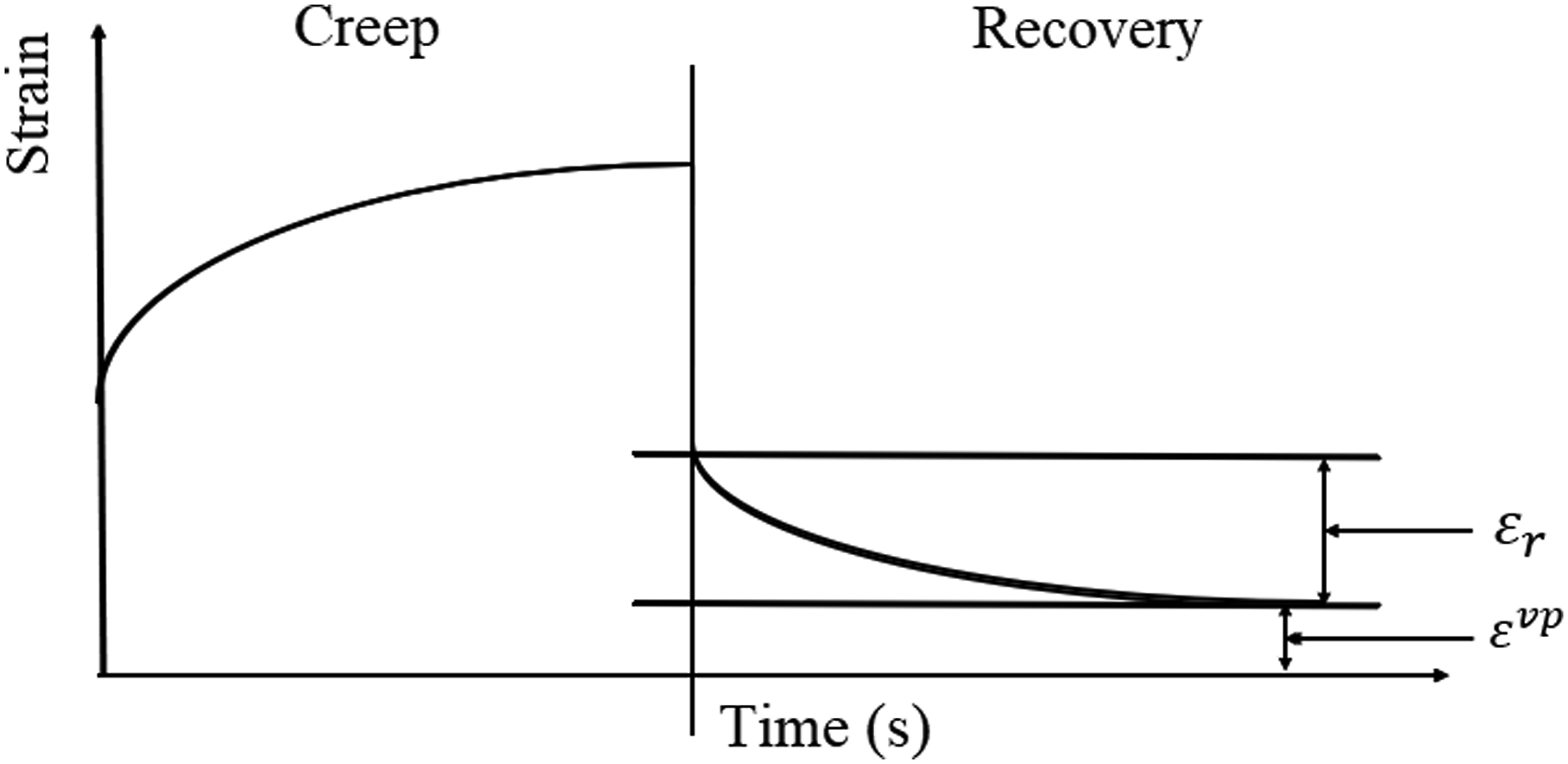
Mathematical model
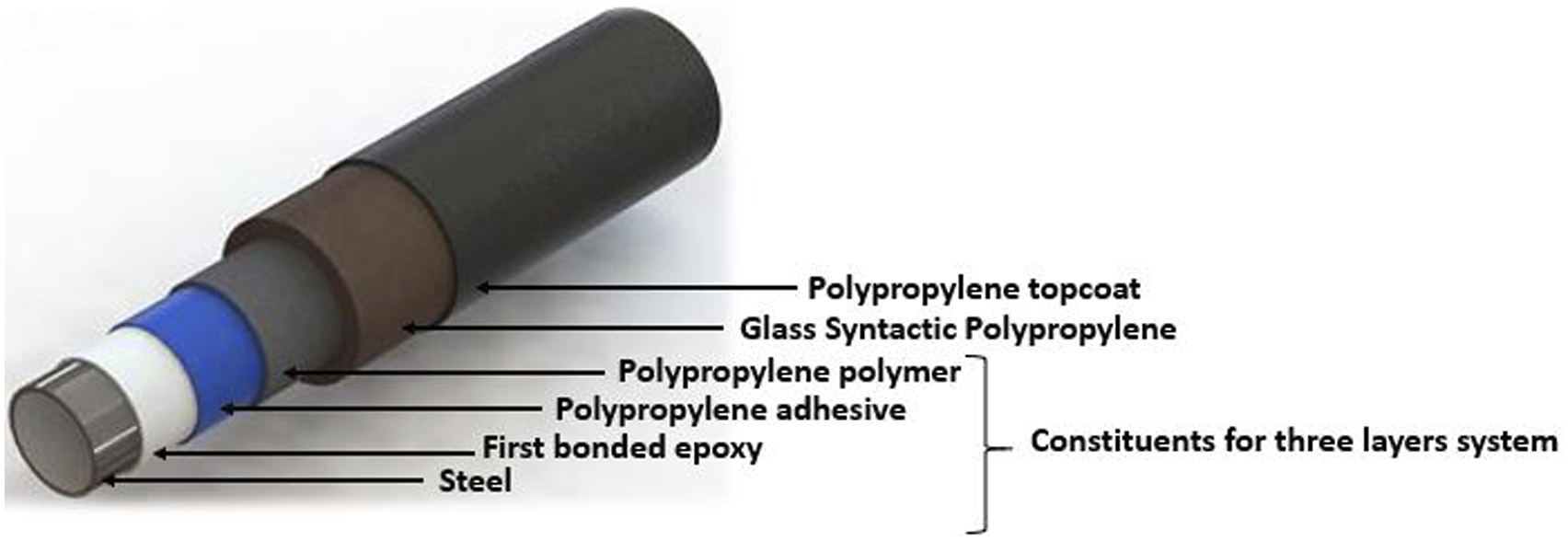
The various materials that make up the passive thermal insulation system for the offshore pipelines are shown in the following Figure 5. Syntactic foam is the main thermal insulation material occupying the largest thickness. This assembly is then subjected to the axial tension force and hydrostatic pressure in the marine environment. We present here a model that can simulate the response of the material under the axial tension force. The creep-recovery tests have shown that the glass syntactic polypropylene foam (GSPP material) exhibits a reversible behavior, which takes into account the elastic and viscoelastic strains rate.
13
This material exhibits an irreversible behavior which takes into account the viscoplasticity of the matrix.
22
In addition, the level of the stress applied on the material is assumed not to cause damage: (ɛ
p
= 0). Therefore, the total strain of the material is given by: Thermal insulation materials.
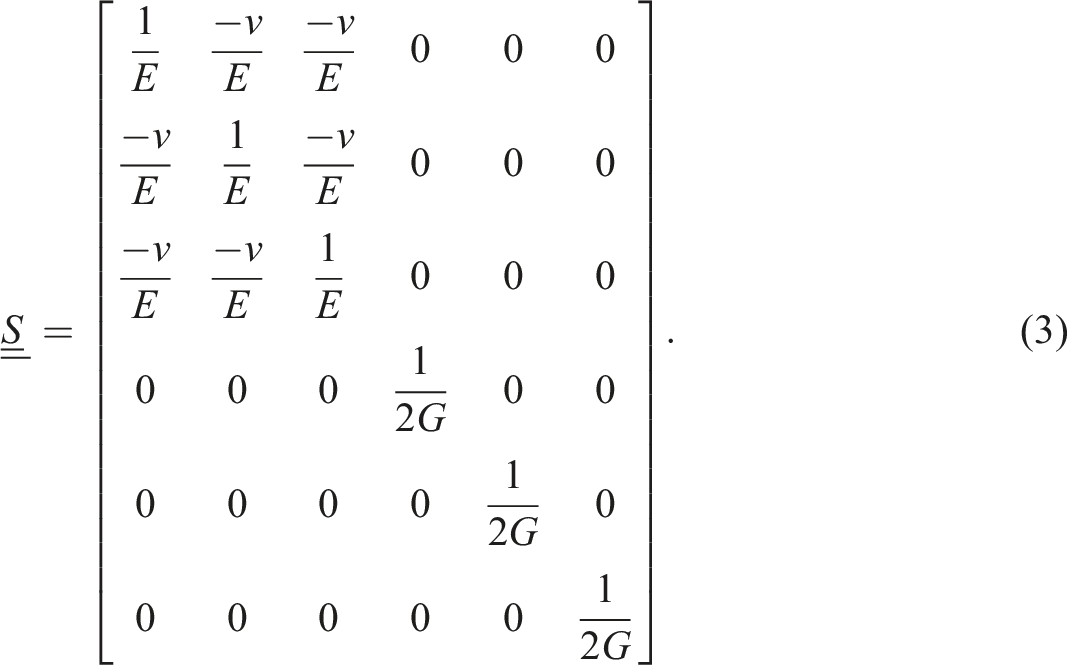
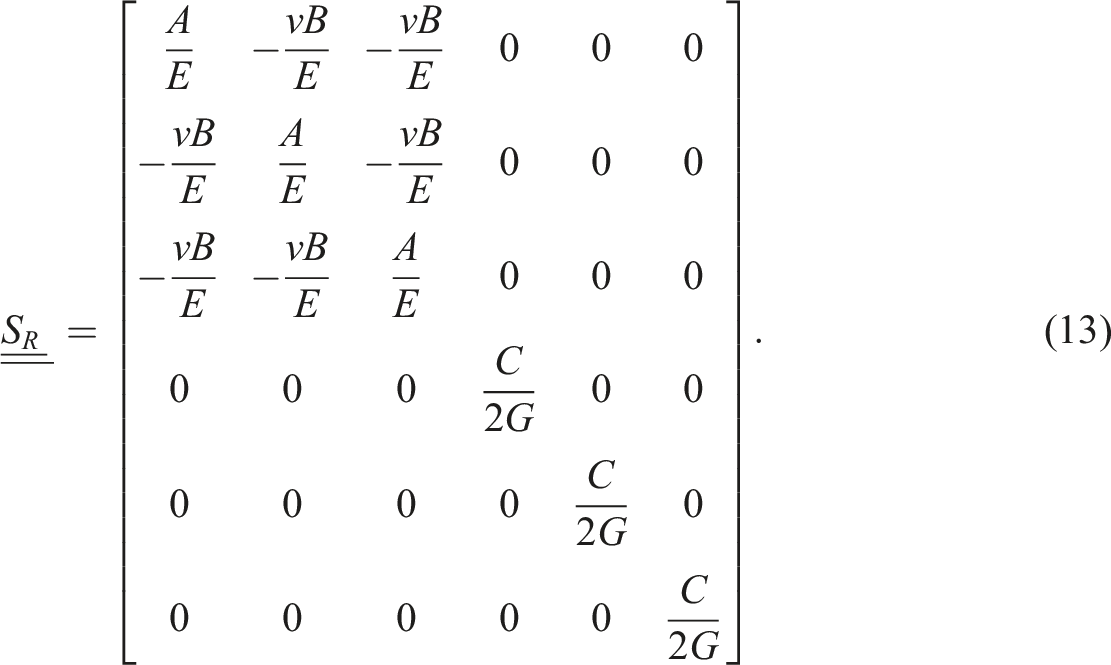
For the elastic behavior, the constitutive relation is given by













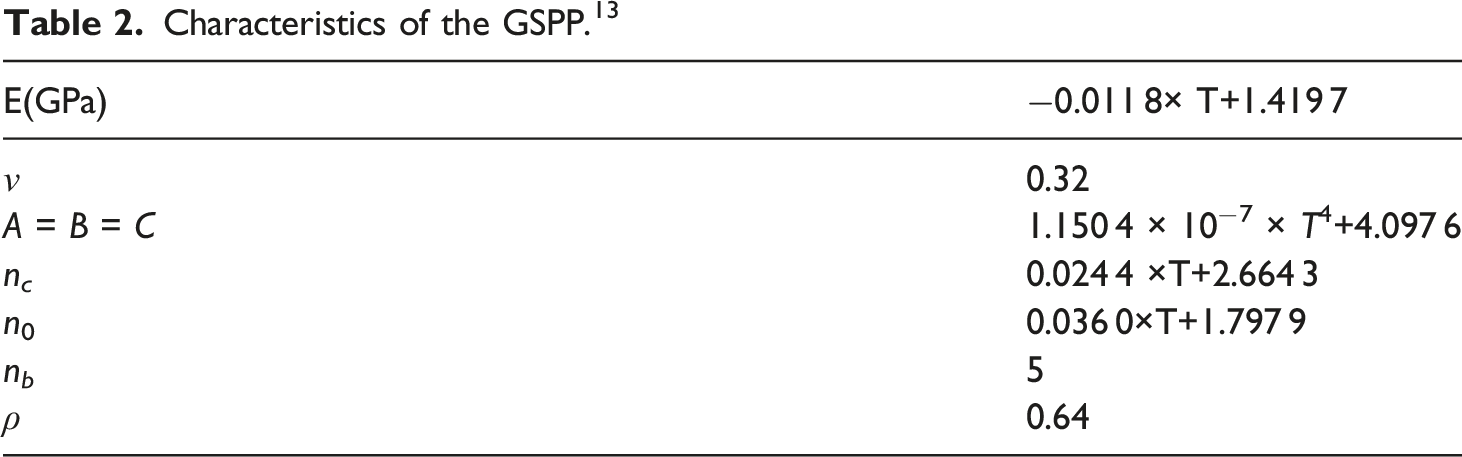
Characteristics of the GSPP. 13
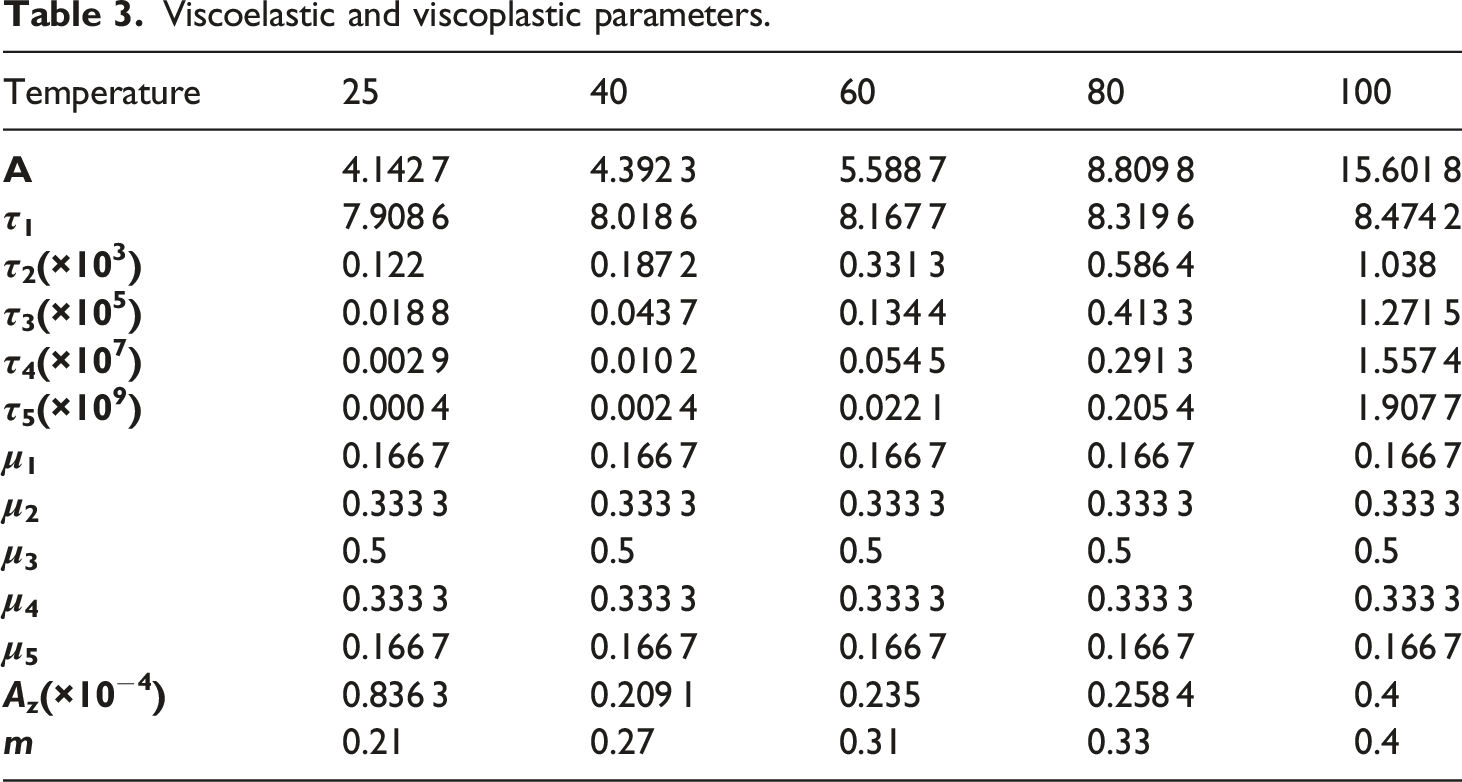
In this study, the viscoplastic parameters of the syntactic foam material are obtained in tension at different temperatures.
Numerical procedures
In the literature, there is a lot of work on the complex behavior of polymer matrix syntactic foams. 34 However, the study on the time-dependent mechanical behavior of syntactic foam is quite rare and is limited. Most of the previous works have been concerned with hydrostatic compression loading,12,14 and here we are interested in the time-dependent mechanical response of the material under axial tension.
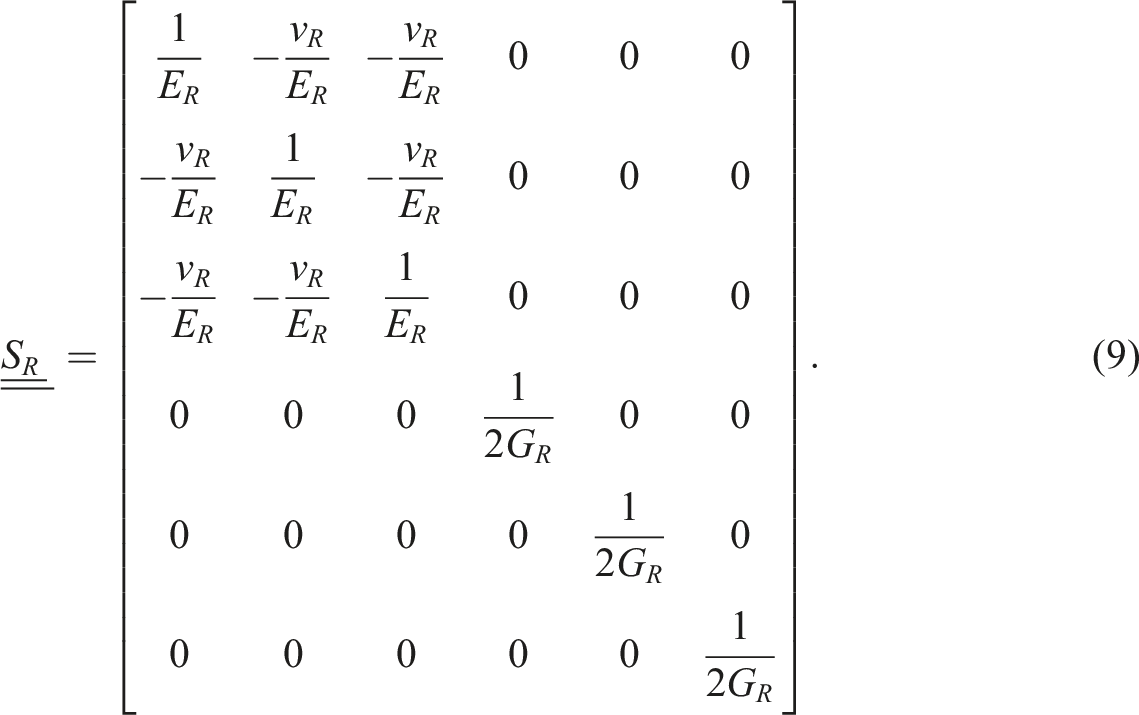
For the numerical procedures, we now considered the elastic, viscoelastic, and viscoplastic models to describe the creep response of the polypropylene matrix syntactic foam. We have shown that the viscoelastic elementary mechanisms should verify a differential evolution law derived from a thermodynamic potential equations (7) and (8). The differential equation in 


The parameters of the spectral model are obtained by using the following equations, corresponding to the branch of the relaxation time spectrum for the triangular distribution.
During the numerical calculations, a block of syntactic foam is represented in 3D and then subjected to a uniaxial tension force through the elastic model already implanted in Comsol Multiphysics Software. The equilibrium equation is therefore put into the following three-dimensional form
Results and discussions
Viscoplastic response of the material
Viscoelastic and viscoplastic parameters.
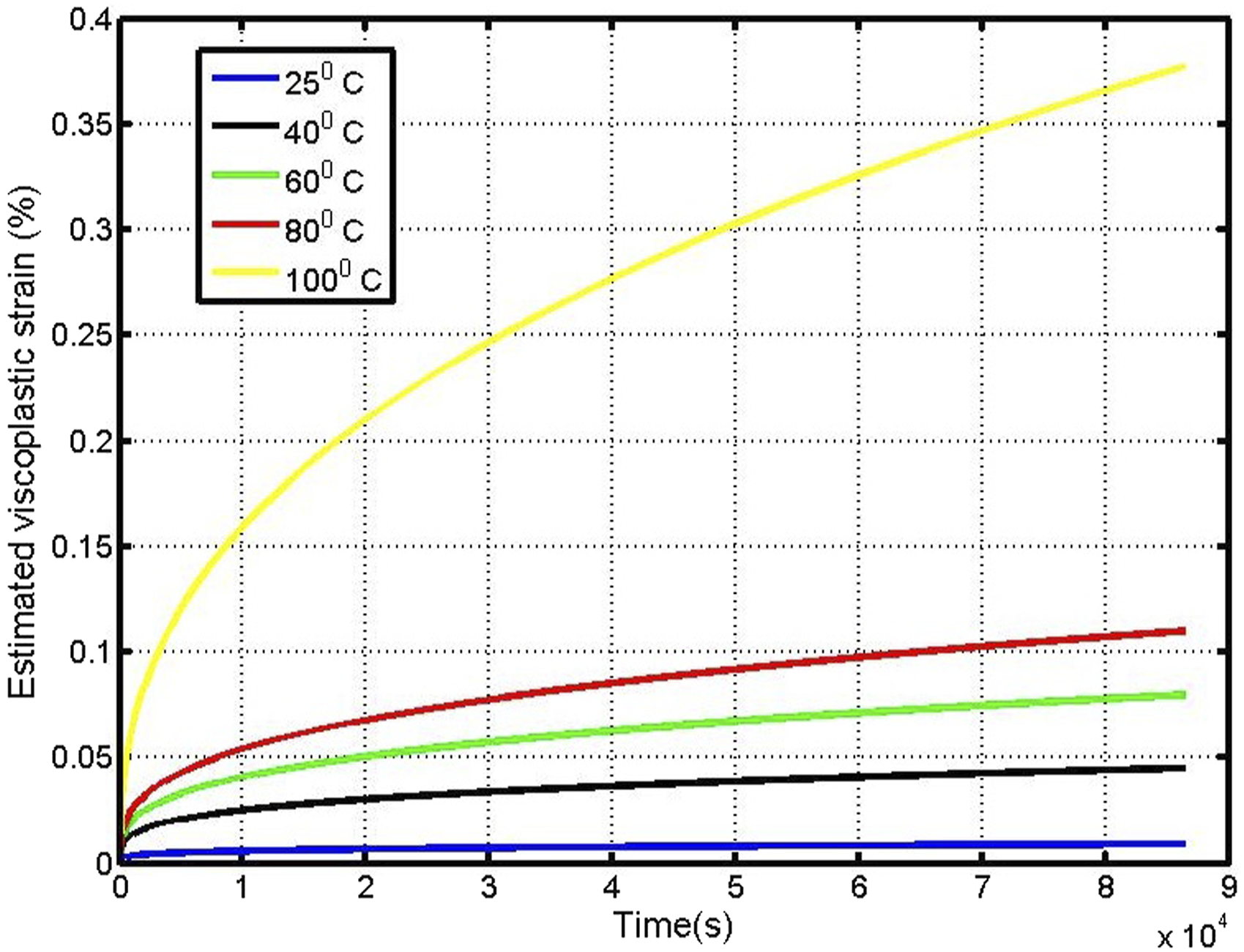
Residual strain of GSPP material in creep at 0.5 MPa stress.
A higher viscoplastic strain at the temperature of 100 o C means that under uniaxial tensile loading, microcracking of the polypropylene matrix occurs. This low viscoplasticity is also due to the application of a low stress level. Other experimental studies have shown fracture phenomena in a composite material with a thermoplastic matrix (PolyPhenylSulfide PPS). 31 This phenomenon is then specific to the semi-crystalline thermoplastic polymer subjected to creep-recovery or dynamic fatigue loading.
Modeling the creep deformation of the GSPP
We are now investigating the creep response of the GSPP material at low stress levels for high temperature. We are currently conducting a comparative study to better understand the effect of temperature on the time-dependent behavior of syntactic polypropylene matrix foam by taking into account linear viscoelasticity and permanent deformation of the matrix. These deformations were also observed during prestressed fatigue loading by ref. 31. We implemented the spectral model to correlate it with the experiment performed by ref. 13 in Figure 7. The parameters are given in ref. 3. In the literature, the authors
13
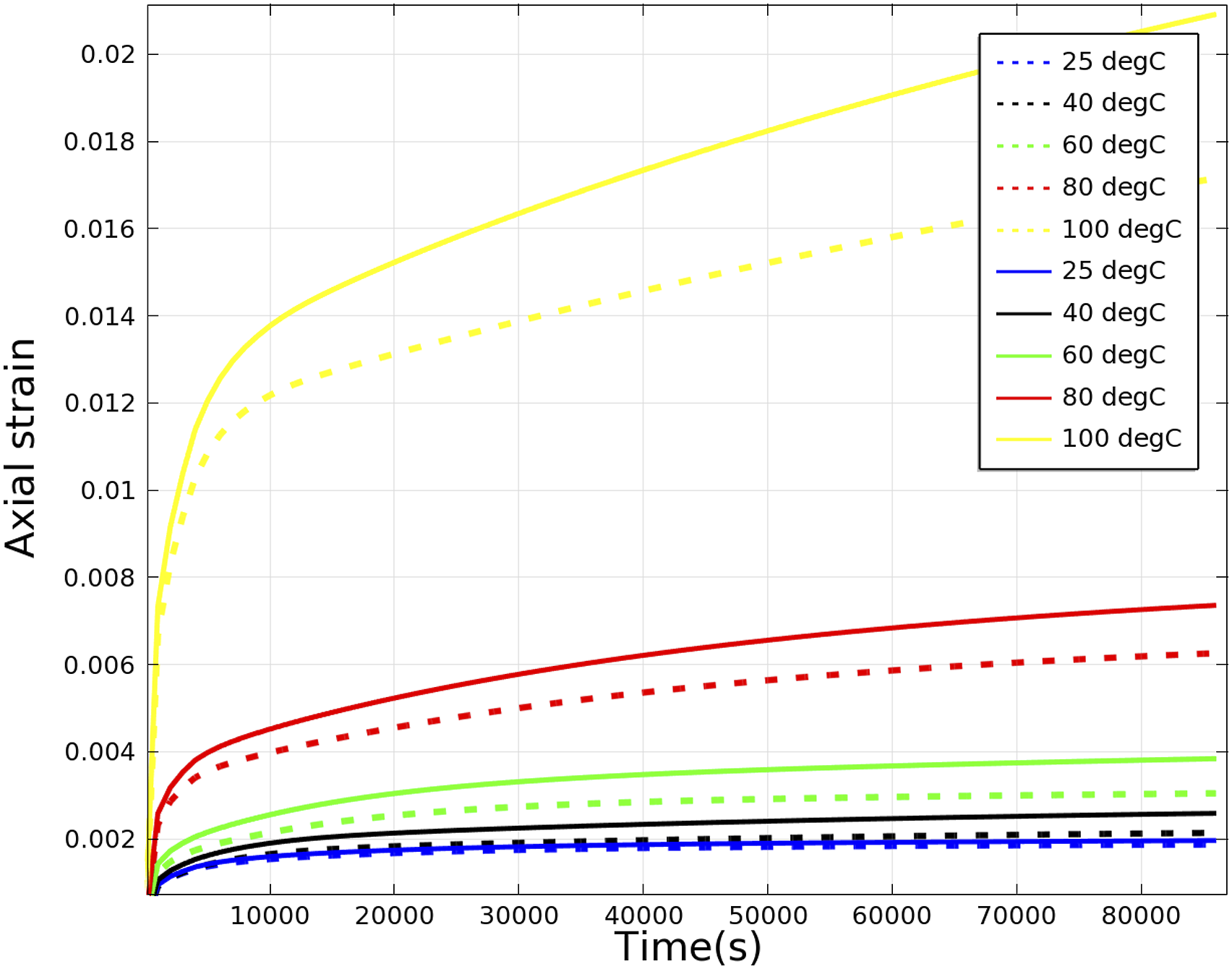
have reported the difficulty in predicting the high temperature creep deformation of syntactic foam. A significant difference between numerical and experimental results was observed. We address this problem of modeling the material response by implementing a combined spectral and Zapas-Crissmann model to describe the viscoelastic-viscoplastic response of the material under axial loading. To facilitate the development of the creep deformation, the stress is applied on the external surface of a block of syntactic foam. The boundary conditions are applied at the perpendicular direction by blocking the displacement. Figure 8 shows the evolution of the total deformation of the material for different temperatures. First, we observe a good reproduction of the material response by the finite element modeling for different temperatures. Second, we see the advantage of using a simple power law adapted to the material. The main point of the simulation is that it allows us to clearly see the distinction between the total creep deformation of the material by the spectral model alone (dotted line) and with the Zapas-Crismann model (solid lines) for the temperature range from 25
o
C to 100
o
C. As the viscoplastic contribution is larger at 100
o
C, we note that the gap seems to widen between the two predictions at this temperature. This could also justify the significant difference between the spectral model and the experimental results for this temperature level of 100
o
C. At low temperatures, the viscoelastic behavior of the material is fairly well described by the spectral model.
13
The choice of the Zapas-Crissmann model
33
reduces the gap at high temperature and improves the prediction by taking into account the residual part of the total creep strain leading to a viscoelastic-viscoplastic behavior even at low stress level. The results obtained in this work on the influence of temperature in the mechanical response of syntactic foam with polypropylene thermoplastic matrix are the same as those obtained by ref. 35. Correlation between modeling and experiment from ref. 13. Comparative analysis of the GSPP behaviors at different temperatures.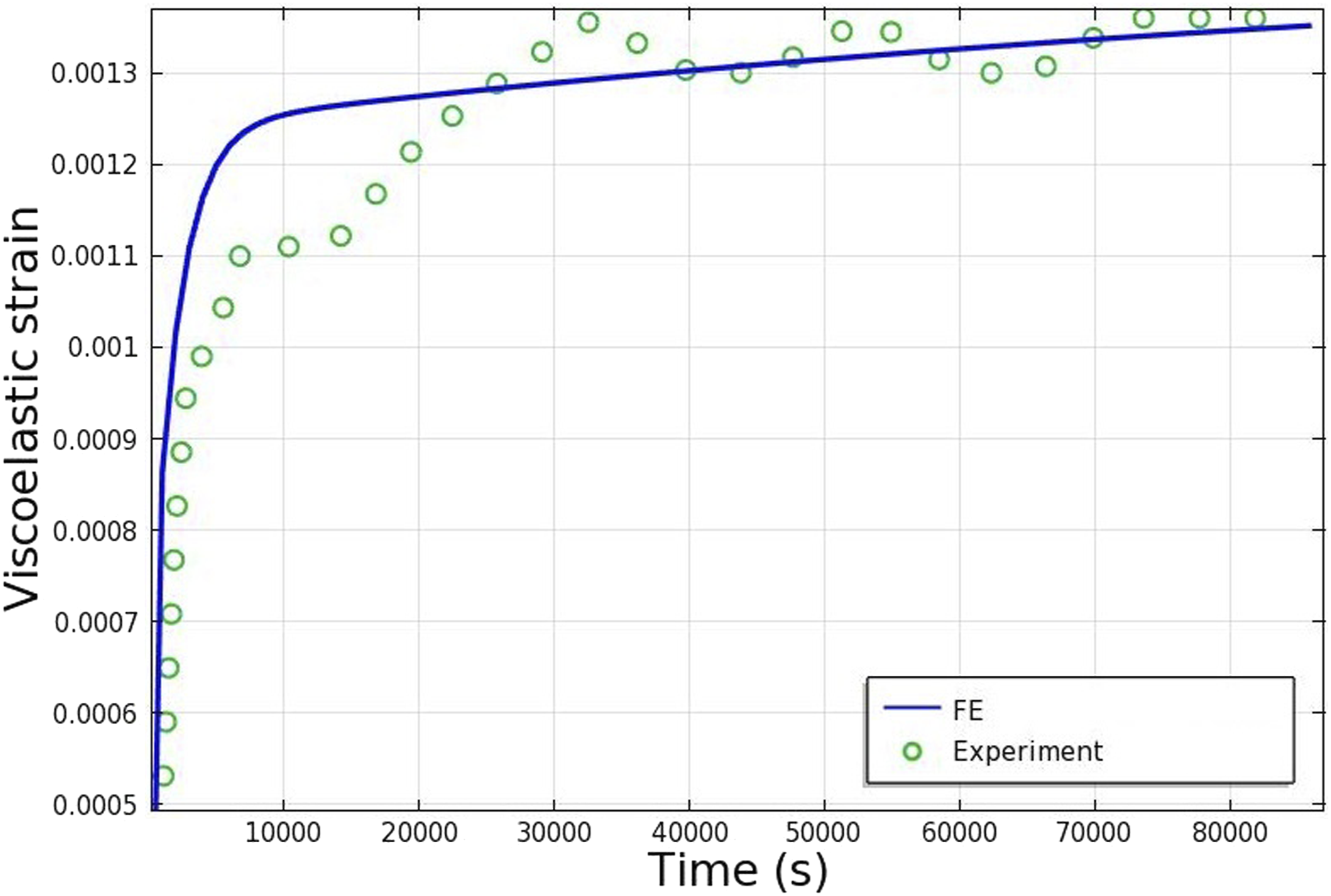
Conclusion
In this work, we studied the viscoplastic behavior of syntactic foam material with a polypropylene matrix used as thermal insulation in the lining of offshore pipelines. The analysis of the irreversible part of the deformation of the material shows that its response is strongly temperature dependent. High temperatures cause irreversible mechanisms in the matrix of the GSPP material which can be assimilated to the formation of microcracks. Analysis of the effects of low stress on the viscoplasticity of the matrix also showed an increase in the total creep strain of the material. The Zapas-Crissmann model was proposed to describe this irreversible matrix-related process. The modeling showed that the contribution of the residual deformation increases with the temperature level. The modeling of the overall response of the multilayer thermal insulation system of offshore pipelines requires models for different constituent materials. A comparative study of the total deformation by spectral and Zapas-Crissmann approaches, highlighted that the failure mechanisms have a preponderance in the polymer matrix. This highlights the limitation of predicting the total deformation mechanisms of the GSPP material by the spectral viscoelastic law alone. With the integration of the Zapas-Crissmann approach, the results showed that the degradation mechanisms are more accentuated with high temperatures and at low creep stresses. A perspective would be to conduct experiments to further characterize the time-dependent and fatigue behavior of the GSPP material. Next, a study of the interface of the polypropylene matrix and the hollow glass microspheres could be further investigated with tests accompanied by observations using scanning electron microscopy.
Footnotes
Declaration of conflicting interests
The author(s) declared no potential conflicts of interest with respect to the research, authorship, and/or publication of this article.
Funding
The author(s) received no financial support for the research, authorship, and/or publication of this article.
