



Abstract
In this work, an investigation of the mechanical behavior of thermoplastic polystyrene (PS) composites containing date pit powder (DPP) is presented. DPP waste contents ranging from 0 wt% to 50 wt% were used to prepare the PS composite. The experimental results revealed that the addition of DPP to the PS matrix decreased the compressive, tensile, and flexural strengths and moduli of the composite. The reduction in the composite’s compressive strength was minimal with filler contents up to 30%. The DPP-PS composites demonstrated superior tensile strength (1.12–0.34 MPa), compressive strength (11.58–2.31 MPa), and flexural strength (21.10–2.37 MPa) when compared with the commonly used insulating materials and comparable to some construction materials. The negative impact of DPP on the mechanical properties of PS was attributed to the agglomeration of the natural fillers creating stress concentration points, as well as poor compatibility between the fillers and the PS matrix. Alkaline treatment of DPP with sodium hydroxide solution enhanced marginally the compressive strength (by 4.2%) and effectively the tensile (by 190%) and flexural strength (by 55%) of all prepared composites. The scanning electron microscopy micrographs demonstrated that the treatment effectively changed the surface roughness of the date pit particles and enhanced the interference between the fillers and the PS matrix. Thermogravimetric analysis and Fourier transform infrared spectra of the treated filler indicate that the observed improvement in adhesion was due to removal of hydrophilic components from DPP.
Keywords
Introduction
Natural fiber–reinforced polymer composite materials have emerged in many applications of polymer engineering such as construction and automotive industrial sectors. Many researchers reported that the addition of natural fibers to polymer matrices decreases its mechanical strength.1–3 However, the natural fillers have many advantages as compared to conventional or synthetic fibers. The composites produced from these types of natural fillers have low density, low cost, comparable specific strengths, and most importantly they are environmentally friendly.4–6 A broad variety of fibers are abundantly available in nature, which can be utilized as fillers in the development of high performance composites for different applications.
The date palm tree (Phoenix dactylifera) is planted in many areas of the world, where dates are harvested from the trees. The date pits, which account for around 10% of the total weight of dates, consist mainly of neutral detergent fiber, acid detergent fiber, ash, crude protein, crude fat, and moisture. 7 Some studies were carried out to evaluate the utilization of this natural waste in animal diets8,9 as well as in pollutants removal.10–12 The United Arab Emirates (UAE) has about 40 million date palms, and each generates about 15 kg of waste biomass annually. Therefore, the possibility of finding uses for date palm wood in composite manufacturing will help open new markets for what is normally considered waste or for use in low-value products.
Although different types of natural fillers such as the fibers of flax, hemp, jute, kenaf, sisal, abaca, pineapple leaf, ramie, coir, bamboo, rice husk, oil palm, and bagasse have been investigated, the date palm wood and date pit received little attention in the literature.
Oushabi et al. 13 investigated the opportunity of using date palm waste as an insulation material in refrigeration and air-conditioning. Seven date palm varieties were collected, such as Khalt, Boufeggous, Bu-Slikhen, Mejhoul, Admou, Khalt Zhar, and Tazaout. The Boufeggous variety showed a tensile strength of 253.48 MPa, a modulus of elasticity of 4.41 GPa, and a thermal conductivity of 0.041 W/m·K. In another study, Alami 14 added date pits and olive husk to masonry bricks and found that the clay with date pits exhibited higher toughness than the clay mixed with olive husk.
The use of date pit powder (DPP) as a filler in the high-density polyethylene (HDPE) and polystyrene (PS) matrices was investigated by Alsewailem and Binkhder. 2 While HDPE tensile strength was not affected by the addition of DPP, PS tensile strength reduced with increasing filler content. However, the investigators did not investigate other mechanical properties. Mittal et al. 15 have reinforced the polylactic acid (PLA) and poly(butylene adipate-co-terephthalate) (PBAT) with varying amount of DPP. It was found that the tensile modulus of the PBAT composites had enhancement of more than 300% in the composite with 40% filler content, while the PLA composites enhanced the modulus marginally till 20% filler content. The work of Marzouk et al. 16 was devoted to investigating the addition of date pits to low-density polyethylene (LDPE) films. The obtained results indicated that date pits–based particles enhanced the thermomechanical properties of the LDPE matrix. However, only the dynamic mechanical analysis in the tensile mode was used in the mechanical properties investigation of this study. In addition to the thermal properties, Abu-Jdayil et al. 17 examined the mechanical strength of composites prepared from DPP and polyester resin for use as a thermal insulator in the construction industry. Adding the DPP to the polyester matrices resulted in the reduction of both compressive and tensile strength. The compressive strength of DPP-polyester composites containing 0–60 vol% DPP was measured between 108 and 34 MPa, while its tensile strength varied between 40 and 7 MPa.
On the other hand, PS was used in many cases as a polymer matrix in natural filler–based composites. Singha and Rana 18 used Agave americana fibers as a reinforcement in the preparation of PS matrix–based biocomposites. The results obtained suggested that composites reinforced with agave fibers exhibited better mechanical properties than neat PS. In the work of Poletto and Zattera, 19 the mechanical properties of cellulose fibers–reinforced PS composites were investigated as a function of cellulose fiber content and coupling agent effect. The results of this study showed that a cellulose fiber loading of more than 20 wt% caused a decrease in the mechanical properties. The addition of coupling agent substantially improved the mechanical properties.
Most of the natural fibers are hydrophilic and incompatible with the hydrophobic polymers. This property of fibers leads to form aggregates in the polymer matrix rather than homogenous distribution. To overcome this problem, different chemical and physical treatments of fibers have been attempted. Extensive research was carried out and reported in the literature, showing the importance of the interface and the influence of various types of surface modifications on the physical and mechanical properties of natural fiber–reinforced composites. Frequently used treatments are bleaching, acetylation, and alkali treatment. Alkaline treatment can increase the wettability between the natural fillers and polymer matrix, due to increasing fillers roughness and removal of natural and artificial impurities. Treatment of sisal fibers with sodium hydroxide (NaOH) increased the mechanical strengths of sisal-epoxy and sisal-polyethylene composites.20,21
Carbon emissions formed by electricity generation are a major source of air pollution, and the pollution from these emissions is increasing as energy consumption continues to rise. Space heating and cooling is a major contributor to energy consumption in buildings. 22 In 2016, 39.5% of the world’s energy was consumed in residential and commercial buildings. 23 According to a US Energy Information Administration agency report, 24 52% of total energy consumed in US homes in 2016 was for space heating. It is likely that this energy portion is higher in hot climate countries such as the Gulf countries. For example, the energy consumption per capita in the UAE is considered to be among the highest worldwide, which is increasing yearly by 10%. 25 Because of these factors, research is underway to develop new ways to lower energy consumption. Heat insulators based on cheap, available, and abundant waste can be one of these solutions.
In this research, the aim was to formulate and develop a polymer–filler composite using DPP as a filler. In this study, the developed composite is proposed as new heat insulating material. PS was used as the matrix due to its low thermal conductivity, and it was mixed with high DPP contents (0–50%). The prepared composites were subjected to different physical and mechanical tests. Thermal and physical properties of the DPP-PS composite are reported elsewhere. 26 In this work, the mechanical behavior of the DPP-PS composites is presented. The prepared composites were subjected to various mechanical tests to examine the compression strength, tensile strength, and flexural strength. In addition, the effect of alkaline treatment of DPP on the mechanical performance of the prepared composites was investigated.
Materials and methods
Materials
Polystyrene
The PS used in this study was provided by a national polystyrene packaging factory in Dubai, UAE. This factory supplies PS for building construction, civil engineering applications, floatation, thermal insulation, architectural design, packaging, and horticulture. The beads size of PS was 950 μm. This polymer is inexpensive, with low water retention and superior insulation properties. Its measured thermal conductivity was 0.0515 W/m·K and it has a density of 457 kg/m3.
Date pit powder
The date pits used in this study were obtained from the farm of the United Arab Emirates University in Al Foah, UAE. Date pits were crushed using a ball mill machine and then sieved. Only date pit particles less than 300 μm in size were used to produce the composites. The particle size distribution of the DPP is shown in Figure 1.
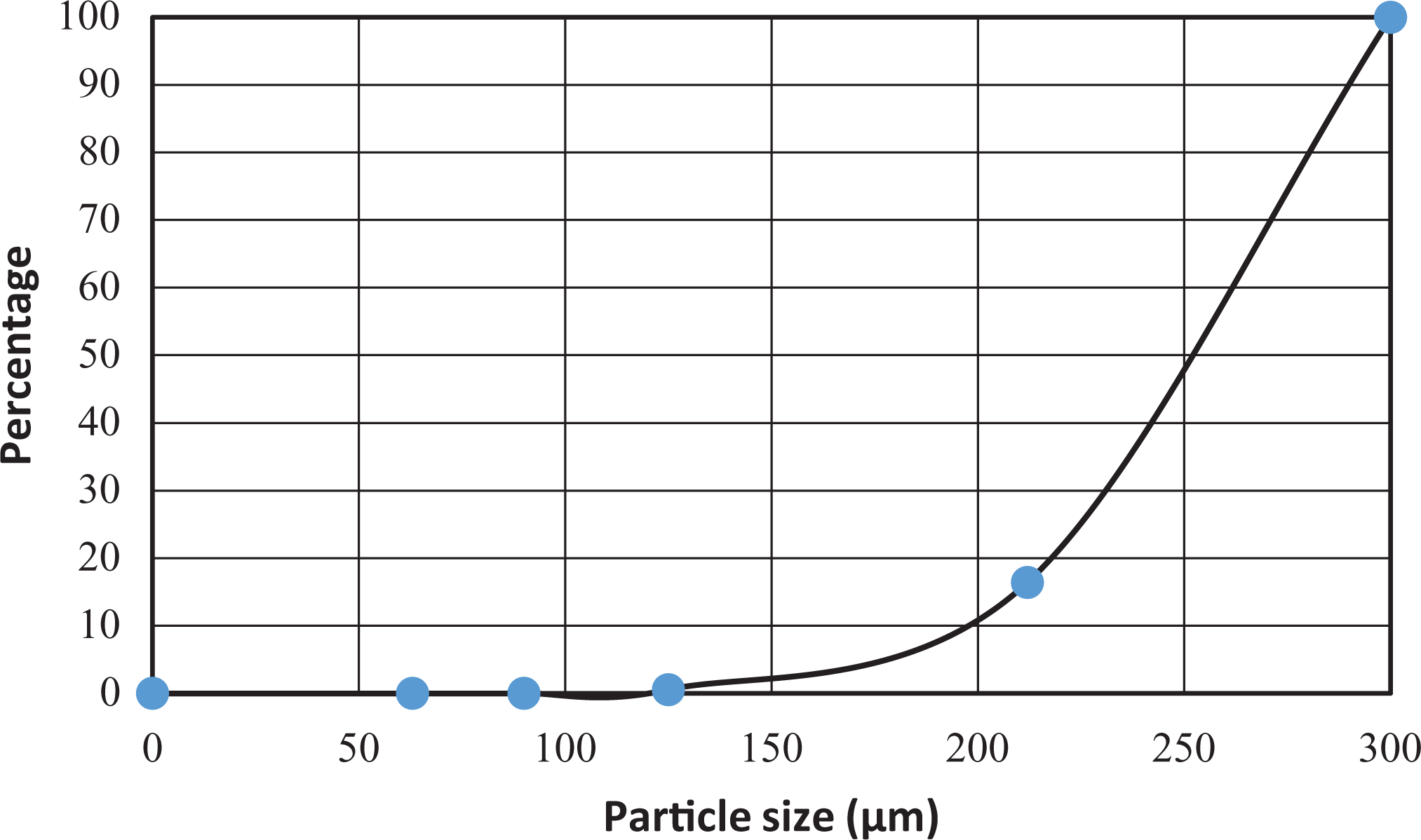
Particle size distribution of date pit powder.
Preparation method
To produce the composites of DPP-PS, DPP at various weight percentages was mixed with PS beads using a HAAKE MiniLab II melt extruder, Thermo Fisher Scientific (Waltham, Massachusetts, USA), and the mixture was poured into an appropriate steel mold, depending on the test requirements. The molds were fabricated from stainless steel according to the ASTM standards for each test (ASTM D695–15, ASTM D638–14 and ASTM D790–02 for compression, tensile and flexural tests, respectively). Al Safa Engineering Workshop in Al Ain, UAE, provided the required molds. Releasing agent was used to prevent the specimens from sticking to the mold. Then the mold was placed in a hot press under a pressure of 500 kg at 180°C for 20 min. For the compression samples, the heating cycle consists of two segments with different parameters: (1) a pressure of 500 kg at 180°C for 20 min and (2) 500 kg force at 125°C for 20 min. The second segment was added to prevent the mold from opening due to the evolution of hot gases inside the mold. For all other samples, only the first segment was applied (i.e. a pressure of 500 kg at 180°C for 20 min). The produced samples were used for different mechanical tests. The samples were labeled using the abbreviation X-DPP, where X indicates composites with X wt% of DPP. For example, “10-DPP sample” is a sample in which 10 wt% of the sample weight comprises DPP. For all tests, the average of three samples was reported.
Mechanical tests
A universal testing machine (MTS model MH/20) with a load cell capacity of 100 kN was used to determine the compression strength of the produced composite. The test was stopped when the specimen fractured or when the load value was reduced by 10% of the maximum load; otherwise, the test was stopped manually when a specific contraction value reached. The compression test specimen’s dimensions were 30 mm both in length and diameter. All compression tests were performed at room temperature and with an overhead speed of 1 mm/min following the ASTM D695 - 15 standard.
The same machine was used to determine the tensile strength of the produced composite. Samples were installed between the fixed and movable jaws. All tests ended when the specimen fractured. The dumbbell-shaped sample dimensions were an overall length of 100 mm, a gauge length of 20 mm, and a thickness of 4 mm. A strong glue was used to attach four metallic parts to the two ends of each tensile test sample to prevent slippage. All tensile tests were performed at room temperature with a 2 mm/min overhead speed following the ASTM D638 - 14 standard.
The flexural strength of the produced composites was determined using the same machine. The dimensions of the flexure sample were 80 mm in length, 14 mm in width, and 4 mm in thickness. Samples were measured using a three-point bending test at an overhead speed of 2 mm/min following ASTM D790 - 02. All tests were conducted at room temperature and were stopped when sample fractured.
Composites microstructure
The scanning electron microscopy (SEM; FEI Quanta 200 ESEM) was used to investigate the microstructure of samples. Before each test, all samples were coated in gold using gold sputtering.
Thermogravimetric analysis
The thermal stability of DPP was tested by a Q50 thermogravimetric analyzer (TGA) from TA Instruments (New Castle, DE, USA). A heating rate of 10°C/min was used to increase the temperature from 30°C to 850°C under nitrogen flowing at 20 ml/min.
Fourier transform infrared spectroscopy
Shimadzu IR Prestige-21 FTIR spectrometers were used to study the functional groups of treated and untreated DPP. Initially, 200 mg of potassium bromide (KBr) was mixed with a small amount of the studied fillers and pressed into pellets. The pellets were exposed to IR spectra and analyzed over the wavelength range of 400–4000 cm−1.
Alkaline treatment
NaOH pellets were dissolved in deionized water to prepare NaOH solution with 4 wt% concentration. Then the DPP was immersed in the prepared solution for 24 h. The treated powder was then dried in an oven at 90°C for 8 h before using it in composites fabrication. The immersion time and NaOH solution concentration were selected based on the optimized results of the previous studies.27,28
Results and discussion
Compression testing
The tested samples were held between two movable flat plates to compress the samples at a strain rate of 2 mm/min. The mean compression strength of pure PS was found to be 16 MPa. Figure 2 demonstrates the compression behavior of the developed date pit-PS composites. Initially, the curve is linear up to the first peak before the stress dropped at <0.1% strain for all samples, which indicates brittle behavior. Figure 3 shows the effect of the date pit contents on the compression strength of the composites, while the mean values of modulus of compression and yield strength are presented in Table 1. As expected, the compression strength reduces with the filler content. The composite strength reduces to approximately 9 MPa for 40-DPP sample. A reduction of 28% was observed for 10-DPP. However, the composite strength remains almost constant up to 40% filler before showing a dramatic reduction of 85.7% for 50-DPP samples. The same trend was observed for the compression modulus, which was measured to be around 4.5 GPa for the pure sample. This value was reduced by 12.5% for the 10-DPP sample and remained at an almost constant value of 3 GPa up to 40% filler. Then a remarkable reduction of 87% was observed for the 50-DPP composite filler. Figure 2 shows that the DPP only slightly affects the yielding strain value; the strain percentage values range from 0.05% to 0.095%. Although the compression strength of the date pit-PS composites reduces with increasing filler content, these values are still higher than those of other composites used to construct buildings such as composites that consist of cement, sand, and waste fiber (2.4–3.3 MPa). 29 Moreover, the composite compression strength is much higher than that of commonly used commercial insulation materials such as extruded PS foam, which has very low compression strength (in the range of 0.25 MPa).
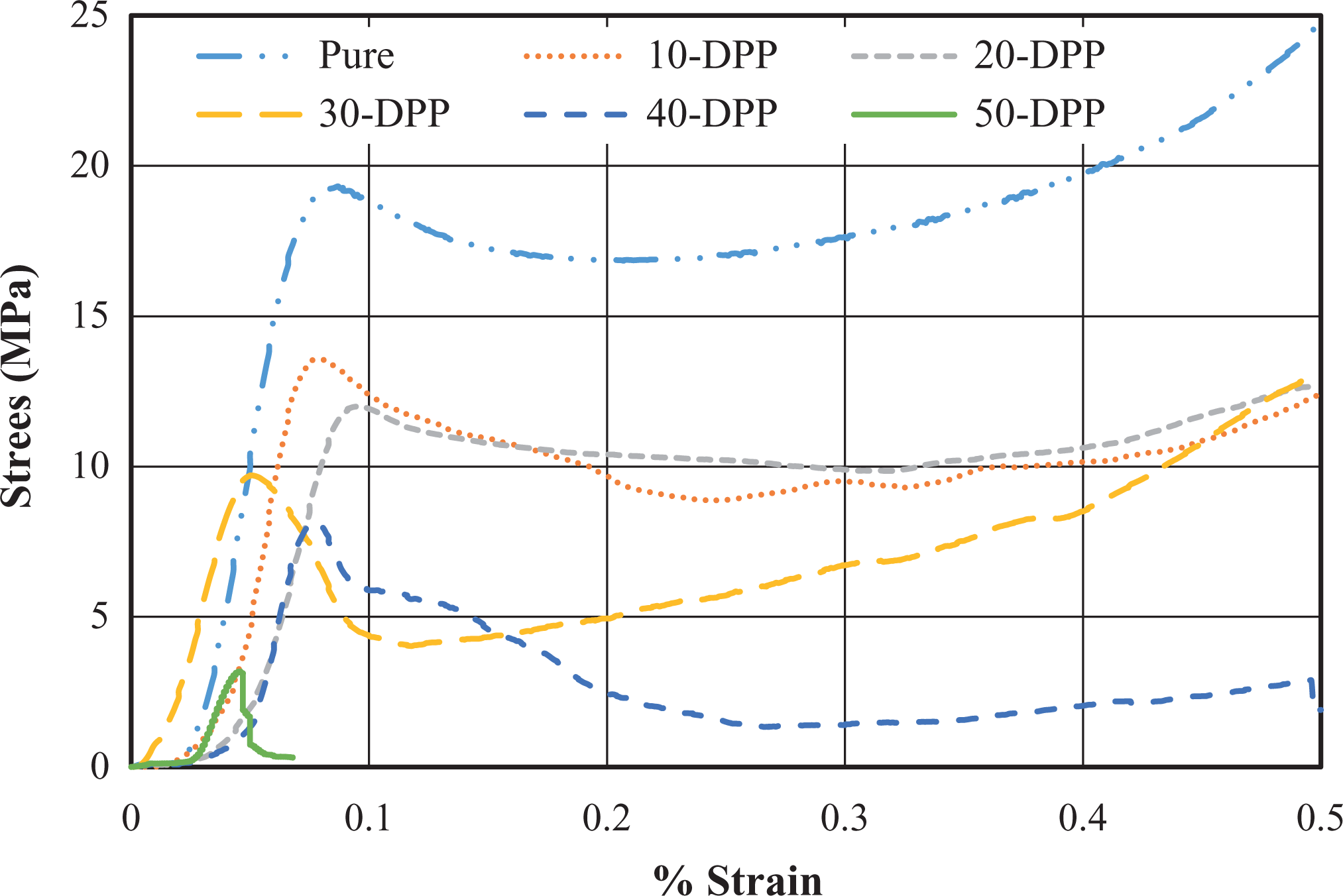
Stress–strain curve for compression test of DPP-polystyrene composites.
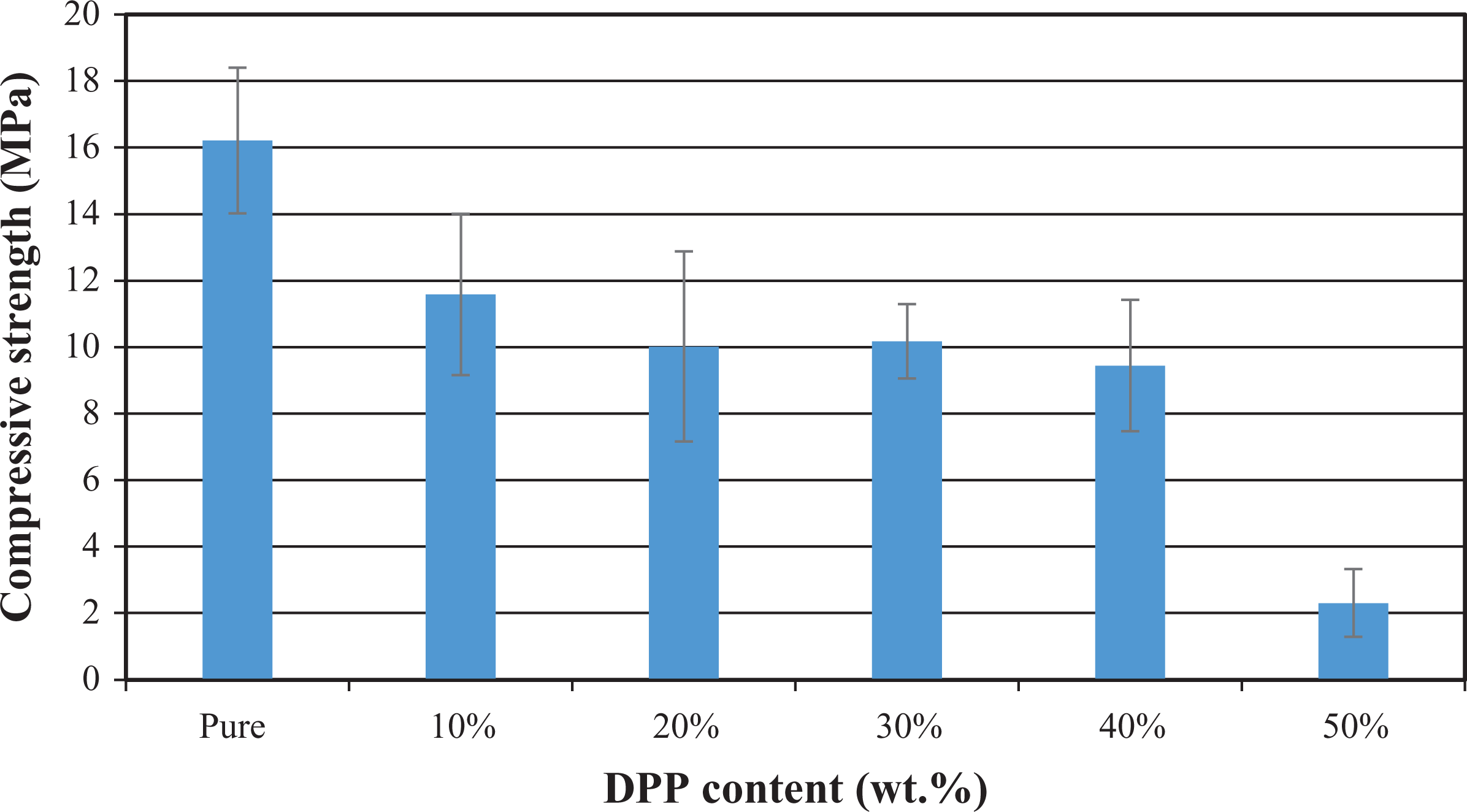
Compression strength of DPP-polystyrene composites as a function of filler content. DPP: date pit powder.
Mechanical properties of the DPP-polystyrene composites.
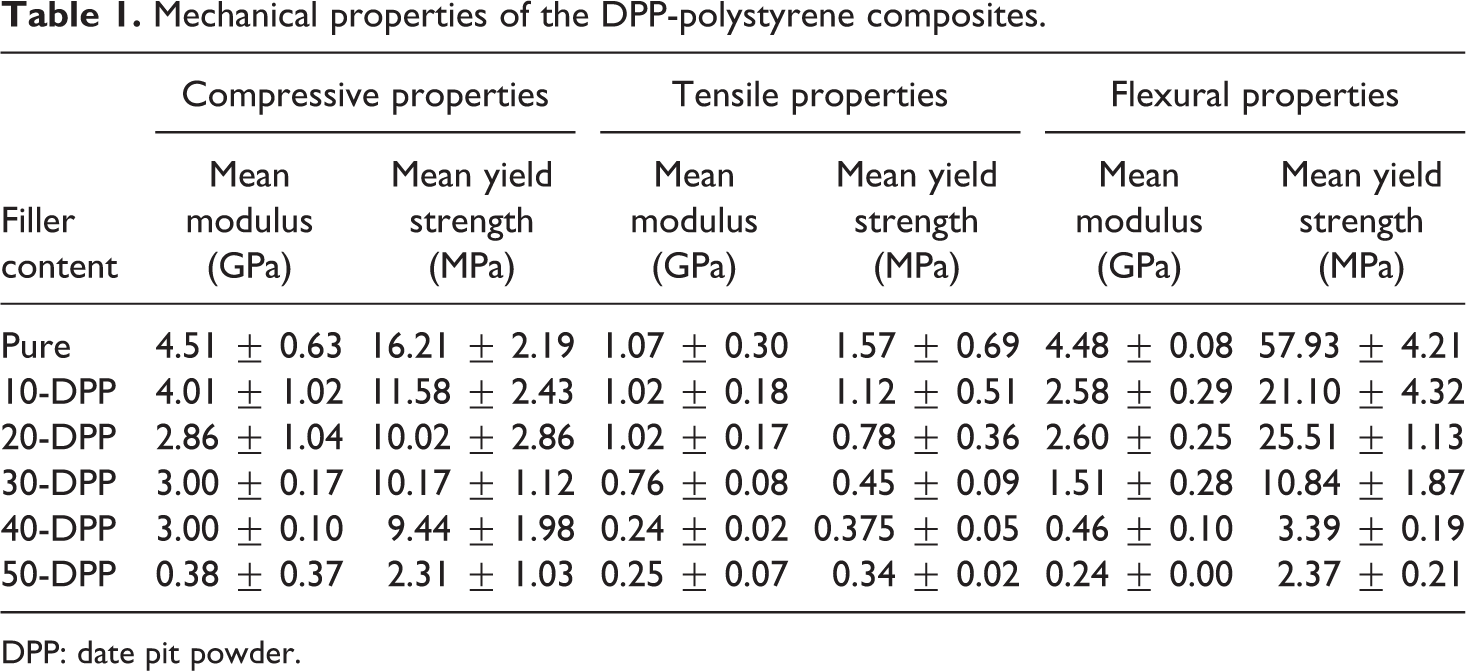
DPP: date pit powder.
The observed reduction in the compression properties could be attributed to two factors, namely the poor compatibility between the natural fillers and the matrix or agglomeration of the natural fillers. Specifically, the hydroxyl groups (−OH) that are present in natural fillers make them hydrophilic, whereas the polymers are hydrophobic, resulting in poor compatibility. 30 In addition, because of the presence of hydrogen bonds, natural fillers could agglomerate, the existence of the hydrogen bonds in the filler content. 31 The poor compatibility between the filler and the polymer matrix can be observed from morphology of 20-DPP composite as shown in Figure 4(a). In general, the date pit particle is well embedded in the PS matrix. It is expected that theses voids increase with increasing filler content, which leads to a decrease in the mechanical strength of the composites. In addition, the filler particles have a weaker strength than that of the polymer matrix, thus these particles obstruct stress transfer and cause stress concentration. Figure 4(b) shows that cracks were initiated from the added particles, which confirms that the particles act as stress concentration points.
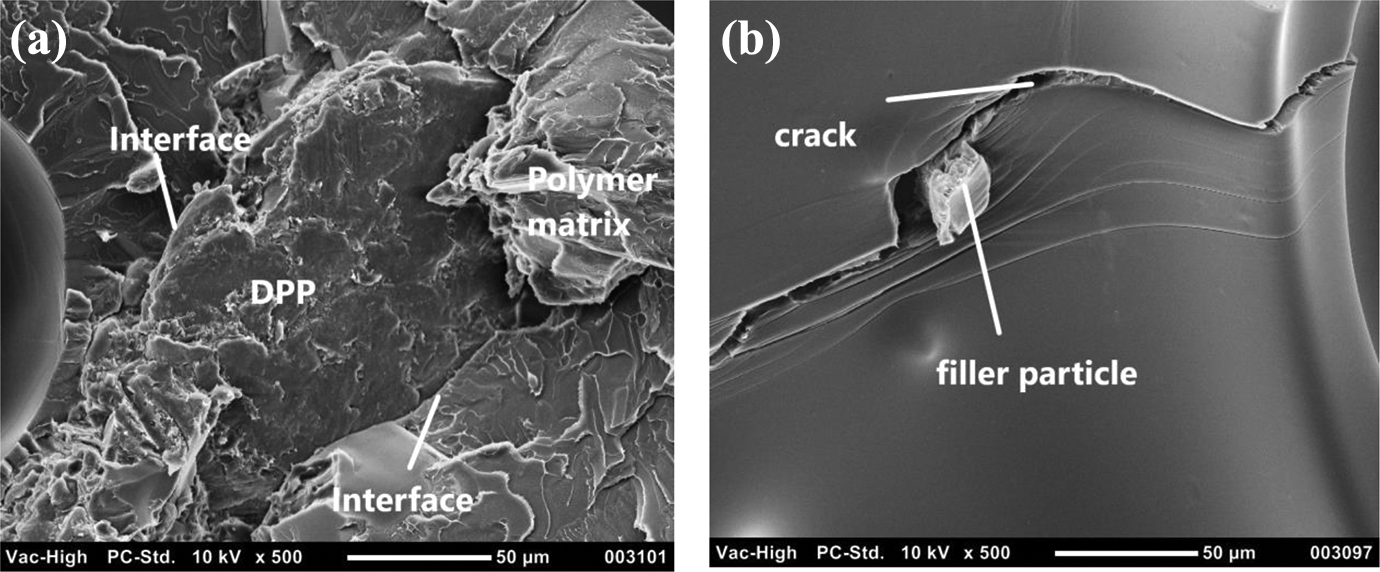
(a) Morphology of 20-DPP composite and (b) crack propagation in the composite.
Tensile properties
Figure 5 presents the tensile stress–strain behavior of the composite. Generally, all samples show brittle behavior, with a maximum fracture strain of 0.05%. The composite samples show a relatively higher fracture strain value than the pure PS samples. Meanwhile, the pure PS samples show a much higher fracture/yield stress than that of the developed composites. The variations in the tensile strength and Young’s modulus with the increasing date pit filler content are shown in Figure 6 and Table 1, respectively. The yield strength of the pure PS sample is 1.57 MPa. As the filler content increased, the yield strength decreases up to 20% filler content. Then an almost constant value of 0.375 MPa is observed for filler concentrations of 30–50%. The measured values for the yield strength are 1.12, 0.78, 0.45, and 0.38 MPa for 10-DPP, 20-DPP, 30-DPP, and 40-DPP specimens, respectively, representing reductions of 29%, 50%, and around 75% of the tensile yield strength for composites, respectively.
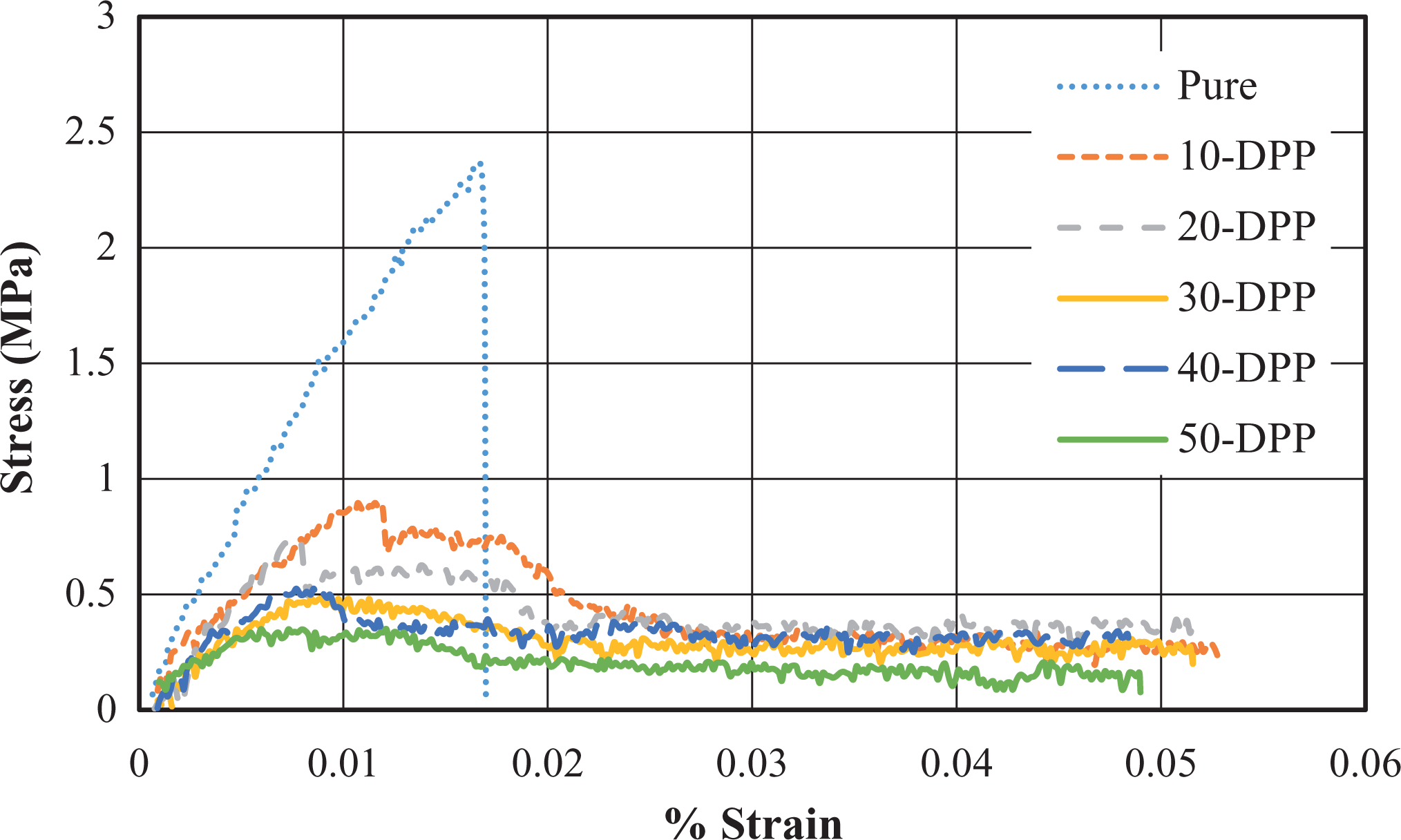
Stress–strain curve for tensile test of DPP-polystyrene composites.
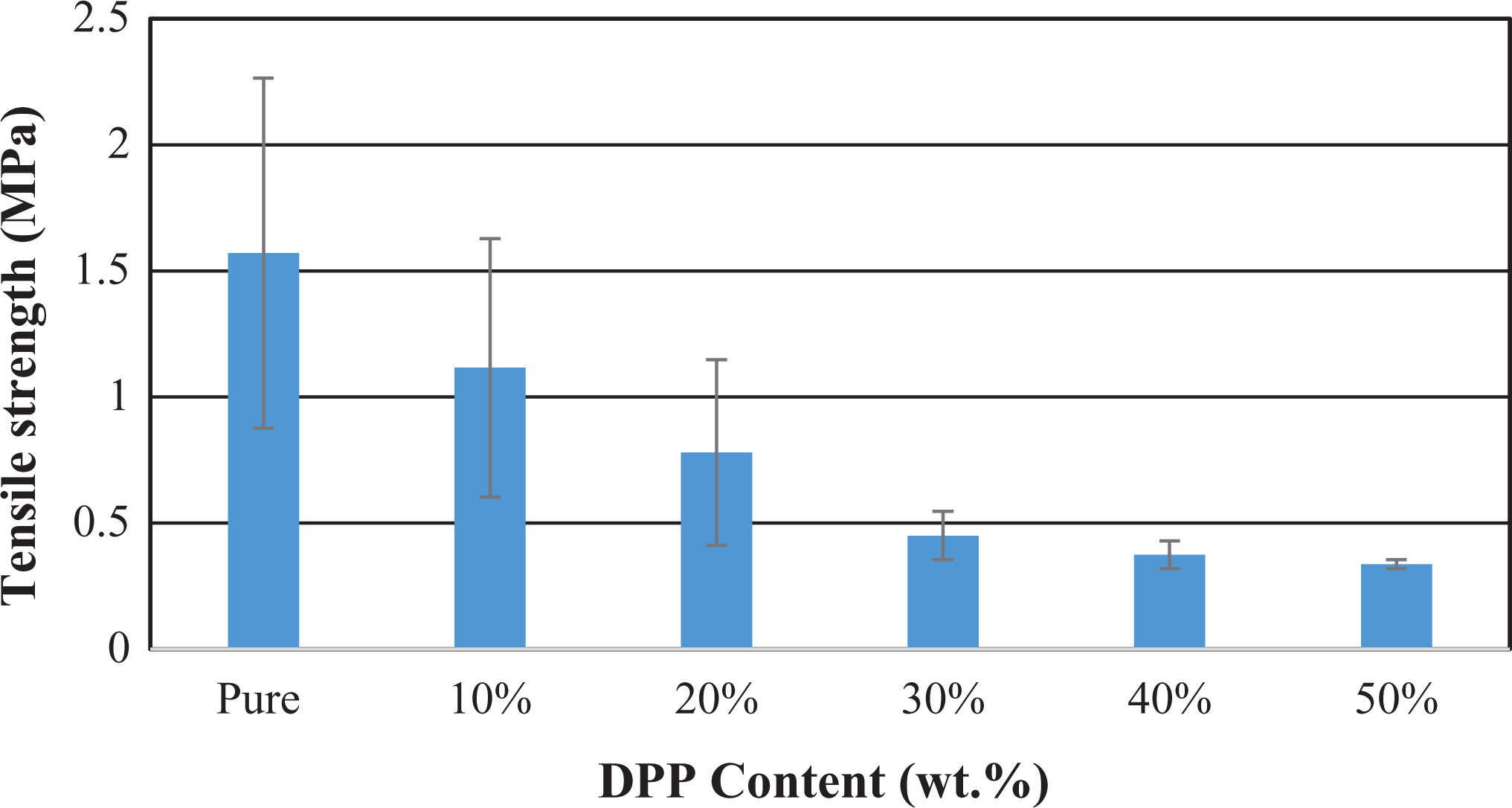
Tensile strength of DPP-polystyrene composites as a function of filler content.
The modulus of elasticity value is almost constant at approximately 1 GPa for composites with date pit contents ranging from 10% to 20%. However, a noticeable decrease is observed for filler content higher than 20%. Above this content, the Young’s modulus decreased; Young’s modulus values for 30-DPP, 40-DPP, and 50-DPP are 0.76, 0.24, and 0.25 GPa, respectively. All tensile yield strength and modulus of elasticity values are reported in Table 1.
Mihlayanlar et al. 32 studied the effect of different process parameters on the mechanical properties of expanded PS. For the inlet temperature of 125°C and the outlet temperature of 80°C, the tensile stress values were found to be between 0.86 and 2.71 MPa. The tensile strength of the produced PS (1.57 MPa) was comparable with the reported values. In addition, the tensile strength of samples produced by a hot press is considerably lower than that of samples produced by injection molding.32,2 Thus, the reduction in tensile strength for samples prepared using hot press in this study could be due to the presence of voids, because the molds that are used in the hot press do not allow gases to escape from the mold, which will induce voids in the sample.
Flexural strength
A three-point bending test was conducted for composites at a strain rate of 2 mm/min using a load cell with a capacity of 5 kN. The date pits significantly reduce the flexural yield strength of the composite, as shown in Figure 7. Specifically, 10–20% filler content reduces this strength by 50%, while 50-DPP sample strength reduced by 96%. Table 1 shows a similar trend for the flexural modulus, which reduces with the filler content. However, the DPP had a smaller influence on the flexural modulus than on the flexural strength, reducing the flexural modulus of the pure sample by 41% for 10-DPP specimen. However, 50-DPP sample dramatically reduces the modulus by 95% due to the poor compatibility between the filler and the matrix and the brittleness of both PS and date pits, similar to the compression testing results. All flexural moduli and yield strengths are reported in Table 1. Poletto et al. 33 reported that using a poly(styrene-co-maleic anhydride) coupling agent enhanced the flexural strength of the produced composites by improving the compatibility between wood flour and the polymer matrix. Their produced composites also exhibited higher flexural strength than the produced samples in this research because of the difference in the mixing and processing methods. In fact, they use a corotating twin-screw extruder for mixing and injection molding for producing the composites. In addition to the positive effect of the high homogenous mixture which was provided by extruder, the injection molding could eliminate the air voids that affect the mechanical properties negatively. Nevertheless, the flexural strength for low filler content (e.g. 10-DPP, 20-DPP, and 30-DPP samples) is significantly higher than that of other thermal insulation materials, such as binderless cotton stalk fiberboard with a flexural strength of 0.6 MPa. 34 Moreover, the flexural strength of the composite was much higher than that of commonly used commercial insulation material such as extruded PS foam.
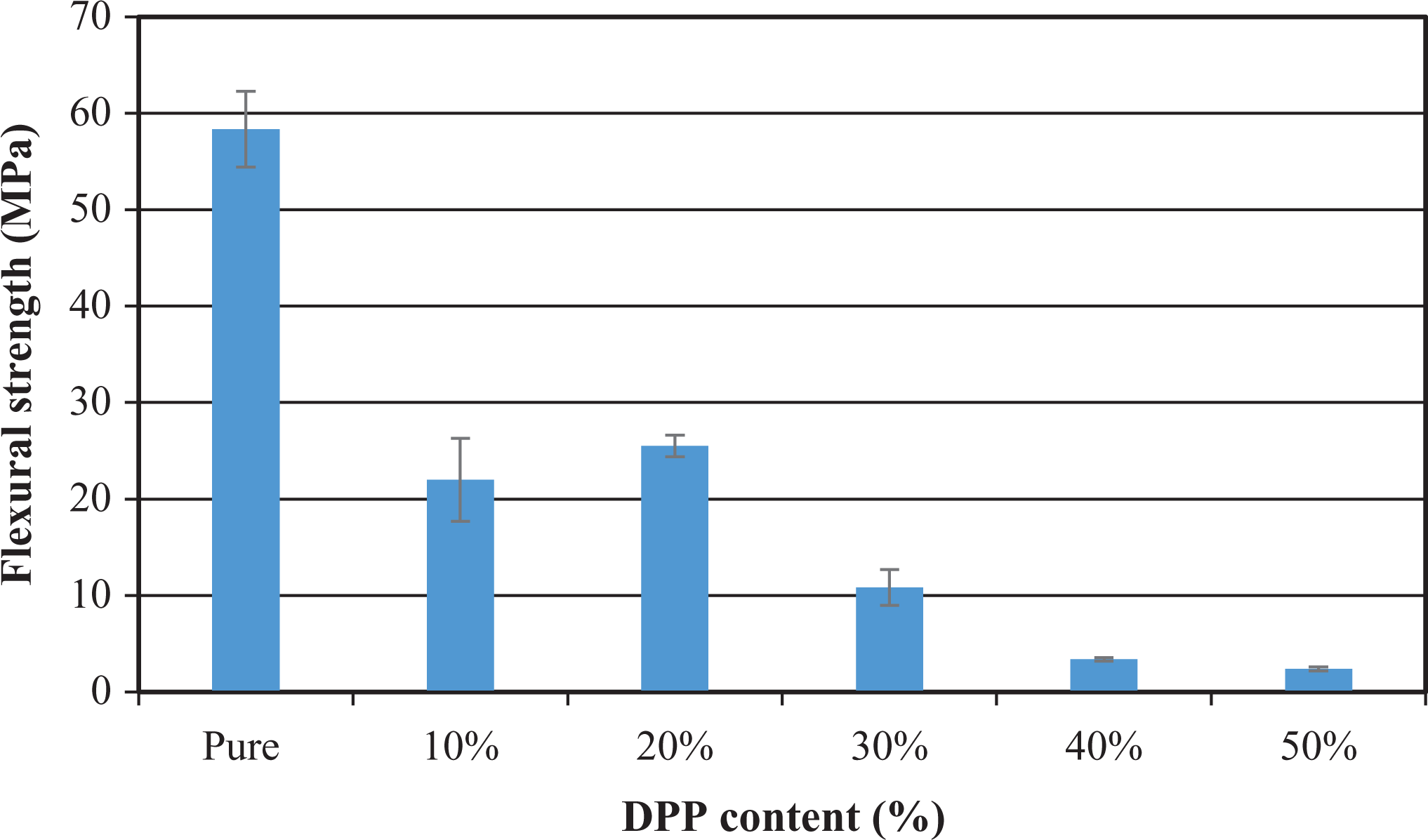
Flexural strength of DPP-polystyrene composites as a function of filler content.
Alkaline treatment of DPP
A principal component in natural fibers is cellulose. Natural fibers are hydrophilic because of the presence of the hydroxyl group (−OH) in cellulose, whereas many polymers such as PS are hydrophobic. This difference explains the poor compatibility and interference that occurs when polar natural fibers are mixed with nonpolar polymers. Moreover, fibers tend to agglomerate into bundles as hydrogen bonds form between the fibers. Many researchers are focused on treatments of natural fibers to render them effective as reinforcement fibers in a composite material.
The alkaline-treated DPP was used to produce 30-DPP composites. Figures 8 and 9 show the effect of NaOH treatment on the mechanical strengths and moduli of DPP-PS composites. Treatment of DPP with NaOH did not noticeably affect the compression strength of the composite. The compressive strength of the 30-DPP composite before treatment was 10.17 MPa, which only rose to 10.6 MPa after treatment. On the other hand, the applied alkaline treatment had a negative impact on the compression modulus, where the modulus for the 30-DPP composite was reduced by 23.8%. Marcovich et al. 35 studied the effect of NaOH treatment on wood flour–polyester composite. The researchers reported a similar trend for the compression moduli. However, they also reported a slight decrease in the compression strength. In a study by Bisanda and Ansell, 20 it was found that NaOH had a positive impact on the compression properties of sisal-epoxy composites. The researchers argued that the NaOH treatment could increase wettability between the filler and the matrix, which enhanced interfacial bonding. However, Marcovich et al. 35 reported that the filler interfacial area was not the dominant factor.
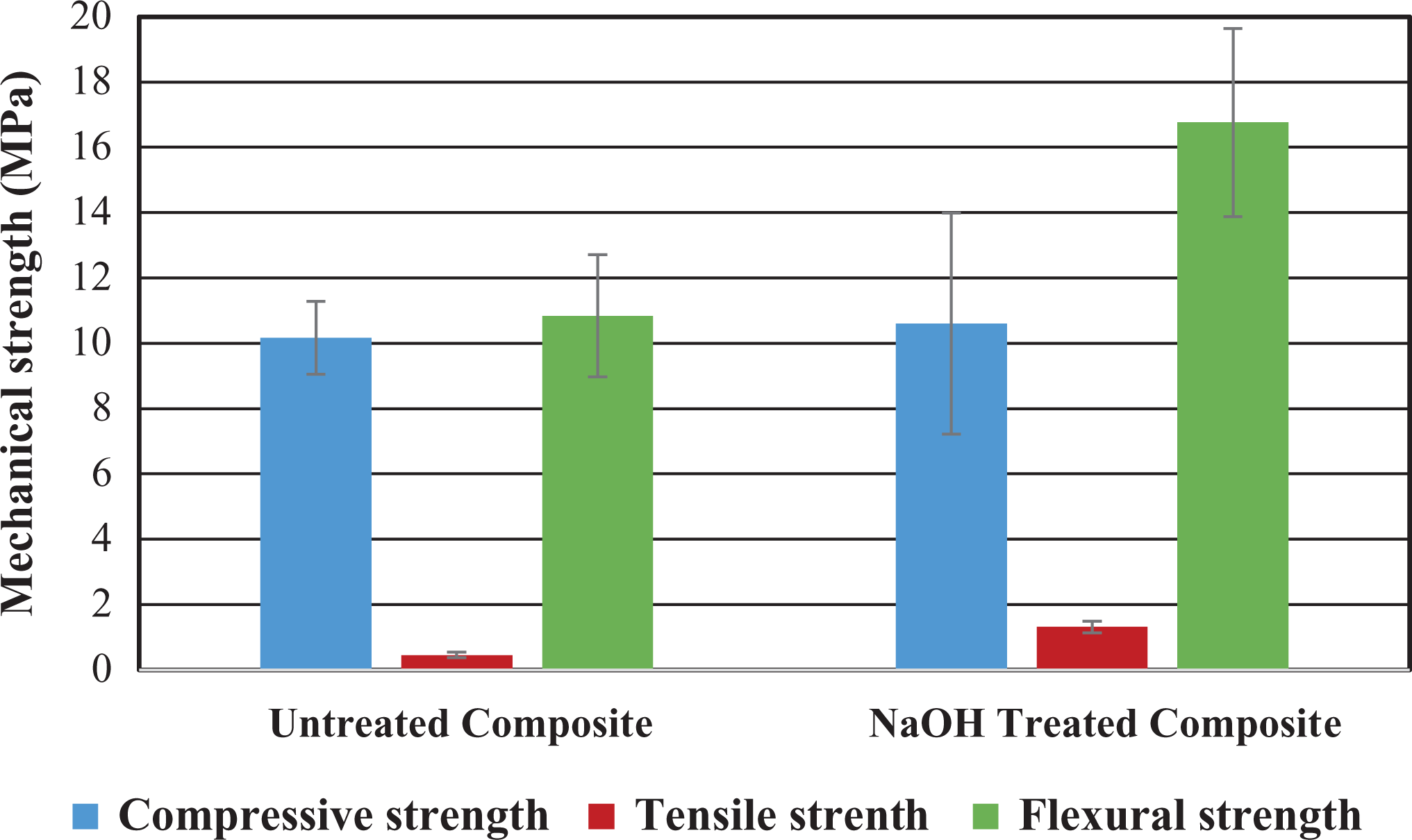
Effect of NaOH treatment of mechanical strengths of DPP-polystyrene composites. DPP: date pit powder; NaOH: sodium hydroxide.
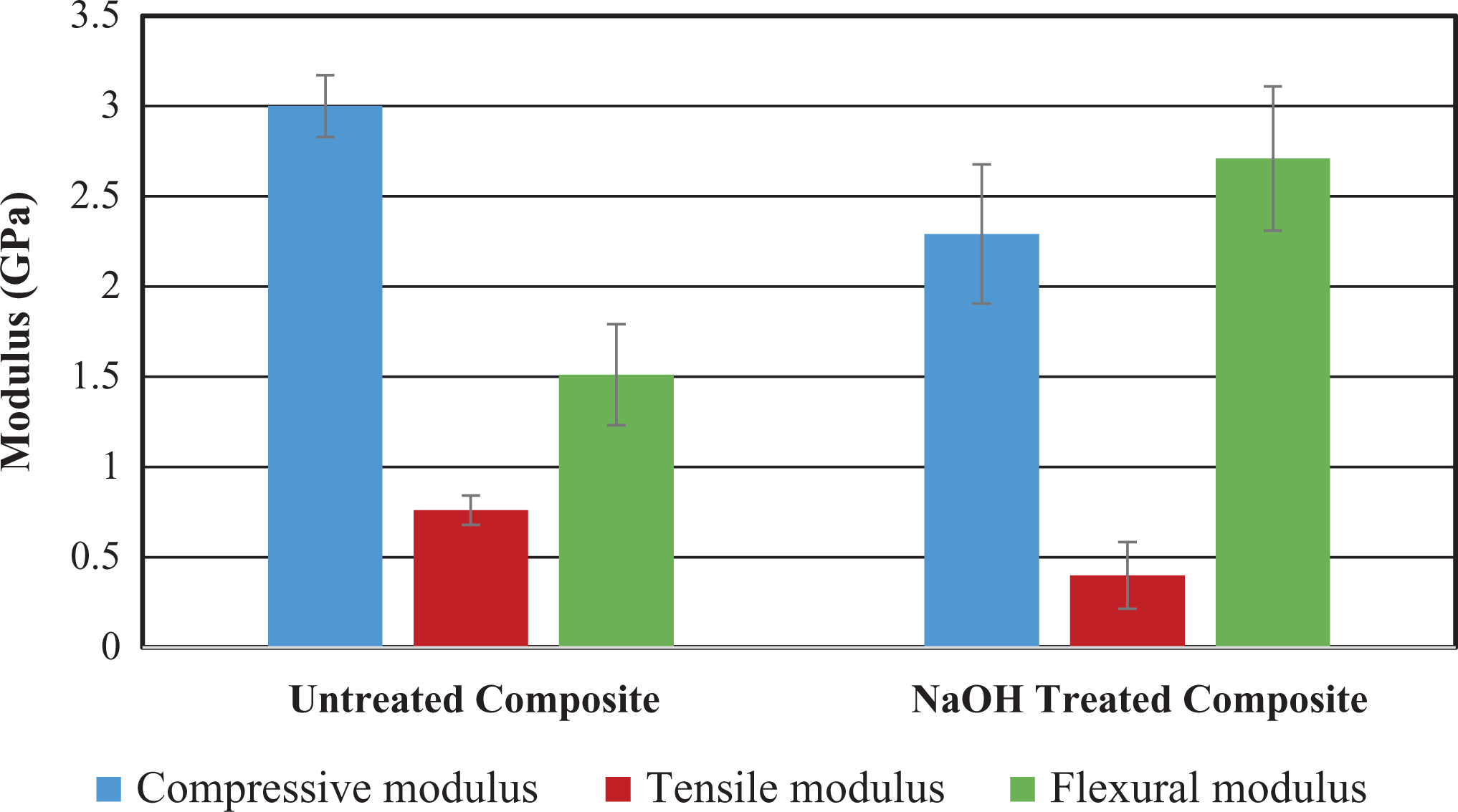
Effect of NaOH treatment of mechanical moduli of DPP-polystyrene composites.
Significant improvement in tensile and flexural strengths of the treated composites was observed (Figure 8). While the tensile strength of the DPP-PS composite tripled, its flexural strength increased by 55%. As can be seen in Figure 9, the alkaline treatment has a positive impact on the flexural modulus of the prepared composite, as it increased from 1.51 GPa to 2.71 GPa. Joseph et al. 21 treated sisal fibers with NaOH and used them to prepare sisal–polyethylene composites. It was noted that the tensile properties were improved by NaOH treatment. The improvement in tensile properties was attributed to the removal of natural and artificial impurities, which may result in better adhesion between the matrix and the used fillers. 36 In addition, NaOH may remove lignocellulosic materials from the fillers, which would degrade the hydrophobicity of the DPP. This would increase the area of interaction between the matrix and the filler. 37 The effect of NaOH treatment on kenaf-polyester and hemp-polyester composites has been investigated by Aziz and Ansell, 38 with both composites showing a significant enhancement in flexural strength and flexural modulus. The researchers reported that alkalization of fillers improved the interlocking between the fiber and the matrix.
As shown in the monographs of DPP presented in Figure 10, treatment of DPP with NaOH increased the surface roughness of the DPP, which confirms that the treatment removed impurities on the DPP surface, and hence resulted in better adhesion between the PS and the DPP that has, in general, a positive impact on the mechanical strength of the composite.
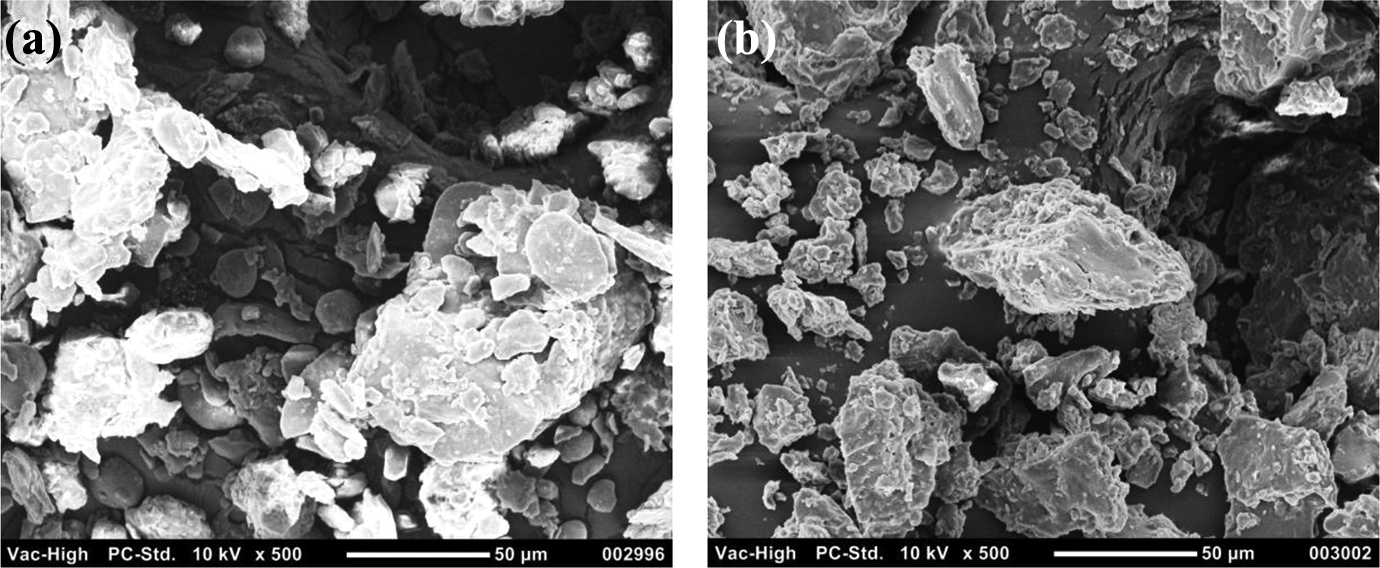
SEM micrograph for (a) raw DPP and (b) DPP after alkaline treatment.
On the other hand, the thermogravimetric properties of the treated DPP were investigated (Figure 11). It is noted that the treated DPP had less moisture content because the treated DPP was dried for 8 h after the NaOH treatment. The second thermal event, which occurred between 240°C and 300°C, is due to the degradation of hemicellulose. The resultant weight loss in this event was found to be 35.7% for treated DPP, which is 15% lower than that for untreated DPP at this stage. Furthermore, treatment of DPP with NaOH caused a 5% weight loss reduction for the cellulose thermal event, compared with the same event for untreated DPP cellulose, which occurred between 300°C and 450°C. The TGA results show a significant reduction in the hydrophilic components of DPP, which enhanced the adhesion between the DPP and the PS matrix and, consequently, its mechanical properties. In addition, the total weight loss of treated DPP at 600°C was 30% higher than that of untreated DPP, which resulted in a significant improvement in the thermal stability of the treated DPP, and consequently in the developed DPP-PS insulator composites. However, the last finding needs more investigation.
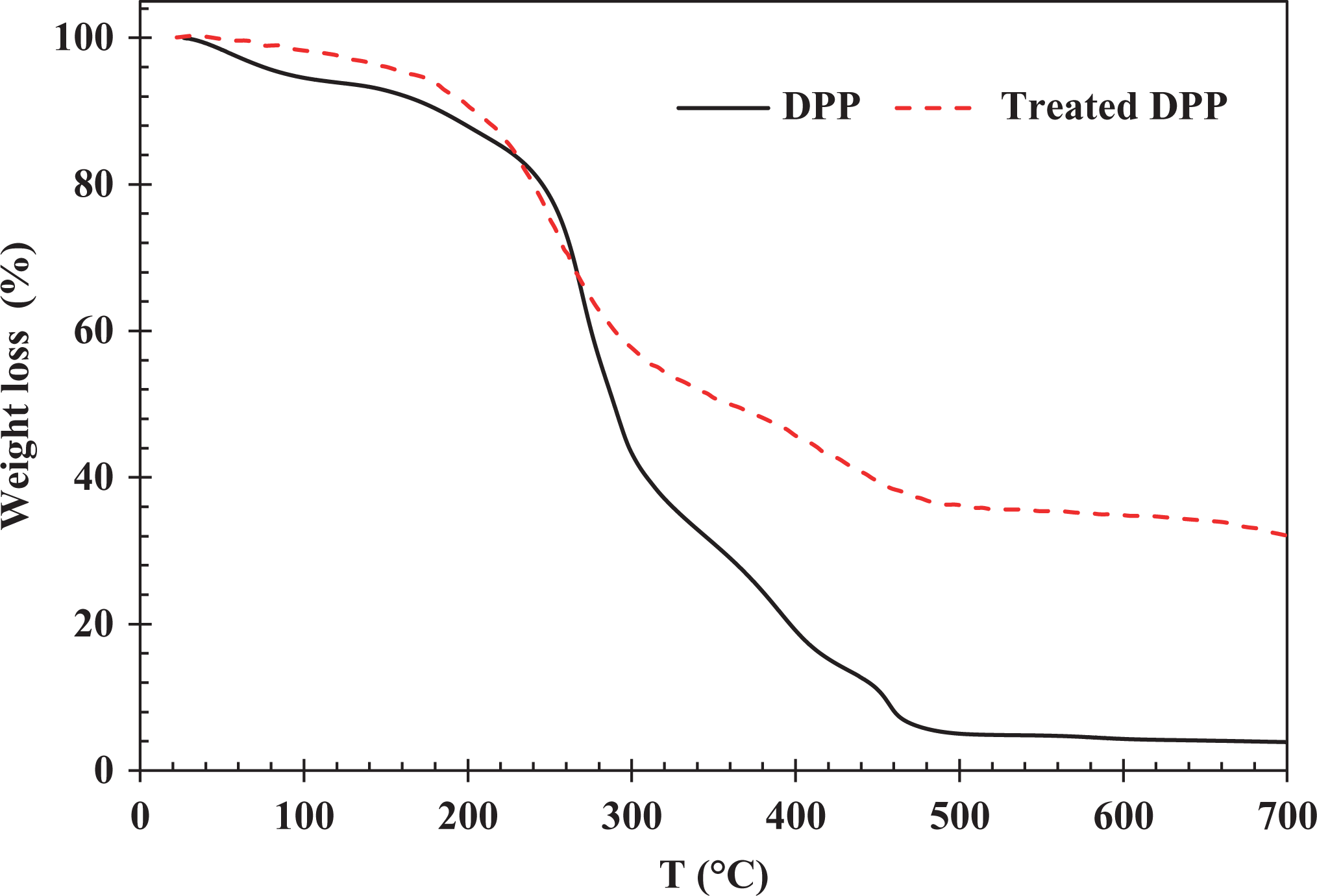
Thermograms of raw DPP and treated DPP.
Furthermore, Fourier transform infrared (FTIR) analysis was performed to investigate the main functional groups of the raw and treated DPP. The FTIR spectra of both untreated and treated DPP are shown in Figure 12. The DPP result was found to be similar to the result obtained by El-Hendawy. 39 While the broad band at 3412 cm−1 was due to O–H vibration and N–H stretching, the bands at 2926 cm−1 and 2848 cm−1 were because of C–H stretching in the alkane group. The observed changes in the bands at 1247 cm−1 and 814 cm−1 are related to the lignocellulosic content 40 ; a comparison of the spectra for untreated with treated DPP offers clear evidence that the lignocellulosic content was affected by the NaOH. Furthermore, the C=O bands at 1744 cm−1 and 1378 cm−1 were observed in the IR spectra of untreated DPP only. According to Yang et al. 41 this bond is found in one of the main functional groups of hemicellulose. The band almost disappeared with NaOH treatment, which supports the TGA results showing that a significant fraction of the hemicellulose was removed from the DPP, effecting an improvement in adhesion between the DPP and the PS matrix.
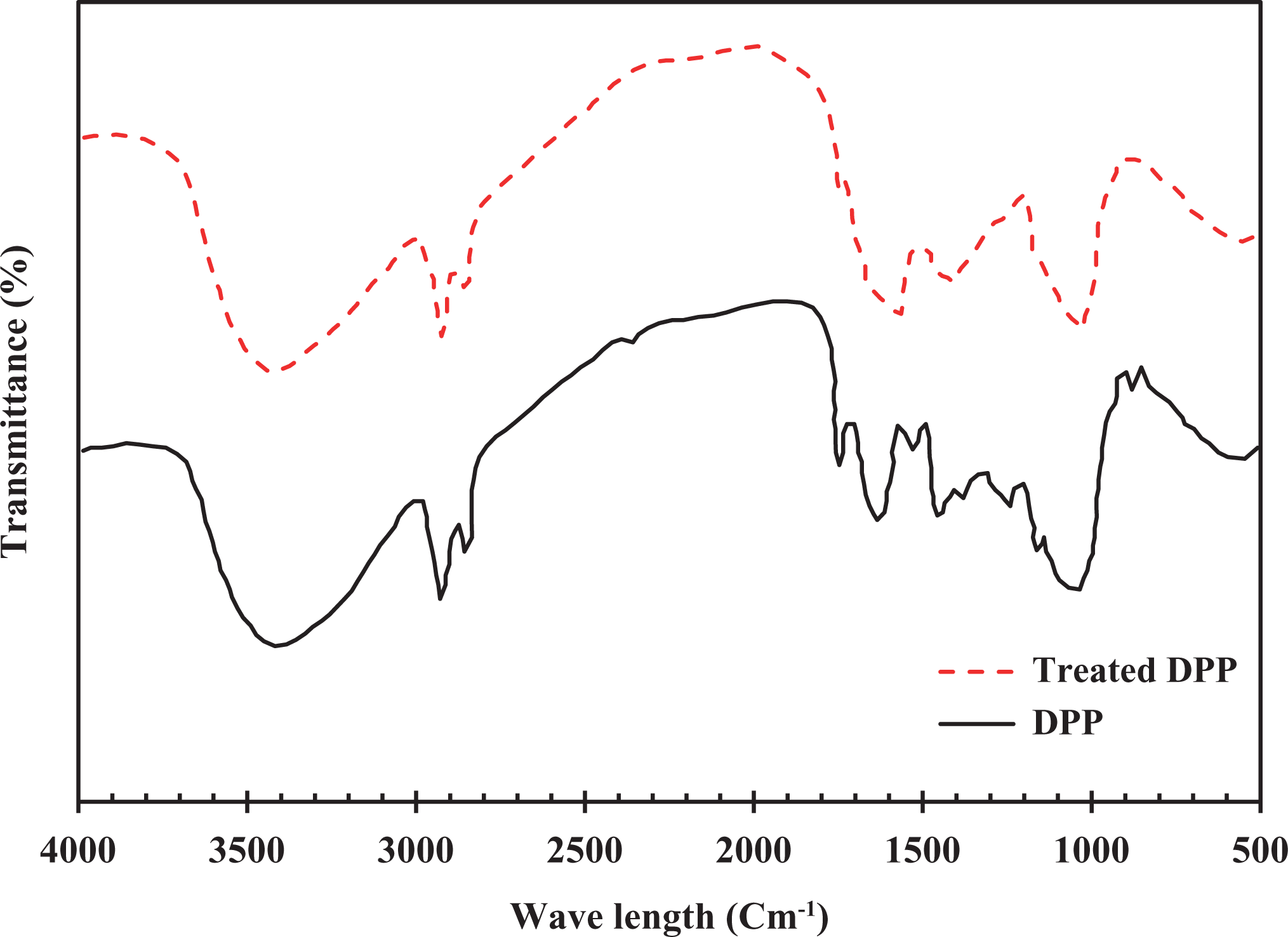
FTIR spectra of raw DPP and treated DPP.
Conclusions
In this study, the mechanical behavior of date pit-PS composites was investigated. The composites were fabricated as thermally insulating materials for use in the construction industry, which were developed using different date pit contents (0, 10%, 20%, 30%, 40%, and 50%). Generally, increasing filler content weakened the mechanical properties. In fact, 40-DPP composites exhibited reductions of 33%, 42%, 76%, 77%, 94%, and 90% in their compression strength, compression modulus, tensile strength, tensile modulus, flexural strength, and flexural modulus, respectively. However, these reductions were attenuated with filler contents up to 30%. These negative effects on the mechanical properties of PS with the addition of DPP were due to the agglomeration of the natural fillers creating stress concentration points, as well as poor compatibility between the fillers and the polymer matrix. With natural fillers, the particles agglomeration is due to the hydrogen bonds between the particles. In addition, the filler particles have a weaker strength than that of the polymer matrix, thus these particles obstruct stress transfer and cause stress concentration. Alkaline treatment of DPP with NaOH solution effectively increased the tensile and flexural strength of all prepared composites. The treatment improved the compatibility between the matrix and the natural fillers. The monographs of SEM images demonstrated that the treatment effectively changed the surface roughness of the DPP and enhanced the interference between the fillers and the PS matrix. TGA analysis and FTIR spectra of the treated filler indicate that the observed improvement in adhesion was due to the removal of hydrophilic components from DPP. Finally, using DPP in composite formulation can compensate for some negative effects because it reduces the cost of the composite and enhances its biodegradability.
Footnotes
Funding
The author(s) disclosed receipt of the following financial support for the research, authorship, and/or publication of this article: The authors would like to acknowledge the financial support of the Emirates Center for Energy and Environment Research at the UAE University (Project # 31R041).
