




Abstract
In this article, the compatibilizing effect of exfoliated graphene nanoplatelets (xGnPs) on polypropylene/polystyrene (PP/PS) (80/20) blends was investigated, focusing on the rheology, morphology, and mechanical and thermal properties. Rheological analyses were shown, the addition of xGnP tends to increase the storage modulus and complex viscosity, due to the confinement of polymer chains and reducing their motion. Scanning electron microscope observation revealed that incorporation of xGnP results in obvious reduction in the domain diameter of dispersed PS phase, indicating that xGnP is an effective compatibilizer. Transmission electron microscopy micrographs showed the presence of graphene nanoparticles in the phase interface as expected. The addition of xGnP to PP/PS blend increased the tensile modulus and decreased elongation at break because of its rigidity and intrinsic mechanical characteristics. Reinforcement of flexible polymer chains with very high modulus graphene pellets leads to a more brittle and a stiffer blend. It was also shown that graphene nanoplatelets can increase crystalline part of the samples and affect the behavior of blends.
Introduction
Polypropylene (PP) is a useful polymer with wide range of applications in many fields. PP shows high elongation but its strength and stiffness are not sufficient to employ as an engineering plastic. Polystyrene (PS) is a rigid polymer with high modulus and strength which can be used to reinforce PP. 1 –4 However, PP and PS are immiscible and incompatible polymers and their blends lead to poor mechanical properties due to low interfacial interactions. 5 –8 Many effective methods have been developed to compatibilize PP/PS blends such as using functionalized modifiers, synthetic block, graft copolymers (styrene-butadiene (SB), styrene-butadiene-styrene (SBS), and styrene-ethylene-butylene-styrene (SEBS)), and grafted polymers (PP-g-PS, PP-g-MAH, etc.) as compatibizer. 9 –12 These compatibilizers locate at the interface of polymeric domains, enhance the phase adhesion, and reduce the size of dispersed phase domains which can significantly improve the mechanical properties of the immiscible PP/PS blend. 13 –15
Recently, researchers are interested in using nanofillers to compatibilize various types of immiscible polymer blends. Nanofillers can modify the morphology of a blend because both polymers have tendency to adsorb on the solid surface and the mobility of the nanofillers leads to polymer chains diffusing into adjacent phase. Graphene is a two-dimensional carbon nanostructure which has attracted intensive attention because of its high thermal, electrical, and mechanical properties. In the past few years, graphene and its derivatives have been studied to compatibilize immiscible polymer blends. 16 –19 These studies show that even low concentration of graphene nanoplatelets may reduce droplet size and make a more uniformed size distribution of dispersed phase by improvement of interphase interactions. Actually, graphene nanoplatelets act as a compatibilizer and enhance mechanical and thermal properties of blend. 20 –22
Studies on compatibilizing effect of graphene oxide (GO) nanoplatelets in poly (methyl methacrylate)/PS bend and PP-g-rGO in PP/PS blends revealed that even small amount of graphene nanoplatelets can make distinct improvement on physical and mechanical properties of these blends. 23,24
The main aim of this study was investigating the compatibilizing effect of graphene on the phase morphology (scanning electron microscope (SEM) and transmission electron microscopy (TEM)), rheology, and thermal and mechanical properties of PP/PS blends. The amount of graphene, which plays a key role in the interaction between PP and PS, and the tendency of agglomeration have been studied.
Experiment
Materials
PP Z30S (melt flow index [MFI] = 25 g/10 min; 230°C, 2.16 kg; density = 0.9 g cm− 3) from Arack Petrochemical Company, Iran and GPPS 1540 (MFI = 11.2 g/10 min; 200°C, 5 kg; density = 1.04 g cm−3) from Tabriz Petrochemical Company, Iran, were used as the blend constituents. Graphene nanoplatelets commercially titled exfoliated graphene nanoplatelets (xGnP®) M-15 (average thickness = 6–8 nm, surface area = 750 m2 g−1, and particle diameters = 15 µm), supplied by XG Sciences Co., USA, were used as a nanofiller to prepare the nanocomposite blends.
Preparation of samples
All the PP/PS (80/20) blends were mixed in a laboratory batch internal mixer (Brabender W50 EHT, Germany) at 180°C and 60 r min−1 for 10 min. Graphene was added to polymeric phase by various ratio of 1.0/100, 2.0/100, and 3.0/100. All the components fed to the mixer simultaneously. Prepared samples were compression molded into sheet shape using a hot press for further analyses.
Rheological studies
Disc-shaped samples with a diameter of 25 mm and 1 mm thickness were prepared for rheometery analysis. The rheological properties of all the samples were investigated using a dynamic rheometer (MCR301: Anton Paar, Austria) equipped with parallel plate geometry (diameter = 25 mm and gap = 1.0 mm). The frequency sweep tests were performed in the range of 0.04–625 rad s−1 at 190°C and amplitude of 1% in order to maintain the response of the materials in the linear viscoelastic regime.
Morphology studies
Scanning electron microscopy
SEM was used to characterize the morphology of the blends (VEGA II, TESCAN, Czech Republic). The cryo-fractured surfaces of the blends were etched in Tetrahydrofuran (THF) for 24 h for the removal of dispersed PS phase and then dried in a vacuum oven at 60°C for 5 h. Prepared samples were gold coated and scanned at a maximum magnification of 2000×. SEM micrographs were analyzed using ImagJ 1.5 software and more than 150 holes were measured in each micrograph so size distribution of PS phase can be calculated.
Transmission electron microscopy
TEM was employed to have better investigation of nanostructures and dispersion of nanoplatelets using a PHILIPS, Netherlands, CM30 operated under an acceleration voltage of 100 kV. Samples prepared and cut into suitable microtomes at −195°C.
Mechanical properties
The tensile strength of all samples was tested using a tensile machine (Zwick/Roell, Germany) according to ASTM D-638, crosshead speed of 50 mm min−1 at room temperature. Each specimen tested for five times and mean value reported for it.
Thermal properties
Thermogravimetric analysis
The thermal stability of the polymer blends was analyzed using a SETARAM Instrumentation, Labsys TG. Test was carried out from 25°C to 600°C at a heating rate of 20°C min−1 under nitrogen atmosphere.
Differential scanning calorimetry
Dynamic crystallization and melting behavior of the samples were investigated by a differential scanning calorimeter (DSC; TA Instruments, Model Q2000, USA). The samples were first heated from 25°C to 200°C at 10°C min−1 and maintained at 200°C for 5 min to erase any thermal history, and then cooled to room temperature to scan crystallization behavior and then heated again to 200°C in order to study the melting behavior of samples. All procedure was carried out under nitrogen atmosphere.
The parameters such as melting point (Tm) and enthalpy of melting (ΔHm) are estimated from the DSC heating curves while crystallization temperature (Tc) and enthalpy of crystallization (ΔHc) are determined from the cooling curves. The degree of crystallinity of samples (Xc (%)) can be calculated using the following equation

where ΔHm is the normalized enthalpy of melting, ΔHmax is the melting enthalpy of the theoretically 100% crystalline polymer, and Wc is the weight fraction of rich phase (PP) in the blend. ΔHmax is the heat of melting for the 100% crystalline polymer, which is 207 J g−1 for PP. 25
Results and discussion
Rheological behaviors
Figures 1 and 2 present the results of storage modulus (G*) and complex viscosity (η*) as functions of angular frequency (ω) for PP/PS (80/20) blend and PP/PS/xGnP nanocomposites. The results indicate that xGnP affects the rheological properties of PP/PS blend, the complex viscosity, and storage modulus of PP/PS blends increase by xGnP concentration specifically at low frequencies. Storage modulus incensement indicates an enhancement in stiffness by the incorporation of graphene platelets attributed to the reinforcing effect of graphene, which shows grate stiffness. Further, confinement of polymer chains between graphene nanoplatelets leads to reduced polymer chains and interfering the segmental motion, which also contributes to the enhancement of the storage modulus. 26
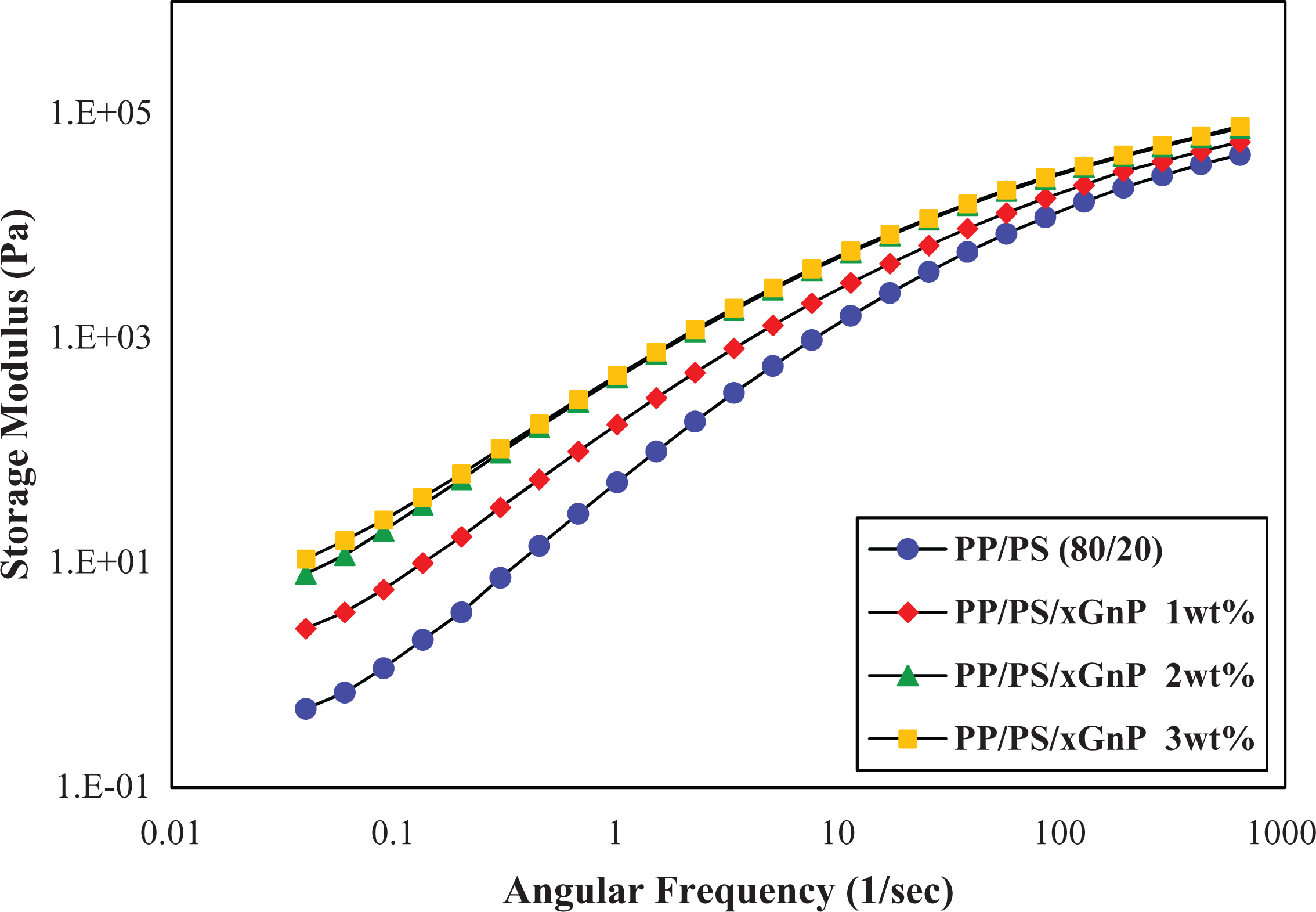
Storage modulus versus angular frequency for PP/PS blends.
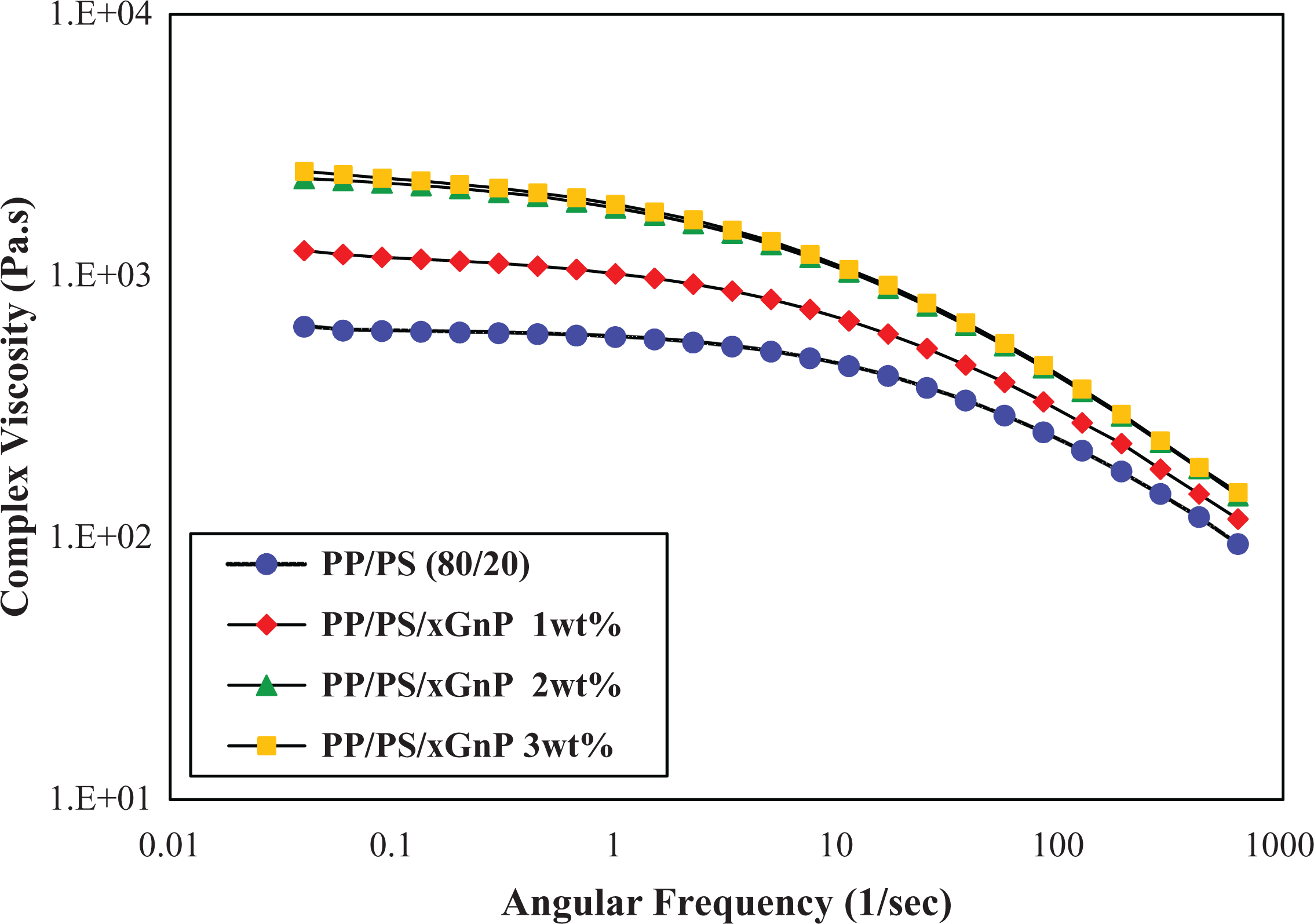
Complex viscosity versus angular frequency of PP/PS blends.
As it is shown in Figure 2, with the addition of nanofillers, the flow behavior of alloys changes and the complex viscosity decreases eventually. Due to shear thinning behavior, this effect is more pronounced in lower frequencies but gradually reduced with increase in frequency. The behavior of the filled composites with increase in nanofiller content, especially at 2 wt%, becomes nonlinear in the low-frequency region which is an indication of the formation of an interconnected network of particles inside the polymer matrix.
As Figure 1 shows, with increase in filler content, the storage modulus increases gradually and the frequency dependency is reduced. Also, as a sign of filler network formation and entrapment of polymer chains inside the filler network, the length of the plateau region is extended to higher frequencies, prohibits the flow of polymer at low frequencies. 27
Morphology characterization
SEM and TEM observation
Figure 3 demonstrates the SEM micrographs of neat PP/PS blends and blends containing nanoplatelets. PS particles are extracted from PP matrix using THF as solvent; black holes in micrographs illustrate PS phase. As shown in Figure 3(a), the neat PP/PS blend has a two-phase morphology and the dispersed PS particles are larger in sizes and have broad size distribution which is representative of weak interaction with PP matrix.
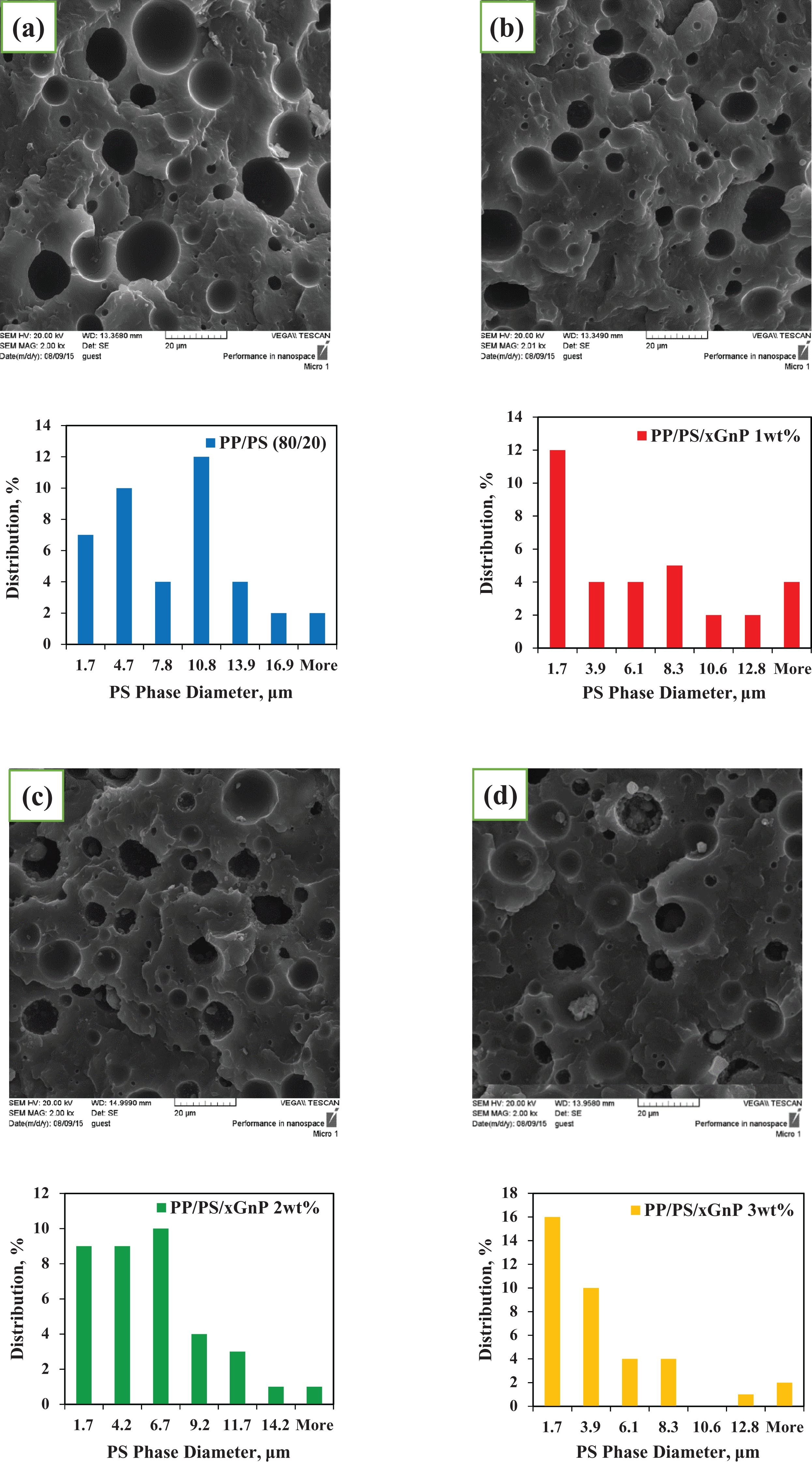
SEM micrographs of (a) PP/PS, (b) PP/PS/xGnP 1 wt%, (c) PP/PS/xGnP 2 wt%, and (d) PP/PS/xGnP 3 wt% blend nanocomposites. PS droplet diameter distribution is presented in the following each micrograph.
Presence of graphene nanosheets leads to smaller PS domains size. Moreover, the diameter distribution of the PS domains tends to be more uniform by the addition of xGnP, especially when the content of xGnP reached 2 and 3 wt%. PS mean particle diameter in neat blend and blends containing 1, 2, and 3 wt% of xGnp, respectively, is 7.9, 5.1, 4.7, and 3.8 µm. Graphene nanoplatelets can reduce interfacial tension by lying in the phase interface.
A significant reduction in domain size and more uniform size distribution compared with neat blend can be observed with the addition of 2 and 3 wt% xGnP, as shown in Figure 3(d) and Table 1, which is a compatibilizing effect of graphene nanoplatelets on PP/PS blends. The graphene nanosheets decrease the coalescence of the droplets by decreasing the interfacial tension and increasing the interfacial interaction between PP and PS phases which lead to effective stress transfer from matrix to dispersed phase. Consequently, the xGnP effect on the dimension and distribution of dispersed PS phase is remarkable.
PS domain size and its standard deviation in PP/PS/xGnP nanocomposites.
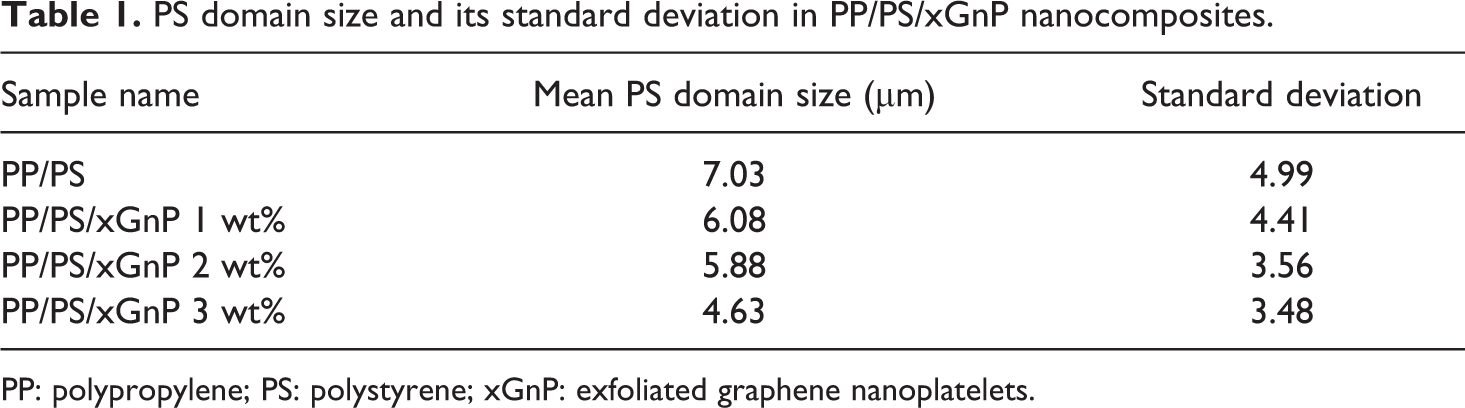
PP: polypropylene; PS: polystyrene; xGnP: exfoliated graphene nanoplatelets.
Rough surface of holes in Figure 3(c) and (d) refers to presence of more graphene nanoplatelets in phase interface of nanocomposite. TEM micrographs of PP/PS with 3 wt% of xGnP are shown in Figure 4; PS which has a higher density rather PP allows less electron transmission and looks darker in the micrograph. Presence of graphene nanoplatelets in the phase interface is obvious in TEM micrograph and this is in a very good agreement with SEM and rheological analysis of nanocomposite.
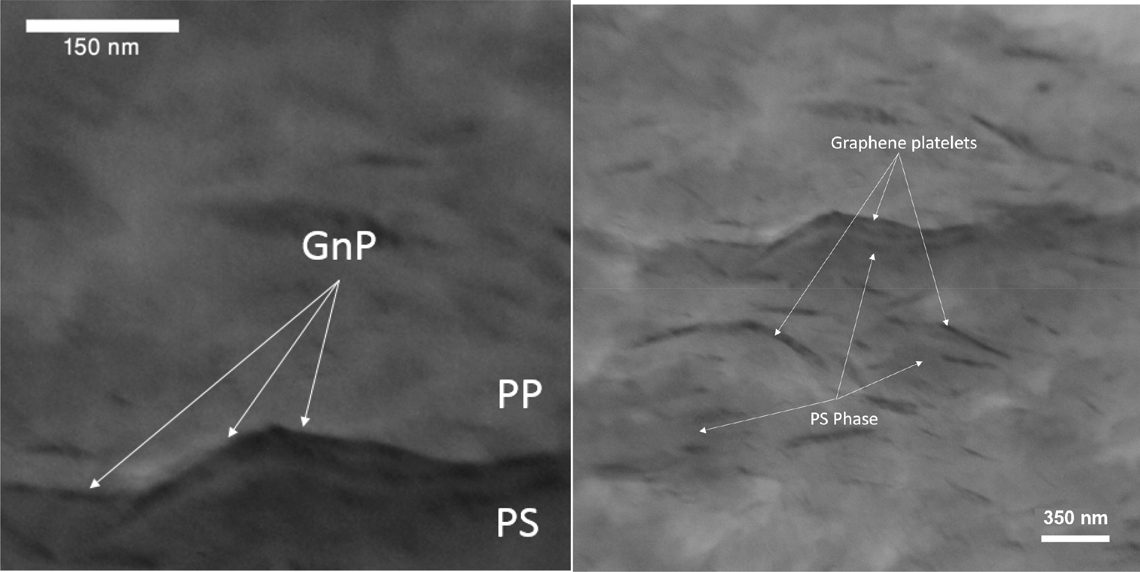
TEM micrograph of PP/PS/xGnP 3 wt%.
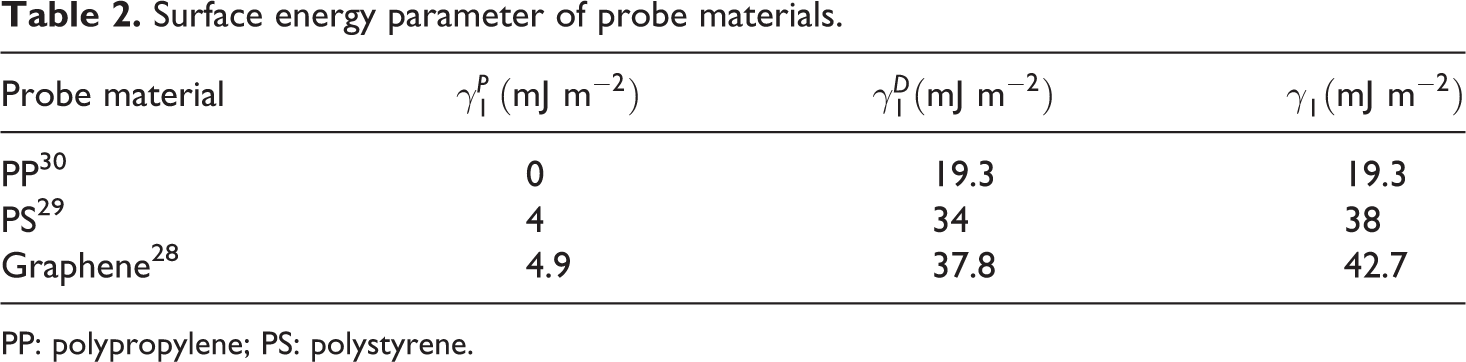
The interfacial tension can be calculated by knowing the values of polar and dispersive components of surface tension for all materials. By comparing the surface tension of graphene to polymers, the quality of graphene dispersion can be predicted. The surface properties of graphene and both types of polymers are reported in Table 2. These values are calculated based on the contact angle of specimens using Fowks equation as flow 28


Surface energy parameter of probe materials.
PP: polypropylene; PS: polystyrene.
Contact angle is related to solid (
The difference between graphene particles and PS surface tension is 4.7 (mJ m−2), whereas PP case is 23.4 (mJ m−2). From these differences, it is found that graphene tendency to locate in PS phase is very greater than PP phase. This is in good agreement with TEM observation and other scientific reserarches. 27,29
Mechanical properties
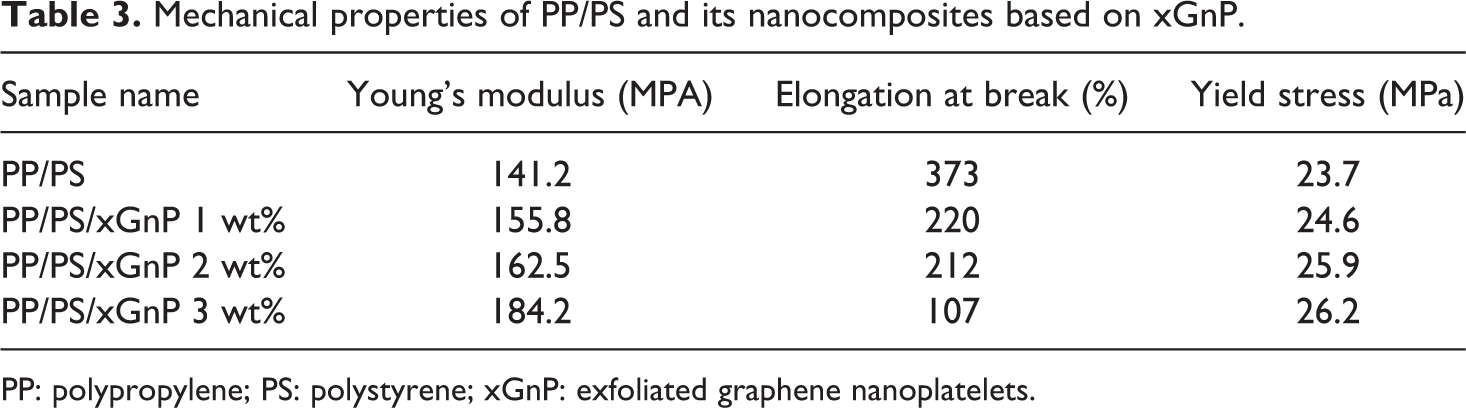
In order to investigate the effect of graphene platelets on mechanical properties of PP/PS blend and its nanocomposites, uniaxial tensile tests were carried out and the results of stress–strain curves were presented in Figure 5 and Table 3. As is evident, the improvement of properties is more notable in low concentrations of graphene nanoplatelets. As the results show, the incorporation of different concentrations of graphene to PP/PS polymer blends substantially reduces the tensile elongation of all samples and the mechanical behavior of the samples alters from ductile to brittle. In all the samples, which are containing graphene, the modulus and yield stress increase in comparison with neat PP/PS blend and the enhancement rate of the modulus and yield stress at low concentrations of xGnP is higher. Graphene nanoparticles with their large aspect ratio hinder mobility of polymer chains eventually and reduce chain flexibility and lead to a significant reduction in strain at break and brittle behavior. Confinement of polymeric chains between graphene nanoplatelets acts as entanglements and reduces chain slippage, so stiffness and brittleness of samples increase simultaneous by increase of xGnP content. 30
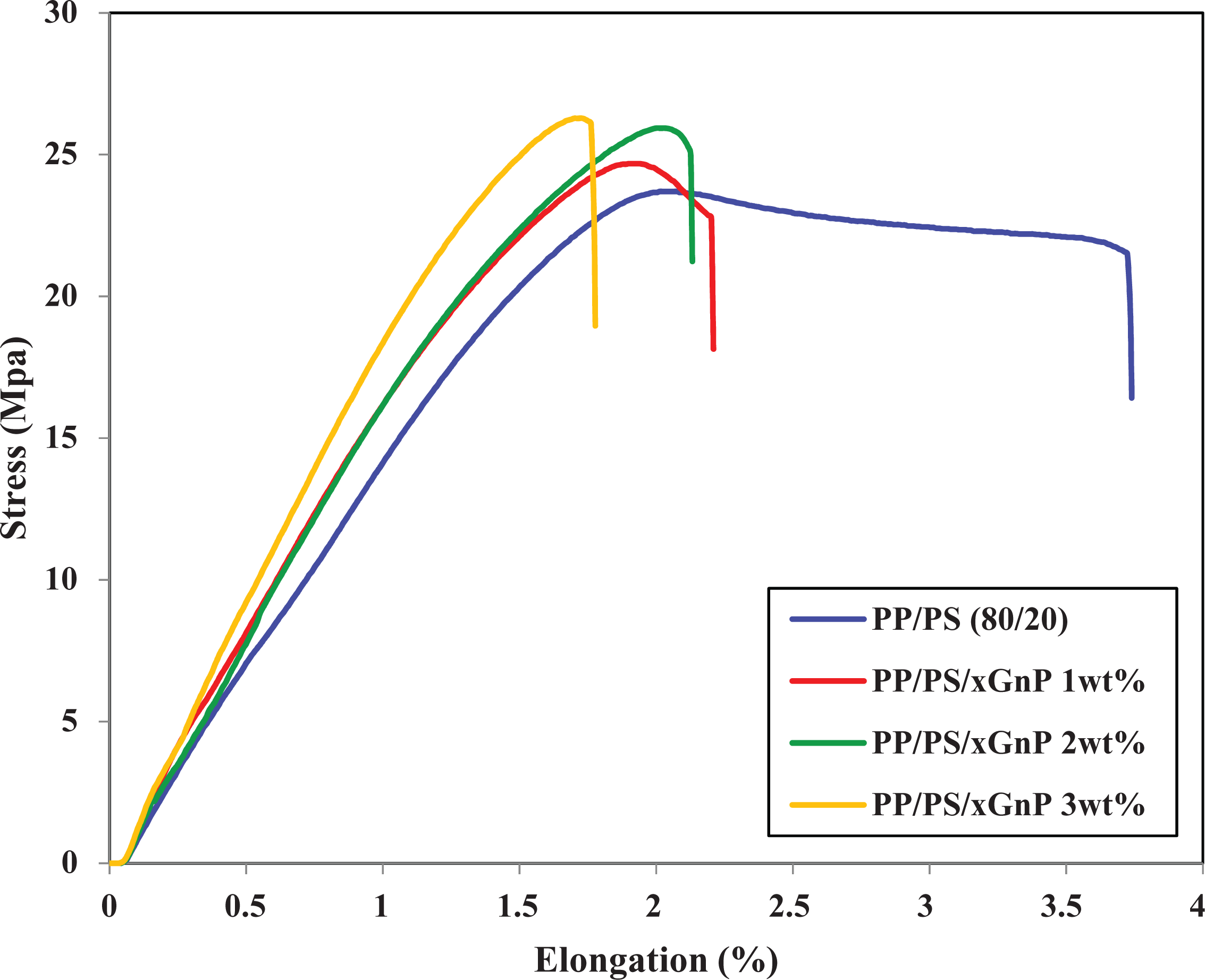
Strain–stress curves of neat PP/PS blend and PP/PS/xGnP.
Mechanical properties of PP/PS and its nanocomposites based on xGnP.
PP: polypropylene; PS: polystyrene; xGnP: exfoliated graphene nanoplatelets.
Thermal properties
Thermogravimetric analysis
Thermal degradation properties of the samples are evaluated from thermogravimetric analysis (TGA); Figures 6 and 7 and Table 4 present TGA results of PP/PS blend and its nanocomposites. The temperatures at which 10% (T0.1), 50% (T0.5), and 90% (T0.9) degradation occurs and the fraction residues at 600°C are shown in Table 4. It was found that the thermal degradation of PP/PS/xGnP nanocomposites was slightly retarded and all three nanocomposites show higher decomposition temperature than pure PP/PS blend. From the TGA and DTG curves, it is obvious that increase in graphene nanoplatelets leads to increase in thermal degradation stability of nanocomposite in higher temperatures. Moreover, neat sample without graphene nanoparticles shows a broad degradation peak and by increase of graphene nanoparticles, the degradation peak becomes sharper and shifts to the higher temperatures. Improved thermal stability of nanocomposites can be attributed to the compatibilizing effect of xGnP, which stabilizes the phase morphology and improves the interfacial interaction of the blend; this was indicated by rheological and morphological results. Furthermore, PP/PS/xGnP nanocomposites show more residue by increase of xGnP content.
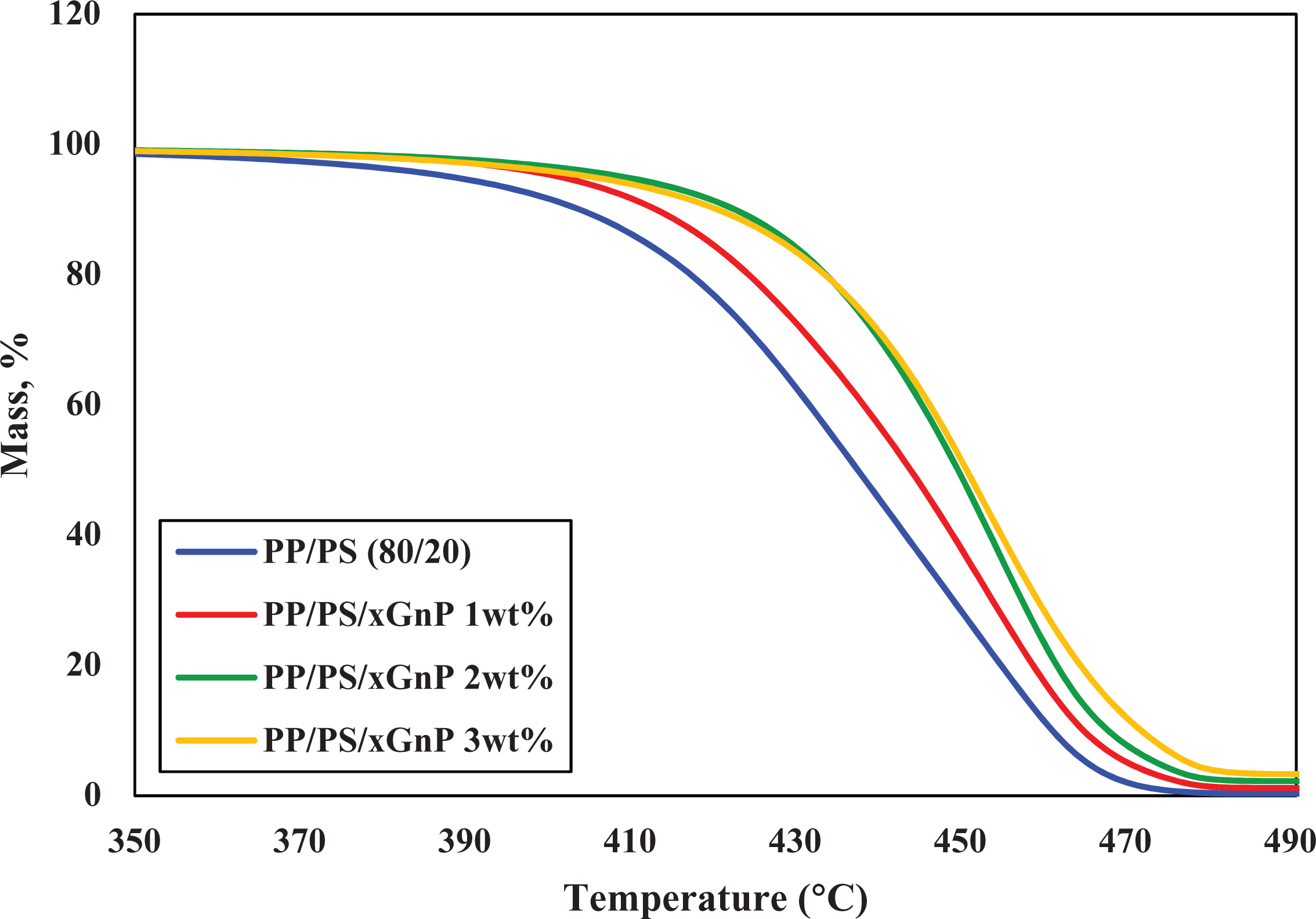
TGA thermographs of neat PP/PS blend and PP/PS/xGnP.
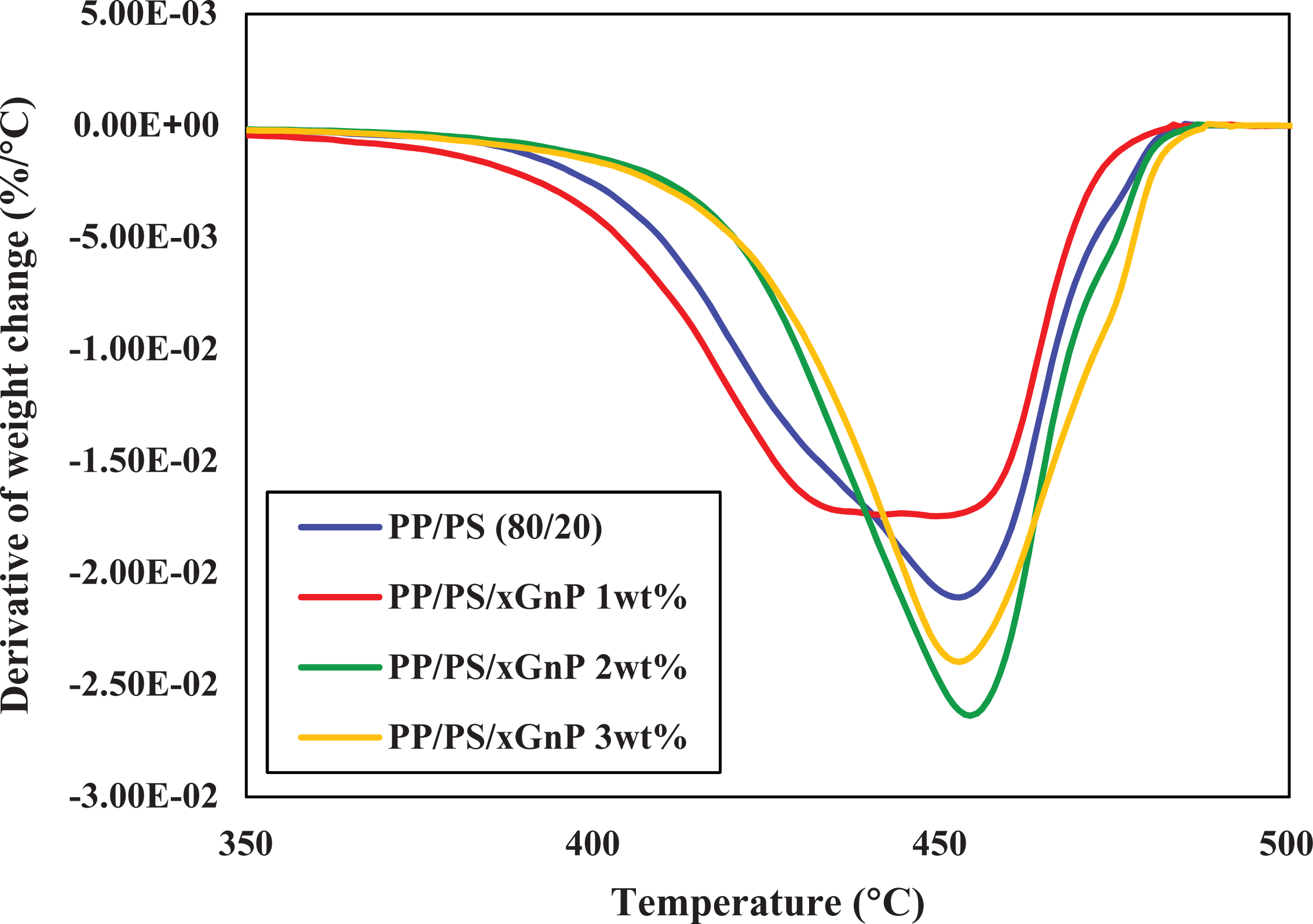
Derivative of weight change versus temperature of neat PP/PS blend and its nanocomposite.
TGA results for PP/PS blend and its nanocomposites.
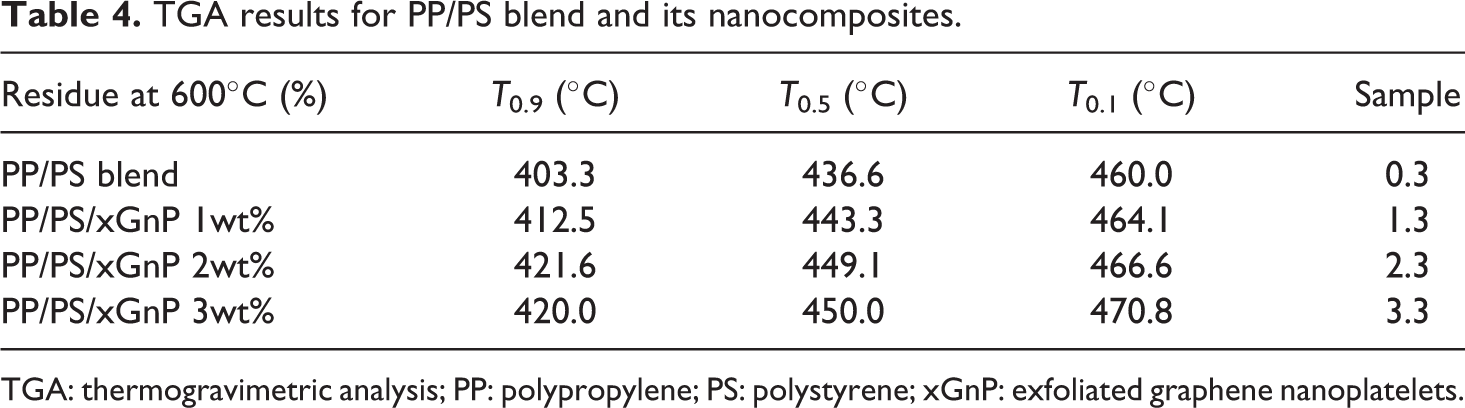
TGA: thermogravimetric analysis; PP: polypropylene; PS: polystyrene; xGnP: exfoliated graphene nanoplatelets.
DSC measurements
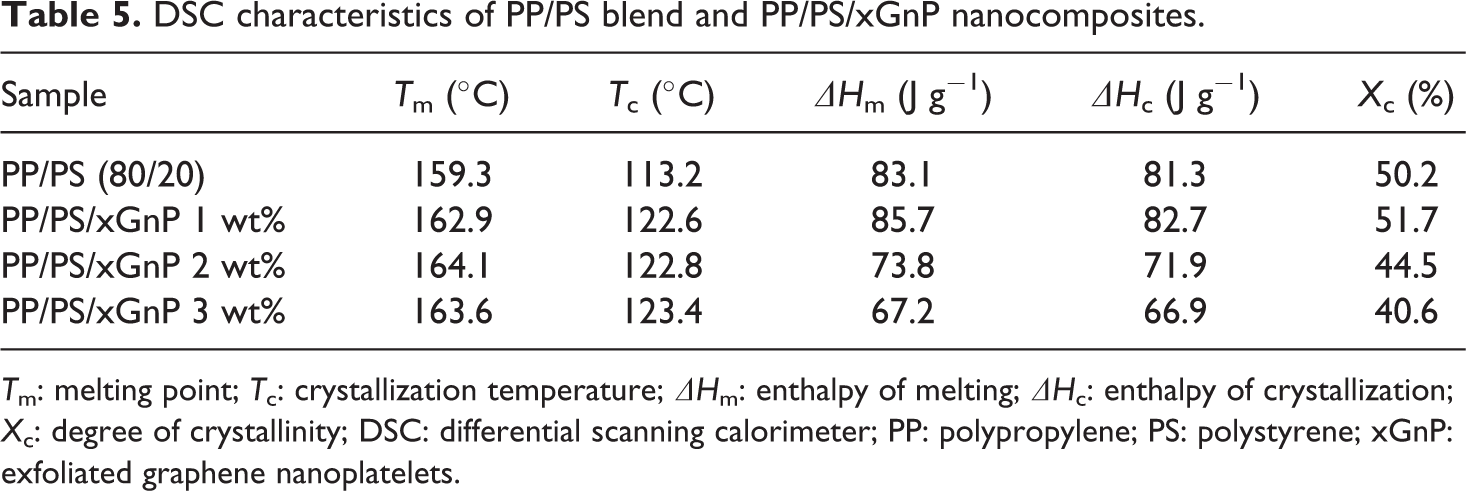
Melting and crystallization properties of the samples were investigated by DSC. Figures 8 and 9 show the heating and cooling thermographs of neat PP/PS blend and its nanocomposites containing various xGnP contents and summarized in Table 5.
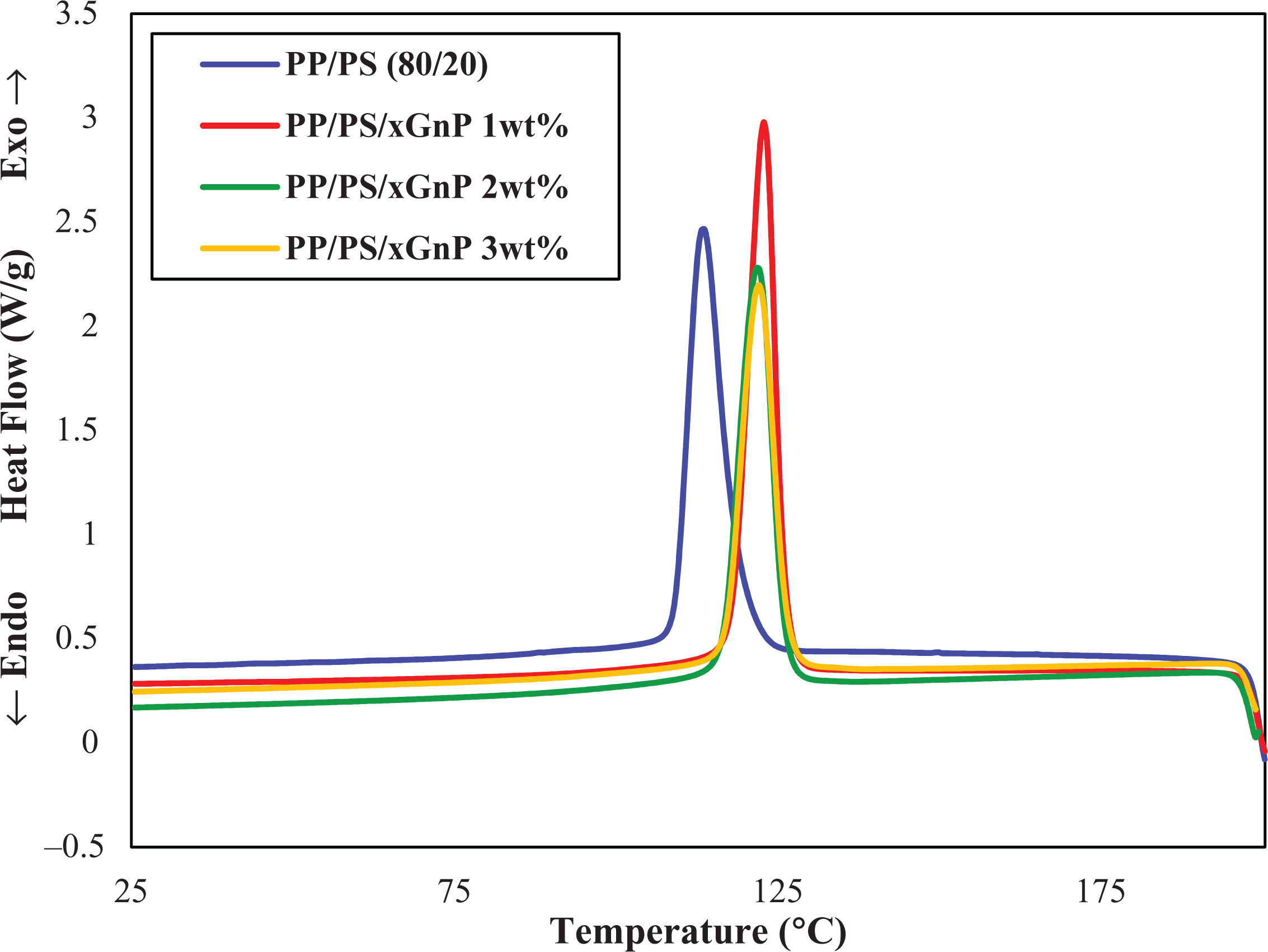
DSC cooling curves of neat PP/PS blend and its nanocomposites.
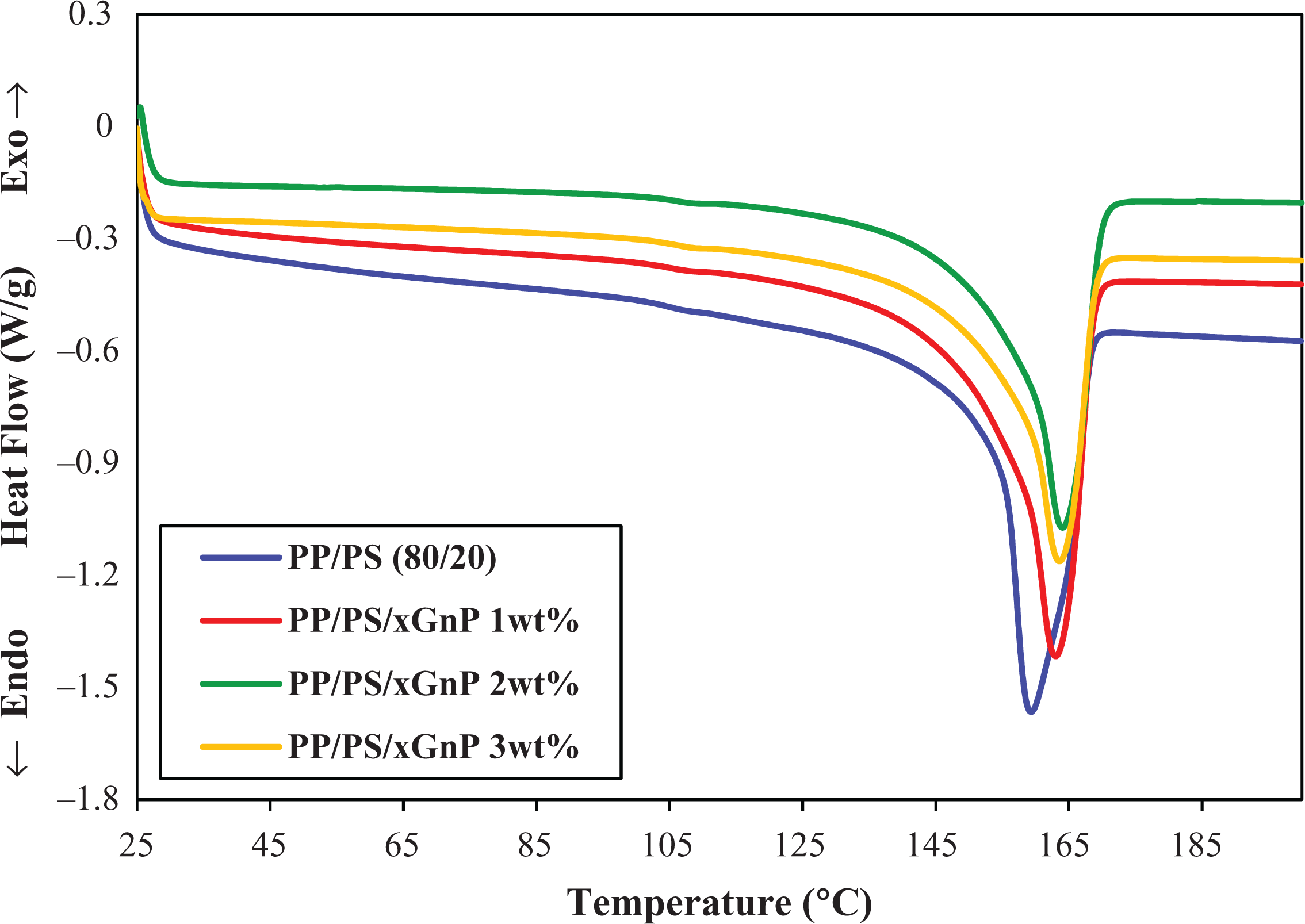
DSC heating curves of neat PP/PS blend and its nanocomposites.
DSC characteristics of PP/PS blend and PP/PS/xGnP nanocomposites.
Tm: melting point; Tc: crystallization temperature; ΔHm: enthalpy of melting; ΔHc: enthalpy of crystallization; Xc: degree of crystallinity; DSC: differential scanning calorimeter; PP: polypropylene; PS: polystyrene; xGnP: exfoliated graphene nanoplatelets.
Isotactic PP homopolymer is a semicrystalline polymer with a relatively high content of crystalline domains and a high crystallization temperature, whereas PS is an amorphous material. Non-isothermal crystallization peak temperature increases with introducing graphene, demonstrates that the graphene nanoplatelets can act as seeds for faster nucleation (see Table 5). The crystallinity of PP and its nanocomposites can be calculated by DSC (the enthalpy of 100% crystallinity of PP is 109 J g−1).
As shown in Figure 9 and Table 5, in PP/PS nanocomposite blends, by introducing 1 wt% graphene to alloy, the crystallinity increases. The enhancement of crystallinity in this sample can be related to the predominant role of the nucleating effect of graphene. Nanocomposites of PP/PS blend show various cold crystallization peak during their second heating cycles. However, by increasing graphene content to 2 and 3 wt% crystallization temperature increased slightly and degree of crystallization decreases, because the interaction of polymer chains with graphene nanoplatelets reduces chain mobility and prevents the chains from placing in crystal structures. PP/PS–xGnP composites exhibit greater value of ΔHm and ΔHc at 1 wt% concentration compared to neat PP/PS blend. This indicates that xGnP plays an important role in accelerating the crystallization rate of the PP, particularly with 1 wt% of xGnP.
Conclusion
Graphene nanoplatelets can improve compatibilization and properties of PP/PS blends which studied by rheological, morphological, mechanical, and thermal analysis of PP/PS/xGnP nanocomposites. Graphene nanoplatelets increase modulus of blend by reducing polymer chain mobility and incensement of physical entanglements. Also particle size distribution of PS phase in PP diminishes by increasing graphene nanoplatelets content and makes a more uniformed distribution. Less mobility of polymer chains beside graphene nanoplatelets changes mechanical and thermal behavior of PP/PS blend to show higher modulus, brittle fracture and changes the state of crystallinity.
