




Abstract
Series of polymer nanocomposites films consisting of pretreated multiwalled carbon nanotubes (PT-MWCNTs) and poly (vinyl alcohol) (PVA) were prepared at room temperature. The MWCNTs were initially pretreated with 1.0 M sulfuric acid (PT-MWCNTs) and then allowed to disperse in aqueous solutions at different pH values (2–14). It was found that the dispersion of the PT-MWCNTs is a pH dependent. The best PT-MWCNTs dispersion was obtained at pH = 10. Films of PT-MWCNTs/PVA, at this optimum pH-value, were then prepared by casting technique at different PT-MWCNTs weight fractions. The resulted PT-MWCNTs/PVA films were characterized through the direct visualization, Fourier transform infrared, and morphology test. Besides, current–voltage and direct current electrical conductivity for PT-MWCNTs/PVA nanocomposites at 60°C showed that the conductivity mechanism was ohmic and the percolation threshold was around 0.8 wt% PT-MWCNTs. Optical results showed that PT-MWCNTs are homogeneously distributed in the neat PVA and optical gap is significantly decreased from 4.40 to 2.96 eV.
Keywords
Introduction
Nanofillers such as carbon nanotubes (CNTs) have been widely used as nanofillers in polymers due to their attractive properties and unique presence; hence, extensive research is being carried out in this domain and new materials with attractive properties for industrial applications are being created from these versatile building blocks. Besides, commercial thermoplastic polymer such as polyethylene (PE), polypropylene (PP), poly (vinyl alcohol) ( PVA), polyvinyl chloride (PVC) ….etc are the mostly and widely used plastic in the industrial applications because they are cheap, durable, hard, and easily worked. 1 –20 Despite of the extensive studies 1 –27 of such materials, multiwalled carbon nanotubes (MWCNTs)-polymer nanocomposites, many important aspects of the electronic and optical properties of these materials are still not fully resolved. Consequently, it will be very interesting to study the effect of pretreatment of MWCNTs using a new method to improve their dispersion in neat polymer to obtain polymer nanocomposites that have attractive properties for industrial applications.
In the continuity of our ongoing studies 1,15 –19 into the MWCNTs with different neat polymers such as polystyrene, polycarbonate, and so on, in the present study, a novel dispersion behavior of MWCNTs was obtained through pretreatment of MWCNTs at different pH values. In our previous work, 1 we functionalized MWCNTs with β-HNA and observed that β-HNA molecules adsorb onto the surface of MWCNTs due to inherent hydrophobic/hydrophilic sites and create electrostatic charge on the surface. 28 –30 Such an adsorption was confirmed by Fourier transform infrared (FTIR) spectroscopy and found to markedly influence the dispersion of MWCNTs. However, dispersion of MWCNTs in polymer matrix, without additional additives being added, is still a challenging concern with strong economic impact as material scientists are seeking MWCNTs-polymer composites with a minimum MWCNTs loading. 31
Researcher’s community has devoted a large amount of efforts and times into the synthesis of MWCNTs-polymer nanocomposites with different techniques. 5 –25 Data from the literature reveal that the dispersion of MWCNTs in polymers and particularly PVA matrix can be enhanced by functionalizing MWCNTs using acid treatment (wet chemical method), dry oxidation such as the use of ozone in the presence of ultraviolet (O3/UV) or simply by the addition of additives. In addition to this, sonication and other physical mixing methods have been reported to enhance the dispersion of MWCNTs in polymer matrix. The dispersion of MWCNTs in the matrix contributes a pivotal role in the electrical and other physical properties of the resultant thin films. 1,15 –25
This investigation aims at the influence of pH pretreatment on the dispersion of MWNCTs in the neat PVA and the reflectance of this dispersion on the electrical and optical properties of prepared nanocomposites. Dispersion results, FTIR and morphology of MWCNTs-PVA nanocomposites are presented. Percolation threshold, optical absorption, and optical cap are also illustrated, discussed, and correlated.
Experimental
Materials
PVA (M w = 13,000–23,000) was purchased from Sigma-Aldrich, USA. MWCNTs were purchased from Chengdu Organic Chemicals Co. (China). MWCNTs were synthesized by natural gas catalytic decomposition over Ni-based catalyst and were advertised as having diameter > 50 nm, 10–20 μm length, and purity > 95%. Sulfuric acid was from Scharlau with purity > 96%, sodium hydroxide from Aldrich with purity > 99%. Deionized doubly distilled water was used for the preparation of surfactant solutions at room temperature.
Methods
Treatment of MWCNTs with 1 M H2SO4
One gram of MWCNTs was immersed in 1.0 M H2SO4 solution and ultrasonicated for 5 min using Heilscher Ultrasonic Processor (Germany) at an amplitude of 50% and a cycle of 0.5 to produce pretreated MWCNTs (PT-MWCNTs). The H2SO4 solution was then filtrated using filter paper and the MWCNTs were washed several times with distilled water. The PT-MWCNTs were then transferred to an oven at 90°C and left there for 24 h.
Dispersion test
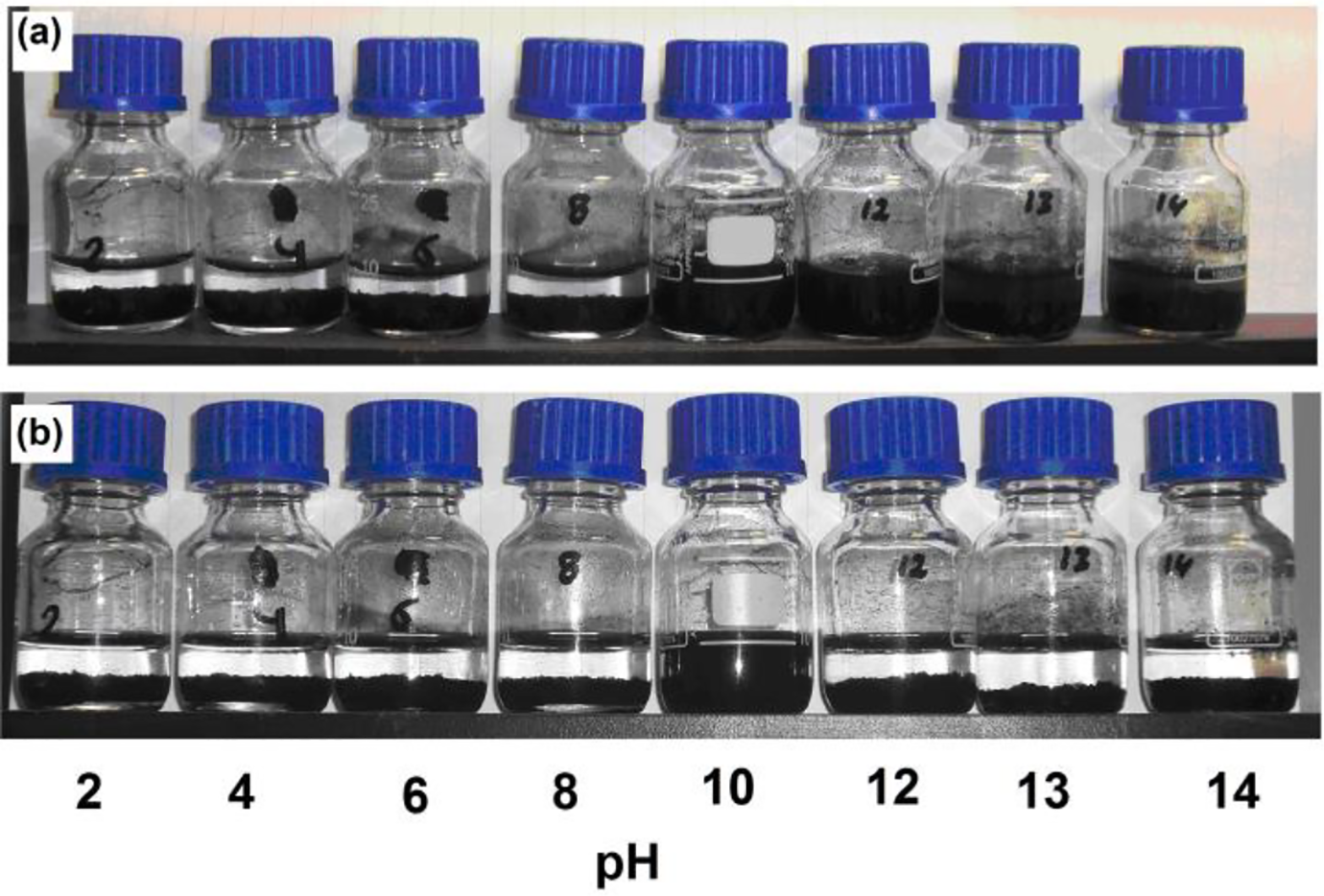
The dispersion of PT-MWCNTs in aqueous solutions at different pH conditions 2 –14 was visually investigated at room temperature. In such test, 0.2 g of MWCNTs was transferred to 100 ml of the aqueous solutions with different pH values 2 –14 to produce a concentration of 0.2 (w/v)% PT-MWCNTs. The solutions with different pH values were prepared by transferring 1.0 ml of 0.01 M HCl solution (pH = 2) to 100 ml volumetric flask and filling it with distilled water to produce 0.0001 M HCl (pH = 4), and by doing so, solution with 0.000001 M HCl (pH = 6) was also prepared. Solutions with pH values of 8, 10, 12, 13, and 14, on the other hand, were prepared by diluting 1.0 M NaOH (pH = 14) with water as made for the acidic solutions. The prepared PT-MWCNTs solutions (pH, 2–14) were finally ultrasonicated for 10 min and placed at a stand for visual observation for 2 weeks. The dispersion results are presented in Figure 1 which indicate that the best dispersion can be clearly observed at pH = 10.
Preparing PT-MWCNTs/PVA films
A casting technique was employed to prepare PT-MWCNTs/PVA nanocomposites at increasing amounts of PT-MWCNTs and constant weight of PVA. The PVA was dissolved separately in water, under stirring conditions, for 3 h. A well-dispersed PT-MWCNTs solution was mixed together with PVA for 24 h. The mixtures were carefully casted into glass Petri dishes (diameter of 5 cm), enclosed with a glass cover and allowed to dry over 3 days at ambient conditions. The thickness of the resulting nanocomposite films was found to be around 0.1 mm.
Scanning electron microscopy
The morphologies of the nanocomposites were characterized by a JSM-7600, Jeol field emission scanning electron microscope (SEM), JEOL Ltd. Tokyo, Japan. 13,23
FTIR analysis
FTIR spectra for the required samples were recorded using a PerkinElmer 100 FTIR spectrophotometer, PerkinElmer Ltd. UK in the transmission mode at wavenumber range of 4000–400 cm−1. Additionally, the formation of functional group on MWCNTs was confirmed through FTIR as illustrated in Figure 2. 1 FTIR result confirms the functionalization of our PT-MWCNTs, showing peaks for various anticipated stretching modes contrary to the untreated MWCNTs. 28 Characteristic infrared peaks observed for functional groups in the PT-MWCNTs include a broad peak at 3437 cm−1 corresponding to hydrogen bonded O–H stretch, 1669 cm−1 attributed to C=O stretch mode of the carboxylic group, and 1281 cm−1 due to O–H bending deformation in the carboxylic group, respectively. Similar results for related functionalized MWCNTs have been previously reported in the literature. 29
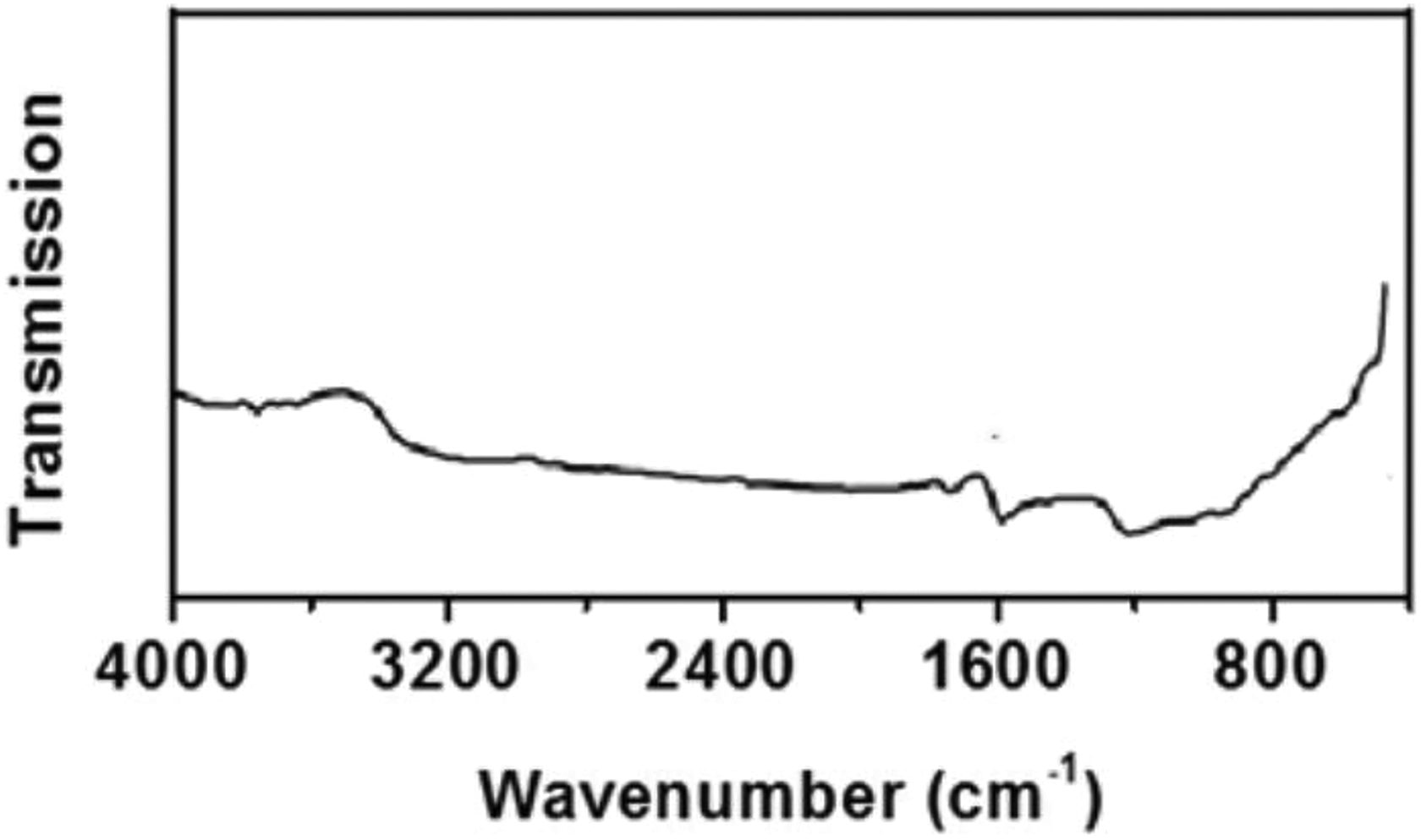
FTIR spectra of PT-MWCNTs with the presence of some functionalization group after the acidic treatment. FTIR: Fourier transform infrared; PT-MWCNT: pretreated multiwalled carbon nanotube.
Electrical measurements
Direct current (DC) electrical measurements were carried out using 4200-SCS Semiconductor Characterization System (KEITHLEY Co.) Ohio USA. Samples were shaped into circular discs having an area (A) of 1.2 cm2 and thickness (d) of 0.1 mm and placed between two copper electrodes. The DC electrical conductivity (σDC) was measured at 60°C and calculated using the formula σDC = (I/V)(d/A), where I is the electrical current and V is the DC applied voltage.
Optical measurements
UV-visible absorption spectra of nanocomposites polymer were measured using a Shimadzu UV-Vis spectrophotometer Model UV-3600, Japan, in the wavelength range 200–800 nm. The scan step was 0.5 nm. The optical absorbance (Ab) spectra of samples were collected at room temperature. After correction for reflection, the absorption coefficient α was calculated from the absorbance (Ab). 7 –18
Results and discussion
Morphology
Figure 3 shows SEM micrographs for prepared nanocomposites. It is obvious that the treated samples have homogeneous distribution and PT-MWCTs form network distribution in the neat polymer. SEM micrographs show few but noticeable differences in the films of MWCNTs/PVA (Figure 3(a)) and PT-MWCNTs/PVA (Figure 3(b) and (c)). The homogeneity of PT-MWCNTs in the neat PVA has significantly increased compared to untreated MWCNTs/PVA film. This result could be due to the interaction between the new functional groups of the PT-MWCNTs and the PVA polymer chains. Similar results were reported by in the previous study. 1
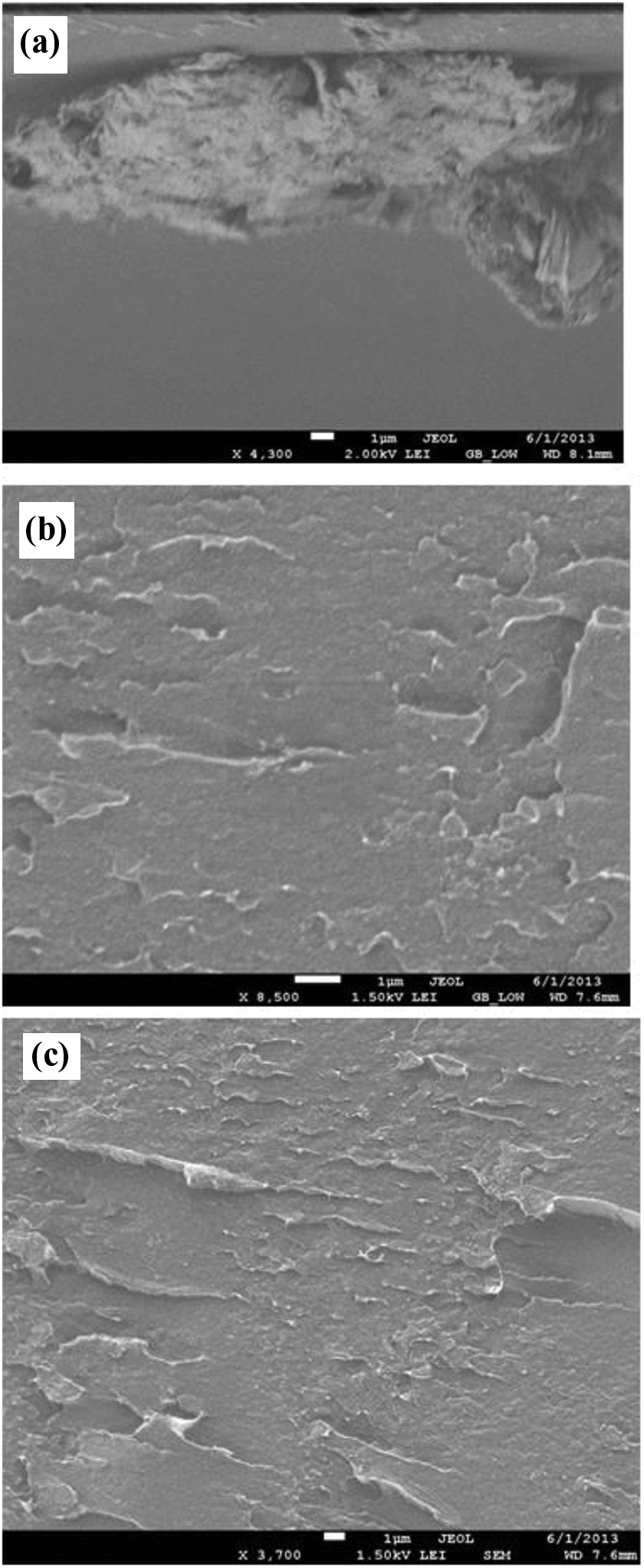
SEM micrograph for (a) untreated and (b and c) treated PT-MWCNTs/PVA nanocomposites. PT-MWCNT: pretreated multiwalled carbon nanotube; PVA: poly(vinyl alcohol); SEM: scanning electron microscope.
Electrical properties
It is worth here to mention that increasing the temperature to the glass transition temperature of PVA polymer will enhance the current level of PT-MWCNTs/PVA system and reflect a more clear and interesting conclusions that can be drawn from current–voltage or DC conductivity results. 1,15 –18
Figure 4 shows the current (I)–voltage (V) characteristic curves for the pretreated PT-MWCNTs/PVA nanocomposites with varying PT-MWCNTs amounts. Noticeably, the current level reaches to maximum for 1.0 and 3.0 wt% concentration of MWCNTs. This can directly be correlated with the uniform dispersion of PT-MWCNTs in the composite film as represented in Figure 4. A plot graph is also presented as log(V) versus log(I) in Figure 5 to investigate electrical conductivity mechanism, 1,23 as shown in Figure 5, it was found that all samples have almost Ohmic mechanism with slope value around 1. However, details of above mentioned mechanisms were reported in the previous study. 23
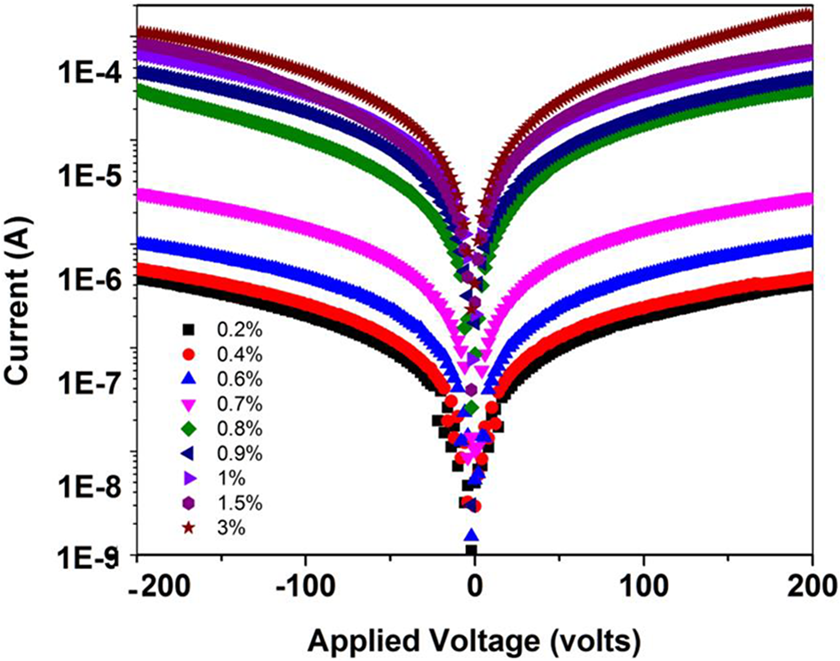
I-V characteristic curves of PT-MWCNTs/PVA nanocomposites. PT-MWCNT: pretreated multiwalled carbon nanotube; PVA: poly(vinyl alcohol).
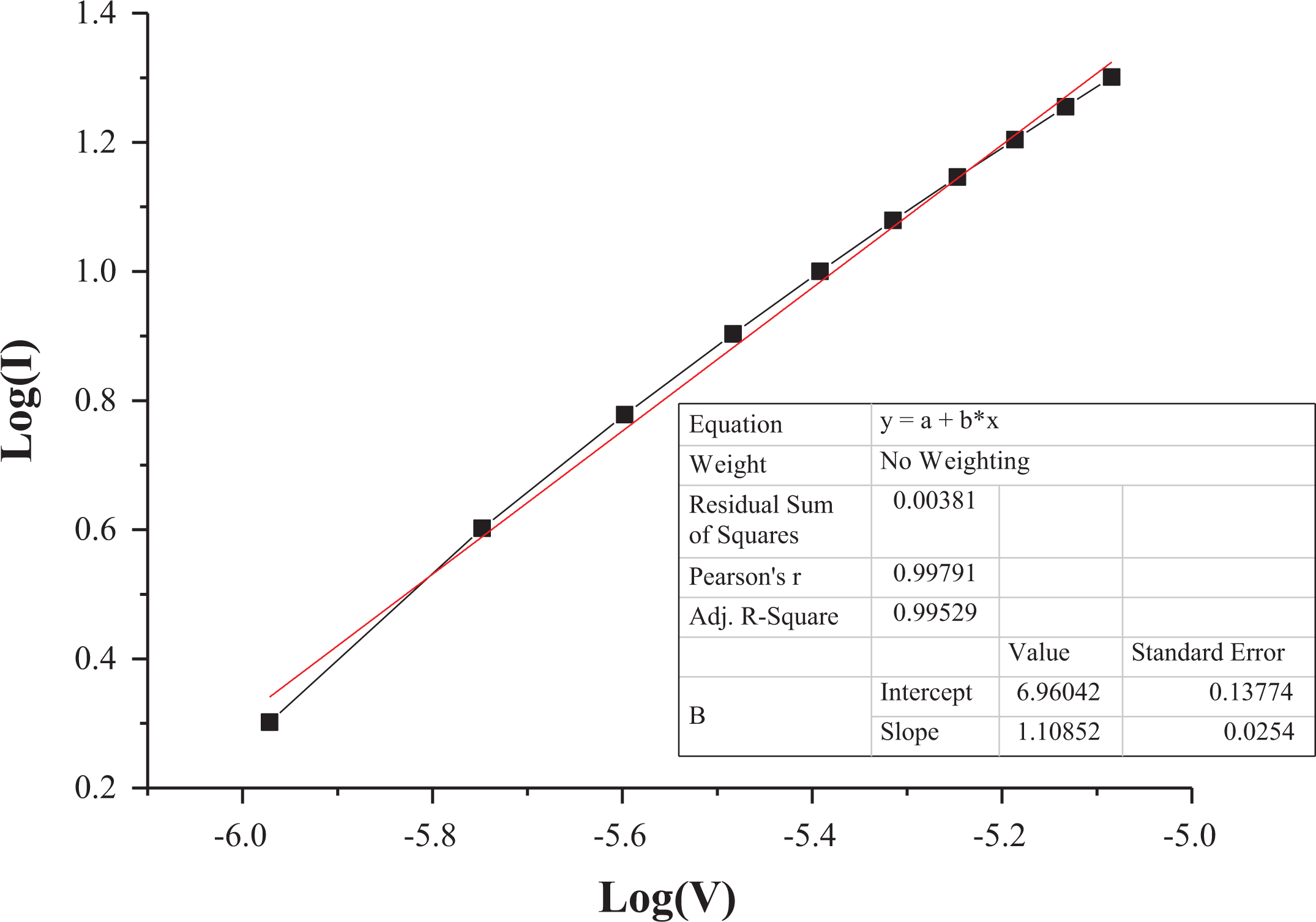
Log(I) versus log(V) for 1% PT-MWCNTs/PVA nanocomposite. PT-MWCNT: pretreated multiwalled carbon nanotube; PVA: poly(vinyl alcohol).
The DC electrical conductivity values for the prepared PT-MWCNTs/PVA nanocomposites were calculated and the obtained results are compared in Figure 6. It is clear from Figure 6 that PT-MWCNTs/PVA network is formed above 0.8 wt% PT-MWCNTs and composites become percolated, 1,23 which reveals that the reposed method of MWCNTs pretreatment in the current study reduces the percolation threshold in comparison with others. 25,26 The electrical results are well correlated with those obtained from morphology results.
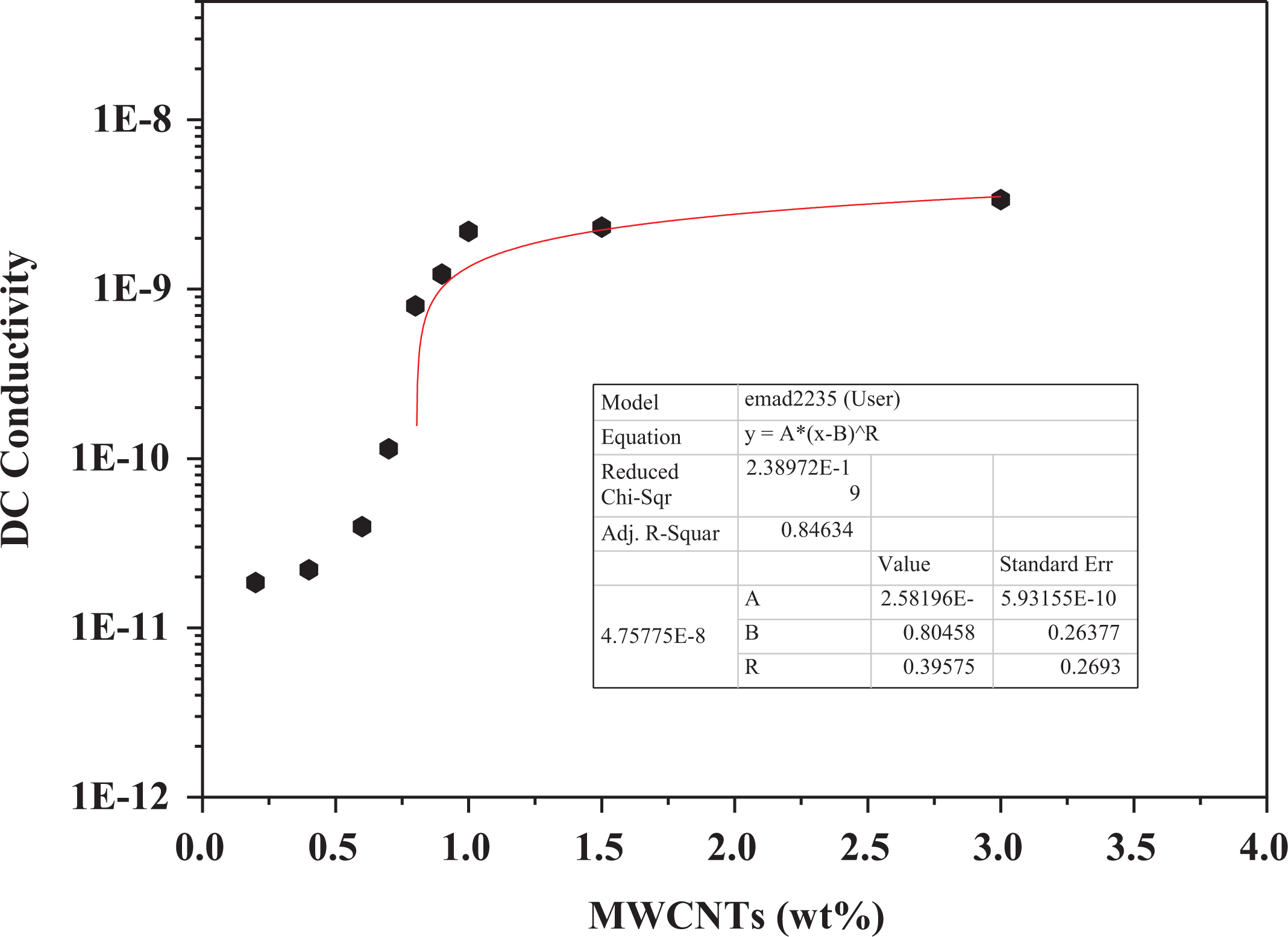
DC electrical conductivity versus PT-MWCNTs content at 2 V for PT-MWCNTs/PVA nanocomposites. PT-MWCNT: pretreated multiwalled carbon nanotube; PVA: poly(vinyl alcohol); DC: direct current.
Optical results
Results obtained from the UV-visible absorption of nanocomposites are presented in Figure 7, which exhibit that the absorption coefficient increases regularly with PT-MWCNTs content. Such behavior suggests that PT-MWCNTs are homogenously dispersed in neat polymer. The optical energy gap that was calculated from absorption data for PT-MWCNTs/PVA system is presented in Figures 8 and 9. The details of optical properties and optical energy gap calculations were reported in our previous work. 17,18,20 Optical energy gap of nanocomposites is significantly decreased as shown in Figure 9 indicating the dispersion homogeneity of the PT-MWCNTs, the neat polymer in the formation of MWCNTs-PVA network at domain level of CNTs content. All samples show a forbidden transition with r = 1.5. 1,17,18
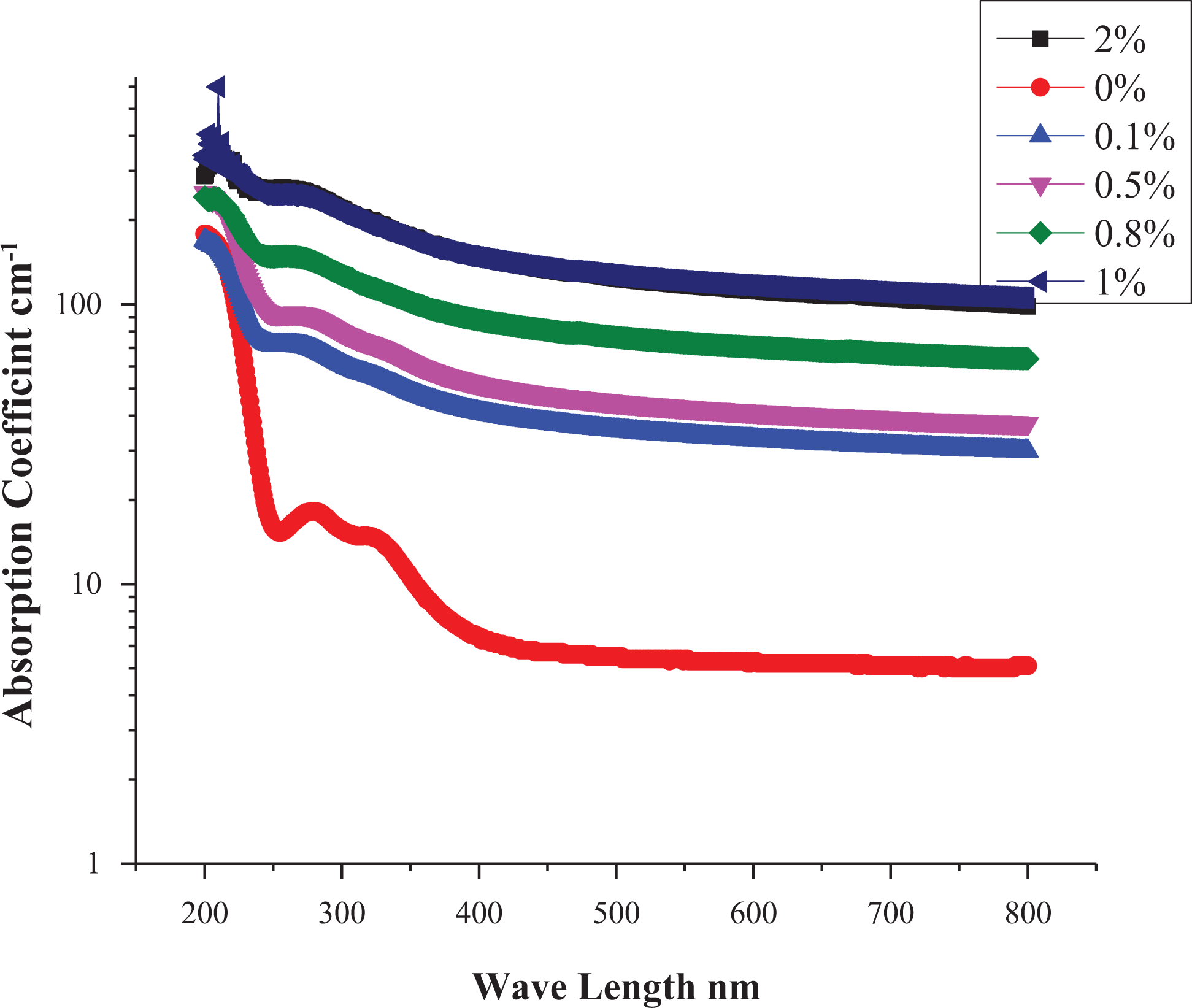
UV-visible absorption spectra of PT-MWCNTs/PVA nanocomposites. PT-MWCNT: pretreated multiwalled carbon nanotube; PVA: poly(vinyl alcohol).
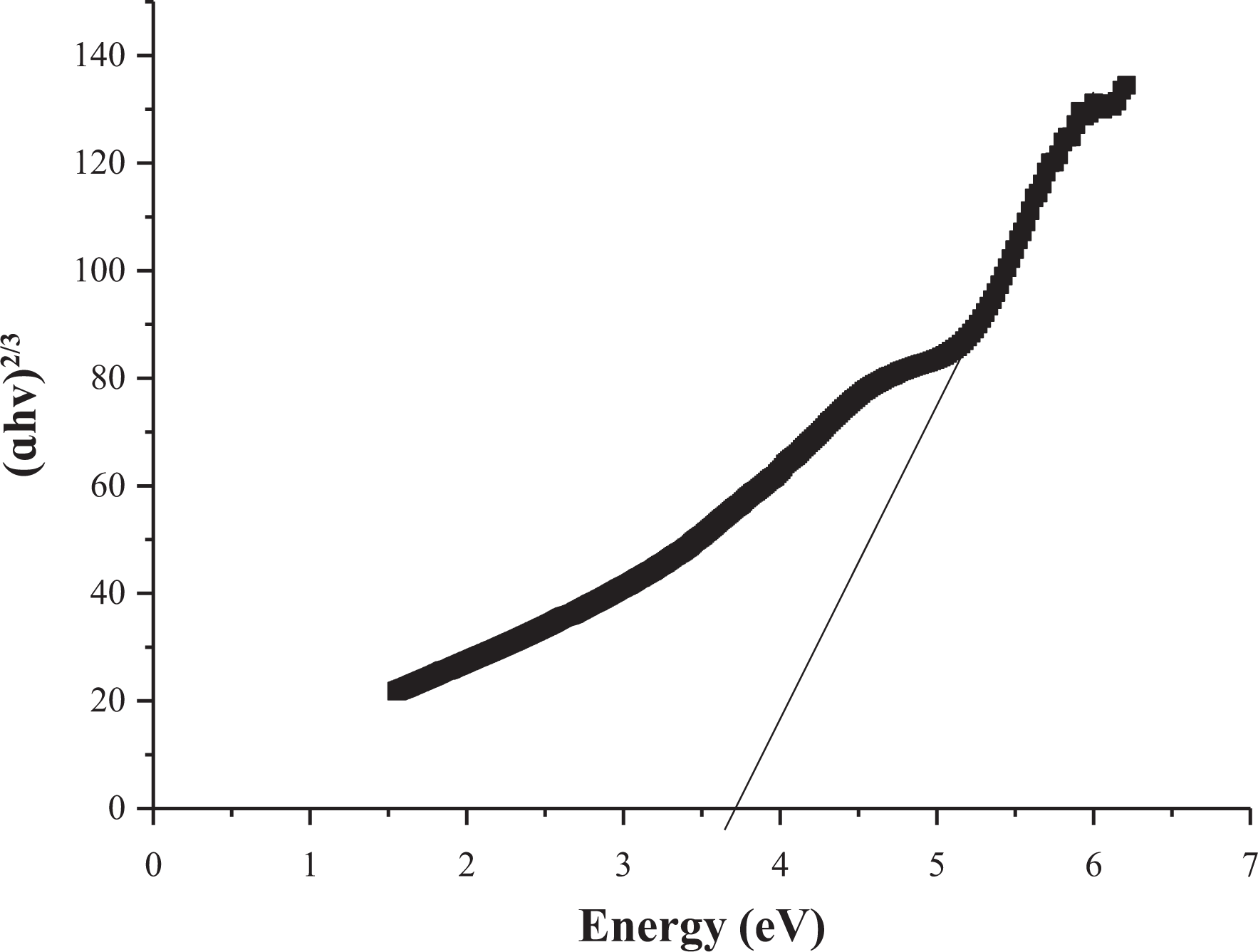
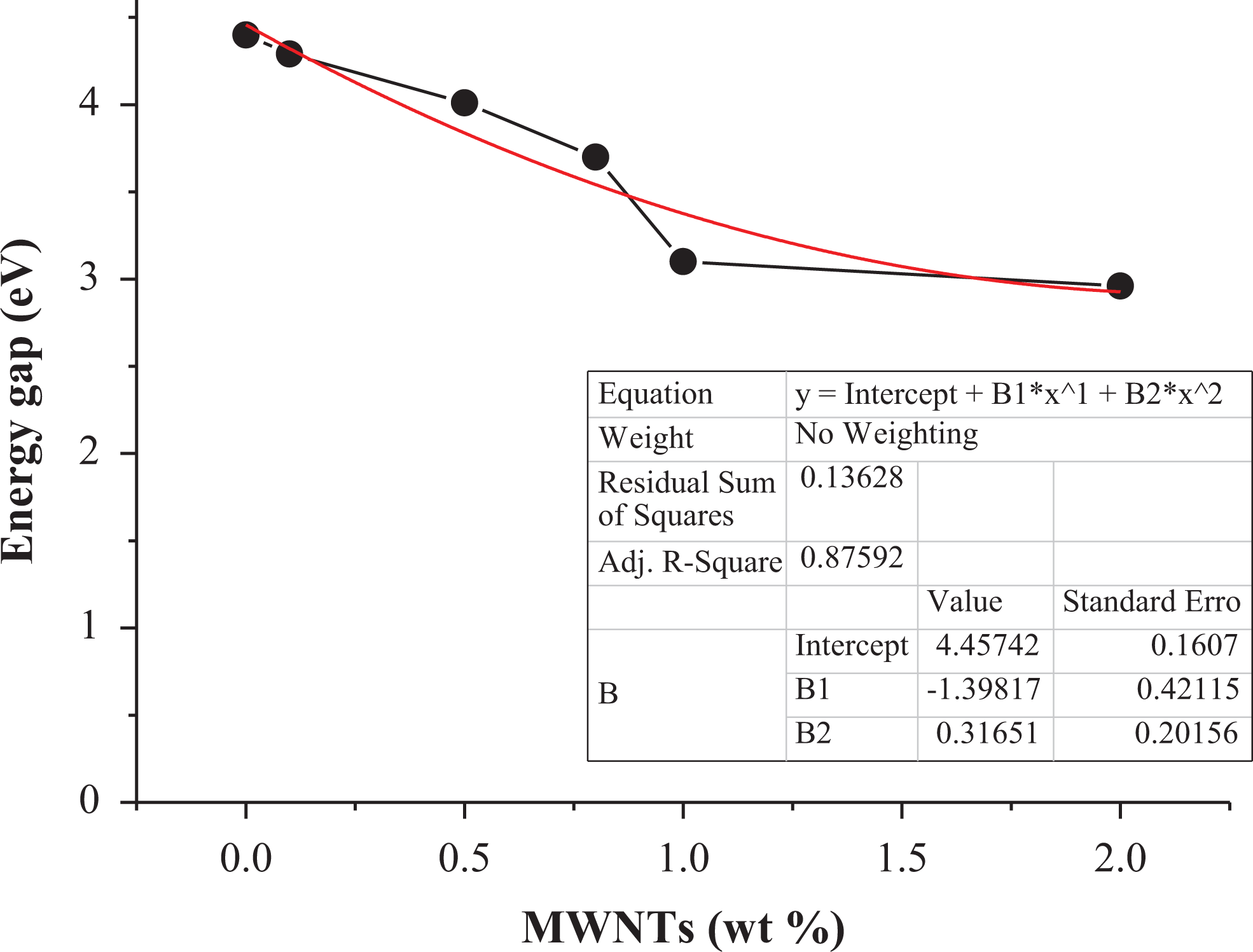
Optical energy gap as a function of PT-MWCNTs weight fraction for prepared PT-MWCNTs/PVA nanocomposites. PT-MWCNT: pretreated multiwalled carbon nanotube; PVA: poly(vinyl alcohol).
Conclusions
Polymer nanocomposites from PT-MWCNTs and PVA were prepared at different PT-MWCNTs weight fraction. Such treatment resulted in the functionalization of the MWCNTs as indicated by FTIR results. Dispersion of PT-MWCNTs in water showed that the system homogeneity has significantly improved at (pH = 10) as confirmed by direct visualization and SEM. Electrical results obtained at 60°C showed that the resistive part between nanotubes was reduced and the conductivity mechanism was ohmic. At this level of PT-MWCNTs content, the nanocomposite system became percolated especially above 0.8 wt% MWCNTs. Besides the homogeneity of nanocomposite was also confirmed through UV-visible absorption measurements and the obtained results showed that the optical gap decreased from 4.40 to 2.96 eV with PT-MWCNTs.
Footnotes
Acknowledgement
The authors would like to thank the scientific deanship at King Faisal University, KSA, for their support during all stages of present work.
Declaration of Conflicting Interests
The author(s) declared no potential conflicts of interest with respect to the research, authorship, and/or publication of this article.
Funding
The author(s) received no financial support for the research, authorship, and/or publication of this article.
