




Abstract
This study presents the high-velocity impact performance of a composite material composed of woven Kevlar fabric impregnated with a colloidal shear thickening fluids (STFs). Although the precise role of the STF in the high-velocity defeat, process is not exactly known but it is suspected to be due to the increased frictional interaction between yarns in impregnated fabrics. In order to explore the mechanism of this enhanced energy absorption, high-velocity impact test was conducted on neat, impregnated fabric and also on pure STF without fabric. A finite element model has been carried out to consider the effect of STF impregnation on the ballistic performance. For this purpose, fabric was modeled using LS-DYNA by employing the experimental results of yarn pull-out tests to characterize the frictional behavior of the STF impregnated fabric. The simulation result is a proof that the increased performance for STF impregnated Kevlar fabric is due to the increased friction.
Introduction
Shear thickening is a non-Newtonian flow behavior often observed in concentrated colloidal dispersions, and characterized by a large, sometimes discontinuous increase in viscosity with increasing shear stress. 1,2 It has been demonstrated that reversible shear thickening in concentrated colloidal suspensions is due to the formation of jamming clusters resulting from hydrodynamic lubrication forces between particles, denoted by the term “hydroclusters.” 3 Some models have been developed to describe the dynamic response of shear thickening fluid (STF). 4
During the last decade numerous researches have been carried out on the high-velocity impact on high strength fabric structures. 5 –9 Adding STF into high-tenacity fabrics has drawn attention because it induces little or no increase in the thickness of the fabrics and improves the high-velocity performance of fabrics. 10 The essential physics of the impact mechanism associated with STF impregnation into fabrics is difficult to investigate through experimental means alone. It has been reported that the primary contribution of STF impregnation in high-velocity fabric was the increase of friction between yarns in the fabric that resulted in the enhancement of the energy absorption reflected in experimental observations. 11,12
Friction between fibers and yarns within a fabric aids the dissipation of energy upon impact by restricting fiber mobility, increasing the energy required for relative yarn translations (e.g. windowing and yarn pullout), and transferring the impact energy to a larger number of fibers. 13 When relative yarn translations are not restricted (e.g. at very low levels of friction), windowing can occur and the penetrator is able to slide through the fabric with a minimal reduction in its kinetic energy. When relative yarn translations are restricted (e.g. at very high levels of friction), windowing cannot occur, and the fibers engaged with the projectile must fail in tension in order for the projectile to penetrate the fabric.
In a study by Bezhenov, 14 the effects of water on performance of fabric were investigated. Experimental results show that perforation process does not occur for dry plies while for wet plies perforation process occurs. Therefore, the effect of water is decreasing friction between projectile and the fabric resulting in deteriorating ballistic performance of fabric. In 2005, Duan et al. 15 investigated the effects of friction on performance of Kevlar fabric experimentally and also created a finite element model to simulate projectile impact onto fabric using LS-DYNA.
In order to complement experimental understanding, in this article the finite element software LS-DYNA version 971 R4.2.1 is used to simulate the response of STF impregnated fabric subjected to high-velocity impact. The finite element model of woven fabric incorporated with the effect of STF impregnation. The effect of friction between fabric fibers and between projectile and fabric on fabric performance has been investigated. The frictional behavior of STF impregnated fabric has been implemented into the model by employing the computational and experimental observations of the pull-out behavior of single yarns in STF treated fabric.
Experiments
Materials
Shear thickening fluid
The STF used in the targets is composed of silica particles suspended in polyethylene glycol (PEG), at a particle concentration of about 40 wt%. The average particle diameter, measured by dynamic light scattering is 500 nm. Rheological characterization of this STF confirmed discontinuous shear thickening at a shear rate of approximately 101–102 s−1.
Kevlar fabric
The plain-woven fabric used in all composite target was Kevlar style 706 (Kevlar KM-2, 600 denier), produced by the Hexcel Corporation with an areal density of 180 g/m2.
Sample preparation
STFs were generated by dispersing commercially available, surface functionalized colloidal silica particles (500 nm) in PEG. To facilitate the impregnation into the fabric yarns for the preparation of the STF-Kevlar composite target, ethanol was added to the STF as a cosolvent to reduce the viscosity and surface tension of the fluid. Fabric layers were individually impregnated with the ethanol/STF mixture and were subsequently heated in an oven at 70°C for 20 min to remove the ethanol.
Scanning electron microscope
Scanning electron microscope (SEM) studies were carried out using a JEOL JSM 5800 scanning electron microscope produced by Gen Tech. The SEM samples were prepared by uniformly spreading the as-prepared STF samples on a double-sided carbon tape and coated with gold/palladium to prevent charge buildup by the electron absorption. Note that most of the PEG component of the STF evaporates under high vacuum and electron beam irradiation, so the images will show only dry silica where STF existed under ambient conditions.
Rheological properties
Rheological tests were conducted using an Anton Paar MCR 300 stress-controlled rheometer with a torque range from 0.5 µN·m to 120 mN·m with a torque resolution of 0.002 µN·m. Frequencies range used were from 0.001 Hz to 100 Hz and the shear rates were 0–1000 s.
Yarn pull-out
In order to investigate the effect of friction between Kevlar yarns, pull-out test was conducted on both STF impregnated and dry fabric. The test was conducted on the tensile testing machine Santam 6025. Single yarn from each specimen was fixed in the upper grip of the tensile testing machine and the lower part of the specimen was mounted on a grip.
High-velocity impact tests
High-velocity impact tests were carried out using a gas gun. All tests were performed at room temperature. The gun was sighted on the target center. The exact impact velocity of each projectile was measured with a chronograph immediately before impacting the target. Schematic of gas gun setup is shown in Figure 1. The specimens are one ply with dimension 7 × 7 cm2. The projectile is hemispherical steel 4330 with diameter 8.74 mm and mass 11.18 g. Also, high-velocity impact tests were conducted on pure STF and PEG liquid in order to assess the performance of STF on its own.
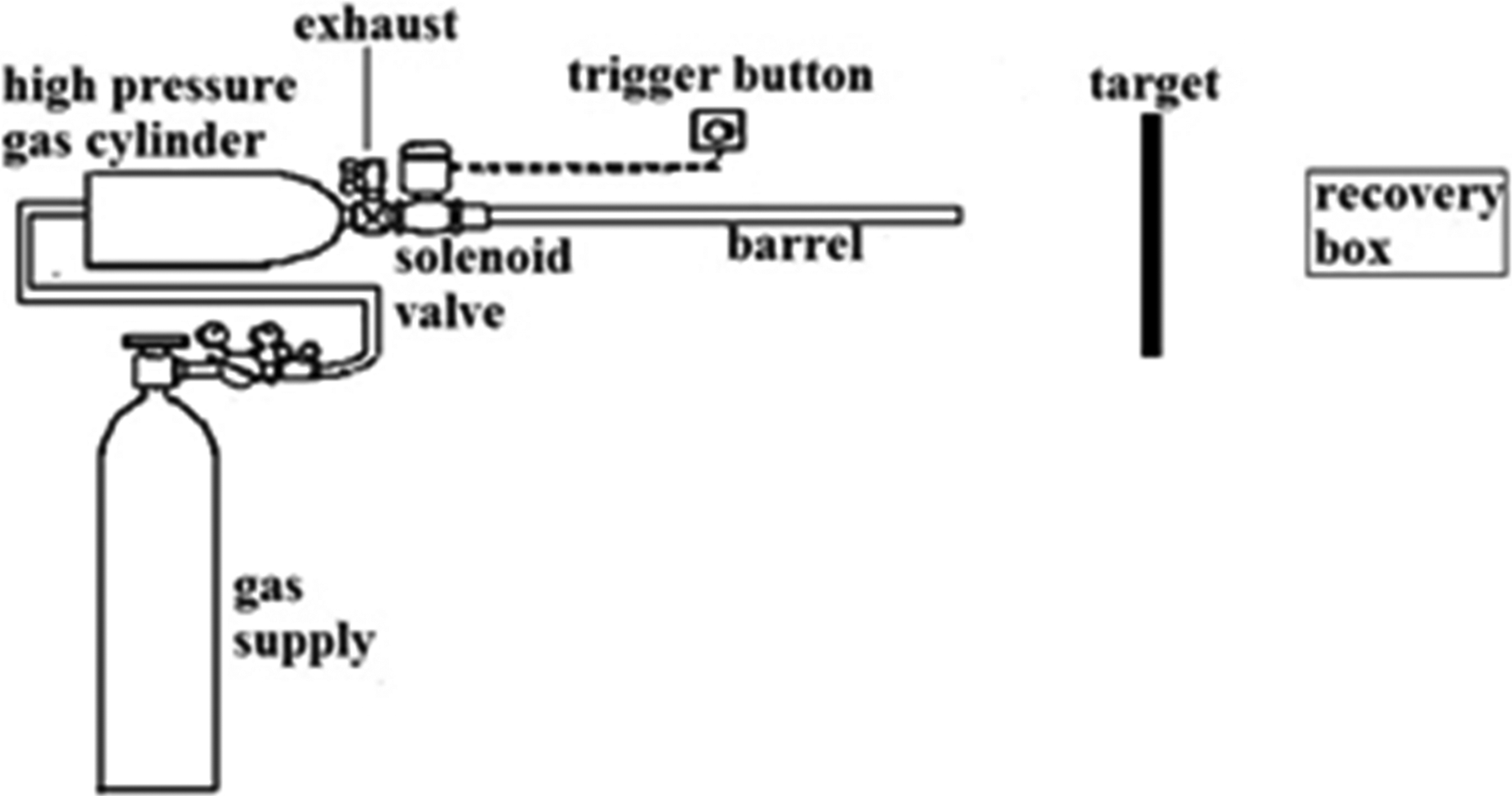
Schematic of gas gun setup.
Finite element analysis
Geometrical modeling
In this study, a finite element model was developed to capture the effect of STF impregnation on the energy absorption mechanism in high-velocity impact of fabrics. A yarn was modeled discretely as a continuum and multiple yarns were combined to comprise the fabric.
The dimensions of the yarn were extracted from the microscopic image of Kevlar yarn shown in Figure 2. The cross section of a yarn interwoven into the fabric was modeled as shown in Figure 3. Table 1 presents values of the geometrical dimensions of the cross section and crimp obtained from the microscopic images.
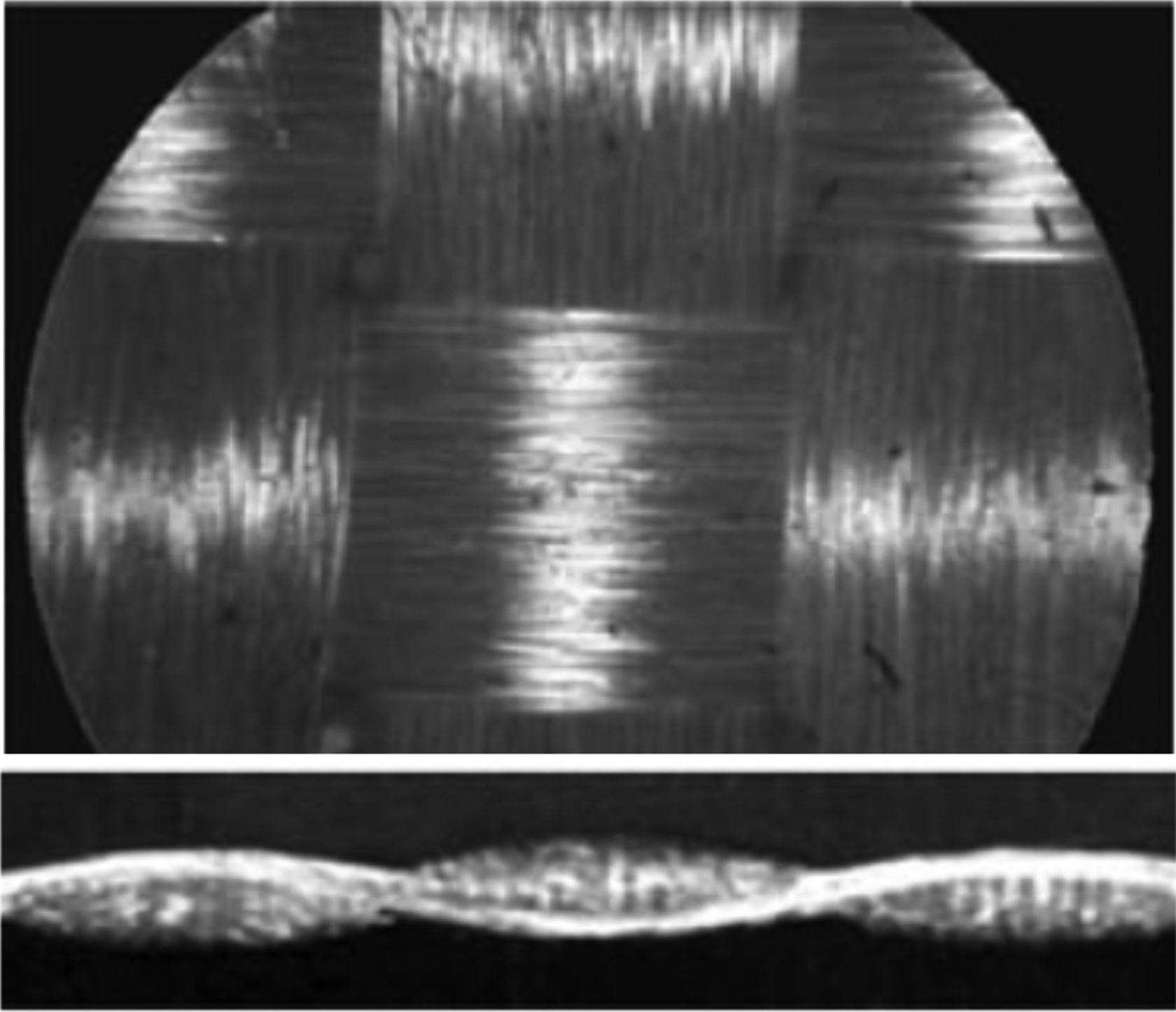
Microscopic image of Kevlar fabric.
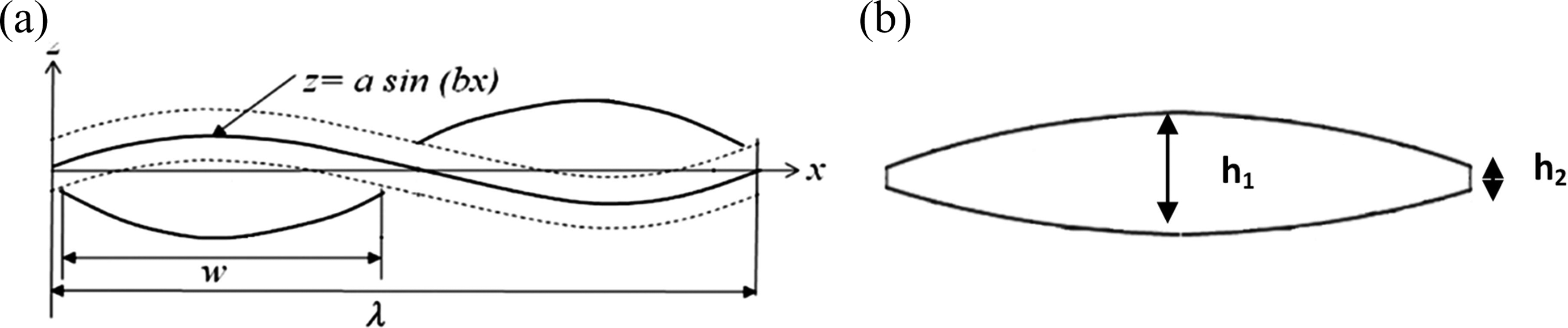
Schematic diagram of a yarn profile: (a) sinusoidal representation for crimp and (b) the yarn cross section.
Geometrical parameters of a yarn.

Figure 4 shows the FE model of whole fabric which represents the interwoven yarn comprising each layer.
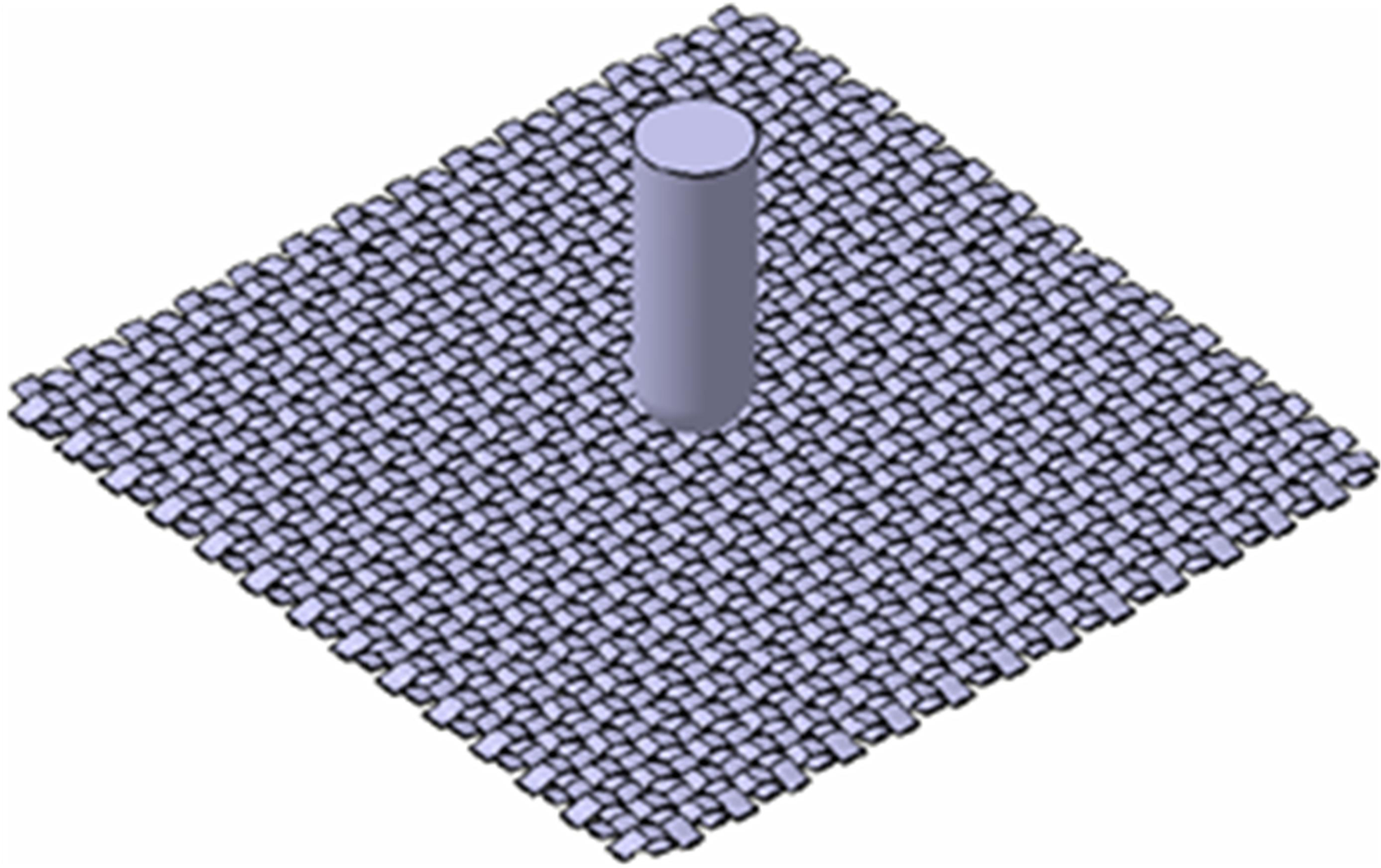
Finite element model of interwoven yarn fabric and impactor.
Material modeling
Yarn material as major load carrying component of the fabric, was modeled as a transversely isotropic orthotropic material. Mechanical properties of the yarn material are listed in Table 2. To allow fracture in the yarn material, an erosion algorithm was added to constitutive material model and primary stress at failure with a value of 2.16 GPa is the criterion for failure of elements. When the stress at any point of material reaches the stress at failure, the element is deleted from model. The density of yarns is assumed to be 1152 kg m−3.
Mechanical properties of yarn.

The projectiles are assumed to be made of steel and defined as a rigid body in the high-velocity impact simulations. This is because the projectile do not deform significantly during penetration into one layer of fabric. The density of the projectiles is defined to be 7850 kg m−3, Young’s modulus, 207 GPa, and Poisson’s ratio, 0.3.
STF impregnation effect
The numerical model developed for the woven fabric was expanded to consider the effect of impregnation with STF. It has been shown that the major effect of STF in the impregnated fabric is to increase the friction between the fibers of the fabric. Therefore, the frictional behavior in the numerical model was modified to reflect the frictional behavior of STF impregnated fabrics. Some experimental and computational studies 16 have shown that modification of the frictional properties of the fabric can alter the yarn pull-out behavior. Yarn pull-out can also be a major factor to the overall energy dissipated by a fabric. 13,17 The frictional behavior in LS-DYNA is simply implemented using the Coulomb friction. Yarn pull-out tests were carried out to characterize the friction behavior between neat and impregnated Kevlar yarns. The pullout force is applied to a single yarn (for instance at the middle) with a specific free-end length as shown in Figure 5.
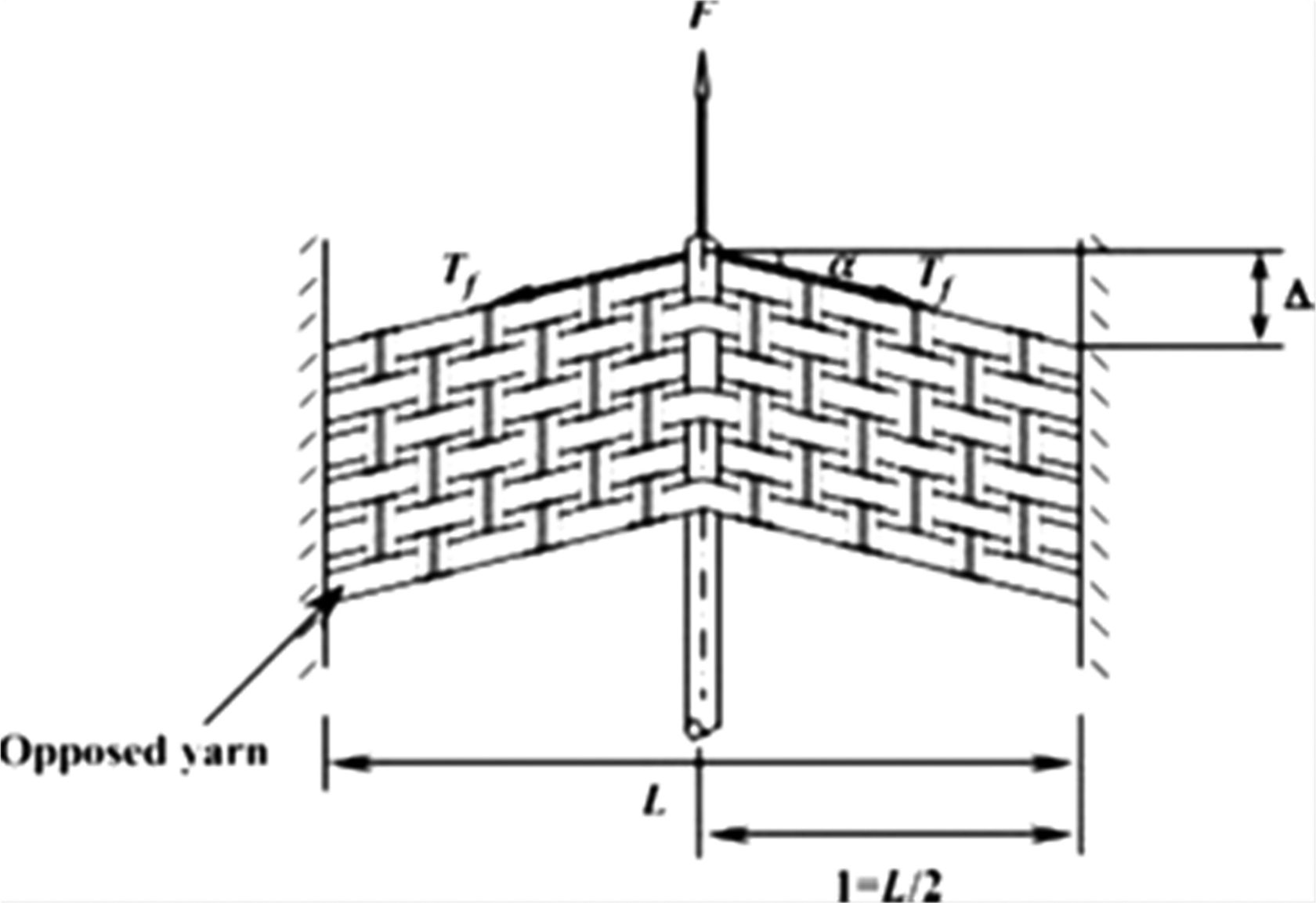
Schematic of fabric deformation in yarn pullout test. 18
Figure 6 shows the corresponding fiber pull-out force versus displacement. When the uncrimping zone reaches the opposite edge of the specimen, the peak load point is reached. Then entire yarn begins to translate within the fabric, while the pull-out force gradually decreases. The figure shows considerable higher attaining frictional load for the STF impregnated yarn. Further study of the figure reveals much gradual drop in load after attaining the peak frictional load. Both behaviors may be directly attributed to effect of silica particles presence on the yarn as a result of STF impregnation. Other notable result from the pull-out test is the stiffer response (steep initial rise) by STF impregnated fabric compared to dry one.
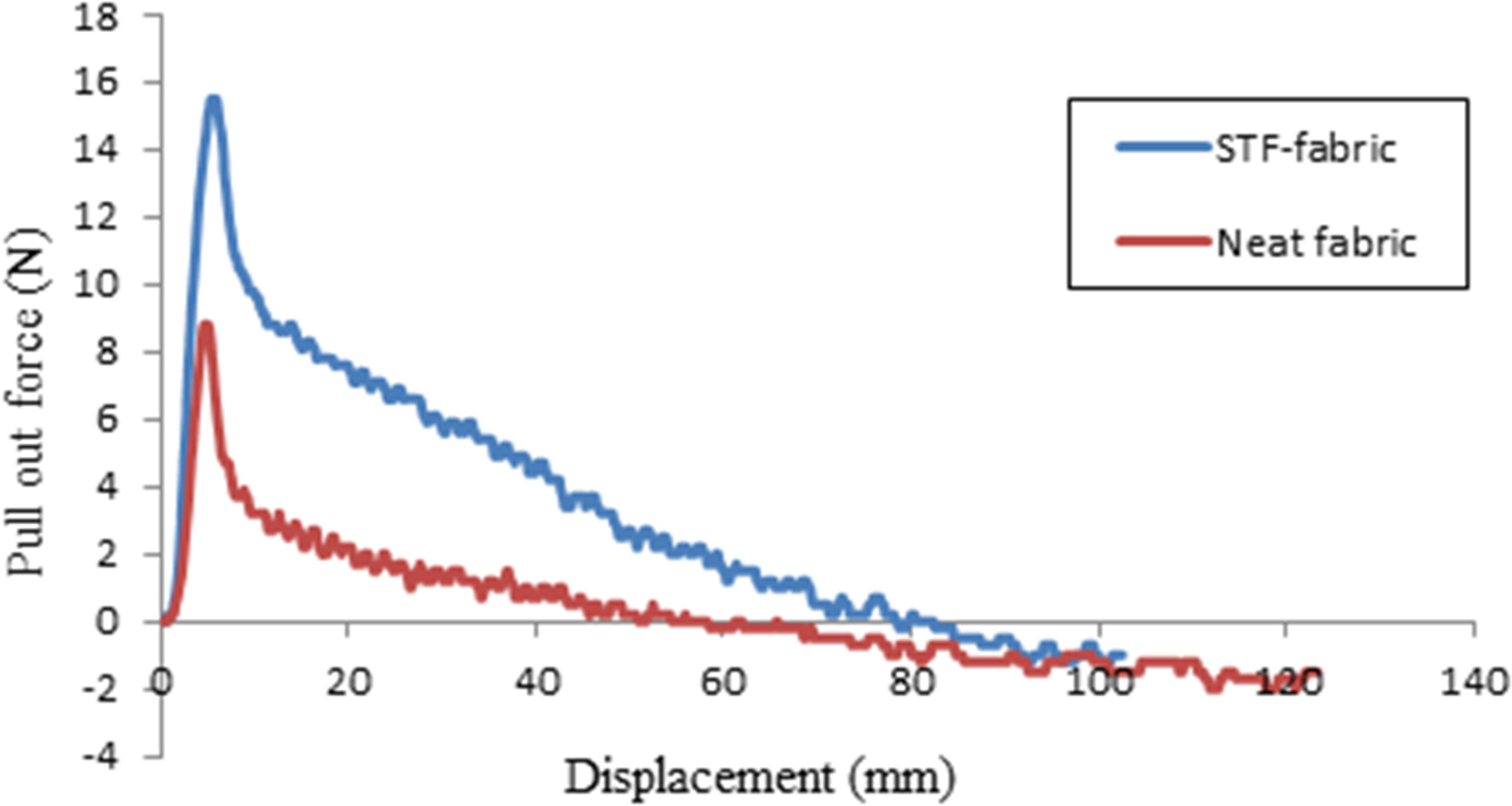
Single yarn pull-out force versus displacement curve.
An analytical model developed for calculating the coefficient of friction in yarn pull out conducted by tensile testing machine Santam 6025 in plain woven Kevlar fabric, can be summarized as follows 18 :

where µ, F, N, and are the coefficient of friction, yarn pull-out force, number of crossover in direction of the pulled yarn, and normal load at each crossover, respectively.

where Ty is forced propagated in the opposed yarn direction and in this research, it is assumed that N × Ty is equal to transverse force of fabric. θ′ is weave angle during the pulling and obtained as 19

where θ is the wave angle before the pulling and α is the fabric deformation angle. Friction coefficients of fabric are listed in Table 3.
Calibrated coefficient of friction for Coulomb friction model.
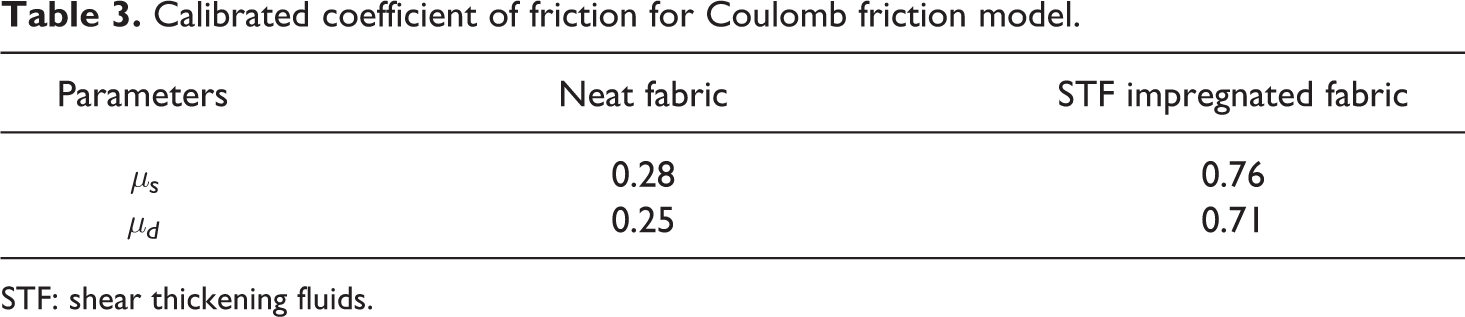
STF: shear thickening fluids.
Results and discussion
Figure 7 shows the surface morphologies of the silica/Kevlar composite fabric at different magnification. The images of the silica/Kevlar composite fabric clearly show that silica particles suspended in PEG are well dispersed over the entire surface on the Kevlar fabric, and particularly the STF is mostly incorporated between the fibers.
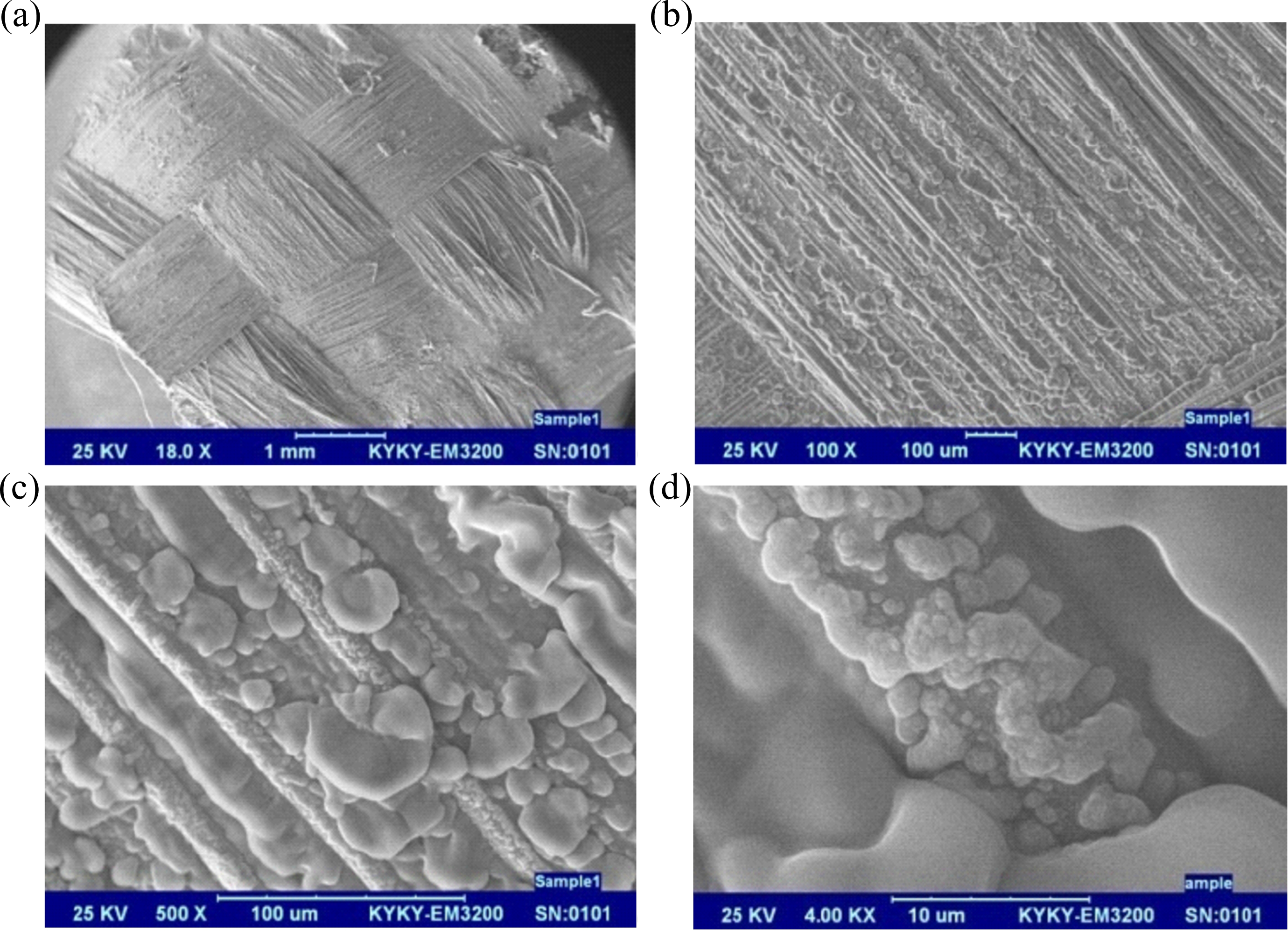
SEM morphologies of fumed silica/Kevlar composite fabric at different magnification: (a) ×18, (b) ×100, (c) ×500, and (d) ×4000. SEM: scanning electron microscope.
The addition of neat PEG, even with relatively high viscosities, generally decreases the ballistic performance of the Kevlar fabric. The absence of silica particles and the presence of PEG reduce inter-yarn friction, making it easier for yarns to be pulled toward the impact point, that is, the PEG acts as a lubricant. When the silica particles are added to polymer and impregnate the fibers, cause an increase in the inter-fiber friction. Increasing friction restricts fiber mobility, this limits the extent to which fabric windowing can occur and increases the number of fibers in contact with the projectile that must be strained to failure in tension during projectile penetration.
Figure 8 shows the rheological behavior of the STF, fumed silica/PEG. It can be seen that the mixture of fumed silica in PEG revealed shear thinning behavior at low shear rates and shear thickening behavior at upper shear rates.
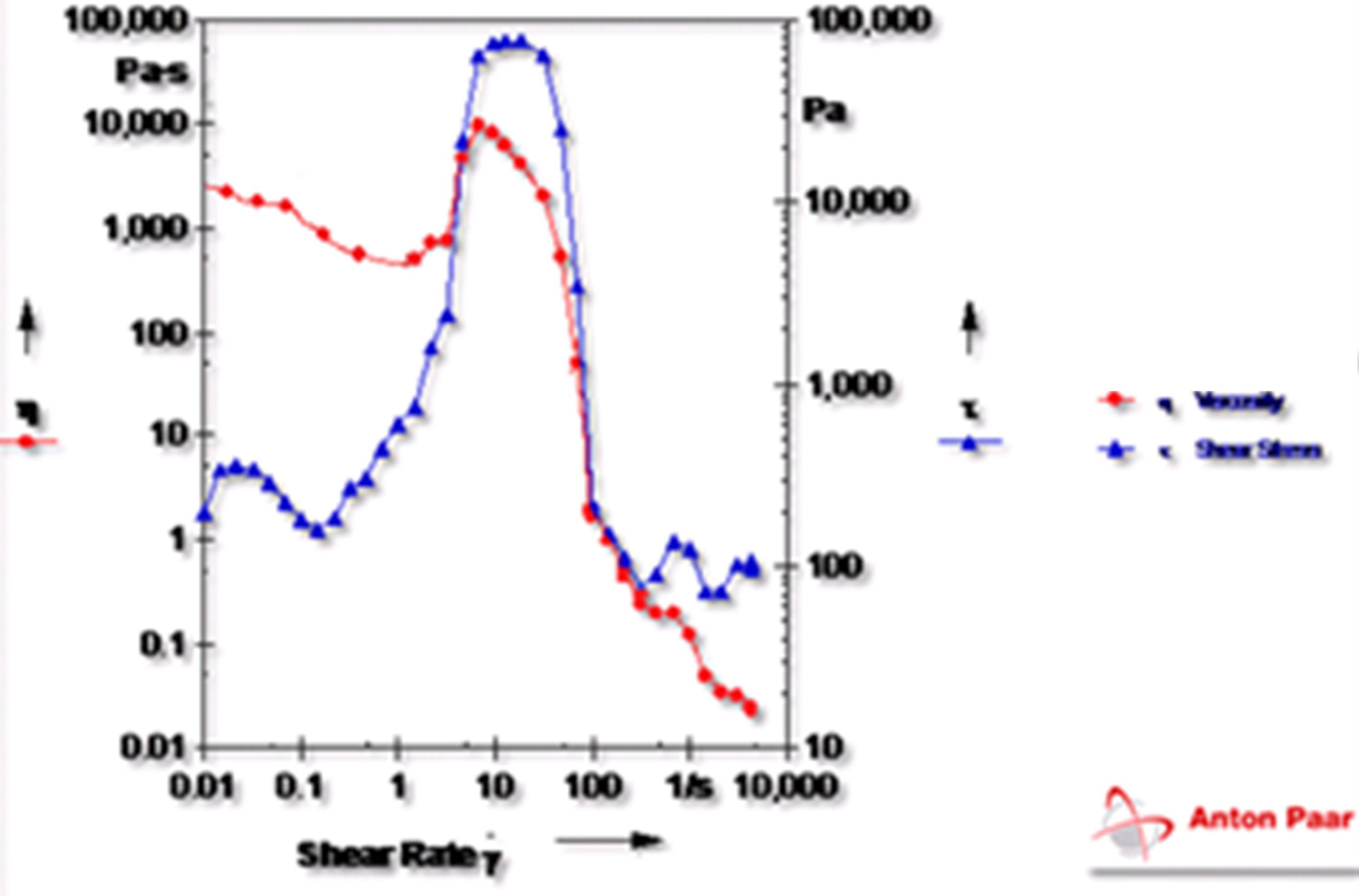
Rheology behavior of STF. STF: shear thickening fluids.
To understand the effect of shear thickening on dissipating projectile energy, a limited high-velocity impact test was conducted on pure STF without fabric. Composition of STF was 0 (pure PEG) and 40 wt% silica in PEG. Samples were cast in a plastic container and were shot by projectile. Tests were performed with impact velocities of 68.5 and 150 m s−1. The result of high-velocity impact is presented in Figure 9. The results showed that STF on its own is not effective enough to absorb projectile energy. Presence of STF on the fabric bring about some changes in the fabric stiffness which is due to presence of high volume of silica particles, but however the changes in ballistic can certainly be attributed to friction phenomena as proved by pull-out test on similar fabric.
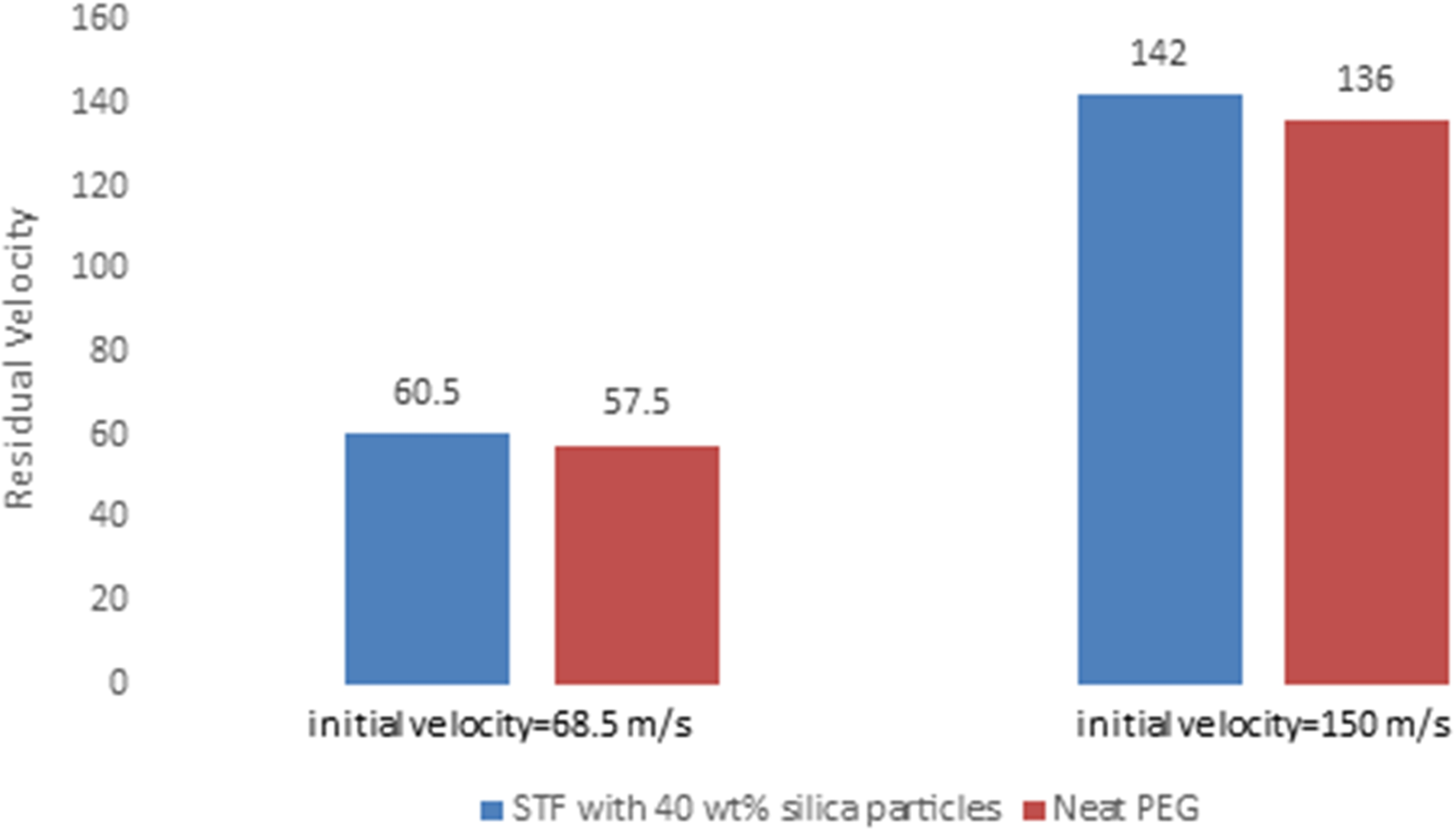
High-velocity impact test on pure STF. STF: shear thickening fluids.
It is believed that the particle–fiber interactions for primary fibers (fibers in contact with projectile) and secondary fibers are significant to fabric impact behavior. Upon impact, the particles effectively increase the inter-fiber friction by embedding and gouging adjacent fiber surfaces. The role of polymer is to act only as a carrier. The particle presence increases the inter-fiber friction, which would increase the energy required for relative yarn translations. Similar results were reported by McAllister et al. 18,20
Fabric deformations
As it is mentioned above, particle–fiber interactions under normal loads have been shown to absorb energy through indentation and generate significant friction during sliding. The validity of the finite element model in terms of reflecting effects of frictional force presence due to STF impregnation on to fabric during high-speed impact is explored by examining different stages of the fabric deformation as shown in Figures 10 and 11 for neat and STF fabrics. The four-edge clamped fabric models were subjected to 100 m s−1 high-velocity impact with an 8.74-mm spherical projectile. As can be seen in the figures, the global transverse deflection shapes exhibit similar behavior for both neat and STF impregnated fabrics. However, the local fabric structures in the impact region of STF impregnated fabric are well maintained, while they are significantly distorted for the neat fabric.
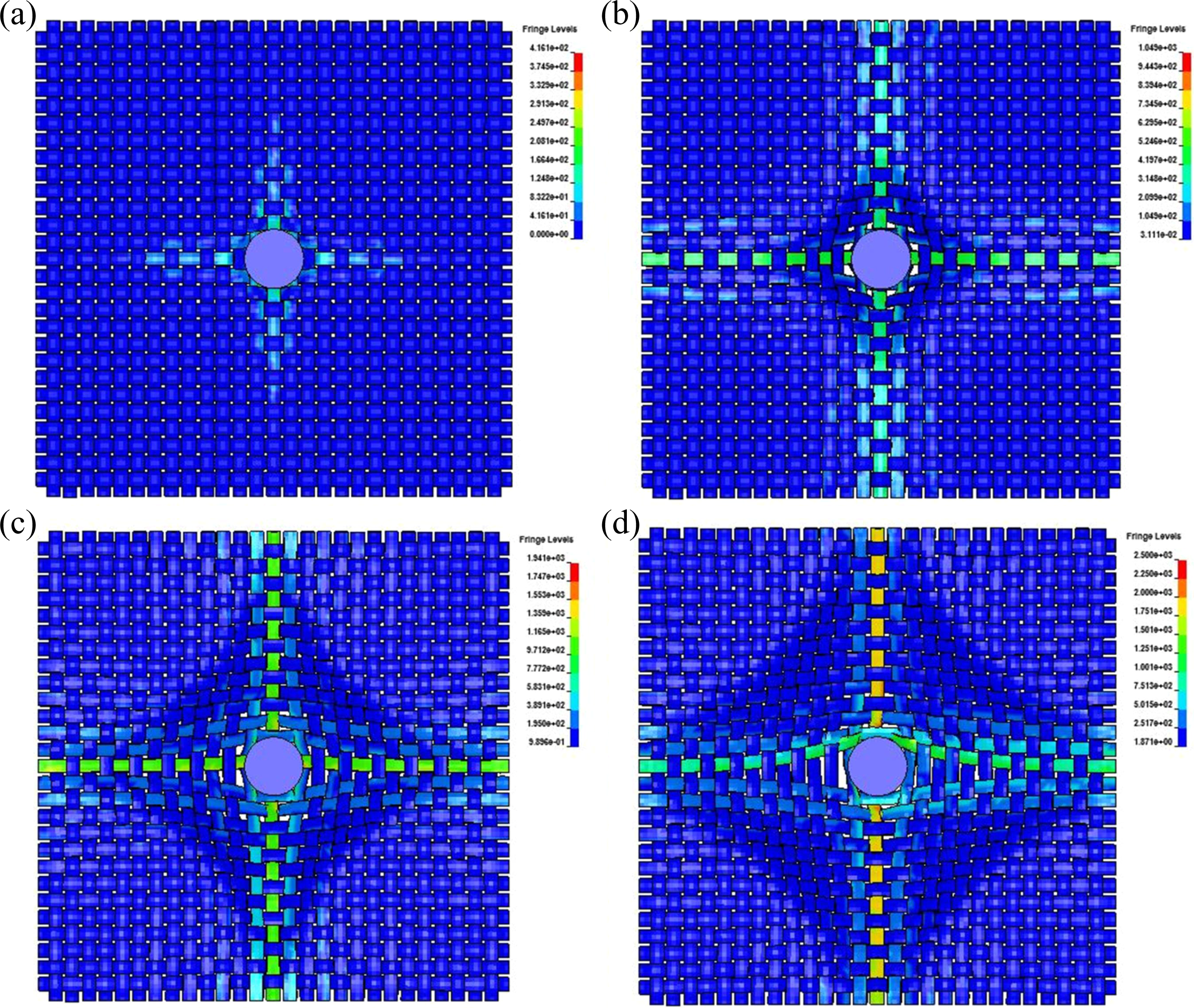
Predicted deformation characteristics of neat fabric for impact at 100 m s−1 after (a) t = 40 µs, (b) t = 80 µs, (c) t = 120 µs, and (d) t = 143 µs.
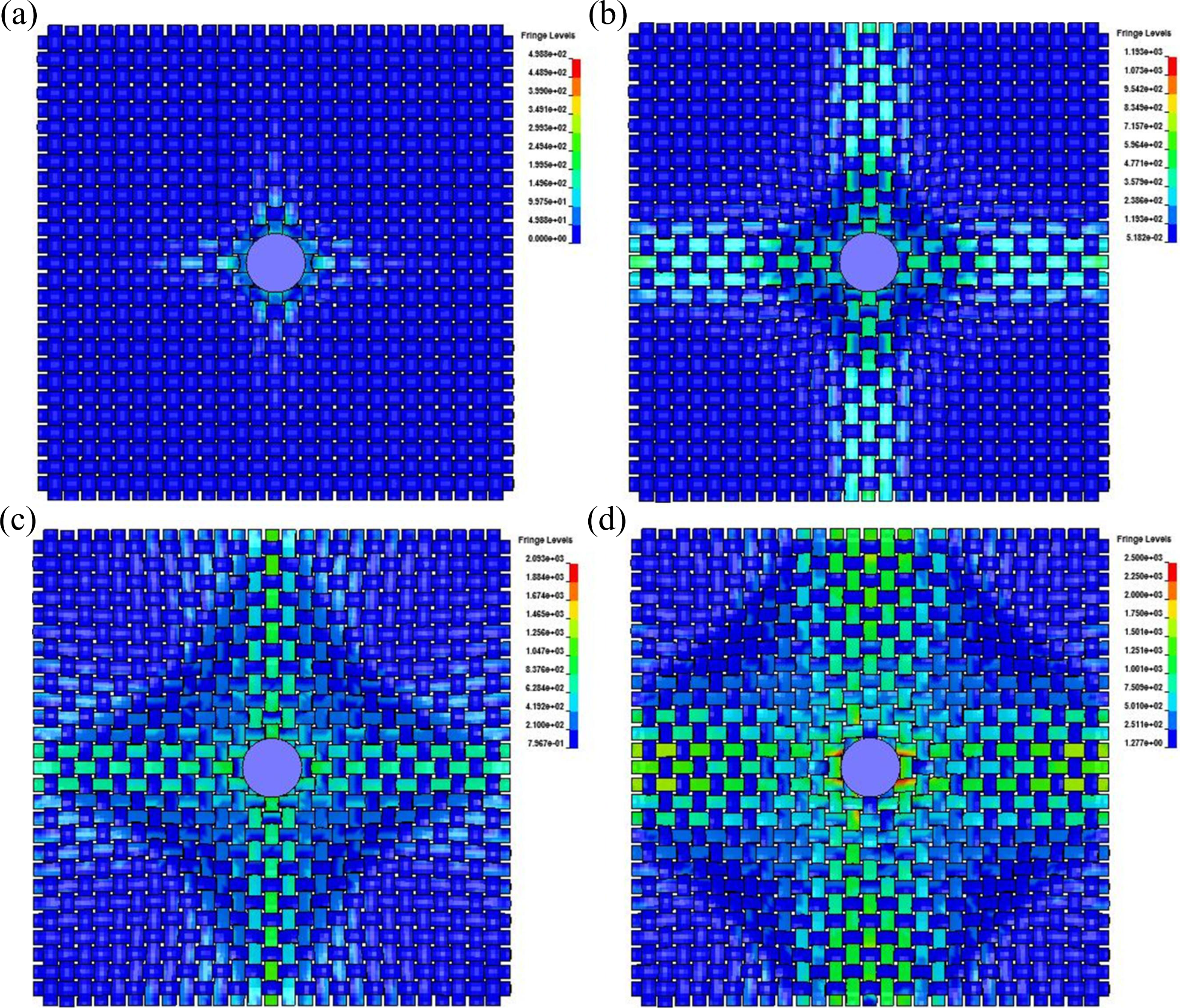
Predicted deformation characteristics of STF fabric for impact at 100 m s−1 after (a) t = 40 µs, (b) t = 80 µs, (c) t = 120 µs, and (d) t = 153 µs. STF: shear thickening fluids.
Notably, significant yarn pull-out is observed at the impact region for neat fabric, as shown in Figure 12. In contrast, yarn pull-out is hardly observed in the STF impregnated fabric, as shown in Figure 13.
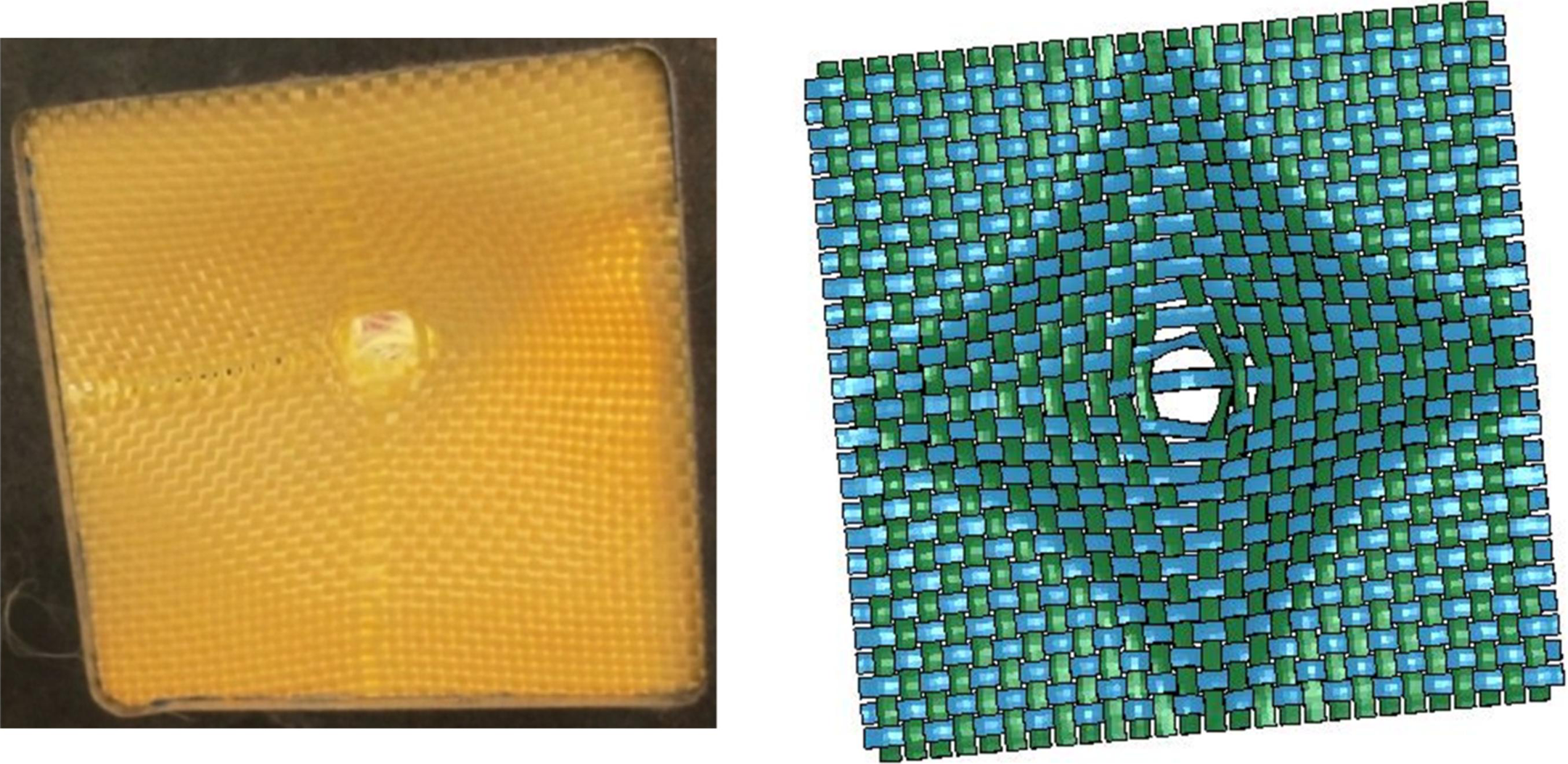
Comparison of the local woven structure between test specimen and numerical model for neat fabric.
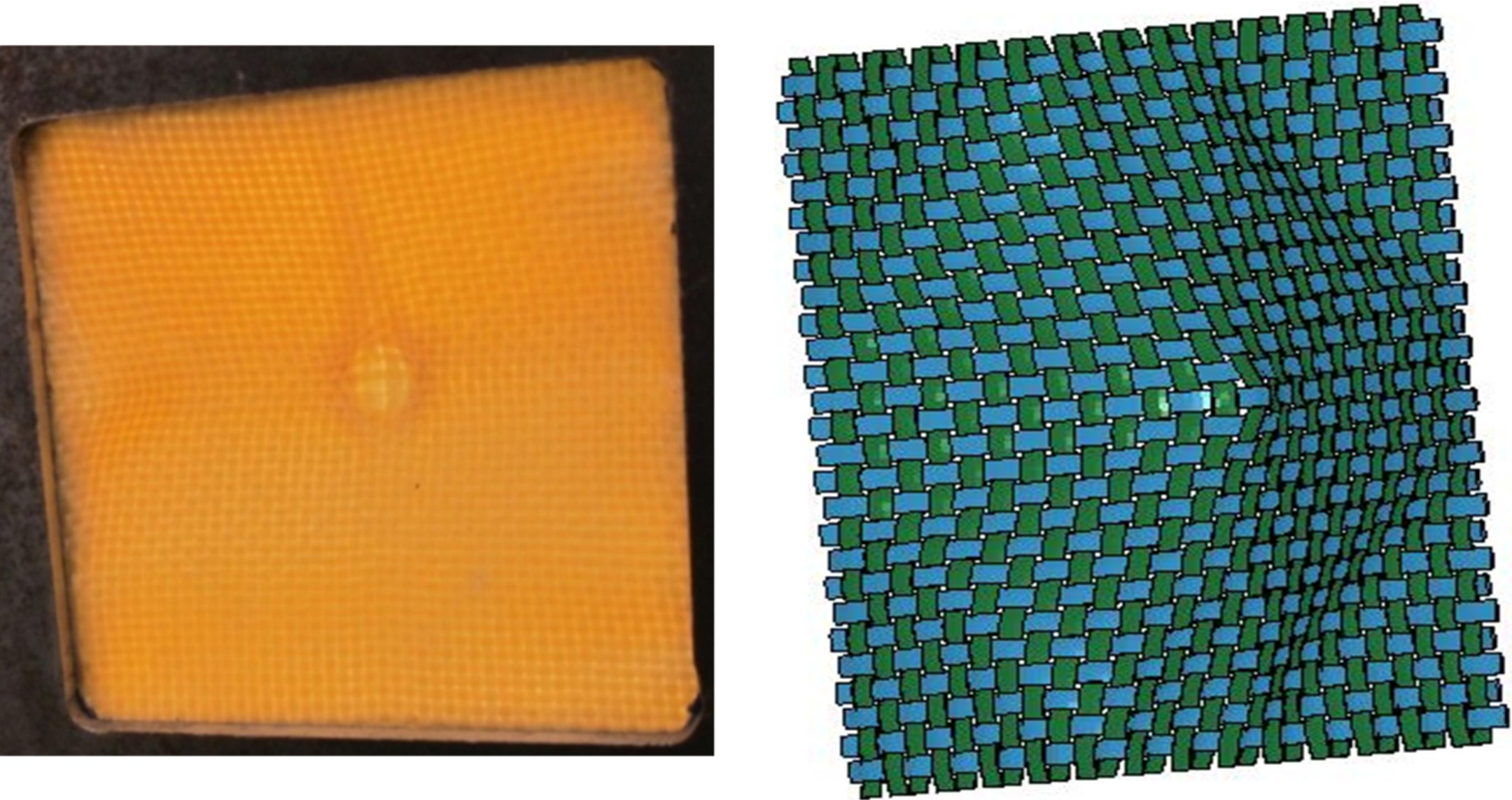
Comparison of the local woven structure between test specimen and numerical model for STF fabric. STF: shear thickening fluids.
The increased frictional properties induced by STF impregnation restrict the movement of the yarns, thus encouraging neighboring yarns to arrest the projectile. The STF impregnated fabrics are able to maintain their weave integrity during the impact process. As can be observed from the figures, transverse structural integrity between layers is significantly increased in STF impregnated fabric when the projectile impinges on a fabric as compared to the neat fabric case.
This may be due to the enhanced frictional properties that encourage more yarns to be involved in the arrest of the projectile, while the projectile easily pulls out the contacted yarns and makes an opening by pushing aside the yarn and slipping past the remaining yarns in neat fabric. It was found that the numerical model could reasonably capture the physical impact behavior of fabrics, while accounting for effect of STF impregnation during high-speed impacts.
Residual velocities
Figure 14 presents the variation of projectile velocity with time for one-layer samples of neat and STF impregnated fabrics at an impact velocity of 100 m s−1. For neat fabric, the gradient was very gentle due to the yarns pulling out from the weave and slipping off the projectile. The neat fabric offered a lower projectile resistance than the STF impregnated fabric. The rate of decrease in projectile velocities was greater for the STF impregnated fabric than for the neat specimen. The high friction coefficients restrained relative slippage between yarns in the impregnated fabric and encouraged more yarns to be involved in the arrest of the projectile.
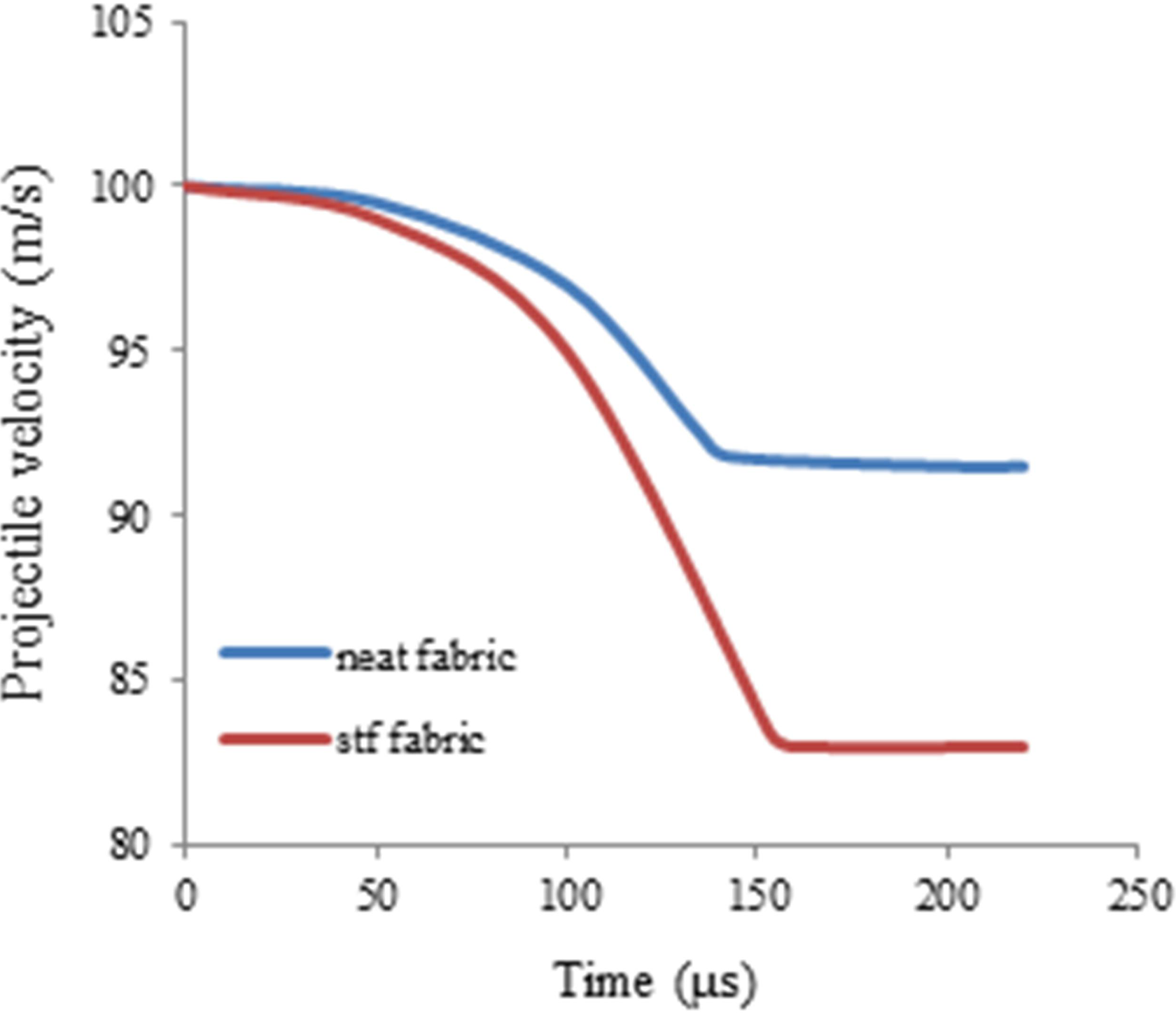
Projectile velocity histories for neat and STF impregnated fabrics. STF: shear thickening fluids.
The first element failure of the STF impregnated fabric occurred at 153 µs, while it occurred at 143 µs for neat fabric. This implies that frictional properties contribute in delaying yarn breakage by helping to maintain the weave structure closer to its original pattern. This mechanism resulted in the enhancement of the ballistic performance of the STF impregnated fabrics.
Results indicate that the effect of the STF tends to diminish at high-impact velocities. For both neat and impregnated fabrics, the residual velocities approach initial velocity as impact velocities are increased. For initial velocity equal to 500 m s−1, the residual velocity for neat fabric is 497 m s−1 and for STF fabric, the residual velocity is 496.5 m s−1.
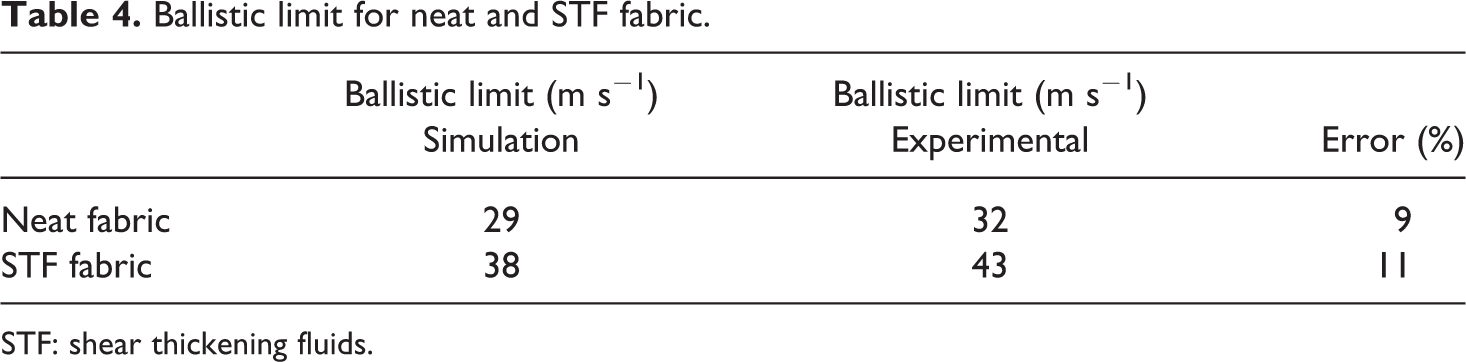
Deformation for high-velocity impact is shown for a neat and a STF fabric in Figure 15. For high velocities, penetration occurs before deflection reaches to the edges of the fabric. Ballistic limits of the neat fabric and STF impregnated fabrics are shown in Table 4.
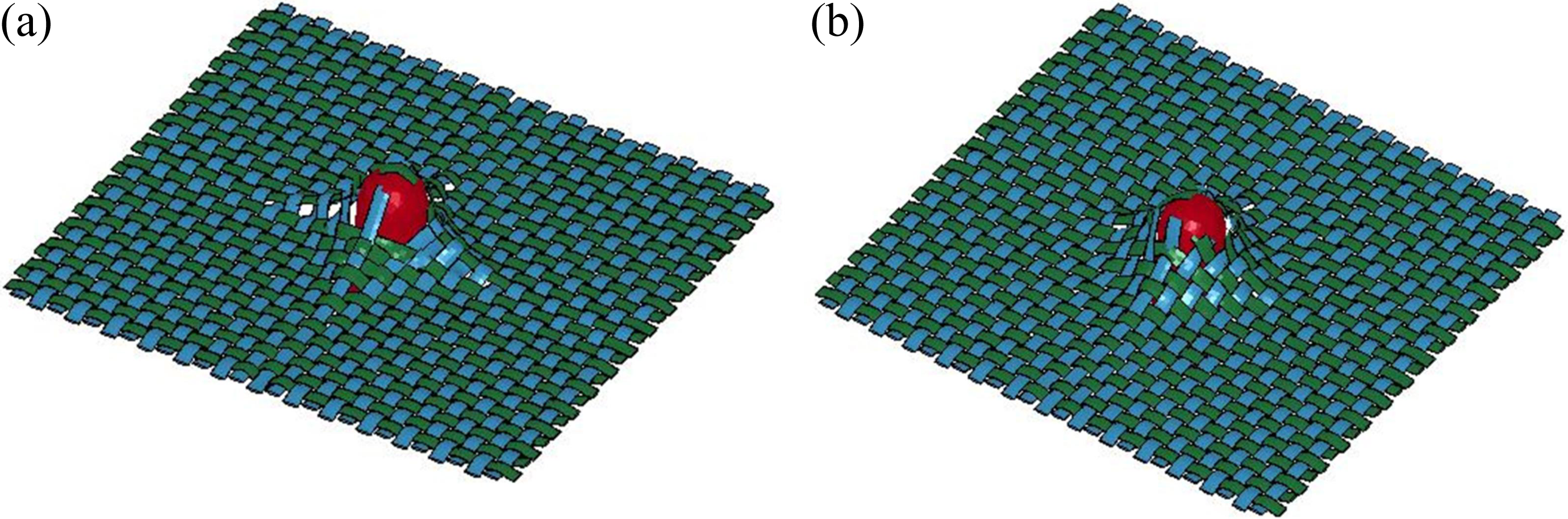
Penetration of fabric at impact velocity of 500 m s−1 in (a) a neat fabric and (b) a STF fabric. STF: shear thickening fluids.
Ballistic limit for neat and STF fabric.
STF: shear thickening fluids.
Conclusions
A numerical model of plain woven Kevlar fabric impregnated with STF has been shown to predict ballistic responses for the fabric. The results of the simulation are in close agreement with the experimental ones. The model is able to reproduce accurately the deformation of the fabric and the damage pattern observed in high-velocity tests. The model results also quantitatively agree with the results of the high-velocity impact tests in terms of ballistic limit. The experimental and numerical results demonstrate that the penetration resistance of Kevlar fabric is enhanced by impregnation of the fabric with a colloidal STF. The results showed that STF on its own is not effective enough to absorb projectile energy. presence of STF on the fabric bring about some changes in the fabric stiffness which is due to presence of high volume of silica particles, but however the changes in ballistic can certainly be attributed to friction phenomena as proved by pull-out test on similar fabric. The increased friction induced by STF impregnation encourages a greater interaction between yarns that allows the fabric to maintain its woven structure longer than neat fabric during the impact process.
Footnotes
Declaration of Conflicting Interests
The author(s) declared no potential conflicts of interest with respect to the research, authorship, and/or publication of this article.
Funding
The author(s) received no financial support for the research, authorship, and/or publication of this article.