




Abstract
The thermal properties and thermal stability of polypropylene (PP) composites separately filled with graphene nanoplatelets (GNPs) with three different sizes were measured using a differential scanning calorimetry and a thermal gravimetric analyser. The results showed that the values of the melting temperature of the composites were higher than that of the unfilled PP; the thermal stability increased with increasing the weight fraction and lateral dimension of GNPs in the case of low filler concentration, while the effect of the GNPs thickness on the thermal stability was insignificant; the onset decomposition temperature increased with increasing the GNPs lateral dimension, while the maximum thermal decomposition rate increased first and then decreased with increasing the GNPs weight fraction. The thermal stability improvement should be attributed to the sheet barrier function of the GNPs.
Keywords
Introduction
Graphene has been paid considerable attention in the scientific community since it was discovered by Geim et al. 1 Graphene is a planar thin film of carbon atoms with sp2 hybridization packed in a hexagonal honeycomb lattice, and it is a two-dimensional material with only one carbon atom thickness. 2 Graphene is widely used in industries owing to its excellent physical and mechanical properties such as good conductivity and high specific strength. For example, a small amount of graphene can significantly improve the mechanical properties, 3 –8 electrical properties 9,10 and thermal properties 11,12 of polymer composite materials. O’Neill et al. 8 measured the properties of polyamide 6 nanocomposites covalently linked with amide functional graphene oxide (GO) and observed a linear improvement in stiffness and yield strength as functionalized GO content increased from 0.1 to 0.75 wt%. Polypropylene (PP) is one of the thermoplastic resins used extensively in the world due to its low cost, ease of processing and recyclability. Besides the mechanical properties and electrical properties, the thermal stability and flame retardant of PP would be improved when it is filled with graphene. 13 –15
Thermal properties and thermal stability are the important of performances of polymeric materials. Recently, some researchers studied the thermal stability of PP/graphene composites. Achaby et al. 16 found that when PP was filled with 3 wt% graphene nanoplatelets (GNPs), the thermal stability of the composite was significantly improved. Song et al. 17 fabricated graphene-based PP nanocomposites; the results showed that the mechanical and thermal properties were enhanced. However, GNPs do not always enhance the thermal stability of the polymer composites. Shi et al. 18 studied the thermal stability and smoke suppression of the PP composites with CuO/graphene nanohybrids; the results showed that the value of the starting decomposition temperature of the PP composites was lower than that of the unfilled PP resin. The mechanisms of this phenomenon for the PP/GNPs composites should be deeply investigated. Recently, Liang et al. 19 studied the thermal decomposition kinetics of PP composites filled with GNPs and pointed out that the thermal decomposition mechanism was a phase boundary controlled reaction (contracting volume). It generally believed that the size effects of GNPs on the thermal stability of the PP/GNPs composites should be important. However, there have been relatively few comprehensive studies on the size effects of GNPs on the thermal stability mechanisms of the PP/GNPs composites.
There are three methods to disperse GNPs into polymer materials, including solvent blending, 20,21 in situ polymerization 22,23 and melt blending. 24,25 In general, the melt blending method possesses some advantages such as strong versatility, low cost and environment friendly. 26 The objectives in this study are to prepare GNPs-filled PP composites using melt blending method and to investigate the effects of the filler size and content of the GNPs on the thermal properties and thermal stability and thermal behaviour mechanisms of the reinforced PP composites.
Experimental
Raw materials
The PP with the trademark CJS-700 serving as the matrix material was supplied by Guangzhou Petrochemical Works in Guangdong Province (Guangzhou, China), and its density in solid state and melt flow rate were 910 kg/m3 and 10 g/10 min (230°C, 2.16 kg), respectively.
Three types of GNPs were selected as the fillers for determining the influence of the size on the thermal stability of the composite systems. They are (1) trademark SGNP-F01005 was supplied by the Nanjing Kefu Nano-Tech Co. Ltd. (Nanjing, China), it was abbreviated as S; (2) trademark JCGNP-15-10 was supplied by the Nanjing Jichang Kefu Nano-Tech Co. Ltd. (Nanjing, China), it was abbreviated as JC; and (3) trademark HQNANO-GR-003 was supplied by the Suzhou Hengqiu Graphene Technol. Co. Ltd. (Suzhou, China), it was abbreviated as HQ. Figure 1 shows the scanning electronic microscopy photographs of the three GNPs. The suppliers measured the GNPs size and provided the main characteristics of the three GNPs including the purity, the specific surface area, the flake thickness, the number of layers and the particle lateral dimension, as listed in Table 1.
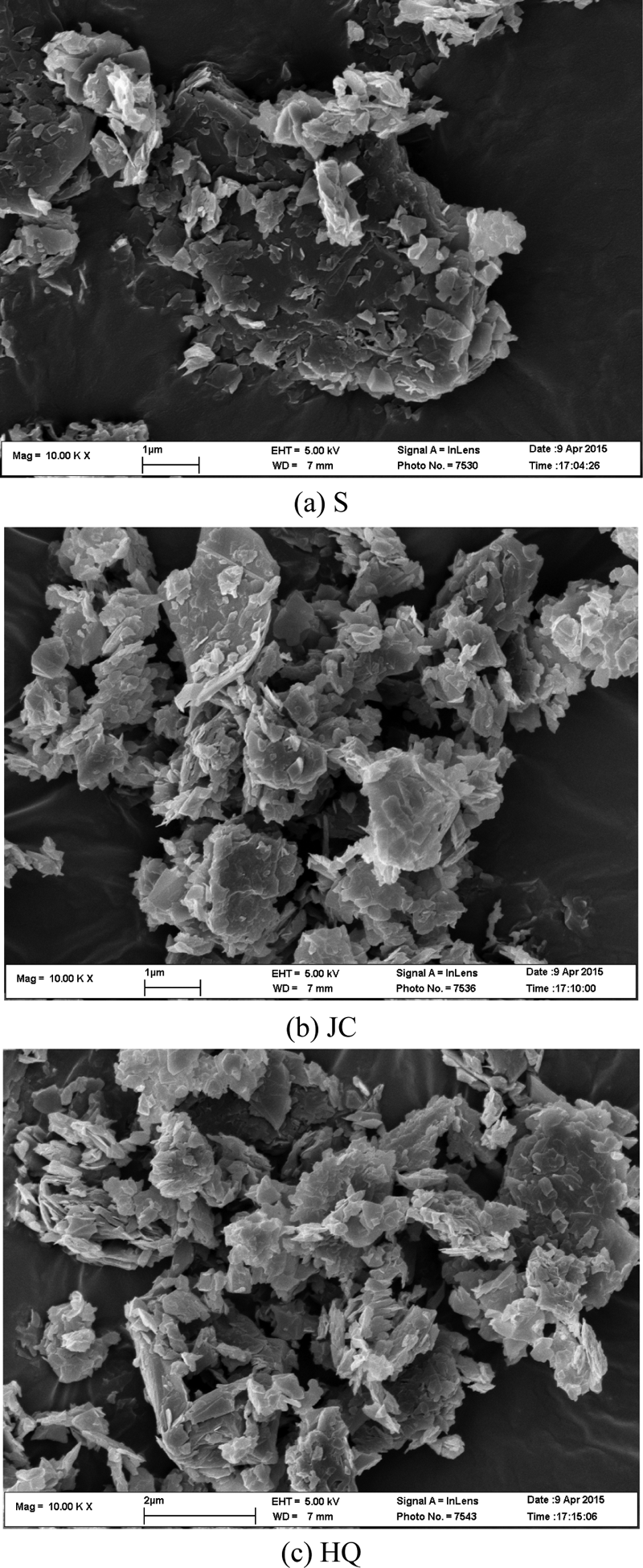
SEM photographs of GNPs. SEM: scanning electronic microscopy; GNPs: graphene nanoplatelets.
Main characteristics of three GNPs.
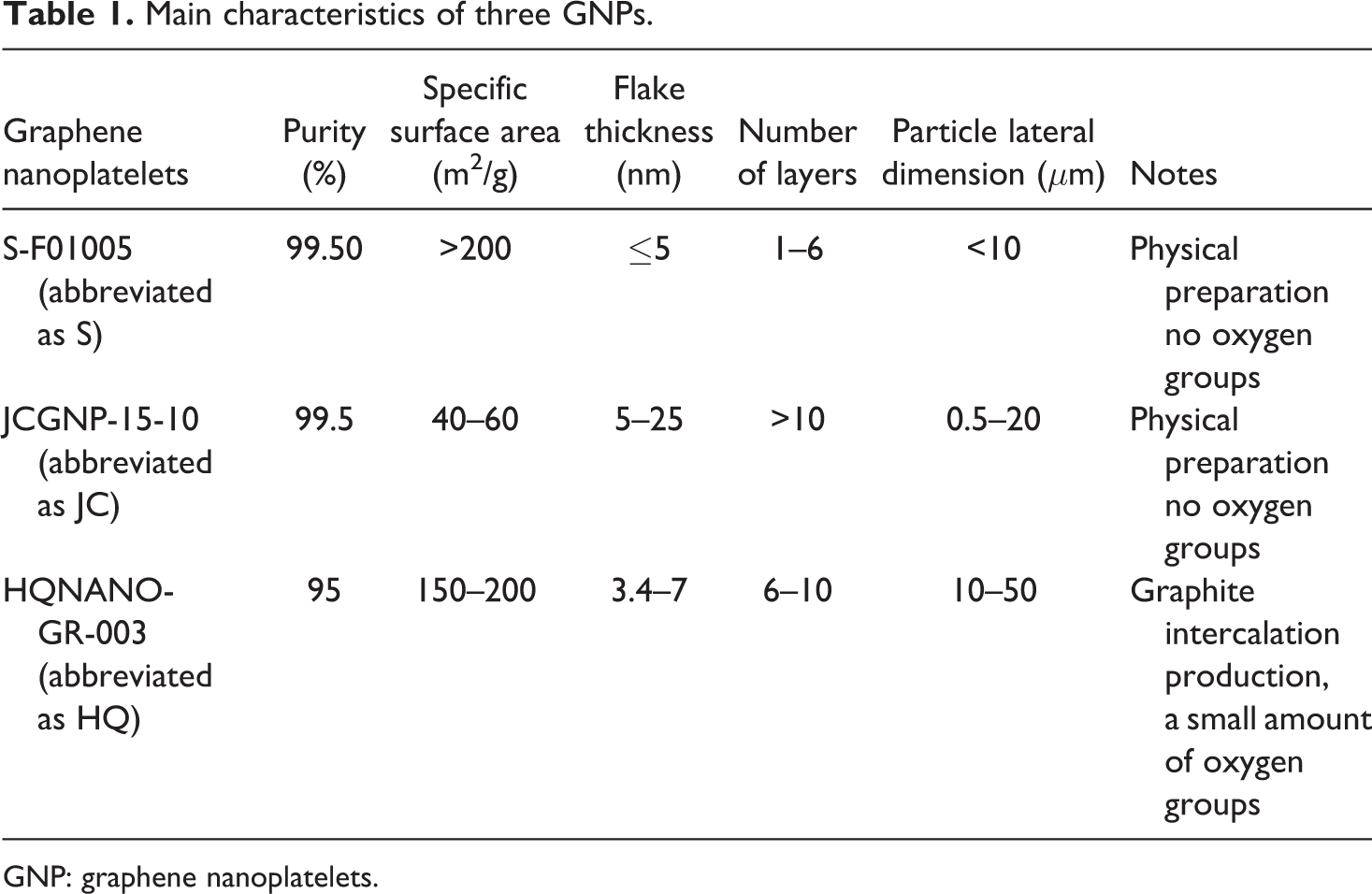
GNP: graphene nanoplatelets.
Composite preparation
The PP was separately mixed with the GNPs with three different sizes in the high-speed compounding machine (model of GH-10) supplied by the Beijing Plastics Machinery (Beijing, China), and then the PP/GNPs blends were melt blended in a twin screw extruder (model of SHJ-26) supplied by the Nanjing Chengmeng Machinery Ltd. Co. (Nanjing, China) at a screw speed of 100 r/min and in a temperature range from 190°C to 210°C, to prepare the three PP/GNPs composite systems: PP/S, PP/JC and PP/HQ, in which the weight fractions of the GNPs were 0.1, 0.2, 0.3, 0.4 and 0.5 wt%. The screw diameter was 26 mm, while the length to diameter ratio of the screw was 40. The granules of the fabricated composites were dried at 80°C for 5 h before testing.
Instrument and methodology
The melting process and properties of the PP/GNPs composites were measured using a differential scanning calorimeter (DSC; model DSC204C) supplied by the NETZCH Company (Selb, Bavaria, Germany). The test temperature range was from 30°C to 200°C, the heat preheat time was 5 min and the heating rate was 3°C/min.
The thermal stability of the PP/GNPs composites was measured using the thermogravimetric analyzer (TGA; model of TG2009) supplied also by the NETZCH Company. The test temperature varied from 30°C to 600°C, the preheat time was 10 min and the temperature rate was 10°C/min. The experiments were conducted in an Al2O3 crucible environment at the rate of 30 mL/min, and the protection gas was nitrogen. The specimen quality range was from 5 to 10 mg.
Results and discussion
Melting properties
DSC curves
Melting processing and melting behaviour are important characterization of thermal properties of polymeric materials. DSC curve presents the correlation between the heat flow and temperatures during heating or cooling process of specimens. Figure 2 illustrates the DSC curves of the PP/GNPs composites during melting process. It can be seen that the position of the melting peaks of the DSC curves for the three composite systems moves slightly to the right with increasing the GNPs weight fraction. It means that the melting temperature of the three composites (including PP/S, PP/JC and PP/HQ) increases slightly with increasing the filler content.
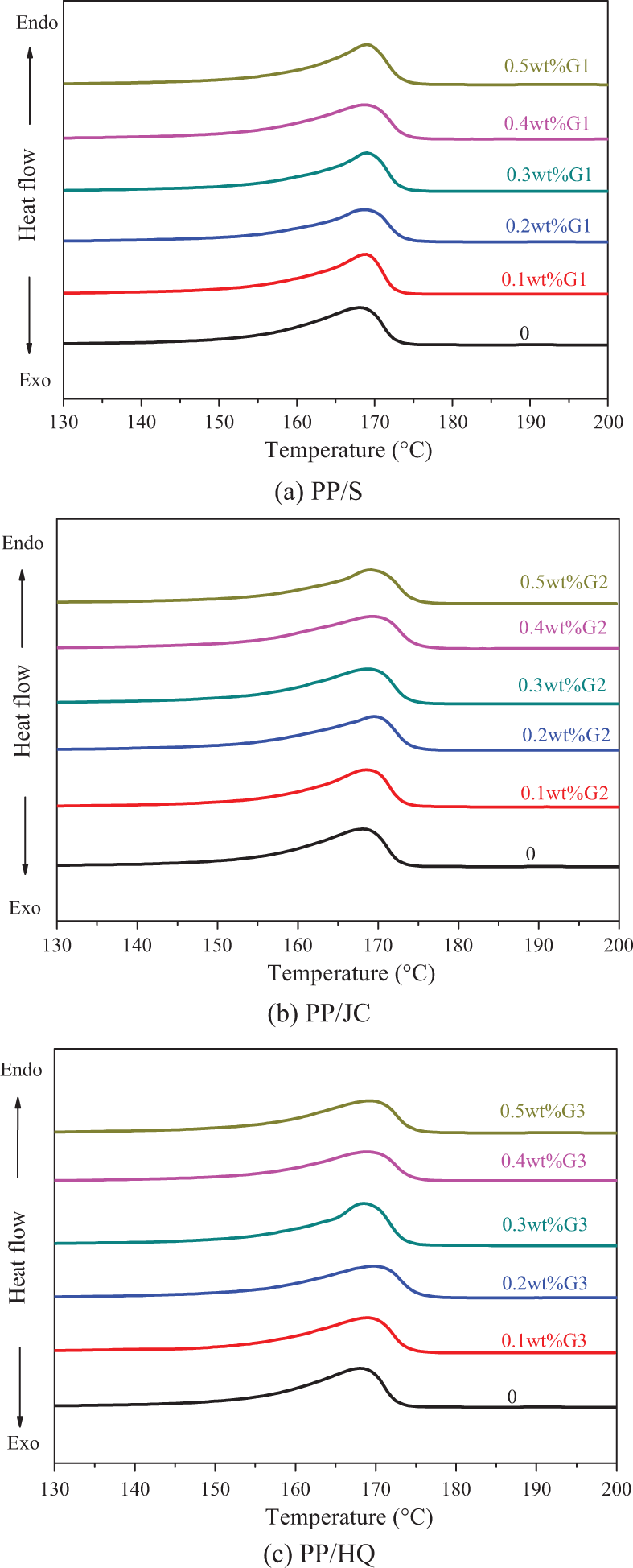
Correlation between heat flow and temperatures during melting process of specimens.
Temperature at melting peak
Temperature at melting peak is an important parameter of thermal properties of polymeric materials during melting process. Figure 3 shows the relationship between the temperature at melting peak of the three PP/GNPs composites and the GNPs weight fraction. It is found that the values of the temperature at melting peak of PP/JC and PP/HQ composite systems increase with increasing the GNPs weight fraction when the GNPs weight fraction is lower than 0.2 wt%, and then decrease, but the values of the temperature at melting peak of the two composites are higher than that of the unfilled PP; for the PP/S composite systems, the values of the temperature at melting peak increase slightly with increasing the GNPs weight fraction. It indicates that the introduction of GNPs can improve heat resistance of the PP. This is because that the interaction between the GNPs and the matrix can form a number of physical cross-link points, and these physical cross-link points can block the movement of macromolecular chains, leading to increase of the temperature at melting peak of the PP/GNPs composites.
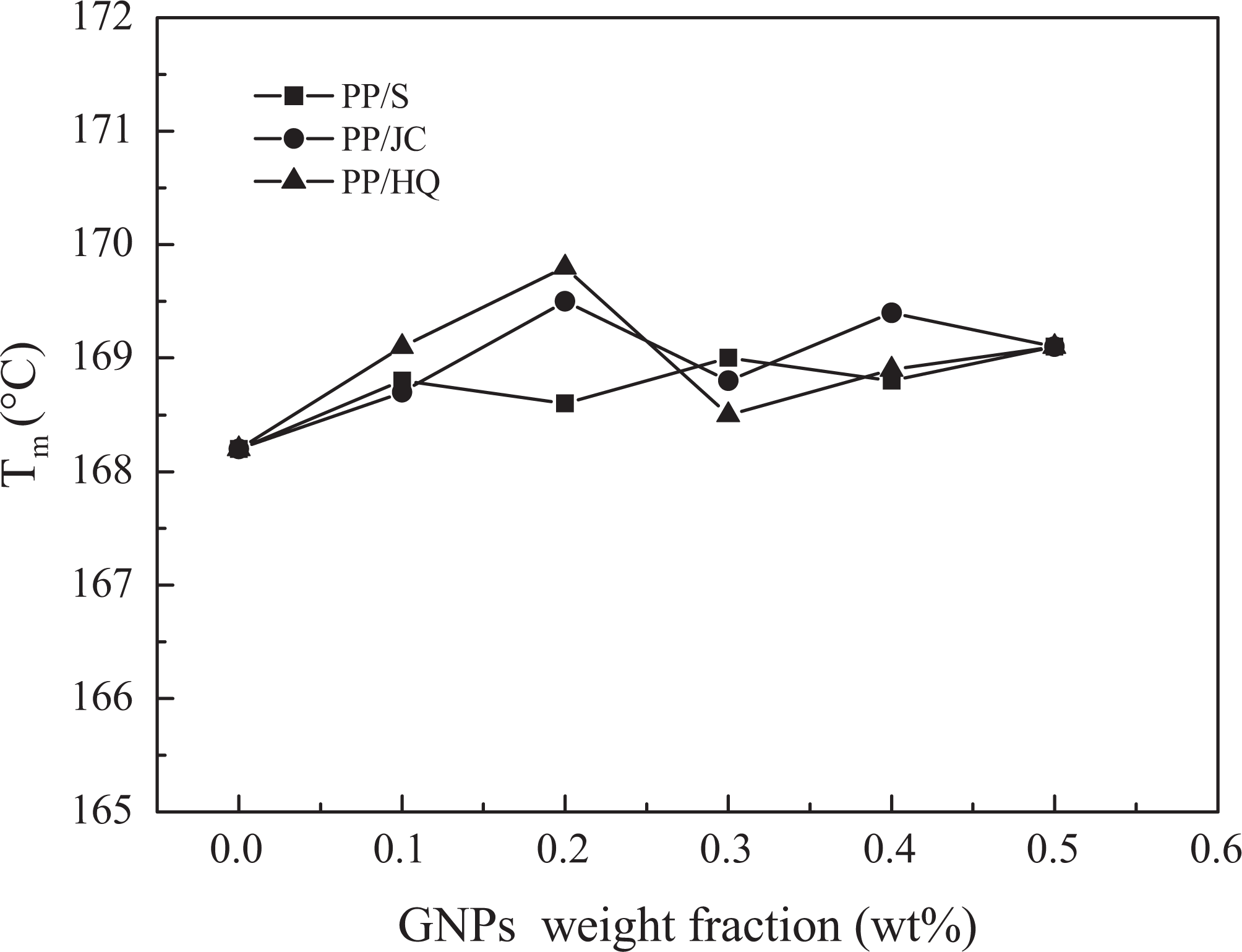
Relationship between melting peak temperature and GNPs weight fraction. GNP: graphene nanoplatelets.
TGA and DTG curves
TGA curves
TGA curve describes the relationship between mass loss of specimens and temperature; it reflects the variation of the mass with increasing temperature during TGA test. Thus, the TGA curve demonstrates the thermal decomposition behaviour of materials in nitrogen atmosphere. In addition, the TGA curve presents the thermal stability of materials, especially for polymeric materials. Figure 4 presents the TGA curves of the three PP/GNPs composite systems, including the PP/S composites in Figure 4(a), the PP/JC composites in Figure 4(b) and the PP/HQ composites in Figure 4(c). It can be seen that the thermal decomposition process of the three composite systems in nitrogen atmosphere is similar to that of the unfilled PP resin; namely, it is a single-step decomposition process. In general, the corresponding temperature is defined as the onset decomposition temperature (T 5%) when the weight loss (or mass loss) is 5% of the specimen weight (or mass). It can be observed from Figure 4 that the onset decomposition temperature of the three composite systems is about 440°C. When the decomposition is finished, the corresponding temperature is defined as the decomposition end temperature (Tf ). The temperature range from T 5% to Tf is generally defined as a decomposition temperature range and called as (ΔTdr ). Thus, parameters T 5%, Tf and ΔTdr are the important parameters for characterizing the thermal properties and thermal stability of polymeric materials. It can also be found in Figure 4 that the mass of the specimen decreases significantly within the decomposition temperature range. In addition, when the temperature is higher than Tf , the weight loss tends to be constant. The remaining amount of inorganic filler particles in the composite after TGA tests is usually used to analyse the dispersion of the inclusions in the resin matrix.
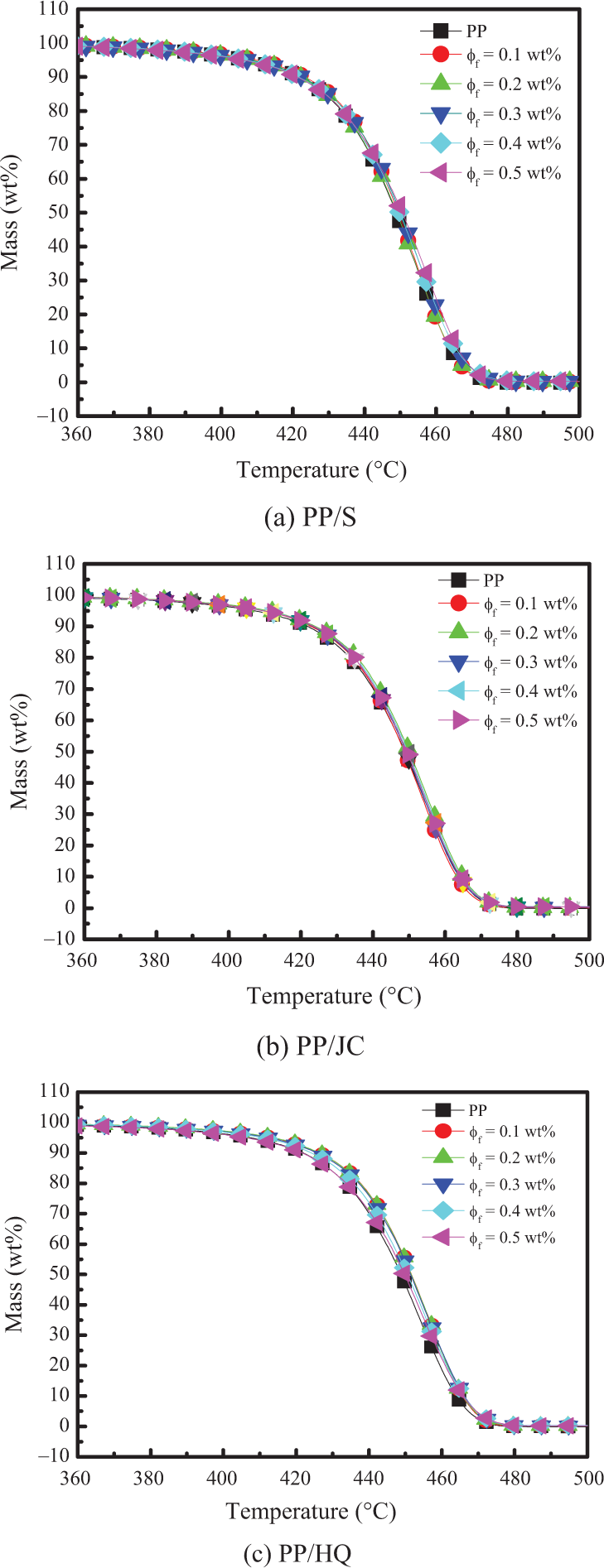
Relationship between mass loss and temperature of specimens.
DTG curves
DTG curve describes the correlation between the mass loss rate with time (t) and temperature (T) during TGA test of specimen. That is

It can also be observed in Figure 4 that the decomposition temperature of the three composite systems is close to each other. These differences in decomposition temperature and the weight loss between composites systems can be identified by means of a thermogravimetry derivative curve (DTG curve). This is because, the peak of the DTG curve corresponds to the inflexion point (i.e. the maximum value of mass loss rate) of the TGA curve, and the peak area of the DTG curve is proportional to the weight loss. Figure 5 displays the DTG curves of the three PP/GNPs composite systems, including those for the PP/S composite in Figure 5(a), the PP/JC composite in Figure 5(b) and the PP/HQ composite in Figure 5(c). It can be seen that the position and area of the peaks of the DTG curves of the three composite systems vary with the GNPs content. For the PP/S composite system, the value of the peak area is the maximum when the GNPs weight fraction is 0.1% and then decrease with increasing GNPs weight fraction (see Figure 5a). For the PP/JC composite system, the value of the peak area is the maximum when the GNPs weight fraction is 0.2 wt%, and then decrease slightly with increasing the GNPs weight fraction (see Figure 5b). For the PP/HQ composite system, the value of the peak area is the maximum when the GNPs weight fraction is also 0.2 wt% and then decrease with increasing GNPs weight fraction (see Figure 5c). This indicates that there are certain effects of the size and content of the GNPs on the thermal properties and thermal stability of the PP composites under the experimental conditions.
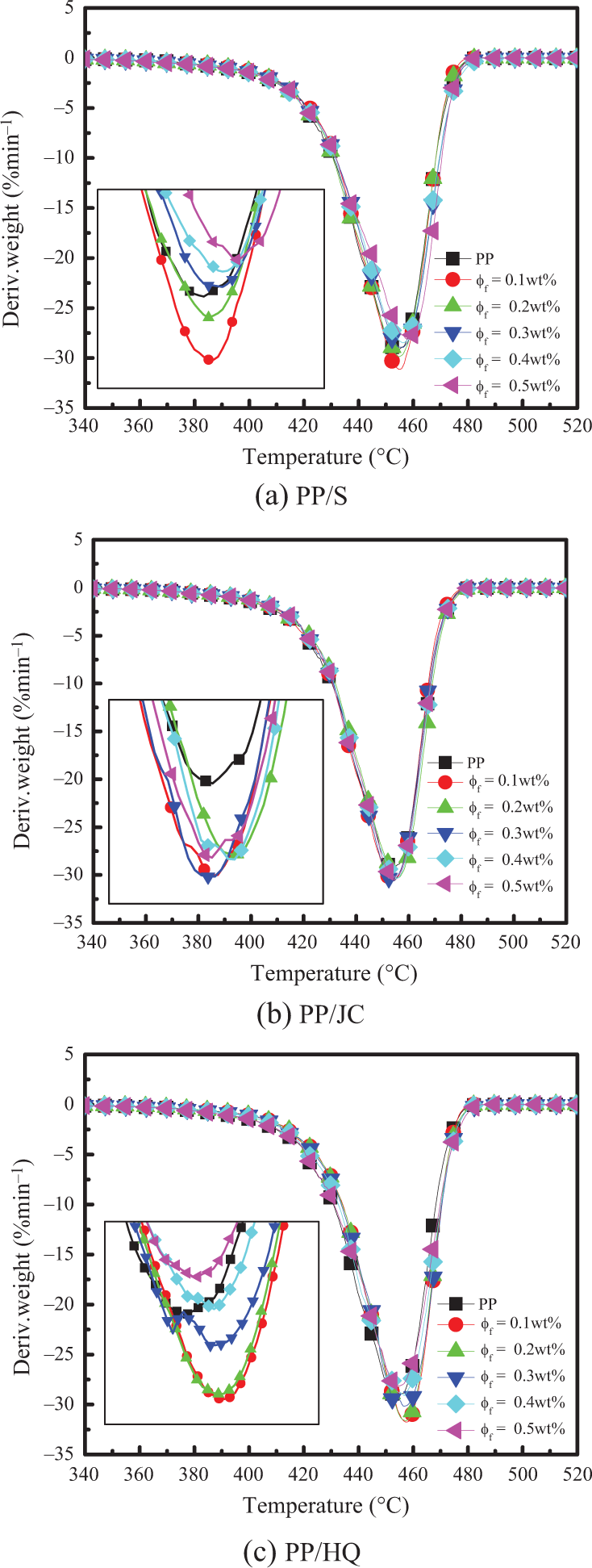
Correlation between mass loss rate and temperature of specimens.
Decomposition temperature
Dependence of decomposition temperature on GNPs content
As stated above, decomposition temperature is an important parameter for characterizing the thermal stability of materials. Figure 6 illustrates the dependence of the onset decomposition temperature (T 5%) of the three PP/GNPs composite systems on the GNPs weight fraction. It can be found that the onset decomposition temperature of the unfilled PP resin is 407.2°C, while the values of the onset decomposition temperature of the PP/S system, PP/JC system and PP/HQ system are, respectively, 409.5°C, 409.8°C and 413.4°C when the GNPs weight fraction is 0.1 wt%. This presents that the introduction of the GNPs into the PP resin can improve the thermal stability of the composites. The improvement of the thermal stability of polymer composites can be attributed to the mass transport barrier effect of the two-dimensional layered structure in the GNPs. This is because the tortuous path in the GNPs with a high length to diameter ratio can block or delay the transfer of the decomposition products from a condensed phase in the composites to the surface or gas phase. 27 Furthermore, the interaction between the GNPs and the macromolecular chains of the polymer and the absorption effect of GNPs on free radical produced in the decomposition is one of the important reasons accounting for the improvement in the thermal stability of polymer composites. 28,29
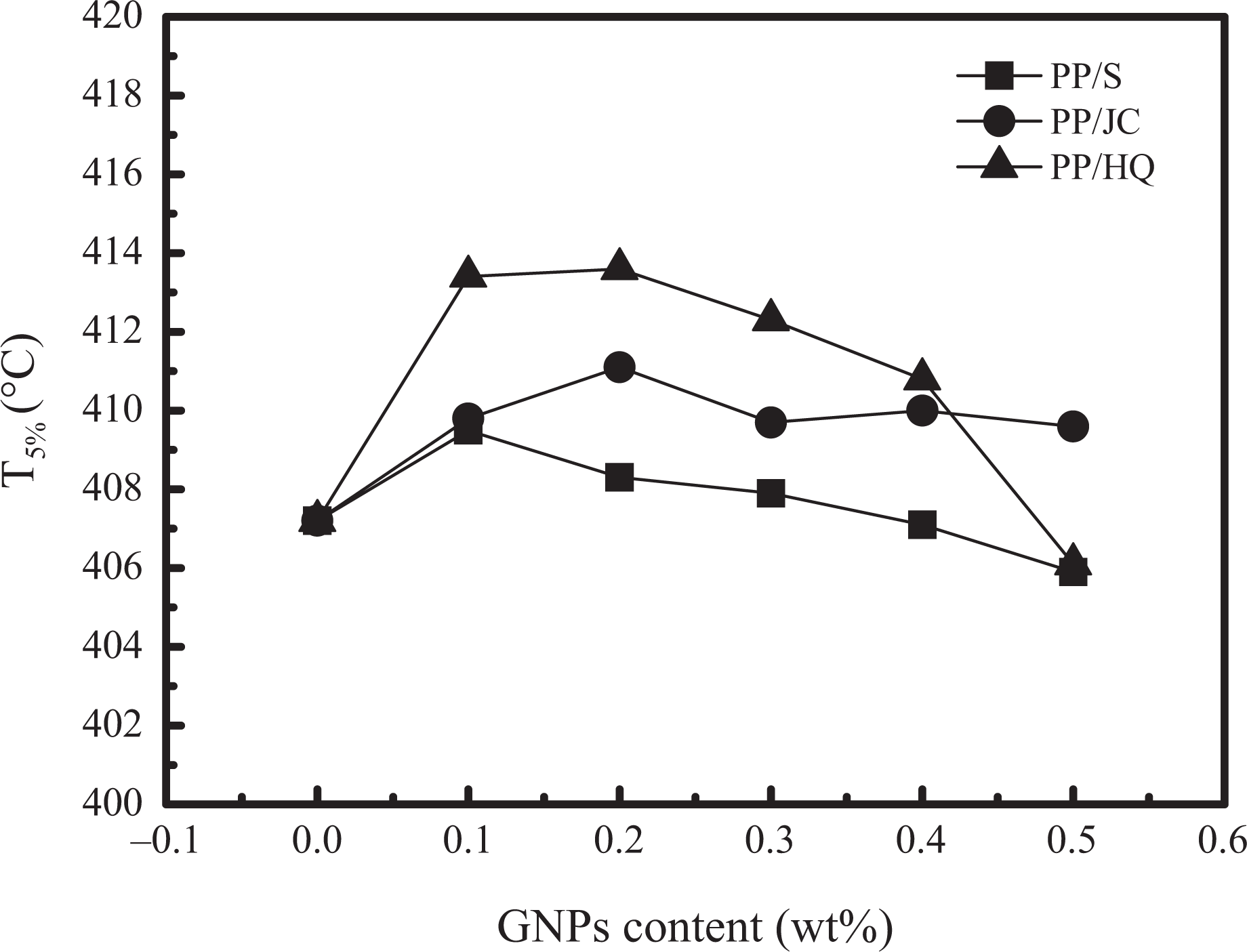
Dependence of onset decomposition temperature on GNPs weight fraction. GNP: graphene nanoplatelets.
For polymer composites, the factors affecting the thermal properties and thermal stability are complicated. In addition to the thermal properties of the polymer matrix and the fillers, the thermal properties and thermal stability depend, to great extent, upon the filler content and the dispersion status of the filler particles in the resin matrix. When the dispersion of the GNPs in the resin matrix is uniform, the paths formed by the GNPs are tortuous, as shown in Figure 7(a). In this case, the thermal properties and thermal stability would be improved correspondingly. When the dispersion of the GNPs in the resin matrix is poor, the paths formed by the GNPs are simple, as shown in Figure 7(b); in this case, the thermal properties and thermal stability would be weakened correspondingly. It can also be found from Figure 6 that, for PP/S system, the value of the decomposition temperature is the highest when the GNPs weight fraction is 0.1 wt% and then decreases. For PP/JC and PP/HQ systems, the values of the decomposition temperature are the highest when the GNPs weight fraction is 0.2 wt% and then decreases. As the GNPs are nanometer particles, they tend to aggregate in the matrix at higher concentration. Then, the thermal stability of the composites would be weakened.
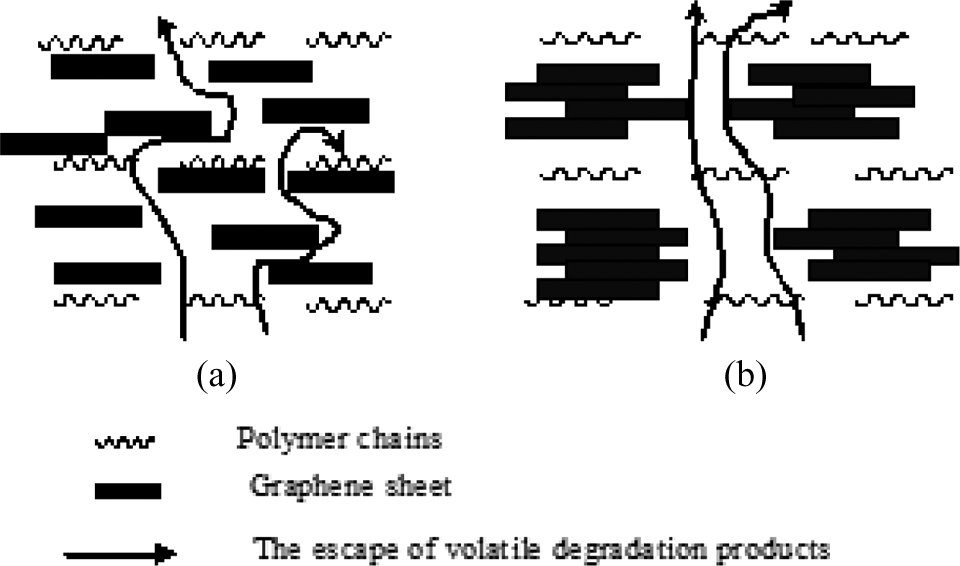
Sketch of effect of dispersion status of GNPs in matrix on mass transport barrier effect. GNP: graphene nanoplatelets.
Effect of GNPs size on decomposition temperature
In addition to the filler content and the dispersion of the filler particles in the resin matrix, the thermal stability of polymer composites is closely related to the filler shape and size. For the GNPs, their size includes a thickness, length, length to thickness ratio and layer number. It can be observed from Figure 6 that, for the range of the GNPs weight fraction from 0.1 to 0.4 wt%, the values of the onset decomposition temperature for the three composites have following ranking:
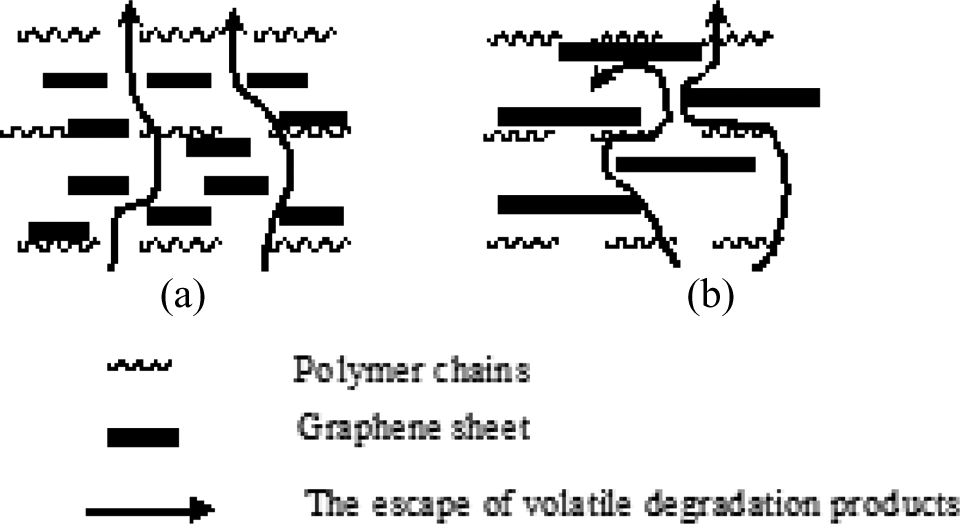
Sketch of influence of GNPs size on mass transport barrier effect. GNP: graphene nanoplatelets.
Dependence of decomposition temperature range on GNPs content
Figure 9 displays the dependence of the decomposition temperature range (i.e. from the onset decomposition temperature to the end decomposition temperature) of the three PP composite systems on the GNPs weight fraction. It can be found that the values of the decomposition temperature range of the three composites reach up to the minimum and are lower than that of the unfilled PP resin when the GNPs weight fraction is 0.1 wt% and then they increase with increasing the GNPs weight fraction. This is because that the GNPs network cannot be formed owing to small number of the GNPs in the matrix in the case of low filler concentration. The heat transfer effect plays a major role when the GNPs weight fraction is lower than 1 wt%, thus the decomposition temperature range decreases in this case. When the GNPs weight fraction is higher than 1 wt%, the overlap or aggregation between the GNPs starts to form due to the increase of the number of the GNPs; as a result, the GNPs network in the matrix is gradually formed, and the thin sheet barrier effect of the GNPs would be greater than the heat transfer effect. Consequently, the decomposition temperature range would increase correspondingly in this case. With increasing further the GNPs weight fraction, the overlap or aggregation between the GNPs increases, the GNPs network in the matrix increases and the thin sheet barrier effect of the GNPs is enhanced relevantly, leading to increase of the decomposition temperature range.
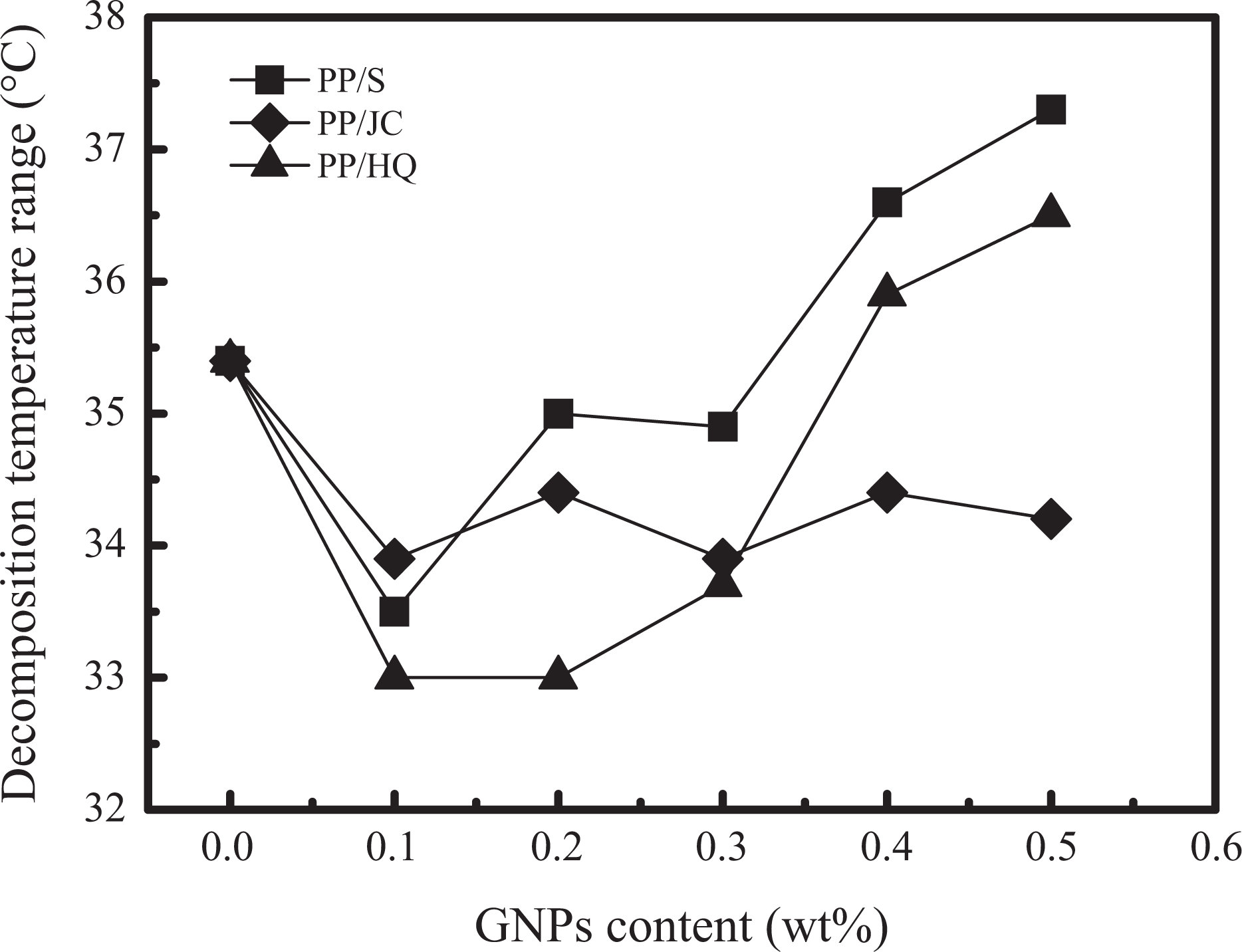
Dependence of decomposition temperature range on GNPs weight fraction. GNP: graphene nanoplatelets.
Mass loss and residues
Relationship between mass loss temperature and GNPs content
Mass loss and residues in the TGA test are the important parameters reflecting the thermal stability of materials. Figures 10 to 12 present the relationship between the mass loss temperature and the GNPs weight fraction when the values of the mass loss of the three composite systems are separately 10%, 20% and 50%. It can be seen that, for the range of the GNPs weight fraction from 0.1 to 0.4 wt%, the values of the mass loss temperature of the PP/HQ system are the highest while those of the PP/S system are the lowest when the mass loss is constant. That is
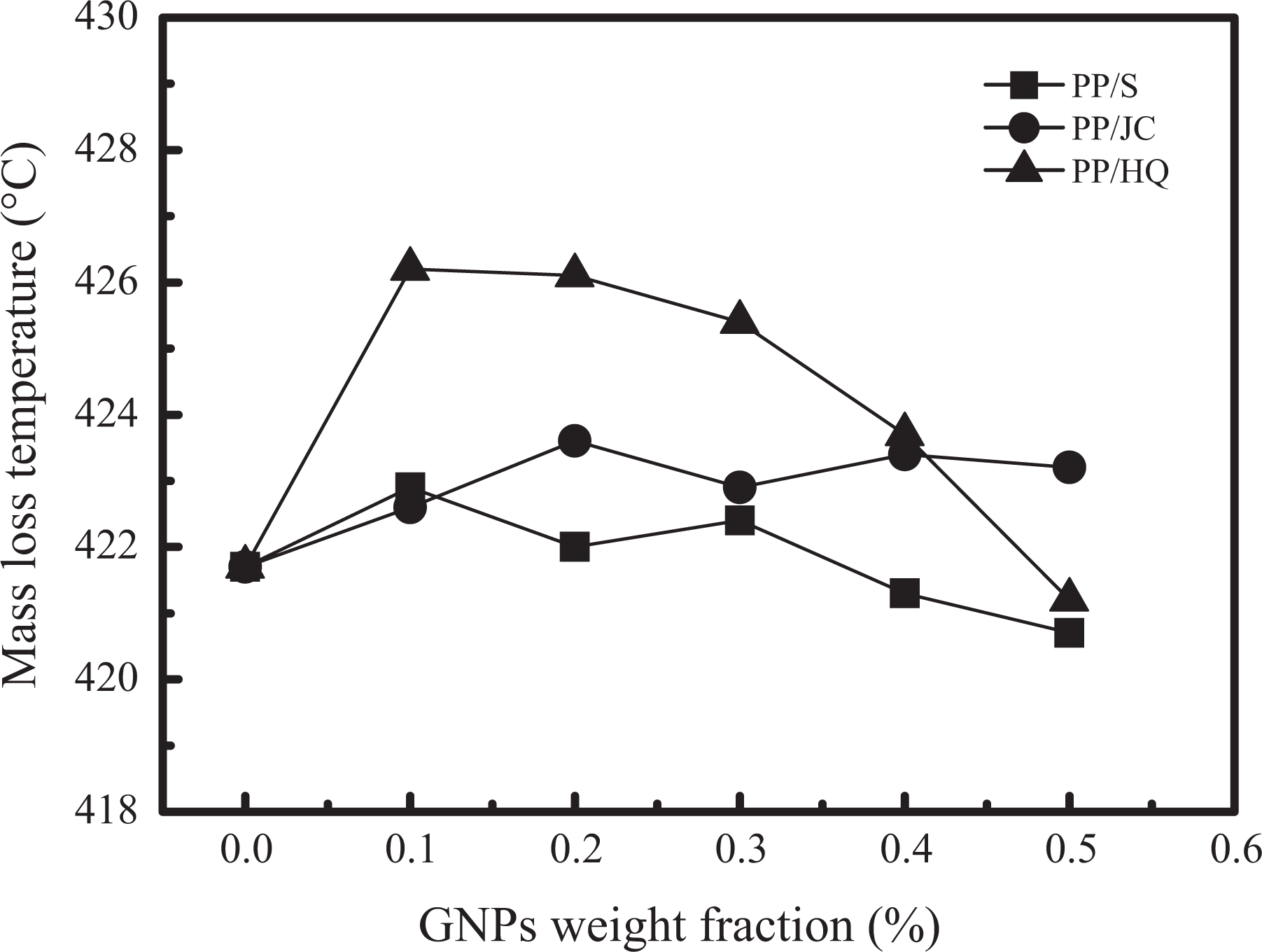
Dependence of mass loss temperature on GNPs weight fraction at mass loss 10%. GNP: graphene nanoplatelets.
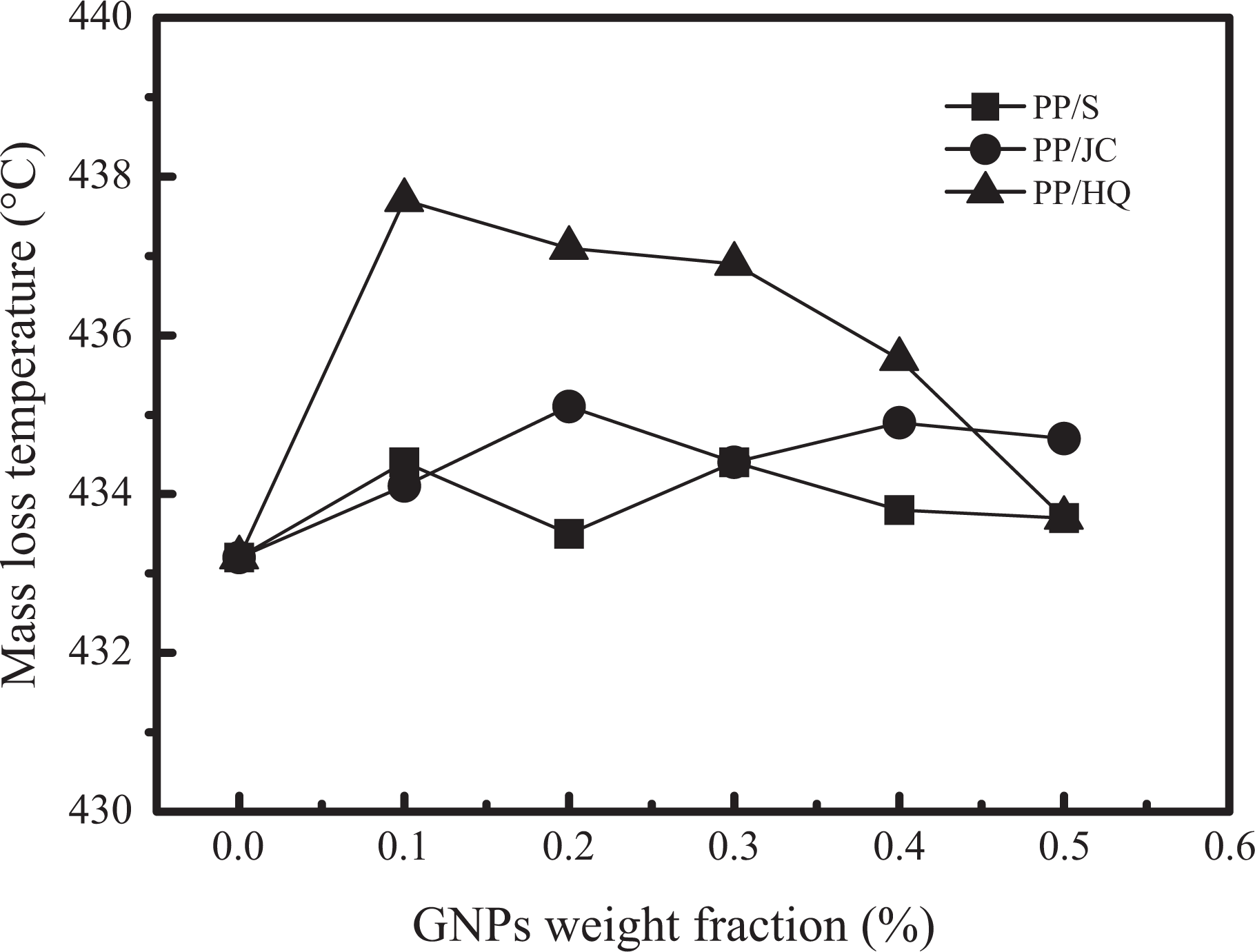
Dependence of mass loss temperature on GNPs weight fraction at mass loss 20%. GNP: graphene nanoplatelets.
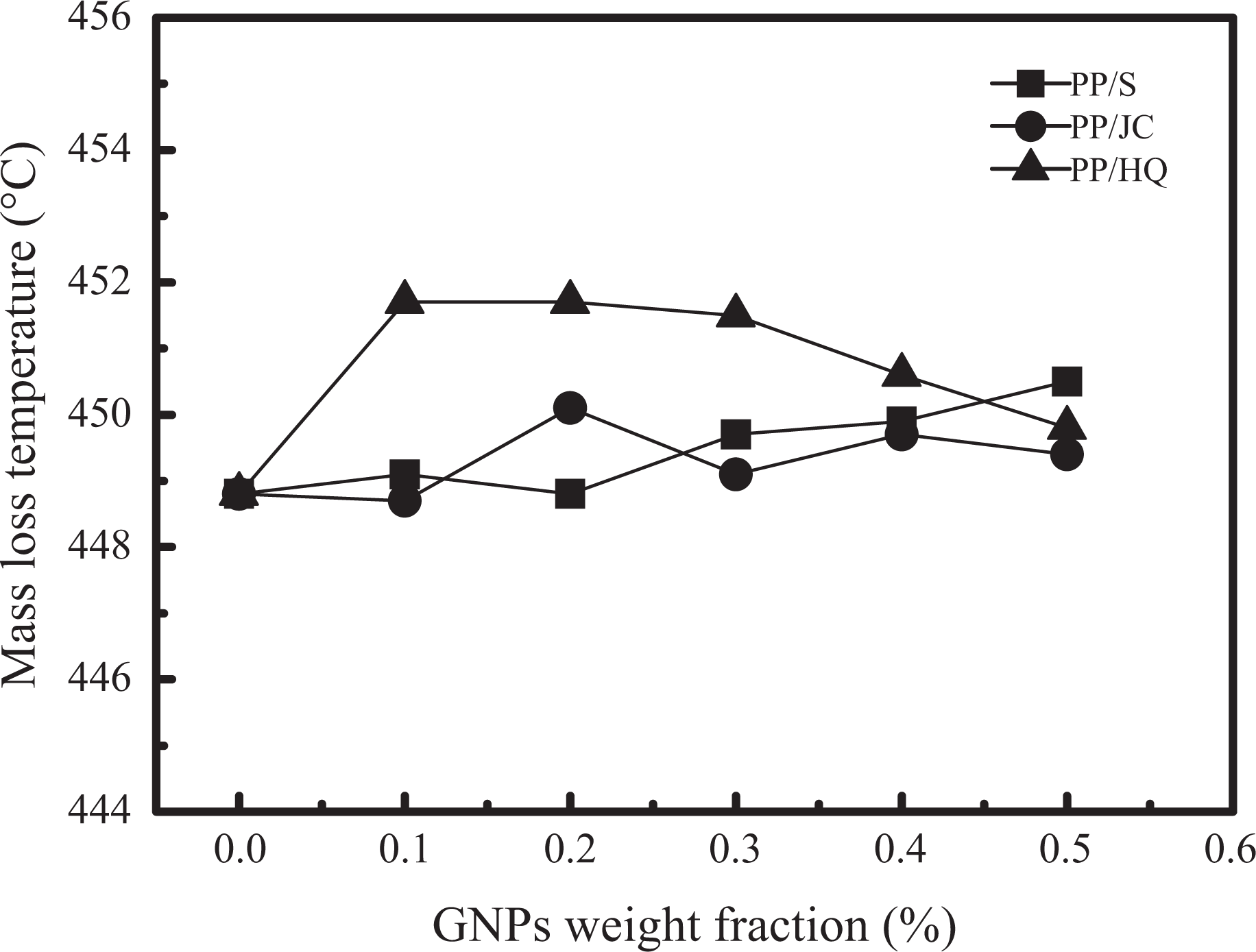
Dependence of mass loss temperature on GNPs weight fraction at mass loss 50%. GNP: graphene nanoplatelets.

This indicates that the large transverse dimension of the GNPs is beneficial to improve the thermal stability of the PP composites. In other words, the larger the transverse dimension of the GNPs, the higher is the thermal stability of the filled PP composites.
As discussed above, the maximum mass loss rate can be determined from the DTG curve. Figure 13 shows the dependence of the maximum mass loss rate on the GNPs weight fraction for the three composite systems. It can be found that the values of the maximum mass loss rate of the three composite systems reach up to the maximum when the GNPs weight fraction is 0.1 wt% and then the values of the maximum mass loss rate decrease with increasing GNPs weight fraction. This means that the loading of the GNPs is beneficial to improve the thermal stability of the PP composites. It is because, when the GNPs weight fraction is lower 0.1 wt%, the barrier effect of the GNPs in the matrix is weak (see Figure14a). Meanwhile, the GNPs are excellent thermal conductive fillers, leading to an increase of the maximum mass loss rate. With further increasing the GNPs content, the barrier effect of the GNPs in the matrix is enhanced (Figure 14b and c) and plays a major role. As a result, the values of the maximum mass loss rate decrease with increasing GNPs weight fraction.
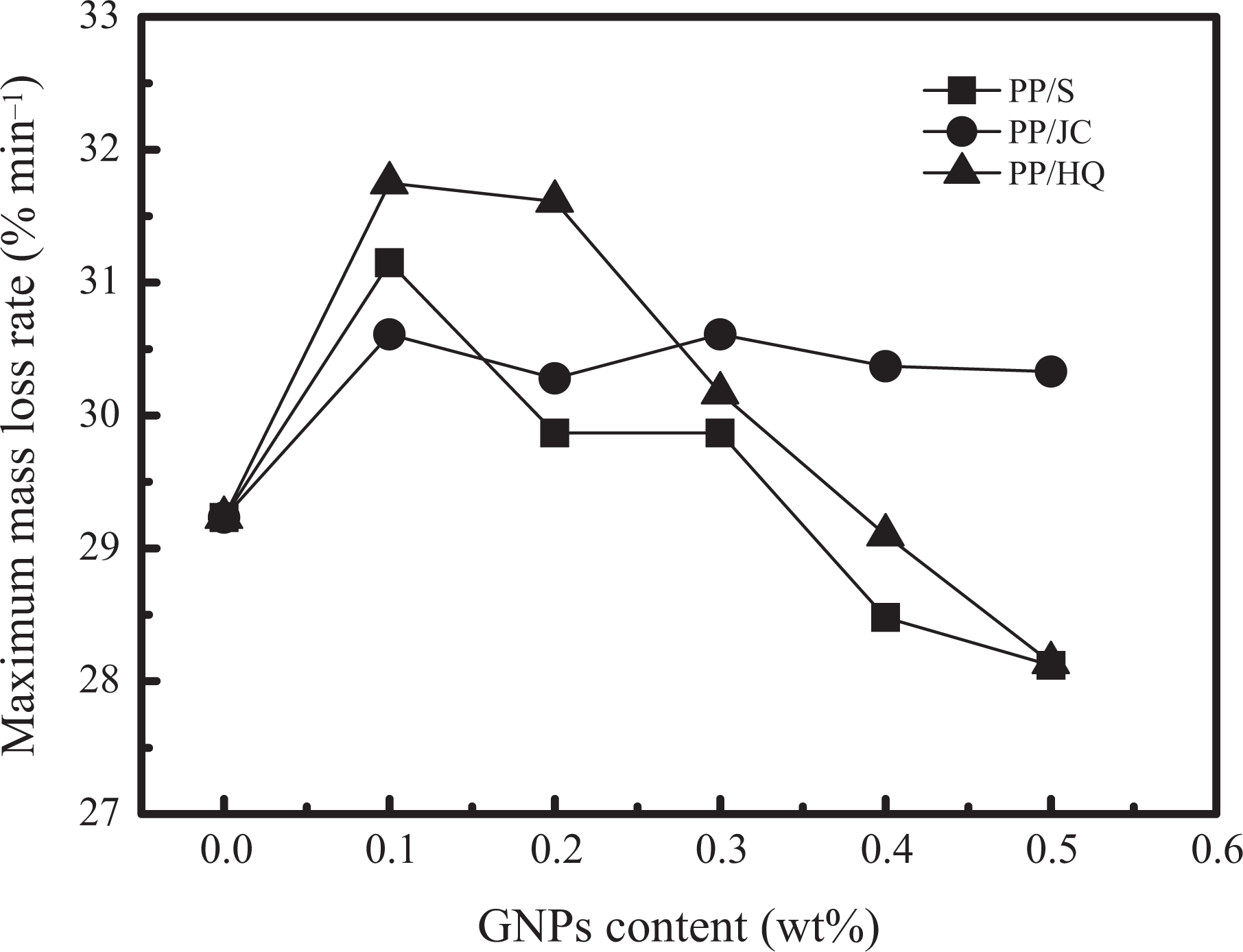
Dependence of maximum mass loss rate on GNPs weight fraction. GNP: graphene nanoplatelets.
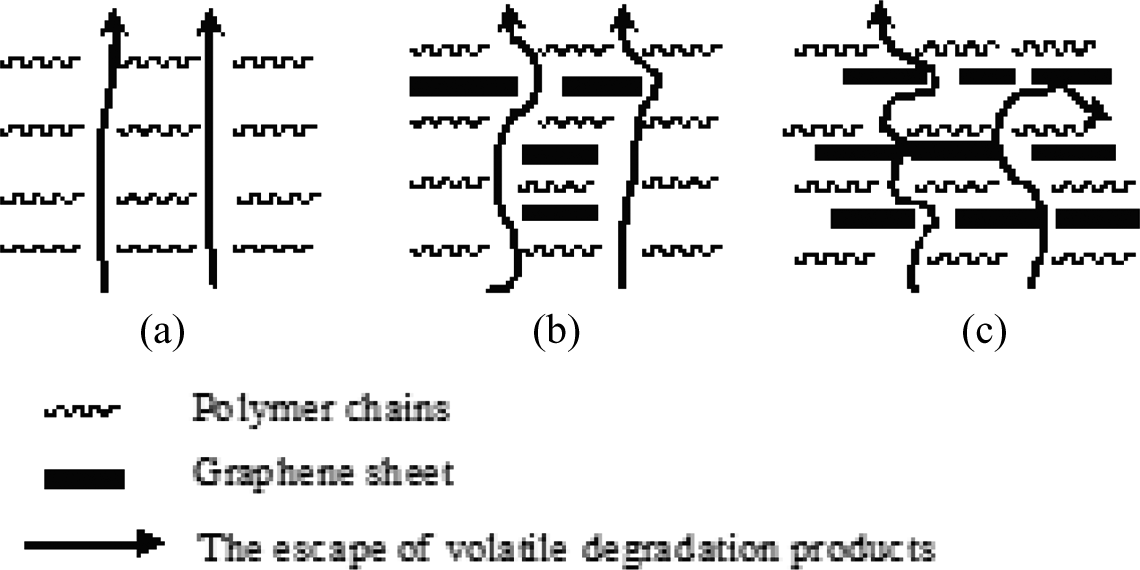
Influence of GNPs content on mass transport barrier effect. GNP: graphene nanoplatelets.
The amount of the residues (remained carbon in the composite after the TGA test) can reflect both the thermal stability of the composites and the dispersion status of the inclusions in the resin matrix. For the PP/GNPs composites, the residues should be mainly the GNPs. The amount of the residues in the composite remaining after TGA test can be determined from the TGA curves (Figure 1). Figure 15 displays the correlation between the residues of the three PP composites after the specimen TGA test and the GNPs weight fraction at 500°C. It can be seen that the values of the residues of the three composite systems increase with increasing the GNPs weight fraction. Moreover, it can also be observed that some measured data deviate slightly from the calculated values. The reason for this deviation phenomenon should be attributed to the following two aspects: (1) the uniformity of the GNPs in the PP matrix and (2) the purity of the GNPs and the PP resin.
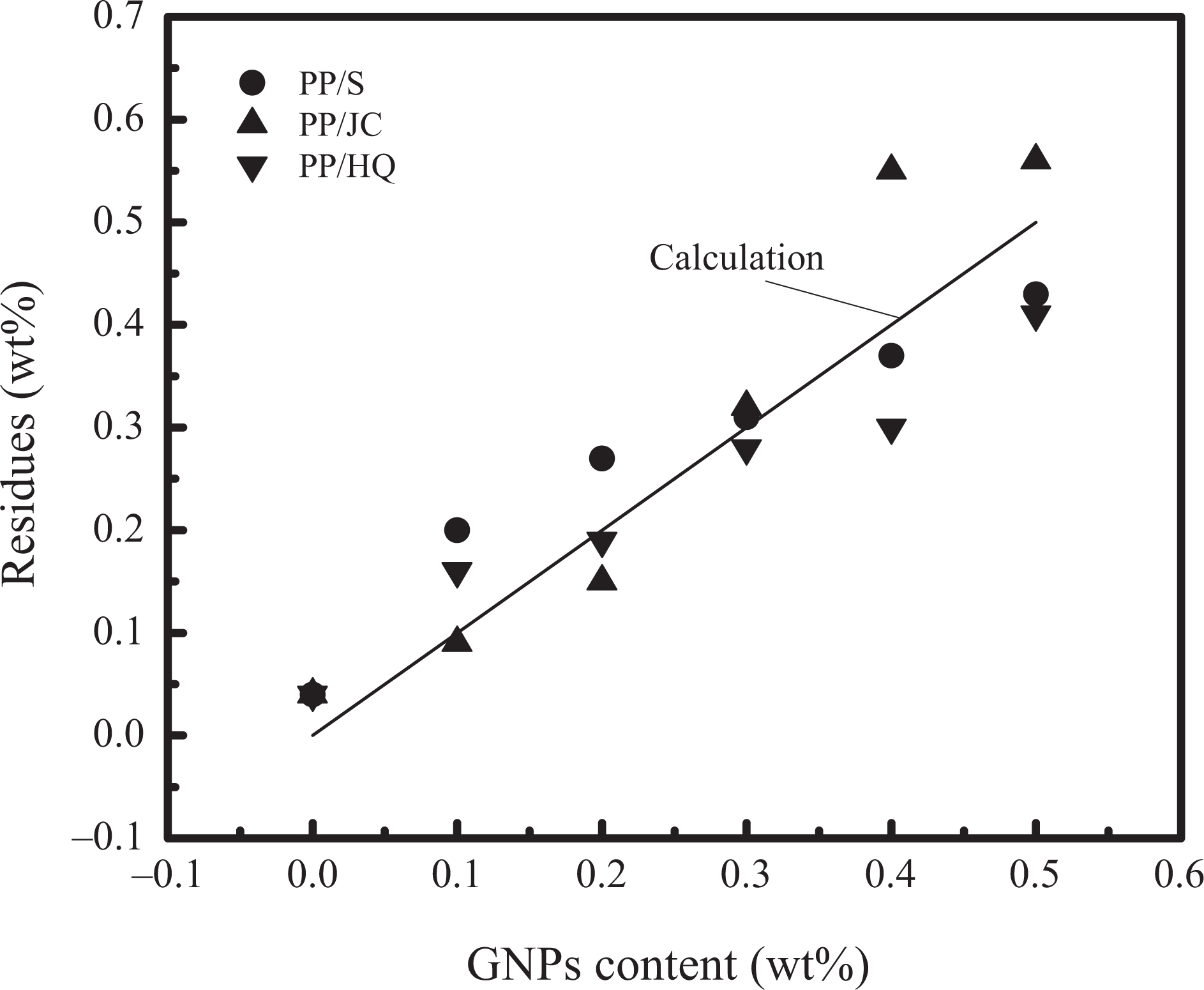
Correlation between residues and GNPs weight fraction at 500°C. GNP: graphene nanoplatelets.
Although the formation of the GNPs network in the matrix can increase the heat transfer effect, the barrier effect of these thin sheet layers is enhanced at the same time due to the formation of the GNPs network. In other words, there is a competition mechanism between the barrier effect and heat transfer effect in the PP/GNPs composite systems. Consequently, the thermal decomposition rate depends, to a great extent, upon this competition.
Conclusions
The effects of the size and content of the GNPs on the thermal properties and thermal stability of the filled PP composites were significant. It was found that the values of the temperature at melting peak of the composites were higher than that of the unfilled PP, and the values of the temperature at a melting peak increased with increasing the GNPs weight fraction in the case of low filler concentration; the values of the onset decomposition temperature and the maximum mass loss rate increased when the GNPs weight fraction was lower than 0.2 wt% and then decreased with increasing GNPs weight fraction. The residues also increased with increasing GNPs weight fraction. Therefore, the greater the transverse dimensions of the GNPs, the higher were the decomposition temperature of the composites. In addition, the influence of the GNPs thickness on the decomposition temperature was insignificant. There was a competition mechanism between the barrier effect and heat transfer effect in the PP/GNPs composite systems. The improvement of the thermal stability of the PP/GNPs composites could be attributed to the barrier effect due to the formation of the tortuous paths of GNPs in the PP matrix.
Footnotes
Acknowledgement
The authors would like to thank for the support from The Research Committee of The Hong Kong Polytechnic University.
Declaration of conflicting interests
The author(s) declared no potential conflicts of interest with respect to the research, authorship, and/or publication of this article.
Funding
The author(s) received no financial support for the research, authorship, and/or publication of this article.