




Abstract
A macroinitiator was prepared by copolymerization of styrene (St) with 7-methacryloyloxy-4-chloromethylcoumarone (MAOCMC). Grafting studies of coumarone with methyl methylacrylate were carried out in the presence of the macroinitiator poly(7-methacryloyloxy-4-chloromethylcoumarone-co-styrene) and with the catalyst of copper(I) bromide/2,2′-bipyridyne at 110°C. The activation energy valuations of graft copolymers acquired by Coats–Redfern, Tang and Flynn–Wall–Ozawa methods were designated to be 212.69, 214.44 and 223.57 kJ mol−1, respectively. For the outcomes were compared with these valuation differential methods and discrepant integral were used. In terms of experiential outcomes, the reaction mechanism was a dimensional diffusion (Dn) deceleration type in the transformation range worked.
Keywords
Introduction
(Meth)Acrylic copolymers have reached foremost significance in a variety of ways in industrial practices. 1 – 3 For instance, copolymers comprising altered coumarone are used in the manufacture of superb fluorescent properties with high photoluminescence (PL) quantum efficiency, superb photostableness and ample spectrum range. 4,5
They are widely used in the areas of polymer science, medicine, laser dyes and biology. 6 Furthermore, copolymerization is beneficial and a significant way to advance novice materials. Copolymerization modifies both intermolecular and the intramolecular powers executed among polymer fragments. Hence, certain properties, such as, the glass transition temperature and the procedural decomposition temperatures with respect to thermal degradation may diversify within ample limits. 7 Because of the compatibilization ingredients in polymer blends, thermoplastic elastomers, surfactants, adhesives and adjuvants in high-impact materials, graft copolymers have been used in industrial practices and widely worked. 8 Grafting reactions have been used along with atom transfer radical polymerization to generate diversified graft copolymers in which the polymer involves a pendent group with atom transfer radical polymerization (ATRP) initiator functionality, like benzylic halides, α-halocarbonyls and aromatic sulphonyl chlorides. 9 Activated carbon–halogen (C-X) bond with many of the organic compounds can be used qua ATRP initiators. Allyl, 10 adenosine and uridine, 11 thiol, 12 acid 13 and hydroxyl 14 groups have been accomplishedly introduced into polymer ends by cautiously selecting the matching initiators. Some novice functional initiators were also offered by discrepant research groups. Bipyrridine, 15 oxazoline, 16 pyrrole, 17 norbornenyl, 18 aldehyde, 19 sole-walled carbon nanotubes, 20 pyrene 21 and N,N-dimethylaniline 22 were used as functional initiators to prepare end-capped polymers. However, they were seldom considered as light sensitive initiators. Thermal degradation works for polymers are required since many practices rely on their thermal stability. Owing to its frugality and the knowledge provided by an ordinary thermogram, thermogravimetric analysis is a technique broadly used. 23 Knowledge about the kinetics of decomposition and the mechanism function may be acquired and the kinetic data acquired from thermogravimetric analysis may be used as criteria for the choice of a polymer with suitable experiential procedures. The kinetic parameters of degradation process, like activation energies, the rate fixed, Arrhenius pre-exponential factors and reaction orders can be evaluated in light of data registered from thermograms.
In this article, a photosensitive ATRP initiator and graft copolymers were prepared using ATRP method. The evident activation energy (Ea) and the kinetics of the thermal degradation mechanism of polymers were investigated in discrepant heating rates.
Experiential section
Materials
Before use, styrene (St) and methyl methacrylate (MMA) were distilled under vacuum. 2,2′-bipyridyne (bpy), copper(I) bromide (CuBr), 2,2′-azobisisobutyronitrile, tetrahydrofuran (THF), dichloromethane and ethanol were used without further purification.
Instrumentation
Infrared spectra were registered on a Perkin–Elmer Spectrum One Fourier transform infrared spectroscopy (FTIR; Waltham, Massachusetts, USA) spectrometer. Proton nuclear magnetic resonance ( 1 H NMR) spectra was acquired on a 400 MHz Bruker AVIII 400 machines (Billerica, Massachusetts, USA), using tetramethylsilane as an interior standard and deuterated chloroform as the solvent. Ultraviolet–visible (UV–vis) spectra were registered using a Shimadzu spectrophotometer (Japan). Thermal stability studies were carried out on a Shimadzu thermal gravimetric analyzer (TGA)-50 thermobalance under nitrogen (N2) flow with a heating rate of 10°C min−1.
Synthesis of macroinitiator poly(7-methacryloyloxy-4-chloromethylcoumarone-co-styrene) (P(MAOCMC-co-St))
Synthesis of poly(7-methacryloyloxy-4-chloromethylcoumarone-co-styrene) (P(MAOCMC-co-St)), was carried out by free radical copolymerization. MAOCMC 24 in the copolymer was 5% (by mole) lean upon peak integrations at 4.57 ppm (–CH2–Cl) and 6.46–7.25 ppm (aromatic protons) in the 1 H NMR spectrum. The copolymer was refined and dried, dissolved in dichloromethane, and reprecipitated into ethanol. Then, the copolymer was dried under vacuum at 40°C for 24 h.
Synthesis of graft copolymers by ATRP
Atom transfer radical graft copolymerizations were carried out in a 25-mL flask equipped with a condenser. The necessary amount of the macroinitiator P(MAOCMC-co-St) was dissolved in dichloromethane, and the following were then added to the solution: the suitable monomer (methyl methacrylate), macroinitiator, the catalyst 2,2′-bipyridyl and CuBr at a mole ratio of 100:1:2:1, respectively. The solution contained similar molar amounts of group MAOCMC and CuBr. Argon gas was moved through the solution for 15 min. The polymerization flask was permitted to react at 110°C for the required time, after which, the graft copolymer was precipitated into slender acidic ethanol. The graft copolymers, poly((7-methacryloyloxy-4-chloromethylcoumarone-co-styrene)-g-(methylmethacrylate)) P[(MAOCMC-co-St)-g-MMA], were cleansed from dichloromethane solution by reprecipitating with slender acidic ethanol.
Thermal decomposition kinetics
The practice of dynamic TGA methods keeps huge procurement as a tool for untying the mechanisms of chemical and physical process that happen throughout polymer degradation. Isothermal decomposition reactions of solid state can be denoted as follows:

where α is the level of transformation, A is the pre-exponential factor (min−1), T is the absolute temperature (K), R is the gas fixed (8.314 J mol−1 K−1), f (α) and E is the activation energy (kJ mol−1) is a function rely on the reaction mechanism. The rearranging of equation (1) and the integration of both sides of the equation gives rise to the following denotation:

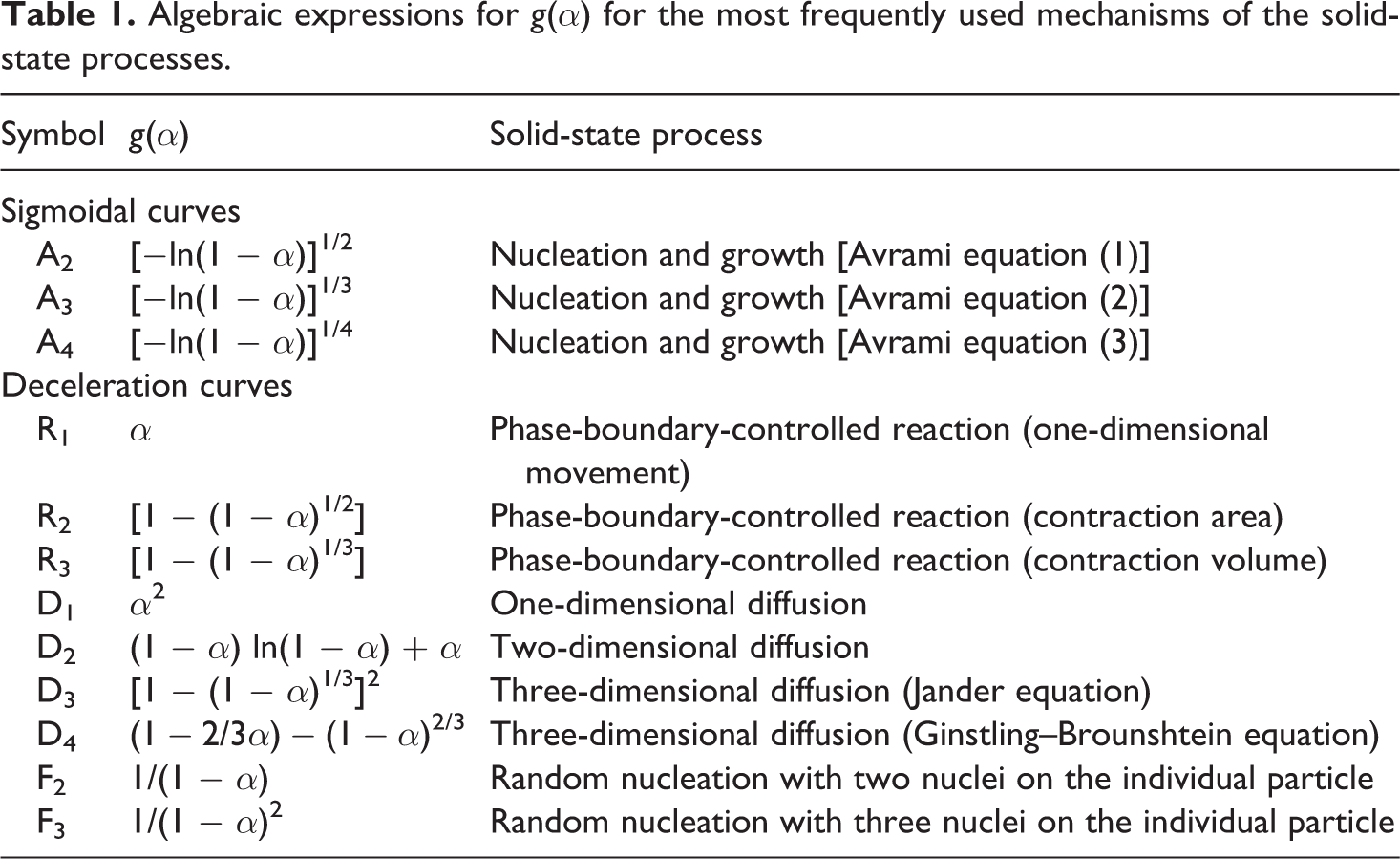
where g(α) is the integral function of transformation. In polymers, the degradation process conforms to either a retardation function or a sigmoidal function and Tp corresponds peak temperature and αp is a level of transformation at peak temperature. Table 1 indicates that discrepant denotations of g(α) for the dissonant solid-state mechanisms. 25 –27
Algebraic expressions for g(α) for the most frequently used mechanisms of the solid-state processes.
Flynn–Wall–Ozawa method
This method which can designate the Ea without knowledge of the reaction order was derived from the integral method. It is used to designate the Ea for serving transformation valuations.
28,29
Along with the Doyle approximation,
30
equation (2) may then be integrated to serve the following in a logarithmic form:

The Ea for dissonant transformation valuations can be conjectured from a plot of ln β versus 1000/T.
Tang method
With an approximation formula used and with the logarithms of the side taken for the solution of equation (2), the following equation can be acquired:

Plots of 1/T versus ln(β /T1.894661) yield a group of straightaway lines. The Ea can be acquired from the slope of −1.001450E/R of the regression line. 31
Coats–Redfern method
An asymptotic approach for the resolution of equation (2) uses the Coats–Redfern method:
32

The Ea for each degradation process listed in Table 1 can be designated from a plot of 1000/T versus ln g(α).
Results and discussion
Synthesis and characterization of the macroinitiator
In this study, in order to carry out one-armed grafting on P(MAOCMC-co-St), resulting in P[(MAOCMC-co-St)-g-MMA] (Figure 1). Consequently, it was found that the chloro group in the macroinitiator was to be in ratio of 5% (by mole). The macroinitiator for ATRP, P(MAOCMC-co-St), was acquired by copolimerization. Characteristic bands of the phenyl in styrene units at 3050 and 3075 cm−1 (=C–H stretching vibration), at 1602 cm−1 (C=C stretching vibration) and 756 and 700 cm−1 (=C–H out-of-plane bending of phenyl ring) were observed. Figure 2 indicates that the FTIR spectra of P(MAOCMC-co-St) has a characteristic absorbance at 1737 cm−1 (C=O stretching vibration), 3073 (–CH stretching of the aromatic ring), 2986 (–CH3), 1737 (broad, C=O in ester), 1614 (C=C stretching of the aromatic ring), 1230 (asymmetric C–O–C) and 1142 (symmetric C–O–C). 1454 cm−1 and 1496 cm−1 were assigned to typical C–C vibrations of the polystyrene chain. 33
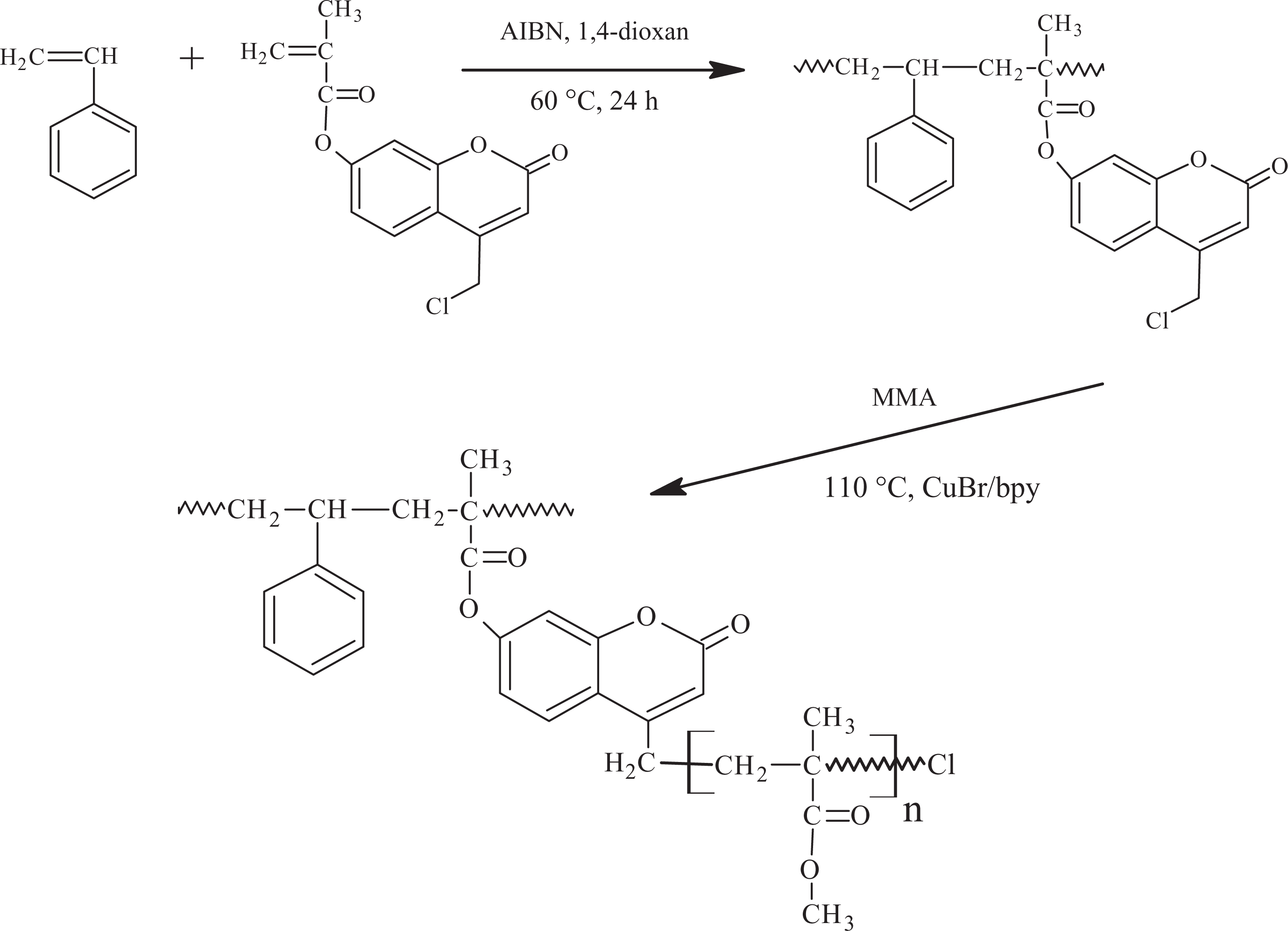
Synthesis of macroinitiator and graft copolymers.
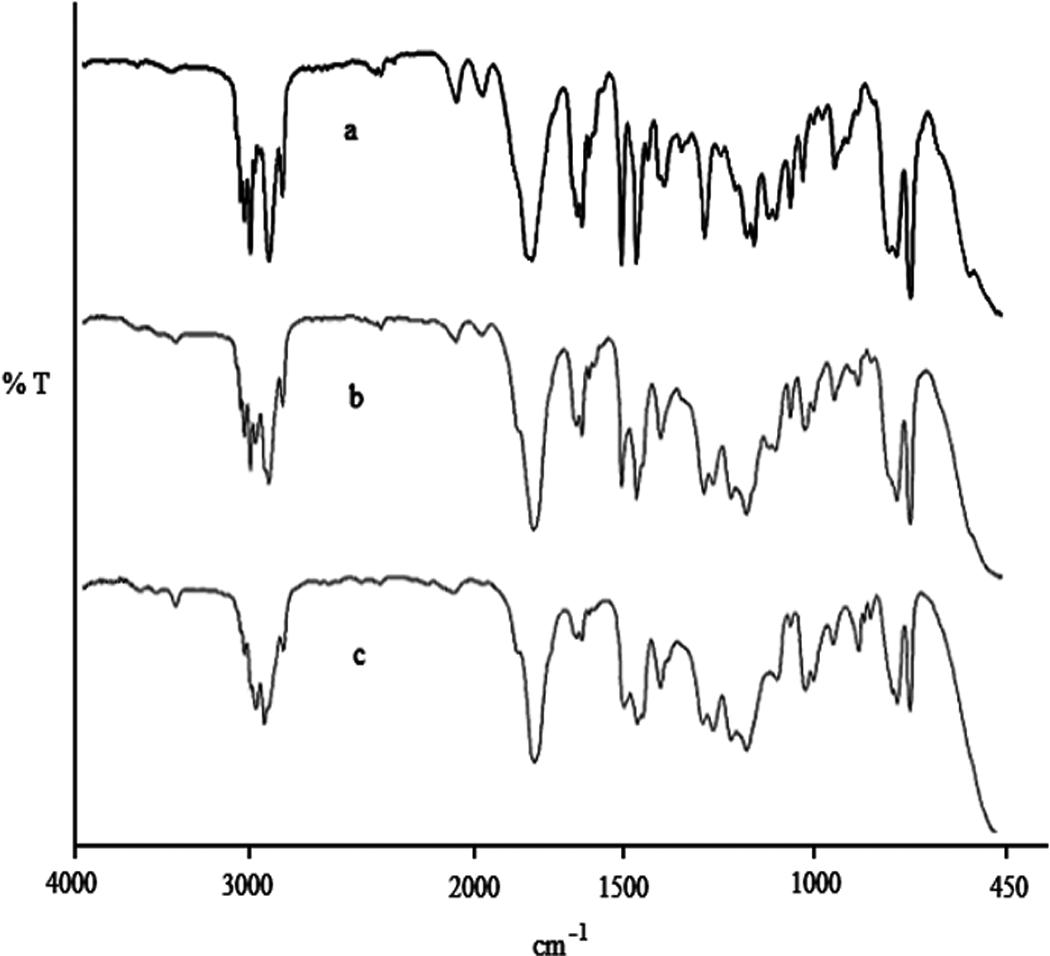
The FTIR spectra of (a) P(MAOCMC-co-St), (b) P[(MAOCMC-co-St)-g-MMA] after 30 h of grafting and (c) P[(MAOCMC-co-St)-g-MMA] after 60 h of grafting. FTIR: Fourier transform infrared spectroscopy; P(MAOCMC-co-St): poly(7-methacryloyloxy-4-chloromethylcoumarone-co-styrene); P[(MAOCMC-co-St)-g-MMA]: poly((7-methacryloyloxy-4-chloromethylcoumarone-co-styrene)-g-(methylmethacrylate)).
Synthesis and characterization of the graft copolymers
The macroinitiator, P(MAOCMC-co-St), was used to initiate ATRP of MMA in the presence of the catalyst CuBr/bpy at 110°C in THF (1 mL per 0.1 g of the macroinitiator). The molar ratio of chloromethyl group (CH2–Cl):CuBr:bpy used in all grafting reactions was 1:1:2. The carbonyl band at 1737 cm−1 (C=O) of the macroinitiator shifted to 1731 cm−1 (stretching vibration of C=O in MMA units) after a grafting of 30 h and 60 h (Figure 2). 1 H NMR spectrum of P[(MAOCMC-co-St)-g-MMA] after 30 h and 60 h of reaction indicates characteristic signals at 1.80 ppm (–CH2–C in MMA units), 3.70 ppm (–O–CH3 in MMA units), and 1.0 and 0.85 ppm (CH3 protons on the MMA chain), which gained intensity over time. The other assignments are presented in detail in Figure 3.
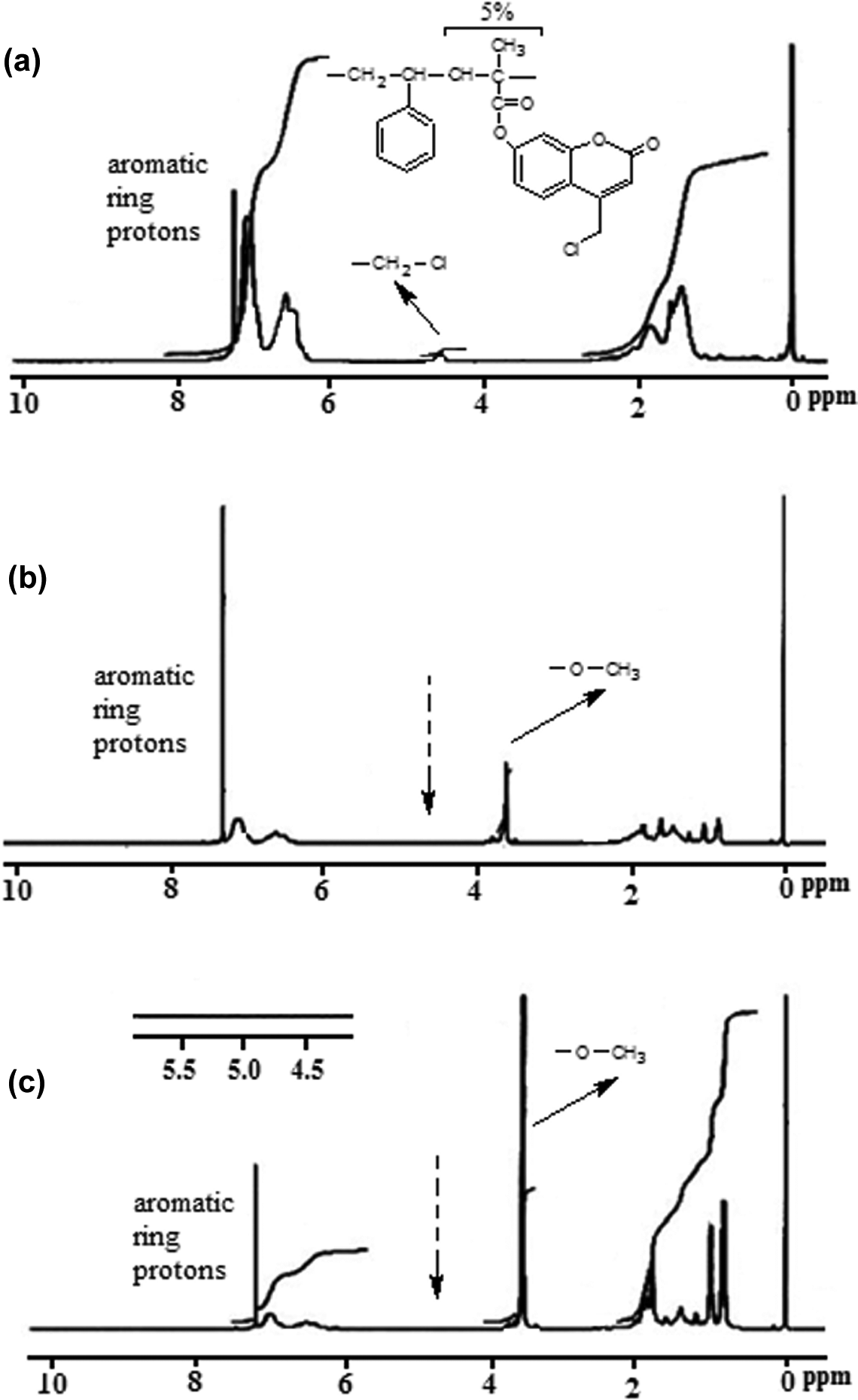
The 1 H NMR spectra of (a) P(MAOCMC-co-St), (b) P[(MAOCMC-co-St)-g-MMA] after 30 h of grafting and (c) P[(MAOCMC-co-St)-g-MMA] after 60 h of grafting. 1 H NMR: proton nuclear magnetic resonance; P(MAOCMC-co-St): poly(7-methacryloyloxy-4-chloromethylcoumarone-co-styrene); P[(MAOCMC-co-St)-g-MMA]: poly((7-methacryloyloxy-4-chloromethylcoumarone-co-styrene)-g-(methylmethacrylate)).
UV–vis spectra of the P(MAOCMC-co-St) and P[(MAOCMC-co-St)-g-MMA] after 30 h and 60 h of reaction indicates UV–vis absorption at 320 nm. The UV–vis absorption of graft polymers (λmax = 320 nm) decreased after grafting reactions. The other assignments are presented in detail in Figure 4.
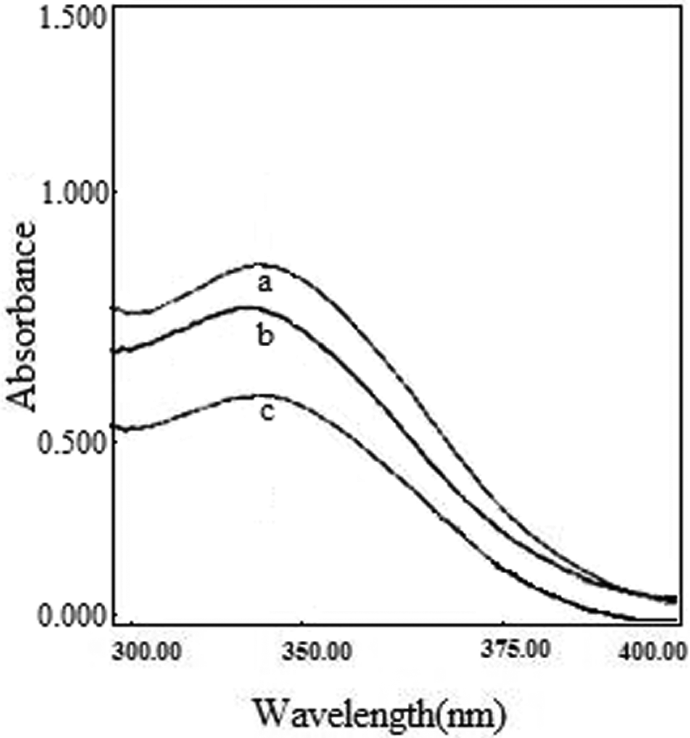
The UV–vis spectra of (a) P(MAOCMC-co-St), (b) P[(MAOCMC-co-St)-g-MMA] after 30 h of grafting and (c) P[(MAOCMC-co-St)-g-MMA] after 60 h of grafting. UV–vis: ultraviolet–visible; P(MAOCMC-co-St): poly(7-methacryloyloxy-4-chloromethylcoumarone-co-styrene); P[(MAOCMC-co-St)-g-MMA]: poly((7-methacryloyloxy-4-chloromethylcoumarone-co-styrene)-g-(methylmethacrylate)).
Thermal decomposition kinetics
Thermal decomposition curves of the graft copolymers and macroinitiator were carried out at discrepant heating rates of 5, 15, 25, and 35°C min−1. After complete degradation, the initial decomposition temperature, decomposition temperature at 50% weight loss, weight loss (%) at 300°C and 350°C and residual mass at 500°C were designated from these curves and are presented in Tables 2 to 4.
TGA data of macroinitiator at different heating rates.
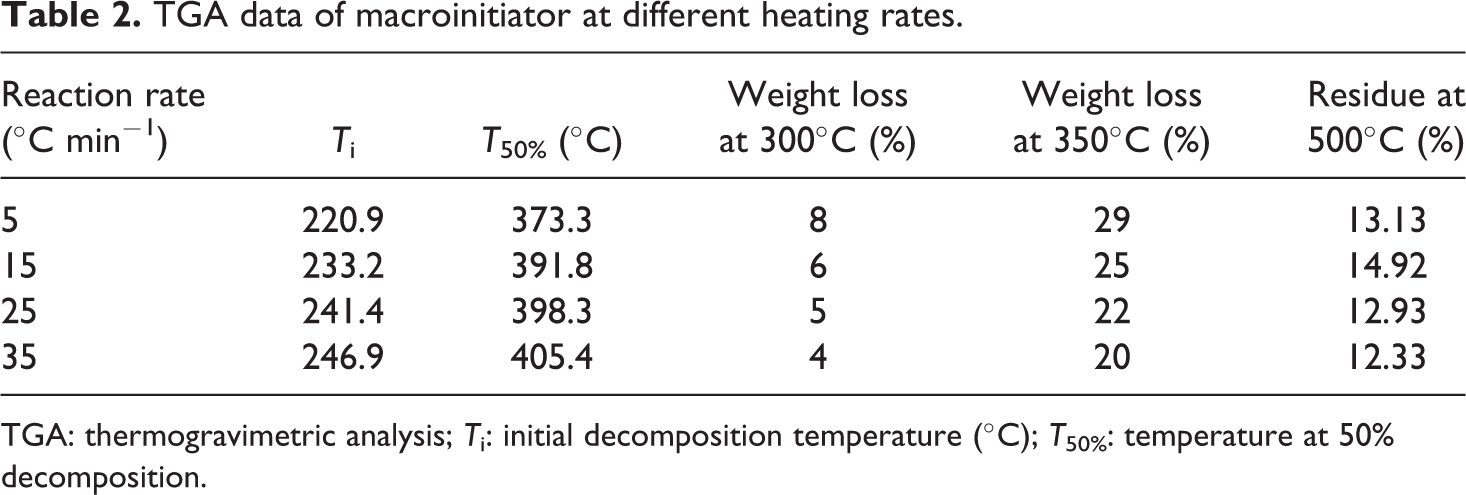
TGA: thermogravimetric analysis; Ti: initial decomposition temperature (°C); T50%: temperature at 50% decomposition.
TGA data of graft copolymer (30 h) at different heating rates.
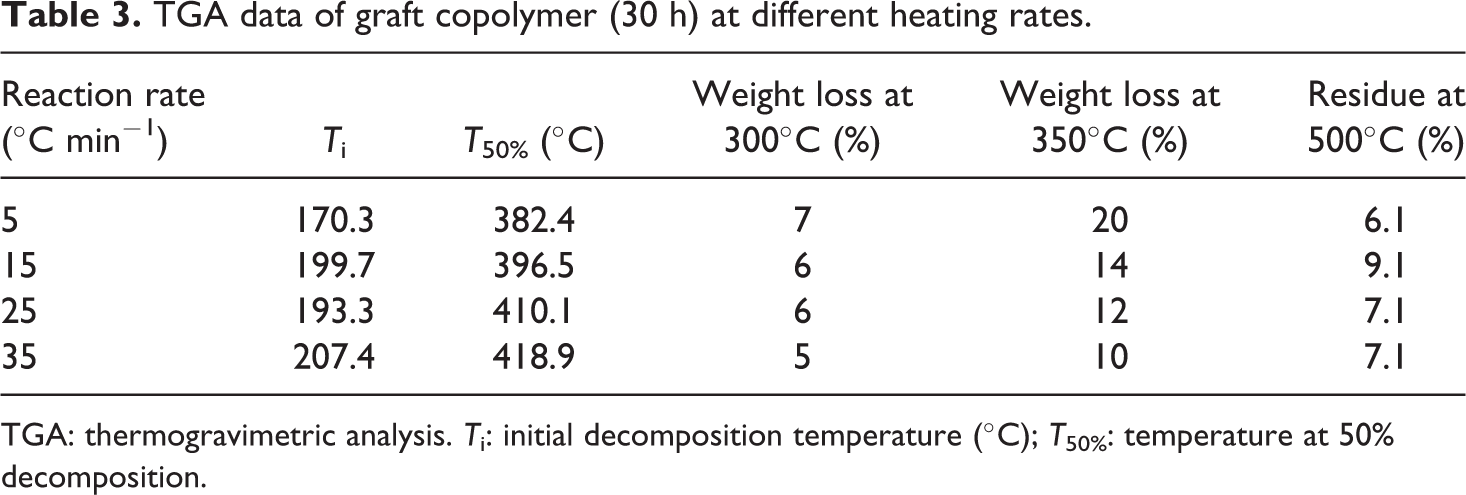
TGA: thermogravimetric analysis. Ti: initial decomposition temperature (°C); T50%: temperature at 50% decomposition.
TGA data of graft copolymer (60 h) at different heating rates.
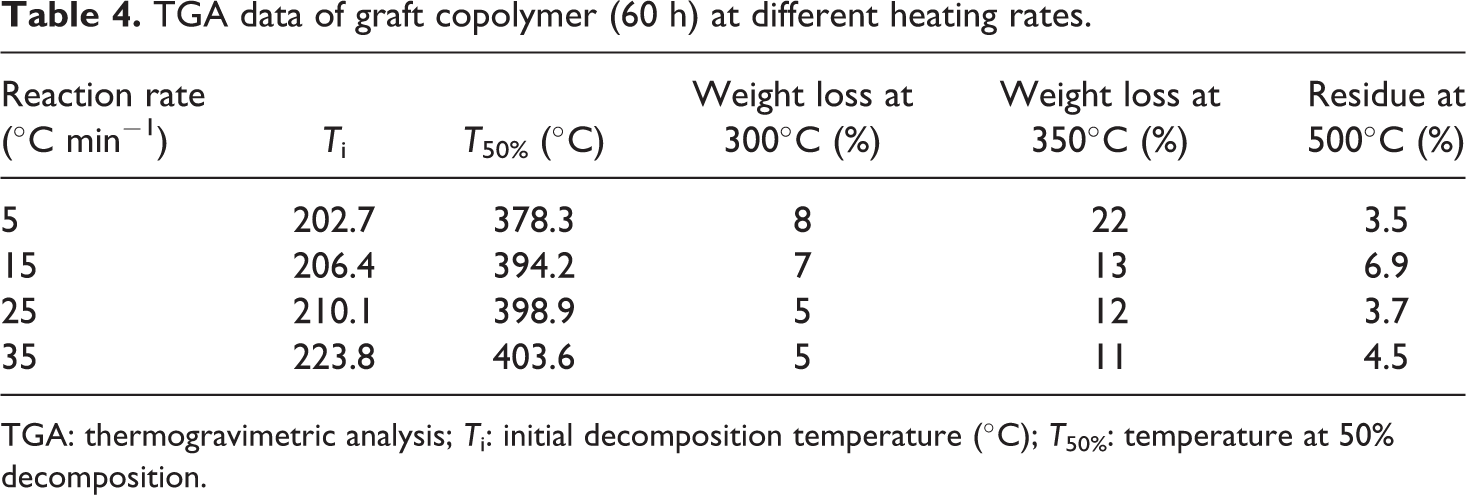
TGA: thermogravimetric analysis; Ti: initial decomposition temperature (°C); T50%: temperature at 50% decomposition.
These curves indicate that, for graft copolymer (60 h) at 500°C, the residue decreased 3.5% with a 5°C min−1 heating rate. The 10°C min−1 intervals between measurements were chosen to avoid the imbrication of inflection point temperatures. 27 The Ea can be designated with the Flynn–Wall–Ozawa (FWO) method (equation (3)) from a linear suiting of 1000/T versus log β at discrepant transformations. Since this equation was derived from the Doyle approach, just transformation valuations in the range of 5–20% can be used. For this study, we used the transformation valuations of 3, 5, 7, 9, 12, 15 and 18%. Figures 5 to 7 indicate that the suiting straightaway lines are almost parallel, thus indicating the applicability of this method to our polymer in the transformation range worked. 34 Tables 5 to 7 indicate that the activation energies corresponding to the discrepant transformations conjectured with the FWO method. A mean value of 309.69 (macroinitiator), 307.34 (graft copolymer 30 h) and 213.44 (graft copolymer 60 h) kJ mol−1 were found from these valuations.
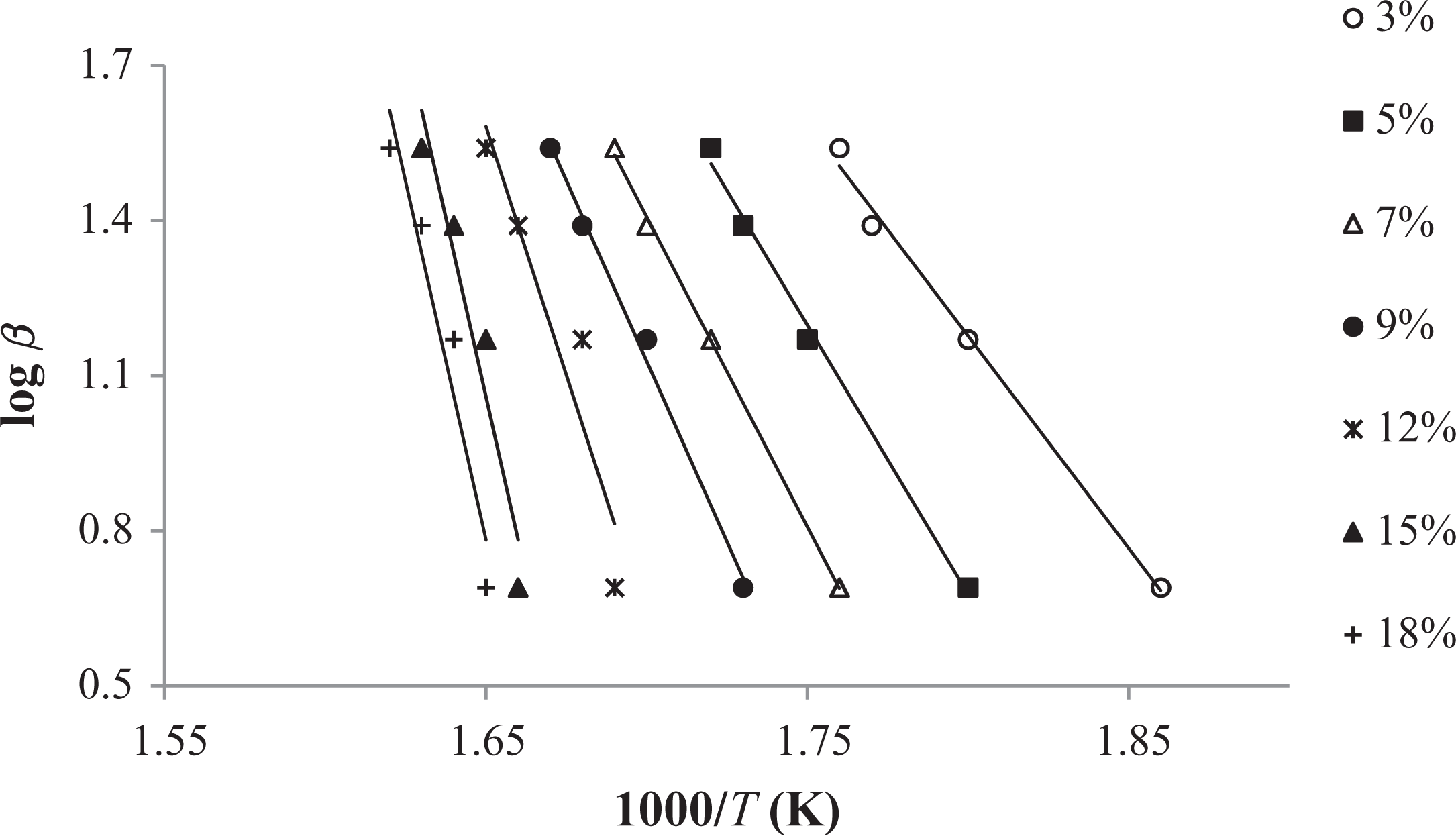
FWO method applied to the experimental data (3–18%) of macroinitiator. FWO: Flynn–Wall–Ozawa.
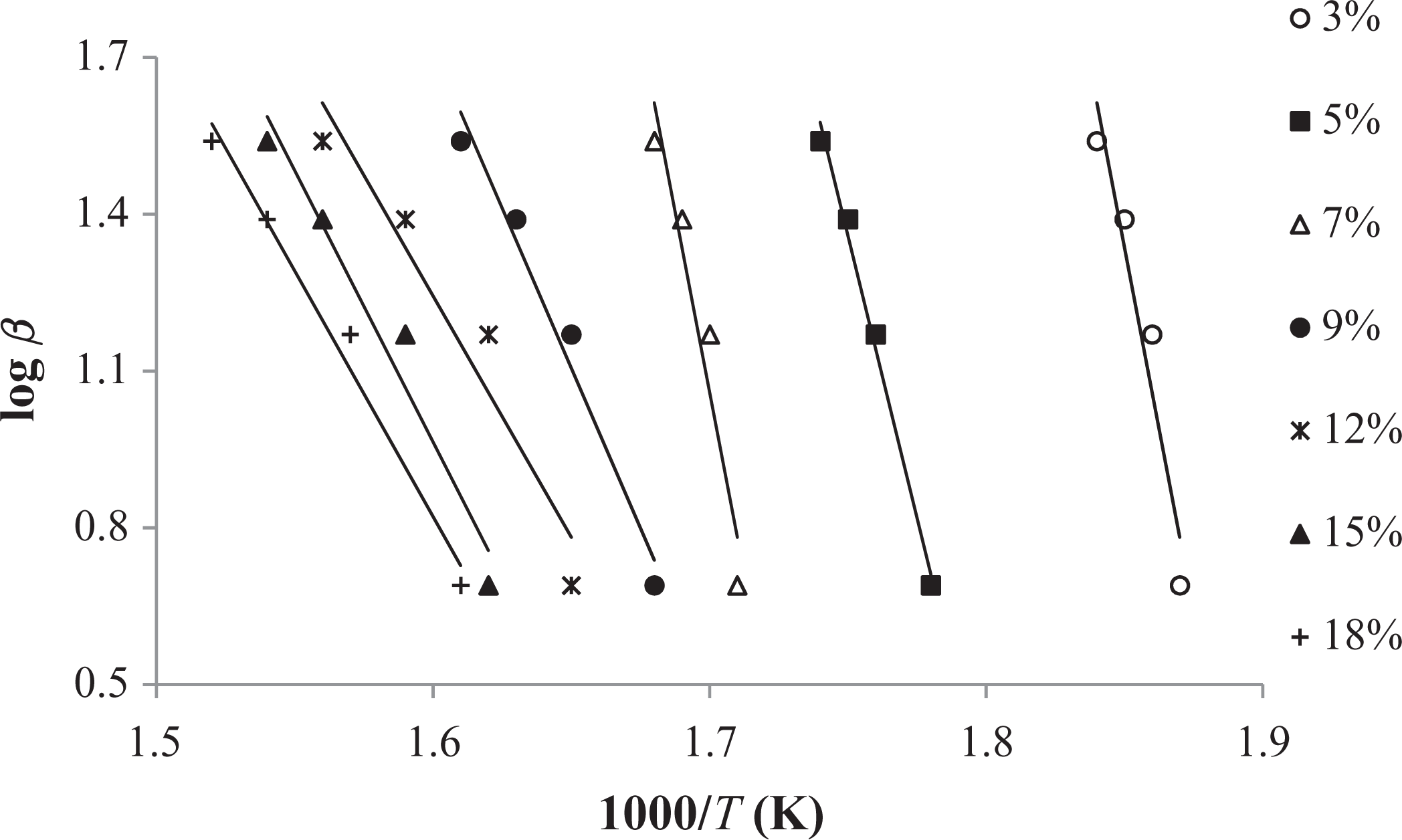
FWO method applied to the experimental data (3–18%) of graft copolymer (30 h). FWO: Flynn–Wall–Ozawa.
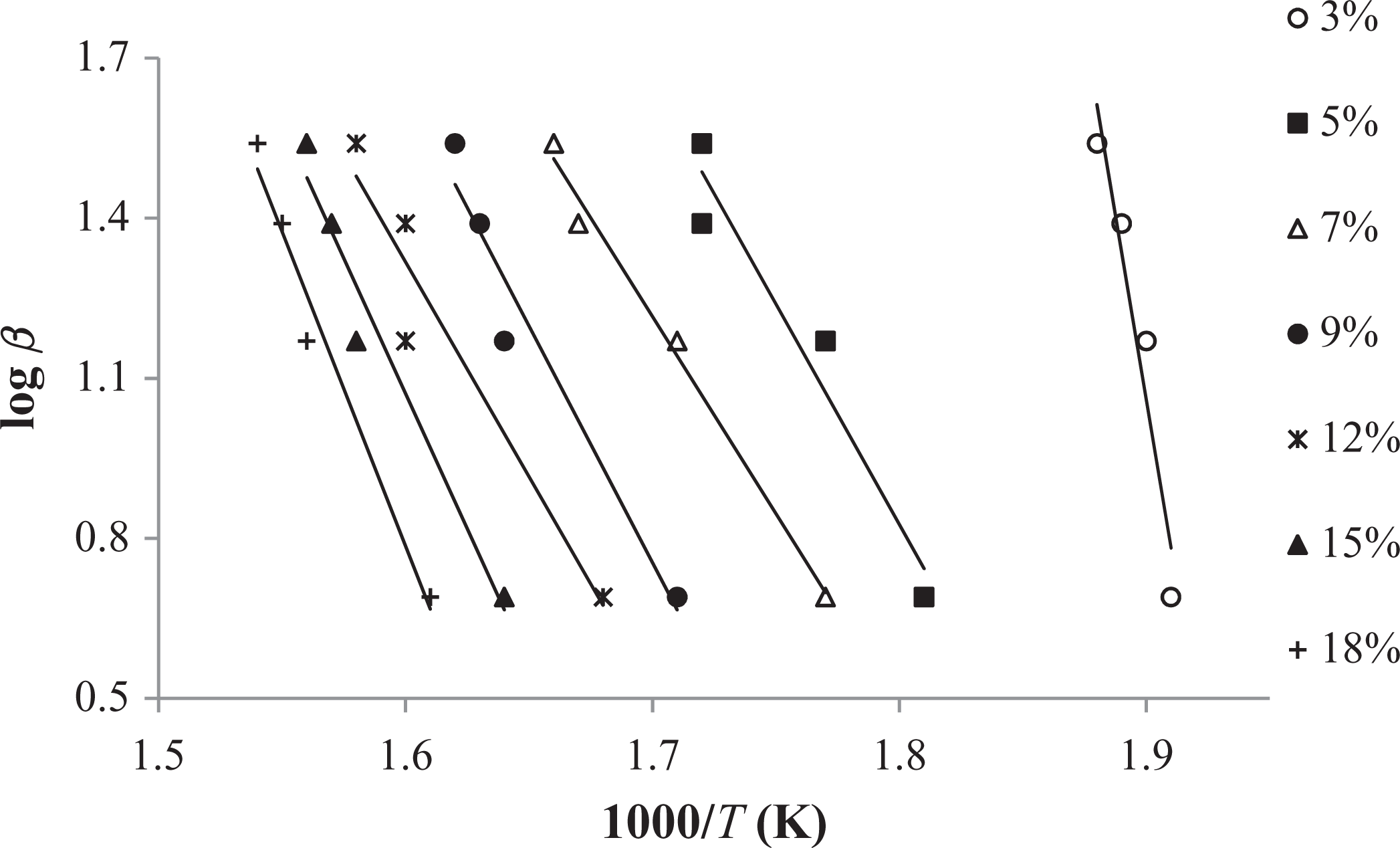
FWO method applied to the experimental data (3–18%) of graft copolymer (60 h). FWO: Flynn–Wall–Ozawa.
Ea values of macroinitiator obtained with the FWO and Tang methods.
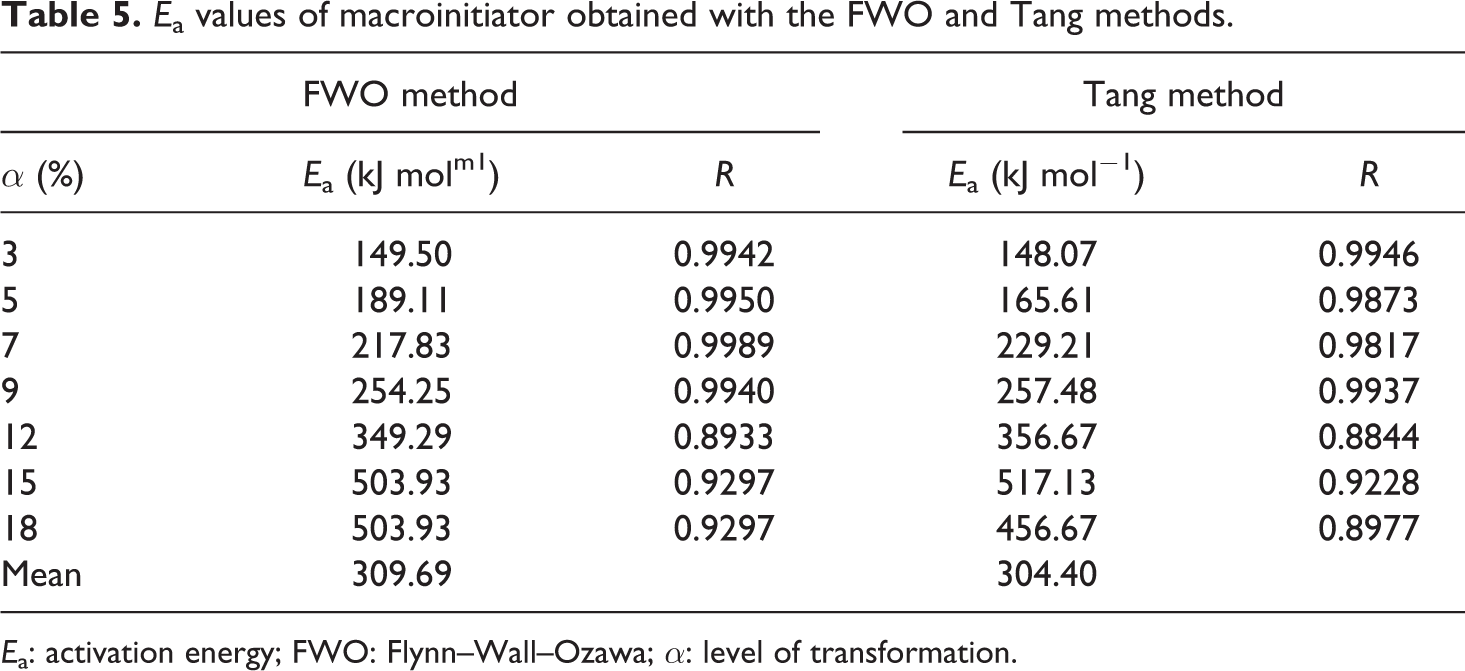
Ea: activation energy; FWO: Flynn–Wall–Ozawa; α: level of transformation.
Ea values of graft copolymer (30 h) obtained with the FWO and Tang methods.
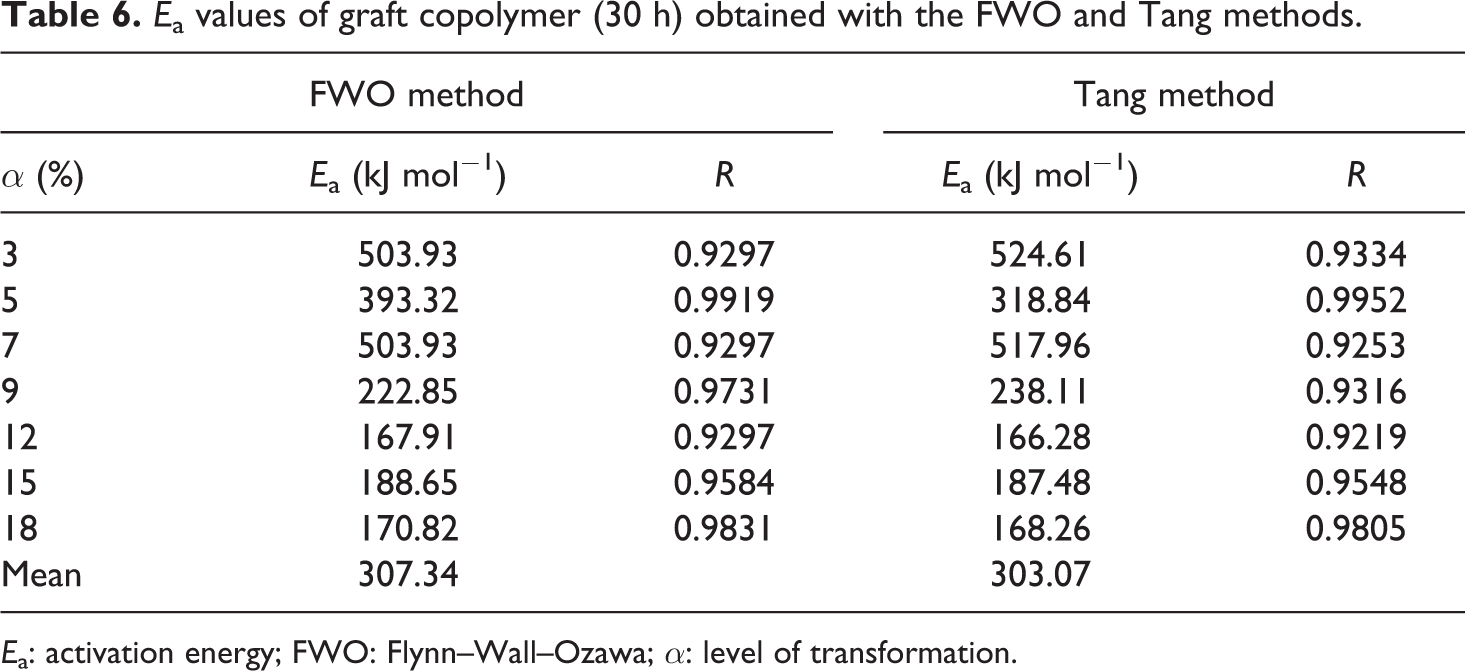
Ea: activation energy; FWO: Flynn–Wall–Ozawa; α: level of transformation.
Ea values of graft copolymer (60 h) obtained with the FWO and Tang methods.
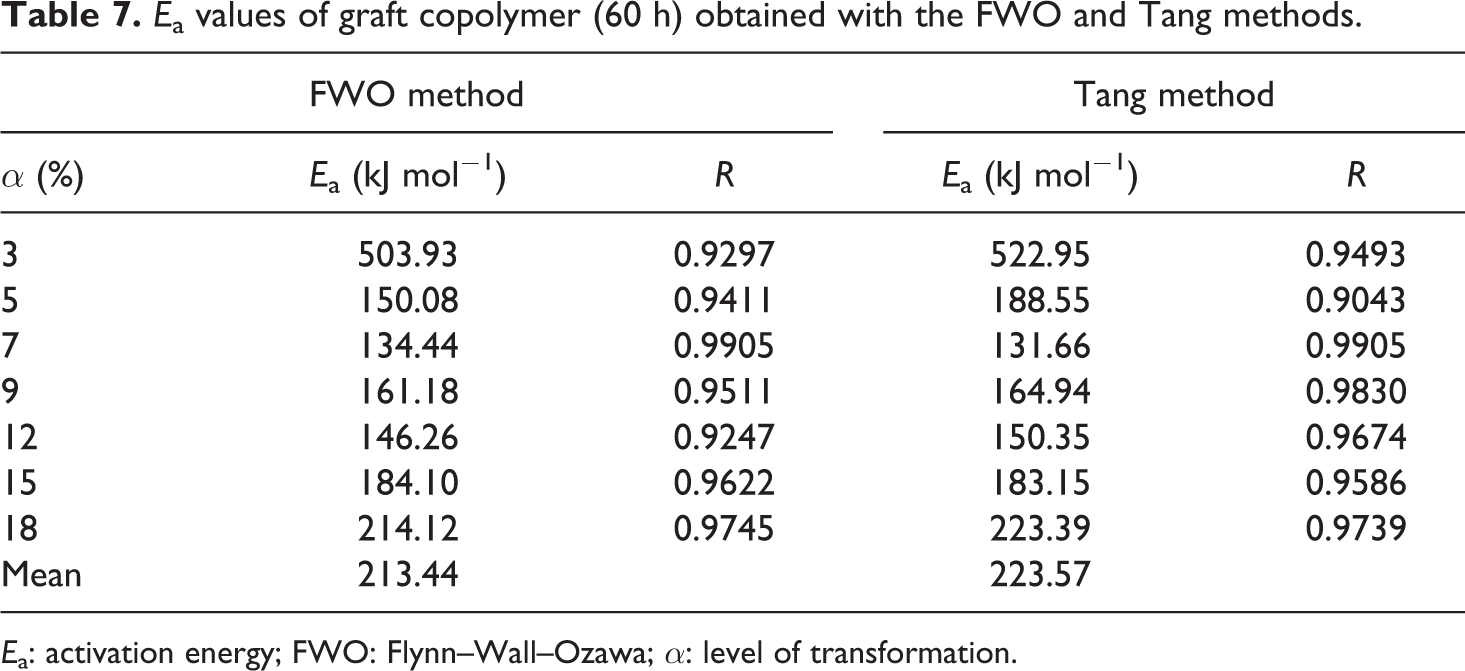
Ea: activation energy; FWO: Flynn–Wall–Ozawa; α: level of transformation.
For the detection of Ea, some other isotransformation method used in this study was the Tang method. So far, as this method (using equation (4)), the Ea can be conjectured from a plot of 1000/T versus ln (β/T1.894661) suit to a straightaway line. Figures 8 to 10 indicate the suiting straightaway lines designated by the Tang method applied to the experiential data at diversified transformation valuations in the range of 3–18%.
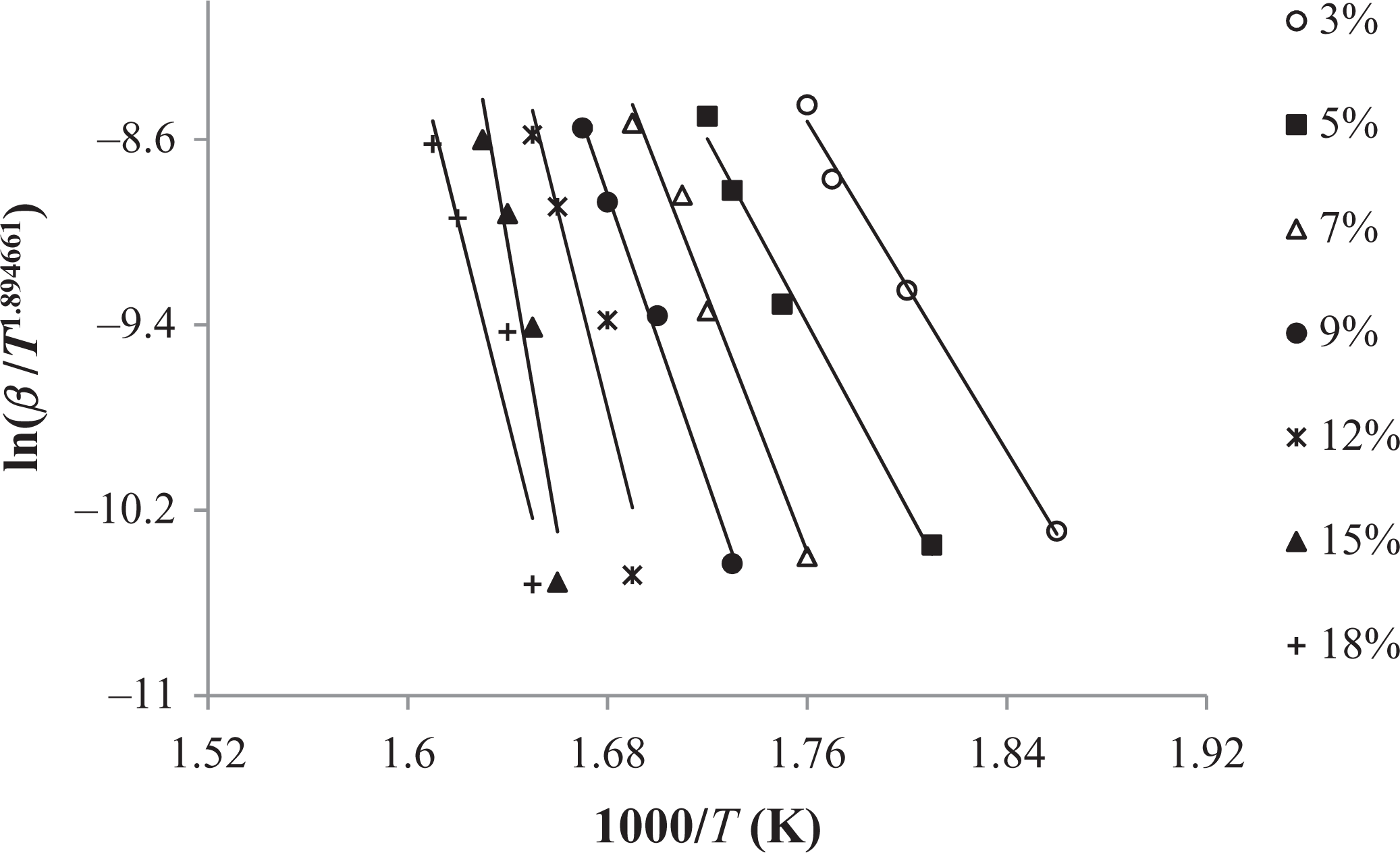
Tang method applied to the experimental data (3–18%) of macroinitiator.
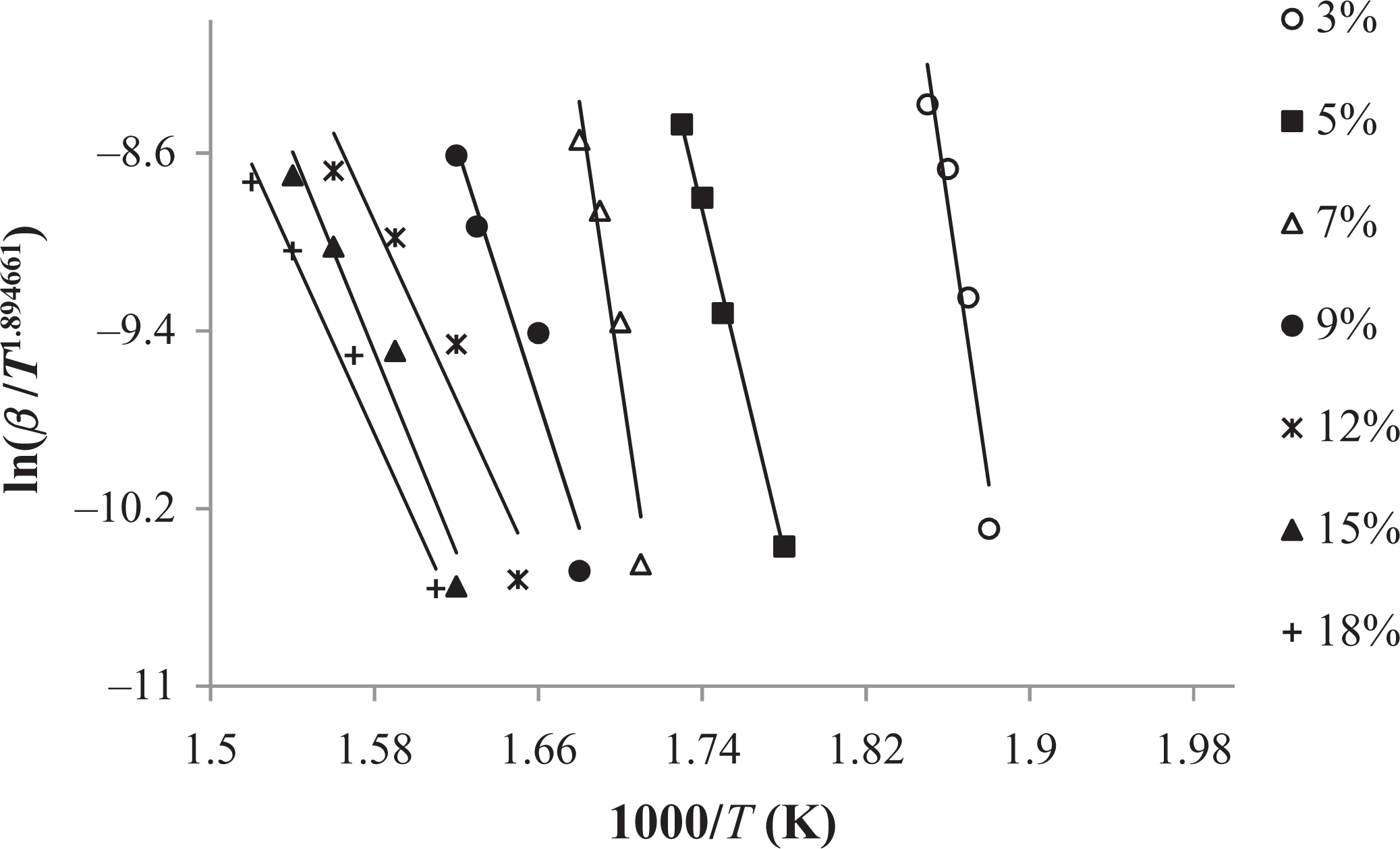
Tang method applied to the experimental data (3–18%) of graft copolymer (30 h).
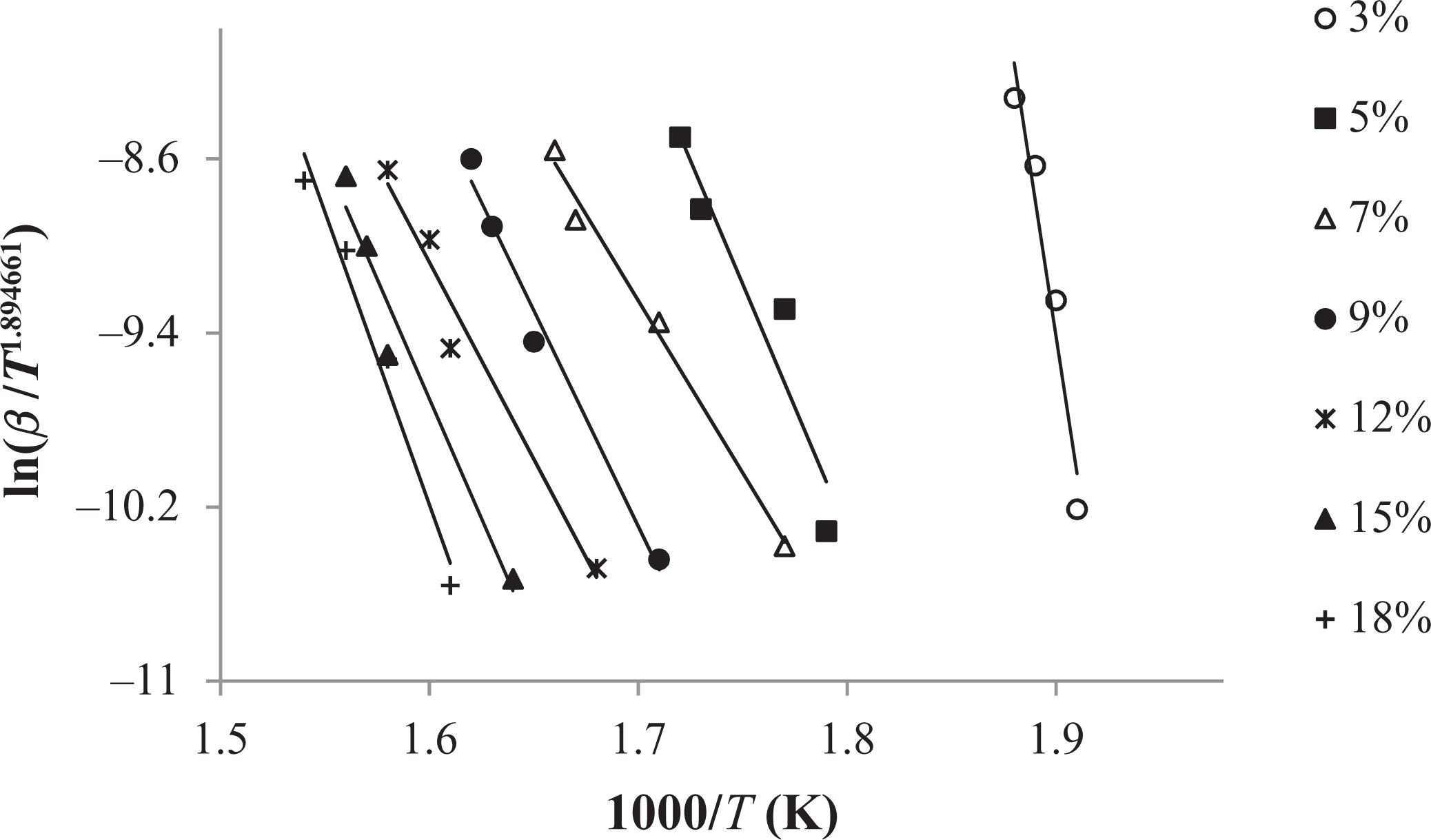
Tang method applied to the experimental data (3–18%) of graft copolymer (60 h).
The conjectured outcomes are summarized in Tables 5 to 7. The mean value of the Ea was very contiguous to the valuation acquired with the FWO method.
In comparison to other methods, Tang and FWO methods are advantageous, because they don’t require previous knowledge of the reaction mechanism for designating the Ea. These methods have been used by some authors, for control of a mechanism of thermodegradation models. 35
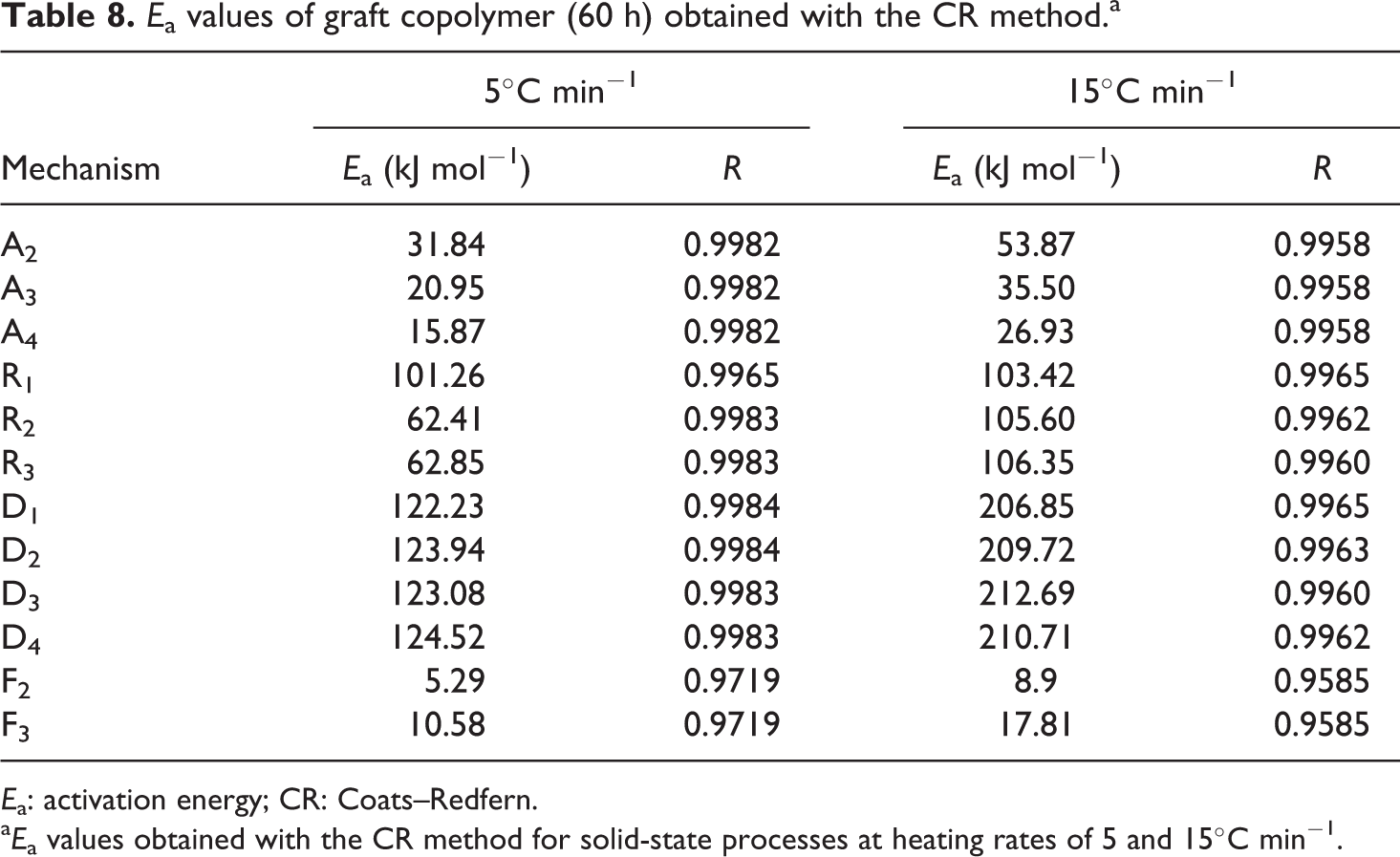
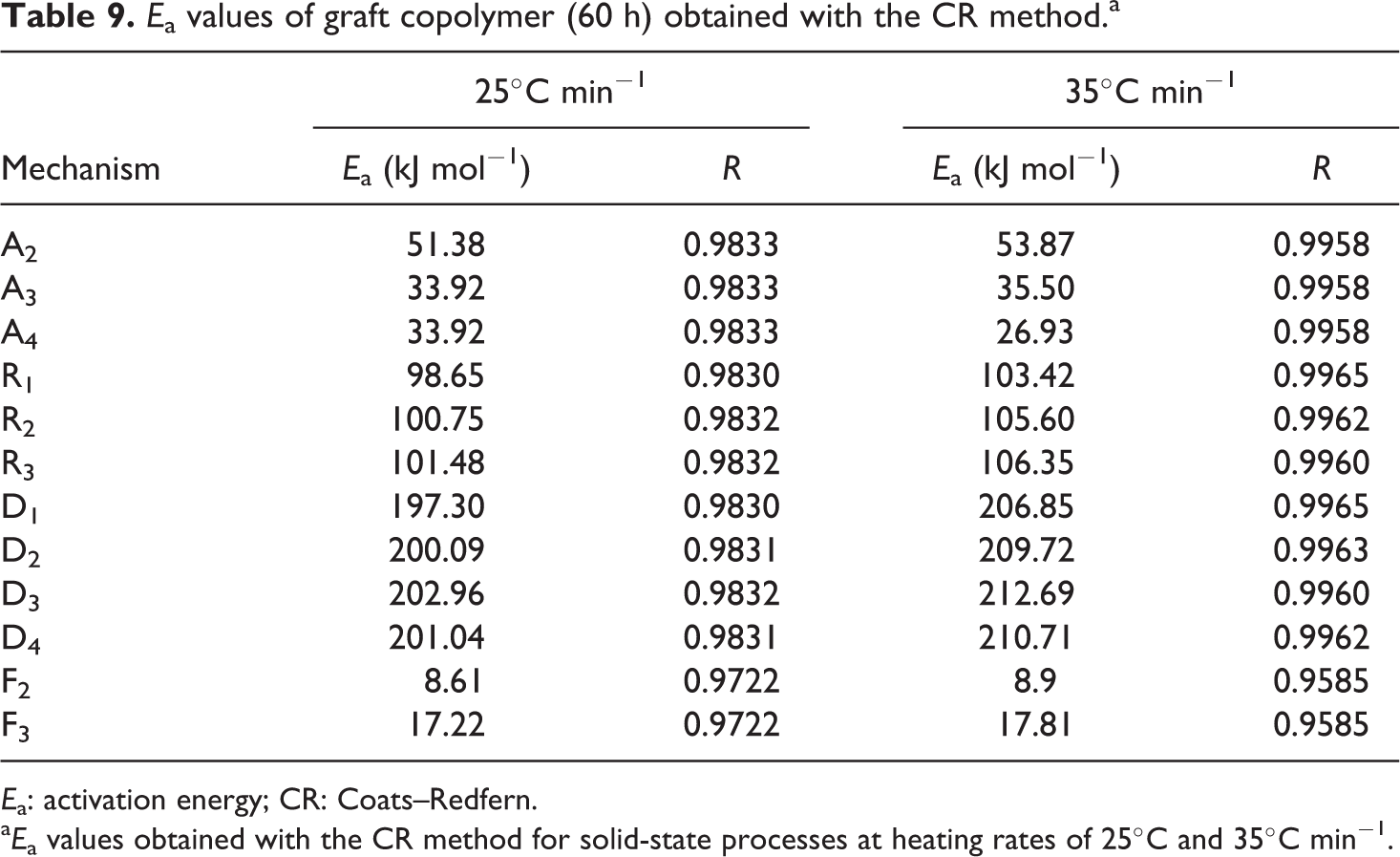
The Ea for each g(α) function listed in Table 1 was offered by Coats and Redfern using equation (5). These valuations were acquired at fixed heating rates from the suiting of 1000/T ln [g (α)/T2] plots. In this study, we used similar transformation valuations. Tables 8 and 9 indicate correlations for transformations in the range of 3–18% at fixed heating rates of 5, 15, 25 and 35°C min−1 and Ea. At all the heating rates, these tables indicate that, the Ea are in better agreement with those acquired using the FWO method that corresponded to a Dn type mechanism.
Ea values of graft copolymer (60 h) obtained with the CR method.a
Ea: activation energy; CR: Coats–Redfern.
aEa values obtained with the CR method for solid-state processes at heating rates of 5 and 15°C min−1.
Ea values of graft copolymer (60 h) obtained with the CR method.a
Ea: activation energy; CR: Coats–Redfern.
aEa values obtained with the CR method for solid-state processes at heating rates of 25°C and 35°C min−1.
Conclusions
The ATRP macroinitiator was prepared by copolymerization of St with MAOCMC. The grafting of the macroinitiator with MMA was carried out at 110°C. The FTIR and 1 H NMR data confirmed the structures of all the graft copolymers and the starting materials. The thermal stability of the graft copolymers (30 h and 60 h) indicated higher thermal stability. The thermal degradation kinetics of the polymers was also investigated with diversified methods of TGA. The Ea valuations of the graft copolymer acquired by Tang, FWO and CR methods were designated to be 223.57, 214.44 and 212.69 kJ/mole, respectively. The analysis of the outcomes acquired using CR method indicated that the degradation mechanism of graft copolymer under N2 atmosphere is a dimensional diffusion mechanism in transformation range worked. It is noted that a diffusion type kinetic model is proposed here. This kinetic model is very rare in polymer degradation studies and has been reported in the studies that thermal degradation of polyethylene and polyphenol which have a diffusion kinetic model. 36,37
Footnotes
Declaration of Conflicting Interests
The author(s) declared no potential conflicts of interest with respect to the research, authorship, and/or publication of this article.
Funding
The author(s) disclosed receipt of the following financial support for the research, authorship, and/or publication of this article: The authors wish to thank FUBAP-1792 for financial support of this project.