




Abstract
Carbon fiber (CF)-reinforced polyimide (PI) has been widely used in many engineering fields because of its high specific strength and stiffness. However, PI does not adhere well with CFs because it has low free surface energy. In addition, high viscosity in the melted phase causes poor impregnation. In this study, surface treatment methods, that is, coupling agents (CAs) with plasma treatment on CFs, were applied to increase the interfacial strength between the CFs and the PI matrix. The modified CF surfaces were analyzed by X-ray photoelectron spectroscopy and scanning electron microscopy. To analyze the effectiveness of the surface treatment method, the interlaminar shear strength (ILSS) was measured using the three-point bending test. From the test results, the ILSS of the specimens treated with the silane CA after the plasma treatment increased by 48.7% compared with the untreated specimens.
Introduction
As a result of growing potential for high-performance applications, continuous fiber-reinforced thermoplastic matrix composites are becoming a greater interest in the industry. 1–3 Among various thermoplastic polymers, polyimide (PI) is one of the most promising materials for the matrix because of its high flexural strength and low density. 4 Carbon fiber (CF)-reinforced PI has been widely used in many engineering fields because of its high specific strength and stiffness. However, PI exhibits poor interfacial adhesion with CFs because of low surface energy and a chemically inert surface. In addition, in its melted phase, PI is very viscous and has difficulty in impregnating dry fiber structures, such as fabrics. Interfacial debonding occurs at the places where the interfacial bonding strength between the CF and PI matrix is the weakest. Therefore, various approaches have been investigated to increase the interfacial adhesion between the CFs and PI. 5–7
The functionalization of PI with polar molecules is the most attractive method to improve adhesion and compatibility. 8–10 However, the functionalization of PI such as maleic anhydride-grafted PI leads to a decrease in the molecular weight. If the molecular weight of the PI becomes too low, the functionalized PI becomes quite brittle with reduced strength and stiffness. 11
The surface treatment of the fiber is another way to increase the interfacial adhesion except the functionalization of resin. Several techniques of surface treatments on fibers have been used to improve the interfacial strength such as wet oxidation, sizing, whiskerization, thermal treatments, and coupling agent (CA) treatments. These surface modification methods either enhance the number of reactive functional groups or increase the surface roughness of the fiber to increase the physical bonding with the matrix. CA treatment is one of the most common methods for fiber surface treatment. 12–13 Silane CAs improve interfacial strength between the glass fibers and the matrix.
Silane CAs form alkoxysilane groups, which, after hydrolysis, are capable of reacting with hydroxyl groups on the surface. There is a wide range of available functionalities in the organofunctional group. This organofunctional group is responsible for improving the compatibility between the reinforcing material and the polymer matrix and can also establish covalent bonds between them. The interpenetrating polymer network that is formed between the organofunctional group of silane and the polymer matrix increases the interfacial strength in the case of thermoplastic resin, which is a difficult chemical bonding material. An interpenetrating polymer network is defined as a blend of two physically cross-linked polymers. It does not necessarily involve cross-linking of the silane or other CA and the polymer matrix. 14
However, the silane CAs are not effective when applied to CFs because the CF does not contain a hydroxyl group. However, the hydroxyl group can be attached on the fiber surface by plasma and wet chemical or electrochemical oxidation treatments. On the other hand, the plasma treatment is the simplest method and does not generate as many by-products as the others. The plasma oxidation treatment often leads to the introduction of polar groups. Researchers have confirmed with X-ray photoelectron spectroscopy (XPS) measurements that this may occur, even when using inert gases.
In this study, the effect of a combined silane CA/plasma treatment at atmospheric pressure on CFs in a PI composite matrix reinforced with CF fabrics was investigated. The surface morphology and mechanical properties of CFs treated with plasma and a silane CA surface treatment were characterized using scanning electron microscopy (SEM) and single-filament tensile tests. The surface composition change of the CF surfaces with respect to the plasma treatment was investigated using XPS. The interlaminar shear strength (ILSS) of the CF/PI composites with the surface treatment method was measured using the short beam shear test.
Experiments
Surface treatments
Polyacrylonitrile-based CF fabric (12k plain weave, AKSA, Istanbul, Turkey) sized with bisphenol A diglycidyl ether epoxy by the manufacturer was used as the composite reinforcing material. The average diameter of the CF is 7 μm. The silane CA, 3-methacryloxy propyltrimethoxy silane (KBM-503, Shin-Etsu Chemical Co. Ltd, Tokyo, Japan), was used for the treatment.
Silane CA treatment
According to the manufacturer’s recommendation, 1 wt% of the silane CA was prepared in distilled water. The pH of the CA solution was brought to 4.2 by adding acetic acid. The solution was stirred for 1 h before use to ensure complete silane hydrolysis. The fabrics were immersed in the silane CA solution for 20 min, and the treated fabrics were dried in air at 80°C for 1 h.
Plasma treatment
The plasma system used in this study consisted of a gas handling system, an atmospheric pressure plasma reactor, and a power supply. It consisted of a reactor chamber for plasma treatment and a high-voltage generator. The reactor chamber consisted of a pair of parallel disk electrodes with a diameter of 70 mm and a pair of quartz plates with a thickness of 2 mm. The upper electrode was connected to the high-voltage generator (Figure 1).
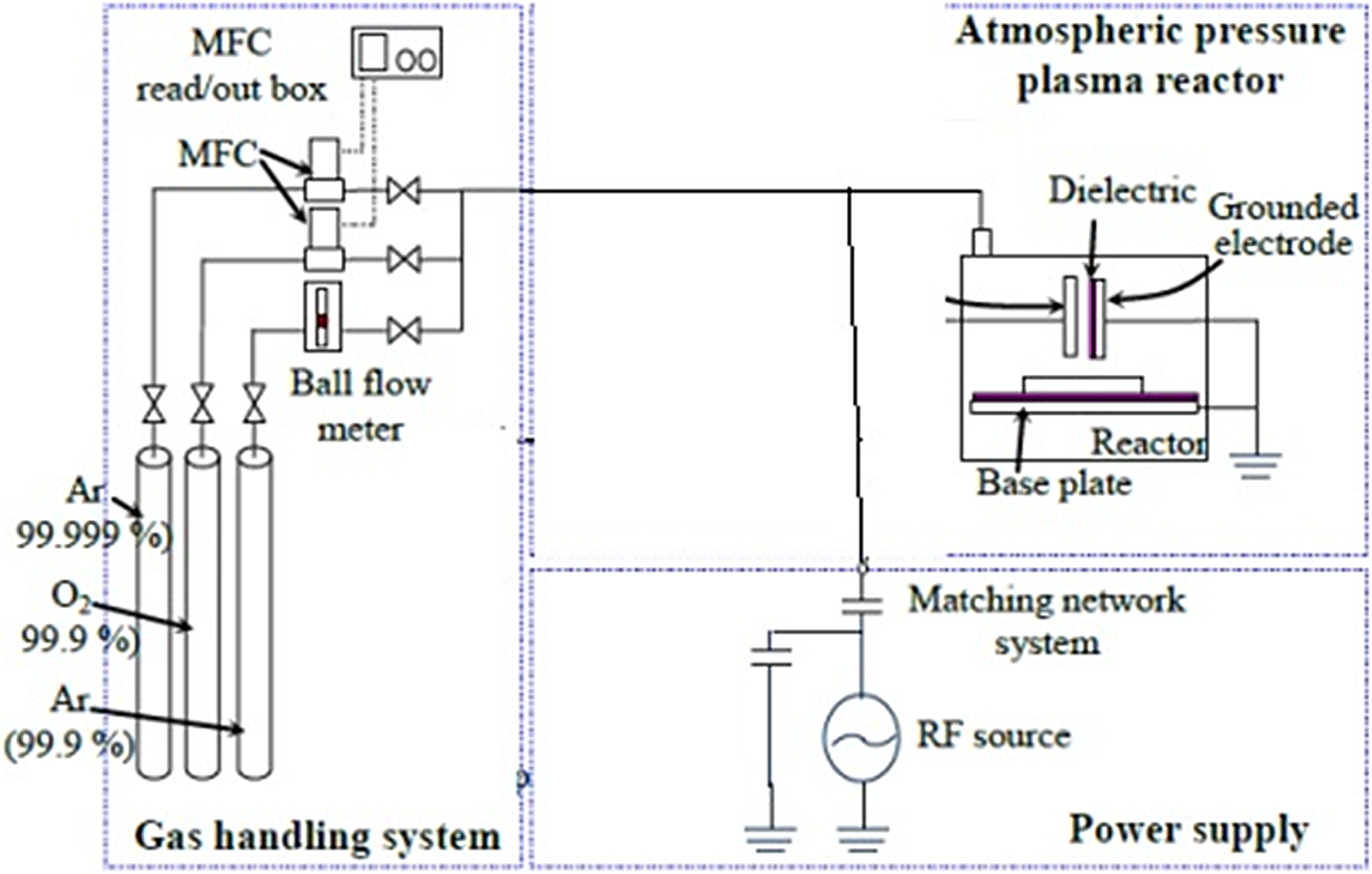
Plasma surface treatment system.
In this study, the atmospheric plasma treatment on the CF surface was performed with argon gas. Plasma treatment with argon gas primarily affects the surface of the substrate, thus the materials are relatively safe from internal damage at long exposure times compared to the treatment with oxygen gas. The gas flow rate was set at 10 liters/min, and the power was 150 W.
Silane CA treatment after plasma treatment
The silane CA treatment, as previously described, was applied to the plasma-treated CF.
XPS measurements were performed using the Theta Probe XPS system (ThermoFisher, UK) and assessed by means of the Avantage software package (Quebec, Canada) provided by the manufacturer. A monochromated aluminum K α X-ray source (1486.6 eV) was used and operated at a voltage of 15 kV with an emission current of 6.7 mA (100 W). The Quanta 250 SEM (FEI, Hillsboro, Oregon, USA) was used to analyze the surface morphology of fracture surface.
CF/PI composite fabrication
The CF/PI composites were fabricated using the film stacking method in the molding cycle. Isotactic PI (427888, Sigma-Aldrich Co. LLC, St Louis, Missouri, USA) pellets were used to make a PI film, 0.2 mm thick, by a hot press. Seven sheets of PI film and six sheets of CF fabric were stacked alternately. The stack was then pressed at 220°C under 20 bars of pressure for 10 min. The fiber volume fraction of the fabricated composites was approximately 72%.
Tensile tests with single filaments
The tensile strength of a single carbon filament was measured using a universal testing machine (model 5567A, Instron, Norwood, Massachusetts, USA) based on the ASTM D 3379-75 standard test method for high-modulus materials. A schematic diagram of the single-filament test specimen is shown in Figure 2. A single filament was bonded by adhesive to a thin paper, which had a central longitudinal slot of a fixed gauge length. The epoxy resin, used to fix the filament, was extended along the longitudinal direction to avoid any concentration of stress on the fixed section if the filament is out of alignment.
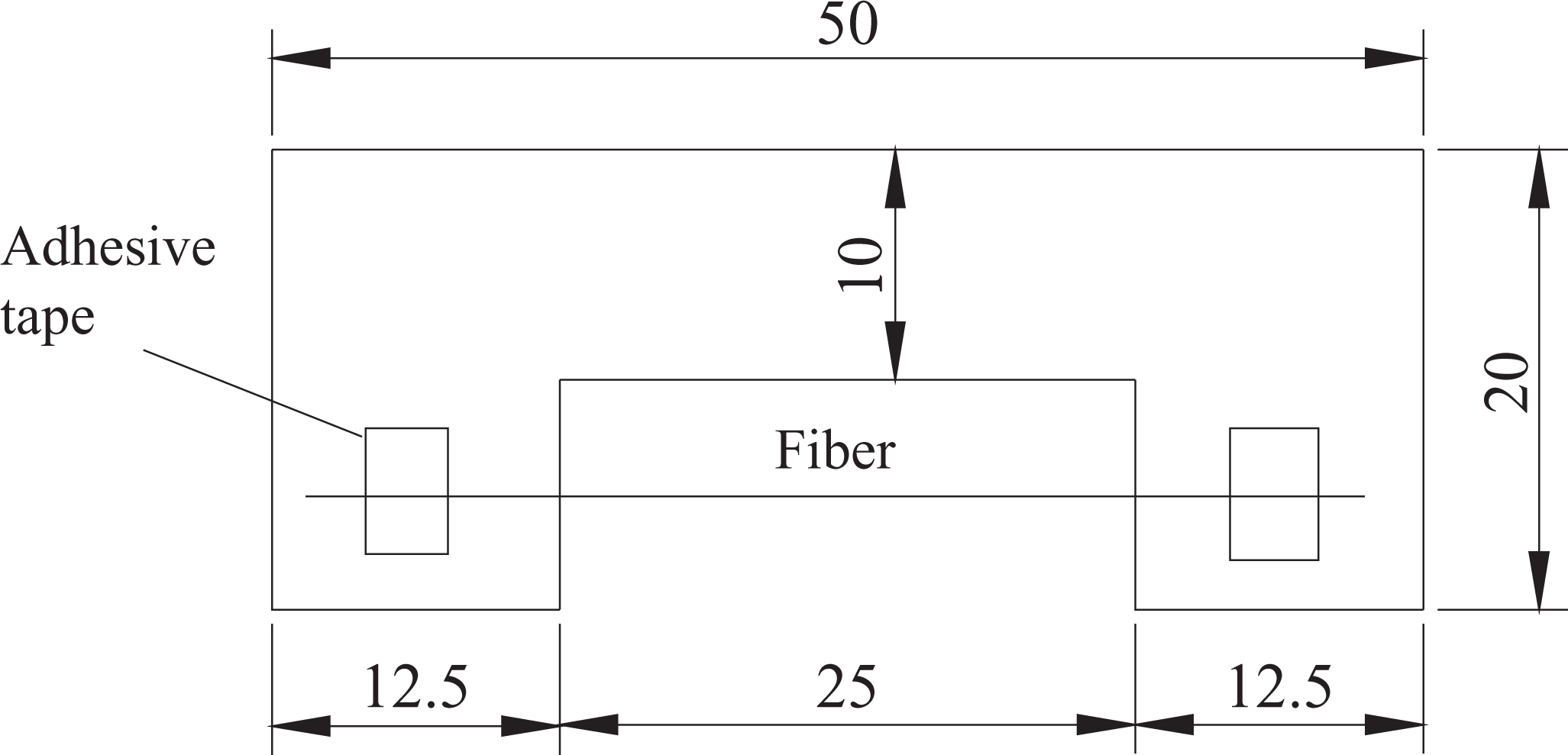
Single-filament tensile test specimen.
Short beam shear test on the composites
Generally, the single fiber test method is used to measure the interfacial bonding strength between the fiber and the matrix. However, this method often results in considerable data scatter. Therefore, the short beam shear test was used to measure the ILSS. The ILSS of the CF/PI composites was measured using a universal testing machine (model 4469, Instron) based on the ASTM D2344 standard. The dimension of the rectangular-shaped specimen was 24 × 6.5 × 4 mm3, and the loading speed was 1 mm/min.
Results and discussion
The surfaces of the specimens were examined by SEM to compare the surface morphologies with respect to the surface treatment methods as shown in Figure 3. The untreated fiber surface was smooth with shallow longitudinal grooves, as shown in Figure 3(a). In the case of the plasma treatment, the surface grooves distributed along the fiber were slightly deeper, but no other significant change was observed. The CF surface was damaged by the long exposure to the plasma treatment, as shown in Figure 3(b). In the case of silane CA after plasma treatment, silane CA aggregated on the CF surface, the samples had rough surfaces, as shown in Figure 3(c). These data imply that the specimens were uniformly treated with silane CA without aggregation compared to the other specimens.
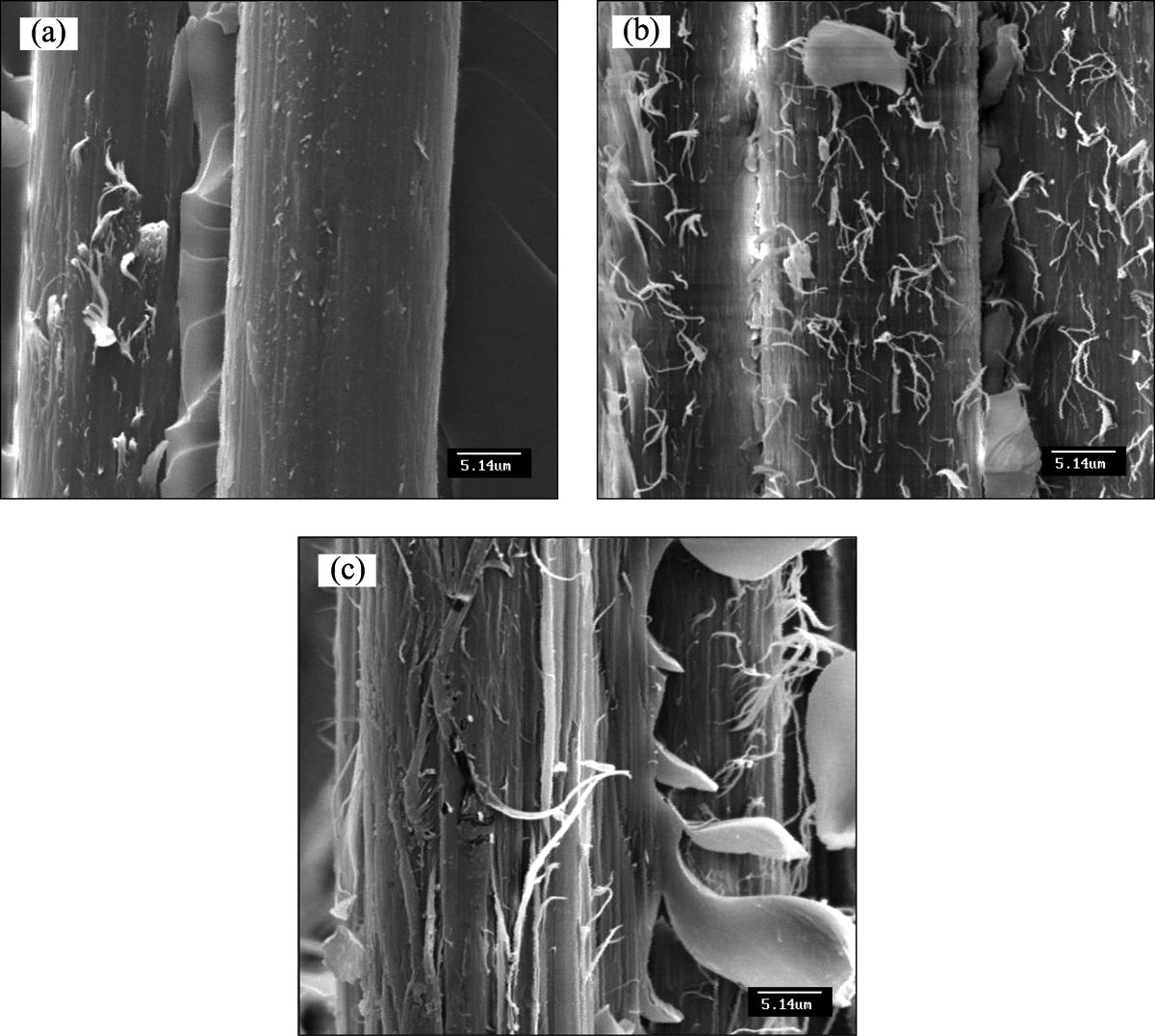
SEM topographies of the CF surface with respect to surface treatment methods. (a) Untreated, (b) plasma, and (c) silane CA after plasma treatment. SEM: scanning electron microscopy; CF: carbon fiber; CA: coupling agent.
Figure 4 shows the water contact angle on the CF bundle with respect to the plasma treatment time. In case of plasma treatment, the contact angle increased because the epoxy sizing on the CF surface was removed. This means that the inert CF surface was exposed by plasma treatment. After 10 min of the plasma treatment, the contact angle decreased because the CF surfaces were functionalized after removing the epoxy sizing perfectly.
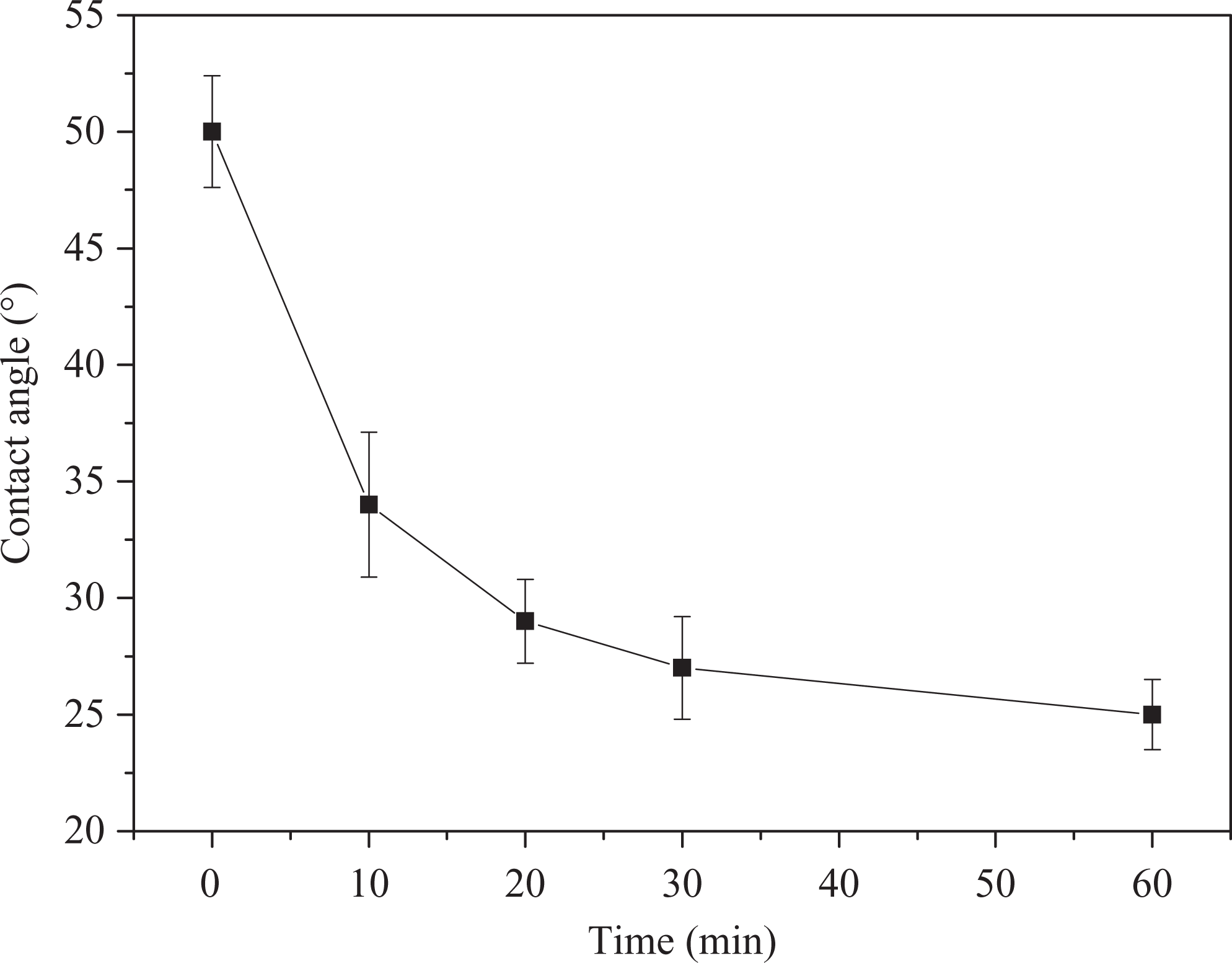
Contact angle with respect to plasma treatment time.
Table 1 shows the single-filament tensile test results of the CF as a function of the surface treatment. The tensile strength of the specimens treated with plasma decreased with treatment time, because the surface damage of the CF increased as the plasma treatment time increased. The tensile strength of the plasma specimen decreased by 20% compared to that of the untreated specimen, as shown in Table 1. The tensile strengths of the silane CA-treated specimens after plasma treatment were similar to those of the plasma-treated specimens because silane CA treatment does not affect the tensile strength of the CF.
Single-filament tensile strength of the CF with respect to surface treatment on the CF.
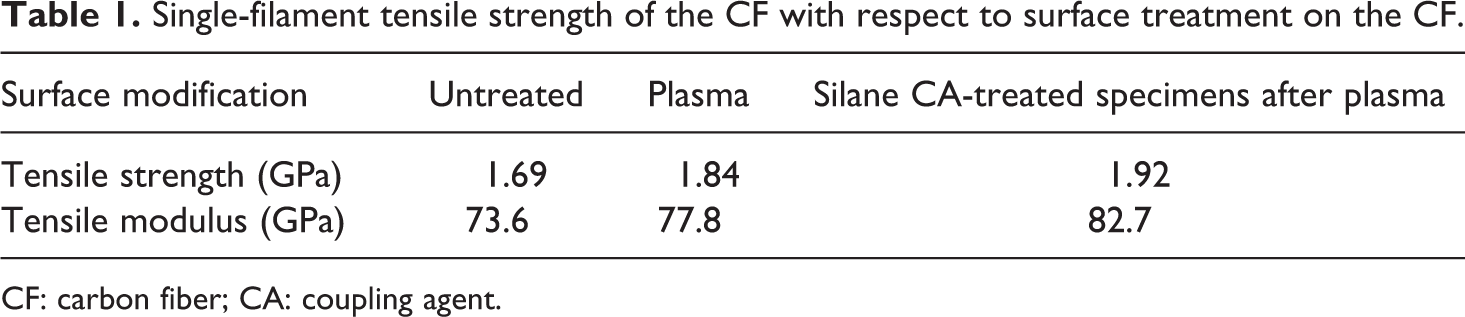
CF: carbon fiber; CA: coupling agent.
XPS analysis was performed to investigate the atomic concentration and chemical bonding changes of the treated CF surface. The XPS spectra of the CF surface, corresponding to binding energies between 0 eV and 1350 eV, are shown in Figure 5. The carbon and oxygen peak represent the major constituents of the CF surface. Silicon was detected from the silane CA-treated specimens. In the plasma-treated specimens, small amounts of nitrogen and silicon are regarded as impurities. The atomic properties of the CF with respect to the surface treatment are listed in Figure 6.
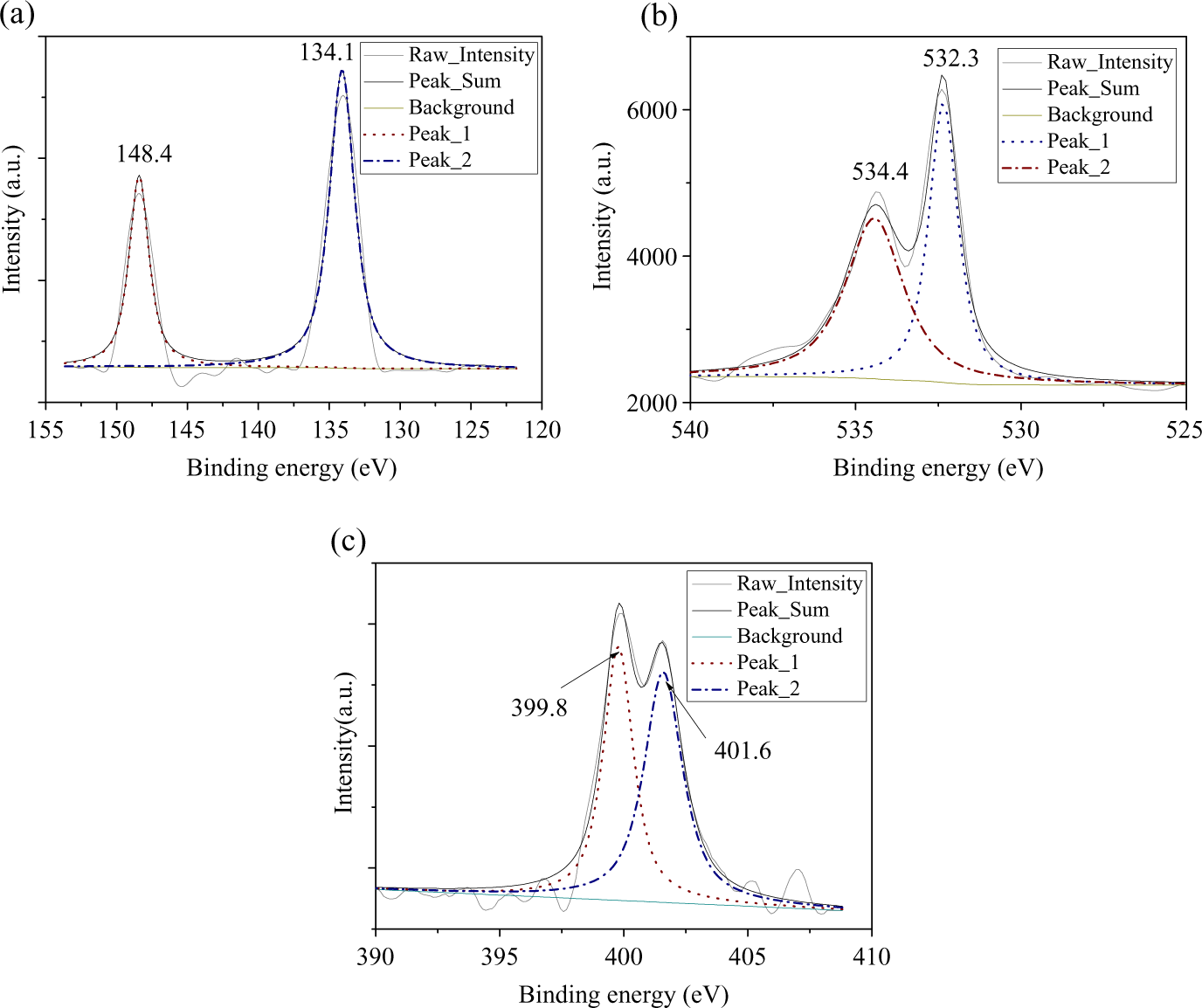
XPS survey scan of the CF surface with respect to surface treatment methods. (a) Untreated, (b) plasma, and (c) silane CA after plasma treatment. XPS: X-ray photoelectron spectroscopy; CF: carbon fiber; CA: coupling agent.
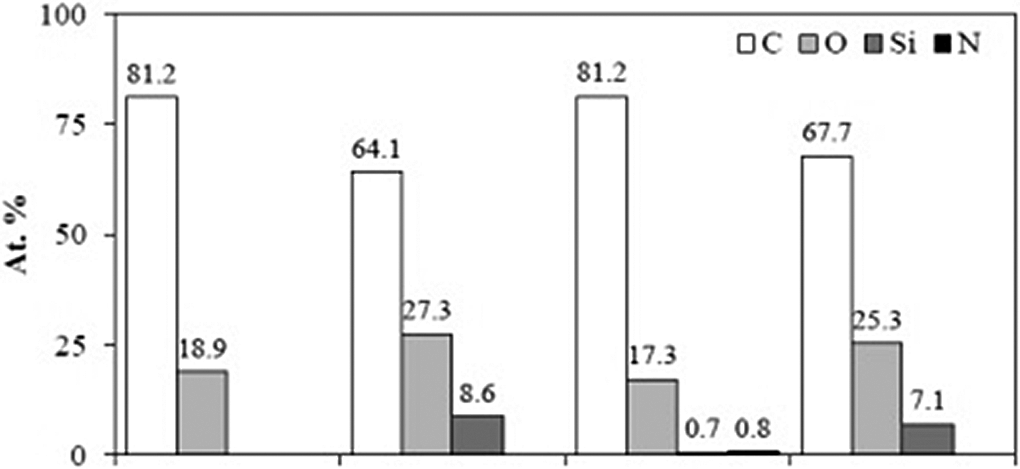
Atomic concentrations of the CF surface with respect to the surface treatment methods. CF: carbon fiber.
However, in the plasma-treated CF, the hydroxyl group decreases with increase in carboxyl group.
The short beam shear test results of the CF/PI composites are shown in Figure 7. The ILSS of the plasma-treated specimens increased as the treatment time increased, because the wettability of the CFs and introduction of functional groups increase with the treatment time. These factors are favorable to form strong chemical bonds between CF and polymer matrix of the composite. In the silane CA-treated specimens, after plasma treatment, the ILSS was higher than the others. This result shows that the hydroxyl group on the CFs, generated by plasma treatment, reacted with the silane CA, strengthening the interface between the fibers and the matrix. The hydroxyl groups on the surface could not react intensively with the silane CA because the hydroxyl groups were reduced by the long plasma treatment time. Therefore, the hydroxyl group could not be generated directly onto the CF surface, and only a weak bond was formed. The silane CA treatment applied after the plasma treatment increased the interfacial bonding between the CF and PI more efficiently compared with the plasma treatment alone.
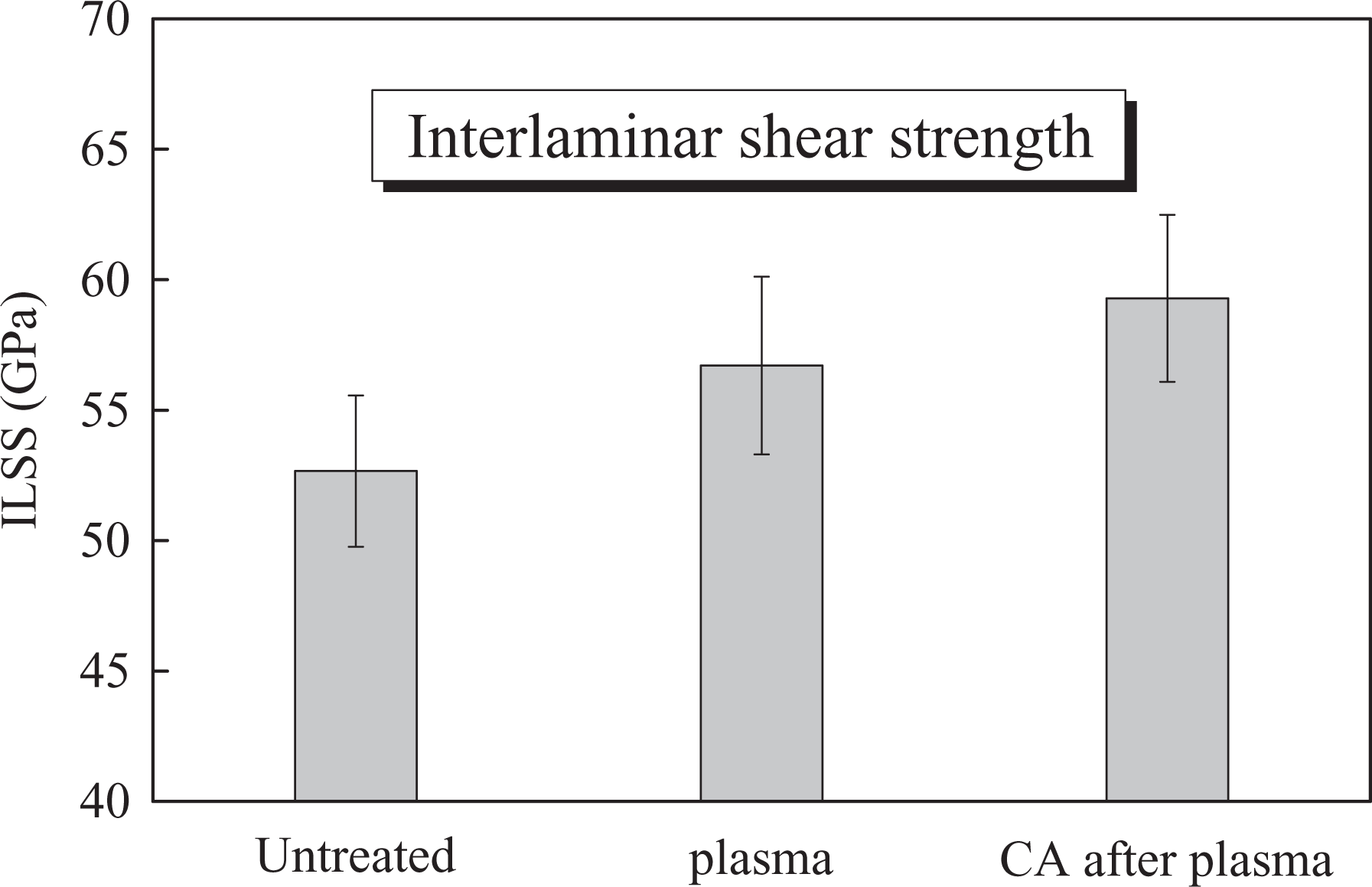
ILSS of the CF/PI composite specimens with respect to surface treatment on the CF. ILSS: interlaminar shear strength; CF: carbon fiber; PI: polyimide.
Plasma treatment contributed to the improvement of the mechanical interlocking and wettability, which increases the interfacial bonding between the CF and PI. However, in the case of silane CA treatment applied after plasma treatment, not only does this treatment have the effects of plasma treatment but a strong interpenetrating boundary layer is also formed by the interpenetrating polymer network between the silane layer and PI.
Figure 8 shows high-magnification SEM image of fracture surface of specimens. In general, it can be observed that there are fiber pullouts and gaps between fibers and matrix. This indicates poor fiber/matrix adhesion for untreated one. It is noted from Figure 8(b) and (c) that a few fibers were clung with some PI resin, indicating a good interfacial adhesion between the matrix and CF. These phenomena suggest that a mechanical interlocking has been established between fibers and matrix, and thus, better stress transfer can be gained. It is distinguished that some fibers aggregated due to the high loading of CF in the matrix. This result is consistent with the impact text data. On the basis of the SEM observation, it can be confirmed that the surface treatment of CF with the silane CA after plasma treatment efficiently enhanced the interface adhesion and compatibility between CF and PI matrix. Such an improved interfacial adhesion leads to a significant increase in mechanical properties. Moreover, it is noteworthy from the SEM micrographs of Figure 8 that most of the fibers on fracture surfaces were orientated in the flowing direction of injection molding, indicating a higher degree of fiber orientation for the composites. This can induce a higher fiber efficiency factor and, hence, results in better reinforcement effect. Additionally, the impact energy was efficiently dissipated via fiber pulling out, interface debonding, and matrix deforming.
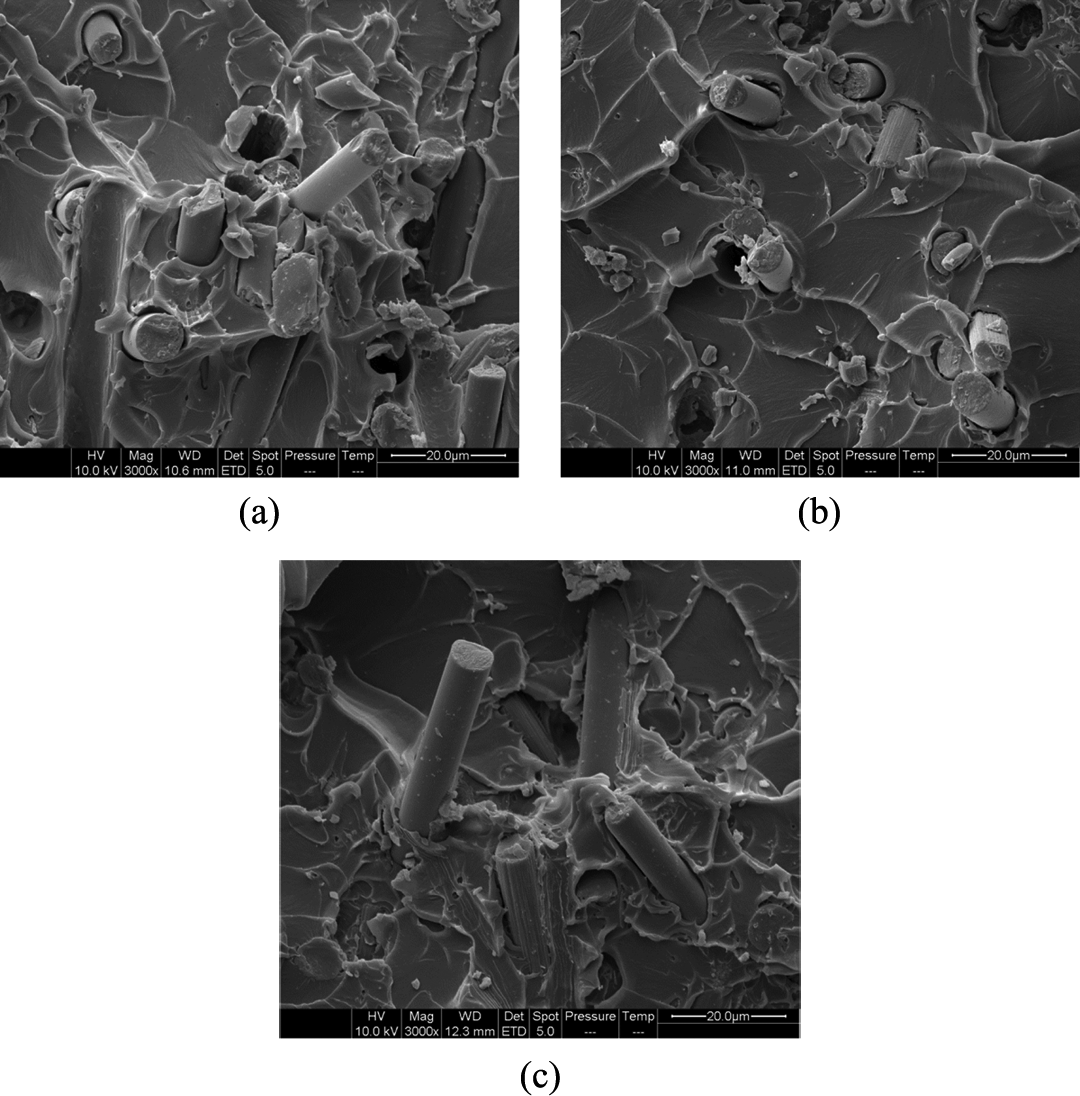
SEM of fracture surface of specimens. SEM: scanning electron microscopy.
Conclusions
In this study, a CF surface treatment was performed to improve the interfacial strength between the fibers and the PI matrix using CAs combined with plasma treatment. The tensile strength of the plasma-treated specimen decreased by 16% compared with the untreated specimen. The tensile strengths of the silane CA-treated specimens after plasma treatment were similar to those of the plasma-treated specimens. The ILSS of the specimens increased 29.7% with plasma treatment compared with the untreated specimens because the wettability of the CFs and introduction of functional groups increased with plasma treatment time. These factors are favorable to form strong chemical bonds between CF and polymer matrix of the composite.
Footnotes
Declaration of Conflicting Interests
The author(s) declared no potential conflicts of interest with respect to the research, authorship, and/or publication of this article.
Funding
The author(s) received no financial support for the research, authorship, and/or publication of this article.