




Abstract
Development of novel injection moldable materials that are thermally conductive but electrically insulative are important for the continuous advancement in modern electronics. In this context, this article details the fabrication and characterization of polymer–matrix composites (PMC), which consists of linear low-density polyethylene matrix, and filled with either silicon carbide or hexagonal boron nitride. Experimental results indicated that the addition of ceramic fillers not only promoted the PMCs’ effective thermal conductivity without compromising their electrical resistivity but also resulted in the reduction of coefficient of thermal expansion and improved mechanical properties.
Keywords
Introduction
Electronic packaging is no longer limited to providing structural support and protecting internal components; it has evolved into a multifunctional system that is capable of simultaneously performing multiple tasks, including heat dissipation and environmental protection. 1 The ability of an electronic packaging material to dissipate heat will affect the reliability, performance, and potential miniaturization of electronics. 2,3 With growing interest in producing smaller-sized electronics with higher power densities, the electronic packaging industry is tasked with finding a heat management solution to accommodate the increased need for heat dissipation. 3,4
Traditionally, thermal dissipation in encapsulated devices has been resolved through the use of embedded heat sinks. 3,5 Although this solution may have been appropriate in the past, the evolution of semiconductor technology now requires higher heat dissipation for smaller electronics. Other disadvantages of using embedded heat sinks include high costs, susceptibility to thermal cracking, and limited use in thin packages. 3 As a result of continued increases in power densities, manufacturers of semiconductor electronics are constantly searching for novel multifunctional materials to replace or enhance the existing standards. Electronic packaging materials must have high thermal conductivity, while exhibiting electrical resistivity and good processibility. Thermal conductivity is directly related to the ability of the material to dissipate heat, thereby bearing immense importance for this application. Electrical resistivity is desirable to avoid noise or voltage drop, which is associated with high-speed signals. 6 Good processibility refers to the ease of using the materials to fabricate parts of complicated shapes. Other requirements for electronic packaging materials include, but are not limited to, lightweight, small size, and low material and processing costs. 6
Many alternatives have been proposed to replace the current heat sink materials, including metal–matrix composites (MMC) and polymer–matrix composites (PMC). MMC are widely used in the aerospace and automotive industries. 1 These particle-reinforced isotropic composites have many attractive properties in relation to electronic packaging, for instance, high mechanical strength, low linear expansion ratio, and very high thermal conductivity. 1 Some of the MMCs that have been evaluated include aluminum-silicon carbide (Al-SiC), 7,8 aluminum-silicon (Al-Si), 9,10 Cu-diamond, 11 –13 Al-diamond, 14,15 copper-tungsten (Cu-W), 16 and copper-molybdenum (Cu-Mo). 17 Although MMCs are suitable for the aforementioned applications, the high electrical conductivity of the composites limits their applicability to electronic packaging. 1,18 Other limitations of MMCs include their high density, susceptibility to corrosion, potential high cost, as well as thermal mismatch between filler and matrix metals. 12,19,20
PMCs have been gaining attention within the electronic packaging industry as a substitute for the current standard materials. Polymers are of particular interest predominately due to their electrical resistivity, lightweight, ease of manufacturing, and low cost. 21 Since conventional polymers are also thermally insulating, the addition of thermally conductive fillers is needed to improve their thermal conductivities. 2,3,22,23 Studies have been conducted on the inclusion of various carbonaceous fillers into polymer-based resins, such as carbon nanotubes (CNT) and graphene, due to their extremely high thermal conductivities. The thermal conductivities of CNT and graphene have been reported to be as high as 3000 and 5300 Wm/K, respectively. 23,24 –27 However, carbonaceous fillers also have high electrical conductivities, which limit their applications in electronic packaging or heat management components in microelectronics.
There has also been considerable interest in various ceramic fillers, such as aluminum nitride, 3,28 silicon carbide (SiC), 29 and boron nitride (BN). 3,30 An attractive characteristic of adding ceramic fillers to polymer matrices is their ability to improve the PMCs’ thermal conductivity, while maintaining their electrical resistivity. These particular characteristics are desirable in electronic packaging and heat management components in microelectronics. Composites containing more than one type of fillers, which are referred to as hybrids, are also under evaluation for this particular application. 5,19,31 Ideally, the composite will retain the advantageous properties of each type of fillers and minimize the disagreeable qualities, producing in a material with the desired design criteria. Through the addition of multiple types of fillers, a synergistic effect can result. Modifications to the properties can be made easily by varying quantities of each type of material.
In this article, the fabrication and characterization of multifunctional linear low-density polyethylene (LLDPE)-based composite materials filled with SiC and hexagonal BN (hBN) particulates were detailed. While most existing literatures investigated the effect of ceramic fillers on the effective thermal conductivity (k eff) and/or mechanical properties of PMCs, this article aims to provide a comprehensive study on the multifunctional properties (i.e. electrical, thermal, and mechanical properties) that are critical to electrical packaging. Parametric studies were conducted to investigate the overall effects of the aforementioned fillers within the composite materials on the thermal, electrical, and mechanical properties of PMCs as well as their morphology. With an emphasis on composites for electronic packaging applications, this article evaluates the feasibility of using SiC and hBN as fillers to fabricate these multifunctional components.
Experimental
Materials
Commercially available LLDPE (Exxonmobil, 8555 series) was used as the matrix material in this work. Since electronic packaging applications require a cost effective alternative to current component encapsulations and heat management parts, LLDPE was chosen as the matrix material. Ceramic fillers of varying concentrations were added to the LLDPE matrix. These filler materials were SiC (Sigma-Aldrich, 32–74 µm) and hBN (Momentive Performance Materials, PTX60). These materials were selected because they both possess high thermal conductivities and are electrically resistive. The physical properties of the polymers and fillers are summarized in Table 1 and 2, respectively.
Physical properties of LLDPE.
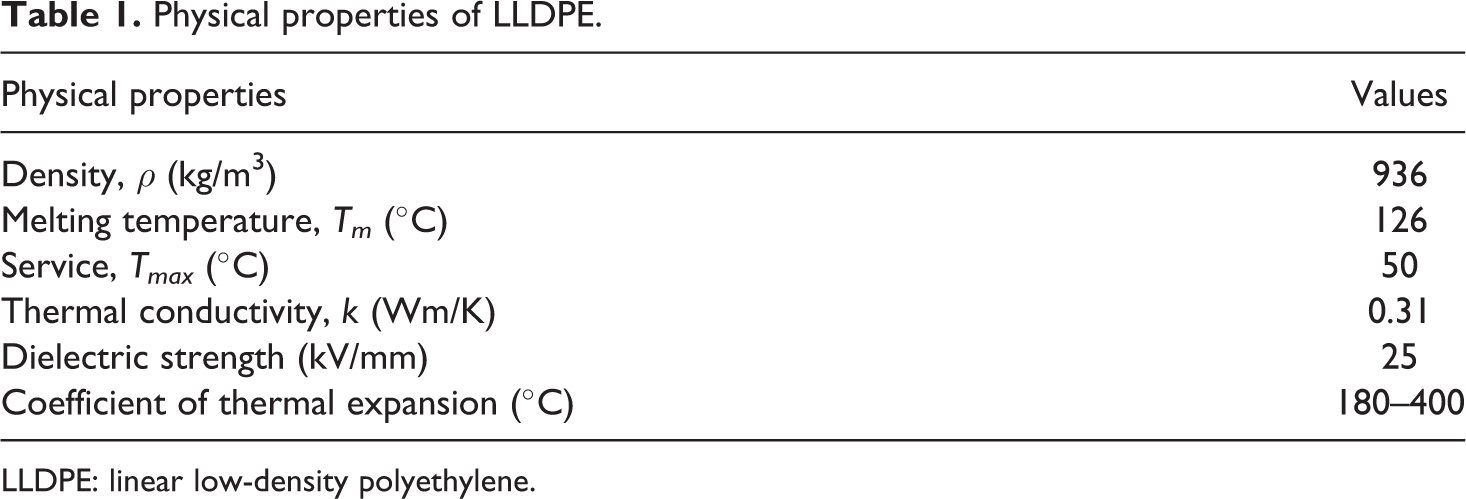
LLDPE: linear low-density polyethylene.
Physical properties of SiC and hBN.
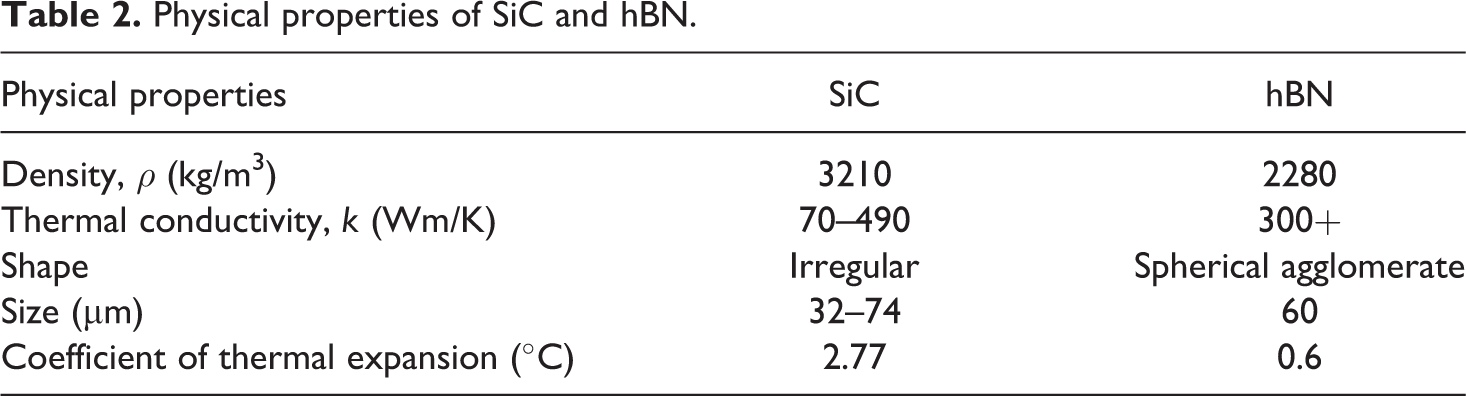
Sample preparation
A twin-screw compounder (DSM Xplore 15) was used to disperse SiC and hBN in a LLDPE matrix by melt blending at 160°C. Prior to melt compounding, the fillers were dry-blended with LLDPE. A short melt compounding time of 10 min was selected in order to achieve homogeneous mixing, while minimizing thermal degradation. A summary of the material compositions studied in this work are shown in Table 3.
A summary of the compositions of all fabricated composites.
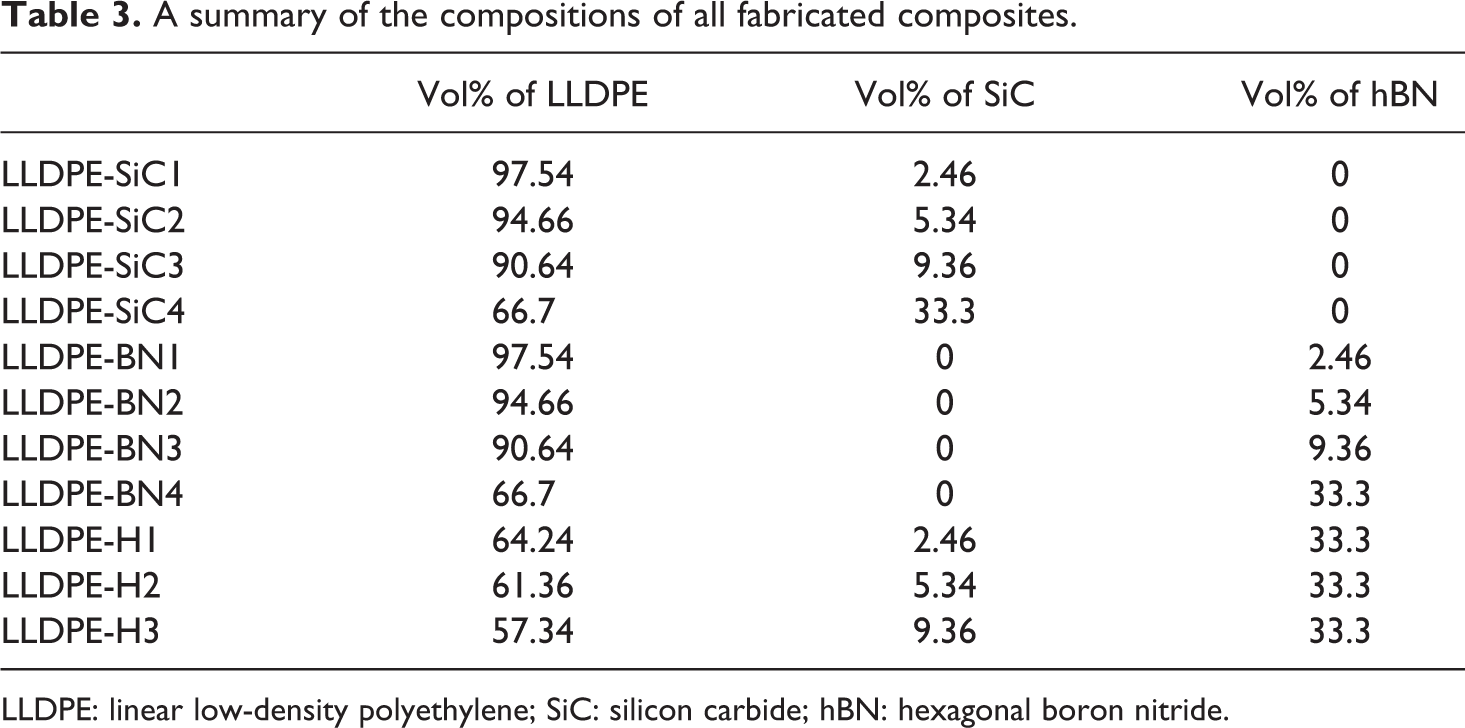
LLDPE: linear low-density polyethylene; SiC: silicon carbide; hBN: hexagonal boron nitride.
The mixing conditions were identical for all the prepared samples, except for LLDPE-SiC4 due to the high loading (i.e. 33 vol% of SiC) of abrasive SiC particles. For this particular composition, the mixture was dry-blended without melt compounding. For all other compositions, the extruded composites were palletized and subsequently ground into fine powders by a pelletizer and a freeze mill, respectively. The latter process was accomplished by quenching the material at −196°C in liquid nitrogen, and milling the pellets using a 6850 Freezer/Mill from SPEX CertiPrep Group.
Samples for various characterizations, including thermal conductivity (k eff), thermomechanical analysis, electrical conductivity, and mechanical properties, were compression-molded into the appropriate sizes and shapes. During the compression molding process, the powders were compacted in a mold at room temperature for approximately 1 min, under a constant pressure of 20.7 MPa. This compacting stage aimed to minimize void formation within the sample. Finally, the samples were heated to 160°C and remained at this temperature for 15 min at 10.3 MPa.
Characterization
The thermal, electrical, mechanical, and morphological characteristics of the LLDPE composites were analyzed in this study. The k eff of the samples was measured at 67.5°C using a thermal conductivity analyzer, 32 in accordance with ASTM E1225. This method measure the keff of the sample by comparing the temperature gradient across the sample to that across the reference stainless steel bars with known thermal conductivity. Temperatures at 1 mm below the top surface, in the middle, as well as at 1 mm above the bottom surface of the two reference bars and the sample are measured by ultrafine thermocouples with diameters of 0.076 mm. These thermocouples are pushed into small radial holes, drilled part way through the sample or the reference bar. Heat sink silicone compound is applied at the interfaces between the sample and the reference bars to reduce the thermal contact resistance. The samples were compression molded into the cylinders with a diameter of 20 mm and a thickness of 10 mm. Upon reaching the equilibrium temperature, keff was measured. The coefficient of thermal expansion (CTE) was measured using a thermomechanical analyzer (TA Instruments Q400). The composites were heated to 110°C at a rate of 5°C/min. The CTE was determined from the slope of the plot, depicting change in dimension and temperature. The electrical properties of the composites were obtained using a dielectric/impedance analyzer (Alpha-N-Novocontrol Technologies). The impedances of the samples were measured using a frequency sweep between 10−2 and 106 Hz with an applied alternating current (AC) voltage of 1 V. The mechanical properties of the samples were analyzed in terms of their compressive elastic modulus, measured from the linear elastic region of the stress–strain curves, and their compressive yield strength determined from the 0.2% offset. During these trials, the samples were subjected to compression testing (Shimadzu Universal Tester Autograph AG-IS) with a load cell of 50 kN at a strain rate of 1 mm/min under ambient conditions. Polymer–filler morphology was obtained by a scanning electron microscope (JEOL JSM-6060). Micrographs of the cross-sectional areas of the samples were captured to evaluate the dispersion of fillers within the LLDPE matrix. These images also aided in the confirmation of the sizes and shapes of the particulates.
Results and discussion
Thermal properties of LLDPE/ceramic composites
Figure 1 displays the k eff measurements of LLDPE-SiC, LLDPE-hBN, and LLDPE-hBN-SiC composites with various filler loadings. The general trend for all composites suggests that keff increases with higher filler content. These results were expected and were in accordance with other studies. 2,3,22,23
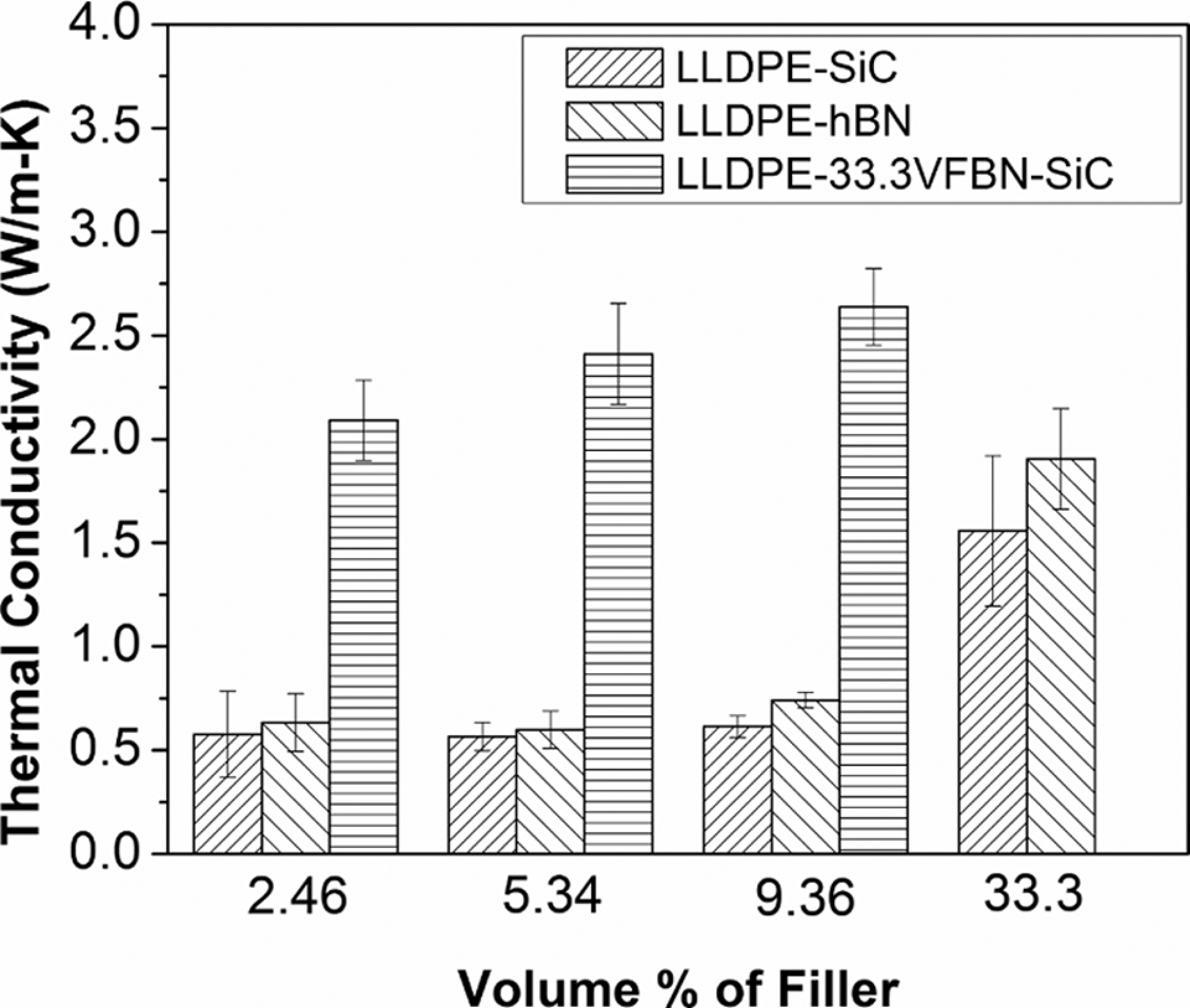
Effective thermal conductivity (k eff ) of fabricated composite materials.
Comparing the measured values of keff for LLDPE-SiC and LLDPE-hBN composites, it can be observed that hBN performed slightly more effectively than SiC in promoting the keff of composite. The slight difference could be attributed to the perfect lattice or crystal structure of hBN, which would lead to a decrease in the number of phonon scattering events and an increased keff . 3,30 Moreover, the higher keff of LLDPE-hBN composites might due to the smaller particle size and platelet structure of hBN, leading to improved interconnectivity of individual filler particles in the PMC. In terms of processibility of the filler materials, hBN, which has a layer structure similar to graphite, is extremely soft, while SiC is very abrasive. The former would be more appropriate to encourage ease of fabrication for composite undergoing a melt-compounding process, especially at high loadings. Among the three types of LLDPE composites, LLDPE-hBN-SiC exhibited the highest keff . This demonstrates that the hybrid fillers had positive synergy to promote the heat transfer ability through the composite. It is believed that the increase in keff from the hybrid fillers was not only caused by the higher total filler loading, but also by better interconnectivity among the thermally conductive fillers, due to the different sizes and shapes of the fillers. Both the factors would lead to a denser packing of particulates. As a result, the secondary fillers would be able to bridge gaps among the primary fillers, and create a more extensive thermally conductive network throughout the LLDPE matrix. 33
For composites, the mismatch of thermal expansion within the material induces residual stress, which can result in debonding, bending, and delamination. 34 Through the reduction in thermal expansion of the composite, these stresses can be minimized. As such, the coefficients of thermal expansion for all the composites were measured. A general trend can be observed for the materials containing SiC. As seen in Figure 2, for both LLDPE-SiC and LLDPE-H, CTE decreased as the filler content increased. These results are in accordance with the rule of mixtures (ROM), since the CTE of the filler material is much less than the polymer. The ROM is a simple, first-order method used to determine the overall effects of filler on the CTE of PMC. This approach is used to predict an approximate value, but takes neither the dispersion of fillers nor the interfacial interaction into account. 34,35 The addition of filler particles also physically confines the polymer chains, reducing the overall expansion of the composite. By adding larger quantities of filler, increased constriction of polymer chains occurs. Factors affecting the degree of confinement include aspect ratio, orientation, bulk modulus, and dispersion of filler particles within the matrix. 35 The aggregation of particles can have significant effects on the properties of a composite, causing a reduction in the effective CTE, 36 as seen with the LLDPE-SiC4 samples, which were dry-blended.
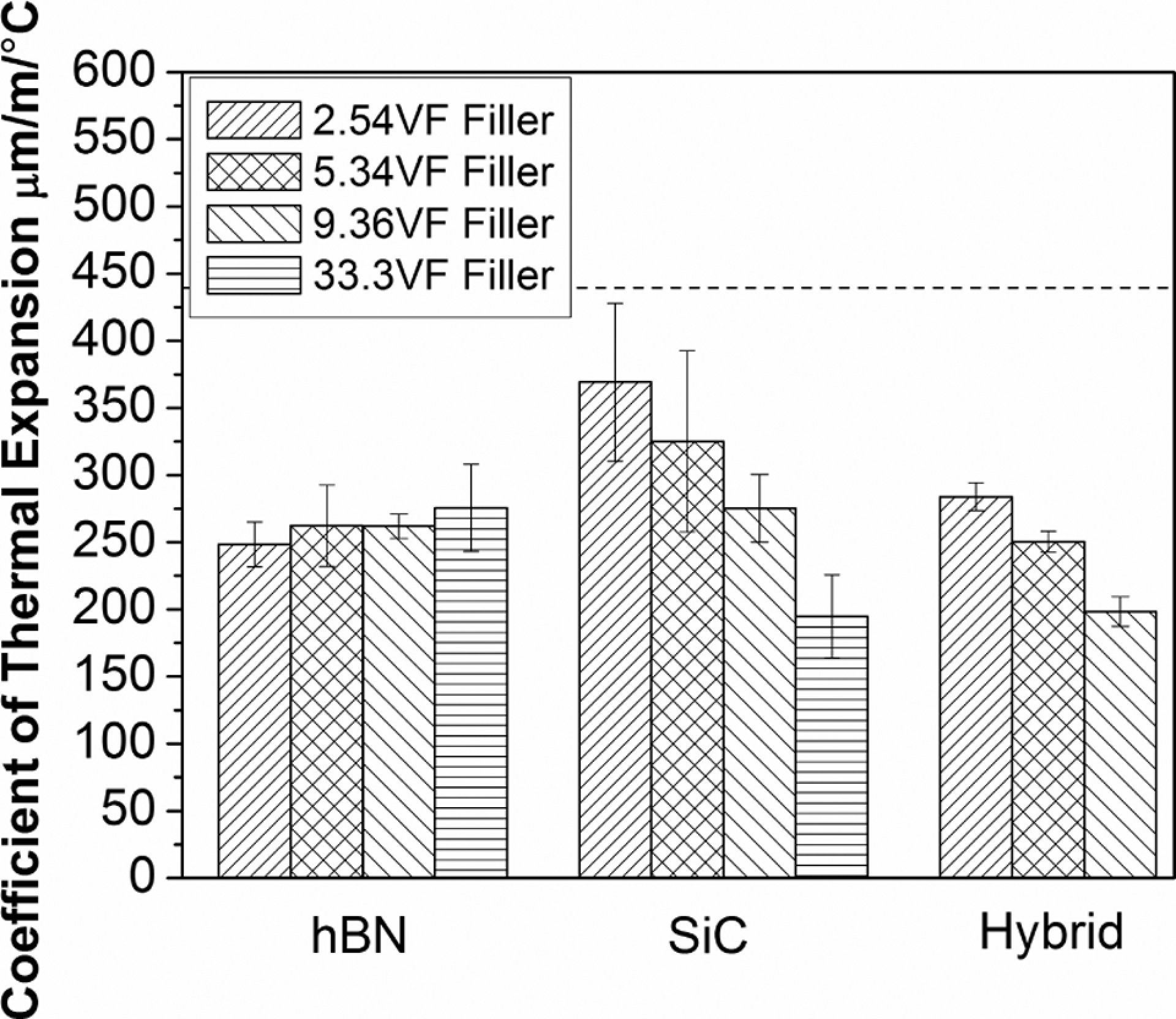
Coefficient of thermal expansion for the fabricated composites.
For the PMCs containing hBN, there was no significant change seen in the CTE values when varying the filler content. Even though this was the case, the overall CTE is much lower than that of neat LLDPE, which is represented by the dotted line in Figure 2. The ROM predicts lower CTEs for the LLDPE-BN composites, when compared with the experimental results. This disconnection could be due to the poor interfacial strength between the filler and matrix materials, rendering the inclusions inefficient at constricting the free expansion of the matrix in a predictable manner. 37 The LLDPE-BN composites exhibit thermal stability, regardless of the amount of filler added.
Electrical properties of LLDPE/ceramic composites
The electrical resistivity of the fabricated samples was evaluated through impedance (Z) curves obtained from the dielectric/impedance analyzer. At lower frequencies, the impedance curves show linear and horizontal behavior. Within this region, the impedance was frequency independent. This type of behavior is a characteristic of resistive materials. At this particular point, the impedance value should be equivalent to the resistance of the material.
As seen in Figures 3 to 5, the impedance of the composites decreased as the filler content increased. When larger amounts of fillers were dispersed in the LLDPE matrix, the ability of the composite to resist AC current would be reduced, slightly decreasing its resistivity. Although increasing filler contents led to a general downward shift in impedance, the values remained relatively close to one another, ranging from 1011 and 1016. In other words, the addition of both SiC and hBN would not compromise the electrical insulating properties of LLDPE, making them ideal fillers to promote keff of PMCs in the context of electrical packaging applications.
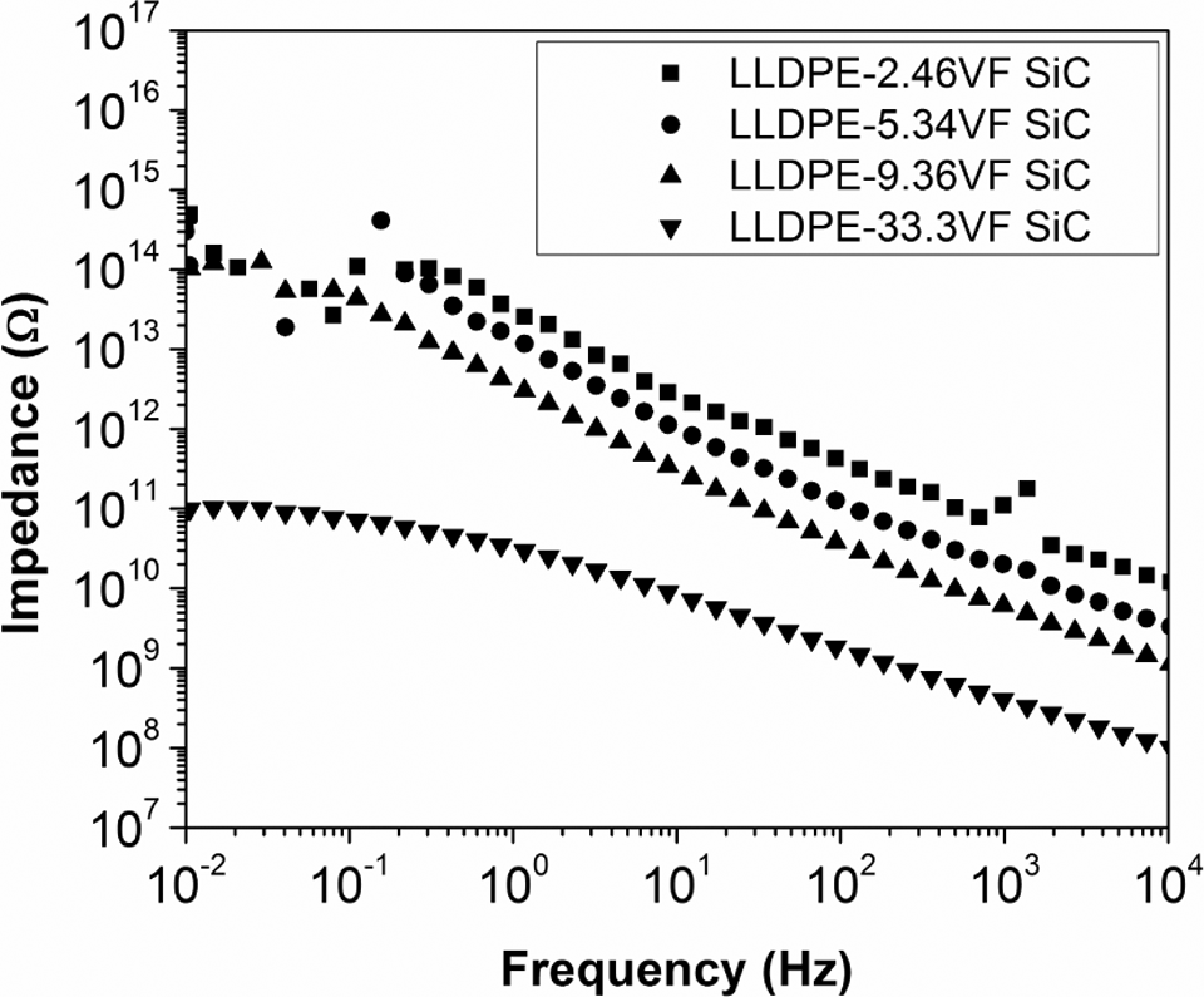
Impedance curves for LLDPE-SiC composites. LLDPE: linear low-density polyethylene; SiC: silicon carbide.
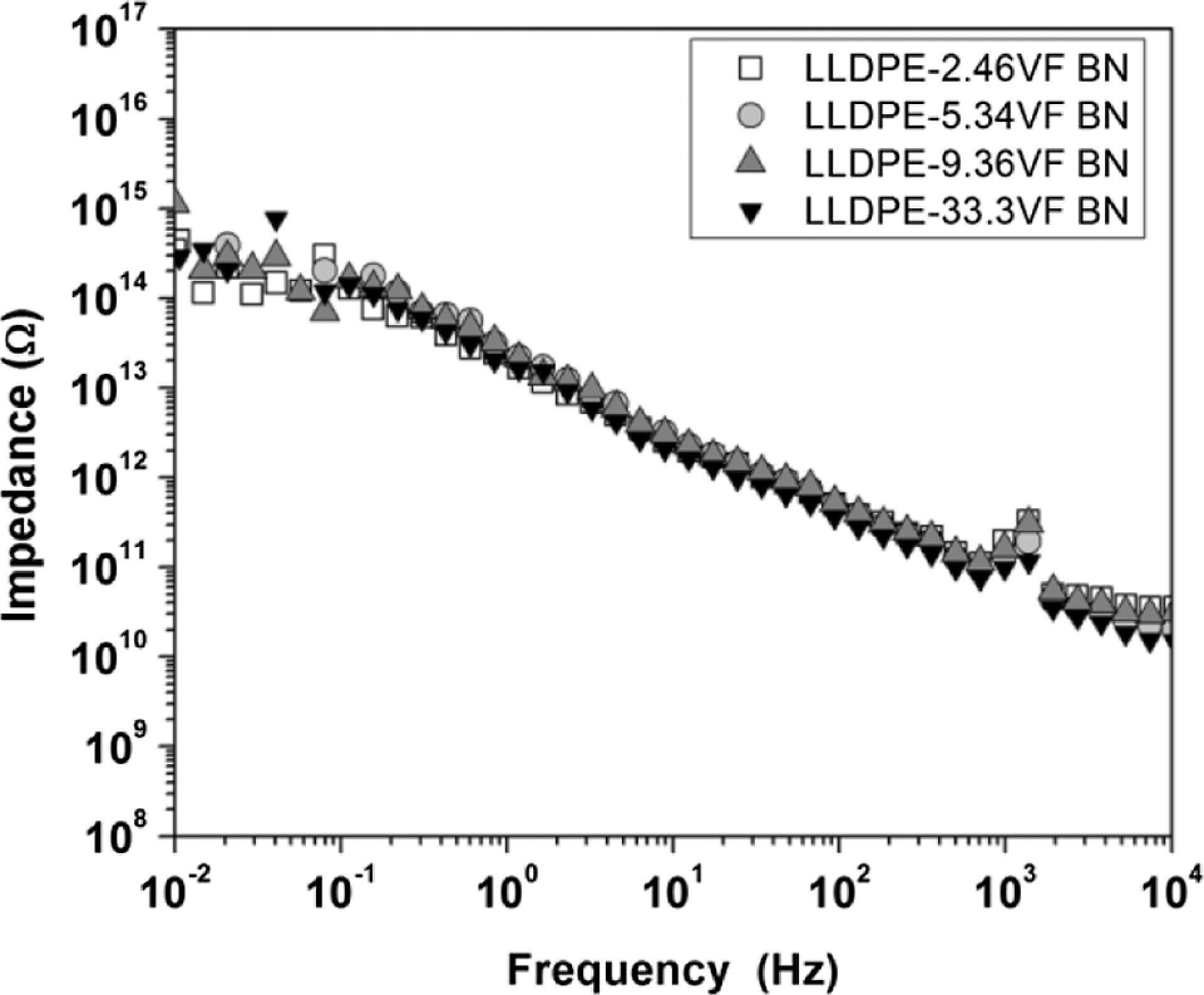
Impedance curves for LLDPE-hBN composites. LLDPE: linear low-density polyethylene; hBN: hexagonal boron nitride.
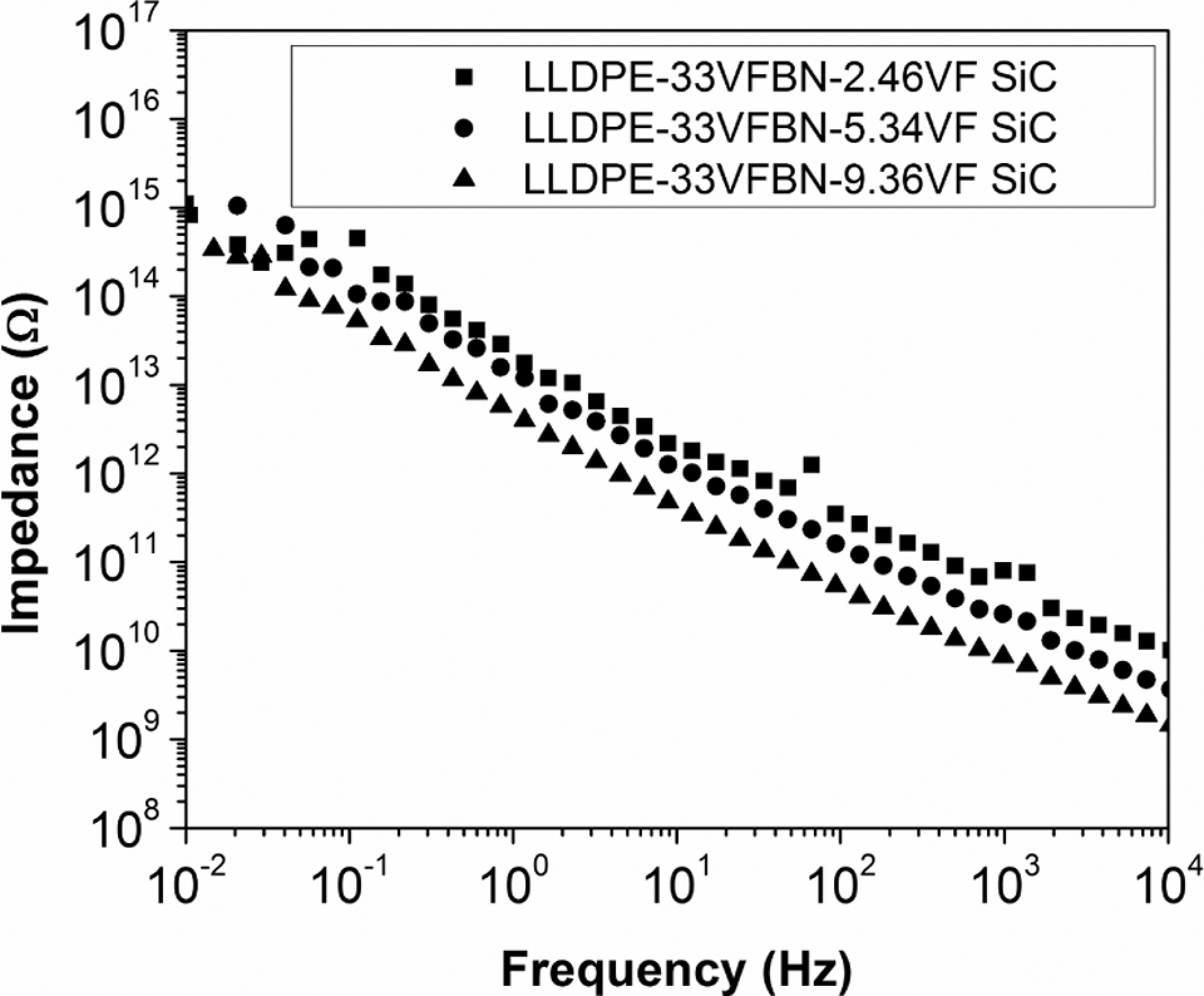
Impedance curves for LLDPE-hBN-SiC composites. LLDPE: linear low-density polyethylene; hBN: hexagonal boron nitride; SiC: silicon carbide.
Mechanical properties of LLDPE/ceramic composites
The mechanical properties of LLDPE-SiC, LLDPE-hBN, and LLDPE-hBN-SiC were compared in terms of their compressive elastic moduli (E) and the yield strength (σ y). Figure 6 shows that, for both LLDPE-SiC and LLDPE-hBN composites, E increased with filler content. At higher loading levels, particle–particle interactions would begin to influence the fracture mechanics. In composites, the elastic deformation of the polymer component is controlled by the filler. As the volume percentage of filler increased, less deformation of the polymer was seen and E increased. 38
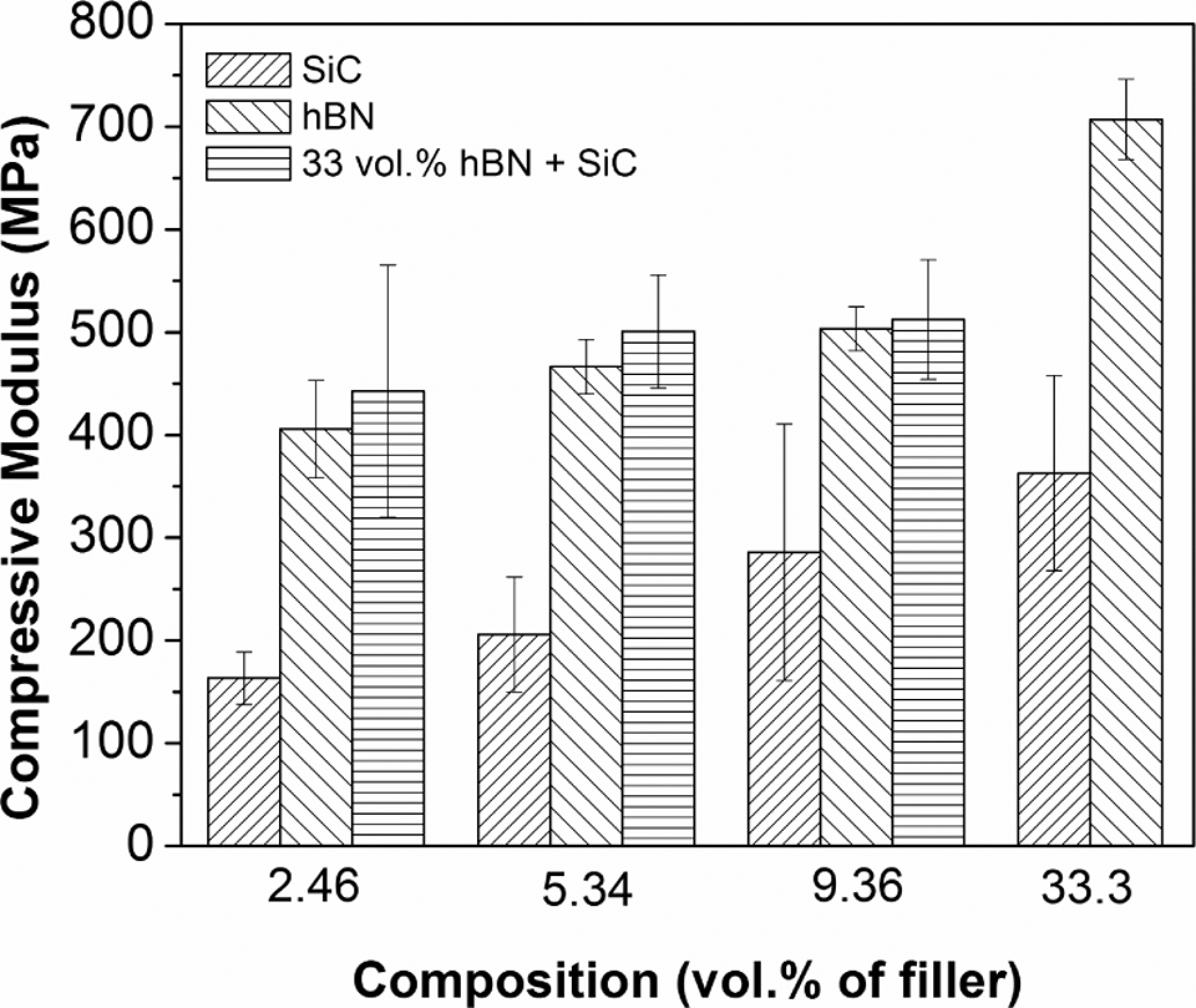
Compressive elastic modulus of fabricated composite materials.
Comparing LLDPE-SiC and LLDPE-hBN composites, hBN has a stronger positive effect on the compressive modulus of the composite. One possible explanation for this is the dependence of elastic modulus on filler size. Vollenberg and Heikens found that there is a strong tendency for elastic modulus to increase with decreasing particle size of untreated fillers because of the local solidification of the matrix activated at a free filler particle surface. 39 Scanning electron micrographs (SEM) revealed that the hBN agglomerates were broken into individual platelets during melt-compounding. These platelets were much smaller than the SiC particles. Therefore, LLDPE composites filled with hBN platelets had a larger surface area for the potential activation of local solidification of the LLDPE, leading to more significant increases in their moduli.
Figure 7 shows the compressive strength of the various composite materials. In general, the strength of the material does not vary significantly, with the addition of more fillers. When comparing the strength of composites with different filler types, SiC and hBN perform similarly in most cases, with an exception for composites with high filler content. The composite containing 33.3 vol% of SiC performed poorly, compared with the 33.3 vol% hBN composite. This is likely due to the formation of SiC agglomerates within the material as a result of the mixing method, which reduced the overall strength of the material. The presence of inorganic particles agglomeration within the polymer matrix decreases the contact area and creates defects within the composite, in turn reducing the overall effectiveness of the interfacial interaction and the strength of the material. 40 In other words, the dispersion of ceramic fillers in PMCs is critical to the fabrication of the materials.
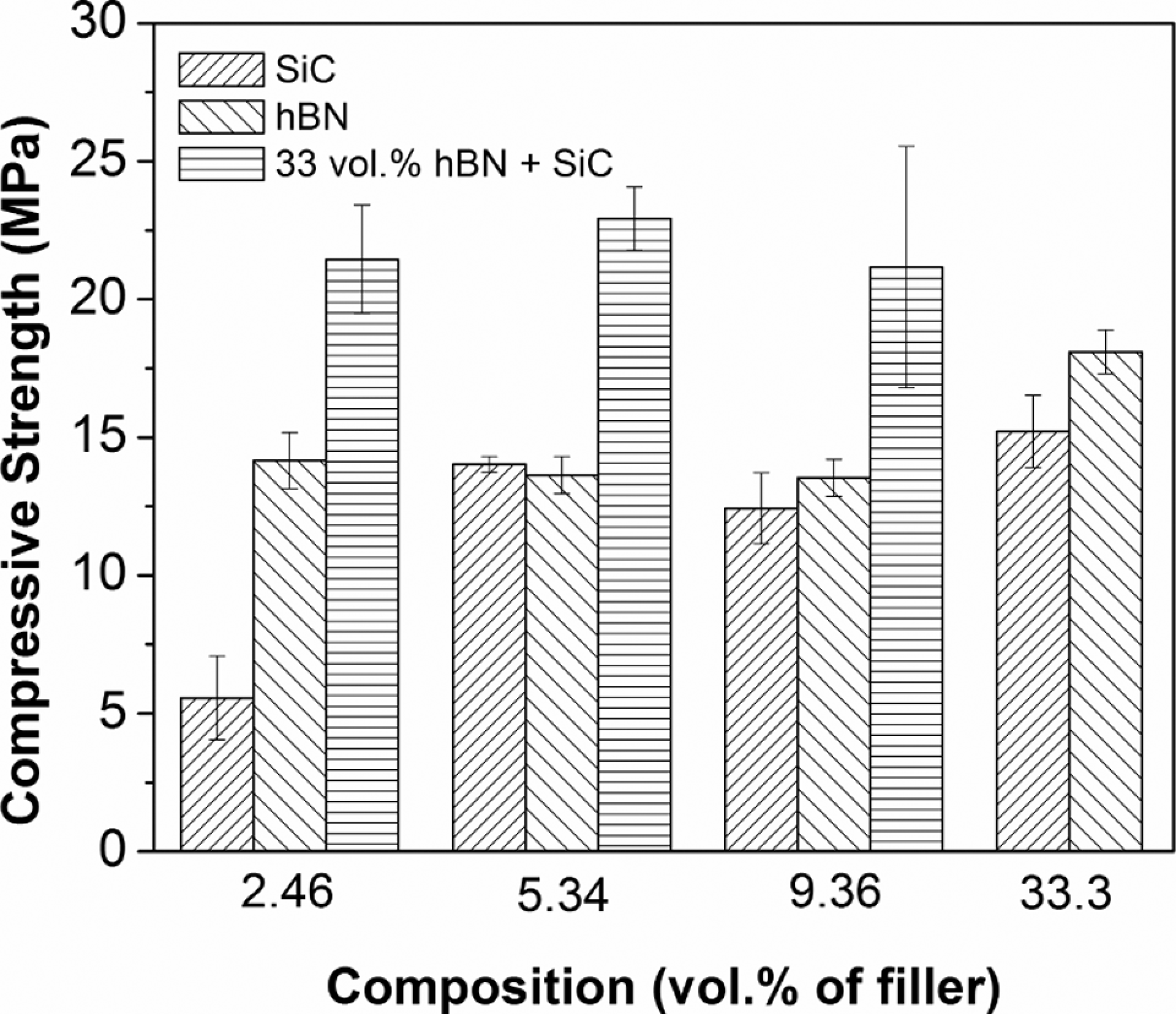
Compressive strength of fabricated composite materials.
The combination of SiC and hBN, to form a hybrid composite, has the best compressive strength. On one hand, the increased total filler content would promote the compressive strength of PMCs. On the other hand, the presence of fillers with different sizes and shapes would assist in improving σy . When the smaller particles occupy the space between the larger particulates, the improved packing efficiency of fillers would improve the compressive yield strength of the composite. The increases in compressive strength can also be attributed to improved transfer ability of stress between the polymer matrix and ceramic fillers. 41
Morphology of LLDPE/ceramic composites
Figure 8(a) to (d) shows the SEM of LLDPE-SiC composites with different SiC loadings, except the PMC filled with 33.3 vol% SiC. As evident from these micrographs, uniform dispersions of SiC particles within the LLDPE matrices were achieved. These results suggest that the processing conditions used for compounding the composites were appropriate. From the SEM, it is also apparent that some SiC particles debonded from the LLDPE matrix, leaving irregular voids in different regions of the composites. This demonstrates the weak interfacial adhesion between the SiC particles and the LLDPE matrix, which might due to the inability of the LLDPE melt to wet the crevices on the irregular surfaces of SiC particles. Moreover, at ×350 magnification, the SEM for LLDPE-SiC composite with 33 vol% of SiC indicated a poor dispersion of the filler particles in the matrix, as seen in Figure 9. The nonuniform filler distribution was a result of using dry-blending, the material instead of melt-compounding to prepare this LLDPE-SiC composite.
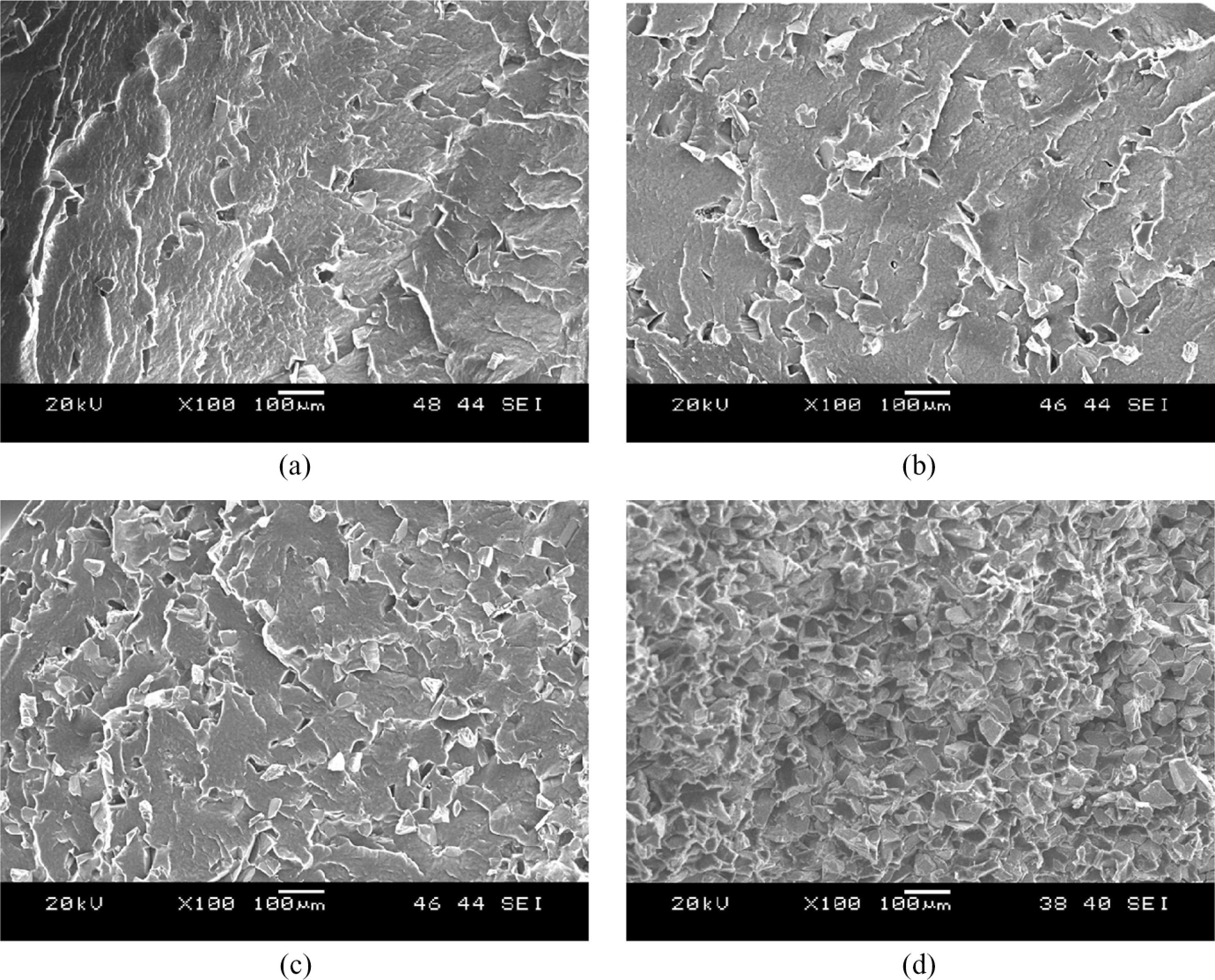
Scanning electron micrographs of LLDPE-SiC composites for (a) 2.46 vol% of SiC, (b) 5.34 vol% of SiC, (c) 9.36 vol% of SiC, and (d) 33 vol% of SiC. LLDPE: linear low-density polyethylene; SiC: silicon carbide.
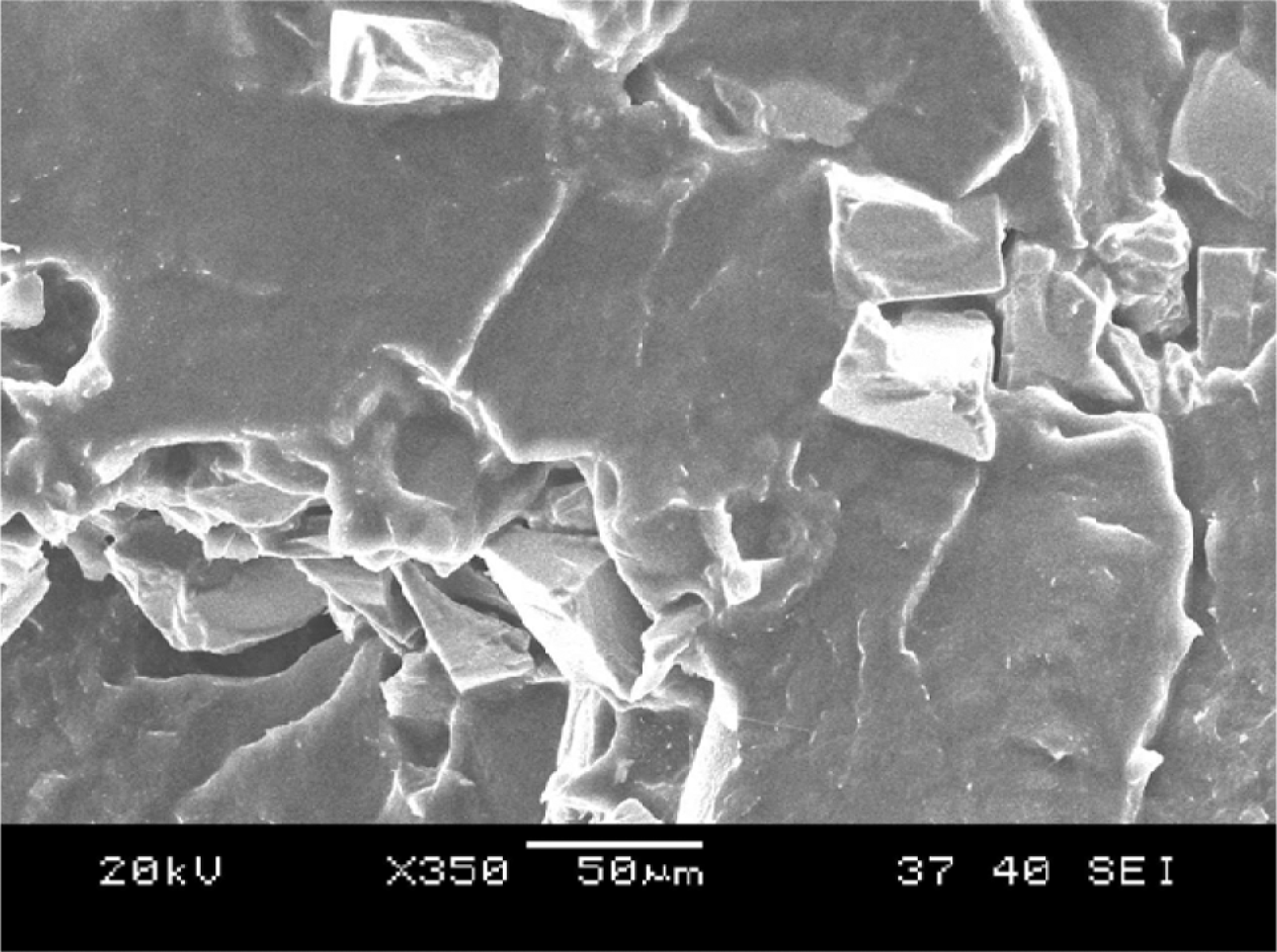
Scanning electron micrographs of LLDPE-SiC composites with 33 vol% of SiC at ×350 magnification. LLDPE: linear low-density polyethylene; SiC: silicon carbide.
Figure 10(a) and (b) illustrates the SEM for the LLDPE-hBN composites at 33 vol% loading. No hBN agglomerates could be observed at ×100 magnification. When the magnification was increased to ×1500, it could be seen that small platelets of hBN were dispersed uniformly throughout the LLDPE matrix. This was an indication that the hBN spherical agglomerates had been broken down into platelets under the high shear mixing. Therefore, the breakage of the hBN spherical agglomerate into randomly oriented fine hBN platelets in the LLDPE matrix would be beneficial to the development of thermally conductive pathways in the PMC because of the significant increase in filler population density.
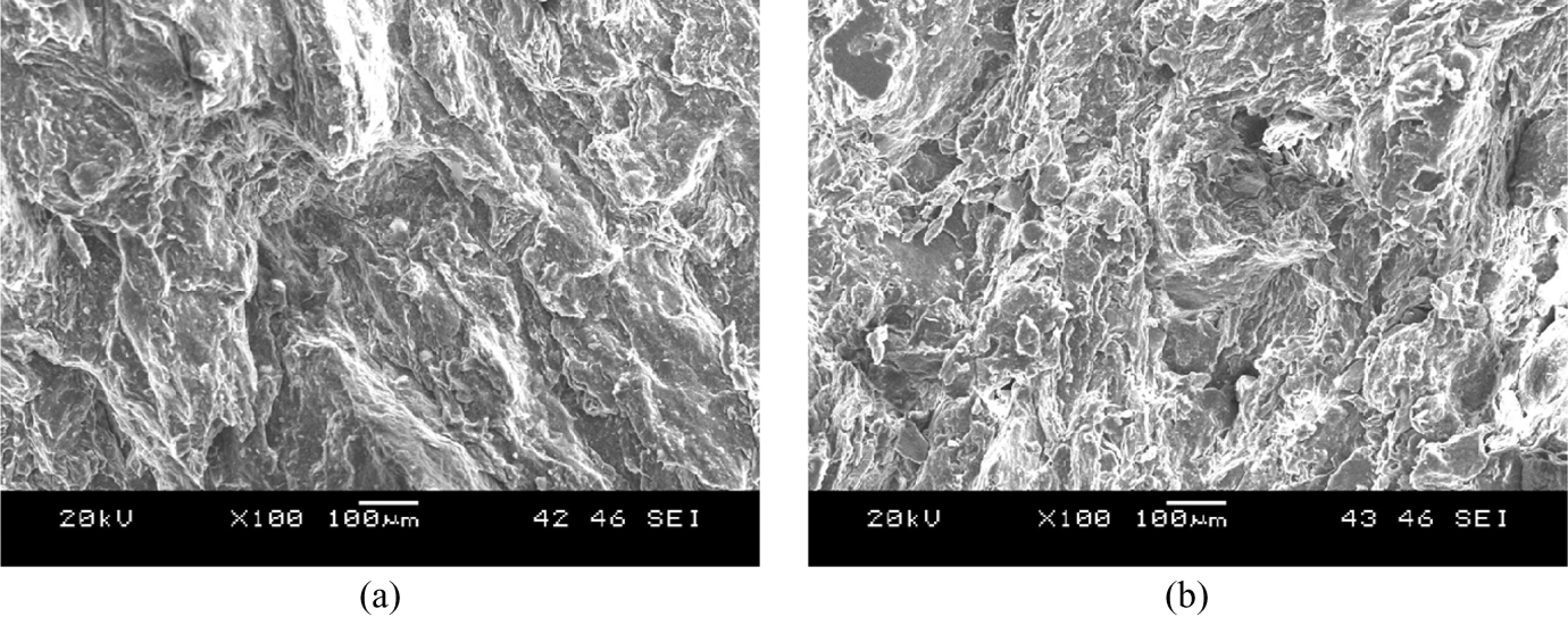
Scanning electron micrographs of LLDPE composites at 33 vol% hBN at (a) ×100 magnification and (b) ×1500 magnification. LLDPE: linear low-density polyethylene; hBN: hexagonal boron nitride.
Similar to the LLDPE-SiC composites, SEM of the LLDPE-hBN composite also revealed that some hBN platelets had been detached from the LLDPE matrix. This again demonstrated the relatively weak adhesion force between the LLDPE and the ceramic fillers. With limited interfacial adhesion, it is expected that phonon scattering would be significant at these interfacial regions. In other words, in order to take advantage of the full potential for these thermal conductive fillers to enhance the keff of the composite, future research should develop an effective strategy to improve the compatibility between the polymer matrix, and the ceramic filler is needed.
Finally, the polymer–filler morphology of hybrid composites, filled with both SiC and hBN particulates, were also evaluated, and the SEM are shown in Figure 11(a) to (d). These images depict good dispersions of both SiC and hBN particles in the LLDPE matrix. In Figure 11(d), it can also be observed that the inclusion of SiC particles among the smaller hBN platelets helped to bridge the individual platelets. The formation of the more interconnected thermally conductive network led to the substantial increase in the keff of composite when hybrid fillers were used.
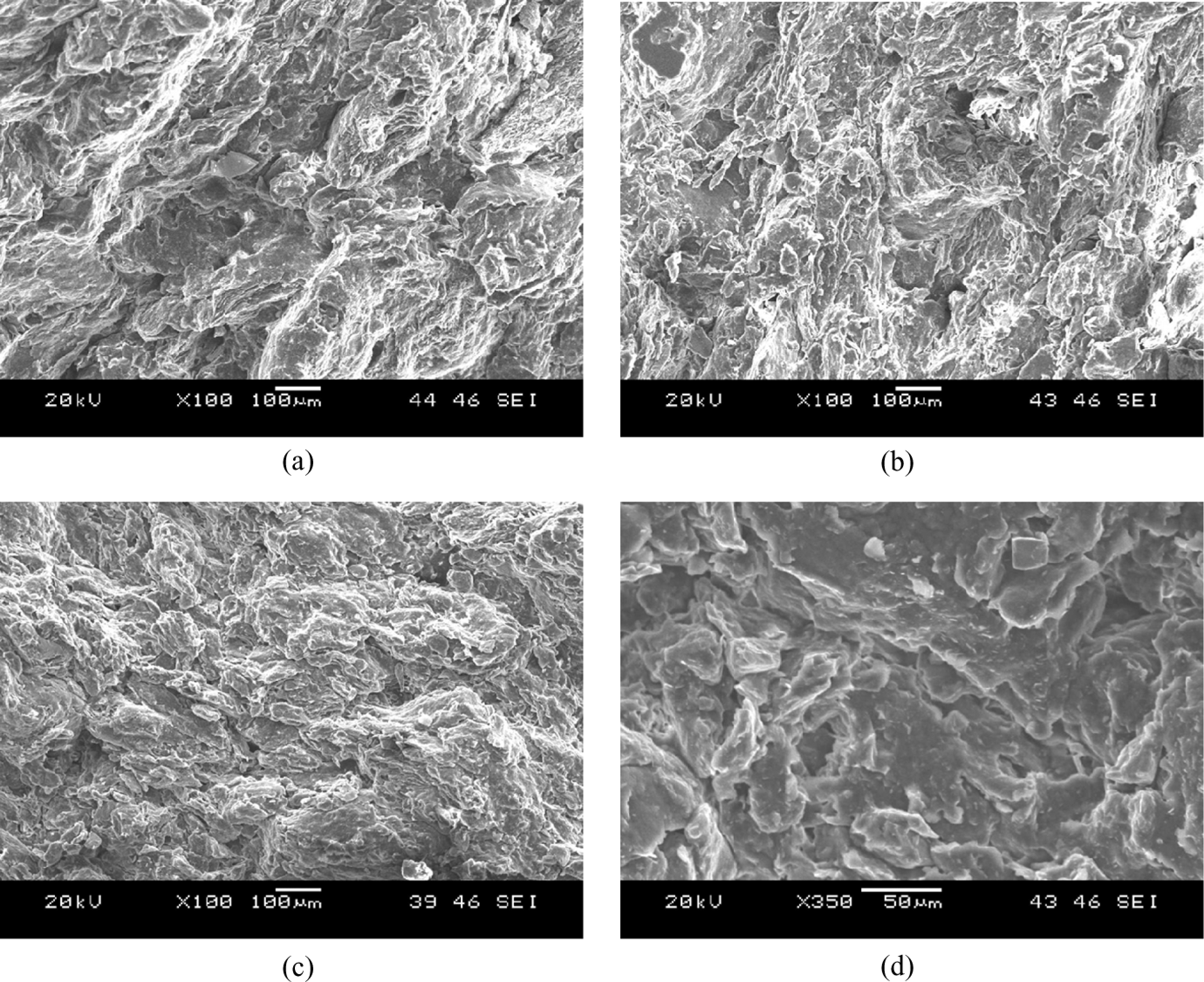
Scanning electron micrographs of LLDPE-hBN-SiC composites at ×100 magnification of (a) LLDPE-H1, (b) LLDPE-H2, and (c) LLDPE-H3 as well as (d) LLDPE-H2 at ×350 magnification. LLDPE: linear low-density polyethylene; hBN: hexagonal boron nitride; SiC: silicon carbide.
Conclusions
On the basis of the parametric studies conducted in this work, the effects of a single ceramic filler (i.e. SiC or hBN) and hybrid fillers (i.e. SiC + hBN) on thermal conductivity, the CTE, electrical resistivity, compressive elastic modulus, and compressive strength were investigated. Mechanical testing showed an increase in both compressive modulus and strength corresponding to increased filler content. Dielectric analysis revealed that the ceramic fillers used in this work, regardless of the loadings, did not compromise the electrical resistivity of the polymer, making them good candidates for electronic packaging applications. Experimentally measured thermal conductivities of the fabricated composites suggested that hBN seemed to be a more effective than SiC in promoting the keff of the composite. In addition, the use of hBN together with SiC, which have different shapes and sizes, demonstrated a synergistic effect, thus increasing the keff of the composite. Therefore, optimization of keff in composite materials may result from the use of hybrids fillers with different geometries. With regards to the CTE, the general trend showed a decrease along with filler content, as predicted by the rule of mixing. Future research in this area will be important to advance the development of novel thermally conductive composites.
However, it can be observed from the polymer–filler morphologies that the interfacial adhesions at LLDPE-SiC and LLDPE-hBN interfaces were weak. This means significant phonon scattering would occur at the interfaces, prohibiting the composite to take full advantage of the thermal conductive fillers to enhance its keff .
Footnotes
Acknowledgements
The authors are grateful to Performance Materials for their hexagonal boron nitride samples.
Funding
This work was financially supported by AEG Power Solutions Inc. and Natural Sciences and Engineering Research Council (NSERC) of Canada.