




Abstract
This article addresses the experimental characterization of the abrasive wear of two woven fabric carbon fiber and glass fiber composite materials, taking into account the effect of moisture absorption. The composite materials were tested to three level loadings and two sliding speeds. The abrasive used was dry sand of size 0.6 µm, and the time of wear testing was 10 min. In order to study the effects of moisture on wear behavior, another series of samples was introduced into the tank of water during a period of 40 days at ambient temperature. The planning design experimentation approach was applied to obtain a mathematical model taking into account the influencing parameters on the wear behavior of the composites. The wear results have shown that for a higher turn speed and a load, the loss of matter increases. In the case of samples exposed to water absorption, the wear rate increases more than the dry samples. The micrographs of the surface of the samples tested were taken in order to characterize the wear mechanism.
Keywords
Introduction
Composite materials have excellent properties, primarily their lightness, rigidity, and specific resistance to fatigue and corrosion. In practical use, composite materials may be subjected to a wide variety of different loading conditions. Woven fabrics provide excellent integrity and conformability as an attractive reinforcement. The composite materials were widely used in aeronautic, aerospace industries, and building. These materials constituted structural elements; if these elements were subjected to movements, they produced the wear phenomena. Many investigations were conducted on the wear mechanisms; Schön 1 had measured the coefficient of friction between aluminum and a composite of matrix epoxy reinforced with glass fiber. The initial coefficient of friction obtained was about 0.23 and a maximal value after wear was about 0.68. On the other hand, Reinicke et al. 2 have investigated the tribological behavior of many thermoplastic matrices reinforced with a short glass fiber and Polytetrafluoroethylene (PTFE). Viswanath et al. 3 analyzed the effect of fiber volume fraction on the wear behavior of a composite of matrix epoxy reinforced with glass fiber. Srinath and Gnanamoorthy 4 have investigated the wear behavior of Nylon 66 without a glass and carbon fiber reinforcement. The tests were realized under a different loading and sliding speeds. All the tests were conducted at ambient temperature. Quintelier et al. 5 have investigated a wear between steel and a composite material of matrix Polyphenylene sulphide (PPS) reinforced with carbon fiber. Suresha et al. 6 investigated the effect of graphite filler on dry sliding wear and abrasive wear behavior of carbon fabric-reinforced epoxy composites. Sliding wear experiments were conducted using a pin-on-disc wear tester under dry contact condition. Mass loss was determined as a function of sliding velocity for loads of 25, 50, 75, and 100 N at a constant sliding distance of 6000 m. Two-body abrasive wear experiments were performed under multipass condition using silicon carbide of 150 and 320 grit abrasive papers. The effects of abrading distance and different loads have been studied. The results show that in dry sliding wear situations, for increased load and sliding velocity, higher wear loss was recorded. Vina et al. 7 studied the wear behavior of a glass fiber-reinforced polyetherimide (PEI) composite using a pin-on-disk tester. The tests were conducted at different temperatures, such as, 50, 100, 150, and 200°C. The results showed important microstructural variation at a temperature of 200°C. Pracella et al. 8 have studied the adhesion between the fiber, and the matrix is superior with aged fiber because the aged fiber absorbs less moisture. Reduced moisture content also resists degradation of fiber resulting in better strength. The mechanical properties of the composites strongly depend on several factors such as fiber size, fiber loading, fiber dispersion, fiber orientation, and interfacial bond strength. Also, Mahapatra and Vedansh 9 have used the Taguchi approach in modeling and analyzing the abrasive wear of a polyester resin matrix reinforced with a chopped sugarcane fiber. The tribological properties under abrasive wear, the tensile properties, the thermal properties, and the structure have been investigated on Vapor-grown carbon fiber (VGCF)/polyamide 6 composite fiber by Toshihidra et al. 10 Bijwe et al. 11 reported the influence of the amount of aramid fabric in polyethersulfone (PES) on abrasive wear performance. In the present work, three orientations of PES composites containing Kevlar 29 fabric in three concentrations of 64, 72, and 83% in weight were selected to study the effect on wear.
The aim of the present article is to clarify the tribological abrasive wear behavior of the two composite materials of matrix PEI reinforced with woven 8-harness (8H) satin fabrics (glass fabrics and carbon fabrics). In order to study the moisture absorption on the wear behavior, another series of composites was submitted for moisture absorption during a short period.
Experimental study
Materials
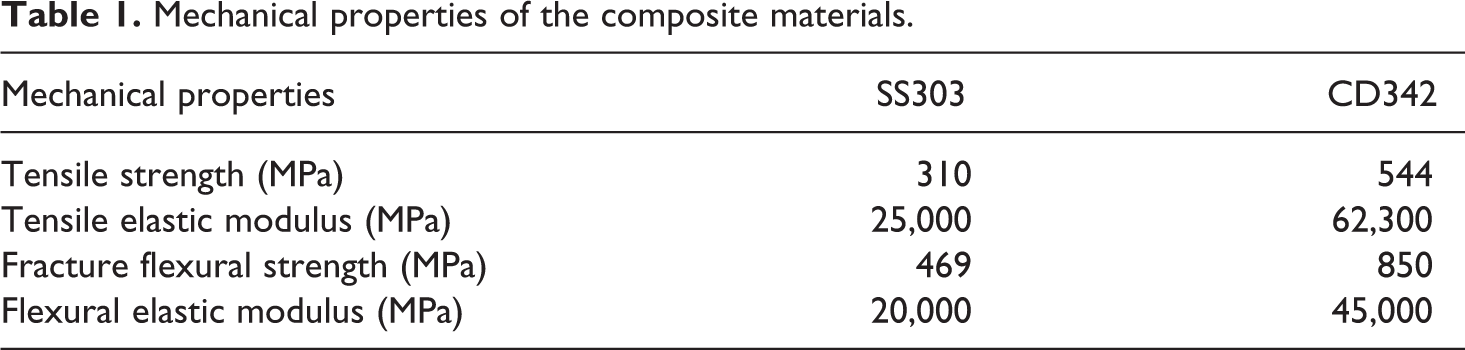
Two woven composite materials of matrix polyetherimide (PEI) were investigated. The materials were made of woven 8H satin fabrics. The first material was a composite of glass fiber with a commercial denomination SS303, while the second was a carbon fiber of denomination CD342. The matrix volume was 46% for the CD342 and 33% for the SS303. Figure 1 presents a woven fabric. The materials were manufactured by TenCate Advanced Composite Materials. The molding conditions included a temperature of 315°C and a pressure of 2 bar for 15 min, followed by the same temperature with 20 bar for 20 min, and finally 10 min for 20 bar at 140°C. The dimensions of the specimens were 35 × 20 × 3.5 mm3. In order to fix the specimens during the abrasive wear test, a hole of 4 mm diameter was drilled at one side. The mechanical properties of the composite materials are shown in Table 1.
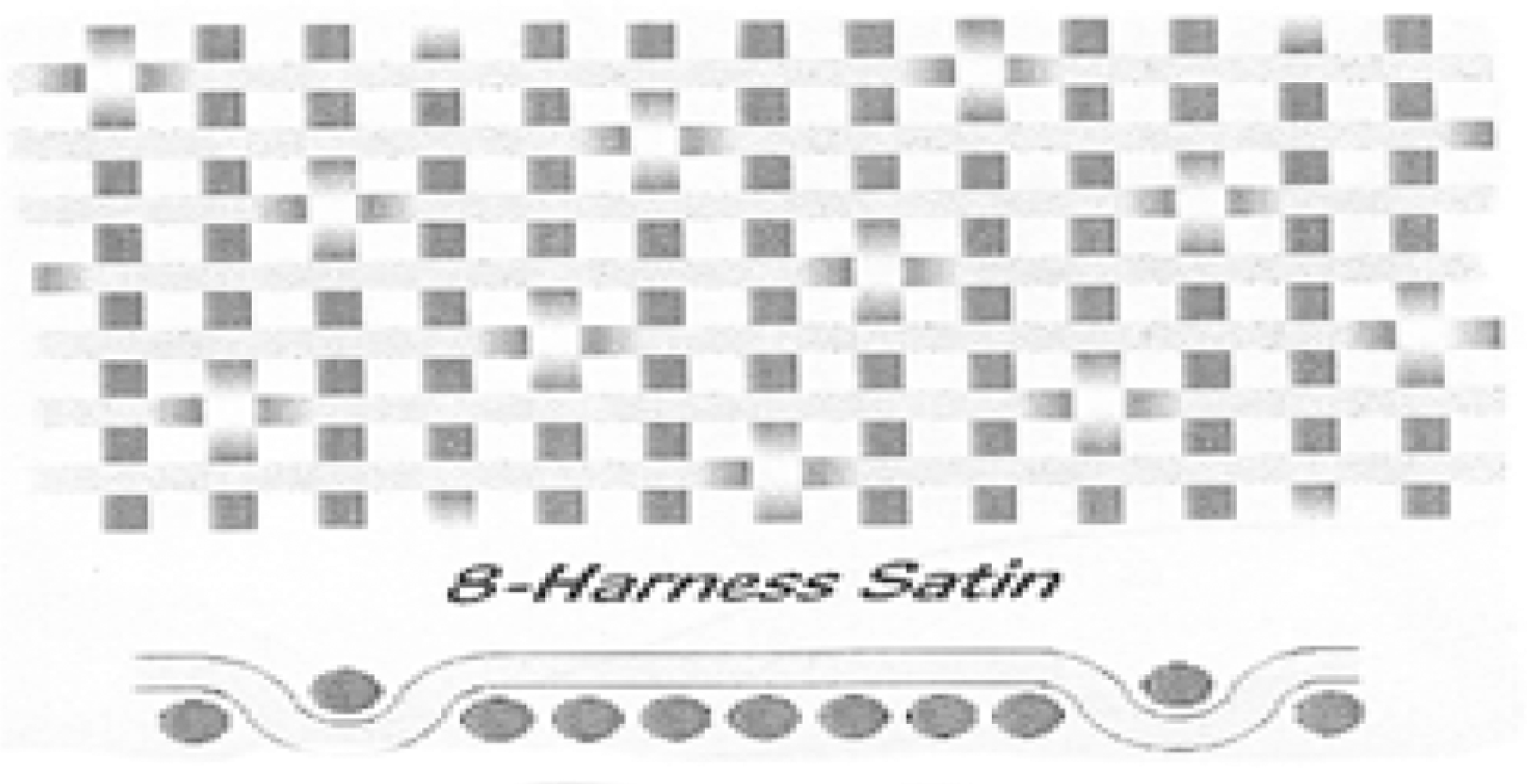
Woven fabric of 8-harness satin.
Mechanical properties of the composite materials.
Specimen conditioning for moisture absorption
The specimens were first dried in an oven at 70°C until achieving constant weight. In order to study the effect of moisture on abrasive wear, only some samples have been introduced into a tank of water at ambient temperature during 40 days. Figure 2 presents curves of moisture absorption of a woven carbon fiber and a glass composite. In this figure, it can be seen that the composite materials reached the saturation point at around 40 days. At this point, the carbon fiber presented a percentage increase in weight of 0.3%, versus the glass fiber reinforced material, which was smaller, 0.22%. The gained weight was determinate by equation (1)
Moisture absorption curves of woven carbon and glass fiber.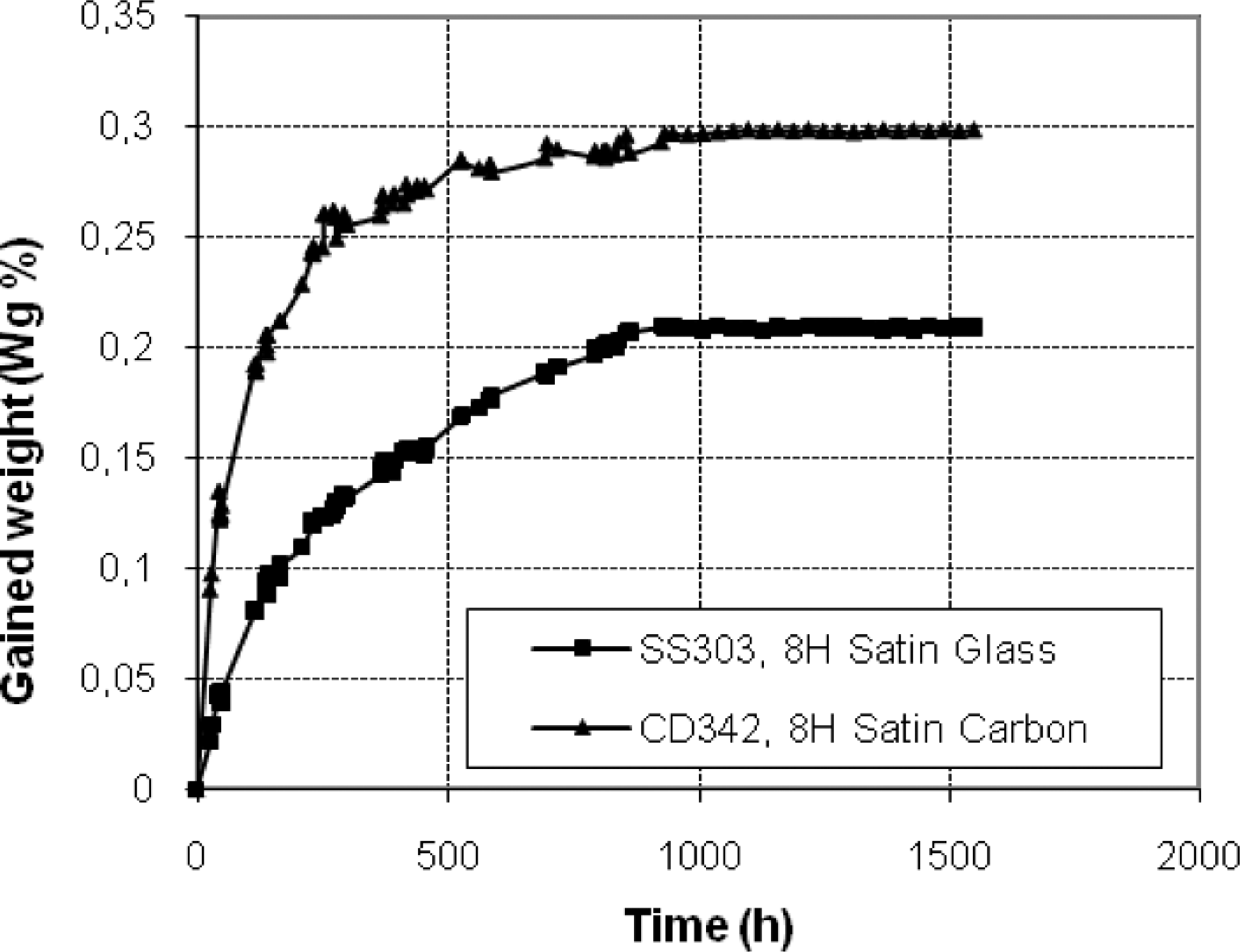

Abrasive wear conditions and test
Abrasive wear of composite materials is a complicated surface damage process affected by a number of factors, such as microstructure, mechanical properties of the target material and the abrasive, loading condition, environmental influence, and so on. Microstructure is one of the major factors; however, its effect on the wear mechanism is difficult to investigate experimentally due to the possible synergism with other influences.
The abrasive wear test was conducted using ASTM G99.
12
Figure 3 presents a device used for the wear abrasive test. Three different levels of dead weight were used (3, 6, and 9 kg) and two rotating speed of the drum (750 and 1500 r/min, respectively). The drum diameter was 100 mm. The normal forces were 30, 60, and 90 N. The dry sand was used like an abrasive agent flowing continuously for 10 min through a draining pipe of 4 mm diameter. A locating pin made of a polyamide rubber was fixed on the steel wheel using an adhesive of 3 M. A digital balance was used in order to evaluate the loss of mass. Before starting the experiment, pin was abraded against a fine abrasive paper of grade 1200 (grit size 5 µm) for uniform contact. Before and after the experiment, the pin was cleaned with a brush to remove particles/wear debris, followed by weighing on digital balance with an accuracy of 0.0001 mg. The experiment was repeated three times and the average value of wear was considered. The wear rate (Y) was calculated from the following equation (2) Abrasive wear apparatus. 1: Draining pipe; 2: dead weight; 3: tank of sand; 4: drum steel wheel and locating pin; 5: electric motor; 6: metallic structure; 7: composite specimen.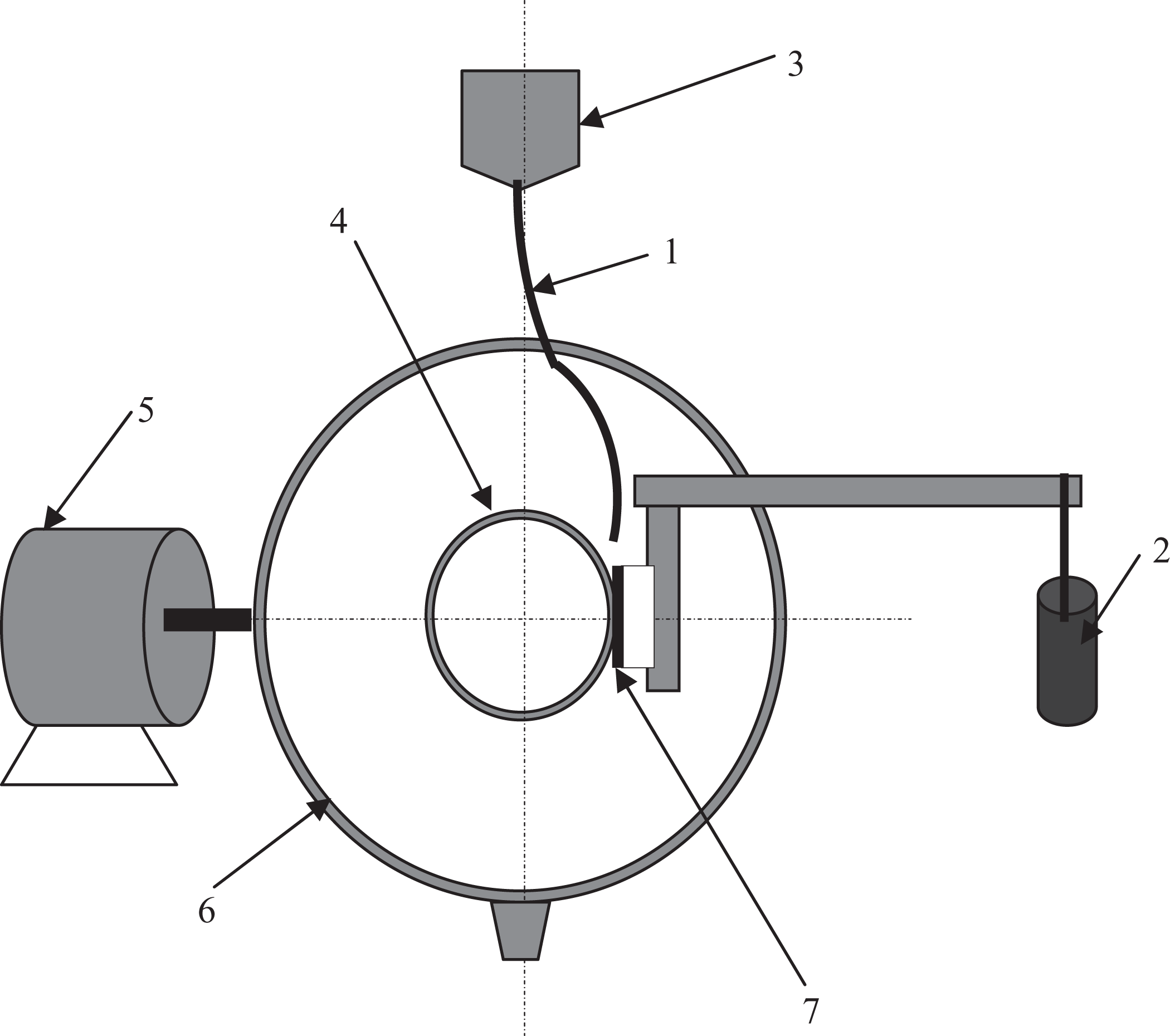


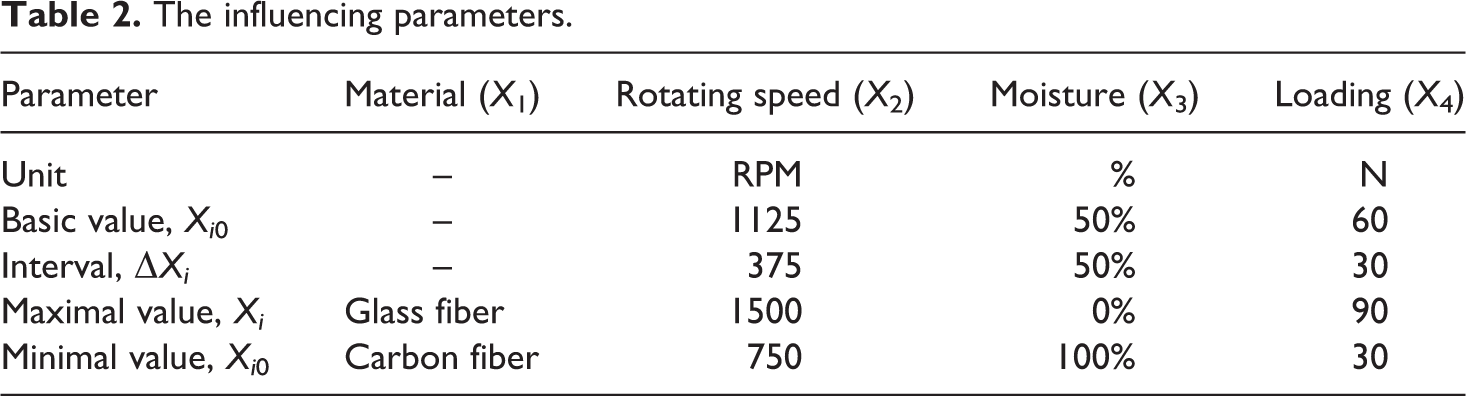
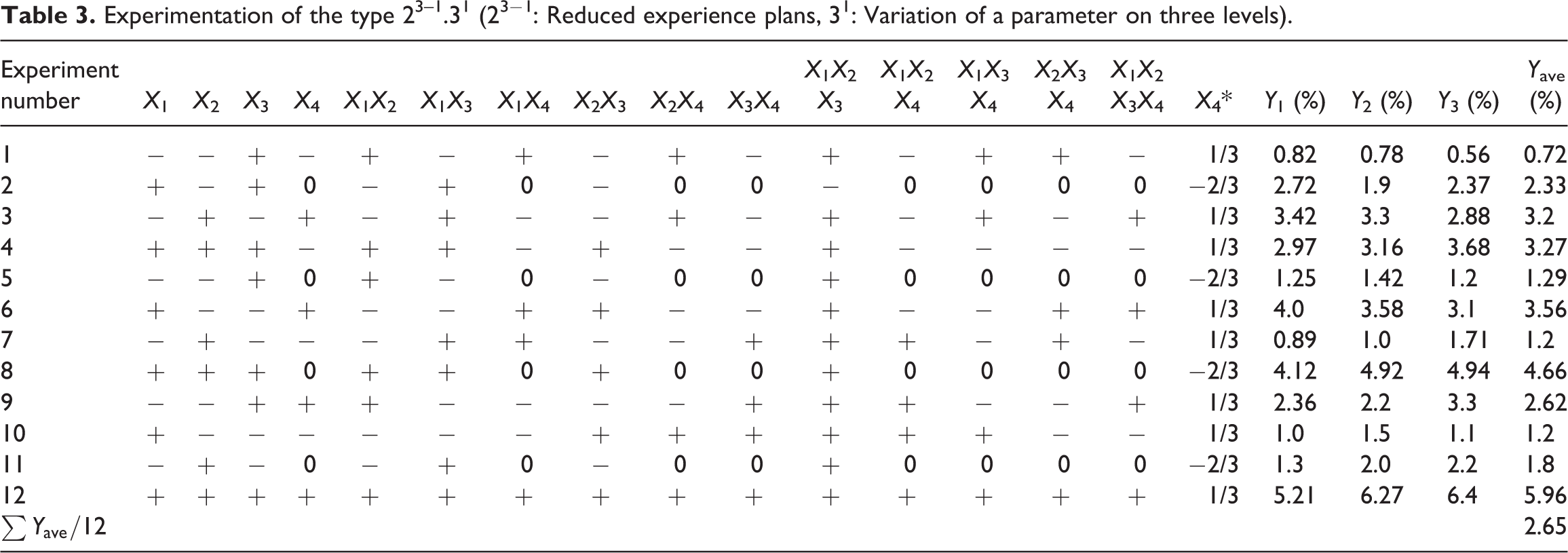
Frequently, the wear behavior of polymeric composites has to be considered as a function of load, sliding speed, and a type of abrasive. In order to understand the mechanisms of tribological process, the planning design experimentation approach was applied. 13 –16 The coded values used in the study are presented in Table 2. Table 3 presents the experimentation and function of the coded values. The sliding speeds were 3.92 and 7.85 m/s.
The influencing parameters.
Experimentation of the type 23–1.31 (23−1: Reduced experience plans, 31: Variation of a parameter on three levels).
Experimentation and results
The experimentation is made on a bench test (Table 3), according to the planning of experiments of second order and of type 2 requiring six experiments under the influence of the parameters whose values are reported in Table 3. In the fact of the diversity of the units,
13
–16
the values were coded by the equation (3)

Coefficient of regressions
β 0 = 2.52; β 1 = 0.846; β 2 = 0.697; β 3 = 0.824; β 4 = 1.119; β 12 = 0.436; β 13 = 1.086; β 14 = 0.144; β 23 = 0.457; β 24 = 0.054; β 34 = 0.029; β 123 = 1.916; β 124 = 0.029; β 134 = 0.054; β 234 = 0.144; β 1234 = 1.119; β 44 = 0.194.
By applying the Student’s tests, the significant coefficient of regressions must be superior to
Taking into account only the significant coefficients, the model giving the wear rate take the form

Now, we consider only the effects of the material type and the rotating speed, respectively (X
1 and X
2), so the mathematical model of the wear rate becomes

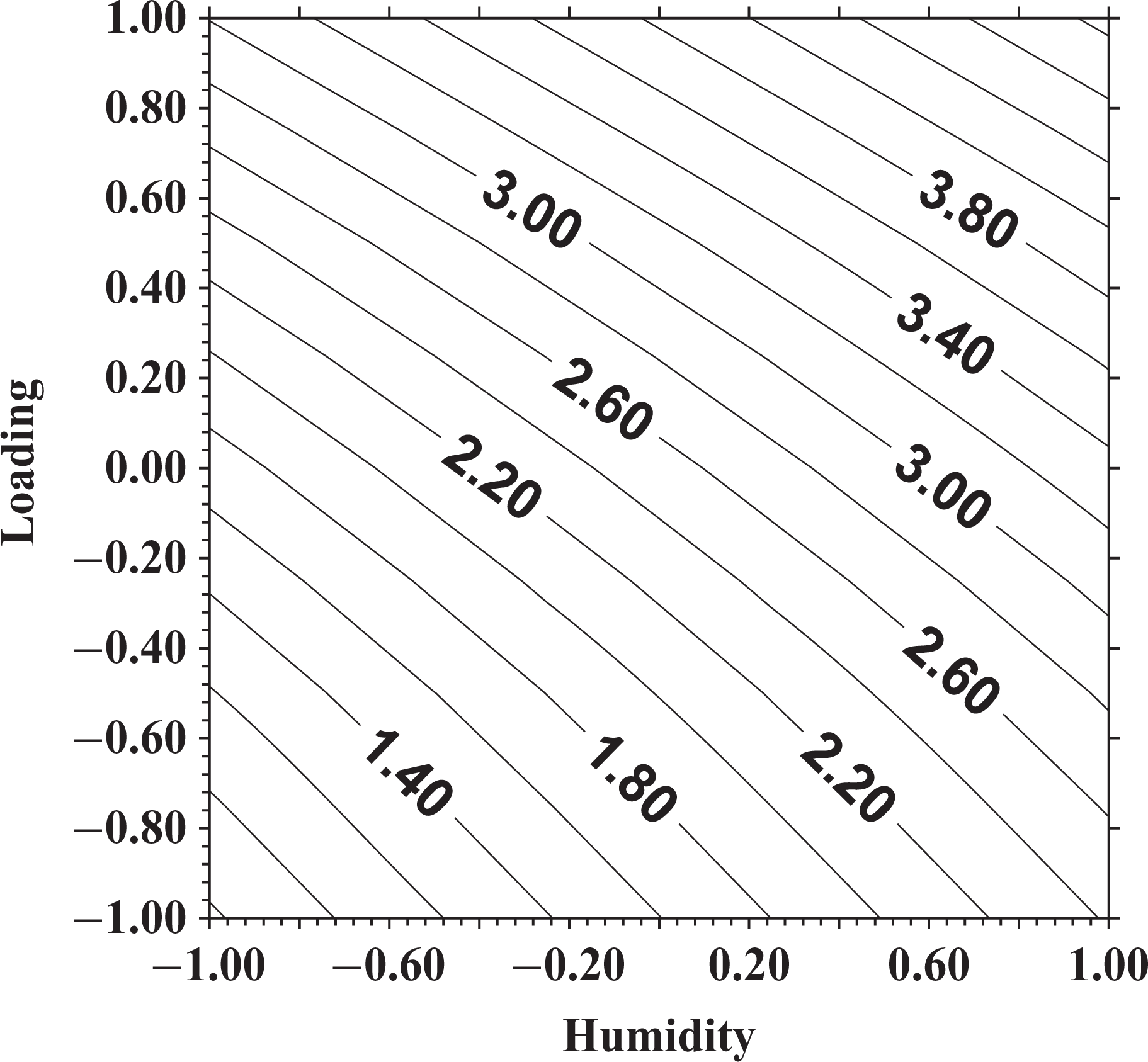
Effect of moisture and loading on the wear rate.
Now, we consider only the effects of the material type and moisture (X
1 and X
3, respectively), and we obtain a mathematical model of the wear rate described below

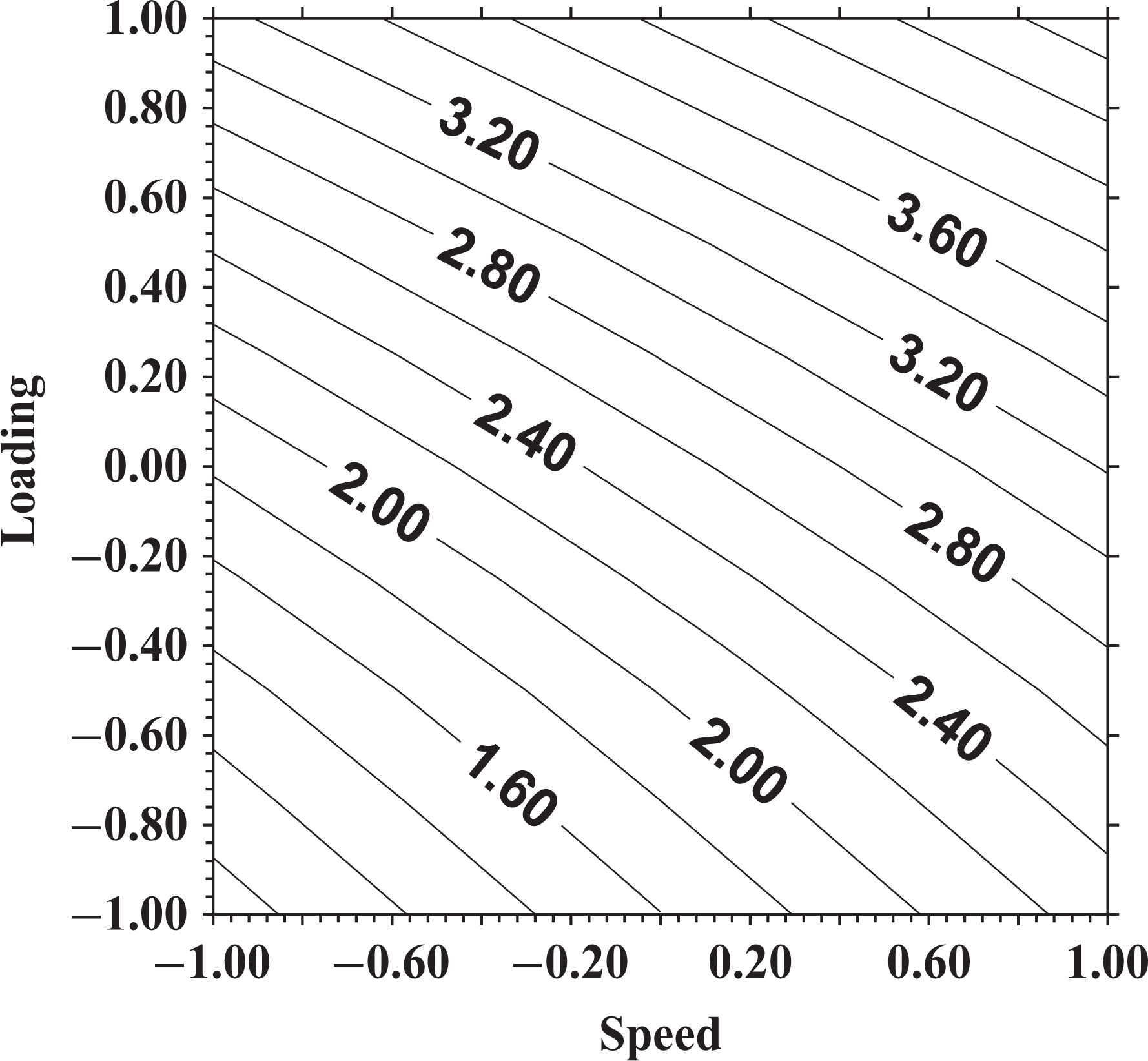
Effect of speed and loading on the wear rate.
Now, we consider only the effect of material type and loading (X
1 and X
4, respectively), the mathematical model of the wear rate becomes

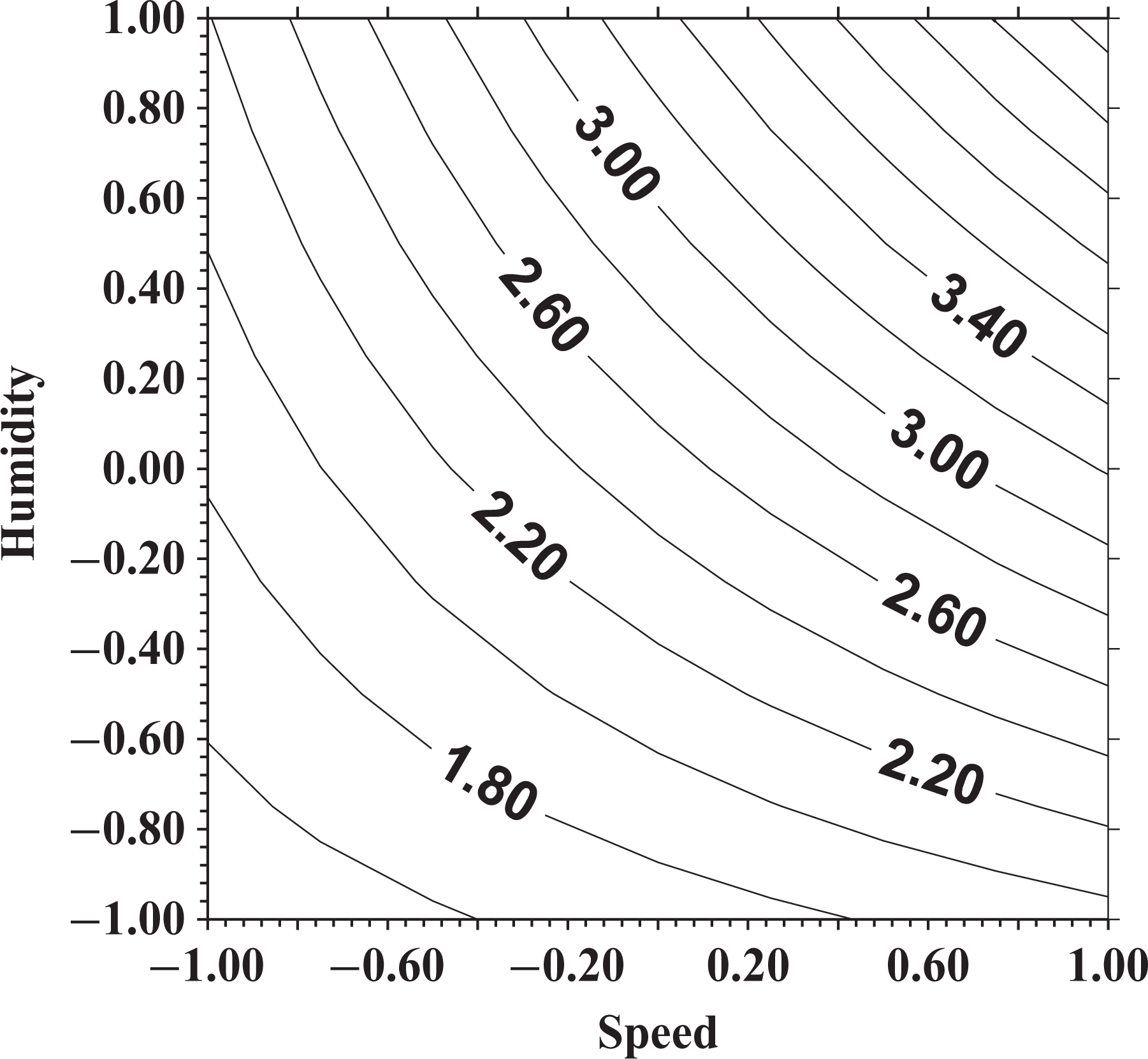
Effect of speed and moisture absorption on the wear rate.
Taking into account the rotating speed and moisture (X
2 and X
3, respectively), the model of the wear rate takes the form

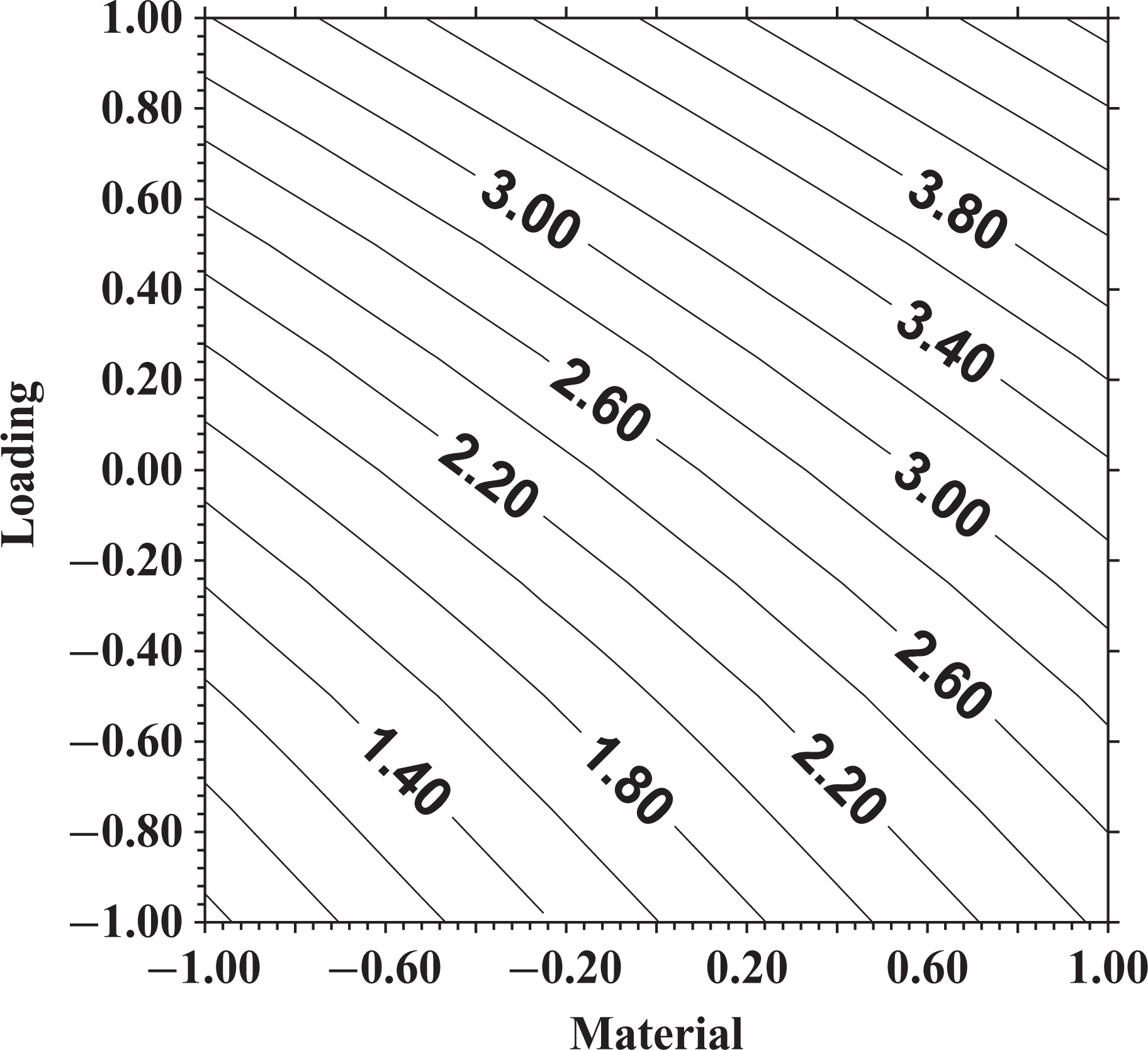
Effect of material type and the loading on the wear rate.
If we consider the influence of the speed and the loading (X
2 and X
4, respectively) alone, then the mathematical model of the wear rate is given as follows

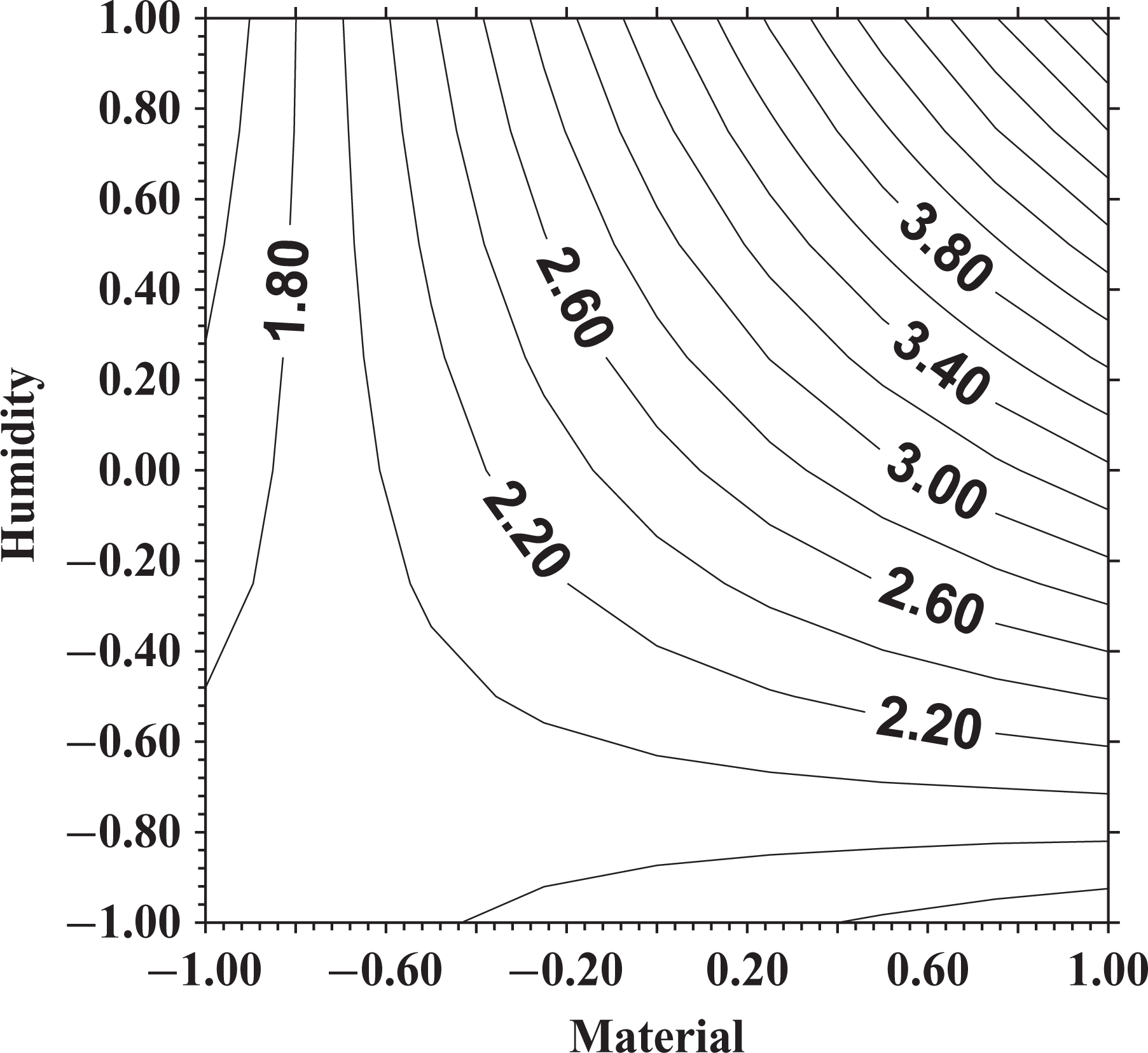
Effect of the material and the humidity on the wear rate.
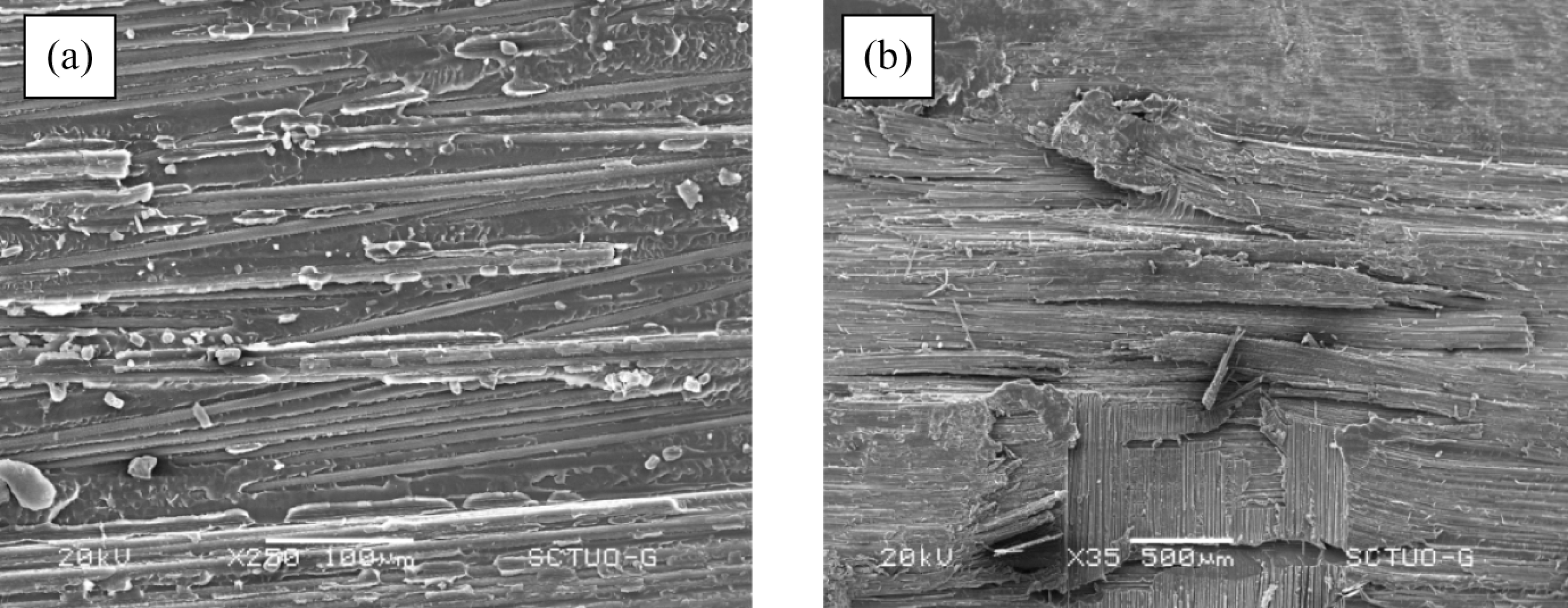
Figure 9(a) and (b) shows scanning electron micrographs of the surface of the composite SS303 tested for the abrasive wear. All the micrographs are obtained from the contact zone of wear. In Figure 9(a), we observed broken fibers similar as important zones of resin. The wear involves fiber sliding, fiber cracking, and fiber pulverizing. When a composite was subjected to moisture absorption, channels and microcracks were generated into a composite, which involves a damaged zone. In Figure 9(b), we can appreciate a damaged zone produced by abrasive wear. By increasing the applied load and the sliding speed, the temperature at the contact zone increases quickly exceeding the glass transition temperature of the resin, which is approximately 217°C. Thermal stresses were generated into a composite, the material became more ductile followed by the generation of microcracks and voids and increase in wear rate.
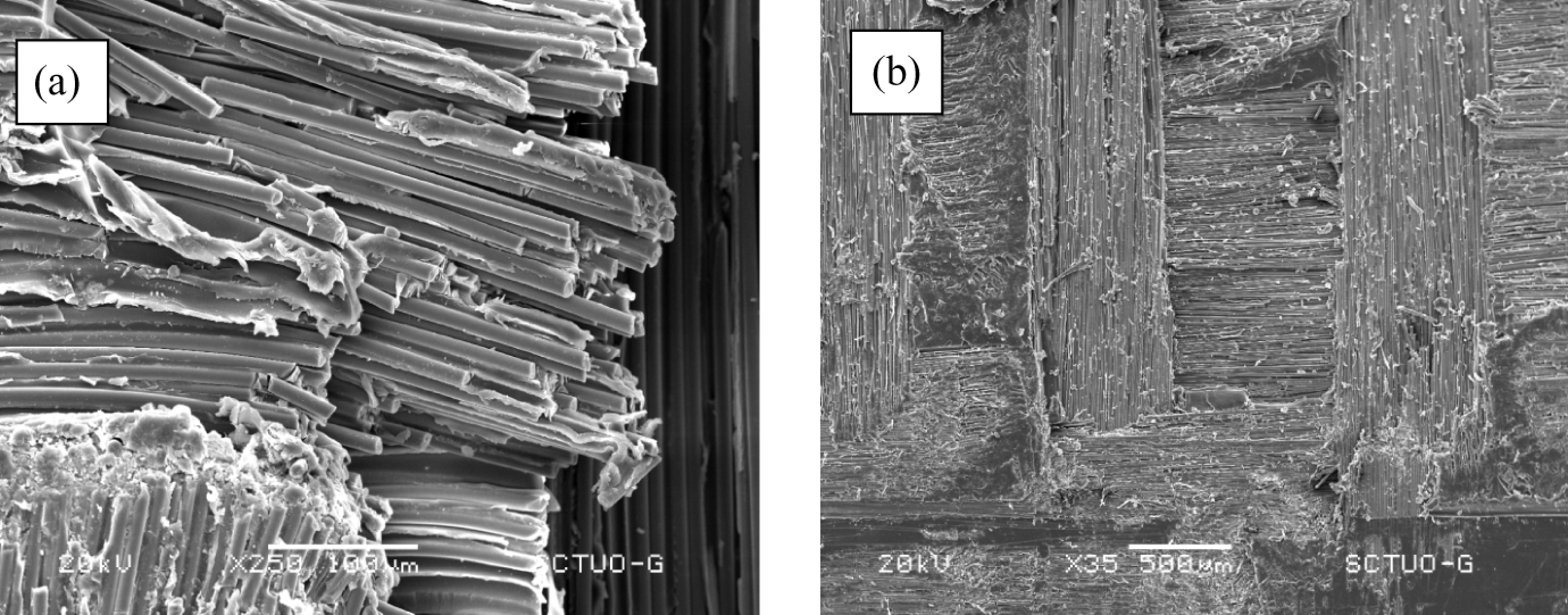
Micrograph of composite SS303 (×35).
In Figure 10, we observed that the matrix crack, fiber separation, and the plastic deformation occurred under sliding load and small cavities. These cavities are themselves stress concentrations and have resulted in more cracks in matrix and fibers. The weave of the material combined with an excessive turn speed and a higher load caused a discontinuous wear of the materials. There are substantial zones of broken fibers and the matrix has suffered more wear.
Micrograph of composite CD342 (×35).
Conclusion
The tribological properties under abrasive wear conditions of two woven fabric composite materials were studied. The specimens were tested to three level loads and two different rotating speeds during 10 min. The composites were a matrix PEI reinforced with a woven carbon fiber of 8H satin and a glass fiber of 8H satin. In order to study the effect of water absorption on the wear rate, the specimens were introduced into a tank of water at ambient temperature during a period of 40 days and then tested to abrasive wear. The planning design experimentation approach was applied to obtain a mathematical model taking into account the influencing parameters (loads, turn speed, type of the material, and humidity). From the result, the wear rate increases more in the case of water absorption for a turn speed of 1500 r/min and a applied load of 90 N. In the case of moisture absorption, the composite samples exhibit a higher wear rate than a dry state, especially for a carbon fiber composite. The moisture absorption involves the microcracks and channels into a composite which leads to a decrease in the resistance in the fiber/matrice interface. Micrographs were taken in the contact zone.
Footnotes
Funding
This research received no specific grant from any funding agency in the public, commercial, or not-for-profit sectors.