




Abstract
Polypyrrole/Na-montmorillonite nanocomposites were prepared by oxidative polymerization of pyrrole in aqueous medium using ammonium peroxydisulfate as the oxidant. The synthesized nanocomposites were confirmed by a series of characterization techniques including Fourier transform infrared spectroscopy, X-ray diffraction, scanning electron microscopy, transmission electron microscopy, and thermal analysis. X-ray diffraction and transmission electron microscopy images showed that the polypyrrole was intercalated into the clay layers. The thermogravimetric analysis and differential thermal analysis revealed the improved thermal stability of nanocomposites with respect to pure polypyrrole due to modification of the incorporated Na-montmorillonite. Furthermore; adsorptive properties, the moisture retains, and water uptake values of nanocomposites were investigated. Conductivity behaviour of nanocomposites was also studied. The nanocomposites exhibit the room temperature conductivities varied from 1.2 × 10⁻⁸ S cm−1 to 8.7 × 10⁻⁸ S cm−1 range, depending on the amount of polypyrrole.
Introduction
In recent years, conductive polymer/clay nanocomposites have attracted a great attention because these improved composites are widely used in technological applications in rechargeable batteries, electrolytic capacitors, electronic, and optical devices.1–4
Introduction of only a small amount of clay minerals, such as sodium-montmorillonite (Na-MMT), into the polymer structure may improve physical and chemical properties of conductive polymers. 3 Clay minerals can be intercalated with conducting polymers such as polypyrrole (PPy), polyaniline, polythiophene, and poly(N-vinylcarbazole) because these polymers show significant improvements in conductivity and environment stability. 5
Among the polymers, PPy is a promising conducting polymer for commercial applications because of environmental stability to oxygen and water, good stability, easy synthesis, economic efficiency, and excellent conductive properties than other conductive polymers. However, its poor thermal and mechanical properties especially thermal stability and solubility to an aqueous solution need to be enhanced.
Therefore, the aim of this article is to improve the thermal stability of PPy through the synthesis with layered materials such as clay. During this method, the thermal properties of conductive polymers in the composite form improve with incorporating clay.
Using clay as host in the nanocomposites also reduces the cost. Among the many layered materials, the MMT has received intensive attention because it is natural, abundant, inexpensive, and has high chemical and thermal resistance.
Although many articles on conductive polymer/clay nanocomposites were available, there are only few works about the preparation, characterization, and properties of intercalated PPy/unmodified Na-MMT nanocomposites synthesized by oxidative polymerization. Therefore, in the present study new types of nanocomposites, PPy and unmodified Na-MMT, were prepared by oxidative polymerization using ammonium peroxydisulfate (APS) as oxidant.
Materials and methods
Materials
Na-MMT purchased from Reşadiye (Tokat, Turkey) bentonite clay and was used after further purification. 6 The chemical composition of the Na-MMT in weight percentage was 61.97% SiO2, 19.73% Al2O3, 4.74% Fe2O3, 0.91% CaO, 2.40% MgO, 2.58% Na2O, 0.38% K2O, 0.22% TiO2, and 7.08% loss on ignition, which was determined by atomic absorption spectrometry. Its cation exchange capacity value is 1.08 mol kg−1, specific surface is 43 m2/g, and an interlayer spacing of Na-MMT is 1.00 nm. Pyrrole and APS were purchased from Merck Chemical Company (Germany). PPy was purified under reduced pressure and stored in a refrigerator before use. The oxidant, APS, and all other chemicals were used without further treatment.
Synthesis of PPy/Na-MMT nanocomposites
Na-rich MMT was obtained, as previously described in the literature, 6 by the methods of dispersion and sedimentation from its aqueous suspension. PPy/Na-MMT nanocomposites were synthesized as below via oxidative polymerization. 7
The suspension of Na-MMT (1.0 ± 0.01 g) in 25 mL distilled water was stirred at a rate of 100 r/min overnight at room temperature for each polymerization. Then, the liquid pyrrole and the aqueous Na-MMT suspension in a 100-mL Pyrex glass tube were mixed with the different weight ratios as given in Table 1. The APS as oxidant solution in water (3.5 × 10⁻² mol/L) was added as 5 mL to the prepared suspension. The obtained mixtures were polymerized, adjusted to the polymerization temperature (0°C) for 2 h to obtain PPy/Na-MMT nanocomposites using an ultrasonic bath (Bandelin Sonorex-RK100H, Germany). Then the dark black-coloured powder precipitate was isolated from the reaction mixture by filtration and washed with deionized water to remove the unreacted monomer. The obtained nanocomposites were dried at 30°C under vacuum. The other samples were prepared by the same procedure using different quantities of pyrrole. Table 1 shows the codes, compositions, and polymerization conditions of the samples.
Codes and chemical compositions of samples and polymerization conditions a
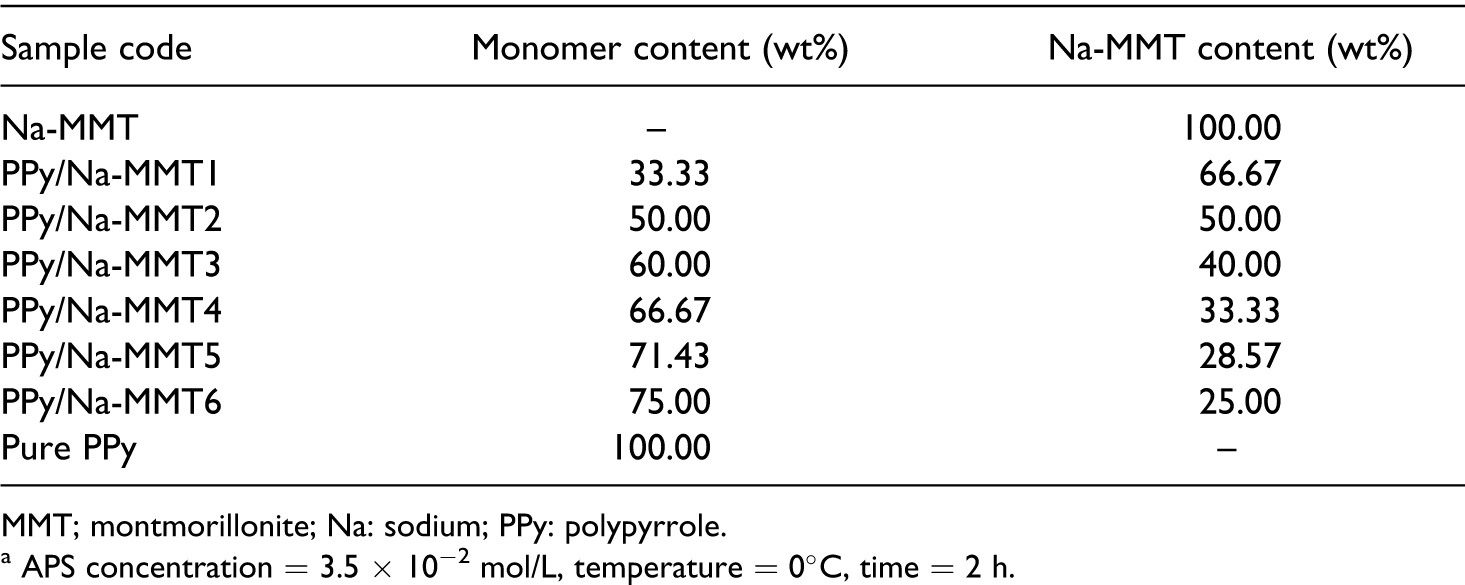
MMT; montmorillonite; Na: sodium; PPy: polypyrrole.
APS concentration = 3.5 × 10⁻² mol/L, temperature = 0°C, time = 2 h.
Nanocomposite characterization
For X-ray diffraction (XRD) analysis of Na-MMT and PPy/Na-MMT nanocomposites, we used an Inel Equinox 1000 powder diffractometer, using CoKα X-rays whose wavelength was 0.178901 nm. For XRD analysis, the Na-MMT and PPy/Na-MMT nanocomposites are to be in powder form.
The chemical characterization of samples in the form of KBr pellets were obtained with a Perkin Elmer 100 Model Fourier transform infrared spectroscopy (FTIR) spectrophotometer in the range 450–4000 cm−1.
The thermal stability of the materials was determined using a Shimadzu simultaneous DTA-TG apparatus (DTG-60H Model) thermal analyzer. The flow rate of nitrogen gas was at 200 mL/min. The temperature range studied was from room temperature to 1000°C, with a heating rate of 10°C/min and α-Al2O3 was used as an inert material.
The scanning electron microscopy (SEM) images were obtained using a LEO-435 Model SEM (England). All samples were coated with gold prior to analysis.
For transmission electron microscopy (TEM) analysis, the samples cured with epoxy resin were microtomed with a Leica ultracut-R. Ultrathin sections were cut with a glassknife and deposited on one layer of carbon 300 mesh copper grids. TEM micrographs were taken with LEO-906, with an accelerating voltage of 80 kV, and the contrast between the layered clay and polymer phase was sufficient for imaging and observed under TEM without staining.
The adsorption and desorption isotherms for nitrogen were obtained at 77 K, using a volumetric adsorption instrument fully constructed of Pyrex glass and connected to high vacuum. 6
The weighed dry samples in the form of pellet were conditioned at 25°C in medium having 100% humidity for 24 h for the moisture retain measurements. The percentage moisture retain was calculated from the difference between the weights of the conditioned and unconditioned samples (i.e. moisture retain% = (W2 − W1)/W1 × 100, where W1 and W2 are the weights of the uncondition and condition samples, respectively).8,9
The dry samples in the form of pellet were weighed, W1, and then kept in distilled water for 2 h at 25°C. After immersion, the wet samples were wiped using filter paper and reweighed immediately, W2. The percentage water uptake of samples was determined using the formula (W2 − W1)/W1 × 100.8–10
Electrical conductivity of the pressed pellets of the PPy/Na-MMT nanocomposites at room temperature was measured by the conventional four-probe method using a Keithley 6517A multimeter (USA).
Results and discussion
X-ray diffraction
The polymerization of PPy into the Na-MMT layer was examined by XRD patterns. Figure 1(a–g) represents the XRD pattern of Na-MMT and a series of PPy/Na-MMT nanocomposites with different monomer content, respectively. The XRD pattern of Na-MMT showed the crystalline peak at ∼10° was shifted toward lower angles for the nanocomposites due to the intercalation of PPy between the Na-MMT layers. The d-spacing values (d001), distance between the layers, were estimated using the Bragg’s equation (d = λ /2sinθ). The obtained results are presented in Table 2. As shown in Table 2, the average Na-MMT interlayer distance shifted from 1.00 nm to 1.43 nm, and no further increase in interlayer distance at higher PPy content was observed. These results prove and support that the PPy molecules penetrate through the interlayer space of clay and are polymerized. This system also explained that the PPy molecules are intercalated into the interlayer space of clay and expand the interlayer spacing, and the intercalated PPy/Na-MMT nanocomposites are synthesized. The above result is also close to that reported for PPy by many other researchers.11,12
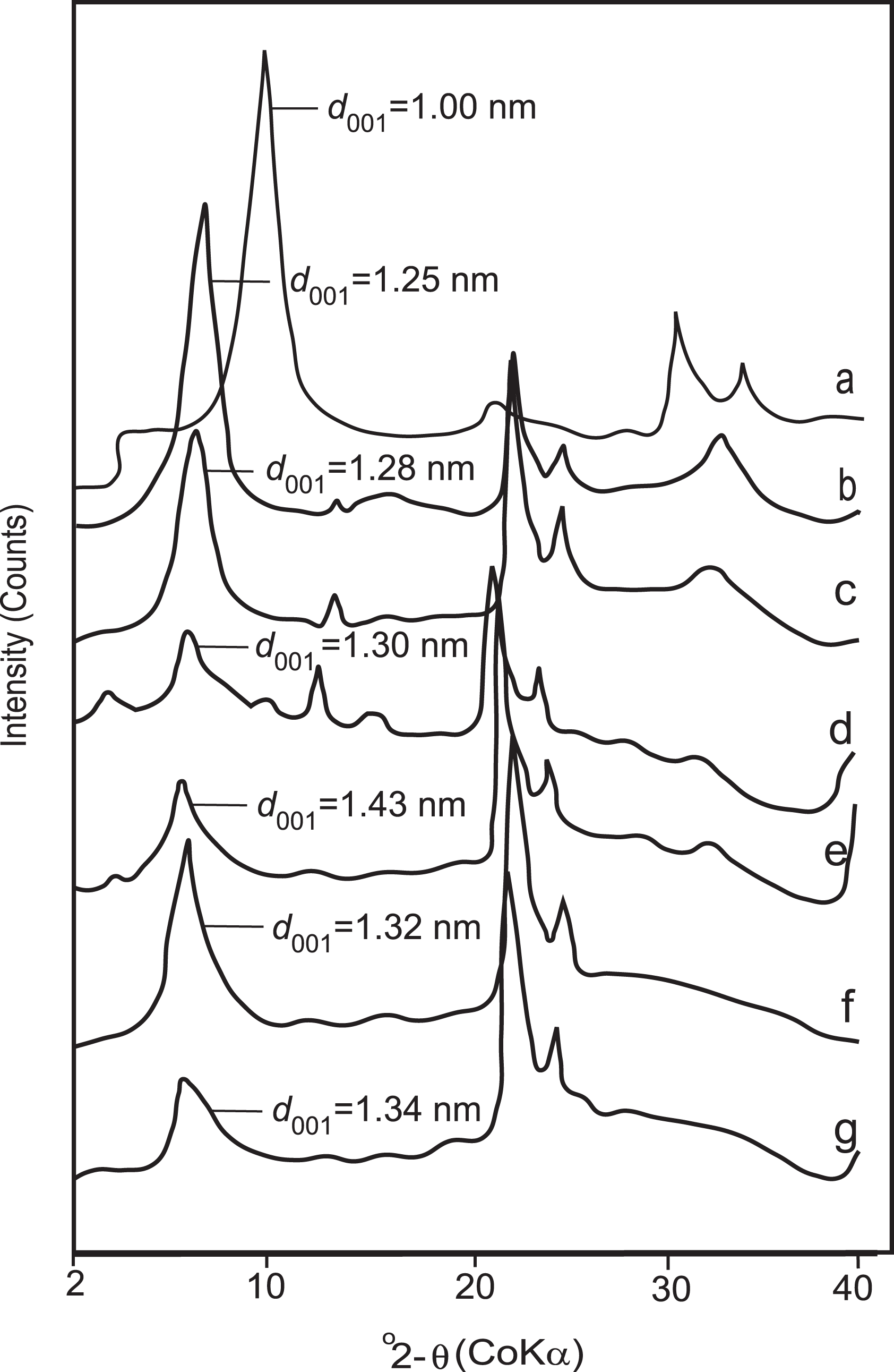
X-ray diffraction (XRD) patterns of (a) Na-MMT, (b) PPy/Na-MMT1, (c) PPy/Na-MMT2, (d) PPy/Na-MMT3, (e) PPy/Na-MMT4, (f) PPy/Na-MMT5, and (g) PPy/Na-MMT6 nanocomposites. MMT; montmorillonite; Na: sodium; PPy: polypyrrole.
XRD data for Na-MMT and PPy/Na-MMT nanocomposites
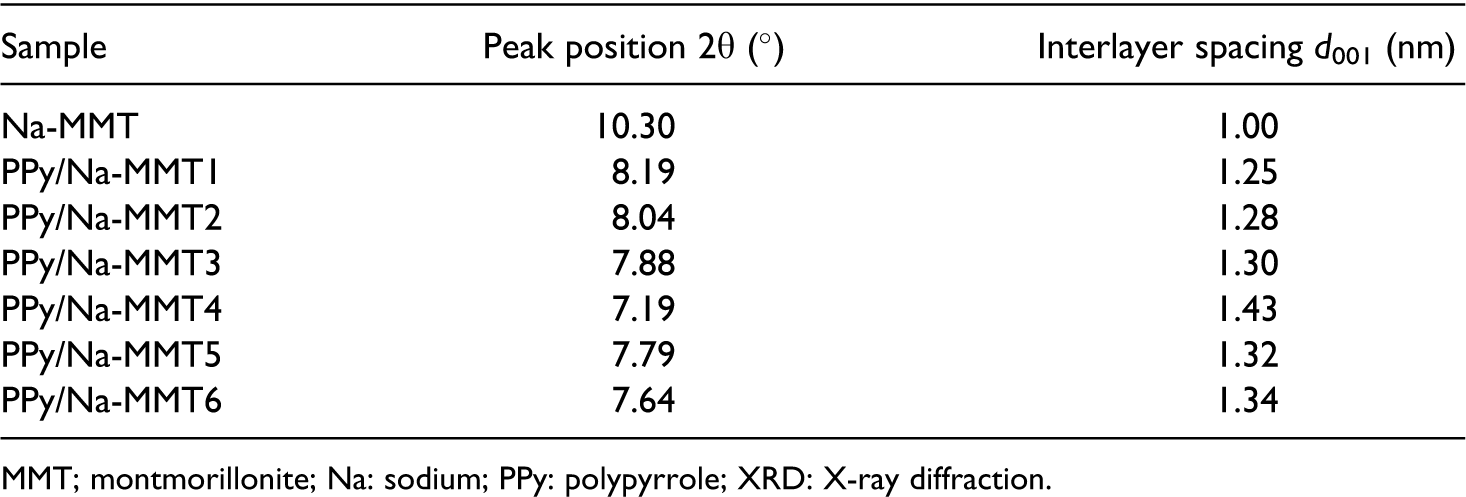
MMT; montmorillonite; Na: sodium; PPy: polypyrrole; XRD: X-ray diffraction.
FTIR spectroscopy
The formation of PPy and its incorporation in the nanocomposite were indicated by the FTIR spectroscopy. Figure 2(a–c) shows the FTIR spectra of Na-MMT, pure PPy, and PPy/Na-MMT4 nanocomposites. The characteristic peaks of PPy at 1550 cm−1 and 1050 cm−1 (C–H vibration), 920 cm−1 and 800 cm−1 (C–H deformation); and the characteristic peaks of Na-MMT at 1040 cm−1 (Si–O), 525 cm−1 (Al–O), 470 cm−1 (Mg–O), 3460 cm−1 and 3630 cm−1 (O–H stretching) are observed in the nanocomposite spectra (Figure 2(c)). The peaks identified are consistent with previously published data.11,13
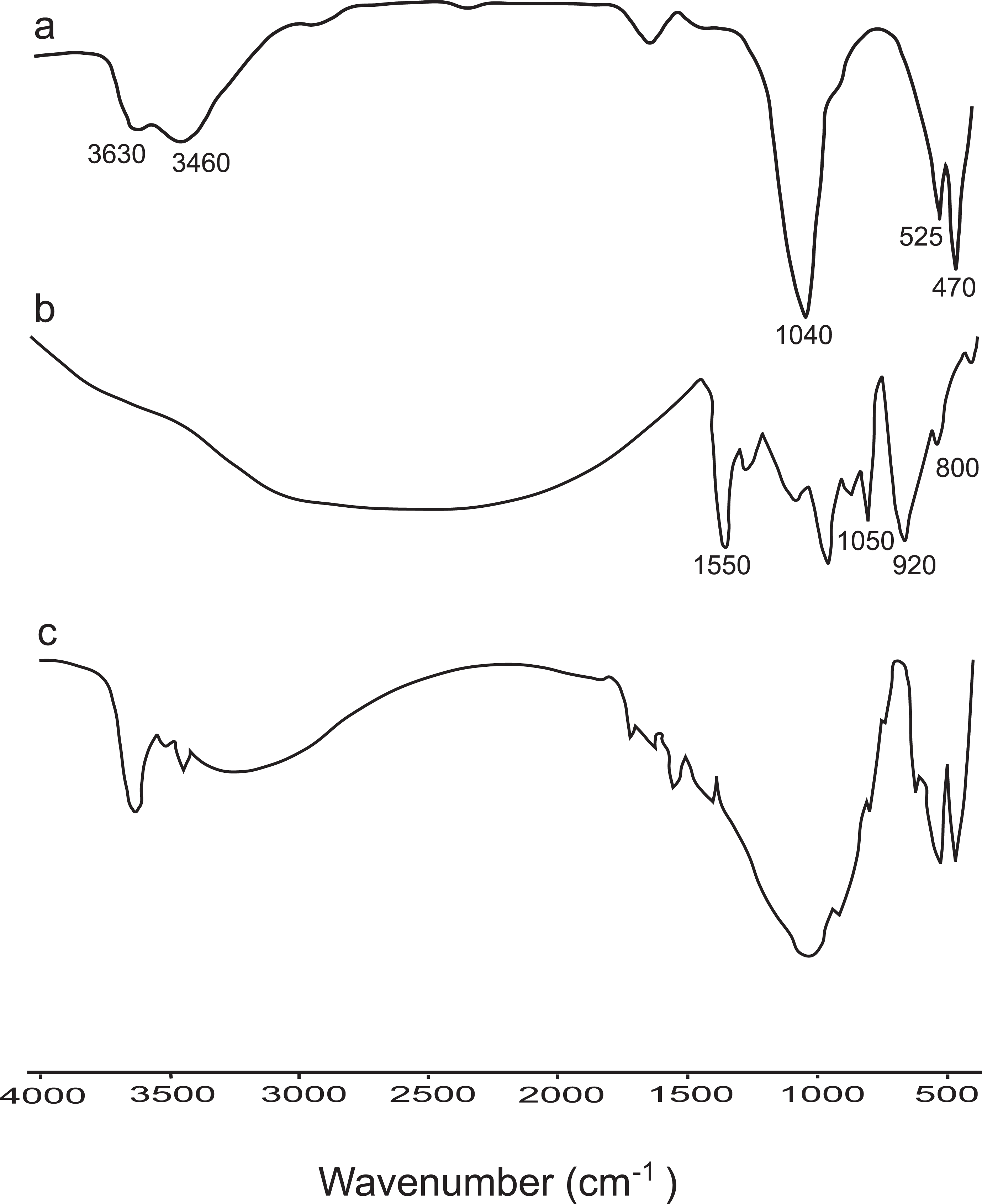
Fourier transform infrared spectroscopy (FTIR) spectra of (a) Na-MMT, (b) pure PPy, and (c) PPy/Na-MMT4 nanocomposite. MMT; montmorillonite; Na: sodium; PPy: polypyrrole.
Scanning electron microscopy
SEM is a very useful tool for characterizing the surface morphological properties of polymer/clay nanocomposites. SEM images of Na-MMT, pure PPy, and PPy/Na-MMT6 nanocomposite at ×5000 magnification are presented in Figure 3(a–c). Figure 3(a) shows sheet-like plates of the clay. Bright and submicrometer-sized globular particles of PPy are shown in Figure 3(b). After polymerization, the nanocomposite shows significant changes in morphology (Figure 3(c)). It can be seen that PPy polymerization occurred within the Na-MMT layers. In the nanocomposite morphology like cauliflower, the clay layers dispersed homogeneously in the polymer matrix and the interlayer spacing of Na-MMT is expanded, which is evident in the intercalated morphology. This morphological pattern was also observed by other researchers.12,14
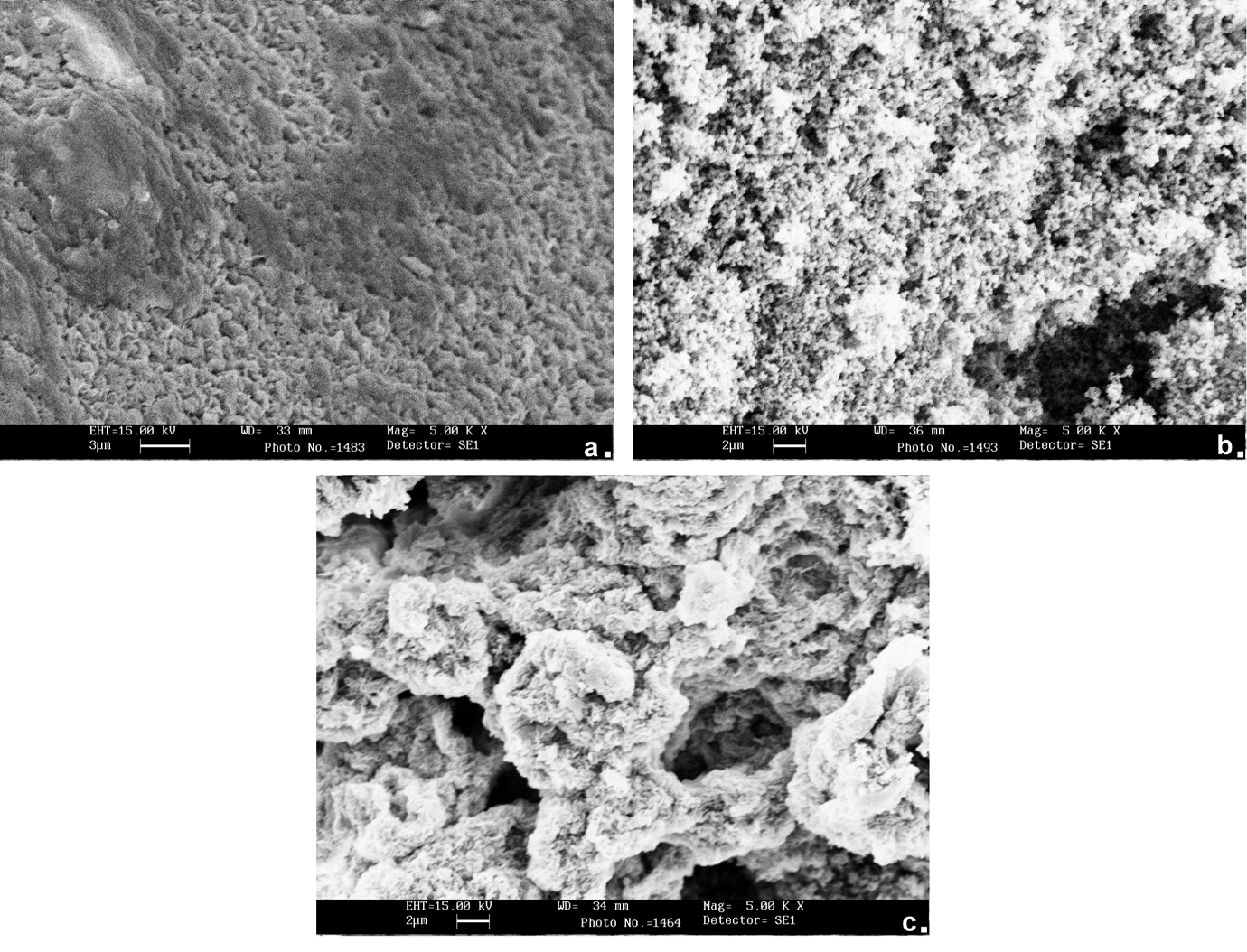
Scanning electron microscope (SEM) images of (a) Na-MMT, (b) pure PPy, and (c) PPy/Na-MMT6 nanocomposite at a magnification of ×5000. MMT; montmorillonite; Na: sodium; PPy: polypyrrole.
Transmission electron microscopy
TEM views are necessary to determine the nature of the composite and it also provides additional information that will aid in the interpretation of XRD results. The dark lines represent the cross-section of the MMT layers. Some agglomeration of clay platelets was observed. As shown in Figure 4, the TEM micrograph of PPy/Na-MMT2 nanocomposite had layered structure and dispersed homogenously nanoscale, which are in good agreement with the XRD result. This feature was similar to the observations of other researchers.11,12
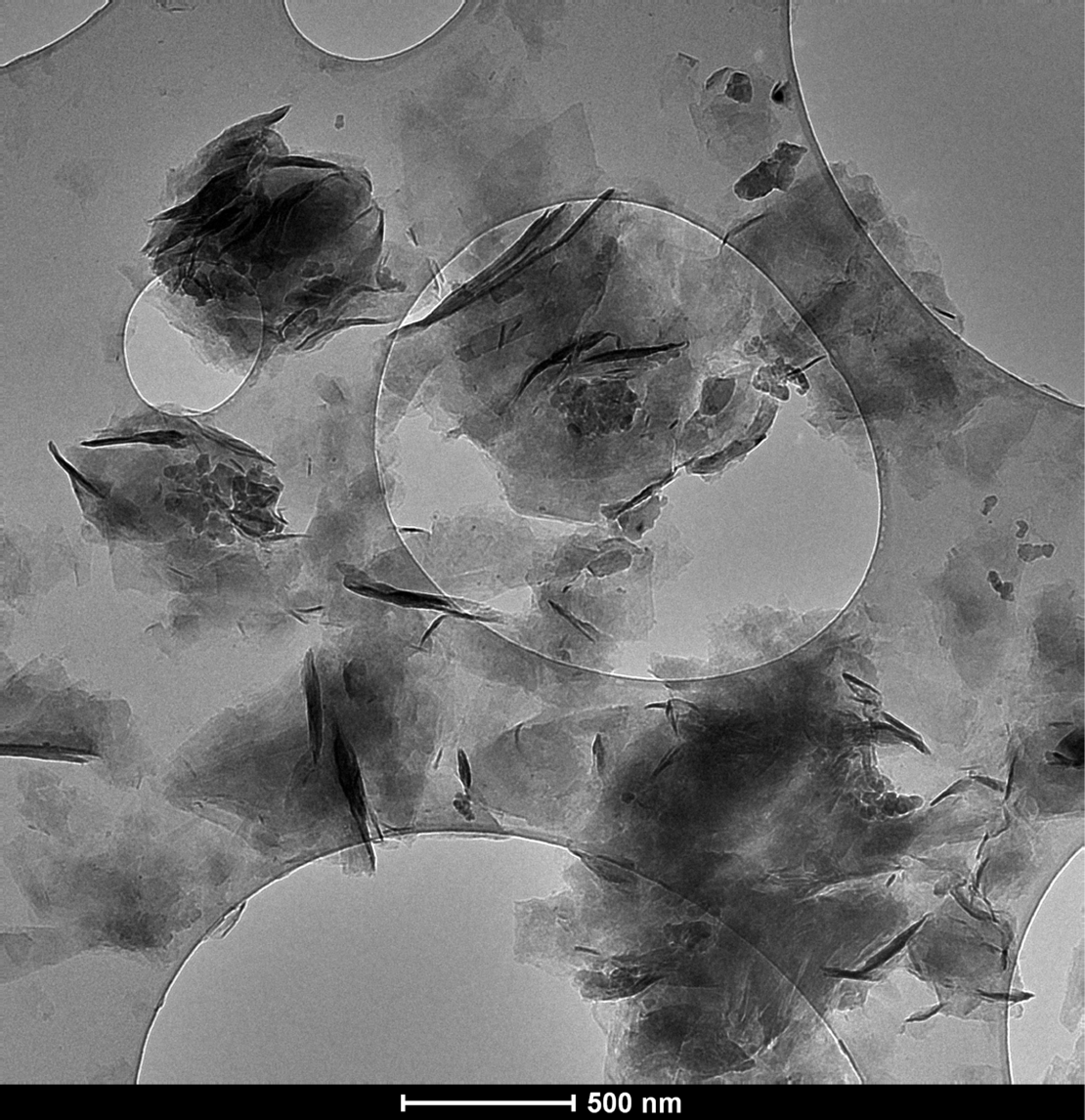
Transmission electron microscopy (TEM) images of PPy/Na-MMT2 nanocomposite. MMT; montmorillonite; Na: sodium; PPy: polypyrrole.
Thermal properties
Thermogravimetric analysis (TGA) and differential thermal analysis (DTA) curves of Na-MMT, pure PPy, and PPy/Na-MMT2 nanocomposite are shown in Figures 5 and 6(a–c). The TGA curve of Na-MMT indicates that there are two stages of decomposition (Figure 5a). The first one is small and due to the loss of absorbed water when the temperature is lower than 125°C and weight loss is ∼6.13%. When the temperature is higher, 800°C, the water resulting from the structural –OH groups of Na-MMT begins to be removed. The total weight loss is only 20.82% up to 1000°C. As could be expected, the Na-MMT shows a high thermal stability.
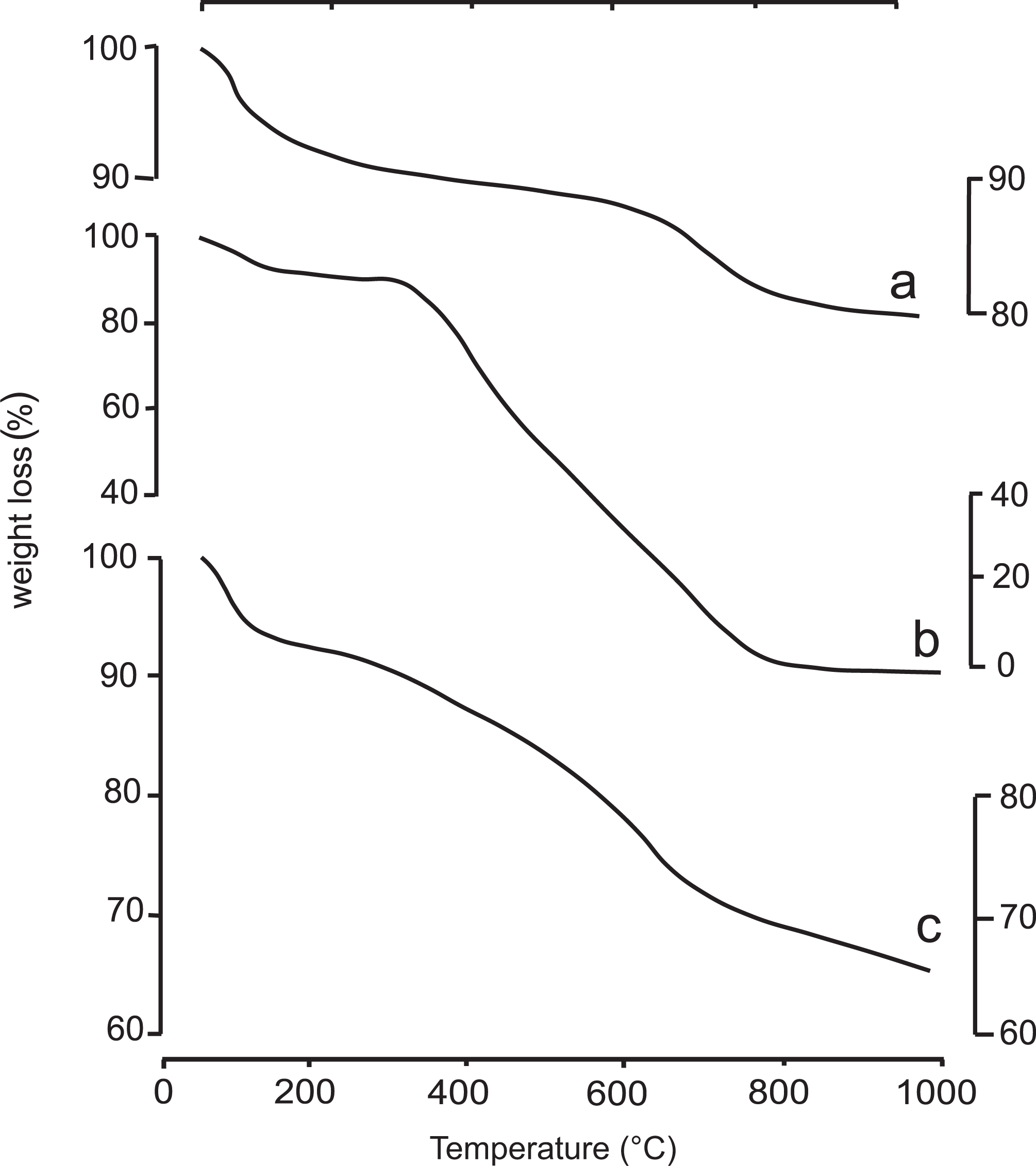
Thermogravimetric analysis (TGA) curves of (a) Na-MMT, (b) pure PPy, and (c) PPy/Na-MMT2 nanocomposite obtained in nitrogen atmosphere at a heating rate of 10°C/min. MMT; montmorillonite; Na: sodium; PPy: polypyrrole.
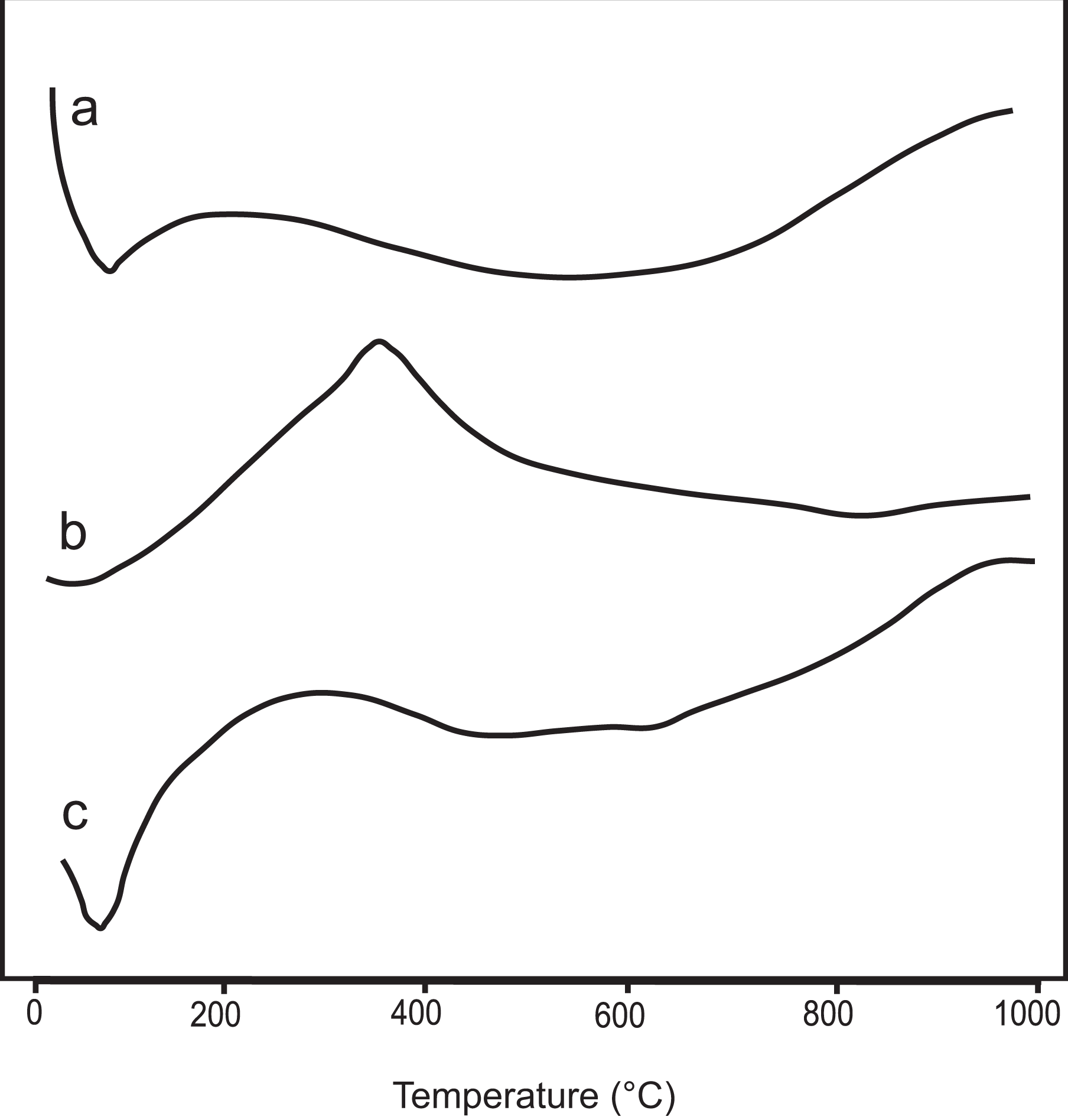
Differential thermal analysis (DTA) curves of (a) Na-MMT, (b) pure PPy, and (c) PPy/Na-MMT2 nanocomposite obtained in nitrogen atmosphere at a heating rate of 10°C/min. MMT; montmorillonite; Na: sodium; PPy: polypyrrole.
As shown in Figure 5(b), its small weight loss (∼7.20%) just below 100°C is attributed to the loss of absorbed water of pure PPy. The onset decomposition temperature of the pure PPy is 245°C and the second weight loss is nearly 100.00% at 1000°C, which was attributed to thermal decomposition of the PPy chains. This stage is known as the thermal decomposition of polymer. Consequently, pure PPy should exhibit lower thermal stability relative to Na-MMT.
In contrast to PPy, the weight loss of PPy/Na-MMT2 nanocomposite started at 322°C and exhibited a weight loss of 34.89% at 1000°C. This indicates that the thermal stability of PPy/Na-MMT nanocomposite is quite remarkable. Incorporation of PPy with Na-MMT would be expected to enhance the thermal stability of PPy/Na-MMT2 nanocomposite relative to that of PPy. The PPy/Na-MMT2 nanocomposite has a higher decomposition temperature (322°C), which is 77°C more than that of pure PPy. This enhanced thermal stability of PPy/Na-MMT2 nanocomposite is due to Na-MMT which acts as a barrier to heat flow. It is also notable that only small amount of Na-MMT are effective in improving the residual weight percentage and lowering thermal degradation rate for nanocomposite. These views are consistent with the observed trend.14,15
The effect of intercalation of polymer by the clay layers was also studied with DTA. The DTA curves of Na-MMT, pure PPy, and PPy/Na-MMT2 nanocomposites were also shown in Figure 6(a–c). In the DTA curve of Na-MMT, the endothermic peaks which result from dehydration (25–125°C) and dehydroxylation (400–800°C) are observed. Pure PPy shows the endothermic peak, which corresponds to dehydration (25–90°C) and the exothermic peak, at which the structure starts to decompose (245–400°C). Figure 6(c) indicates that, the peaks occurring (25–95°C) and (322–650°C) results from the dehydration of nanocomposite and the decomposition of PPy, respectively. 16 The thermal decomposition of PPy/Na-MMT2 nanocomposite shifted to the higher temperature than pure PPy. This enhancement in the thermal stability is due to the fact that the introduction of a well-dispersed Na-MMT can prevent the heat to transmit quickly and then improve the thermal stability of the nanocomposite. Also, it can be attributed to the incorporation of unmodified clay layers into the PPy matrix which resulted in enhancement of the thermal stability of the PPy. This result is consistent with the reports by many other researchers. 4
Adsorptive properties
The specific surface areas were determined from nitrogen adsorption isotherms of Na-MMT and PPy/Na-MMT nanocomposites in Figure 7. Here, p represents the adsorption equilibrium pressure, po represents the saturated vapour pressure of liquid nitrogen, and p/po ≡ x represents the relative equilibrium pressure. The adsorption capacity, defined n (mol g−1), is molar amount of nitrogen adsorbed by 1 g of sample. As could be expected, the Na-MMT shows the higher adsorption capacity than PPy/Na-MMT nanocomposites.
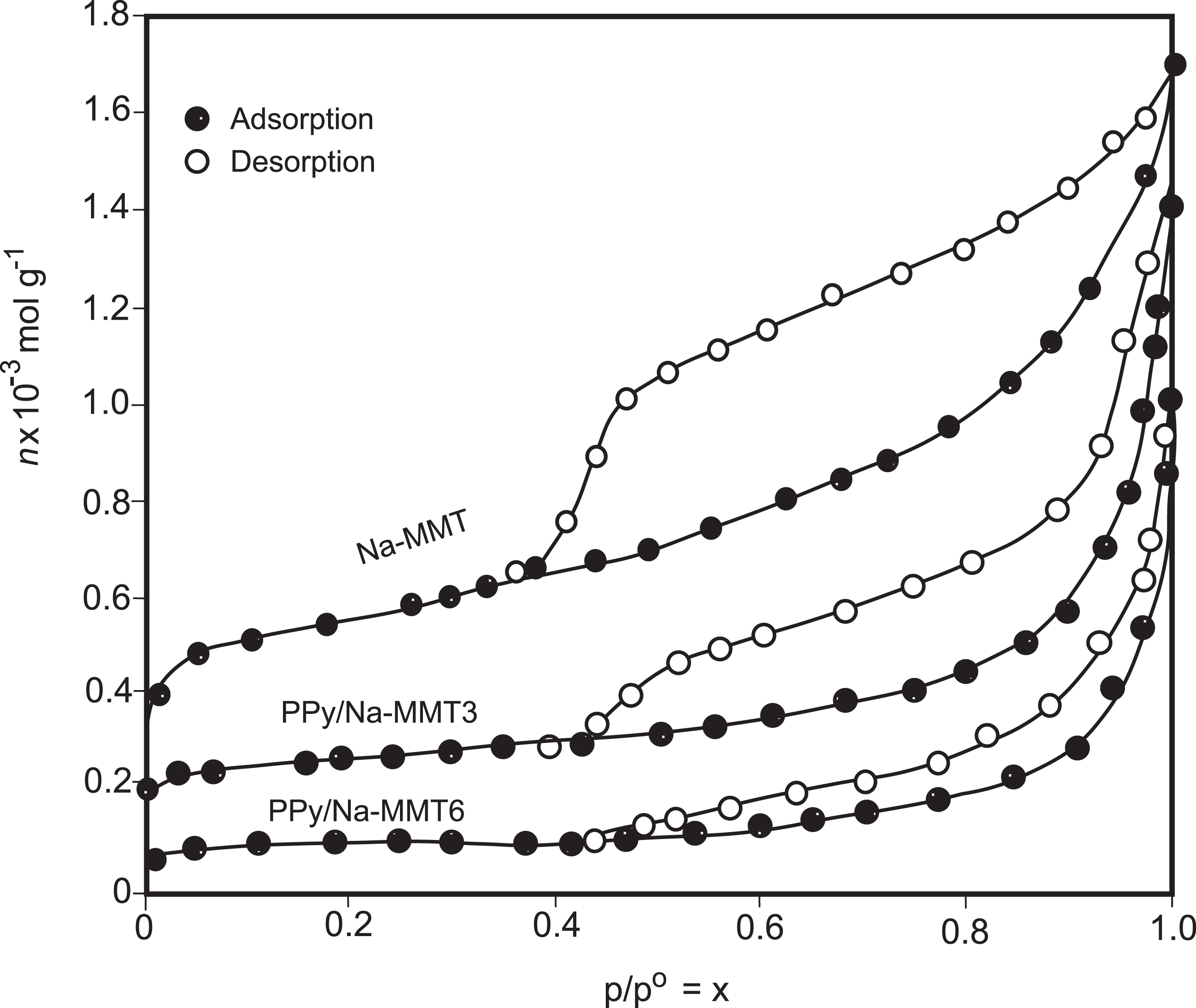
The adsorption and desorption isotherms of the nitrogen on the Na-MMT, PPy/Na-MMT3, and PPy/Na-MMT6 nanocomposites. MMT; montmorillonite; Na: sodium; PPy: polypyrrole.
The Brunauer-Emmett-Teller (BET) equation was applied to determine the specific surface areas (A) for Na-MMT and PPy/Na-MMT nanocomposites using N2 adsorption data 17 shown in Figure 7, and the specific micro-mesopore volumes (V) were calculated from the desorption data 18 shown in Figure 7 and listed in Table 3. To see whether the adsorption data satisfied the BET equation, the graph in Figure 8 was plotted. The straight lines seen in these graphs verify that the adsorption data satisfy the BET equation.
The specific surface areas (A) and specific micro-mesopore volumes (V) of the Na-MMT and PPy/Na-MMT nanocomposites
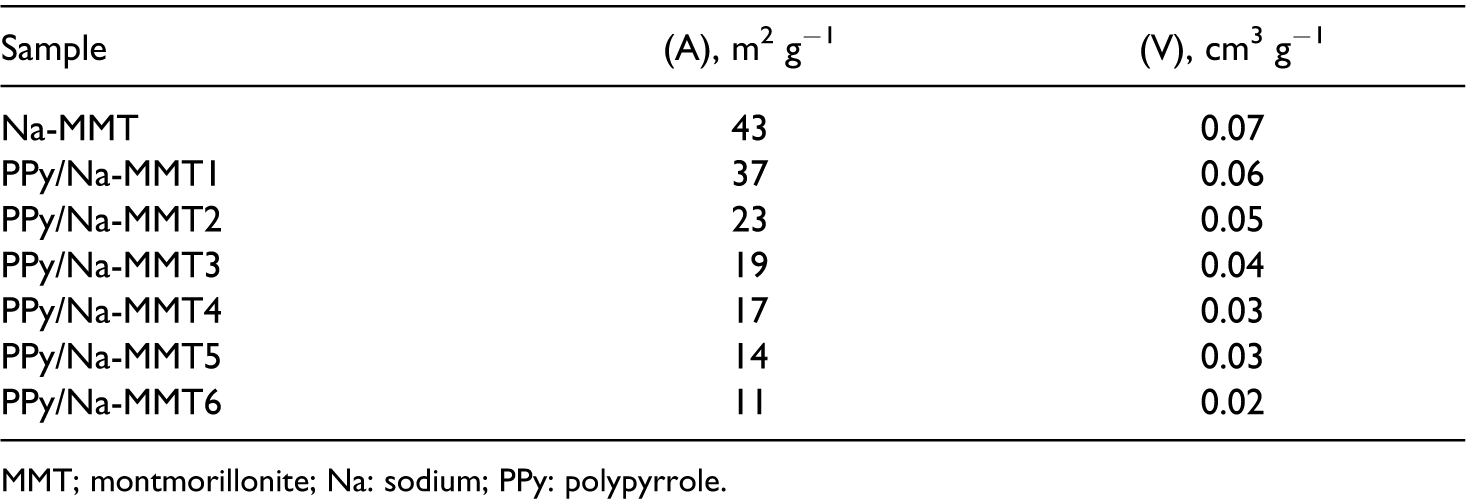
MMT; montmorillonite; Na: sodium; PPy: polypyrrole.
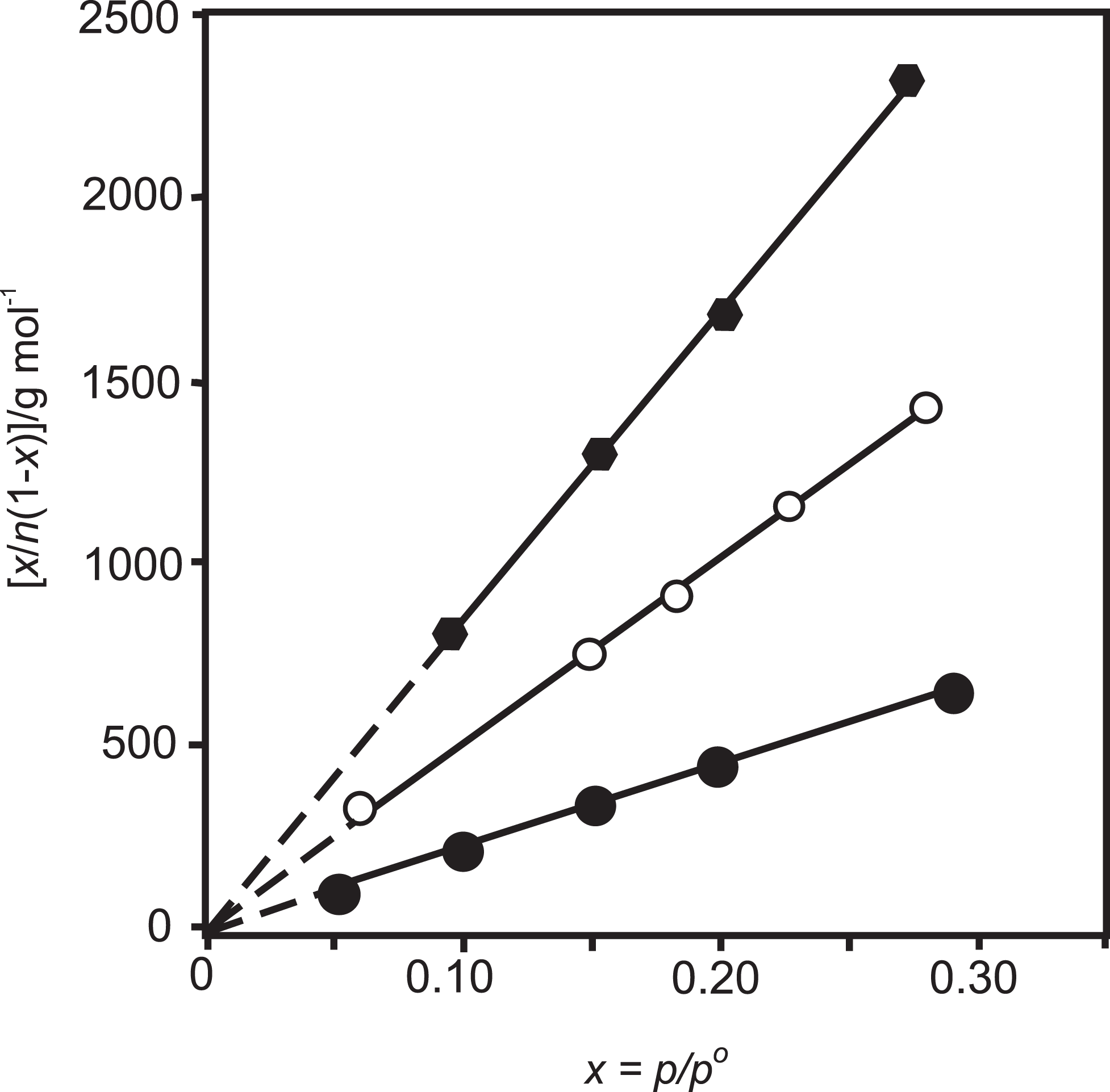
The Brunauer-Emmett-Teller (BET) straight line of the Na-MMT (●), PPy/Na-MMT3 (^), and PPy/Na-MMT6 (⬣) nanocomposites.
Table 3 reports that the specific surface area and micro-mesopore volume of Na-MMT were 43 m2 g−1 and 0.07 cm3 g−1, respectively. One can see that these values dramatically decreased to 11 m2 g−1 and 0.02 cm3 g−1 for PPy/Na-MMT6, respectively. This could be explained in terms of covering or filling of the pores by PPy.8,19,20
Moisture retention and water uptake measurements
The moisture retention and water uptake values of Na-MMT, pure PPy, and PPy/Na-MMT nanocomposites with increasing PPy content are shown in Table 4. It was observed that moisture retention and water uptake of nanocomposites remarkably decreased.
The moisture retain and water uptake values of Na-MMT, pure PPy, and PPy/Na-MMT nanocomposites a
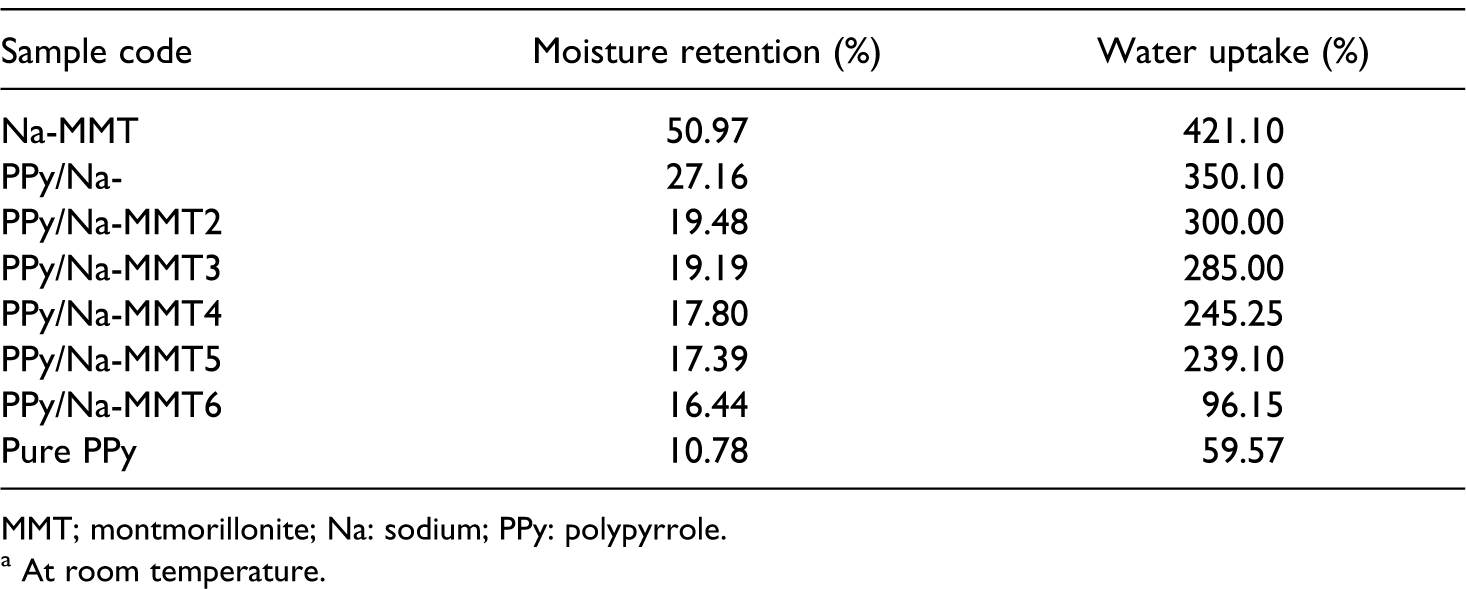
MMT; montmorillonite; Na: sodium; PPy: polypyrrole.
At room temperature.
The decreases in moisture retention and water uptake can be attributed to the hydrophobic character of the PPy, and the hydrophilicity of Na-MMT has been changed to an organophilic nature. The decrease in water uptake means the material has more stable properties, which is interesting for practical applications. 21 The decrease in water uptake can be described by the fact that the percentage of clay in the composites being limited, which reflects that the quantity of the polymer introduced in the layers reaches a limit and is enough to achieve maximum opening of the interlayers of clay 22 and the formation of a cross-linked structure to a certain extent, which prevents the insertion of water molecules into the structure. 8 Finally, water resistance of these composites can be greatly improved.
Conductivity properties
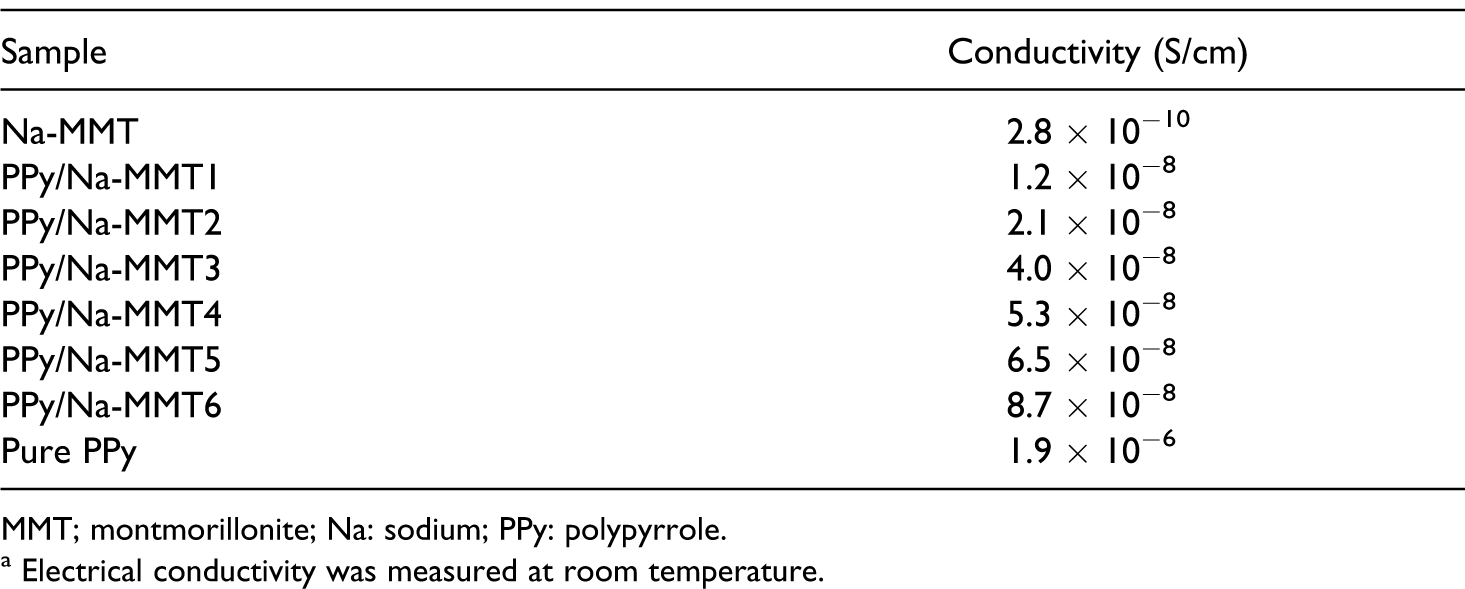
For the electrical conductivity measurements of all the nanocomposites were pressed in the form of pellet.The room temperature electrical conductivity of all the samples has been summarized in Table 5. It can be seen that the electrical conductivity of nanocomposites enhanced with PPy content in nanocomposite.20 ,23 PPy/Na-MMT6 has possessed the highest electrical conductivity value compared to other nanocomposites. The conductivity of all composites increased with increasing amount of conducting PPy in the composite.13 ,14
The conductivity values of Na-MMT, pure PPy, and PPy/Na-MMT nanocomposites a
MMT; montmorillonite; Na: sodium; PPy: polypyrrole.
Electrical conductivity was measured at room temperature.
Conclusions
PPy/Na-MMT nanocomposites have been successfully prepared by oxidative polymerization in an aqueous medium. Intercalated nanocomposites are found to be more thermally stable than pure PPy and Na-MMT clay induced the thermal stability. Furthermore, the results show that the nanocomposite has a decomposition temperature at 322°C, 77°C higher than that of pure PPy (245°C). The overall thermal stability trends are as follows: Na-MMT > PPy/Na-MMT > pure PPy homopolymer was suggested, respectively. X-ray diffraction results confirmed the insertion of PPy between the interlayers of Na-MMT and the increase in basal spacing (d001) of the nanocomposites. Modest expansion (0.43 nm) was observed in the PPy intercalated composites. The TEM images showed the intercalation of PPy between the clay layers in nanoscale. Adsorptive, moisture retention, and water uptake values of nanocomposites obviously decreased compared to that of Na-MMT. A significant decrease in these parameters with monomer content was observed. We also measured the room temperature electrical conductivity of PPy/Na-MMT nanocomposites. Higher electrical conductivity was achieved for the nanocomposites with increasing content of PPy. Among the nanocomposites, PPy/Na-MMT6 nanocomposite has the highest electrical conductivity.
Footnotes
Acknowledgement
We are thankful to Turkish Scientific and Research Institute (Project Number 108T241) for their financial support to this work.
This research received no specific grant from any funding agency in the public, commercial, or not-for-profit sectors.