




Abstract
In this study we utilized X-ray diffraction, transmission electron microscopy (TEM) and various types of simple shear flow experiments to investigate the effect of the polar-polar interaction between ethylene-vinyl acetate co-polymers (EVA) and organo-silicates on the nanoscale structures and rheological properties of their melt blends.
The WAXS intensities and TEM micrographs demonstrate that the exfoliation and the intercalation of nanoclays respectively prevail in EVA/Cloisite 30B nanocomposites and EVA/Cloisite 15A nanocomposites, respectively. The master curves obtained from transient shear flow tests and their Arrhenius plot demonstrate the formation of side-tethered structure in the melt blends of EVA/ Cloisite 30B nanoclay. Finally, by means of performing a series of large-strain relaxation tests and regression techniques, the single integral Wagner model, that is expected to appropriately describe the rheometric experiment data of melt blends, was established, and then a comparison of the calculated and measured viscosity and first normal stress is presented.
Introduction
Polymer-layered silicate nanocomposites that are formed by adding nanoparticulates to a matrix material exhibit greatly enhanced thermal, electrical, optical, dielectric, and mechanical properties and have become an important subfield of nanotechnology. These improvements in the nanocomposite properties are attributed to the large specific surface area and high-aspect ratio of layered silicate fillers. Many investigations of material properties have acknowledged that studying the rheology of the melt-state is an effective means of understanding the structure-property relationship and the processability of these novel materials. Krishnamoorti comprehensively reviewed this relationship, 1 demonstrating that the pseudo-solid-like behavior observed in linear viscoelastic responses involves the percolation of a three-dimensional filler network structure that comprises a random orientation of grains that consist of locally correlated layers. The components and the means of preparation are two of the major factors that determine the mesoscopic structure of nanocomposites. For example, the formation of the intercalation or the exfoliation nanocomposite depends strongly on the species of alkyl ammonium ions that render the silicate layers organophilic, the nature of the polymer matrix, and the strength of the mechanical forces used in molten preparation of polymer/silicate hybrids. Since polar groups in the polymer can effectively interact with the nanoclay, the rheological properties of several polar polymer/Montmorillonite systems, including poly ɛ-caprolactone/MMT, 2 PA-6//MMT, 3 PA-12/MMT, 4 and EVA/MMT, 5 – 7 have been studied. The Montmorillonites that were used in these works, however, were usually modified by nonfunctionalized quaternary ammonium cations.
In this study, ethylene-co-(vinyl acetate) and Montmorillonite exchanged with methyl tallow bis 2 hydroxyethyl ammonium (Cloisite 30B, Southern Clay products Inc.) or dimethyl dehydrogenated tallow ammonium (Cloisite 15A) were used as our polymer/layered silicate systems to study the interaction between the polymer and the silicate surface, with hydroxyl functionality on the surface. The first part of this study is particularly concerned with the mesoscopic structures and melt-state rheology of nanocomposites, which are investigated by X-ray diffraction, transmission electron microscopy (TEM), and a series of simple shear flow experiments. Then, an integral constitutive equation, which can generally and effectively characterize the rheological behavior of neat polymers, is established for the nanocomposites based on the results of conducting relaxation tests for a series of finite amplitude strains and regression. Finally, calculated and measured rheometric properties of melt blends are compared to examine the robustness of the integral model in predicting rheometric data of nanocomposites.
Experimental materials and methods
EVA that contained 25 wt% vinylacetate EVATHENE-UE659 was obtained from USI Far East Corporation. Organically modified Montmorillonites, which exchanged with methyl tallow bis-2-hydroxyethyl quaternary ammonium chloride (Cloisite 30B) or dimethyl dehrogenated tallow quaternary ammonium chloride (Cloisite 15A), were obtained from Southern Clay Products, Inc. The EVA polymer and organically modified Montmorillonite (OMMT), with 2, 3, 5, and 10 wt% nanoclay loadings, were mixed in a Brabender Mixer PLE-331, ATLAS, at 50 rpm for 20 min at 120°C. The nanocomposite samples were then hot-pressed at 120°C and 100 kg/cm2 for 20 min to produce sheets of a suitable thickness for mesoscopic structure determinations and melt-state rheology tests.
X-ray diffraction analysis was preformed by using an RINGAKU D/Max-VB X-ray diffractometer that was equipped with a graphite mono-achromatized Cu-Kα generator. The working conditions were scanning rate = 2 deg/min, filter with λ = 1.54 A°, and diffraction range 2–10°.
TEM analyses were conducted using JEOL JEM-1230. The TEM samples were cooled and then microtomed (cryo-ultramicrotomed) using a diamond knife to yield sections with a nominal thickness of 50 nm and a superficial area of 1 mm2. The sections were collected on the surface of a solution of 60:40 dimethylsulfoxide and water and then transferred to Cu grids of 200 mesh. Rheological data were obtained using an Advanced Rheometrics Expansion System (ARES). The controlled rate spectrometer, equipped with a 200/2000 g-cm dual range force rebalance transducer, was used in the steady shear, oscillation, and stress relaxation experiments, with parallel plates with diameters of 25 mm.
Results and discussion
Figure 1 plots the XRD curves of pristine Cloisite 15A clay, EVA/2 wt% Cloisite 15A, EVA/5 wt% Cloisite 15A, and EVA/10 wt% Cloisite 15A. Cloisite 15A nanoclay yields one clear and intense peak for
Intensities of X-ray diffraction from EVA/Cloisite 15A nanocomposites and 15A clay. Intensities of X-ray diffraction of EVA/Cloisite 30B nanocomposites and 30B clay.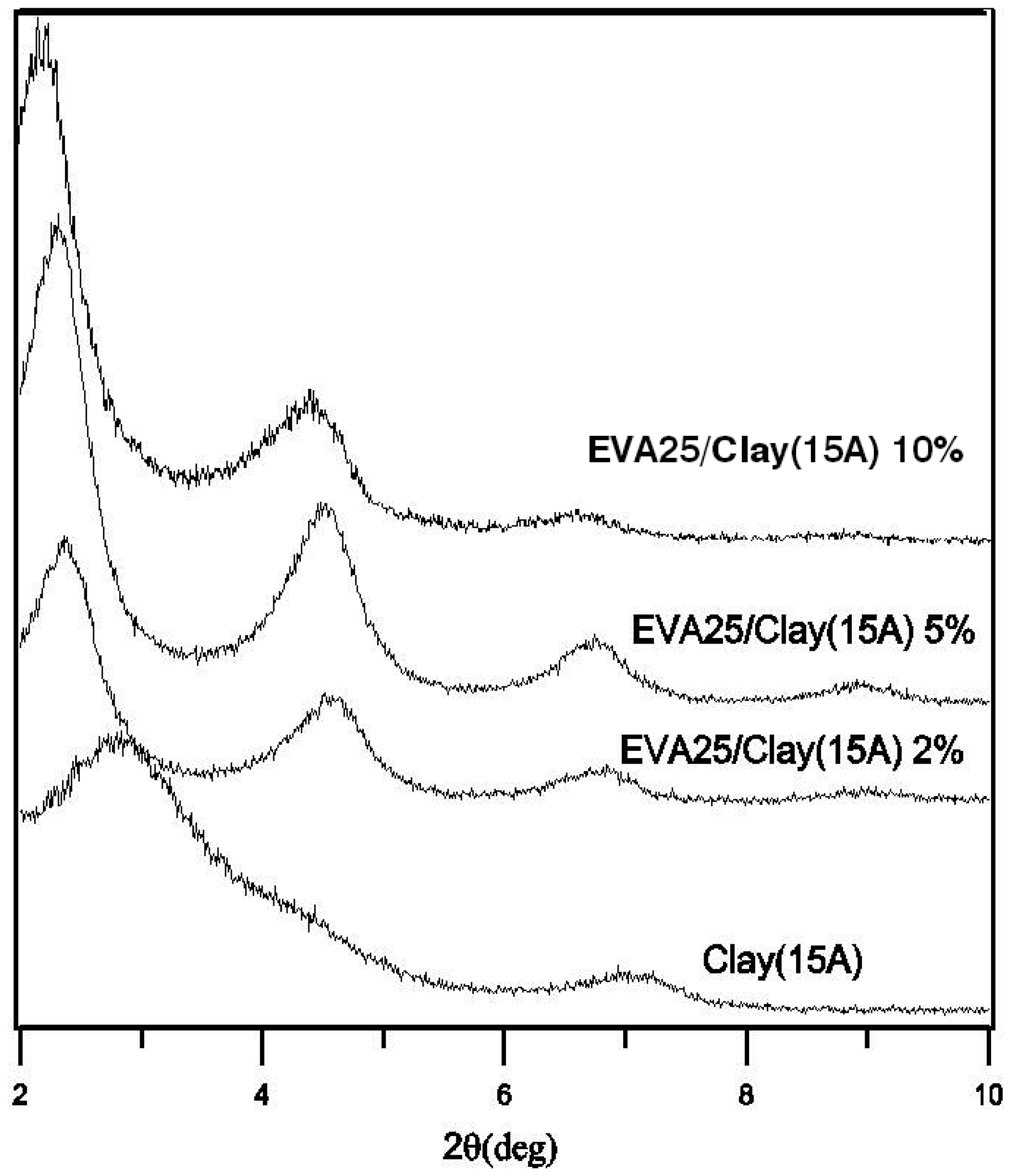
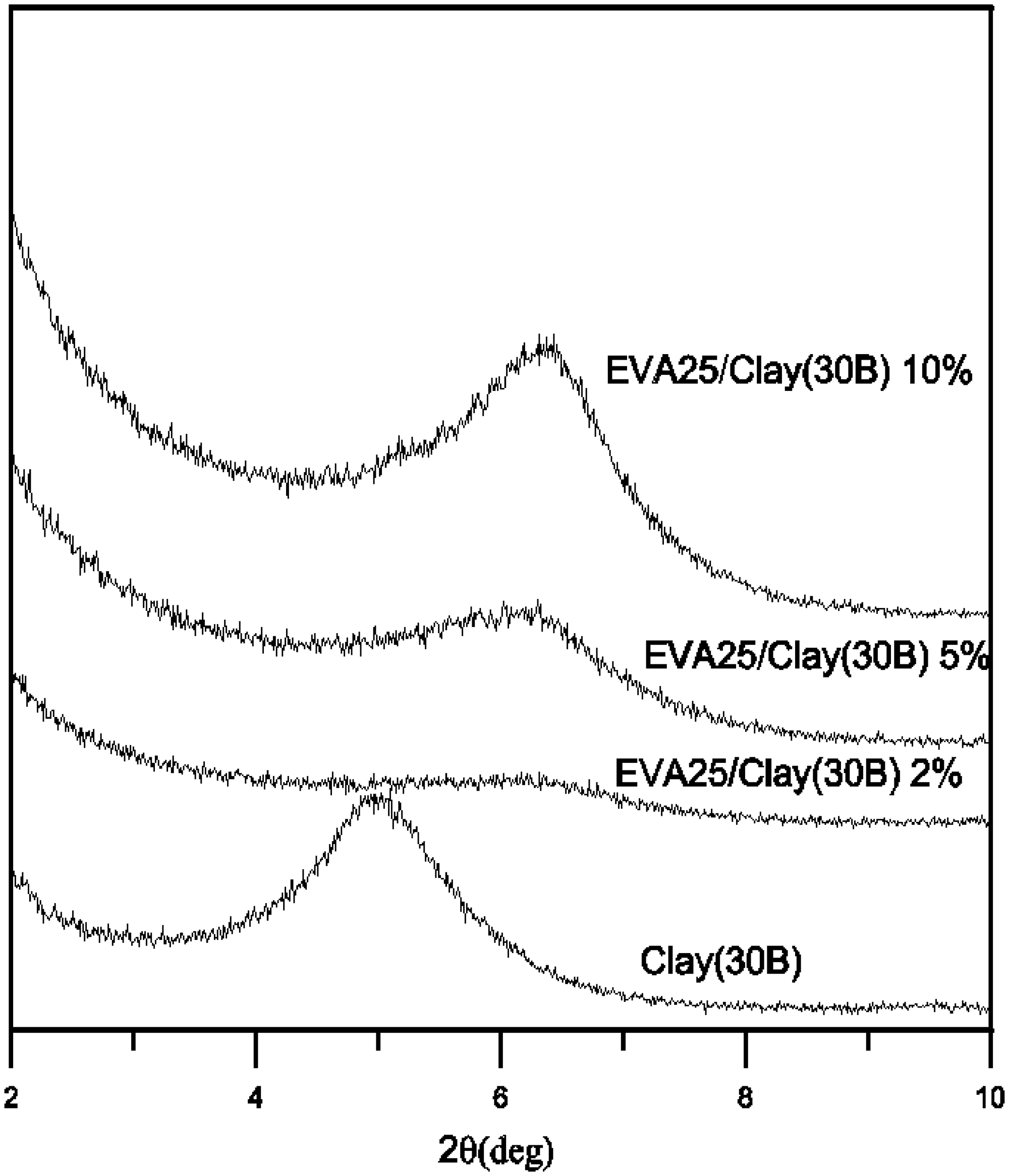
Figure 3 presents a typical micrograph of TEM for EVA/5 wt% Cloisite 15A. The ordered sheets of the clay observed in the TEM image are clear evidence of the intercalated structures. The disordered sheets in the micrograph of EVA/5 wt% Cloisite 30B, shown in Figure 4, are evidence of the presence of exfoliated structures in Cloisite 30B nanocomposites. In particular, the figure displays some randomly distributed clay sheet aggregates.
Transmission electron microscopy (TEM) micrograph of EVA/5 wt.% Cloisite 15 nanocomposites. Transmission electron microscopy (TEM) micrograph of EVA/5 wt.% Cloisite 30B nanocomposites.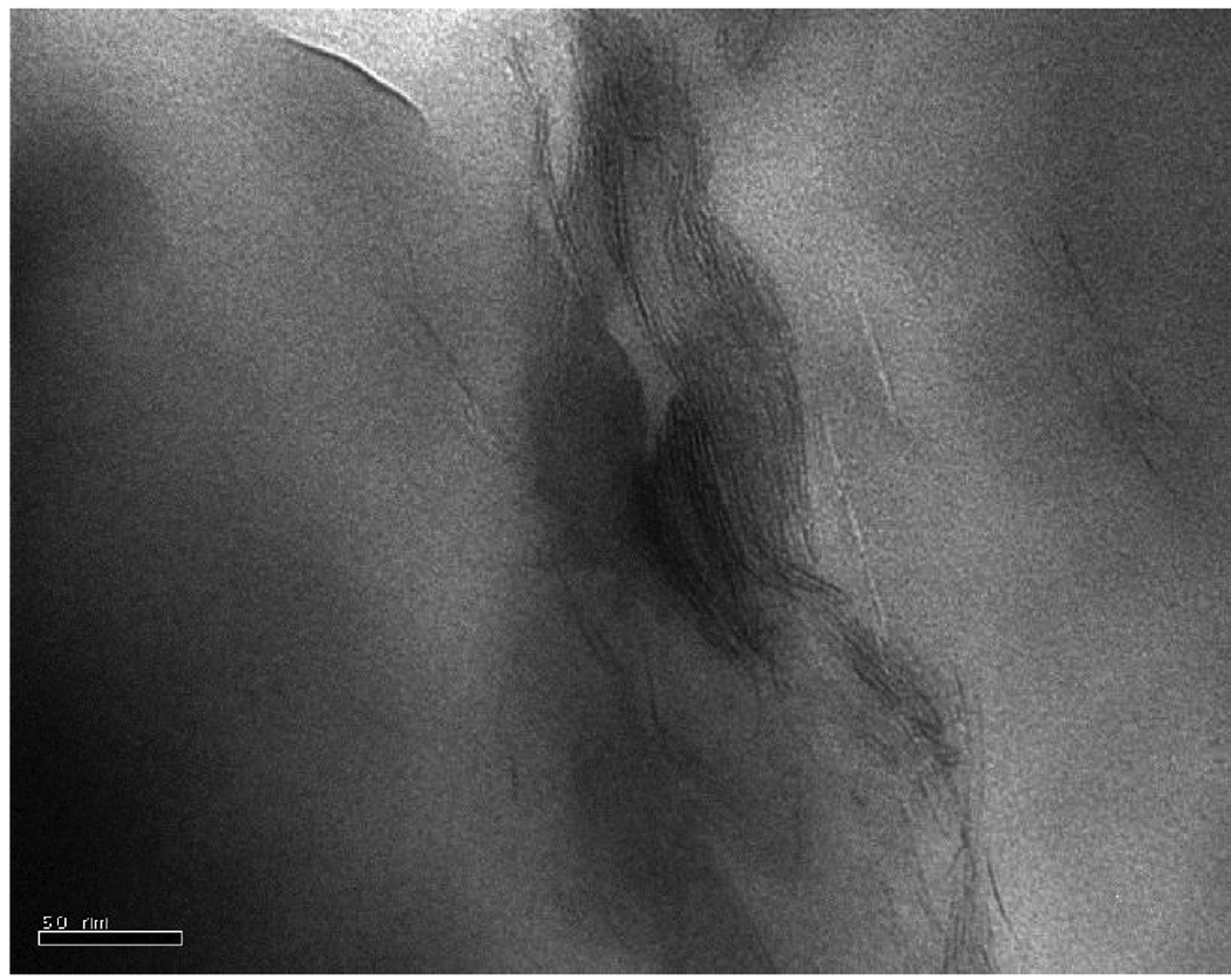
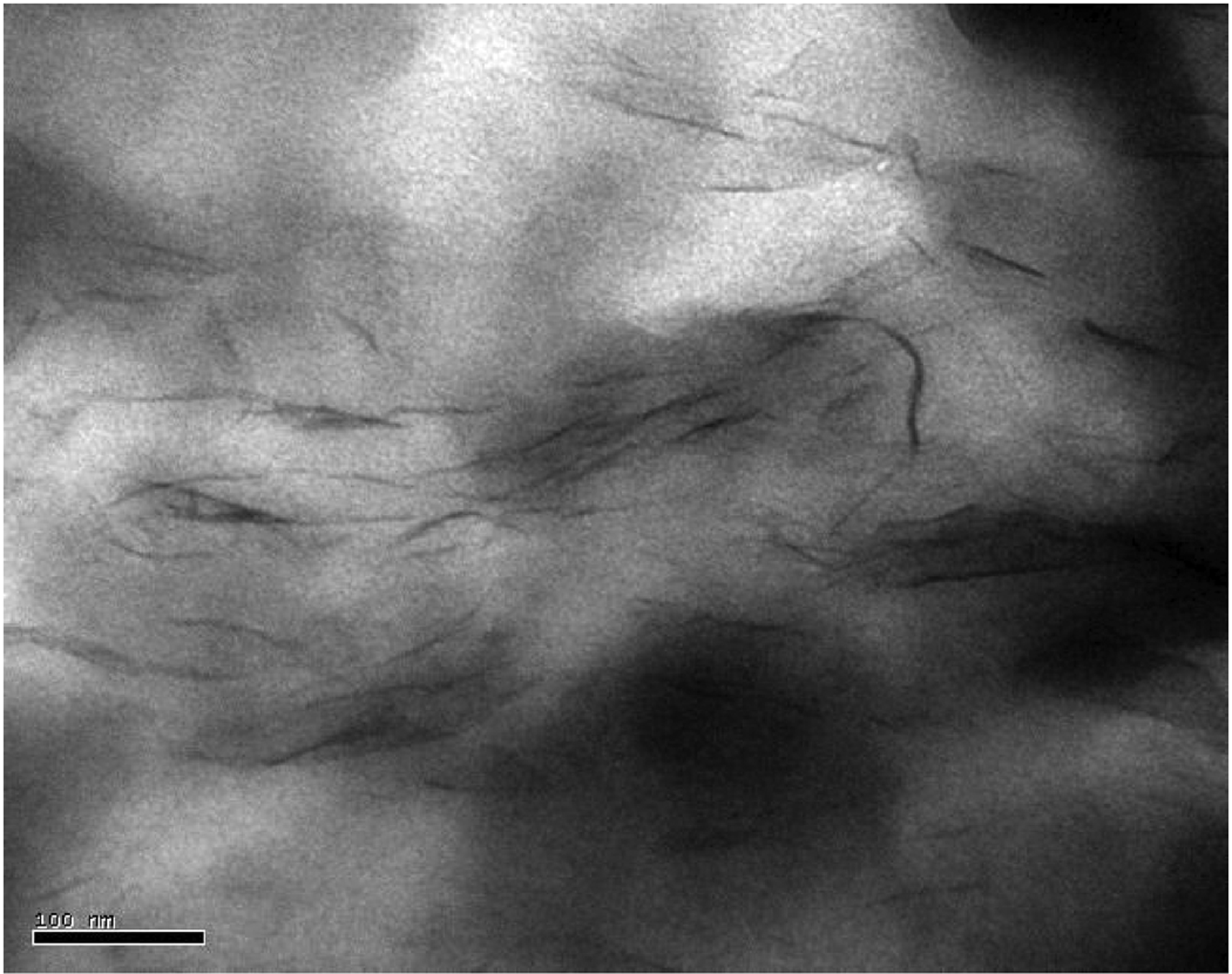
Figure 5 plots the moduli G(t) of the nanocomposites in the stress relaxation test (0.05% strain) at 120°C against time on logarithmic scales. During relaxation, the relaxation modulus falls as the polymer chain backbone adjusts itself by Brownian motion; initially, the chain backbone segments are close to each other; they then move farther apart, requiring more mutual cooperation and, therefore, more relaxation time. However, the relaxation process of 30B nanocomposites has two stages. At short times, the relaxation behavior of hybrids is qualitatively similar to that of unfilled polymers, and the relaxation progresses more slowly as the silicate loading increases. Notably, the restriction imposed by the polymer-surface interaction on the cooperative motion of the polymer causes the relaxation modulus G(t) to increase greatly with layered silicate content. In the second stage, the modulus curves tend to inflect at relaxation times of around 1, 10, and 100 s, for 2, 5, and 10 wt.% 30B nanocomposites, respectively, and then decrease to the terminal flow zone in which the polymer chain is in a state of complete relaxation. A closer look at the variation of terminal relaxation time with silicate loadings reveals that the terminal relaxation time of 10 wt% 30B nanocomposites greatly increased to as much as ∼1000 s. Molecularly, the second stage of relaxation is presumed to be associated with the local dynamic of polymer chains close to the surfaces of exfoliated silicates.
Relaxation modulus of EVA polymer and nanocomposites at a temperature of 120°C and 0.05% strain.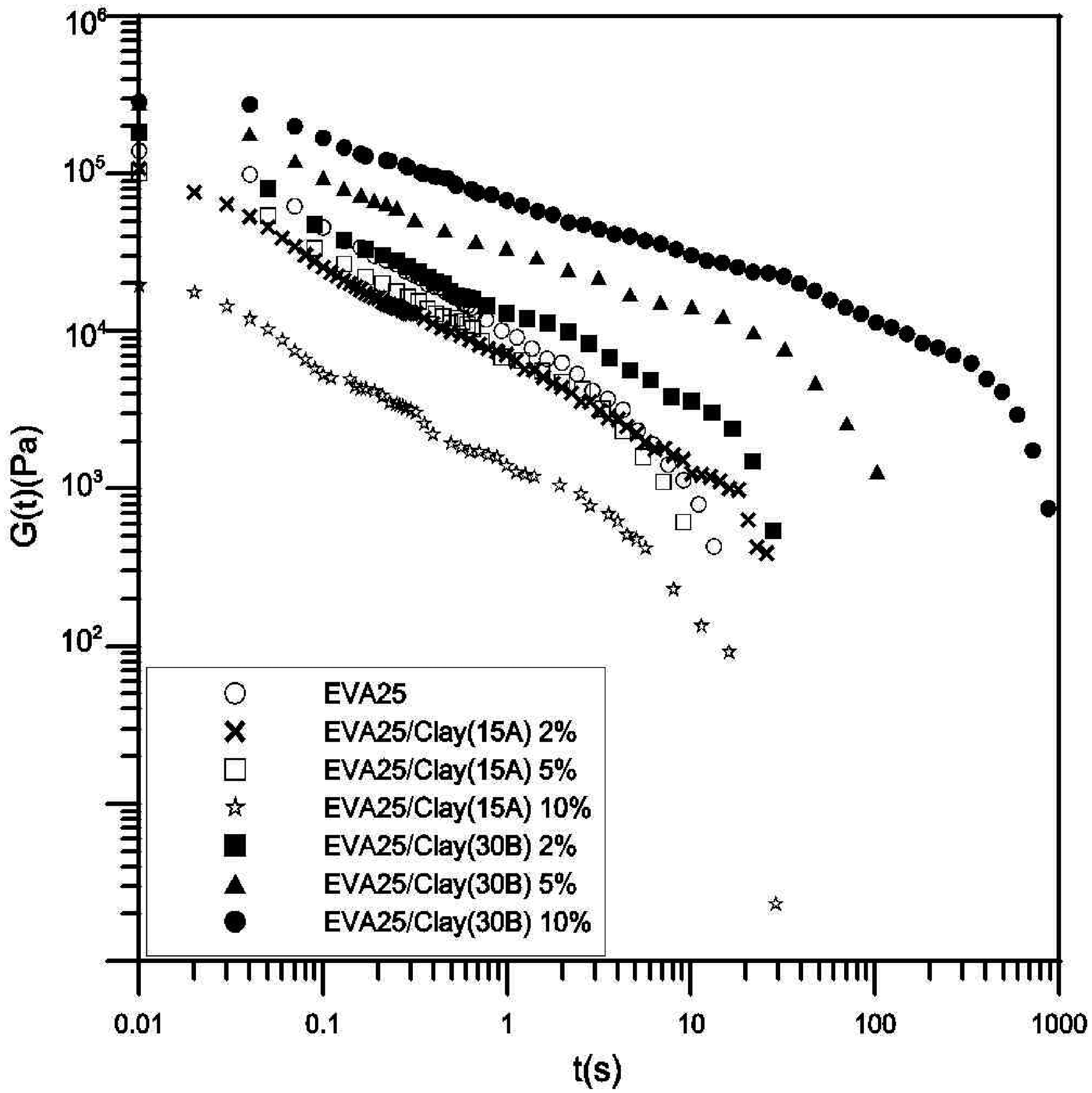
Neat EVA polymers and EVA/15A nanocomposites undergo only a single-stage relaxation process. In particular, the relaxation modulus G(T) of 15A nanocomposites, an intercalated hybrid, is even lower than that of neat EVA polymers, probably because the EVA polymer segments can be only partially inserted into the silicate gallery at the expense of entanglement loci along polymer chains, because of hindrance by two bulky hydrogenated tallows in the Cloisite 15A. This effect reduces the restriction on the cooperative motion of polymer chains, such that 15A nanocomposites have a lower relaxation modulus G(T) than that of neat EVA polymers. In contrast, the introduction of two hydroxyl groups to the 30B layered silicates causes the vinyl acetate segments of EVA polymers preferentially to enter, exfoliate, and cling to the 30B silicate surface via the polymer-surface interactions. The vinyl acetate segments along the EVA polymer chains are tethered to the 30B silicate layers, and thus more restrictions are imposed on the cooperative motion of polymer chains of 30B nanocomposites during the relaxation process. Therefore, the value of G(t) is and the terminal relaxation time are increased, particularly for 10 wt% 30B nanocomposites.
Figure 6 plots the linear dynamic viscoelastic master curves of the neat EVA polymer and the 15A nanocomposites under 0.05% strain. The master curves, obtained by applying the principle of time-temperature superposition, were shifted to a common reference temperature 120°C using only the frequency shift factor a
T
. For shifted frequencies a
T
ω ≥ 10 rad/s, the storage moduli
Loss and storage moduli of EVA/Cloisite 15A nanocomposites as functions of frequency at reference temperature of 120°C under 0.05% strain. Loss and storage moduli of EVA/Cloisite 30B nanocomposites as functions of frequency at reference temperature of 120°C under 0.05% strain.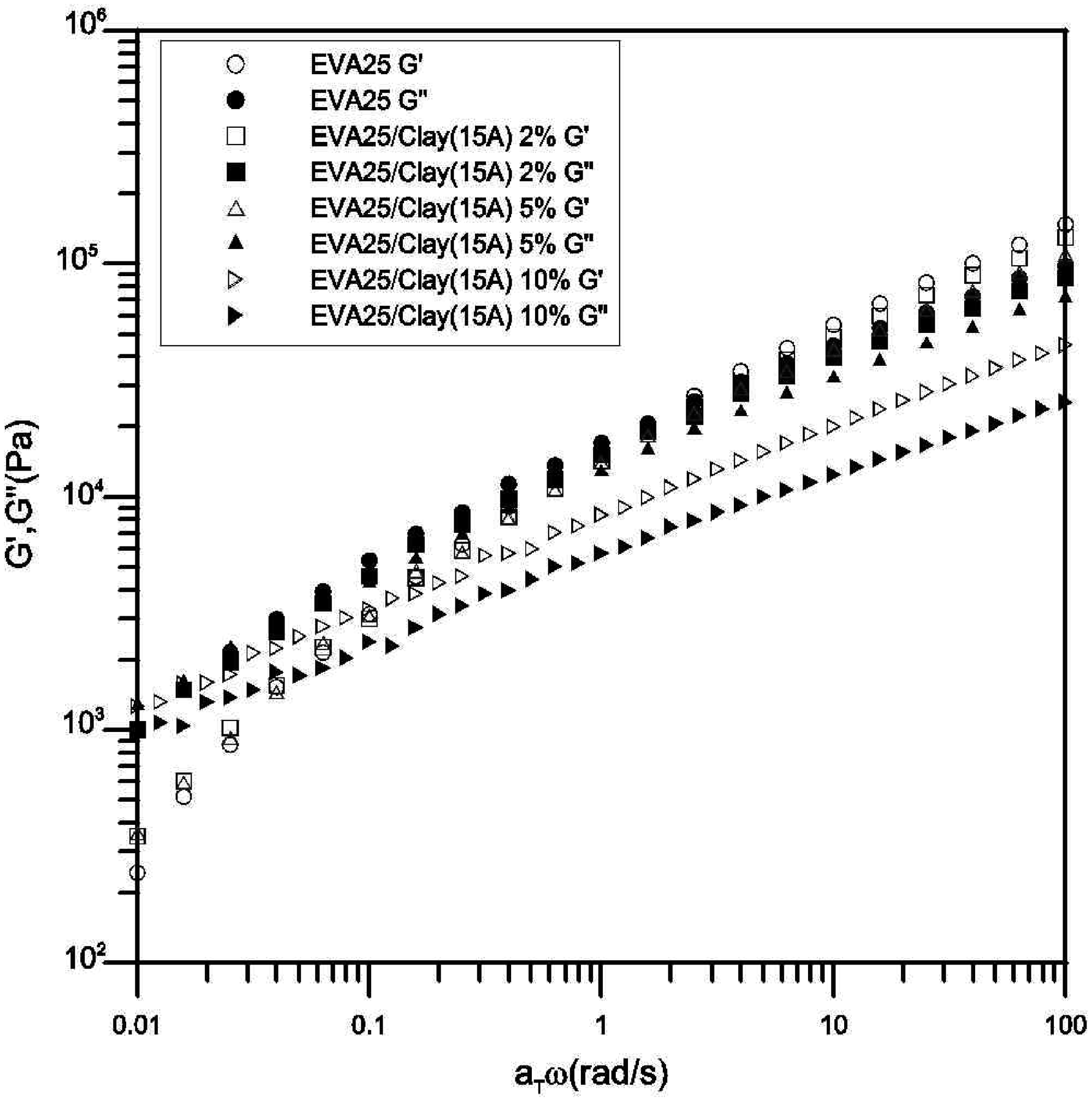
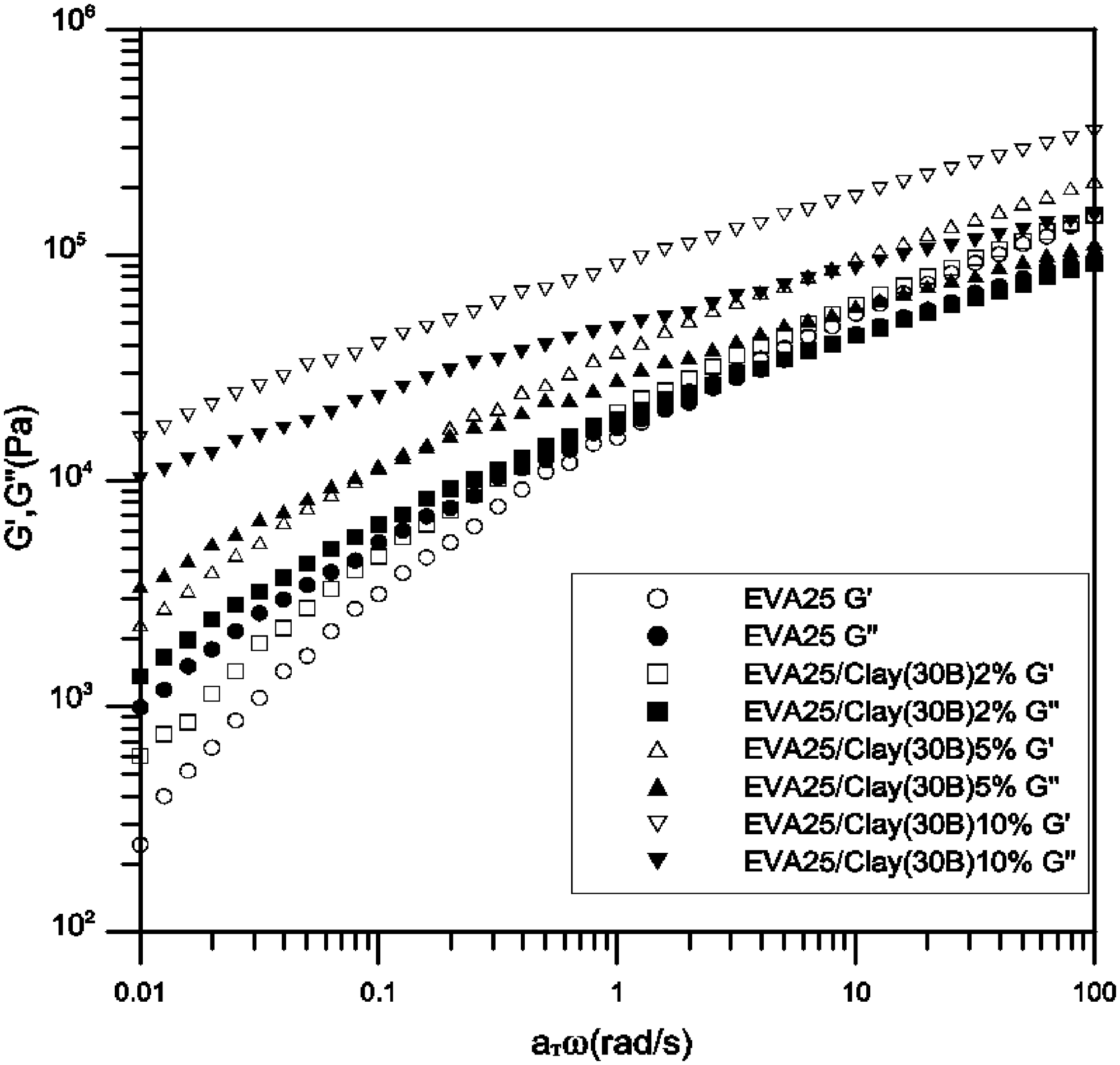
Figure 8 plots the dependence of the frequency shift factor a
T
of neat EVA polymers and hybrids on temperature. Since the a
T
values for 15A hybrids are almost equal to that of pure EVA polymers, only the result for neat EVA polymers is present. Since the pristine 15A or 30B layered silicates do not have temperature-dependent relaxation, the close equivalence between the temperature-dependence of a
T
of the 15A hybrids and that of the homopolymers suggests the storage and the loss moduli that are probed in the linear dynamic measurement of 15A hybrids is associated with EVA polymer chains. From the above results, only a small portion of the polymer chain in 15A hybrids is intercalated between the silicate layers, and the intercalated segments are not firmly seized by the silicates. However, the indicated temperature dependence of a
T
for 30B hybrids declines as the clay loading increases. The lower temperature-dependence and the aforementioned pseudo-solid-like behavior of the hybrids with the higher clay loading hybrids suggest that vinyl-acetate segments along the EVA polymer chains in 30B hybrids are tethered to the surface of the exfoliated silicates by the cation surfactant and two hydroxyl pendant groups and that the number of tethered segments increase with increasing 30B clay loadings. Hence, the lower temperature-dependence of a
T
for 30B hybrids is believed to arise from nondependence of 30B silicates on temperature. This phenomenon is not exhibited by end-tethered exfoliated nanocomposites
8
–
12
and intercalated nanocomposites,
13
in which the observed temperature-dependent relaxation process in the linear dynamic measurement is almost independent of the presence of the silicate layers.
Arrhenius plot of frequency shift factors of Cloisite 30B nanocomposites and pure EVA polymer.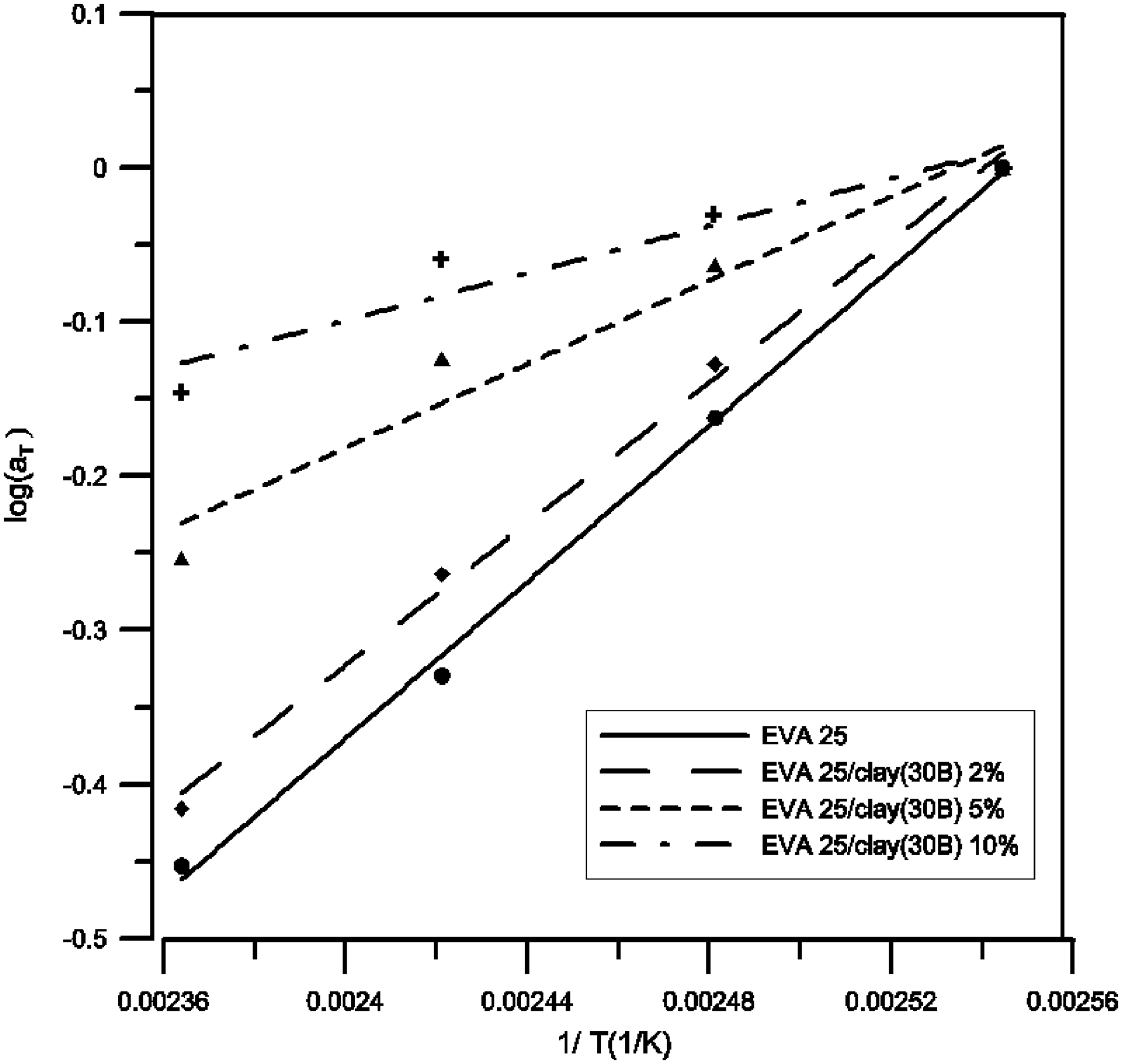
Since a validated rheologcal model is important to the polymer processing community for the use in numerical simulations, this work proposes the Wagner model, a nonlinear single-integral constitutive equation, to compare predicted and experimental data and thereby check the accuracy and robustness of the model. The local stress tensor for this model can be expressed as


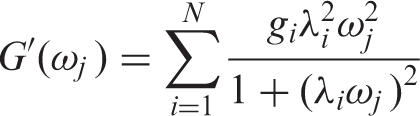
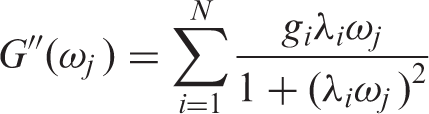
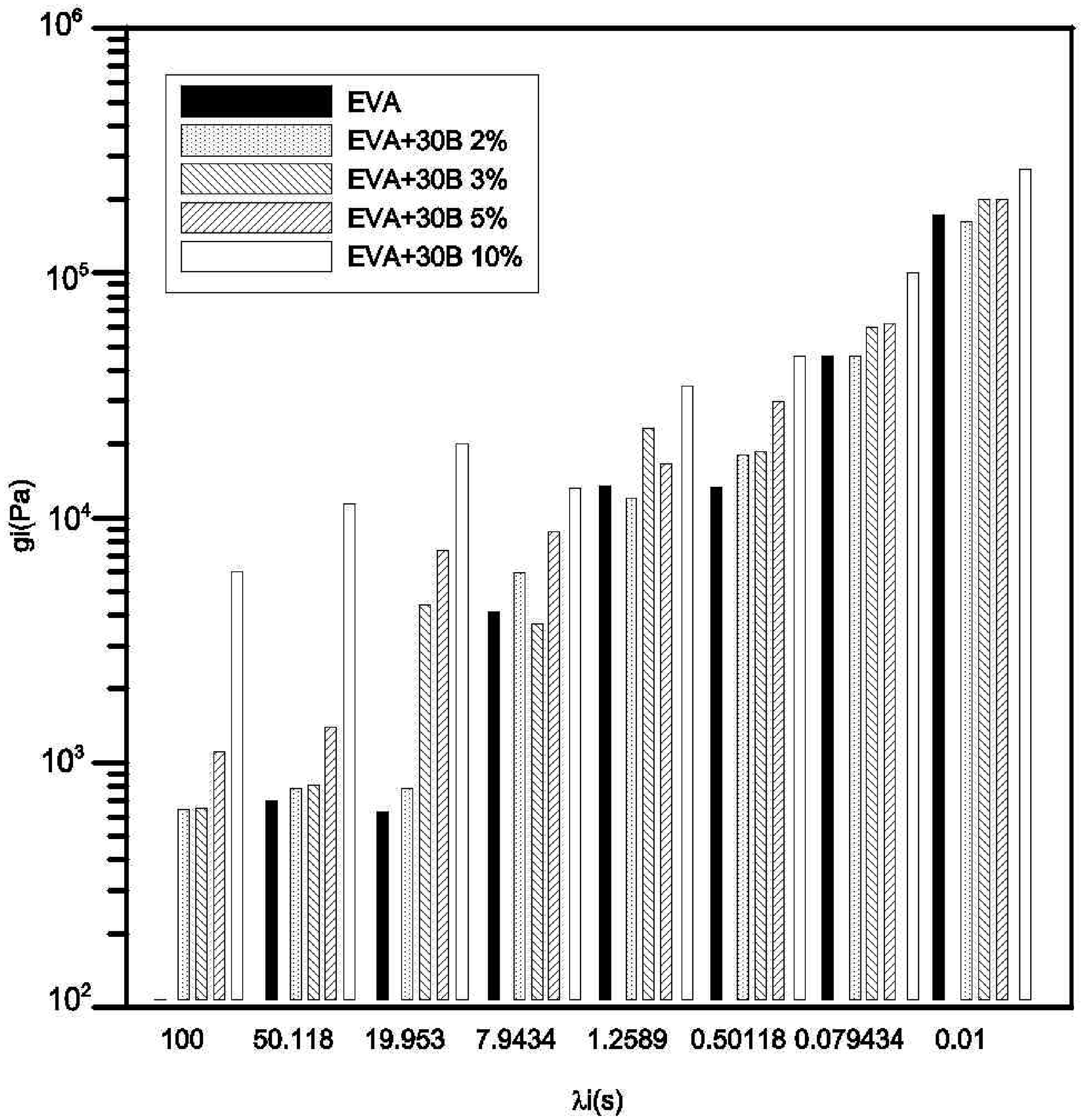
Figure 9 plots the results of regression for experimental data obtained at 120°C, indicating that the relaxation strength
Relaxation strength vs time spectrum of EVA/Cloisite 30B nanocomposites and pure EVA polymer. Relaxation modulus of EVA/Cloisite 30B nanocomposites for a series of strains at a temperature of 120°C. Calculated and measured damping function h(γ
o
) of EVA/10 wt% and EVA/2 wt% Cloisite 30B nanocomposites at a temperature of 120°C. Comparison of model prediction and experimental data concerning
Comparison of model prediction and experimental data concerning
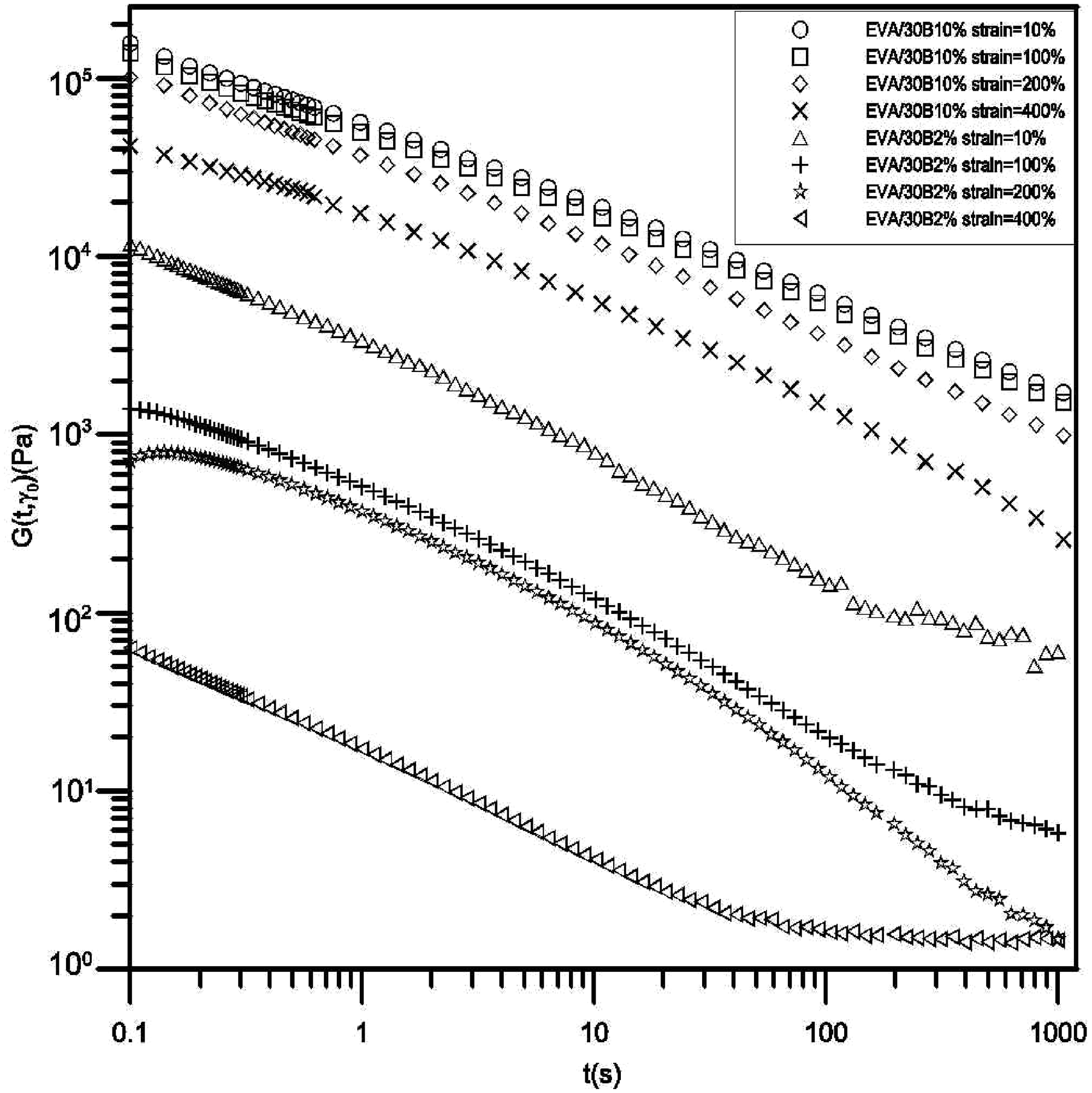
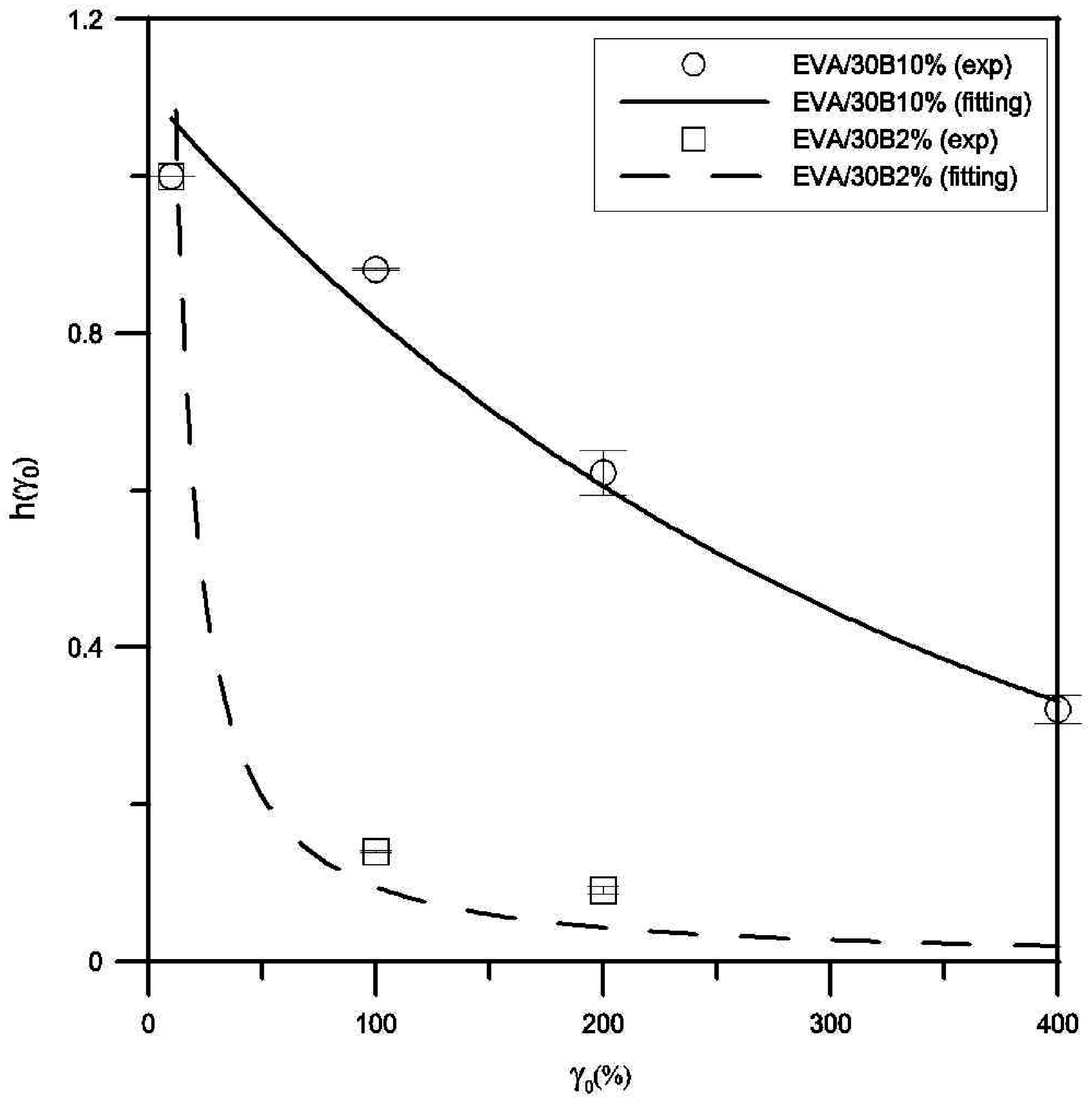
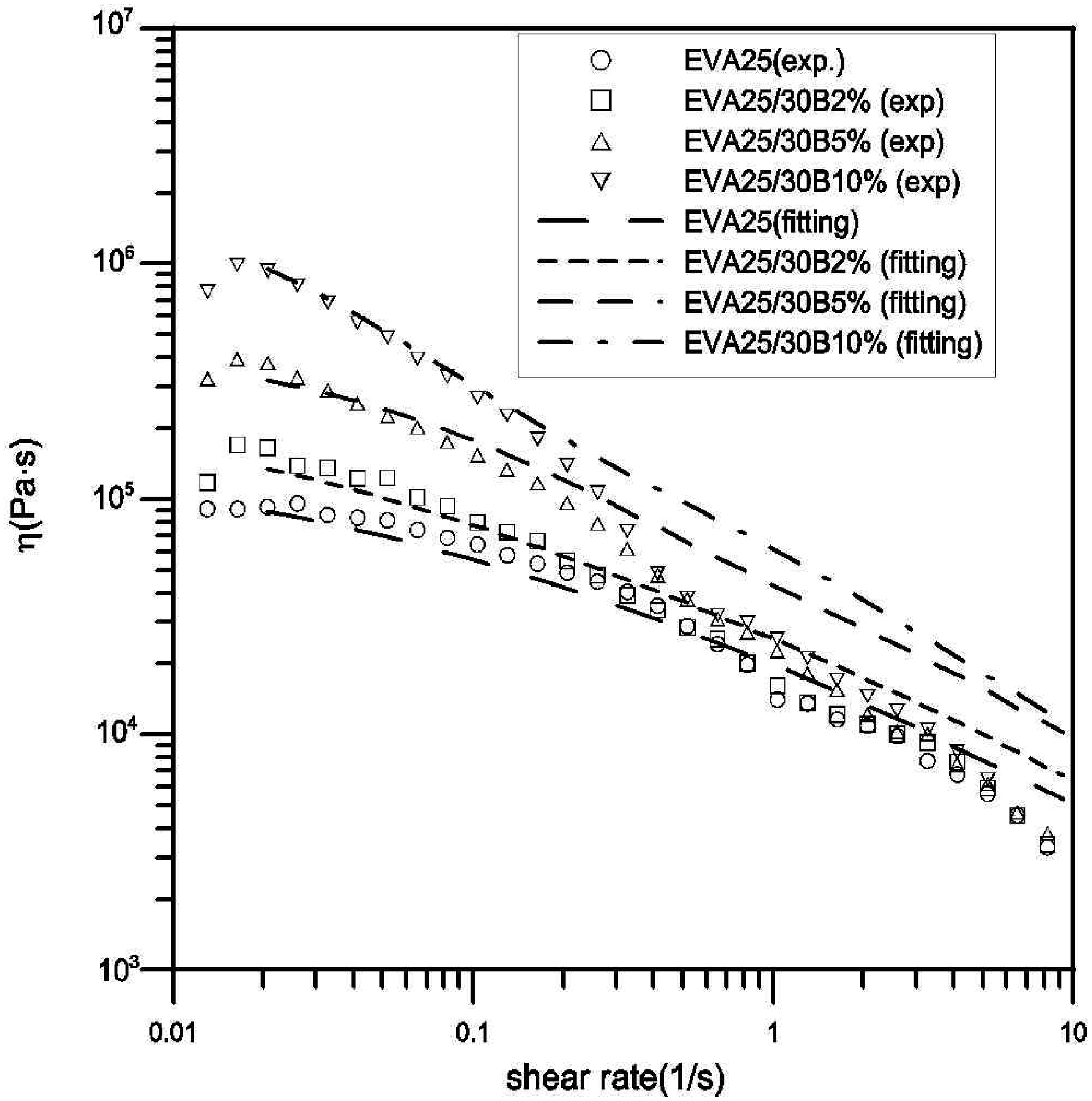
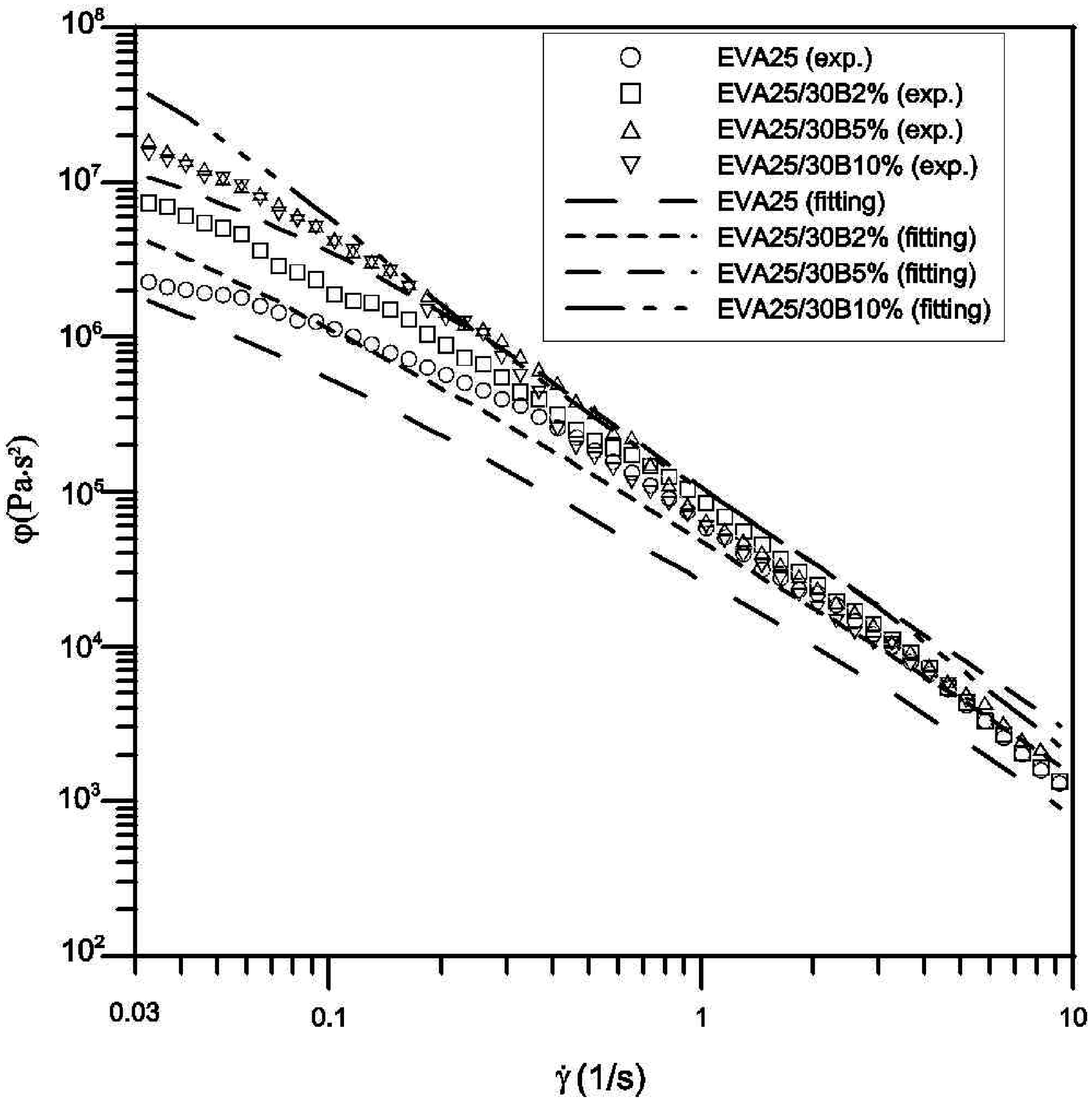



A comparison of the predictions of the Wagner model and experimental data reveals that the model can effectively predict the shear thinning viscosity and normal stress coefficient of neat EVA polymers. However, the nonlinearity of the two-stage shear thinning behavior in the response of EVA/30B nanocomposites to steady shear flow cannot be accurately captured.
Conclusions
Linear and nonlinear viscoelastic measurements of melt-state rheological properties were made for exfoliated nanocomposites based on ethylene-co-(vinyl acetate) and Montmorillonite exchanged with methyl tallow bis 2 hydroxyethyl ammonium (Cloisite 30B) and intercalated nanocomposites based on ethylene-co-(vinyl acetate) dimethyl dehydrogenated tallow ammonium (Cloisite 15A). The measurements demonstrate that 30B-layered silicates are exfoliated by the intrusion of the vinyl acetate segment of EVA polymer chains into the gallery and then the exfoliated silicates connect to each other to form a mesoscopic structure, which is composed of networked domains of correlated clay particles, facilitated by an interaction between vinyl acetate and hydroxyl groups. The 30B nanocomposites exhibit a less dependence of temperature on clay loadings than end-tethered nanocomposites for frequency shift factor a T , providing evidence of the polymer chain’s being tethered and surrounded by exfoliated 30B silicates – not only at the ends of the chains but at all suitable sites along it. With respect to the two-stage shear thinning behavior revealed by the steady shear flow measurement, we propose that the shear thinning behavior at low shear rates is governed by the breakdown of three-dimensional filler networks, and the disentanglement of polymer chains is responsible for the shear thinning behavior at high shear rates. The critical shear rate at the transition between these two regimes increases with the intensity of the polar interaction between polymer chains and modified nanosilicates. With respect to the rheological constitutive equations, a nonlinear single-integral Wager model agrees closely with the results of rheometric experiments on nanocomposites to the extent possible, whereas the two-stage shear thinning behavior of 30B nanocomposites is not accurately captured.
Footnotes
Acknowledgements
The authors would like to thank Taiwan Textiles Research Institute for financially supporting this research. Ted Kony is appreciated for his editorial assistance.