



Abstract
Jute fabric-reinforced natural rubber (NR) based composites were produced by compression molding. Tensile strength (TS), tensile modulus (TM), elongation at break (Eb) bending strength (BS), bending modulus (BM), and softness of the composite were 30 MPa, 395 MPa, 65%, 10 MPa, 2130 MPa, and 79 Shore-A, respectively. Degradation nature of the composite was investigated in soil and aqueous medium. To improve the compatibility between fiber and matrix, the composites were irradiated with gamma rays. Total radiation dose varied from 50 to 1000 krad. Tensile properties of the irradiated (250 krad) composites improved significantly (TS and TM increased 47% and 147%).
INTRODUCTION
Polymeric materials have been widely accepted because of their advantages such as ease of processability and amenability in providing a large variety of cost-effective products that help to enhance the comfort and quality of life in the modern industrial society. Over the years, the production of synthetic polymers has been growing rapidly in many applications, replacing conventional materials like wood metal and glass due to their advantages over these materials – these advantages include toughness, lighter weight, corrosion resistance, and ease of processability that aids the manufacture of articles with various colors, complicated shapes and designs. But improper disposition of the enormous volume of petroleum-derived plastics in the environment led to environmental pollution and raised much interest in the preparation of the replacement from natural polymers, the biodegradable and renewable resources [1,2]. Biopolymers have been considered as the most promising materials for this purpose as they exist abundantly and may form cost-effective end products [3–5].
Natural rubber (NR) (cis-1,4-polyisoprene) is a versatile raw material with unique chemical and physico-mechanical properties that make it ideal for many dynamic applications. As NR is too soft to be used in its pure form, for most applications, properties of NR are improved by reinforcing it with fillers such as carbon black sulfur or silica [6]. The recent approach has been to use nanosize fillers for the enhancement of properties [7–10]. But these fillers are expensive. During the last decade of the twentieth century, agro fiber composites have gained much interest from both research and industrial communities. In spite of some shortcomings in mechanical properties, biodegradability of agro-based fibers [11] has made them very popular in composite manufacture. Environmental preservation, pollution control, and emphasis on the use of energy-efficient materials and processing in the industrial sector have renewed interest in agro-based lingo-cellulose (LC) fibers. A good number of natural cellulose-based fibers such as jute, sisal, kenaf, hemp, coir, ramie, etc. are being used for composite manufacture [12–14]. Jute is an inexpensive and commercially available LC fiber that contains 82–85% of holocellulose, of which 58–63% is α-cellulose. It falls in the ‘Bast Fiber’ category (fiber collected from bast or skin of the plant). Jute has been the attractive reinforcing agent for different types of polymers. But the major disadvantage of jute fiber is its high moisture adsorption and poor thermal resistance [15]. To reduce the high water uptake of jute, different treatments have been reported, of which one of the most promising is coating of NR on jute fiber [16]. Moreover, cellulose-based fibers like grass fiber, cotton fiber, etc have also been used as fillers for the fabrication of NR-based composites [17,18]. Short cellulose fiber-reinforced rubbers have been successfully used in the production of Vbelts, hoses, tire tread, and complex-shaped mechanical goods [19,20]. The extent of reinforcement depends on the generation of a string interface through physicochemical bonding, aspect ratio of the fiber in the composite, the type of fiber nature of matrix, fiber dispersion and orientation, and fiber length and concentration [21].
A typical problem involving natural fiber-reinforced polymers is the limited compatibility between the hydrophilic hydroxyl groups of the natural fibers and the hydrophobic polymer matrix. The efficiency of a fiber-reinforced composite depends upon the fiber–matrix interface and the ability to transfer stress from the matrix to fiber. This stress transfer efficiency plays a dominant role in determining the mechanical property of the composite. A number of investigators have explored the ability of additives and fiber surface modification in order to improve the properties of the composites through good interfacial adhesion between fiber and matrix [22–27].
The field of radiation chemistry dealing with polymers has drastically expanded since the discovery in 1952 that exposure of certain plastics to ionizing radiations could impart beneficial changes to some of their properties. Moreover, even the simplest polymer has a highly complex structure in comparison with that of a molecule of low molecular weight; this often leads to ambiguities when one is trying to understand the detailed chemical modifications. The chemical changes from the irradiation of polymers include gas evolution, changes in unsaturation, main-chain degradation, and cross-linking. The influence of ionizing radiation, especially gamma radiation, has been studied quiet extensively over the past few decades. Mechanical properties of Jute-reinforced polypropylene (PP) composites irradiated with gamma ray were found to be higher than those of nonirradiated composites [28–30]. The purpose of this investigation is to study the effect of gamma radiation on mechanical properties of jute fiber-reinforced NR-based biodegradable composite.
EXPERIMENTAL
Materials
Hessian cloth (commercial grade, bleached jute) was collected from Bangladesh Jute Research Institute (BJRI), Dhaka, Bangladesh and non-vulcanized NR was collected from Malaysian Rubber Board.
Composite Fabrication
NR sheets were prepared by compression molding 100°C and 5 ton using heat press (CRAVER, USA, Model 3856). Two layers of hessian cloth and one layer of prepared sheet were used to make composite. The NR sheet was placed between two layers of hessian cloth and the sandwich was placed in between two steel plates and heat pressed. The mold was cooled in another press. The temperature was maintained at about 100°C and pressure at 10 ton for 5 min and the cooling time was 5 min as well. Jute content was maintained at 40 wt%.
Irradiation
Composites were irradiated using a Co-60 gamma source. In gamma radiation, a Co-60 source (25 kCi) model gamma beam 650 is loaded with source GBS-98 that comprises 36 double encapsulated capsules. Type C-252 loaded with Co-60 pellets was used. Composites were treated with gamma radiation with different doses (50–1000 krad).
Mechanical Tests
The bending and tensile properties of the composites were evaluated via three-point bending test on a Hounsfield series S testing machine (UK) with a cross-head speed of 1 mm s−1 at span distances of 20 and 46 mm, respectively. The dimensions of the test specimen were (ISO 14125): 60 × 15 × 2 mm3. Composite samples were cut to required dimensions using a band saw. Hardness of the composite was determined by HPE Shore – A Hardness Tester (model 60578, Germany).
Water uptake test of the composite
Water uptake tests of the composite, NR sheet, and jute fiber were performed in deionized water (about 500 mg) at room temperature (25°C). The dimensions of the test specimen were 15 × 5 × 2 mm3 and placed into static glass beakers. The water uptakes of the samples were carried out upto 6 h. At set time points, samples were taken out and reweighed.
SOIL BURIAL TEST OF THE COMPOSITE
The composites were cut into 60 × 30 × 2 mm3 size, weighed, and buried in soil containing 25% moisture at 6 in. depth. The specimens were taken out from the soil, washed with tap water to remove the soil particles from the surface of the specimens, and dried in oven at 50°C for 24 h. Then, the loss of weight and mechanical properties of the composites was studied.
DEGRADATION TEST IN AQUEOUS MEDIUM
The composites were cut into 60 × 30 × 2 mm3 size, weighed, and soaked in deionized water (about 500 mg) at room temperature (25°C). The specimens were taken out after a desired time and dried in oven at 50°C for 24 h. Then, the loss of weight and mechanical properties of the composites were studied.
RESULTS AND DISCUSSION
Mechanical Properties of the Composite
Tensile properties of Hessian cloth and composites (40% fiber by weight)

Bending properties and softness of the composite (40% fiber by weight)

Water Uptake
Water uptake of the composites (40% fiber by weight)
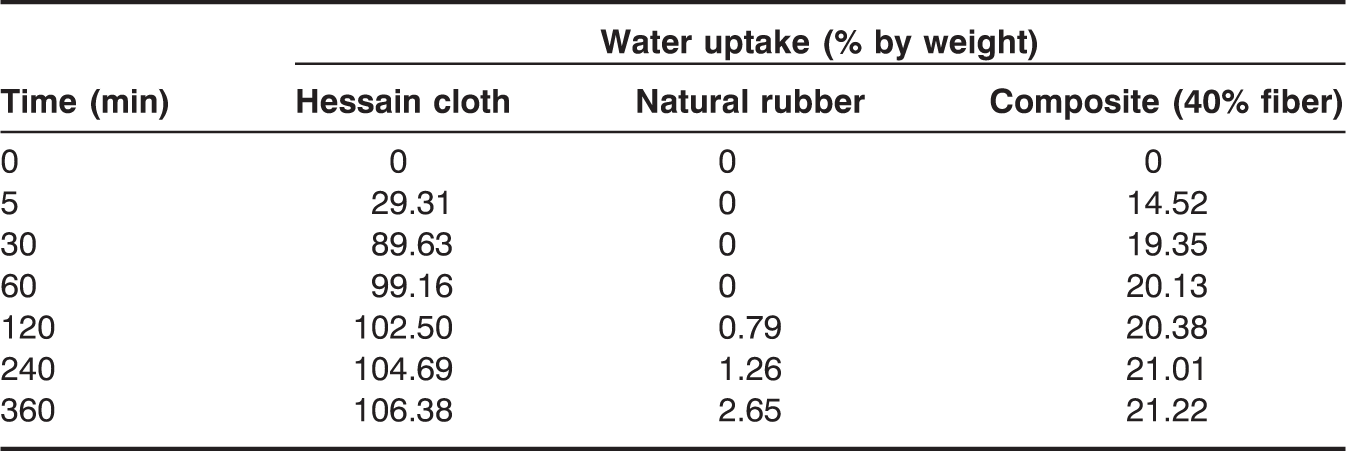
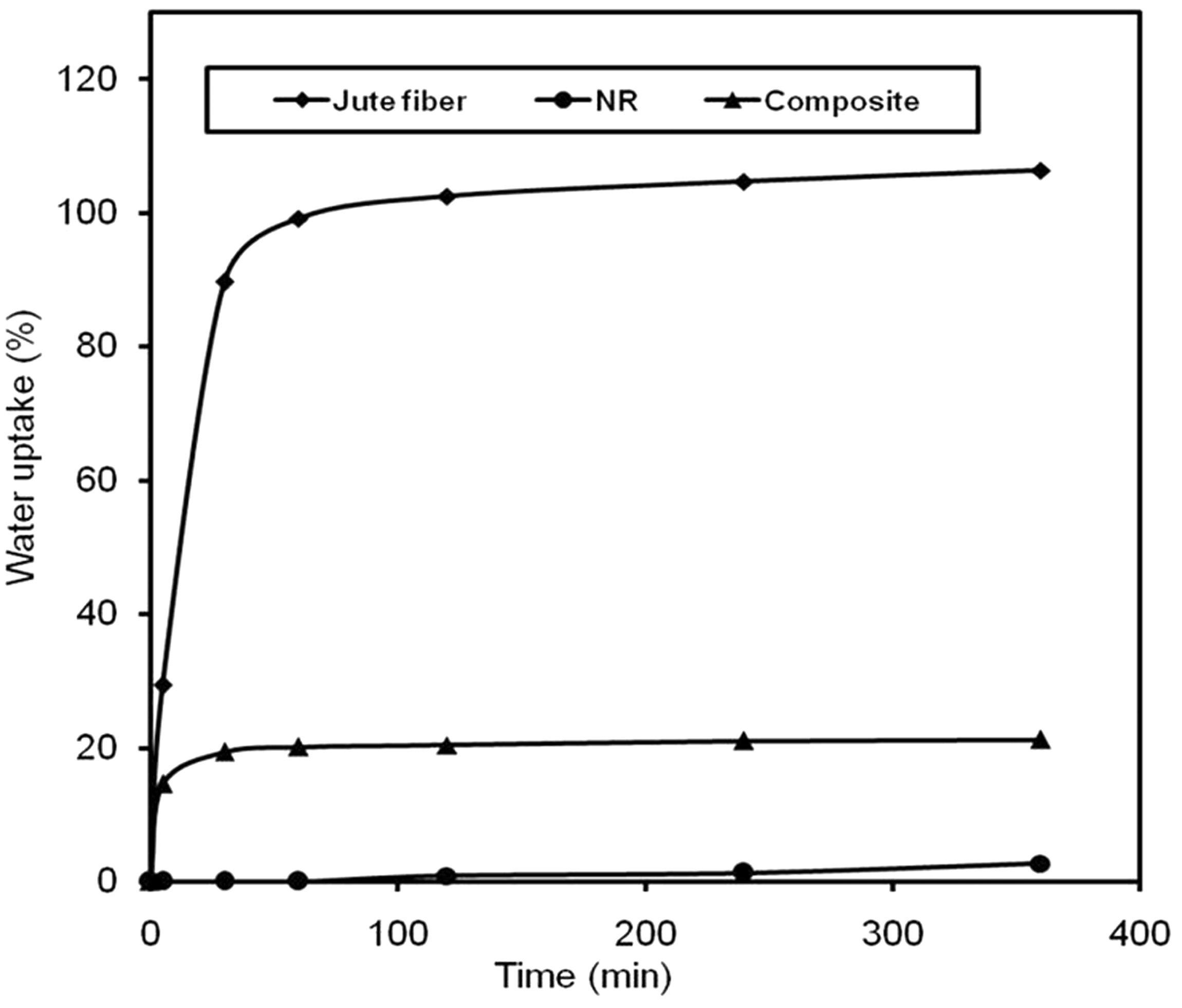
Percentage of water uptake (%) of hessian cloth, jute, and composites in aqueous media at room temperature (25°C).
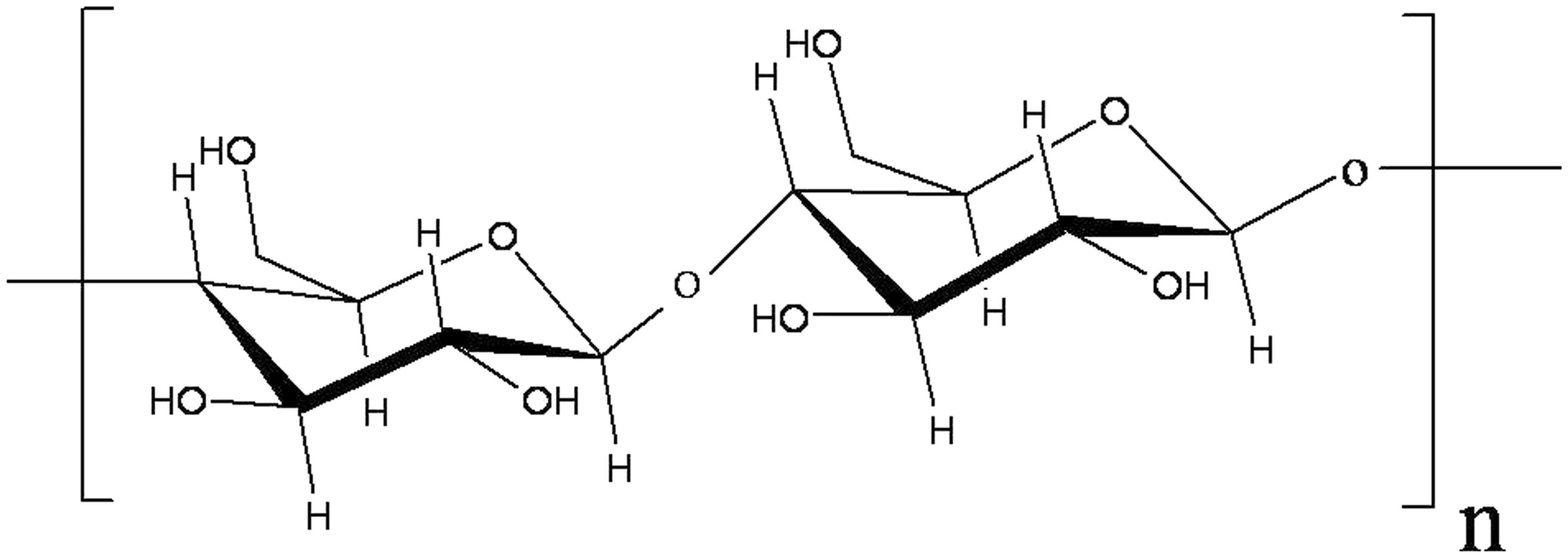
Monomeric units of jute (β-
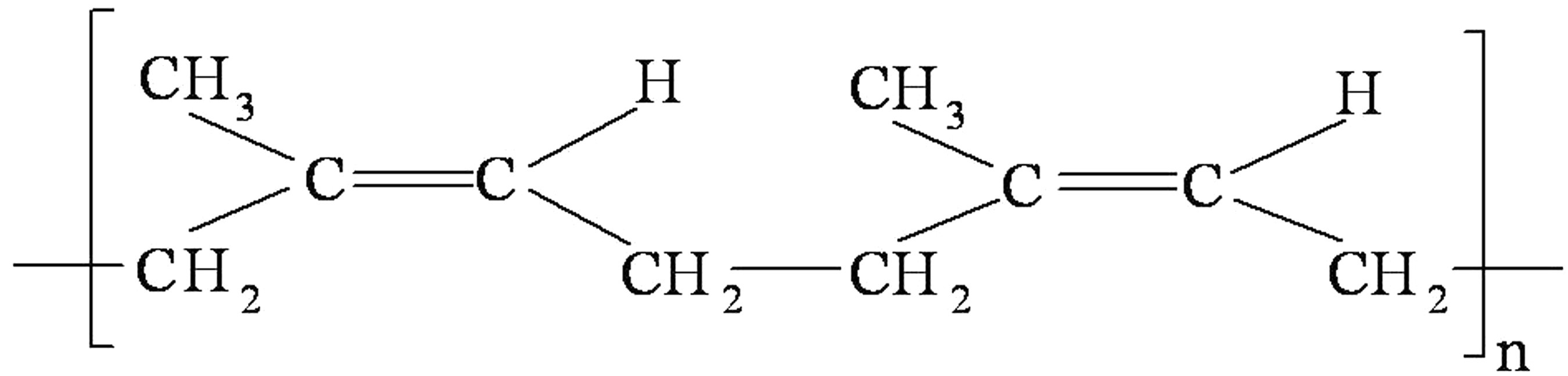
Monomeric units of NR (cis-1,4-polyisoprene).
Loss of Tensile Properties Due to Degradation in Aqueous Medium and During Soil Burial Test
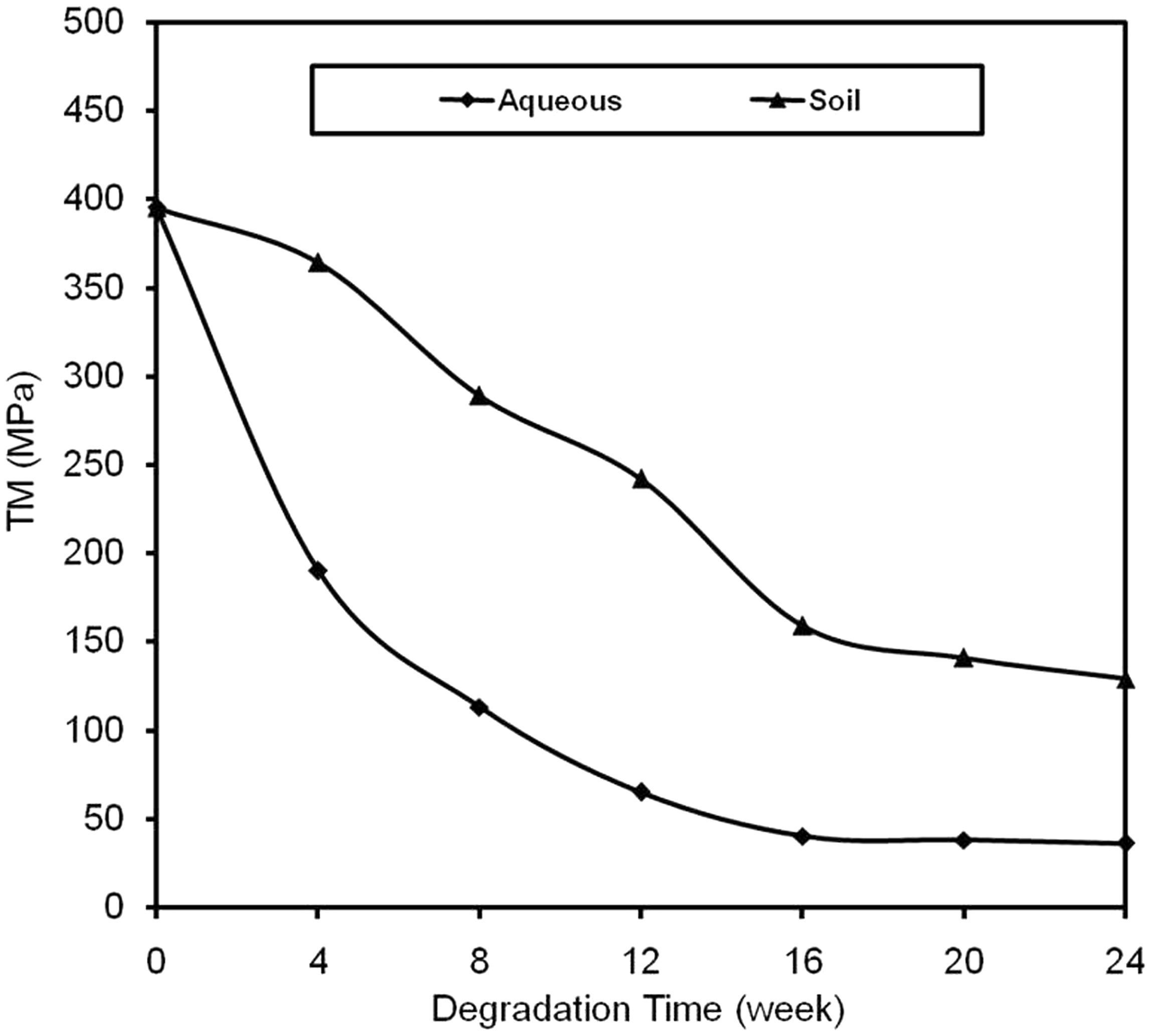
Degradation test of the composites were performed in soil and aqueous medium at ambient condition for 24 weeks. TS values of the composites were plotted against the degradation time and shown in Figure 2. After 24 weeks, the composite lost 53.33% TS in soil and 90% TS in aqueous medium. In Figure 3, TM of the composites were plotted against the degradation time. After 24 weeks, the composites lost 67.34 % TM in soil and 90.65% TM in aqueous medium. It was observed that during soil burial, the loss of TS and TM was relatively steady than that in aqueous medium. Within the first 4 weeks, the composites lost 53.33% TS and 51.89% TM in aqueous medium but in soil, only 6.66% TS and 7.84%TM was lost.
Loss of TS (MPa) of composite in aqueous medium and during soil burial test vs degradation time (week). Loss of TM (MPa) of composite in aqueous medium and during soil burial test vs degradation time (week).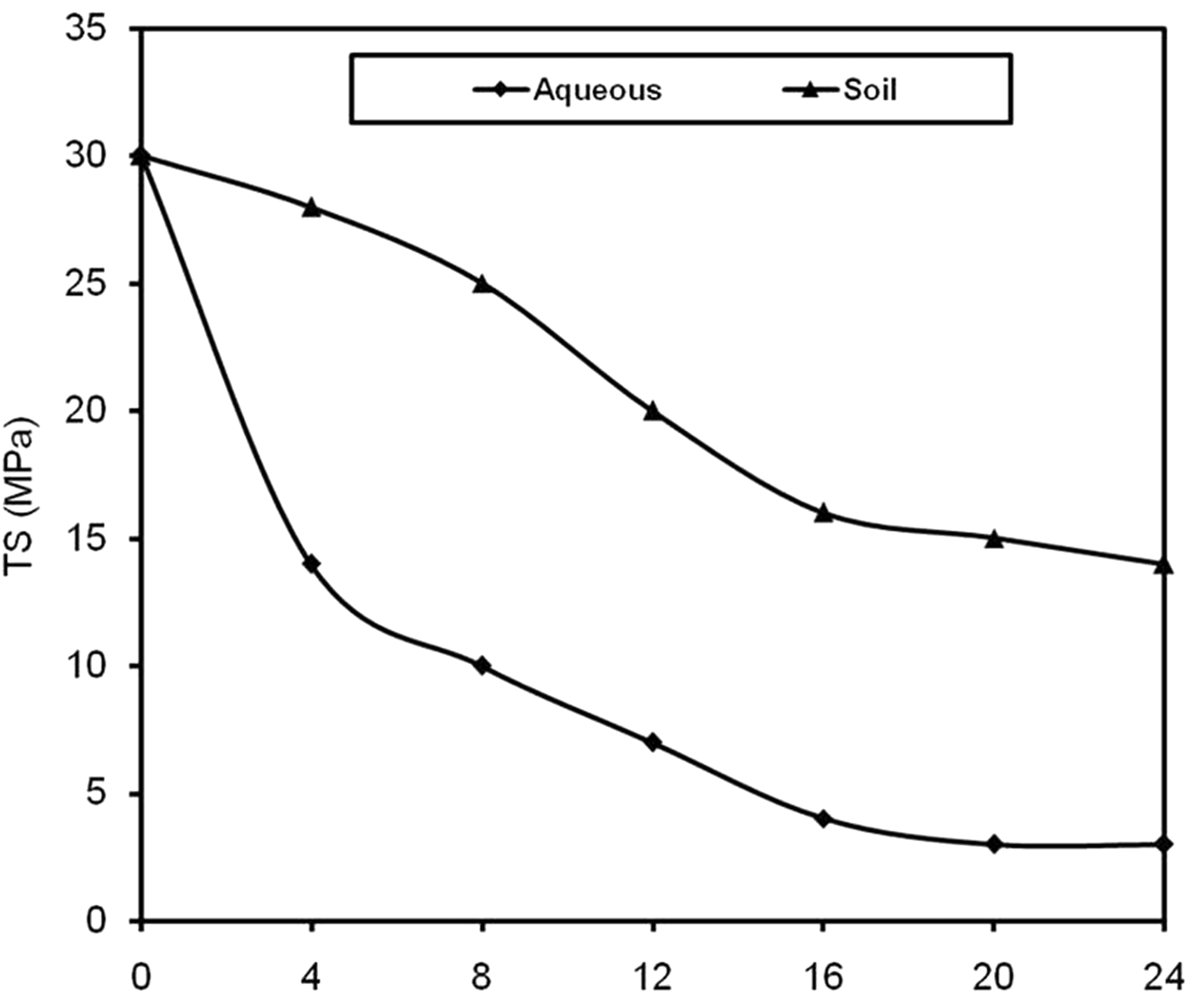
The cellulose-based biodegradable jute fiber has strong hydrophilic character. The chains of homo-polysaccharide consisting of identical monomeric units of β-
Effect of Gamma Radiation on Tensile properties of the Composite
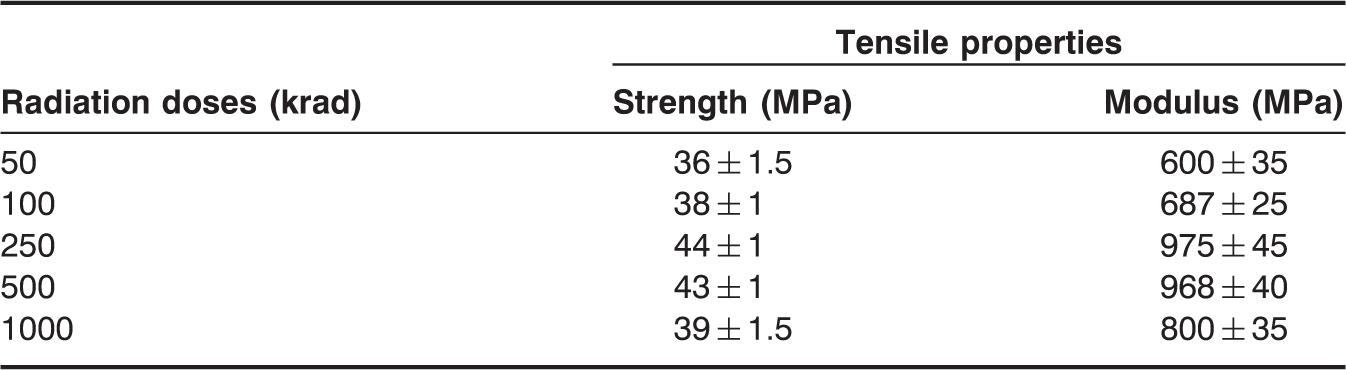
Effect of Gamma radiation on tensile properties of the composite (40% fiber by weight)
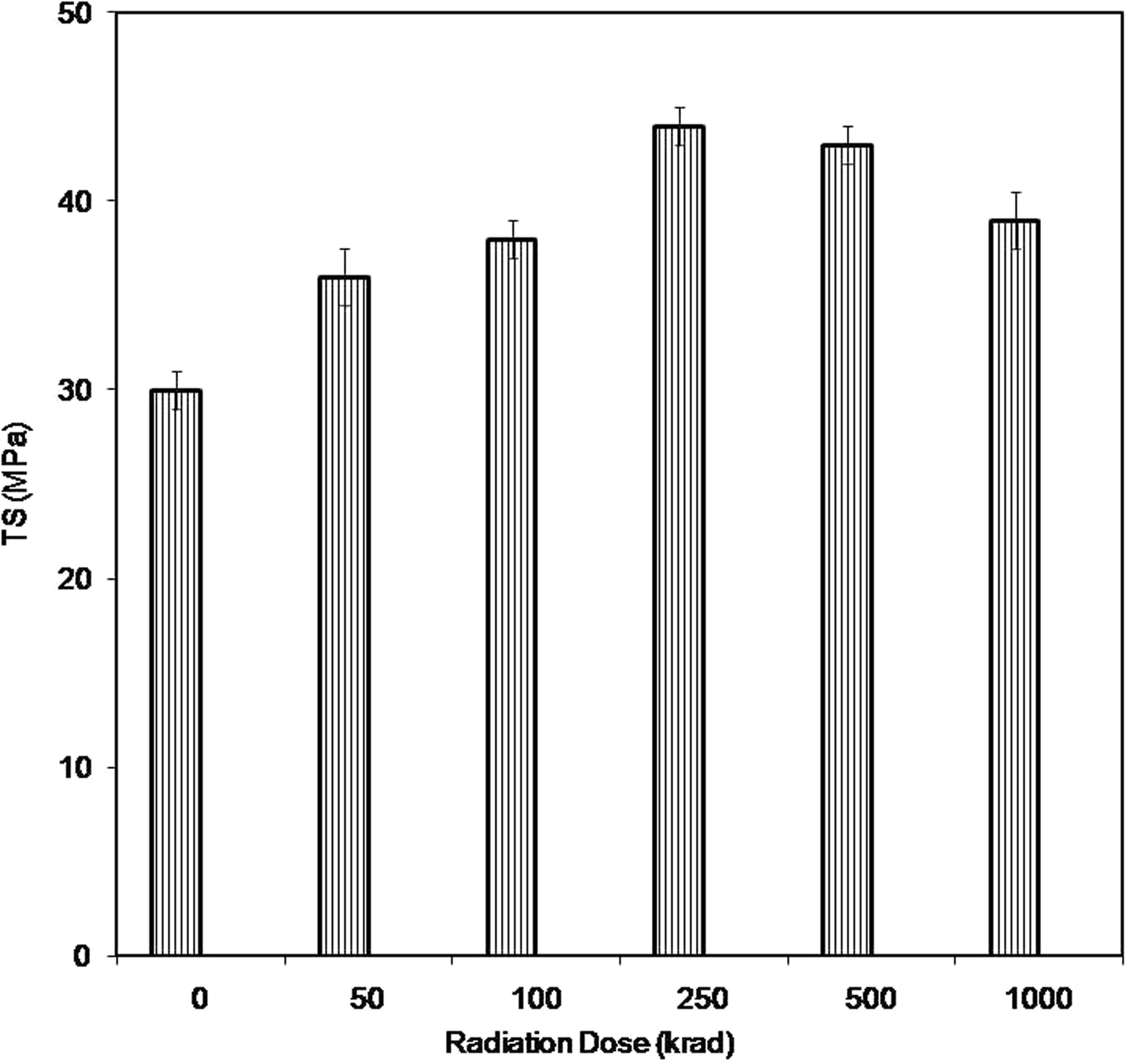
Effect of gamma irradiation on TS (MPa) of composites.
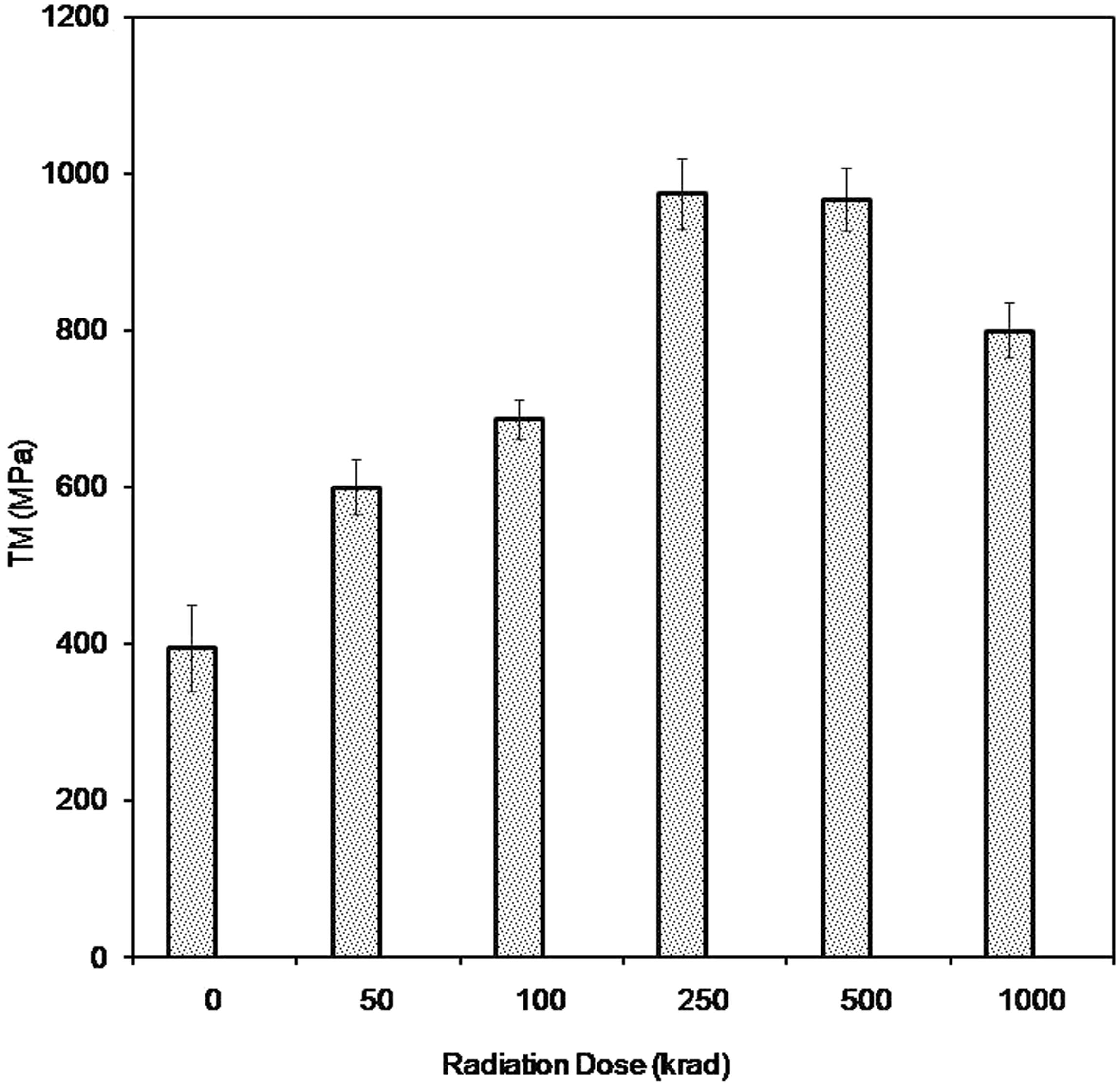
Effect of gamma irradiation on TM (MPa) of composites.
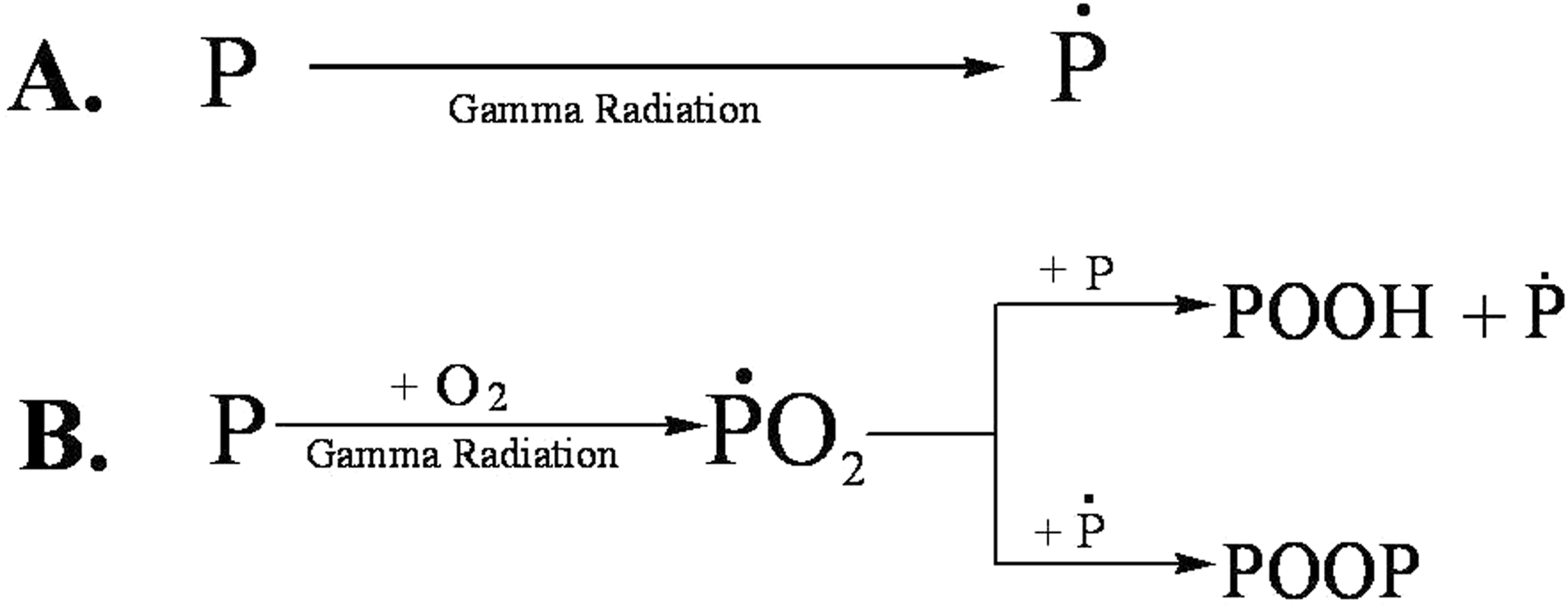
Generation of free radical on irradiated jute fiber (A), formation of peroxide and reaction between jute and peroxide (B). (P is the jute cellulose and P
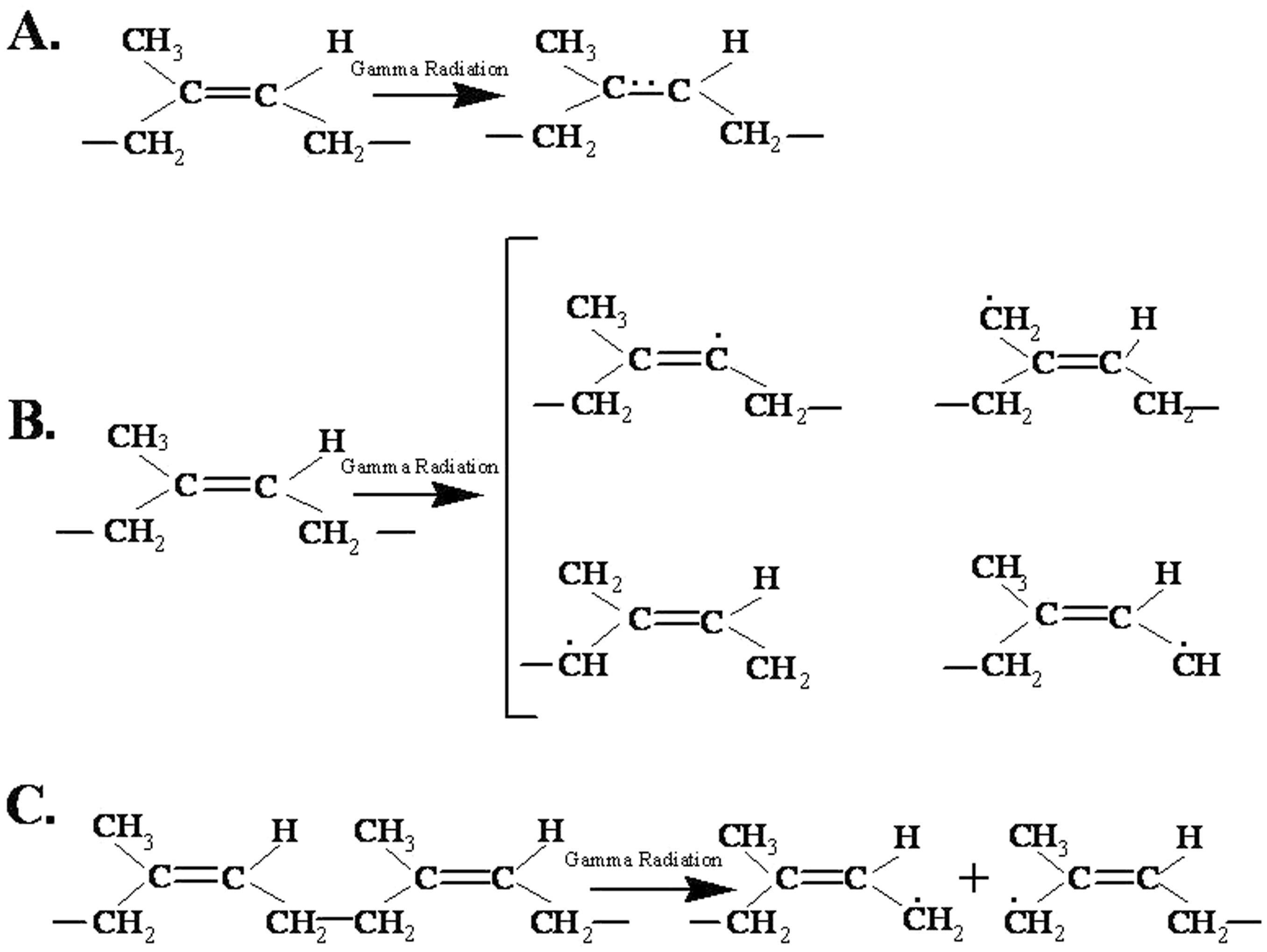
Modes of free radical generation on irradiated NR. Radicals are formed after C = C, C–H, and C–C bond cleavages; (A) olefin bond cleavage (B) hydrogen abstraction (C) chain scission.
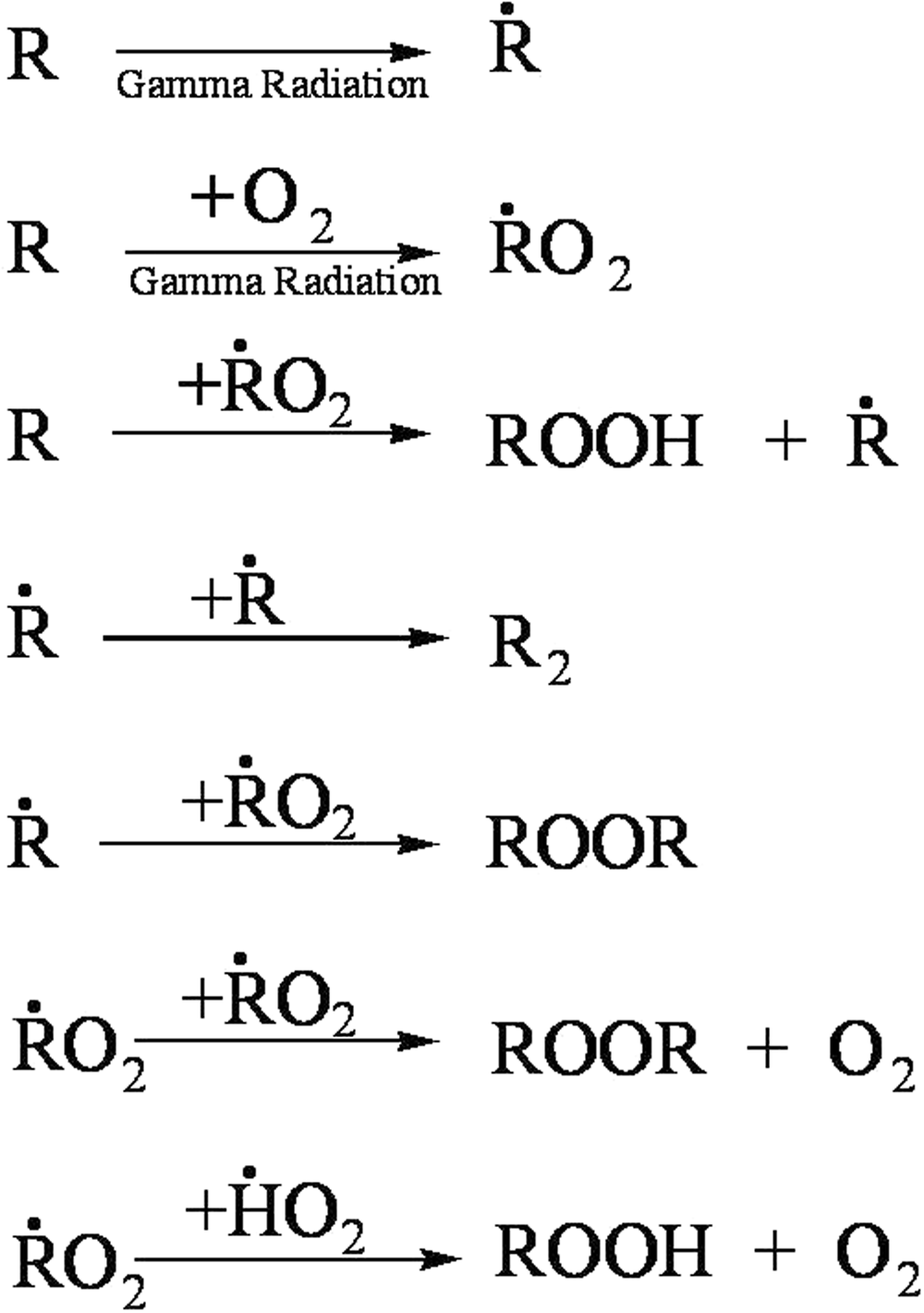
Formation of peroxide and reaction between rubber and peroxide.
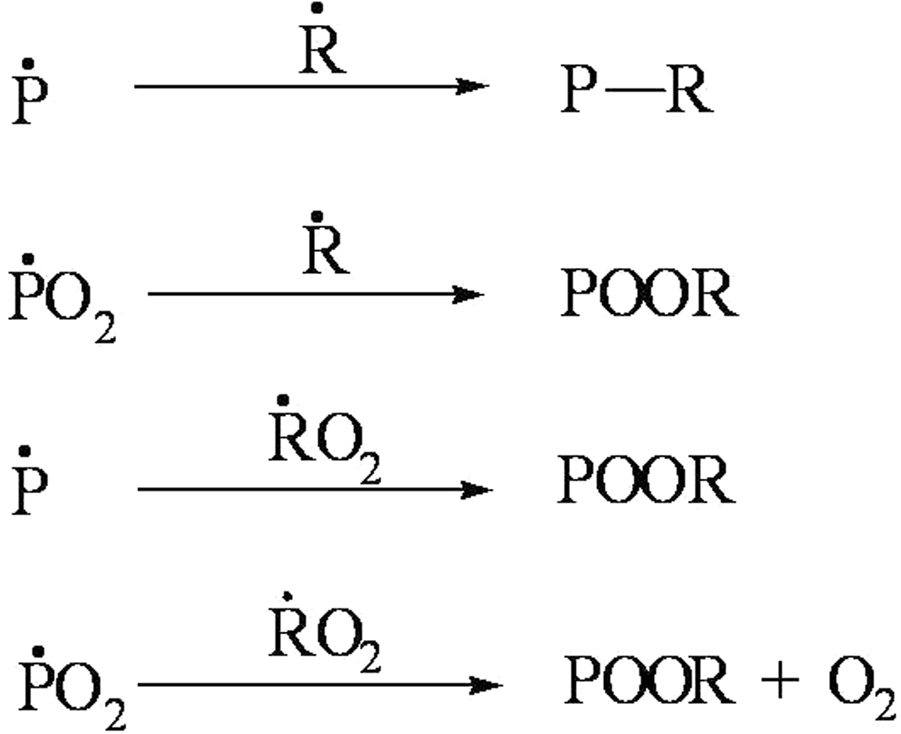
Possible bond formation between jute and NR. (R is the natural rubber and R• corresponds to all possible radical formation as shown in Fig 4).
CONCLUSION
Jute-reinforced NR-based composite was prepared by compression molding. The composite had acceptable mechanical properties to be used for preparing packaging or other general construction materials. The degradation study indicated that the composite is degradable in both soil and aqueous medium. Investigation of gamma-irradiated composite showed better mechanical properties at 250 krad dose. Hence, it can be concluded that gamma irradiation is one of the best methods to improve the mechanical properties of hessian cloth-reinforced NR-based green composite.