




Abstract
This paper provides a systematic review of the scientific landscape of the interdisciplinary field of rural depopulation studies, considering the potential contribution of Fourth Industrial Revolution technologies or Industry 4.0 to enhance our contemporary understanding and policy approach to facing the complex challenge of rural transitions. Two levels of intersec search are examined: (a) an aggregated conceptual level of rural population studies and (b) a more policy-based level. Blockchain, the Internet of Things, additive manufacturing, and other 4.0 technologies highlight a scientific panorama in which social and sustainable concerns are integrated with the disruptive potential of these technologies.
Keywords
Introduction
This paper reviews the scientific landscape of the interdisciplinary field of rural depopulation studies, considering the potential contribution of Fourth Industrial Revolution technologies or 4.0 technologies to support broader alternative understandings of the complexity of rural depopulation. 4.0 technologies consist of those breakthroughs merging information and communication technologies (ICT) with digital manufacturing, creating a new production/consumption paradigm that may impact urban/rural relations (De Propris and Bailey 2021; Bai et al. 2020). The ecosystem of 4.0 technologies includes additive manufacturing (AM), Internet of Things (IoT), artificial intelligence (AI), advanced robotics, and Blockchain, amongst others (Fraske 2022; Lasi et al. 2014). These technologies have the potential to impact rural development in many facets (Zhang and Zhang 2020).
Rural areas have experienced significant demographic change. The share of the world population living in rural areas has been declining steadily from 66% in 1960 to 43% in 2020 due to strong urbanization processes. However, rural areas are not only losing out in relative terms, but many are also losing population in absolute terms due to strong rural–urban migration and rural population aging, leading to a shrinking workforce and reduced birth rates. China has been a primary driver of global urbanization in recent decades due to massive rural-to-urban migration, a trend India is expected to overtake by 2050 (Gu, Andreev, and Dupre 2021). In Europe, a study of 696 subnational areas in 33 countries identified seven pathways of rural depopulation, with persistent decline leading to a 23.75% population reduction since 2000, mainly in Eastern and Southern Europe (Newsham and Rowe 2023). Similarly, rural America faces depopulation due to aging, youth out-migration, and selective in-migration to metropolitan areas and areas rich in natural amenities (Slack and Jensen 2020). According to Johnson and Lichter (2019), 24% of U.S. counties suffer from depopulation, and nearly all these areas are rural.
Rural depopulation presents a complex socioeconomic and environmental challenge to developed and developing societies (Li, Westlund, and Liu 2019). The challenges cover various fields, from socioeconomic gaps between rural and urban areas to managing, for example, the impacts of climate change on food production systems and supply chains (Tenza-Peral et al. 2022). These issues forge a deeper connection between rural and urban worlds beyond the traditional focus on analyzing the economic roots of the rural–urban migration flows (Alamá-Sabater et al. 2021; Zhang, Nazroo, and Vanhoutte 2021).
The potential of 4.0 technologies for fighting challenges like depopulation requires a comprehensive approach that considers environmental, economic, political, and infrastructure challenges that differentiate rural and urban areas (Zambrano-Prado et al. 2021; Yin, Chen, and Li 2022; Widyaningsih et al. 2022; Vidickiene, Vilke, and Gedminaite-Raudone 2020; Viana and Waquil 2022). The sustainable transitions (ST) and transformative innovation policy (TIP) approaches can contribute significantly. The ST framework emphasizes niche innovations and regime shifts to reverse depopulation trends (Köhler et al. 2019; Geels 2019, 2020), while TIP supports rural revitalization through activities such as renewable energy and digital services (Marshall and Dolley 2019; Leach et al. 2012; Diercks, Larsen, and Steward 2019; Schot and Steinmueller 2018). Both approaches offer a refreshing perspective to address depopulation and to foster thriving, sustainable communities.
Since the COVID-19 pandemic, the stark disparity in public infrastructure and services between urban and rural areas has become increasingly evident. The pronounced inequality underscores the urgent need, for instance, to enhance rural healthcare, digital infrastructure, and remote work opportunities to mitigate the economic forces driving rural–urban migration (Braesemann et al. 2022; Cook et al. 2022).
Therefore, a more holistic perspective on rural depopulation is required, emphasizing a comprehensive approach to innovation that integrates various dimensions and stakeholders (Borrás and Edquist 2013, 2019). This holistic approach views innovation as a complex system involving interconnected actors and institutions across multiple governance levels (Yin, Chen, and Li 2022). The focus is shifting towards bridging the gap between urban and rural areas by creating resilient communities and promoting balanced regional development using 4.0 technologies (Yin, Chen, and Li 2022).
Thus, this paper poses the following research question: What analytical patterns or trends can be identified in the scientific landscape of rural depopulation studies in the last decade, supporting a more holistic understanding of the challenges of depopulation considering 4.0 technologies? A systematic review of the scientific literature landscape from 2010 to 2022, based on an intersectional perspective, addresses the potential contribution of 4.0 technologies, sustainable transitions, and transformative innovation policy studies to understand and tackle rural depopulation challenges. The review focuses on scholarly papers published in indexed journals and aims to understand current analytical trends better (Bai et al. 2020).
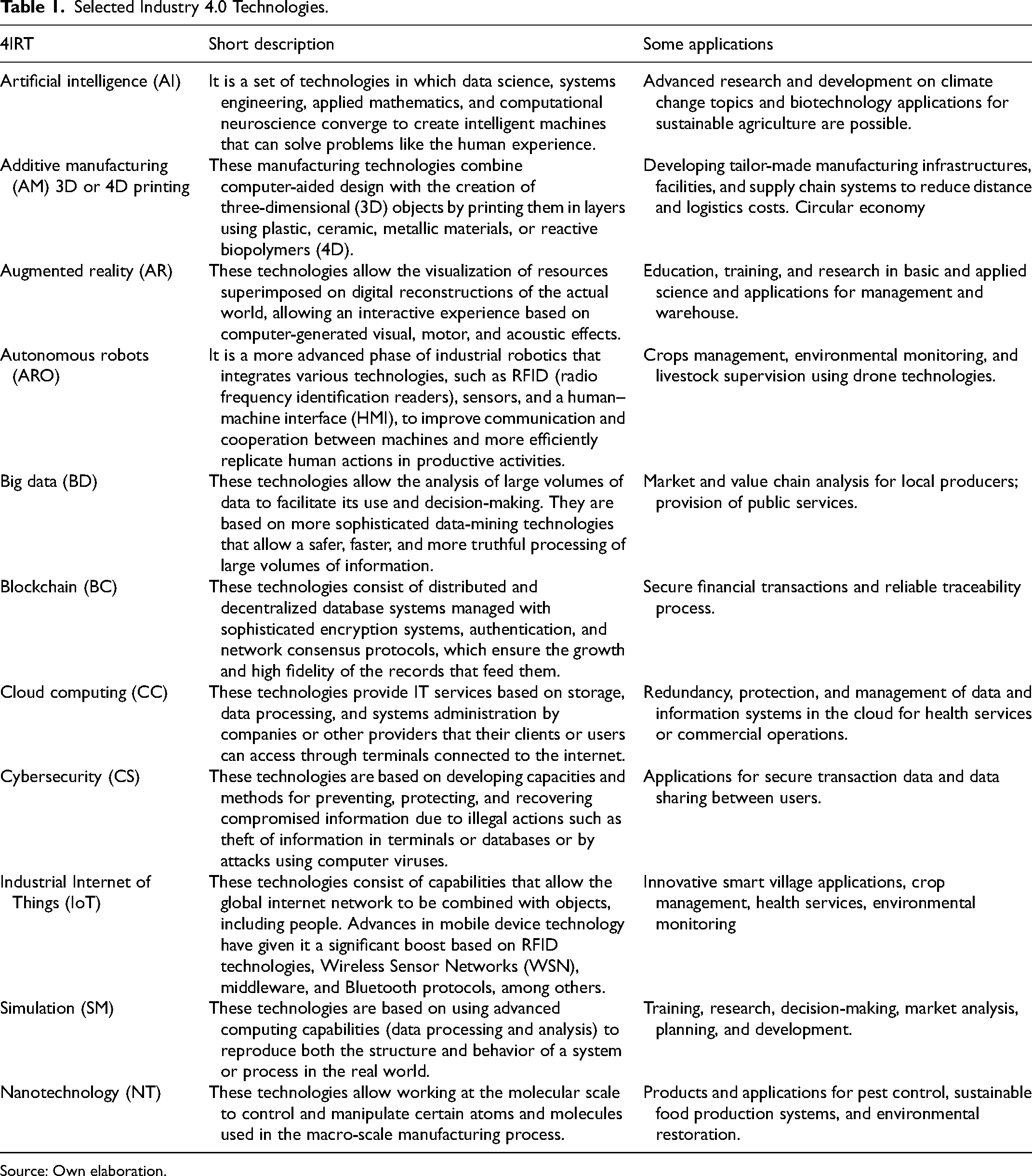
Table 1 shows some examples of 4.0 technology and its applications. For a more detailed review of these technologies, refer to the works of Fraske (2022), Bai et al. (2020), Alcacer and Cruz-Machado (2019), and Bongomin et al. (2020).
Selected Industry 4.0 Technologies.
Source: Own elaboration.
Table 1 outlines various technologies and their potential applications in rural areas. Once the necessary network infrastructures are established, these technologies can be utilized individually and in combination to unleash their collective potential (Barzotto et al. 2020; Helliwell and Burton 2021). For example, blockchain, cloud computing, and cybersecurity reinforce each other’s learning curves in facilitating secure transactions. AI complements big data analytics, and additive manufacturing pairs well with autonom robotics, among other possible combinations. This interdependence is vital for addressing rural social, economic, and environmental challenges, positioning these technologies as powerful tools for sustainability and local development (Gómez Valenzuela and Holl, 2023). Therefore, policymakers, researchers, and practitioners must comprehend the interdependence of these technologies in addressing rural development challenges (Bai et al. 2020; Lopes de Sousa Jabbour et al. 2018).
Implementing 4.0 technologies like blockchain and additive manufacturing could enhance the circular economy (Lopes de Sousa Jabbour et al. 2018; Bhubalan et al. 2022; Bai et al. 2020). The fundamental principles of circular economy refer to (a) the conservation of natural resources, (b) increasing the lifespan of resources through both biological and technical cycles, and (c) the reduction of the adverse effects of production systems by reusing, reusing, and recycling (Tang et al. 2022; Lopes de Sousa Jabbour et al. 2018). For instance, additive manufacturing enables precise, on-demand production with minimal material usage, supports recycled and biodegradable materials, and facilitates product repair and remanufacturing (Wu and Yabar 2021). Therefore, circular economy and 4.0 technologies may operate as a nexus with sustainable transitions and sustainability of the rural world.
Throughout history, technological advancements have contributed to centralizing production in urban areas and drawing workers away from rural regions. At the same time, technological advancements increased productivity in agriculture, which has freed up rural workers. Urban areas also encourage innovation and technological progress due to their knowledge-rich environments. This trend has widened economic and demographic gaps between urban and rural areas (Rodríguez-Pose and Dijkstra 2021). Interest in depopulation studies is growing, particularly regarding their social, political, economic, and environmental implications.
Figure 1 shows the academic papers and citations on rural depopulation from 2010 to 2022. Between 2010 and 2022, approximately 4,190 papers on rural depopulation studies were published in Scopus. The number of papers doubled annually since 2010. Citation decreased over time, possibly due to disciplinary effects. The literature is linked to rural development, sustainable development, and population decline in the rural world. Figure 2 shows the countries with the most published papers on rural depopulation.
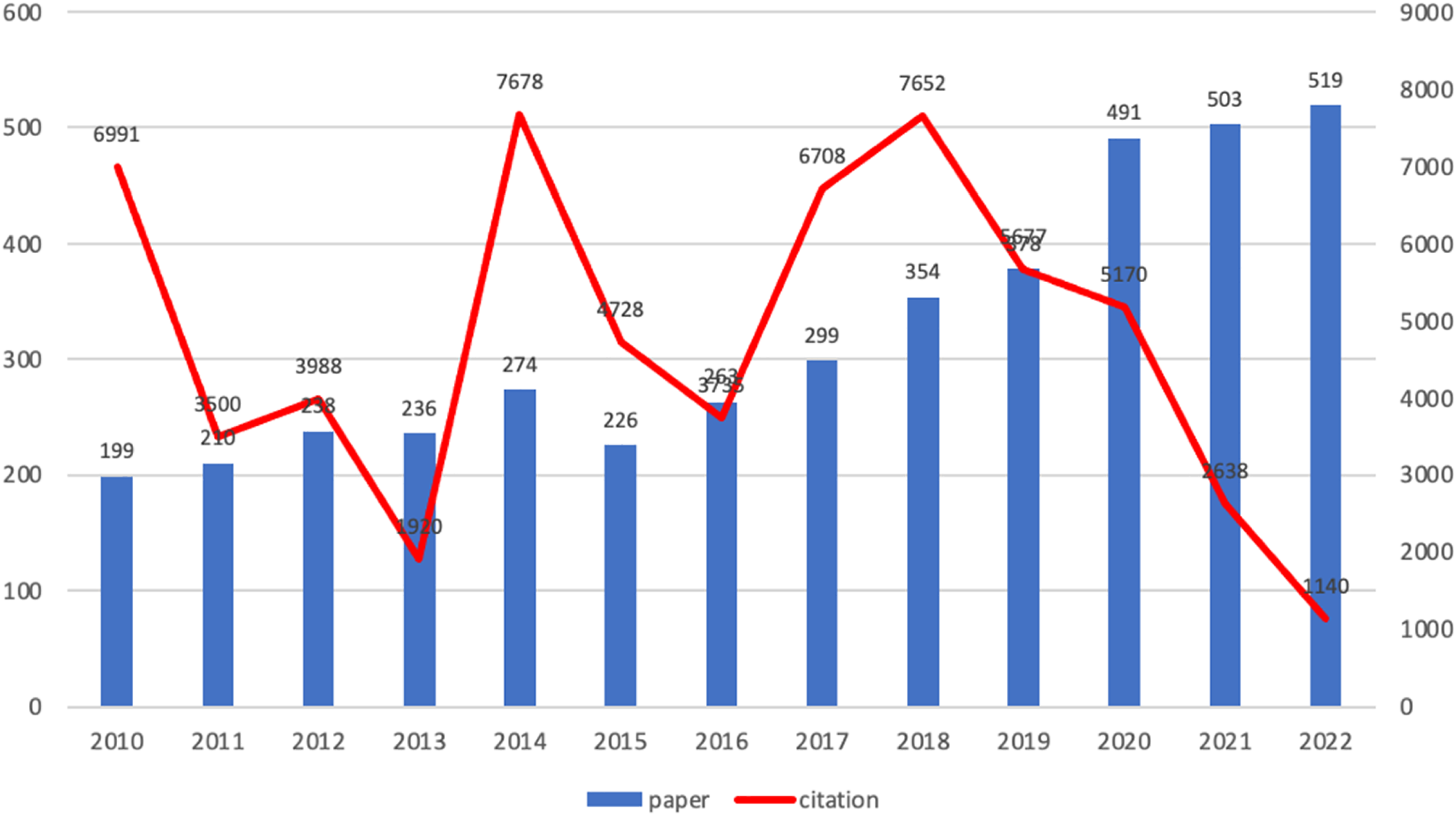
Consolidated scientific production on rural depopulation and citations 2000–2022.
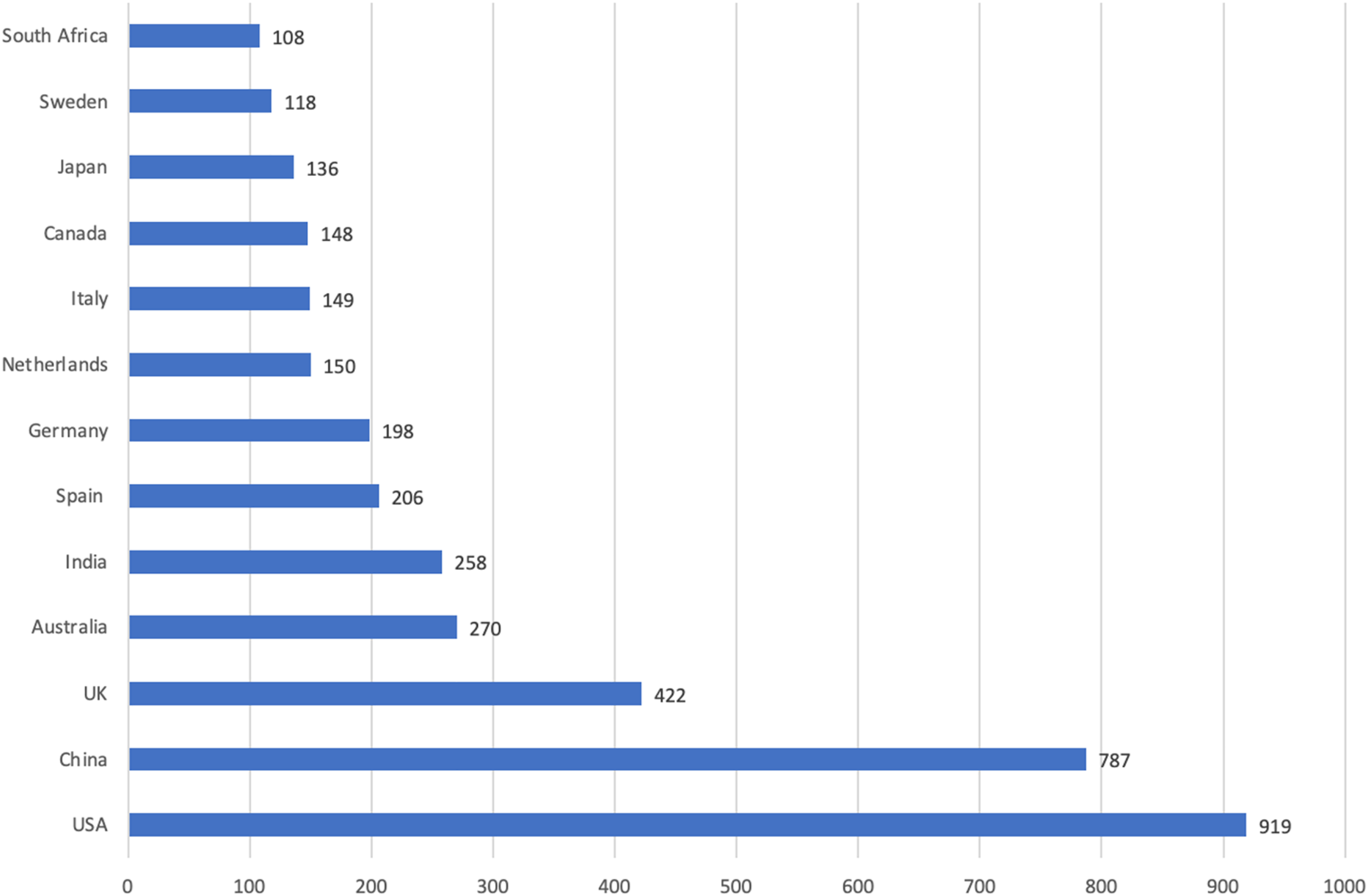
Paper on rural depopulation according to countries/territories 2010–2022.
In Figure 2, countries like China, the United States, Italy, and Spain have seen significant rural depopulation in the last 50 years. These countries accounted for 92% of around 4,200 publications on this topic.
Material and Methods
Intersectionality studies use an interdisciplinary approach to analyze the connections and interdependencies between different research problems, allowing for exploring various topics related to social systems (Christensen and Jensen 2012; Anthias 2012). Following the above, a systematic literature exploration was conducted with a two-level approach to address the research question. The first level focuses on the potential of 4.0 technologies to address rural depopulation from an intersectional perspective. The second level identifies political elements required to address rural depopulation through 4.0 technologies, sustainable transitions, and transformative innovation policies (see Figure 3).
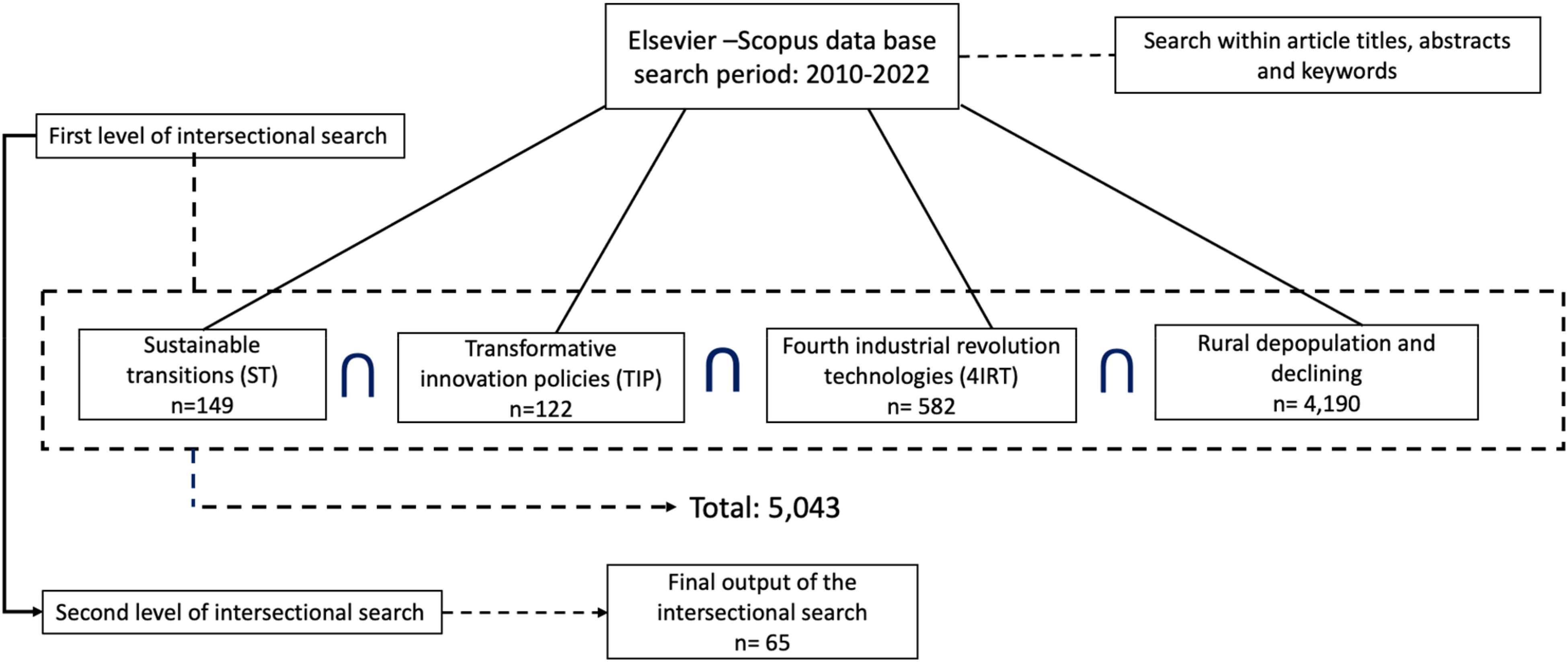
Operationalization of the intersectional exploration of the selected topics.
In the first level, we explored the scientific literature on rural depopulation from 2010 to 2022. The search strategy was based on defining inclusion/exclusion criteria and conducting selective searches on topics related to the rural world.
The inclusion/exclusion criteria ensured the quality and relevance of the literature, focusing on scientific articles published in English in indexed journals. The selective search involved a systematic Boolean operator process to link selected topics to the rural world.
The results of this first level of intersectional search yielded 149 articles on sustainable transitions and the rural world, 122 papers on transformative innovation policies and the rural world, 582 papers on fourth industrial revolution technologies and the rural world, and 4,190 papers on rural depopulation and decline, totaling 5,043 articles.
The second level focused on identifying policy elements to shape an innovation policy framework related to rural areas. After manual debugging to eliminate redundancies, 65 articles were generated. The results of the intersectional searches were analyzed using VOSViewer. We examined the scientific landscape from 2010 to 2022, a period chosen due to the increased traction of critical topics around 2010 (Haddad et al. 2022). The Scopus database was used as the primary source for this systematic exploration and intersectional search of the literary landscape and the consequences of rural depopulation as a transversal theme. This is because Scopus has a 99.11% overlap in the number of journals indexed with the Web of Science database (Singh et al. 2021). 1
In VOSviewer, we handled synonymous search terms and redundancy risk by utilizing the platform’s functionality. We collected valuable scientific literature in different languages during the analysis period and established specific inclusion/exclusion criteria to streamline the data and harmonize search criteria in Scopus.
Building Maps and Networks
We define this analysis as a systematic exploration of the literature landscape because of the use of maps and networks to understand the interaction and the strength of the link between the topics covered in this paper (Anugerah, Muttaqin, and Trinarningsih 2022; Perianes-Rodriguez, Waltman, and van Eck 2016). We used the results to create maps of networks and interactions between the vital critical issues of this paper, based on keyword co-occurrence among articles and employing the full counting method (Perianes-Rodriguez, Waltman, and van Eck 2016). Keywords are considered co-occurring when they appear in the same documents with a specific frequency (Park and Nagy 2018). For this article, the keywords (items) were filtered with at least five co-occurrences for the first and second levels of the intersectional search. Geographical references, repeated and regional words, and terms were removed, and the final extraction was performed using the text mining function incorporated in VOSViewer (van Eck and Waltman 2010).
In our maps, we use circle size and color to illustrate the frequency of co-occurrence of the items and the clusters in which they are grouped. The strength of the link between items in these maps is based on a positive numerical value with a particular force, with a higher value representing a more vital link (Perianes-Rodriguez, Waltman, and van Eck 2016). The distance between items indicates their relative co-occurrence, meaning that closer items tend to co-occur more frequently, while greater distance suggests a lower likelihood of co-occurrence (Mascarenhas, Ferreira, and Marques 2018; Anugerah, Muttaqin, and Trinarningsih 2022).
Results
Results of the First Level of Intersectional Search
Through clock-hand movement, four key analytical patterns on depopulation emerge: (a) Agriculture and 4.0 technologies; (b) sustainability and rural development; (c) innovation policies in rural areas; and (d) social dimensions of rural development.
The first analytical pattern on agriculture (cluster one in red) reveals the potential of 4.0 technologies to drive a transition to smart and digital agriculture. This potential hinges on strategically implementing advanced technologies like AI, IoT, robotics, and additive manufacturing (Adami, Ojo, and Giordano 2021; Kichuk et al. 2022). These technologies promise to enhance efficiency significantly while minimizing the agricultural sector’s environmental impact (Bai et al. 2020). AI enables precision farming and predictive analytics, while IoT facilitates real-time monitoring and automation. Meanwhile, robotics and drones improve productivity and reduce labor costs, and additive manufacturing allows customized, sustainable tools (da Fonseca et al. 2020; Wu and Yabar 2021). Investing in digital infrastructure, training, and supportive policies is crucial to realize these benefits. Environmentally, these technologies can help conserve resources, lower carbon footprints, and promote efficient land use, contributing to sustainability and climate resilience in agriculture (Tim, Cui, and Sheng 2021; Sain et al. 2017).
The second analytical cluster (in green) focuses on sustainable development and sustainability. A significant, often overlooked consequence of rural depopulation is the deterioration of ecosystem services provided by these environments (van der Vaart 2005; Lasanta et al. 2017). Agroecosystems, shaped by varying types and intensities of agricultural and livestock activities, are dynamic landscapes with evolving biotic and abiotic components (da Fonseca et al. 2020; Negi and Maikhuri 2013). These activities shape landscapes with essential ecosystem services and unique cultural values (Min et al. 2022). In some cases, depopulation impacts the functionality of culturally rich landscapes, especially in the hillside and mountain areas, heightening their vulnerability to climate change or incompatible land use, like rapid urbanization (Acebes, Iglesias-González, and Muñoz-Galvez 2021). The disappearance of practices like fallow or traditional grazing, partly due to depopulation, has been related to the vulnerability of these agroecosystems to forest fires in Europe and North America (Martínez-Abraín et al. 2020; Hardi, Csontos, and Tamás 2019; Kweon and Youn 2021; Piras et al. 2021). Managing these landscapes poses challenges that can be supported through 4.0 technologies, such as precision agriculture, intelligent irrigation systems, and remote sensing (Rahman et al. 2012; Diaz-Varela et al. 2014). With 4.0 technologies, farmers can optimize resource use and minimize environmental impact while maintaining the integrity of agroecosystems. It can improve the continued provision of ecosystem services and the preservation of cultural heritage for future generations (D’Oronzio and Sica 2021; Santos et al. 2016; Dumitru et al. 2021).
Based on academic findings, the interactions depicted by the green cluster indicate that the rural environment is a critical link between natural ecosystems with low or no disturbance and highly modified urban and peri-urban areas that rely on the ecosystem services provided by rural landscapes (Vizzari and Sigura 2015). Therefore, rural landscapes’ multi-functionality plays a crucial role in maintaining the sustainability of both urban and rural areas.
The third analytical pattern (blue cluster) delves into innovation policies for rural areas, linking it with the first cluster on the role of 4.0 technologies. It examines rural innovation policy’s contribution to sustainable transitions by facilitating service and technological infrastructure, which also helps bridge rural–urban gaps (Ludvig et al. 2021; Rana and Moniruzzaman 2021). Interdisciplinary research and intersectoral collaboration can improve innovation policy for rural areas by addressing critical environmental issues as complex vectors of the same challenge (Magnani and Cittati 2022). Those critical issues as part of complex socio-technical systems, particularly in the agri-food sector and its connections to the urban world, can underscore the importance of holistic approaches and transformative shifts toward sustainability transitions (Sovacool et al. 2020; Savaget et al. 2019; Marshall and Dolley 2019). A holistic policy focus highlights the need for systemic changes. It emphasizes the interconnectedness of environmental, social, economic, and technological dimensions in the multi-level perspective that influences the interactions between rural and urban worlds (Herrero-Jáuregui et al. 2019; Radford and James 2013; Melot, Bourdeau-Lepage, and Bonnefond 2021).
Research in sustainable transitions is based on recognizing significant environmental challenges, including climate change, depletion of natural resources, loss of biodiversity, and rural depopulation (Qin et al. 2022; Köhler et al. 2019). These challenges require interdisciplinary agendas at the academic level and intersectoral efforts at the political level. They occur within socio-technical systems, such as agri-food, and cannot be addressed through linear technological arrangements (Geels 2010, 2019). 4.0 technologies can enhance efficiency in agricultural operations, reducing labor intensity and mitigating disturbances to biotic and abiotic components. It may require a new understanding of the rural world and its connections to urban zones (Melot, Bourdeau-Lepage, and Bonnefond 2021; Newburn and Berck 2011). 4.0 technologies require a transformative innovation policy approach to the rural realm, including coping with the digital divide, capacity building at several levels, and understanding how socio-technical transitions to sustainability respond to spatial differences.
The fourth analytical pattern in Figure 4 (cluster in yellow) shows the relevance and concerns related to the social dimension of rural development. The literature has identified social and economic inequalities between rural and urban areas as drivers of depopulation (Anastasiou and Duquenne 2020; Akbarpour, Imani, and Molaei Qelichi 2022). Thus, 4.0 technologies can potentially improve the rural quality of life through advancements in healthcare and telemedicine. AI-driven monitoring systems, for example, may enhance access to quality care, even in remote locations (Bagula, Mandava, and Bagula 2018). Precision farming, automated machinery, and intelligent agriculture technologies increase efficiency and sustainability, supporting local economies and food security in the broader context of public policies (Michels et al. 2020; Takácsné György et al. 2018; Goel et al. 2021). Blockchain technology can provide secure and transparent supply chain management and financial transactions, ensuring fair trade practices and boosting trust in rural markets connected to global value chains (Syromyatnikov et al. 2020; Merrell 2022; Pandey, Daultani, and Pratap 2023; Schuetz and Venkatesh 2020). E-learning platforms and virtual classrooms may bridge educational gaps, while e-government services and intelligent grids improve public services and infrastructure (Chatterjee et al. 2020; Chen and Liu 2013).
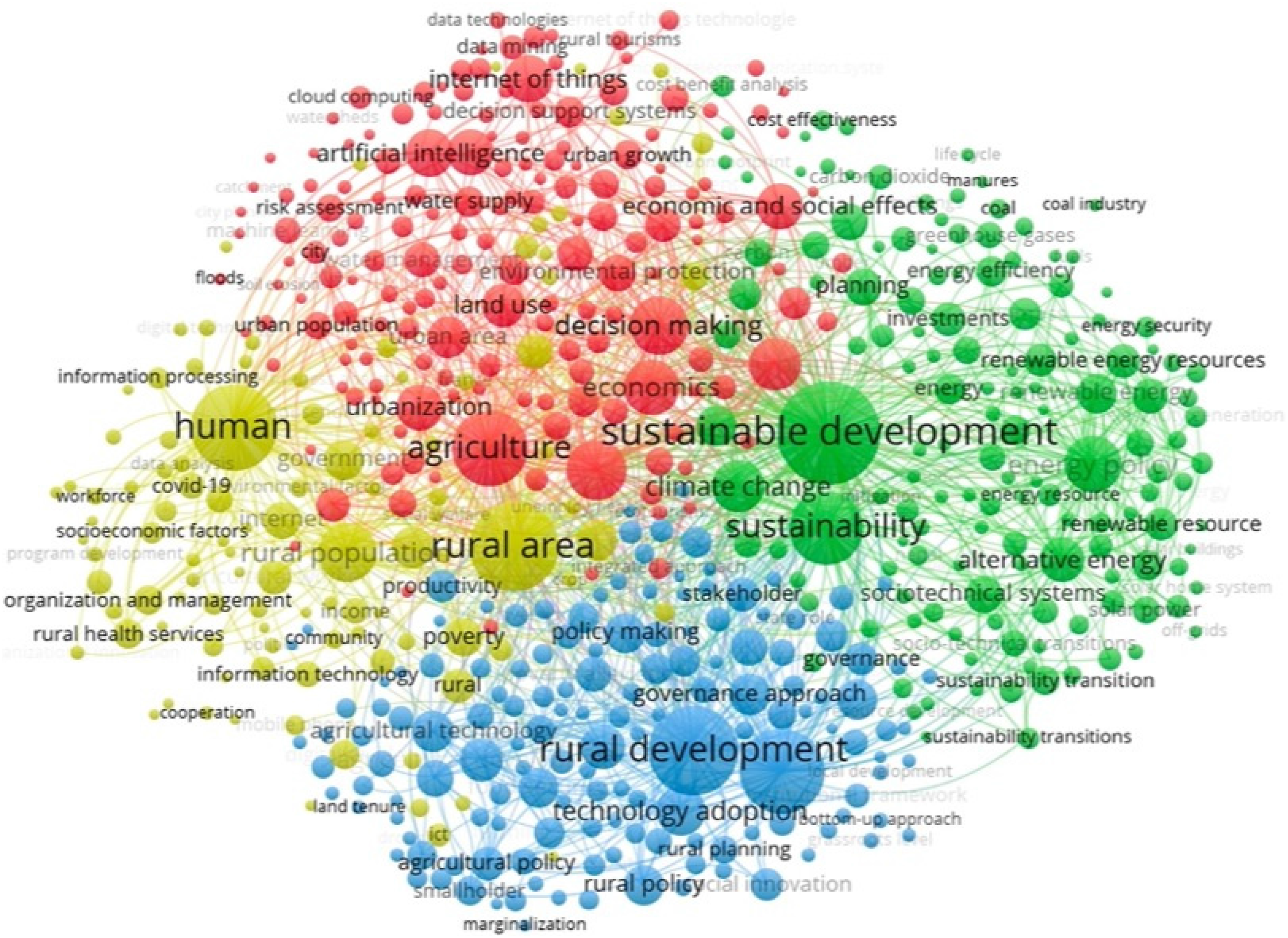
Scientific landscape of the first level of the intersectional search findings.
Additive manufacturing enables the local production of goods, reducing dependence on distant suppliers and fostering local entrepreneurship (Wu and Yabar 2021; Finco, Bentivoglio, and Bucci 2018; Duh and Kos 2018). Innovative rural policies, digital platforms, and remote work can create new job opportunities and make rural areas more appealing to those seeking healthier, sustainable lifestyles as part of the neo-ruralism movement (Morillo and De Pablos 2016; Rye and Scott 2018; Åberg and Tondelli 2021).
The outlined clusters represent the initial intersectional analysis, examining the potential of 4.0 technologies to understand rural depopulation and development challenges. Figure 5 shows asymmetrical and nonlinear interactions, reflecting the difficulties of implementing 4.0 technologies in rural areas of developed and developing countries.
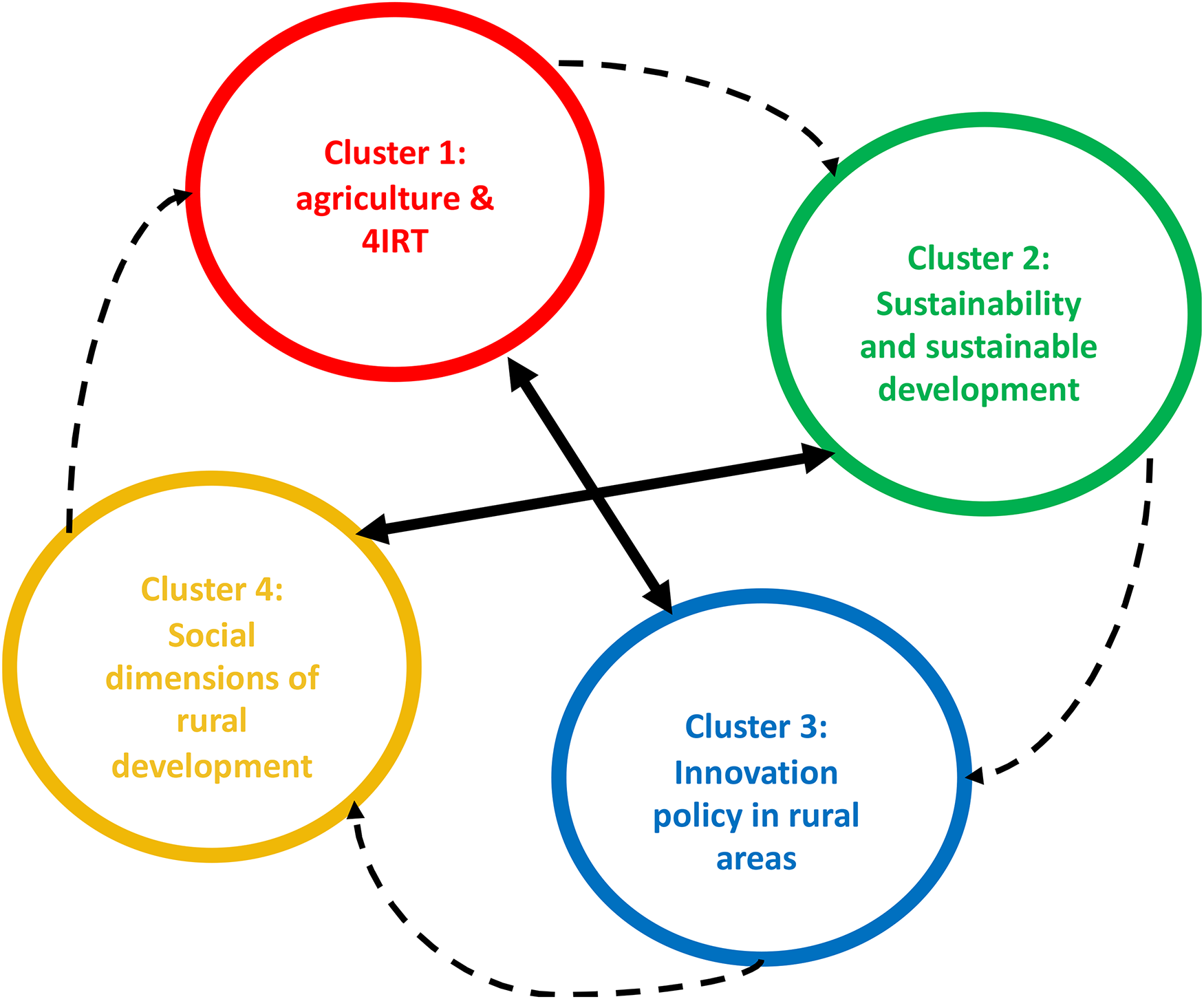
Schematic interpretation of the clustering dynamics on 4IRT and rural development.
Digital infrastructure often needs to be improved in rural regions, needing more high-speed internet and reliable mobile networks. Substantial investments are required to upgrade the rural digital infrastructure (Eneh 2021; Shim 2013; Dethier and Effenberger 2012). However, economic constraints could be improved, including the high initial cost of technology implementation and ongoing maintenance. Moreover, regulatory complexities and data privacy concerns must be addressed to ensure these technologies’ safe and efficient deployment (Lamonica et al. 2021; Chen et al. 2019; Lamonica et al. 2021; Kondo, Rivera, and Rullman 2012). Digital literacy is another significant barrier, as rural residents require training to use these technologies effectively (McMahon 2020; Coppock and Desta 2013; Díaz 2021). Social acceptance is also a critical factor, with some communities resistant to change and skeptical about the benefits of new technologies (Sheila et al. 2022; Tipirneni et al. 2019; Urmee and Md 2016). Ensuring, for example, that blockchain and additive manufacturing initiatives are tailored to rural areas’ specific needs and capacities is essential for successful integration.
The Second Level of the Intersectional Search
The first level of intersectional search provided a global perspective on 4.0 technologies’ role in addressing the complex challenges of depopulation. The second level offers a more specific view of how 4.0 technologies can develop a holistic and innovative policy approach to rural depopulation (Yin, Chen, and Li 2022; Dwivedi et al. 2019; Loft, Mann, and Hansjürgens 2015; Frenken 2017; Kichuk et al. 2022; van Delden et al. 2010). Figure 6 shows the scientific landscape of the second level of intersectional search.
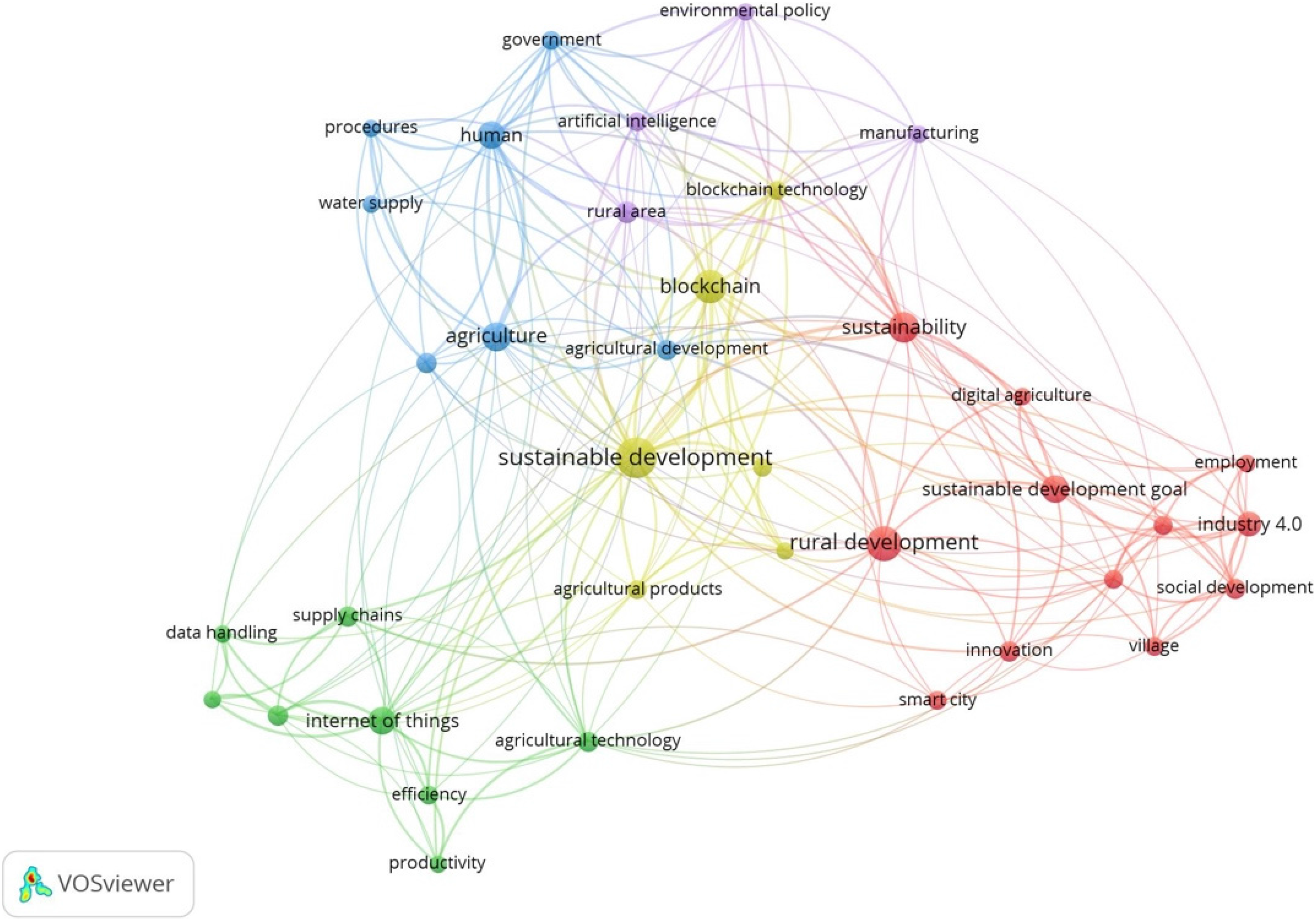
General scientific landscape of the related topics.
As seen in Figure 6, five large clusters show the co-occurrences of items. Cluster 1, in red, groups items around rural development and societal challenges. Unlike Cluster 4 in Figure 4, Cluster 1 here connects issues of digital agriculture and sustainable development in rural areas, including social development and its interaction with 4.0 technologies, as well as the generation of employment and intelligent rural communities (Bai et al. 2020). This cluster presents the potential of these technologies to address rural development through digital agriculture, or 4.0 agriculture, and by improving the quality of life for rural producers (Hat and Stoeglehner 2020; Kichuk et al. 2022; Prause 2021).
Cluster 2 in green groups items related to productivity, market access, value chain, and 4.0 technologies such as IoT, blockchain, and Big Data (Florey, Hellin, and Balié 2020; Li, Wang, and Li 2020; Yascaribay et al. 2022; Hardin et al. 2022). It suggests a policy pathway to digitalize rural economic activities using ICTs to improve data gathering and processing, support policy decision-making, and improve local producers’ position in the value chain of agriculture and food production systems (Wu and Ma 2022; Lüthje 2019; Bhubalan et al. 2022; Li, Wang, and Li 2020).
Cluster 3, highlighted in blue, focuses on policy pathways aimed at the security of food production systems and human development. It emphasizes IoT, Big Data, and AI to support governance and control infrastructure and technologies for natural resource management, including water supply systems for different production and consumption activities (Chege and Wang 2020).
Clusters 4 (in yellow) and 5 (in purple) focus on sustainable development issues and sustainable transitions, respectively. Cluster 4 highlights the technical and practical implications, including infrastructure barriers to digitalizing the rural world (Haque 2022; Uddin et al. 2014; Onitsuka, Hidayat, and Huang 2018; Lafuente, Vaillant, and Serarols 2010).
Cluster 5 points out the potential of 4.0 technologies as policy tools in sustainable transitions (John et al. 2022; Gaitán-Cremaschi et al. 2019; Asiimwe and de Kock 2019).
In conclusion, while 4.0 technologies promise to enhance rural life and address social concerns, overcoming challenges requires a holistic effort. Investment in digital infrastructure, literacy programs, and facilitative policies are essential. Ensuring access and addressing social resistance through community engagement are crucial. Collaborative efforts can enhance the potential of 4.0 technologies to reduce the rural–urban divide and foster sustainable development.
Discussion
Rural depopulation is a complex global problem beyond just the demographic shift between rural and urban areas (Wolff, Haase, and Leibert 2021). We argue that rural depopulation requires a fresh perspective on (a) environmental sustainability and climate change adaptation challenges, (b) acknowledging the risks of rural depopulation on ecosystemic and cultural services, and (c) seizing opportunities presented by 4.0 technologies (Wolff, Haase, and Leibert 2021). Likewise, such a new perspective allows for exploring innovative alternatives that combine the potential of the 4.0 technologies, focusing on transitions to sustainability and transformative innovation policies for the rural world (Pereira 2017). The findings of the two levels of intersectional literature search presented in this article allow us to explore critical concerns in building innovative policy approaches to face depopulation challenges. Table 2 summarizes vital policy findings and highlights critical concerns.
Key policy findings and critical concerns
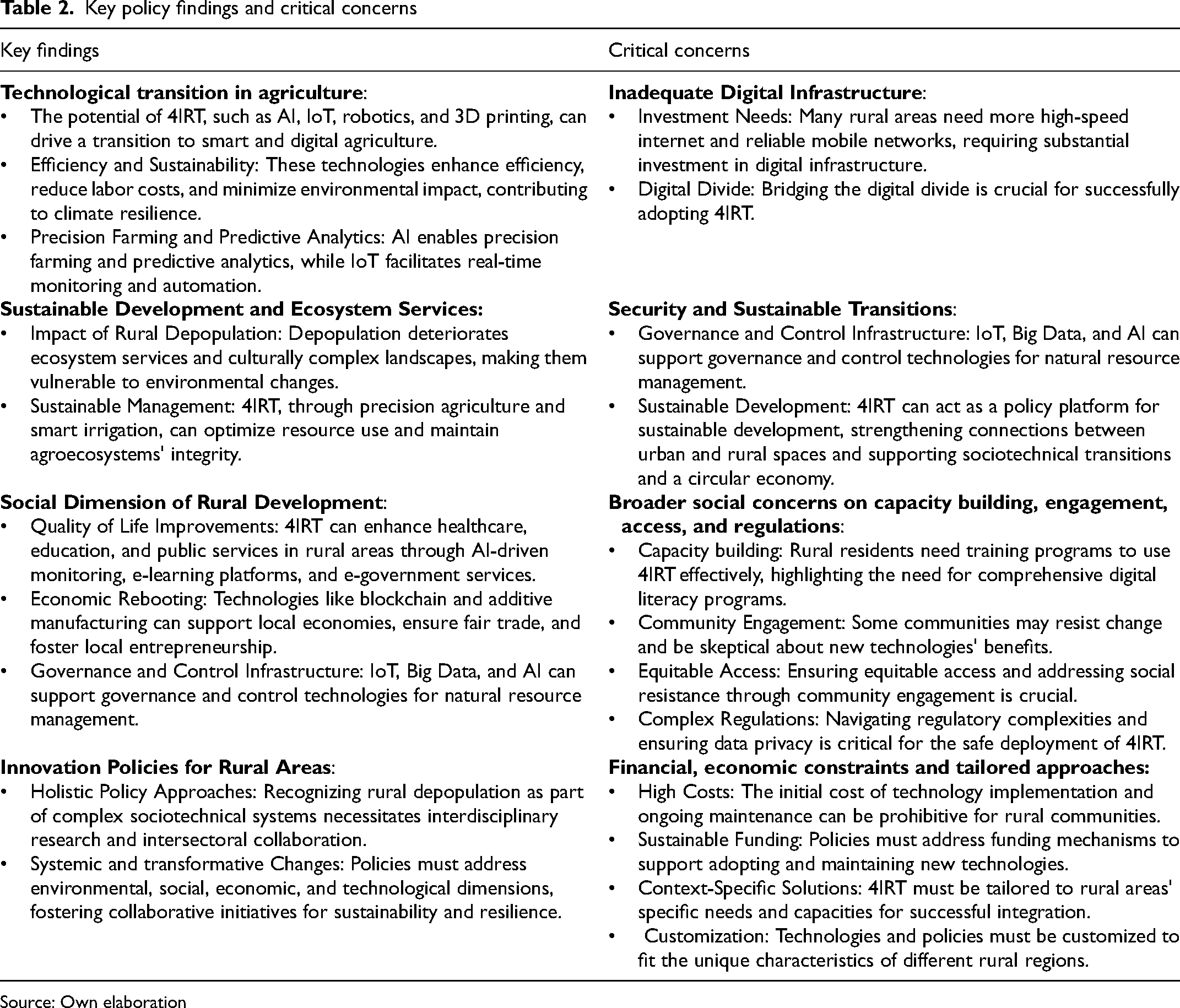
Source: Own elaboration
The results highlight the fundamental role of the socio-technical systems perspective for transformative innovation and mission-oriented rural development policies, collectively termed rural transformative innovation policies or rural TIP.
In this sense, contextualizing the potential of 4.0 technologies to address the challenge of rural depopulation implies developing a look at rural socio-technical systems. These socio-technical systems encompass rural areas’ interconnected social, technical, economic, environmental, and cultural networks and traditional knowledge (Münch et al. 2022; Laszlo 2018). They are characterized by their complexity and dynamic nature, requiring continuous adaptation to changing conditions (Durán, Gómez-Valenzuela, and Ramírez 2023; Asiimwe and de Kock 2019). A holistic understanding of these systems involves examining the interactions among their diverse elements and the broader context in which they operate.
Therefore, to fully realize the potential of 4.0 technologies, a policy-mix approach must go beyond access and coverage of telecommunications infrastructure and services and ensure their effective use in rural areas. Recent research by Fraske (2022), Haefner and Sternberg (2020), and Pělucha (2019), for example, has highlighted the importance of addressing these challenges to facilitate the adoption and effective use of these technologies in rural communities. Some recent papers have started to emerge in the field of economic geography that stress how 4.0 technologies may change local production systems and supply chains (De Propris and Bailey 2021). New advanced manufacturing technologies also create a competitive advantage. Knowing where those technologies are adopted is essential, as these places may benefit from further growth opportunities (Capello and Lenzi 2021). Fraske (2022) provides a recent overview of the small but growing literature on the territorial dimensions of 4.0 technologies. However, little is known about rural areas’ capacities to participate in technological transformations (Münch et al. 2022; Asiimwe and de Kock 2019).
Over history, implementing new technologies has played a vital role in firms’ staying competitive and providing a competitive advantage to locations. However, adopting new technologies is highly uneven across urban and rural areas (Holl, Pardo and Rama 2013). Adoption depends on access to knowledge about the latest technology.
Urban areas offer larger markets that promote knowledge sharing for increased technology adoption. This adoption depends on a firm's internal skills and absorptive capacity. Urban firms benefit from specialized labor markets, while rural firms may need assistance acquiring the necessary skills to adopt new technologies. In larger markets, increased competition leads to the emergence of larger firms that can handle fixed costs for embracing technology more effectively. It constitutes a risk that 4.0 technologies will favor more dynamic urban regions and amplify territorial divides (Barzotto et al. 2020; De Propris and Bailey 2021). However, there is evidence that certain areas have excelled in 4.0 technologies even without prior specialization in 3.0 technologies (Laffi and Boschma 2022).
Addressing the Policy Focus
To address the political implications of a more holistic and innovative perspective to approach the rural depopulation challenges at the level of public policies, it should be articulated based on a systemic response to the social, economic, and environmental difficulties implying the transition to sustainability of rural socio-technical systems (Sovacool et al. 2020; Köhler et al. 2019; Geels 2020). Thus, supporting the transition to sustainable rural socio-technical systems, rural transformative innovation policies should embody three key attributes: (a) interactive and inclusive growth and development, (b) systemic and multi-level integration, and (c) interdisciplinary and contextual adaptation (Gómez-Valenzuela 2023).
Interactive and inclusive growth and development promote collaboration among rural innovators, leveraging local knowledge and creating partnerships between the public and private sectors. It aims to integrate rural areas into national and international innovation networks, developing tailored policies to address specific rural conditions (Gómez-Valenzuela 2023). Figure 7 depicts the multidimensional nature of these policies.
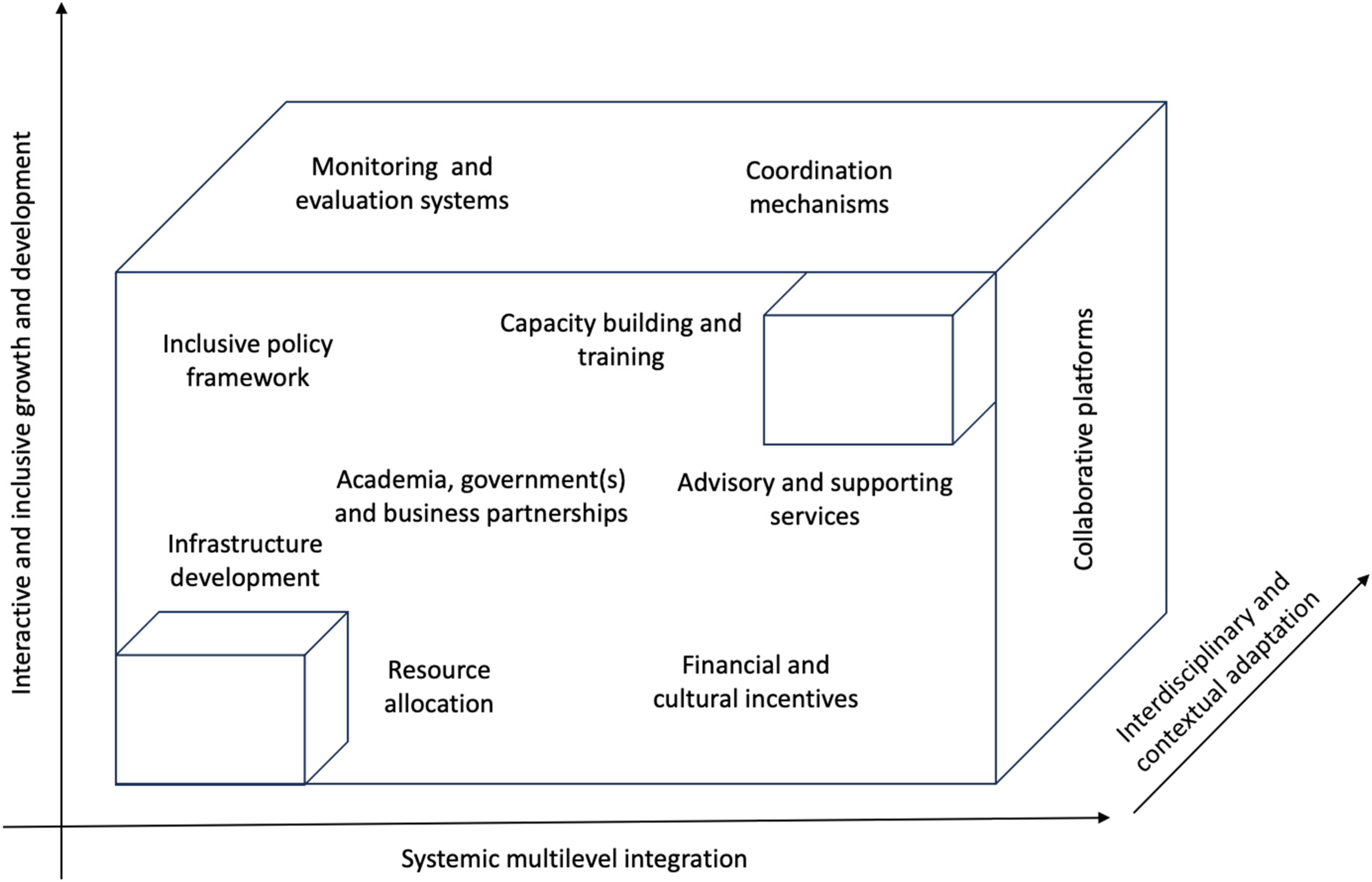
Schematic multidimensional integration of rural transformative innovation policies.
The multidimensional perspective suggested by Figure 7 highlights three principal axes of a more holistic approach to the potential of 4.0 technologies to address the challenge of rural depopulation. Interactive and inclusive growth, systemic multi-level integration, and interdisciplinary and contextual adaption allow to situate the potential of 4.0 technologies as a socio-technical sustainable transition process (Kern 2012; Geels 2019), which may operate at different levels and scales of the political-economic, social, and territorial organization of rural socio-technical systems (Zhang, Nazroo, and Vanhoutte 2021; Sovacool et al. 2020; Geels 2019). Such a transition may involve changes in production systems and their implications regarding sustainability issues, pointing out the multi-level perspective on rural depopulation and the transformative potential of 4.0 technologies (Swette and Lambin 2021; Haddad et al. 2022). The multi-level perspective on rural socio-technical systems in Figure 7 explains 4.0 technologies in the frame of sustainable transitions in rural areas involving niche innovations, socio-technical regimes, and landscapes (Geels 2019, 2020). For instance, introducing innovations like precision agriculture and renewable energy can create economic opportunities and improve living standards. At the same time, regime shifts such as tech-driven farming and remote work can diversify rural economies (Zhu et al. 2022). Landscape pressures like climate change can further support these transitions, helping to reverse depopulation trends and attract residents (Sovacool et al. 2020; Geels et al. 2017).
The transformative potential of 4.0 technologies allows to approach rural depopulation as a societal challenge requiring a systemic change perspective across sectors, emphasizing sustainability, inclusivity, and resilience (Tim, Cui, and Sheng 2021). Thus, rural transformative innovation policy can support revitalizing rural economies with new activities like renewable energy and digital services, improve quality of life by addressing healthcare and infrastructure, empower local communities, and drive sustainable development (Quaranta and Salvia 2017). Enhanced connectivity through rural TIP reduces isolation and integrates rural areas into broader networks with urban areas, addressing depopulation and fostering thriving, sustainable communities.
As suggested in Figure 7, solid institutional capabilities and coordination mechanisms are essential for implementing rural transformative innovation policy. Expertise in designing context-sensitive policies, capacity-building programs, and collaborative platforms is crucial for empowering communities of the rural world. Strengthening these capabilities will allow rural areas to benefit from technological advancements and drive sustainable transitions.
As a human-modified landscape, the rural environment requires a complex balance of human-connected activities, spatial scales, and demographic densities that can be affected differently by depopulation and changes in its demographic structure (García-Llorente et al. 2012; Agnoletti 2014). Thus, while socioeconomic and technological drivers are significant, rural–urban economic and environmental interdependence matters (Lasanta et al. 2017).
The normative emphasis of the rural transformative innovation policy is directly related to Scholz’s notion of transformative science (Scholz 2017), as well as with third-generation mission-oriented innovation policies of which three characteristics stand out: (a) the focus on the STI social response instead of a sectoral focus; (b) the social response having citizens and social commitment as driver forces, and (c) social experimentation as a desirable characteristic of STI policies, including local testing of technological solutions to societal challenges, and prototyping in the design of new public services (Kattel and Mazzucato 2018; Mazzucato 2018).
These three characteristics of rural transformative innovation policy and mission-oriented policies pave the way for social experimentation and learning in the rural world to approach depopulation as societal challenges in the context of 4.0 technologies (De Propris and Bailey 2021; Barzotto et al. 2020).
Concluding Remarks
This work is part of a growing literature on rural depopulation and its broader implications regarding sustainability and the rural–urban gradient. It suggests the potential of 4.0 technologies to spur rural socio-technical systems with transformative potential in rural areas. The discussed analytical patterns and policy focus on depopulation highlight its multidimensionality and connections to urban areas. Research on Industry 4.0’s spatial dynamics and impacts on rural areas needs further attention.
Understanding the challenges of implementing 4.0 technologies in rural regions is essential, particularly regarding business network development and human resource management. The potential of these technologies to support sustainable transitions depends on understanding each local case and promoting them as part of multi-level development agendas.
More research is needed to evaluate the adoption of 4.0 technologies in different countries, especially considering local contexts affected by rural depopulation. More investigation is also needed regarding the potential of Industry 4.0 technologies to support sustainable transitions, emphasizing local context and integrating these technologies into multi-level development agendas. Comparative studies across rural contexts can provide valuable insights for effective policy interventions. Important insights could also be gained from longitudinal studies to assess long-term impacts.
Finally, as indicated above, we have restricted our analysis to peer-reviewed publications written in English. Nevertheless, significant research contributions have also been made in other languages. Future research should consider incorporating non-English publications to provide a more comprehensive understanding.
Supplemental Material
sj-docx-1-jpl-10.1177_08854122241276015 - Supplemental material for Rural Depopulation in the Context of 4.0 Technologies: Opportunities for Sustainability and Innovation Policies
Supplemental material, sj-docx-1-jpl-10.1177_08854122241276015 for Rural Depopulation in the Context of 4.0 Technologies: Opportunities for Sustainability and Innovation Policies by Víctor Gómez-Valenzuela and Adelheid Holl in Journal of Planning Literature
Footnotes
Declaration of Conflicting Interests
The authors declared no potential conflicts of interest with respect to the research, authorship, and/or publication of this article.
Funding
The authors disclosed receipt of the following financial support for the research, authorship, and/or publication of this article. This work was supported by the Project PLEC2021-007750 and was financed by MCIN/AEI/10.13039/501100011033 and European Union Next Generation EU/PRTR. Spanish National Research Council (CSIC) Grant number MCIN/AEI/10.13039/501100011033.

Supplemental Material
Supplemental material for this article is available online.
Notes
Author Biographies
References
Supplementary Material
Please find the following supplemental material available below.
For Open Access articles published under a Creative Commons License, all supplemental material carries the same license as the article it is associated with.
For non-Open Access articles published, all supplemental material carries a non-exclusive license, and permission requests for re-use of supplemental material or any part of supplemental material shall be sent directly to the copyright owner as specified in the copyright notice associated with the article.
