




Abstract
Attitudes toward cannabis in Canada are continually shifting, leaving youth vulnerable as they navigate the pre- to post-legalization context. Using the Youth Risk Interpretation (Y-RIF) conceptual framework, our research aimed to explore youth’s interpretation of cannabis-related risks and gather insight into how this dynamic contextual shift influences their decisions. A qualitative study used a series of virtual focus groups with youth (N = 38; M = 15) living in urban and rural areas of Newfoundland and Labrador that were facilitated by young adults in 2021. An inductive thematic analysis approach was used to code all transcripts, and the identification of themes was informed by the Y-RIF. Our thematic analysis highlights the multitude of contextual factors (e.g., developmental, social, cultural, neurocognitive, geographical, and structural) that influence youths’ perceptions of cannabis-related risks, which in turn impact their cannabis-related decisions. Youths’ exposure to various circumstances, coupled with their internalization of contextual factors, interplay with cognitive processes, personal preferences, and agency. Consequently, this influenced how youth interpreted the risks associated with cannabis and their behaviors. Understanding youths’ risk perception and underlying factors that contribute to unsafe decisions will inform targeted substance use and mental health literacy efforts for youth.
On October 18th, 2018, the Cannabis Act was put into action, legalizing non-medical use of cannabis across Canada. One of the main objectives of the act was to protect youth by restricting youth access to cannabis and raising awareness of the risks associated with cannabis use. Despite these intentions, youth cannabis use is concerning. According to the Canadian Student Tobacco, Alcohol and Drugs Survey (CSTAD; Health Canada, 2019), approximately 18% of youth in grades 7 to 12 reported cannabis use, and 40% indicated that cannabis is easy to access. Navigating pre- to post-legalization society presents a unique context for youth today who are tasked with trying to understand continually shifting attitudes and perceptions of risk associated with cannabis use (Harris-Lane et al., 2023).
Early initiation and frequent cannabis consumption are associated with a number of psychosocial difficulties (e.g., lower income, unemployment, and lower life satisfaction) and can adversely affect youth brain development across a variety of cognitive domains, including memory, attention, and executive functioning (Hall et al., 2020; Leos-Toro et al., 2020; Zuckermann et al., 2019). Youth cannabis use can increase the risk of mental health challenges (e.g., depression, anxiety, and psychosis), academic performance, school dropout rates, cannabis dependence, and the quality of interpersonal relationships (Coffey & Patton, 2016; George & Vaccarino, 2015; Gobbi et al., 2019; Hall et al., 2020; Jacobus & Tapert, 2014). However, research is limited on whether these psychosocial concerns are precipitating factors or perpetuating factors that support cannabis use among youth today (Foster et al., 2021).
The biopsychosocial model sheds light on the complexity of factors that contribute to a youth’s choice to consume cannabis and engage in unsafe cannabis behaviors (Foster et al., 2021). Biologically, as youth undergo substantial brain development, they are prone to experiment and engage in unfamiliar or sensation-seeking behaviors (Hall et al., 2020). Psychologically, cannabis can serve as a coping mechanism for emotional challenges such as stress and anxiety, while for others, cannabis use occurs in response to boredom, a desire for novelty, to fulfill a social need, or to experience one of many potential benefits of cannabis use (Hall et al., 2020; McKiernan & Fleming, 2017). Socially, youth may consume cannabis because of the influence from important others (e.g., high-status peers or respected family), increased availability, acceptability, normalization, and social cohesion (McKiernan & Fleming, 2017). However, research exploring youths’ cannabis-related decisions, specifically decisions that may have adverse outcomes (e.g., use of high potency cannabis products, frequent cannabis consumption, driving under the influence of cannabis (DUIC), polysubstance use) is limited (Fischer et al., 2022).
Greater understanding of development factors that precipitate and support the identification of at-risk youth using a biopsychosocial framework is crucial to inform harm reduction interventions aimed at increasing evidence-based decision-making and harm reduction. Past research exploring perceptions of higher-risk cannabis consumption behaviors identified that emerging adults tended to under-appreciate the risks of certain cannabis consumption practices or had trouble identifying appropriate levels of harm (Harris-Lane et al., 2023). Moreover, the literature to date supports the notion that Canadian youth and young adults may not be adequately informed about the risks associated with cannabis use (e.g., dependence and mental health difficulties; Leos-Toro et al., 2020). Given that youth may be more likely to engage in potentially harmful cannabis behaviors, parents, educators, healthcare professionals, and stakeholders must prioritize educating youth on the empirically informed health and safety implications associated with cannabis use.
The Canadian Centre on Substance Use and Addiction created the Lower-Risk Cannabis Use Guidelines (LRCUG) to support people’s substance use decisions and ensure they are well-informed with current information on the health and safety considerations for cannabis (Fischer et al., 2022). These guidelines are not only intended for cannabis consumers and their social network but are highly recommended for use by professionals, organizations, and the government to promote informed cannabis decision-making that reduces risk for harm (Fischer et al., 2017). Notably, the LRCUG addresses individuals of legal age who choose to consume substances; however, they can also be applied and utilized by younger populations until targeted resources are developed for youth (Howe et al., 2023).
The importance of raising awareness, educating the population, and encouraging safe practices aligns with the values promoted by the Health Belief Model (Ilika et al., 2015). This framework suggests that if people are better informed, they will, in turn, make safer decisions that promote their well-being. The Health Belief Model attributes a person’s failure to engage in prosocial behavior to personal misunderstanding, underestimation of risks, challenges in neurocognitive control, limited experience, or a disregard for the consequences of their decisions (Mason et al., 2013). While valuable, this framework neglects the intersection of sociocultural factors that come into play when people perceive, understand, and make risky decisions. As a result, there has been a recent shift toward a sociocultural perspective with the goal of better understanding how people define risk and the factors that contribute to their perception of risk (Graham et al., 2018).
This shift is embodied in the Youth Risk Interpretation (Y-RIF) conceptual framework (Graham et al., 2018, see Figure 1), which illustrates the risk-taking process while incorporating sociocultural factors. According to the Y-RIF framework, the risk-taking process is guided by rational decision-making alongside responses to various sociocultural factors that influence how individuals respond to an event (e.g., internalization of structural and environmental factors). Ultimately, this framework acknowledges the complex interplay between individuals’ contexts (e.g., developmental, social, cultural, neurocognitive, geographical, and structural) and youths’ risk perception or subsequent behaviors. Risk perception is commonly defined as how threatened or “at-risk” a person feels in a specific context; however, the Y-RIF proposes that risk perception refers to the behaviors that youth perceive as constituting a risk (Graham et al., 2018).
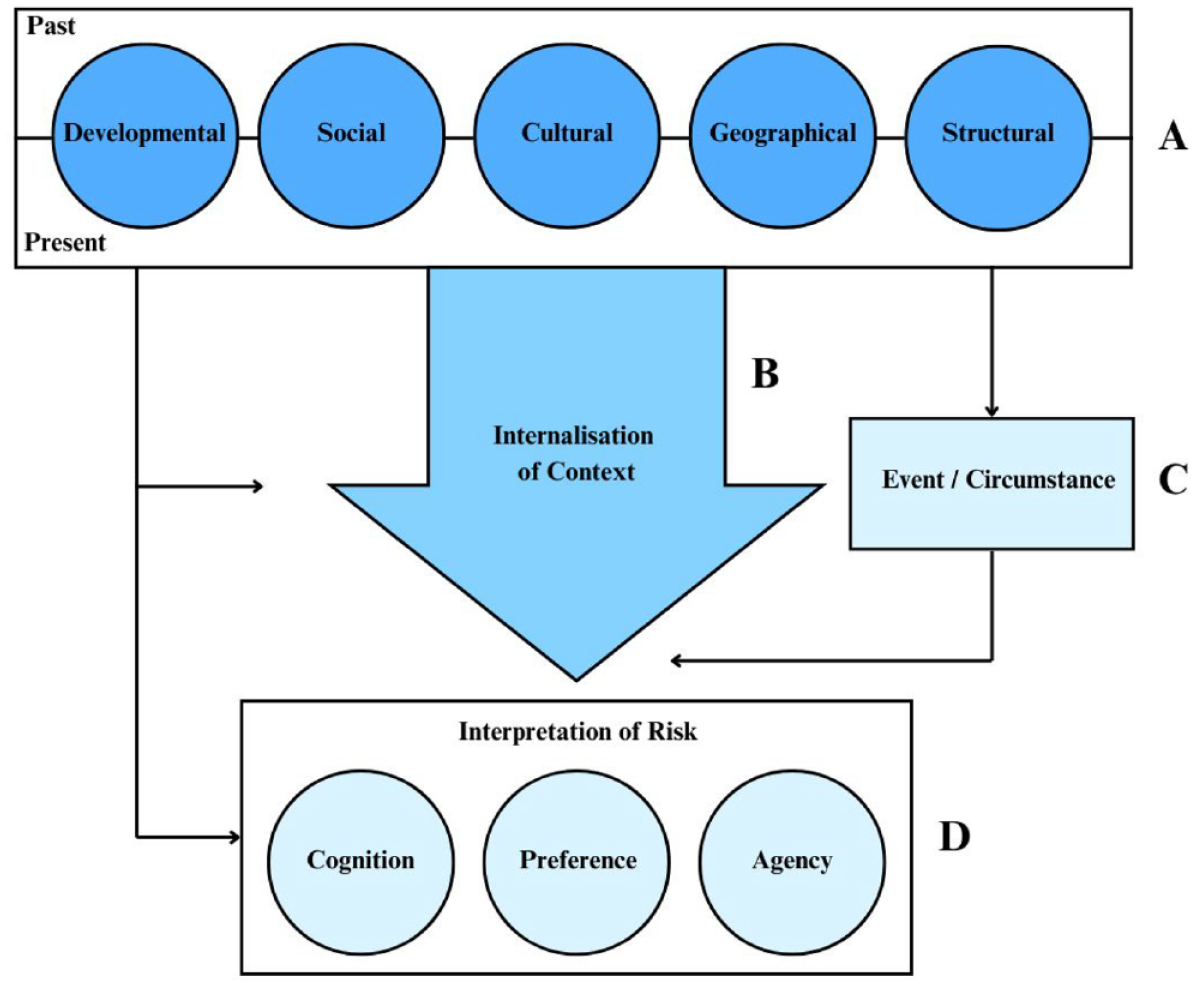
Conceptual framework for youth risk interpretation adapted from Graham et al. (2018).
Our research aimed to explore youth’s interpretation of cannabis-related risks and gather insight into how their risk interpretation is influenced by their personal contexts, which we then applied to the Y-RIF conceptual framework (Graham et al., 2018). To the best of our knowledge, our thematic analysis is the first to apply the Y-RIF to substance use and cannabis-related behaviors among youth.
Method
Study Design
This was part of a larger study exploring youth and young adults’ perceptions about cannabis legalization. This qualitative study used a series of virtual focus groups (FG) and was facilitated by emerging adult facilitators using a pre-developed semi-structured interview guide between May and June 2021. The interview guide was informed by a needs assessment exploring the impact of cannabis legalization; an identified priority area was protecting youth and young adults. Through consultation with citizens and stakeholders, the interview guide was developed to focus on three areas: cannabis access and exposure, driving and cannabis, and cannabis education. The FG used the questions from the interview guide to explore each topic separately, with 5-min breaks in between. All FGs had three to four participants. Consent was obtained from youth and their caregivers. Ethics approval was granted by the Interdisciplinary Committee on Ethics in Human Research (ICHER #20211278).
Recruitment of Participants
Youth were recruited from across Newfoundland and Labrador (NL), Canada, and a targeted recruitment strategy was used to gather insight across genders, ages, and locations of residence (e.g., urban vs. rural). Cooperation with several community agencies and public outreach initiatives supported the recruitment of participants (e.g., social media platforms, school newsletters, and Community Youth Networks). We targeted community organizations, schools and youth-focused platforms known for their diverse memberships. Further, our recruitment materials and messaging were crafted to be gender inclusive, emphasizing the importance of diverse perspectives. Youth were eligible to participate if they: (a) were able to comprehend and speak English, (b) currently resided in NL, (c) were between the ages of 13 and 18, (d) had access to an electronic device connected to the Internet, and (e) could obtain consent from a caregiver. Youth were not required to have experience with personal consumption of cannabis. Participants were invited to self-report demographics to characterize our sample. All participants were provided with a $50 gift card.
Data Collection
All FG were hosted with youth over Zoom to support engagement from across the province while using an online platform for discussion. Dialog between youth was co-facilitated by pairs of emerging adult health trainees (e.g., psychology, pharmacy, epidemiology) from diverse cultural backgrounds and across genders to foster a safe space for all. Conversation prompts were entered in the chat forum to promote accessibility for all youth to voluntarily participate using a modality for which they were most comfortable. Each deidentified FG recording was processed through an automated transcription software hosted by NVivo, then corrected manually by D.H.D. and E.C.R. This was followed by inductive thematic analysis.
Researcher Positionality
We recognize our positionality in qualitative research, where our professional and personal experiences inherently influence our interactions and interpretations of participants’ narratives. The research team was diverse in gender, ethnicity and educational training, comprising of experienced researchers in pharmacy, and emerging adult healthcare trainees from various disciplines (e.g., psychology, pharmacy, medicine). Our collective experiences working with youth and individuals who consume substances have informed our understanding of the benefits and risks associated with cannabis consumption.
Our lead researcher’s commitment to youth health and well-being stems from their professional experience as clinicians and their personal connection with youth as parents, youth group leaders, and coaches. These experiences helped guide the research approach.
We aimed to create a comfortable and open environment for participants. Emerging adult trainees, closer in age to the youth participants, facilitated the focus groups, helping to minimize the power imbalance between mature healthcare professionals and youth. Male and female interviewer pairs, trained in qualitative research methodologies, guided the discussions. We consciously thought about our own positionality during both data collection and analysis.
We attempted to remain neutral but acknowledge that our perspectives may have influenced our interactions with youth and interpretation of the data. Our shared commitment to youth’s health and our diverse experiences helped shaped our approach. We recognized the importance of considering the nuanced experiences of youth and were committed to careful interpretation of their stories.
Thematic Analysis
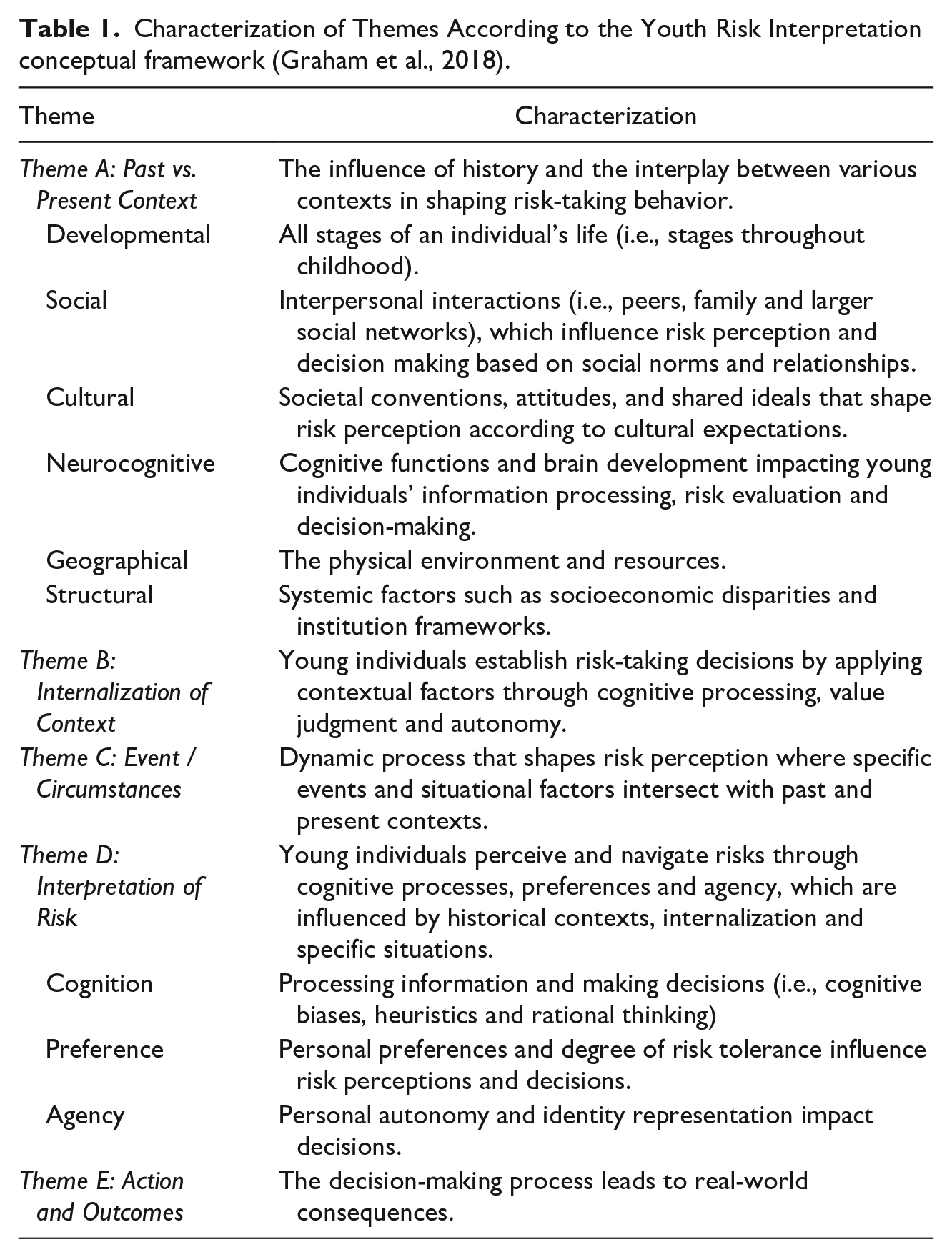
The framework method is commonly used for thematic analysis of semi-structured interview transcripts (Gale et al., 2013) was followed. This approach can be either inductive or deductive depending on the research question. Given the gap in the literature on youth cannabis-related decisions, we used an inductive approach to identify themes through open coding, followed by refinement of themes; this approach was followed through several stages. Stage 1: audio-recording were processed through automated transcription software (NVivo) and D.H.D and E.C.R. deidentified each transcript and performed line-by-line transcription correction. Stage 2: data familiarization occurred by reviewing each transcript and D.H.D. and E.C.R. recorded reflexive notes and impressions of the data. Stage 3: Open coding took place by D.H.D and E.C.R who used inductive line-by-line with ongoing consultation with other team members to generate initial themes. Two transcripts were analyzed twice to establish consistency (once by each coder). Stage 4: Following coding, all researchers consulted to compare labels and agree on set codes and identify a framework applicable to the data. Stage 5: We applied the data to the Y-RIF framework (Graham et al., 2018). Further, we familiarized ourselves with the LRCUG (Fischer et al., 2017) to establish competency in high-risk cannabis use behaviors, which was a key component of understanding youths’ risk interpretation. Stage 6: Data was charted to the Y-RIF (Table 1). Stage 7: Data were interpreted to further understand youths’ past and present cannabis experiences, internalization of context, events and circumstances, and risk interpretation.
Characterization of Themes According to the Youth Risk Interpretation conceptual framework (Graham et al., 2018).
Results
Sample Characteristics
We conducted six youth FG (n = 38) among youth aged 13 to 18 years old (M = 15, SD = 8.1). The majority of youth were female (71%), compared to males (26%), and transgender male (3%) with almost equal representation of those residing in rural (42%) or urban (58%) locations. The sample is further characterized in Table 2.
Summary of Youth Sample Characteristics.
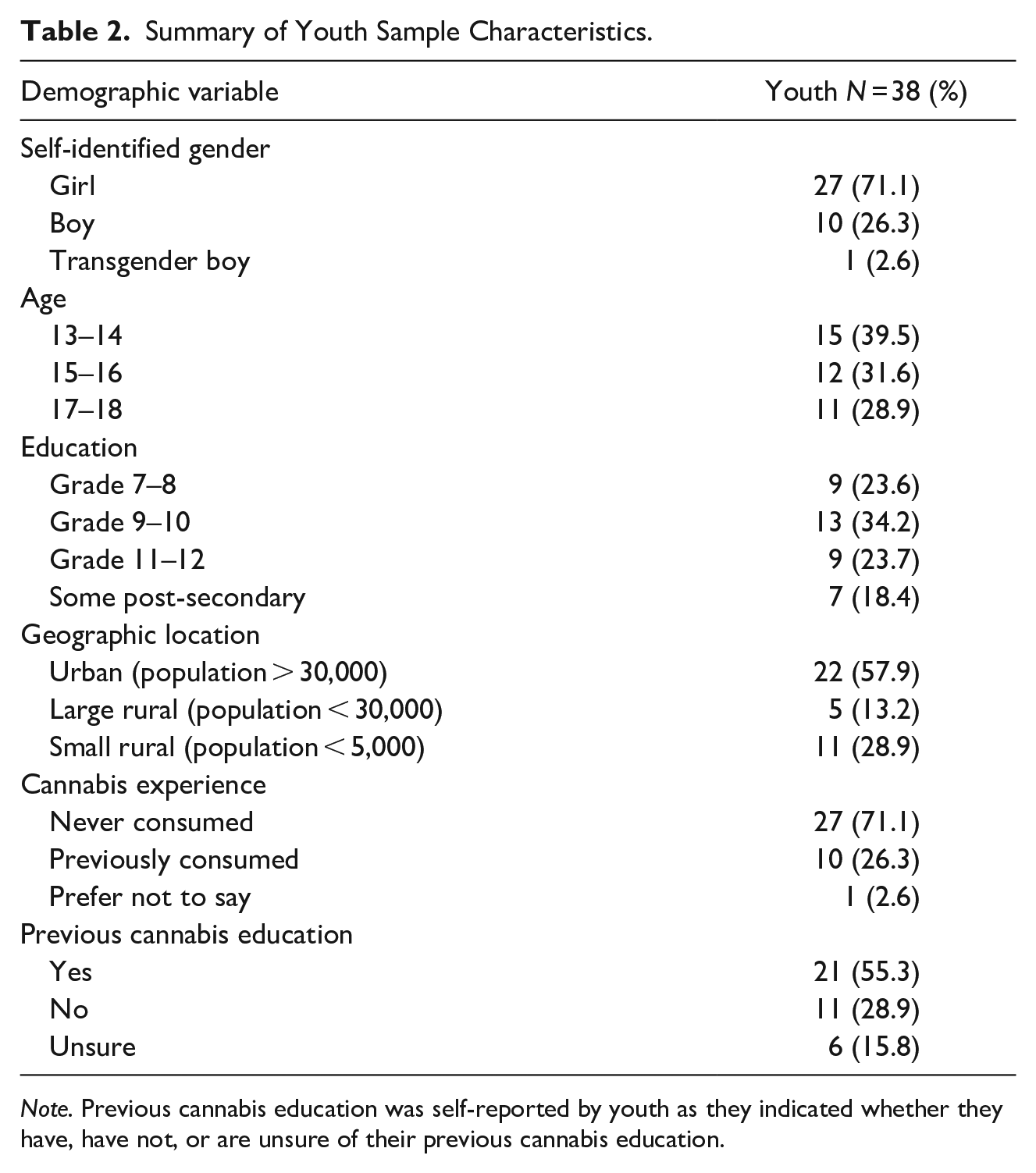
Note. Previous cannabis education was self-reported by youth as they indicated whether they have, have not, or are unsure of their previous cannabis education.
Youth Risk Interpretation of Cannabis
The FGs ranged in length from 0.9 to 1.8 hr with an average of 1.2 hr (SD = 0.3) as they followed the natural flow of the conversation between youth. In alignment with the Y-RIF (Graham et al., 2018), three main themes associated with the Y-RIF (Graham et al., 2018) were supported: (1) Past Versus Present Contexts, (2) Internalization of Context, and (3) Events, circumstances and risk interpretation. The current study only explored youths’ risk interpretation and did not determine how this influenced their subsequent cannabis-related decisions. Consequently, we did not include the last theme of the Y-RIF framework that explores how risk interpretation leads to real-world consequences (i.e., actions and outcomes; see Table 1). Quotes have been edited for clarity and are accompanied by self-reported gender identities as well as urban or rural location of residence to contextualize further the experiences shared by youth (e.g., PID#22RG: Participant ID (PID) #22 is a girl from a rural area; PID#64RTB: is a transgender boy from a rural area).
Theme A: Past Versus Present Contexts
We applied past versus present contexts to cannabis legalization in Canada (i.e., pre- vs. post-legalization). Youth reflected on their perceptions of cannabis legalization and, in doing so, acknowledged how their developmental, social, cultural, geographic, and structural contexts influence their interpretation of risk (Graham et al., 2018). Exposure to evolving contexts from pre- to post-cannabis legalization can shape youths’ cannabis-related behaviors.
Developmental Contexts
The developmental context reflects all stages of an individual’s life (Graham et al., 2018). When the developmental context is applied to cannabis legalization, youth were at different stages of development as non-medical cannabis use shifted from an illegal to a legal activity, which they indicated influenced their cannabis-related behaviors. Youth discussed how they noticed a change in cannabis use and increased normalization among younger youth post-legalization.
I was in my first year [Grade 7] when they legalized it. And I’ve definitely noticed a big change. . . more people every day would be using more or they’re people that go out at lunchtime and especially, grade severs. People are getting more comfortable with the idea of it. . .And it’s definitely something that has become more relaxed and more used in my age group. PID#27RG
One participant noted how, since cannabis legalization, youth have started to smoke cannabis at increasingly earlier ages, which may be a result of younger children not being aware of the danger associated with consuming cannabis.
I know some people do it, I know someone who started smoking weed in grade 4 and it’s because they don’t have an idea of the level of danger. PID#95UB
Social Contexts
The social context acknowledges interpersonal interactions, such as relationships with peers, family, and larger social networks, as well as social norms (Graham et al., 2018). These relationships and societal norms influence risk perception and decision-making. Some youth expressed that cannabis consumption among youth tends to be more common when they are exposed to other cannabis consumers within their households (social context).
I have peers, family, friends that do use cannabis, and since the legalization, it’s been, easier for them to get access, from older friends or people that they have connections to, especially if they’re above the age, it is extremely easy for the youth to just ask somebody that they’re comfortable with to buy it for them instead of having to search for it. PID#27RG
Despite being underage, when youth were asked about their experience accessing cannabis post-legalization, they expressed how the legalization of cannabis has contributed to much easier access to cannabis in a variety of forms.
If you have got friends that smoke, there is people that are of age, there’s lots of people that can get it for you very, very easily if they don’t have it right there for you. PID#22RG
Some youth indicated that they could gain access through older peers, siblings, or their parents who currently use or consume cannabis.
I don’t know that many people that use cannabis, but I’m pretty sure the ones that I do know get it from their parents since it’s easier for the adults to access it with it being legal. PID#99UG
A common sentiment among youth was that they felt greater pressure to consume cannabis when their peers were consuming cannabis.
. . .One problem that I found is probably peer pressure, like people’s friends would go out, like they see their friends smoking and they kind of feel obligated to try it as well. And maybe if they try it, they’d probably end up getting addicted as well. PID #1010
Social norms were a large contributor to the social context, whereby male and female behaviors are influenced by how they are expected to act in society or specific environments. Youth shared how girls tend to consume cannabis more discreetly than boys.
It’s definitely mostly been guys who show up and are very obviously high and you can smell the marijuana. Everyone just kind of like, ‘ok, you probably shouldn’t be here’, but personally I find that girls are a lot less likely to come back from lunch reeking of weed and completely stoned, so they’re either a) better at hiding it or b) they’re doing it more stealthily, like edibles or whatever. PID#60UG
Youth also expressed that since legalization, they have perceived that girls consume more cannabis or have become more open to disclosing their consumption as they are now more comfortable than pre-legalization.
I’ve realized that ever since it has become legalized, more females do it because before, males were more, I guess you could say reckless or want to have more fun. But ever since it’s been legalized, I think more women have been comfortable with the idea of doing it and it’s gotten either hooked on it or just fun to their friends. PID#27RF
Boys were more likely to purchase cannabis and share it with girls, with little concern for the potential harms associated with their cannabis use or subsequent behaviors.
Usually for females, it’s probably easier to get because people would offer it to you. Like men offering it to you [girls] instead of like boys. PID#19RG
However, across genders, the desire for social acceptance was expressed as a principal concern for youth to consume cannabis, and they would do so in fear of the social reaction in response to saying no. Additionally, youth often compared cannabis to legalized substances (e.g., cigarettes and alcohol).
Even just walking into parties, the first thing they’ll do is be like, ‘you ought to try it’, you want to try it and they’ll love you for the whole night if you try it. It’s like a man thing . . . .You’re not going to be cool if you don’t smoke weed the same way it was with cigarettes. PID#64RTB
Cultural Contexts
The cultural context encompasses societal conventions, attitudes, and shared ideals that shape risk perception according to cultural expectations (Graham et al., 2018). In society, fake identification is acceptable and easily accessible. Youth indicated that their cannabis access via use of illegitimate identification was typical for many youth, which has eliminated the legal barriers that were initially imposed and intended to minimize access.
I think it’s all too easy. People can buy it with fake I.D.s the same way they go to a liquor store with a fake I.D. PID#06UG
Changes in school and home culture toward an era of growing acceptance have also contributed to a shift for some youths, especially when adults in the home are regular cannabis consumers or those with caregivers who use medical cannabis.
I find that, if the parents smoke, then the kids are more likely to smoke. And then if the parents are smoking in the house, then they can’t really say to their kids, ‘You’re not allowed to smoke in the house.’ PID#22RG
Geographical Contexts
The geographical context comprises the physical environment and resources that youth are exposed to, influencing their decisions (Graham et al., 2018). Major differences between rural and urban centers influence youths’ perceptions or behaviors according to their environments. For instance, youth from rural regions of the province discussed that they were more likely to purchase from unregulated sources because regulated sources are limited in their geographic regions.
We live in a really small place, so there’s no stores anywhere [to purchase cannabis from], but people just around here, I guess. PID #29RF
One youth further explained how if they were to purchase from a regulated source, they would purchase cannabis in forms that are not easily accessible in the unregulated market.
Most times when people actually go to the store they don’t normally buy actual buds, because you can get bud so easily around here. If they end up going to the store, they normally just go to get, the drinks or the gummies or the chocolate bars or like bongs or grinders or stuff not as easy to get around here [rural center]. Stuff like that is not as common. PID #22RG
Structural Contexts
The structural context recognizes systemic factors such as socioeconomic disparities and institution frameworks (Graham et al., 2018). The environment youth spend the majority of their time in school. Therefore, it was noted as a large contributory context continues to shape the beliefs of youth. A high volume of cannabis use at school in many forms has further illustrated that consumption before reaching legal age is normal with minimal risk.
Everyone uses it where they aren’t more likely to get caught. Kind of like going around the school property or something like that. PID#07RB
Youth expressed that they have limited access to evidence-based information on cannabis. Therefore, the excess exposure to cannabis and the lack of exposure to health-related information influences their perceptions of risk.
There was a point where I was really curious on the side effects of not just cannabis use, but the use of cannabis in vape pens like oil pens. And I was really wondering, like I heard word of mouth that it does bad things. But I genuinely wanted to know the true effects and the true negative side effects of this type of use. And I actually had a really hard time finding anything at all. And I know it’s new and there’s not much research done on it, but like there was not much that I could find in the pros and cons. PID#25UG
Theme B: Internalization of Contexts
The internalization of context section of the framework acknowledges how youth process, perceive, interpret, and act within their contexts (i.e., developmental, social, cultural, geographical and structural), which informs their thinking, values and beliefs (Graham et al., 2018). Internalization of context is primarily represented by youths’ cognitive processing, value judgments, and display of autonomy. The internalization of contexts lays the foundation for youth to engage in the risk-taking process. When asking youth about their perceptions of cannabis legalization, access to cannabis and consumption patterns post-legalization, they offered insight by internalizing their contexts. For instance, one youth referenced their developmental and cultural context when discussing their opinions on cannabis consumers.
If you were to ask me that question, like three-four years ago [pre-legalization], I would say, I would be afraid of it. I would be afraid of marijuana. I would have a bias against people that used it or smoked it or however they chose to use it, that anyone who did do cannabis was a skeet or were not up to good things. But nowadays, I don’t know if that came with age or if it came with the legalization or maturity or whatever, or normalizing the fact that more people smoke weed. But I think that it’s a lot more normalized. I wouldn’t classify anyone that uses marijuana as a skeet or going nowhere. I would just think it’s like such a normal thing nowadays. PID#24UG
Youth also highlighted how the shift in their developmental context from pre-legalization to post-legalization, had impacted their perception of cannabis normalization and access to cannabis. Additionally, they acknowledged that their opinions on cannabis changed as they got older.
“It is definitely more common in high school because it’s easier to access and people are definitely more comfortable around the idea than if you are in junior high. But once you get to grade eight, grade nine, you are more comfortable and more like, ‘OK, cool, let’s do it’, ‘it’s fine’, ‘it’s fun’, ‘nothing will go wrong’, ‘it’s just marijuana’ like ‘no big deal’. . . . . I have seen a huge shift and there are definitely a lot more people using it in my age group than there was before the legalization.” PID#27RG
This was further highlighted by another youth who internalized the current culture around cannabis, indicating that youth feel more comfortable consuming cannabis as it is more acceptable to use while also acknowledging the social relevance of cannabis.
There’s also been, I guess, more acceptance around it, because before it was almost seen as something bad, like if you did marijuana or cannabis, it would be no different than as if you were doing a harder, more intense drug that is not legalized, like, ecstasy, or cocaine or retinol. . . . now there’s more of a social construct around it where teens and a lot of people think it’s the cool thing to do, or a lot of people think that, oh, if you vape or if you smoke, you fit into these certain groups of people. So, I don’t think it’s 100 percent that it’s all because of legalization that the youth are using it more. I think it’s because since it’s become more of a less scary type of thing. Youth use it as another way to be more social with other people or to connect other people on different levels. PID#27RG
Youth discussed the social benefits of consuming cannabis to make social situations less awkward, which emphasizes the social environment that comes into play in influencing decisions and risk perception.
I think you’ll primarily see it at parties or get togethers or if you’re just hanging out with your friends, it’s more often used as a social drug. To make it less awkward PID#24UG
Many youths indicated that it is common for students, both boys and girls, to consume cannabis at school as it is a common occurrence.
Anywhere. There are a lot of people at my school that go behind the school and smoke a bong or smoke a joint, and they just come into the school and write tests and go on with their day. And the teachers have no idea that they’re high because they’re just high all the time. PID#22RG
However, one girl cannabis consumer subscribed to her community’s gender expectations and highlighted the gender differences in youth cannabis consumption, where females are more likely to use concealment methods than males.
What I’ve noticed is that the girls who smoke during lunch at school, they’re smart about how they do it. They walk back to school the long way so that they can walk in the wind longer, so they don’t smell. They keep Visine in their book bags so they can put it in their eyes so their eyes don’t get red. They know not to douse themselves in perfume because then they’re just going to smell very strongly, versus like, the guys, they just go out and they smoke and then they just come back. I find girls are smarter about what they do before they come back to school. And I feel like that’s the reason why people don’t notice that girls are doing it because they’re definitely smarter about how they’re doing it. PID#99UG
Youth internalized their geographical and structural contexts when discussing the conflict in deciding where to purchase cannabis. While regulated is safer, it is also more expensive than getting it through an unregulated source.
I know that most people that are users or have used it before, are torn between the fact of getting it safely at a store that is legal, like Tweed that’s regulated but expensive, or getting it from a friend that is of age that can get it online or get it from a dealer which is not actually regulated, but it’s a lot cheaper. PID#24UG
Theme C: Event, Circumstances and Risk Interpretation
This theme captures both the events/circumstances and the risk interpretation sections of the Y-RIF. The events and circumstances section of the Y-RIF represents dynamic processes that intersect with how they perceive risk when exposed to events and circumstances (Graham et al., 2018). The interpretation of risk encompasses how young individuals perceive and navigate risks through: (1) cognitive processes; (2) agency; and (3) preferences. These are influenced by the acknowledgment of past and present contexts, internalization of those contexts and evaluating the cost and benefits of the risk. Risk interpretation demonstrates how youths’ decisions involve rational cognitive processes (i.e., cost-benefit analysis) and non-rational, value-driven choices (i.e., preferences) that are influenced by social and cultural factors and agency, as their choices impact how they interact with different systems and institutions (Graham et al., 2018).
Cognition
Cognition involves processing information and making decisions (i.e., cognitive biases, heuristics, rational thinking, and evaluation of risks and benefits; Graham et al., 2018). Some youth hold cognitive biases where they are not concerned with the risk of getting caught for underage cannabis consumption, especially in schools, as they believe educators do not prioritize or have the resources to discipline cannabis consumption.
I just find honestly that they are more serious about people fighting off school grounds than they are about people smoking off school grounds and coming back just completely stoned. Like people are getting suspended because someone got into a fistfight in the park like a 10-minute walk from the school, but people are just going behind the school, barely off school property, getting stoned and then coming back to class. And then they don’t get in trouble. PID#60UG
The lack of discipline in school settings is further highlighted by a youth who was exposed to a peer experiencing an adverse reaction to cannabis consumption in school.
It will be blatantly obvious that someone in the class is high, like when I was in my last year of junior high, a girl in my class smoked too much and she started throwing up. And the teacher was just somehow completely oblivious to what was happening. I’ve seen kids in school, their eyes are red, you can tell that they’re high and somehow the teacher just dismisses. I don’t know if it’s either because they don’t want to accuse them, or they just don’t want to have to deal with what’s going to be happening after the fact. PID#99UG
Bearing witness to peers in the classroom who are struggling to cope with the level of their consumption has impacted youths’ cognitive evaluation of risks and benefits associated with cannabis use. Cannabis consumption may not necessarily be viewed as inherently dangerous, but consumption to the point of being uncontrollably ill or use of unknown cannabis products has been perceived poorly by some youth.
If you’re caught in the act, you’ll get in a lot of trouble, but from what I’ve seen, I’ve seen so many people just come to class and the teachers either ignore it or don’t notice. We had an incident, I think I was in the eighth grade. Someone had some either very strong or tainted edibles and people would come to class completely like full on, hallucinating, and then they’d be sick so bad. They had to close the gym one time, because a student puked all over the floor and the teachers just didn’t notice. One girl was just straight up imagining a massive hole in the ceiling. PID#60UG
Moreover, youth discussed their observation of behavioral shifts post- legalization, where people are more open about consuming cannabis, driving impaired (DUIC), and ultimately engaging in behaviors that may pose great harm.
People aren’t hiding the fact that they’re using marijuana as much where it’s legal. I’ve definitely seen a lot more people like out on the roads, you definitely smell it a lot more, and it’s not even just kind of like, oh, the shady parking lot or somewhere like a backroad on the way to the cabin. It’s even just driving down the street and you can smell it. People are riskier when using it, I would say they’re more open about it, even in the middle of the day, they’re not hiding the fact that they’re smoking anymore and it kind of opens up the fact that people drive more while smoking. PID#60UG
Youth expressed how, as a result of cannabis legalization and the increase in consumption they are more likely to be exposed to second-hand smoke, especially, if they associate with the consumers. This youth is actively processing the potential risks of exposure to second-hand smoke.
People could be experiencing second-hand smoke from, say, like your parents’ friends house or something, or say they have older friends, or their friends are smoking and they’re just around them all the time. Then they’d probably get affected by it from second-hand smoke and it could possibly lead to them getting an addiction or them trying it out. PID#10B
Although some people are open about their cannabis consumption, others are focused on concealing their consumption, which may lead to unsafe consumption practices such as DUIC. However, their choices are primarily influenced by convenience, perceptions of risk and trust in one’s ability to drive safely.
Yeah, I think this is a really big issue because, everybody smokes weed well not everybody, but virtually you look around and majority of people that you see has smoked or smokes often, and it’s so convenient to just drive home because most people don’t smoke in their house because it smells and they’re trying to conceal the fact that they’re smoking. So they’ll go somewhere in their car or go to somebody’s house and smoke and then drive home like it’s no big deal because they’re just so used to driving high that they don’t think that it’s affecting them and they don’t think it’s dangerous because they trust themselves doing it. PID#24UG
Agency
Agency represents individuals’ ability to make choices driven by their beliefs, values and self-perceptions. An individual’s autonomy and identity representation impact their decisions and risk interpretations. While peer and family networks influence how youth perceive risk and their susceptibility to engaging in specific behaviors, individual factors, particularly those linked to how youth present themselves to others, also influence their risk interpretation (Graham et al., 2018). Some youth were strong in their beliefs that getting in a car with someone under the influence of cannabis was a greater risk than reward, which in turn influenced their cannabis-related decisions.
I would never get in a car with someone who I could see was high, I know it’s like basically suicide, it’s not a good idea. So, I don’t know. I’d rather spend some money or call my parents to pick me up. PID#08UG
However, other youth expressed how some people think DUIC is a common behavior as they believe it improves their driving abilities.
I know people who say that they think that they’re better drivers when they’re high, and I don’t know if that’s sarcasm or whatever, but I know people, they know that it’s illegal, they know that it’s just as bad as driving under the influence of alcohol, but they just do it anyway because they don’t care. PID#09UG
Youth also expressed a desire to be accepted by their peers and the fear of social isolation, influencing their decisions and leading some youth to engage in risk-taking behaviors to fit in.
Peer pressure, probably mostly because of your close friends, you could just say no to your close friends because they’d understand but the people you don’t know so much, maybe if they offered it to you, just take it anyways instead of saying no. PID#19RG
Preferences
Personal preferences and degree of risk tolerance influence risk perceptions and decisions (Graham et al., 2018). Youth have various preferences regarding cannabis and risk-taking decisions, which include how and when they would consume cannabis. When discussing different modes of consuming cannabis, there were varying opinions on the most popular. Some youth indicated that vaping is common; however, they did not perceive the risks associated with secondhand vaping smoke as severe.
Enclosed indoor spaces with people smoking are probably the worst, but I find nowadays that more people are more so, like vaping. And I feel like vaping the secondhand smoke and whatever isn’t quite as bad. I mean, it’s still a problem, but I don’t think it’s as severe as it would be if someone was just smoking it without the vape PID#60UG
While others indicated that cannabis in edible form is very common as they are easier to conceal and supports avoidance of being reprimanded or facing punishments.
I think a lot of youth are using more so either edibles, gummies, little capsules or say, the pens that you can get that don’t have much scent that comes on because it’s easier to use. You don’t have to hide a smell or anything. It’s easier to get away with. I think. PID#24UG
Further, the general consensus was that youth are likelier to choose discreet consumption methods to avoid detection and consequences in school.
The most common thing that I’ve seen is when people use it in school, what they do is they buy vape juice with nicotine, but without nicotine it actually just has THC in it. And it’s very easy to make, actually they make out on their own. So, they usually use that in their vapes during class to get high or dab pens. Then when they’re outside of school, they’re smoking a joint or using a bong and sometimes they take edibles. I’ve never seen anyone take edibles in school. I’ve only ever seen them use through a vape or something like that. But that’s how people in my school do. And you see it like daily. PID#99UG
Similar to how youth decide which method they will consume cannabis, youth tend to also consume cannabis in discrete locations.
To me it’s more like everyone uses it where they aren’t more likely to get caught. Kind of like going around the school property or something like that PID#07RB
Moreover, youth discussed how they often have to consider the costs versus benefits of acquiring easier-to-access cannabis that is cost-efficient from an unregulated source or obtaining it from a regulated source that is more expensive.
Well, I know that some people will either not always [purchase] from like a legal site, but like I know one one person that for one hundred percent she will not get anything else besides weed from the Tweed or Green Stop like anything else. And that’s all she’ll have, because she just kind of likes to smoke, but she likes to make sure it’s safe and stuff. But I can’t think of too many other people that [purchase from regulated sources] they’ll just get it wherever it’s cheapest to where they can get the most and then sell it for whatever they can get the most money off. PID #22RG
Additionally, youth have preferences when it comes to when they want to consume cannabis.
But then I know there’s a lot of people that wait till after school to smoke because you know, it’s their treat for being able to stay in school all day. And then I know people that only smoke on the weekends because they don’t want to fry their brain too much. PID#22RG
Whereas one youth explained how their peers consume cannabis before school to make their experience easier while others consume it after school as a reward for attending.
I don’t know if it just depends on things going on in personal life or stuff at home or stuff at school. I know a lot of people that will smoke right before they go to school and be able to get through today or whatever they might do or whatever. PID#22RG
Youth emphasized that despite abstinence-based approaches to substance use education, youth are going to consume substances; therefore, they expressed a preference for not only cannabis education but education that focuses on teaching youth harm reduction skills that they can apply to real world scenarios that they encounter.
I feel like that should be added into the curriculum because, you know, teachers can go on all they want. You know just don’t do it, don’t do it. But, there’s going to be people who are sitting in your classroom who are going to do it anyways. So why not educate those people on how to do it responsibly. PID#99UG
Discussion
Grounded in the Y-RIF for understanding how youth perceive potentially harmful behaviors (Graham et al., 2018), our work highlighted a multitude of contextual factors (e.g., developmental, social, cultural, geographical and structural) that influence youths’ perceptions of risks associated with cannabis use and the subsequent impact on their cannabis-related decisions. Further, youths’ exposure to various circumstances, coupled with how they internalize contextual factors, interplayed with cognitive processes, personal preferences, and agency. As a result, how youth interpreted risks associated with cannabis use had a lasting impact on their cannabis-related behaviors.
Social Determinants of Health
The Y-RIF emphasized contextual factors which correspond to social determinants of health. These social determinants (i.e., developmental, social, cultural, geographical, and structural contexts) influence how youth interpret and internalize cannabis-related risks while helping us understand how youths’ experiences affect their cannabis-related decisions. Youth in our study acknowledged their developmental context and how access to cannabis was much easier now with legalization, which has contributed to an increasingly earlier age of initiation. Social and cultural contexts, including the need to fit in amongst peers and the normalization of cannabis use across environments, contributed to higher likelihoods of exposure to and consumption of cannabis. Despite inconsistent findings in the literature to date on the average age of cannabis initiation and associated trends since legalization (Health Canada, 2023), key factors contributing to earlier age of initiation include parental and peer substance use, including cannabis (Wellman et al., 2023). Consistent with FGs conducted in California (Friese et al., 2016), youth in our FGs also noted how gender plays a noteworthy role such that girls tend to opt for discreet methods, such as vaping or ingesting edibles, to mitigate the potential threat to one’s social status. In contrast, males were more open in the consumption methods used and rarely felt the need to conceal their cannabis use.
In our sample, youth discussed the intersection between their geographical and structural contexts, indicating that access to cannabis was not universal. Their geographical location and economic status predominantly influenced access in our sample. Rural youth expressed difficulties accessing regulated cannabis, which indirectly guided them toward the unregulated market, which may pose additional risks to their health and well-being. Further, youth were conflicted about purchasing cannabis from a regulated source in their community or from an unregulated source (i.e., online), where the products are much cheaper, and they were able to avoid age verification processes. Research highlights how retail availability is associated with increased legal cannabis purchases (Wadsworth et al., 2021) and purchasing preferences are influenced by cost, where individuals prefer unregulated cheaper products compared to regulated, more expensive ones (Donnan et al., 2024).
Another structural factor to consider was the availability of cannabis education, where youth discussed their limited access to cannabis education and scarce knowledge of the risks associated with cannabis consumption or potential harms with specific cannabis use practices (e.g., DUIC; Donnan et al., 2022). This notion is supported by findings from the Canadian Cannabis Survey (Health Canada, 2023), where 50% of Canadians indicated that they did not notice any education campaigns or public health messages about cannabis. A scoping review by Howe et al. (2023) highlighted the absence of evaluated cannabis education resources in Canada directed toward youth. While the lack of education is undoubtedly alarming, it is crucial to acknowledge that education alone will not promote safe cannabis use behaviors. It is equally vital to amplify education efforts while considering the diverse contextual factors that shape youths’ interpretations of risks and behaviors.
The Interplay of Adverse Childhood Experiences (ACEs) and Traumatic Events
ACEs have an impact on youth substance use as youth impacted by ACEs are susceptible to developing a substance use disorder (Leza et al., 2021). Research has highlighted ACEs that expand beyond conventional ACEs, such as individual, household and community factors and can include other experiences like witnessing community violence, experiencing discrimination, and peer victimization (Cronholm et al., 2015). In our study, youth noted witnessing or experiencing various situations that had contributed to their perceptions of unsafe behaviors and informed their cannabis-related decisions. Youth described witnessing their peers experience adverse reactions (e.g., hallucinations and throwing up) to cannabis or shared their experiences with parental cannabis consumption. Witnessing violent situations is associated with adverse health effects, and exposure to ACEs contributes to adopting health risk behaviors (Cronholm et al., 2015). Further, growing up in a household where family members consume cannabis may normalize consumption, conveying a perception of acceptability, which may increase the likelihood of experimentation with cannabis. This can also create a challenging environment for youth to learn about the potential risks associated with consumption.
Lower-Risk Cannabis Use Guidelines
Importantly, our findings underscore the importance of considering the LRCUG (Fischer et al., 2022), a tool to help people make informed choices, while also considering the contexts described in the Y-RIF framework. The LRCUG recommends abstaining from cannabis use as the first harm reduction approach to reduce cannabis-related harms (Fischer et al., 2022); however, it was apparent in our findings that factors and circumstances, such as youths’ contexts influence the likelihood of youth consumption. Abstinence-based approaches may not be realistic for all youth; therefore, other interventions that reduce risk, such as delayed consumption, offering safer consumption methods (e.g., edibles and capsules), and promoting consumption of regulated and quality-controlled cannabis products (Fischer et al., 2022). However, as highlighted through our findings, youths’ contexts and experiences intersect in a manner that may impact youths’ ability to follow these recommendations. Youth must weigh the risks and benefits of each suggestion to make an informed decision on how they consume cannabis. Our findings on factors contributing to consumption-related practices, such as gender-based consumption patterns, can inform future cannabis-related policies. Additionally, government officials and stakeholders must consider the factors influencing purchasing decisions when implementing laws and regulations.
Limitations
Given that our study explored youths’ perceptions of cannabis legalization in Canada, we could not apply our findings to the final theme of the Y-RIF framework that spoke to how the decision-making process can lead to real-world consequences. Additionally, we did not have sufficient quotes that could explain youths’ neurocognitive contexts, described in the original Y-RIF framework based on the information provided by youth in our sample. Our focus group participants consisted of youth ages 13 to 18. Given the broad age range, this may impact the transferability of findings; however, our target demographic consisted of intermediate and high school students. Further, the majority of our youth sample indicated that they had not previously consumed cannabis; however, youth may have been susceptible to social desirability bias, and as parental consent was required to permit participation, youth may have underreported their lived experiences with consuming cannabis and instead referred to their peers rather than themselves. We also did not collect information about their self-identified ethnicity, so we cannot draw any conclusions about the impact of ethno-racial factors (e.g., differences between youth who identify as Indigenous or belonging to a marginalized racial group). Despite our efforts to recruit gender-diverse youth, there was limited representation of gender-diverse youth within our sample, as only one participant identified as gender diverse, restricting the transferability of findings.
Conclusion and Future Directions
Our current study provided insight into a variety of contextual factors as well as exposure to various events and circumstances that influence youths’ perceptions of cannabis-related risks. Further research is needed to explore the youth risk-taking process by capturing youth perspectives across Canada and countries where cannabis has not been legalized. Additionally, as highlighted in our findings, a greater understanding of how youths’ contexts influence the risk-taking process is important for informing harm reduction interventions aiming to protect youths’ overall well-being. Cannabis education efforts must be tailored to youth in different contexts (i.e., ethnically diverse youth, geographical location, gender, and family dynamics) to increase applicability and relatability to effectively influence their risk interpretation and cannabis-related decision-making. Ultimately, understanding youths’ risk perception and contributory factors for unsafe decisions will inform substance use education efforts for vulnerable youth.
Footnotes
Acknowledgements
We would like to acknowledge the youth across Newfoundland and Labrador, Canada, who participated in this research project. We would also like to thank the following members of our research team who assisted in facilitating the focus groups: Alicia Blackmore, Rita Huang, Joseph McGraw, Mitchell Preston, Sandi Schuhmacher, and Omar Shogan.
Declaration of Conflicting Interests
The author(s) declared no potential conflicts of interest with respect to the research, authorship, and/or publication of this article.
Funding
The author(s) disclosed receipt of the following financial support for the research, authorship, and/or publication of this article: The authors received financial support for the conduct of the research from Canadian Institutes of Health Research (Grant No. RN407334 - 429120) and the Canadian Centre of Substance Use and Addiction for the Partnerships for Cannabis Policy (Grant No. RN407334 - 429120) inclusive of this research.
Ethics Approval
All procedures performed in this study involving human participants were in accordance with the ethical standards of the Interdisciplinary Committee on Ethics in Human Research at Memorial University of Newfoundland (ICEHR #20211278).
