




Abstract
This case study about agency enhancement at work in a business organization is based on narrative inquiry. After a staff development project lasting 2½ years, the employees produced digital stories concerning their meaningful moments at work. Through social interactional narrative analysis, multimodal transcription, and text analysis, we examined how agency was enhanced according the narratives. Agency enhancement involved the incoherency between present cognitive models, attitudes, and practices of work compared with inner or outer expectations. Employees used lifelong experiences in their digital stories, which provided a rich source of data, including the visuals and transcripts, offering a unique vantage point for narrative analysis. These digital stories revealed the sociocultural, transformative, and situational modalities of agency enhancement as well as the relationship between epistemic selves and sociocultural bindings in the reforming of agency.
Introduction
Organizations are constantly seeking new tools to develop their employees’ expertise. The issue of agency has grown in importance in light of recent expectations for continuous learning and innovativeness at work. Agency has been used as a tool to analyze change in professional and organizational practices and challenges (Eteläpelto et al., 2013; Goller & Paloniemi, 2017). Since work today is an activity between people who need each other in order to confront what is not yet provided for by the prescriptive work organization, there is increasing interest in agency as well as its drivers and restrictions. (Smith et al., 2012). In context of continuous change at work, individuals and organizations are constantly seeking directions for their agency.
The social sciences have a rich literature on theorizations of agency, but more empirical research, particularly on professional agency, is needed while exercising of agency and the transformation of work practices have a crucial role in learning at work (Eteläpelto et al., 2014; Hökkä, 2012; Vähäsantanen, 2013). Agency is a driver and a prerequisite of work-related learning; it is an activity and an outcome of learning and is strongly related to individuals’ identities, goals, interests, and beliefs, which have developed through their personal life history (Billett, 2008; Goller, 2017). However, in the working life context, individual agency can be limited when professional agency appears in a multidisciplinary, networking, and team-based setting. Individual agency needs to be enlarged into relational agency so that the group of professionals can act together (Edwards, 2005). To conclude, agency is needed as it drives individuals and teams toward the new and unknown. In this research, we analyze the employees’ sense of agency, as well as agency enhancement, in their digital stories.
Agency
Agency is usually associated with individuals who make decisions, take initiatives, and act proactively, (Eteläpelto et al., 2013; Goller & Paloniemi, 2017). It indicates the capacity of individuals to act as active participants to have control over their work and lives. Similarly, professional agency means the capacity to identify one’s goals, to direct one’s actions, and evaluate whether one has been successful at work. Agency is practiced when employees exert influence, make choices and take stances in ways that affect their work (Eteläpelto et al., 2013; Goller, 2017). In short, agency defines the direction and energy of individual actions.
Traditionally, it has been argued that individuals exercise their agency in ways associated with maintaining their sense of self, identity, and subjectivity (Billett, 2006). Ontological security is a balance between the personal and the social in one’s own life. Besides personal development, individuals actively shape their current work conditions from the bottom up and act on work-related decisions, in which professional agency or work agency plays a crucial role (Harteis & Goller, 2014). In the professional learning approach, the individual is seen as an active participant, responsible for creating change (Vähäsantanen et al., 2017, p. 515).
With their free will, employees as subject-centered and sociocultural agents have the capacity to change their life situations as well as to resist external forces (Eteläpelto et al., 2013). Employees’ own choices can have complex backgrounds, and exercising agency is never a matter of simply making a free choice; rather, choices are constrained by the power, options, and resources one has in certain circumstances, such as a person’s commitments, affiliations, and ethical standards concerning their profession (Eteläpelto et al., 2014; Paloniemi & Collin, 2012). In professional agency, there is always this connection between personal capacity and the resources available for agency in a particular sociocultural context (Philpott & Oates, 2017).
To conclude, agency is not a fixed trait, nor is it defined purely by individual capacity; rather, it is an action that shifts in relation to the social and situational context (Biesta & Tedder, 2006; Sairanen & Kumpulainen, 2014), where personal life histories make individual agency enhancement a unique process. In this research, we concentrate on various features, sources, and drivers of professional agency and understand agency as relational and contextually situated; professional agency emerges from interactions between the worker and their social context.
Enhancing Agency
As today’s world forces individuals to take charge of their working life, it is important to identify the ways in which the agency and learning of adults can be supported (Biesta & Tedder, 2006), which means setting personal goals as well as showing commitment and willingness to actually reach those goals when faced with drawbacks and obstacles. Workplaces may support employees’ agency by providing opportunities to influence their work and express their professional interests, which are essential for subjects’ organizational commitment, well-being, and satisfaction at work (Vähäsantanen, 2013). In workplace learning, both the individual and social context should be taken into account, and trainings should include both development of work practices and the renegotiation of work identities (Hökkä, 2012). Training offered by companies may or may not overlap with individuals' goals, and learning is neither restricted to workplaces alone nor to educational settings, but there are possibilities to exercise agency also outside of work in day-to-day activities (Fischer, 2000; Harteis & Goller, 2014). Individuals make intentional choices regarding where they can learn and how they perceive the locus of control in exercising their agency.
In multidisciplinary work, relational agency also needs consideration. Solving wicked problems between multiple professions requires understanding each other’s language, ethics, and aims. Edwards (2005) refers to relational agency as “a capacity to align one’s thought and actions with those of others in order to interpret problems of practice and to respond to those interpretations” (Edwards, 2005, pp. 169-170). In professional agency enhancement, this means the willingness, curiosity, and courage to interact and collaborate with various professions. We acknowledge the concept of relational agency and take it into account in this analysis.
Emirbayer and Mische (1998) see the enhancement of agency as a sociocultural reflection, in which the conceptualization of agency involves the iterational element, the practical–evaluative element, and the projective element of agency. The iterational dimension represents the habituated past experiences and resources to think and act in any given social context; it is the accumulated past learning that is selectively reactivated by actors of past patterns of thought and action (Biesta & Tedder, 2006). The practical–evaluative element is the capacity to make practical and normative judgments among possible trajectories of action in response to presently evolving situations—that is, the capacity, resources, or affordances in the current situation that mediate past understanding and actions into future understanding and actions (Emirbayer & Mische, 1998, p. 971). In the contextualization of social experience, actors bring their past experiences and future orientations to bear on the present situation, and this will result in a change of the organism–environment transaction (Biesta & Tedder, 2006). The projective element is the imaginative level of possible future trajectories of action, meaning whether we can see options, embrace alternative ways of thinking, and pursue new possibilities for acting (Emirbayer & Mische, 1998). In summary, we can either keep the iterational unchanged, or we can think and act in new ways. These negotiations support agency by increasing or decreasing it or by producing qualitative changes.
The problematization, decision, and execution of agency often starts with resistance. Despite possible negative connotation of resistance, some studies show that resistance manifests early forms of agency (Sannino, 2010). Strong agentive or participatory shifts may support organizational change. The participatory shift proceeds from general resistance to working on critical conflicts; therefore, resistance must be promoted rather than repressed or avoided (Kindred, 1999; Sannino, 2010). Expression of resistance may be the entry act itself, a point of orientation from which further learning can proceed (Kindred, 1999). In narratives conflicts, obstacles and inner protagonists play an essential role, and self-narration can be seen as a precursor of agency (Sannino, 2010).
To summarize, agency enhancement is an individual process restricted or supported by sociocultural and situational artefacts. In general, agency is a force for changing or maintaining existing work practices; it is a critical questioning of the given norms and positions as well as assumptions that are usually taken for granted. Narratives provide a creative forum for agency enhancement, where stories can develop in previously unknown directions based on subjective representations and observations made by others in situations of social coauthoring, such as the Digital storytelling (DST) workshop (Hakanurmi, 2017). Thus, narratives of work offer multiple perspectives to employees’ lives and agency and, in this sense, make it possible to understand professional agency enhancement more profoundly.
Digitally Narrated Stories
Narratives not only capture the influence of future expectations but also focus on the past to explain the present (Biesta & Tedder, 2006). In narratives, storytellers have the possibility to choose alternative experiences for reflection from various agentic positions. At the same time, narratives guide agency and future actions (Brockmeier, 2015). Through narration, subjects can uncover and impart meanings about themselves, their emotions, and experiences in their lives (Goodson, 2010; Vähäsantanen et al., 2017, p. 520). They can also stabilize identities and agency or provide reformed values and alternative futures as continuing interpretations and reinterpretations of experiences (Bruner, 2004). The narrated self is, similar to agency, a relational self, which is defined constantly in relation to others (Hull & Katz, 2006, p. 45).
DST is an approach to individual and community stories told with authentic voices and digital technology (Lambert, 2013). Digital stories are short (average 2 to 3 minutes), visually mediated narratives created by individual storytellers usually with the support of a group or community. Stories include multimodal meanings, since they consist of voiceovers, photos/videos, sounds, transitions, and movement. As a practice, digital stories are participant-generated autobiographical films (Li, 2007). Stories do not exist as readymade narratives in our minds but are subjectively told under the influence of the specific context and audience. In narratives, life is described in the way that storytellers want it to be seen. Self-presentation has certain functions, such as persuasion and communication, and certain motivations, such as the reputation of the individuals, colleagues, and organizations involved (Goffman, 1959).
Research Questions
The concepts of “agency,” “agency enhancement,” and “digitally narrated stories” together form the focus of this study. The overall aim of our research is to understand how employees enhance their agency and describe the practices of exercising agency in a work context via DST. Seven digital stories provide the data for the research. Our research questions can be stated as follows:
The following section will further introduce the methods and the context of the study.
Methods
For the purpose of the research questions, narrative analysis was conduct through a social interactional approach (SIA), as well as multimodal transcription and text analysis to study the digital stories. The employees’ inner voices and reflections were discussed between the authors and were accepted based on a consensus.
Context of the Research
This research is part of a development project in a bank and insurance company. The overall aim of the 2½-year staff development project was to improve customer services as well as interpersonal and management skills. The company allowed the participants to document their meaningful experiences at the end of the development project. For this purpose, the human resources chose eight employees to participate in a DST workshop (Figure 1). The meaningful experiences of the stories differed from person to person; the participants had control and analysis over their stories, which is aligned with the criteria of participatory research.
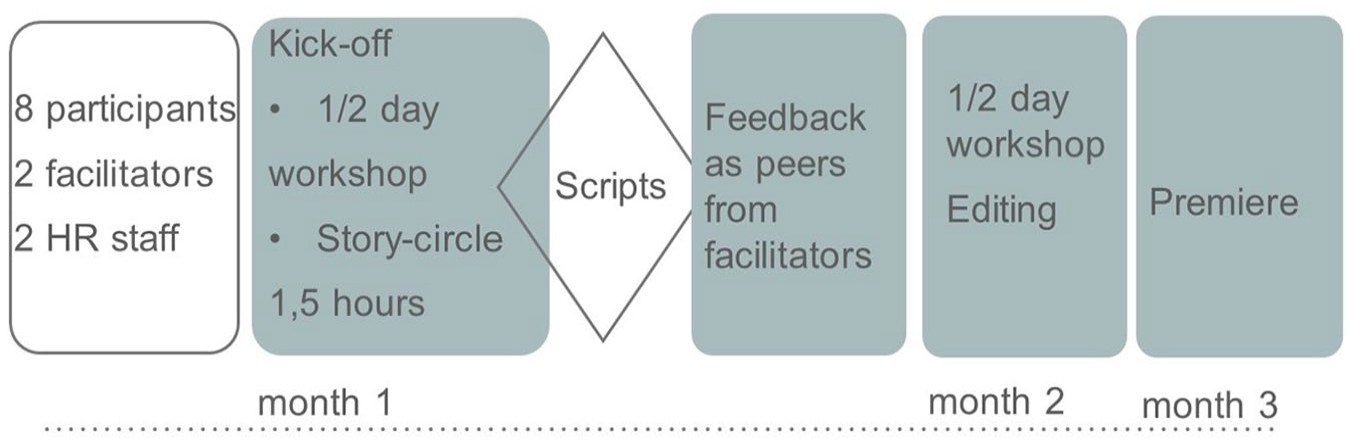
Digital storytelling workshop at the end of the staff development project.
The DST workshop started with a collaborative story circle and continued as personal script writing and editing facilitated by the first author of the article and a professional photographer, who gave advice about visual storytelling and technical solutions. One of the eight storytellers did not give permission to use her story as research data. Therefore, the study explores the agency enhancement of seven employees; each story lasted approximately 3 minutes and consisted of a spoken storyline and photos that were either integrated into it or that formed another level of the written story as indexes, symbols, metaphors, or montages. The publicity of the stories was expected to be wide, as they were to be presented at an annual event of the company. Moreover, the stories were later available on the company’s intranet. The employees emphasized that the stories were their own and they had related the kind of stories they wanted. But they also mentioned that their workplace as DST workshop organizer had made them take certain things into consideration, such as their first impression was not to share personal photos in the stories (Hakanurmi, 2017). Eventually, the effect of DST was just the opposite: they used visuals that gave more intimacy, and the atmosphere of the stories was more personal than they thought in advance.
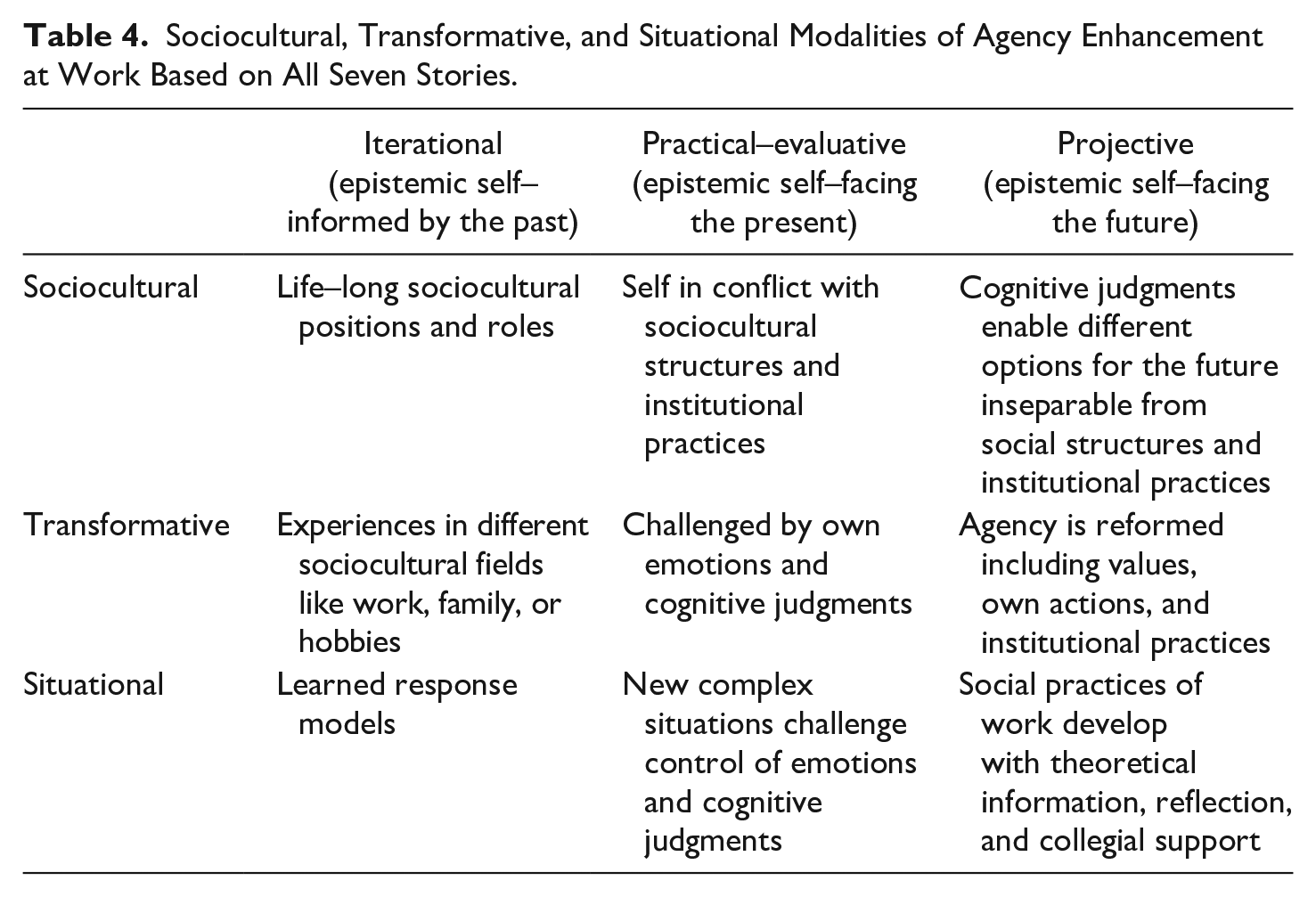
For the analyses, the visual data and the voiceover of the digital stories were transcribed into texts and pictures (seven scripts, 116 pictures). Narrative analysis of the digital stories provided a rich source of information about how past events (iterational), current discourses (practical–evaluative), and future perspectives (projective) influenced work agency. Regarding the narratives, the storytellers explored their own life and configured meanings from it, while, at the same time, they documented agency enhancement in various situations at work. All seven stories were analyzed and three of them were chosen for more detailed description as typical examples of different modalities in agency enhancement. The authors agreed that the chosen three stories comprehensively work as samples that enlighten the modalities, and excerpts from stories allow the reader to get a sense of the narrative analysis and evaluate its validity. The different attributes of all seven stories are displayed in Table 4. These choices enabled deeper analysis.
The Social Interactional Approach of Narrative Analysis
This article focuses on a context-based narrative analysis of SIA, which captures the narratives embedded within local discursive and sociocultural contexts. SIA represents the new turn in narrative analysis and means focusing on social theoretical concerns instead of structural- and content-based approaches (De Fina & Georgakopoulou, 2015; Squire et al., 2013). It considers narratives as relational, discursive activities enmeshed in local business through which the storytellers perform numerous reflections. Local meaning-making activities connect with social processes through the negotiations, where individuals’ position and roles connect them to the wider social space of society (De Fina, 2008).
It is logical to investigate agency from narrative data, as critical narrative pedagogy (Goodson & Gill, 2014) finds connections between individual narratives and the development of agency. Storytellers manipulate two kinds of self-presentations: an epistemic self, representing the narrator’s beliefs and convictions, and the agentive self, presenting an acting person in the story world (De Fina, 2015, p. 359). In personal narratives, the storytellers choose, prioritize, highlight, and overlook different experiences of meaningful periods and locations of their autobiographical remembering. Through these negotiations, storytellers enhance their future agency.
Multimodal Transcription and Text Analyses
When research data consist of digital stories, it needs to be recognized that visuals hold a great deal of meaning in addition to the text. Together, they form a multimodal data additive (Baldry & Thibault, 2006)—that is, different kinds of meanings are attached to the same artifact. Hull and Nelson (2005, p. 229) argue, that this idea of entity being different than its components as such, is the most crucial conceptual tool in understanding the workings and meanings of multimodal texts. A multimodal text can create a different system of signification, which transcends the collective contribution of its constituent parts (Hull & Nelson, 2005, p. 225). Different resources are analytically but not constitutively separable in actual texts (Baldry & Thibault, 2006, p. 18), which motivates an analysis of the multiplying effect. Separating various resources into modalities is an analytical abstraction. The text and visuals can convey the same meaning, but they can also have different focuses. The picture can simply visualize the story in an iconic way, or it may anchor new meanings at symbolic and metaphorical levels. The multimedia toolkit uses both the written and visual meanings of the data, while the verbal text can broaden or curtail and focus the meaning of the visuals.
While visual narratives have historically played a minor role in educational research, it is necessary to explore this method in detail. First, pictures do not convey meaning in the same way that language does, as their respective meaning-making affordances are different. Storytellers as sign makers represent objects defined by what is interesting to them (Gachago, 2015), and photographs used in digital stories carry a deeper understanding of the underlying assumptions, predominant cultural beliefs, and implicit thinking of the storytellers. Second, pictures represent concrete icons, but they also may refer to symbols and metaphors. Reading images is looking beyond the obvious denotations from a culturally sensitive perspective. With one symbolic picture, the storyteller can make the listener understand several things without naming them. Visuals like landscape or abstract pictures express things difficult to verbalize, such as emotions. With synecdoche, it is possible to represent things with parts of the whole, such as a foot representing the whole person or a flag representing nationality. Likewise, verbal images include metaphorical expressions, and a picture can also convey an idea through a metaphor (Löfström et al., 2015, p. 193). Abstract ideas and concepts become comprehensible through the use of images or metaphors. Metaphorical storytelling is typical in documentaries and can play a central role in a script or in the visual details. With metaphors storytellers can transform meaning from one context into another.
To summarize, the narratives were analyzed as situated storytelling embedded in the working life of the employees. Narratives were seen as representations of employees’ agency, which was produced as a reflection between the personal and the social. In addition to verbal expression, the visuals were part of the data, and the narrative analysis was done based on multimodal content.
Results
This study identified three modalities in workers’ agency enhancement: agency under sociocultural structures, transformative agency connected to employees’ values, and situational agency enhancement in everyday work practices. In the following paragraphs, we provide intertextual transcriptions and multimodal presentations of three digital stories and demonstrate the reflections the storytellers used in their agency enhancement. Each modality uses selected iterational elements from the past, practical–evaluative elements, and projective elements of a unique life story. The highlighted stories are told by Sara, Mike, and Monica, who were in their mid-careers during the company’s development project and the DST workshop. We conclude the chapter by summarizing the special features of the modalities covering all seven stories.
Yeah, I’m Rather Young and a Woman, and, Okay, I Have a Blond Hair, Too
Sara refers to her childhood when reflecting on why the sense of belonging to the organization is so obvious. Sara tells a gender-sensitive lifetime story as a second-generation employee, following her mother’s footsteps in the organization. The story’s core involves positioning her epistemic self in the organization. She does this by zooming in on her past and reflecting on the staff development program in relation to her skills and future perspectives. Sara’s story is an example of how agency as a bounded lifelong process is both a biographically and socially produced entity. The sources of uncertainty in the storyteller’s life connect the distal and proximal perspectives of human agency (Evans, 2017, pp. 19-20). Sara sees her gender as a part of professional agency. Her future agency is built on beliefs of equal opportunities between genders instead of socioculturally determined expectations. The gender-specific conflict is reflected in multimodal levels. Agency enhancement can be seen as a practical–evaluative negotiation between two generations (the mother and the daughter), which culminates in defining Sara’s own professional agency free from gender restrictions or at least being conscious of them.
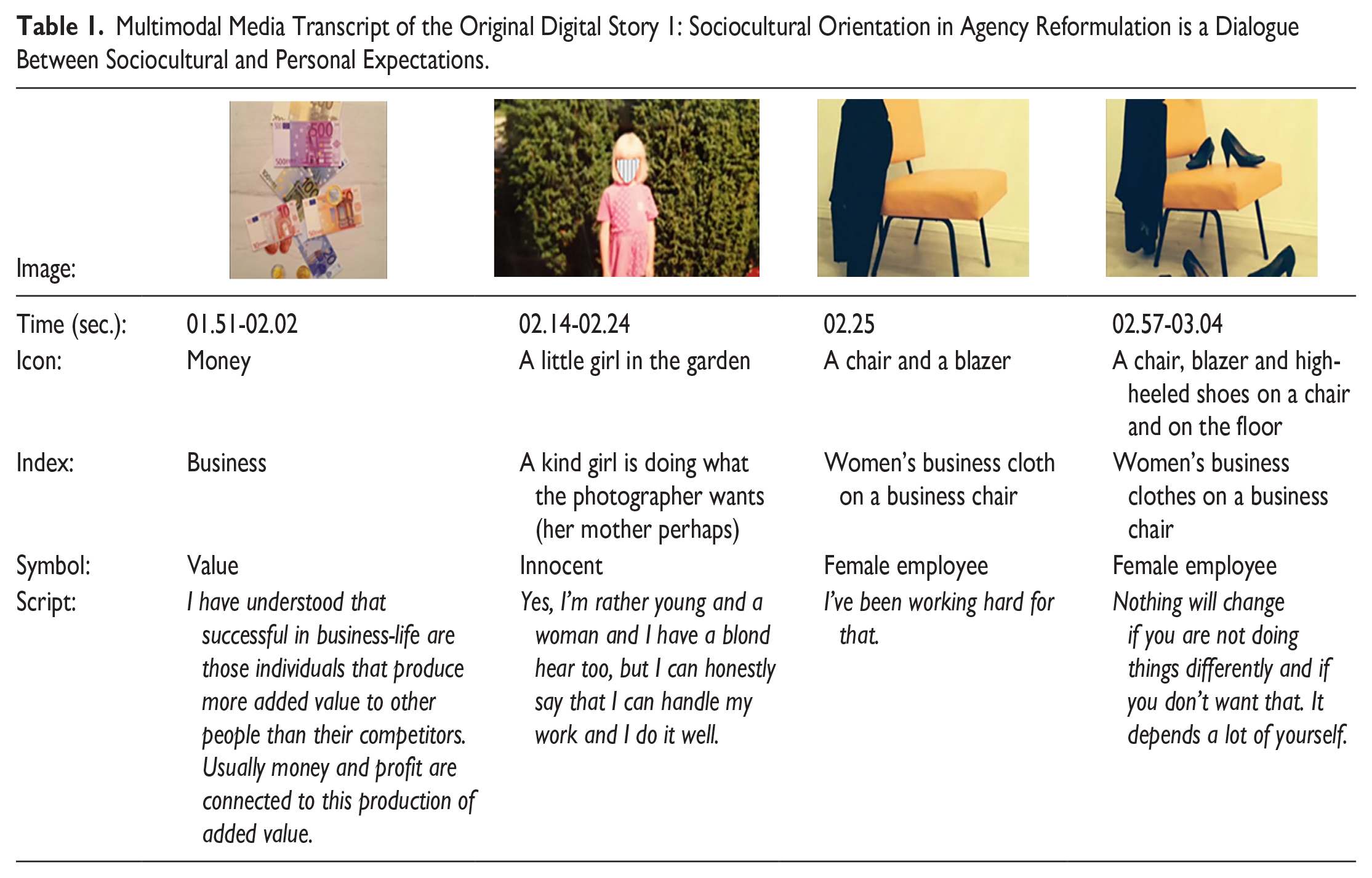
Sara has worked in the organization for almost 4 years and states that she is in the right place or at least on her way there. Business artefacts, childhood memories, and even some pieces of furniture at her home illustrate the common history between the organization and her family. She pretended to work in a bank’s customer service department as a little girl. In the midpoint of the story, Sara states that she is young, a woman, and blond, and the visuals of the story change from iconic pictures into symbols of women’s business clothing, such as shoes with high heels. Dressing according to banking sector requirements is a signifier of corporate belonging. Visually playing with business clothing has a certain degree of noncompliance while the random and wild placing of clothes is contrary to trustworthy and exact lines of money, loans, and budgets (Church et al., 2006). Meanwhile, the voiceover continues with core messages of business life. Despite emphasizing gender symbols, Sara refuses to see herself as completely stereotypical and fades the meaning of gender by playing with its symbols. At the same time, the voiceover represents the practices and ideological values of the work, in which one’s own actions and choices are essential (02.57-03.04 in Table 1). No matter your gender or habitus, your core business skills are the most essential.
Multimodal Media Transcript of the Original Digital Story 1: Sociocultural Orientation in Agency Reformulation is a Dialogue Between Sociocultural and Personal Expectations.


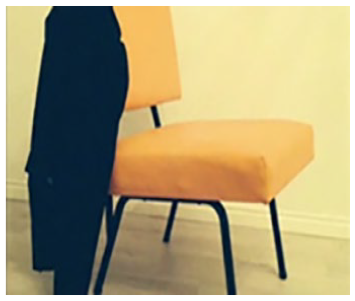
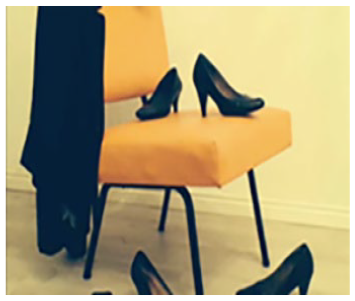
Sara’s professional agency is based on values like be yourself, be brave, respect and value others and yourself, trust, smile. One can be an agent of change despite business-life traditions. Sara’s professional agency is built on lifetime reflections and the projection of her epistemic self as a skillful worker now and in the future. The staff development project has supported the future agency of Sara by diminishing her gender as a sociocultural restriction. After the midpoint of her narrative, the woman is professionally capable without limits. The new epistemic self at the end of the story builds agency based on values and choices common to the storyteller and the organization. Sara now presents herself equally as good as others in the banking sector, despite her gender. Sara’s agency is empowered with the motto of her narrative: your ideas and plans for the future matter more than your background.
Earlier research has shown that certain hegemonic discourses and power relations can influence professional agency at the individual, work, community and organizational levels (Eteläpelto et al., 2014). A strongly gendered workplace culture can create problems for individual learning and change as well as for organizational development (Abrahamsson, 2006). There exist gender-based divisions of labor in workplaces and in society, and to be a woman can be a disadvantage when being considered for certain positions (Andersen & Bloksgaard, 2008). In Sara’s narrative, professional agency is built on self-trust, staff training, self-reflection, and feedback from colleagues. Sara’s narrative makes visible Højgaard’s concept of maladjustedness regarding how women feel, since their work environment often fails to affirm their way of being and working (Andersen & Bloksgaard, 2008, p. 59). It is acceptable to be both a woman and professionally capable, a businesswoman of the future.
Listen. It Ought to be Simple, But How Can It Be So Difficult at Times?
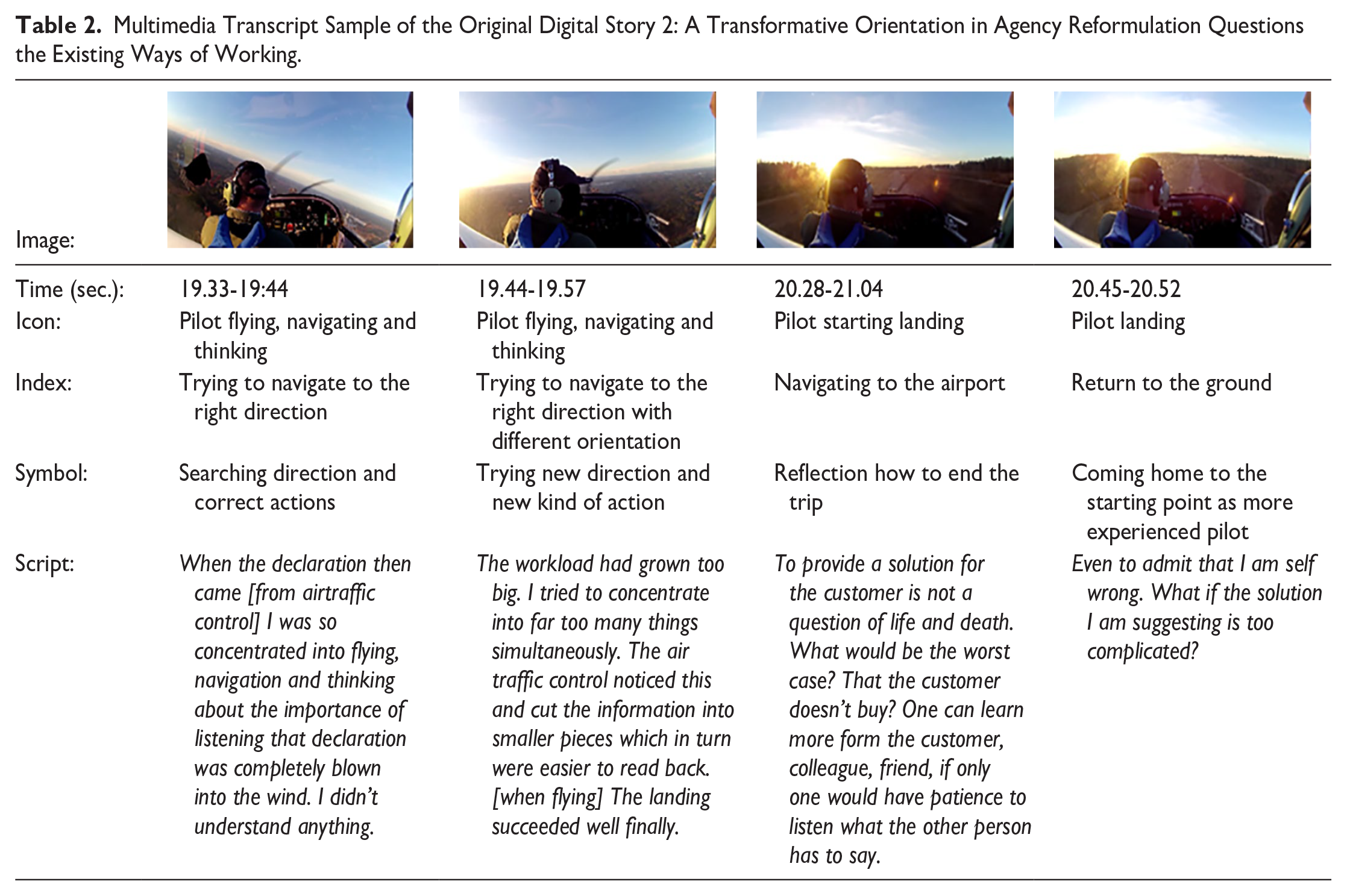
Mike’s narrative is a retrospective collection of experiences, combining different memories from various contexts, the workplace—Mike is an insurance expert—being only one arena for the enhancement of agency. The moment of storytelling has been a stopover for Mike’s deeper reflection around his epistemic self, agency, and values after working in the organization almost 2 years. The storyteller’s inner voice evaluates his agency and the work settings, which renews his work practices and values. Mike participates in multiple overlapping and intersecting communities, as he also flies airplanes as a hobby.
Mike’s problems with listening appear in several forums, since it was a friend of Mike that originally made him think deeper about the challenges of listening as part of his communication skills. Spaces outside the workplace offer possibilities to express emotions otherwise difficult to verbalize. Mike strives deliberately and acts proactively in order to overcome his communication challenges, and there is transfer of agency from flying into his professional context. Mike acts collectively with air traffic personnel to succeed in navigation. These experiences enhance his professional agency as a listener at work. Now, he values himself as a more skilled listener with a positively oriented future. Agency development was shaped by his interaction with people in different arenas of life (Eeekelen et al., 2005), and his agentic actions in different spaces reformed Mike’s value both as a listener in general and as a salesman.
Experiences gained outside work appear to be a storage of meaningful experiences needed in the enhancement of professional agency. Learning during training and reflecting on one’s own agentic actions in communication with customers provide critical conflict, Mike realizes that he needs to develop as a listener. In reflecting on his behavior and the cognitive models, Mike looked back and found experiences when listening had been challenging for him. In the narrative, Mike binds the two contexts together—flying airplanes and selling insurance—and uses communication between the pilot and the air traffic control as a metaphor transferable to his work context.
Crucial for Mike’s agency enhancement in his storytelling was the creative atmosphere in which he was able to freely reflect on his epistemic self and express what he believes he has been and what he can be in the future (Miyahara, 2015). In Mike’s story, the plot establishes human action not only within time but within memory; the rich world outside work provides many experiences and fresh perspectives through which to imagine agency at work. Narrative can unite past experiences with those of the present and can even imagine what the future projected self may look like (Miyahara, 2015).
Mike’s learning through an autobiographical narrative is close to Mezirow’s transformative learning approach; storytelling as a process leads to changed perspectives, which is only possible through critical reflection on previous experiences. Narrative offers an opportunity for deep learning experience resulting in a paradigm shift (Mezirow, 1996; Snyman & van den Berg, 2018). When Mike draws together disconnected actions and events, he stretches experiences both temporally and spatially and ascribes meaning to them in order to enhance his professional agency for the future. The output is a storied agency, which now directs Mike’s professional practices as a vision of ideal communication with customers (20.28-20.52 in Table 2; Collin et al., 2015).
Multimedia Transcript Sample of the Original Digital Story 2: A Transformative Orientation in Agency Reformulation Questions the Existing Ways of Working.


Mike’s narrative combined individual realities and social expectations and, thus, enhanced his future-oriented agency; it is alright to fail when selling, but it is necessary to constantly respect and train one’s communication skills.
There are Never Two Similar Customer Appointments
Monica’s story is about her work experiences, starting from her novice years in customer service up to her current position as a customer negotiator with scheduled customer appointments. At the time of the workshop, Monica had worked in the organization for 3 years. The story documents her practices and choices in the early stages of the career and underlines meaningful moments in her life as well as the important values she holds. Her sense of professional agency increases along with practical experiences. Agency reformulation is profoundly social in nature, and agency is constantly bounded by events in which the storyteller engages in the complex social environments of work, learning, and social responsibilities (Evans, 2017). The moments spent with customers have challenged Monica’s agency since her early years at the bank. The customer is described as the main actor for Monica’s agency. It was the customer that fascinated her at the beginning of her career together with all the new things associated with customer service, and they still inspire Monica today.
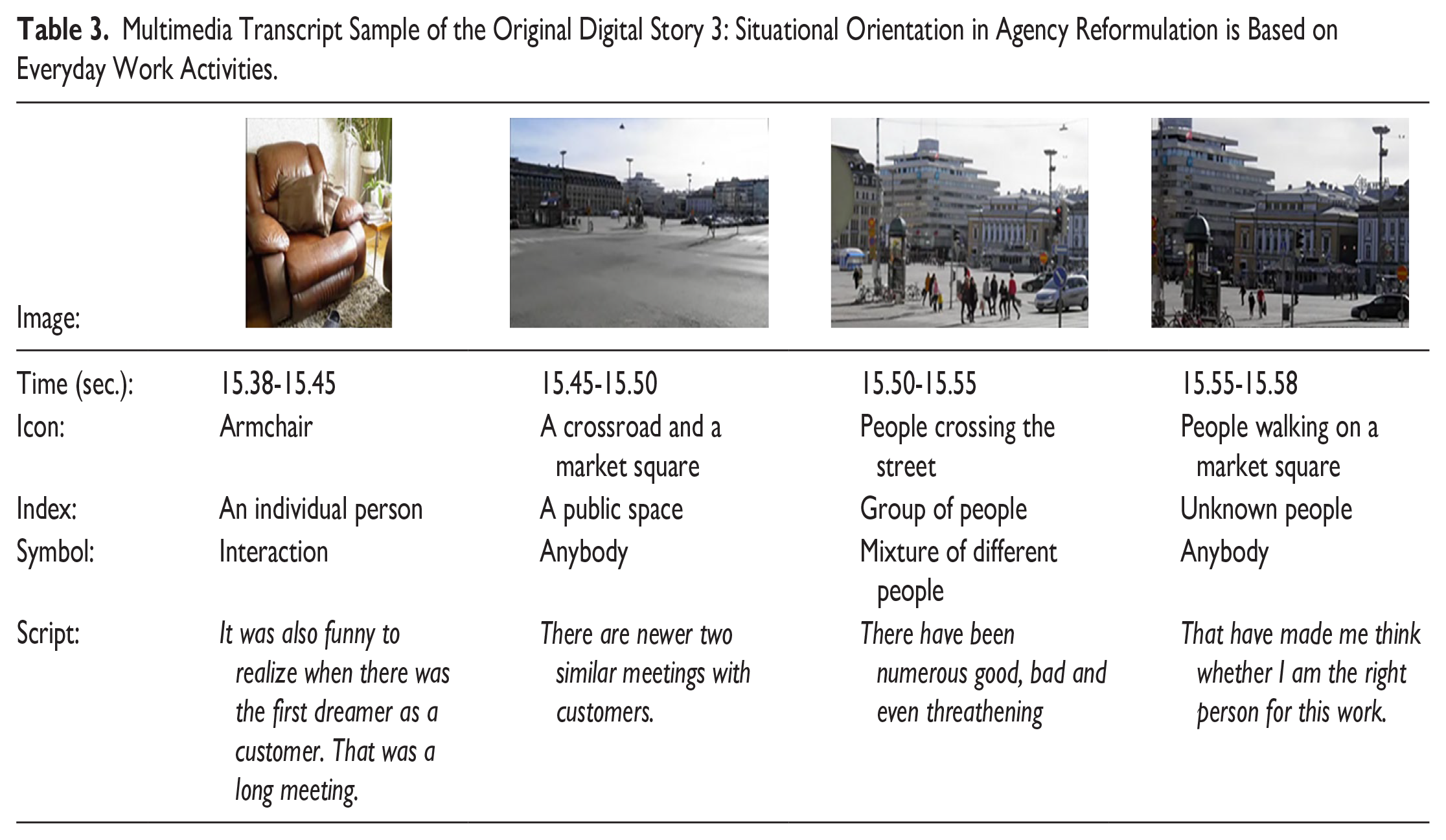
Enhancement of agency takes place in a mixture of social situations and is enhanced by collegial support and growing theoretical understanding of different customers. With an empty armchair representing the unknown customer, Monica’s story conveys the sense of intimacy in customer meetings. Her next picture of market square shows a group of people, which symbolizes the anonymity of the customer, who can be anyone from the street. Many emotions from joy to dismay are involved in the story, and Monica’s management of them developed as she became more experienced, learned more about different customers, and received support from colleagues facing similar challenges.
Monica works for customers, and with them her agentic actions succeed or fail. Difficulties with customers has caused serious self-reflection at times. In the early stages of her career, when she had little knowledge about customer service, Monica’s professional agency was fragile; she doubted whether this career was right for her (15.55-15.58 in Table 3). Interactions with customers drives Monica’s agency, as she is constantly challenged by different customers. Agency guides learning throughout life, and everyday work activities have a central role in development of agency (Billett, 2010).
Multimedia Transcript Sample of the Original Digital Story 3: Situational Orientation in Agency Reformulation is Based on Everyday Work Activities.

Sociocultural, Transformative, and Situational Modalities of Agency Enhancement at Work Based on All Seven Stories.
The collegial reference group, which is a community of people who share the same social practices, norms, and challenges, is an important resource for Monica’s agency enhancement. Colleagues helped Monica with additional support so that customers no longer threatened her agency, and staff training provided theoretical tools to understand customers better. Enhancement of agency is situated learning in everyday settings (Billett, 1996), which emphasizes the dynamics of everyday learning and interaction and focuses on the interactive relationship between coworkers.
Monica has now moved on in her career with her own agentic efforts and has attained a new position for her. Instead of occasional events causing her to judge herself negatively, Monica’s agency enhancement now includes activities, such as taking new directions and orienting herself toward future learning (Vähäsantanen et al., 2017). Situated agency enhancement occurs in the social context of new challenges, customers, and colleagues as well as through participation and the construction of knowledge, emotions, and experiences.
Conclusions
The agentic actions documented in the digital stories prove that employees are constantly seeking direction. The narrative analysis produced three different modalities reformulating work agency: sociocultural, transformative, and situational. Professionals’ understanding of their current professional goals and commitments, their perceptions of what is meaningful in their work and life in general, and their future orientations as professionals were all involved in the stories.
Common to all the stories was a critical conflict between social structures and the employee and between the employees’ epistemic self and current challenges at work. Employees’ narratives represented themselves as insecure, worried, confused, or even trapped. The accumulation of past learning was not sufficient in new situations, or cause conflicts in the employees’ sense of coherency. Typical of the narratives was the employees’ practical–evaluative inner speech, which questioned whether they were capable or suitable for the work and what they could do in order to fit better into their inner or outer expectations. At the end of the narratives, critical conflicts pushed the employees to think and act in new ways.
Clearly, according to the stories, the agency at work is multidimensional and complex. Everything is connected: friends outside work, hobbies, epistemological values, and competencies needed at work. Different experiences provide metaphors for professional agency. Crafted agency encompasses various experiences and metaphors depending on the employee’s own life history, and this finding supports Fischer’s (2000) statement that exercising agency is not restricted to workplaces or educational settings. A rich life filled with different people and experiences outside work also promotes agency enhancement, as does avoiding scrutiny, having new challenges, and choosing unforeseen options at work.
The analysis of meanings was challenging, and one way to increase the validity would be to interview the storytellers about their reasons and justifications for each visual chosen, but even then, the images may still include mixed or complex messages (Gachago, 2015). The storytellers were interviewed in 2013 without questions about the storyboard, and it was impossible to interview them again.
Discussion
The object of the research was to identify employees’ sense of agency and its enhancement. The study found three different modalities in reformulation of work agency; sociocultural, transformative, and situational. Even though the three modalities are presented here as separate typologies, there are overlapping elements. Successfully exercising agency involves a combination of sociocultural, transformative, and situational drivers, in which conflicts, training, and different experiences trigger the processes.
The most obvious finding to emerge from the analysis is that there are different time frames in agency enhancement; the sociocultural modality takes the longest time and develops in the long run. Transformative modality also needs time and reflection. The fastest track is situational modality, in which even single events can have a major impact on work practices and a sense of agency. In customer service, for example, some situations immediately break the ideal narrative of customer service, which increases the employee’s need to control their own work more or forces them even to quit their work.
Even though agency is socially determined through social factors, such as family background and gender, it is only one prerequisite for professional agency. Individuals’ own actions, choices, and narratives are also meaningful. It is interesting to note that the pool of experiences connected to employees’ agency enhancement is wide, and personal, local, and sociocultural experiences are all used as building material in narratives. The role of coworkers and other people in employees’ everyday life were mentioned in many stories, a topic in need of further studying. Although coworkers can have an equal positions, they can also be competitors and have different degrees of power. Since this is such a sensitive area, all of storytellers only ended up praising the colleagues.
Storytelling made the employees reflect on their past iterationally, make practical–evaluative judgments, and build new trajectories for their professional agency. The employees’ agency was continuously fine-tuned, and the main thing for the employees was to know where to direct their attention and what to attempt next despite their past experiences. Personal choices were seen as a way out from certain restrictions, whether they were sociocultural, connected to the epistemic self, or work practices. This study confirms that the projective element of narratives makes them suitable for personal agency negotiations. The narratives offered a reflective forum in which it was possible to overcome restricting sociocultural factors, such as gender, failures, and feelings of incompleteness; they represented processes of the inner mind and the activation of optional futures in professional agency.
The research method (SIA), as well as multimodal transcription and text analysis, proved to be useful in the analysis of the stories. From this study, it is evident that participatory storytelling is an appropriate method for gathering research data about agency. Nevertheless, future studies utilizing digital stories may find it useful to interview the storytellers about their visual choices. One good practice is to publish the analyzed digital stories online, but in this case, it was not possible due the confidentiality contract.
The main weakness of the research is that the context caused certain expectations for the storytellers. The stories were produced in a workshop hosted by the employer, and the storytellers knew the whole staff of the organization would see their stories. A long staff development project had just ended, which had an impact on the stories. All stories had happy endings, strengthening the sense of employees’ agency and ontological security. In different circumstances, agency enhancement might have taken on more disruptive narratives, such as cynicism or frustration and noncompliance with the workplace. The most vulnerable stories would have needed a safer atmosphere. To develop a complete picture of agency enhancement at work, additional studies will be needed in different kind of circumstances.
An interesting question is how to enhance and reform the agency of individual employees. Traditional methods have been to let employees express their own professional interests (Vähäsantanen, 2013). Different types of trainings, events, and coworkers’ support all had a place in these work stories. Additionally, organizational policies and practices in the equal treatment of various employees can enhance agency, despite sociocultural qualities, such as race and gender. This may happen by sharing different career stories that break stereotypes and broaden expectations by providing peer support for different groups that may underestimate their possibilities and capabilities at work and also by building equal possibilities to collaborate in multiprofessional groups in order to build relational agency. Creative methods offer more channels to reflect on personal values in a fresh and encouraging way.
Besides the core research results, this case presented the diverse functions that the narratives can have at work: as research data for various topics, as a method for individual agency enhancement, and as a way to share professionals’ personal agency negotiations at work with compassion.
Footnotes
Declaration of Conflicting Interests
The author(s) declared no potential conflicts of interest with respect to the research, authorship, and/or publication of this article.
Funding
The author(s) received no financial support for the research, authorship, and/or publication of this article.
