



Abstract
Despite the critical need for urban planners to address climate change, there is a limited understanding of planning professionals’ perceptions of their climate change competency. This paper reports results from a survey of Australian urban planning professionals, identifying their perceived climate change knowledge, skills, competencies, and everyday practice. The urban planning professionals surveyed had high levels of perceived climate change knowledge, but only a small number incorporate climate change impacts into their professional work. They had limited access to information and tools needed for climate change planning in their practice. Areas for further competency development through continuing education are identified.
Introduction
Urban planners are professionals who work to coordinate the sustainable development and management of cities. Of increasing urban planning prominence is the contribution that cities make to climate change, with up to 80 percent of total greenhouse gas (GHG) emissions attributed to urban activities (Hoornweg, Sugar, and Trejos Gomez 2020). The impacts of climate change on urban areas are anticipated to present significant future challenges, particularly if the Paris Agreement’s (United Nations [UN] 2015) goal to limit warming to 1.5°C above pre-industrial levels by 2100 is not achieved. Yet, international commitments for the reduction of GHG emissions are on a trajectory of warming in excess of 3°C above pre-industrial levels (United Nations Environment Program 2020). Thus, significant and urgent policy reform and actions are needed to rapidly reduce GHG emissions to limit warming to 1.5°C (Intergovernmental Panel on Climate Change [IPCC] 2018). This will require a change to the way urban areas are developed. It will also require actions to retrofit existing urban areas to reduce the intensity of their GHG emissions, and to ensure developments are well adapted to the changes in climate that will occur (e.g., increased mean temperatures, changes in rainfall), and their associated risks (e.g., inundation of existing development through sea level rise or increasing bushfire risk and intensity; Rosenzweig et al. 2018).
Limiting warming to 1.5°C by 2100 will depend in part on the actions and influence of urban planners, who have been identified as important participants in addressing climate change (Mitchell and Graham 2020; Susskind 2010). Urban planning has capacities that make it suitable to address the issue of climate change in a meaningful way. These include planning’s ability to: act on matters of collective concern, manage competing interests, cut across scales, reduce and act on uncertainty, act as a knowledge repository, and be oriented to the future while integrating a range of diverse systems (Hurlimann and March 2012). Achieving actions to meet the Paris Agreement goal through urban planning requires that urban planners understand the problem of climate change, and enact decisions to address it. However, there is limited information about the climate change knowledge, skills, and professional competencies that urban planners possess, and what they perceive could assist them to build further climate change capacity. Studies undertaken often do not consider climate change directly, but only as part of broader studies on the state of the profession.
In Australia, a study on the environmental education of urban planners found that the four top environmental knowledge inadequacies identified by planners related to climate change: adaptation, mitigation, sea level rise, and the social impacts of climate change (Hurlimann 2009). More recently, Freestone, Goodman, and Burton (2018)’s research on the status of the urban planning profession in Australia and New Zealand found that the most frequently identified “most important planning challenge” was climate change. In addition, Hurlimann, Beilin, and March (2023) researched socio-ecological resilience knowledge, skills and professional experience of built environment professionals in Australia. They found that 86 percent of respondents indicated they had knowledge about climate change adaptation, and 74 percent about climate change mitigation, with lower levels of reported skills and practical experience for each. Overall, planners’ climate change knowledge and competency remain to be explored in depth. Research indicates that climate change has received limited attention in formal education of urban planners in locations including the United States (Hamin and Marcucci 2013), the United Kingdom (Preston-Jones 2020), and Australia (Hurlimann, Bush, Cobbinah and March 2021). This indicates urban planners may be underprepared to address climate change in their practice.
Understanding the capacities of practicing planners, and identifying gaps that exist, will help shape continuing professional education opportunities, and strengthen formal education. A particularly useful way of framing the capacity of urban planners is to consider: knowledge, skills, and competence, as defined in Box 1 (discussed in further detail later in the paper).
Definitions of Knowledge, Skills, and Competence from the European Qualifications Framework (EQF).
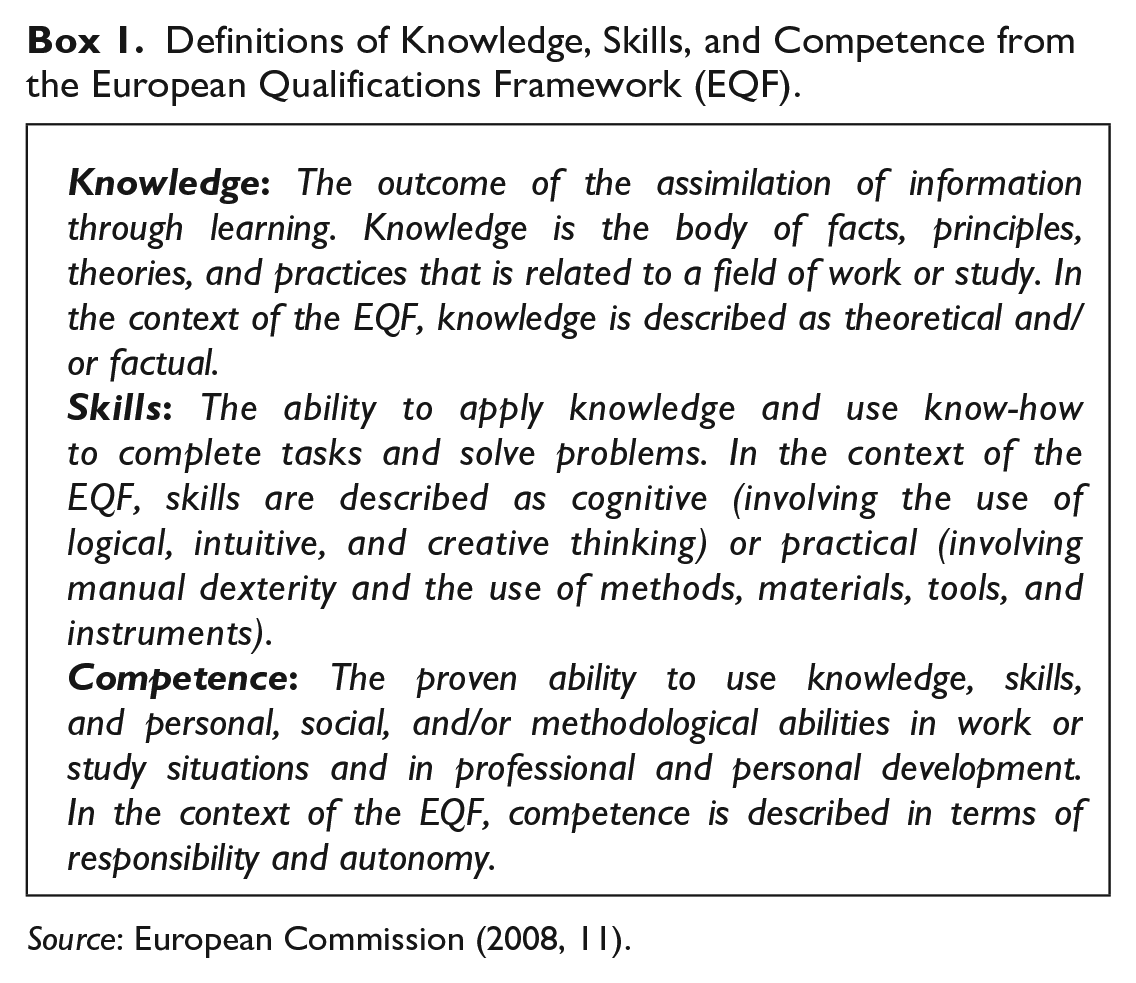
Source: European Commission (2008, 11).
The need for urban planners to have capacity to address climate change is particularly relevant in Australia, a country that is facing significant impacts from climate change (Bureau of Meteorology and Commonwealth Scientific and Industrial Research Organisation [CSIRO] 2020). The research reported in this paper addresses these research challenges by exploring the following questions:
Planners for Climate Action convened by UN-HABITAT is currently aiming to assess the state of the profession of urban planning in addressing climate change, across multiple locations internationally. The research reported in this paper seeks to inform this work. In addition, the need to build climate change capacities of built environment professionals has also been highlighted in the IPCC’s 6th Assessment Report of Working Group III (Chapter 8). This paper begins by discussing the education of urban planners as professionals. It then reviews research undertaken on climate change knowledge, skills, and competence of urban planners. An overview of urban planning and the education of urban planners in Australia is provided before the research methods employed to address the research questions are outlined. The paper presents and discusses the results, before drawing conclusions.
The Education of Urban Planners as Professionals
Urban planning is a profession (Vigar 2012). The three main components an occupation must have to be considered a profession are: a knowledge base, a community of practice, and providing a role that has benefit for society (Bickenbach and Hendler 1994). The importance of the workplace and community of practice settings for instilling competencies and fostering lifelong learning is emphasized (Amin and Roberts 2008). Most professions have associations that regulate membership and offer accreditation for the degrees which are educating their professionals. In a review of planning education in Europe, Frank et al. (2014) found that in some contexts, climate change was the impetus for changes in curriculum content and design through accrediting body course requirements. Similarly, professional accreditation remains an important impetus for general curriculum invigoration in Australia (Hurlimann, March, and Robins 2013).
There are many factors that influence the education of urban planners. In Europe, the Bologna Declaration (European Higher Education Area 1999) aimed to harmonize higher education across the continent. The key components of the declaration included: establishing two cycles of education (undergraduate and graduate), facilitating a universal system of credit transfer, and facilitating student and staff mobility. This had implications for the mode of educating urban planners in Europe (Frank et al. 2014), as well as for higher education further afield including in the United States (Zmas 2015). Policies were developed to implement the Bologna Declaration aims, including A Framework for Qualifications of the European Higher Education Area (Ministry of Science Technology and Innovation [MSTI] 2005)—the FQEHE. The FQEHE outlines expectations of graduates, and articulates the “Dublin Descriptors” as the Bologna education cycle descriptors. The Dublin Descriptors are generic statements that provide guidance about the expectations of learning achievements and abilities expected at the end of each Bologna cycle (undergraduate and postgraduate), and comprise five elements listed below (MSTI 2005, 65), which have links to the elements of defining a profession discussed above and the definitions in Box 1:
knowledge and understanding (K);
applying knowledge and understanding (A);
making judgments (J);
communication skills (C); and
learning skills (L).
It is useful to consider and assess these descriptors in the context of continuing professional development, and where these activities should be targeted (e.g., gaps post-graduation). We now turn to consider the literature about the climate change knowledge, skills, and competence of urban planners.
Climate Change Competence of Urban Planners
In many contexts it is reported that urban planners are not well informed about climate change. In a survey of American urban planners, Greenlee, Edwards, and Anthony (2015) found that “climate change” was rated the equal last important knowledge area of current practice. Similarly, Othengrafen and Levin-Keitel (2019) surveyed 614 urban planners in Germany, and found that planners only infrequently or never work in the field of climate change. A study conducted in the United Kingdom with nineteen urban planners found that there was a low level of awareness of climate resilience and impacts (Murtagh, Odeleye, and Maidment 2019). Yet, the climate change awareness of urban planners is increasing in Canada. The Canadian Institute of Planners (CIP 2019) has been conducting surveys about climate change with Canadian planners since 2009. Its most recent (fourth) survey found that planners’ climate change awareness has increased significantly since 2009. Likewise, in a comparative study of a range of local government employees (including planners) in the United Kingdom in the early 2000s and early 2010s, Porter, Demeritt, and Dessai (2015) found that there was a significant improvement of climate change awareness in the second study period.
However, in some contexts knowledge of climate change does not necessarily translate into action (Carter and Sherriff 2016; Tang et al. 2012). Gurran, Norman, and Hamin (2013) conducted forty-nine surveys and twenty-two focus groups of Australian local government professionals and found that while urban planning staff were aware of climate change risks facing their communities, a lack of formal training limited their capacity to assess technical reports. In a study of the use of green infrastructure as a climate change adaptation tool by spatial planners, Matthews, Lo, and Byrne (2015) interviewed planners and other built environment professionals working in the field from Australia, the United Kingdom and Ireland. Their study found that while climate change knowledge exists, there is a lack of translation of this knowledge into urban planning policy, and that urban planners were perceived not to be actively engaged with climate risks.
This contrasts to other studies, such as McClure and Baker (2018) who conducted twenty-nine interviews with planners working in local government in Queensland Australia. These planners expressed their awareness of climate change risks, and had demonstrated the work undertaken to address those risks. Yet despite that capacity, they still faced barriers to implementing action at the local government level, including a lack of resources, non-prioritization of climate uncertainties of state government policy, and the potential for opposition by the community. Storbjörk and Uggla (2015) conducted fifteen interviews with municipal planners in Sweden and found there was high awareness of climate change among planners, yet the policy tools they had available to them made implementation in their practice challenging.
In summary, existing research indicates that climate change knowledge varies across contexts including within countries. It also indicates that in some cases, planners are not applying climate change knowledge in their practice, and this varies across locations and contexts. In addition, there is a lack of detailed information about the climate change knowledge, skills, and competencies for urban planners, including in an Australian context. It is these gaps which this paper seeks to address.
Research Context: Urban Planning in Australia
Urban planning in Australia is a complex and evolving professional practice, largely reflecting its historical response to prevailing environmental, economic, and sociocultural challenges (Thompson and Maginn 2012). It has evolved since early British colonial settlement and has been heavily influenced by contemporary planning movements in Britain, the United States, and Western Europe (Freestone 2007). However, over the past century, distinctly Australian responses and solutions to urban issues have developed (Phelps, Bush, and Hurlimann 2023). Today, urban planners in Australia are confronted with ever more complex issues that require a broad range of technical skills, a deep level of commitment to environmental and social sustainability, and the ability to work collaboratively with other professionals, communities, and those with power to make transformative decisions (Thompson and Maginn 2012).
Australia has a highly urbanized population of just under twenty-six million in 2022. The population is vulnerable to extreme weather events (Bureau of Meteorology and CSIRO 2020), with climate change an increasingly important factor to consider in urban planning decision-making. Over 80 percent of the Australian population live along the coast and many on the fringe of bushland and river systems making them vulnerable to climate change impacts. Figure 1 illustrates the location of Australia’s states and territories, their capital cities, the land region they cover, and other major towns. Australia’s population is concentrated in a few major cities, mostly located along the coast, highlighting their vulnerability to sea level rise and coastal erosion and flooding.
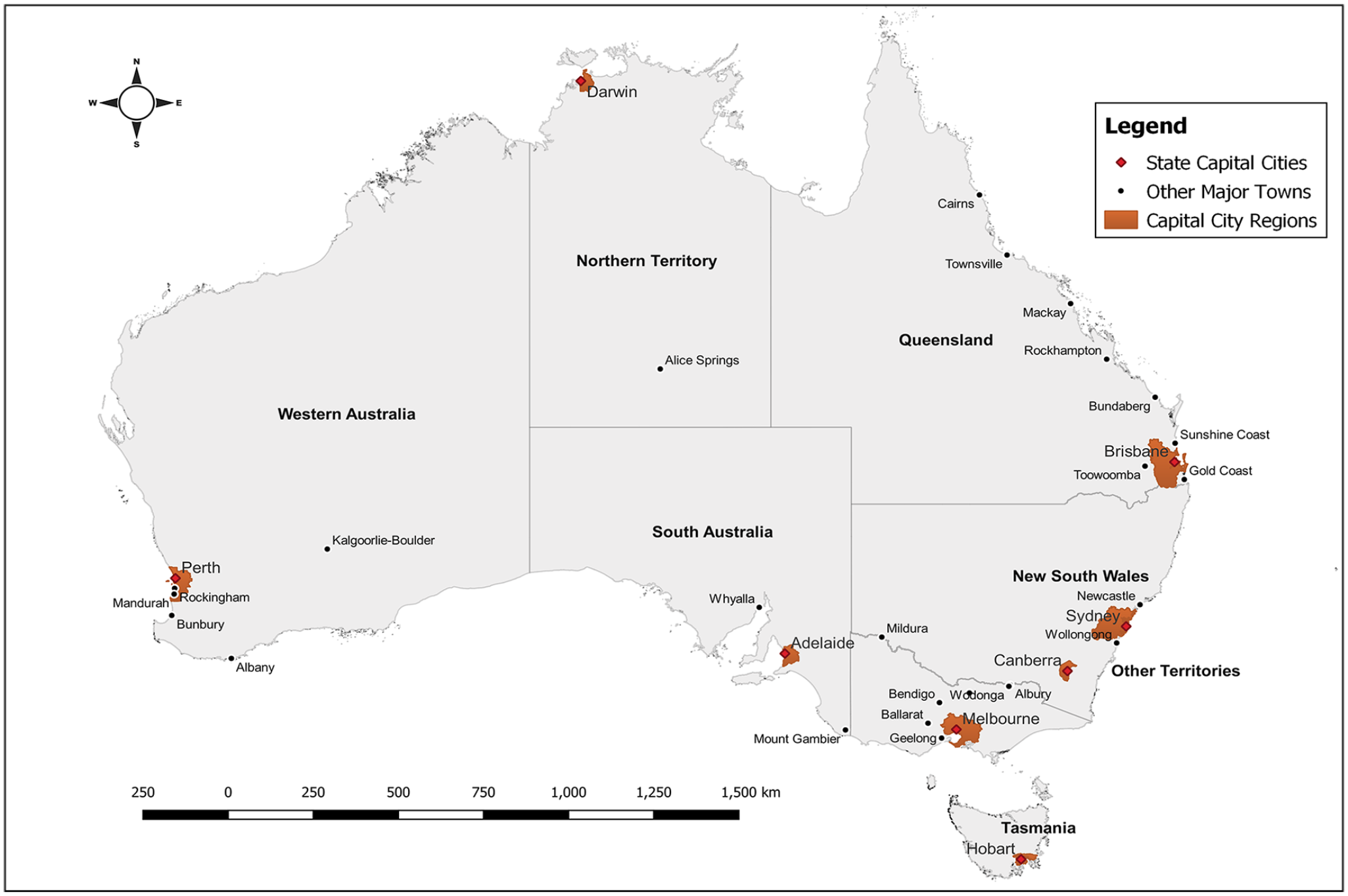
Australia’s states and territories, and the location of major cities and regional areas.
There are three levels of government in Australia: federal (national), state, and local. As detailed by March (2023), the legal basis for urban planning in Australia is enacted through state legislation. States prepare acts, regulations, and policies to enable land use planning. This state government legislation requires local governments to administer planning regulations and allows them to be enforced (March 2023). There is limited federal government involvement, and no single urban planning system for Australia—rather, there are several planning systems that operate largely independently along state-based lines (Williams and Maginn 2012). There is limited formal consideration of climate change in urban planning in Australia (Hurlimann 2023; Hurlimann, Moosavi, and Browne 2021) despite promising recent efforts (Moloney, Fuenfgeld, and Granberg 2017). In addition, there are distinct differences in approaches to acting on climate change across states of Australia, with an absence of meaningful action at the federal level prior to the national election in 2022 (Hurlimann 2023).
To take an example of one state, Victoria, the key piece of planning legislation The Planning and Environment Act (1987) does not explicitly address climate change. However, its purpose is “to establish a framework for planning the use, development, and protection of land in Victoria in the present and long-term interests of all Victoria.” Climate change is addressed explicitly in subordinate planning policy instruments, including Planning Schemes—legal documents which control land use and development, for each local government. Climate change is addressed through several clauses in planning schemes. A recent amendment to the state section of planning schemes (VC216 implemented in June 2022 1 ) strengthened this, including through a purpose to “support responses to climate change.” The amendment strengthens existing policy, including requiring developers to: minimize exposure to natural hazards, reduce GHG emissions, and improve biodiversity, renewable energy development and generation, and resilience to climate change. Local policy sections of planning schemes must be consistent with the state policy. At present there is no requirement for local governments to prepare climate change plans in Victoria, but many are doing so.
Urban planning in Australia is a distinct, defined profession, represented by the national professional body, the Planning Institute of Australia (PIA). Through education, communication, and professional development, PIA is pivotal to guiding planning professionals in their role of creating better communities. PIA currently represents approximately 5,300 members nationally. Through its accreditation program, PIA is involved in several learning and quality assurance initiatives, notably through accrediting Australian tertiary education courses, promoting individual certification through the Registered Planner program, and requiring ongoing study through continuing professional education and development (PIA 2019). PIA accredits over forty-five planning degrees across twenty-two Australian universities. More recently, PIA has shown an increasing engagement with climate change, making a declaration of a climate emergency in February 2020, with a suite of position papers subsequently introduced (PIA 2020).
Research Method
An online survey of 154 Australian urban planning professionals was undertaken in September to December 2020, following human research ethics approval. The survey was conducted via Qualtrics, an online survey software platform.
Participant Recruitment
To maximize the number and diversity of survey participants, several different recruitment mechanisms were employed, including dissemination of information about the study and a link to the online survey through professional association newsletters (e.g., Planning News, and other online and print newsletters published by PIA), emails through state planning agencies, and dissemination through social media channels including Twitter and LinkedIn. The aim was to receive survey responses from a broad range of urban planning practitioners across Australia (note we did not aim for a representative sample).
Survey Design
The survey consisted of a range of qualitative and quantitative questions and took participants an average of seventeen minutes to complete. A 7-point Likert scale was used as the response scale for many questions. The 7-point Likert scale was chosen given that it performs better as psychometric tool in social science research (Joshi et al. 2015). In addition, it was chosen to be consistent with the questions and scales used by the CIP (2019) in its survey of practitioners. The Likert scale had a description for each point in the scale, with the middle point representative of a neutral standpoint. For additional questions developed by the researchers, a 7-point Likert scale was chosen for consistency across the survey and participant cognitive ease. At the beginning of the survey, participants were asked to confirm that they are a practitioner working in the field of urban planning in Australia, or have worked in the field in the past two years. Examples of the broad roles that planners can have were included to guide the potential participants. This was a screening question to confirm eligibility of participants.
Two introductory questions were asked to indicate respondents’ climate change awareness: first, their level of awareness of the impact of climate change on a range of planning issues, and then measuring their level of agreement that climate change has had a substantial impact on their planning work. Questions consistent with the CIP (2019) survey were used to assess urban planners’ climate change practice. Full details of these questions can be found in Appendix A. In addition, in Appendix B, a comparison of the results of this Australian study with the CIP (2019) survey is provided. A series of ten statements were presented to participants about climate change competencies for urban planners. The authors developed these statements as applied to climate change based on those developed for urban planning by Hurlimann, Beilin and March (2023), which were based on the Dublin Descriptors within the Bologna Cycles (MSTI 2005, 65) discussed above. As such, five competencies were articulated specific to urban planning and climate change, across two cycles of education (undergraduate and graduate levels of study, respectively): knowledge and understanding (K), applying knowledge and understanding (A), making judgments (J), communication (C), and learning skills (L).
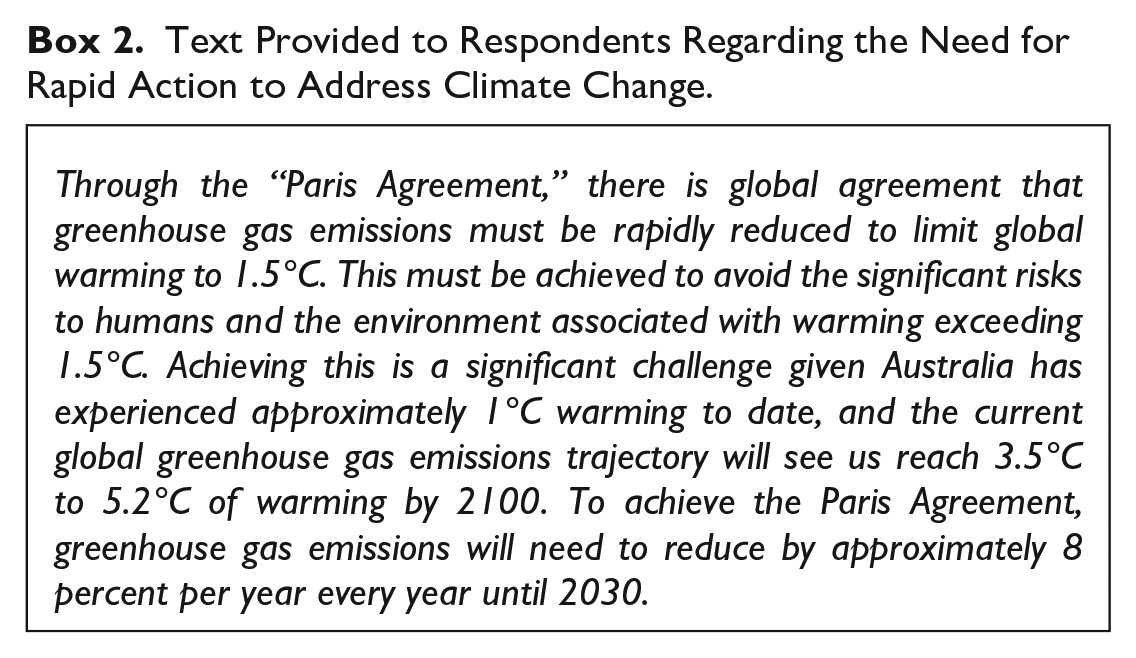
Information about the need to limit global warming to 1.5°C was provided to respondents (Box 2), developed from IPCC and UN publications and Australian government data. Following the presentation of this information, respondents were asked two open-ended questions:
Reflect on the rapid and transformative action needed to limit global warming to 1.5 degrees Celsius: -What skills and knowledge do urban planners need to achieve this? -What skills and knowledge for urban planners should be developed as a priority and why?
Text Provided to Respondents Regarding the Need for Rapid Action to Address Climate Change.
Respondents were also asked to list three climate change learning goals that they would like covered through continuing educational opportunities. They were then asked what format would best facilitate this learning, with six options provided (selection of multiple options allowed), with an “other” option for which they could add additional ideas. Last, to assess the diversity of respondents, a range of socioeconomic questions were asked.
Data Analysis
The data from the multiple-choice (quantitative) questions were analyzed using IBM SPSS Statistics Version 27 to create summary and bivariate statistics (e.g., frequencies, percentages, and chi-square tests) of responses. Responses to the open-ended questions were analyzed using the NVivo 12 qualitative analysis software. The open-ended questions allowed participants to indicate what they perceived as the most critical skills and knowledge that planners required to address climate change and continuing professional education priorities. The responses were coded in a stepwise manner using a framework adopted in the assessment of educational materials and curriculum (Hurlimann, Bush, Cobbinah and March 2021; Sherran 2008). Using the themes of the Dublin Descriptors, the qualitative results complemented the quantitative results by providing further explanations to the quantitative data.
Analysis and Findings
A total of 154 responses were received, with 139 respondents (90.3%) satisfying the screening requirement and therefore able to proceed through the subsequent questions. Only 57.5 percent (eighty) responses completed every question. This completion rate compares with the CIP 2019 study completion rate (65%). However, a limitation of this study is the small sample size in relation to the number of PIA members (5,300) in comparison with the CIP survey with 1,457 responses, a 25 percent proportion of CIP’s 5,800 members. However, it should be noted that PIA was not a partner to the study reported in this paper, and did not send a stand-alone email to members to promote the survey. In Appendix B, we provide comparison of our results with those of the CIP 2019 survey. Table 1 summarizes the demographic profile of the survey respondents. The majority of respondents came from the state of Victoria (59%) with more than half of the respondents having worked in urban planning for more than ten years. Most respondents indicated their work addressed urban issues (81%), and the majority of respondents worked in government (63%), with 25 percent in private consultancies, 15 percent in academia, and 6 percent in other areas—multiple responses were possible for this question. More than half of respondents were PIA members, and 95 percent had a formal urban planning degree.
Profile of Survey Respondents.
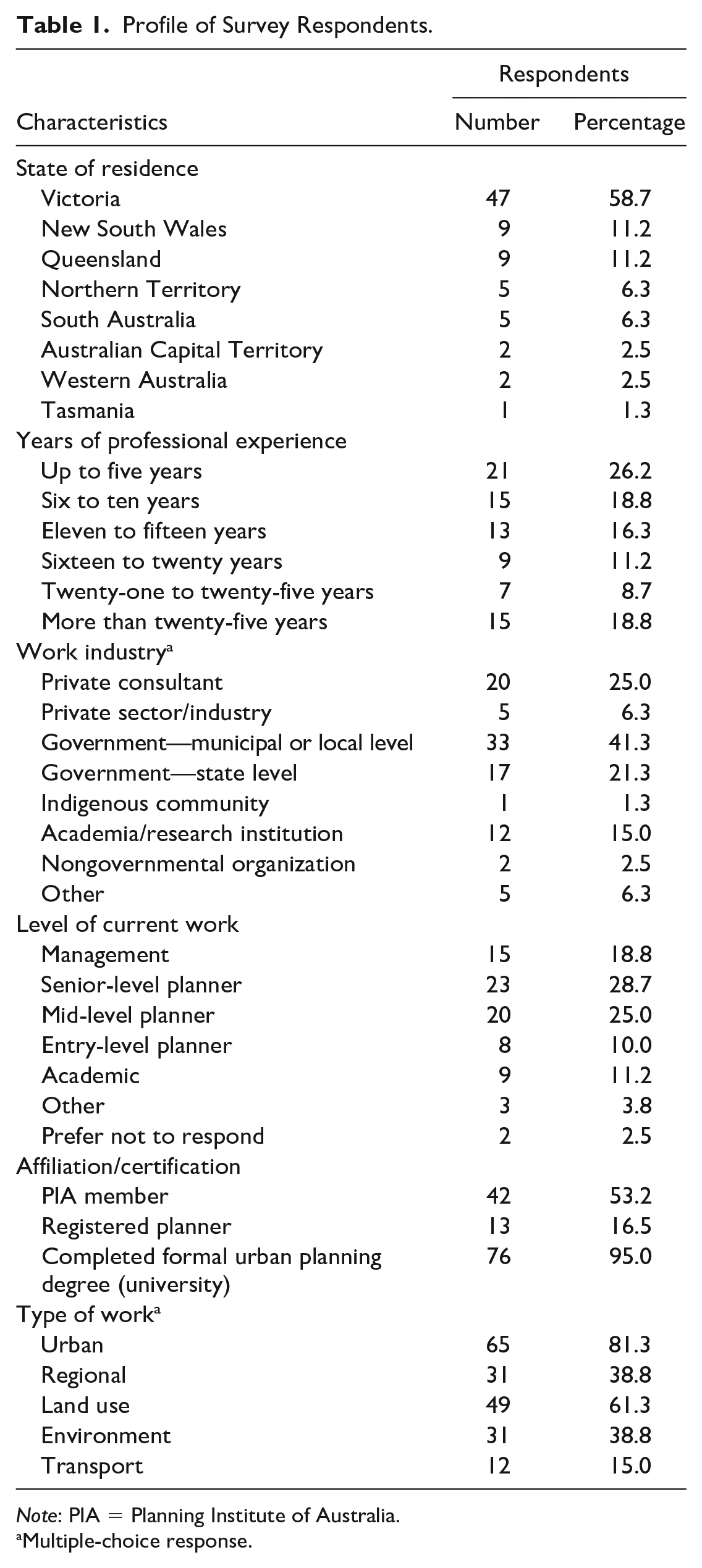
Note: PIA = Planning Institute of Australia.
Multiple-choice response.
Climate Change Awareness (RQ1)
There was a high level of stated climate change awareness for the urban planners surveyed. Ninety-five percent of respondents stated they were aware of climate change (Points 5–7 of the Likert scale), with only 4 percent of respondents indicating they were unaware of the impact of climate change on planning issues. In addition, 74 percent of respondents believed that climate change has had a substantial impact on their planning work. In contrast, 10 percent of respondents disagreed that their work had been substantially impacted by climate change.
Climate Change in Practice: What Planners Do and the Tools They Use (RQ2)
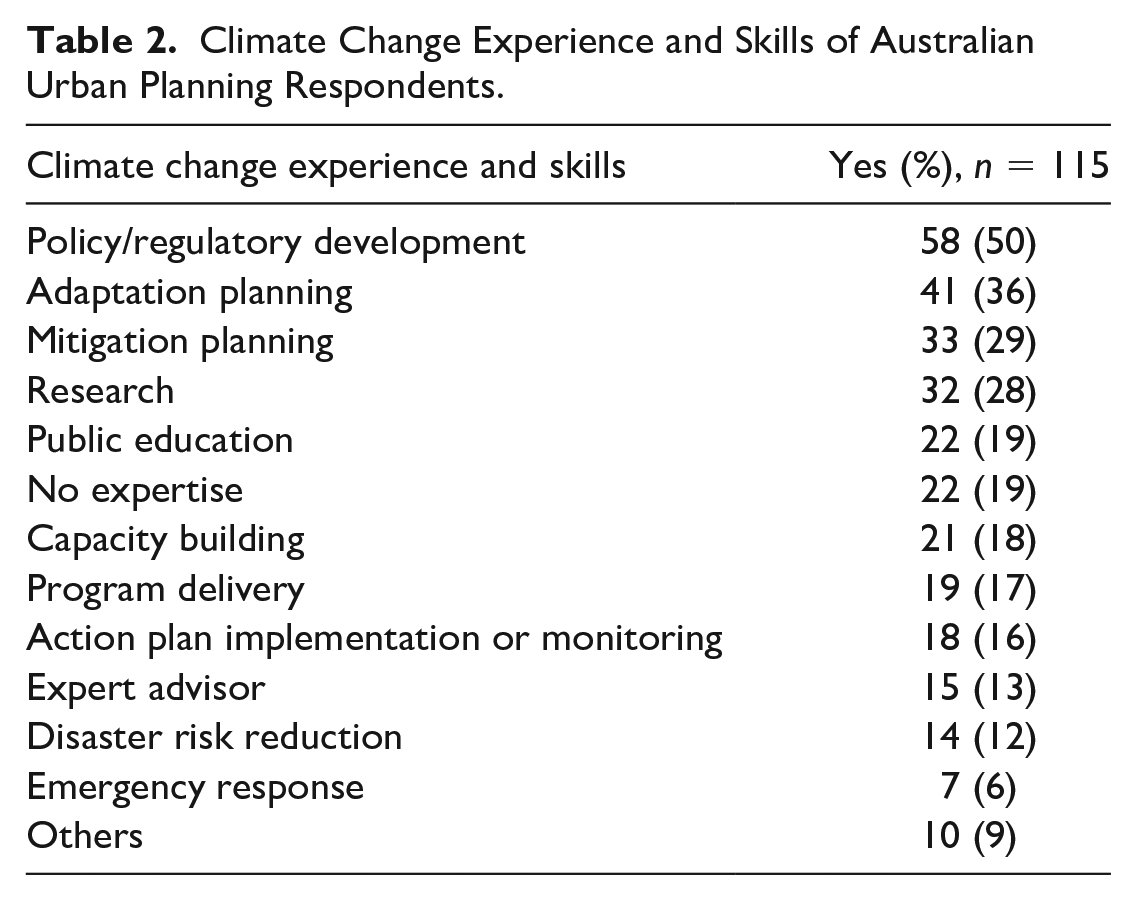
The climate change experience and skills of the respondents were spread across several areas of planning practice (Table 2). The majority (50%) work in policy and regulatory development. Direct experience planning for climate change was common with 36 percent and 29 percent working in adaptation and mitigation planning, respectively. Nineteen percent of the respondents indicated that they had no expertise with planning for climate change.
Climate Change Experience and Skills of Australian Urban Planning Respondents.
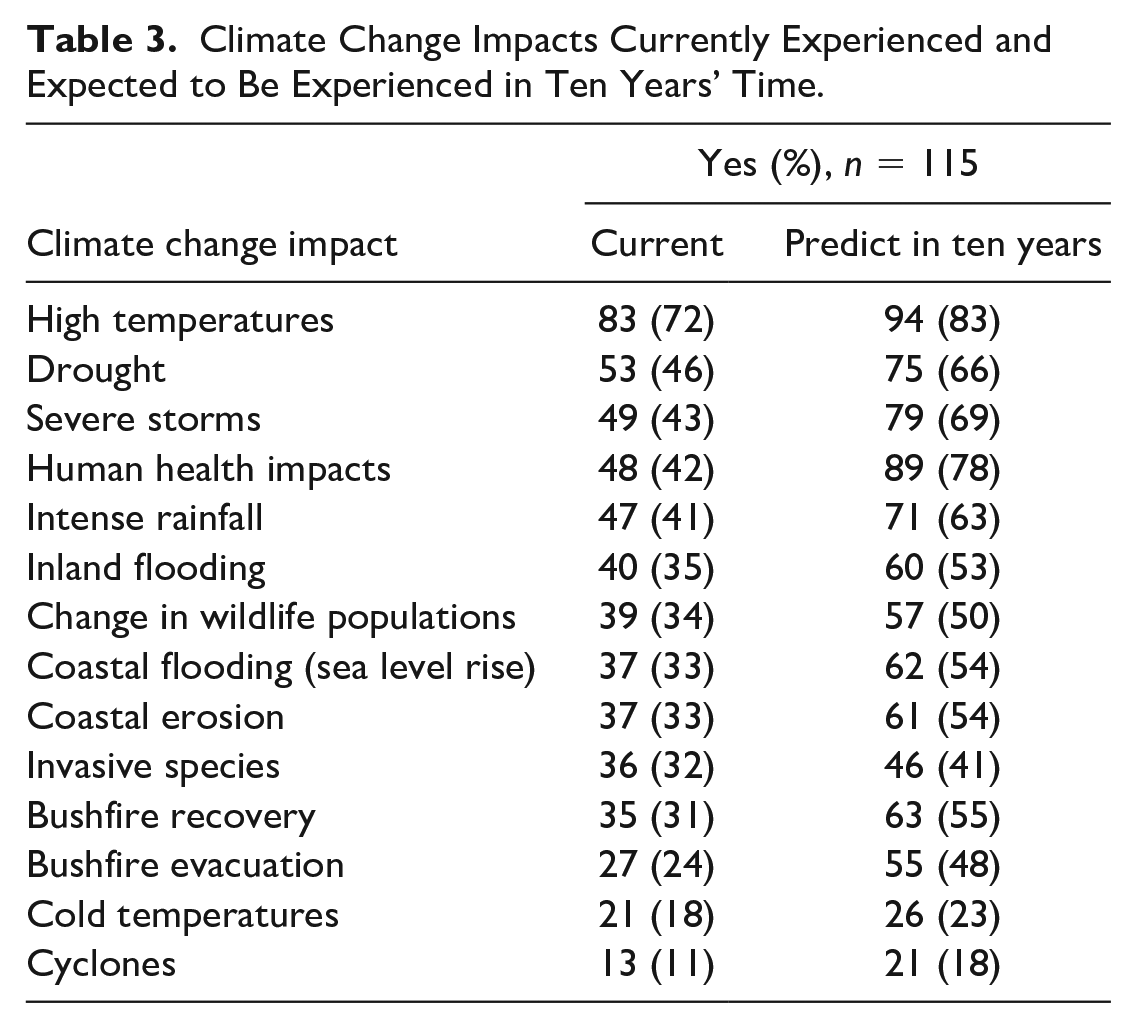
A third of respondents (33%) indicated they frequently or very frequently incorporate climate change impacts in their professional work. An additional 27 percent mentioned they did so somewhat frequently. The survey respondents deal with diverse climate change impacts (Table 3). “High temperatures” was the most common climate change impact that had been experienced, followed by droughts, severe storms, human health impacts, and intense rainfall. For eleven of the fourteen climate change impacts included in the survey, more than 30 percent of respondents indicated they had experienced them. For each climate change impact, the percentage of respondents who anticipated they will experience it in ten years’ time increased, indicating an awareness that climate change impacts may be more common in future and therefore necessitating a need to develop capacities for addressing climate change through urban planning.
Climate Change Impacts Currently Experienced and Expected to Be Experienced in Ten Years’ Time.
In total, 66 percent of respondents indicated they have access to the required information needed for climate change planning in their practice (somewhat agree, agree, or strongly agree). Respondents were then asked which sources of information they consult when looking for information that will inform their climate change planning (Table 4). Research from universities and state government were key climate change information sources. Almost three quarters (74%) of respondents indicated either of the two as their primary source of information, followed by local government sources (60%) and reports from the IPCC (51%).
Climate Change Information Sources.
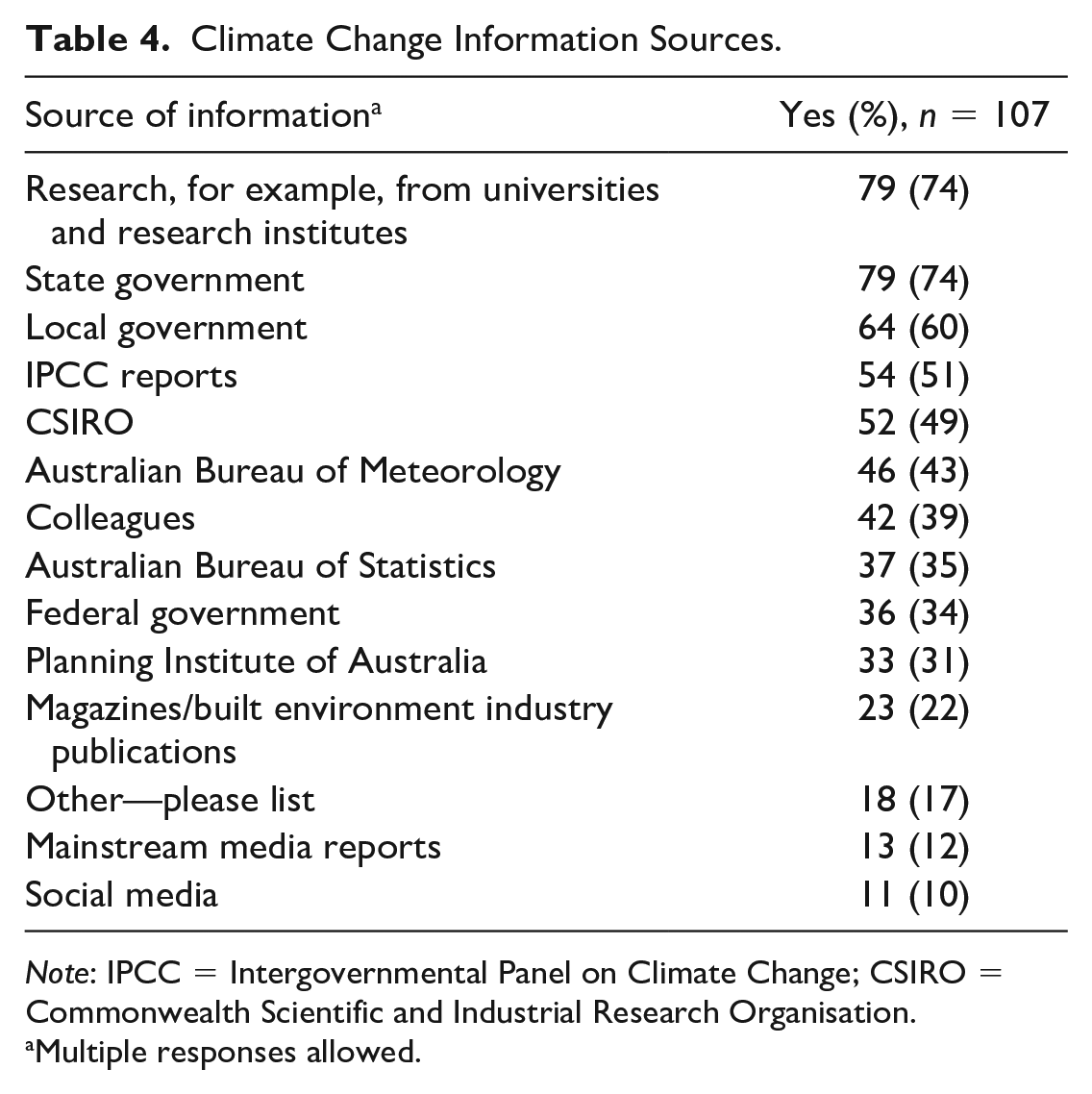
Note: IPCC = Intergovernmental Panel on Climate Change; CSIRO = Commonwealth Scientific and Industrial Research Organisation.
Multiple responses allowed.
Respondents were asked how frequently they use specific planning tools to address the impact of climate change (Table 5). The results indicate that specific local planning tools (e.g., flood overlays—mapping future flood risk and triggering planning permit requirements and controls) were the most frequently used, followed by local planning policy, zones (which specify permitted land uses), and guides. State government planning policies and guides were then followed. Federal government policy and guides were the least frequently used, which could be indicative of the limited policy and guidance at this scale in Australia at the time of survey.
Use of Planning Tools to Address the Impact of Climate Change.
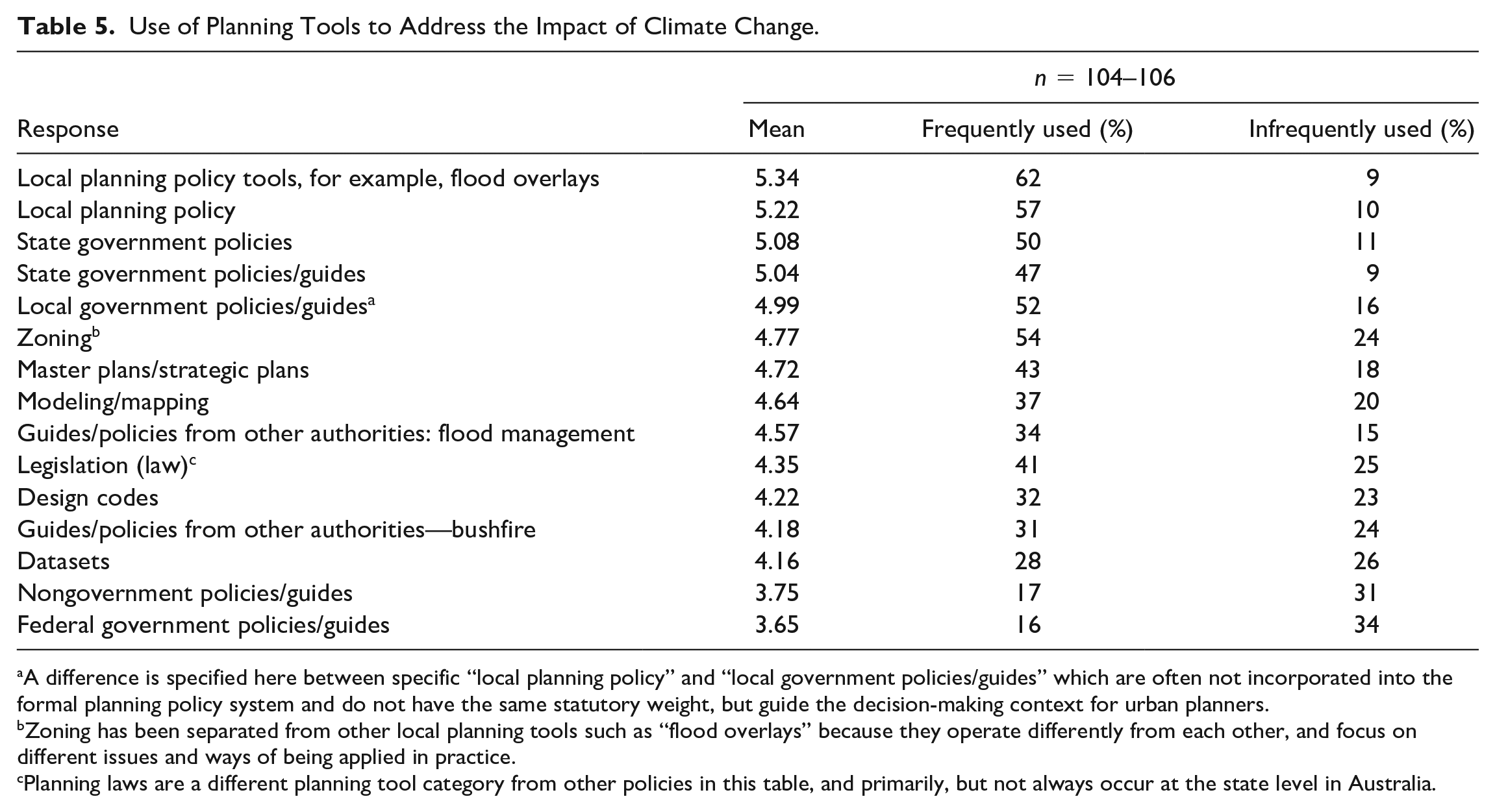
A difference is specified here between specific “local planning policy” and “local government policies/guides” which are often not incorporated into the formal planning policy system and do not have the same statutory weight, but guide the decision-making context for urban planners.
Zoning has been separated from other local planning tools such as “flood overlays” because they operate differently from each other, and focus on different issues and ways of being applied in practice.
Planning laws are a different planning tool category from other policies in this table, and primarily, but not always occur at the state level in Australia.
Climate Change Competencies (RQ1)
Figure 2 shows the percentage of respondents who agreed or strongly agreed with statements about having the competency to address climate change through their planning practice. Most respondents believed that they had the knowledge and understanding (K), followed by learning skills (L) and making judgments (J). This was similar to results of a curriculum content analysis that found limited coverage of lifelong learning skills in the Australian urban planning degrees analyzed (Hurlimann, Bush, Cobbinah and March 2021). For knowledge and understanding (K), application (A), and judgments (J), the first-cycle Bologna (undergraduate level) statement had a higher percentage of respondents agree. The biggest difference observed between the two cycles was for knowledge and understanding, perhaps reflective of the articulated difference in the Dublin Descriptor between cycles (see Appendix A), moving from having “knowledge and understanding about climate change” to being able to “develop and apply original ideas relating to climate change in urban areas, including with a research focus.” For communication (C) and learning skills (L), a higher percentage of respondents indicated their agreement with the second-cycle statement (postgraduate level)—perhaps indicating that these competencies had been developed in practice. Further work on refining the articulation of the Dublin Descriptors for urban planning climate change context would be beneficial.
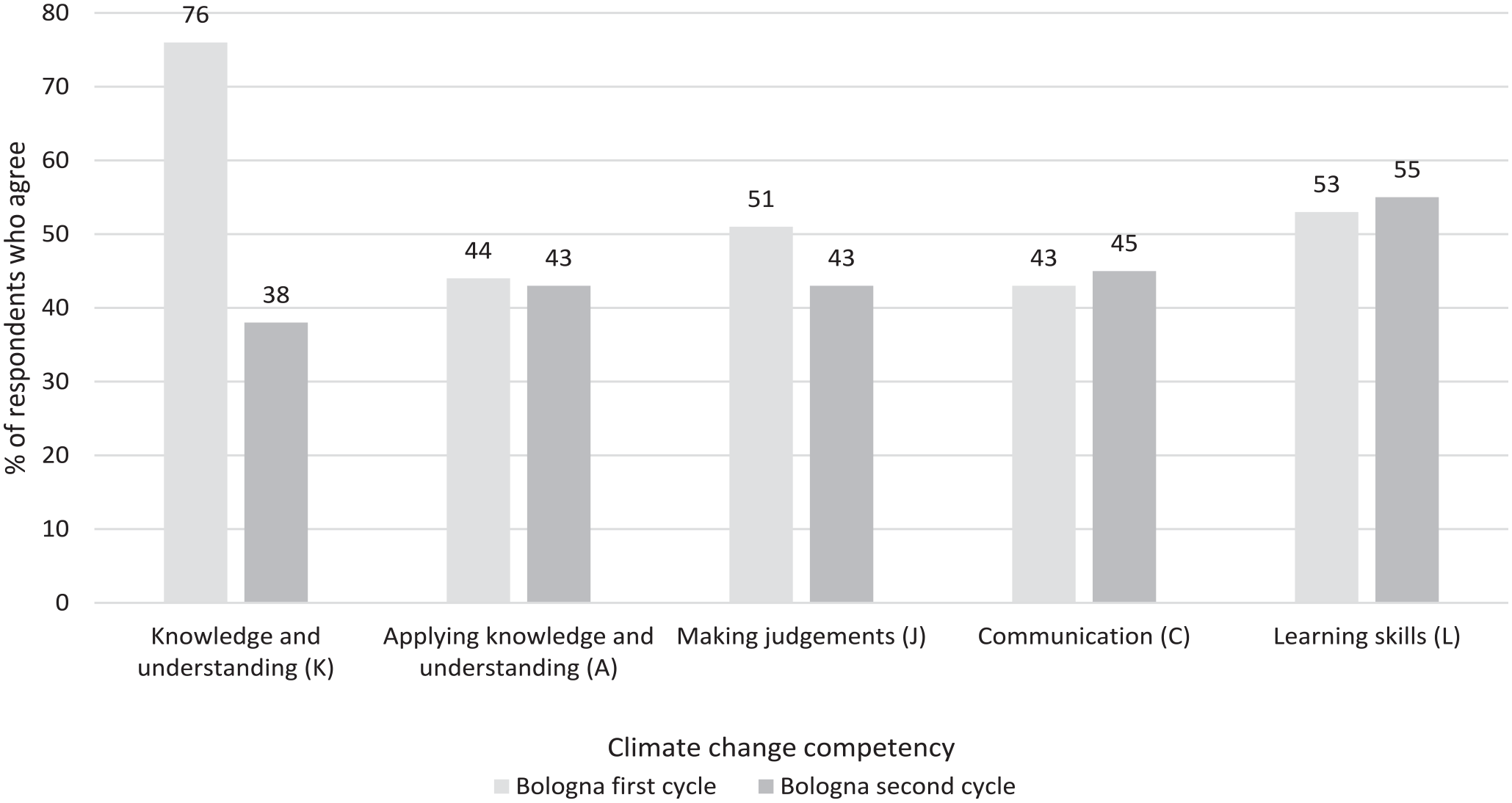
Self-assessed climate change competencies of Australian urban planners (following the Dublin Descriptors and first two Bologna cycles).
Statistical tests were undertaken to establish whether there were any differences in climate change competencies across individual planner characteristics (see Table 6). For some variables, tests could not be undertaken because the minimum expected values required in a category were not met and the results would not be valid (Field 2013). This is a limitation of our study, and should be addressed in future research with a larger sample. Some of the climate change competencies were found to be significantly related to years of work experience. Chi-square tests indicated that urban planners with more than ten years of experience were more likely to feel confident that they possessed competencies to address climate change, except for the first-cycle statements on knowledge and understanding (K) and making judgments (J). Respondents who worked on environmental issues were more likely to agree to the first- and second-cycle statements on application (A) and making judgments (J) as well as second-cycle statements on knowledge and understanding (K). Respondents who predominantly worked as land use planners were less likely to agree with the first-cycle statement on making judgments (J). There were no differences in perceived competencies based on PIA membership.
Association of Climate Change Competencies with Professional Experience and Type of Work.
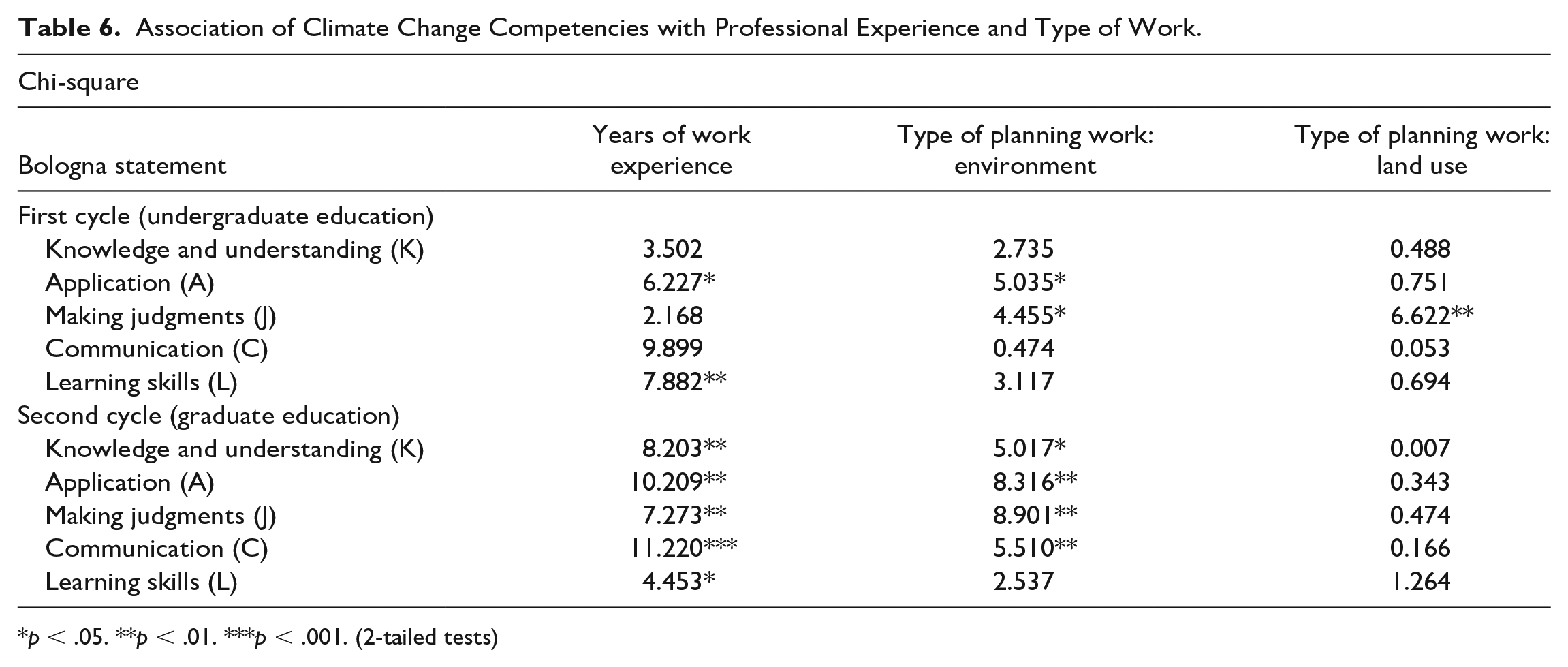
p < .05. **p < .01. ***p < .001. (2-tailed tests)
Rapid Action to Address Climate Change—What Urban Planners Need
Respondents were asked to suggest the three most important skills and knowledge urban planners need to develop to rapidly address global warming. The responses were coded in NVivo with a summary provided in Table 7 and mapped (in brackets) against the five elements of the Dublin Descriptors. Many of the key themes emerging from the responses relate to the application of knowledge, yet the application of knowledge into practice is an area where (as shown in Figure 2) just 44 percent (Bologna Cycle 1) and 43 percent (Bologna Cycle 2) of respondents indicated that they possess these capacities. The key themes emerging from these responses are discussed below. They indicate areas were continuing education could be targeted.
Skills and Knowledge Urban Planners Need to Rapidly Address Climate Change.
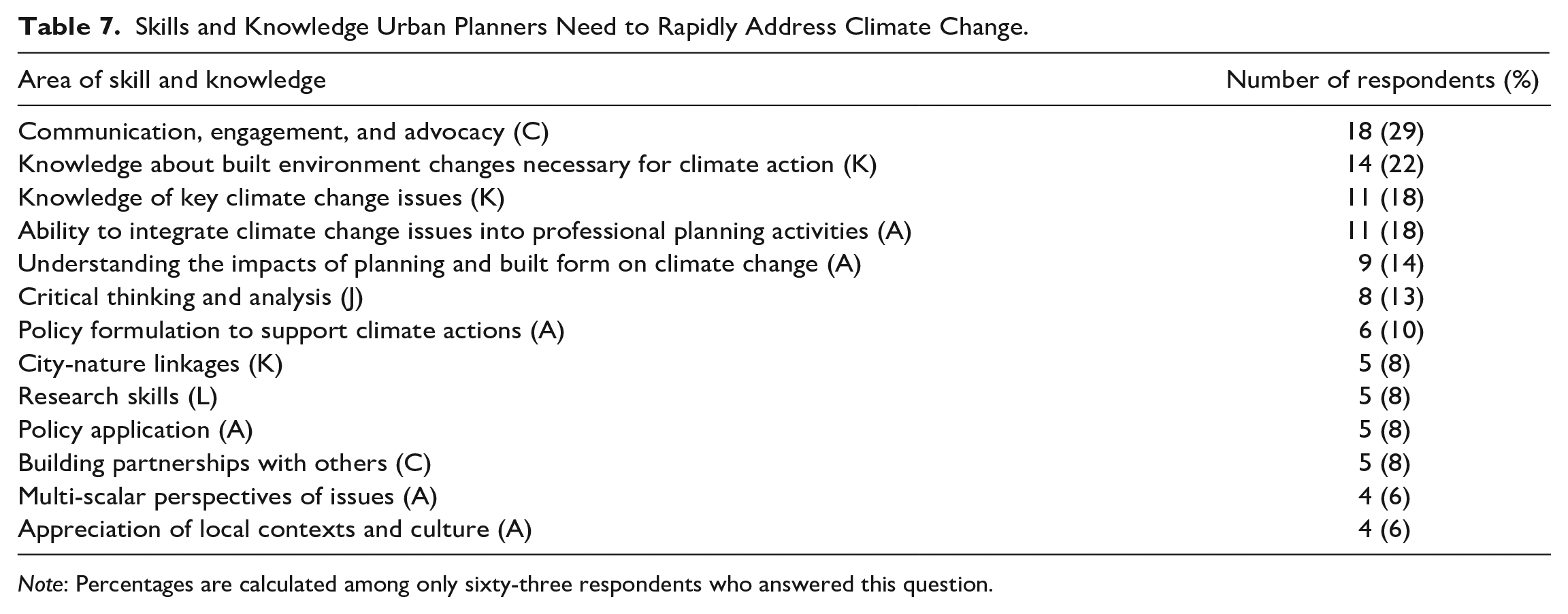
Note: Percentages are calculated among only sixty-three respondents who answered this question.
Communication
Respondents made recommendations on how planning professionals could better engage the major stakeholders including government officials, developers, and the wider community. The data show that some planners believe climate change and the policy actions needed to tackle it are sensitive and adversarial, and can unearth deep conflicts among multiple interest groups. As a result, they believed that it is important for urban planners to be able to garner the public and political support necessary for successful policy outcomes:
Politically savvy and capable of providing a good narrative to capture the attention of the ignorant majority, planners should not just be technocrats that talk about the boring details. (Respondent (R) 107)
Planners were expected to possess high negotiation, advocacy, and engagement skills to drive positive climate policy action with multiple parties often with competing interests. It was suggested that to be successful in such initiatives, it is important for planners to be able to communicate complex climate change topics in clear, simple, and meaningful logic to the understanding of the multiple stakeholders. Many of the respondents highlighted communication as a critical skill for urban planners:
We need to be able to clearly articulate the link between urban planning and climate change to decision-makers (i.e., politicians and senior government officials). (R5)
Some survey respondents recognized their advisory duties, understanding that the public policy decisions required for effectively tackling climate change lie with politicians and top managers at different levels of government. To them, it is important for urban planners to be equipped with the skills to engage political leadership and convey proposals, as well as “impact and influence senior members of government, colleagues and other key decision-makers” on climate action (R89).
Knowledge
Some survey respondents perceived the need for urban planners to develop further knowledge on built environment changes necessary for climate change, and the interventions necessary to make this possible through urban planning. Some respondents suggested specific knowledge needs such as “greening,” “sustainable transport,” and “design.” Such an endeavor, some suggested, hinged on a deeper understanding of how planning decisions and the built environment design impacted on climate change:
We also need to consider the impact of urban planning on climate change. Are we planning our cities in a manner that ensures better outcomes? So perhaps first and foremost, we need education, which teaches the impacts of urban planning on climate change and how different types of city design can help reduce global warming. (R101)
Some respondents believe that developing knowledge on climate-sensitive planning and development will involve a complete shift from current practices since they aggravate climate change impacts:
We cannot continue to design buildings the way they are. Residential buildings for example. How on earth are these still allowed to be built without sufficient windows, balconies, green roofs, greening, for residents? (R93)
This illustrates the limitation with status quo and how change is needed to address climate change rapidly, and to the scale required. Some respondents indicated that it was important to rethink planning and implementation of statutory planning policies away from specifying how development should proceed or for buildings to be constructed, to instead examine how they can be used to reduce GHG emissions. Thus, urban planning should take a more active role. This involves both the conscious assessments of the contributions of various land uses to climate change and the ability to intervene through sustainable architecture, construction, and transportation.
Applying climate change knowledge into urban planning practice
Some urban planners highlighted the importance of re-establishing planning’s role in driving interdisciplinary interventions to be able to effectively address climate change impacts through policies, programs, and projects in the built environment:
Multidisciplinary approaches to planning. For example, road planners need to think about the impacts of more vehicles, urban designers need to consider appropriate trees for heat reduction etc. (R136)
Critical thinking
Driving the multidisciplinary responses to climate change impacts in cities requires skills of systemic thinking and understanding the complex interrelationships among nature and city elements. Thus, planners need to develop their capacity in examining the implications of decisions of the built environment on climate change and vice versa:
High-level knowledge of processes that affect climate variations including the variety of feedback loops that influence them. (R107) An understanding of and ability to assess how individual planning decisions and development approvals cumulatively contribute to climate change. For example, the climate impacts of approving a hundred lot subdivision are numerous but not quantified in any meaningful way by government or industry. (R16)
The results indicate that many respondents believe that significant changes are required to: planning, the attitudes of community, and the policies and programs advanced through their activities. Nonetheless, while it is obvious that a deeper understanding of issues is needed to facilitate climate-sensitive planning, the most critical challenge concerns how best to navigate the inertia to change and carry along the numerous stakeholders toward more sustainable practices. This is a very sensitive topic in Australia (due to partisan politics) which requires diligent efforts by urban planning professionals to urgently develop their skills to effectively lead this charge through their involvement in public policies and interactions with all stakeholders.
Continuing Climate Change Educational Needs and Opportunities for Urban Planners
Having identified the most critically needed skills and knowledge, respondents suggested learning goals that should be targeted by universities and professional bodies in continuing climate change education to enable them effectively address climate change through planning practice (Table 8). The most common learning goal is related to developing knowledge and understanding of how to deal with explicit climate change issues. Planners also wanted the capacity to deal with explicit issues like the urban heat island effect, GHGs, biodiversity loss, sea level rise, floods, coastal hazards, and understand how their work affects them.
Suggested Learning Goals for Continuing Education on Climate Change.
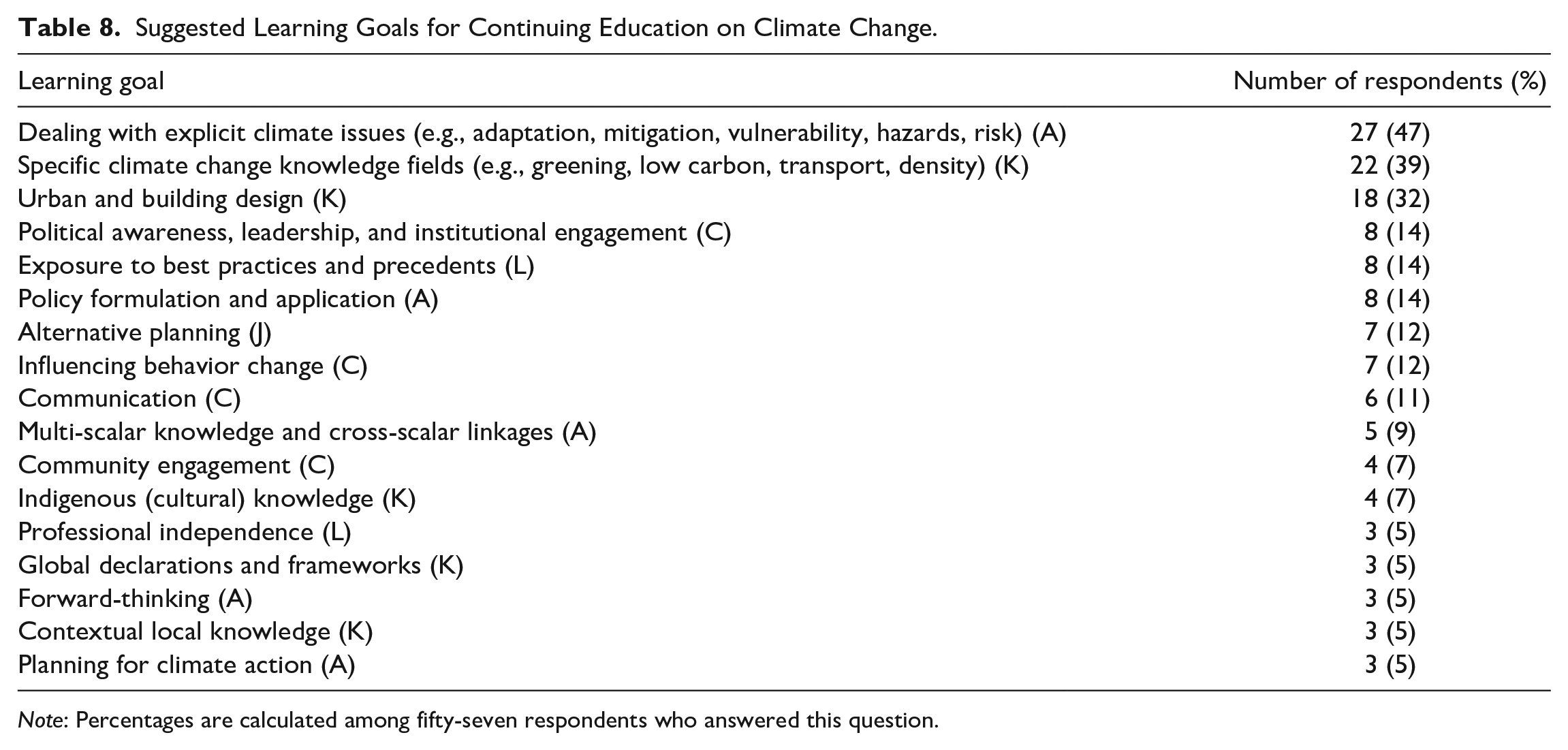
Note: Percentages are calculated among fifty-seven respondents who answered this question.
Respondents suggested that any future educational programs should consider training planners about strategies they could adopt to address the aforementioned climate change issues. Eighteen of the respondents mentioned that urban design and building development design should be considered important learning goals, suited also to other built environment professionals such as architects and urban designers. Others also indicated that interventions through greening, sustainable transport, density, and low carbon development were critical areas for addressing climate change through urban planning but acknowledged that many urban planners did not know how to apply them in their work:
[Urban planners need to] understand what climate-resilient land use planning looks like in real life. (R102)
Another concern related to how to maneuver the politics of climate change and deliver results in addressing it through their formal planning functions. This involves developing the skills to engage stakeholders including politicians, policymakers, developers, and the wider community. In an environment where there is limited political commitment to deal with climate change (although this has changed since the survey was undertaken, with a new federal government elected in May 2022), some respondents thought it would be necessary to train urban planners in how to achieve results in the absence of effective policy:
How to apply adaptation planning in the absence of government commitment to buy-back land or commit to building flood or sea walls—e.g., do we plan to raise floor levels above future flood levels and risk compromising urban design outcomes when it’s inevitable at some point in future that sea or flood walls will be built anyway- how do we plan in the absence of government action/commitment. (R131)
Responses indicate that urban planners want these learning outcomes to be complemented with strategies that could be adopted to influence changes in behaviors and the planning function itself. Respondents suggest that continuing planning education must consider how to improve core planning functions by adopting new ways of thinking and encouraging behavioral changes toward climate-sensitive lifestyles.
The respondents suggested the formats they believed were best for facilitating learning. The majority preferred learning through semiformal media such as workshops (73%), onsite problem-based learning (58%), Internet-based seminars (56%), and conferences (30%). When it related to formal learning in educational institutional settings, the respondents were more likely to lean toward short courses (47%) rather than through formal degrees (25%). That notwithstanding, many agreed that universities (68%) were best placed to deliver learning programs, and approximately three out of five respondents believed that the PIA could offer further learning experiences to planners.
Cross-country comparison
Comparison of the Australian results with those of the Canadian results (Appendix B) shows a difference in the climate change experience and skills between these locations, with a higher percentage of Australian respondents indicating they perceive they have skills and experience (Table B1 in Appendix B). In addition, the climate change impacts experienced differed between the Australian and Canadian surveys (Table B2 in Appendix B), indicative of their different climatic and natural characteristics. Likewise, the sources of climate change information drawn upon differed (Table B3 in Appendix B), with a higher proportion of Australian respondents seeking information from universities, research institutes, and government sources, while a higher proportion of Canadian respondents sought information from colleagues. Likewise, the use of planning tools to address the impact of climate change varied (Table B4 in Appendix B), for example there was higher stated use of federal government policy in Canada than in Australia—where there has been limited federal government policy. This comparison highlights important differences due to local context, and thus the importance of undertaking research in diverse contexts.
Discussion and Conclusions
Climate change is a challenging aspect of urban planning education and professional practice in Australia. Arguably the increasing levels of awareness of climate change among urban planners across different regions of the world, including Australia (Carter and Sherriff 2016; Tang et al. 2012), and the recognition of urban planning’s capacity to address climate change (Hurlimann and March 2012) are in themselves evidence of progress toward more effective planning for climate action. However, urban planners must have appropriate and up-to-date knowledge, skills, and competence to inform effective climate change planning. Our results indicate that climate education of urban planners in Australia has been inadequate.
Urban planners involved in this study demonstrated strong awareness and some level of knowledge of climate change. However, a deeper understanding and analysis of many knowledge areas critical for addressing climate change remain to be developed. First, many urban planners expressed limitations with their ability to understand, apply, and make judgments on climate action in their professional practice. Only a third of the respondents indicated that they incorporate climate change into their professional practice. Most respondents acknowledge the importance of both university research and state and local government sources of information to inform and underpin urban planners’ work, with some planners using a range of tools, policies, and guidelines to support their work, for example local flood overlays within local planning schemes.
Second, our findings show the urban planners surveyed consider that to advance planning action against climate change, significant changes in the way planning is conducted, the attitudes of community, and changes to policies and programs are necessary. Third, there is a sharp contrast between planners’ awareness of and sources of knowledge on climate change, on the one hand, and the federal policies and guides on climate action, on the other hand. Australian government policy direction prior to the 2022 federal election addressed climate change in a limited way. However, the Glasgow Conference of Parties (COP26) of the UNFCCC (November 2021) has provided further impetus for national governments to address climate change by developing high-level national and state policies and regulations to address climate change and progress the Paris Agreement goals. The election (May 2022) of a new federal government in Australia, as well as election of a number of climate-change-focused independent candidates, is likely to see a shift in Australian climate change policy and ambition.
This research points to the importance of continuing education and professional development for urban planners to ensure they have the necessary knowledge, skills, and competencies to address climate change effectively. It furthers some of the work undertaken by the CIP (2019) by providing comparative results (see Appendix B). The findings support those of previous studies (Greenlee, Edwards, and Anthony 2015; Othengrafen and Levin-Keitel 2019) that climate change is accorded less importance and infrequently considered in planning practice. Yet the research findings also reinforce the view that urban planners are important participants in planning for climate change adaptation and mitigation (Susskind 2010).
While there was a high level of self-reported climate change awareness among the planners surveyed, and a similarly large majority stating that climate change was already having a substantial impact on their planning work, survey analysis pointed to limited application of this knowledge base, and inadequate implementation of climate action. These are particularly in areas related to application of knowledge (A), making judgments (J), and communication skills (C). Considering the high exposure of Australian cities and towns to climate change impacts, it is surprising that urban planners’ competencies for addressing climate change were mainly dependent on their professional experience and close focus of work on the environment. Curriculum reforms and increasing recognition of climate change in accreditation requirements in Australia (Hurlimann, Bush, Cobbinah and March 2021) and elsewhere (Frank et al. 2014) may contribute toward strengthening planners’ knowledge and skills acquisition.
However, despite the increasing impacts of climate change across the world coupled with contribution of cities to GHG emissions, the instillation of competencies and fostering lifelong learning in urban planning professionals are slow in Australia. Applying the Dublin Descriptors in this study was useful for assessing the respondent’s perceived knowledge, skills, and competencies for climate change, and for understanding the difference between each. The results indicate when compared with simple knowledge about climate change (which was high) there were much lower levels of stated application of that knowledge and its use to make judgments, and communicate about climate change. As emphasized by the Dublin Descriptors, understanding and application of knowledge, making judgments, communication, and learning skills are central to urban planners’ education (MSTI 2005) and important in developing professional knowledge, skills, and competencies (see Amin and Roberts 2008). Unfortunately, while professional planners involved in this study consider the above factors as important to act on climate change, many indicated that they currently lack the competence to address climate change. Notably, planners highlighted the need for skills in communication, negotiation, and navigation of decision-making processes, in the context of absence of effective policy or political commitment. This indicates that adequate recognition and training of urban planners on climate change may be an opportunity to spur action on climate change.
This research has provided important insights into the climate change capacities of urban planners in Australia; however, there were some limitations that should be addressed in further research. These include seeking a higher sample size in future surveys to enable more extensive statistical analysis to be undertaken, and one where the number of respondents from each state was proportional to the population size—our study had a high number of participants from the state of Victoria. In addition, further work on refining the articulation of the Dublin Descriptors for urban planning climate change context to test in future surveys would be beneficial.
This research suggests that for urban planners to be at the forefront in addressing climate change, their knowledge, skills, and competencies need to be boosted through improved education, both formal and professional, on climate change. Considering the widespread awareness of climate change among urban planners in Australia coupled with the majority having access to climate information, a focus on sharpening planners’ competencies through continuing education has the potential of equipping them to adequately address climate change. With limited political action and increasing impacts of climate change in Australia, developing the knowledge, skills, and competencies of urban planners is essential. In particular, communication skills to empower planners to involve, lobby, value, act, and evaluate the perspectives and actions of political leaders and local community can support meaningful climate change action.
Footnotes
Appendix A
Appendix B
Acknowledgements
The authors thank the participants of the survey for their time, and for thank Planners for Climate Action (UN-HABITAT) colleagues for their encouragement and intellectual support of this research.
Declaration of Conflicting Interests
The author(s) declared no potential conflicts of interest with respect to the research, authorship, and/or publication of this article.
Funding
The author(s) disclosed receipt of the following financial support for the research, authorship, and/or publication of this article: This research was funded by a Researcher Development Grant from the Faculty of Architecture Building and Planning at the University of Melbourne.
