




Abstract
This research examines the extent to which the presence of the creative class (CC) is associated with the promotion of sustainability, particularly as reflected in development regulations adopted by cities in Southern California. Conducted in two phases, this study employed a mixed-methods approach. Considerable variation was found in the promotion of sustainability among cities. Generally, cities with a higher proportion of the CC integrated Leadership in Energy and Environmental Design at the neighborhood level sustainability principles to a greater extent; however, not all cities with a higher proportion of the CC addressed more sustainability principles and to a stronger extent than those with a lower proportion.
Introduction
The primary objective of this research is to examine the extent to which the presence of the creative class (CC; Florida 2017) in cities is associated with sustainable urban form and sustainable development regulations. The limited literature on the CC and adoption of sustainability principles tends to support the concept that cities with a larger CC tend to promote more sustainability policies (Lubell, Feiock, and Handy 2009; Portney 2013). Portney (2013) found cities with a larger CC tended to be the same ones that pursued sustainability policies and experienced greater economic growth. Similarly, Lubell, Feiock, and Handy (2009) examined adoption of environmental policies in central California and found cities with more “intellectual capital” (defined as businesses related to education, professional, scientific, managerial, health, and social service sector) adopted more sustainability principles. Higher intellectual capital is most likely to capture creative professionals, essential members of the CC. Members of the CC are possibly either drawn to cities that promote sustainable design principles or demand these principles from their cities (Portney 2013). My research takes a needed first step toward understanding this sorting process by focusing on the product—the existing urban form and development regulations and their association with the size of the CC.
Using the theoretical framework of Tiebout sorting and the concept of the CC, I sought to discover whether the presence of the CC is associated with sustainability principles reflected in cities’ existing urban form and recently adopted development regulations in Southern California. California exhibits strong leadership in environmental policy and planning. Californians adopted the 2006 Global Warming Solutions Act (AB 32) and the 2008 Sustainable Communities and Climate Protection Act (SB 375) as demonstrable steps toward a cleaner environment. Concurrently, the CC is prevalent in California, with the highest number of creative occupations in the United States (Otis College of Art and Design 2018). But members of the CC are unevenly distributed among California cities. Florida (2015) indicates a strong variation in the proportion of the CC at the city level, with extremely high and extremely low proportions of the CC side by side in adjacent cities. The five-county Southern California region includes Santa Monica, which ranks among the top twenty cities nationwide in the proportion of the CC, as well as Huntington Park, Lynwood, Southgate, Compton, Santa Ana, and Rialto, which rank among the bottom twenty cities (Florida 2015).
To provide an initial illustration of the connections between the CC and integration of sustainability in California, my research employs a mixed-methods approach using quantitative and qualitative data. I examined whether the presence of the CC in cities is associated with (1) certain sustainability-related existing urban form characteristics and (2) the extent that cities have integrated sustainability criteria in their development regulations. I begin with a literature review related to the CC, Tiebout sorting, and sustainability principles. Next, I present the research methods and data analysis, followed by a discussion of the results. This paper concludes with main takeaways and suggestions for future research.
The CC
Florida (2002) argued that a certain group of talented individuals, which he called “the CC,” is a key driver of economic growth in metropolitan regions. Florida (2012) sorts the members of the CC by occupations into two broad categories: “super creative core” and “creative professionals.” The super creative core includes occupations that produce new ideas or products, such as “scientists and engineers, university professors, poets and novelists, artists, entertainers, actors, designers and architects, nonfiction writers, editors, cultural figures, think tank researchers, analysts and other opinion makers” (Florida 2012, 38). The second category, creative professionals, includes experts in a wide range of knowledge industries that “require creative thinking to address problems, such as high-tech, financial services, legal and health care professionals, and business management” (Florida 2012, 39).
Preferences of the CC
In addition to the 3Ts, technology, tolerance (openness to diversity of people), and talent, Florida (2002, 2012, 2014) identified “quality of place” (also referred to as the fourth T or “territorial assets”) as a key factor for attracting the CC to certain places. Characteristics that define quality of place include what’s there (the built and natural environment), who’s there (diverse people), and what’s going on (vibrant street life, café culture, arts, music, and outdoor activities; Florida 2012, 281). Although he defined “quality of place,” he did not explicitly describe characteristics of the built environment that tend to draw the CC. Majority of the qualities of “Territorial Assets” that Florida (2012) described have to do with “who’s there” and “what’s going on.” In terms of the built and natural environment (what’s there), Florida also addressed these characteristics broadly, without specific details. For instance, he argued that the CC seeks places with a variety of amenities, such as outdoor parks, nightlife, and entertainment (symphonies, jazz bars, and coffee shops), that encourage social interaction and offer opportunities to integrate work and community. Based on these qualities, the CC is likely to be attracted to places in which the built environment provides a mix of uses within close proximity; however, Florida’s description of “quality of place” only minimally addressed physical attributes such as buildings, streets, lots, and green spaces that make up the built environment.
Scholars have examined the potential link between a variety of urban amenities and residential locations of the CC (see Table 1). Although few studies (Brown and Męczyński 2009; Lawton, Murphy, and Redmond 2013) found little to no evidence to support Florida’s claim that quality of place is an important factor in attracting the CC, other scholars have found evidence that a city’s cultural and income diversity may be important. Zenker (2009) found “urbanity and diversity,” an important factor to attract the CC. On similar lines, Bereitschaft and Cammack (2015) found that the percentage of gay households in a location and income diversity were positively correlated with the size of the CC. Other researchers found that access to open spaces is an important factor to attract the CC (Bereitschaft and Cammack 2015; Ling and Dale 2011; Mansury, Tontisirin, and Anantsuksomsri 2012) as it fulfills the need for ecological connection for the members of the CC (Ling and Dale 2011). In addition, although limited, some research indicate that the CC may prefer to reside within inner cities and areas in proximity to a mix of uses. Critiquing the notion of the CC as a “fuzzy concept,” Markusen (2006) narrowed the definition of the CC specifically to artists to find that although the spatial patterns differ by the nature of the artists, they tend to be attracted to denser more central neighborhoods. These neighborhoods offer access to art schools, performance and exhibition spaces, affordable live/work and studio space training institutions, artists’ centers, and amenities from nightlife to recreational opportunities. In their investigation of creative households in Bangkok, Mansury, Tontisirin, and Anantsuksomsri (2012) found the CC tended to live within the inner city ring and closer to shopping malls, parks, and railway stations.
Preferences of the Creative Class.
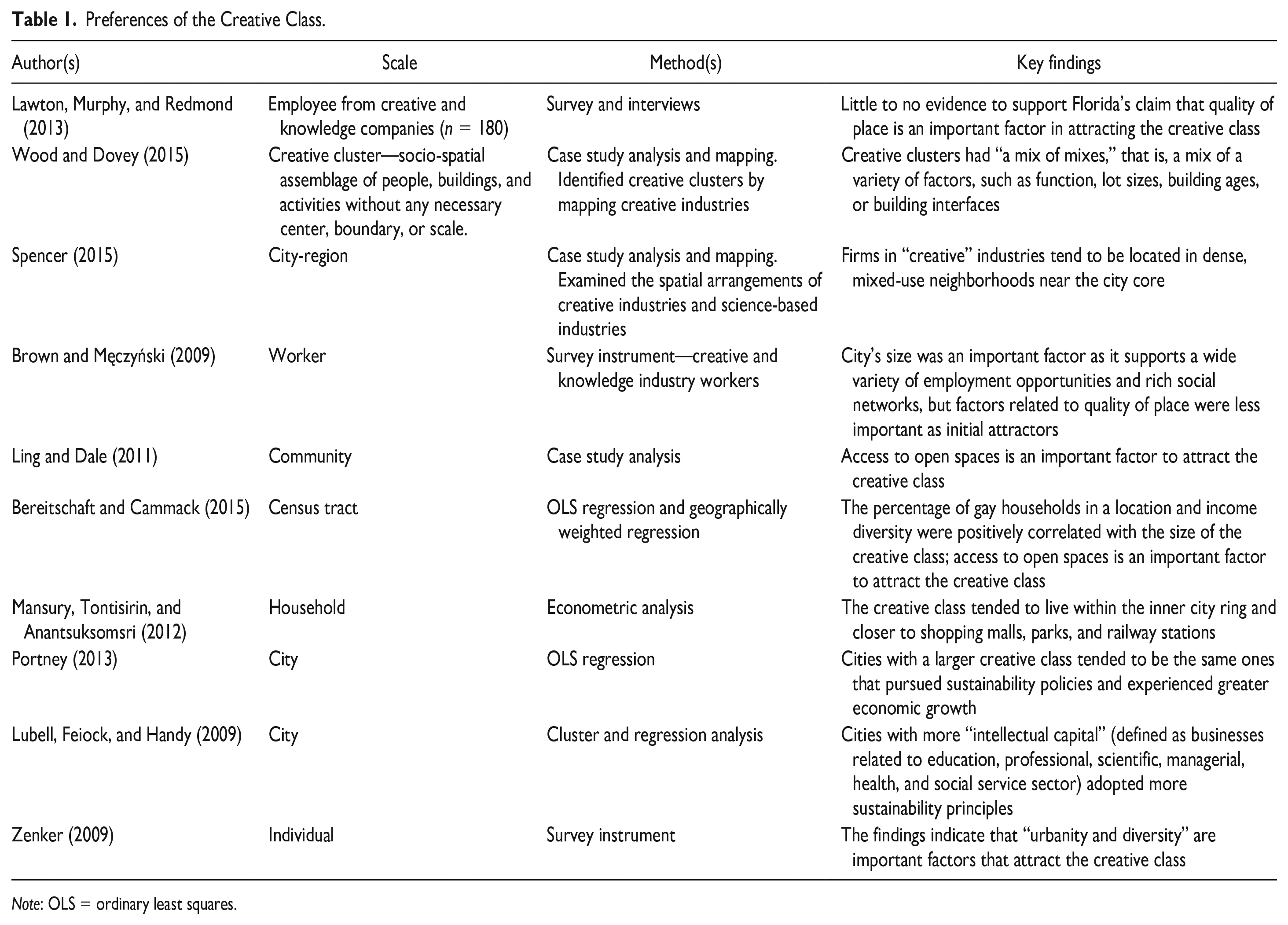
Note: OLS = ordinary least squares.
In contrast to the previous studies focusing on where the CC resides, some researchers have examined the built environment characteristics of places where creative industries are located, or creative clusters or neighborhoods. These studies suggest that creative clusters or creative neighborhoods tend to be located in inner cities and areas characterized by higher density and a mix of uses. Wood and Dovey (2015) reported the key factors in creative clusters were small grain (lot size), post-industrial buildings, hospitality, and bohemia. They found that creative clusters had “a mix of mixes,” that is, a mix of a variety of factors, such as function, lot sizes, building ages, or building interfaces. Spencer (2015) found creative industries were most likely to be located in dense, mixed-use neighborhoods in close proximity to the city core.
Sustainability Principles
On the other hand, urban form characteristics associated with sustainable urban design—termed sustainable urban form—were developed in response to the built form called “sprawl,” which refers to areas of low-density patterns and segregated, single-use, super block projects (Ewing, Pendall, and Chen 2002; Galster et al. 2001; Jabareen 2006; Talen 2011). I compared select articles published since 2000, as these were most relevant and tended to capture the design principles discussed in earlier studies. For this paper, I draw upon the characteristics of urban form frequently associated with sustainable design principles—density, connectivity, accessibility, mix of uses, diversity of housing types, and amount of green space or open space. Use of these principles complements the methodological approach described later which relies in part on the Leadership in Energy and Environmental Design at the neighborhood level (LEED-ND) framework—a criteria-based measurement of sustainable urban design—to define and measure sustainable design principles in development regulations.
These design principles associated with sustainable urban form promote walkable, well-connected streets, compact building forms, well-designed public spaces, diverse uses, and a mix of housing types (Jabareen 2006; Talen 2011; Wheeler 2013). In addition, these principles promote provision of green spaces and passive building design features, such as orientation, siting, and landscaping to reduce energy consumption (Jabareen 2006). Scholars have argued that urban form characteristics associated with sustainable design principles have several benefits, such as reduced vehicle mile trips per capita (Cervero and Kockelman 1997), lower carbon emissions (Jabareen 2006; Jenks, Burton, and Williams 1996), protection of rural areas (Jabareen 2006), and quality of life that encourages social interactions (Jabareen 2006; Jacobs 1961; Talen 2011) through the inclusion of a mix of uses within close proximity. Although the advantage of certain characteristics of sustainable urban form may be debatable, such as density (Burton 2002), there is general agreement on the positive impact of these characteristics associated with sustainable urban design principles (Jabareen 2006; Talen 2011). Overall, these measures combined are considered to reflect sustainable urban form contributing to the quality of place—an important asset to the CC.
Although Florida’s notion of the CC has been critiqued by academic researchers (Glaeser 2005; Markusen 2006; Markusen, Wassall, DeNatale, and Cohen 2008; Pratt 2008), his work has gained popularity among policy makers and politicians. City planners and public officials in the United States have tried to attract the CC to their cities and regions primarily to promote economic growth (Bloomberg 2012; Evans 2009; Florida 2014; Peck and Theodore 2010). Based on Florida’s premise, local governments have invoked the rationale for cultural planning and using strategies in place to promote cultural economy. To develop better strategies and better inform planning and policy decision-making, Markusen and Gadwa (2010) illustrated how competing interests of various actors—artists, for-profit firms, cultural non-profits, built environment industry, residents, elected officials—need to be further understood. Having examined two urban strategies—cultural districts and cultural tourism in depth, they highlighted that other planning tools such as zoning call for more research.
Tiebout Sorting and the CC
Tiebout (1956) argued that individuals will choose or move to a community that provides services that satisfy their preferences. This “Tiebout sorting” (Musso 2001) occurs when people “vote with their feet” and move to localities that offer their preferred bundles of goods. Peterson (1981) argued that local governments understand the rationale behind residents’ locational choices and compete to attract certain types of people (and their tax revenues) by offering bundles of public goods and amenities. Local governments use zoning regulations and other land use controls as tools to attract a certain set of residents, particularly high-income residents (Heikkila 1996; Paulsen 2014; Peterson 1981). Given this, it is possible that local planners can promote certain building and neighborhood design regulations to appeal more to the CC. Considering the theory of Tiebout sorting, we may conclude that the CC also is likely to sort itself into communities that offer certain preferred goods and amenities. As discussed, quality of place is an important factor for the CC (Florida 2012), and therefore, the CC may sort into cities with certain types of land uses, types of buildings, or lot layouts. However, this has not been empirically demonstrated.
Sustainability Principles and the CC
Overall, sustainable principles are promoted with the intent to provide public goods, such as environmental quality (Lubell, Feiock, and Handy 2009), which is a key element of quality of place for the CC (Florida 2002, 2012; Trip 2007); therefore, we can expect the proportion of the CC in a city’s population to be positively correlated with regulations that reflect sustainability principles. Prior studies have examined the socio-economic and organizational factors related to promoting sustainability in cities of varying sizes and small municipalities (Conroy and Iqbal 2009; Jepson 2004; Levesque, Bell, and Calhoun 2017; Portney 2003). Studies indicate factors such as higher income and education and presence of planners promote sustainability-related policy adoption (Conroy and Iqbal 2009; Jepson 2004; Portney 2003). The limited literature on the CC and adoption of sustainability principles suggests that cities with a larger proportion of the CC tend to promote more sustainability policies (Lubell, Feiock, and Handy 2009; Portney 2013), a finding that may indicate sorting based on development regulations that reflect sustainability principles. Portney borrowed Florida’s measure of the CC, developed at the metropolitan level. My research captures variation at the city level and examines select sustainability characteristics of the existing built environment and sustainability-related development regulations rather than solely sustainability policies.
Despite the aforementioned studies being limited, one can conclude that the development regulations of cities with a higher proportion of the CC are likely to reflect higher levels of sustainability principles. Studies indicate that CC members are attracted to dense urban environments (Brown and Męczyński 2009) characterized by diverse uses (Spencer 2015; Wood and Dovey 2015). Therefore, the size of the CC in a city is expected to be positively correlated with sustainable design principles of density, mixed-use developments, diversity of land uses, and diversity of housing types. Also, the CC tends to prefer locations that have rich social networks (Brown and Męczyński 2009), and connectivity and accessibility are key components of sustainable urban form that are more likely to increase residents’ interactions (Carmona et al. 2010) and thereby provide opportunities for social connections. Therefore, the size of the CC in a city is expected to be positively correlated with accessibility and connectivity. In addition, the CC are attracted to places that have the availability of open space (Bereitschaft and Cammack 2015; Ling and Dale 2011; Mansury, Tontisirin, and Anantsuksomsri 2012) to fulfill the need of ecological connection. Similarly, the size of the CC in a city is likely to be positively correlated with access to open space. All these characteristics combined (operationalized as composite urban form index (UFI) in this study) contribute toward quality of place—an asset for the CC. Overall, we can expect that the size of the CC would be positively correlated with the composite UFI (sum of z-scores of the sustainability design-related indicators).
Research Method and Data Analysis
I conducted this research in two phases. Phase I of this study examined the association between the size of the CC and six sustainability-related urban form characteristics frequently discussed in sustainability literature including compactness, mixed-use, diversity of housing types, street intersection density, access to commercial uses, and access to open space. Using secondary data, I measured the size of the CC and these six sustainability-related urban form characteristics across 167 cities within the five-county Southern California region (see Table 2). 1
Creative Class and Select Sustainable Design Principles-Related Characteristics Urban Form.
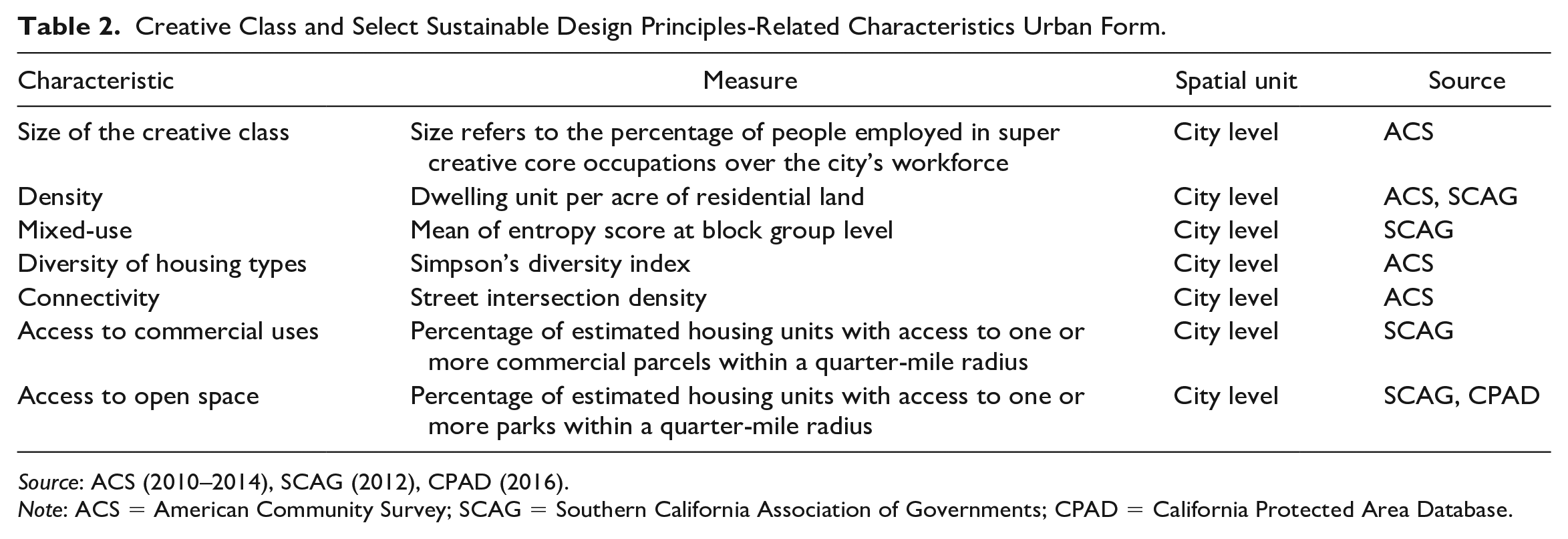
Source: ACS (2010–2014), SCAG (2012), CPAD (2016).
Note: ACS = American Community Survey; SCAG = Southern California Association of Governments; CPAD = California Protected Area Database.
I measured the size of the super creative core-related occupations now on referred to as size of the CC. Florida measured the CC using the occupational categories of the 2010 Bureau of Labor Statistics (BLS) Occupational Employment Survey data available at the metropolitan level (Bureau of Labor Statistics 2010). However, the BLS data are not available at the city level. To determine the size of the CC at the city level, I collected occupation data using American Community Survey five-year estimates (2010–2014). Using the major occupational groups and Standard Occupational Code as a reference, I collected occupational data for super creative core-related occupations (15-0000, 17-0000, 19-0000, 25-0000, and 27-0000), assuming that these occupations would require more creativity than those classified under creative professionals. Next, I measured the percentage of people employed in super creative core occupations over the city’s workforce, now onward referred to as the size of the CC. I then developed a composite UFI by adding the z-scores of each of the select urban form characteristics.
Third, I examined the association between the sustainability-related urban form characteristics (individually and collectively UFI) and the size of the CC in these cities. Next, using four different combinations of the two variables, size of the CC and level of UFI, I purposefully selected eight cities, two cities from each combination—high CC-high UFI, high CC-low UFI, low CC-high UFI, and low CC-low UFI—for an in-depth analysis, which allowed for expanded discussion and provided more robust findings.
In Phase II, I used the LEED-ND (U.S. Green Building Council [USGBC] 2013) evaluative framework, to examine the most recent downtown specific plans (DSPs) of the eight cities to determine the extent to which the presence of the CC is associated with the sustainability principles reflected in these plans. I analyzed DSPs—a zoning tool that establishes regulations for a district (downtown) tailored to that site, consistent with the general plan (Governor’s Office of Planning and Research 2001). As cities are investing heavily in downtowns to attract multiple users—residents, workers, and visitors (Birch 2009)—an analysis of the DSP would most likely capture the implementation of the local governments’ latest efforts. I analyzed DSPs that were adopted after 2008, using ATLAS.ti software. Although implementation of development regulations is complex (see Bulkeley and Betsill 2005; Conroy and Iqbal 2009), existing urban form characteristics are largely a function of development regulations (Banerjee and Verma 2005). Regulations that include sustainable design principles will result in an emerging built form reflective of these principles (Talen 2012).
Evaluative Framework
I used the 2013 updated version of the LEED-ND rating system to evaluate the DSP content and determine the degree to which the regulations reflected sustainability principles. Other researchers have employed a similar approach (Garde 2018; Garde and Hoff 2017). The LEED-ND rating system was developed collaboratively in 2009 by the USGBC, the Natural Resources Defense Council, and the Congress for New Urbanism and updated in 2013 and in January 2018 (USGBC 2018). This rating system is composed of fifty-six prerequisites and credits organized into three main groups: smart location and linkage (SLL), neighborhood pattern and design (NPD), and green infrastructure and buildings (GIB). Two additional categories are innovation and design process and regional priorities. The DSPs were evaluated using the first three groups resulting in a total of forty-one LEED-ND criteria. Developers of the LEED-ND rating system argue that incorporating the concepts of the rating system into cities’ land use regulations will help promote sustainable development (USGBC 2013).
DSP Analysis
I coded the contents of each DSP on a five-point scale (0–4) for concordance with the forty-one LEED-ND criteria (Garde 2018). Textual content received a score of “4,” or very high concordance score, if it strongly reflected the intent of a criterion and a score of “1” if it weakly addressed a criterion similar to the approach used by Garde (2018). Santa Monica’s DSP regulation includes an action item stating, “Eliminate bicycle network gaps in Downtown including Broadway bike lane west of 6th Street and connections to expo light rail station” (City of Santa Monica 2017, 177). This regulation received a score of 4 for addressing the LEED-ND criterion for Bike Network and Storage; the regulation is a mandatory action item in the plan and addresses the intent of the LEED-ND criterion to “promote bicycling and transportation efficiency, including reduced vehicles miles traveled. To support health by encouraging utilitarian and recreational physical activity” (USGBC 2013, 29). In contrast, Yorba Linda’s DSP regulation states, “Mixed use development (housing over commercial) may be included as part of a Specific Plan” (City of Yorba Linda 2011, 15); although the regulation addresses the intent to “group diverse land uses in accessible neighborhoods and regional centers to encourage daily walking, biking, and transit use, and reduce vehicle miles traveled” (USGBC 2013, 55), the regulation received a score of 1 because the word may indicates that this regulation is not mandatory.
I calculated raw frequencies (F), maximum concordance score (M), and weighted concordance score (W) for each criterion. Raw frequencies (F) indicate the sum of instances each criterion appeared in the DSP. M refers to the maximum score assigned to a regulation in each zone in the DSP.
The weighted concordance score was calculated as follows:

where W = weighted concordance score for a given criterion, Ma = maximum concordance score for a given sub-criterion, Wta = weight assigned for a given criterion a, Mb = maximum concordance score for a given sub-criterion b, Wtb = weight assigned for a given criterion, and Wt_total = total weight for the criterion determined in this study.
I retained the LEED-ND points as weights for each criterion, similar to the approach used by Garde (2018). In this manner, the evaluative framework aligns with the intent of the overall LEED-ND rating system. For sub-criteria without defined points, I used the maximum achievable points for that specific criterion as the weight. I adjusted the division of maximum achievable points across the sub-criterion depending on whether the criterion had sub-criteria that were optional or required or both.
I analyzed DSP regulations applicable area wide and regulations specific to certain zones. I calculated the weighted concordance scores (W) for each LEED-ND criterion and the average weighted concordance (AW) scores were calculated as follows:

For any sustainable design criterion, a higher AW score indicated a stronger propensity to promote that particular criterion. If the average weighted concordance score was less than or equal to 0.5, then the criterion is weakly reflected in the regulations. If the average weighted concordance was greater than 0.5 but less than or equal to 2, then the criterion is moderately reflected in the regulation. If the average weighted concordance was greater than 2, then the criterion is strongly reflected in the regulations. In other words, criteria that are weakly reflected in the regulations are least likely to be reflected on the ground in comparison with the criteria that are strongly reflected in the regulations.
Results and Discussion
Figure 1 illustrates the politically, socially, and spatially fragmented decentralized region which includes 183 incorporated cities in five counties—Los Angeles, Orange, San Bernardino, Riverside, and Ventura (Fogelson 1993). Table 3 presents the bivariate Pearson’s correlation results for the size of the CC and the sustainability-related existing urban form characteristics (individual and composite). The correlation analysis revealed one significant relationship among the six characteristics of sustainability-related urban form and the size of the CC: “access to open space” was statistically significant (p < .05) and positively correlated with the size of the CC (r = .462, p = .01). In other words, cities with a relatively larger CC had a higher percentage of housing units with access to open space within a one quarter-mile radius. Except for access to open space, it was notable that minimal conclusive evidence of a statistically significant relationship was found between the sustainability-related urban form characteristics and size of CC. This suggests that the relationship between these variables is more complex, requiring further in-depth analysis of policies or regulations pertaining to the built environment.
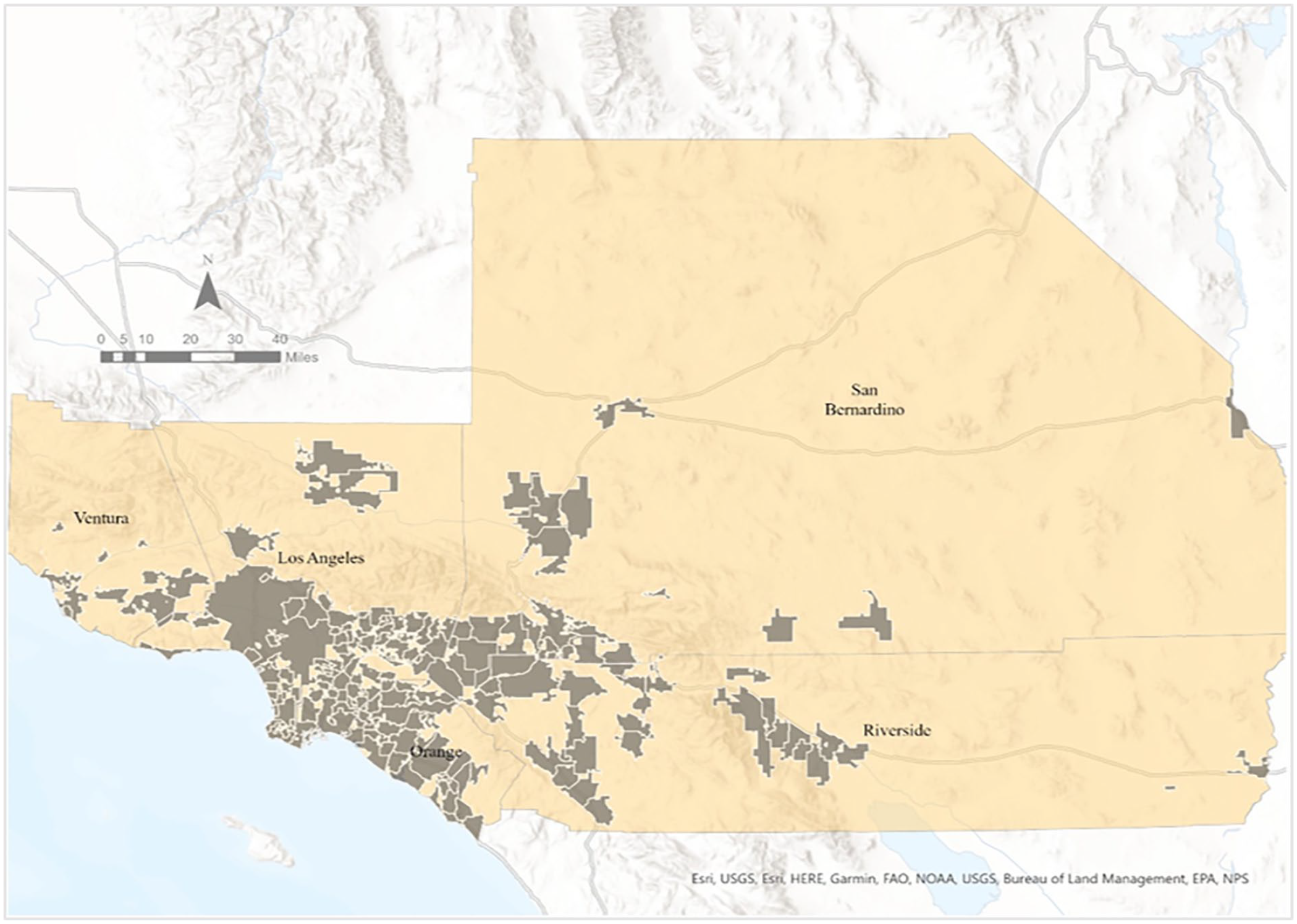
A total of 183 incorporated cities within the five-county region of Southern California.
Bivariate Correlation Analysis of the Size of the CC and Sustainable Urban Form Characteristics.
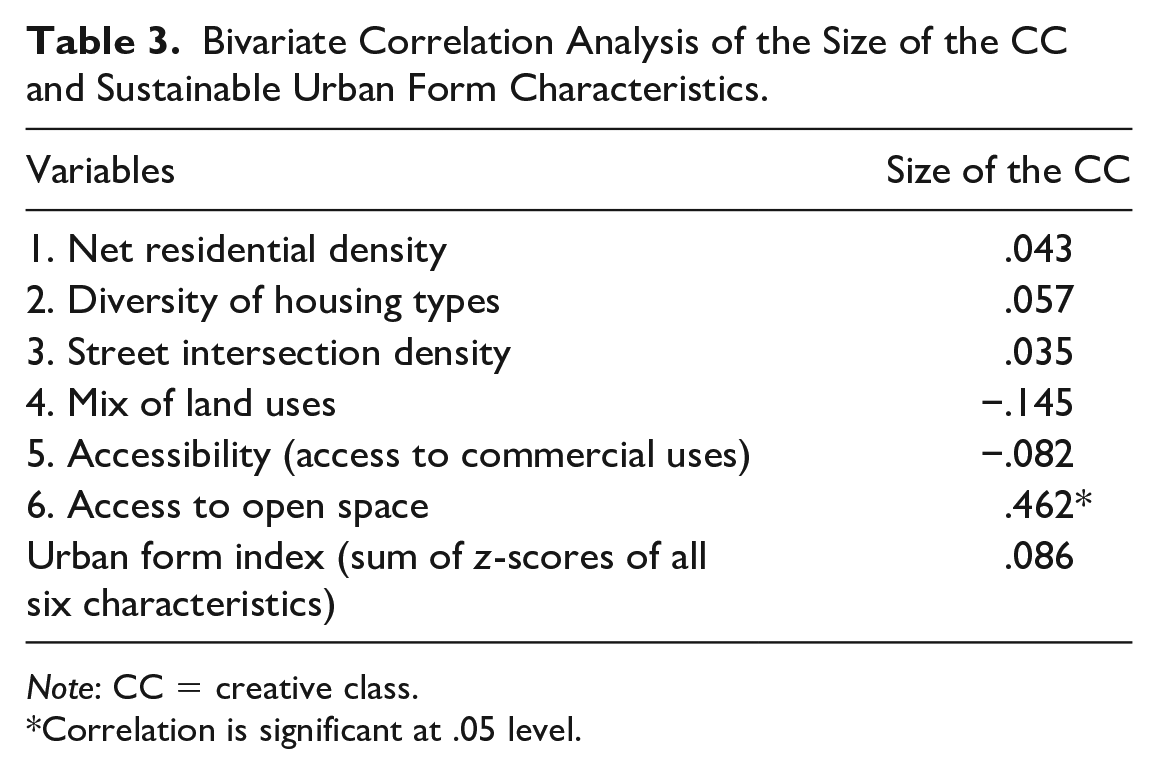
Note: CC = creative class.
Correlation is significant at .05 level.
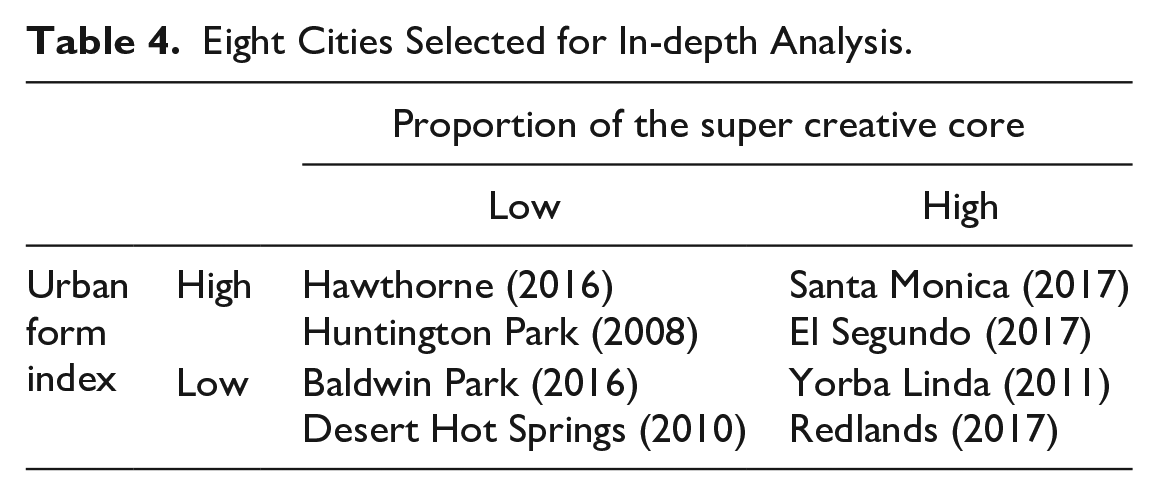
Table 4 illustrates the eight cities DSP’s included in this analysis: group high CC-high UFI, City of Santa Monica 2017 and City of El Segundo 2017, which ranked high in size of the CC and on the UFI; group high CC-low UFI, City of Yorba Linda 2011 and City of Redlands 2017, which ranked high in size of the CC rank and low on the UFI; group low CC-high UFI, City of Hawthorne 2016 and City of Huntington Park 2008, which ranked low in size of the CC and high on the UFI; and group low CC-low UFI, City of Baldwin Park 2016 and City of Desert Hot Springs 2010, which ranked low in size of the CC and low on the UFI. Table 5 lists the year of DSP adoption and demographic data for each of the eight cities.
Eight Cities Selected for In-depth Analysis.
DSP Year of Adoption and City Characteristics for Each of the Selected Eight Cities.
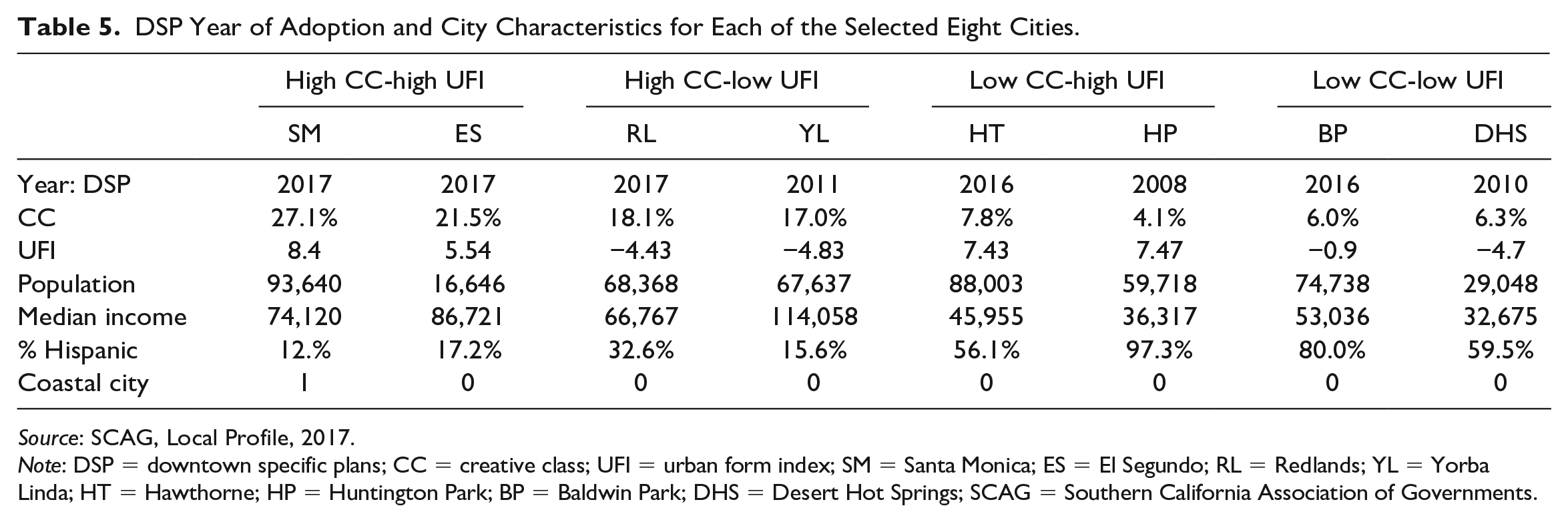
Source: SCAG, Local Profile, 2017.
Note: DSP = downtown specific plans; CC = creative class; UFI = urban form index; SM = Santa Monica; ES = El Segundo; RL = Redlands; YL = Yorba Linda; HT = Hawthorne; HP = Huntington Park; BP = Baldwin Park; DHS = Desert Hot Springs; SCAG = Southern California Association of Governments.
Promotion of Sustainability Principles
Figure 2 and Table 6 illustrate the total concordance scores for the three categories and individual scores of the average weighted concordance scores of the forty-one LEED-ND criteria of the DSPs of the eight cities. Certain cities with a higher proportion of the CC received higher LEED-ND scores than those with a lower proportion of the CC. Santa Monica and Yorba Linda integrated more LEED-ND criteria and to a stronger extent than the other six cities. However, there was considerable variation in the extent to which the DSP regulations reflected the forty-one LEED-ND criteria. Among the cities with a higher proportion of the CC, Santa Monica’s plan scored the highest total score in integrating the LEED-ND criteria, and Redland’s plan scored the lowest. The only coastal city among the eight, Santa Monica, received exceptionally higher scores than the others. Among the cities with a lower proportion of the CC, Baldwin Park’s DSP received the highest total score in integrating the LEED-ND criteria, and Huntington Park received the lowest. Among cities with a smaller size of the CC, those with more recent DSPs received higher LEED-ND scores, except for Hawthorne, likely because Hawthorne’s regulations were not strictly mandated.
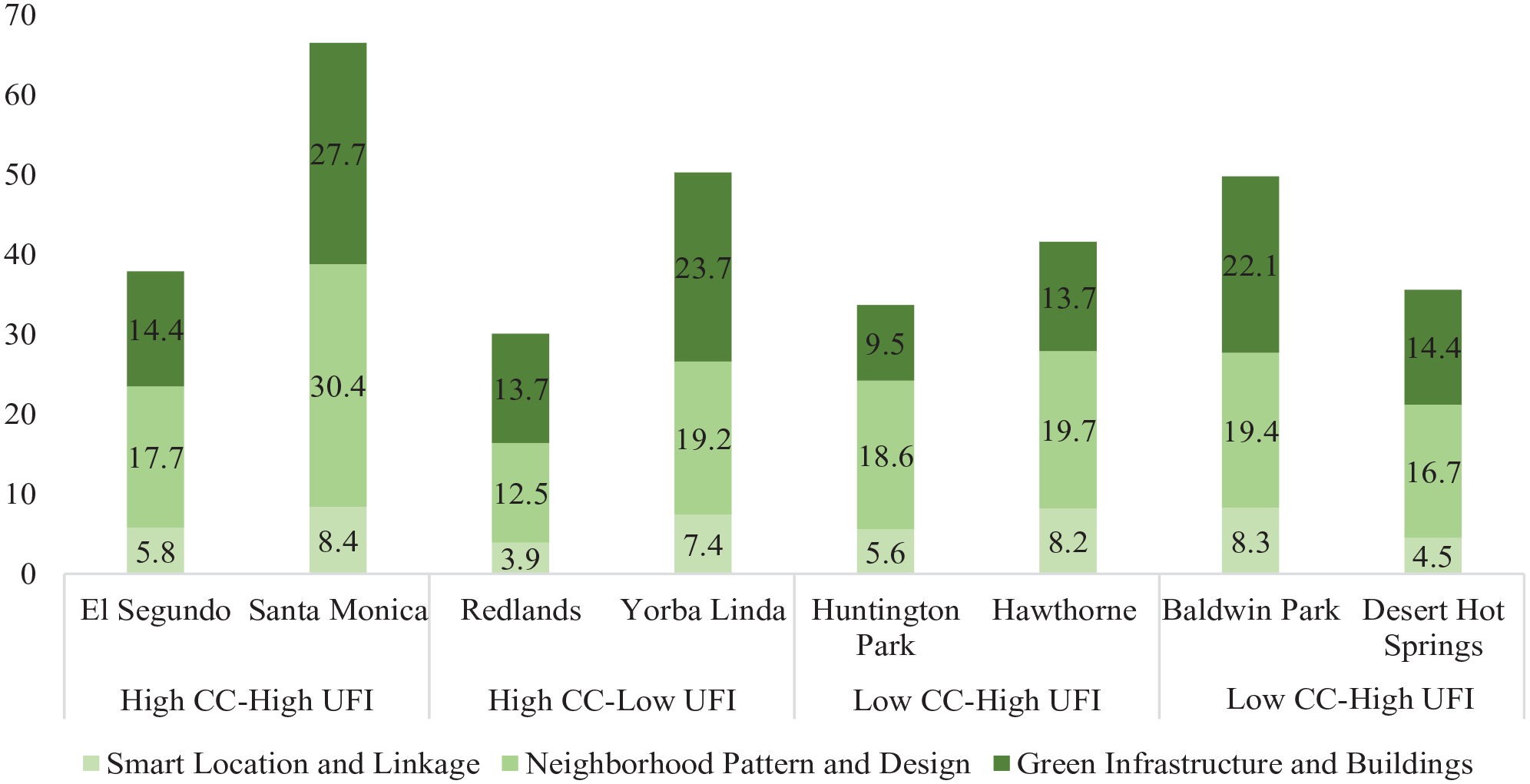
Average weighted concordance scores of the forty-one LEED-ND criteria.
Average Weighted Concordance Scores of the forty-one LEED-ND Criteria.
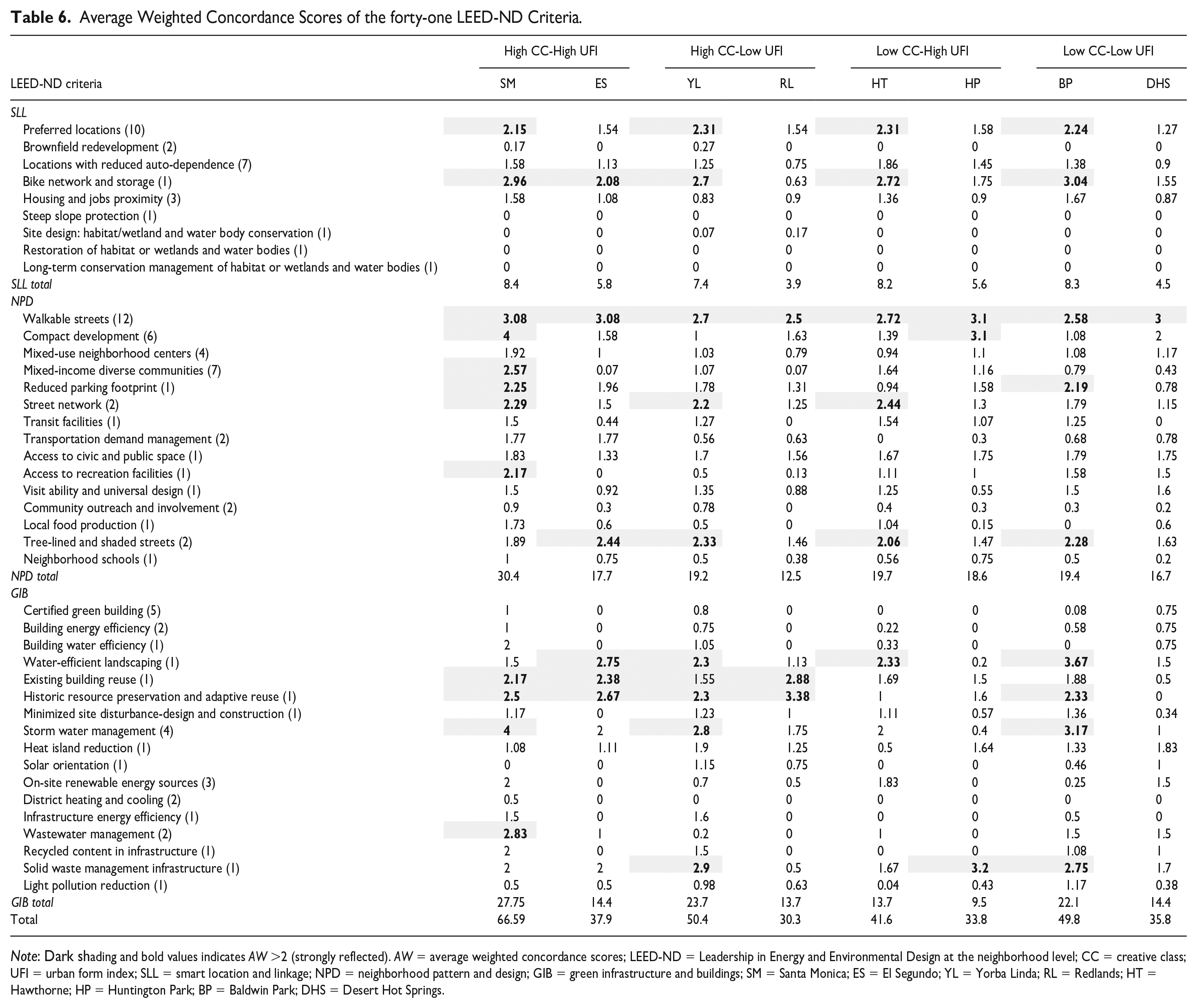
Note: Dark shading and bold values indicates AW >2 (strongly reflected). AW = average weighted concordance scores; LEED-ND = Leadership in Energy and Environmental Design at the neighborhood level; CC = creative class; UFI = urban form index; SLL = smart location and linkage; NPD = neighborhood pattern and design; GIB = green infrastructure and buildings; SM = Santa Monica; ES = El Segundo; YL = Yorba Linda; RL = Redlands; HT = Hawthorne; HP = Huntington Park; BP = Baldwin Park; DHS = Desert Hot Springs.
Promotion of NPD
With fifteen criteria and their respective sub-criteria, the NPD category focuses on creating well-connected, compact, walkable mixed-use neighborhoods. This category aims to avoid fragmented development and seeks to encourage the use of alternate modes of transportation by making transit more economically viable. In addition, well-connected compact development allows for more pedestrian and biking opportunities. Moreover, these criteria promote diverse housing types that can accommodate a range of income, ages, and physical abilities.
The six sustainability-related urban form characteristics
Findings of this study suggest that cities where a higher proportion of the CC reside are not likely to have compact, mixed-use developments that include a diverse range of housing types. In contrast, prior studies indicated that the members of the CC are attracted to places with dense urban environments (Florida 2012), a higher mix of uses (Florida 2012; Spencer 2015), and income diversity (Bereitschaft and Cammack 2015). Prior studies measured the CC either at the metropolitan or tract level (Bereitschaft and Cammack 2015; Florida 2012; Spencer 2015) rather than at the city level as in my study, which may account for variation in the presence of the CC. Nevertheless, their conclusions lead one to expect that the proportion of the CC in a city’s population should be positively correlated with net residential density, mixed-use developments, diversity of land uses, and diversity of housing types. However, Phase I findings do not show any statistically significant relationship between the proportion of the CC and the urban form characteristics (net residential density, mix of uses, and diversity of housing types), except for access to open space.
In addition, these findings were borne out in Phase II, suggesting no similar pattern in the sustainable urban form-related criteria among cities with a higher proportion of the CC, except for “access to open space.” Not all cities with a higher percentage of the CC were likely to address well-connected, compact, mixed-use developments with diverse housing types. For instance, cities with a larger proportion of the CC moderately addressed the LEED-ND criterion of compact development, except for the city of Santa Monica. Santa Monica’s differences may have to do with it being the only coastal city in the study and having the geographical advantage compared with the other cities. City size or age of a city (date of incorporation) also may play a role in the differences in the existing urban form characteristics (Banerjee and Verma 2005; Garde 2012). Historically, development in Southern California occurred in coastal areas, while inland areas remained largely agricultural and undeveloped (Forsyth 2005). Stock of developable land available could also lead to differences in the existing built form and in development regulations (Garde 2012; Kim et al. 2018). Among the cities with a larger CC, the city of Santa Monica is the oldest city and has less developable land compared with the other three cities, and therefore, is likely to promote more compact development.
Also, in contrast to expectations based on previous research, Phase II findings show that the cities with a smaller proportion of the CC addressed the LEED-ND criterion “compact development” to a stronger extent than those with a larger proportion of the CC. In other words, cities with a smaller proportion of the CC had development regulations allowing a higher number of residential units and higher Floor Area Ratios (FAR), either in their entire plan or in their specific zones. Among cities with a lower proportion of the CC, Huntington Park is the oldest city and has the highest existing net residential density standards. In comparison, Desert Hot Springs, the youngest city and relatively the most inland city in this group, has the lowest net residential density standards in the existing urban form; however, the city’s development regulations promote relatively higher standards, likely because these regulations are for the downtown area.
Supporting findings in previous studies (Bereitschaft and Cammack 2015; Frenkel, Bendit, and Kaplan 2013; Lawton et al. 2013; Mansury, Tontisirin, and Anantsuksomsri 2012), this study’s first phase determined “access to open space” is positively and significantly correlated with the proportion of the CC; that is, cities with a higher presence of the CC had a higher percentage of housing units with access to open space within a quarter-mile radius. In the second phase, however, I found that all cities moderately promoted the LEED-ND criterion “access to public and open space,” but those with a smaller proportion of the CC promoted the criterion relatively more strongly than those with a larger proportion of the CC. This finding may be explained by the fact that this criterion was addressed in the recent DSP regulations since the existing standards for “access to open space” for these cities that was measured in the first phase were lower than the average of 167 cities within the study area.
Walkability and the presence of the CC
Phase II findings show that the intent of the LEED-ND criterion “walkability” in the NPD category was strongly promoted across all cities; however, there were variations. This criterion’s intent is to promote walking through the provision of “safe, appealing, and comfortable street environments” (USGBC 2013, 48). Most cities studied had either implemented or recommended a “complete streets policy” and promote “active streets” along with more stringent regulations that align with this criterion. Similarly, Garde (2018) found evidence for continued emphasis on pedestrianization in downtown areas in the Southern California region.
Promotion of GIB
The GIB category focuses on actions to reduce the environmental impact of construction and operations of buildings and neighborhood infrastructure. With seventeen criteria and their respective sub-criteria, GIB addresses energy and water efficiency of buildings and infrastructure through the promotion of green-certified buildings, on-site renewable energy efficiency, solid waste recycling, district heating and cooling systems, passive and active solar orientation systems, and measures to reduce urban heat islands (USGBC 2018).
I found that the DSPs of cities with a larger CC strongly addressed more GIB-related LEED-ND criteria than those with a smaller proportion of the CC; however, the extent to which cities’ DSPs reflected LEED-ND criteria in this category varied considerably. Particularly, Santa Monica and Yorba Linda DSPs addressed more GIB-related LEED-ND criteria and to a stronger extent than the other six cities. These findings are similar to those of Portney (2013), who found evidence that cities with a larger CC pursue more sustainability policies; however, Portney used a single composite index of sustainability to examine efforts toward sustainable development among fifty-five of the largest cities across the United States.
Integrating GIB-related LEED-ND criteria, including certification of green buildings, building energy efficiency, building water efficiency, and on-site renewable energy, requires more financial resources than SLL- and NPD-related LEED-ND criteria (Garde 2009). Cities with a larger CC tend to promote economic growth (Florida 2012; Portney 2013), and therefore, may have more financial resources to promote GIB criteria and call for further examination. Santa Monica DSP regulations integrate more GIB-related LEED-ND criteria and strongly address them compared with the other DSPs. In fact, this city integrates most LEED-ND criteria, and to a stronger extent, than the others, and is well known for its strong commitment to sustainability principles. The city’s task force on the environment developed a sustainability plan in 1992, which was adopted officially as a policy guide in 1994 (Brugmann 1997).
Among cities with a smaller proportion of the CC, those with more recent specific plans were more likely to address GIB-related LEED-ND criteria, and to a stronger extent, relative to older plans. Similarly, Jepson and Haines (2014) also found that older zoning codes included fewer sustainability principles. For example, Baldwin Park’s DSP, adopted in 2016, reflects more GIB-related principles, and to a stronger extent, than Huntington Park’s DSP, adopted in 2008.
Promotion of SLL
The SLL category primarily focuses on a site’s location to minimize the adverse environmental impact of new development. The majority of the nine criteria and their respective sub-criteria in this category prioritize locations close to existing development, infill sites, and previously developed sites (USGBC 2018). The intent is to reduce the need to build new infrastructure and the increase of impervious land. Furthermore, these criteria encourage mixed-use development closer to alternate modes of transportation to increase job housing proximity and reduce automobile dependence. Also, certain criteria in this category aim to protect ecologically sensitive habitat and water bodies caused by fragmented development.
Phase II findings indicate that all groups of cities promoted SLL-related criteria relatively similarly in this category, even though there were variations within groups. However, cities with a larger CC and a higher UFI received the highest total LEED-ND score in the SLL category, while those with a larger CC and a lower UFI received the lowest total score.
Garde (2018) suggests downtowns are more likely to satisfy LEED-ND criteria in the SLL category than other locations in cities. Phase II findings indicate that most groups strongly address the promotion of bike network and storage, except for cities with a larger CC and lower UFI. Santa Monica (high CC and high UFI) scored higher due to the light rail stations’ presence in its DSP and because the regulations strongly address alternate modes of transportation such as bike networks and storage for bikes throughout the plan. Among the cities with a smaller proportion of the CC, Baldwin Park’s DSP is a transit-oriented development and Hawthorne’s DSP is close to the metro green line station.
Missed Opportunities
Findings of this study highlight several areas in need of improvement. Missed opportunities to promote sustainability relate to LEED-ND criteria that cities’ plans either did not address or only weakly addressed. Sustainability principles that were moderately addressed also point to room for improvement. Not all cities with a higher proportion of the CC addressed mixed-income diverse communities. Among cities with a higher proportion of the CC, El Segundo and Redlands weakly integrated the LEED-ND criterion of mixed-income diverse communities, while Santa Monica strongly addressed this criterion. Similarly, not all cities with a lower proportion of the CC addressed mixed-income diverse communities. City of Desert Hot Springs weakly addressed this criterion, while Hawthorne and Baldwin Park addressed it moderately. To facilitate affordable housing projects, local governments should offer a combination of financial and regulatory incentives that best fit their cities. For instance, among other community benefits, the city of Santa Monica provides special incentives to 100 percent affordable housing projects, including (1) administrative approval for all projects regardless of number of units and (2) height and FAR bonuses.
Another missed opportunity is the promotion of building energy efficiency, water energy efficiency, and the promotion of certified green buildings. Cities with a smaller proportion of the CC could promote more GIB-related criteria. Among cities with a smaller proportion of the CC, Hawthorne and Huntington Park’s DSP regulations did not address certified green buildings, while Baldwin Park’s DSP weakly addressed the promotion of certified green buildings. In addition, Redlands and El Segundo’s DSP, that have a larger CC, also did not address the promotion of certified green buildings.
In California, as the CALGreen code is mandatory, developers will be required to improve the sustainability of buildings by implementing measures to improve energy and water efficiency of buildings even though these requirements may not be specifically mentioned in cities’ DSPs. Although mandatory, the CALGreen code defines only a minimum standard for sustainability measures (Garde 2018); therefore, cities can go beyond these base measures and set the bar higher in integrating sustainability principles. For instance, city of Santa Monica encourages builders to achieve a water conservation requirement, defined as 30 percent below the CALGreen (Title 24) baseline, for interior building water use (City of Santa Monica 2017).
Conclusion
Until now, studies have not quantified the association between the presence of the CC in cities and the promotion of sustainability, particularly through development regulations in the Southern California region. Using the theory of Tiebout Sorting and the CC as a frame of reference, this study has improved our understanding of the extent to which the presence of the CC in cities is associated with the integration of sustainable development regulations.
In general, cities with a higher proportion of the CC tended to integrate LEED-ND principles to a greater extent than those with a lower proportion of the CC, but with considerable variation. Not all cities with a larger proportion of the CC integrated all forty-one LEED-ND criteria, or to a stronger extent, than those with a lower proportion. In general, cities with a larger CC strongly integrated more GIB-related sustainability principles, although again with considerable variation. Santa Monica and Yorba Linda address more GIB-related LEED-ND criteria and to a stronger extent than the remaining six cities. Cities with a larger CC were more likely to have affluent residents; therefore, these cities were more likely to integrate GIB-related LEED-ND criteria, which requires more financial resources than the other two LEED-ND categories (NPD and SLL). However, I found mixed evidence regarding NPD-related sustainability principles. Not all cities with a larger proportion of the CC were likely to integrate mixed-use and compact development that encourages diversity of housing types.
Regardless of the size of the CC, my findings suggest that cities’ downtowns advanced sustainability in various ways, and certain cities were making more efforts than others. Santa Monica downtown regulations (high CC-high UFI) contained more sustainability principles and expressed these principles with stronger language than the rest of the cities. Yorba Linda downtown regulations (high CC-low UFI) integrated more LEED-ND criteria, but there was variation in the extent to which they were integrated. In other words, although the plan addressed more sustainability principles, not all principles were integrated to a stronger extent. On the contrary, the downtown regulations of Baldwin Park (low CC-low UFI) integrated more sustainability principles and to a stronger extent than El Segundo and Redlands, which had a larger proportion of the CC. In addition, cities should not limit themselves to the sustainability principles of the LEED-ND rating system, regardless of the proportion of the CC they may have. In addition, members of the USGBC can glean these best practices and incorporate them into updates of the LEED-ND rating system.
Although the design of this study does not establish causation, the systematic approach and rigor of this study imply that the size of the CC is not a driving factor for the promotion of sustainability principles, rather factors such as income, age of the city, and more recent plans advance the promotion of sustainability principles. In the context of promoting sustainability principles, planners need to focus less on attracting “the CC” and more on other factors that drive the inclusion of sustainability principles such as financial power, establishing political will, and using the latest best practices research to update their plans. Planners can use this study’s findings to improve or adopt better versions of development regulations to promote sustainable development. Although the sample is focused on Southern California, cities across United States in the process of updating their DSPs can use the strongest examples in this study as promising practices. Simultaneously, my research illustrates how some cities have missed important opportunities to strongly promote sustainability principles with regulations more suggestive in nature, for instance, Desert Hot Springs and Hawthorne DSP regulations.
Limitations associated with this research should be considered in interpreting the results. The structure of the specific plan documents had its own limitations. Each specific plan document included a section stating that information unavailable in the specific plan could be collected from the zoning ordinance; however, zoning codes and design guidelines were not examined, unless specific textual references were made to them. Second, this study does not establish causality but rather provides empirical evidence on the integration of sustainability principles and the presence of the CC.
Future research can examine the association between the promotion of sustainability and the CC defined to include both of Florida’s (2012) categories of super creative core and creative professionals, as I focused specifically on the super creative core. Florida’s definition of the CC is very broad (Markusen 2006) and it is likely that certain occupations might promote sustainable development regulations and call for further research. Moreover, factors such as age and racial make-up of cities’ populations and their political affiliations which might influence the promotion of sustainability call for further examination. Prior research suggests that political affiliation of cities may influence city decisions on sustainability (Budd et al. 2008). Last, future research can employ an advanced sustainability framework, which could go beyond the 2018 LEED-ND rating system.
Footnotes
Acknowledgements
I thank the anonymous reviewers and my colleagues for their comments and guidance on the development of the article.
Declaration of Conflicting Interests
The author(s) declared no potential conflicts of interest with respect to the research, authorship, and/or publication of this article.
Funding
The author(s) disclosed receipt of the following financial support for the research and/or authorship of this article: Graduate Dean’s Dissertation Fellowship from the University of California, Irvine, which in part, provided support for the research of this article.
