




Abstract
This paper examines the shift to remote participation in planning board hearings during the outbreak of COVID-19. Using the results of an exploratory survey among 182 planners, public officials, and stakeholders, we explore perceptions about this transition, compare online and face-to-face engagements, and discuss the benefits and pitfalls of video-conference meetings. The findings indicate that video conferencing in planning merits future use, yet it also highlights key limitations of virtual meetings. Regardless of the findings here, the long-term effects of video conferencing and online decision-making remain to be seen.
Introduction
The shift to online discussions and decision-making in planning is a phenomenon that is currently gaining traction across the globe (Bluestein 2013; Lovelady 2020). Most recently, against the backdrop of the challenges posed by the COVID-19 pandemic and the resulting inability of planning boards to hold face-to-face meetings, remote participation in planning has become a pressing issue for those involved in the discipline. COVID-19 has had a major impact on the way planning is conducted around the world. Following the pandemic’s outbreak, national and local governments introduced policies and emergency regulations that enabled—or even mandated—planning boards to shift their mode of operations to include online meetings, usually through a range of information and communication technologies (ICTs) such as Zoom and Teams software (Thomas 2020). Despite the growing interest in e-planning and the impact of technology on planning decisions, we still have limited knowledge about how the transition to online decision-making during the pandemic affects planning processes. Our goal in this paper is to provide a preliminary look at the subject, while examining the effect of the pandemic on decision-making in planning.
The ability to conduct online decision-making in planning is what allowed policymaking to continue despite the spread of the pandemic (Thomas 2020). Many professionals and the media have praised the shift as rather successful (Steuteville 2020), saving time, travel costs, and making planning more accessible. Milz and Gervich (2021) argue that online engagement in planning is effective and enhances local democracy. They add that decision-makers will need to legitimize virtual forms of engagement even after the pandemic winds down. Fenn and Matheson (2021, 2) note that online public meetings discourage “the occasional theatrics of traditional public meetings while ensuring that a broad range of voices can be heard.” They also indicate that the use of virtual digital engagement during the COVID-19 crisis has allowed for more inclusive participation “since citizens who are disenfranchised, commuters, busy parents, or the peripherally involved, can participate equally and equitably” (Fenn and Matheson 2021, 2). On the face of it, COVID-19 seems to have expedited the assimilation of technology into the planning process. It therefore presents an ideal opportunity to reassess the way in which planning is carried out and to make it better, less bureaucratic, and more transparent.
However, critics voice some concerns about this shift (Ormerod and Davoudi 2021), specifically, its potential impact on disadvantaged communities, its inclusiveness, and the reluctance or inability of older people to use it. Other opponents point to additional caveats, arguing that online decision-making fosters technical albeit effective discussions (Nardi 2020), makes it more difficult to develop interpersonal relationships, and invites legal challenges (Purcell 2020). Further detractors point to “online fatigue” and other detrimental psychological effects that further complicate decision-making (Milz and Gervich 2021).
Although there is a growing list of scholarly contributions about the city and planning following the pandemic, not much is known yet about the effects of the transition by planning boards from face-to-face discussions to online discussions. In addition, the perceptions of the participants in these sessions (incumbents, bureaucrats, professionals, and the public) about the use of this technology remain unclear. To fill this gap, we have conducted an exploratory survey among 182 planners, public officials, and stakeholders in the Israeli planning system where new laws have mandated that planning boards at the local, regional, and national levels must make decisions without meeting face-to-face. Notably, the Israeli regulations are but one example. In other countries, such as the United States and the United Kingdom, national and local governments have introduced similar policies that enabled, or even forced, planning boards to shift their mode of operations to include online meetings (Thomas 2020).
This study contributes to the existing literature in two ways. First, we expand planners’ knowledge about if and how the adoption of ICT platforms for online meetings has affected the planning process. Put differently, our focus is on the impact of ICTs and virtual hearings on the planning process as well as on certain aspects of it, as perceived by participants. Owing to matters of scope, we do not focus on the impact of virtual hearings on the outcome of the process (whether meetings were shorter, whether they may have influenced positive or negative decisions on a particular topic, etc.). Second, we explore how planning systems have adapted and engaged in rapid digital transformations in a time of emergency. Specifically, we examine how COVID-19 has affected the planning bureaucracy, a topic that currently remains under-studied.
Background
The Death of Distance in Urban Planning in the Era of COVID-19
Although COVID-19 has certainly thrown the world into crisis by all accounts, some researchers see it instead as an opportunity for study, as the pandemic fundamentally altered people’s movements and patterns of work and leisure. Accordingly, many scholars opine that the time is ripe to rethink cities and the way we make decisions about them, and our use of land and open spaces (Ahmadpoor and Shahab 2021; Grant 2020; Lai et al. 2020).
As such, Sharifi and Khavarian-Garmsir (2020, 9) link technological innovation, smart cities, and urban planning post-COVID-19, noting that,
Overall, the pandemic has boosted interest in smart city development by demonstrating the multiple benefits of smart solutions in terms of identifying infected individuals, predicting diffusion dynamics, minimizing human-to-human contact, and enabling enforcement and tracking of social distancing and quarantine rules.
Such perceptions have roots in earlier scholarship. In her seminal book, Cairncross (2001) observed that the rapid development of mass communication and the Internet was bringing about a technological shift that would fundamentally alter the way we live and lead to what she termed the “death of distance.” According to this argument, distance would no longer be a key determinant of spatial organization in human relations and would become increasingly less significant. For example, workers would have the freedom to live farther from their employers, who increasingly would have to locate their services where their key staff lived rather than where the market was (Cairncross 2001). Such consequences, although still taking shape, appear to be liberating and democratizing in their effects, as more and more people gain access to communications technology at a lower cost and are less restricted by distance.
This view of the diminishing influence of distance is criticized by those who emphasize the still existing and crucial role of space and geography in the city (e.g., Ash et al. 2018). However, planning procedures are increasingly digitized and virtualized, thus confirming the death of distance ethos. The work done by Schremmer et al. (2003) supports this assertion. The authors examined three different examples of digital collaborative teamwork, which included teaching, videoconferencing, and a tele-health application. They concluded that these digital collaborations indicated the reduced importance of physical distance, stating that, “A paradigm shift in tele-communication has taken place: the role of place in communication, interaction, information-sharing and decision-making is in the process of evolving from a physical entity to a virtual one” (p. 4).
While technology is reshaping our societies and mitigating the influence of distance, there is still debate over the extent and true character of this transformation of human spatial relations. Couclelis (1996, 388) stresses the need for research through an appropriate framework to attempt to make sense of what is happening to distance as a foundational concept of modern geography in the face of these transformations. While there is no doubt that we are witnessing the consequences of this information revolution, empirical evidence is often contradictory and hindered perhaps by the difficulty in measuring an invisible factor like telecommunications.
Technology and Decision-Making in Planning
Some studies have assessed the influence of social networking, technology, digitization, and telecommunication on planning (e.g., Bugs et al. 2010; Crivellaro et al. 2014). The findings were not all encouraging. For example, Evans-Cowley (2010) reports that social networking sites such as Facebook have little to no influence on planning, even when groups of people organize via the Internet to fight place-based planning issues. Nuojua (2009) found that online participation may not be able to contribute to policy building, especially when participants leave general comments.
In contrast, several studies hail the public’s participation in planning using ICTs. Le Dantec et al. (2015) found that mobile technology can help planners collect data to be used in ensuing deliberations. Likewise, Wilson, Tewdwr-Jones, and Comber (2019) highlight the importance of technology-mediated public participation. Their results, however, are mixed. On one hand, the authors report that app-based participation can create quicker and more effective interactions with planners. On the other hand, they also note that participation was limited to reporting problems (Wilson, Tewdwr-Jones, and Comber 2019). Evans-Cowley and Hollander’s (2010) findings are also mixed. While certain modes of online participation were very useful in facilitating meaningful and substantive discussions (especially as part of broader participatory processes), others faced insurmountable technological hurdles (Evans-Cowley and Hollander 2010, 405).
The mixed results imply that the effects of the “death of distance” on planning still warrant further study. One possible reason explaining the difficulties in introducing technological engagement in planning is the gap between the planners and those they plan for, between decision-makers’ expectations, and the barriers of non-professionalism (Hanzl 2007). In addition, there is a gap between change and stability that can explain these difficulties. As Wilson, Tewdwr-Jones, and Comber (2019) put it,
There is a translation issue here: integrating newer participatory mechanisms into an existing planning system which tends to favor tried, tested and legislated methods. Technological applications, if they are going to be successful, must therefore walk a fine line between being fluid and engaging, and fitting within decision-making mechanisms that are often more static. (p. 290)
Furthermore, ICT could become limited to providing information to planners, instead of facilitating meaningful two-way communication. As a result, they “grant limited authority to participants to influence decision-making” (Mukhtarov, Dieperink, and Driessen 2018, 430).
Despite the extant research that examines the interface between technology and decision-making in planning, few studies have looked at the impact of technology following COVID-19. A select few works did touch upon the question of the pandemic’s impact on planning and decision-making and their interface with ICT. Goode (2021) notes that planning has become more digitized, allowing busier people to participate, but at the risk of excluding the elderly. Milz and Gervich (2021) suggest that the pandemic has provided an ideal testing ground for the use of ICTs in facilitating public participation in planning. Planners and municipalities are adopting ICTs and their related practices for the first time to conduct public meetings and engaging in widespread experimentation and “on-the-fly” learning (Milz and Gervich 2021, 3). Thus, the authors’ findings are twofold. First, they conclude that “virtual participation is a viable and realistic alternative to face-to-face engagement . . . [which] should expand planners’ toolkits and encourage analysts to study virtual participation on its own—not only as a companion for in-person engagement” (Milz and Gervich 2021, 3–4). At the same time, though, they acknowledge the existence of limitations to the capabilities of ICTs: an increase in physical and physiological effort required to participate virtually, shifts in power dynamics in participation meetings, and the intertwining of Internet accessibility and equality. Ineffective use of these technologies “. . . may amplify the typical challenges of participatory processes, foster conflict and division among stakeholders, and ultimately stymie deliberative discourse” (Milz and Gervich 2021, 6). Despite its drawbacks, the authors view ICT use in planning as a positive element that will need to be incorporated into future planning practices.
Technology and the Legitimacy of Planning
ICTs in planning could play a major role in legitimizing the planning process. As for legitimacy, we focus herein on the procedural aspect of planning, that is, the process of deliberating planning issues. In this respect, some scholars such as Milz and Gervich (2021, 4) argue that a variety of ICT tools can be used as legitimacy-enforcing forms of citizen participation, and all the more so in times of crisis and pandemics. This is accomplished by affording more opportunities for direct participation and extending the accessibility of the process to a range of communities, groups, and individuals (McKay et al. 2011). In line with collaborative and communicative approaches (Legacy 2012), the non-agnostic premise here is that legitimacy is secured via the greater opportunities afforded to the public to deliberate planning issues (Habermas 1996; Jarenko 2013), exchange knowledge, and even reach consensus or at least some degree of mutual understanding (Gutmann and Thompson 2004). Some perceptions, however, look at “output” legitimacy, that is at the ability of deliberation to affect the outcome of the process through meaningful engagement (Taylor 2019). On the flipside, though, more intensive forms of participation, including ones mediated by ICTs, do not necessarily increase democratic legitimacy (Fung 2015, 517), as they may not actually challenge existing structural hierarchies (Zakhour 2020) nor secure the deliberative ideal so sought after by planners (Mukhtarov, Dieperink, and Driessen 2018). For instance, Li et al. (2020) find that the willingness of citizens to use a range of ICTs in planning varies according to socio-demographic variables. As a result, the assimilation of ICTs into the planning process has not been straightforward.
While Milz and Gervich (2021) hail the powers of ICTs to ensure participation and planning in a time of pandemic, Ormerod and Davoudi (2021) warn that the suspension of democratic checks and balances as part of emergency measures threatens democracy and can have ramifications for planning practices. They cite the case of Britain, whose planning system has been subject to changes that affect key issues such as transparency, inclusion, and oversight in its practices. For this reason, they call for the planning system to seize upon the circumstances of the pandemic to further strengthen the democratic nature of planning, ensuring the inclusion of the public in a way that moves the focus onto meaningful conversations rather than on building consensus (Ormerod and Davoudi 2021, 4–5).
This call raises the question of how planning, as a very bureaucratic and polycentric process, can be managed post-COVID, especially given the inherent range of vested interests, different planning hierarchies, and multiple stakeholders. When social distancing becomes the norm, can planners engage with each other and with those for whom they plan? These questions relate to the settings of decision-making in planning. Although scholars have emphasized the role of interpersonal exchanges (Forester 1996; Healey 1992), little attention has been given to decision-making that is mediated through ICTs (Potts 2020) and its impact on legitimacy.
Hyperconnectivity in the Workplace and Changes Brought about by COVID-19
Prior to COVID-19, many governments worldwide were in various stages of adopting ICTs to pivot toward e-government (Horelli 2013)—that is, the digitization of the public sector for delivering services to citizens more efficiently and transparently, and making these services more accessible, user-driven, and proactive (Organisation for Economic Co-operation and Development [OECD] 2020a). This process of digital transformation challenged the way governments structured policies, operated, and delivered results due to the speed and scope of the transformation, even before COVID-19 (OECD 2020a). With the onset of the pandemic, governments that had invested more seriously in digital governance were those that were better positioned to make use of ICTs and data to respond more effectively to the pandemic (OECD 2020b).
The business sector is also a key player in this regard. Prior the pandemic, many companies had begun using technologies such as video conferencing and chats to restructure laterally into a more networked team format (Deloitte 2018). In turn, the pandemic has provided an opportunity to experiment with workplace productivity from home (Quiggin 2020). Maurer (2020) echoes this view, reporting that initial skepticism of remote working has largely diminished. Citing a survey of over 800 employers, Maurer (2020) writes that productivity is “the same as or higher than it was before the pandemic, even with their employees working remotely” (p. 1). Molino et al. (2020) claim that this trend toward remote working enabled by ICTs is likely to become commonplace, as “. . . the use of remote working increased during the pandemic and is expected to maintain high levels of application even after the emergency” (p. 1).
As a result, the suitability of ICTs in the workplace, and in the urban planning arena in particular, has increased. Some argue that the suitability of ICTs is dependent on the institutional capacity and digital know-how of the managing planning agency. Others argue that tool functionality (Huang 2012), the reduction of inefficiencies, the streamlining of interaction in multi-stakeholder environments, and the ability to build networks in the workplace and to cater for workflow needs, all determine the suitability of ICTs to decision-making in planning (Anttiroiko 2012; Virtudes and Sá 2017). Several studies, however, stress the ability of ICTs to support participation at different stages, enhance interaction between stakeholders, and allow knowledge creation and exchange, as key determinants of its suitability to planning (Guimaraes-Pereira et al. 2003; Saad-Sulonen and Horelli 2010).
Notably, there is growing concern in workplace literature that ICT tools may in fact harm productivity by subjecting teams attempting to collaborate to an unending whirlwind of constant emails, video conferences, and messages. Support for this contention comes from research showing that people’s communications habits and tools from their personal lives are infiltrating their work lives (Deloitte 2018, 81). In the same vein, The Economist (2020) reports that the shift toward collaborative, remotely based work brought about by the pandemic has not been liberating for workers, but instead has only increased the amount of work, meetings, and the intrusion into people’s personal lives. Likewise, Molino et al. (2020) note that COVID-19 has increased workloads and, in turn, stress and work–family conflicts. Similarly, DeFilippis et al. (2020) report that remote-based working has resulted in an increase in the number and frequency of emails sent internally, the number of meetings attended per person, and the number of people attending these meetings (although the duration of these meetings has fallen on average).
Video Conferencing and ICT Use versus Face-to-Face Collaborations
Contemporary research looks at the intricacies and nature of video conferencing. It assesses its uses and applications, and its impact on learning processes, education, and teamwork (Rutkowski et al. 2002). This body of research comes from a range of disciplines, including psychology, education, public administration, and business, to name a few.
An abundance of studies has noted the use of video conferencing as a beneficial tool for collaborative teamwork. The most frequently discussed example of video-conference usage is in the field of education. Gladović, Deretić, and Drašković (2020) demonstrate that remote learning has proven to be capable of delivering quality education and instruction at a lower cost than conventional in-person education. Likewise, Schremmer et al. (2003) make several interesting observations from their investigation into three different examples of digital collaborative teamwork, showing that video conferencing allows for more flexibility and adaptability.
Other scholarly contributions note that remote participation in work meetings is more efficient, as it presents a real alternative to in-person meetings because of its ability to create “a more level playing field for a wider variety of collaborators than might be possible if relying solely on face- to- face meetings” (Hampton et al. 2017, 58). Likewise, video-conference interactions allow for more respectful discussion and increase tolerance, because online meetings dilute the “loudest voice” effect in the public forum (Fenn and Matheson 2021).
Moreover, efficient measures that enable remote participation during the pandemic can improve government performance and thus increase the public’s trust in the bureaucracy and its institutions (OECD 2020a). Trust is an essential element for successful collaboration, but it is not always clear how precisely trust can be sustained during the planning process.
The issue of trust relates to a variety of mental states of interaction between individuals (Rousseau et al. 1998). Stern and Coleman (2015) define trust as a psychological state in which persons accept vulnerability based on positive expectations of another entity. For them, trust refers to the degree of affinity between stakeholders, their perceptions, rational expectations about the probable outcomes of an entity’s action(s), and the fairness and transparency of monitoring systems (e.g., regulations, contracts). While Coleman and Stern (2018) demonstrated that such a notion of trust is critical for effective cooperation in planning, ICTs may undermine its creation. In this vein, Beck, Coleman, and Tapper (2021) argue that while e-planning during the COVID-19 pandemic is a useful tool for engaging new and existing stakeholders, it may also impinge on trust. For example, one-way information flows in e-planning inhibits trust-building, especially in conflict-ridden situations that would benefit from conversation and social learning. Likewise, the takeover by “hosts” during Zoom meetings and their ability to mute participants can also affect trust between parties. On the contrary, synchronous online meetings may help to reduce distrust, as they allow participants a two-way exchange of knowledge, feelings, and thoughts.
With respect to trust, several studies emphasize the importance of face-to-face discussions. Hampton et al. (2017) opine that face-to-face interactions help develop deep interpersonal trust and understanding. Indeed, in a study of virtual shareholder meetings, Schwartz-Ziv (2021) found that post-COVID-19, virtual-only meetings were shorter and dedicated less time to addressing shareholders’ concerns. Willson (2000), too, shows that in-person discussions are preferred to online asynchronous discussions. Willson found that students rated computer-mediated discussion in a planning theory class less satisfactory than in-person discussions in the categories of the legitimacy of the claims made, sincerity, and comprehensibility. The author attributes this difference to the fact that communication via computer-mediated discussion is devoid of non-verbal cues and prioritizes text over interaction (Willson 2000, 410–15). Byun et al. (2011) demonstrate the importance of gestural and non-verbal cues in video conferencing termed “honest signals,” which are behavioral communications about the speaker’s underlying state that are shared unknowingly.
As Lee (2020, 2) explains, a great deal of communication is actually
. . . unconscious and nonverbal, as emotional content is rapidly processed through social cues like touch, joint attention, and body posture. These nonverbal cues are not only used to acquire information about others, but are also directly used to prepare an adaptive response and engage in reciprocal communication.
When communication takes place over video (or other ICT means), these cues can be missed in a manner detrimental to building trust (Hampton et al. 2017).
Other studies point out additional shortcomings of virtual communication compared with in-person interactions and collaboration. These studies suggest that online collaborations might bring about “Zoom fatigue,” which refers to the tiredness, worry, anxiety, or burnout associated with overusing virtual communication platforms, as opposed to face-to-face communication (Brown-Epstein 2020; Lee 2020; Reinach Wolf 2020). Zoom fatigue can also be the product of ineffective video-conference leadership. Laguzza (2020) suggests that it is actually the delivery and attitude of the person speaking that can cause Zoom fatigue. For this reason, Laguzza recommends that video-conference meetings be led with a more interactive and engaging approach. Given the extra mental effort required for video conferencing and the associated fatigue, it might not be surprising that some researchers find that this medium can often be considered less desirable than in-person interaction (Giesbers et al. 2009).
Virtual deliberations and e-governance tools could also discriminate against those who are not technologically savvy (including vulnerable communities and the elderly, see Hill 2015; Ramón-Jerónimo, Peral-Peral, and Arenas-Gaitán 2013). Martínez-Moreno et al. (2012) explain that unlike in-person interaction, virtual group environments “filter a number of contextual cues in the interaction, reduce the social presence of participants, and convey less information richness than a [face-to-face] alternative” (p. 160). Milz and Gervich (2021) maintain that this diminished level of communication cues, which typically mediate face-to-face interactions, can result in “. . . unpleasant interactions, disagreements and conflict that might not occur otherwise. For instance, some video conferencing applications are designed to limit interruptions by transmitting the audio from one microphone at a time, altering the dynamics of discussion” (pp. 4–5).
In summary, there seems to be growing evidence about online decision-making and the way in which decision-makers interact post-COVID-19. However, while existing research attempts to envision what the urban built environment after COVID-19 will look like (Jabareen and Eizenberg 2021; Weinig and Thierstein 2021), most studies do not touch on how COVID-19 has affected decision-making in planning. Given the importance of the ways in which cities can prepare themselves in the face of pandemics, examining the different factors that encourage or inhibit online decision-making in planning is imperative.
The Framework of the Study
Research Strategy
The literature reviewed above indicates a number of possible positive and negative effects of conducting planning board meetings and hearings from afar. Specifically, the literature flags issues such as participation in planning, inclusiveness, effectiveness, legitimacy, and trust. It also points to a knowledge gap about the way in which the transition to online meetings and adoption of ICT platforms has affected the planning process. To investigate these issues, we use an exploratory research approach that analyzes the perceptions of decision-makers and stakeholders regarding this transition and compares face-to-face engagements and online deliberations by planning boards.
Research Arena
Our data come from Israel, a country with a population of nine million people and very high Internet access. According to World Bank data, nearly 90 percent of the population uses the Internet. 1 In terms of the planning system, Israel has a centralized planning configuration predicated on zoning regulations (Alterman 2001; Mualam 2018). The Israeli system is based on the one contrived by the British in the early twentieth century. It is hierarchical, with local and district planning authorities in charge of master plans and local planning, while upper-tier government agencies oversee national policy making (Alfasi 2009). In recent years, the system has undergone significant shakeups with regulatory reforms designed to centralize planning even further, thereby allowing national planning agencies to trump local planning (Charney 2017; Feitelson 2018).
Following the outbreak of COVID-19 in March 2020, national legislation in Israel made it possible for planning boards to switch rapidly from face-to-face meetings between planners, public officials, and stakeholders to online meetings. New laws enabled planning boards to make decisions without meeting in person. As a result, despite new requirements for social distancing, planning in Israel effectively continued uninterrupted (Shahak 2020).
Thus, lessons learned in Israel can surely apply to other countries sharing similar attributes. Moreover, because the Israeli planning system is predicated on the British one, lessons learned are transferrable to other countries whose planning system was established by the British or even inspired by them. Last, the experience of Israeli planning is relevant to any other system in which planning deliberations shifted to virtual deliberations. Regardless of whether or not other countries’ planning systems share attributes with Israel, this policy shift has been felt around the globe and thus, the discussion about Israel’s experience can contribute to discussions on policy shifts and the integration of ICTs elsewhere.
Data Sources
Initially, we conducted ten semi-structured interviews with experts and other respondents who participated in online planning meetings three months after the outbreak of COVID-19 (in June and July 2020). The interviews were designed to gain a better understanding of the actual challenges, opportunities, and pros and cons of decision-making in planning using platforms such as Zoom, Teams, and other similar software. In addition, we asked the respondents to indicate the most pressing issues that should be explored in a follow-up study. As such, the interviews were open-ended and exploratory, and the interviewees themselves were identified using a snowball sampling technique. The interviewees’ responses highlighted key differences between online and face-to-face planning meetings. They also indicated that the issues of trust, legitimacy, effectiveness, and inclusive participation in planning were very important in online meetings held during the pandemic.
We combined these insights with those that emerged from the literature and created a structured questionnaire. The questionnaire included questions about various factors that could affect the use of ICTs in planning board meetings, the pros and cons of online meetings, and a comparison with face-to-face communication. Most questions assessed responses on a 4-point Likert-type scale. 2 We also gathered demographic information about the informants’ age, gender, and professional role.
We distributed the questionnaire between July and October 2020 using SurveyMonkey software. During this time, the pandemic was still in full force in Israel and did not allow planning boards to conduct face-to-face discussions. The pool of respondents included decision-makers, practitioners, and other stakeholders, all of whom participated in planning board meetings at the local, regional, and national tiers of government. Respondents included planners, consultants, landowners, and community members. 3
Using a non-probability sample, we distributed the questionnaire using a snowball sampling technique that used personal contacts as well as random distribution of the questionnaire in a range of social media platforms. This method has proven effective when it is difficult to reach a research population, as was the case in particular during the early stages of the pandemic. While policy studies accept this method of distribution (Watters and Biernacki 1989), it still suffers from several limitations, including difficulty in following up with non-responders and less control regarding the identity of the respondents (Dusek, Yurova, and Ruppel 2015). It is also possible that there is a certain overlap as a result of multiple stakeholders filling out a questionnaire which refers to the same planning process. While these issues make the current study an exploratory effort that requires further replications to validate its findings (Audemard 2020), the distribution of the questionnaire was designed to limit potential biases related to the respondents’ selection. We accomplished this goal by enabling each respondent to fill out the survey only once. We also defined a clear set of criteria for targeting only those who participated in online planning board meetings during the pandemic. 4 In addition, the fact that numerous planning initiatives took place in the year of the pandemic reduces the probability that respondents will refer to the same planning process in their response (thereby reducing the possibility of overlap).
Given the exploratory nature of the study, the data interpretation is predicated on the notion that the Likert-type scales are ordered, and not continuous. As such, the survey results were analyzed in such a way that their distribution is displayed in relation to the various items of measurement included within the questionnaire’s scales.
Findings and Discussion
Characteristics of the Sample
The survey yielded 182 valid questionnaires. However, the response rate could not be determined, due to the complexity of sampling numerous planning boards and online planning meetings. Specifically, information on the ethnic, demographic, and gender composition of the participants in various planning discussions (and certainly in the online realm) is not available in Israel. Despite the inability to assess the sample’s representativeness, there are several indicators that point to a satisfactory representation. For example, the types of hearings in which those sampled in the survey were involved are quite varied. As Table 1 indicates, the respondents participated in a range of hearings, such as those involving the preparation of plans and objections to plans. In turn, this variety is a testament to the broad set of planning practices that are typical of routine planning discussions. 5
Respondents’ Demographic, Spatial, and Professional Characteristics.
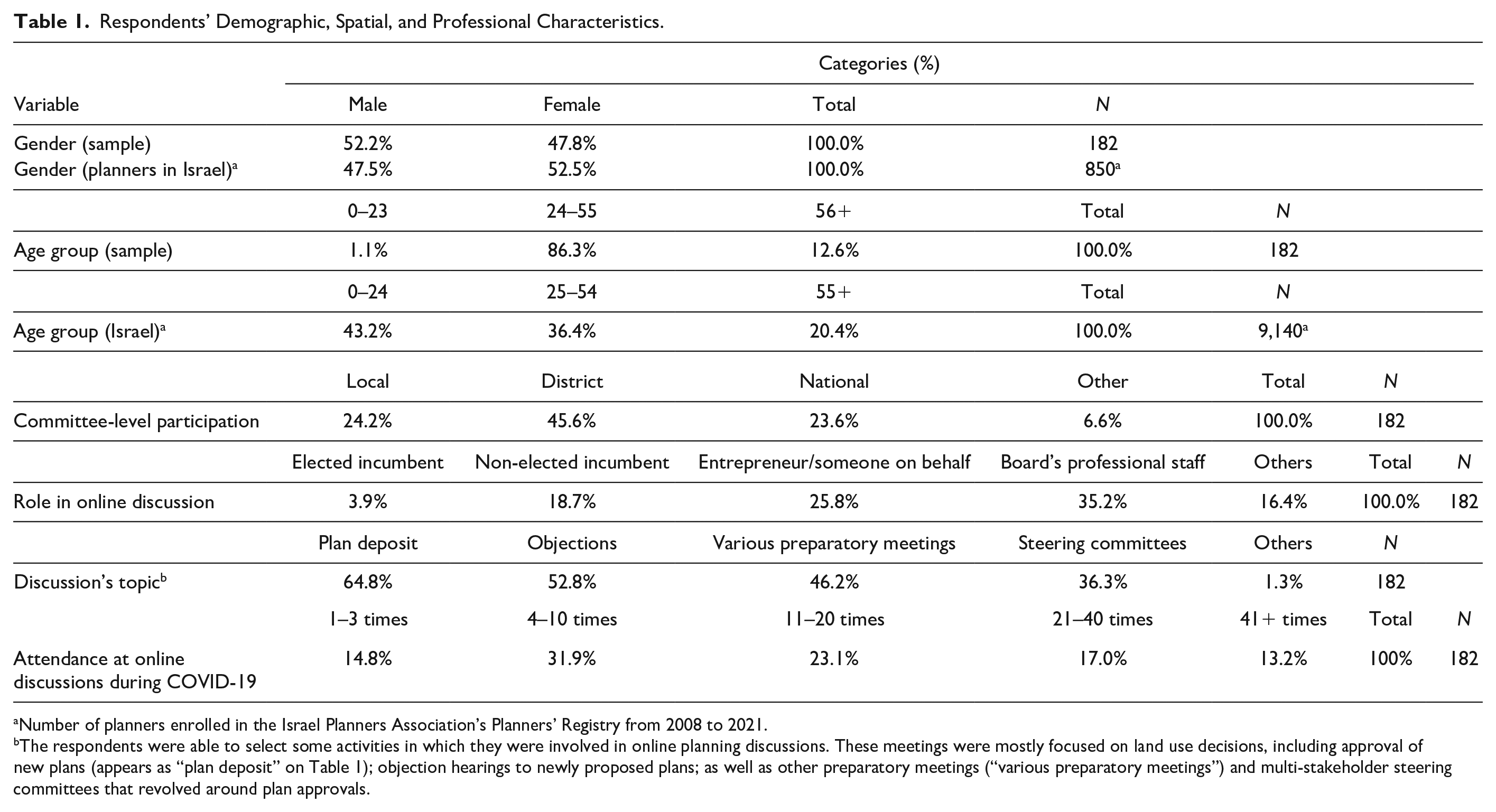
Number of planners enrolled in the Israel Planners Association’s Planners’ Registry from 2008 to 2021.
The respondents were able to select some activities in which they were involved in online planning discussions. These meetings were mostly focused on land use decisions, including approval of new plans (appears as “plan deposit” on Table 1); objection hearings to newly proposed plans; as well as other preparatory meetings (“various preparatory meetings”) and multi-stakeholder steering committees that revolved around plan approvals.
Table 1 also implies that the gender distribution of the sample resembles that of planners registered in Israel, although it is somewhat skewed in favor of men. The sample’s age distribution is skewed toward the twenty-four to fifty-five age group (an age group that is highly connected to and uses the Internet on a regular basis 6 ), indicating a bias in the survey that reflects the composition of the Israeli labor market in the field of planning. The set of participants in the discussions shows a balanced division between different stakeholders. About a third of the sample is regularly engaged in the work of the sampled planning boards, and a little over a quarter are developers or those appearing on their behalf.
Incumbents (elected and non-elected) are also well represented in the sample (approximately 23% altogether).
The sample also covers a range of different planning boards at the local, national, and regional levels. However, the sample contains a certain bias as most respondents come from the district level of decision-making (45.6%). This is not necessarily a flaw, as discussions by districts in Israel cover significant and large-scale local and regional plans.
Participants’ Perceptions
Technical Access
Figure 1A depicts the respondents’ reported degree of ease in switching from in-person planning meetings to online planning meetings via ICTs. As the figure illustrates, the vast majority of respondents (90%, derived from the aggregate of responses of “very easy” and “pretty easy”) were able to adapt quite seamlessly. A minority, the remainder of the respondents, struggled with the transition. Likewise, most users (84%, derived from the aggregate of responses of “no” and “had very few issues” in Figure 1B) had no or very few technical issues while using ICTs in planning board meetings. These results would seem to validate the contention about the “death of distance,” suggesting that geographic distance has been rendered insignificant in the face of ICT usage in planning. They would also seem to confirm the assertions of researchers who argue that ICT usage provides greater flexibility and adaptability (Hampton et al. 2017; Schremmer et al. 2003).
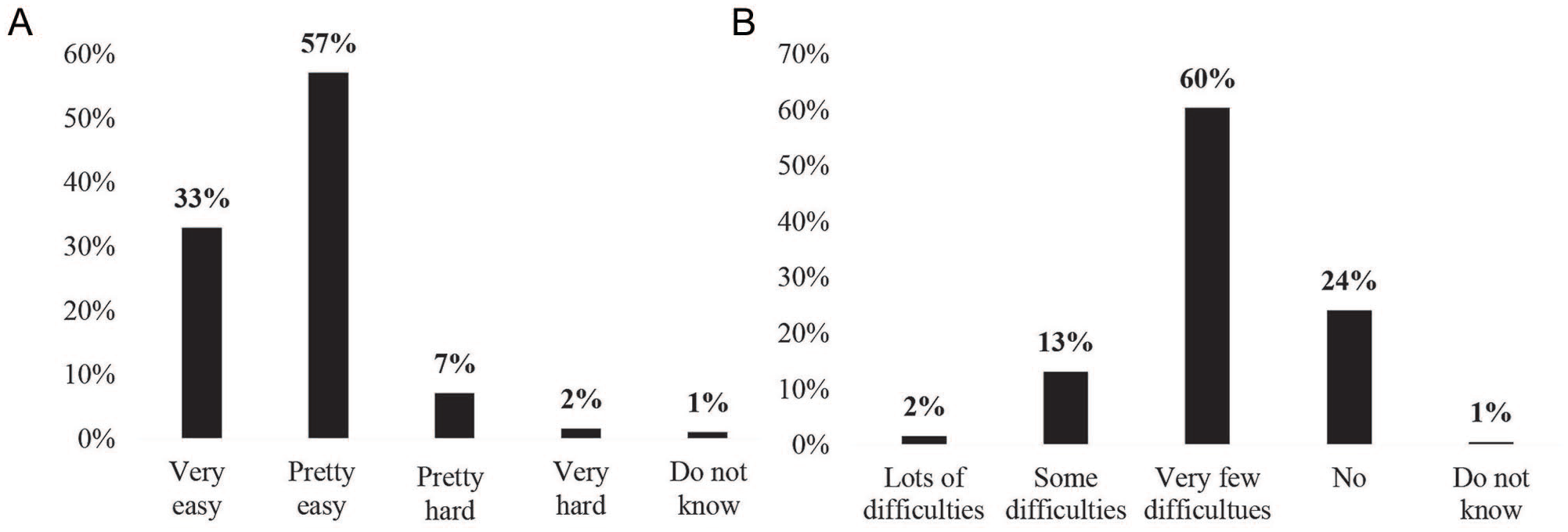
(A) How easy was it for you to switch to an online meetings format? (N = 182). (B) Did you encounter any technical difficulties while using software as part of virtual planning discussions? (N = 182).
Given that older people and disadvantaged populations are those who typically struggle with ICT usage, the low numbers of those who reported difficulty may indicate that this means of conducting meetings could nevertheless affect such populations. 7
Overall Grade and Its Possible Interpretation
We asked the respondents to evaluate their experience in using video conferencing in planning board meetings on a scale of 0 to 100. The average grade of all of the respondents’ answers was 72 and the median was 80, both indicating relatively positive opinions of the experience.
It is possible to interpret these generally favorable results in a variety of ways. On one hand, we could say that the fact that the majority expressed faith in the online meeting format confirms the view of researchers such as Hampton et al. (2017) that virtual participation is a viable alternative to in-person meetings. It can also suggest that respondents generally view ICTs as suitable to the needs of planners, the planning system, and other stakeholders in times of crisis. On the other hand, the fact that the average grade was 72 (an equivalent to “C” in school parlance), could be said to validate the warnings of critics (e.g., Lee 2020; Reinach Wolf 2020) about the downsides of virtual interactions in general.
Digging deeper into these figures, we inquired about the possible reasons for the respondents’ views. Figure 2 offers one possible explanation.
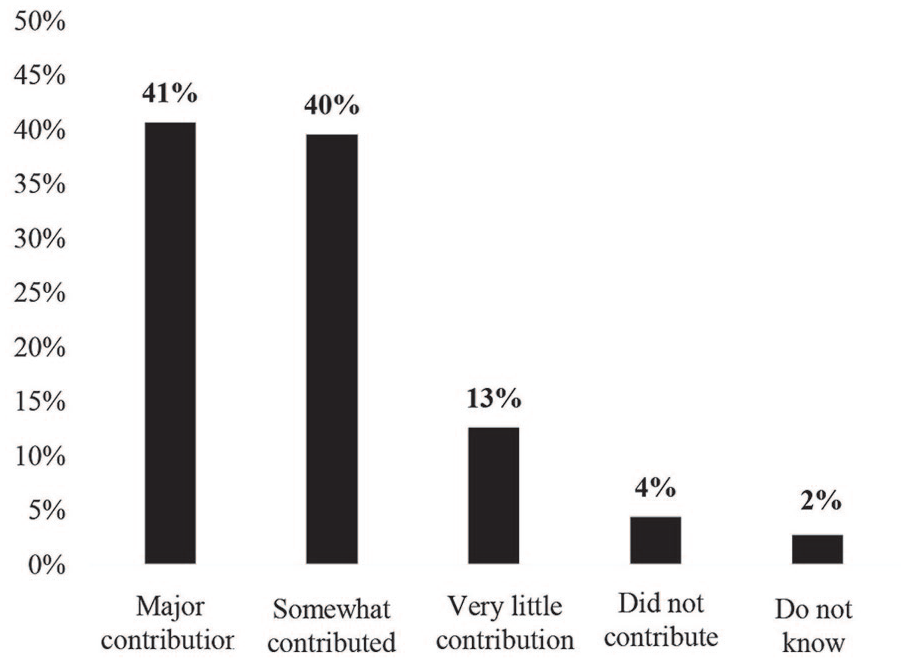
To what extent did the online meetings contribute to a meaningful discussion? (N = 182).
It shows that a majority of respondents (81%, comprised of those who indicated “major contribution” and “somewhat contributed”) felt that the online planning meetings they attended contributed to a meaningful discussion, whereas only 17 percent (those who chose “did not contribute” and “very little contribution”) felt the opposite was true. These results appear to confirm the assertions of some researchers that ICTs enable meaningful planning discussions (Evans-Cowley and Hollander 2010; Milz and Gervich 2021).
Inclusiveness and Participation
Figure 3A shows that when it comes to the efficacy of virtual meetings in facilitating public participation, the respondents’ opinions are divided. A slim majority believed that virtual meetings did succeed in including the public (52% of respondents indicated both “very helpful” or “somewhat helpful”). A total of 28 percent of respondents (who indicated “not very” or “unhelpful”) believed the opposite to be true, and 20 percent did not know one way or another. The variety of responses suggests that the informants’ perspectives are not unanimous, and may align with the warnings of some researchers. Ormerod and Davoudi (2021), for example, cautioned that suspending the usual democratic checks and balances during the pandemic to allow for online planning meetings can imperil the values of inclusion and transparency. The respondents who answered negatively may have indeed felt that the meetings were not ideal vehicles for ensuring public participation and having their views heard in a dialogue, but rather simply used to share information and opinion.
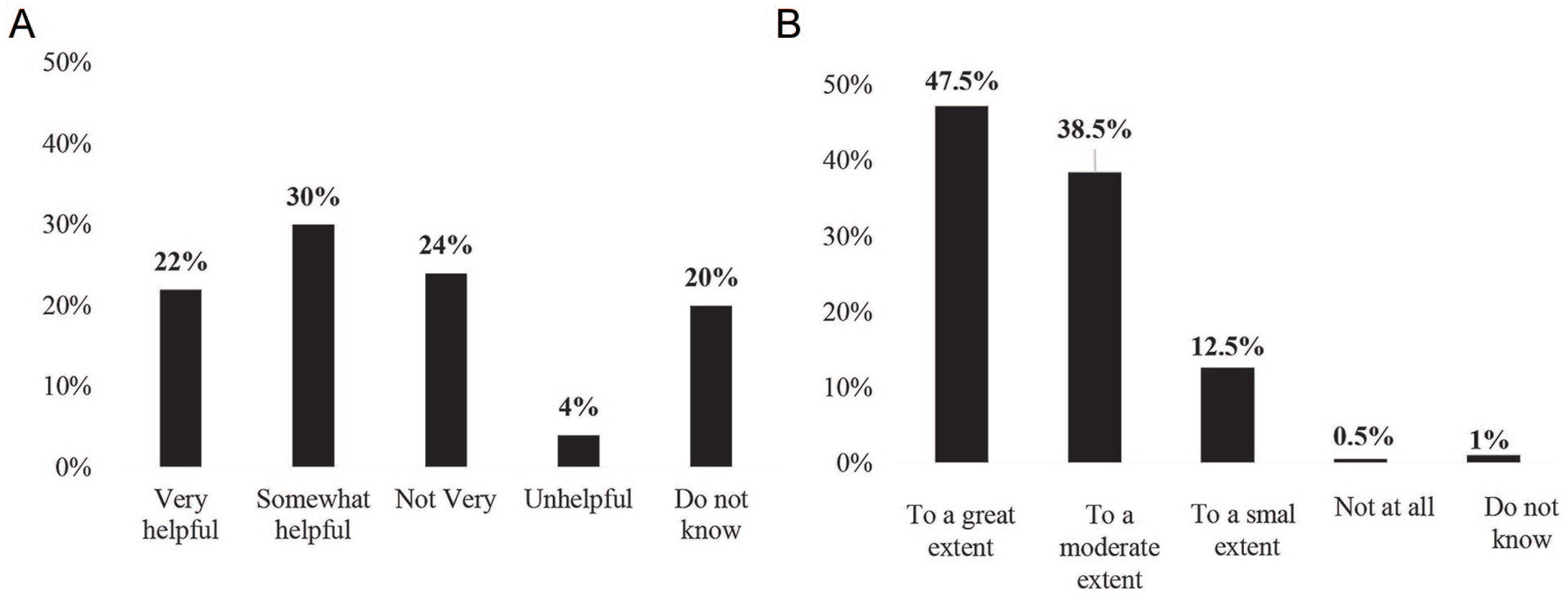
(A) To what extent were virtual meetings helpful in making it possible to include the public (in discussions where public input was required)? (N = 182). (B) To what extent did the online meetings allow those present at the hearing to express themselves? (N = 182).
Figure 3B shows that most respondents (86%, those indicating the responses of “to a great extent” and “to a moderate extent”) felt satisfied that ICTs allow attendees to express themselves in these virtual meetings, with a very small majority feeling they were barely or not at all able to express their views. These results seem to be at odds with the results of Figure 3A in which only a slim majority agreed that virtual meetings allowed for the participation of the public. The difference is that the respondents in Figure 3B were referring to a narrower aspect of participation—simply their ability to speak uninterrupted—as opposed to if they felt they were allowed to affect the discussion and be included as a stakeholder.
Tolerance and Legitimacy
The findings in Figure 4A do not differ too drastically from those in Figure 3B—with 87 percent of respondents (derived from the aggregate of “to a great extent” and “to a moderate extent”) feeling that virtual meetings allowed participants to listen to each other, and only 11 percent reporting that they were barely or not at all able to listen to others. These results would seem to confirm the views of researchers that virtual participation via online meetings can serve as a viable alternative to in-person meetings because of their ability to create a fairer work environment (Fenn and Matheson 2021; Hampton et al. 2017).
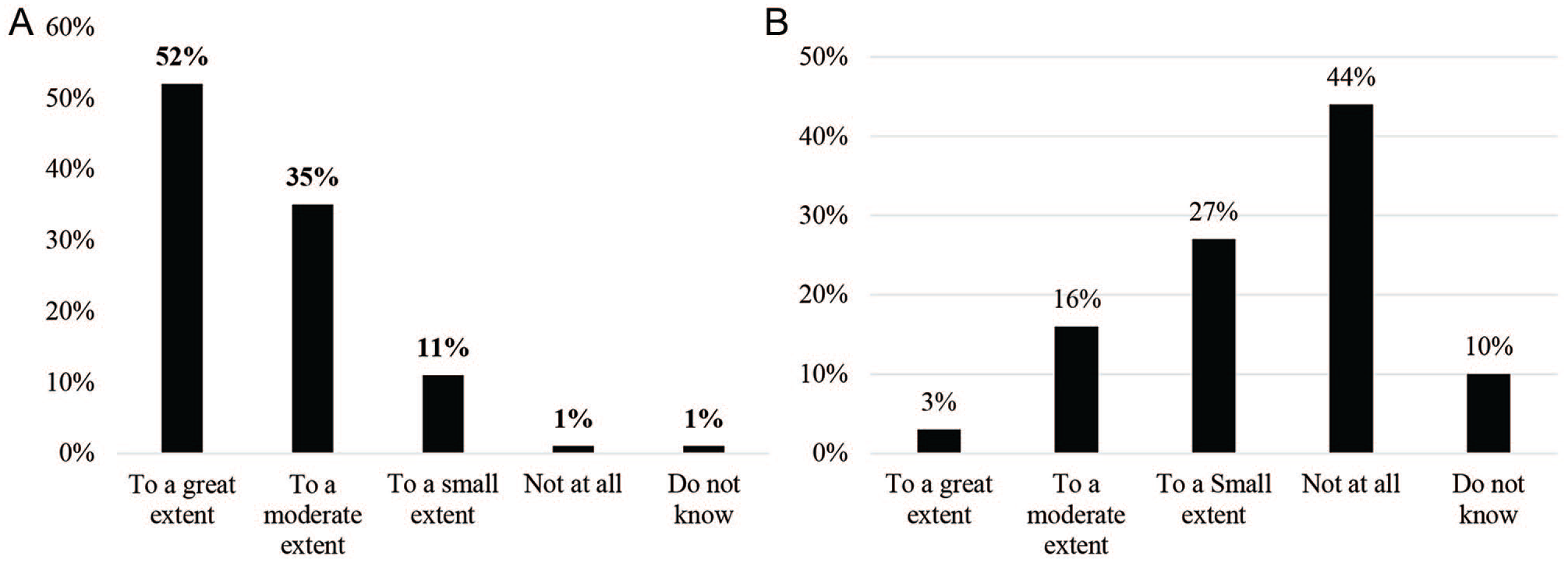
(A) To what extent did the online meetings allow those present at the hearing to listen to each other? (N = 182). (B) To what extent did the online meetings impinge on the legitimacy of the planning process? (N = 182).
Once again, the fact that such a large proportion of respondents indicated that virtual meetings allowed participants to be heard is encouraging, given that open communication is at the very core of the nature of planning (Sager 2018). It is plausible that certain features in the software the participants used facilitated this positive experience. For example, some platforms allow the meeting host (i.e., its initiator) to mute participants to allow others to listen to a certain person, without interruption. Obviously, this ability works both ways, as the same feature of muting or unmuting could affect the willingness and ability of some participants to express their views. Indeed, this capability can explain why a large share of the respondents did not consider ICT as a very democratic and inclusive tool (see Figure 3A).
With respect to legitimacy, the respondents are almost evenly divided in their opinion of online meetings when it comes to the legitimacy of the planning process (Figure 4B). On one hand, 46 percent believed that online meetings did impinge on the legitimacy of the planning process (with 19 percent noting that legitimacy was impinged upon to a moderate/great extent, while 27 percent indicating it did impinge on legitimacy but to a small extent). On the other hand, 44 percent did not think there was any harm to legitimacy. These findings suggest that those participating in an ICT-mediated planning process did not consider it as illegitimate. It is possible that respondents believed this was the case because of the ability of virtual hearings to promote tolerant discussions in which parties listen to each other (Figure 4A). This positive view about the legitimacy of virtual hearings also mirrors works cited earlier (e.g., McKay et al. 2011; Milz and Gervich 2021), according to which ICTs can increase the legitimacy of the planning process by facilitating inclusive deliberations while embracing communicative and collaborative approaches.
Yet, a large share of respondents still expressed discomfort, noting that Zoom meetings in planning are a hindrance to legitimacy. This result can be interpreted in light of the reservations of respondents about the ability of virtual meetings to include the public at large (Figure 3A). This contesting view meshes well with the literature cited earlier which looks critically at both input and output legitimacy (the procedural aspects of planning as well as its end-results). There is also a chance that respondents identify a good outcome with a good process, thus rendering the process as illegitimate when it has not achieved a certain outcome or was highly contentious. 8 These mixed results also align with the fact that the usage of Zoom during the pandemics was given an average grade of 72.
Trust
Another factor in legitimizing the planning process is the building of trust among participants (Sandercock 2003). The issue of trust in policy studies is complicated by the various definitions and indicators used (Cairney and Wellstead 2021; Cerna 2014). As noted above, it refers to the mental states of people (Rousseau et al. 1998), and hence involves feelings and perceptions of affinity, as well as expectations from other stakeholders and formal institutions (Coleman and Stern 2018; Stern and Coleman 2015). Indeed, while the literature emphasizes the ability of e-governance to boost trust in institutions, it also acknowledges that face-to-face interactions are better suited to building interpersonal trust. Therefore, we asked the respondents about the relationship between building trust in the planning process and the use of ICTs during the pandemic. The question we posed touches on both institutional and interpersonal trust, that is, trust in the setting (the planning apparatus) and in those participating in the process.
Figure 5 indicates that the respondents were strongly divided when it came to their opinions of the ability of virtual meetings to build trust between the participants during the planning board meetings. This divided opinion is in line with the research of Beck, Coleman, and Tapper (2021), who found that online meetings during the COVID-19 pandemic may be either inclusive or exclusive, thereby affecting trust generation among participants. The range of responses we received also mirrors Willson’s (2000) findings that people usually rated online discussions lower than face-to-face meetings in several categories, among them the sincerity of the speaker. Another explanation for the finding might be that, according to Milz and Gervich (2021), the loss of visual communication cues in a virtual meeting may result in more disagreements and conflict. With more conflict and disputes occurring, it would be no surprise that trust would suffer in the process. As planning is a process involving stakeholders of varying backgrounds and interests, the idea that trust is lacking in virtual meetings is a worrying indicator for its potential in making decisions about issues as important as land use.
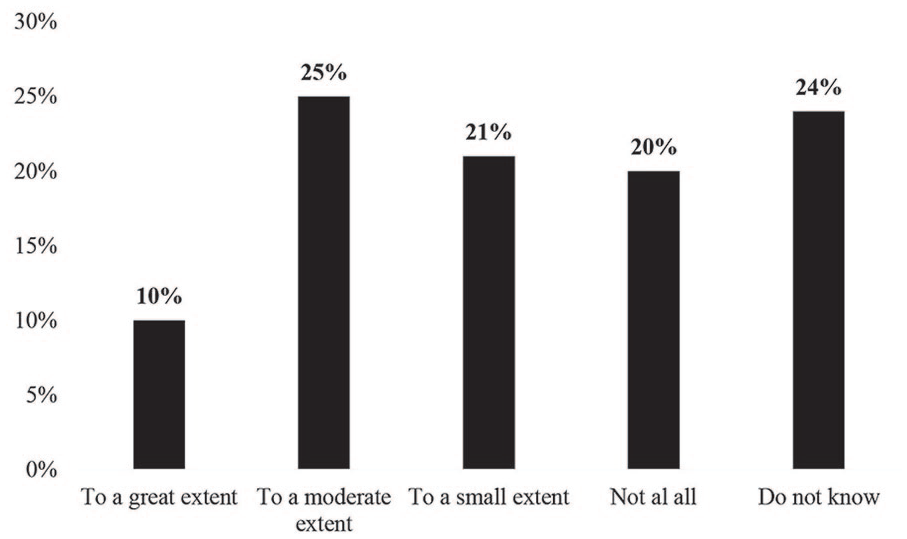
To what extent did online meetings enable participants to build trust during hearings? (N = 182).
Efficiency and Effectiveness of Deliberations via ICTs
Another factor we assessed was the contention that the pandemic has created more work for employees, and consequently increased levels of tension, pressure, and stress. According to the information presented in Figure 6, 24 percent of respondents (the aggregate of the responses of “to a great extent” and “to a moderate extent”) believed that online meetings lead to excessive deliberations. These findings partially correspond with indications that the shift from in-person to online work has increased the number of meetings, work hours, amount of work, and work-related correspondence (DeFilippis et al., 2020; The Economist 2020).
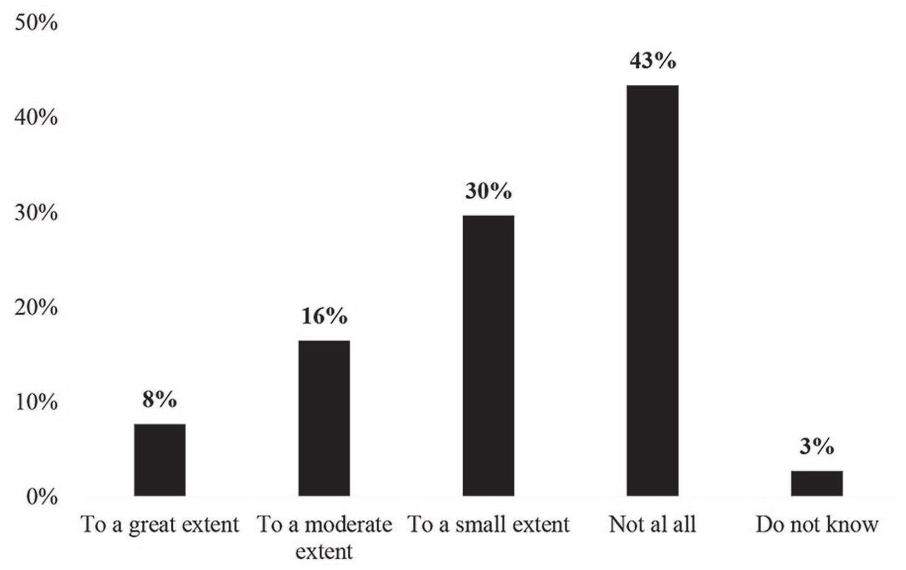
To what extent did online meetings lead to over-discussions (inflation of discussions/excessive deliberations)? (N = 182).
In measuring the effectiveness of online meetings, the informants identified key variables that could have an impact in creating ideal conditions. 9 The data in Figure 7 present the perceptions of the respondents regarding the factors that improve the effectiveness of virtual planning meetings.
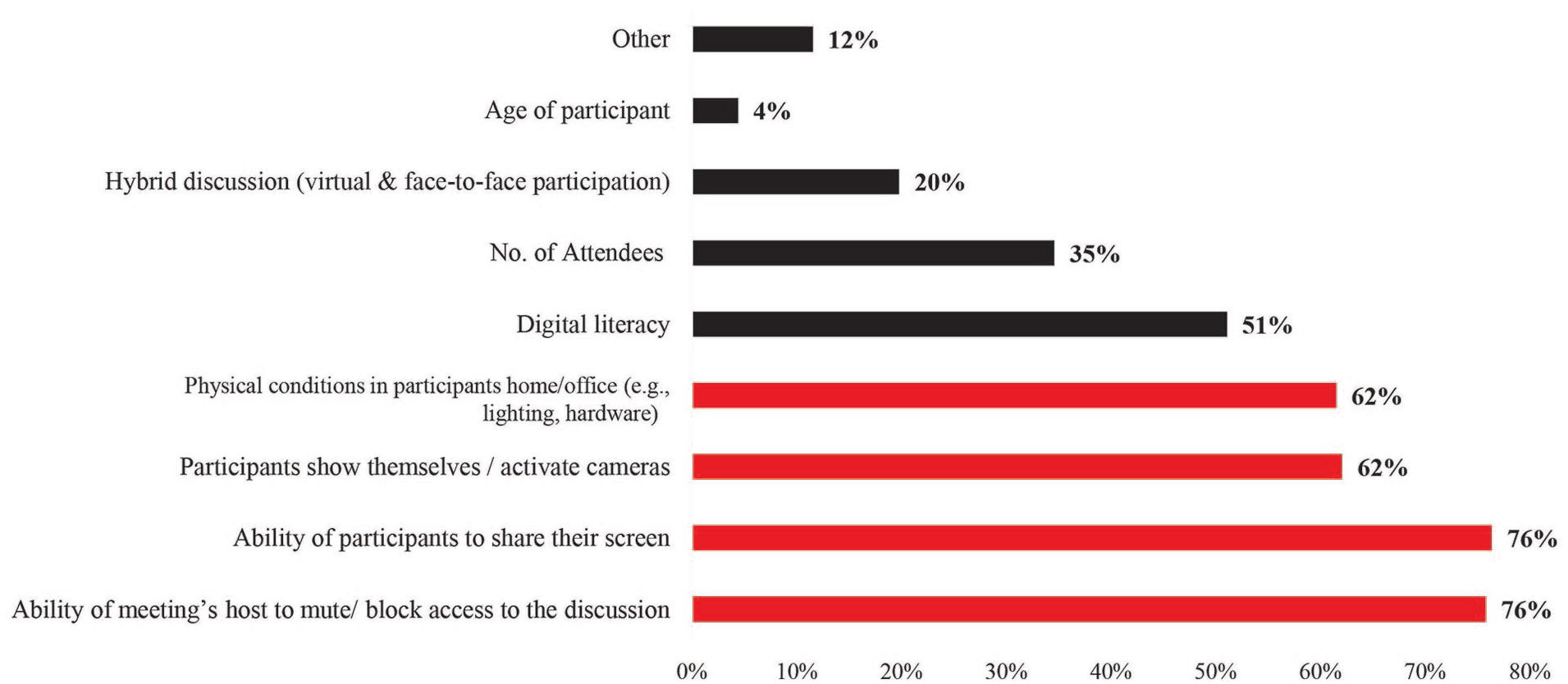
Which elements improve the effectiveness of virtual planning meetings (Mark 4)?
As the figure indicates, the highest-rated factors were the ability of the participants to share their screen, and the ability of the host to moderate the discussion. Both are elements intrinsic to the conduct of the meetings themselves, as opposed to outside factors such as the participants’ age and level of digital literacy. This finding corresponds with that of other researchers. For example, Laguzza (2020) identified the ability to properly moderate the discussion in an engaging manner as helpful in combating online fatigue. Allowing screen sharing also serves this purpose. Ineffective use of ICTs, such as by not moderating the discussion or allowing screen sharing, would potentially “. . . amplify the typical challenges of participatory processes, foster conflict and division among stakeholders, and ultimately stymie deliberative discourse” (Milz and Gervich 2021, 6). In addition, allowing the participants to see one another might obviate the loss of non-verbal cues, reducing Zoom fatigue. Finally, the physical conditions of the participants’ location were deemed somewhat important, perhaps indicating that online fatigue is a real stressor for many people, as they attempt to meet work responsibilities in a home setting. These outside factors can thus play a role in determining the effectiveness of virtual planning meetings.
Online versus Face-to-Face Discussions—Pros and Cons
As noted above, the literature also focuses on the pros and cons of online meetings compared with face-to-face engagements. In Figure 8, the respondents rated the four highest-scoring disadvantages of virtual hearings in planning boards (see Note 9). Marked in red, they were the inability to read the participants’ body language (40%); the inability to engage in “small talk” before, during, or after the meeting (43%); the impairment of spontaneity and interaction during the discussion (46%); and the technical difficulties that make it more difficult to run the meetings smoothly (52%).
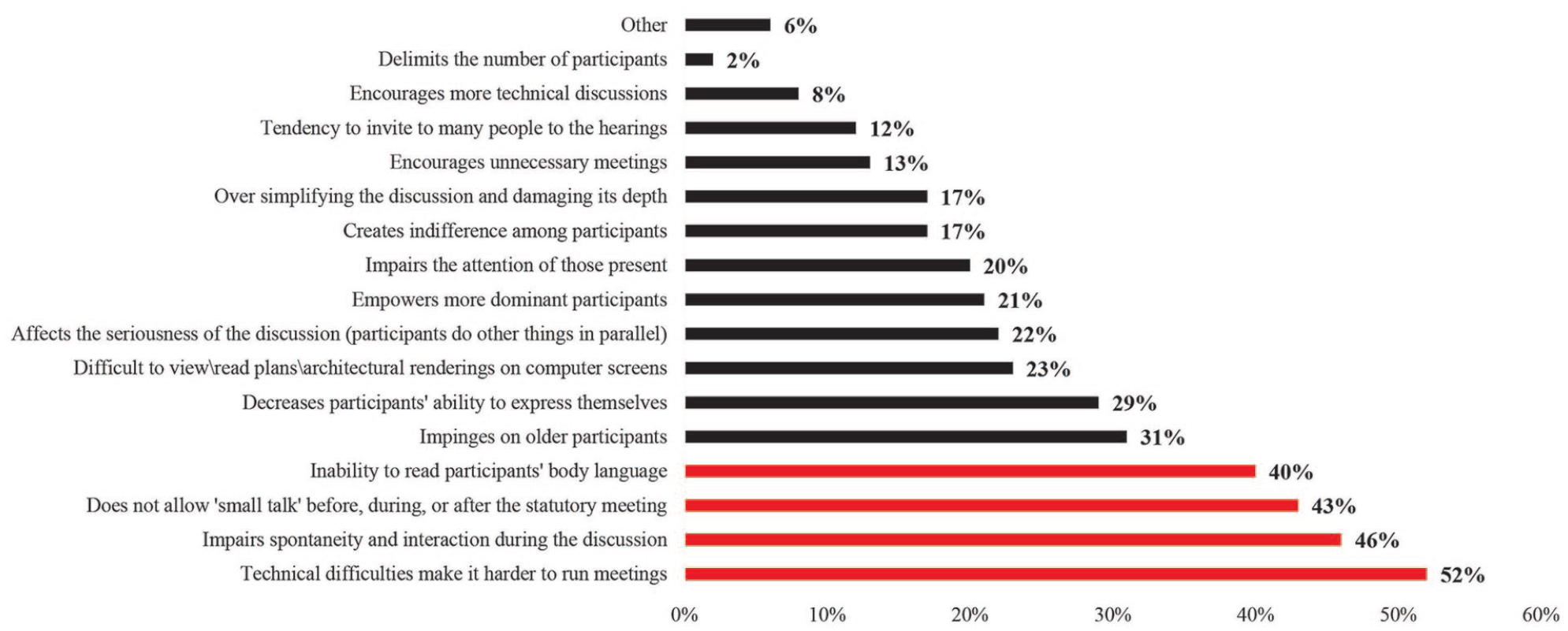
Compared with face-to-face hearings, what are the major disadvantages of virtual hearings before planning boards (Mark 4)?
The fact that the inability to read the participants’ body language was among the four most serious disadvantages is not surprising given the amount of attention that has been devoted to the issue of non-verbal communication cues being diminished or absent from virtual online meetings (Martínez-Moreno et al. 2012). Although the respondents felt that the lack of ability to make small talk and the impairment of spontaneity and interaction were disadvantages, these restrictions were a function of the intrinsic characteristics of ICTs. The death of distance, then, makes interactions more difficult than synchronic, face-to-face engagements.
Finally, the fact that 52.2 percent of respondents found the most glaring disadvantage of virtual hearings to be technological difficulties in running the meetings is puzzling, given that in Figure 1A, 90 percent of them reported the ability to adapt with relative ease to virtual planning meetings, and in Figure 1B, the majority of respondents (84%) reported very few if any technical difficulties. Notwithstanding these earlier results, the findings in Figure 8 seem to argue against the presumption of the death of distance, because half the respondents found that technical difficulties impeded the conduct of these geographically diffuse meetings.
Figure 9 displays the respondents’ opinions about the factors that make virtual hearings more advantageous than face-to-face engagements. The findings highlight four major benefits: the acceleration of the pace of technological change in planning boards (41.8%); allowing more people to attend (47.3%); allowing for more polite and structured discussion (49.5%); and the time saved by not having to commute to attend the meeting (86.8%).
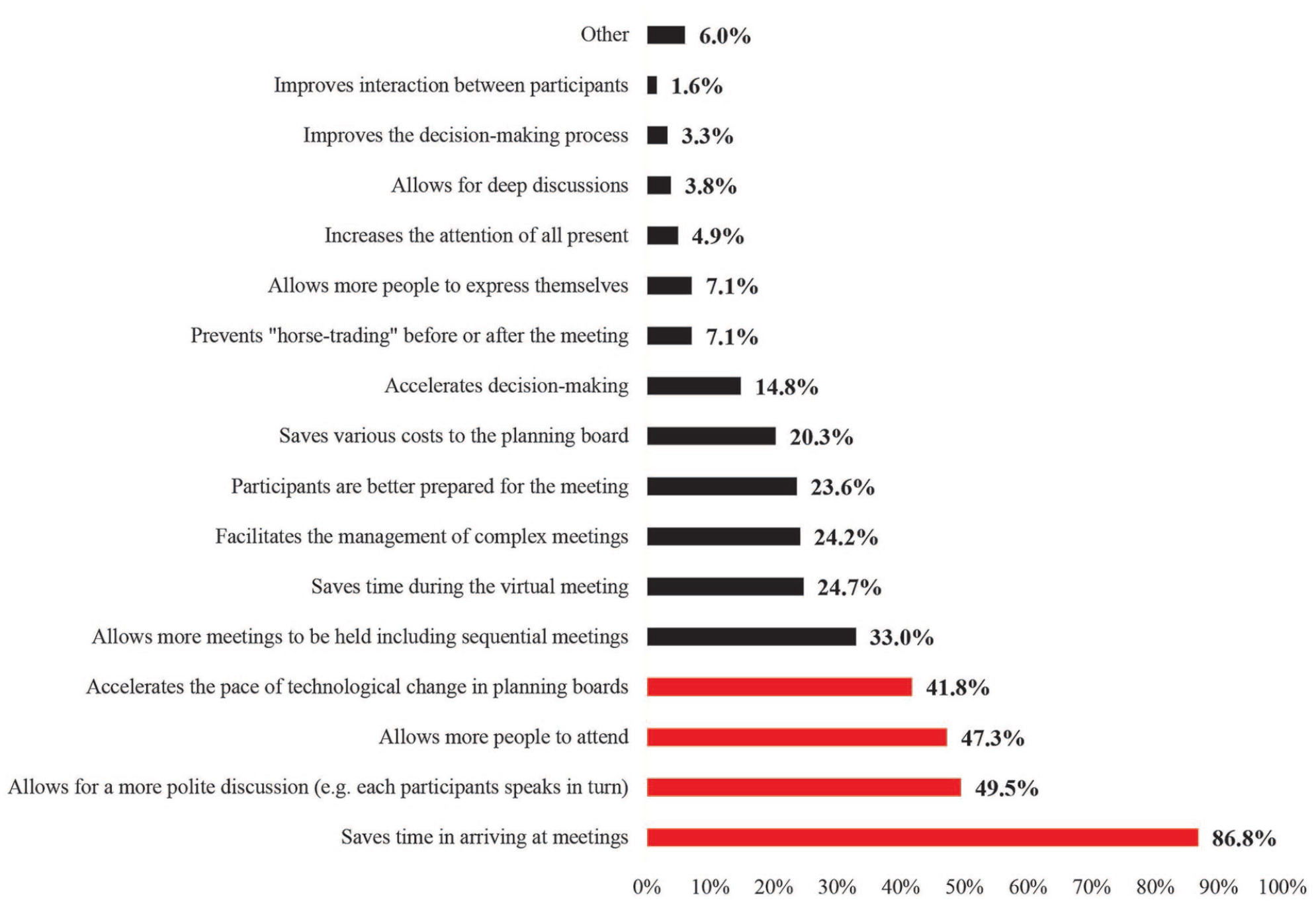
Compared with face-to-face discussions, what are the major advantages of virtual hearings held by planning boards?
These findings mirror the opinions of several scholars who wrote extensively about the pandemic and its potential for opportunities. Both Milz and Gervich (2021), and Goode (2021) described the pandemic as an opportunity for experimentation with technology. Many planners and municipalities have adopted ICTs and their related practices for the first time to conduct public meetings, allowing for “on-the-fly” learning of the new medium. Likewise, Quiggin (2020) explains that the pandemic has also served as an opportunity for employers and workers to experiment with working from home. As Deloitte’s (2018) report explains, with the array of available communication technologies expanding, workers and workplaces will become more connected and productive. Indeed, according to Molino et al. (2020), this situation is likely to remain the norm even after the pandemic. The holding of virtual meetings by planning boards thus seems to bear out these insights.
The acceleration of the pace of technological change in the planning boards and the allowing of more people to attend would certainly seem to be aligned with the concept of the “death of distance.” As Cairncross (2001) posited and others have discussed (Fraser et al. 2017; Hampton et al. 2017), this change reflects the rapid development of communications and Internet technologies, causing a shift in the way we live as technological advancements make physical distance less significant. As more people gain access to these technologies, one of the consequences predicted was an increased amount of liberation and democratization in communication. This certainly seems to be the case with regard to expanded attendance at planning board meetings. The pandemic was therefore a catalyst for including the use of technology in the planning boards’ daily routine. The facilitating of more polite and structured discussion could possibly be linked to other results highlighted earlier, such as the opinion of our respondents that Zoom, Teams, and other similar software indeed allowed the participants to express their opinion and listen to each other.
Finally, the highest-rated advantage mirrors the literature’s findings that ICT usage for online collaborative work results in more flexibility and an increasing willingness to tolerate technical difficulties because the virtual meeting saves the participants from having to commute to a physical meeting (Fraser et al. 2017; Schremmer et al. 2003). Similarly, Quiggin (2020) reports that by working from home, the time saved by not having to commute can result in more workforce productivity, a view echoed by Maurer (2020). Thus, the death of distance, expedited by COVID-19, has resulted in significant improvements in the planning process, its productivity, and effectiveness. This conclusion is reflected in the findings in Figure 9 which demonstrated that online meetings allowed back-to-back sessions, saved time during the meetings held, facilitated the management of complex meetings, saved on a variety of costs, and enabled better preparation for meetings.
Future Prospects of Online Planning Meetings
Taken together, the majority of respondents (66%) agree that overall, the advantages of online (Zoom) meetings outweigh the disadvantages (Figure 10). It is perhaps their technocratic nature and the lack of other alternatives that made them work, and contributed to their acceptance by professional planners, politicians, and the public at large.
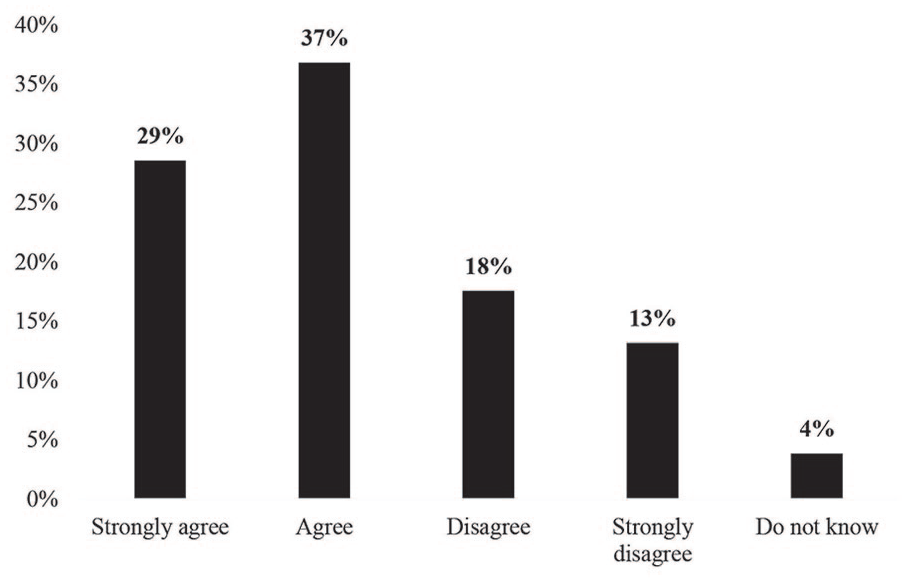
Advantages of virtual hearings by planning boards outweigh disadvantages. Do you agree? (N = 182).
It is not surprising then that, despite many problems and difficulties associated with virtual hearings, most respondents believe that planning boards should continue using virtual tools after COVID-19 as another option for facilitating deliberations (Figure 11). This finding indicates that the respondents saw more benefits than problems in using this approach, and therefore regarded it as an important tool.
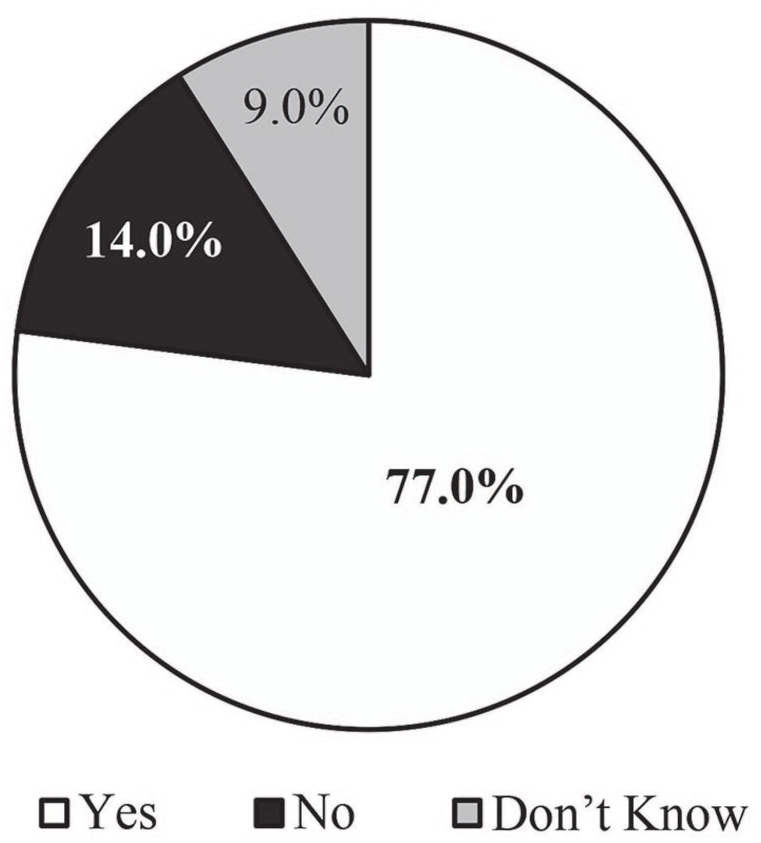
Do you believe post-COVID-19 planning boards should continue using virtual meetings as another option for deliberations? (N = 182).
These findings are quite telling, especially given the mixed results concerning the effect of ICTs on trust, public inclusion, and legitimacy in planning. One plausible conclusion is that in times of emergency and crisis, planners and others participating in the planning process are willing to sacrifice certain aspects of the planning process experience, so as to enable the planning “machine” to continue uninterrupted. Given other robust and significant advantages of virtual hearings via ICTs, it appears that respondents willfully accepted the costs of continuing to hold and attend planning meetings during the pandemic, namely those in terms of trust-building, inclusiveness, and legitimacy.
Conclusion
This study yields some insightful perspectives into how COVID-19 has influenced the planning process. Our results shed light on the advantages of using ICTs to ensure the flow of planning decisions, improve engagement, and accelerate technological change in government. In particular, the findings point to the benefits of moving decision-making to online platforms. Overall, our respondents indicated that virtual meetings are advantageous formats for planning hearings. However, they also noted several limitations of the format that must be overcome. Specifically, online planning hearings do not meet the expectations of participants with respect to building trust, creating an all-inclusive gathering place, increasing legitimacy, and replacing face-to-face interactions. Although the death of distance as a phenomenon is advantageous in creating more effective meetings, it is also associated with the loss of visual cues, human interaction, and the ability of participants to socialize.
The long-term effects of using ICTs in decision-making in planning are still unknown. In particular, it is unknown whether different types of ICT-mediated planning meetings yield different degrees of trust, legitimacy, and inclusiveness. The data we gathered suggest there are no significant differences between the type of planning hearing, and the perception of incumbents and stakeholders about ICTs. 10 As such, research regarding the impact of video conferencing on the deliberative aspects of the planning process demands more investigation. Future research should help to further unpack such concepts as “trust” and “legitimacy” in e-planning, as well as to expand the study of the advantages and disadvantages of ICT usage during the pandemic, and its impact on participatory processes.
Also, additional investigation is needed to examine whether the outcomes of online meetings turn out differently than regular face-to-face meetings. The findings of such an inquiry may aid in further clarifying controversial issues such as trust as well as elucidate their implications for e-government reforms. This paper brings to the fore a broader question about how ICTs influence bureaucracy. This is a very difficult question to answer and arguably an ambitious one for this paper which focuses on a small sliver of activity within that bureaucracy: how people manage to deliberate online during the pandemic. To consider the impact of ICTs on the bureaucracy, future analysis would require an in-depth study about whether new technologies have been included, and if funding, staffing, or training have been affected.
Our findings, although specific to the Israeli experience, are pertinent lessons for the world at large, are a starting point for these deliberations and inquiries about the future use and possibilities of online planning hearings and digital transformations. They provide planners with insights into what works and what does not, the advantages and disadvantages of online meetings by planning boards, and how they can be improved. Finally, our findings can also help in crafting future regulations that can avoid the shortcomings of online decision-making and make digital transformation possible for planning systems worldwide.
Footnotes
Acknowledgements
The authors would like to thank the reviewers and the editor for their useful suggestions and comments on earlier versions of this paper.
Declaration of Conflicting Interests
The author(s) declared no potential conflicts of interest with respect to the research, authorship, and/or publication of this article.
Funding
The author(s) received no financial support for the research, authorship, and/or publication of this article.
