




Abstract
The growing interest in the use of digital games for education resulted in the expansion of the field of game-based learning. There have been several research on the perceptions and attitudes of students towards the use of games for learning. These studies have tried to understand what students make of the use of digital games for learning, as it is believed that the views of users and their acceptance of new technologies play a crucial role in ensuring successful outcomes. However, it is unclear whether there is any relationship between experiences, perceptions towards games and gameplay performance in a learning game. Understanding this relationship is important for game developers to effectively design and develop games, and for educators to be able to determine how to best deploy games for educational purposes. This study examines how the experiences and perceptions of engineering students towards digital games for engineering education influence their use and performance in a serious game called CosmiClean. Findings suggest that while students are enthusiastic about digital learning games, there was no relationship between their perceptions of games for learning and their gameplay performance. However, a relationship was found between the game experiences of students and their gameplay performance.
Introduction
Digital Game-Based Learning
Over the years, Higher Education Institutions (HEIs) have been investing in technological tools to improve the learning experiences of students to make content delivery more effective, while providing opportunities for the development of digital skills. Simultaneously, HEIs have been shifting attention to the development of realistic learning scenarios where technologies are used to support students in developing the skills required by current and future employers. The current Covid-19 pandemic that has led to increased social distancing and remote learning is also rapidly driving the demand for technologies that support learning (Glassey & Magalhães, 2020). Several technological tools are being explored and used for delivering learning content to students. Such technologies include digital games, which are increasingly being used for teaching and training in different educational settings (e.g. Chon et al., 2019; Oren et al., 2021; Suescún et al., 2018; Suzuki et al., 2021). There is increasing support for the potential of digital games to offer similar or more extensive benefits than the traditional teaching methods (Perini et al., 2018; Suescún et al., 2018).
The use of digital games for instructional purposes is usually referred to as Digital Game-Based Learning (DGBL). Bahadoorsingh et al. (2016) defined DGBL as an instructional method that integrates educational content into video games with the goal of engaging learners. Digital games are widely accepted to be powerful tools for teaching and training for several reasons. Educational games that successfully pair instructional content with relevant game features are most likely to engage learners in gameplay leading to the acquisition of specified learning outcomes (Garris et al., 2002). DGBL is considered relevant in higher education because of its ability to foster contextual and authentic learning, experiential learning, collaborative learning, problem-based learning, and also due to its ability to provide adaptive and appropriate feedback to learners (Oren et al., 2021).
As an unconventional pedagogical tool, several studies have aimed at understanding the views of students regarding the use of digital games for learning (Beavis et al., 2015; Franco-Mariscal et al., 2015). It is believed that the perceptions and acceptance of users towards new technologies play a crucial role in ensuring successful outcomes (Herzog & Katzlinger, 2011; McMorran et al., 2017). Beavis et al. (2015) stressed the importance of understanding the views of students and their previous experiences with games for learning to ensure the effectiveness of game-based learning pedagogy.
What is unclear, however, is how the game experiences of students and their perceptions towards game-based learning reflect on their use of and performance in the game-based learning environment. From an educational point of view, a good performance in a DGBL environment can be defined as a student being able to demonstrate the intended learning outcomes (ILOs) by playing the game. Performance in the game can be measured through the physical variables that can be established by the software in line with the specifications defined by the ILOs of the specialist subject area. A good performance in a well-designed educational game would suggest good understanding and application of the taught concept, hence evidence of learning.
Although studies on the effectiveness of DGBL have received much attention, there is still limited literature looking at the psychology of learners (Lu & Lien, 2020). A good understanding of how the psychological status of learners affects their performance in DGBL is essential to the design of high quality and effective instruction in DGBL environment (Lu & Lien, 2020).
The current study aims at providing empirical evidence of the relationship between previous game experiences, perceptions of learning games, and the performance of engineering students in a serious game.
Perceptions and Performance of Students in Digital Game-Based Learning
The growing interest in DGBL has led to several studies investigating the perceptions of students towards games for learning. The outcomes of these studies have generally been positive, with the majority of students agreeing that games enhance learning (Bolliger et al., 2015; Sevim-Cirak & Yıldırım, 2020; Thanasi-Boçe, 2020; Udeozor, Toyoda, et al., 2021). Yue and Tze (2015) found that 58% of university students who took part in the study agreed or strongly agreed that digital games are viable teaching tools for improving learning experiences. 81% of the 222 participants who took part in the study by Bolliger et al. (2015) agreed that games offer the opportunity to experiment with knowledge, with only 11 out of 175 responders reporting not seeing any pedagogical advantage of digital games for English language learning. A recent study with engineering students showed that students believe that digital games would be effective for engineering education and that students were willing to adopt games for learning (Udeozor, Toyoda, et al., 2021). These outcomes are not particular to students in higher education alone. Other studies involving primary and high school students also found that overall, students show enthusiasm towards the use of games for learning (Beavis et al., 2015; Bourgonjon et al., 2010; Franco-Mariscal et al., 2015).
Squire (2006) argues that performance elicits knowledge in video games as learners learn by doing within the constraints of the game environment. He emphasised the need for educators to study the ‘design experiences’ of students that would influence knowledge acquisition and problem-solving. So far to the knowledge of the authors, only a few studies have investigated the relationship between perception and performance in games (e.g. Lu & Lien, 2020; Ninaus et al., 2017), but none have looked at the relationship between experience, perception and performance from a higher education viewpoint. While the link between experience, positive perceptions and performance of students in game-based environment is yet to be established, a substantial body of research has shown that there is a relationship between positive affect and cognitive performance (Ashby et al., 1999; Liu & Wang, 2014; Yang et al., 2013). The neuropsychological theory of positive affect and its influence on cognition by Ashby et al. (1999) posit that positive affect is linked to the release of dopamine which influences performance in a range of cognitive tasks. This is to say that the more positive experience or feeling one has (of something), the better their cognitive performance. When applied to game-based learning, it is thus the expectation that positive perceptions towards games would influence performance in the game environment. Consistent with this theoretical view, a few studies have examined the relationship between perceptions and outcomes (Kleinlogel et al., 2020; Lu & Lien, 2020; Ninaus et al., 2017). In their study, Ninaus et al. (2017) evaluated the effect of the acceptance of digital games for learning on learning success. With 32 primary school participants, they found that learners with higher perceptions of ease of use and usefulness of games performed better in the post-game test. Another study by Lu and Lien (2020) investigated the relationship between the perceptions of playing and learning in game-based environment, and the self-efficacy of 362 primary school learners in the same environment. They found a positive relationship between perceptions and self-efficacy of students in the game-based learning environment. Similar findings were also reported by Kleinlogel et al. (2020) in their study investigating the role of meta-perception on performance in public speaking with 132 university participants. Whereas these studies were consistent in their outcomes, one study did not find links between perceptions of 287 medical students towards the use of videos for learning and their performance in tests (Mahmud et al., 2011).
Given that the use of DGBL in academia is still in its early stages, more research is required to understand how students use the technology and how to support learning in the digital game environment through appropriate design and deployment of digital games in the classroom. With the limited number of studies on perceptions and performance in the game-based learning context and the inconclusive results on the relationship between perceptions and performance particularly in higher education, further research is required. Also, most of these studies used ex situ data like questionnaires and tests scores (Kang et al., 2017) for performance assessment as well as non-established questionnaires for perception evaluation raising concerns about the validity of the outcomes. The current study, therefore, aims to bridge this knowledge gap and go a step further to evaluate perceptions of higher education students using an established technology acceptance model and gameplay log data that are considered more valid and reliable for performance assessment (Shute & Ke, 2012).
Aim of Study
Several studies have emphasised the importance of understanding and taking into account the views of students towards game-based learning to ensure effectiveness. However, it is still unclear whether there are any relationships between the perceptions and experiences of students and their performance in learning games. This paper presents two studies that measured the experiences, perceptions, and performance of students in a serious game. The first is an exploratory study that aimed at understanding the overall perceptions and gameplay performance of engineering students. Following up on the findings of the study, the second study performed correlation analyses to evaluate the relationship, if any, between the game experiences of students, their perceptions of learning games, and their performances in a serious game. The following questions will be answered in this research:
RQ1: What are the gameplay experiences of chemical engineering students and how do they perceive the use of digital games for engineering education?
Given that the current cohort of students in the higher education institutes is regarded as digital natives (Prensky, 2001), it is expected that the majority of the participants will report positive experiences and perceptions towards digital games for learning. Therefore, we hypothesise that: H1: Chemical engineering students will report playing digital games and will have positive perceptions towards DGBL.
Consistent with the neuropsychological theory of the influence of positive affect on performance (see “Perceptions and Performance of Students in Digital Game-Based Learning” section), it is expected that: H2: Students with positive experiences and perceptions of learning games will perform better in the game tasks.
Conceptual Model
Unified Theory of Use and Acceptance of Technology
To measure the perceptions of students towards game-based learning, researchers have utilised several conceptual models developed to measure technology acceptance. Through adopting the Technology Acceptance Model (TAM) by Davis (1989) and the Unified Theory of Use and Acceptance of Technology (UTAUT) by Venkatesh et al. (2003), researchers identified ‘perceived ease of use’ and ‘perceived usefulness’ as factors that have significant positive effects on the intentions of students to use games for learning (Bourgonjon et al., 2010; Fagan et al., 2012). Others found ‘learning opportunities’ and ‘learning preferences’ (Bolliger et al., 2015), ‘enjoyment’ and ‘competition’ (Beavis et al., 2015), and ‘learning opportunities’ and ‘enjoyment’ (Franco-Mariscal et al., 2015) as factors that have the most influence on students acceptance of DGBL. In general, these studies found that students are interested in the use of games for learning and would most likely use a game to learn if they believed it would enhance learning (perceived usefulness, learning opportunities), be easy and uncomplicated to use (perceived ease of use) and be fun or enjoyable (enjoyment).To understand the perceptions of engineering students towards DGBL for engineering education, this study utilized the extended Unified Theory of Use and Acceptance of Technology (UTAUT2) framework (Venkatesh & Xu, 2012). The UTAUT2 model, developed to predict technology acceptance, has been successfully used in studies to evaluate the perceptions of higher education students towards games for learning (Wang et al., 2020). The UTAUT2 model was also found to be able to explain up to 74% of the variance in behavioural intention to use a new technology (Venkatesh et al., 2016).
The UTAUT2 theorizes that Performance Expectancy (PE), Effort Expectancy (EE), Social Influence (SI), Facilitating Conditions (FC), Hedonic Motivation (HM), Price Value (PV) and Habit (H) are direct determinants of the intention to use a new technology, while FC, HM, PV and H are direct determinants of usage (Venkatesh & Xu, 2012). As this study is purely focused on perception before the implementation of the technology, an adapted model was used as shown in Figure 1.
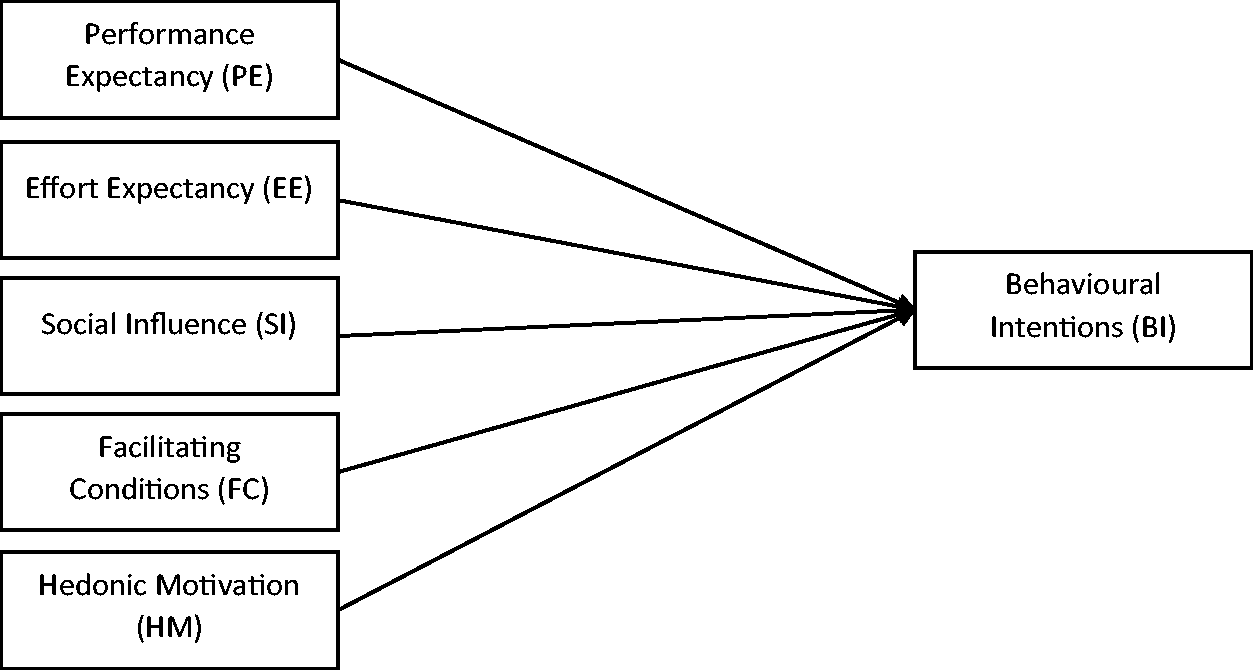
The UTAUT2 Model Implemented in this Study.
The perceptions of students towards DGBL for engineering education are measured on six constructs as seen in Figure 1. Performance Expectancy (PE) describes the degree to which an individual believes that using a given technology will enable them to perform a certain activity (Venkatesh et al., 2003). This variable is considered the strongest determinant for the prediction of behavioural intention to use a new technology (Venkatesh et al., 2003). Effort Expectancy (EE
The Game: CosmiClean
The game used for the two studies is called CosmiClean (https://recyclegame.eu/the-game/). CosmiClean is a serious game with strategy, puzzles, and adventure elements. It is a product of the EIT-KIC Raw Materials GAME project of the EUH2020 and was designed by LuGus Studios, Belgium. The game was designed to expose players to the science and the challenges of waste recycling. With 56 levels of increasingly challenging gameplay, CosmiClean uses high-quality graphics and an engaging narrative to provide a fun game experience.
The game places the player in the position of an artificial intelligence (AI) trying to save a stranded damaged spaceship carrying a tone of waste across the galaxy. With no resources available to repair the ship, the AI resorts to using the waste cargo. The player has to sort the waste and use it to repair parts of the damaged ship as shown in Figure 2. With a working 3 D printer on the ship, the player is also able to design and print different separators needed to sort the waste.
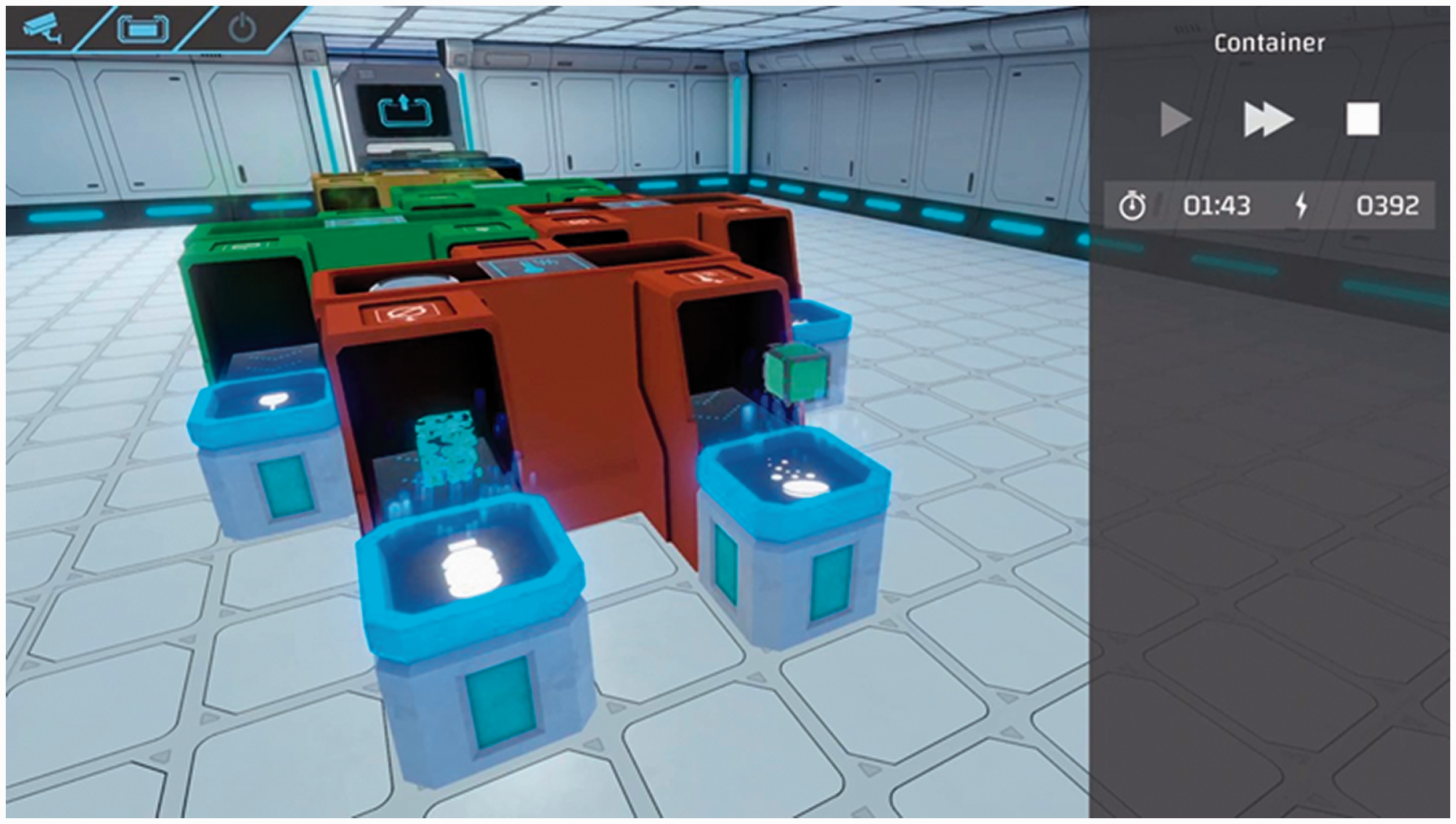
Screenshot of a Recycling Process in CosmiClean Game.
When viewed from an engineering education point, CosmiClean teaches the heuristics of separation and recycling processes through waste recycling. The players must determine and use optimal sequences and processors for separating mixtures of waste materials at each level of the game based on their physical properties. Although designed for the wider public, the gameplay tasks are closely aligned with some core modules of chemical engineering education, such as the principles of separation operations and elementary principles of project-based plant design. In the game, players make strategic decisions on processors/equipment to use, sequencing of the processors as well as setting the configurations of each processor to ensure the efficiency of the separation and recovery of the raw materials from the waste cargos. This game was selected for this study because it was designed by engineering experts and it won the Comenius-EduMedia Siegel award 2019 for its outstanding content and pedagogical design (https://comenius-award.de/).
Study 1
Methods
This quantitative research employed the survey and correlational research design (Creswell, 2011). Survey design was used to evaluate the game experiences and perceptions of participants towards DGBL, while correlation design was used to determine the relationship between perceptions, experiences, and performance.
Research Context and Participants
The purpose of this first study was to understand the perceptions, game experiences, and gameplay performance of engineering students in CosmiClean. The participants of this study were 1st year undergraduate chemical engineering students from Newcastle University. There were 67 participants made up of 48 male and 19 female students in their second semester of study. 72% of these students were below the age of 20. Convenience sampling method was used to recruit these participants (Creswell, 2011). This cohort of students was selected because they are most likely to benefit from the gameplay, as the game serves as a practical introduction to the principles of separation operations, a core module taught in the 2nd year of study. Also, having spent over a semester as engineering students, these participants are in the position to give their objective views regarding the use of digital games for engineering education.
Procedure
The study took place in-person at the university, in one of the computer clusters. The study sessions were divided into three, with groups of about 22 students in each. Each session began with an introduction to the study and a description of the game used. Participants were next asked to complete the questionnaire using a link provided. Once completed, they were redirected to the game webpage where they downloaded the game before playing. The whole sessions lasted for an average of 90 minutes.
Data Collection
An online survey and game log files were used for data collection. To evaluate game experiences and perceptions, a 31-item online questionnaire was used. The questionnaire collected socio-demographic data, game experiences, and perceptions towards digital games for engineering education. The items measuring perceptions were adapted from the UTAUT2 model (Venkatesh & Xu, 2012) see (Appendix). To measure the performance of students in the game, game log files were collected and analysed. The data collected included: time spent on gameplay, average time on task, the number of levels completed, and energy used by the units of the separation process created by the player to process the materials into their pure components. These data were considered relevant for performance assessment. Timestamp is one of the automatically logged data in games and they have been used to determine motivation and engagement in learning games (Cook-Chennault & Villanueva, 2020; Habgood & Ainsworth, 2011) as well as speed and gameplay behaviour (Udeozor, Abegão, et al., in press; Westera et al., 2014). In games with several levels, the number of levels completed by a player also indicates their level of engagement and skills since the higher the game level, the more difficult players find it to complete (Cook-Chennault & Villanueva, 2020). In CosmiClean, the energy used shows the efficiency of the solutions to the game task. As the game requires players to sustainably recycle waste, play strategy, which is an indication of the skills of the players, is reflected in the amount of energy used by the process units to complete the tasks, e.g. if a player chooses a less efficient separation strategy, the process will consume more energy, which is not a positive outcome.
Results
RQ1: Game Experiences and Perceptions of Chemical Engineering Students Towards DGBL
To answer RQ1 of this study, first, the game experiences of the students were analysed. This was determined by prior gameplay by students, the amount of time spent playing games per week and their rating of game enjoyment. The data showed that 94% of the participants have played some sort of game before. 49% of them reported spending less than 5 hours per week on gameplay, 31% spend between 5 and 10 hours a week, 15% spend between 11 and 20 hours a week and 5% spend over 20 hours a week on gameplay. On a scale of 1 to 10, 70% of the participants claimed to really enjoy playing games with ratings of 7 and above (see Figure 3) supporting our first hypothesis.
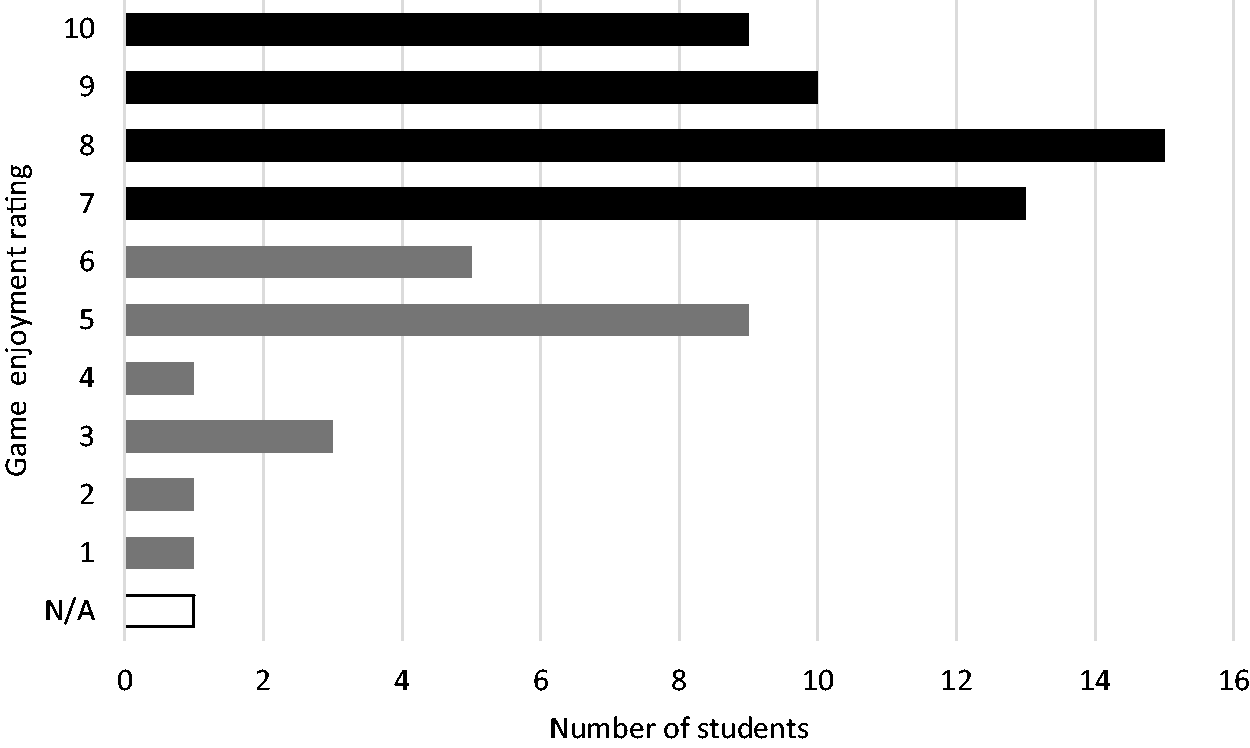
Game Enjoyment Rating by Students Participating in Study 1, n = 67.
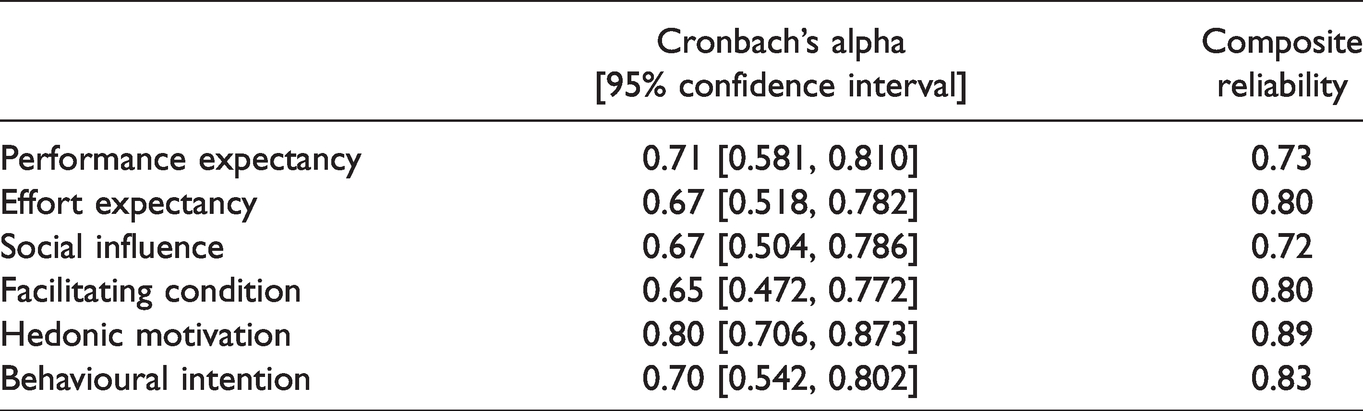
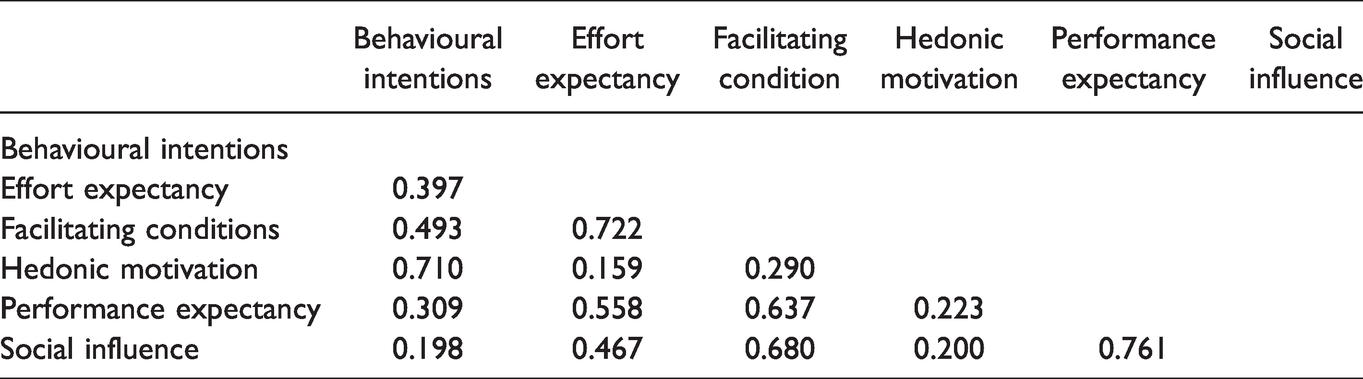
The perceptions of students were measured on a 6-point Likert scale, with 1 as strongly disagree and 6 as strongly agree. Quality checks on the responses were first performed to determine the validity and reliability of the items of the measured constructs. Partial Least Square Structural Equation Modelling (PLS-SEM) analysis, a statistical approach used to test the predictive power of models (Hair et al., 2013), was performed using SMART-PLS 3 and IBM SPSS Statistics 25. The measurement model analysis showed that the Cronbach’s alpha values, measures of reliability or internal consistency of the measurement constructs, were all within the range of 0.65 and 0.80. The Composite Reliability values were also above the 0.7 minimum threshold (see Table 1), which are considered acceptable (Hair et al., 2013). These suggest good correlations between items intended to measure the same constructs, indicating good internal consistency reliability. To confirm the construct validity of the measurement constructs, the Heterotrait-Monotrait ratio of correlations (HTMT) was computed (Hair et al., 2013). As shown in Table 2, all HTMT values were below 0.85, indicating that constructs that are not supposed to be related are indeed unrelated, confirming discriminant validity (Hair et al., 2013). Given that the goal of this study is to evaluate the perceptions of students towards DGBL based on their responses to the survey questions rather than to test the predictive power of the model, a structural model analysis was not carried out.
Cronbach Alpha and Composite Reliability Scores for Study 1, n = 67.
Heterotrait-Monotrait Ratio (HTMT) of Correlations, Study 1, n = 67.
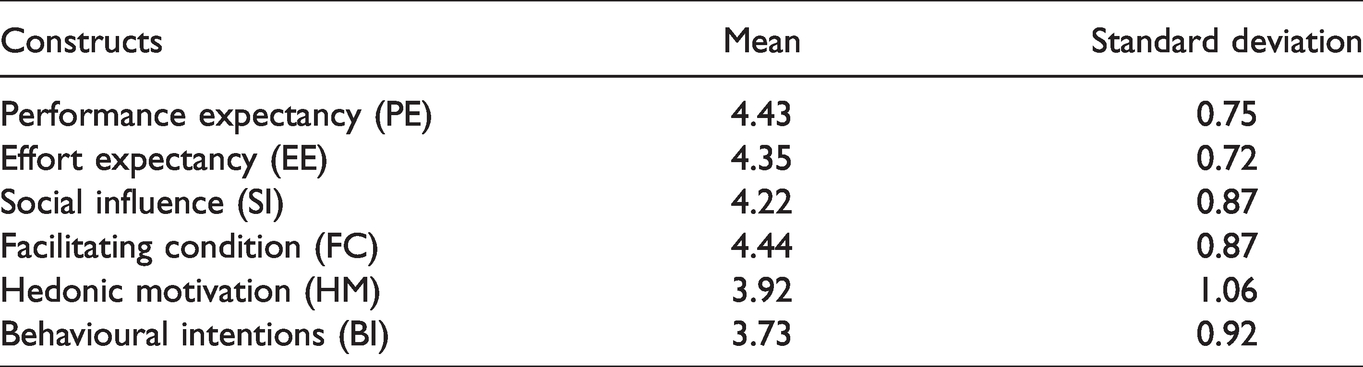
With the reliability and validity of the questionnaire items confirmed, descriptive analysis of the responses was carried out on IBM SPSS Statistics 25. The statistics for the ratings on all measured constructs were calculated. Table 3 shows that the overall mean ratings on all constructs were relatively high.
Mean Rating of Participants on Perception Constructs for Study 1, n = 67.
A closer look at responses showed that 82% of the participants either strongly agreed, agreed, or slightly agreed with the statements measuring perceptions with ratings of 5 or 6 out of 6, as shown in Figure 4. This suggests that the students have positive perceptions of games and are interested in using them for chemical engineering education, supporting our first hypothesis.
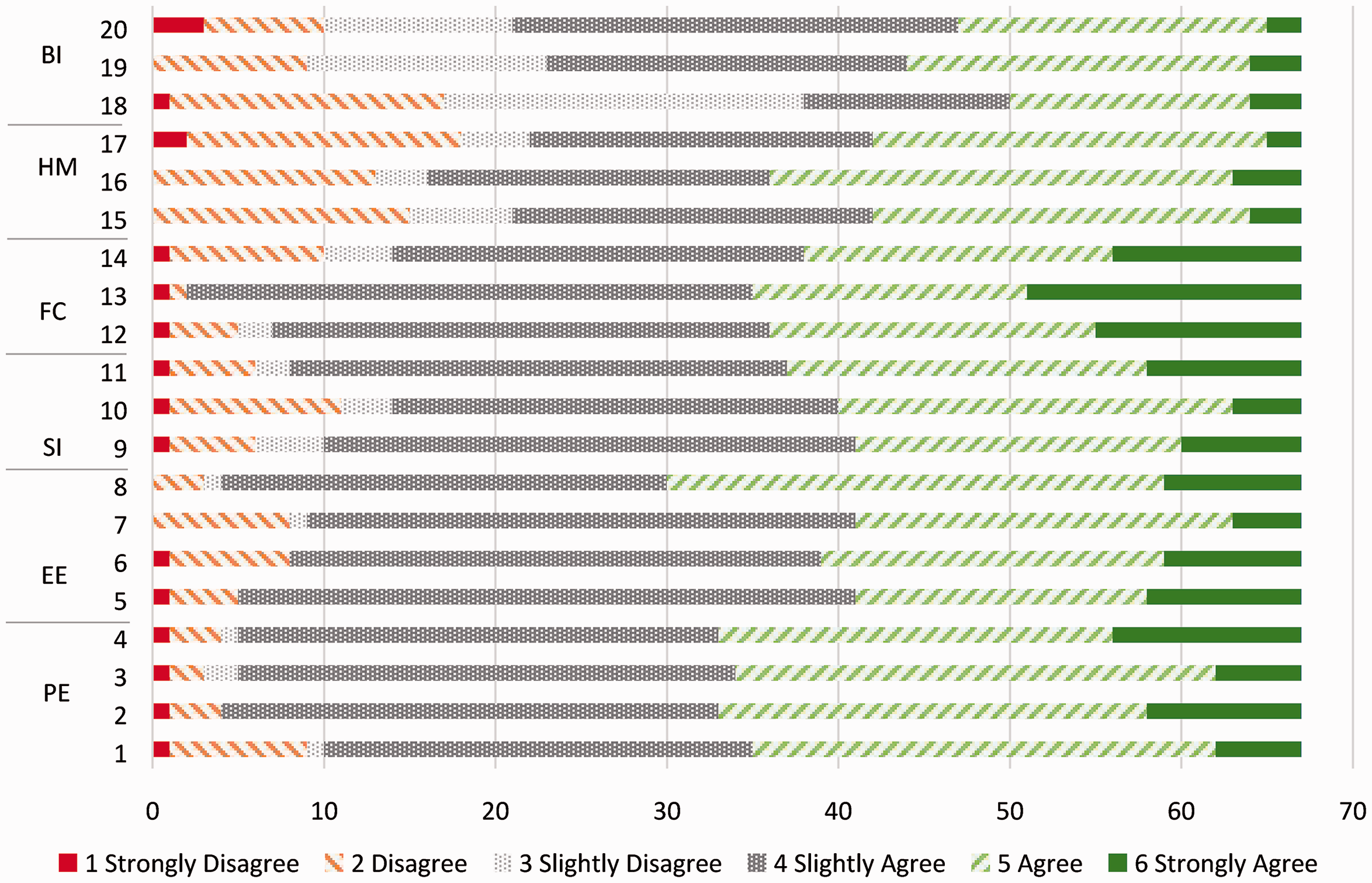
Responses to the Perceptions Questionnaire for Study 1, n = 67.
RQ2: Relationship Between Experience, Perceptions and Gameplay Performance
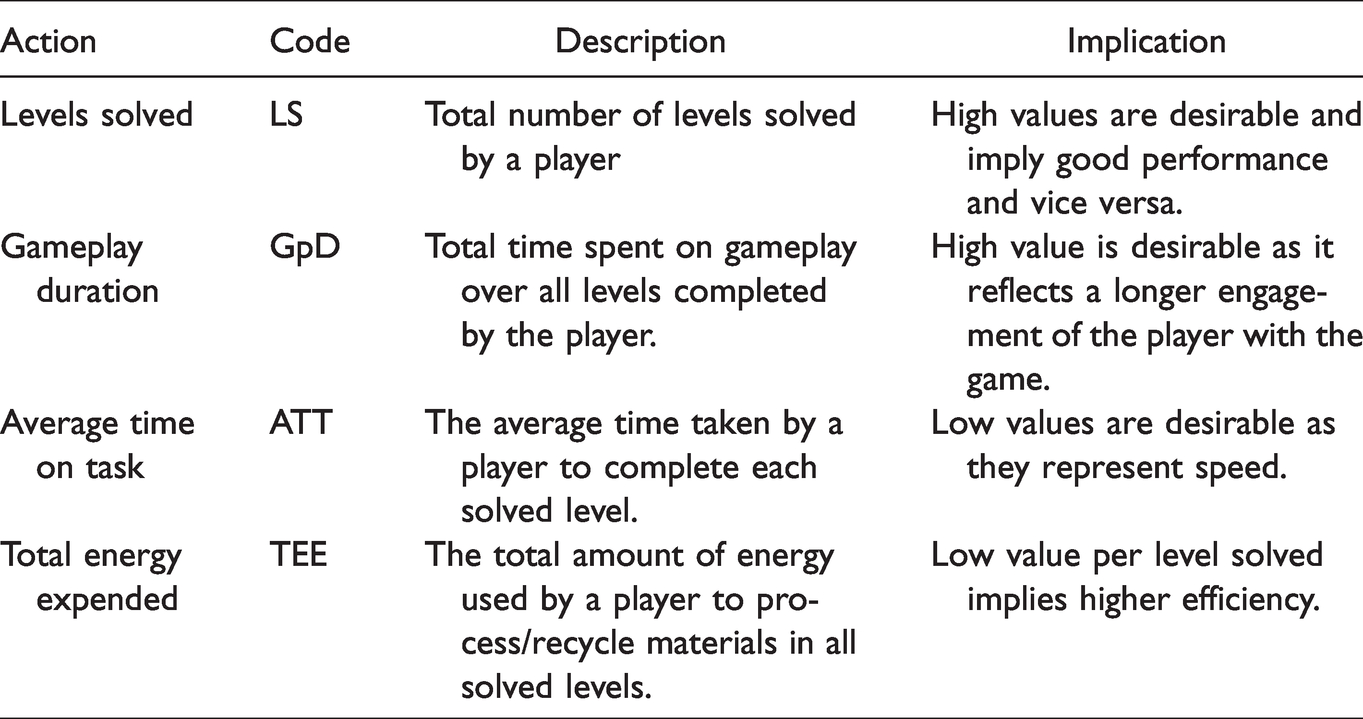
To assess gameplay performance, log files were first transformed into a useable format by extracting data for each event type with timestamps converted to human-readable format. Next, the data were transformed into a matrix with rows consisting of anonymous game-generated identifiers for each player and columns with the actions of the players. The logged actions or event types used to measure gameplay performance are presented in Table 4.
Logged Actions for Measuring Performance in the game.
Next, a 2-step cluster analysis was performed. Cluster analysis has been explored in recent studies as an exploratory means of assessing the performance of students from game log data (Kerr & Chung, 2012; Lin et al., 2019), as it enables finding patterns and similar groups in data without prior information about potential groups in the data. Before running this analysis, the data were screened for duplicates and outliers which resulted in 65 valid cases. Descriptive analysis of the performance, based on the variables (actions) considered, was conducted and is shown in Table 5. The gameplay session lasted for 60 minutes.
Descriptive Data of the Performance of Students on Measured Actions, Study 1, n = 65.
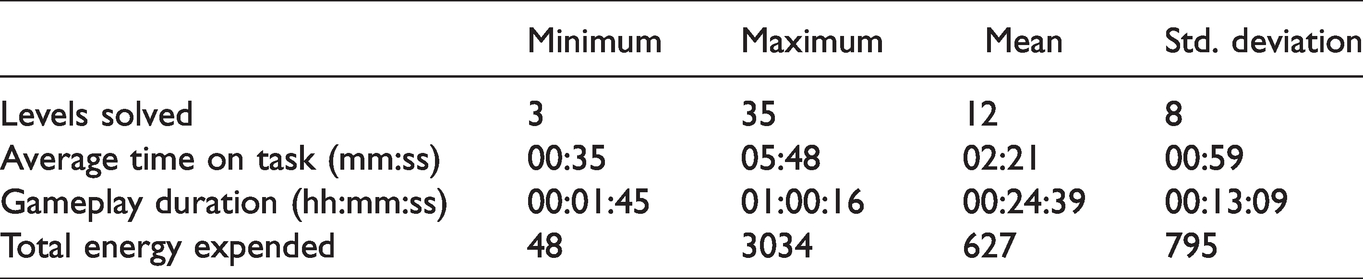
To begin the analysis, the scores on all actions were first standardized to make the relative weight of each variable equal, with all scores having a mean of zero and standard deviation of one. Hierarchical clustering was then conducted on IBM SPSS Statistics 25 as an exploratory analysis to determine the optimal number of clusters in the data. Ward’s Method with a dendrogram diagram was used for this (Cohen et al., 2017). From the dendrogram in Figure 5, the optimal number of clusters in the data was found to be between 2 and 3 clusters. For the next stage, a 3-cluster K-means cluster analysis was performed. A three-cluster solution was considered suitable for this study as it provides better insight into the performance of the different groups of students.
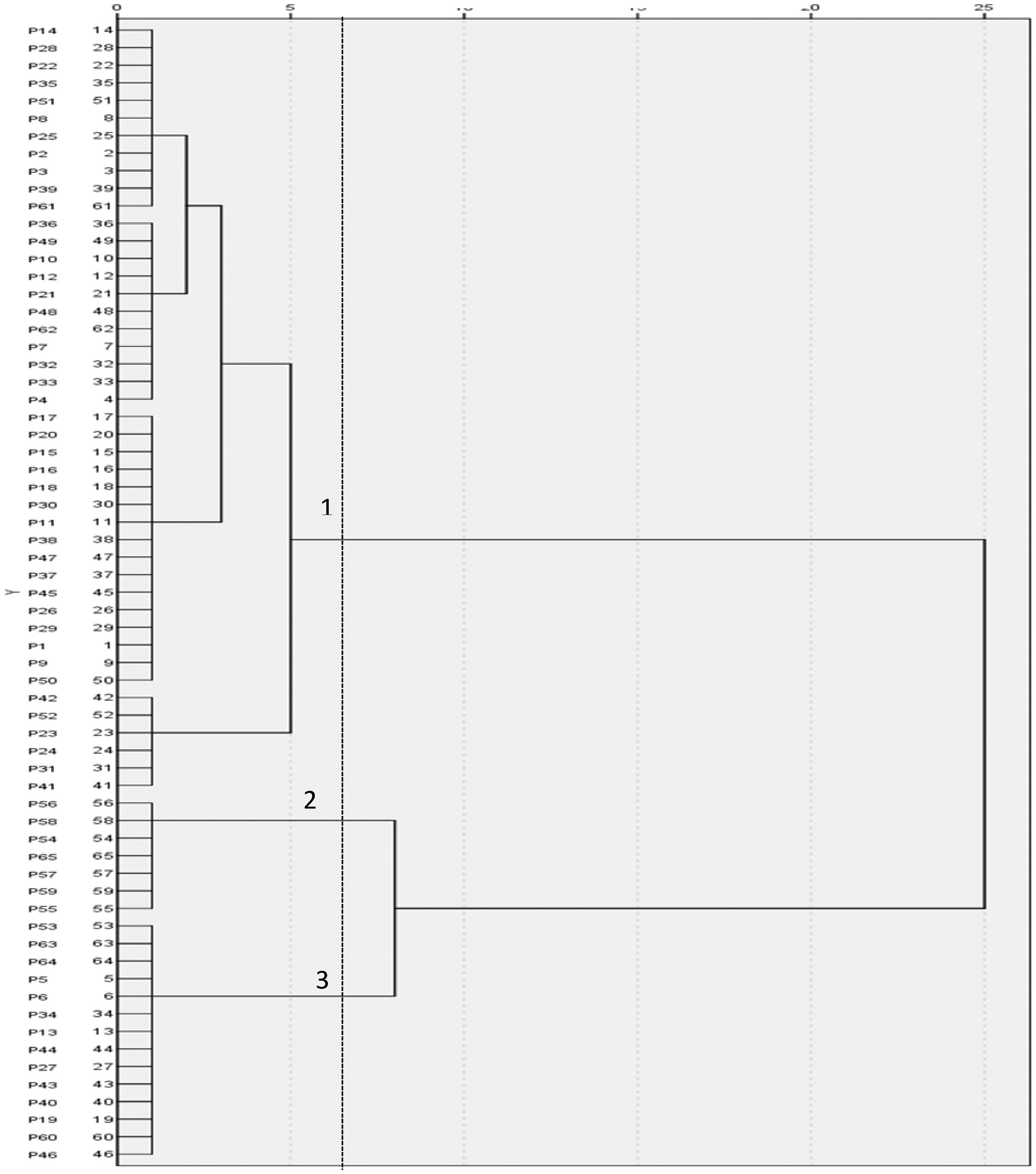
Dendrogram of Log Data Using Ward’s Method, Study 1, n = 65.
From Table 6, Cluster 1 consists of students who performed considerably better than the other two groups and are labelled the ‘High’ performers. Cluster 2 is made up of students who performed relatively worst of all 3 groups and were labelled the ‘Low’ performers. Finally, Cluster 3 consists of students who performed better than the Low performers but not as well as the High performers. This group is labelled the ‘Medium’ performers. Over 50% of the students fall in the Medium cluster with only 18% in the High cluster.
Characteristics of the Identified Clusters in Study 1, n = 65.
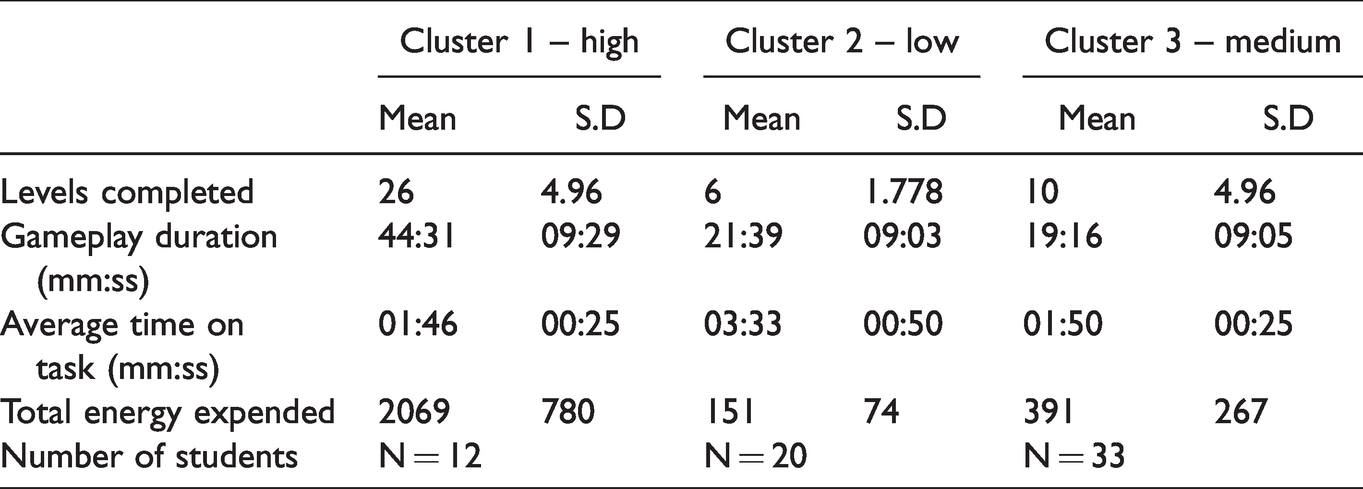
To assess multivariable associations between the variables and cluster memberships, the non-parametric Kruskal Wallis Test was carried out (Ho, 2013). There were statistically significant differences (p < 0.001) between the three clusters on all variables. This implies that all three clusters differ statistically from each other on all considered variables listed in Table 6.
A qualitative comparison of the outcomes of the survey with the results of the log files analysis suggested that the experiences and enthusiasm of students towards the use of games for engineering education were not necessarily evident in their performance in CosmiClean. With over 90% of the students reporting prior gaming experience and claiming to enjoy playing games, only 18% of the students in this relatively small cohort of participants were able to achieve high performance in the game. Additionally, while 82% of the students agreed to some degree with all the statements measuring their perceptions toward DGBL implying positive perceptions, the performance of the majority of the students did not reflect this. It was, however, impossible to statistically determine whether any relationship exists between game experiences, perceptions, and gameplay performance of students because the survey responses of the participants could not be linked to their gameplay data in this study. This was due to the fact that in the version of the game used for this study it was not possible to input and store user identifiers that would have been used to link individual gameplay performances to survey responses. Given the unexpected findings, it was worth investigating further the relationship between perceptions and gameplay performance. This led to a second study, in which a modified version of the game was used allowing anonymised user data collected during the game to be linked to the anonymised responses to the questionnaire.
Study 2
Method
Research Context and Participants
This study served as a follow-up to the first study. Using similar research design as in Stuy 1, the purpose of this study was to statistically determine if there are any relationships between the experiences and perceptions of students, and their performance in a learning game. A total of 58 chemical engineering students from KU Leuven and Imperial College, London took part in this study. There were 39 male and 18 female students. 97% of them were between the ages of 20 and 29 years.
Procedure
The study took place remotely during the COVID-19 restrictions. Participants were sent PowerPoint presentations of the study goals and gameplay instructions with a link to the game. Once the game was downloaded, students were prompted to complete the perception questionnaire before returning to the gameplay. Participants were given three weeks to play the game and were requested to complete a minimum of 25 levels. Completing at least 25 levels would provide better information on their performance since it has been found that students display exploratory gameplay behaviour during the first few levels of the game as they get used to the gameplay environment (Udeozor, Abegão, et al., in press). This behaviour pattern that does not reflect the actual skills of students often diminishes after a few levels of gameplay revealing more strategic gameplay pattern that provides more valid data of the performance of students in games.
Data Collection
The same online questionnaire as that used in Study 1 was used in this study. As in Study 1, log data were stored. The data collected were Time on Task, Levels Solved, and Energy Expended, described in Table 4. Gameplay Duration was considered irrelevant in this study because students were allowed several weeks to complete the tasks and most of them played the game over several days.
Results
RQ1: Game Experiences and Perceptions of Chemical Engineering Students Towards DGBL
The survey data obtained were consistent with that of Study 1. 93% of the participants indicated to have played some sort of game before. Of these, 43% spend less than 5 hours a week on gameplay, 49% spend between 5 to 20 hours a week playing games and the remaining 8% spend over 20 hours a week playing games. 73% of the participants rated their enjoyment of games between 7 and 10, which is similar to those of Study 1 (70%), implying that most engineering students enjoy playing games.
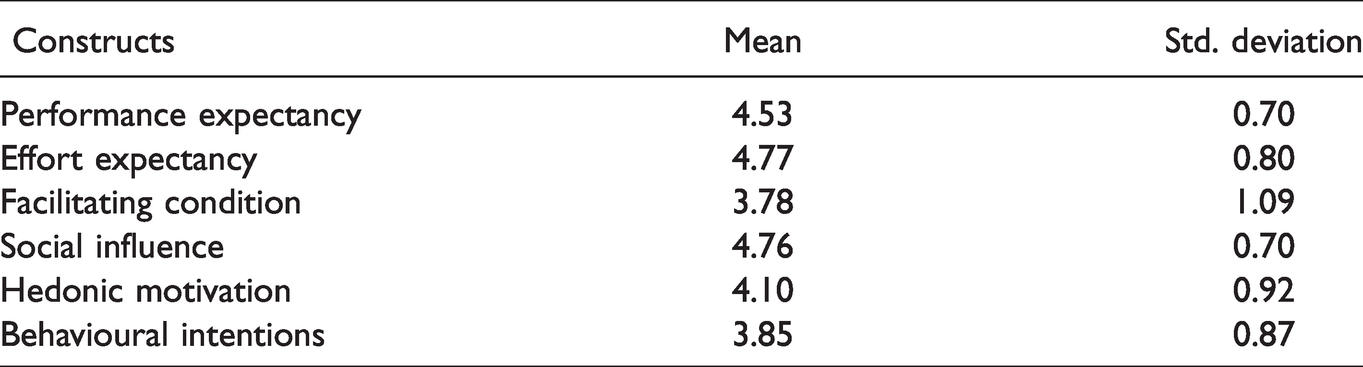
With the reliability and validity of the questionnaire items confirmed in Study 1, descriptive analysis of the responses was carried out on IBM SPSS. The scores of participants on all measured constructs were calculated. As in Study 1, the overall mean ratings on all constructs were relatively high, ranging between 3.8 to 4.8 out of 6, as shown in Table 7. Hypothesis 1 is therefore accepted given the positive game experience and perceptions towards DGBL reported by students.
Mean Rating of Participants on Perception Constructs for Study 2, n = 58.
RQ2: Relationship Between Experience, Perceptions and Gameplay Performance
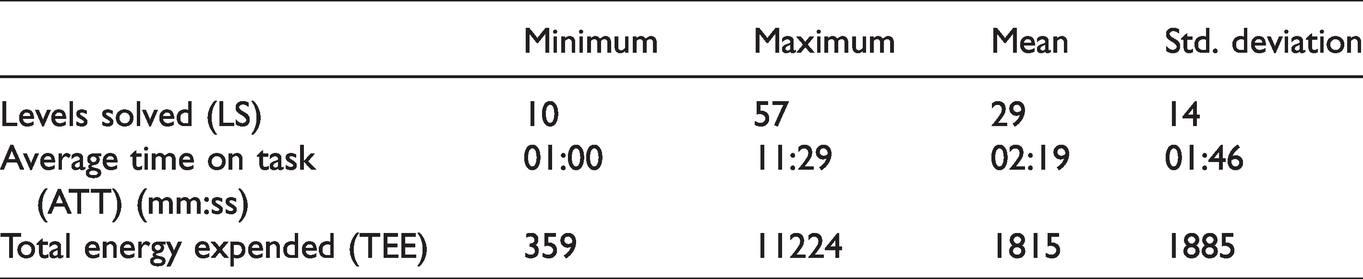
To assess performance in the game, relevant data were extracted from log files and processed in Rstudio 4.0 before analysing in SPSS. A descriptive analysis of the gameplay actions of the students is presented in Table 8. To ensure that the performance of students could be matched with their survey data, only the data of students who completed both parts of the study were analysed. This resulted in 44 valid cases.
Descriptive Data of the Performance of Students on Measured Actions (Study 2, n = 44).
A 2-step cluster analysis was also conducted following the same procedure as in Study 1. In this study, K-means cluster analysis was performed to partition students into two groups following a hierarchical cluster analysis that showed the optimal number of clusters in the data to be two as shown in Figure 6.
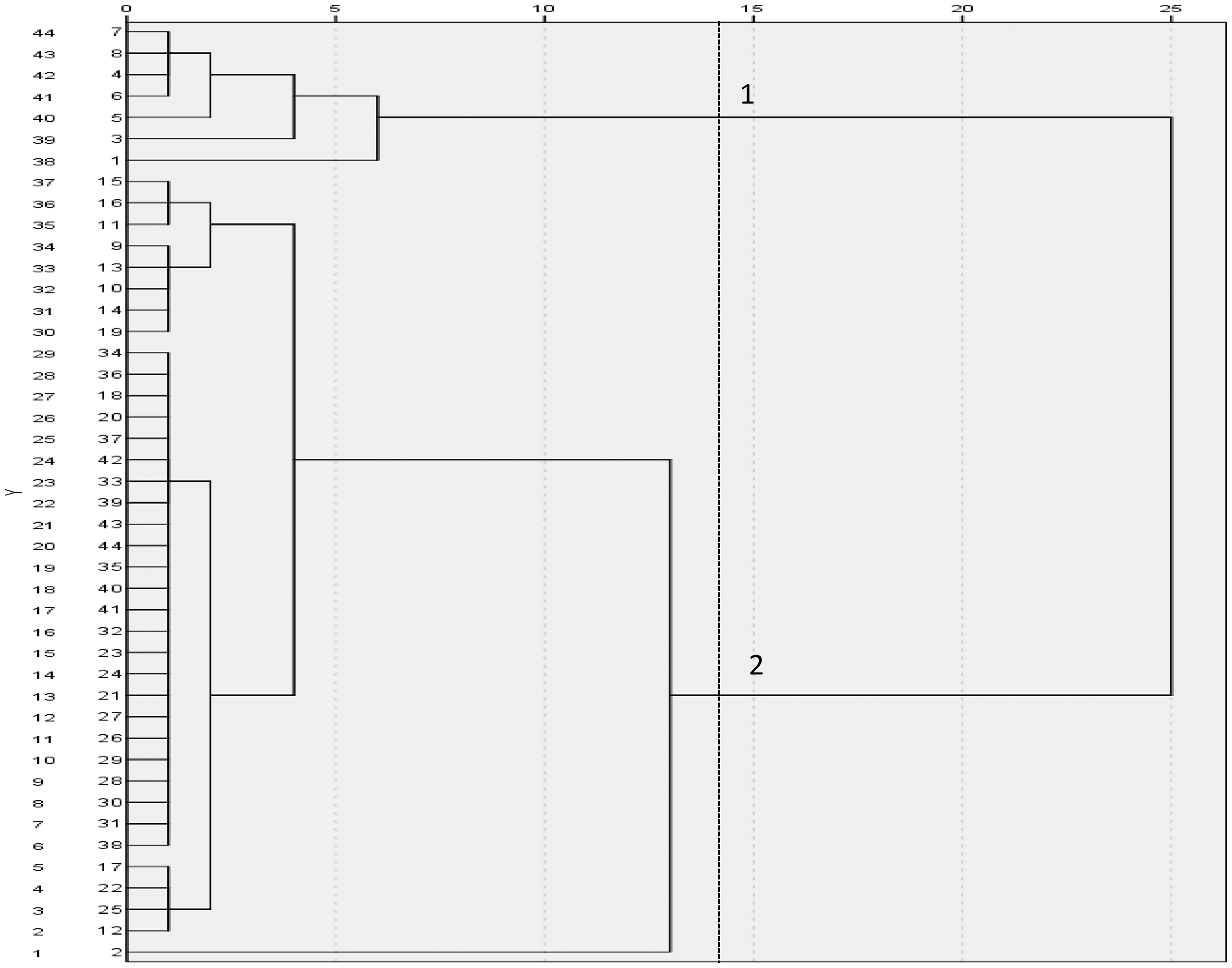
Dendrogram of Log Data for Using Ward’s Method, Study 2.
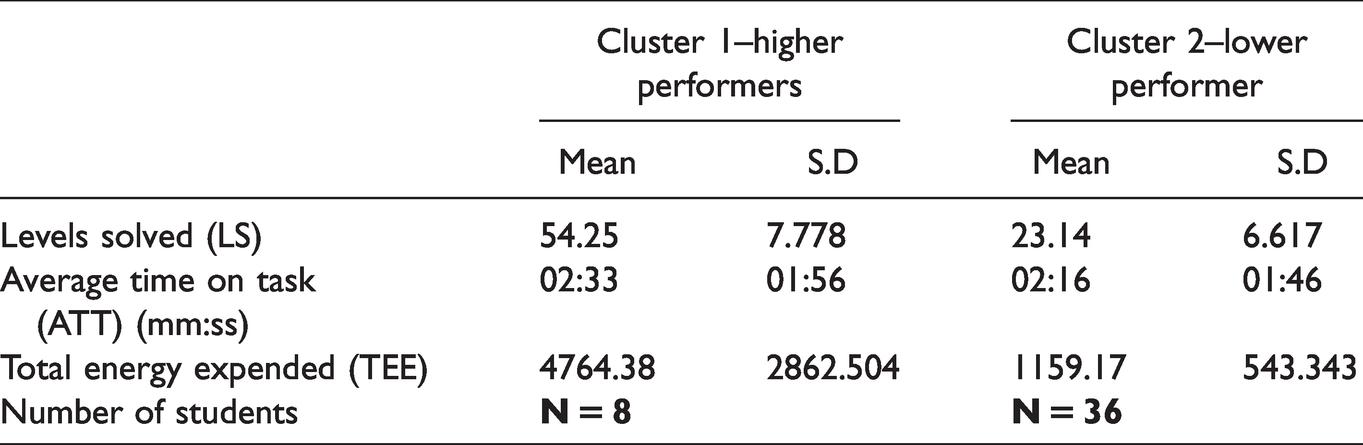
Table 9 shows the performance of the students in the two clusters. Cluster 1 students performed relatively better than Cluster 2 and are labelled the ‘High’ performers. Cluster 2 students are labelled the ‘Low’ performers. Although both groups look comparable on ATT, this result was affected by the number of levels played by the students. Figures 7 and 8 show that for both variables, Cluster 1 students outperformed students in Cluster 2, given that at each level of gameplay, students in Cluster 1 (i.e. the ‘High’ performers) spent less time on task (ATT), and used less energy, while playing more levels of the game. It is worth noting that these groups and labelling used in the current study are independent of the labelling in Study 1. This study does not aim to compare performance across both studies, as students had different amounts of time to complete the tasks in each study.
Characteristics of the Identified Clusters, Study 2, n = 44.
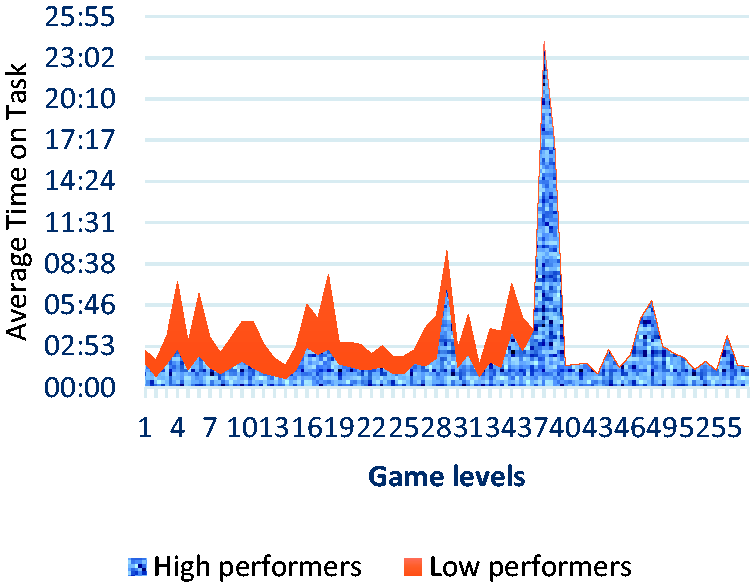
Average Time per Level Solved.
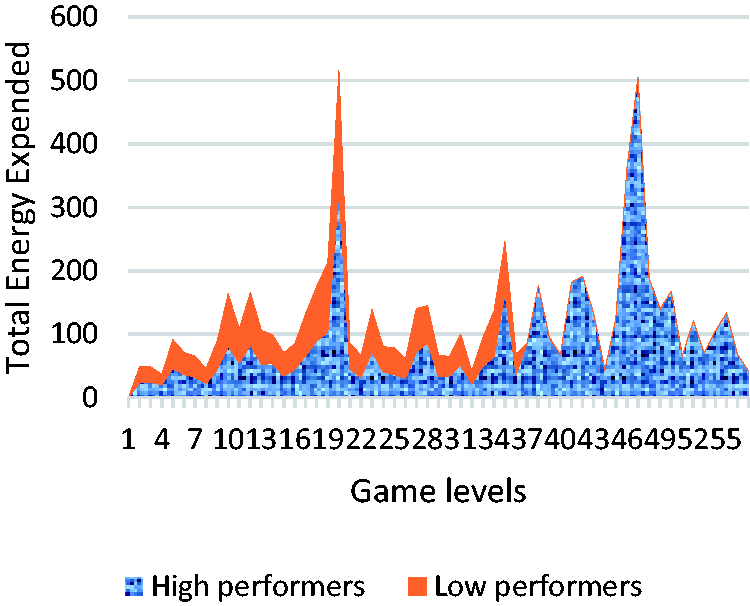
Total Energy Expended per Level.
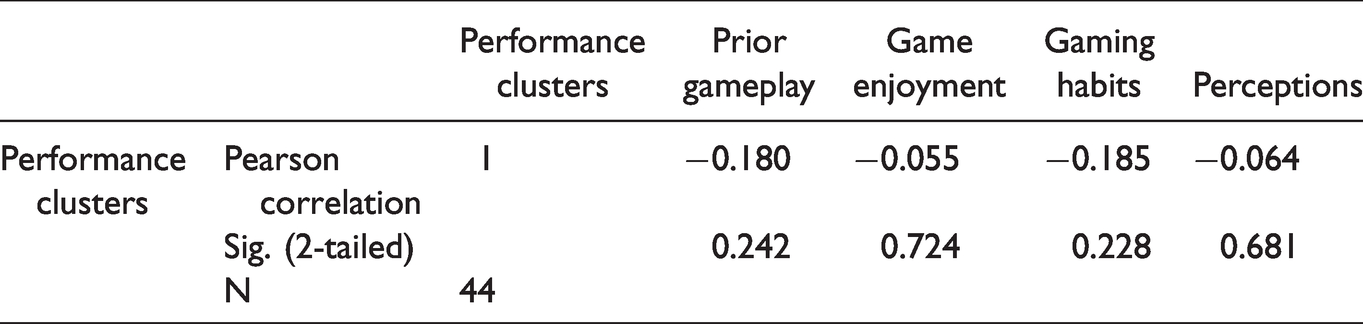
To determine if there is any relationship between the game experiences of students, their perceptions towards learning games, and their gameplay performance, correlation analyses were carried out. The mean scores of students on all measured constructs for perceptions were used for this analysis. Game experience here is measured by their ‘gaming habits’, i.e. the average time students spend on gameplay per week, whether they had played games before (Prior Gameplay), and their rating of game enjoyment. First, the relationship between the gameplay performance clusters, perceptions, and experiences with games was explored. As shown in Table 10, no significant linear relationship was found between the clusters of students, and their perceptions and game experiences. However, from the table, the negative correlations indicate that the higher the cluster (lower performers) the lower they rated the questions on game experiences and perceptions.
Correlation Between Performance Clusters, Game Experience and Perceptions (Study 2, n = 44).
Next, further analysis was carried out to determine whether any relationship exists between the overall experiences and perceptions of students with their overall gameplay performance reflected by the three variables considered. As shown in Table 11, the correlation analyses showed moderate to high significant linear relationships between the gaming habits of students and their game enjoyment (r = 0.611), game enjoyment and ATT (r = −0.610), and between LS and TEE (r = 0.743), all of which were significant (p < 0.001). This suggests that students who generally spend longer hours on gameplay also claimed to enjoy playing games. The negative linear relationship between game enjoyment and ATT indicates that students who rated their enjoyment of games highly were faster at completing the tasks, that is, they spent the least amount of time solving each level. Nonetheless, no significant relationship was found between gaming habits and ATT (r = −0.257, p = 0.092), nor between gameplay performance and prior gameplay. Finally, as expected, there was a strong positive correlation between LS and TEE. The more levels students solved, the more resources they used in the process. No relationship was found between perceptions of students and their gameplay performance. With these findings, hypothesis 2 is partially accepted.
Correlation Between Gameplay Performance, Game Experience and Perceptions (Study 2, n = 44).
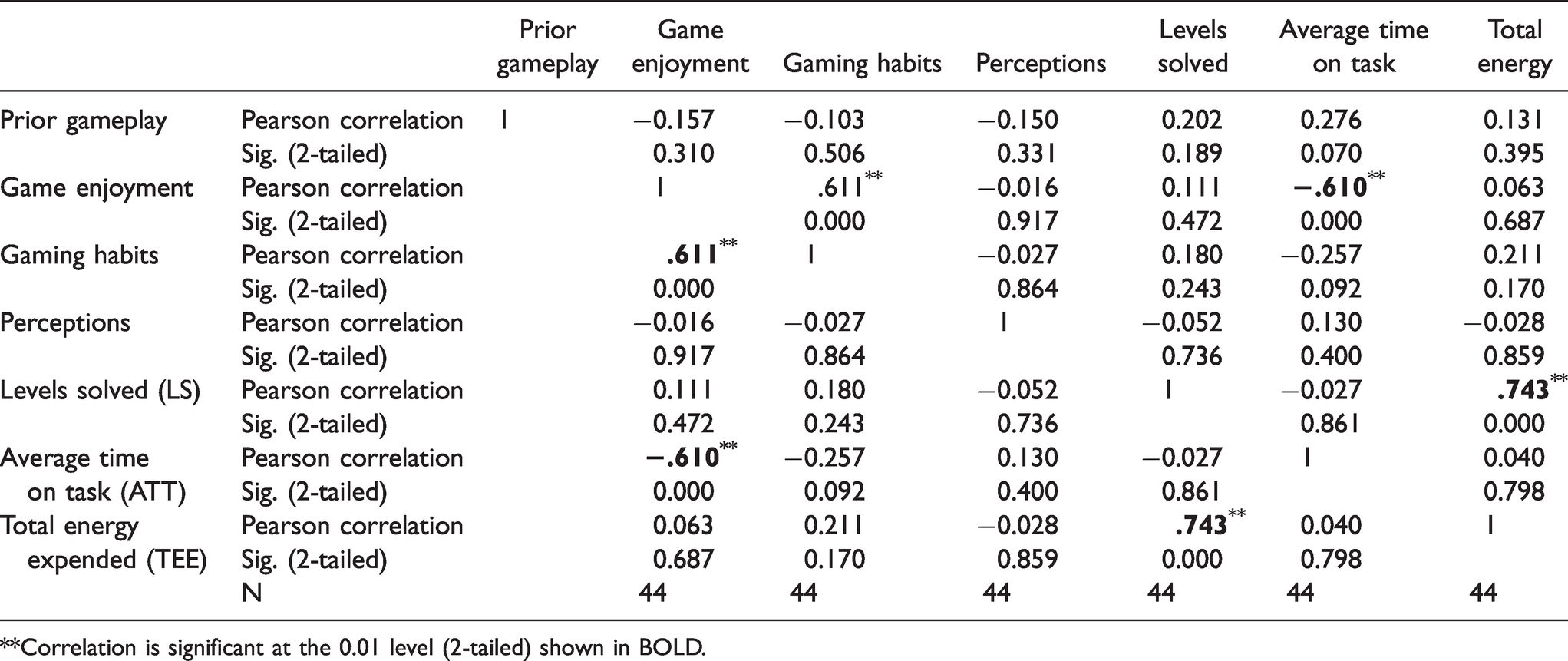
**Correlation is significant at the 0.01 level (2-tailed) shown in BOLD.
Discussion
The goal of this paper is to first determine the perceptions and experiences of engineering students towards Digital Game-Based Learning (DGBL) and to explore whether there are relationships between prior game experiences of students, their perceptions of learning games, and their gameplay performance in a serious game. To establish these, two studies were carried out with a total of 125 chemical engineering students from three European institutions. The majority of the students in both studies reported to have played digital games before, spending varying lengths of times per week on games. It is also clear from both studies that most of the undergraduate engineering students that were surveyed enjoy playing games and have positive perceptions of the use of digital games for engineering education.
In the first study, it was found that while 70% of the students rated their enjoyment of games high with ratings of 7 to 10 out of 10, and 82% agreed with scores of 5 to 6 out of 6 to the statements measuring perceptions. This resonates with the studies of Bolliger et al. (2015) and Cook-Chennault and Villanueva(2020) that found that over 76% of higher education students and majority of engineering students enjoyed playing games, respectively. Although the participants of the current study claimed to enjoy playing games, the gameplay performance of these students did not seem to be influenced by these results. Of the three clusters of students who were grouped by gameplay performance, only 18% of the students, the High performers, performed exceptionally in the gameplay. This group of students solved more levels of the game, spent the least amounts of time solving each level and stayed on the game for longer. Backed by the proven relationship between positive affect and cognitive outcomes (Ashby et al., 1999), and given the positive views and prior game experiences reported by majority of the students, it was expected that the performance of a similar number of the students would be considered as High. This was not the case, and this result was found to contradict previous related studies (Kleinlogel et al., 2020; Lu & Lien, 2020; Ninaus et al., 2017). For the first study, it was statistically impossible to make any claims as the gameplay data of students could not be matched with their responses to the survey questions due to technical limitations. However, the unanticipated finding warranted a follow-up investigation, which led to the second study using a different version of the game that enabled the linking of survey responses of students to their game performance data.
The game experiences of students measured by their gaming habits, prior gameplay, and their enjoyment of games were similar to those reported in Study 1. Most of the students in Study 2 had played digital games before and rated their perceptions of learning games highly. Two clusters of students were found based on gameplay performance. Similar to the first study, only 18% of the students were categorised as High performers while the rest of the students were labelled as Low performers, as there were no clear distinctions in their performance that would have warranted a further subdivision into low and medium performance as in the first study. The High performers played more levels of the game, spent the least amount of time solving each level, and used the least amount of energy per level solved compared to the Low performers. As with the results of study 1, this finding also suggests poor alignment between the reported game experiences of students, their perceptions of learning games, and their performance in the game. This observation was further substantiated by the non-significant correlation between the performance of the two groups of students and their game experiences and perceptions of learning games.
Although no relationships were found between performance, game experiences and perceptions at cluster level, it was necessary to investigate the relationships, if any, between individual variables measuring performance, those measuring game experience, and overall perceptions of students. Within the limitations of the statistical significance of the data collected, the results indicate an average significant linear relationship between game enjoyment scores and the average time on task (ATT), the only relationship found between game experience and performance. This finding supports the neuropsychological theory of positive affect and cognition (Ashby et al., 1999), considering the moderate correlation between positive game experience (measured by enjoyment of game) and performance (measured by speed on task). However, there was unexpectedly no relationship found between the performance of students in the game and their perceptions of DGBL. While this contradicts prior findings (e.g. Lu & Lien, 2020; Ninaus et al., 2017), it resonates with the findings of Mahmud et al. (2011) that found no relationship between perceptions of the use of videos for learning and the test performance of students. This finding might have been influenced by the limitations of questionnaire (self-reports) as a valid means of measurement. Although the responses to the survey were overall positive, they might have been affected by the biases inherent in self-reports (Herde et al., 2019).
Finally, prior gaming did not play a role in the gameplay performance of students with a non-significant correlation found, which could be because 95% of the students reported having played games before, thus leading to an insignificant number of students who have no prior gameplay experience. Nevertheless, the data is representative of the cohorts of students in higher education institutions today. The finding thus provides some insight into the possible relationship between prior gameplay experiences of students and their performance in a learning game. Despite the significance of the current findings, it is worth emphasizing that the results must be interpreted cautiously given the limitations posed by the small sample size of the participants of this study. Nonetheless, the results begin to raise questions on how effective perceptions are at predicting outcomes in DGBL and what aspects of learners’ psychology have the greatest impact on the cognitive outcomes when considering games as pedagogical tools.
Conclusions
The use of digital games for learning, although relatively new, has been widely accepted by students. The perceptions of students towards the use of digital games for chemical engineering education are generally positive, however, there was no significant relationship between the gameplay performance of the students included in the current study and their perceptions of learning games. This finding weakens the argument that the perceptions of students towards game-based learning have a significant impact on performance and effectiveness. The implication of this is that perceptions, attitudes, or expressed interest in games may not be sufficient to ensure that students will use DGBL as expected, which might in turn, negatively affect the expected learning gains. Certainly not to trivialize the importance of understanding the views of students towards DGBL, this study emphasizes the need for research on factors that could positively influence cognitive outcomes in DGBL and not simply rely on the initial perceptions of students when designing or using games for teaching. With significant relationships found between some game experience variables and gameplay performance variables, it is worth paying more attention to the objectively measurable experiences of students as opposed to self-reported perceptions which may not reflect the actual views of students for a number of reasons.
Limitations and Future Studies
One major limitation of this research is the sampling method and the small sample size of the participants which limit the generalizability of the findings. In both studies the sample sizes were small thus not necessarily representing the population under study. Future research should consider repeating this study using a larger sample size. The questionnaire used to measure the perceptions of students towards game-based learning in the current study was adapted from a technology acceptance model and may not have captured all relevant factors affecting the use of games for learning. A few studies have considered altering existing technology acceptance models for game-based learning (see Bourgonjon et al., 2010; Hsu & Lu, 2004; Shiue et al., 2017). So far, no known validated questionnaire designed specifically to evaluate the perceptions or acceptance of game-based learning from the viewpoint of students exists. Future studies should develop models relevant to game-based learning building on the views and experiences of students, previous findings, and relevant theoretical frameworks. Finally, to make DGBL practical and effective for everyday classroom use, it is important that teachers are able to measure the learning performances of students in the game environment. This study made use of log data and clustering techniques, although a broader range of statistical techniques for analysing gameplay performance should be explored and the outcomes made available to practitioners.
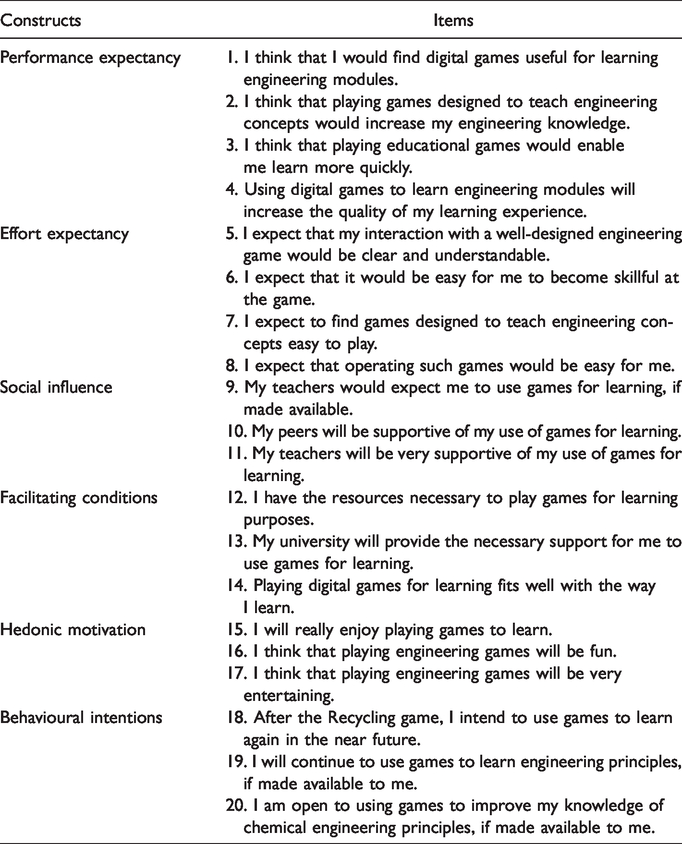
Appendix: Perception Questionnaire
Footnotes
Acknowledgements
Thanks are due to Prof Tom van Gerven of KU Leuven, Belgium and Dr Vijesh Bhute of Imperial College, London for their support throughout the data collection period.
Declaration of Conflicting Interests
The authors declared no potential conflicts of interest with respect to the research, authorship, and/or publication of this article.
Funding
The authors disclosed receipt of the following financial support for the research, authorship, and/or publication of this article: This project has received funding from the European Union's EU Framework Programme for Research and Innovation Horizon 2020 under Grant Agreement No 812716.
Author Biographies
 ). She is a PhD researcher in immersive technologies such as digital games, virtual and augmented realities for engineering education at Newcastle University, UK. Prior to her current role, Chioma she spent some time at Bogazici University, Istanbul studying for a PhD in Learning Sciences. She also has a master’s degree in Operations and Supply Chain Management from the University of Liverpool, UK and a bachelor’s degree in Chemical Engineering from FUTO, Nigeria. Her interests include the use of innovative technologies to improve education, businesses and healthcare.
.