



Abstract
The war in Ukraine and its consequences are becoming a disaster not only on a national scale but also for many other countries. The overview and considerations on such consequences given in this article shall help in managing and restoring (Ukrainian) territories after war. A structured analysis of literature about the war and post-war impact on the environment paired with ‘grey literature’ and the collection of currently available information from regional and national government agencies and official organizations on the specific situation in Ukraine, with a particular focus on waste management issues, was conducted. The main groups of environmental components affected by military actions are analysed, systematized, and classified. It is shown that the negative impact of military actions has irreversible consequences for the environment not only in Ukraine but is also already gaining global proportions. In addition, much of the infrastructure in the waste management sector has been destroyed, meaning that large volumes of unsorted and untreated waste are now ending up in landfills, most of which are uncontrolled since other more effective and sustainable environmental and waste management options are currently missing. Therefore, it is necessary to develop remediation concepts and implement comprehensive measures to clean up the territories and restore environmental components and the waste management sector after war. This includes – among other issues – assessing or measuring the generation and composition of post-war demolition waste and municipal solid waste during and after the war as a basis for further planning and decision-making.
Keywords
Introduction and background information
Humanity constantly faces challenges, such as natural disasters, economic crises, conflicts, terrorism and war. As current examples Israel, Palestine, Syria and Ukraine have been directly involved in military actions for many years. Russia’s large-scale invasion of Ukraine began on 24 February 2022 and continues to this day.
The war in Ukraine is not only threatening regional areas but is also having an increasing impact on the global situation. Consequences for a possible supra-territorial crisis are, for example, restricting the supply and export of grain and other products (Rodinova et al., 2022). In addition, the explosion of the dam at the Kakhovka hydroelectric power plant in Ukraine is one of the largest man-made disasters in the region after the explosion at the Chornobyl nuclear power plant (NPP), with very long-term and already partly global catastrophic consequences (PDNA, 2023).
Russia’s large-scale armed attack against Ukraine has led to the destruction of not only infrastructure, housing and social objects but also to a negative and sometimes irreversible impact on all components of the environment. Moreover, as a specific issue, the war has caused a sharp increase in the volume of specific waste (Barker et al., 2021), including damaged and abandoned vehicles and equipment, grenade fragments, demolition waste and household and medical waste. Some of the waste is dangerous or even highly toxic, especially grenade fragments, medical waste and deconstruction waste containing asbestos and heavy metals. According to the Ministry of the Environment, the volume of such waste has already reached a scale not seen on the European Continent since World War II. In addition, huge amounts of waste from the destruction of residential and transportation infrastructure are being generated, which is a new challenge for the Ukrainian country (Ivaniuta, 2023).
All types of military-technogenic loads cause severe pollution and destruction of all components of the environment, including infrastructure and the socio-economic component of society. Current research (Barker et al., 2021; Rehman et al., 2018) confirms that most pollutants generated by military actions are gaseous, soluble or solid fine particles, some are poisons and have nerve agents that cause death (Jacob, 1999; Manisalidis et al., 2020).
The Russian–Ukrainian war is characterized by the use of the entire possible arsenal of weapons systems, military equipment and ammunition. All types of munitions used in warfare (high-explosive, armour-piercing, cumulative grenades and mines) are characterized by the formation of shock waves and explosion products that spread in the environment (Evans et al., 2023). The nature of the distribution and impact of munitions on the environment depends on the rate of transformation of the explosive and the mass of the explosive in the projectile (Holubtsov et al., 2023). Diverse studies (e.g. Austin and Bruch, 2000) show in detail what happens when ammunition detonates and determines the chemical composition of the substances released into the environment.
For different types of military facilities, the complexes of violations may differ depending on the type of military actions. Works by diverse authors (Evans et al., 2023; Marchenko et al., 2022; Warren et al., 2007) indicate the types of military actions and the factors of impact on certain environmental components characteristic of each. As a result, biological populations and species are sharply declining, and biodiversity loss is exacerbated by changes in landscape structure and function (EPHW, 2023).
There are enough studies on the effects of air pollution during military actions available. The results cited in the works of the authors (Angurets et al., 2022; Appiah-Otoo and Chen, 2023; Chernysh, 2022; Meng et al., 2023; Zhang et al., 2023) make it possible to understand the causes of chemical pollution and its scale. Explosives used in chemical, biological and nuclear weapons contain the following chemical compounds: 2,4,6-trinitrotoluene, 1,3,5-trinitroperhydro-1,3,5-triazine, octahydro-1,3,5,7-tetranitro-1,3,5,7-tetrazocine, 2,4- and 2,6-dinitrotoluene, nitroglycerin, nitroguanidine, 2,4-dinitroanisole, 3-nitro-1,2,4-triazol-5-one and ammonium perchlorate. Most of them are toxic to humans and the environment (SERDP, 2016).
Ukraine’s quite well-developed system of environmental monitoring stations, accessed through SaveEcoBot.com, shows how the conflict has disrupted daily monitoring of air quality and radiation. As of 5 March, out of 1357 air monitoring stations, only 482 had provided data for the previous 48 hours, whereas only 149 out of 331 radiation monitoring stations in Ukraine were connected to the network (Conflict and Environment Observatory, 2022). For example, in Kyiv, the air quality index report for 19 March 2022, showed that the amount of main pollutants is 27.8 times higher than the WHO’s annual recommendations for air quality (Rawtani et al., 2022).
With particular regard to the mentioned monitoring issue, another big risk must be considered: there are four NPP in Ukraine: Zaporizhzhia NPP (six power units), Rivne NPP (four power units), South Ukrainian NPP (three power units) and Khmelnytskyi NPP (two power units). On 24 February 2022, the Russian army seized the Chornobyl NPP and took the plant’s staff hostage (CNN, 2022). On 4 March 2022, on the ninth day of the full-scale invasion, Zaporizhzhia nuclear and thermal power plants were seized during the battle for the city of Enerhodar. Military actions near NPPs can lead to damage to nuclear waste storage facilities and, as a result, to large-scale radioactive contamination of vast areas not only in Ukraine but also far beyond its borders (Ten Kate and Stringer, 2022).
According to international studies (International Public Organization ‘Environment-Law-Human’, 2023; Khilchevskyi, 2022; Ovsianyi, 2023; Petrovska, 2023; Riener, 2023; Shumilova et al., 2023), the impact of military actions on the state of Ukraine’s water resources can be defined as multidirectional. It is not only the pollution of water bodies and the contamination of soils (Holubtsov et al., 2023, Kopenko, 2023; Pereira et al., 2022; Zwijnenburg et al., 2021) but also the destruction of infrastructure facilities that leads to outbreaks of infections and can threaten food security.
More detailed analyses of data on the impact of military actions on the Nature Reserve Fund and the Emerald Network area within Ukraine show also a long-lasting impact hardly to repair (Hromov, 2023; KSE, 2023a; Rybalova et al., 2023; Strilets, 2023). Accordingly, Ukrainian natural ecosystems are directly and indirectly affected by the impact of military actions.
Moreover, the socio-economic and humanitarian consequences of the hostilities for Ukrainian society are currently being actively studied (Baker et al., 2023; Dzhus and Golovach, 2022; Emergency in Ukraine, 2022; Operational Data Portal, 2023; Unukovych, 2022; War in Ukraine, 2023) because this problem has affected almost all countries, especially in the context of the migration of Ukrainian citizens after the start of the full-scale invasion. A deep economic downturn, population decline, rising inflation, limited access to housing and safe drinking water are just the most important problems of most Ukrainian families today. Due to the efforts of the Ukrainian government and substantial support from international partners, it has been possible to contain and stabilize key sectors of the economy (Unukovych, 2022). However, it is worth highlighting the main aspects that require attention, control and the development of effective socio-economic policy measures to restore post-war Ukraine (War in Ukraine, 2023), since these framework conditions also have a great impact on the environment and waste management issues:
Deep decline in the country’s economy with a triple reduction in the incomes of citizens and rising unemployment.
Large-scale population movement. From 1.5 million in 2021, the number of internally displaced persons (IDPs) peaked at 7.1 million in April 2022 and decreased to 5.4 million in January 2023 (which can be explained by an increase in the number of people returning to their homes). As of the end of January 2023, around 8 million Ukrainian refugees in Europe have been affixed (Operational Data Portal, 2023).
The decline in the population of Ukraine is primarily due to the excess of mortality over the birth rate, as well as high mortality rates of men of working age.
The inflation rate has increased. People in Ukraine are at risk of poverty, and poverty levels are expected to rise in war-affected areas.
Households in regions directly affected by the war have suffered damage or destruction of their homes and, therefore, face deprivation of living conditions.
Access to safe drinking water and state-of-the-art sanitation systems is hampering. The war temporarily disrupted access to safe water in the winter of 2022–2023 and the summer of 2023.
This reflects that the impact of the military actions on the infrastructure of Ukrainian cities has resulted in the partial or complete destruction of buildings and structures across a large part of Ukraine. Residential buildings were the most affected, and it is worth noting that the facts of destruction due to constant bombardments are recorded almost daily during 2023 (Decentralization, 2022; Ivaniuta, 2023; KSE, 2023b; OECD, 2022; United Nations in Ukraine, 2023).
Currently, very limited reliable information is available about waste management processes and detailed waste data in countries actually involved in military actions and directly affected by war. This is understandable because other daily agendas than reporting about waste procedures have higher priority under such circumstances. Moreover, in many affected countries, the waste management situation, its monitoring and the documentation of waste data have already been in a poor state before the outbreak of war. In Syria, for example, there was a problem of hazardous waste even before the war started due to the absence of proper waste management systems and regulations. The war resulted in a catastrophic situation, as state waste management services completely ceased to function. The destruction of industrial enterprises, hospitals, infrastructure facilities and other buildings led to the release of toxins into the air, the penetration of chemicals into the soil and groundwater and the generation and accumulation of hazardous waste (Gaafar, 2021).
According to researchers (Batoul and Novotny, 2018), solid waste generation in Syrian cities reached about 850 tonnes day−1, which is twice as much as in the pre-war period. All this waste ends up on city streets, forming unauthorized landfills, thereby attracting insects and rodents that carry infectious diseases. In some places, municipalities resort to measures such as open burning. In most cases, different types of waste are mixed with solid waste, creating a hazardous mixture, and disposed of in open and uncontrolled landfills (Jaber Noufal et al., 2020). The war, restricted and sometimes completely absent funding, limits the Syrian municipal authorities in the effective organization of the waste management system.
Similar scenarios and figures are reported for the ongoing war in Gaza. According to a report by Zwijnenburg and Zigka (2024), there are over 2000 tonnes of solid waste generated per day, compared with 600 tonnes before the war. Most of the waste ends up uncontrolled in streets, parks, backyards, and fields since the solid waste management infrastructure has been hit hard due to the series of bombing campaigns, and according to local authorities, access to the official sanitary landfills is blocked by the Israeli Defence Forces. Thus, at least 225 informal waste disposal sites and dumps throughout Gaza have obviously emerged within 7 months, including 14 UN-designated emergency landfills, as identified by Zwijnenburg and Zigka (2024) in their report.
An important aspect of this article, thus, is the initial research on the consequences of military actions on the waste management system in the Ukraine, particularly considering construction and demolition waste. Given the state of destruction and the number of destroyed facilities, the country has an urgent problem of generating a huge amount of construction and demolition waste (Hubareva, 2022a; Kolesnichenko, 2023). In addition, this type of waste may contain residues of explosives and/or substances formed as a result of the physical and chemical reaction from the explosion. Thus, the purpose of this exploratory study is to provide a general insight into the impacts of military actions and their consequences on the environment based on international experiences published in the literature and to summarize and elucidate for the first time the specific current situation in Ukraine based on available national reports and information, with a specific focus on waste generation and management. The experiences gained in the Ukrainian war so far can be useful in developing programmes for effective response, recovery, rehabilitation, and reconstruction in countries and regions that are particularly vulnerable to such disasters.
Materials and methods
A systematic literature review has been conducted using the scientific databases Web of Science, Google Scholar and Springer Link to search for international case studies, feasibility studies, and peer-reviewed articles on the topic of war and post-war impacts on the environment and waste management in cities, regions and countries affected by war.
The literature search was conducted using a combination of keywords (such as military actions, war waste, consequences of military actions, war environment, demolition, explosives, weapons, military waste, waste of destruction) in diversely combined search strings. According to this procedure, 94 relevant studies were collected and screened. Studies that did not provide useful data on the status of the investigated issues were excluded from the in-depth analysis. Finally, in total 68 sources were analysed in detail, and international studies/articles were included, as they provided sufficient information on the impact of military actions on environmental components, infrastructure and social facilities to draw conclusions and determine the consequences of such activities in the context of waste generation and management in Ukraine.
In addition, official Ukrainian government documents and reports, regional official and public documents, reports of the United Nations and other international agencies, and the national information sources and statistics of the Ministry of Environmental Protection and Natural Resources of Ukraine were screened and used.
Results and discussion
All types of military-technogenic loads cause severe pollution and destruction of all components of the environment. The main source of pollution during firing is explosion products, which are finely dispersed particles and ions of heavy metals that penetrate the soil along with water, and ammunition fragments (Holubtsov et al., 2023).
An analysis of the chemical composition of explosives used to equip modern ammunition during live fire shows that combustion, explosion and detonation produce various derivative products, most of which are either toxic or hazardous pollutants. The main pollutants released into the environment by the use of various types of military weapons (military-technogenic pollution) (Austin and Bruch, 2000) are:
Into the air: VOCs, CO, CO2, NO, NO2, CH4, NH3, C, SO2, H2S, HCl, C2, HF, H2SO4, C20H17, CH2O, Cu, Mn, Al, Mg, Fe, Pb
Into water: Cu, Fe, Al, Mn, Zn, Pb, Sn, Mg, petroleum products
Into the soil: Cu, Fe, Al, Fe, Mn, Zn, Pb, Sn, Mg, P, Al, Hg, Cd, Cr, chlorides, nitrates petroleum products
Toxic gases can also arise as a result of the chemical interaction of explosion products with the environment (atmospheric air), as a result of which carbon dioxide (CO2) can be reduced to poisonous carbon monoxide (CO). CO is found wherever conditions exist for incomplete combustion of substances containing carbon. Gases formed during the explosion of smoke powder, contain 9% CO, during the explosion of trinitrotoluene 57% CO, melinite 61% CO and picric acid 64% CO (Jacob, 1999; Manisalidis et al., 2020). CO and nitrogen oxides (NO, NO2) are blood poisons. Sulphur dioxide (SO2) irritates the respiratory system, causing bronchospasm. Hydrogen sulphide (H2S) is a strong nerve poison that causes death from respiratory arrest.
Military actions cause several mechanical, physical and chemical impacts on the environment. Based on diverse studies (Evans et al., 2023; Marchenko et al., 2022; Warren et al., 2007), we can identify the following types of military actions as factors of environmental impact:
Military manoeuvres (movement of military equipment, its maintenance, repair, washing)
Military actions (shooting, ammunition explosions, air strikes, artillery and missile strikes, bombing)
Mining of territories (mining, demining)
Military infrastructure (defensive structures – dugouts, trenches; places of deployment of firing positions; field camps – deployment of troops, technicians; ammunition depots)
Mass grave sites
All these actions are accompanied by a violation of the relief of the surface, disturbance of soil structures (explosion craters, consequences of the movement of military equipment), destruction and demolition of buildings, pollution of the upper horizons of the soil cover by products of combat activity and cluttering of the surface (remnants of military equipment, protective structures, fragments, etc.). Destruction of vegetation, soil cover disturbance, lack of natural moisture and desertification are common consequences of military-technogenic load.
The consequences of the impact of hostilities on the environmental components and infrastructure are presented in the following subsections.
Consequences of the impact of military actions on the air
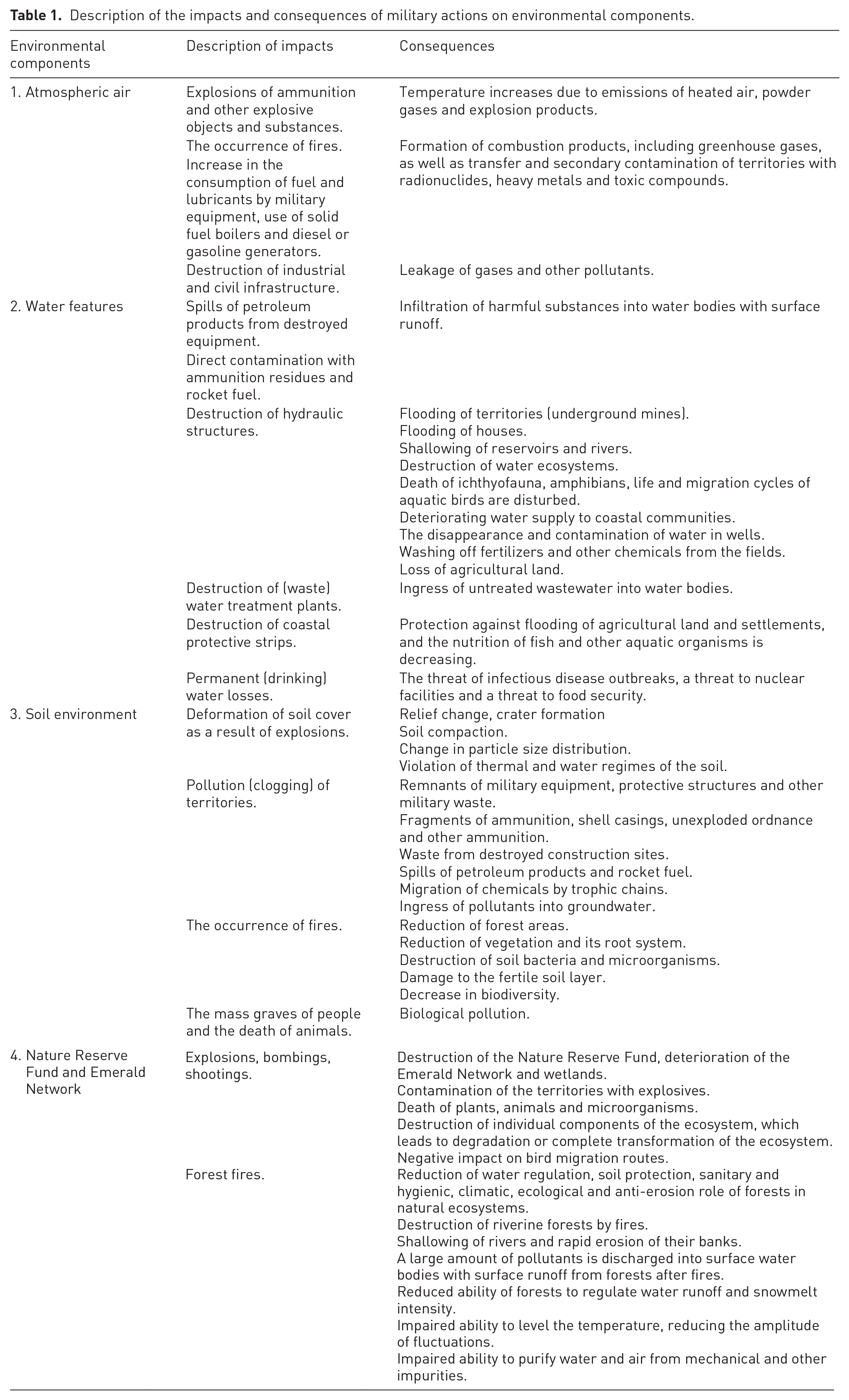
After reviewing and analysing international research on air pollution as a result of military actions, it becomes obvious that such impact was mainly caused by chemical pollution during the war. An overview and detailed description of this impact and its consequences is given in Table 1.
Description of the impacts and consequences of military actions on environmental components.
According to the Ministry of Environmental Protection and Natural Resources (EkoZagroza, 2023), one of the greatest damages caused by hostilities in Ukraine is to the air as well. Thus, as of 12 December 2023, the approximate estimates of (economic) losses due to air pollution, calculated by the State Environmental Inspectorate following the approved ‘Methodology Calculation’ of fugitive emissions of pollutants or a mixture of such substances into the atmosphere as a result of emergencies and/or during martial law and determination of the amount of damage caused (Order of the Ministry of Environmental Protection and Natural Resources of Ukraine, 2022a), amounted to about 27.2 billion EUR and are shown in Figure 1.
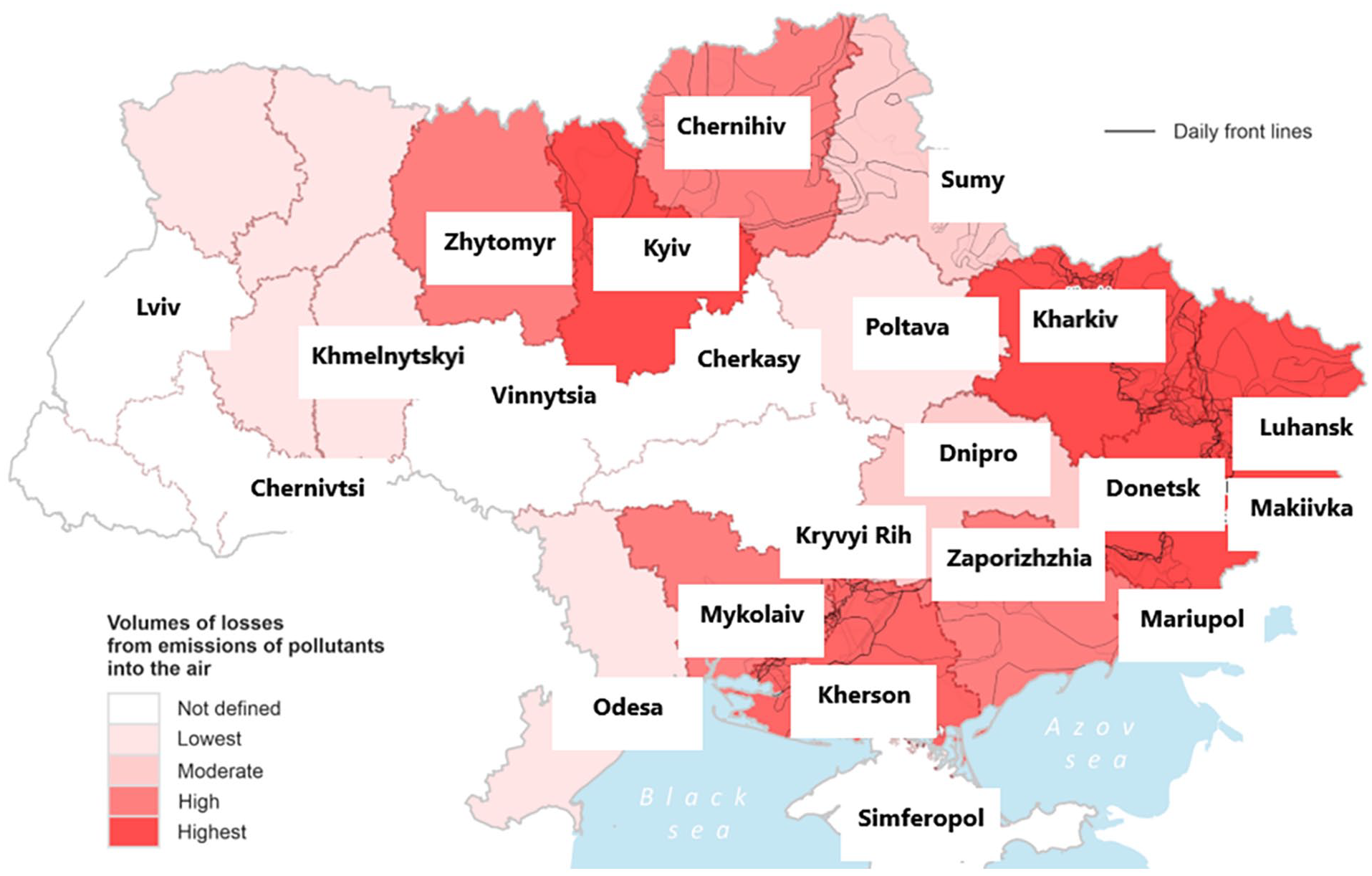
Economic damages from emissions of pollutants into the air caused by military actions in Ukraine.
This methodology calculates the mass of fugitive emissions of pollutants or a mixture of such substances and determines the amount of damage caused by these emissions into the air as a result of emergencies and/or during martial law. The mass of emissions of each pollutant or mixture of such substances is calculated depending on the information on the mass of the burnt substance. The appendices to this methodology contain a list of pollutants (e.g. CO, CO2, NOх, NH3 and others), their maximum permissible concentrations, hazard class and specific emissions. The total air damage from the combustion of oil products related to war activities amounted to 25.7 billion EUR, from forest fires to 1.3 billion EUR and from the fire of other objects to 146 million EUR (EkoZagroza, 2023).
It is difficult to estimate the actual volume and deposition of air emissions as a result of military actions, but it can be argued that military operations hurt the overall state of the air not only in Ukraine but also globally, as potential pollutants can be transported over long distances in the atmosphere and may have an impact elsewhere or may count on a global level like the impact on global warming. Another dangerous factor is that this has been happening continuously for almost 2 years, which makes it difficult to assess and predict the consequences in the long term.
Consequences of the impact of military actions on the state of water resources in Ukraine
According to the Ministry of Environmental Protection and Natural Resources of Ukraine, as of 12 March 2024, Ukraine’s water resources were damaged by about 82 billion EUR, according to the methodology for determining the amount of damage caused by water pollution and/or contamination, unauthorized use of water resources (Order of the Ministry of Environmental Protection and Natural Resources of Ukraine, 2022b). In addition, water bodies are losing their ability to self-purify and regenerate naturally.
The environmental disaster that occurred on 6 June 2023, as a result of the explosion of the Kakhovka hydroelectric power plant dam, deserves special attention. The destruction of this hydroelectric facility can be considered an environmental catastrophe of a global nature, as the area of impact covers at least 5000 km2, which were flooded or drained. In addition to the environmental consequences, one should also take into account the humanitarian, economic and social consequences, which are currently difficult to assess.
Summarizing the state of knowledge and research on this issue, a qualitative description of this impact and its consequences is presented in Table 1.
As one can see, the consequences of the destruction of water bodies and related infrastructure facilities are striking in their number and scale, and the elimination of these consequences will take a lot of time and money. Moreover, there is an urgent need to clean up contaminated sites, restore flooded or drained areas, rebuild or construct new hydraulic structures and infrastructure, etc. Work in this area has begun, but it requires a lot of effort on the part of both public authorities and private businesses, as well as the assistance of international partners.
Consequences of the impact of military actions on the soil environment
The soil environment is the most complex component of the environment, where all processes are much slower and require more time to clean up or restore. In some areas, this is not even possible without special measures and technologies (Pereira et al., 2022). Currently, it is not even possible to estimate exactly how much time and money will be needed to demine the territories of post-war Ukraine. Based on current research by Ukrainian and foreign researchers and reports by international organizations (Holubtsov et al., 2023, Kopenko, 2023; Pereira et al., 2022; Zwijnenburg et al., 2021), the soil environment in Ukraine is contaminated not only by chemicals due to munitions, but also deformed (changes in relief, formation of craters), contaminated with remnants of military equipment and ammunition, and large areas have burnt out completely along with vegetation and living organisms (loss of biodiversity). Moreover, attention should be also paid to biological pollution as a result of mass graves and animal deaths.
After analysing the available sources, the negative impacts and main consequences of the military actions on the soil environment are summarized in Table 1.
There are changes in the physicochemical parameters of the soil cover, the concentration of toxic and chemical substances increases and various local landscape and geochemical anomalies can be formed, so such lands cannot be used for long periods. All this makes it impossible to cultivate land contaminated with chemicals, military equipment, ammunition residues and other waste. The reduction or complete loss of the ability of soils to self-purification, loss of soil buffering about pollutants, moisture accumulation, activation of water and wind erosion of soil, flooding, waterlogging and desertification has a great negative impact on the environment, even in the long term.
The impact of military activity is devastating, and its consequences provoke processes that lead to the complete degradation of the soil resources (Figure 2).
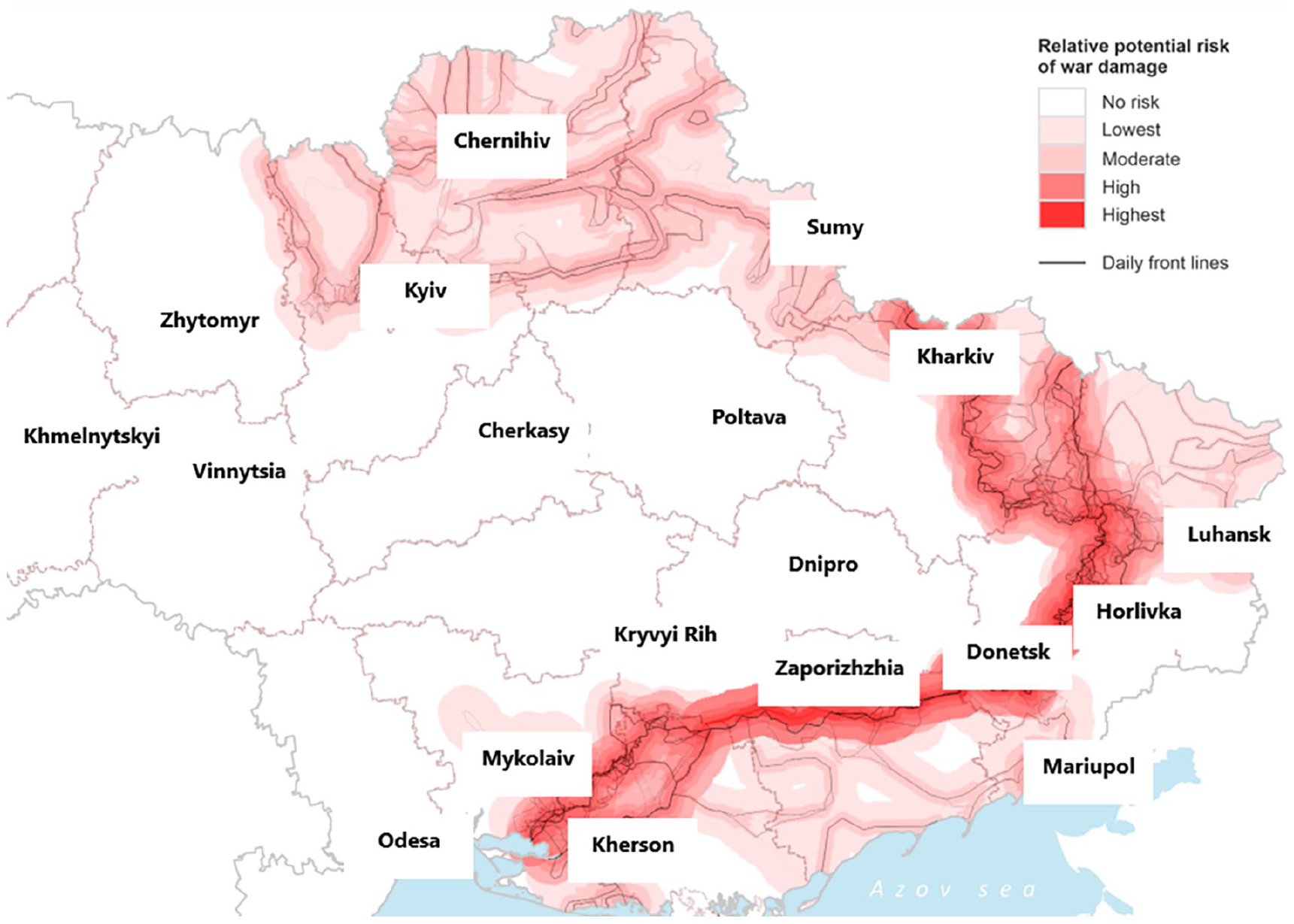
Risks of long-term soil damage in combat zones of Ukraine.
All these processes of soil destruction as a result of the war in Ukraine have covered about 35% of the country’s territory so far, which is millions of hectares where there is already a risk of systemic disturbance of the surface layer of soils or pollution (Holubtsov et al., 2023). The bio-chemical composition of these lands will not be the same as before. So far, due to military activity and occupation of territories, it is impossible to assess the state of land in some Ukrainian regions, as well as calculate losses, which the war inflicts on Ukrainian land as a result of large-scale pollution of territories.
Consequences of the impact of military actions on nature reserves and the territory of the Emerald Network as well as the sustainable development of the country
The Emerald Network (Bern Convention, 2019; Rybalova et al., 2023) is a network of nature conservation areas created to preserve species and habitats that require protection at the European level. The Emerald Network is formed in non-EU countries and is similar to the Natura 2000 network that operates in EU countries. The development of the Emerald Network of Ukraine began in 2009 and is still ongoing. A detailed description of the impact of military actions and their consequences is presented in Table 1.
The military actions on the territory of Ukraine have led to significant land pollution and damage to the landscapes of the nature reserve fund. This leads to the death of plants, animals and microorganisms, disturbance of the fertile soil layer and transformation of microrelief. The destruction of individual ecosystem components leads to degradation or complete transformation of the ecosystem. According to diverse studies (KSE, 2023a; Hromov, 2023; Strilets, 2023), the consequences can be defined as irreversible, as it will take decades to restore such areas, and some ecosystem components may be lost forever.
Within the combat zone, there are 393 nature reserves and objects of the Emerald Network, which is more than a third of the total nature reserve fund of Ukraine. Three hundred forty-seven objects were under occupation, and 257 objects were located at a distance of up to 5 km from the front lines. In total, as a result of the war, about 46,000 km2 of the area of the nature reserve fund and the Emerald Network have a risk of damage and pollution, which is 43% of the total area of these objects in Ukraine (Rybalova et al., 2023).
Another alarming issue for the environment and natural habitats is that of large-scale (forest) fires. The largest number of fires was recorded along the front line (Figure 3).
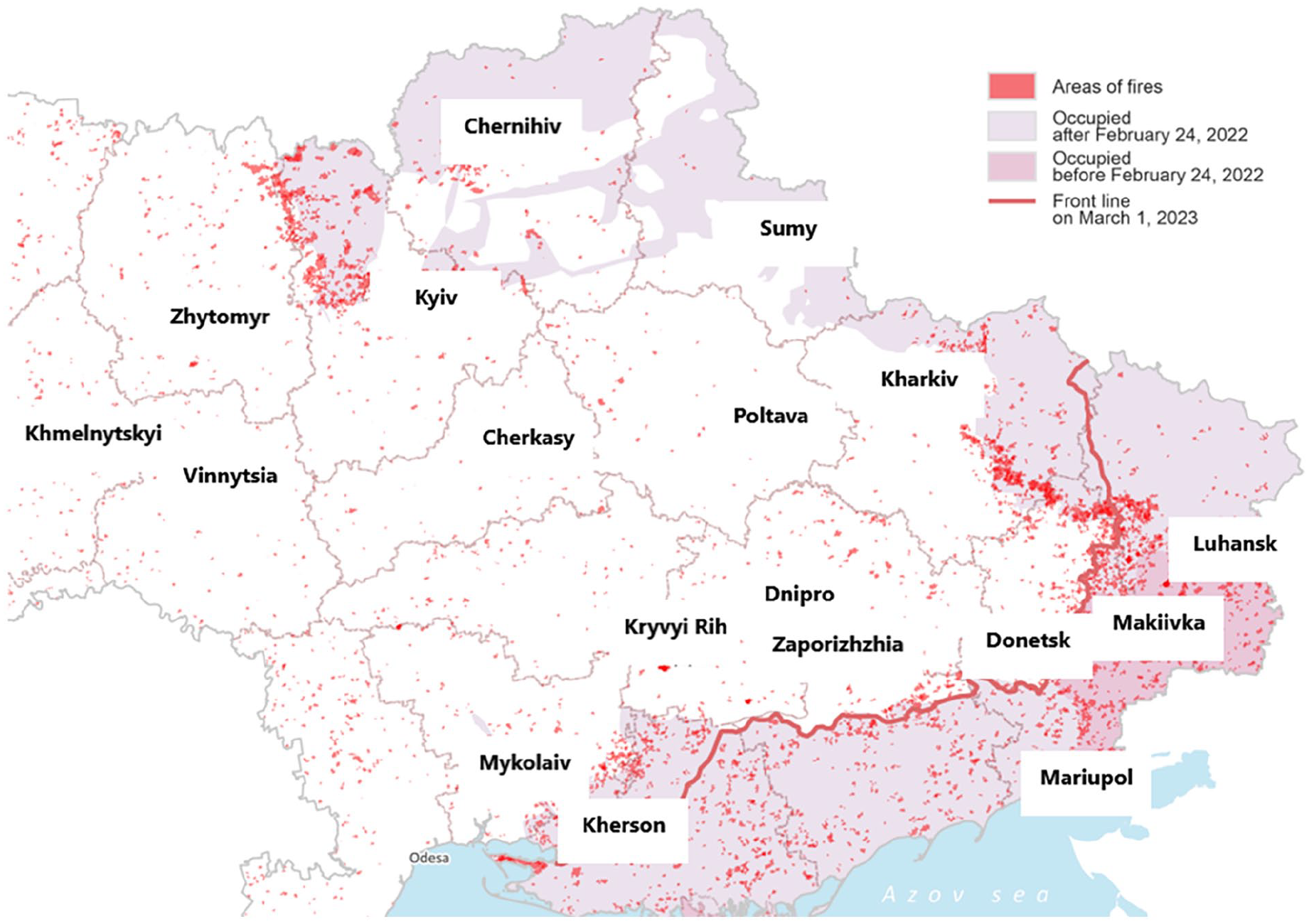
Fires in the regions of Ukraine as a result of military actions.
Currently, Ukraine has about 35% of Europe’s biodiversity, which is 70,000 species of plants and animals. In addition, Ukraine is located at the intersection of important migratory routes of birds, on which more than 400 species depend (Ministry of Environmental Protection and Natural Resources of Ukraine, 2023a).
Hostilities and their man-made impact on natural ecosystems lead to a decrease in species diversity and ecosystem functioning. The largest number of nature reserve fund objects are under threat in eastern Ukraine, as can be seen in Figure 4 (EkoZagroza, 2023).
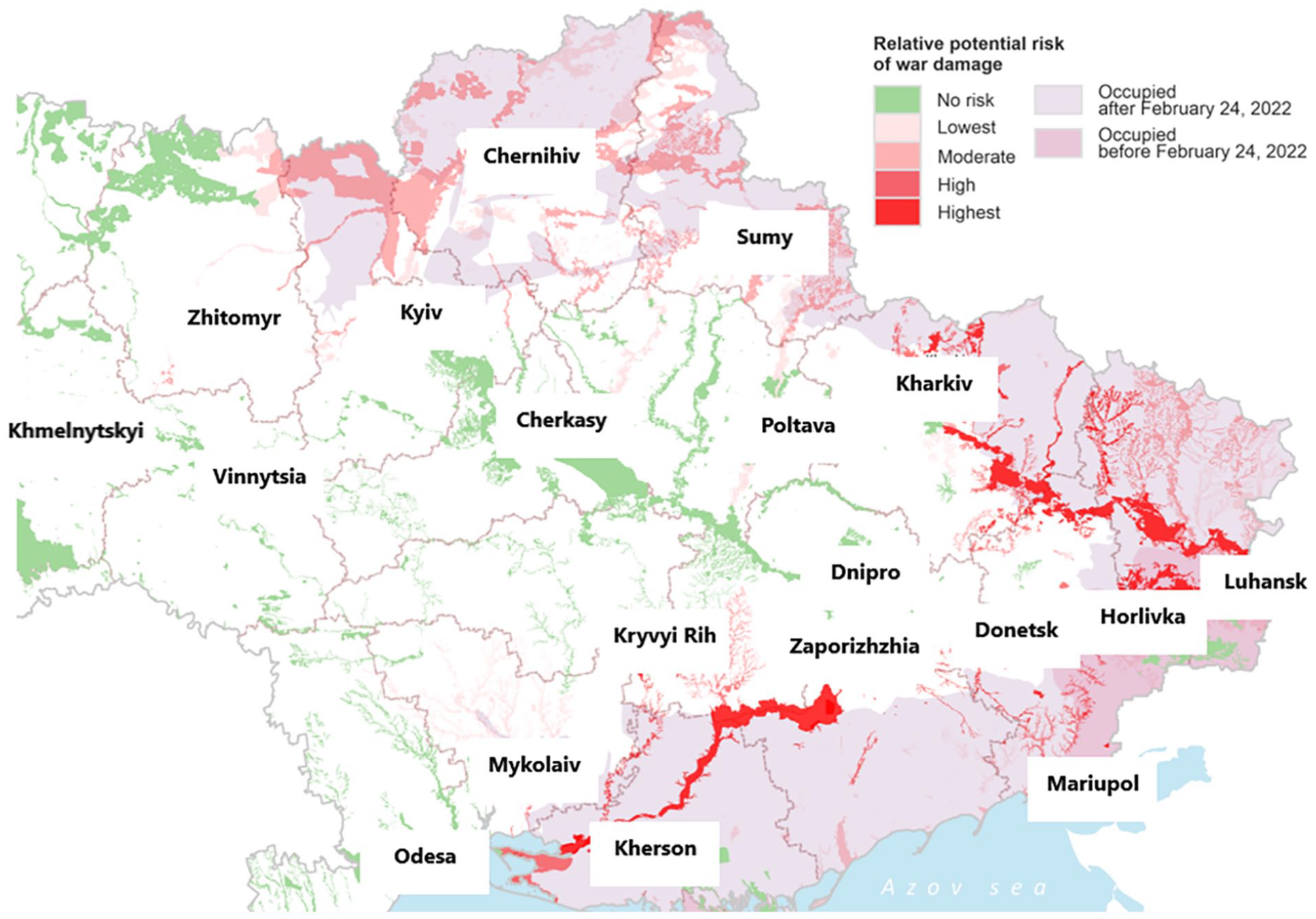
Risks of damage to nature reserves in combat zones of Ukraine.
Currently, ten national nature parks, eight reserves and two biosphere reserves are under occupation. Almost 600 species of fauna and 750 species of flora were threatened with extinction, including the Red Data Book species. Almost a 1000 deaths of dolphins on the coasts of Ukraine, Bulgaria and Turkey were recorded (Hromov, 2023).
Since 24 February 2022, about 20% of Ukraine’s nature reserve fund has been affected by the war. Most of the nature protection facilities are now de-occupied. However, it is difficult to assess the real level of damage because active military activity continues in many places (Strilets, 2023), and thorough investigations have not been possible so far.
Furthermore, in September 2019, the President of Ukraine issued his Decree ‘On the Sustainable Development Goals of Ukraine for the period up to 2030’ to support the achievement of the global sustainable development goals and the results of their adaptation, taking into account the specifics of Ukraine’s development (Decree of the President of Ukraine, 2019). The main sustainable development goals in the order of priority in Ukraine were as follows: responsible consumption and production (SDG 12); quality education (SDG 4); life on land – protection and restoration of terrestrial ecosystems (SDG 15); affordable and clean energy (SDG 7); peace, justice and strong institutions (SDG 16); industry, innovation and infrastructure (SDG 9). However, the war in Ukraine has made it impossible to observe traditional social norms and implement the usual political programmes and has led to the destruction of the stability of the economic and social system.
Consequences of the impact of military actions on the infrastructure of Ukrainian cities
Bombardments and explosions during military actions lead to the destruction or damage of buildings, accompanied by the contamination of territories with large amounts of construction and demolition waste. The bombing of industrial facilities, residential buildings and other utilities, such as gas pipelines, results in leaks of pollutants, wastewater and gas emissions (KSE, 2022), and of course supply shortages in specific regions. Currently, partial or complete destruction of infrastructure across the country has been recorded, such as:
industrial facilities and objects of the agro-industrial complex
transport infrastructure
residential buildings
administrative buildings
healthcare facilities
educational institutions and objects of scientific infrastructure
objects of culture, sports and tourism
infrastructure of water supply and sewerage
waste management infrastructure
For example, when it comes to the destruction in the industrial sector, as of March 2023, the following big industrial facilities were most affected: ‘Ilyich Iron and Steel Works of Mariupol’, ‘Azovstal’, ‘Motor Sich’, ‘Ukrnafta’, Avdiivka Coke Plant, etc. (KSE, 2023a). As a result, there is a huge accumulation of construction and household waste that is different from the waste that was normally generated before the war (see chapter Consequences of the impact of military actions on the waste management system and construction and demolition waste in particular).
Almost 60,000 objects have been damaged or destroyed in the almost one-and-a-half years of the great war (Kolesnichenko, 2023). Residential buildings have suffered the most – 48,000 buildings (Figure 5).
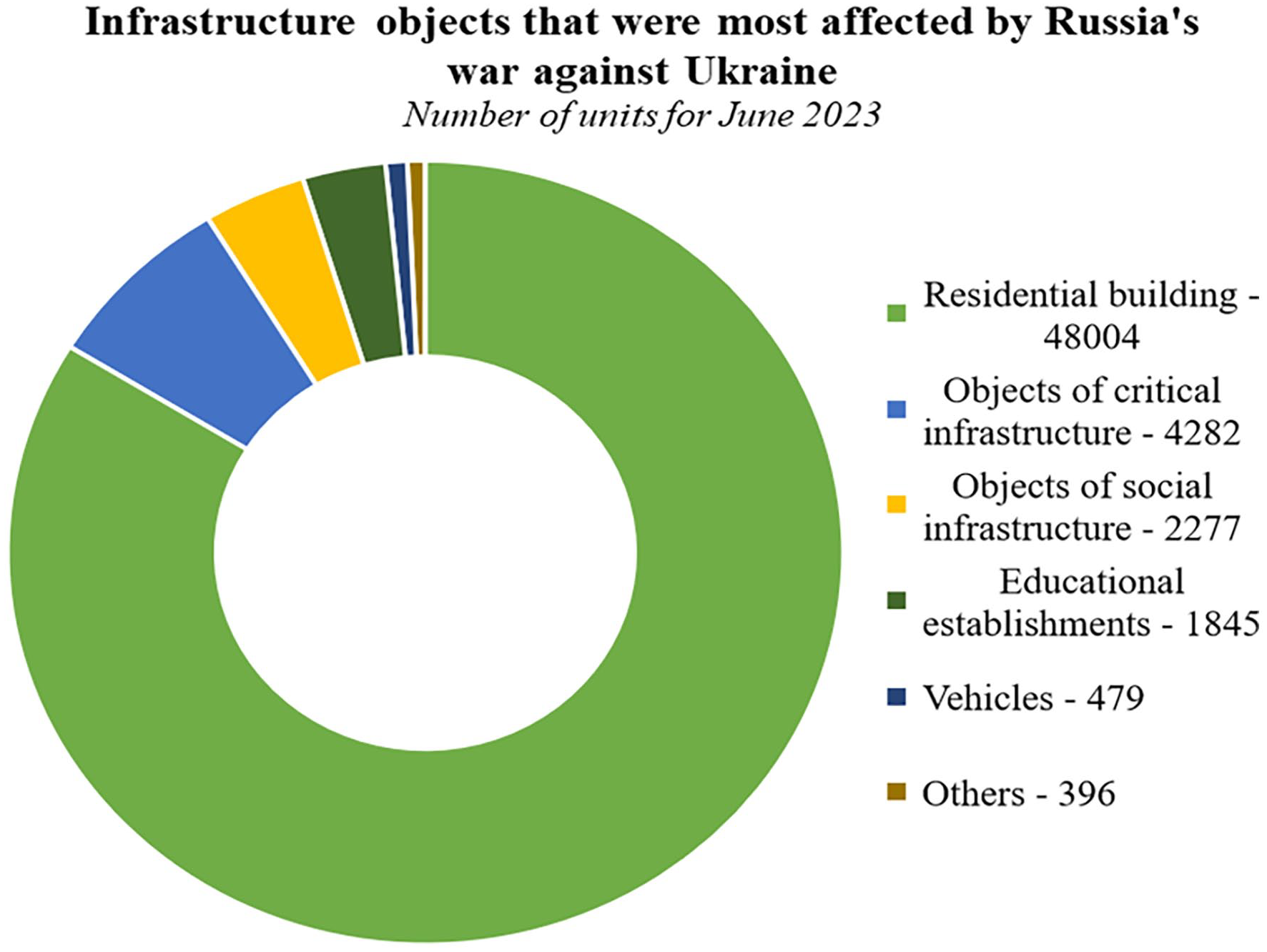
Infrastructure and objects that were most affected by the war against Ukraine.
In the remaining settlements, the damage caused by the destruction of infrastructure has resulted in the inadequate operation of strategic facilities that ensure their vital functions. When more than 50% of the critical infrastructure that provides electricity, water and sewage is destroyed, it is impossible to stay in such cities (Hubareva, 2022b).
The cities become uninhabitable and people leave them, thus creating ghost towns where ruins remain – construction and demolition waste contaminated with hazardous substances.
Therefore, an important aspect of Ukraine’s recovery will be the clean-up and reconstruction of destroyed settlements.
Since the beginning of the full-scale Russian military invasion and as of January 2024, the total amount of damages to residential and non-residential real estate and other infrastructure has amounted to more than USD 157 billion (at replacement cost). Residential buildings accounted for the largest share of total damages, 37.5% or USD 58.9 billion, and infrastructure 23.4% or USD 36.8 billion. Damages of industry, construction and services amounted to at least USD 13.1 billion and continue to rise. Another USD 10.3 billion was due to damages in the agricultural sector. The energy sector’s damages are also growing significantly, amounting to USD 9.0 billion (Figure 6) (KSE, 2023b).
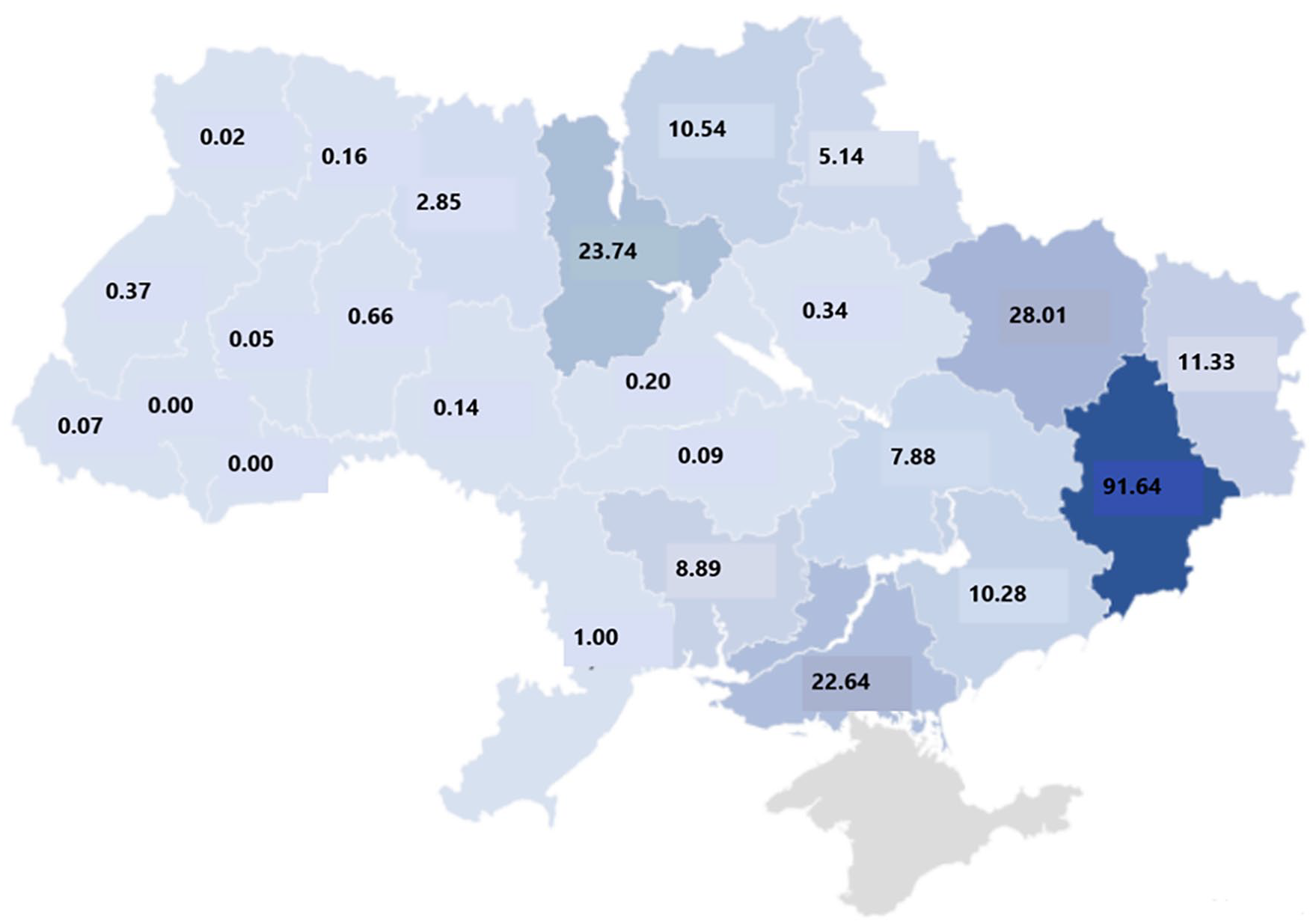
Regional distribution of destroyed or damaged housing stock in Ukraine, 1000 units.
Consequences of the impact of military actions on the waste management system and construction and demolition waste in particular
One of the biggest challenges in waste and environmental management strategies during the war and post-war will be demolition waste, which was and is formed as a result of destruction from explosions and bombardments because it has a large volume and leads to the emergence of unauthorized places for their disposal. Such waste is different from ‘ordinary’ construction and demolition waste because it consists of the remains of different materials in terms of structure and origin, and this makes it difficult to recycle and reuse. Waste fractions such as metal, plastic and glass, front finishing materials, reinforced mesh, mineral wool, interior decoration materials, wall materials, roofing, household items and wood fragments can be found. Separately, all these residues could be used under usual conditions, but in their current state they would need very careful sorting before further recovery steps, and they may contain hazardous substances such as heavy metals, asbestos, oil products and other harmful materials. However, this is quite problematic in the current conditions and these volumes, and is not possible in certain areas. In normal life, these residues could be disassembled and reused, but in war, this becomes more difficult or nearly impossible. Regional military state administrations are counting the amount of waste that is accumulating as a result of the destruction of property. For the period from the end of February 2022 to June 2023, the amount of construction waste reached 450,000 tonnes, according to the Ministry of Environmental Protection and Natural Resources (Kolesnichenko, 2023).
Given the destruction caused by the war in Ukraine, the list of countries where urban infrastructure has suffered globally will be replenished. The world has already accumulated experience in restoring buildings after military actions, global catastrophes and natural disasters. However, each country has its specific procedure and unique experience with the handling of construction and demolition waste. For example, in Austria (BAWP, 2023), around 87% of construction and demolition waste is recycled. Waste collection and separation is usually done directly on site by commissioned disposal companies or the construction companies and builders directly, as the separation of construction waste is mandatory by law in Austria (AWG, 2002). The Netherlands has had a law for about 10 years that prohibits bringing construction waste that can be recycled to landfills. Moreover, they used accompanying economic instruments (such as high landfill taxes for the disposal of construction waste). As a result, almost all of the construction waste went into high-grade recycling. In some other countries, the acceptance of waste to landfill requires official evidence that this waste is not recyclable (Hubareva, 2022a).
Until now, Ukrainian legislation did not contain requirements for the reuse or recycling of construction and demolition waste, so the simplest way was used: dumping such waste in landfills intended for solid waste. Unfortunately, almost all landfills in Ukraine do not meet European standards, and there is a large number of unauthorized landfills, even before the war started.
In addition, 200 of Ukraine’s 465 tailing ponds are located near the areas where active hostilities are taking place. These large, dammed storage structures store the toxic sludge, water and residue ore from the mining process. Left unattended, these facilities are prone to damage and can leak contaminated wastewater into the environment, eventually reaching the ground- and surface waters. These are large ponds that store industrial waste and toxic substances from the region’s heavy mining, chemical and energy industries that have been accumulating for decades. The war in Ukraine poses a high risk of damage to these storage facilities with more than 6 billion tonnes of toxic waste. About 60% of Ukraine’s tailing pits are old, some have been abandoned by their owners, and nearly three-quarters are considered potentially hazardous. Many storage facilities are located a few metres away from water bodies and are close to populated areas. Potential failures could lead to contamination of Ukraine’s major rivers, such as the Dniester, Dnipro and Siverskyi Donets (Averin et al., 2022).
Just in 2022, with the beginning of the war, the government approved the ‘Procedure for the Management of Waste Generated by Damage (Destruction) of Buildings and Structures as a Result of Military Operations, Terrorist Acts, Sabotage or Works to Eliminate Their Consequences’. This document regulates the issue of waste management during these exceptional situations (Resolution of the Cabinet of Ministers of Ukraine, 2022b). The procedure, in particular, classifies and records waste establishes requirements for their handling, places of temporary storage and peculiarities of their reuse. Currently, the priorities for managing the waste remaining after destruction are transfer for reuse, on-site treatment/recycling, transfer for treatment/recycling, temporary storage for further transfer for reuse or treatment/recycling and disposal of some types of residual waste. However, given the current situation in the regions of Ukraine under bombardments and occupation, it is virtually impossible to control the quality separation, treatment and recycling of waste and demolition waste.
The war has affected and changed the administrative-territorial unit of Ukraine, many people were forced to leave their homes, which led to a change in the load on critical infrastructure. The waste management sector is no exception for the administrative-territorial unit, which is affected by the destruction of infrastructure, the arrival of IDPs and the decline in economic activity.
Therefore, it is worth noting the typical problems and challenges that arise in administrative-territorial units concerning solid waste management:
Changes in the legal and regulatory framework, such as the ban on the termination of solid waste management services in case of non-payment (Resolution of the Cabinet of Ministers of Ukraine, 2022a) and others.
Reduced revenues for services due to the migration of part of the population abroad or reduced solvency of community residents.
The impact of IDPs on the (regional) generation of solid waste, such as the generation of additional volumes of solid waste, changes in the distribution of solid waste generation in the territory of settlements and non-compliance with the rules of solid waste management.
Temporary inability of local authorities and service providers to respond promptly to challenges like increasing waste amounts, etc.
Increased formation of unauthorized and uncontrolled solid waste dumps.
On 9 July 9 2023, the Law of Ukraine on ‘Waste Management’ came into force (The Law of Ukraine No. 2320-IX, 20 June 2022). This long-awaited document launches the waste management reform and brings Ukrainian legislation closer to EU legislation. It establishes proper regulation of the waste market and clear rules for cooperation between local governments, investors, processing companies and manufacturers of products and goods, allowing for the provision of high-quality and affordable waste management services.
The Resolution of the Cabinet of Ministers of Ukraine No. 695 dated 7 July 2023, approved the ‘Procedure for Monitoring the Implementation of Investment Programs in the Field of Household Waste Management’, according to which the executive bodies of village, town and city councils will monitor the implementation of investment programmes of business entities in the waste management system. The new legislation provides for a move from the state waste management plan to the waste management plans of enterprises.
Moreover, the Resolution of the Cabinet of Ministers of Ukraine No. 667 dated 30 June 2023 approved the Procedure for the Development and Approval of Regional Waste Management Plans. They will become part of the National Waste Management Plan.
Thus, despite the difficult challenges posed by the war, Ukraine has begun to introduce the principles of European waste management (Ecobusiness Group, 2022; Ministry of Environmental Protection and Natural Resources of Ukraine, 2023b); however, the nationwide implementation and financing of the necessary measures is naturally lacking at present.
Concluding remarks and outlook
This exploratory study of the impact of military actions on the environment, infrastructure and waste management sector of Ukraine provides a first summary and overview and shows that it is not yet possible to definitively record and calculate all the environmental and related economic damage. It is currently difficult to assess the extent, as the hostilities do not stop, and the facts of destructive impact on the environment, and social and infrastructure facilities continue to be recorded. The situation is further complicated by the absence of suitable Ukrainian legislation and the lack of adaptation to international methodologies for determining and calculating environmental damage caused by military operations and to completely assess the impact on the waste management sector.
However, as a result of this study, main groups of components under study, with an indication of the problematic issues in each of them, have been summarized and updated for the Ukrainian status-quo situation. International data obtained were analysed, systematized and classified according to the characteristic features inherent in a particular component of the environment and applied to the current Ukrainian conditions. Air pollution, soil disturbance and contamination, littering of the earth’s surface, pollution of surface and groundwater, death of people and animals, destruction of biodiversity, destruction of buildings and generation of large amounts of waste have gone beyond Ukraine and are becoming global in scope. Therefore, the development and implementation of modern methodologies and technologies for cleaning and restoring Ukraine’s environment must be a priority for the government. Moreover, with a focus on waste management, it should be noted that the data on the amount of construction and demolition waste is constantly changing, and final estimates will be possible only after the end of the war. Therefore, it is necessary to study the current state of waste generation in Ukraine, the experience of other countries in the field of war and post-war waste management and use it to help rebuild Ukraine after the disaster. By analysing the existing types and volumes of waste generation in the context of modern warfare and assessing changes in the waste generation and management system, it will be possible to identify the factors of influence and form a model of waste generation and management for wartime and post-war periods. To achieve this (international), cooperation between researchers, practitioners and public authorities is a crucial component.
At the same time, there will be an urgent need to restore and rebuild more efficient green infrastructure to ensure the supply of safe drinking water, proper sanitation and proper waste collection, storage and treatment. Existing and potential impacts on human health must be prioritized.
Specific research regarding these issues, particularly in the waste sector, is currently being conducted as part of the project ‘Municipal solid waste and landfill management, reconstruction and monitoring in post-war Ukraine’ funded by a grant from MSC4Ukraine (May 2023–May 2025). The main goal of the project is to develop a scientifically sound concept of a modern and future-oriented (post-war) waste management system and landfill treatment in Ukraine. One of the most important expected results is the development of guidelines and recommendations based on the research findings for the implementation of innovative (post-war) waste management and landfill concepts primarily for Ukraine, but with general derivations for all similarly situated countries in a war situation, as the country needs to introduce advanced technologies and methods to reform and improve its waste management system, especially in the areas of municipal (household) waste management and the utilization and management of disaster waste, such as post-war remnants. Moreover, in the long term, the post-war economic development process should be used for a fundamental transition of Ukraine to a green and clean economy and should be built on modern circular economy principles to overcome the disaster and conserve resources and the environment.
Footnotes
Declaration of conflicting interests
The authors declared no potential conflicts of interest with respect to the research, authorship, and/or publication of this article.
Funding
The authors disclosed receipt of the following financial support for the research, authorship, and/or publication of this article: We would like to express our gratitude to the team of MSCA4Ukraine Programme, funded by the Marie Skłodowska-Curie Actions under Horizon Europe (Grant: MSW – PostWar, No. 7813015388) programme for support and funding for the conducted research.
