



Abstract
Organic waste management is challenging in low-middle income countries. Environmental impacts and high management costs affect the sustainable development of cities, an issue that is exacerbated by the lack of social involvement. The research conducted in Iran aims to assess the benefits of organic waste home composting in Shiraz to improve solid waste management (SWM) sustainability. The introduction of a pilot project to assess home composting systems was described, together with an economic, social and environmental analysis. The current SWM system (S0) has been compared with the new strategy proposed (S1), where home composting is considered to be introduced to collect about 10% of the municipal solid waste generated in a 10-year horizon. An economic balance related to the capital costs and operational costs of both systems was introduced, in parallel with a life cycle assessment (LCA) of the SWM system, and a questionnaire survey of the local population. Results showed that S1 leads to around 5% economic savings for the municipality due to the avoidance of organic waste transportation and disposal. Environmental benefits include a lowering of CO2-Eq emissions of about 19,076 tonnes year−1. In addition, about 28% of the interviewed (n = 319) agreed to employ the home composting system at home (CI 5.5%, 95% of confidence level) supporting the theory that about 10% of the organic waste can be segregated and home-composted. The research underlines that home composting can contribute to improve the sustainability of SWM systems in developing countries.
Introduction
Municipalities in Iran are now unable to keep up with the massive increase of the solid waste generated (Rupani et al., 2019). Around 18 million tonnes of waste were generated in cities in 2017, which is twice as much waste as was produced in 2002 (Jalalipour et al., 2021a). Iran’s legislative framework for solid waste management (SWM) addresses protecting the environment, including waste minimization, source separation and recycling (Ahmadia et al., 2013). As a result, municipalities started some source separation schemes for dry recyclable materials. In Shiraz, the fifth most populated city in Iran, the private sector collects mixed dry solid waste on a weekly basis. Citizens can also bring their recyclable materials to ‘waste bank’ centres. The waste banks are owned by municipalities and run by the private sector through a public–private partnership model (Jalalipour et al., 2021b). The adopted strategies so far do not include the source separation of municipal organic waste, despite food waste is the main fraction of solid waste generated in Iran, accounting for about 70.23% on average (Jalalipour et al., 2021a).
The focus of this study is the management of municipal organic waste in Shiraz, Iran. Currently, household mixed waste is collected and transported to the municipal sanitary landfill. To expand the landfill life, mixed waste is pre-treated in a Mechanical Biological Treatment (MBT) plant, also called dirty material recycling facility (MRF). Yet, the escalating waste generation results in coming to the capacity of the landfill within 5 years (Jalalipour, 2021). The generated revenue from the recycling of dry recyclable materials and low labour costs due to the activity of the informal sector results in profitable economic activity in Iran (Farzadkia et al., 2012). However, adopting such a “working business model” for municipal organic waste remains a challenge (Castellani et al., 2022). The main obstacles in this respect are high collection and transportation fees for separate collection systems, low public awareness, seasonal changes in the quality of food waste and lack of market demand for the final product (Zoroufchi Benis et al., 2019). A potential solution adopted by developing countries, mostly located in tropical and sub-tropical conditions such as India and Indonesia, is the management of organic waste at the source of generation (Manuja et al., 2022). This approach would decrease the burden on the SWM system and prevent disposal of the organic waste in landfills and dumpsites (Hettiarachchi et al., 2018). Therefore, the municipality is seeking a new strategy for minimizing municipal organic waste. This involves promoting home composting, especially considering the semi-arid weather conditions.
Home composting is already implemented in developing cities to support SWM sustainability. In India, for example, clay pots and pipe composting are suggested for handling 1–1.5 kg of organic waste per day requiring low initial investment (Manuja et al., 2022). Other good practices include basket composting, pit composting, and Bokashi, which is a Japanese composting method (Footer, 2014). A literature analysis was conducted and a series of similar investigations to the one proposed in Shiraz are reported in Table 1. Some of these studies developed economic and environmental life cycle analysis (LCA), others performed social surveys on citizens behaviour to assist on the implementation, feasibility, efficiency and advantages of home composting (Cheng et al., 2022). However, no one implemented a combination of social, environmental and costs analysis to clearly provide evidence of the effectiveness of home composting in developing cities. In addition, the literature lacks a clear indication about potential and combined benefits of home composting introduced as alternative strategy for managing organic waste in high urbanized areas.
Literature analysis on home composting studies.
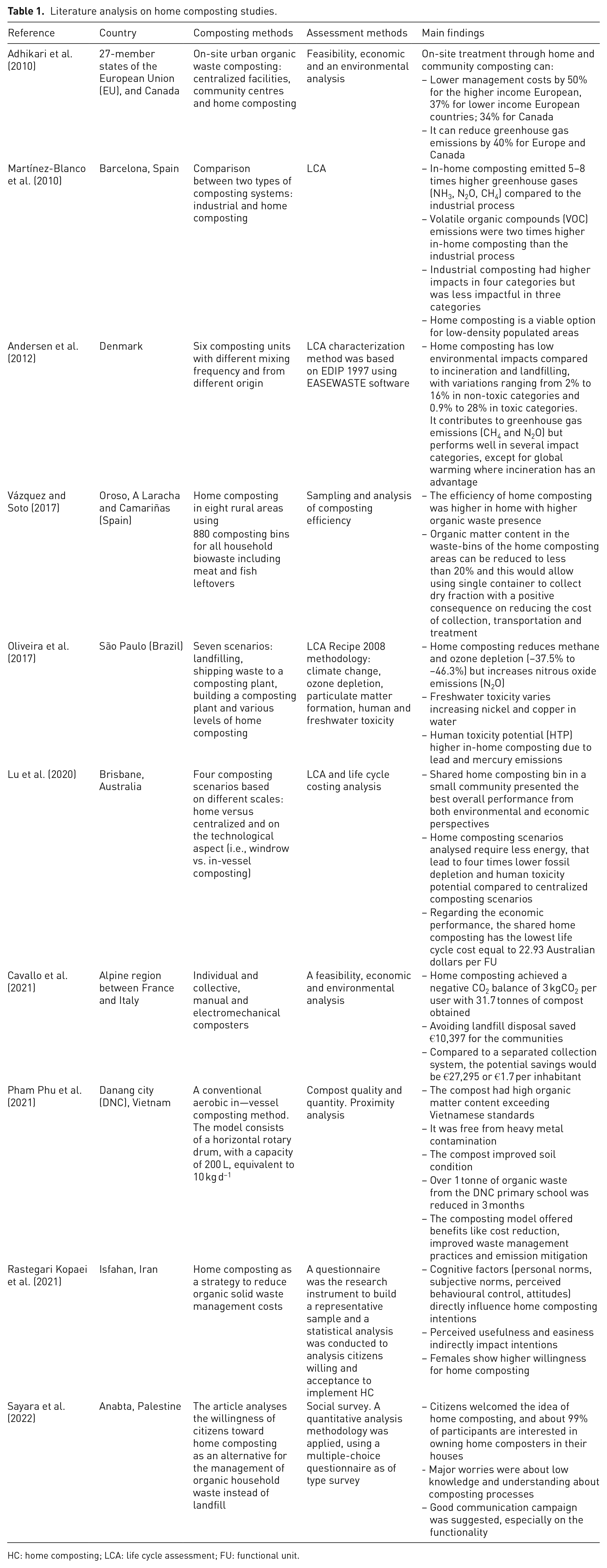
HC: home composting; LCA: life cycle assessment; FU: functional unit.
The goal of the research is to determine if a tailor-made management method of organic waste at the household level in Iran results in environmental and economic benefits compared to the current waste management system. The research contributes to the quantification of environmental and economic benefits of the alternative organic waste treatment methods at the household level in the context of developing countries combined with a social survey to understand citizens willingness and awareness. The study would answer two questions: ‘Is the treatment of organic waste at the household level economically advantageous and acceptable by the population in Iran?’ and ‘What are the environmental benefits of introducing organic waste minimization methods in a populated metropolitan area?’
Home composting for organic waste minimization is examined and the design of a composter tailored to the semi-arid weather conditions of Shiraz is described. The economic benefits and an environmental LCA were conducted to assess the environmental and economic benefits that can be potentially obtained by the system, following the methodology suggested by Castellani et al. (2022). In parallel, social acceptance was assessed in order to cover the three pillars of sustainable development (environmental, social and economic). The obtained results provide insight into the management of organic waste at the household level in countries with arid and semi-arid weather conditions, especially in urban residence with yards and green spaces.
Methods
Research procedure
The research procedure carried out in Shiraz is schematically reported in Figure 1. A pilot project has been set up. A home composter was designed considering the principle of biological process under semi-arid weather conditions, as well as the per capita waste generation in the study area and the available materials in the local market (Pham Phu et al., 2021). The chosen prototypes were manufactured by the municipality and distributed to the interested citizen in a pilot programme. Within this framework, a social, economic and environmental research was carried out. Therefore, the research is divided into three sections to test the composter, such as social involvement, assessment of economic and environmental impacts:
Feedback from the target group. To achieve 10% of organic waste diversion goal in a 10-year horizon (scenario 1—S1), the home composting (e.g., fruits and vegetable leftovers) was considered in the waste minimization strategy. Therefore, social acceptance and awareness was assessed through structured interviews to the users.
Cost analysis. The economic analysis includes the evaluation of capital costs (CapEx) and operational costs (OpEx) of S1, including the initial investment for the home composter scheme, as well as the transportation and final disposal fees. Results are compared with the baseline scenario (S0) to assess the potential economic save or potential additional expenditures.
Environmental LCA. S1 was compared to the current waste management practices (S0) in terms of environmental impacts in order to assess the environmental performances that can be obtained thanks to the minimization of waste transportation and disposal.
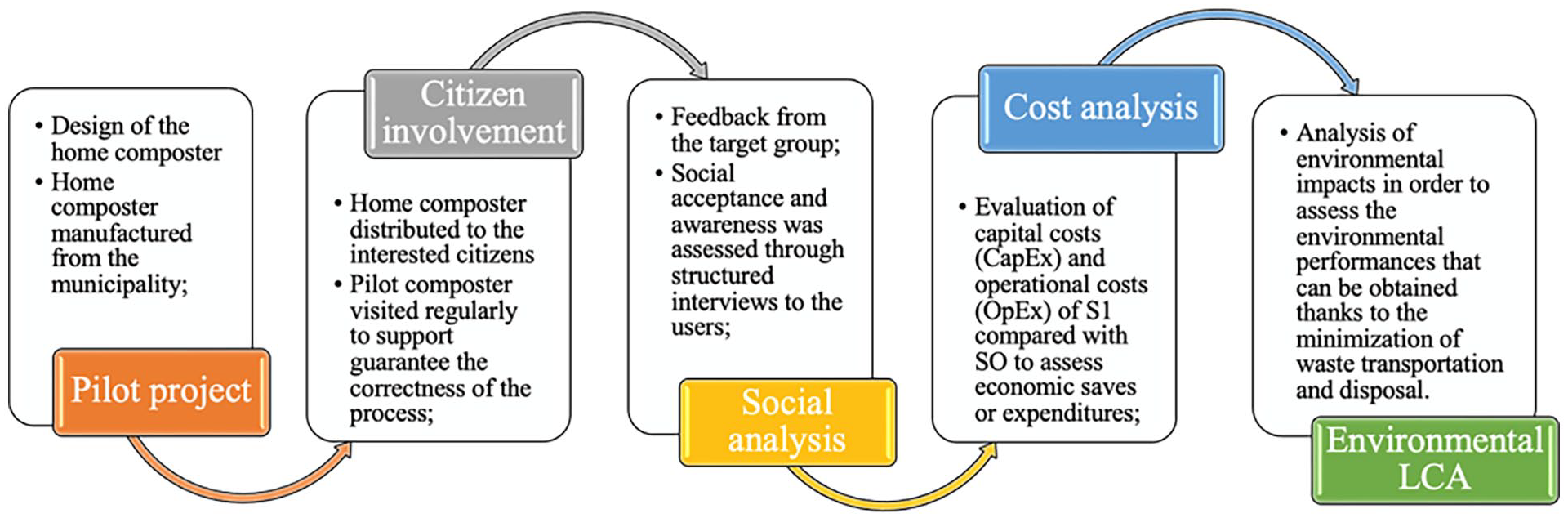
Research procedure conducted in Shiraz.
Waste management in Shiraz
Shiraz is located in the southwest of Iran. In 2018, the city had about 1.6 millions of inhabitants located in 11 urban districts (Jalalipour, 2021). The average family size in Shiraz is of about 3.3 people, living in apartments in densely populated areas. Around 1024 tonnes of household waste is produced daily in Shiraz, of which 679 tonnes (up to 66.3%) are organic and food waste (Figure 2). The amount of waste produced per capita varies by district, from 0.19 to 1.00 kg d−1. The city’s least populous district (District 11) has the lowest solid waste generation per capita. District 4, the highest populated, counts about 0.606 (kg d−1) per capita, which is about 15.4% of the total municipal solid waste generated in Shiraz in 2018 (municipal waste management organization of Shiraz, 2020). Apart from the households, the municipality has the responsibility to manage organic waste from the bulk generators. To this end, 20% of the market and commercial sectors are provided with 240-L polyethylene and fibreglass storage containers. Approximately, 10 tonnes of organic materials are separately collected by five vehicles per day. The materials are transported to a vermicomposting plant located near the Shiraz landfill area.
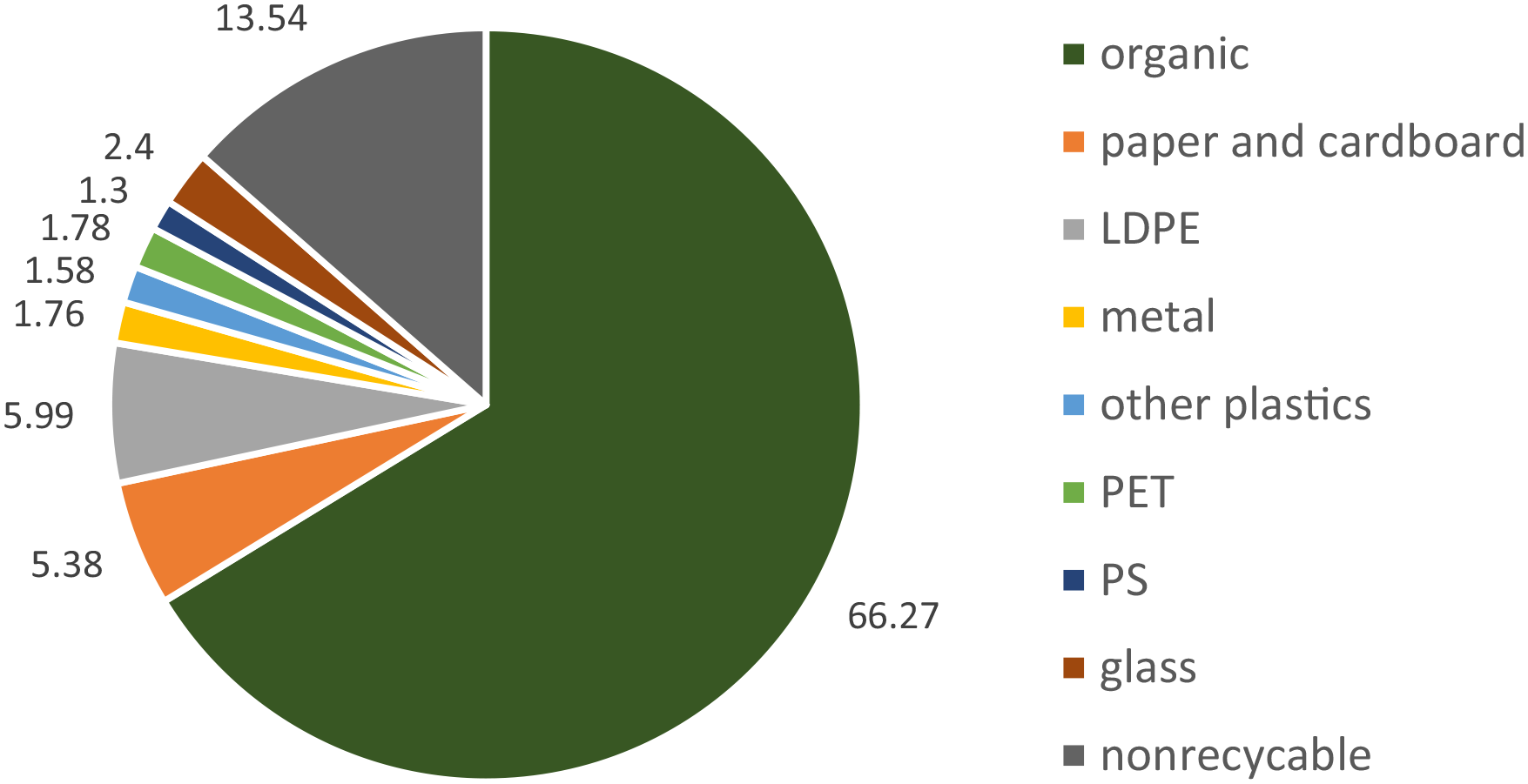
Physical composition of solid waste at the source of generation (%wt.) (MWMO, 2020).
Scenario analysis
The baseline scenario considers the SWM system practiced in Shiraz in 2019 (S0). This scenario was compared to an alternative option that addresses the management of the organic fraction at the household level according to the objectives indicated by the Shiraz waste management plan: distribution of home composters to households (S1). Figure 3 reports waste flows related to the SWM system boundaries:
Existing system—S0: The municipality collects mixed waste with a kerbside scheme from households and the bulk generators of the organic waste. The collected waste in each district is conveyed to the trailers and transported to the landfill located 18 km far from the city centre. An MBT plant is located nearby the sanitary landfill with a capacity of about 500 tonnes of waste per day. Accordingly, about half of the received waste undergoes pre-treatment in the MBT plant. The fine fraction is bio-stabilized through windrow composting before being sent to the sanitary landfill. The other half of the collected waste is directly sent to the landfill, which is equipped with a biogas collection system. The collected biogas is utilized to produce electricity.
Future scenario—S1: The scenario involves a 10% diversion rate of organic waste from the mixed collection system, aligning with Shiraz’s waste management plan over a 10-year period. This is equal to around 23,293 tonnes of generated organic waste per year. It is assumed that each composter can handle on average 100 kg of organic waste with retention time of 90 days. The diversion strategy includes the treatment of organic and food waste at the household level, in accordance with the objectives indicated by the Shiraz municipal waste plan. The waste minimization scenario includes home composting of organic and garden waste.
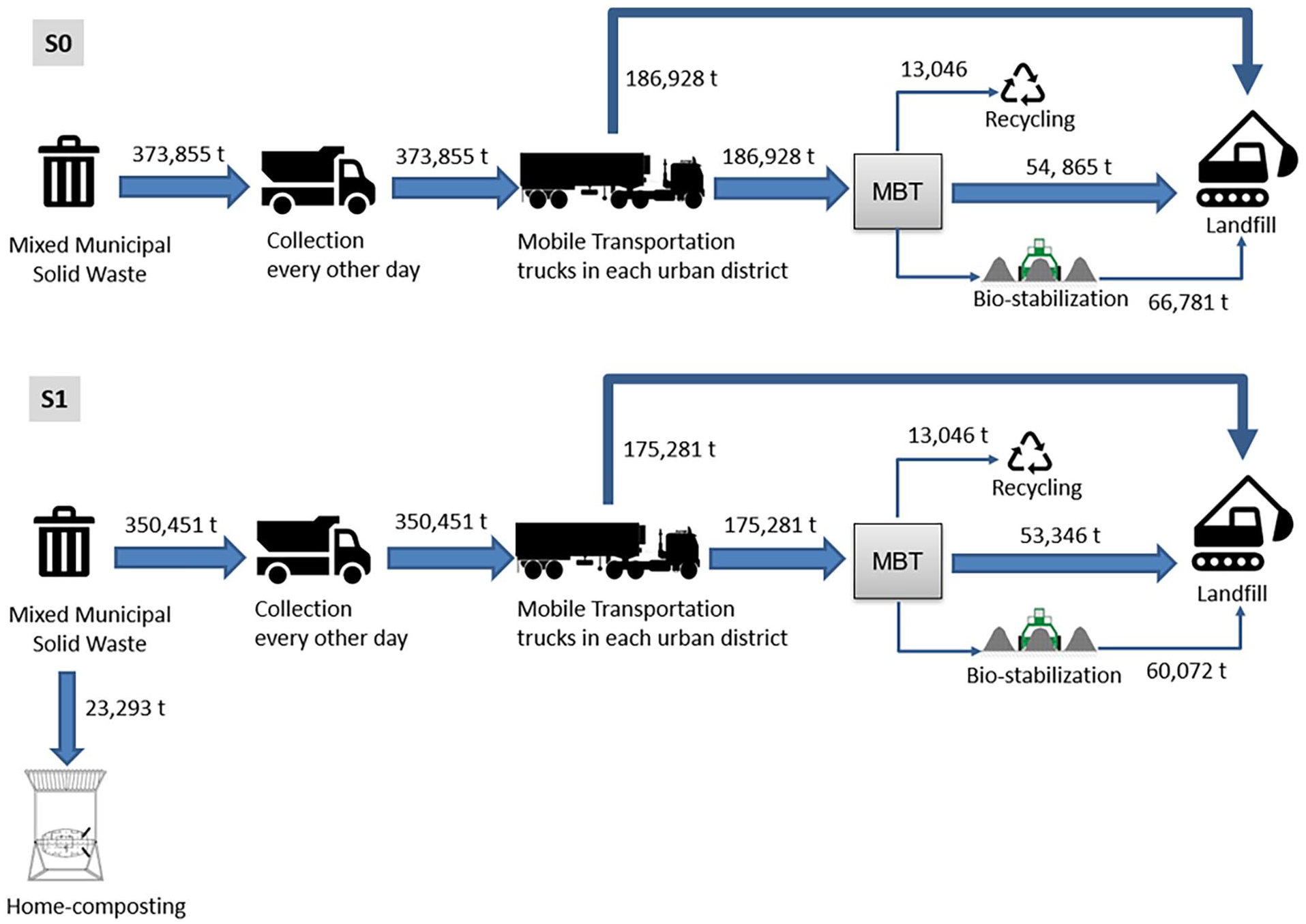
Daily municipal solid waste mass flow of the existing system (S0) and future scenario (S1).
Home composter design
To promote management of the organic waste at the household level, the municipality assembled a simple aerobic composter from available materials in the local market (Figure 4). Attention was given to key factors of maintaining biological activity under semi-arid weather conditions: properties of the input materials (quality and quantity), moisture content, mixing, ventilation, leachate and odour control were key parameters to turn organic waste into a stabilized final product. Since moisture is the limiting factor in semi-arid areas, an in-vessel model composter was chosen to enhance moisture control in the compost pile. A cylindrical container made of recycled plastic, such as polyethylene or polypropylene, was selected for the home composter. The container was modified to make a feeding inlet. Three size of home composter were designed for different family size. Plastic barrel with 95, 110, and 125 L capacity were chosen. It was assumed that the small size composter (95 L) could be used by a individuals or family size of two people, whereas the large size composter for families with more than five people. A rotating drum model was chosen to accelerate the biological process. The container was equipped with rotating shafts, handles, and holes in the barrel to assure the aeration and blending of materials. A cover was added to the system to protect the composter from direct sunlight or rain.
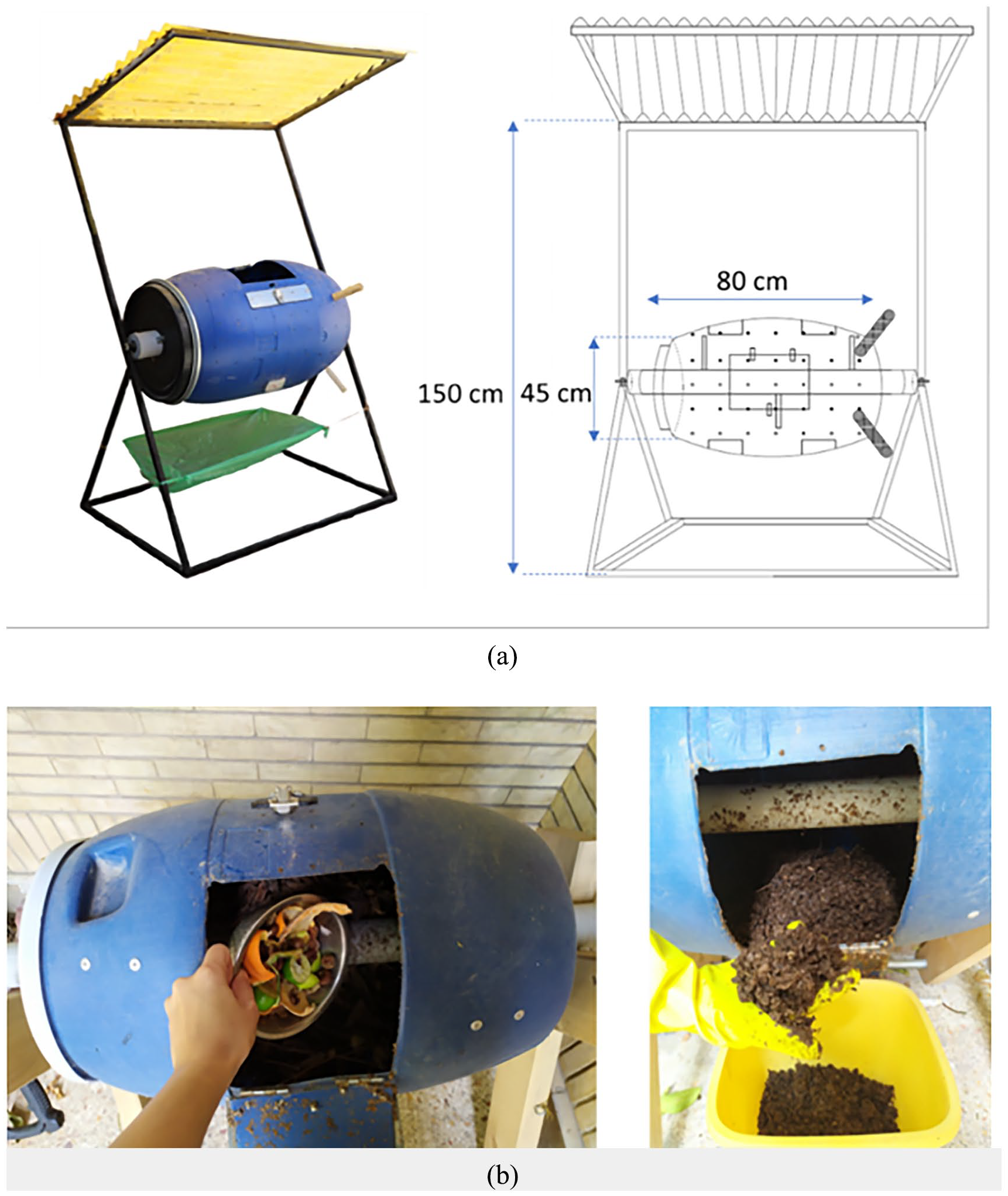
Home composting system implemented in Shiraz: (a) general design of the composter and (b) composting system before and after treatment.
Pilot project implementation
The objective of the home composting project is the partial handling of organic and garden waste in the urban residence with yards and green spaces. Approximately, there are about 60,000 villa houses in Shiraz. To have a real-life experience, the municipality disseminated information about the project and solicited citizen feedback through communication channels such as public meetings, text messages, social media platforms and official websites. The requirement for participation included enough space at the living premises, willingness to allocate time, and cooperation with the technical team from the municipality. Out of 30 citizens who showed interest, five large home composters (120 L) were delivered free of charge to five selected households. Practical training was provided individually by the expert, including a step-by-step instruction on the parameters influencing the natural process that recycles organic materials into a dark brown, stable material and avoiding bad smell.
The citizen was instructed to maintain the ideal conditions for the activity of microorganisms by mixing and adding the raw input material with proper moisture content, porosity, and C/N ratio. For an approximate moisture estimate, a squeeze test was suggested. Bulky waste such as dry leaves and branches were available to balance the moisture and develop adequate pore spaces for oxygen circulation. In case of high temperatures, a higher turning rate was required, whereas irrigation and the addition of more green waste would enhance microbial activity. The addition of soil or finished compost was also suggested to speed up the decomposition process.
The pilots were visited every week by the technical team for about 6 months, from March to September 2021. During the visits, the technical team questioned users about the quantity and type of input materials to assess the composter’s capacity in comparison to the organic waste generated in households. The compost pile was inspected to assess the heat and oxygen levels in the fresh pile, the ease of turning the drum when it’s full, as well as leachate and odour generation. If necessary, such as in cases of excessive moisture or unpleasant smells, the composter was emptied and adjusted with new input materials. The team also inquired about the users’ ability to control the process and their willingness to maintain it during these visits. The final products were visually examined to estimate the level of decomposition. After the pilot project, a social survey was organized to collect opinions from the inhabitants.
Social involvement assessment
The citizen’s point of view about waste minimization and organic waste management at the source of generation was investigated through a questionnaire survey. The target groups include the citizens of Shiraz who received basic information on the zero-waste concept and waste management hierarchy. Several virtual groups on social media were involved, which are promoting waste minimization ideas including avoiding, reusing, repurposing, repairing and recycling based on the local condition in Shiraz. These platforms were used to disseminate information about the main method of organic waste treatment at source. In a short video, these methods were represented, discussing benefits and drawbacks of each method. The video and a survey link was shared on social media for 2 weeks. The inquiry form included six questions that addressed individual information (gender, age, family size) and management choices, such as:
Willingness to perform home composting
Preferred organic waste management method
Waste collection service scheme
In total, 318 questionnaires were collected during the period. This sample size was obtained from a pool of 1000 potential respondents, making it a significant representation of the online audience targeted in this study. The online survey method was chosen for its accessibility and convenience, allowing us to gather insights from a diverse group of individuals within this online community during the COVID-19 pandemic. The results were analysed in terms of frequency and qualitative interpretation. A confidence interval was estimated at 5.19 with a 95% of confidence level taking into account the whole population of Shiraz as representative population. The results offer preliminary insights into social acceptance and potential future applications.
Economic analysis
The information on capital expenditures (CapEx) and operational expenditures (OpEx) were obtained from Shiraz municipality. The kerbside collection and disposal phase are the focal points of the economic study, as the municipality sought to ascertain whether an extension of this programme is warranted. The economic analysis, therefore, does not consider the cost on the household level (space, water, and spent time) or the externalities related to the process (e.g., carbon credits). The cost analysis is based on the year 2019, when the first composter was designed.
For S0, CapEx is equal to zero because no capital expenditure was introduced. The expected costs for S1 include assembling the home composters. The Shiraz waste management plan suggests the distribution of 10,000 home composters over 10 years to divert 10% of organic waste generated. In addition, it is required to hold training workshops to present the instruction of the composter to the users. To compare the scenarios, CapEx for the making home composters and training workshops of S1 were divided for the programme lifespan, estimated at 10 years, and converted into the yearly costs (€ y−1). With respect to the pilot project, each unit requires about €153 (Iranian market). To distribute 10,000 composters, it has been estimated that the Shiraz municipality requires €153,333 per year of capital costs. The chambers can handle about 23,293 tonnes of organic waste at the household level every year, for a cost of €6.58 tonne−1. The municipality annually allocated budget for projects and, to simplify the accounting procedure, the actualization of the costs and inflation were not considered within the conversion procedure and the cost of money has been considered constant among the years.
For both S0 and S1, OpEx includes the transfer of mixed waste from the household to the final disposal site. The route involves the kerbside collection with a compactor truck and the transportation to a transfer station and, finally, to the municipal sanitary landfill. The average distance between the city and the disposal site is considered equal to 18 km (one way). The municipality should provide per tonne of waste handled the costs for collection, transportation, pre-treatment in MBT, bio-stabilization, and final disposal into the sanitary landfill (Table 2).
OpEx per tonne of waste handled.
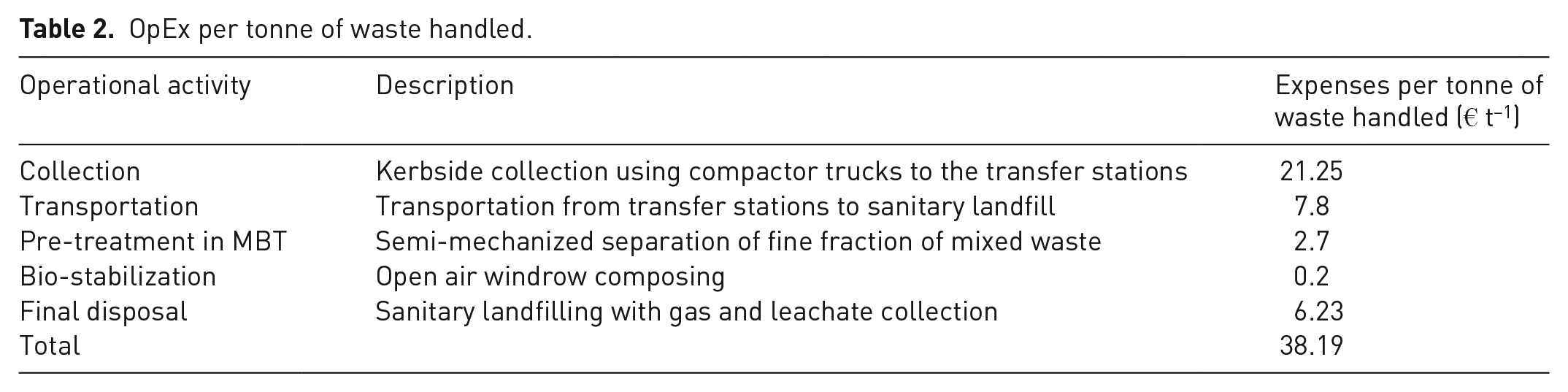
The revenues coming from the recyclable materials to the systems are not included in the analysis since they are considered equal for both scenarios. The revenues from electricity production is also excluded since the gas collection system is established by private sector and it does not represent a cost nor an expense for the public management.
Life cycle assessment
Goal and scope definition
Environmental LCA was conducted both for S0 and S1. The system boundaries involve, for S0, MSW storage, collection, transportation, pre-treatment (MBT), recycling and disposal into the sanitary landfill. For S1, system boundaries also involved home-composting and the operation and treatment of organic waste at the household level. The functional unit is related to the amount of waste generated in the reference year, 2019 (Jalalipour, 2021). Figure 5 highlights the system boundaries for the LCA.
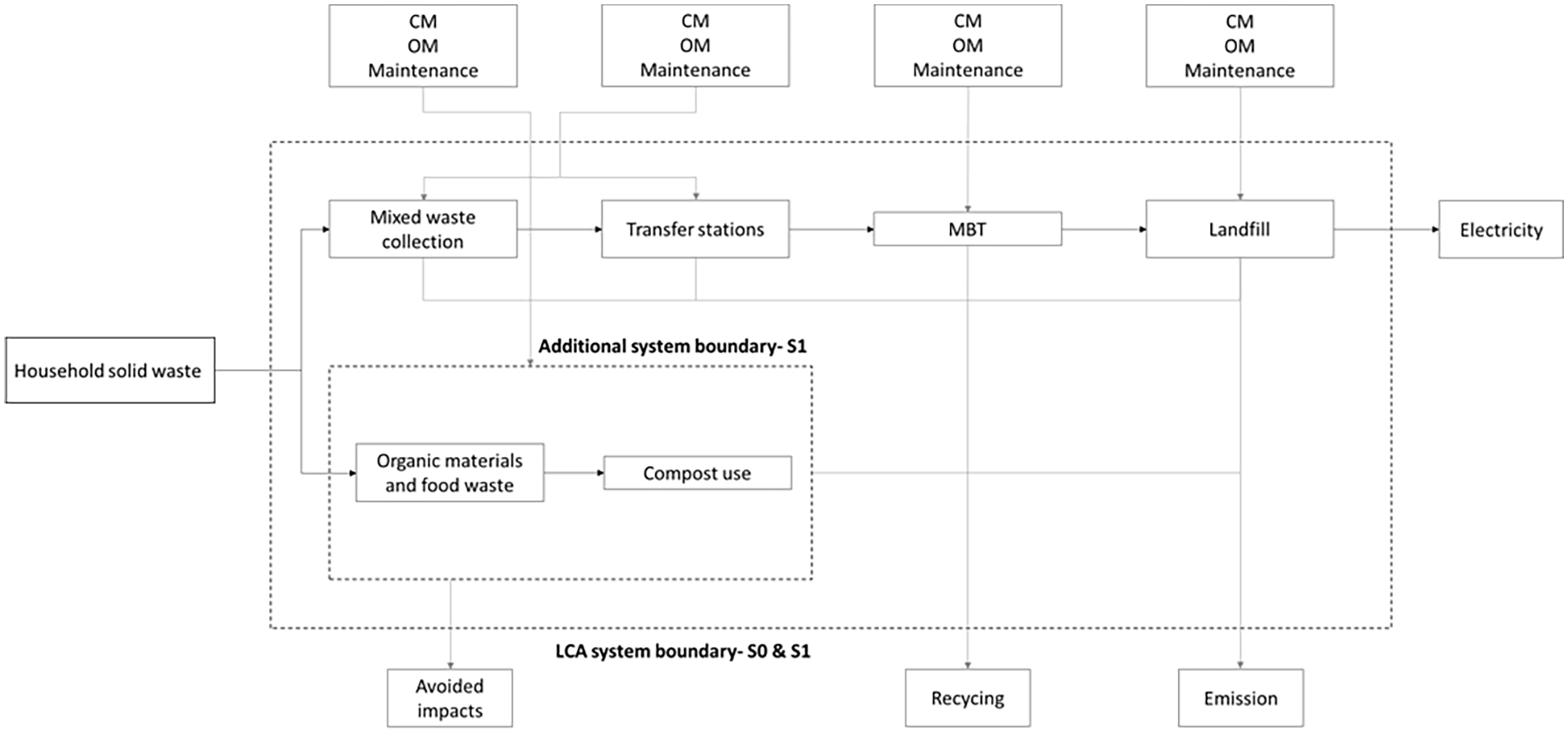
LCA system boundaries.
Geographical boundaries related to the MSW management system include Shiraz city, Iran. Data about the waste management system are not readily available. Therefore, the database of European technologies and infrastructures was sourced from the WRATE v.4 software developed by Golder Associates and used for environmental impact calculations. The database is specific to the technology used in Europe, which limits the precision of the analysis. Specifically, concerning storage, collection, windrow composting and landfilling, the methods employed in Iran can be compared with the database due to the utilization of trucks and containers imported from developed countries. However, the semi-manual MBT plant is most affected by the differences.
Six mid-point environmental impact indicators were assessed: human toxicity potential (HTP), and freshwater aquatic ecotoxicity potential (FWAEP) (kg1,4-DCB-Eq), acidification potential (AP) (kg SO2-Eq), eutrophication potential (kg PO43--Eq), global warming potential (GWP) (kg CO2-Eq) and depletion of abiotic resources (ARD) (kg Antimony-Eq). (Ferronato et al., 2020). The impacts assessment method of the analysis is related to the CML 2001 database.
Life cycle inventory
Primary data, which include the amount of waste generated, the characterization of the waste, the specifications of the home composter and the key logistical information, were gathered via local reports and interviews with municipality officials. Secondary data related to the storage, collection, treatment, recycling and final disposal processes were gathered from the WRATE v.4 database. The energy (electricity and heat) and fuel consumption, as well as the avoided manufacture of recycled materials (paper/cardboard, PET plastics, aluminium and metals) and avoided energy consumption were also adapted from WRATE v.4 database. The electricity mix considered a high carbon emission, as reported in the WRATE v.4 database (97% fossil fuels, 3% renewable), which is comparable to Iran situation. The processes introduced in the LCA are described in Table 3.
Life cycle inventory of the processes included within the research.
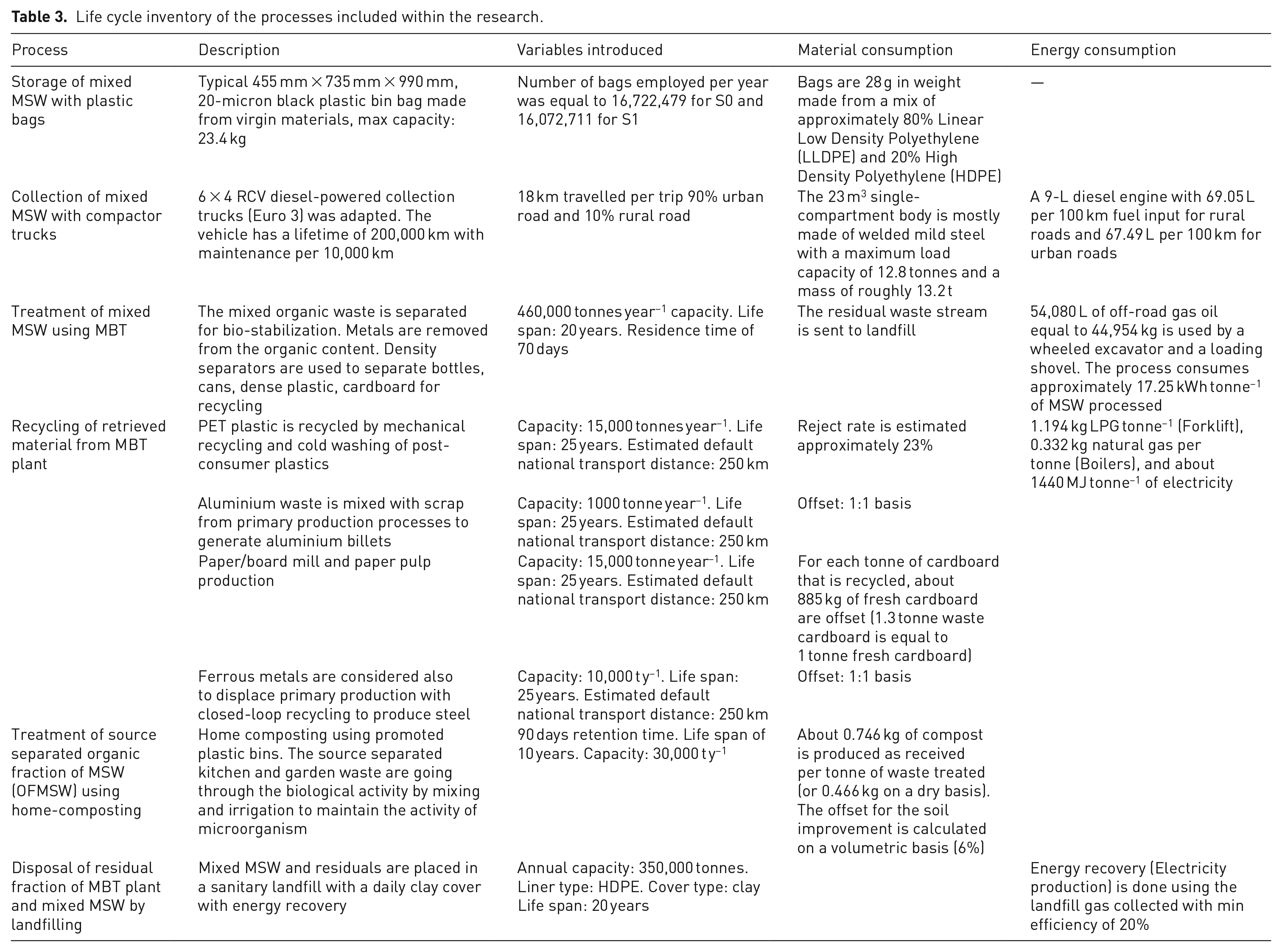
Plastic bags are used for collecting mixed MSW. Management of organic waste at home in S1 results in 6.26% reduction in number of plastic bags compared to the baseline scenario (S0). The source separated OFMSW (14%) and garden waste (87%) is composted at the household level using plastic bins. The compost/soil improver produced is used for topsoil and landscaping. Compactor trucks are considered for collection and transporting of mixed waste to the MBT and landfill. The roads are deemed 90% urban, and 10% rural, considering the difference in emissions and fuels consumption.
The collected mixed waste is pre-treated by an MBT with bio-drying systems. Some fractions of collected mixed MSW and residual from MBT plant are disposed of into sanitary landfill that has a basic liner of HDPE and a daily cap of clay. The landfill gas collection efficiency (LFGCE) is estimated to be 40% (flared). The recycling processes involve the conversion and recovery of recyclable materials such as PET plastics, paper, aluminium and metals. Data of the processes have been derived from Ecoinvent 2.1.
Results interpretation. The comparison of the environmental indicators evaluated is used to analyse the results. This step was carried out using the normalization approach, which converts the results into European person equivalents (EP). S0 and S1 were therefore compared while considering all environmental indicators in order to determine which effect may be decreased (or enhanced) assuming a transition from the existing SWM system (S0) to the future scenario (S1).
Results
Results from the pilot project showed that the home composter has the best functionality when 30% to 35% of the container is full. The output of the home composter is fresh and should be stored in a container or spread on the ground for at least 1 month to become fully decomposed. The recommended application rate for compost in a garden is approximately a layer of less than 10 cm on the soil, depending on the specific needs of the plants being grown (Sæbø and Ferrini, 2006).
Social survey
The results from questionnaire survey showed that women are more willing to be involved in waste minimization activities at household level; about 64% of the participants are women. In addition, the vast majority (58%) of participants were between 25 and 40 years old, followed by people older than 40 years (36%). The young people with less than 25 years old had the least participation in the social survey. The family sizes ranged from one to more than five people in the household and were equal to 22%, 33% and 28%, for family size of two, three and four, respectively.
Up to 86% of the participants were willing to partially manage the generated organic waste at the household level. In particular, 28% of the participant would like to practice home-composting, whereas the remaining 58% preferred minimization techniques like responsible purchase of food products and groceries to avoid waste generation or prevent and reduce leachate generation by draining the extra water before disposal. These results suggest that, in Shiraz, considering 1.8 million inhabitants, home composting can be potentially implemented by about 5,000–10,000 people. The main drawbacks of composting methods from participants points of view were know-how, time and space requirement. Besides, it may generate odour and attract flies in summer.
Cost analysis
Figure 6 depicts the annual costs of the two analyzed scenarios. The overall annual expense related to S1 is equal to €12,769 × 103 y−1, whereas S0 depicts an annual cost equal to €13,468 × 103 y−1. Therefore, S1 cause a yearly save of about 5.19% per year, equal to about €700,000 per year. This reduction in costs is attributed to waste minimization efforts. Collection is the prevailing factor in terms of economic impact for both scenarios followed by transportation, final disposal and processing (MBT). Overall, the deployment of 10,000 composters would result in an average cost savings of €70 per composter for the municipal SWM.
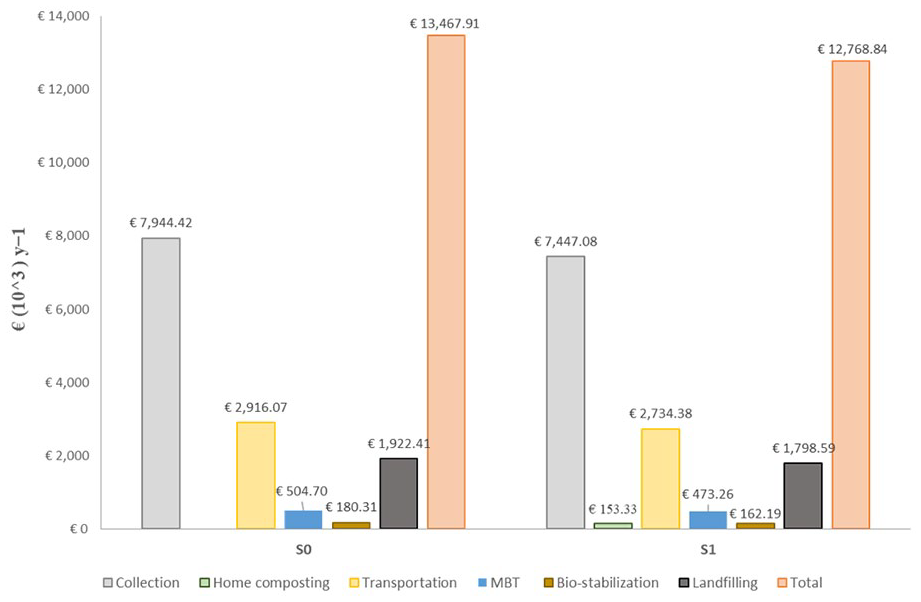
Comparison between yearly expenses of scenario S0 and S1.
Environmental benefits
The environmental impacts assessed for each indicator considering 18 km travel distance and 40% LFGCE are reported in Table 4. GWP and FWAEP presents the most marked variations between S0 and S1, accounting, respectively, for 8.83% and 74.3% reduction. The results indicated that home composting has positive impact on decreasing the environmental impact of organic waste management. On the other hand, a different trend was observed for eutrophication and acidification potential. In particular, considering the impact per tonne of waste, acidification moved from a 0.19 kg SO2-Eq in S0 to 2.03 kg SO2-Eq per tonne in S1, whereas eutrophication increased from 0.14 kg PO43-Eq to 0.55 kg PO43-Eq. This is due to the use of compost for landscaping and the uncontrolled emissions during the home-composting phase (Wheeler et al., 1999). This difference is particularly due to the high emissions of nitrous oxide and ammonia released during a home composting process as also illustrated in Martínez-Blanco (2010). On the other hand, implementing home composting would add noteworthy benefits regarding energy related reasons. This transition will allow to reduce energy consumption as no transportation is required to transported 23,293 tonnes per year from home to landfill disposal. Furthermore, the avoided impact is increasing at the higher travel distances.
Total environmental impacts per scenario by 18 km travel distance and 40% LFG collection.
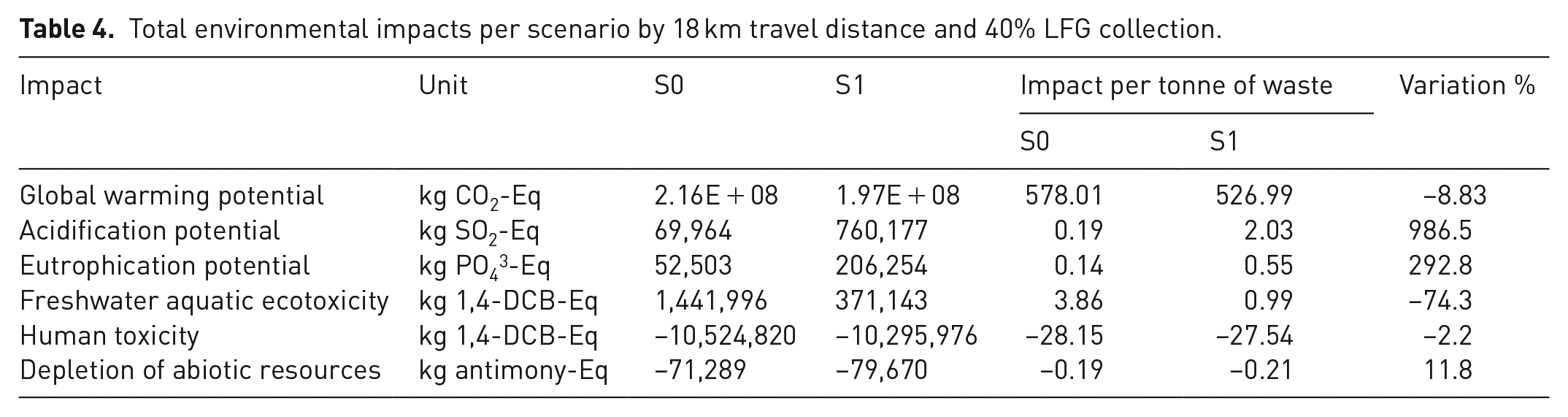
Figure 7 shows the normalization of the environmental impacts assessed for each indicator. Results are expressed in EP. Results in Table 2 and Figure 7 depict that GWP is the most important environmental impact indicator in both scenarios. This is clearly related to the significant proportion of organic waste in Shiraz waste stream and the high potential of generating greenhouse gas emissions.
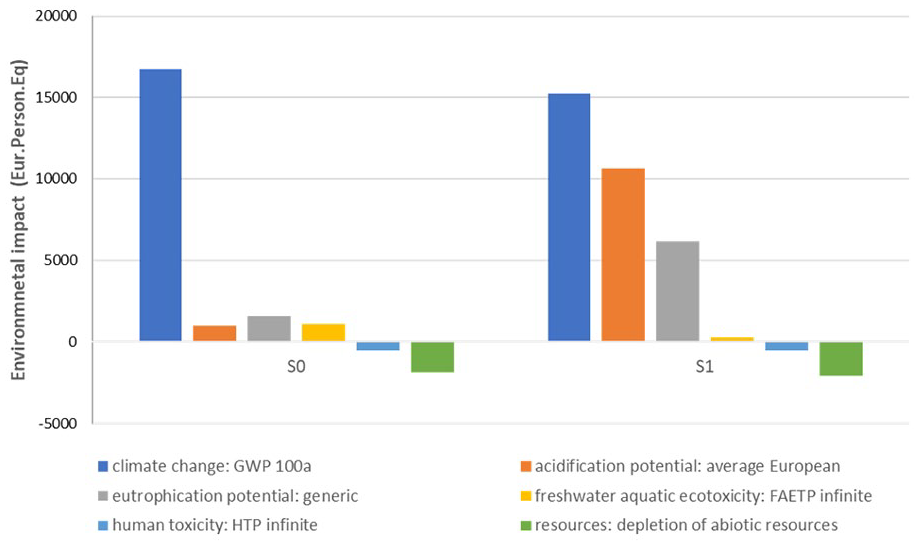
Normalized environmental impact assessment per scenario—18 km travel distance and 40% LFGCE.
A tailored comparison analysis between the impact assessment of the different impact categories in the basic scenario and in the home-composting is reported in Figure 8. In terms of resources, major contributions to the overall impact category is given by the treatment and the recovery stage, whereas recycling has a positive impact in both scenarios accounting for −158 t Sb-Eq in the basic scenario and −161 t Sb-Eq in the home composting scenario.
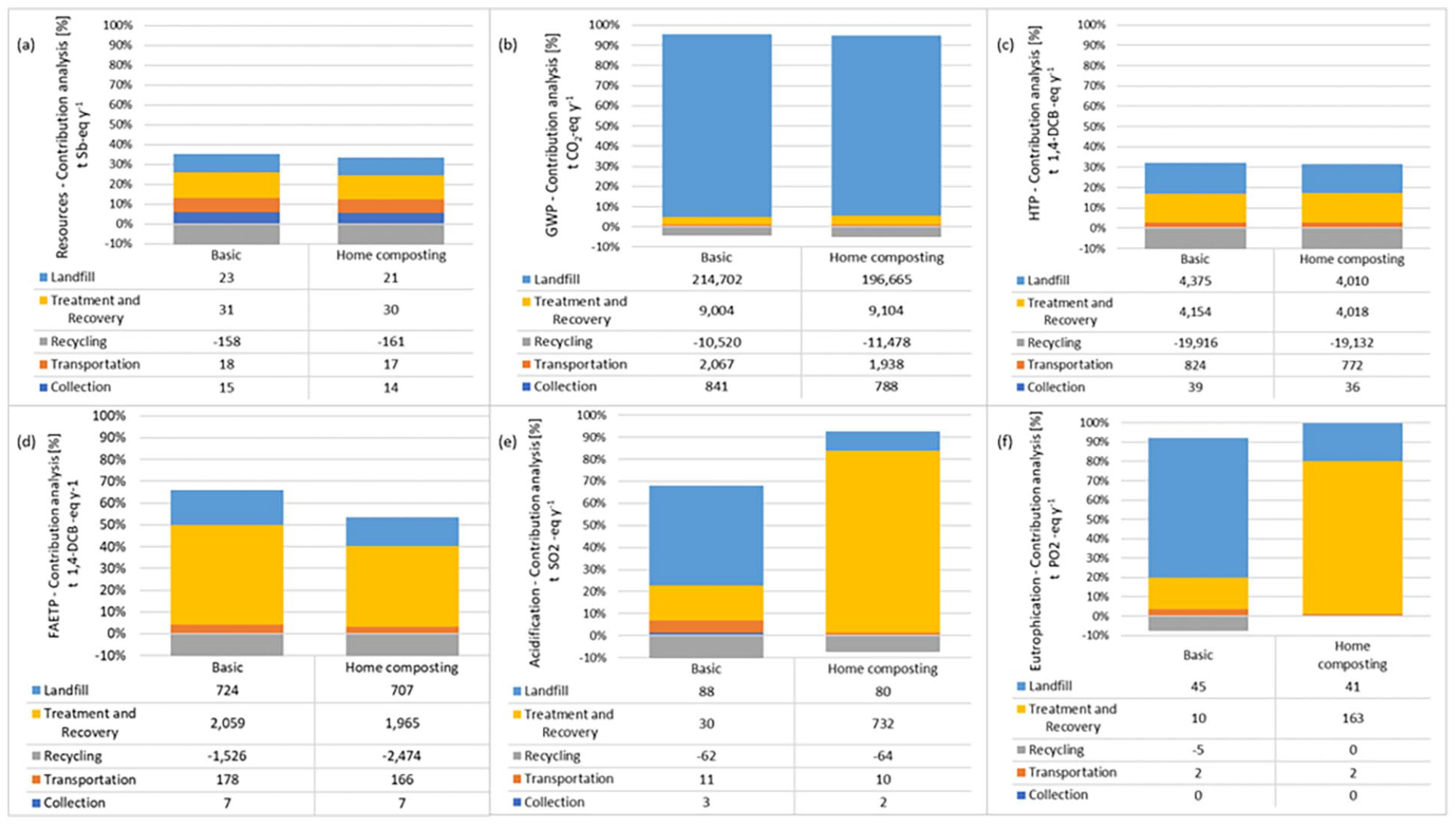
Contribution analysis of the environmental impact indicators per scenarios: (a) Resources depletion, (b) Global Warming Potential (GWP), (c) Human Toxicity Potential (HTP), (d) Freshwater Aquatic Ecotoxicity Toxicity Potential (FAETP), (e) Acidification potential and (f) Eutrophication potential.
As far as GWP is concerned, home composting proved to be an effective way to reduce emissions in all indicators computed, with a reduction of 19,076 t CO2-Eq per year. This reduction is a consequence of a series of factors such as, the decreasing number of plastic bags disposal during the collection, the reduced distance travelled and the reduced amount of organic waste sent to landfills. However, the environmental impact of both scenarios is largely influenced by landfilling, which accounts for more than 90% of the impact. Home composting on its own can reduce about 9% of CO2-Eq emissions per year from the landfilling process. Consequently, it is evident that home composting is a changing driver in the context of Shiraz, but other complementary solutions should be addressed to lowering the overall CO2 emissions from landfilling.
Considering human toxicity, on the other hand, similar results are reported in both scenarios regarding all steps along the SWM system, but an overall decrease in all of the impact categories is reported when the home composting scenario is applied. As for FAETP, in both scenarios the treatment and recovery stage are the most important phases, but the home composting solution would allow to reduce the environmental impacts from 2,059 t 1,4-DCB-Eq to 1,965 t 1,4-DCB-Eq.
On the other hand, in the case of acidification, an important reduction of t SO2-Eq is outlined in terms of landfilling moving from the basic to the home composting scenario. On the contrary, the treatment and recovery increases in the home composting alternative. Lastly, eutrophication follows the same trend as acidification where the home composting results more advantageous when comparing the environmental impacts of landfill, but, it results contributing intensely when considering in the treatment and recovery stage.
Discussion
Organic waste circular outlook in Shiraz
Shiraz municipality faces serious challenges for SWM that contain high organic fraction. It is crucial to introduce new measures for future SWM plans, able to partially or fully substitute final disposal. Organic waste source separation is of such methods and resulted to be an interesting solution (Jalalipour, 2021). In particular, the outcomes of the research showed that, in Shiraz, home composting can introduce environmental and economic benefits compared to the current waste management system: Home-composting can effectively reduce the moisture content and volume of organic waste, resulting in lower collection fees and volume of waste to be landfilled.
To enhance the management of organic waste in Shiraz and reduce the volume of organic waste ending up in landfills, alternative options include implementing a home composting programme in conjunction with the source separation of market waste (Figure 9). The results of the study done by Jalalipour et al. (2020) suggest that implementing selective separation for organic waste can be a successful approach for business units in Shiraz. It appears that the separate storage and collection of market and garden waste are more feasible within the current SWM system. Within the suggested scheme (Figure 9), the organic waste stream from local markets is utilized as a resource to produce high-quality compost. On the household level, organic waste can also be managed partially, and low-quality final products collected from home composters can enter a second composting process in the windrow compost plant to produce a value-added product.
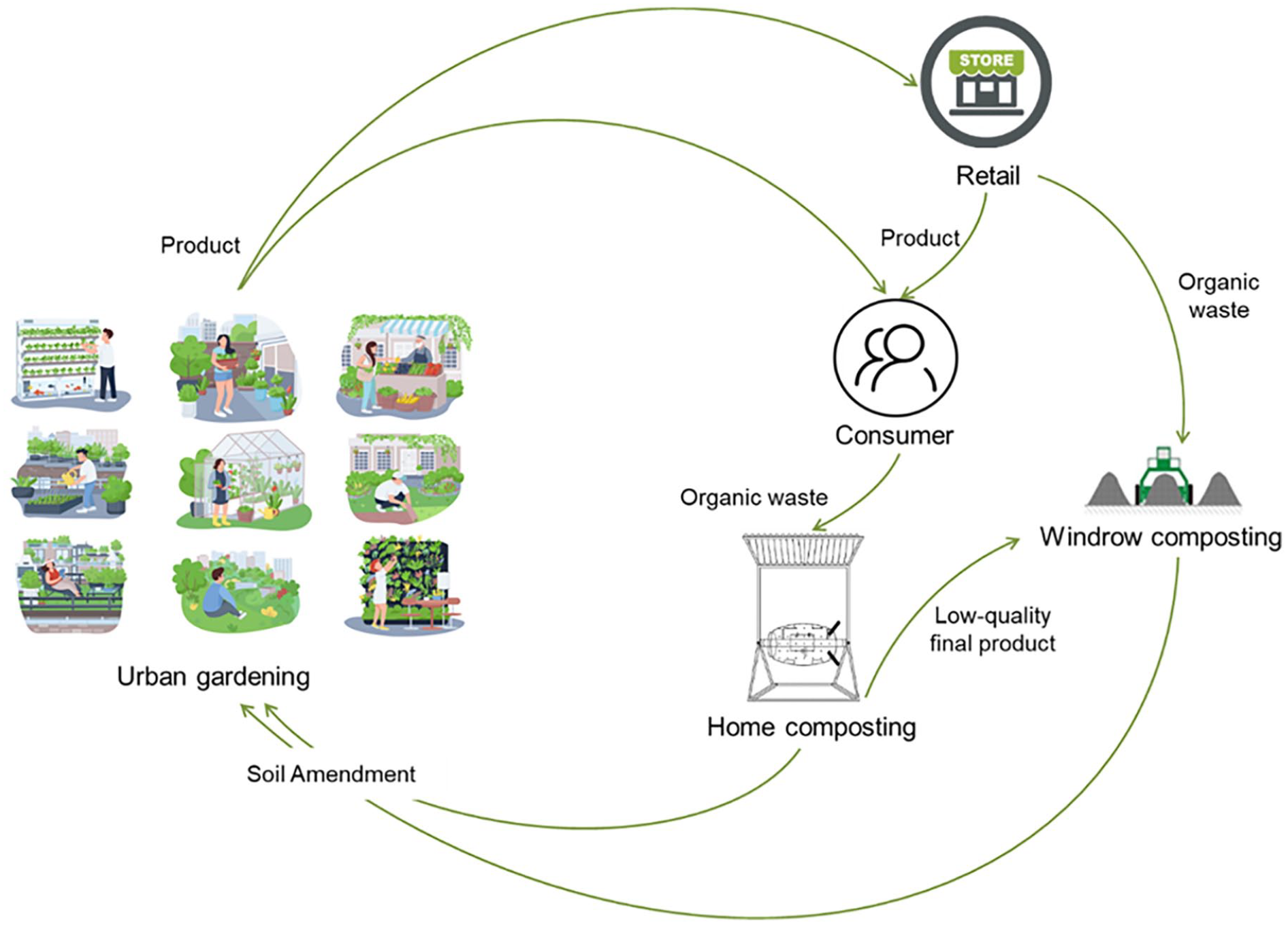
Schematic example of circular food chain to be developed in cities.
The high-quality compost can be used in a variety of practices such as urban farming, community gardens, farmer’s markets and food cooperatives as also largely observed in Ozores-Hampton et al. (2022). Alternatively, this can promote a circular local food chain model in Shiraz. The circular food chain can reduce the environmental impact of food production and consumption, as well as to increase access to healthy and locally-grown food for all members of the community (Fernando, 2021). By using resources efficiently and minimizing waste, the urban circular food chain can help to create a more resilient and self-sufficient food system within Shiraz. Additionally, it can foster a sense of community and promote social connections through shared food-related activities (Winkler et al., 2019). A similar pilot project was also experimented by Papadopoulos et al. (2009) who tests a prototype system for the production of high-quality compost from biodegradable household waste separated at source. The output of the project had positive impacts on citizens environmental awareness, on local authorities as the project would results in monetary savings and improvement of the entire environmental image of the municipality (Papadopoulos et al., 2009).
Limitations of the study and future developments
Successful implementation of home composting in Shiraz is affected by several obstacles. Citizens training and knowledge transfer on biological process takes time (Sayara et al., 2022). Despite the high investment of municipality in composter design and construction, it has several technical flaws. The temperature and moisture level cannot be easily controlled, and compost becomes muddy especially in the cold season. The output of the final product has usually low quality and cannot be used for gardening. This is a common issue found in other case studies in literature (Adhikari et al., 2010; Burnley, 2007; Hargreaves et al., 2008). As a results, the Citizens’ acceptance, and willingness to participate in the programme can be low.
Besides, the composter required space and it can be distributed mainly among villas, which includes about 10% of urban settlements in Shiraz. Generally, large yards and extensive green spaces in dry and semi-arid metropolitan regions are less prevalent due to water shortages. On the regional scale, Shiraz municipality tried to encourage the citizen partnership in the home-composting programme by free distribution of composters. Other approaches in this respect includes buying the final product from citizens, awarding of prizes for participants, reducing municipal service fees for households, introducing model citizens conducting best practices, giving seedlings and trees free of charge among the participating citizens, among other practices (Babazadeh et al., 2018; US EPA, 2020). The saved cost thanks to the successful implementation of the programme could be used to establish waste banks for marketing and purchasing the produced compost in households.
In this study, the economic and environmental analysis was developed considering secondary data, which can still guarantee a solid grip on reality, but, for further development, primary data would be needed to improve the results towards a further level of certainty and reliability (Jiang et al., 2020). Therefore, future studies about collecting accurate waste data according to international methodologies are necessary. The necessary training and good knowledge for such a transition takes time and initial investments. Technical difficulties are also encountered, such as the proper control of temperature and moisture level which would otherwise lead to the generation of sludge. The final compost obtained is often of low quality and cannot be used in agriculture or gardening, as discussed in the literature for many low- and middle-income countries (Manuja et al., 2022). Moreover, even if many people participate, it is still not enough to compensate for the initial investment. Finally, home composters require a certain amount of space that only some households have. For these reasons, interesting future developments could be to create and assess a hybrid model for the organic SWM in Shiraz. For instance, a combination of different approaches can be suggested:
Further communications and campaigns on food purchasing to work on the waste minimization aspects together with a complementary solution like free centralized community facilities;
Free community composting centres and home composting to reduce the cost of the single installations, especially to provide an alternative also to those families that cannot spatially and economically sustain a home-composter.
An important aspect still would remain the initial technical training to give the participants basic and solid preparation to do the composting potentially combined with a constant presence of some technical experts in the community composting centre.
Conclusions
The study focuses on the management of organic household composting in Shiraz. It aims to assess its feasibility and environmental, economic and social benefits. The research underlines that women are more involved in waste minimisation activities, and 86% of the participants were willing to manage organic waste generated at home, of which 28% preferred home composting.
The economic analysis estimated that the municipality of Shiraz would need € 153,333.00 per year to distribute about 10,000 composters. On the other hand, the system allows reducing about 5% of the management costs, in a 10-year horizon. In addition, the home-composting programme showed potential environmental benefits, significantly reducing green-house gas emissions (at least about 19,076 tonnes CO2-Eq per year). Therefore, the home composting program is actually able to partially address this problem, leading to about 9% reduction in CO2-Eq emissions per year from landfilling.
In conclusion, the study showed that home composting is an interesting solution for the city of Shiraz to treat at least 10% of the generated organic waste fraction. However, the main recommendation is that an interaction between different processes and techniques is needed to satisfy the motivation of citizens and to improve MSW management and sustainability. The results of this study are applicable to major cities in developing countries located in semi-arid regions. The findings can be replicate and transfer to similar economical and geographical contexts such as the Middle East and North Africa.
Footnotes
Declaration of conflicting interests
The authors declared no potential conflicts of interest with respect to the research, authorship, and/or publication of this article.
Funding
The authors disclosed receipt of the following financial support for the research, authorship, and/or publication of this article: The design and fabrication of the home-composters were funded by the Solid Waste Management Organization (SWMO) of Shiraz municipality by providing all of the requirements needed to perform the study in terms of raw input materials, working areas, machineries, equipment, staff and laboratory analysis.
