




Abstract
The SARS-CoV-2 pandemic has demonstrated both positive and negative effects on the environment. Major concerns over personal hygiene, mandated and ease in lockdown actions and slackening of some policy measures have led to a massive surge in the use of disposable personal protective equipment (PPE) and other single-use plastic items. This generated an enormous amount of plastic waste from both healthcare and household units, and will continue to do so for the foreseeable future. Apart from the healthcare workers, the general public have become accustomed to using PPE. These habits are threatening the land and marine environment with immense loads of plastic waste, due to improper disposal practices across the world, especially in developing nations. Contaminated PPE has already made its way to the oceans which will inevitably produce plastic particles alongside other pathogen-driven diseases. This study provided an estimation-based approach in quantifying the amount of contaminated plastic waste that can be expected daily from the massive usage of PPE (e.g. facemasks) because of the countrywide mandated regulations on PPE usage. The situation of Bangladesh has been analysed and projections revealed that a total of 3.4 billion pieces of single-use facemask, hand sanitizer bottles, hand gloves and disposable polyethylene bags will be produced monthly, which will give rise to 472.30 t of disposable plastic waste per day. The equations provided for the quantification of waste from used single-use plastic and PPE can be used for other countries for rough estimations. Then, the discussed recommendations will help concerned authorities and policy makers to design effective response plans. Sustainable plastic waste management for the current and post-pandemic period can be imagined and acted upon.
Keywords
Introduction
The onset of the SARS-CoV-2 pandemic brought myriad changes in how humans live and interacts with their surroundings. As observed earlier in the outbreak of this disease, all nations were left to adapt and reconsider their strategies to cope with the novel virus. The virus gained notoriety when it started transferring from human to human by means of respiratory droplets – classifying it as the latest strain of the previously known coronavirus; now a family of seven viruses that have caused outbreaks (Paital, 2020). These droplets could be airborne – generated from coughing and sneezing, speaking or even singing – or surface laden, where the virus can last for several days. Anyone coming in direct, indirect or close contact with an infected patient is likely to inhale the virus through nasal and mouth passages (WHO, 2020d). On surfaces, the virus persists for short to long periods depending on a few variables like humidity, temperature and other surface properties (Doremalen et al., 2020). Newer in-vitro studies show that in favourable conditions (20°C), the virus can last up to 28 days without losing its virulency. Especially on everyday surfaces such as stainless steel, glass and banknotes, the virus stayed in an infectious state (Riddell et al., 2020). Someone who is in contact with such contaminated surfaces can contract the virus if they then touch their own face, particularly the mouth, nose and eyes without sterilizing their hands. Early on, Pung et al. (2020) showed that gathering of people, even with one patient, could spread the disease like wildfire. The infected patients go through mild to severe stages of symptoms with critical patients succumbing to their death. The UK’s National Institute of Health Research published evidence (NIHR, 2020) that people thought to be cured of the disease are showing long-lasting effects, from chest pains and fatigue to morbid heart and organ damages. To prioritize human health and safety, all nations have established some forms of quarantine (or lockdown measures) for their entire populations as instructed by the World Health Organization (WHO) (Cucinotta and Vanelli, 2020). The guidelines for protection – surgical or other face masks use for the general public, and all sorts of personal protective equipment (PPE) for medical professionals – were mandated in most countries (WHO, 2020b). As for the environment, the virus brought both virtues and vices. Enforcing stringent lockdown and quarantine efforts meant virtually all non-emergency travel, work and industries stopped running, halting almost all human mobility in many parts of the world. Even during the start of these measures, air quality (PM2.5, PM10, SO2, NO2, CO and Air Quality Index) in heavily polluted industrial zones and large cities measured significant decreases. These were confirmed in two different studies by Bao and Zhang (2020) and Kerimray et al. (2020), for various locations. Due to closure of various effluent discharging industries, air travel and road transport, global carbon emissions and water pollution significantly decreased as well (Yunus et al., 2020). Sadly all of these changes are short lived, as they are only attributed to full shutdown measures (Zambrano-Monserrate et al., 2020). Although these are benefits for the environment, they are outweighed by the drawbacks of profuse medical and plastic waste generation (Saadat et al., 2020).
In the current context, single-use plastic (SUP) based PPE items include but are not limited to: hand gloves, facemasks (medical and respirator), face shields, goggles and aprons. These have been ‘designed to protect the wearer’s body from infection’ through viral transmission (Allison et al., 2020). PPE has been recommended for healthcare workers (i.e. doctors, nurses) and people involved in the caregiving task of the SARS-CoV-2 infected patients (Nzediegwu and Chang, 2020). According to a situation report by WHO, just between June and July 2020, they have increased delivery of 50.40 million (M) pieces (pcs) of PPE from 5.50 M from the previous month and over 200 M pcs in store for emergency delivery to 138 countries (WHO, 2020a). Most of these items are single-use which later must be correctly disposed of. Along with its medical usage by the frontline healthcare workers, PPE is commonly being used by the general public as protective gear from the viral infection. Polyethylene bags, gowns and disposable plastic package usage has soared since the start of the pandemic (Klemes et al., 2020). The fear of potential contamination, travel restrictions, home quarantine, country-wide lockdown measures, cleanliness and stay-at-home orders are mainly responsible for the massive surge in single-use products (Fadare and Okoffo, 2020). Along with PPE, the rise in plastic waste can be attributed to purchases of disinfectants, extra food packaging, stockpiling supplies and widespread online shopping, for instance (Kalina and Tilley, 2020). Especially since many countries have lifted or postponed their bans on SUPs, in the light of the SARS-CoV-2 outbreak, the rise was inevitable (Hughes, 2020). A report from October 2020 stated that recovered patients were getting reinfected by the same virus in mutated forms (Tillett et al., 2020). With viral immunity being compromised in a short time, the pressure to stay more cautious than before will lead people to seek SUPs and PPE protection for longer periods than previously thought.
Based on pre-pandemic trends, it was predicted that 12,000 million tonnes (Mt) of plastic waste will be piled up in our landfills by 2050 (Geyer et al., 2017). The current predicament would worsen the condition, and pollute our land and water surfaces with trivial single-use fibre and SUP products; this is awaiting further investigation. The extent of plastic and fibre pollution is large and varied as newer research studies are being conducted about unforeseen pernicious aspects of these pollutants. One notable pollutant is the microplastic, plastic particles less than 0.50 mm in size, which are being discovered at an unprecedented scale even in the pristine environments of our planet (Rochman and Hoellein, 2020). The surface laden SARS-CoV-2 viral load that can survive on plastic and PPE materials for over several days (Nghiem et al., 2020) could be a potential health hazard if the solid waste is not properly managed (Kulkarni and Anantharama, 2020). Besides, a further epidemic of ‘plastic plague’ maybe at play as inappropriate usage, dumping and abrupt production of newer SUP items are now commonplace (Shetty et al., 2020). It has become imperative to adjudicate the quantitative and qualitative effects of SUP and PPE item disposal on the environment. The aim of this study is to classify and categorize the various kinds of PPE and SUP wastes, to quantify the prospective amount of single-use PPE waste (e.g. facemasks) to be generated at global level. This study also focused on the case of Bangladesh, as it is a densely populated country with rising SARS-CoV-2 cases and unconstrained plastic use. Recommendations and future implications are provided for stakeholders to abjure current disposal methods, and adapt more sustainable options for the current and post-pandemic period.
Prospective plastic waste scenario
Before the pandemic
Globally, as a low cost and versatile material, the rapid progression of plastic-based items has surpassed most other available artificial materials over the years (Avio et al., 2017; Geyer et al., 2017). Since 1950, the generation of virgin plastic has multiplied 200-fold and in 2018, the global production of plastic reached 359 Mt with an annual growth rate of 4% (Dalberg Advisors et al., 2019; Plastics Europe, 2019). Projection based on this growth rate revealed that global plastic production will be increased up to 40% by 2030, and 75% of all the plastic ever produced has turned into waste (Dalberg Advisors et al., 2019).
Plastic waste poses a significant threat to the terrestrial and marine environment due to its non-biodegradable nature, and poses a challenge for its proper management (Haque, 2019). Open dumping, landfilling and thermal treatment or incineration processes are the most dominant methods of plastic waste management around the world. Only 63% of the plastic waste is managed effectively and the rest (37%) find its way from the land to the world’s oceans, continuously fragmented, trapped and consumed by marine animals (Dalberg Advisors et al., 2019; Mourshed et al., 2017). Globally, between 1950 and 2015, only 12% (880 Mt) of the total produced plastics (6,300 Mt) have been incinerated, 9% (600 Mt) have been recycled and 60% (4,900 Mt) have entered into landfills or the natural environment (Geyer et al., 2017; UNEP, 2018). Among all solid waste, about 60–80% of the world’s refuse is in the form of plastic (Haque, 2019). Each year, 4.80–12.70 Mt of plastic waste move to the world’s oceans in the form of macro-plastic (>200 mm), microplastic (1 µm–5 mm) and nano-plastic (<1 µm) particles which produce severe toxic effects on both terrestrial and marine animals (Worm et al., 2017). Asian countries such as China, Indonesia, Philippines, Vietnam and Thailand, with a combined daily production of 58,000 t of plastic waste, are mainly responsible for 50% of the plastic in the world’s oceans (Mansor, 2020). Based on this current generation trend Geyer et al. (2017) estimated that only 9,000 Mt and 12,000 Mt of plastic waste can be recycled and incinerated, respectively, whereas the rest will be discarded in landfills or accumulated in the natural environment by 2050. Immense greenhouse gas emissions are also associated with plastics. Plastic production, recycling and thermal treatment of these items release approximately 400 Mt of carbon dioxide every year (Grodzinska-Jurczak et al., 2020).
SUP items are referred to as disposable plastic items ‘designed to be used once and then thrown away’ (Seas at Risk, 2017). The largest use of SUP is seen in plastic packaging items – grocery bags, food packaging materials, straws, cutlery, cups, bottles and containers – which integrate thermoplastics (e.g. polyethylene terephthalate – PET, polyethylene – PE, polystyrene – PS, polypropylene – PP) and thermosets (e.g. polyurethane – PUR, urea-formaldehyde – UF resins) as the main polymers for producing SUP items. North-east Asian countries produce 26% of the resins used in these SUP items. Globally, the SUP manufacturing industrial sector is the largest one which alone contributed to the generation of half of all the plastic waste in 2015 (FFI, 2019; UNEP, 2018).
During the pandemic
The current SARS-CoV-2 pandemic has provoked a situation where SUP and its generated waste are growing at an unprecedented rate from healthcare units and households in almost every country of the globe. The SUP-based PPE used as protective gear is undoubtedly the only viable option in this current context to defend against viral transmission (Cook, 2020; Czigány and Ronkay, 2020; Hughes, 2020). Due to the current circumstances of enormous usage of single-use PPE, and a massive generation of SUP waste in the most populous cities, the waste management sector is already facing numerous challenges (Figure 1) such as difficulty in hazardous waste disposal (Huang et al., 2020; VishnuRadhan et al., 2020). Along with healthcare personnel and the people involved in similar caregiving tasks, the general public are becoming accustomed to the disposable PPE due to the enactment of health safety rules, issued by the governments and/or largely driven by the fear of infection through person to person and airborne transmission of SARS-CoV-2 virus (Cook, 2020; Klemes et al., 2020). However, with such measures merged with the waste sector and its pandemic-induced challenges (Figure 1), a rapid flow in the discarded single-use PPE have been observed all around the world. Disposable facemasks (N95, KN95, FFP2 or FFP3 type), hand gloves, disposable gowns, hand sanitizers and face shields are the most ubiquitous plastic-based PPE (Table 1) waste generated by the general public and healthcare workers. The current pandemic has encouraged the plastic industries to produce other banned SUP items (e.g. disposable grocery bags, food packaging items) due to the promotion of SARS-CoV-2 infection through the reusable materials which were believed to contain the virus on their surfaces for a long period (Hale and Song, 2020; Kahlert and Bening, 2020; Kalina and Tilley, 2020). The overlooked point is that human contact with the contaminated surfaces followed by immediately touching the mouth, eyes and nose is one of the fastest exposure routes for the viral transmission, and later studies suggest that plastic material particularly poses a significant threat of spreading the virus because the virus can persist on the contaminated surfaces. Reusable materials (i.e. paper, fabrics) provide much shorter life spans (about 1 day) of SARS-CoV-2 virus on their surfaces (Alvares and Hernandez, 2020; Hale and Song, 2020; Hughes, 2020; Nghiem et al., 2020). Increased demand, usage and rejected single-use PPE and other plastic items in the current situation have resulted in a situation where public health concerns have offset the caring for environmental wellbeing as remarked by Grodzinska-Jurczak et al. (2020). However, the PPE and other SUP items which are deemed to be protective may potentially affect public health through further infection and (micro and nano) plastic pollution when such items are discarded poorly in the land or waterbodies, followed by the virus’s long persistence on the plastic surfaces (Prata et al., 2020).
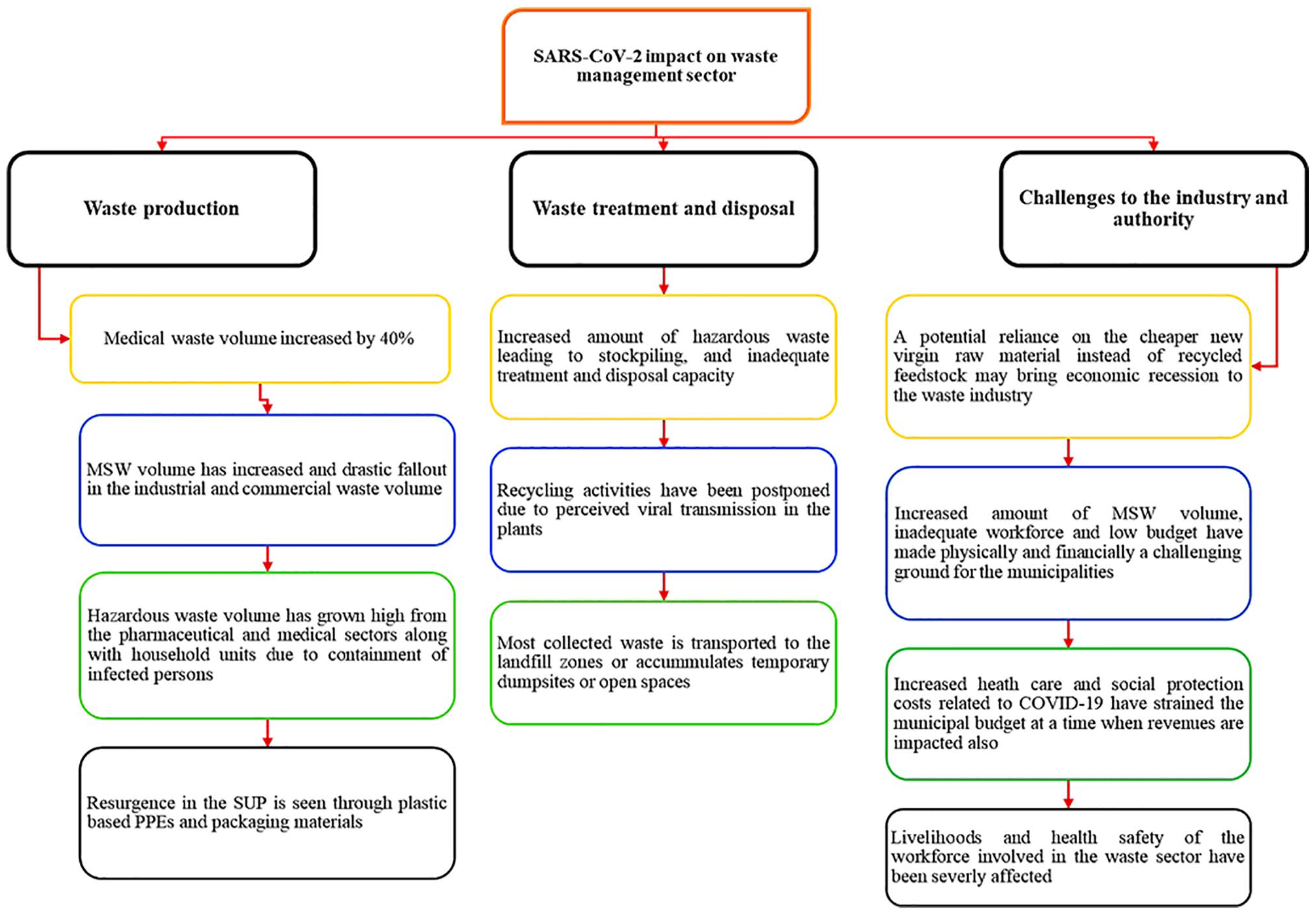
Impact of SARS-CoV-2 pandemic on the waste management sector (drawn based on IFC, 2020; Haque et al., 2020).
Summary of commonly used PPEs and plastic materials used in them.
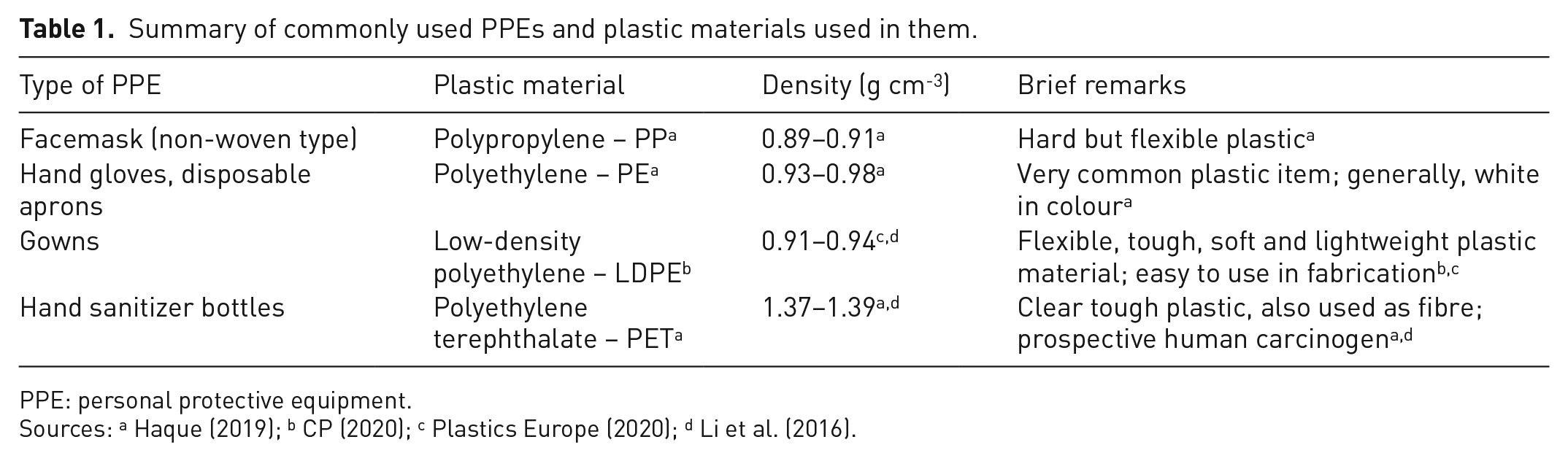
PPE: personal protective equipment.
Sources: a Haque (2019); b CP (2020); c Plastics Europe (2020); d Li et al. (2016).
The current pandemic situation has amplified the demand for plastic products, particularly for medical and packaging items which alone have contributed to the surplus plastic waste. Sharma et al. (2020) have estimated that about 44.80% and 13.20% of the increase in plastic waste can be expected from the packaging and medical-based products, respectively. This is primarily due to the high consumption and use of online shopping and food delivery services, hygiene, and other self-protecting kits. Most of the infected people with minor illness are self-quarantined at home where there is a high risk of further transmission of the infection from their discarded materials (e.g. masks, gloves) along with the people acting as their caregivers who may come in contact with this waste. However, most of the national emergency response plans have agreed that plastic-based PPE when used and discarded should be treated as ‘hazardous’ and will be required to go through thermal treatment (incineration) (Allison et al., 2020). The situation, however, has overwhelmed the incineration capacity of many countries due to the unprecedented growth in medical waste amount. For instance, in Hubei Province, China the medical waste amount has reached 240 t from 40 t per day (about 600% increase) (ADB, 2020). In Gurugram city, India, medical waste has increased by 40 times, only within the lockdown period of 60 days. In Ahmedabad, India, the medical waste amount was recorded at 1000 kg on a daily basis and projections revealed that this amount will reach 3000 kg due to the extensive use of PPE (Somani et al., 2020). In the capital of Indonesia, the medical waste amount has soared to 12,740 t within the 60 days after the first confirmed case of SARS-CoV-2 infection (Kojima et al., 2020). Table 2 presents the amount of medical waste generated in the major cities of some Asian countries.
Amounts of medical waste generated during the pandemic and the non-hazardous proportion of waste entering the MSW stream for some major cities of different Asian countries.
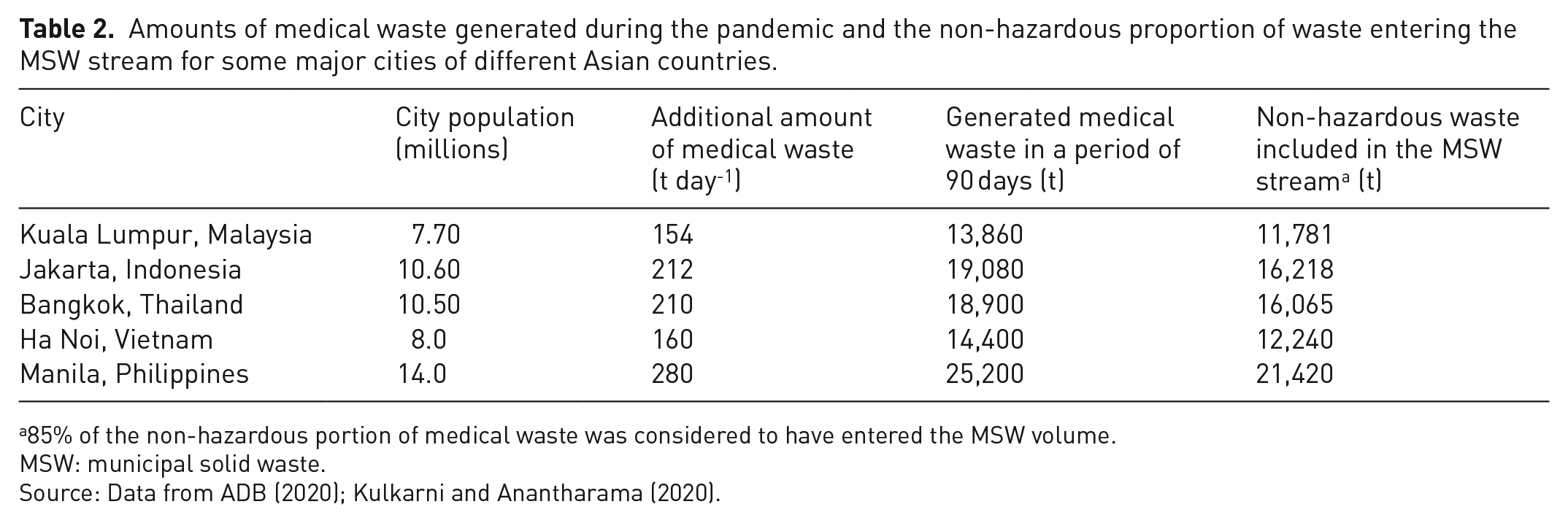
85% of the non-hazardous portion of medical waste was considered to have entered the MSW volume.
MSW: municipal solid waste.
Source: Data from ADB (2020); Kulkarni and Anantharama (2020).
Wang et al. (2020) reported that 85% of medical waste is non-hazardous, only 10% is hazardous and the remaining 5% is radioactive and chemical. Due to the rapid growth and inadequate treatment options, the non-hazardous segment of the generated medical waste is advised to be collected and disposed with municipal solid waste (MSW) by the WHO. This proposition has created an additional burden on the existing MSW management system, especially for the developing countries such as India, Myanmar, Thailand, Malaysia and Indonesia where landfilling and open dumping are the usual MSW disposal routes (Kulkarni and Anantharama, 2020). Case studies from the two cities – Khenifra and Tighassaline – of central Morocco showed the effects of lockdown measures on the household solid waste types, generation and final disposal. The survey results identified a substantial decrease in the organic fraction of the household waste (e.g. container food items, raw meat). There the disposed PPE (i.e. hand gloves, facemasks) manifested a potential risk of viral transmission as 87% of the respondents dispose such waste in the mixed form with the household waste in the same trash bin, and 9% of the respondents dispose of it in public spaces (i.e. roads, drains, lawns) (Ouhsine et al., 2020). Due to the usual collection and disposal operation of MSW amid the lockdown measures, the city of Trento in Italy has produced less MSW. During March 2020 the city generated 4058 t of MSW which was 18.50% lower than the previous figures over 10 years (about 4978 t) (Ragazzi et al., 2020). Also in Naples, a prospective reduction was noticed in the overall MSW generation (−9.50%) in that same time period. In Turin, MSW from organic, paper and cardboard fractions, and unsorted portions were reduced to 5.50%, 1.90% and 10.70%, respectively, and a potential surge was recorded for glass (+6.50%) and plastic (+4.50%) waste (Cesaro and Pirozzi, 2020).
Despite regulations and momentous progression towards reduction of plastic waste in recent years, the current global crisis seems like a step back. The pandemic demonstrated a boost in demand for SUP items due to its ‘cost effective’ and ‘quick-to-produce’ qualities (Brown and Kinner, 2020). For example, WHO projected the monthly demand for disposable PPE for the frontline healthcare workers to be 89.0 million single-use facemasks, 76.0 million hand gloves and 1.60 million goggles (WHO, 2020c). Grounded on the questionable nature of the scientific study, the plastic industries have taken their toll by promoting the idea that plastic-based items are ‘safe and hygienic’ and pushing back the government and public concern over revoking bans of SUP items (Alvares and Hernandez, 2020). For instance, many states of the US (e.g. New York, Massachusetts, Maine, San Francisco and California) have temporarily banned reusable items in shops, where the ban on SUP bags has been rescinded for a considerable time period (6 months–1 year). Similar rules on bans or postponement of SUP bags, packaging items, straws, stirrers and cotton buds, and taxes on disposable plastics were relaxed in the UK, Canada, Italy, South and Western Australia mainly due to the fear of viral infection (Brown and Kinner 2020; Mehta, 2020). Such a standpoint together with the lockdown rules have led to a massive consumption in packaged goods, single-use cups and take-out items during the pandemic where the sales for cooked meats and cheese have reduced to 45.8% and 15.2% of the preceding years (Long et al., 2020). For example, increased online orders for food items and groceries have resulted in a surge in the plastic waste amount to 6300 t from 1500 t per day in Thailand (Kojima et al., 2020). This estimation projected an overall increase of 30% in the yearly plastic waste production for this top plastic polluter, as Thailand is the 6th in the global ranking (Jambeck et al., 2015; TEI, 2020a, 2020b). The situation has also paved a way for disposable plastic bags to re-emerge in the daily lives of people; these are very harmful for the environment due to their non-biodegradable and unrecyclable nature (Bir, 2020). Plastic materials – LDPE, HDPE, PP, PS, PVC and PET – used in packaging are projected to increase the plastic waste by 30.13%, 20.76%, 18.30%, 5.13%, 2.01% and 22.54%, respectively (Klemes et al., 2020; Sharma et al., 2020). The current situation is further aggravated by the countrywide lockdown and physical distancing measures which have temporarily closed the recycling facilities in many countries (i.e. India, US) (OECD, 2020). It is now imperative to predict the crucial challenges associated with the management of this huge amount of plastic waste. Especially for the developing nations where waste management is still at its embryonic stage, measures to prevent large accumulations in roads, drainage networks, rivers and oceans should be adopted (Hughes, 2020; Matete and Trois, 2008).
In order to reduce viral transmission during the emergency, single-use facemasks or coverings have been mandated in all social places across different countries of the world (Prata et al., 2020). Such actions have obviously resulted in a massive rise in usage of single-use PPE (i.e. facemasks, hand gloves, goggles, etc.) as well as its unwitting dumping in the environment. For instance, during the statewide lockdown measures, daily usage of facemasks was recorded as 900 million and 40 million pcs per day for China and Italy, respectively (Ragazzi et al., 2020). In Africa, the use of facemasks will reach 700 million pcs a day due to the enactment of mandatory use of facemasks in several nations (e.g. South Africa, Ghana, Nigeria) as estimated by Nzediegwu and Chang (2020). Based on the monthly use data of facemasks in Italy, Prata et al. (2020) have estimated that 129.0 billion facemasks on a monthly basis will be required for the 7.80 billion residents of the globe. If only 1% of the produced masks are disposed improperly in the environment, this will result in 10 million pcs of facemasks and produce about 30,000–40,000 kg of plastic waste (weight of a facemask is about 3.0–4.0 g) on a daily basis (Shetty et al., 2020; Silva et al., 2020). Due to the ease in lockdown measures, Italy is expected to receive 20 million pcs of facemasks on a daily basis and 70,000 kg of plastic waste will be generated from the used facemasks (Cesaro and Pirozzi, 2020). Allison et al. (2020) calculated that the average use of single-use facemasks by the general public for a period of 365 days in the UK will produce 66,000 t of infectious waste and 57,000 t of packaging waste. The contaminated plastic waste from the used facemasks that can be expected on a daily basis from other countries due to its widespread use and mandated regulations is given in Table 3 which was calculated using equation (1).

Waste generation from the widespread use of facemasks for some selected countries.
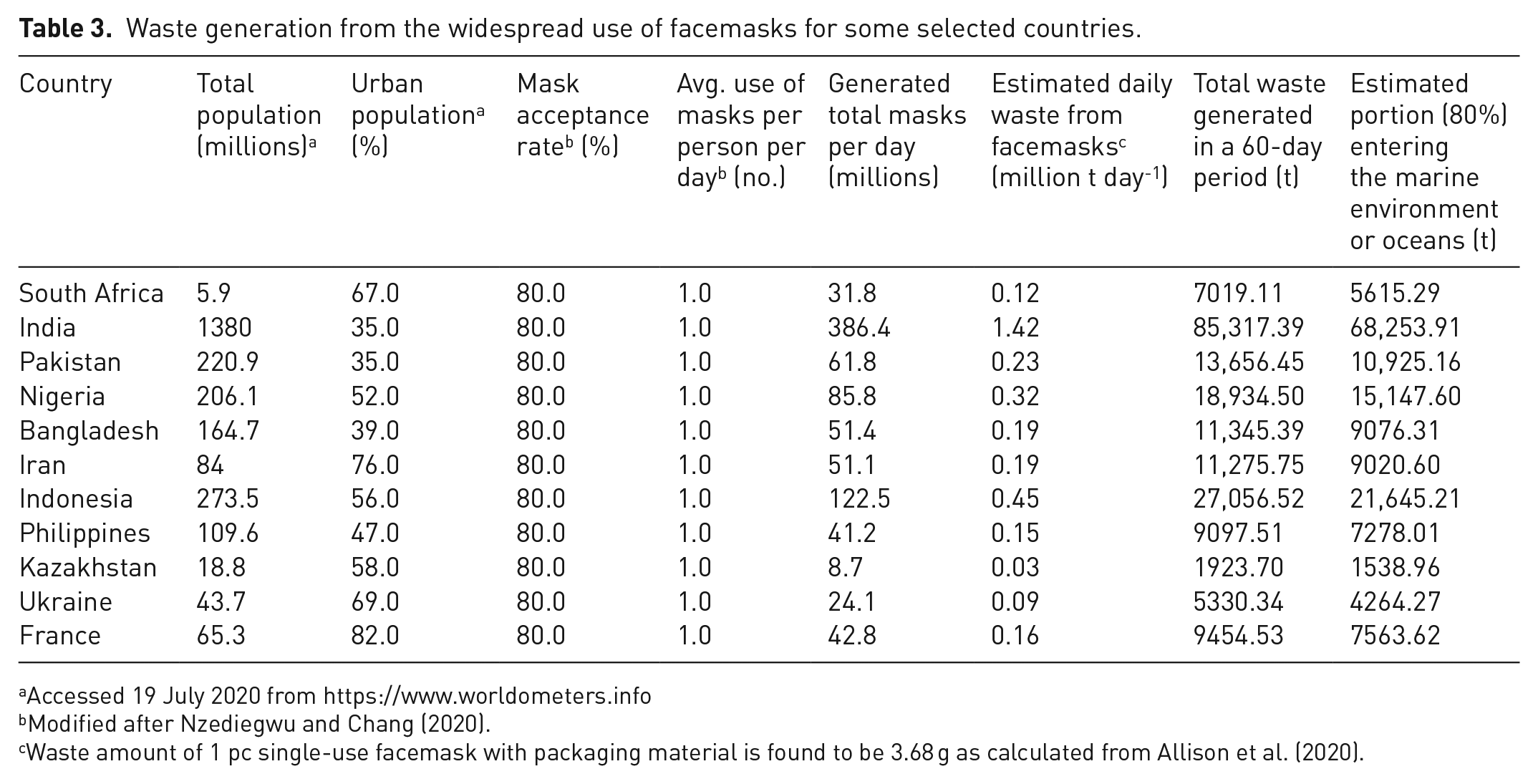
Accessed 19 July 2020 from https://www.worldometers.info
Modified after Nzediegwu and Chang (2020).
Waste amount of 1 pc single-use facemask with packaging material is found to be 3.68 g as calculated from Allison et al. (2020).

where,
About 80% of the produced plastic waste from the land-based sources find its route to the marine environment through river systems, intense weather events (i.e. flood, storm), wind action and wastewater treatment facilities (Chaturvedi, 2020; Li et al., 2016). The growing use and poor disposal practices of facemasks have already paved its way to the marine environment. For example, in Soko islands of Hong Kong, a huge number of discarded facemasks were found within the 100 m stretch of the beach as surveyed by an environmental organization – Ocean Asia (Kalina and Tilley, 2020; Saadat et al., 2020). Also, in the Klang River of Malaysia, discarded facemasks, hand gloves and disinfectant bottles were detected by the Selangor Maritime Gateway (SMG), a real time monitoring system (Kojima et al., 2020). Chaturvedi (2020) has claimed that there are over a billion single-use facemasks in India which will end up in the ocean along with other PPE due to the scanty waste management system and underdeveloped policies. As the facemasks are mainly composed of plastic materials such as PP, PS, PE or polyester, adverse effects of these discarded plastic materials will eventually affect the aquatic lives and food web. Uncontrolled dumping of used facemasks can induce a further disease outbreak by releasing infectious pathogens and polluting the marine environment with immense numbers of plastic particles (Fadare and Okoffo, 2020). So immediate steps are required by a joint effort from all the countries to bring an end to this added terrestrial and marine environment pollution without further delay.
Country perspective: Bangladesh
Bangladesh is a mounting hotspot for the novel virus. The country is lower middle-income and developing, and the socio-economic conditions of its general populace are poorer than in numerous countries affected by the virus. A higher population density, household size, cramped urban and rural settings, copious numbers of smokers, lesser distance from household to household, and a few other factors are indicators of lower socio-economic status, such as in Bangladesh. Unfortunately, these are also key indicators for the unconstrained spread of SARS-CoV-2 amid the pandemic; duly revealed by data from severely hit nations (Saadat et al., 2020). The nation’s primary genome sequencing laboratory reported that different variants of the virus were forming at a rate of 12.6%, which was about 5% higher than the rest of the world at that time (Rahman, 2020). This implies that the virus is spreading at an uncontrollable scale, with a threatening transmission rate. This increases the likelihood of generating unprecedented volumes of PPE and SUP waste, in order to fight the virus, which is likely to spread through community transmission.
Bangladesh has always been notorious for plastic waste pollution. Data from pre-pandemic periods show that over 87,000 t of SUPs were generated every year whereas the total plastic waste surpasses 1.0 Mt annually in the nation. Among the waste, it is estimated that about 73,000 t end up in the Bay of Bengal through rivers and the rest lies in landfills or waterbodies (ESDO, 2019). These conditions are said to have been exacerbated by the onset of the pandemic. According to ESDO (2020), in the first month of the SARS-CoV-2 lockdown (26 March to 25 April 2020) 14,500 t of plastic waste were generated. With long-standing operations in Bangladesh regarding the plastic pollution sector, the organization conducted massive stakeholder surveys of over 570 people to gather these rough estimates. The wastes are characterized as pandemic SUP and PPE waste items – surgical mask, gloves, polyethylene (PE) bags and hand gloves and hand sanitizer containers (ESDO, 2020). The response to the infectious virus has led the general population, businesses, markets, shops, restaurants and healthcare workers to amplify their usage of plastic to prevent direct contamination, both in rural and urban areas of Bangladesh. Furthermore, it is crucial to get an idea of the compounded – pandemic SUP and PPE – waste that will be generated on top of the usual load, since the pandemic is expected to last at least 18 months (CIDRAP, 2020).
In an attempt to estimate the waste amount that can be expected on a daily basis from the single-use PPEs – single-use facemasks, surgical gloves, hand sanitizer bottles, PE gloves and PE bags, equations (3)–(7) were used as modified from equation (1).
Waste from single-use masks

Waste from surgical gloves

Waste from hand sanitizer bottles

Waste from PE made hand gloves

Waste from PE bags

where,
Using the pragmatic data of total pieces used in a month per item of waste (nos. per month), the total pieces of each item discarded per day (nos. per day) were obtained and further calculations were done to find the weight of each item of waste discarded per day (tonnes day-1), then for 183 days (6 months), 365 days (12 months), and 548 days (18 months) of the expected pandemic period. The results are displayed in Table 4. As can be seen, in Bangladesh, the single-use plastic bag waste is the daily highest waste (193 t day-1) being discarded, as opposed to the sanitizer bottle waste which is discarded less frequently (30.2 t day-1). The estimated wastes to be generated for up to 18 months (258,839 t) show a disconcerting picture as these SUP and PPE products are deemed to cause ecological pollution throughout their lifecycle. The data below are approximate amounts.
Estimated SUP and PPE waste, by the most prevalent items, for the current and projected pandemic period in Bangladesh.
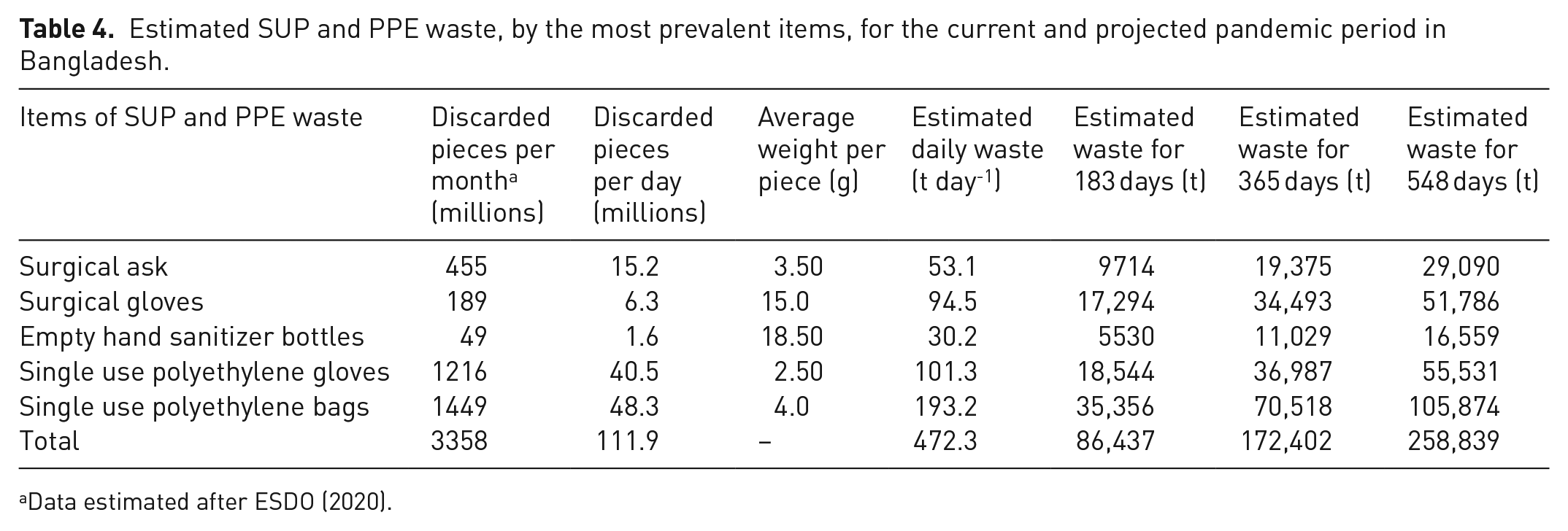
Data estimated after ESDO (2020).
This continuous PPE and SUP waste generation is shown to portray a picture of harm done during and after the pandemic. All of these SUP items are reliant on petrochemicals derived from fossil fuel for their production. Facemasks of all kinds, gloves, plastic bags and bottles are composed of polypropylene, polyester, polyethylene, polyurethane and similar plastic polymers, the production of which causes immense carbon emissions (Fadare and Okoffo, 2020). It is estimated that 3.0 kg of CO2 are released to produce 1.0 kg of SUP and 1 in 10 barrels of petrochemical fuels are being utilized to produce such plastics (Isle of Man, 2019). Hence, the SUP and PPE production for Bangladesh alone, during the pandemic, is exacerbating climate change by emitting high levels of CO2. Figure 2 illustrates the amount of CO2 to be released during the pandemic period of 6, 12 and 18 months based on the estimated SUP items produced in Bangladesh as given in Table 4. These amounts show the bulk of CO2 being released due to the manufacturing of these discarded items. For instance, 3.4 billion PPE and SUP products will be produced on a monthly basis during the projected pandemic situation, and they are set to emit 776,516 t of CO2 (in 18 months) which is equivalent to 1800 barrels of fossil fuel.
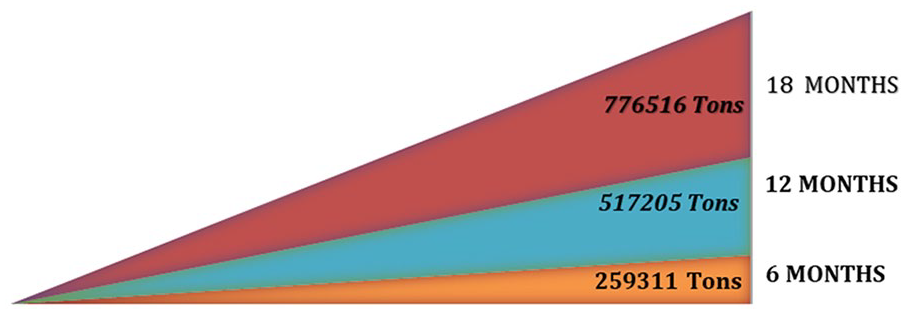
CO2 emissions (t) for PPE and SUP production in Bangladesh during the projected pandemic period of 6, 12 and 18 months.
A short-term impact would be the generation of particulate matter (PM 2.5) due to the added plastic production till the end of the pandemic. Air pollution, especially long-term exposure to PM 2.5, has been correlated with increased mortality rates. The novel virus deaths were in greater numbers in areas with higher concentration of pollutants in the air (Wu et al., 2020). Since air pollution is a severe issue in cities like Dhaka, Bangladesh, the plastic pollution may pose greater harm to SARS-CoV-2 patients who were already living in a compromised urban environment.
In contrast with the initial research over the retaining of SARS-CoV-2 virus on the contaminated plastic surfaces (see above), recent research shows that SARS-CoV-2 can survive on PPE for over 7 days in viable forms, which can potentially infect anyone who comes in contact with them, deeming the virus to be very effective in particular surfaces (Chin et al., 2020). Subsequently, during the collection, handling and transportation of infectious waste, the collectors are getting directly exposed to viable viral loads. Not only are they getting infected, they are also unwittingly spreading the virus to others. It is estimated that there are over 6000 informal workers (including women and children) who work along with designated waste handlers in Dhaka, the capital of Bangladesh. Consequently, due to the spreading of the virus, waste handling workers have been reduced to 50% in Dhaka city. Some have migrated to their hometown for self-isolation while others have stopped working altogether due to the fear mongering in their communities, and lack of protection (Figure 3). It was reported that 1500 waste handlers contracted the virus earlier in the pandemic (Jui, 2020). This could be a potential source of community transmission completely unsupervised by authorities. Similarly, earlier reports from China and Sweden stated that healthcare workers were being exposed to SARS-CoV-2 due to the shortage of adequate amounts of PPE (Das et al., 2020). Moreover, due to the scarcity of workers earlier in the lockdown state, a disproportionate amount of MSW had accumulated on the streets in urban areas. Most of this was freshly discarded SUP and PPE items (Figure 4).
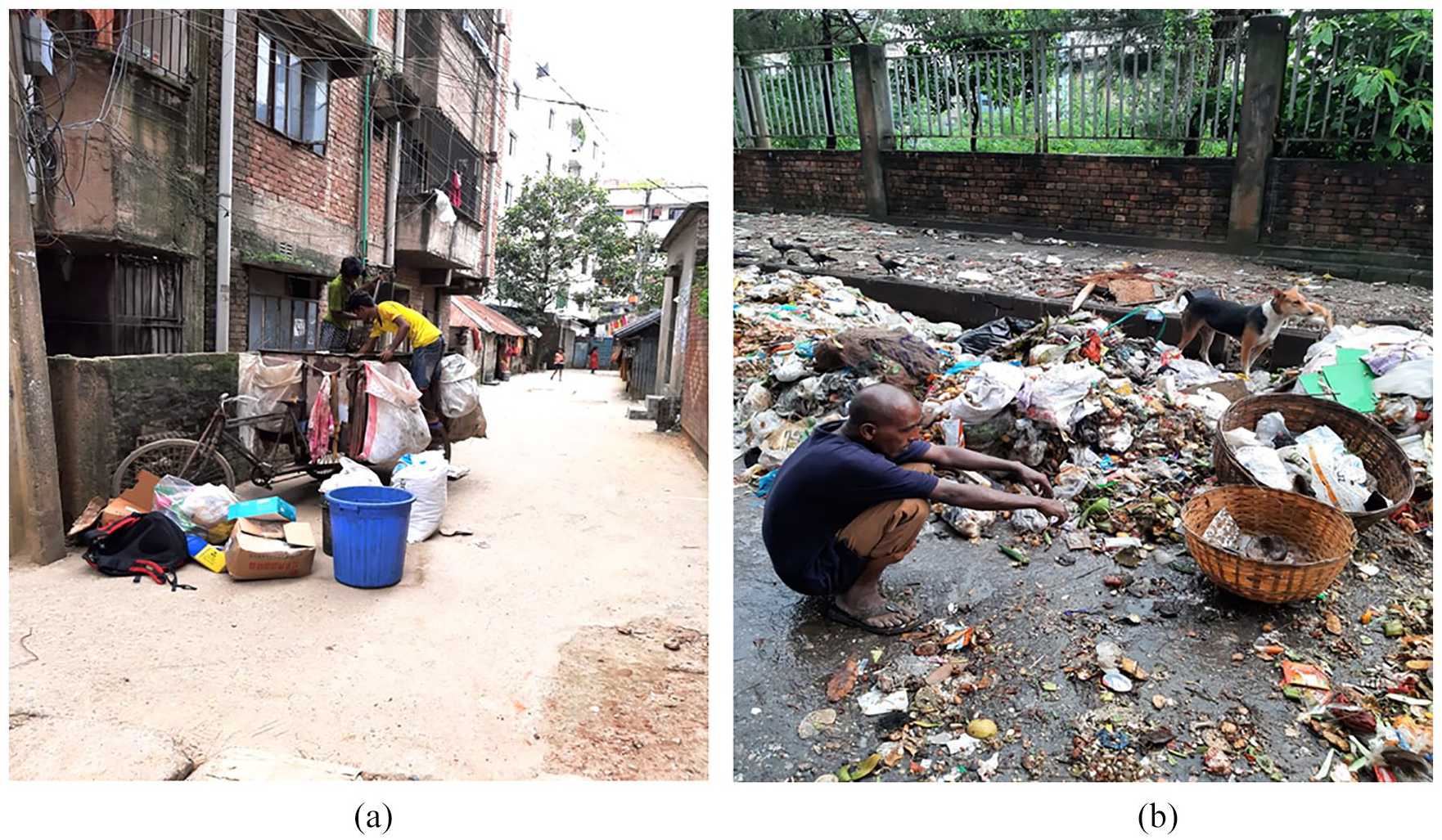
Waste workers were seen (a) collecting and (b) dumping waste without any sort of PPE during the pandemic situation in Bangladesh.
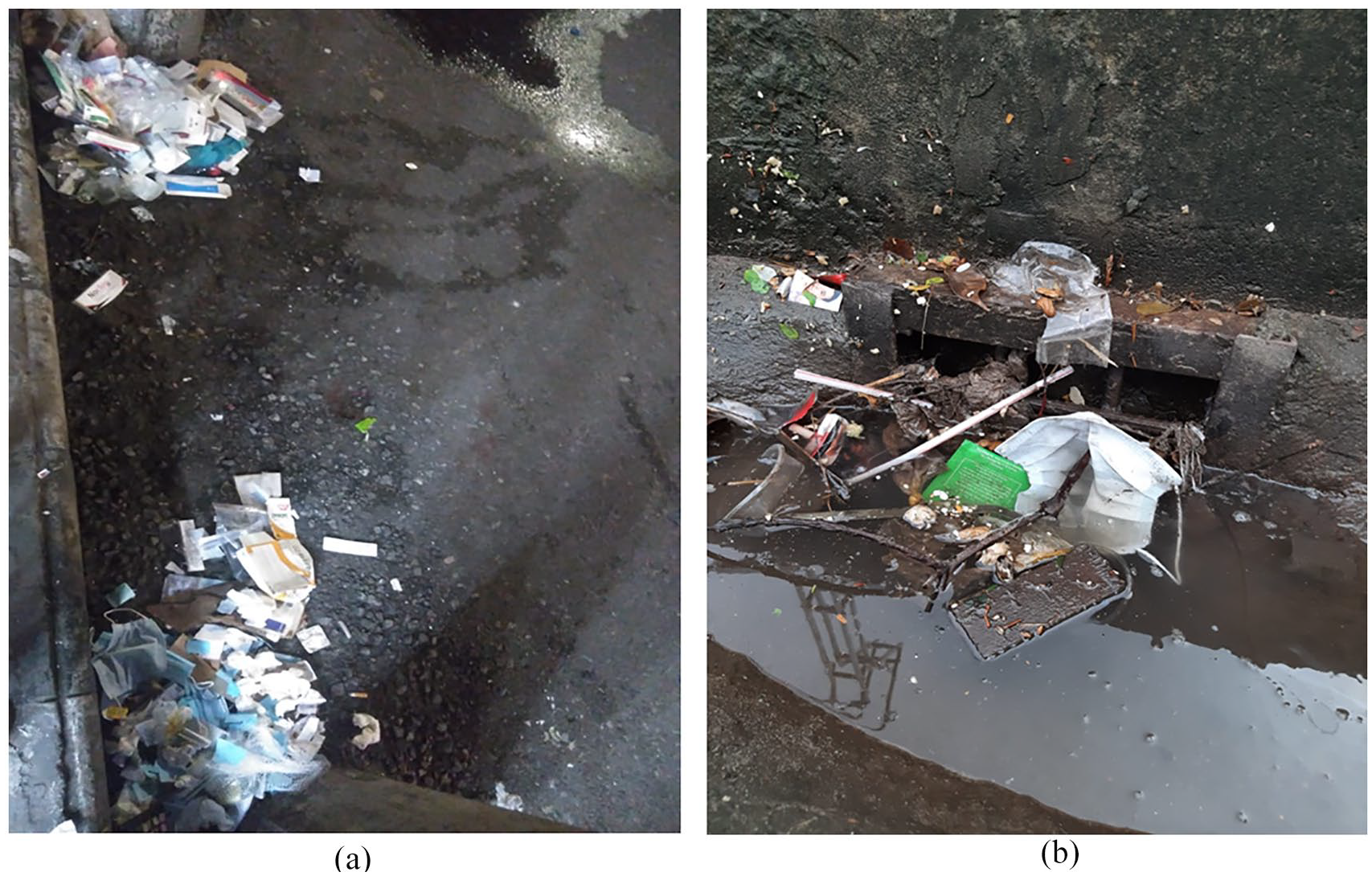
Discarded PPE and other SUP items accumulating on (a) road sides and (b) drain gutters during the pandemic. Photos were taken in Dhaka, Bangladesh.
The PPE and SUP pollution now took a disturbing turn due to the rapid accumulation on the streets. Without the usual waste handlers and pickers clearing the urban areas, the waste has now clogged drains of many prominent areas. This year, during the monsoon, Bangladesh has seen a debilitating waterlogging problem (Figure 5) which is partially due to excessive PPE and SUPs being discarded, and not cleared in due time. The habit of discarding wastes in open drains is a common phenomenon in Bangladesh. However, amid the pandemic, the long-standing problem worsened severely (Razzak, 2020; TBS Report, 2020).
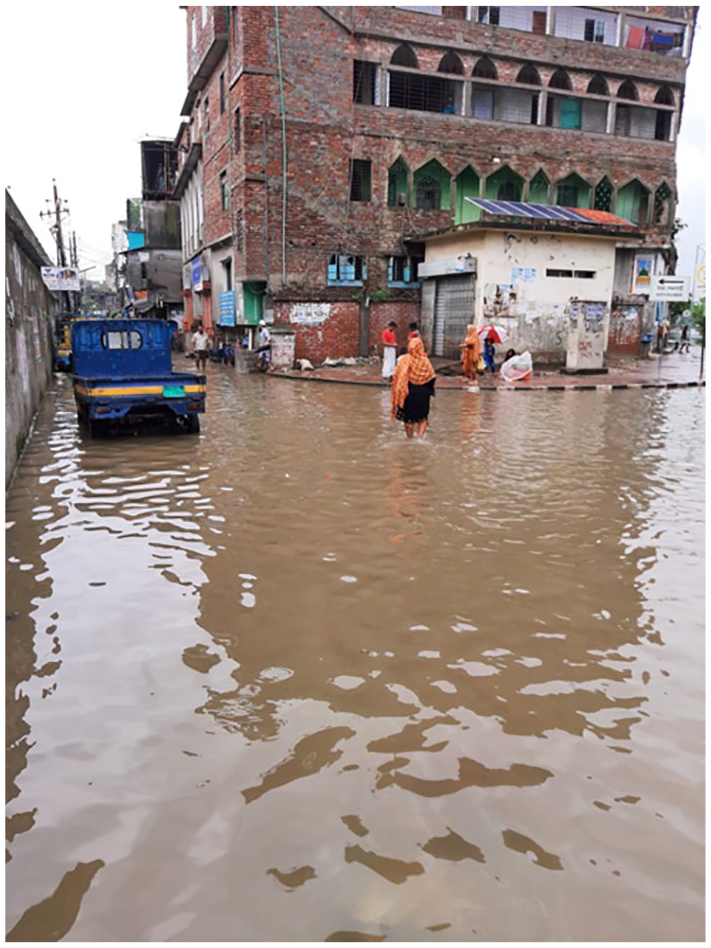
Waterlogging amid the pandemic in urban areas of Bangladesh. Photo was taken from Hatir Jheel Link Road, North Begunbari, Tejgaon Industrial area, Dhaka, Bangladesh.
Accumulated waste on the streets and in the drainage network creates potential breeding sites for the mosquitoes and houseflies which essentially originate vector-borne diseases such as dengue and malaria (Gupta et al., 2019). On top of the SARS-CoV-2 pandemic, the urban areas hit worst by flooding must also tackle rising dengue fever cases. According to a report, this year saw more cases than 2019, during the start of the pandemic. Also, patients with dengue and SARS-CoV-2 have overlapping symptoms, which led to difficulties in categorizing patients, especially when patients were not tested (Tajmim, 2020). SUP and PPE induced inundation and water stagnation may exacerbate threats of both of these viruses. Reports after the monsoon season will reveal more detriments caused by these acute problems.
Furthermore, in countries such as Bangladesh, there are no strict medical waste management habits or rules. The massive proportion of waste being generated due to the novel virus verified the inadequacy of existing waste handling and disposal methods, which have been condemned for years (Akter and Tränkler, 2003). Consequently, PPE and SUP items will release a significant amount of microplastics when they reach the ocean through the rivers of Bangladesh. It is said that microplastic pollution will surge due to the nature of the polymeric materials being used in PPE and SUP, and their frequent disposal leading to water bodies. Evidence of PPE induced marine pollution was found as early as February 2020 (Fadare and Okoffo, 2020). The PPE and SUP estimation given for Bangladesh would shed new insight on how much extra non-degradable waste is being generated due to the advent of the pandemic.
Future recommendations
Severe concern over health, personal hygiene and behavioural change have paved the way for SUP materials to re-emerge more intensely in the daily lives of people, which will essentially bring turmoil in the environment and human health; more gravely than the pre-pandemic situation. Briefly, plastic waste has grown substantially during the pandemic for the following reasons (AllianzGI, 2020; Scheinberg et al., 2020):
A high demand for SUP items – disposable facemasks, hand gloves, takeaway food containers, disposable cups, plastic wraps – due to the hygiene concern, lockdown measures and online services. Such items are discarded improperly after their intended use.
A prospective surge in the SUP bags due to postponement of the regulations for banning single-use bags, and consumers’ fear over viral transmission through reusable bags.
Disruption in the plastic recycling sector as the recycling centres are temporarily or permanently closed due to the low oil price that has made ‘virgin’ plastic material more cost effective than recycled materials.
Significant upheaval in the waste management sector as the waste workers are employed in different priority-based tasks or unemployed due to the lockdown measures along with inadequate personal protective gear during waste collection, segregation and disposal services.
Waste management is crucially linked with societal, environmental and economic wellbeing for any nation. However, the current pandemic has challenged this vital sector very harshly by inducing the choice of environmental sustainability over human health. The resurgence of SUP items, improper dumping of PPE and relaxation of bans on single-use plastic laws are evidence enough to deduce that environmental sustainability has become a matter of less concern in the face of a pandemic. But the pandemic is not a novel phenomenon for the human race, as generation after generation has confronted similar epidemics (e.g. SARS-CoV-1, Spanish Flu of 1918, smallpox). Moreover, health is directly attributable to environmental wellbeing, of which the governments and general public are currently ‘less conscious’. Seemingly environmental care should not be altered in the name of a pandemic by polluting the world’s land and oceans. In contrast with the current challenges of plastic waste, induced largely from the SUP items and PPE, the following recommendations are provided for the governments, NGOs, environmental organizations, academics and the general public to reassess in view of ensuring sustainable plastic waste management for the coming days.
Integration of reusable PPE
Existing medical resources have been challenged and overexploited due to the sudden and rapid growth in SARS-CoV-2 infected cases worldwide. A rapid boost in demand in combination with the frequently changing guidelines, ban on transboundary travel and potential disruption in the supply chain have made PPE a scarce resource in many countries. This had further increased the risk of viral transmission to the frontline health workers, caregivers, essential workforce (e.g. waste workers) and general public (Derraik et al., 2020). For instance, high rates of earlier infection and death among the healthcare professionals were recorded in Italy, US, UK and Sweden due to the lack of PPE. China was reported to be relieved from the spread of the infection, because of the supply and availability of adequate amounts of PPE across the healthcare units (Das et al., 2020; Jessop et al., 2020). The current intense demand for PPE and prospective plastic waste generation and poor disposal concerns associated with the single-use PPE, led to the concept of reusable PPE amidst the outbreak (Huang et al., 2020). Being reusable in nature, techniques adopted in reusable PPE can be energy efficient, economically viable and eco-friendly. Jessop et al. (2020) indicated that such PPE can reduce solid waste amount by 93% and consumption of natural resources by 28%. For example, the dedicated team for the SARS-CoV-2 pandemic at the All India Institute of Medical Sciences (AIIMS) has developed a customized PPE which is manufactured from water-impervious warp and weft fabrics made of polyester with the whole inner coverall equipped with N95 facemask, face shield, hand gloves, googles, shoe covers and outer gown. This customized PPE is reported to be reusable, cost effective (US$11.00) and user friendly due to the availability of the materials used (Sureka et al., 2020). Moreover, Ip et al. (2020) advised the integration of the 3Rs concept (reduce, refine and replace) for a sustainable approach in the usage and conservation of PPE and Das et al. (2020) provided a detailed account of reusable, bio-based facemasks in response to the plastic waste induced by single-use facemasks. Figure 6 shows a graphical representation of techniques to transform used PPE into reusable PPE.
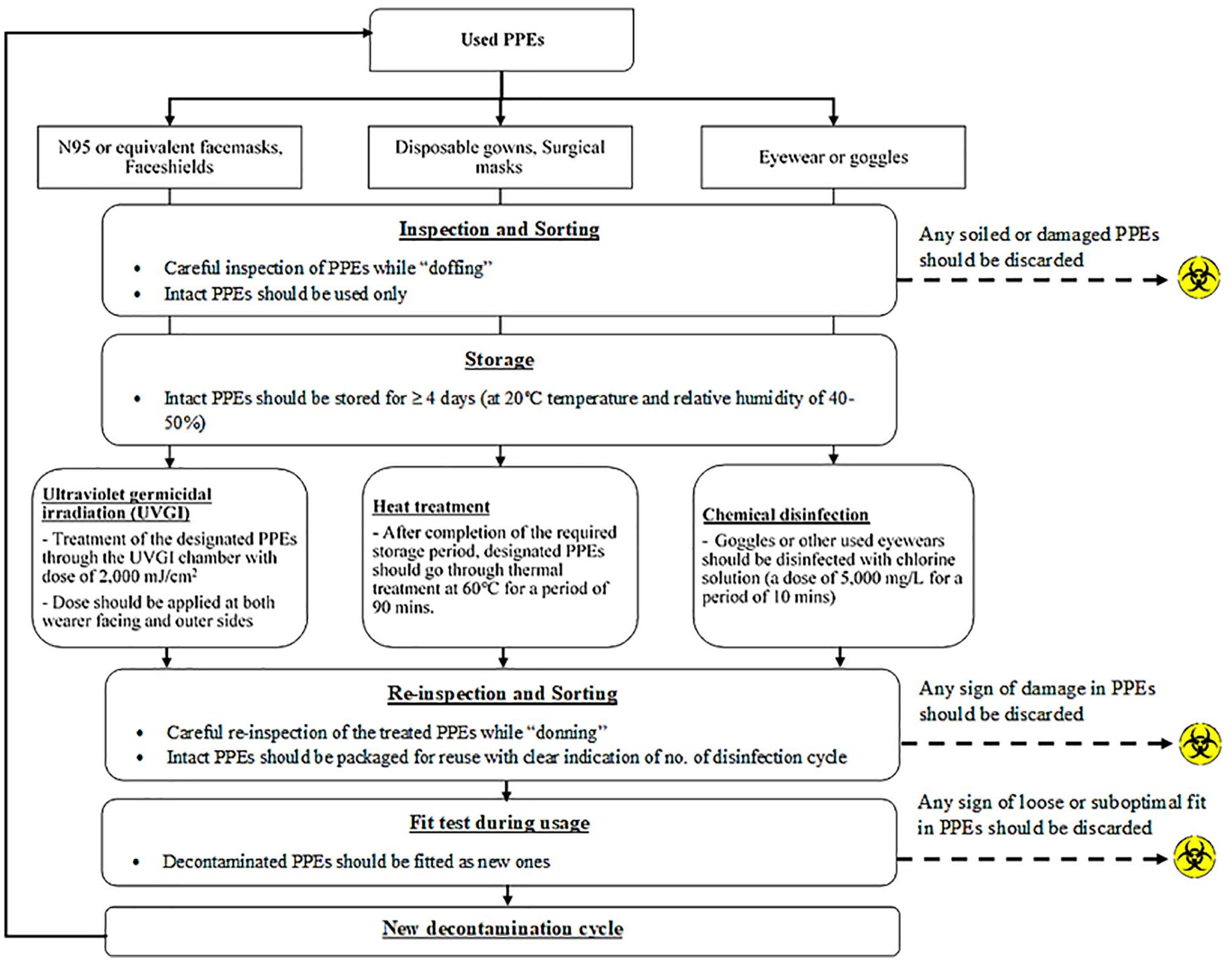
Disinfection techniques to transform the used PPE into its reusable form. Apart from the intact ones in each cycle, others should be treated as hazardous and disposed in the proper biohazard bin (drawn after Derraik et al., 2020; Haque et al., 2020).
Emphasizing plastic waste abatement campaigns
Plastic waste management policies across the countries mainly focus on reduction in the amount of plastic production and usage which do not take into account the plastic products that have been transformed into waste and entered the environment (Willis et al., 2018). Existing plastic related policies mainly impose measures such as bans, restrictions and taxes to reduce the production and consumption of plastic (Horvath et al., 2018). However, such policies often remain fruitless due to the lack of coordination and cooperation between the stakeholders (i.e. plastic producers, waste generators, waste collectors and recyclers) and responsible public agencies (Wichai-utcha and Chavalparit, 2019). Despite such policy measures, the waste abatement strategies and campaigns (e.g. Do the Right Thing, Coastal Cleanup, and more) across nations like Australia have demonstrated higher prevention and reduction rates in plastic waste than the government propagated policies. Waste abatement campaigns in particular engage the community and local authority to reduce plastic waste by altering human behaviour towards plastic waste, and also such programmes consider plastic waste before and after it enters the environment (Willis et al., 2018). Therefore, instead of focusing on and investing in policy measures, the research programme for plastic waste management should integrate various novel and effective waste abatement strategies and campaigns which will be able to recirculate more plastic waste back to the system in order to reduce the environmental consequences and natural resource consumption associated with the current plastic waste disposal facilities (Wichai-utcha and Chavalparit, 2019).
Artificial intelligence-based plastic waste management
Existing plastic waste management in many countries comprises various parameters including technological, demographic, climatic, socio-economic and regulatory frameworks which are ‘complex non-linear processes’ (Abdallah et al., 2020). These different parameters are essential in solid, as well as plastic waste management. They are decision making, modelling and operation designing. They have been revolutionized by integrating artificial intelligence (AI) for projecting waste generation rate, recycling and reduction processes through different non-linear machine learning models (Abdallah et al., 2020; Kumar et al., 2018; Ye et al., 2019). Most of the industrial settings prefer ‘virgin polymers’ due to the lack of information about recyclable plastics which is largely responsible for the improper segregation at the initial process level operation in the recycling industries (Chidepatil et al., 2020). AI-based tools help in gathering information about colour, shape, size, density and physiochemical properties of plastic waste which optimizes the segregation as well as recycling processes at the industrial level (Sankaran, 2019). For example, Asad and Andersson (2020) described a ‘robotic arm’, set up with AI-based technology which can segregate and define the type and composition of plastic waste; hence, contributing a vital step towards the waste handling process. Interestingly, Panwar et al. (2020) developed an AI-based model – AquaVision – that can detect discarded plastic waste in waterbodies or oceans with greater accuracy. Also Kumar et al. (2018) used different AI-based techniques in developing a tool which can project the plastic waste generation amount for a given area with higher precision rate. Since the knowledge of waste generation, segregation and recyclable amount are the most prominent aspects in designing a plastic waste management system, adaptation of AI-based techniques in this sector can derive a promising solution. In the post-pandemic world, AI can track the massive volume of plastic waste generated during the pandemic more accurately.
Rethinking alternative approaches in using plastic waste
The current situation has proved that existing considerations of plastic waste management systems are inadequate. Through the years, growing concerns over plastic waste have led many researchers to address alternative approaches in plastic waste management. For instance, Haque (2019) addressed the efficacy of the ‘Plastic brick’ in construction works by reusing and recycling waste PET bottles into an alternative brick material to the conventional, polluting bricks. A similar approach in waste plastic recycling has been discussed by Hassani et al. (2005) where PET bottles were mixed as aggregates to prepare asphalts and experimental results showed high efficiency of this prepared ‘Plasphalt’ against the conventional asphalt used in construction works. Aryan et al. (2018) provided different energy recovery options from the collected municipal plastic (PET and PE) waste by the thermal treatment or incineration process. The applied techniques used in this study can generate 1392.65 kWh and 3066.58 kWh energy (i.e. electricity) by incinerating 1 t of PET and PE waste, respectively. In response to the challenges associated with the ‘thermal pyrolysis process’, Miandad et al. (2016) introduced the ‘catalytic pyrolysis’ treatment process which can reduce 70–80% of plastic waste by transforming it into high quality diesel-like fuel. Unfortunately, such innovative and novel research projects are limited to the realm of experimental or pilot level studies which have not reached the policy level for implementation against the traditional system. However, considering the epidemic waste generation scenario and challenges associated with the existing waste management system, similar novel research studies should be re-evaluated with the intention of policy level implementation and engagement against the existing system.
Concluding remarks
The pandemic induced by SARS-CoV-2 has again ascertained the intimate bonding of human beings with plastic (Silva et al., 2020). Therefore, plastic waste is and will remain an irreplaceable component of human society, if no prospective action is taken. In 2015, the amount of mismanaged plastic waste was found to be 60–99 Mt per year which was predicted to reach 155–265 Mt by 2060, if a similar generation rate prevails (Lebreton and Andrady, 2019). The global pandemic has strained the situation by producing enormous amount of plastic waste which is largely mismanaged. So, the estimation based on the previous scenarios needs to be further investigated to identify the amount of plastic waste finding its way to the oceans from land-based sources.
To develop an efficient waste management system and policy, prior knowledge of plastic waste generation quantity is a viable step (Kumar et al., 2018). The present study can serve as an evidence-based approach in progressing towards such aspects in the current and post-pandemic plastic waste management sector. The PPE waste quantifying equations used for the case of Bangladesh are rough estimates based on surveyed data. Similar data collection from municipalities can be gathered and used for estimating the waste amount that can be expected on a daily basis; then, further management options can be devised. Future research can address the potential preparedness of human interaction and behavioural change with plastic-based items for epidemic situations. Lastly, the current situation is a global crisis as is the plastic waste from PPE and SUP items, which should be dealt with as a joint endeavour by all nations. Global efforts to reduce the epidemic-induced plastic waste problem need to be supported by sound research and funding from governments and organizations alike, and, more saliently, should be addressed by the plastic manufacturing industries of the world.
Footnotes
Declaration of conflicting interests
The authors declared no potential conflicts of interest with respect to the research, authorship, and/or publication of this article.
Funding
The authors received no financial support for the research, authorship, and/or publication of this article.
