




Abstract
The US Surgeon General declared loneliness and isolation a new public health epidemic. Intergenerational interactions can alleviate loneliness and isolation. To explore factors affecting and being affected by intergenerational interactions, we conducted interviews with 41 academic and professional experts in the US. The “4Ps” framework of social marketing (Product, Price, Place, and Promotion) was used to guide the data analysis. Experts reported benefits or positive outcomes (Product), including improved connectivity/cohesion and intergenerational learning, and risks or concerns (Price) like noise exposure and criminal danger. Experts also highlighted the importance of environmental factors (Place), such as shared public spaces, diverse housing options, and safe, walkable, and accessible environments. They mentioned that personal, social, programmatic, and policy factors (Promotion) are important for intergenerational interactions. Further research is needed to engage other stakeholder groups and investigate the causal impacts of readily modifiable environmental features and how such impacts may vary across diverse population groups.
• Intergenerational communities result from a combination of individual thoughts, beliefs, attitudes, and actions; interpersonal interactions; organizational policies and programming; community norms and culture; and environmental design such as aesthetics, accessibility, proximity, and walkability. • Both socio-cultural supports (e.g., social programs and volunteer opportunities) and physical environments (e.g., mixed-use development, shaded seating outdoors) are important for supporting intergenerational interactions. • Intergenerational communities can bring mutual benefits to older adults and children through improving knowledge exchange, cognitive engagement, mutual support, opportunities to share interests, social connections, and a sense of value to society.
• It is essential to ensure easy access to intergenerational spaces and community resources/services (e.g., health care, educational, and recreational) that can support the diverse needs of people of all ages and abilities. • Providing safe, pleasant, and welcoming places with various facilities and amenities can help promote diverse casual and formal social interactions across different generations. • Diverse and affordable housing options (e.g., co-housing, accessory dwelling units, multigenerational homes, and senior apartments) are important for accommodating intergenerational living.What this paper adds
Applications of study findings
Introduction
Population aging is a global issue that has challenged nearly all sectors of society (United Nations, n.d). The US is also being confronted with challenges associated with a growing aging population, with a higher proportion of older adults (aged 65+) than the world average (United Nations Population Fund, 2024). The 2023 US Census data indicated a foreseeable growth of older adults from 57,795,000 in 2022 to 78,294,000 in 2040, representing a 35.47% increase (United States Census Bureau, 2023). Ageism, or discrimination toward older individuals, is prevalent, affecting more than 80% of the older population in the US, resulting in decreased engagement and increased social isolation (Allen, 2016; Butler, 1980; Palmore, 2004). Social isolation is associated with many serious health problems, such as dementia, depression, suicide, and premature death (Holt-Lunstad et al., 2015; Taylor et al., 2018). In 2023, the US Surgeon General declared loneliness and isolation a new public health epidemic (Department of Health and Human Services, 2023).
Existing empirical evidence suggests the importance of intergenerational interactions in reducing ageism, loneliness, and isolation (Lagace et al., 2023; Zhong et al., 2020a) and promoting aging in place (Lee & Zhong, 2019; Zhong & Lee, 2022). Several leading aging- or health-related associations/organizations have called for actions toward promoting intergenerational interactions to benefit both older and younger generations (AARP, 2023; Generations United, 2016; World Health Organization, 2021). Intergeneration refers to relationships, exchanges, and interactions across different generations. Current efforts on intergenerational interactions focused primarily on older adults’ social interactions with younger generations, which can differ in terms of age groups (e.g., children and young adults), quality (e.g., program-based or naturally occurring), locations (e.g., workplace or third place), duration, and frequency (Zhong et al., 2020a, 2020b). Main barriers to intergenerational interactions include ageism, cultural differences, physical limitations, and a lack of places and opportunities (Flamion et al., 2020; Zhong et al., 2022).
There is a limited body of research exploring the roles of the built environment in intergenerational interactions. A small number of US-based studies highlight the inherently beneficial place-based nature of these interactions. Two cross-sectional quantitative studies in Austin, Texas, US, indicated significant associations between community environments (e.g., land use and transportation) and older adults’ intergenerational interactions (Zhong et al., 2020b, 2022). Furthermore, public spaces can be designed with the understanding that they provide the necessary (and often unavoidable) context for cross-generational interactions (Nelischer & Loukaitou-Sideris, 2022). Globally, other studies have contributed to actionable advice to support active aging, focusing on an inclusive approach to public space design that promotes intergenerational interactions and social cohesion (Abdulmunem et al., 2024; Lau, 2023).
To address the knowledge gaps mentioned above, this study aims to explore personal and environmental factors impacting in-person social interactions between older adults (aged 65+ years) and children (younger than 18) in the community. We focus on older adults’ social interactions with children because social isolation is more prominent and detrimental among vulnerable populations like older adults and children (Almeida et al., 2021). Most intergenerational studies center on social interactions between older adults and children to measure their physical, mental, and social benefits (Webster et al., 2023; Zhong et al., 2020a). Additionally, given the significant burden of this type of interview, we keep the interview length and complexity reasonable by focusing on children under 18 only. This is the first US-based nationwide expert interview study, which contributes to expanding existing knowledge about tangible and easily implementable social and physical environmental characteristics that can help promote intergenerational interactions. Our study offers valuable insights to policymakers, developers, and professional planners/designers who are seeking policy, program, and environmental strategies for creating intergenerational communities or spaces.
Conceptual Framework
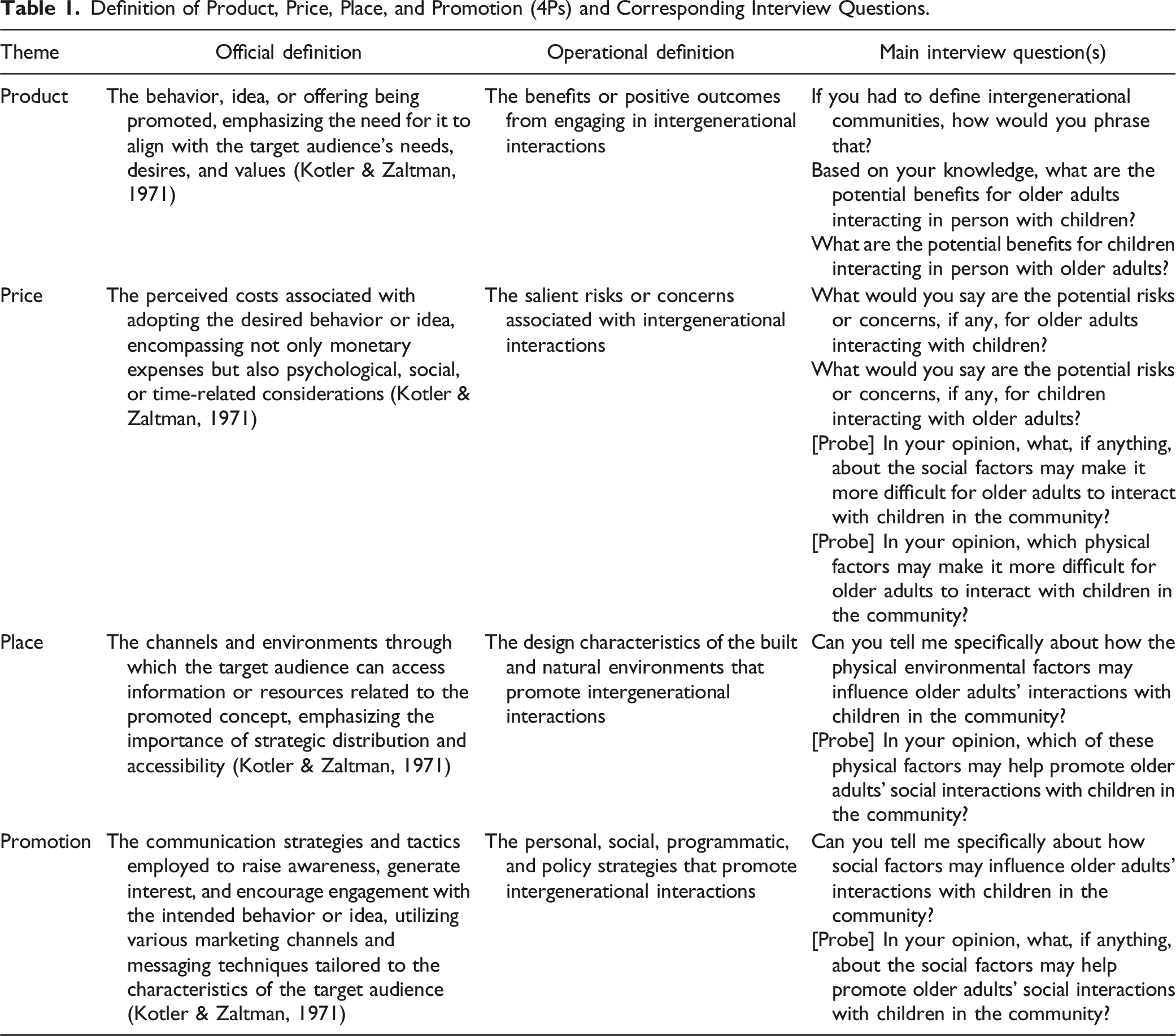
We use the social marketing approach to conceptualize and implement this qualitative study. The social marketing approach encompasses a comprehensive strategy for the dissemination and promotion of socially beneficial behaviors or ideas within communities (Buchanan et al., 1994; Grier & Bryant, 2005). Its four components—Product, Price, Place, and Promotion (4Ps)—represent fundamental components that guide the design and implementation of effective social marketing campaigns (Gordon, 2012; Singh, 2012).
The social marketing approach has been widely used in various fields, including health promotion. Truong and Dang (2017) conducted a systematic review and found 166 published studies utilizing social marketing health interventions, which included topics related to physical activity, nutrition, and alcohol prevention. More systematic reviews on physical activity suggested the effectiveness of social marketing in promoting physical activity (Fujihira et al., 2015; Xia et al., 2016). These reviews further emphasized the importance of support from upstream stakeholders and making desired behavior more tangible and persuasive when developing relevant social marketing interventions. As for qualitative research, social marketing has been popularly used as the theoretical foundation to identify social and physical environmental determinants of physical activity, including walking (Kaveh et al., 2020; Wilson et al., 2013). However, to our knowledge, evidence is limited in social marketing interventions to promote older adults’ social activity.
It is selected for our study because it incorporates multi-faceted theories (e.g., social cognitive theory, behavioral reinforcement theory, persuasion theory, and exposure theory) to target health behavior changes through modifiable behavior determinants (Luck et al., 2009; Schunk, 2012). In addition to behavior changes in target populations (e.g., older adults and children in this study), social marketing considers upstream stakeholders such as policymakers and land developers who make decisions on public policies and/or environmental interventions (Chichirez & Purcărea, 2018). This makes it ideal for our study, which addresses multi-level environmental determinants of intergenerational interactions involving diverse stakeholder groups.
Methods
Study Design and Recruitment
Definition of Product, Price, Place, and Promotion (4Ps) and Corresponding Interview Questions.
From January 25, 2023 to July 13, 2023, we invited 76 experts who agreed to be contacted for a 40-minute one-on-one virtual interview from those who participated in an expert survey previously conducted by our research team (Zhong et al., 2025). We interviewed 44 experts until saturation was reached, including 41 from the US, one from Canada, one from Italy, and one from the United Arab Emirates. Given the significant variabilities across different countries and limited representations of other countries, we included only the 41 experts from the US in this study.
Interview Process
To ensure methodological rigor and consistency across the interview process, a single experienced researcher conducted all interviews. Before commencing data collection, the interviewer received rigorous training to master the subject matter and improve/tailor the interview skills. Throughout the interview process, the interviewer adhered to established interview techniques and protocols, maintaining consistency in questioning style, probe techniques, and demeanor across all 44 interviews. This stringent approach aimed to minimize potential interviewer bias and ensure the reliability and validity of the data collected from the diverse pool of subject matter experts.
Data Analysis
Coding was completed using the computer-assisted qualitative data analysis software (CAQDAS) ATLAS.ti (v7.6.1-2024-04-11) (ATLAS.ti, 2024). Three trained graduate researchers analyzed the interview data. Two researchers reviewed each interview, and the third researcher helped resolve disagreements.
Guided by the 4Ps framework, deductive coding was used to analyze the data. Emerging codes were grouped using inductive content analysis and subsequently organized within each theme (each of the 4Ps). These themes were the larger concepts related to intergenerational interactions, while codes distilled meanings from the detailed interview data, shedding light on the nuances.
Results
Expert Participant Characteristics
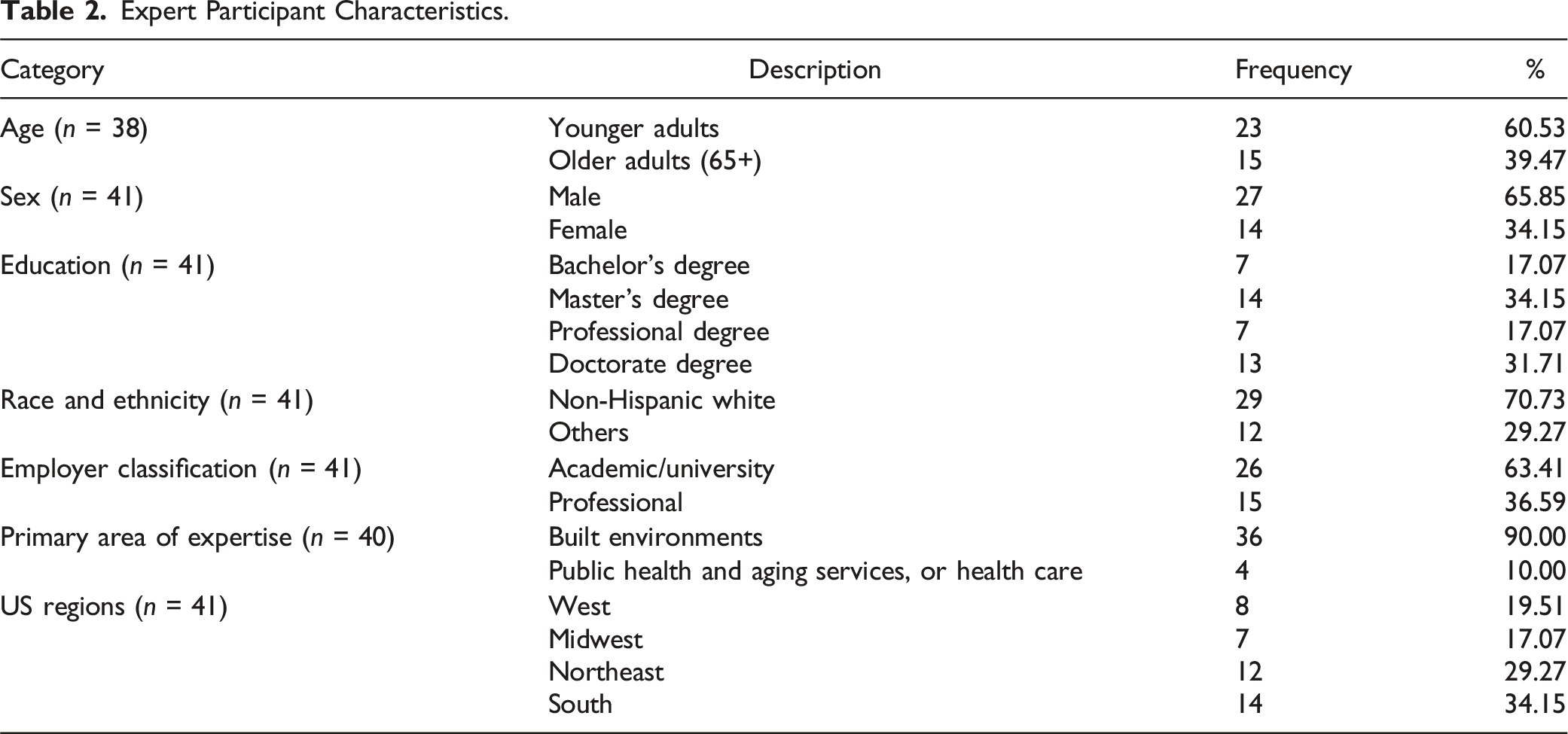
Expert Participant Characteristics.
PRODUCT—Benefits or Positive Outcomes From Engaging in Intergenerational Interactions
Qualitative Themes and Codes.
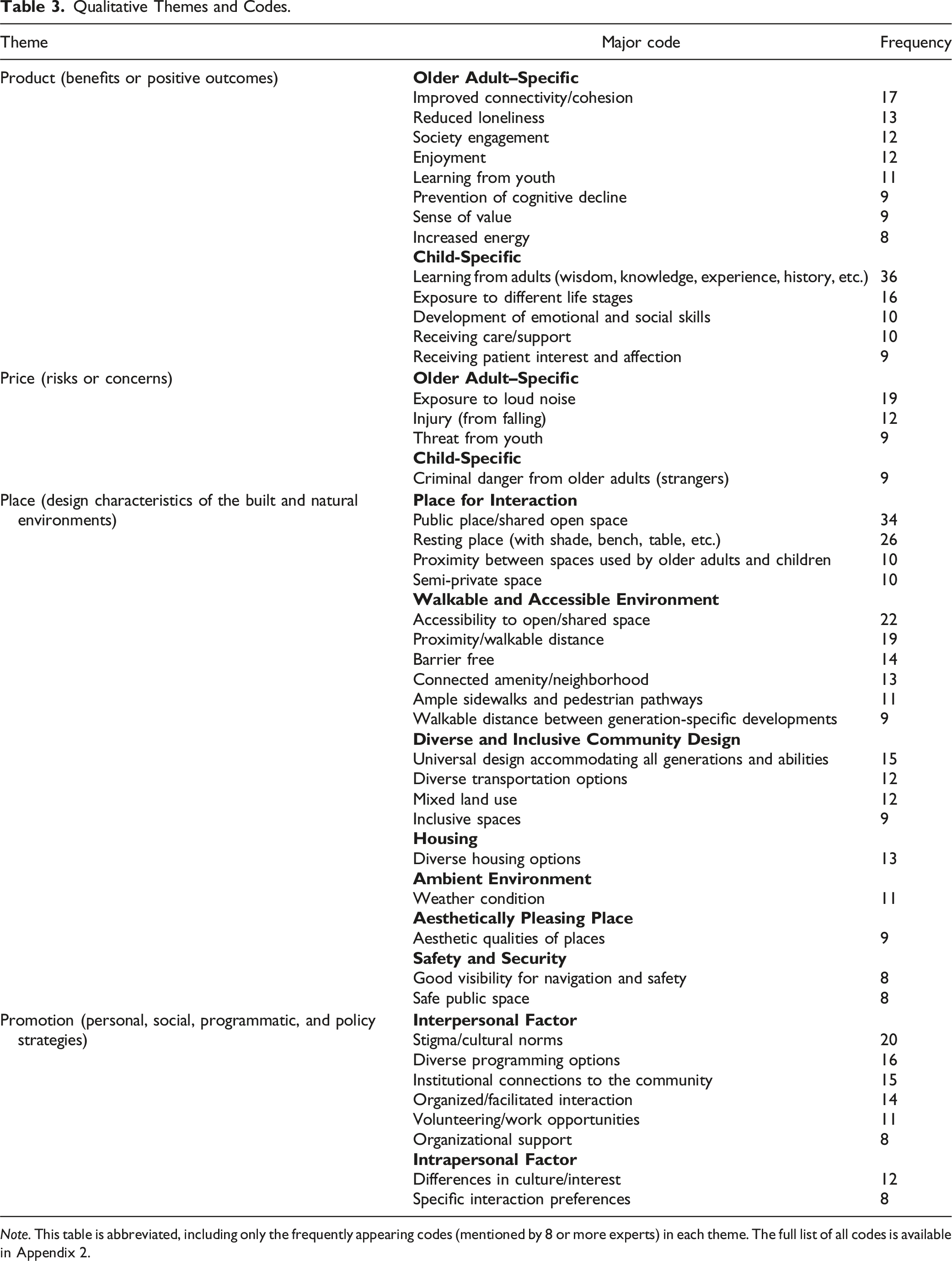
Note. This table is abbreviated, including only the frequently appearing codes (mentioned by 8 or more experts) in each theme. The full list of all codes is available in Appendix 2.
For mental health, experts believed that such interactions helped diminish loneliness (13 mentions), foster a sense of societal engagement and enjoyment (12 mentions each), prevent cognitive decline (9 mentions), instill a sense of value (9 mentions), and imbue older adults with energy (8 mentions). They also served as a distraction from health ailments (2 mentions), reduced depression (2 mentions), fostered lovingkindness (2 mentions), and redirected attention (1 mention). As for physical health, interviewed experts believed that intergenerational interactions helped maintain physical activity (5 mentions). Older adults benefited from receiving assistance with personal care (4 mentions) and grocery shopping (2 mentions), as well as learning new technologies (2 mentions). By providing assistance such as educating children (3 mentions) and offering childcare (2 mentions), older adults reinforced a sense of purpose and reciprocity in these relationships.
Experts also highlighted the benefits of intergenerational interactions for children. Specifically, these interactions allowed children to learn wisdom, knowledge, experience, and history from older adults (36 mentions). One expert noted, “There’s also the experience of history, of what the past was like, of what life was like in a different era.” Another stated, “Knowing the history of a culture, neighborhood, and race can be more vivid and sometimes more trusting if you hear it from a person.” They helped children develop emotional and social skills (10 mentions) and boosted their self-esteem and confidence (3 mentions). Additionally, children received valuable suggestions on life decisions (1 mention). Intergenerational interactions exposed children to people of different ages (16 mentions) and different life experiences (6 mentions). This exposure helped foster a sense of community (5 mentions) and fill their natural curiosity (2 mentions). Children benefited from support and caring (10 mentions), patient interest and affection (9 mentions), and a sense of security (2 mentions).
PRICE—Salient Risks or Concerns Associated With Intergenerational Interactions
Despite numerous benefits associated with intergenerational interactions, they can pose challenges for both older adults and children. Primary concerns for older adults were related to health and safety (Table 3 and Appendix 2). When engaging in intergenerational interactions, older adults were more prone to noise exposure (19 mentions), injury from falling (12 mentions), exhaustion (6 mentions), and disease transmission (4 mentions). Regarding safety concerns, intergenerational interactions exposed older adults to threats from chaos and insecurity (9 mentions) and crime (5 mentions). One expert mentioned, “There may be too much chaos, too much noise. Maybe they don’t have the energy to be involved.”
Children might face challenges primarily in the realms of mental, physical, and behavioral development. Mental development concerns included passing sadness and upset (4 mentions), decreased independence in decision-making (2 mentions), and a lack of respect from older adults (2 mentions). One expert noted, “Sometimes older adults can be not very pleasant; they might be kind of grouchy, particularly if they don’t feel good, and they can point that towards kids. And the kids are more vulnerable emotionally.” Nine experts mentioned physical development concerns, such as physical threats or harms from older adults. Behaviorally, children were prone to older adults’ culture or philosophy enforcement (2 mentions), spoiled behavior development (2 mentions), and bad behavior modeling (1 mention).
PLACE—Design Characteristics of the Built and Natural Environments That Promote Intergenerational Interactions
Top 5 Frequently Mentioned Environmental Factors by US Regions.
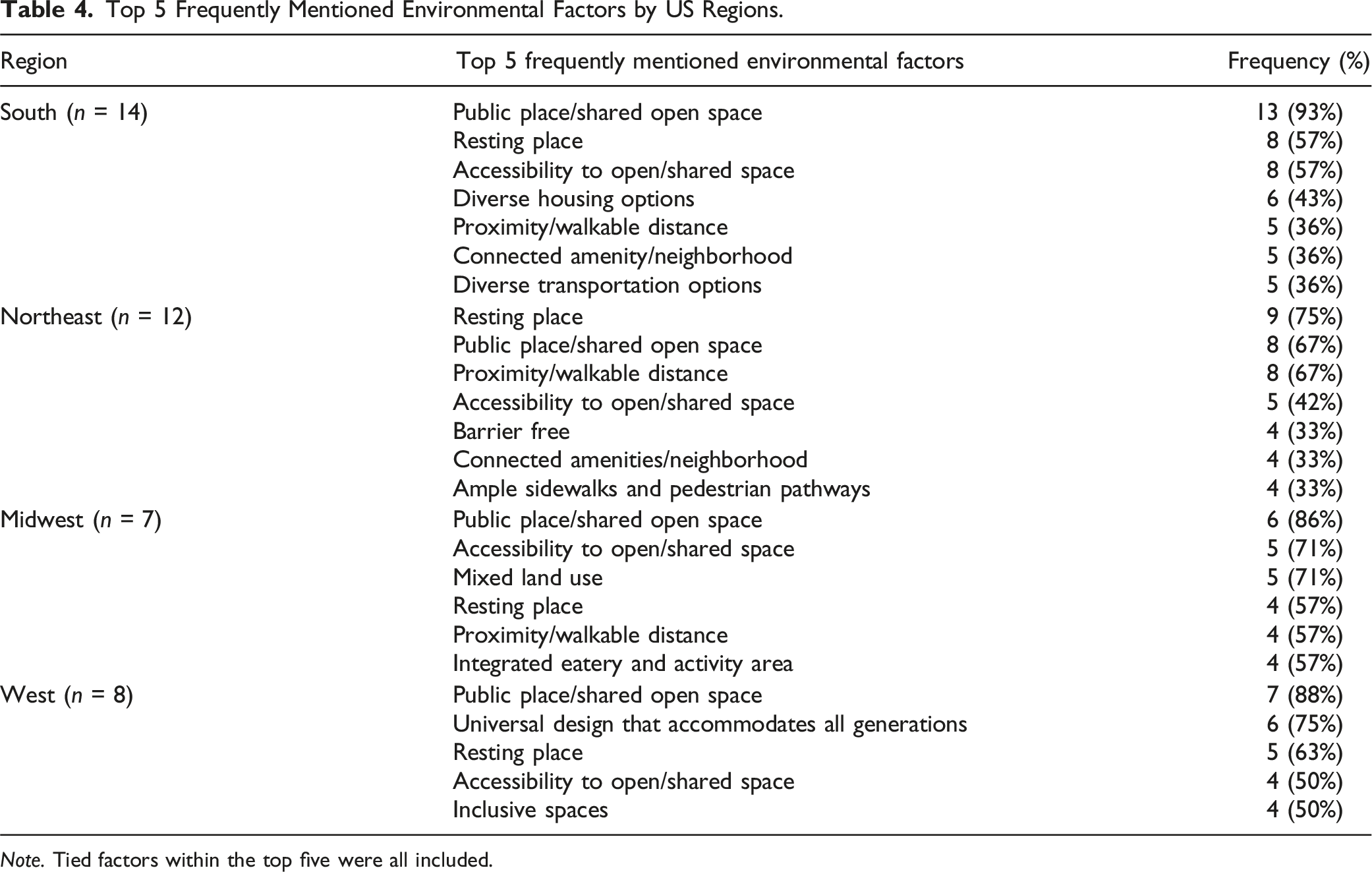
Note. Tied factors within the top five were all included.
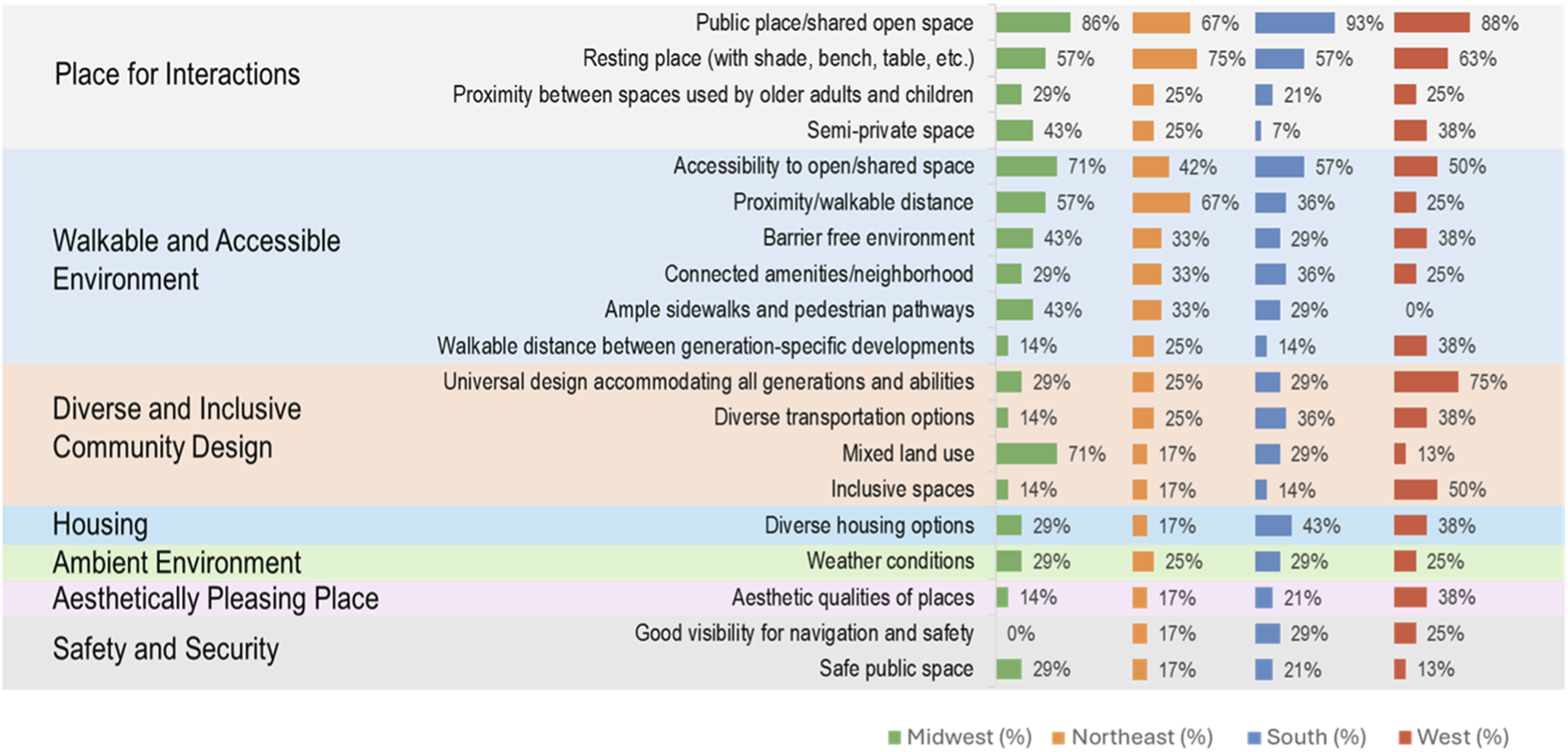
Environmental factors promoting intergenerational interactions by US regions. Note. This figure is abbreviated, including only the frequently appearing codes (mentioned by 8 or more experts) in each theme. The full list of all codes is available in Appendix 2. The percentages represent the percentage of experts within each region who mentioned the respective code out of the total experts in the region.
Place for Interactions
Thirty-four experts mentioned public places and shared open spaces, including 13 (93%) experts in the South, 8 (67%) in the Northeast, 7 (88%) in the West, and 6 (86%) in the Midwest. Twenty-six experts highlighted the importance of resting places with shade and/or supportive amenities like benches and tables. These were especially prevalent in the Northeast (9 mentions, 75%) and the South (8 mentions, 57%), followed by the West (5 mentions, 63%) and the Midwest (4 mentions, 57%). The proximity between spaces used by older adults and children and semi-private spaces each garnered 10 mentions, highlighted evenly across regions, except for the South, with fewer mentions. An inviting environment (3 mentions) and sufficient space to avoid conflict (1 mention) were also beneficial for encouraging intergenerational interactions.
Walkable and Accessible Environment
Twenty-two experts emphasized accessibility to open and shared spaces, including 8 (57%) experts in the South, 5 (71%) in the Midwest, 5 (42%) in the Northeast, and 4 (50%) in the West. Proximity and walkable distances were highlighted by 19 experts, with more than half of the experts in the Northeast (8 mentions, 67%) and the Midwest (4 mentions, 57%). One expert emphasized, “Environments must be designed so that people of all stripes, ages, and with any vehicles they might need for mobility can access them.” Fourteen experts mentioned barrier-free environments, such as barrier-free sidewalks, bathroom facilities, and trails, with 3 or 4 mentions from each region. Connected amenities or neighborhoods were mentioned by 13 experts, predominantly from the South (5 mentions, 36%) and the Northeast (4 mentions, 33%). One expert stated, “As an amenity, if we can connect it to other neighborhoods or a trail system, then we start to weave a fabric instead of just having your isolated one little project.” Ample sidewalks and pedestrian pathways (11 mentions) were essential, especially in the Midwest (3 mentions, 43%), the Northeast (4 mentions, 33%), and the South (4 mentions, 29%). Walkable distance between generation-specific developments (e.g., religious institutions and preschools, senior housing/nursing homes, and childcare) received 9 mentions, primarily noted by experts from the Northeast (3 mentions, 25%) and the West (3 mentions, 38%). Access to quality education (5 mentions) and transportation (3 mentions) were noted mainly in the Northeast. Predictable and navigable street grids (2 mentions) and access by health services (1 mention) were less frequently mentioned but considered important in certain regions.
Diverse and Inclusive Community Design
Universal design accommodating all generations and abilities received 15 mentions, highlighted by 6 (75%) experts in the West, 4 (29%) in the South, 3 (25%) in the Northeast, and 2 (29%) in the Midwest. Diverse transportation options (12 mentions) were also critical, especially in the South (5 mentions, 36%), the West (3 mentions, 38%), and the Northeast (3 mentions, 25%). Twelve experts believed in the importance of mixed land uses, primarily from the Midwest (5 mentions, 71%) and the South (4 mentions, 29%). Of the 9 experts highlighting the importance of inclusive spaces, four (50%) were from the Western region. One expert noted, “We might need some more equal spaces where children and older adults can interact easily together.” Eateries with integrated leisure activities (6 mentions) were especially valued in the Midwest (4 mentions, 57%). Community plan concepts like complete neighborhoods (3 mentions) and high density (2 mentions) were less frequently mentioned but still considered important factors.
Housing
Thirteen experts highlighted the importance of diverse housing options, with 6 (43%) experts from the South, 3 (38%) from the West, 2 (29%) from the Midwest, and 2 (17%) from the Northeast. Affordable living costs received 3 mentions, distributed across three of the four US regions. One expert mentioned, “A mix of housing types, so every house that’s built doesn’t need to be a three-bedroom, two-bathroom. Affordable housing is a significant challenge, providing the ability for older adults to be able to continue to live independently as they are still able.” Two Southern experts believed interactive housing layouts, such as front porches and intergenerational co-housing, played an important role in promoting intergenerational interactions. Intergenerational living with supportive housing and public spaces can enhance physical, social, and mental well-being, thereby promoting aging in place (Jiaxuan et al., 2024).
Ambient Environment
Weather conditions (11 mentions) were emphasized by 4 (29%) experts from the South, 3 (25%) from the Northeast, 2 (29%) from the Midwest, and 2 (25%) from the West. One expert noted, “We, architects and planners, love these beautiful plazas. Sun is biting you up. You cannot walk for a few feet. You get really exhausted by humidity and heat.” Five experts, including 3 (25%) from the Northeast and 2 (14%) from the South, highlighted the importance of good acoustic environments, considering that older adults might have hearing problems and require no-noisy places. Two experts (i.e., one from the Midwest and another from the West) believed that thermal comfort was of critical importance.
Aesthetically Pleasing Place
Aesthetic qualities of places such as pretty vegetation, water features, and artwork were mentioned by 9 experts, primarily from the South (3 mentions, 21%) and the West (3 mentions, 38%). Two experts (i.e., one from the Midwest and another from the South) highlighted the importance of well-maintained places in providing a conducive environment for interactions. One expert mentioned a public pool as an example: “It’s a clean place. Everybody feels they own that place, and they keep it maintained. You don’t see graffiti there. They don’t break the locker. It’s the place that is maintained.”
Safety and Security
Expert interviewees believed that good visibility for navigation and safety (8 mentions), safe public spaces (8 mentions), well-lit areas (7 mentions), safety from vehicles (6 mentions), and a sense of security (5 mentions) were important for promoting intergenerational interactions, with a notable emphasis in the Northeastern and the Southern regions. Additionally, one expert from the West and another from the South emphasized the importance of privacy and secure building, respectively. As stated by an expert, “There should also be spaces that are not just open and big for observation but also allow for privacy. Even for kids, it’s important to have places to hide and play away from parents’ eyes.”
PROMOTION—Personal, Social, Programmatic, and Policy Strategies That Promote Intergenerational Interactions
Various personal, social, programmatic, and policy factors impacting intergenerational interactions were categorized under interpersonal and intrapersonal dimensions (Table 3 and Appendix 2). Interpersonally, experts highlighted the importance of diverse programming options (16 mentions), institutional connections to the community (15 mentions), organized or facilitated interactions (14 mentions), and support mechanisms (8 mentions). Social programming that specifically targeted intergenerational activities, such as mentorship programs, intergenerational learning initiatives, and community service projects, provided structured opportunities for different age groups to come together, share experiences, and learn from one another (Anderson et al., 2017; Giraudeau & Bailly, 2019). Programs impeding intergenerational interactions included strict or setting programming (4 mentions) and unwelcoming institutions (3 mentions). Important socio-cultural features included stigma or cultural norms (20 mentions), volunteering and work opportunities (11 mentions), ageism (6 mentions), and local culture (2 mentions). Additionally, social connections (i.e., family or friend network) were mentioned 5 times, suggesting the role of existing relationships in facilitating or impeding interactions.
In the intrapersonal category, socio-cultural differences, mentioned as gaps in culture or interests by 12 experts, led to various levels of intergenerational interactions. Personal attitudes, including preferences for interaction types (8 mentions), social trust (5 mentions), fear or anxiety toward interactions (4 mentions), shyness or stiffness (4 mentions), and inability to prevent harm from children (3 mentions), further complicated these interactions. Additionally, personal abilities such as economic constraints (6 mentions), physical limitations (5 mentions), privacy personality variations (4 mentions), and imbalances in activities (2 mentions) depicted the personal barriers individuals face.
Discussion
Utilizing the 4Ps framework of social marketing, this study synthesizes interview data from knowledgeable professional and academic experts in the US to identify their perspectives on personal and environmental factors affecting and being affected by intergenerational interactions. Experts indicated that intergenerational interactions could bring potential benefits or positive outcomes (Product) and risks or concerns (Price) to older adults and children. Experts also suggested seven domains of physical environmental factors (Place) contributing to intergenerational interactions and highlighted the importance of personal, social, programmatic, and policy factors (Promotion).
Study results further indicate regional differences in individual environmental measures (Figure 1). For example, resting places with shade and/or supportive amenities like benches and tables are valued more by experts from the Northeastern region; universal designs accommodating all generations and abilities are valued more by experts from the West; and mixed land uses are valued more by experts from the Midwest. However, the factors and underlying mechanisms leading to these regional differences remain unclear because of limited empirical evidence. A possible explanation is the various political, socio-cultural, and environmental contexts across different regions. For example, mixed land uses may be more common in urbanized areas such as New York State and California than in the Midwestern region. Consequently, experts from the Midwestern region, which lacks mixed-use development, may perceive mixed land uses as more important for promoting intergenerational interactions. Future national or multi-site studies on target populations (e.g., older adults and children) can help better identify and explain regional differences in environmental facilitators and barriers.
Implications for Research and Practice
This study has the potential to catalyze positive changes in both research and practice, contributing to the creation of more inclusive, vibrant, and sustainable intergenerational communities. Given the limited research that connects environmental features with intergenerational interactions and associated health-related outcomes, further work is needed to understand the underlying mechanisms among community environments, intergenerational interactions, and health-related outcomes in diverse communities and settings (e.g., urban vs. rural, intergenerational vs. age-targeted communities, and various climate zones). Such additional work can stimulate and guide evidence-based planning or design processes, driving successful intergenerational communities. Additionally, future investigations should focus on exploring novel approaches, evaluating intervention strategies, and assessing the long-term impacts of intergenerational initiatives or spaces on individual well-being and community resilience (e.g., coping with and recovering from crises through strengthened community connections). These investigations can help highlight best practices, identify modifiable barriers, and generate innovative solutions for building intergenerational communities.
By uncovering key themes and insights regarding intergenerational dynamics, this research can inform the development of more inclusive and supportive community environments that cater to the diverse needs and preferences of individuals across different age groups. Findings from this study can guide professional designers/planners and policymakers in providing physical spaces, amenities, and services that promote intergenerational environments, social cohesion, and mutual support within communities.
Limitations
While the research team took steps to mitigate avoidable limitations, research studies that rely solely on interviews with subject matter experts often encounter inherent limitations. Firstly, subject matter experts may provide perspectives that are biased or limited by their own experiences, professional backgrounds, or institutional affiliations, potentially overlooking alternative viewpoints or marginalized voices within the topic under investigation. Additionally, subject matter experts may not always represent the full spectrum of stakeholders or perspectives relevant to the research question, leading to incomplete or skewed understandings of the issue. Furthermore, the depth of insight provided by subject matter experts may vary depending on their level of expertise, availability, or willingness to participate in the study, potentially impacting the richness and comprehensiveness of the data collected. Finally, interviews with subject matter experts may lack the diversity and complexity inherent in more inclusive research methodologies that incorporate multiple data sources, such as participant observation, document analysis, or focus groups. As such, further work is needed to address these limitations and employ complementary methods that ensure a more holistic and rigorous investigation of this research topic.
Conclusions
Experts agree on the need to create intergenerational communities where people of all ages live, work, play, learn, and rest together. Intergenerational communities can bring mutual benefits to older adults and children through improving knowledge exchange, cognitive engagement, mutual support, opportunities to share interests, social connections, and a sense of value to society. Both socio-cultural supports (e.g., social programs and volunteer opportunities) and physical environments (e.g., mixed-use development, diverse recreational destinations, and shaded seating near playgrounds) are important for supporting intergenerational interactions. Further research is needed to engage other stakeholder groups and investigate the causal impacts of readily modifiable environmental features and how such impacts may vary across diverse population groups.
Supplemental Material
Supplemental Material - Understanding Intergenerational Interactions Between Older Adults and Children: Expert Opinions About the Roles of Community Environments
Supplemental Material for Understanding Intergenerational Interactions Between Older Adults and Children: Expert Opinions About the Roles of Community Environments by Sinan Zhong, Laurel Curran, Haoyue Yang, Yeankyoung Hahm, and Chanam Lee in Journal of Applied Gerontology
Footnotes
Declaration of Conflicting Interests
The author(s) declared no potential conflicts of interest with respect to the research, authorship, and/or publication of this article.
Funding
The author(s) disclosed receipt of the following financial support for the research, authorship, and/or publication of this article: This work was supported by the Landscape Architecture Foundation (Deb Mitchell Research Grant to S.Z. and C.L.).
Ethical Statement

Data Availability Statement
Data and materials are available on request from the authors.
Supplemental Material
Supplemental material for this article is available online.
References
Supplementary Material
Please find the following supplemental material available below.
For Open Access articles published under a Creative Commons License, all supplemental material carries the same license as the article it is associated with.
For non-Open Access articles published, all supplemental material carries a non-exclusive license, and permission requests for re-use of supplemental material or any part of supplemental material shall be sent directly to the copyright owner as specified in the copyright notice associated with the article.
