



Abstract
Background:
In order to improve calcium status, fortified rice should have acceptable organoleptic properties of that food.
Objective:
We aimed to assess whether home fortification of rice with slaked lime can increase calcium content of rice and whether this fortified rice is well tolerated in a nutritionally at-risk population.
Methods:
This experimental study measured the calcium content of rice cooked with different concentration of lime and assessed the acceptability of fortified rice among 400 women and children. Each participant received fortified rice with one of five concentrations of lime (0, 2.5, 5, 7.5 or 10 gm per 500 gm of rice), with or without additional foods (lentil soup or fried green papaya). All participants were asked to score the organoleptic qualities on a hedonic scale.
Results:
Analysis showed that rice calcium content increased in a dose- response manner with increased lime during cooking (76.03, 205.58, 427.55, 614.29 and 811.23 mg/kg for given lime concentrations). Acceptability of the meal was greater when additional foods were served with rice at all lime concentrations. In both groups, the 7.5M arm reported highest overall acceptability (children, 6.25; women 6.10). This study found significant association between overall acceptability (different concentrations of lime mixed rice; with/without additional foods) and between groups (women vs. children) (p value = < 0.001) where-as no association was found within groups.
Conclusions:
Lime-fortified rice can be feasible considering the calcium uptake of rice and organoleptic character. Further research on bioavailability can establish a solid foundation that will support design of an effective intervention to reduce calcium deficiency in this population.
Background
Calcium is an essential structural and functional mineral of the human body, comprising 1% to 2% of adult body mass. 1 Since its requirement must be met through diet, dietary calcium inadequacy can result from consumption of predominantly staple foods with low bioavailable mineral contents. 2 Calcium deficiency is therefore mostly prevalent in low- and middle-income countries in which access to calcium-rich foods is often limited (in Kenya, South Africa, Bangladesh, and China), and population calcium intake ranges from 25% to 33% of recommended levels, 3,4 although it is also widespread in some high-income countries. 3,5 Analysis of nationally representative data from the 2011 to 2012 Bangladesh Integrated Household Survey showed mean per capita calcium consumption in rural Bangladesh to be 207 and 184 mg/d for males and females, respectively, in comparison with the recommended intake of 1000 mg/d for working-age adults. 3
With regard to subgroups at particular risk in Bangladesh, several small-scale surveys have shown that more than half of participating schoolgirls or women of reproductive age did not meet the recommended daily allowance of calcium for their age, 4 -6 while only 20% of nonbreastfed children under 2 years of age had adequate calcium intake through complementary foods. 7 Calcium deficiency among these populations has numerous consequences, contributing to rickets in children, impaired attainment of bone mass during skeletal development in adolescents, and osteoporosis and osteopenia in adults. Calcium-deficient pregnant women incur an increased risk of hypertensive disorders of pregnancy, their fetuses are more likely to have intrauterine growth restriction and preterm birth, and their offspring are more likely to have low calcium stores, resulting in a cycle of intra- and intergenerational health consequences. 3 Hypertensive disorders of pregnancy, namely gestational hypertension, preeclampsia, and eclampsia, accounted for 24% of maternal deaths and 2.8% of total deaths among women of reproductive age in Bangladesh in 2010. 8
The World Health Organization recommends that pregnant women living in regions of low calcium intake such as Bangladesh should consume an additional 1.5 to 2.0 g/d of elemental calcium from 20 weeks of gestation until the end of pregnancy to prevent adverse pregnancy outcomes. 16 Despite this, calcium supplementation during pregnancy in Bangladesh is infrequently practiced due to the cost and low compliance associated with it and the low coverage of antenatal care. 10 Given the predominance of rice consumption, home fortification, industrial fortification, or biofortification may be cost-effective and sustainable approaches to increase calcium intake in all age groups. 11 Bangladesh has already enjoyed success in combating iodine deficiency through industrial fortification of salt with iodine, which resulted in a decrease in the prevalence of iodine deficiency from 80% to 65% from 2011 to 2015. 12
In Latin America, the history of calcium fortification dates back to as early as 1200 to 1500 BC. By the process of “nixtamalization,” maize and other grains are soaked or cooked in a solution of slaked lime as part of their food. 13,14 Slaked lime is produced by converting calcium carbonate (limestone) to calcium oxide that is then “slaked” (mixed with water) to form calcium hydroxide 15 and contains 300 mg calcium per g (a concentration equivalent to that of calcium carbonate 16 ). Nixtamalization has shown to result in increased grain calcium content 9,17 and calcium absorption. 16,17
Home fortification of rice with calcium, if effective, could serve as an effective intervention to increase population calcium intake in south and southeast Asia; however, research has not yet evaluated the local feasibility or effectiveness of this approach. Its potential effectiveness in Bangladesh lies in its economy (the price of slaked lime, at US$2 per kilogram, is affordable for even the ultra poor), year-round availability, and cultural acceptability (in the southern districts of Cox’s Bazar and Chittagong, lime is already traditionally used in preparing rice, and as an additive to chewed betel nuts). Moreover, research conducted in these districts has shown radiographic improvement in 90% of rachitic children (n = 49) whose families practiced use of slaked lime in cooking rice 18 (however, lack of analysis of the calcium content of the fortified rice and the absence of control arm in that study raise questions as to the extent to which the observed improvements were attributable to the intervention).
Objectives
To develop basic understanding of the potential for lime fortification of rice as an effective intervention for increasing population calcium intake in Bangladesh, this study sought to (1) measure the calcium concentration of rice that has been fortified at different concentrations of slaked lime added to the cooking water and (2) test the organoleptic acceptability of rice fortified with slaked lime among high-risk target groups of women and children.
Methods
Fortification and Laboratory Analysis of Rice
Five hundred gram samples of milled, parboiled Miniket rice (the most commonly consumed variety in Bangladesh) were washed and cooked in 750 mL water using a Teflon-coated electric rice cooker (NOVA RC—1501, Mumbai, India) at the International Center for Diarrheal Disease Research, Bangladesh (icddr, b) in Dhaka. To each uncooked 500 g rice sample, 0, 2.5, 5.0, 7.5, or 10.0 g slaked lime was added, which had been collected in a single batch from a local market in the Cox’s Bazar District.
Three samples of rice at each of the 5 fortification concentrations were prepared for analysis at the Nutrition Biochemistry laboratory of icddr, b. After cooking, the rice was homogenized with the addition of a minimal recorded amount of calcium-free water. An adequate amount of each sample was analyzed using atomic absorption photometry following standard procedures. 6
Acceptability Trial of Lime-Fortified Rice: Study Population and Recruitment
Organoleptic acceptability of lime-fortified rice was assessed in the Bauniabadh section of Mirpur, a subdistrict of Dhaka. Bauniabadh was selected because its demographic characteristics and sanitary conditions are those of typical urban slum in which calcium-rich foods are generally less accessible and because the study investigators had ongoing research activities in the area. A convenience sample of 200 women of reproductive age (15-49 years) and 200 children (7-10 years) was drawn from a list of current Bauniabadh residents. To recruit women, the research team visited eligible participants’ households, explained the purpose and methods of the study, and obtained consent. Pregnant women and habitual consumers of betel leaf with slaked lime were excluded from the study. Children were recruited from 2 primary schools randomly selected among 6 located in Bauniabadh. In each school, 7- to 10-year-old students were invited at random to participate, explained the purpose and methods of the study, and consenting students were recruited. During recruitment, basic sociodemographic information was collected from participants, while height and weight were measured on the day of the acceptability trial using an stadiometer (Seca 217, Chino, California) and digital bathroom scale (GS-150; Peachtree, Norcross, Georgia) following standard procedures.
Acceptability Trial of Lime-Fortified Rice: Study Arms and Randomization
Participants were randomly assigned to one of 10 study arms (Supplemental Table 4) in which they consumed a specific amount (100 or 50 g for women and children, respectively) of either plain rice or mixed rice (which included a side dish of 80 g lentils and 70 g fried green papaya [FGP] for the women and 40 g lentils and 35 g FGP for the children, following typical Bangladeshi recipes) fortified with 1 of 5 concentrations of lime (0, 2.5, 5, 7.5, or 10 g per 500 g uncooked rice). The mixed rice arms were included to evaluate whether added ingredients could mitigate potential effects of fortification on the acceptability of rice and because plain rice is rarely consumed in Bangladesh even among the poorest communities (lentil and papaya are commonly consumed and available year-round). Food samples were prepared freshly on the day of the acceptability trial following the procedure described previously. 3 An initial weighed portion was provided to participants, after which additional portions were provided to those who requested them (additional portions were not weighed). Participants were assigned to study arms by a researcher external to the study team using permuted block randomization. Aside from those fortifying the rice samples, all participants and research team members were blinded to the level of slaked lime added to each sample.
Characteristics of Study Population.
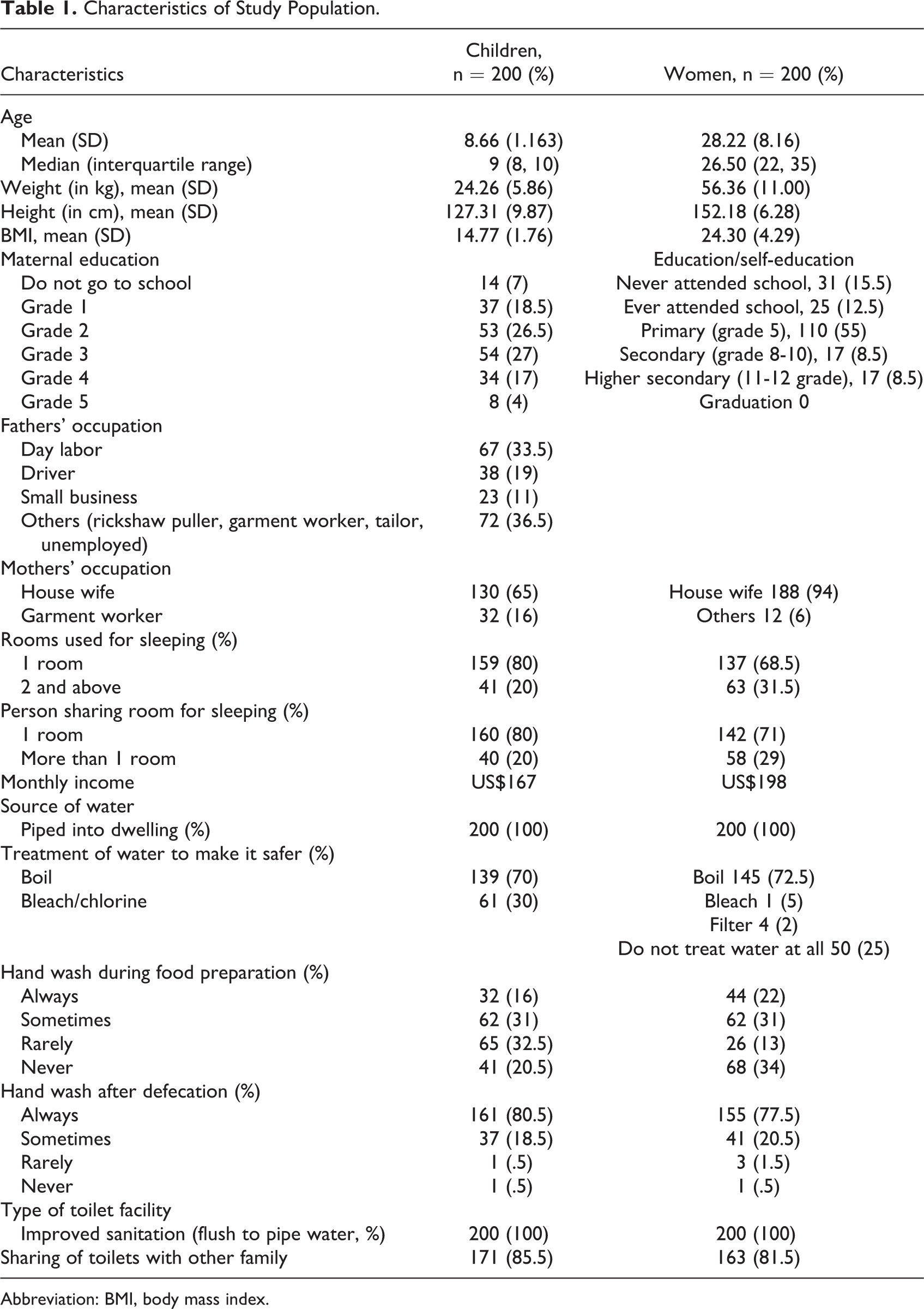
Abbreviation: BMI, body mass index.
Acceptability Trial of Lime-Fortified Rice: Organoleptic Testing
Participants were requested not to consume any solid food up to 2 hours prior to consumption of the test rice on the day of the acceptability trial. After feeding, each participant’s leftovers of their initial portion (if any) were measured using digital cooking scales (TANITA analog cooking scale 1439, Tokyo, Japan) to calculate their consumed mass. Participants were then interviewed by trained research assistants who assessed participants’ opinion of the food’s color, flavor, and mouth feel according to a 7-point hedonic scale: “dislike extremely,” “dislike very much,” “dislike,” “neither like or dislike,” “like,” “like very much,” or “like extremely,” which were scored 1, 2, 3, 4, 5, 6, or 7 points, respectively. Each participant’s 3 subscores were summed to produce an overall acceptability score ranging from 3 to 21. Hedonic scales are the most widely used and validated approach for measuring food acceptability. 19,20
Acceptability Trial of Lime-Fortified Rice: Sample Size Calculation
The sample size for the acceptability trail was calculated in STATA using a noninferiority trial on the basis of a hedonic scale score. We assumed that 99% and 90% of the participants in both nonfortified and fortified groups would rate the rice sample as satisfactory (mean overall liking score >4), respectively. The noninferiority limit was considered to be 10%, which means that a statistically significant difference may not be of interest unless the difference is greater than this threshold, 10%. Considering 80% power and 5% level of significance, we required the minimum number of 18 to 20 participants in each arm. We enrolled 20 participants in each arm to increase the power of the study. In this trial, we tested acceptability in 2 groups of equal size, where one group consumed fortified rice, and the other groups were provided with rice along with lentil soup and FGP. In this study, there were 10 different groups (arms) in both children and women samples. Therefore, in total, we required and enrolled 200 children and 200 women to conduct the acceptability trial. 21
Statistical Analysis
Data were validated using logical and range checks, and descriptive statistics were tabulated. The relationship between added and analyzed calcium concentration of plain and mixed rice at different fortification levels was analyzed graphically. Mean acceptability score and subscores across study arms were compared using one-way analysis of variance.
Results
Calcium Concentration of Fortified Rice and Slaked Lime
Added mass of calcium and analyzed rice calcium concentration displayed a dose–response relationship with one another (Supplemental Figure 3). Mean calcium concentration of cooked rice fortified with 0, 2.5, 5.0, 7.5, and 10 g slaked lime per 500 g uncooked rice was 76, 206, 428, 614, and 811 mg/kg, respectively (Figure 3) (P < .001, by independent t test). We did not approach a saturation point (at which calcium is no longer absorbed). The equivalent masses of elemental calcium added to the 2.5, 5.0, 7.5, and 10.0 experimental arms were computed to be 0.78, 1.58, 2.36, and 3.16 g per 1000 g uncooked rice.
Acceptability of Calcium-Fortified Rice
Sociodemographic characteristics of the 200 children and 200 women included in this study are presented in Table 1. Mean age was 8.7 ± 1.2 years in children and 28.2 ± 8.2 in women. Mean body mass index was 14.8 ± 1.8 in children and 24.3 ± 4.3 in women.
Within both women and children, for every mass of added lime, acceptability of the meal was greater when lentil soup and FGP were served with fortified rice, in comparison with fortified rice alone (Supplemental Tables 2 and 3). Children and women in the 7.5 g/500 g mixed rice arm reported the highest overall acceptability (overall hedonic score was 6.2 and 6.1 out of 7, respectively; Figures 1 and 2, Table 2). Acceptability was lowest among those who consumed only rice with 10 g lime/500 g in both children (overall score: 4.35) and women (overall score: 4.85; Supplemental Tables 2 and 3). No participants extremely disliked the meal (a score of 1). Of all, 36% and 46.5% of children and women very much or extremely liked (scores of 6 and 7) the meal, respectively (Supplemental Table 7). Considering the relationship between overall score and concentration of added lime, we found a declining trend in acceptability with increasing concentration of calcium with the exception of the 7.5 g/500 g arm, in which acceptability was highest with a P value of <.05 (Figures 1 and 2).
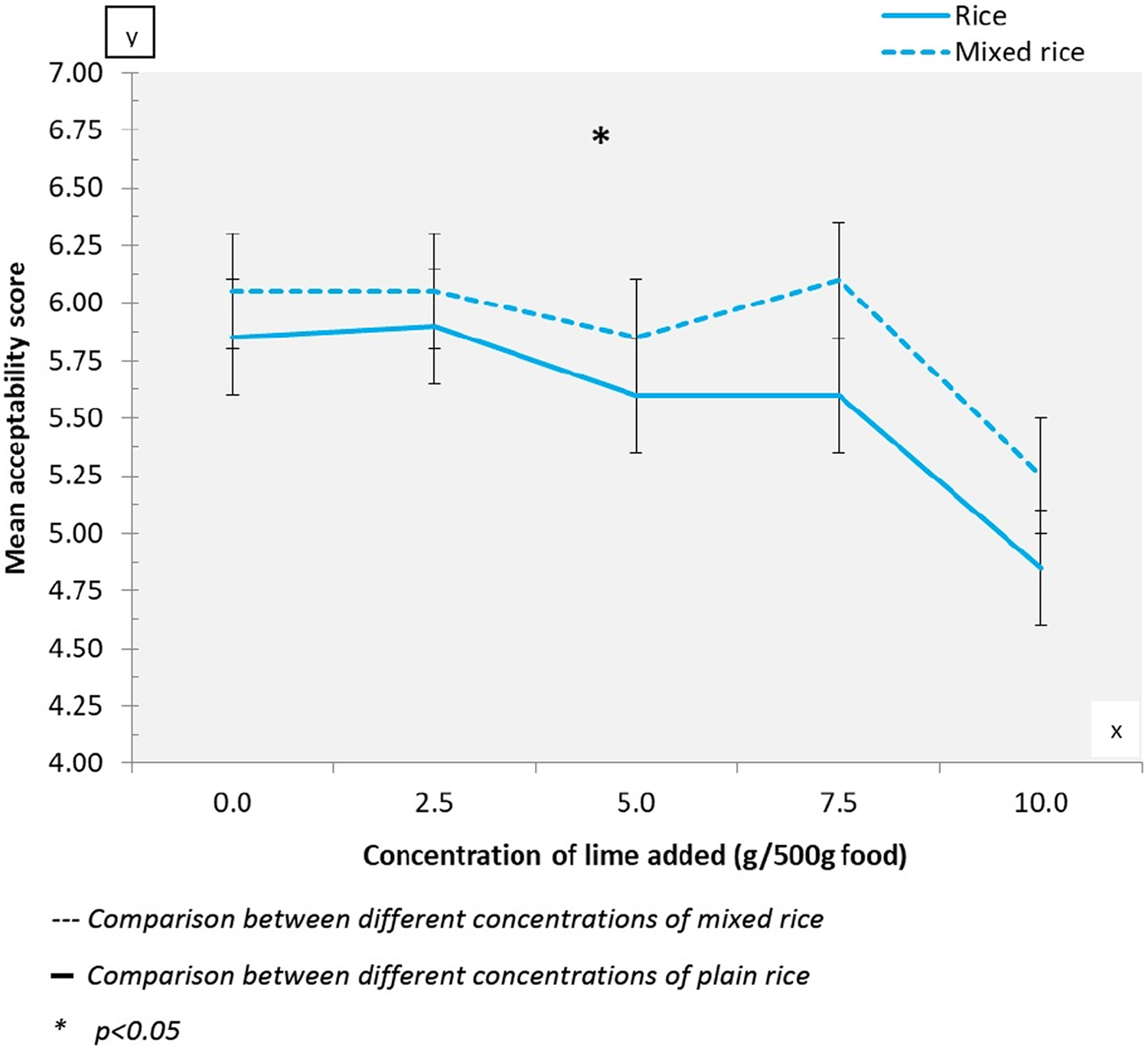
Mean (SD) of acceptability score of different lime concentrations in plain rice and mixed rice among children on 7-point hedonic scale, n = 200 women. *P < .05.
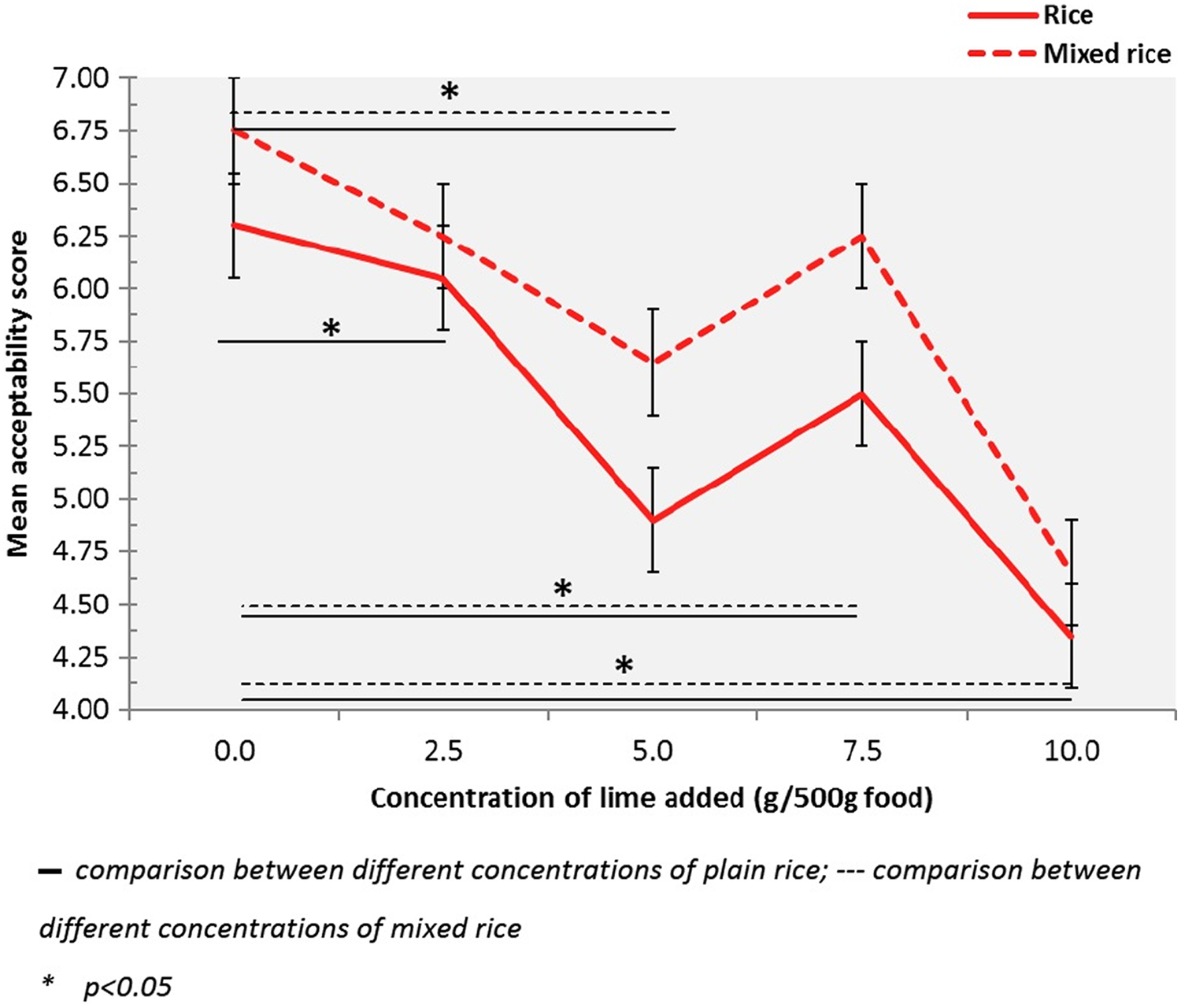
Mean (SD) of acceptability score of different lime concentrations in plain rice and mixed rice among children on 7-point hedonic scale, n = 200 children. *P < .05.
Mean (SD) of Overall Acceptability (Range: 1-7) Within Study Arms.
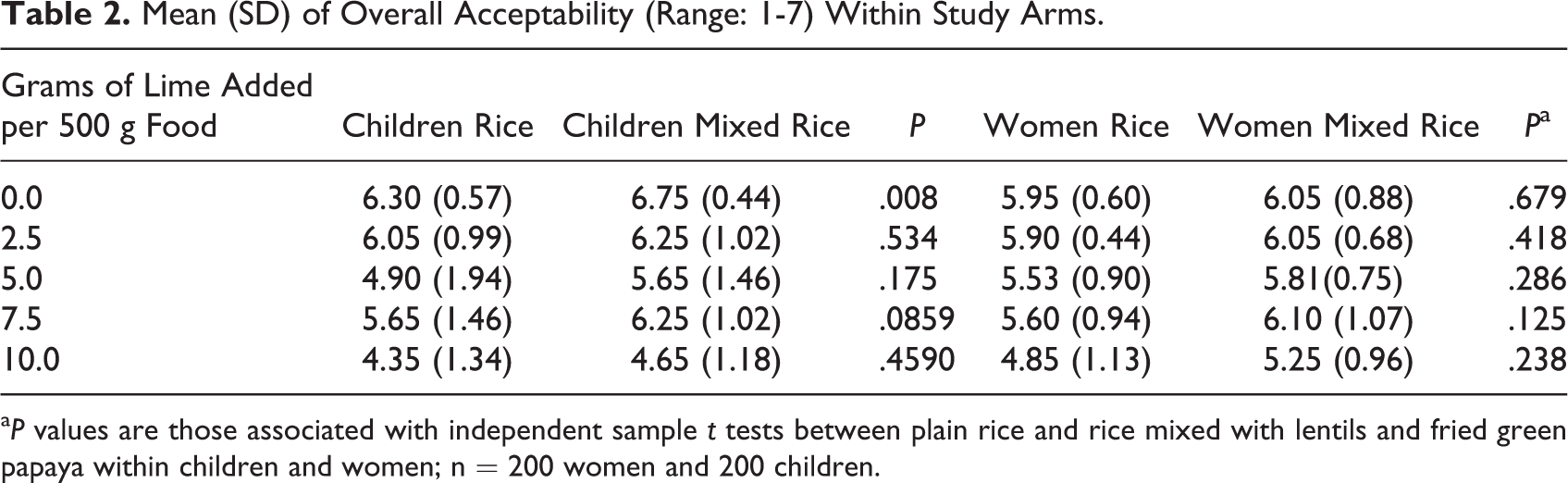
aP values are those associated with independent sample t tests between plain rice and rice mixed with lentils and fried green papaya within children and women; n = 200 women and 200 children.
Statistically Significant (P < .05) Comparisons of Acceptability Score Within Study Arms of Children or Women Using Bonferroni-Corrected ANOVA.
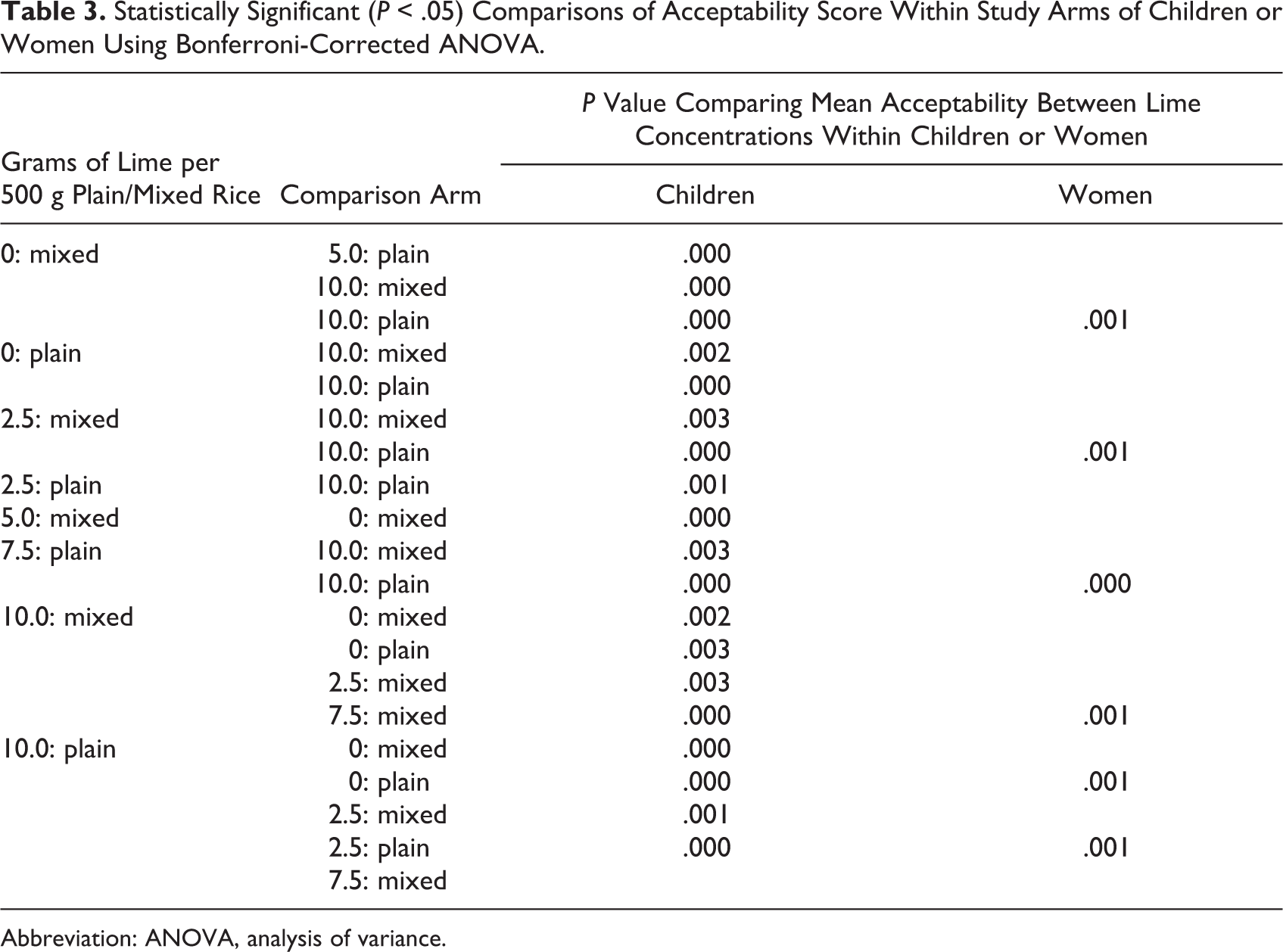
Abbreviation: ANOVA, analysis of variance.
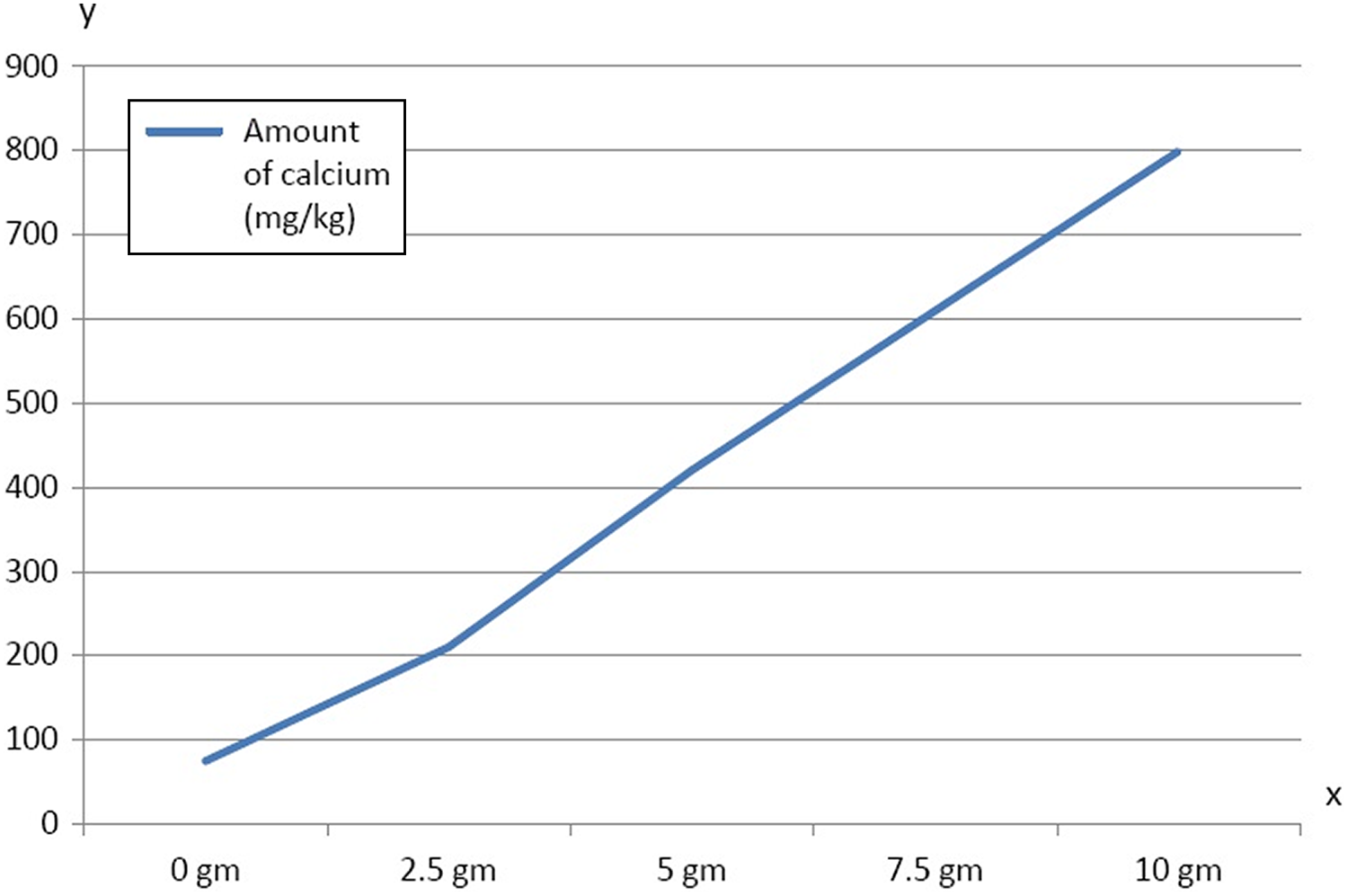
Laboratory results of calcium where lime were added in different concentrations per 500 g rice.
In children, mean response of subdimensions of acceptability (color, taste, and mouth feel) was highest in the 0 g/500 g unfortified mixed rice arm and lowest in the 10.0 g/500 g mixed rice arm (color) and 10.0 g/500 g plain rice arm (taste and mouth feel; Supplemental Table 2). In the case of women, acceptability of color, taste, and mouth feel were highest in the unfortified, 2.5 g/500 g, and 7.5 g/500 g arms, color was least acceptable in 5.0 g/500 g plain rice, and taste and mouth feel lowest in 10.0 g/500 g plain rice (as in children; Supplemental Table 3).
A significant association was observed between overall and type of rice (plain vs mixed, P < .001) but not between women and children (Table 3). Interestingly, 47.4% children and only 10% of women reported a discernibly unusual taste (overall score <3) when consuming plain rice fortified with 10 g/500 g (the highest concentration) of lime (Supplemental Figure 2). Among all 10 study arms of women, those evaluating 10.0 g/500 g mixed rice reported the highest percentage (22.2%) of discernibly unusual taste (Supplemental Figure 1). Acceptability was almost 100% (n = 60) in both children and women who consumed unfortified and 2.5 g/500 g fortified plain or mixed rice (Supplemental Figure 1).
Discussion
This study is, to our knowledge, the first to determine the calcium content of rice fortified with different concentrations of slaked lime and to test the acceptability of lime-fortified rice among women and children. We have shown that in Bangladesh (a major rice-consuming country in Southeast Asia), rice fortified with lime has highly acceptable organoleptic qualities for both women and children. We have also shown that a readily implementable home fortification method of cooking the rice grains in a lime solution resulted in significant increases in rice calcium concentration and that acceptability of the fortified rice increases when taken with additional foods commonly consumed in the population. We measured acceptability of rice with lime in different concentrations using hedonic scale, which is the most accurate and precise method for determining acceptability of food.
Increase in calcium content occurs in corns as a result of nixtamalization, also known as liming, which involves cooking and soaking of corn grain in lime solution before dehulling. This is an important step of processing of corn and has been used in Central America for a long time. 15 An absorption study reported increase in calcium content by 22 to 38 folds in the tortillas made from nixtamalized corn flour in comparison with conventional flour. The flours were obtained by soaking corn grains for 50 minutes in 1% lime solution and resulted in calcium concentration of 1042.2 to 1815.5 mg/kg based on the methods used (commercial vs traditional or homemade). 22 Similarly, our efforts resulted in a gradual rise in calcium content of fortified rice with increase in amount of lime used, the maximum being 811.23 mg/kg at 10 g of slaked lime used.
The duration of soaking is also an important factor for corn grain as calcium diffuses from lime solution to corn grain. 23 Palacios-Foncesa et al showed that calcium content has positive correlation with soaking time. 24 However, no such relationship was observed in the context of rice, as the cooking time for rice is more or less the same.
The authors found only one study in the literature that aimed to fortify rice by soaking it in 1.5% and 3.0% calcium lactate solution for 3 hours. The resulting rice (uncooked) yielded calcium concentration of 1053 to 1344 mg/kg. However, this measurement was done in uncooked rice and might lose some calcium during washing of rice before cooking. 25 Hoffpauer and Wright categorized rice fortification into 3 categories, namely enrichment of grain with powdered mixture, coated kernel enrichment, and other procedures like coating grains with active or inactive ingredients and infusing ingredients into grains. Enrichment with powdered mixture might result in loss of nutrients by 20% to 100% during washing. While coated kernel enrichment retains nutrients by 85% even after washing, this process is lengthy and expensive. On the other hand, coating of grains with active or inactive ingredients has been proven to be most successful. 26 We used this method by cooking rice grains, which resulted in a significant increase in calcium concentration in the fortified rice. Our results showed increase in elemental calcium as 0.78, 1.58, 2.36, and 3.16 g per 1000 g uncooked rice when 2.5, 5.0, 7.5, and 10.0 g slaked lime added accordingly.
For this novel approach to decrease calcium deficiency, the increased calcium needs to be absorbed by the gut. Although testing the absorption of calcium from gut was beyond the scope of this study, we found a number of studies reporting that treatment of corn with lime increases gut calcium absorption. Rosado et al found that calcium absorption was significantly higher in tortilla prepared using lime-treated flour in comparison with that of untreated flour. 26 Although no studies had been conducted to measure calcium absorption in home-fortified rice, we hypothesized that the mechanism by which lime fortification of corn increases corn calcium content (namely, reduction in phytate, oxalate, and dietary fiber 27,28 ) may apply similarly to rice. Future research should complement the current study by measuring the concentrations of these chelating agents in lime-fortified rice and the bioavailability of calcium from such rice.
For home-fortified rice to be a feasible nutrient delivery program, it should have acceptable organoleptic properties including taste, texture, and astringency 28 Although lime fortification has already been practiced in the southern region of Bangladesh, acceptability is not scientifically evidenced yet. In absence of similar studies testing acceptability of calcium-fortified rice, we looked to compare our results with studies that tested acceptability of rice fortified with other micronutrients, for example, iron. 29 Beinner et al reported that there was no significant difference in terms of sensory attributes, namely general appearance, color, odor, and smell, when compared between conventional rice and ultra-rice fortified with iron by duo-trio test and that the fortified rice was well accepted. 29 Khanh Van et al tested the acceptability of 2 different types of iron-fortified rice using a triangular method in Cambodia and Thailand, where they asked the participants to detect the fortified rice from a set of 3 rice samples, one fortified and the others conventional. The authors showed that owing to different organoleptic properties most of the participants were able to detect the fortified rice correctly. However, they also reported high acceptability of the fortified rice in both countries. 28 Another study tested acceptability of rice fortified with 2 different iron doses, 250 mg and 450 mg per kg in Thailand and Bangladesh. 30 The researchers observed that organoleptic properties of conventional rice and rice fortified with low amount of iron were very comparable, whereas the higher concentration of iron resulted in significant change in sensory attribute. As a result, the lower concentration was well tolerated whereas the higher concentration was not accepted well. 30 From our findings, it was also noticeably observed that the organoleptic quality from plain rice with lime was different from same rice mixed using lentil and papaya in taste, texture, and mouth feel. We assume that, even though the taste of the additional food items was considered to be “bland,” they somewhat masked the sensory attributes of the fortified rice. However, this denotes a promising aspect in terms of practical applicability of the fortified rice. As even the poorest households consume some other food items with rice, most commonly lentil soup and some vegetable like papaya, it can be expected that even the highest concentration used in our study will not cause much discernible taste when consumed as a meal with other food items.
In general, per capita rice consumption in Bangladesh is >300 g/d (>110 kg per capita annually). 1 Our study showed that the most acceptable fortification level (7.5 g lime/500 g uncooked rice) yielded 1.18 g elemental calcium per 500 g uncooked rice, which means it can be a feasible solution to calcium-deficiency problem in this setting. In this way, we can get ∼0.236 g (1.18/5) elemental calcium/100 g uncooked rice (300 g cooked rice is equivalent to 100 g uncooked rice) in our gut at 7.5 g lime concentration, which can contribute one-fifth of our daily calcium recommendation (recommended nutrient intakes of calcium for Bangladesh is 1300 mg and 500-700 mg for adult and children, respectively). 3
Rice provides 20% of the world’s dietary supply of energy and is the main staple food for half of the world’s population, for whom it provides 75% of dietary energy. 31,32 Currently, rice fortification with micronutrients premix is occurring in many countries including China, Philippines, and Costa Rica. 33 This fortification has been shown to be an effective global strategy for delivering micronutrients to deficient populations in high-income countries. However, there are challenges in low-income countries due to its need of a robust food processing and distribution infrastructure. 34 As a result, fortified products are generally unaffordable to the poor who are at higher risk of micronutrient deficiency. An important potential advantage is that unlike industrial fortification or fortification using micronutrient powders, the lime method does not rely on the food system for distributing calcium. It could be important if rural farmers consume much of their own rice or if powders and purchased rice cannot reach remote areas.
Using this affordable, home-made, calcium fortification technique can greatly reduce the burden of calcium deficiency in marginalized population in developing countries.
However, questions remain whether how well this lime-fortified rice absorbed in our gut as well as to understand whether there is any rise in calcium concentration or not. As no absorption study was conducted to quantify the amount of absorbed calcium, the next step would be to examine the absorption of amount of calcium from lime used while cooking rice. Provided the study shows higher bioavailability of calcium from lime-added rice, this can be an important step of calcium supplementation program through home-based calcium fortification and thus reduce dietary calcium deficiency among the calcium-deficient population.
Strength of this study is that the same type of fortified rice (most common and available throughout the year) was tested in both groups. One limitation of our study is assessment of organoleptic character of the fortified rice at a single time point instead of a crossover study, which might have little predictive value for long-term use. However, we used a sample size large enough to detect the difference in the homogenous population of our study participants.
Conclusion
Our study supports the conclusion that the scale-up of lime-fortified rice in Bangladesh is feasible and potentially effective considering the intervention’s demonstrated acceptability and organoleptic character and ability to increase rice calcium concentrations. These results support further research into the bioavailability, clinical effectiveness, and cost-effectiveness of this intervention in the population of Bangladesh.
Supplemental Material
Supplementery_figures - Home Fortification of Rice With Lime: A Novel Potential Way to Reduce Calcium Deficiency in Bangladesh
Supplementery_figures for Home Fortification of Rice With Lime: A Novel Potential Way to Reduce Calcium Deficiency in Bangladesh by Nurun Nahar Naila, Prasenjit Mondal, Sabri Bromage, M. Munirul Islam, M. Mamun Huda, Mohammad Sohel Shomik, Dinesh Mondal, Wafaie Fawzi and Tahmeed Ahmed in Food and Nutrition Bulletin
Supplemental Material
Supplementery_tables - Home Fortification of Rice With Lime: A Novel Potential Way to Reduce Calcium Deficiency in Bangladesh
Supplementery_tables for Home Fortification of Rice With Lime: A Novel Potential Way to Reduce Calcium Deficiency in Bangladesh by Nurun Nahar Naila, Prasenjit Mondal, Sabri Bromage, M. Munirul Islam, M. Mamun Huda, Mohammad Sohel Shomik, Dinesh Mondal, Wafaie Fawzi and Tahmeed Ahmed in Food and Nutrition Bulletin
Footnotes
Authors’ Note
P.M. and T.A. secured funding for the study. N.N.N., P.M., M.M.I., S.B., D.M., M.S.S., M.M.H., and T.A. designed the study. N.N., P.M., and M.M.I. oversaw participant recruitment and data collection. N.N.N. analyzed the data and S. B., T. A., and M.M.I. assisted. N.N.N. and P.M. wrote the manuscript. T.A. and W.F. reviewed the manuscript. All authors read and approved the final manuscript. The study begun after obtaining ethical approval by the icddr, b Ethical Review Committee. Before recruitment, written informed consent was obtained from the participant or a legal guardian. As appropriate, local administrators (heads of schools and garment factory owners) were informed of the study and provided authorization to recruit their students or employees. The privacy, anonymity, and confidentiality of identifiable or identifying participant data were strictly and securely maintained. None other than authorized study personnel had access to identifiable or identifying participant data and other sensitive information.
Acknowledgments
icddr, b acknowledges with gratitude the commitment of Swedish International Development Agency (SIDA) to its research efforts. icddr, b is also grateful to the Governments of Bangladesh, Canada, Sweden and the United Kingdom for providing core/unrestricted support. Sabri Bromage was supported by National Institutes of Health grant 5T32ES007069. The authors thank Social Assistance and Rehabilitation for the Physically Vulnerable (SARPV) and Mr Shahidul Hoque for initial starting of the project implementation.
Declaration of Conflicting Interests
The author(s) declared no potential conflicts of interest with respect to the research, authorship, and/or publication of this article.
Funding
The author(s) disclosed receipt of the following financial support for the research, authorship, and/or publication of this article: Funded by Swedish International Development Agency (SIDA). Sabri Bromage was supported by National Institutes of Health grant 5T32ES007069.
Key messages
Food based approaches like fortification is a cost effective, affordable, available and sustainable approach to increase calcium intake in all age groups. Fortification of rice with slaked lime is such a novel approach considering the calcium uptake of rice and organoleptic character. Acceptability of this fortified rice in women and children could be a possible way to reduce dietary calcium deficiency through home fortification. Further research on bioavailability of this rice can establish a solid foundation which will support designing of an effective intervention program in nutritionally at risk population.
Supplemental Material
Supplemental material for this article is available online.
References
Supplementary Material
Please find the following supplemental material available below.
For Open Access articles published under a Creative Commons License, all supplemental material carries the same license as the article it is associated with.
For non-Open Access articles published, all supplemental material carries a non-exclusive license, and permission requests for re-use of supplemental material or any part of supplemental material shall be sent directly to the copyright owner as specified in the copyright notice associated with the article.
