



Abstract
Highway bridges are fundamental components of transportation networks. Although chronic deterioration of bridge conditions has been the primary focus of bridge asset management, the implications of seismic hazards, as well as their interaction with bridge maintenance and seismic retrofitting strategies has yet to be fully studied. This study aims to quantitatively assess the long-term performance and cost effectiveness of various seismic retrofitting options when coupled with artificial intelligence (AI)–based maintenance decision policies. To achieve this, bridge component deterioration is modeled using Markov processes. To account for seismic hazard threats, bridge system-level seismic fragility and risk quantification modules are introduced to estimate seismic damage probabilities. The analysis also includes a comprehensive evaluation of both direct and indirect costs associated with maintenance and retrofitting actions for life-cycle cost estimations. Next, the developed bridge performance and life-cycle cost models are coupled with a powerful AI approach known as deep reinforcement learning (DRL) to provide a comprehensive bridge management policy. Finally, the study presents an AI-based maintenance policy integrated with seismic retrofitting strategies and compared with condition-based maintenance policy. The findings underscore the benefits of a holistic AI-driven decision-making process that can manage both routine maintenance and seismic repair actions. Moreover, the evaluation of seismic retrofitting within an AI-driven maintenance framework highlights the long-term benefits of such integration, especially for high seismicity regions.
Bridges are an essential component of transportation networks, and the chronic condition of deterioration in bridges has been the primary factor driving bridge asset management. The state-of-practice for bridge maintenance planning is largely based on a passive condition-based (CB) approach that lacks proactive and long-term focused decision support for managing both routine maintenance and natural hazards ( 1 – 3 ). One key challenge is the absence of decision-support tools that can effectively optimize maintenance throughout a bridge’s entire life cycle, especially when dealing with natural hazards such as earthquakes.
Over the past few decades, bridge management systems (BMSs) have been developed with a major focus on addressing chronic bridge condition deterioration, whereas the effect of seismic hazard is yet to be synergistically integrated into these BMSs ( 4 – 8 ). On the other hand, with concerns about the resilience of infrastructure in earthquake-prone regions, there are growing needs for more holistic decision-support tools to inform bridge asset management to deal with both condition deterioration and seismic hazard threats ( 9 , 10 ). In addition, seismic retrofitting is widely recognized as a powerful method to enhance the seismic resistance of existing, particularly older, bridges. Many past studies have been conducted to improve the resilience of bridges (11–13) and identify cost-effective approaches to seismic retrofitting. In this case, Padgett et al. ( 14 ) analyzed bridge costs and seismic hazard curves across various locations to identify the most cost-effective retrofitting system. Montazeri et al. ( 15 ) investigated the seismic fragility and benefit–cost analysis of a conventional bridge with various retrofit implementations. However, the current state of research on seismic retrofitting decision making often fails to consider how seismic retrofits interact with future maintenance efforts over a bridge’s life cycle ( 16 , 17 ).
Furthermore, the need for automated decision-support tools that for optimal bridge management decision making is growing given the sheer number of bridge assets the transit agencies are managing and the various sources of uncertainties throughout the bridges’ life cycles ( 18 , 19 ). Emerging research has adapted data-driven and artificial intelligence (AI) approaches in bridge engineering ( 20 – 23 ). In the field of infrastructure asset management, there have been some emerging research efforts ( 8 , 24–26) exploring the application of data-driven approaches and AI-based maintenance decision support, and promising results have been reported with regard to their effective sequential maintenance decision capabilities. Nevertheless, there is still a lack of research in the efficacy of AI-based decision making when facing multiple external threats (e.g., chronic deterioration and seismic hazard).
To tackle the above-mentioned research gaps, this study aims to provide a comprehensive benefit–cost analysis of seismic retrofitting integrated with AI-based maintenance decision policies. In the present study, the AI technique, deep reinforcement learning (DRL), is adopted to train an AI agent that makes maintenance and repair decisions throughout the bridge’s life cycle, by holistically incorporating bridge condition deterioration modeling, seismic damage and risk modeling, and the effects of maintenance and seismic retrofitting actions. Unlike traditional approaches that focus mainly on seismic hazard and assume immediate repairs following seismic events, the AI-based policy in this research is designed to handle both routine maintenance and seismic repairs dynamically. This also allows for a more realistic assessment of the long-term efficacy of various maintenance and seismic retrofitting strategies. Therefore, the main contribution of this paper is a quantitative assessment of the long-term cost effectiveness of different seismic retrofitting options within a dynamic, AI-based maintenance framework.
AI-Based Decision Methodology
The AI-based maintenance decision methodology, which consists of an integrated bridge condition deterioration and seismic damage modeling module, a cost estimation module, and an AI-based decision-support module, is introduced here. Based on the AI-based decision methodology, benefit–cost analysis will be carried out to evaluate the effectiveness of different seismic retrofit strategies.
Integrated Condition Deterioration and Seismic Damage Modeling
In this study, the key novelty lies in integrating both condition deterioration and seismic damage modeling into a unified decision-making framework. Traditionally, bridge asset management systems focus mainly on routine maintenance (because of condition deterioration) rather than seismic hazards. To address this, in this study, condition deterioration is first modeled using a Markov process and then integrated with a seismic hazard module to capture both threats along with their interactions.
Markovian Bridge Condition Deterioration
The bridge component condition deterioration is modeled using Markov processes. Markov state transition probability matrices under chronic aging deterioration (i.e., do nothing) are obtained for three bridge components (deck, super structure, and substructure) based on the national bridge inventory (NBI) data collected from 1992 to 2021 ( 27 ). The transition matrices for each component are calculated using Equation 1:

where
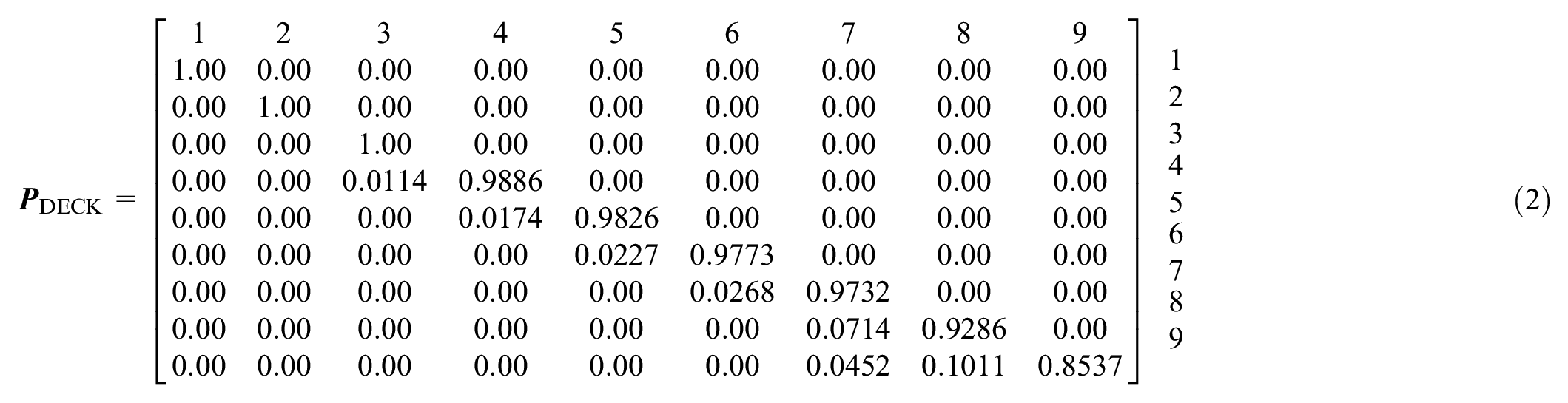
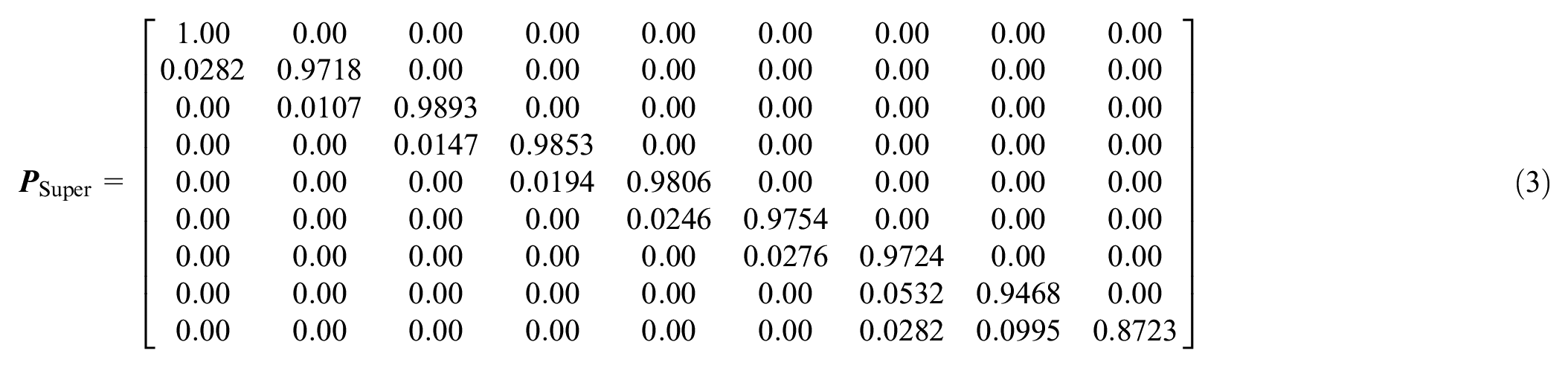
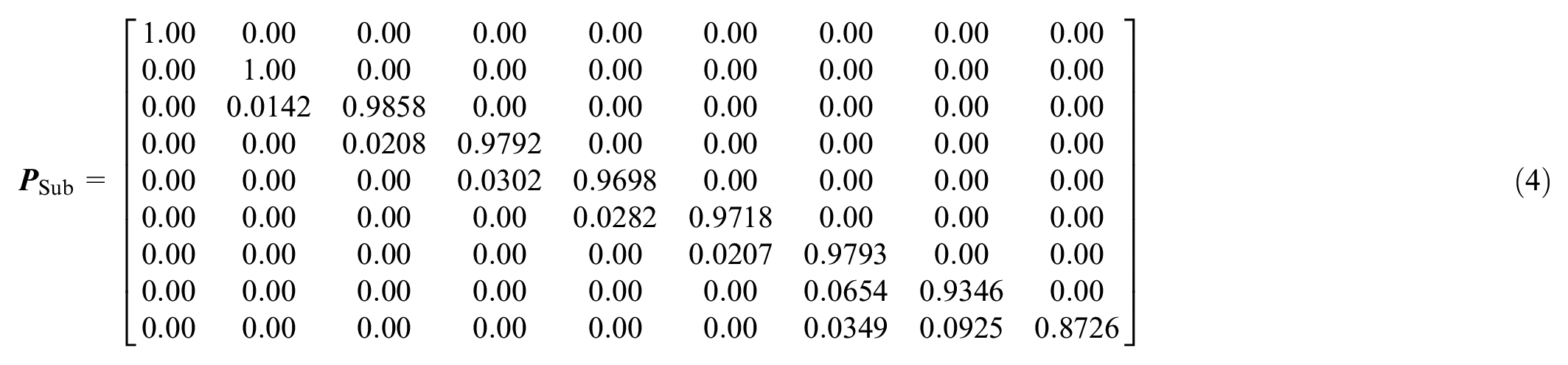
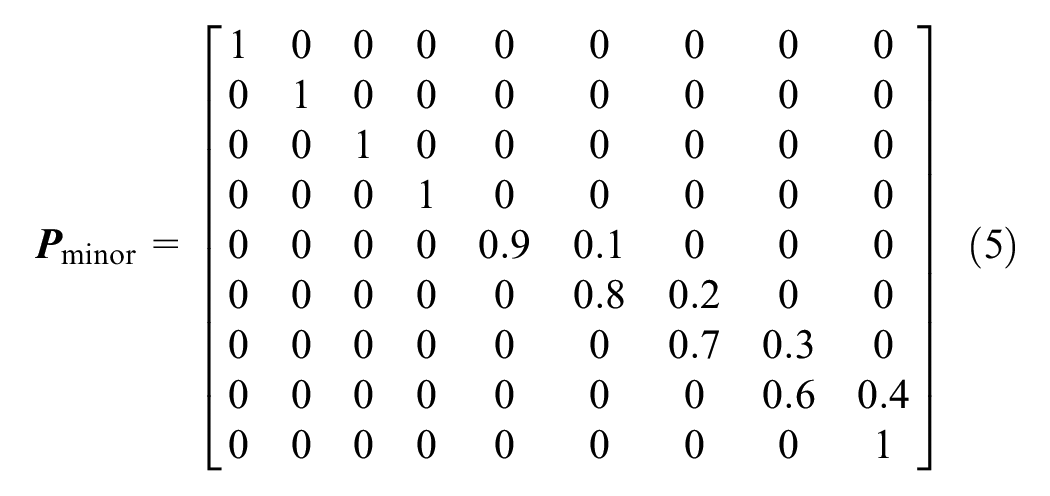
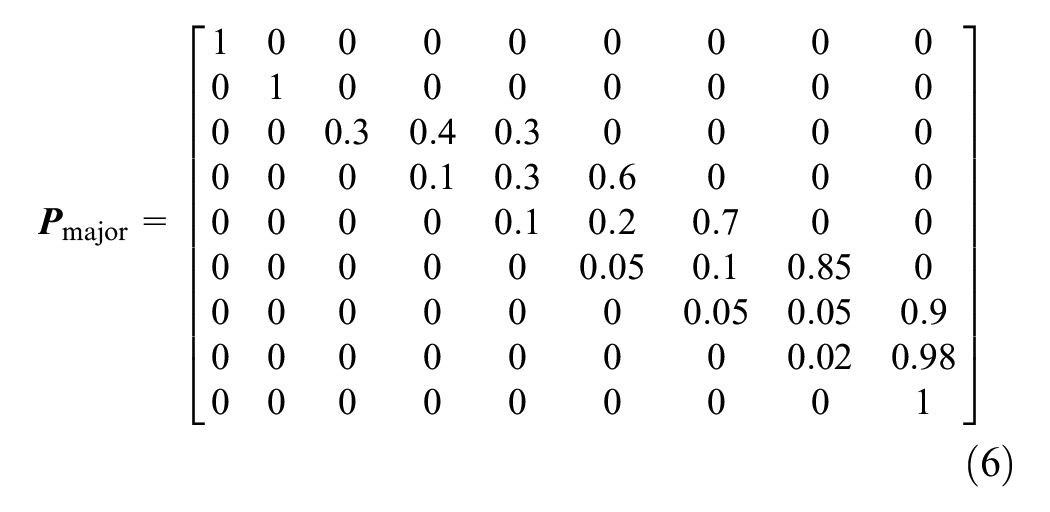
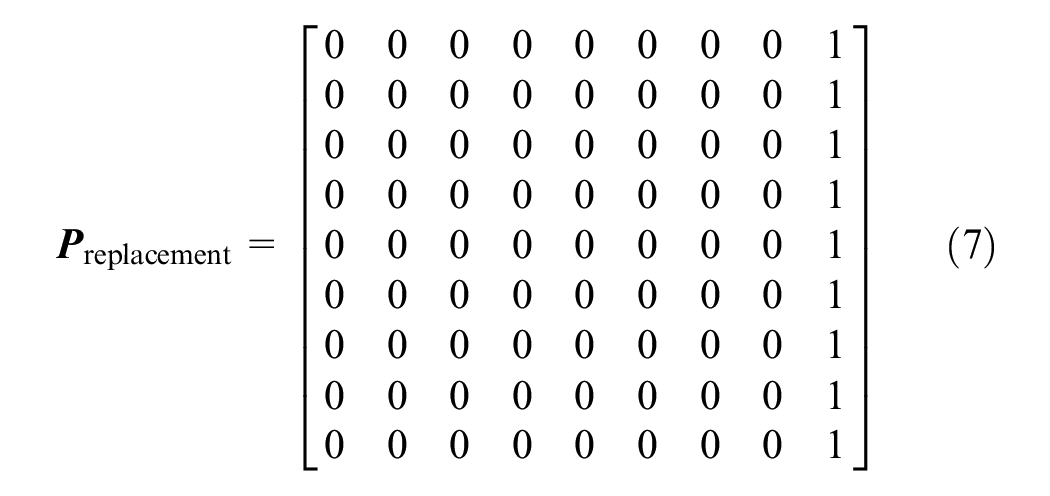
The effect of maintenance actions should also be incorporated into the modeling framework, as these intervention actions may improve and restore the condition of the bridge components. Since this research adopts a component-based approach, three generic component-level maintenance actions based on the FHWA bridge preservation guideline ( 28 ) are considered including: 1) minor maintenance; 2) major maintenance; and 3) replacement. Aiming at obtaining reasonable estimates of Markov matrices for maintenance actions by considering the current limitations caused by the lack of available models for accurately characterizing such matrices in the context of maintenance actions, this study used multiple information sources, including the FHWA bridge preservation guide ( 28 ), state transportation asset management plans (TAMPS) ( 5 – 7 ), technical reports (e.g., Johnston et al. [ 29 ]), and bridge maintenance record ( 30 ). The resulting Markov transition matrices are shown in Equations 5 to 7. It is assumed that the three generic bridge components share the same transition probability matrices under maintenance actions because of the lack of available models for accurately characterizing such matrices in this context. Further research is needed to better calibrate these matrices using real-world recorded data.
Seismic Damage and Risk Modeling
In this section, system-level bridge seismic fragility models will be used to provide probabilistic seismic damage estimates. The general functional form of the system-level seismic fragility model is shown in Equation 8, which follows a lognormal distribution:

where
DS is damage state,
PGA is peak ground acceleration,
med is the median fragility value,
ξ is the dispersion, or logarithmic standard deviation, and
Table 1 presents the fragility models adopted from Padgett et al. ( 14 ) for the four damage states for as-built multi-span simply supported (MSSS) concrete bridges. It is noted that the system fragility parameter for other bridge types can be found in Padgett et al. ( 14 ).
System Fragility Parameters for Each Damage State ( 14 )

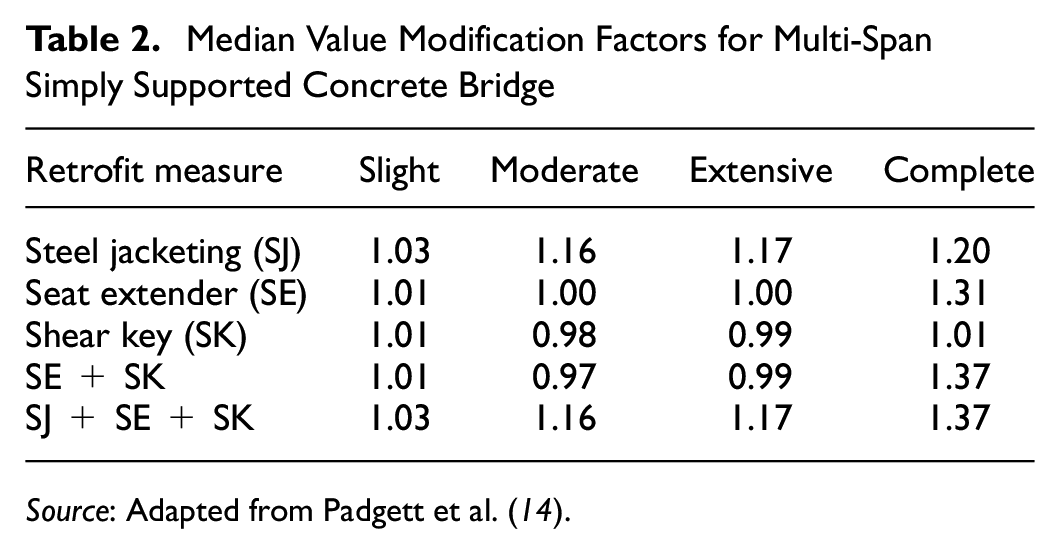
Besides the maintenance actions for the three generic bridge components (i.e., deck, superstructure, and substructure), several seismic retrofit actions, including: 1) steel column jackets; 2) seat extenders for girder and bent beams; and 3) shear key for bent beams and abutment, and a set of retrofit combinations are also considered in this study. As presented in Table 2, the effects of these retrofit actions are considered using modification factors to the as-built seismic fragility model parameters. These modification factors are used to scale the median values of the as-built fragility model to reflect the reduced seismic damage probability after implementing these retrofits, and it is assumed that the retrofit actions will not affect the fragility model dispersions. It is noteworthy that some retrofit actions may slightly increase the seismic vulnerability (e.g., shear key for the moderate damage state). This is because the median value modification factors, as outlined in Table 2, are based on system-level considerations, where enhancing one component might affect the seismic fragility of other related bridge components.
Median Value Modification Factors for Multi-Span Simply Supported Concrete Bridge
Source: Adapted from Padgett et al. ( 14 ).
Then the annual rate of exceeding a certain damage state can be calculated as follows:

where λ(IM) denotes the annual rate of exceeding a certain intensity measure (IM), which is available from site-specific seismic hazard curve (e.g., from the USGS National Seismic Hazard Model [ 31 ]). Under the homogenous Poisson earthquake occurrence assumption, the annual probability of exceeding a certain damage state can be finally calculated as follows:

Mapping from Seismic Damage States to Condition Ratings
The impact of seismic damage on the bridge conditions will be considered in this section. Here, a decision tree–based mapping is introduced to update the condition ratings (CRs) of the three generic bridge components based on the system-level seismic damage states (i.e., the mapping from DS to CR shown in Figure 1). With this mapping, it is assumed that the maintenance actions will also cover the effect of seismic repairs, so that the AI-based decision agent to be mentioned later can holistically offer decision support on regular maintenance as well as repairs after major earthquake events. The rationale behind merging the seismic repair actions into the maintenance actions is as follows: 1) from past literature ( 16 , 32–34), the direct costs and duration of seismic repair and maintenance actions are fairly similar; and 2) the AI decision agent to be mentioned later requires sufficient training samples related to the effect of different intervention actions. The agent may not be able to fully learn the underlying dynamics because of the relatively less frequent seismic repair actions, especially in those low/moderate-seismicity regions.
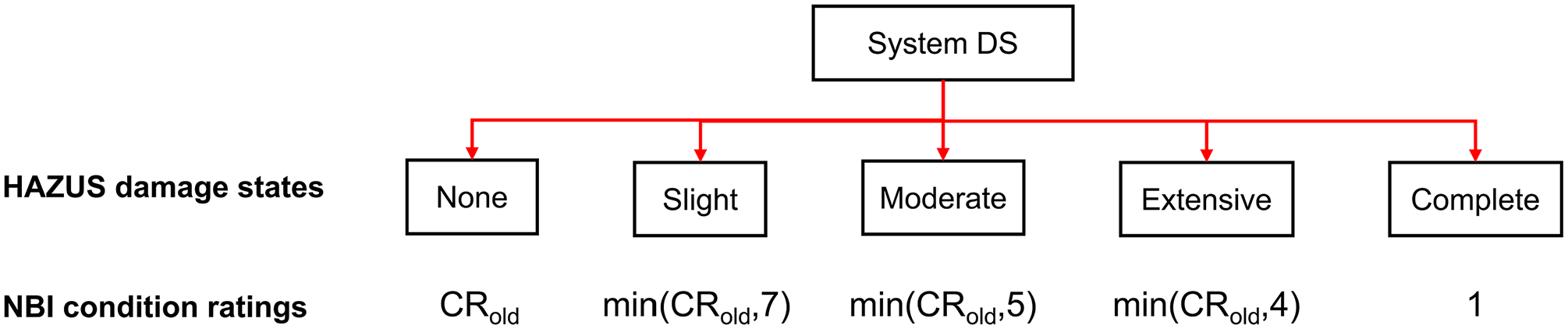
Mapping from system-level seismic damage states to component condition ratings.
Cost Quantification
Annual Direct Cost
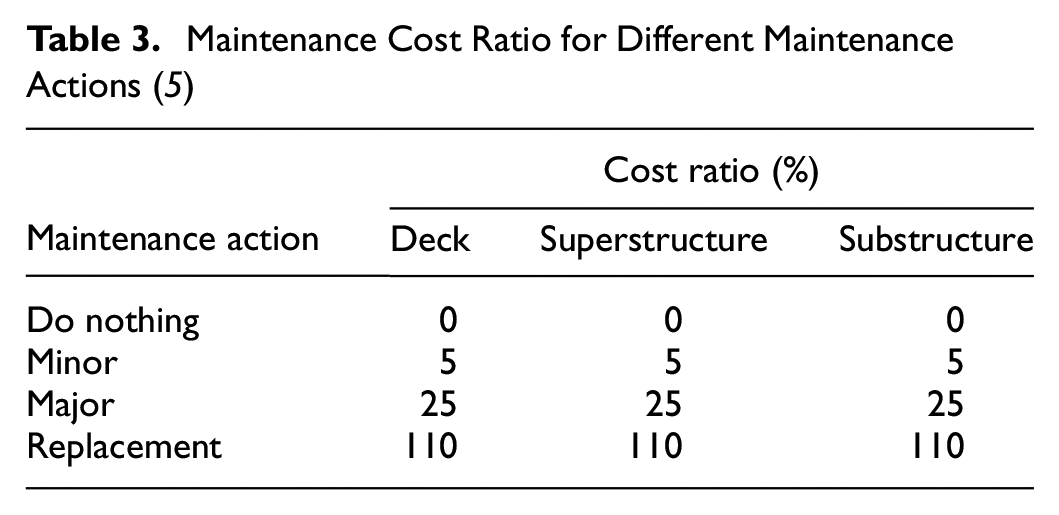
The annual direct costs related to the intervention actions carried out each year are quantified. The direct costs of the intervention actions are represented as percentages of the total construction cost for the bridge components or the entire bridge. The total construction cost for deck, superstructure, and substructure is assumed to be 22.5%, 26.3%, and 41.2% of the total bridge construction cost according to Elbehairy ( 32 ). The total bridge construction cost is estimated as the product of the unit deck area cost and the total bridge deck area. Three maintenance actions are considered, and their associated costs are shown in Table 3. Cost estimates for various seismic retrofits are adapted from Padgett et al. ( 14 ) as shown in Table 4.
Maintenance Cost Ratio for Different Maintenance Actions ( 5 )
Retrofit Costs Estimates
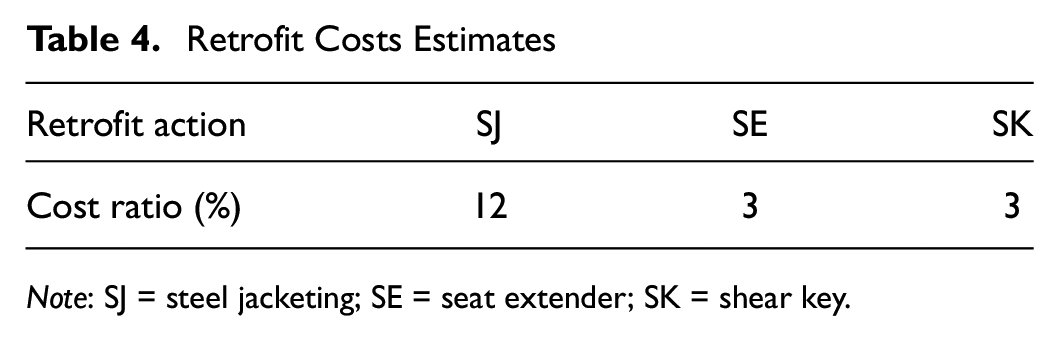
Note: SJ = steel jacketing; SE = seat extender; SK = shear key.
For seismic repairs, as shown in Figure 1, the damage states are further mapped to condition ratings to reflect the impact of seismic damage, and maintenance actions are assumed to also cover the effect of seismic repair actions.
Annual Indirect Cost
Apart from the direct costs related to intervention actions involved in bridge asset management, the indirect costs, which reflect the socioeconomic consequences of the interruption to the bridges’ traffic carrying capacity should be also considered. In this study, the indirect costs are calculated based on Du and Ghavidel ( 35 ).
The annual (365 days per year) vehicle operation cost, CO, is computed as follows ( 35 ):
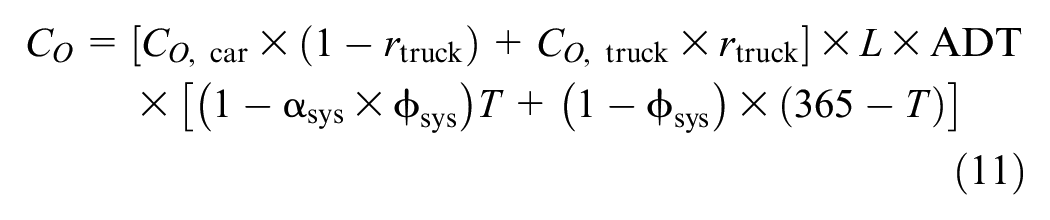
where
ADT is the average daily traffic volume,
L is the detour length,
T is the maximum duration (days) of the maintenance actions,
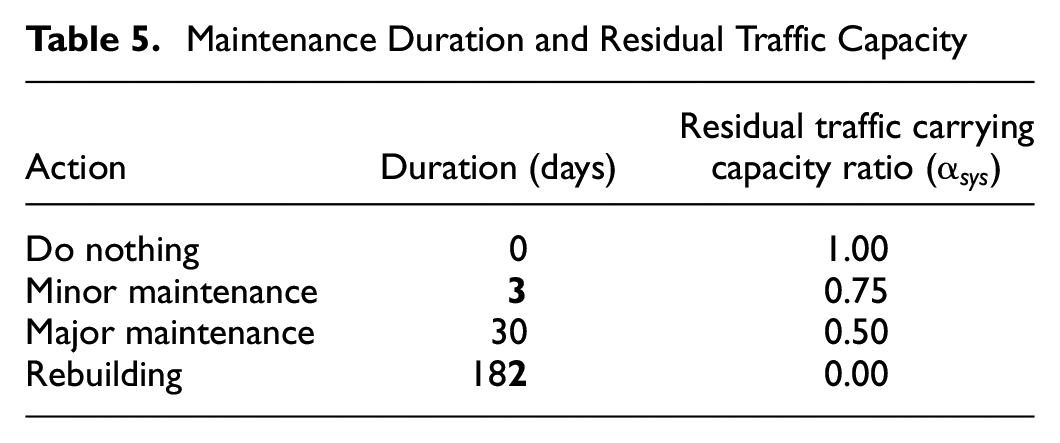
Maintenance Duration and Residual Traffic Capacity
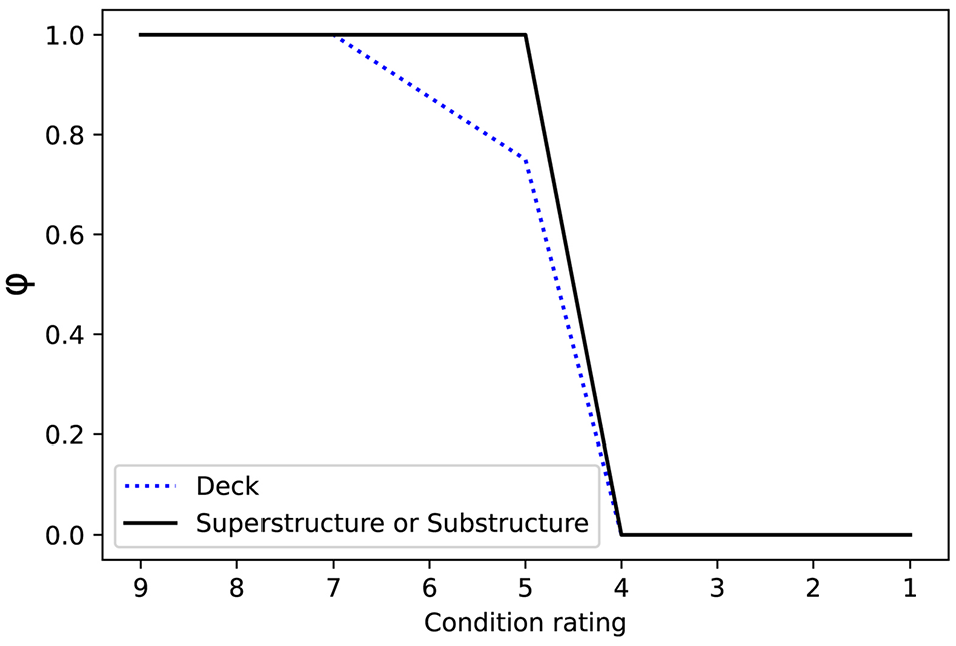
Traffic carrying capacity ratio related to bridge component condition deterioration during normal operation.
It is assumed that

According to past studies ( 16 , 32–34), the duration and residual traffic-carrying capacity ratio corresponding to different maintenance actions are conjectured as listed in Table 5.
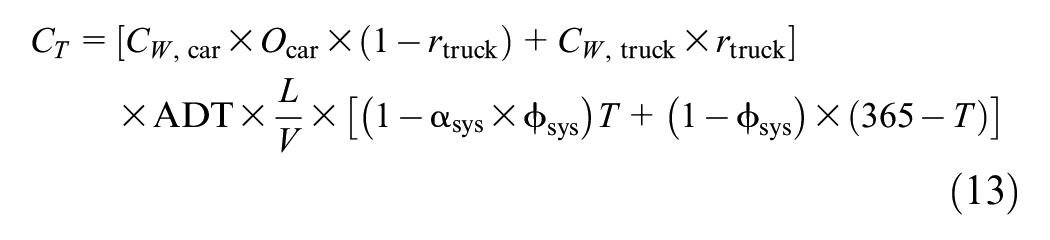
Additionally, the time loss costs resulting from traffic delay can be estimated as follows ( 35 ):
where
V is the average detour speed.
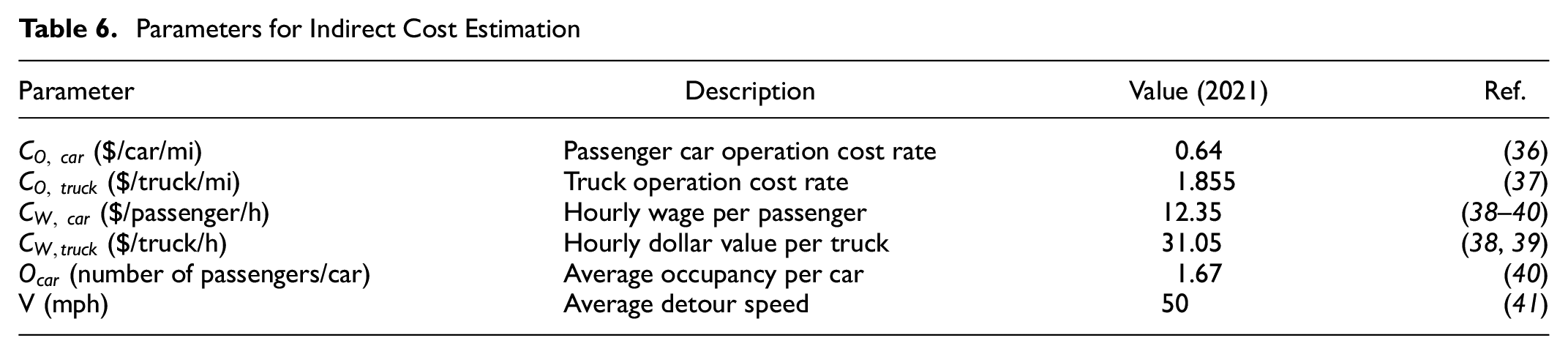
These parameters are collected from the literature and are summarized in Table 6.
Parameters for Indirect Cost Estimation
In addition, safety cost (

For the effect of intervention actions, it is assumed that only maintenance actions will directly contribute to the indirect costs, as these intervention actions will typically result in traffic interruptions. Given that seismic retrofitting typically occurs infrequently over the lifespan of a bridge, the indirect costs incurred during the construction process of these retrofits are not deemed to have a significant impact and are therefore not considered. In this study, while indirect costs during the retrofitting construction phase are not explicitly incorporated, the model still captures the long-term socioeconomic benefits of retrofitting, including enhanced resilience and reduced damage during seismic events. This approach accounts for the broader benefits over the lifespan of the bridge. Additionally, there is a lack of data in the literature on the durations and level of traffic interruptions for seismic retrofitting measures, making it challenging to accurately determine the indirect costs during the construction phase of seismic retrofits. Nevertheless, for the three retrofitting techniques (steel jacketing, seat extenders, and shear keys) considered in this study, they generally do not require prolonged bridge closures or traffic interruptions that would result in significant indirect costs.
Total Life-Cycle Cost
The above direct and indirect costs are then aggregated into the total annual cost. For the cost aggregation, a weighting factor

where
w denotes the indirect cost weighting factor, which can be specified by the users to adjust the indirect cost contribution to the total cost, and
The estimates for both direct and indirect costs are computed for a specific year and should ultimately be aggregated to determine the life-cycle cumulative costs. This enables a straightforward comparison of various intervention actions, while explicitly incorporating different sources of uncertainties. The time-cumulative cost

where
AI-Based Decision Support
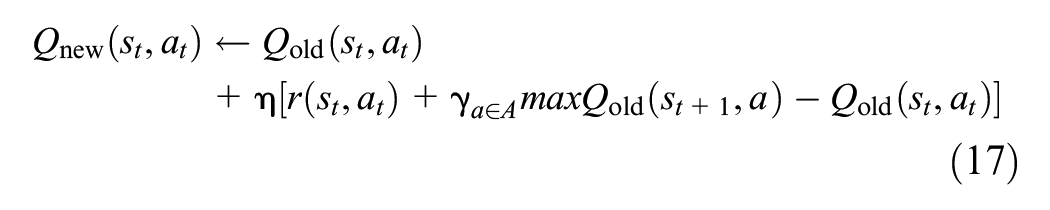
Reinforcement learning (RL) has undergone remarkable progress in the past decade and has found a wide spectrum of applications across various industrial and research domains, including robotics ( 44 ), autonomous vehicles ( 45 ), construction ( 46 ), and bridge management ( 24 , 35 ). Q-learning ( 47 ), in particular, is a classic RL algorithm that identifies the optimal policy, π, for maximizing long-term rewards. It uses a Q table to store Q values for each state-action pair, which are iteratively updated using Equation 17, with “η” as the learning rate. The action-value function, Q(·), is updated from Qold to Qnew.
where
s denotes the state (condition rating),
a shows the action,
r represents the reward, and
γ indicats the discount factor.
Enabled by the recent advances in deep neural networks, DRL effectively combines the principles of RL with deep learning tools, where function approximators such as neural networks can be employed to estimate action values for any given state and is more capable of dealing with high-dimension problems.
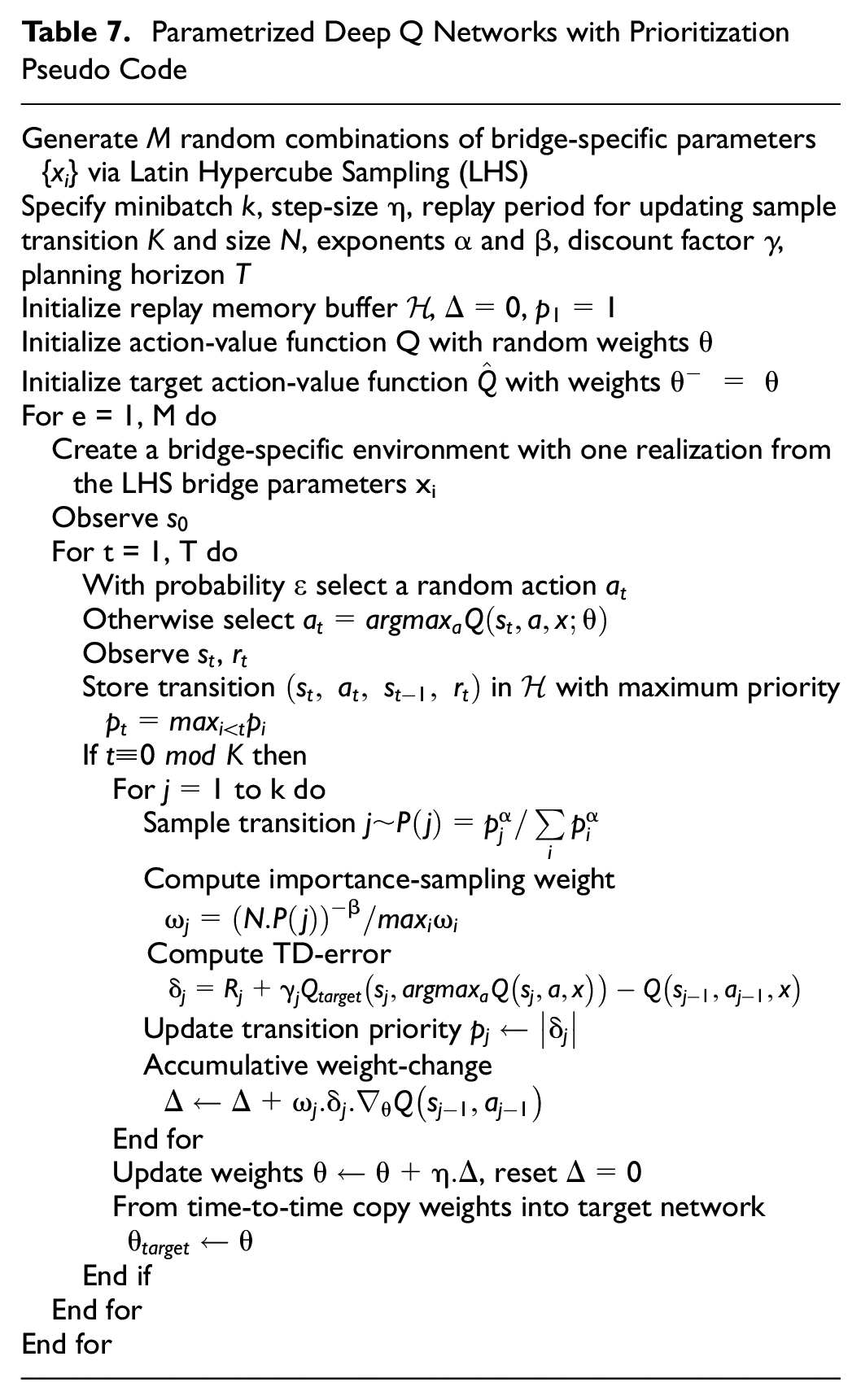
This study adapts deep Q networks (DQN) ( 47 ), a DRL technique that incorporates an epsilon-greedy strategy during the training to balance the exploration and exploitation, to offer proactive and adaptive sequential maintenance decision support over a prolonged planning horizon. DQN can also be implemented in conjunction with experience replay to improve the sample efficiency as well as to reduce the impact of correlation from sequential samples ( 48 ), by randomly sampling the past experience from a finite experience replay buffer. Here, each experience represents a one-step state-action transition. The experience replay buffer (D) has a maximum experience capacity and only the most recent transitions are stored. Finally, the policy neural network weights will be updated via common stochastic gradient descent algorithms in each training step. To facilitate more sample-efficient learning, prioritized experience replay (PER) ( 49 ), rather than the traditional random experience replay, is adopted. PER is a technique that prioritizes the replay of certain experiences in the agent’s memory. Traditional experience replay in reinforcement learning treats all experiences in the experience buffer with equal probability, which can lead to suboptimal learning. In prioritized experience replay DQN, experiences are assigned priorities based on their potential impact on learning, allowing the agent to focus more on important experiences.
In this study, the bridge maintenance planning problem is structured with a state space representing the conditions of individual bridge components; an action space includes the possible intervention actions; state transition dynamics that govern how states can transition between each other under given actions; and reward functions indicating how effective the actions are when conditioned on different states. In this study, the integrated bridge condition and seismic damage simulation environment will be employed to characterize how the bridge states and conditions change between the years, and the cost quantification module will be used for reward quantification as mentioned earlier. The objective of the proposed approach is to derive an optimal policy for sequential decision making to maximize the average discounted cumulative reward for a portfolio of bridges, given the current bridge conditions and bridge-specific attributes such as the average daily traffic volume, deck area, and so forth. The pseudo code of the proposed methodology given in Table 7.
Parametrized Deep Q Networks with Prioritization Pseudo Code
Action Constraints for More Realistic Maintenance Policies
To ensure that the policies developed for bridge asset management comply with real-world practices, a set of practical constraints for training and testing of different policies are introduced.
(1) Non-consecutive action constraint: For any individual bridge, no consecutive actions are permitted on the same bridge component within a 5-year time frame, if the component condition rating is in the “Fair” or “Good” conditions. This constraint is not applied when the condition rating is “Poor.” This constraint reflects the need for strategic planning and allocation of maintenance over time, ensuring that actions are temporally separated to optimize the use of resources and minimize disruption to the bridge’s operation.
(2) Substructure replacement cascade: When a substructure replacement is executed, it triggers the complete reconstruction of the entire bridge. This constraint acknowledges the interconnected nature of bridge components and the significant impact that the replacement of a fundamental component can have on the entire bridge’s structure and functionality.
(3) Girder replacement cascade: Similar to the previous constraint, the girder replacement cascade assumes that the replacement of bridge girders triggers the replacement of the bridge deck.
(4) Good condition constraint: No action is permitted on a bridge component when its condition rating (CR) is within the “Good” condition (CR = 7–9). This constraint acknowledges that there is no need for maintenance actions on components that are already in excellent condition, preventing unnecessarily frequent interventions.
Case Study Evaluation
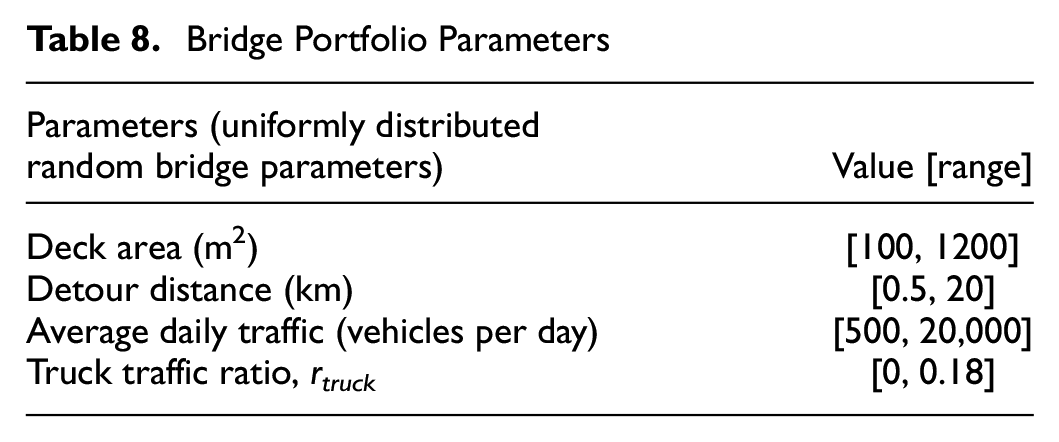
The statistical details of the case study’s bridge portfolio are outlined in Table 8 for the DRL model training. Uniformly distributed bridge parameters are assumed to ensure the random bridge realizations effectively span the bridge portfolio feature space. This approach prevents bias toward specific parameter values and provides a comprehensive representation of the entire parameter space. To reflect real-world scenarios, the initial conditions of bridge components are randomly set within the “Fair” (CR = 5–6) and “Good” (CR = 7–9) categories, enhancing the model’s ability to adapt to various practical bridge conditions.
Bridge Portfolio Parameters
During the training of the DRL models, 40,000 randomly generated episodes are used to ensure the AI agent experiences a wide range of state transitions for various individual bridges. These state transitions and reward signals are generated by incorporating both bridge condition deterioration and seismic damage risks for Memphis, Tennessee. A 30-year planning horizon is employed with a discount factor of 0.96 ( 43 ). Additionally, a 5% weight for indirect costs is applied to combine direct and indirect costs into the total cost, as detailed in Equation 15. The AI agent aims to minimize the expected discounted cumulative total cost over the entire planning horizon.
Figure 3 presents the training curve for the portfolio-level DRL agent, under three action constraints (cases 1, 2, and 3) described earlier. Note that the fourth action constraint is not applied during training to allow the agent to acquire as much knowledge as possible from the environment, but all four action constraints are considered in the AI model testing/deployment phase. The curve demonstrates that as training progresses, the agent’s performance steadily improves until it converges on the optimal policy. The stability and convergence of the curve highlight the DRL agent’s capability to make effective decisions, achieving minimal life-cycle total costs while ensuring consistent performance.
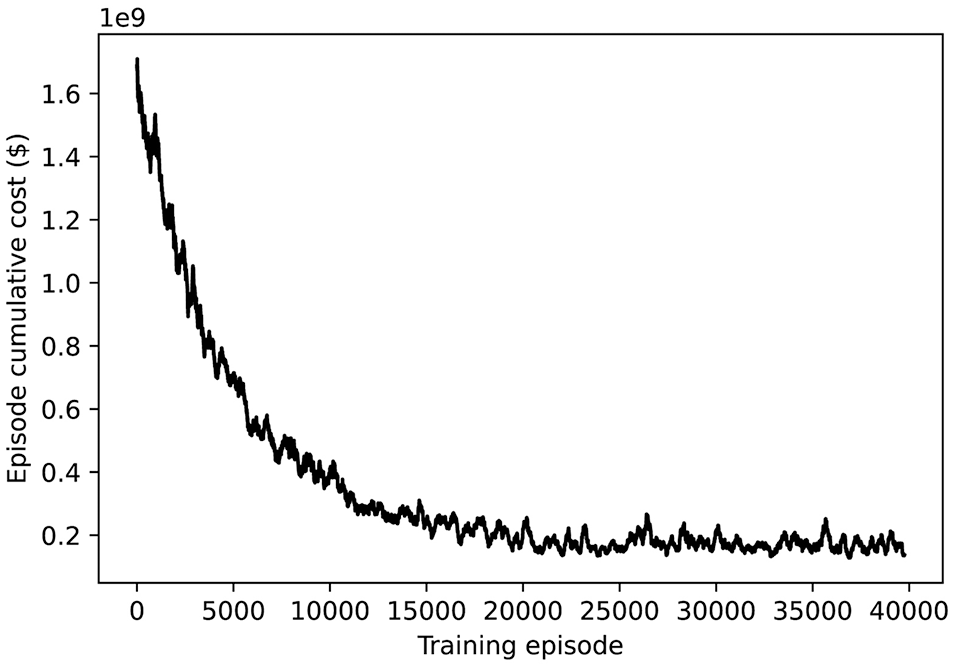
Training curve of the agent for deep reinforcement learning (DRL)-based policy.
Average Life-Cycle Cost Evaluation
To assess the efficacy of the AI-based decision methodology proposed in this study, a comparative average life-cycle cost study is carried out with another conventional condition-based (CB) policy as follows: do nothing for components in the “Good” conditions (CR = 9 to 7), minor maintenance for components with CR = 6, major maintenance for components with CR = 5, replacement for components in the “Poor” conditions (CR = 4 to 1).
Figure 4 illustrates the average life-cycle direct costs, absolute indirect costs, and total costs (direct + weighted indirect) for a bridge within the case study portfolio based on 10,000 testing simulations. The figure compares the average costs of the AI-based policy and the condition-based policy. The results demonstrate that the AI agent achieves lower direct, indirect, and total costs compared with the CB policy, highlighting the superior performance of the AI-based approach.
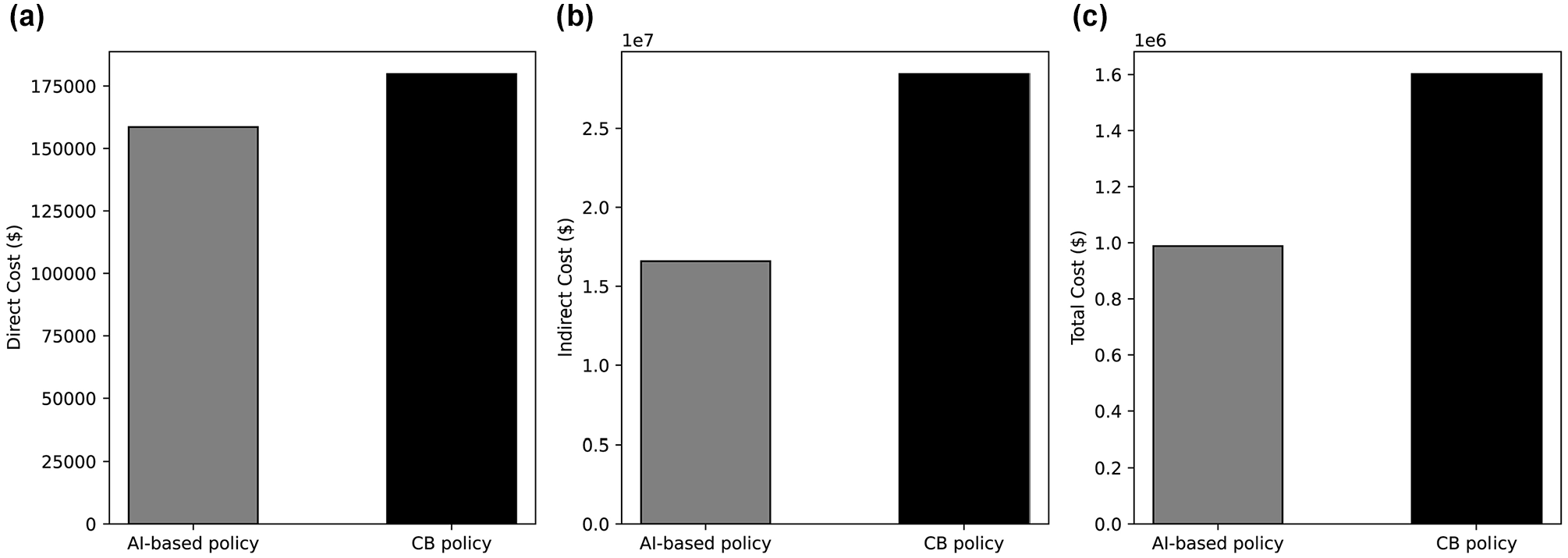
Life-cycle cost comparison of different bridge management policies on a portfolio of bridges: (a) direct cost; (b) indirect cost; (c) total cost.
In addition, the influence of seismic retrofitting, when coupled with the AI-based maintenance policy, on the life-cycle costs is examined. Previous studies typically focused on only one aspect (either maintenance or seismic retrofitting), but not both together. This study addresses this gap by introducing an integrated benefit–cost analysis of different seismic retrofitting options within the context of AI-based maintenance decision making. The AI decision agent is able to handle both maintenance action and seismic repairs. Three scenarios are considered to train the AI-agents, with different environment settings: Scenario 1: condition deterioration only; Scenario 2: condition deterioration + seismic damages but no retrofitting, and Scenario 3: condition deterioration + seismic damages + multi-retrofitting. In the last scenario, multi-retrofitting refers to the combination of three retrofitting actions mentioned in Table 2 (i.e., steel jacketing + seat extender + shear key) implemented in the first year. Two cities (Memphis and San Francisco) with distinct seismicity and two different planning horizons are considered.
The average life-cycle direct and indirect costs are compared across different scenarios in Figures 5 and 6 respectively for the two cities. Note that the direct costs include the cost relating to seismic retrofit as well as the maintenance costs, while the indirect cost holistically incorporates the contributions from condition degradation, seismic damage, and maintenance actions. As expected, the results reveal that incorporating seismic hazard in the simulation environment increases the bridge life-cycle costs for both cities. This observation is particularly significant for San Francisco, given its higher frequency of earthquakes compared with Memphis. Additionally, the benefits of the multi-retrofitting strategy (Scenario 3) can be observed through a reduction in indirect costs compared with Scenario 2 (without retrofit). Again, this benefit is more pronounced for San Francisco.
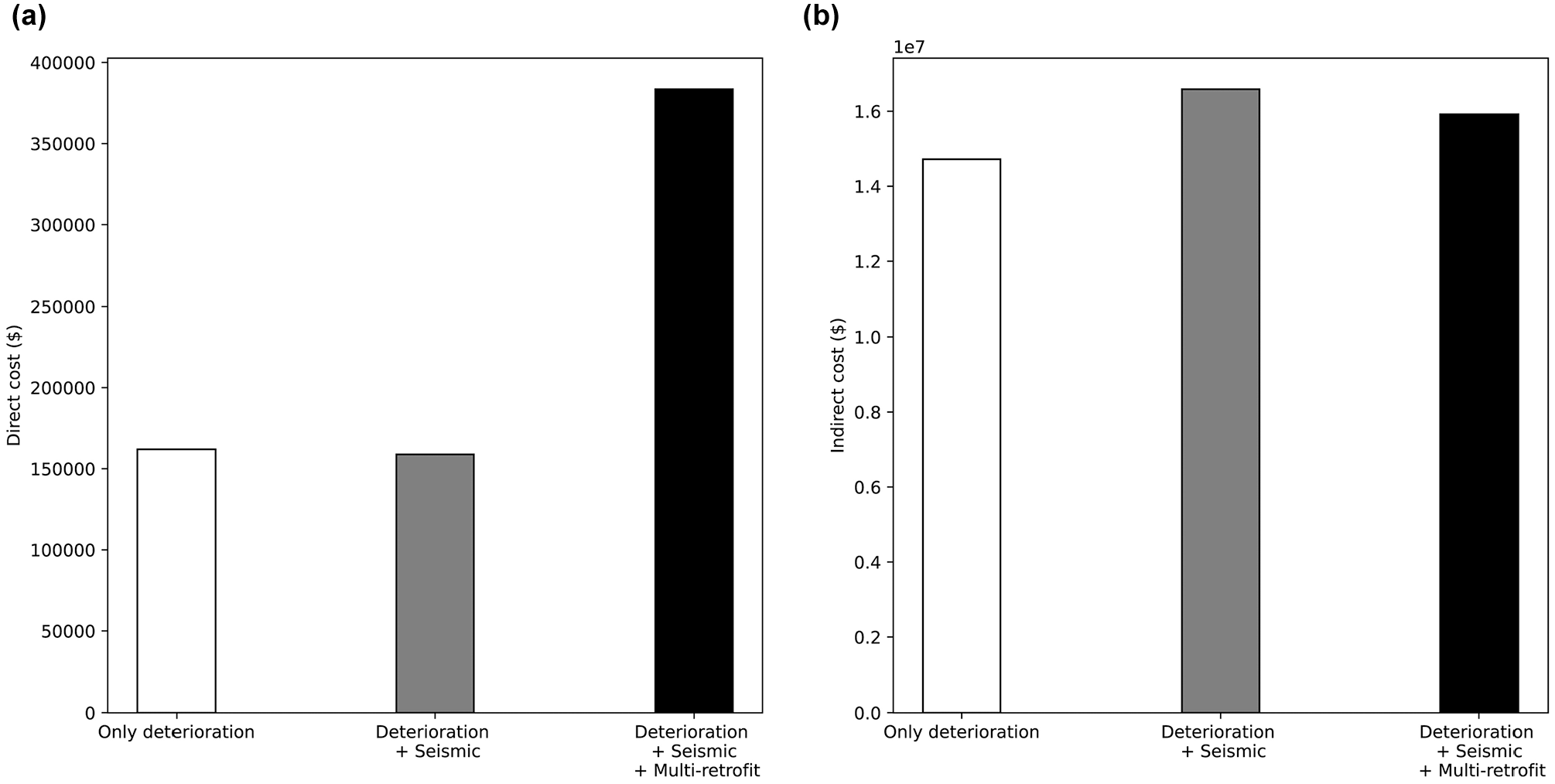
Expected life-cycle costs of the AI-based policy under different environment settings for Memphis: (a) direct cost; (b) indirect cost.
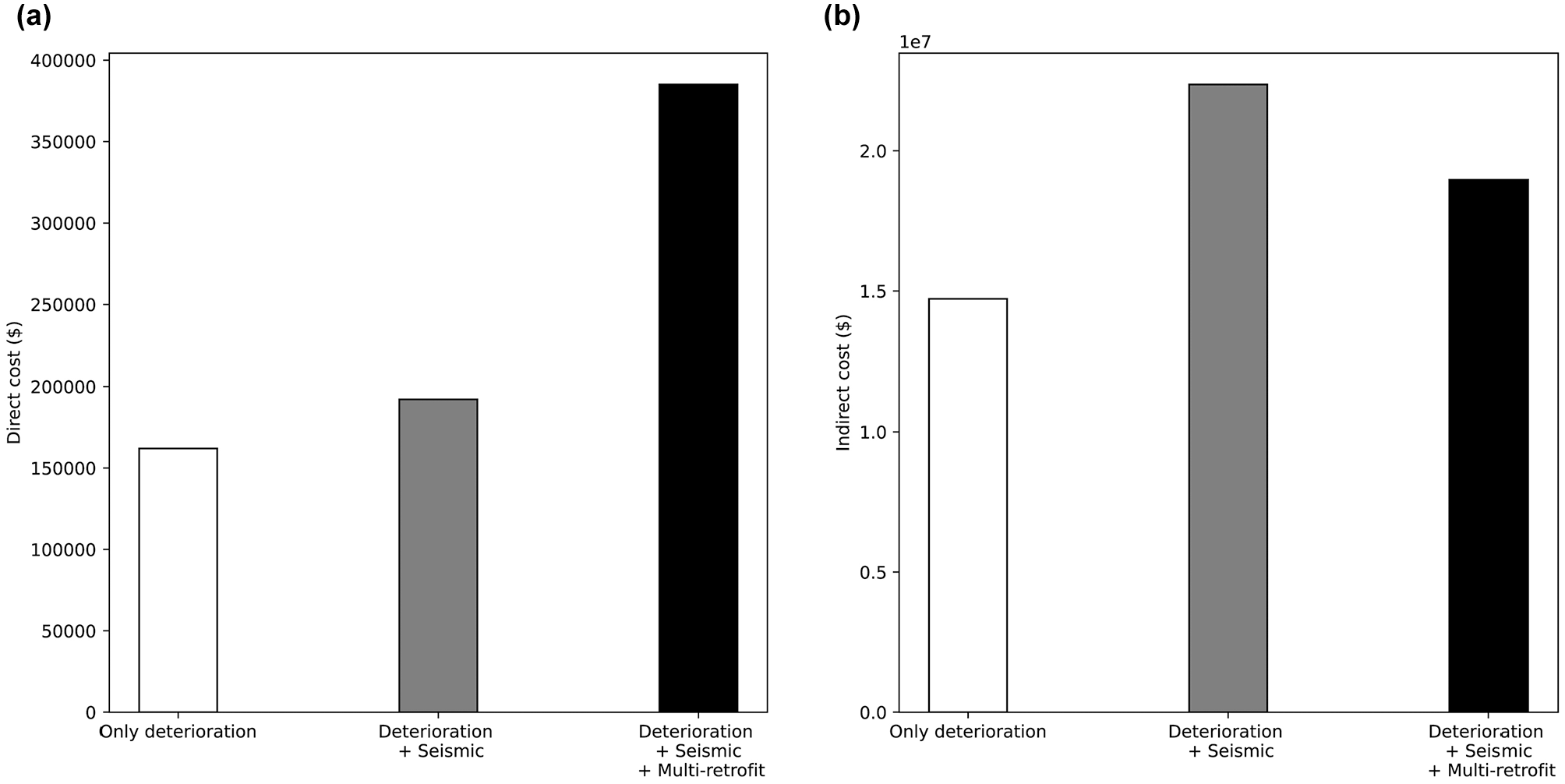
Expected life-cycle costs of the AI-based policy under different environment settings for San Francisco: (a) direct cost; (b) indirect cost.
Benefit–Cost Analysis of Seismic Retrofitting
Additionally, a benefit–cost ratio (BCR) analysis, based the ratio between the reduced absolute indirect costs versus the increased absolute direct costs is carried out to examine the merit of seismic retrofit when coupled with the AI-based maintenance and condition-based (CB) policies as follows:

where
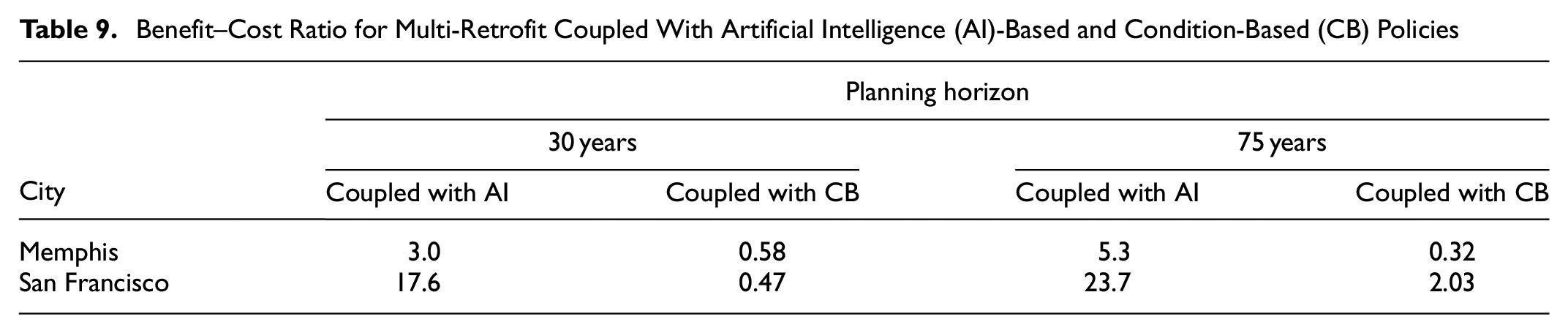
In this investigation, both the absolute direct and indirect costs for Scenario 2 (without retrofit) and Scenario 3 (with retrofit) are used, and the resulting benefit–cost ratio can be interpreted as the ratio between the reduced indirect costs versus the increased direct costs. The results are presented in Table 9 and reveal that multi-retrofitting, when coupled with the AI-based maintenance policy, leads to a benefit–cost ratio greater than one, indicating tangible benefits, while multi-retrofitting does not lead to much benefit when it is coupled with the condition-based policy. Furthermore, it is evident that the BCRs of seismic retrofit when coupled with the AI policy are more pronounced for San Francisco. In addition, a longer planning horizon is found to further amplify the benefit of seismic retrofit as can be observed from the increasing BCR from a 30-year period to a 75-year period.
Benefit–Cost Ratio for Multi-Retrofit Coupled With Artificial Intelligence (AI)-Based and Condition-Based (CB) Policies
Conclusion
This study presents a holistic angle to examine the efficacy of seismic retrofitting when coupled with AI-based maintenance policies for bridge infrastructure. A powerful AI-based decision agent, which incorporates domain knowledge related to bridge condition deterioration, seismic fragility and risk quantification, and life-cycle cost analysis, is developed. By employing deep reinforcement learning to guide maintenance and repair decisions, the research demonstrates a dynamic and adaptive approach to bridge upkeep, addressing both routine deterioration and seismic damage.
The proposed research can more realistically and holistically evaluate the long-term effectiveness of different seismic retrofit strategies under different planning horizons, and for bridges located in regions with different seismicity, thereby better informing seismic retrofit decision making and improving long-term resilience of bridge structures. The approach not only reduces life-cycle costs but also enhances the resilience of bridge infrastructure, as demonstrated through comparative analyses across different scenarios and seismic conditions.
This study addressed a critical gap in bridge management by considering the interactions between routine maintenance and seismic retrofitting within a unified framework. Future research could expand on this work by exploring additional hazards, such as floods and hurricanes, and by testing alternative AI methodologies to enhance decision-making robustness. Moreover, we are currently working on how to integrate the bridge-level AI decision policy to network-level bridge asset management under various constraints. By advancing these techniques, bridge infrastructure can be better preserved and protected, ensuring safety, sustainability, and cost efficiency for transportation networks.
Footnotes
Acknowledgements
The authors would like to thank the constructive review comments from the anonymous reviewers for improving the quality of this article.
Author Contributions
The authors confirm contribution to the paper as follows: study conception and design: A. Du, A. Ghavidel, S. Kameshwar; data collection: A. Ghavidel, A. Du; analysis and interpretation of results: A. Ghavidel, A. Du, S. Kameshwar; draft manuscript preparation: A. Ghavidel, A. Du, S. Kameshwar. All authors reviewed the results and approved the final version of the manuscript.
Declaration of Conflicting Interests
The author(s) declared no potential conflicts of interest with respect to the research, authorship, and/or publication of this article.
Funding
The author(s) received no financial support for the research, authorship, and/or publication of this article.
