



Abstract
The design and performance of a flexible pavement depend on several parameters, and one of the important parameters is the resilient modulus (MR) of subgrade soil. The resilient modulus has been used to characterize the subgrade soil behavior under repeated traffic loading conditions. Cement is widely used by defense and highway agencies to stabilize and improve the performance of problematic natural subgrade soils. Several research studies were conducted on the resilient behavior of cement-treated sandy and clayey soils compacted at standard Proctor energy conditions. However, there is a knowledge gap in understanding of the resilient behavior of cement-treated silt compacted at higher compaction energy conditions. Therefore, the current research study assessed the resilient moduli properties of cement-treated silt compacted at higher energy conditions using a modified Proctor energy effort. Subsequently, repeated load triaxial (RLT) tests were conducted on these soil specimens prepared at different cement dosages and curing periods to study their influence on soil stiffness. Untreated soil specimens exhibited stress-softening behavior with an increase in deviator stress, whereas cement-treated soil specimens exhibited stress-hardening behavior. The resilient modulus increased with an increase in cement dosage. Further, regression analyses were conducted on RLT test results using two- and three-parameter models to determine the respective regression constants. It was observed that the three-parameter model, which uses bulk and octahedral shear stresses, exhibited an excellent fit with the experimental data and provided the best predictions of resilient modulus properties of the cement-treated silt at high compaction energy conditions.
Silt is one of the most broadly distributed soils around the world. Silt has weak bonding strength between particles and low dry strength, and it is considered a fair to poor marginal material as a subgrade for pavement structures ( 1 , 2 ). Moreover, silt is a sedimentary geomaterial and exhibits poor engineering properties ( 3 ). Natural silt does not have enough strength and stiffness to support pavement structures and traffic loads. Pavements constructed over such weak subgrades undergo distresses such as permanent deformation or rutting under repeated traffic loads over the pavement’s design life. Therefore, natural silts cannot be used directly as a subgrade material for supporting pavement infrastructures and therefore, they need soil improvement to enhance their engineering properties.
Generally, transportation agencies recommend compacting subgrade soils at standard Proctor compaction energy, which cannot support heavy traffic loading or heavy military vehicles ( 1 , 2 ). Heavy traffic vehicles require stiff subgrade with a high resilient modulus to support axle loads. Therefore, it is recommended to compact subgrade soils at modified Proctor compaction energy to attain the target strength and stiffness required for serviceability under such heavy axle loads.
Chemical stabilization methods have been used in the past to improve engineering properties of soils. Several traditional chemical stabilizers, such as cement, lime, and fly ash, are widely used in practice to improve the strength and stiffness properties of soils ( 4 – 8 ). Since the 20th century, thousands of kilometers of highway and airfield pavements have been constructed using cement stabilization and it was reported to be successful in stabilizing different types of soils, such as gravels, sands, silts, and clays ( 8 , 9 ). The performance of any additive depends on its ability to react with mixing soil ( 10 ). Therefore, understanding of the stabilization mechanism is important for soil stabilization and its performance. The soil stabilization mechanism depends on the type of chemical additive, soil types, and many other factors. Stabilization mechanisms include cation exchange, flocculation and agglomeration, cementitious hydration, and pozzolanic reactions that contribute to the improvement in strength and moduli of treated soils ( 5 , 8 , 10–12). When cement is mixed with soil, cation exchange and flocculation-agglomeration reactions take place immediately, reducing the plastic nature of the soil. Portland cement is comprised of calcium-silicates and calcium-aluminates that hydrate after adding water, form cementitious compounds of calcium-silicate-hydrate (C-S-H) and calcium-aluminate-hydrate (C-A-H), and release excess calcium hydroxide (Ca(OH)2) ( 10 , 11 ). The C-S-H and C-A-H form a network that binds soil particles. This hydration reaction is relatively fast and provides an immediate gain in soil strength. The pozzolanic reaction takes place for a longer time between calcium ions from excess calcium hydroxide and silica and alumina dissolved in soil particles to form C-S-H and C-A-H cementitious compounds ( 11 ). These cementitious compounds improve the engineering properties of soils after cement treatment. Pozzolanic reactions are negligible in sandy soils because of the unavailability of clay minerals, and therefore, carbonation and reactions from hydration can be attributed to the strength of cement-treated sands ( 10 , 11 ).
Cement stabilization has been used to treat silt by past researchers and practitioners ( 2 , 13–15). A linear increase in unconfined compressive strength (UCS) was observed with an increase in cement dosage at different curing periods ( 2 ). Moreover, it was observed that the UCS of cement-treated silt increased with curing time during 0–28 days and then became almost constant. Through microstructure studies, Pu et al. ( 2 ) observed an improvement in the loose structure of silt after cement stabilization, and a close-packed structure was also detected. Zhu and Liu ( 16 ) studied the use of a stabilizer named “SEU-2,” composed of cement, fly ash, quick lime, additive A, and expansive component A for treating silt. It was observed that this stabilizer had gelation and filling effects on silt, which increased the strength. Jauberthie et al. ( 13 ) observed in their study on estuarine silt that a mixture of 3.5% cement and 3.5% lime improved the strength the most compared to 7% cement or lime alone. The authors observed that past research studies mostly focused on the UCS, shear strengths, compression characteristics, and microstructure analysis of cement-stabilized silt.
According to the Mechanistic-Empirical Pavement Design Guide (M-EPDG), the resilient modulus is a key parameter for designing pavement subgrade. Seed et al. ( 17 ) defined the resilient modulus as the ratio of cyclic axial stress (σcyclic) to resilient axial strain (εr), as presented in Equation 1:

Researchers have developed several test methods to measure the resilient modulus of unbound materials and subgrade soils in the laboratory. Among these, the repeated load triaxial test is commonly used and recommended method by the M-EPDG ( 18 – 22 ). The RLT test was designed to simulate the stress induced by traffic loading in the laboratory. This test is conducted at different cyclic deviator stresses and confining pressures to consider different traffic loads. Although the American Association of State Highway and Transportation Officials (AASHTO) T 307-99 standard was initially developed for measuring the resilient modulus of unbound materials and subgrade soils, several researchers used this standard for measuring the resilient modulus of chemically treated soils (26–31, 40–42). Most of these studies were mainly focused on conducting the soil compaction at standard Proctor energy, which has a limitation of not simulating the heavy vehicle axle loads generally used by defense and aviation agencies. Kumar et al. ( 26 ) studied the effect of compaction energy on the resilient modulus of cement-treated soil and reported that the compaction energy has an influence on the resilient modulus of treated soils. Therefore, it is of paramount importance to characterize cement-treated silt prepared at modified Proctor compaction energy as higher energies are often used for simulating heavier traffic conditions and increased pavement life duration.
Past research studies found that the resilient modulus of unbound materials mainly depends on several factors, such as stress levels, soil type, dry density, and moisture content ( 17 , 18 , 21 , 23–26). In addition to the above-mentioned factors, the resilient moduli of chemically treated soils also depend on stabilizer type, stabilizer dosage, curing conditions, and curing time ( 27 – 31 ).
Many MR characterization models have been proposed by past researchers to characterize the resilient behavior of unbound materials ( 18 , 32–37). These models described the non-linear behavior of soils. Two-parameter models, such as bulk stress and deviatoric stress models, are typically used for characterizing cohesionless and cohesive soils, respectively ( 18 , 36 , 38 ). However, two-parameter models have some limitations that were highlighted by some past studies ( 18 , 32 , 34 ). The bulk stress model does not consider the effects of shear stresses and shear strains that develop during the RLT testing ( 32 , 34 ). The deviatoric stress model does not consider the effects of confining pressure on the resilient modulus of soils ( 18 , 36 ). Several three-parameter models were developed to overcome the limitations of two-parameter models. The National Cooperative Highway Research Program (NCHRP) project 1-28A and M-EPDG recommended a three-parameter universal model that accounts for bulk stress and octahedral shear stress ( 35 , 39 ). Several researchers used these models for characterizing stabilized materials, although these models were originally developed for characterizing unbound materials (28–31, 34 , 40–42).
After a comprehensive literature review, the authors observed a knowledge gap in understanding the resilient behavior of cement-treated silt using RLT testing. A comprehensive experimental study was conducted by performing RLT tests on both untreated and cement-treated silt compacted at higher compaction energy conditions. Resilient moduli values were measured using an actuator linear variable differential transformer (LVDT) and two external LVDTs, and also compared their results. The RLT tests were conducted at three different cement dosages and at five different curing periods to understand their influence on the resilient modulus. Subsequently, the resilient modulus values were analyzed using two- and three-parameter MR characterization models. The effects of confining pressure, deviator stress, cement treatment, cement dosages, and curing time on the resilient moduli of silt are discussed in the following sections.
Laboratory Testing Program
Materials Used
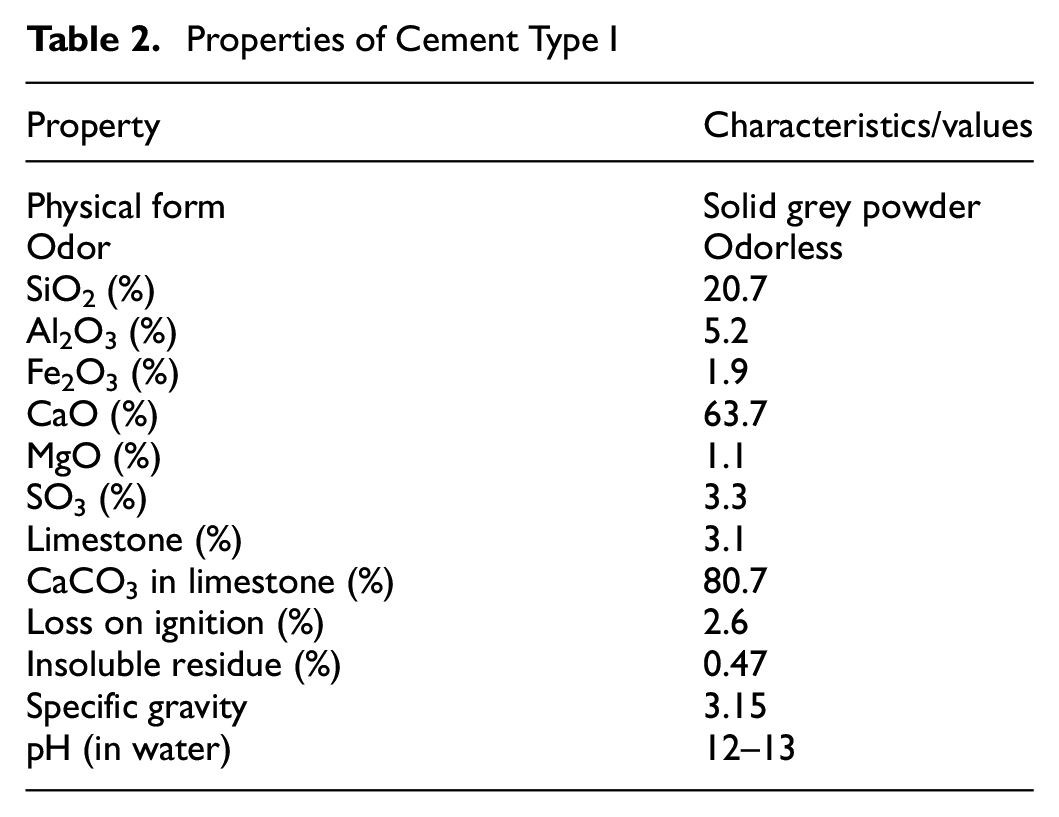
Natural soil used in this study was obtained from Vicksburg, Mississippi, U.S.A. All basic soil characterization tests, such as sieve analysis, hydrometer analysis, plastic limit, liquid limit, and specific gravity, were conducted as per ASTM standards ( 43 ). Figure 1 shows the particle size distribution curve of the test soil, and it is classified as low plasticity silt (ML) as per the Unified Soil Classification System (USCS) ( 43 ). Furthermore, the soil was classified as A-4 according to the AASHTO classification system. Table 1 summarizes the physical properties of the test soil. Commercially available cement type I was used in the current research study. The properties of the cement are presented in Table 2.
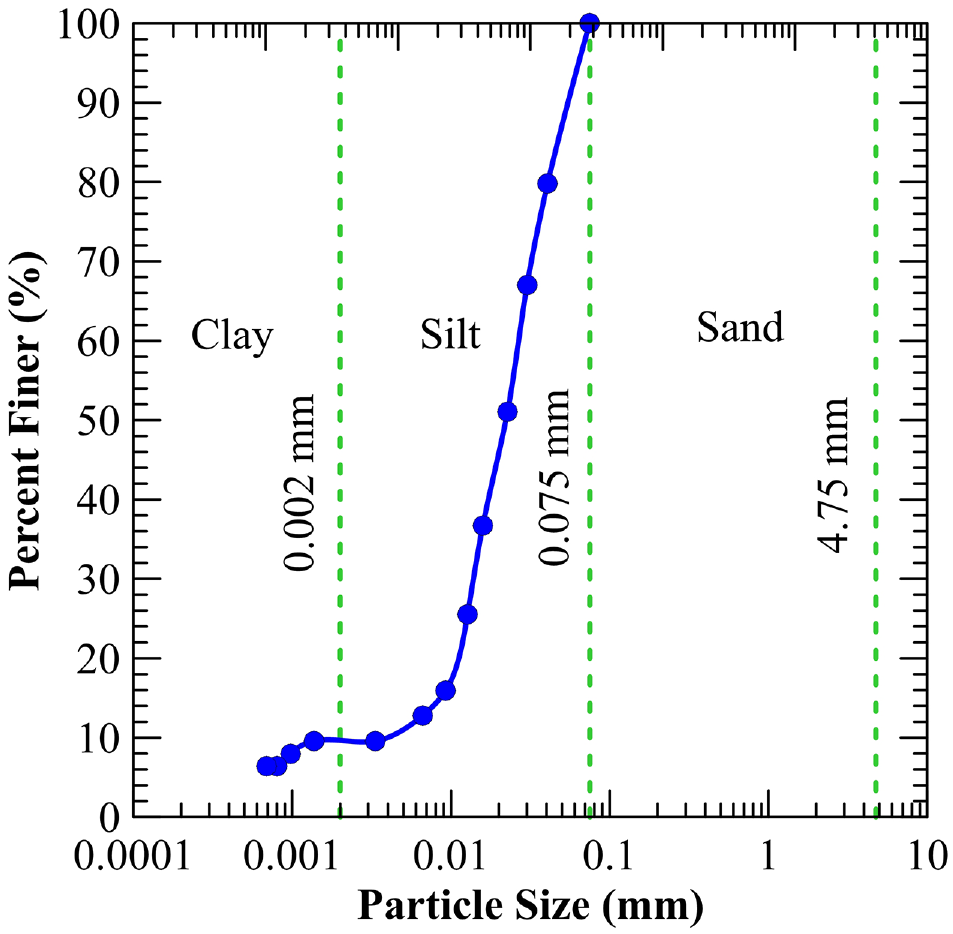
Grain size distribution of silt.
Basic Soil Characterization Test Results for Soil
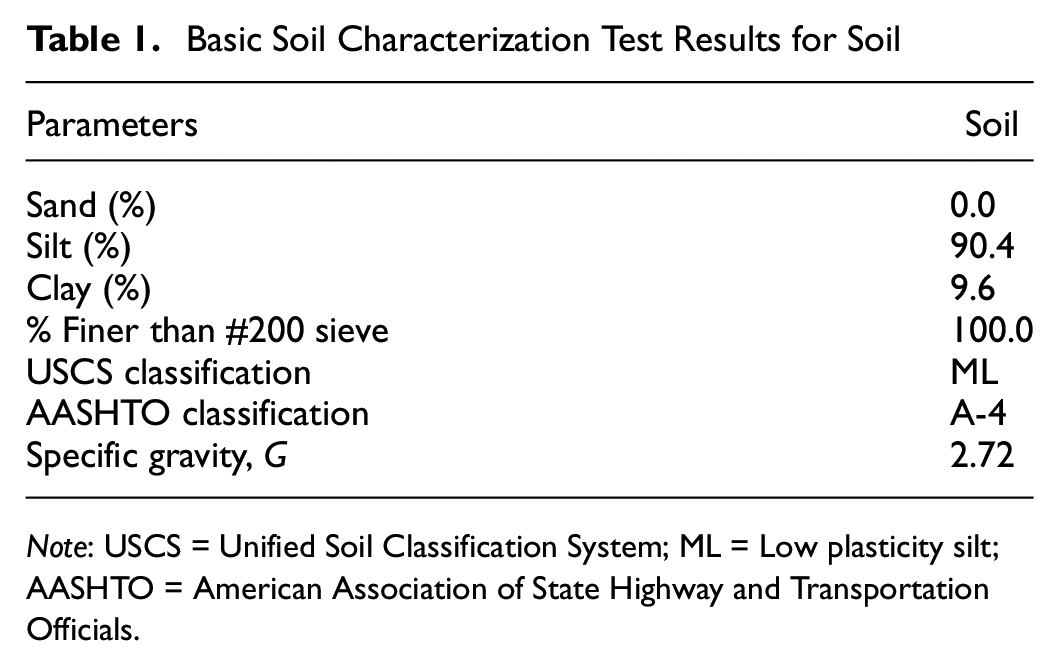
Note: USCS = Unified Soil Classification System; ML = Low plasticity silt; AASHTO = American Association of State Highway and Transportation Officials.
Properties of Cement Type I
Modified Proctor compaction tests were conducted on untreated and cement-treated soil mixtures to determine the maximum dry unit weight (MDUW) and optimum moisture content (OMC). The modified Proctor compaction test was recommended by the U.S. Department of Defense (DOD) protocol for soil stabilization ( 44 ). For the cement-treated soil mixture, compaction tests were conducted at the initial estimated cement content, selected as 9% of the dry weight of soil according to the Unified Facilities Criteria (UFC) 3-250-11 ( 44 ) for ML soil. Figure 2 presents compaction curves for both untreated and cement-treated soil mixtures. The MDUW of 17.5 kN/m3 and OMC of 14.8% were obtained for untreated soil, while cement treatment resulted in 17.3 kN/m3 and 14.2%, respectively. This slight reduction in both MDUW and OMC was because the flocculated structures resist compaction after treatment, which means that they occupy larger spaces in the soil matrix and lead to a reduction in the MDUW ( 4 ).
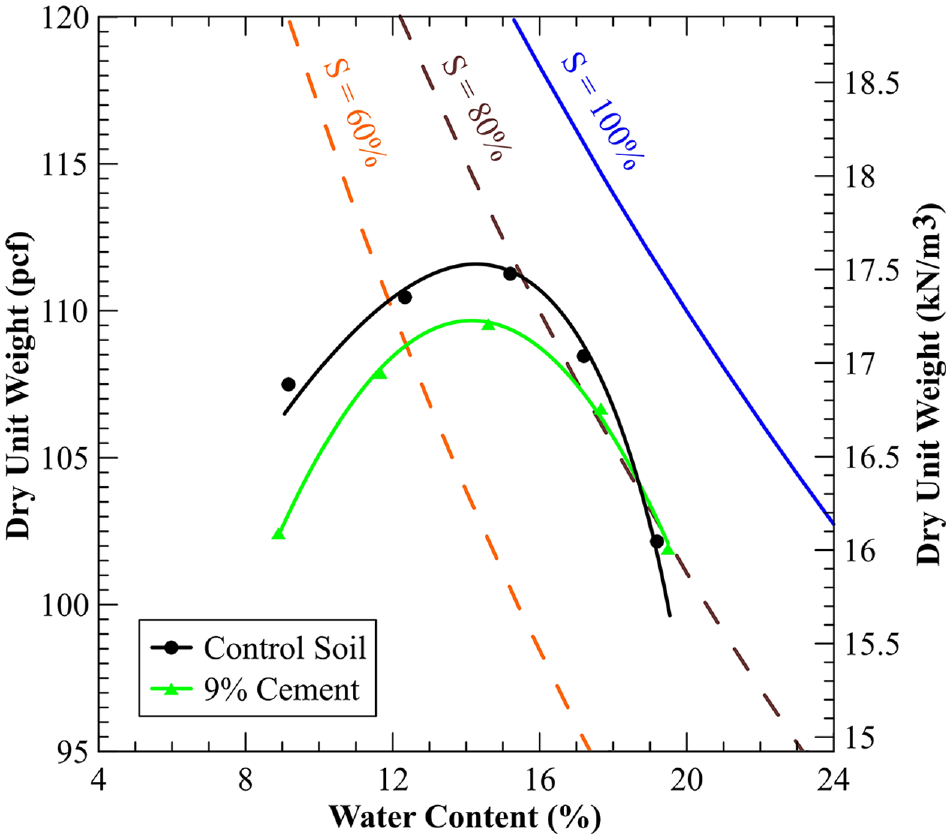
Modified Proctor compaction curves for untreated and cement-treated soil.
Specimen Preparation
Specimens were prepared as per the U.S. Department of Defense guidelines and AASHTO T 307-99 standard ( 19 , 44 , 45 ). Cement-treated specimens were prepared at cement dosages of 7%, 9%, and 11%. The predetermined amount of cement was homogeneously mixed with dry soil until a uniform color was obtained and then water was added to the mixture. The mixtures were then statically compacted into a cylindrical mold having a height of 142 mm and a diameter of 71 mm at respective OMC and MDUW. The same static compaction method has been used by several researchers in the past for specimen preparation (24–27, 42 ). For treated specimens’ preparation, the same MDUW and OMC values at 9% cement dosage were used for the other two cement dosages (7% and 11%). In the present research study, it was decided to compact specimens at 100% of the MDUW obtained from the modified Proctor compaction test. All specimens were compacted within half an hour after mixing soil, cement, and water to prevent the initial set of the soil–cement mixture. These specimens were cured in a moist room (22 ± 2°C and 100% relative humidity) for 6 h (0.25 days) and 3, 7, 14, and 28 days before conducting RLT tests.
Repeated Load Triaxial Test Methodology
In this study, the resilient modulus was measured using a RLT test, which was conducted as per the AASHTO T 307-99 standard. As recommended by the standard, this study considered drained conditions for specimens, and therefore, it does not represent saturated undrained behavior of the soil. The RLT test setup is shown in Figure 3. Different magnitudes of loading consistent with the loading experienced by the subgrade soils in the field were caused by a wide range of vehicular traffic being applied as a haversine-shaped cyclic load. The cyclic load was applied for 0.1 s, followed by a 0.9 s relaxation period. The RLT test determines the resilient modulus at three confining pressures (13.8, 27.6, and 41.4 kPa) and five deviatoric stresses (13.8, 27.6, 41.4, 55.2, and 68.9 kPa). The combination of these stresses represents induced stress conditions under different traffic loads in the field. Each loading sequence is a combination of confining pressure and deviatoric stress, as specified in the AASHTO T 307-99 standard. In this study, the load response was measured using a submersible load cell. Two linear variable differential transducers (LVDT) were used to measure axial deformations of the specimen under cyclic loading. In the RLT test, the specimen was preconditioned by applying 500 load cycles with a cyclic stress of 24.8 kPa at a confining pressure of 41.4 kPa. The preconditioning sequence helps in reducing initial irregularities in contact between the top platen and the test specimen. Also, it helps in removing the effects of the time interval between compaction and loading (AASHTO T 307-99 2017). After the completion of preconditioning, the specimen was tested for 15 loading sequences, each having 100 cycles of loading, at different combinations of deviator stresses and confining pressures. For all 15 loading sequences, the final resilient modulus was determined by averaging the MR of the last five cycles.
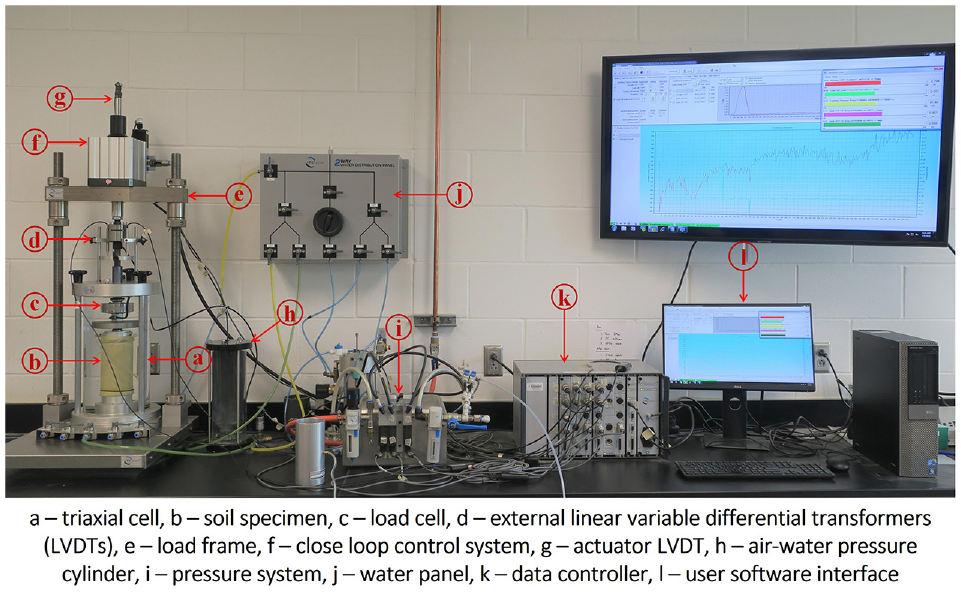
Repeated load triaxial test setup used in this study.
RLT tests were conducted on both untreated and cement-treated silt specimens. Untreated soil specimens were prepared and tested immediately. Cement-treated soil specimens were prepared at 7%, 9%, and 11% cement dosages and cured for 6 h and 3, 7, 14, and 28 days. Treated specimens were subjected to RLT tests after the completion of the curing period. Triplicate specimens were tested for each group and the results provided are the average of three specimens.
Effect of Actuator and External LVDT Measurements on the Resilient Modulus
The RLT test setup measures specimen deformations by the actuator LVDT and two external LVDTs. The locations of these LVDTs are shown in Figure 4. This study determined the resilient modulus using recoverable deformations from both the actuator and external LVDTs to assess the effect of LVDT location and system compliance on the resilient modulus. Here, the resilient moduli of control and cement-treated soil were determined using both recoverable deformations, and are presented in Table 3. The resilient moduli of cement-treated soil with 7% cement dosage cured for 7 days only are presented in Table 3. For comparison, the percentage difference between MR measured using the actuator LVDT (MRa) and the external LVDT (MRe) was determined for both control and cement-treated soil samples. It can be observed that the resilient moduli determined using the actuator LVDT deformations were lower than those of the external LVDTs for both control and cement-treated soil specimens. The percentage difference increased after cement treatment as compared to the control soil, which shows the importance of external LVDT measurements for treated soil. After cement treatment, the magnitudes of deformation measured by the LVDTs were smaller than those of the control soils; therefore, a small difference in deformations between the actuator and external LVDTs might reflect a higher percentage difference compared to the control soil. The actuator LVDT underestimated the resilient modulus of the control and cement-treated silt. The precision of the LVDTs and the distance from the soil specimen might be the reason for this percentage difference. Results of the present study highlighted/supported the importance of external LVDTs for measuring deformations for calculating the resilient modulus of cement-treated soil.
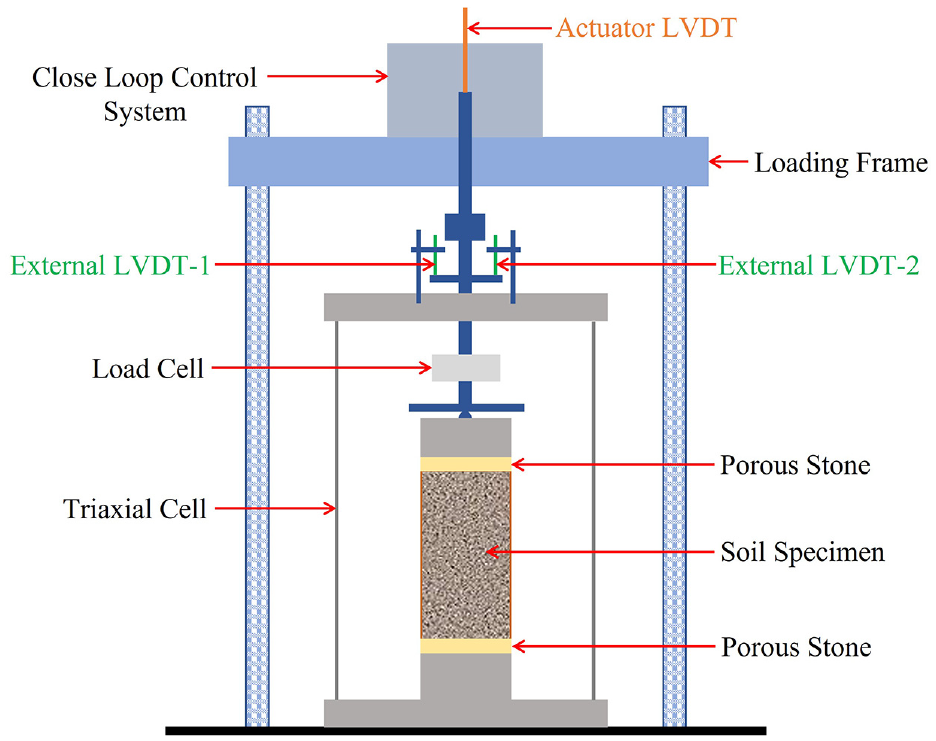
Schematic view of the repeated load triaxial cell.
Resilient Modulus From Actuator and External Linear Variable Differential Transformer Deformations for Control and Cement-Treated Soil
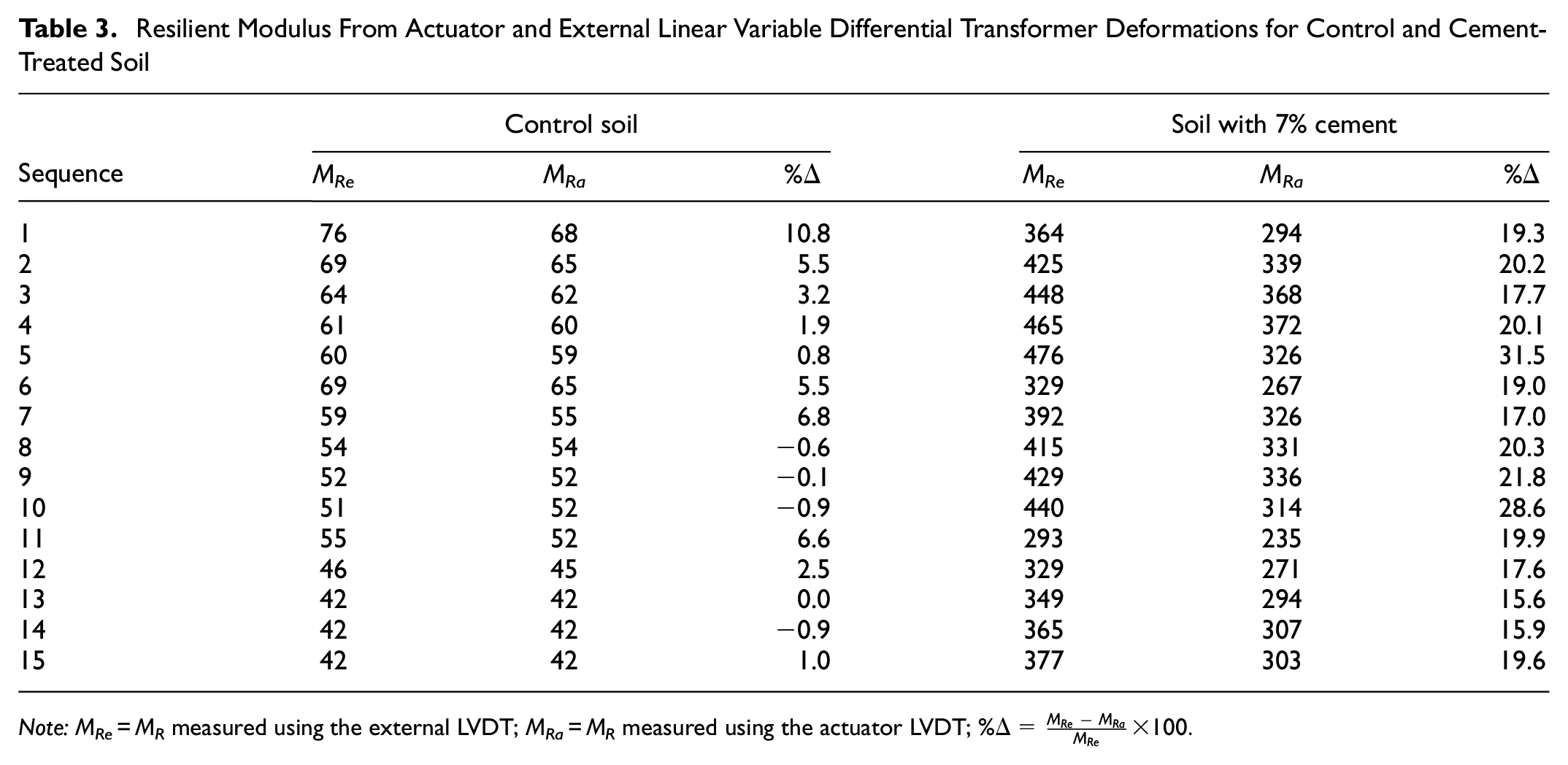
Note: MRe = MR measured using the external LVDT; MRa = MR measured using the actuator LVDT;
Repeated Load Triaxial Test Results and Discussion
Effect of the Stress State
RLT tests were conducted on triplicate soil specimens and average values were used in the figures. The coefficient of variation (COV) was determined and observed to be about 1% in most of the cases, and a maximum COV value of up to 5% was reported in a few cases. Resilient moduli of the control soil and cement-treated soil specimens at different cement dosages, cured for 7 days, are shown in Figure 5. It can be observed that the applied stress state conditions affect the resilient moduli of both the control and cement-treated soil. The resilient modulus of the control soil decreased with an increase in deviator stress, which shows a stress-softening behavior. For the soil considered in the current study, this might be because specimens tend to soften when subjected to higher axial deviatoric loading, which resulted in a low resilient modulus at high axial strain conditions.
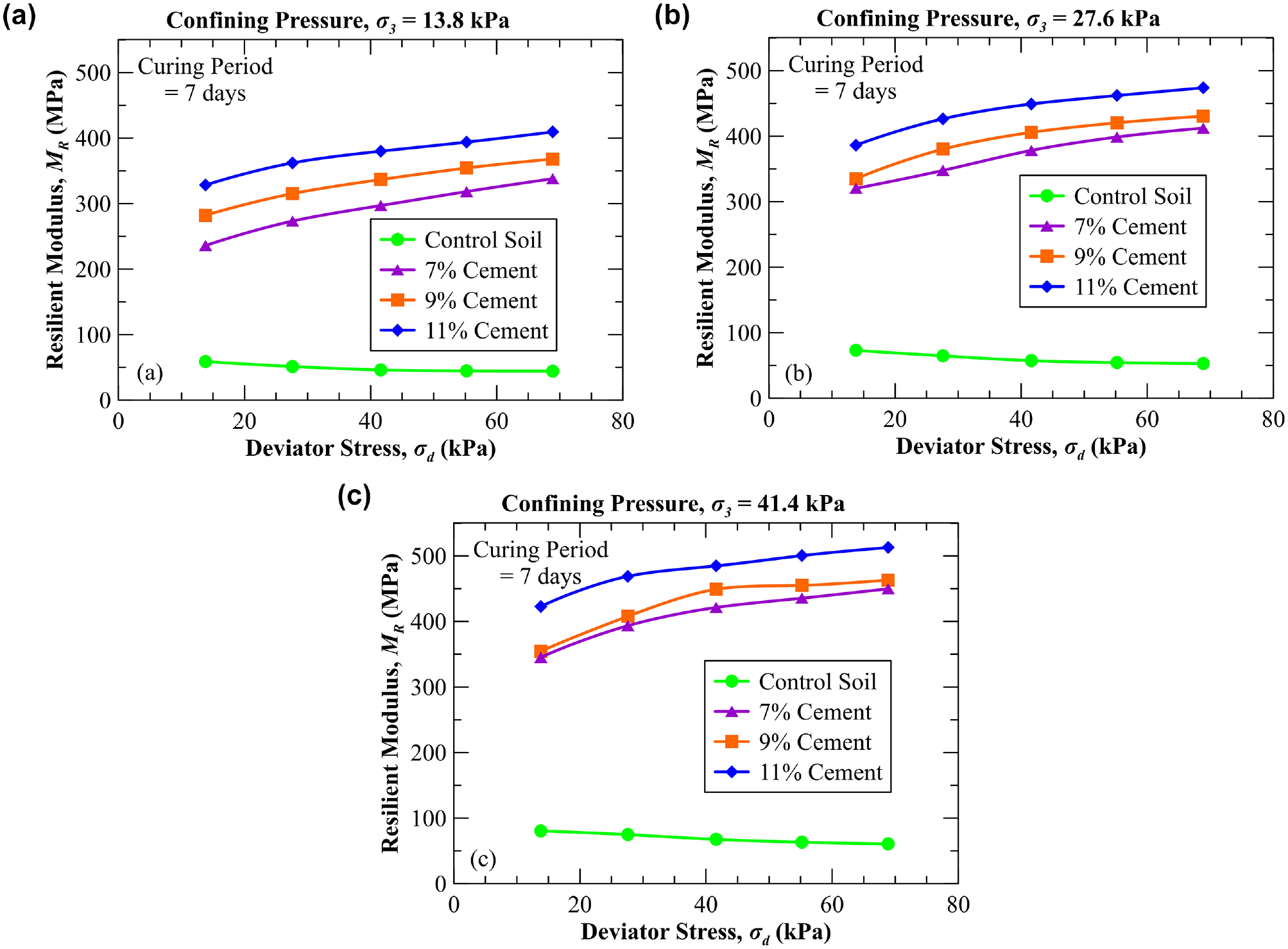
Variation of the resilient modulus with deviator stress at different confining pressures: (a) 13.8 kPa, (b) 27.6 kPa, and (c) 41.4 kPa.
The cement-treated soil specimens, on the other hand, showed an increase in the resilient modulus with an increase in deviator stress, which shows stress-hardening behavior under cyclic loading for all cement dosages. This trend can be attributed to specimens becoming hardened when subjected to higher axial loading, resulting in low axial strains and a high resilient modulus. From the slope of the curves (Figure 5), it can be deduced that the effect of deviator stress is more pronounced at lower deviator stress levels in the case of both the control and cement-treated soil. A significant improvement in the resilient modulus was observed after cement treatment. At the curing period of 7 days, the increment percentage in the resilient modulus varied from 299% to 661%, 340% to 729%, and 374% to 780% for 7%, 9%, and 11% cement dosages, respectively. From Figure 5, it is observed that the resilient moduli increased with an increase in confining pressure for both the control and cement-treated soil.
Effect of Cement Dosage on the Resilient Modulus
Previous studies recommended determining the design resilient modulus value for flexible pavement at the deviatoric stress of 41.4 kPa and confining pressure of 13.8 kPa ( 28 , 46 ). Generally, this stress condition is observed in the subgrade soil layer under traffic loading. Therefore, resilient modulus values corresponding to deviatoric stress of 41.4 kPa and confining pressure of 13.8 kPa (i.e., 13th loading sequence in the AASHTO T-307 test method) were considered for comparison purposes in this section and the following sections also. Figure 6 shows the variation in resilient modulus with cement dosage at all curing periods. It was observed that the resilient modulus increased non-linearly with an increase in cement dosage. This shows that an increase in cement dosage increased the formation of cementitious products, which contributed to an increase in the resilient modulus of the treated soil.
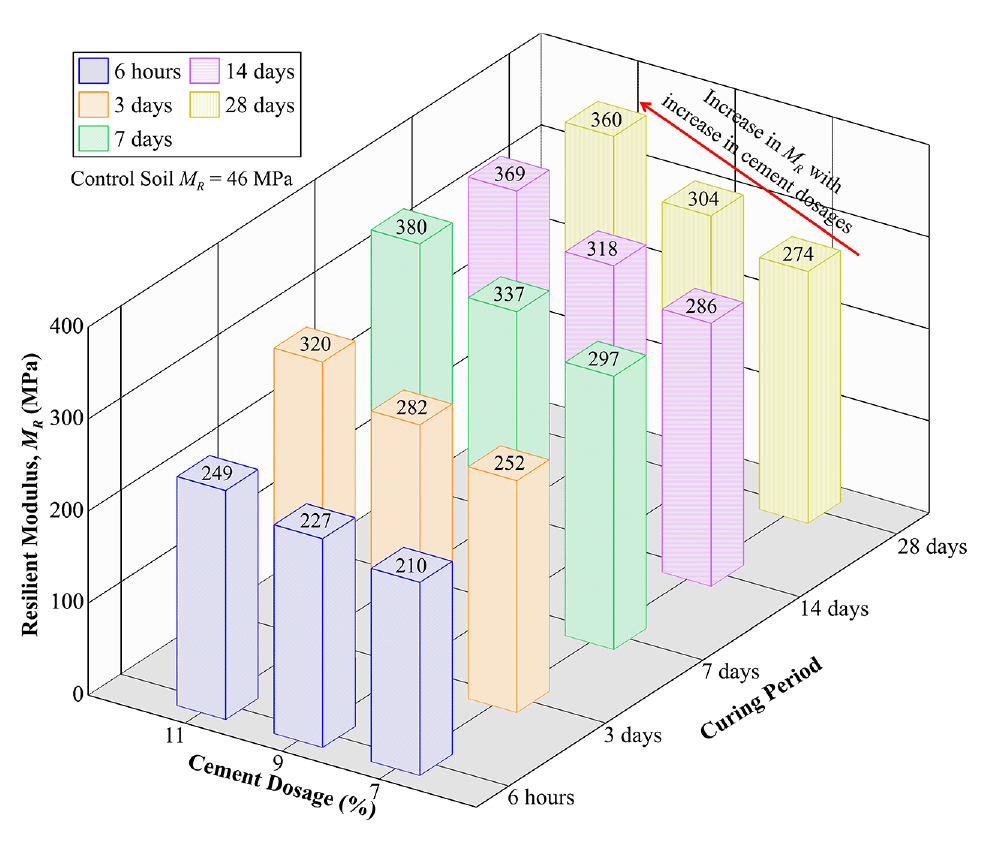
Variation in the resilient modulus with cement dosage at different curing periods.
Effect of Curing Period on the Resilient Modulus
Figure 7 shows the variation in the resilient modulus with the curing period at all cement dosages. Results showed an increase in the resilient modulus with an increase in curing period until 7 days at all cement dosages. This increase in the resilient modulus is because of the formation of more hydration products. A slight reduction in the resilient modulus with an increase in the curing period was observed after 7 days. A previous study ( 29 ) observed that the development of micro-cracks on specimen surfaces during the curing period may have reduced the resilient moduli values of cement-treated soil. Micro-scale studies in future will provide a better understanding of reasons for reduction in the resilient modulus of cement-treated silt with curing time. Overall, the difference among the resilient moduli at 7-, 14-, and 28-day curing periods for each cement dosage is not significant. Based on the COV, this difference can be considered negligible for practical purposes. Therefore, it can be concluded that an increase in the resilient moduli was observed until 7 days and then they stayed almost constant until 28 days.
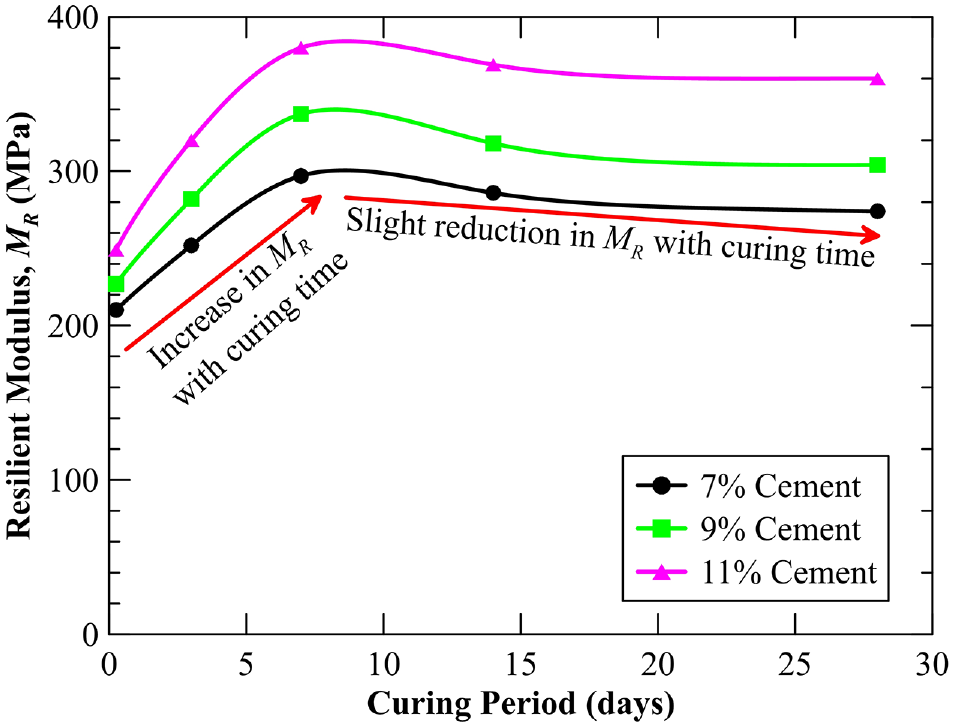
Variation of the resilient modulus with curing period at different cement dosages.
Resilient and Permanent Strains
Figure 8 shows the variation in resilient strains with cyclic deviator stress at different confining pressures for both untreated and cement-treated silt specimens. The resilient strain of the 7% cement dosage-treated specimen cured for 7 days was compared with that of the control soil. The resilient strain increased with an increase in deviator stress. Cement treatment reduced the resilient strain significantly and, therefore, the resilient modulus increased after cement treatment. The resilient strain was reduced by nearly 75%–87%. The rate of increase in resilient strain with deviator stress reduced after cement treatment. It was also observed that the resilient strain reduced with an increase in confining pressure. Other cement dosages exhibited similar results and it was observed that an increase in cement dosage further reduced the resilient strain.
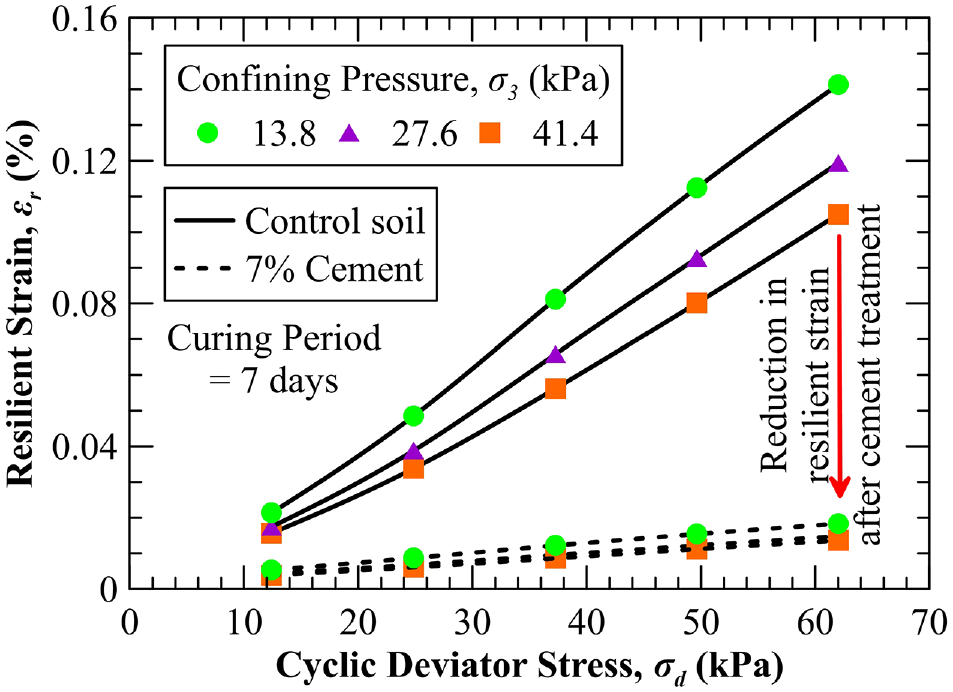
Variation in resilient strain with cyclic deviator stress for control and cement-treated soils.
Variation in permanent strain with the number of cycles for untreated and cement-treated soil is shown in Figure 9. For comparison purposes, the permanent strain of the 7% cement-treated specimen cured for 7 days was considered. The permanent strain at the end of the preconditioning sequence was considered for the zero cycle of the test sequence. For all 15 loading sequences, permanent strain variation with cycle number is presented, and the sequence number is marked. From 0 to 500 cycles, it can be observed that the change in permanent strain was almost negligible with the number of cycles for sequence numbers 1 and 2. Other sequences, 3–5, showed an increase in permanent strain with an increase in cycle number. It is important to mention that the confining pressure was the same for sequences 1–5, but deviator stress increased with sequence number. At higher deviator stress, the permanent strain increased with the number of cycles. After 500 cycles, no further increase in permanent strain was observed with an increase in the number of cycles. The maximum value of permanent strain was almost the same at 500, 1000, and 1500 cycles for the control soil. The influence of deviator stress and the number of cycles on permanent strain was reduced after 500 cycles. Since the specimen was subjected to similar deviator stress values between sequence numbers 6–10 and 11–15 as sequence numbers 1–5, the maximum permanent strain value remained almost the same. After cement treatment, the permanent strain values reduced significantly. The values were almost remained same with a change in the number of cycles.
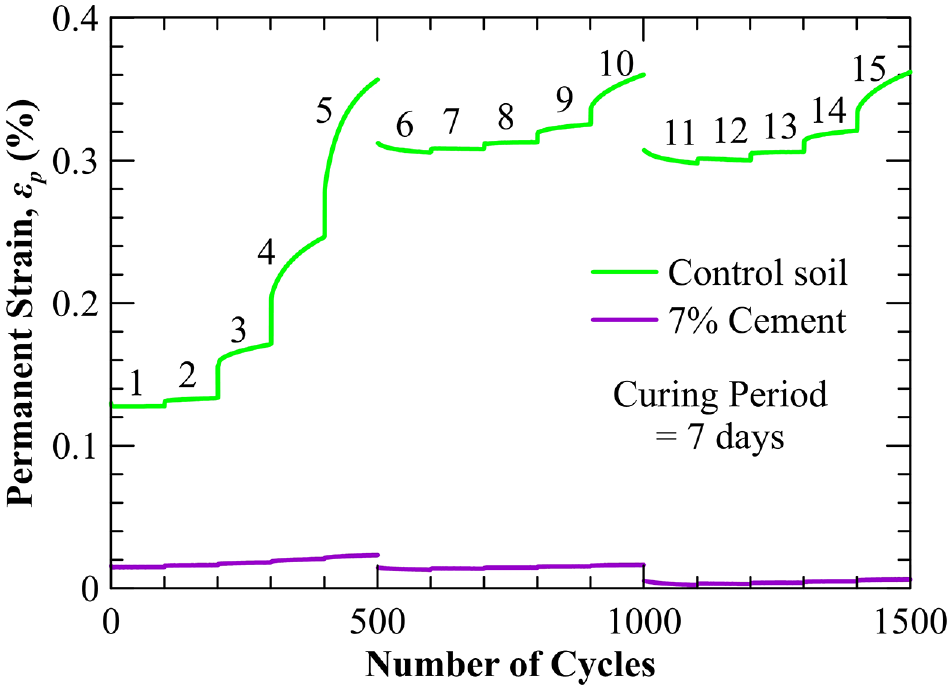
Variation in permanent strain with the number of cycles for untreated and cement-treated soil.
Figure 10 shows the variation in permanent strain with deviator stress at different confining pressures for untreated and cement-treated soil specimens. These permanent strain values were obtained at the end of each loading sequence. Therefore, 15 permanent strain values were obtained for one specimen for different combinations of confining and deviator stresses. For untreated soil, permanent strain increased with an increase in deviator stress at all confining pressures. The maximum value of the permanent strain of untreated soil was almost the same at all confining pressures. It can be observed that the permanent strain reduced significantly after cement treatment. The reduction percentage varied between 85% and 98%. The permanent strain of the cement-treated soil specimen increased negligibly with an increase in deviator stress at all confining pressures. The permanent strain of the cement-treated soil specimen did not experience variations in the number of cycles as compared to the control soil. Permanent strains at other cement dosages were also analyzed and it was observed that the permanent strain reduced further with an increase in cement dosage. The reduction in the permanent strain indicates the effectiveness of the cement treatment in reducing permanent deformation or rutting.
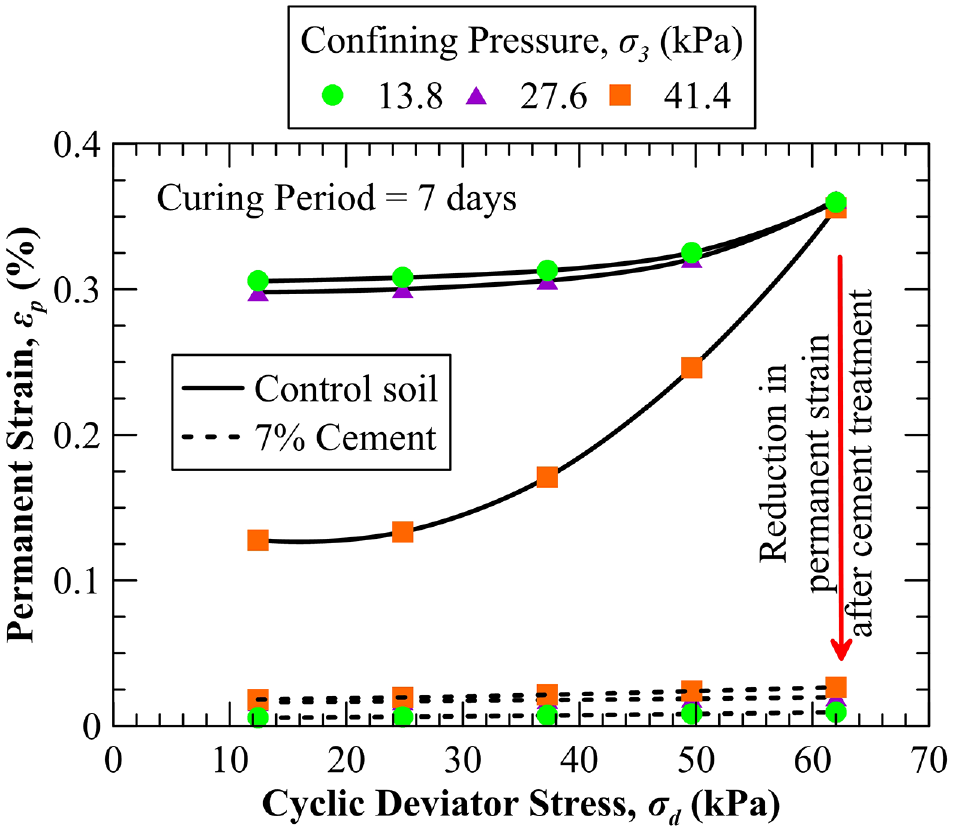
Permanent strain for untreated and cement-treated soil.
Modeling of the Resilient Modulus
Two-Parameter Models
The formulations of the bulk stress and deviatoric stress models are shown in Equations 2 and 3, respectively:


where MR is the resilient modulus; k1, k2, k3, and k4 are the regression constants; σd is the deviator stress = σ1–σ3; θ is the bulk stress = σ1 + σ2 + σ3; and Pa is the atmospheric pressure.
Linear regression analyses were conducted on the MR values to determine the model parameters, coefficient of determination (R2), and P-values. Tables 4 and 5 present the results of regression analyses for the bulk stress and deviator stress models, respectively. The coefficient of determination for the bulk stress model varied from 0.95 to 0.99, except for the control soil specimens, which suggests that it is an excellent fit for cement-treated silt. Also, the P-values are lower than 0.05 for the cement-treated soil samples. The model parameter k1, which is an indicator of MR magnitudes, increased after cement treatment. The value of k1 increased with an increase in cement dosage at all curing periods. With an increase in the curing period, it increased until 7 days and then reduced slightly at all cement dosages. The parameter k2, which indicates the non-linear nature of MR with bulk stress, also increased after cement treatment. A decrease in k2 was observed with an increase in cement dosage at all curing periods. No definite trend was observed for k2 with an increase in the curing period.
Bulk Stress Model Constants for Control and Cement-Treated Soil
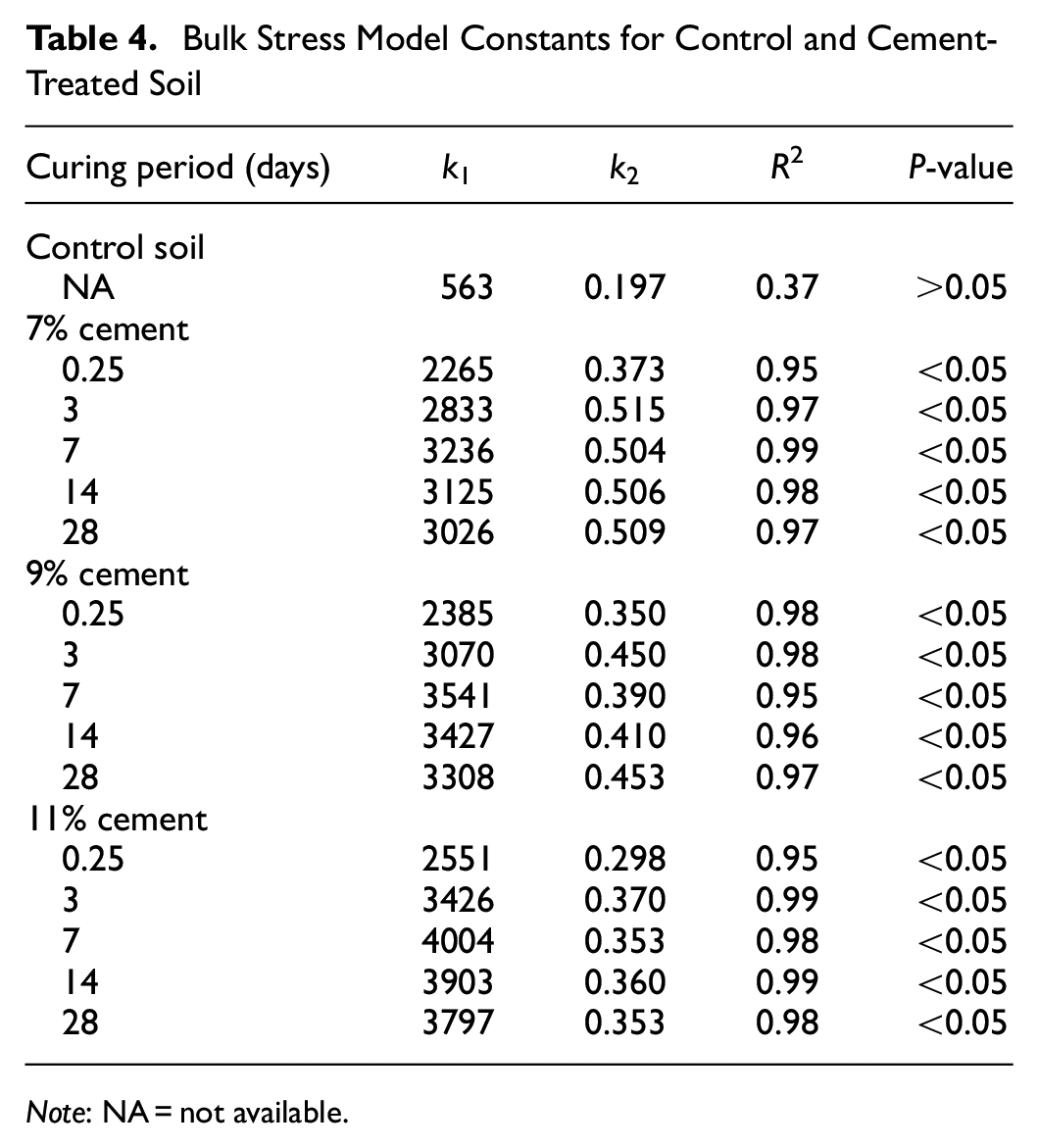
Note: NA = not available.
Deviatoric Stress Model Constants for Control and Cement-Treated Soil
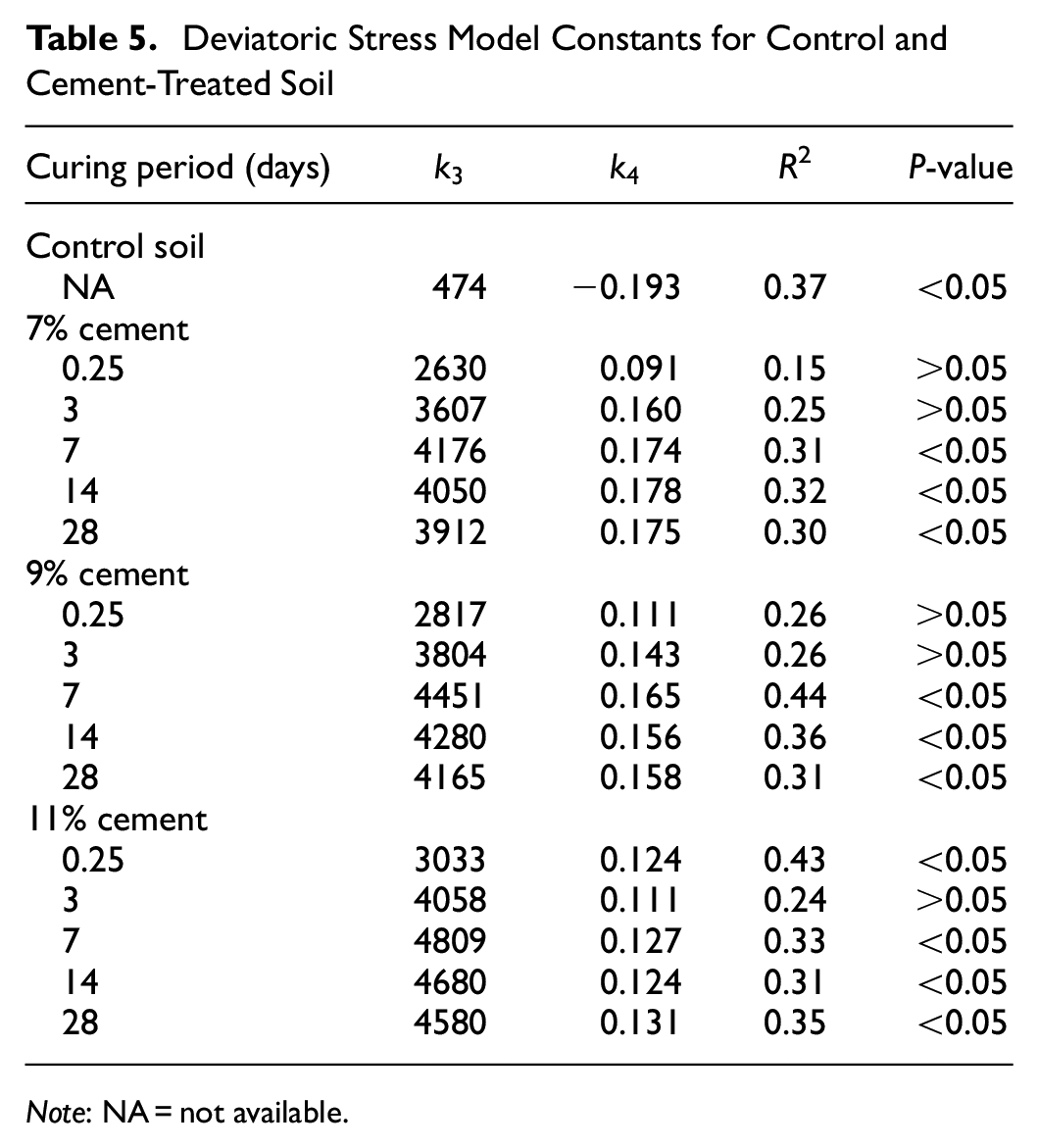
Note: NA = not available.
The coefficient of determination for the deviator stress model varied between 0.15 and 0.44. For this model, the P-values are both lower and higher than 0.05. The model parameter k3 increased after cement treatment. The value of k3 increased with an increase in cement dosage at all curing periods. With an increase in the curing period, the value of k3 increased until 7 days and then reduced slightly at all cement dosages. The parameter k4 indicates the non-linear nature of MR with deviator stress. The effect of deviator stress on MR increased after cement stabilization. A defined pattern was not observed for k4 with an increase in cement dosage and curing period. The control soil obtained a negative value of k4, which shows stress-softening behavior under cyclic deviator stress. On the other hand, cement-treated soil specimens showed positive values, which indicates stress-hardening behavior.
The predicted resilient modulus values were compared with the measured values and are shown in Figures 11 and 12 for the bulk stress and deviator stress models, respectively. It can be observed that the bulk stress model reasonably predicts the resilient modulus values compared to the deviator stress model for cement-treated silt.
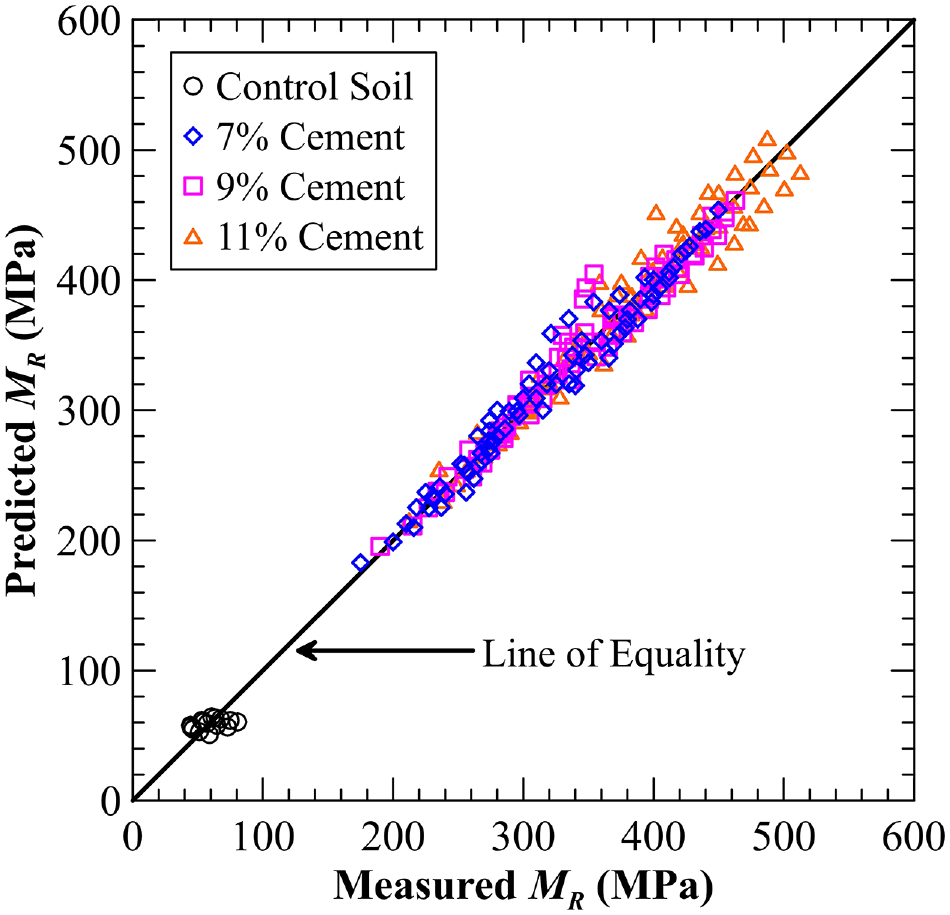
Measured MR versus predicted MR using the bulk stress model for untreated and cement-treated soil.
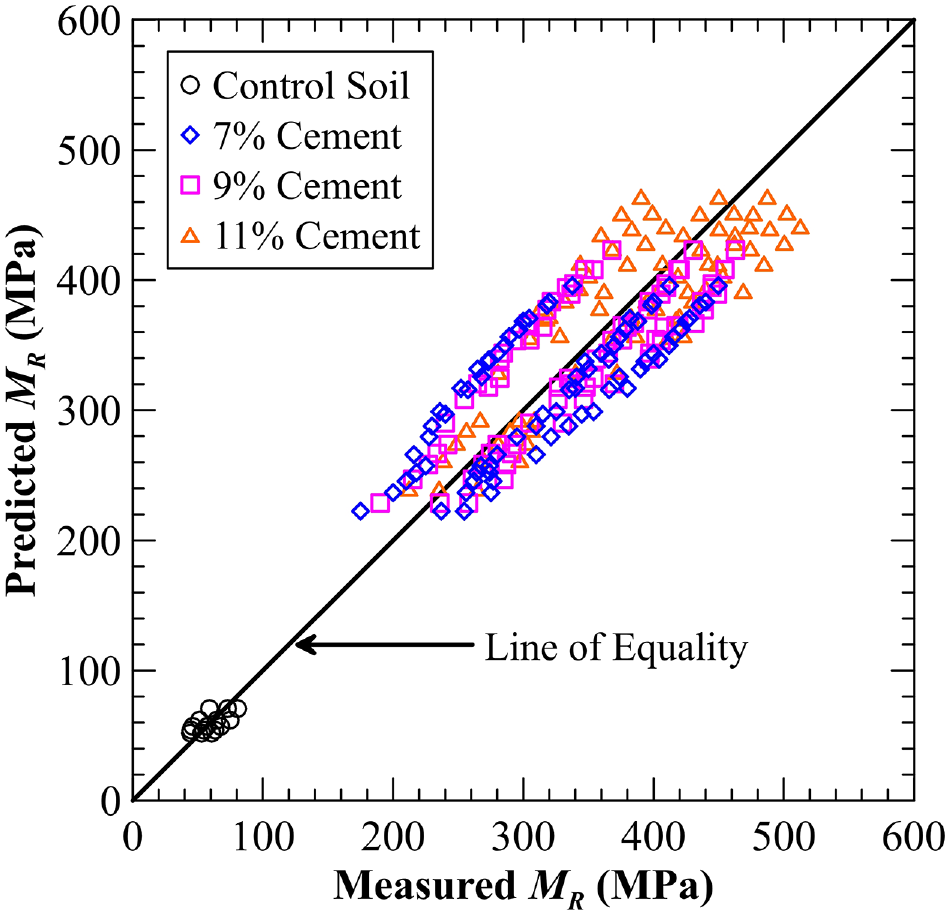
Measured MR versus predicted MR using the deviatoric stress model for untreated and cement-treated soil.
Three-Parameter Model
The formulation of the three-parameter universal model is shown in Equation 4:

where, MR is the resilient modulus; k5, k6, and k7 are the constants; and τoct is the octahedral shear stress.
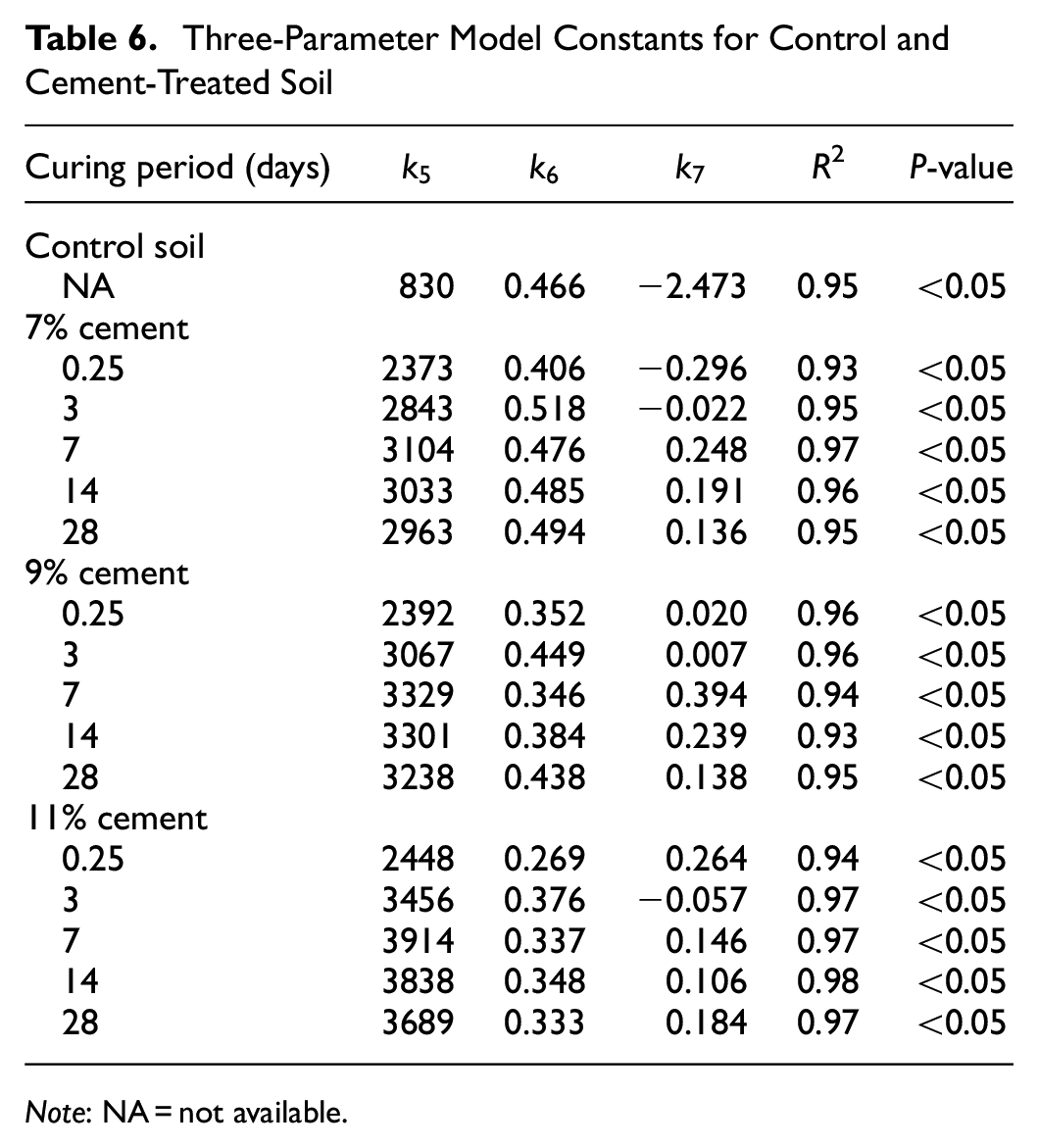
The coefficient of determination for the three-parameter universal model varied from 0.93 to 0.98, which indicates an excellent fit between the model predictions and experimental results for both the control and cement-treated silt studied in this research (Table 6). Also, the P-values are lower than 0.05 for both the untreated and cement-treated soil samples. An increase in the model parameter k5, which is an indicator of MR magnitude, was observed with an increase in cement dosage at all curing periods. The value of k5 increased until 7 days and then reduced slightly with an increase in the curing period at all cement dosages
Three-Parameter Model Constants for Control and Cement-Treated Soil
Note: NA = not available.
The parameter k6, which describes the stiffening of the material with an increase in bulk stress, was less than 1. This indicates that the effect of bulk stress decreased with an increase in the resilient modulus. The value of k6 decreased after cement treatment, except for the 7% cement dosage. This observation shows that the effect of bulk stress on the MR decreased after treatment with the 9% and 11% cement dosages. A reduction in the parameter was observed with an increase in cement dosage at all curing periods. No definite pattern was observed with an increase in the curing period at any cement dosage.
The regression analyses showed that the parameter k7 was negative for the control soil and was positive for all cement-treated soil samples except in a few cases. The value of the parameter increased after cement treatment. With an increase in cement dosage and curing time, a definite pattern was not observed.
Figure 13 shows a comparison between the predicted resilient modulus values and the measured resilient modulus values for the three-parameter universal model. It can be observed that the three-parameter universal model predicts the resilient modulus values for both control and cement-treated silt.
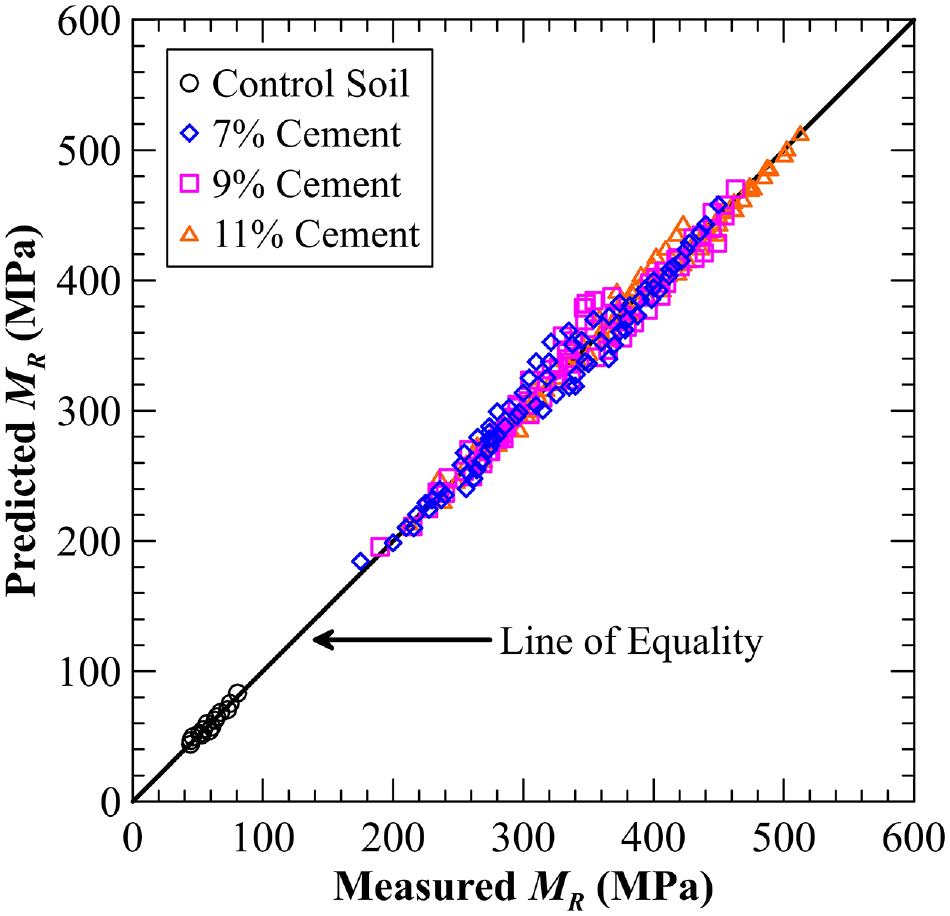
Measured MR versus predicted MR using the three-parameter universal model for untreated and cement-treated soil.
This research study considered both two-parameter (bulk stress and deviator stress) and three-parameter universal models for resilient moduli characterization. Regression analyses showed that the bulk stress model was observed to be an excellent fit for cement-treated silt but did not predict well for untreated silt. The deviator stress model did not provide a good fit for either untreated or cement-treated silt. Therefore, both two-parameter models are not recommended to be used for characterizing the resilient moduli properties of the untreated and cement-treated silt considered in the present research study. The three-parameter universal model provided an excellent fit for both untreated and cement-treated silt and, therefore, it is recommended for the characterization of untreated and cement-treated silt considered in this study.
Summary and Conclusions
The present research study was conducted to investigate the resilient moduli response of cement-treated silt under repeated loading. Laboratory tests such as RLT tests were conducted on silt specimens before and after cement treatment. Resilient moduli were determined using the actuator and external LVDTs readings and compared in this study. The effect of cement dosages and curing time on the resilient moduli of cement-treated silt was also studied. Resilient modulus values were analyzed using three MR characterization models, namely, bulk stress, deviator stress, and three-parameter universal models, and the regression constants were determined. Based on the present experimental tests’ results, the following conclusions can be drawn:
The resilient modulus determined using actuator LVDT readings was smaller than that of the external LVDTs. The percentage difference increased after cement treatment, which indicates an importance of external LVDTs.
The control silty soil showed stress-softening behavior. On the other hand, cement-treated silt specimens showed stress-hardening behavior, indicated by an increase in the resilient modulus with an increase in deviator stress.
The increase in the resilient modulus of soil indicates an improvement in soil stiffness after cement treatment. An increase in the resilient modulus was observed with an increase in cement dosage. This shows that an increase in cement dosage increased the formation of cementitious products, which increased the resilient modulus of the soil. With an increase in the curing period, the resilient modulus was increased until 7 days and then stayed almost constant until 28 days.
The resilient strain, for given stress conditions, reduced significantly after cement treatment and, therefore, the resilient modulus increased after cement treatment. The resilient strain increased with an increase in deviator stress and reduced with an increase in confining pressure.
The permanent strain of the control soil increased with an increase in deviator stress and most of the permanent strain was observed in the initial loading sequences. The permanent strain reduced significantly after cement treatment. The reduction in the permanent strain indicates the effectiveness of the cement treatment in reducing permanent deformation or rutting.
The three-parameter universal model provided an excellent fit for both untreated and cement-treated silt. Therefore, it is recommended to use the three-parameter universal model for the silt examined in this study.
Footnotes
Acknowledgements
The authors would like to acknowledge Geomechanics/Geotechnical Research Group members at the Texas A&M University for their help in the experimental phases.
Author Contributions
The authors confirm contribution to the paper as follows: study conception and design: P. Kumar, A.J. Puppala, S.S.C. Congress, J.S. Tingle; data collection: P. Kumar; analysis and interpretation of results: P. Kumar, A.J. Puppala, S.S.C. Congress, J.S. Tingle; draft manuscript preparation: P. Kumar, A. Puppala, S.S.C. Congress. All authors reviewed the results and approved the final version of the manuscript.
Declaration of Conflicting Interests
The author(s) declared no potential conflicts of interest with respect to the research, authorship, and/or publication of this article.
Funding
The author(s) disclosed receipt of the following financial support for the research, authorship, and/or publication of this article: This research was funded by US Army Engineer Research and Development Center, Vicksburg, MS Award #W912HZ 20P0090.
